Identification
- Summary
Aspirin is a salicylate used to treat pain, fever, inflammation, migraines, and reducing the risk of major adverse cardiovascular events.
- Brand Names
- Aggrenox, Alka-seltzer, Alka-seltzer Fruit Chews, Anacin, Arthriten Inflammatory Pain, Ascomp, Aspi-cor, Aspir-low, Bayer Aspirin, Bayer Womens, Bc Arthritis, Bc Original Formula, Bufferin, Duoplavin, Durlaza, Ecotrin, Ecpirin, Endodan Reformulated May 2009, Equagesic, Exaprin, Excedrin, Excedrin PM Triple Action, Fasprin, Fiorinal, Goody's Body Pain, Goody's Extra Strength, Goody's PM, Miniprin, Norgesic, Norgesic Forte, Orphengesic, Pamprin Max Formula, Robaxisal, ST. Joseph Aspirin, Stanback Headache Powder Reformulated Jan 2011, Trianal, Trianal C, Vanquish, Vazalore, Yosprala
- Generic Name
- Acetylsalicylic acid
Commonly known or available as Aspirin - DrugBank Accession Number
- DB00945
- Background
Also known as Aspirin, acetylsalicylic acid (ASA) is a commonly used drug for the treatment of pain and fever due to various causes. Acetylsalicylic acid has both anti-inflammatory and antipyretic effects. This drug also inhibits platelet aggregation and is used in the prevention of blood clots stroke, and myocardial infarction (MI) Label.
Interestingly, the results of various studies have demonstrated that long-term use of acetylsalicylic acid may decrease the risk of various cancers, including colorectal, esophageal, breast, lung, prostate, liver and skin cancer 15. Aspirin is classified as a non-selective cyclooxygenase (COX) inhibitor 11,14 and is available in many doses and forms, including chewable tablets, suppositories, extended release formulations, and others 19.
Acetylsalicylic acid is a very common cause of accidental poisoning in young children. It should be kept out of reach from young children, toddlers, and infants Label.
- Type
- Small Molecule
- Groups
- Approved, Vet approved
- Structure
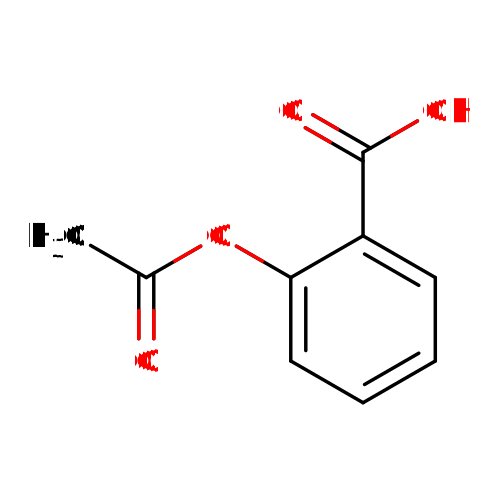
Structure for Acetylsalicylic acid (DB00945)
- Weight
- Average: 180.1574
Monoisotopic: 180.042258744 - Chemical Formula
- C9H8O4
- Synonyms
- 2-Acetoxybenzenecarboxylic acid
- 2-Acetoxybenzoic acid
- Acetylsalicylate
- Acetylsalicylsäure
- acide 2-(acétyloxy)benzoïque
- Acide acétylsalicylique
- ácido acetilsalicílico
- Acidum acetylsalicylicum
- ASA
- Aspirin
- Aspirina
- Azetylsalizylsäure
- o-acetoxybenzoic acid
- O-acetylsalicylic acid
- o-carboxyphenyl acetate
- Polopiryna
- Salicylic acid acetate
- External IDs
- BAY1019036
- NSC-27223
- NSC-406186

Pharmacology
- Indication
Pain, fever, and inflammation
Acetylsalicylic acid (ASA), in the regular tablet form (immediate-release), is indicated to relieve pain, fever, and inflammation associated with many conditions, including the flu, the common cold, neck and back pain, dysmenorrhea, headache, tooth pain, sprains, fractures, myositis, neuralgia, synovitis, arthritis, bursitis, burns, and various injuries. It is also used for symptomatic pain relief after surgical and dental procedures Label.
The extra strength formulation of acetylsalicylic acid is also indicated for the management migraine pain with photophobia (sensitivity to light) and phonophobia (sensitivity to sound)Label.
Other indications
ASA is also indicated for various other purposes, due to its ability to inhibit platelet aggregation. These include:
Reducing the risk of cardiovascular death in suspected cases of myocardial infarction (MI) Label.
Reducing the risk of a first non-fatal myocardial infarction in patients, and for reducing the risk of morbidity and mortality in cases of unstable angina and in those who have had a prior myocardial infarction Label.
For reducing the risk of transient ischemic attacks (TIA) and to prevent atherothrombotic cerebral infarction (in conjunction with other treatments) Label.
For the prevention of thromboembolism after hip replacement surgery Label.
For decreasing platelet to platelet adhesion following carotid endarterectomy, aiding in the prevention of transient ischemic attacks (TIA) Label.
Used for patients undergoing hemodialysis with a silicone rubber arteriovenous cannula inserted to prevent thrombosis at the insertion site Label.
Important note regarding use of the extended-release formulation 22
In the setting of acute myocardial infarction, or before percutaneous interventions, the extended-release form of acetylsalicylic acid should not be used. Use immediate-release formulations in scenarios requiring rapid onset of action Label,22. The extended-release form is taken to decrease the incidence of mortality and myocardial infarction (MI) for individuals diagnosed with chronic coronary artery disease (CAD), including patients with previous myocardial infarction (MI) or unstable angina or with chronic stable angina. Additionally, the extended-release form is used to decrease the risk of death and recurrent episodes of stroke in patients with a history of stroke or TIA 22.
 Reduce drug development failure ratesBuild, train, & validate machine-learning modelswith evidence-based and structured datasets.Build, train, & validate predictive machine-learning models with structured datasets.
- Associated Conditions
Indication Type Indication Combined Product Details Approval Level Age Group Patient Characteristics Dose Form Treatment of Acute coronary syndrome (acs) ••• ••••• Used in combination to manage Anxiety Combination Product in combination with: Meprobamate (DB00371) ••• ••••• Symptomatic treatment of Arthritis •••••••••••• ••••••• •••••••• •••••••• ••••••• ••••••••• ••••••• ••••••• •••••• ••••••••••••••• ••••••• ••••••• ••••••• •••• •••••• Prevention of Atherothrombotic cerebral infarction •••••••••••• Prevention of Cardiovascular disease ••• ••••• - Associated Therapies
- Contraindications & Blackbox Warnings
 Prevent Adverse Drug Events TodayTap into our Clinical API for life-saving information on contraindications & blackbox warnings, population restrictions, harmful risks, & more.Avoid life-threatening adverse drug events with our Clinical API
- Pharmacodynamics
Effects on pain and fever
Acetylsalicylic acid disrupts the production of prostaglandins throughout the body by targeting cyclooxygenase-1 (COX-1) and cyclooxygenase-2 (COX-2) 9,10,11. Prostaglandins are potent, irritating substances that have been shown to cause headaches and pain upon injection into humans. Prostaglandins increase the sensitivity of pain receptors and substances such as histamine and bradykinin. Through the disruption of the production and prevention of release of prostaglandins in inflammation, this drug may stop their action at pain receptors, preventing symptoms of pain. Acetylsalicylic acid is considered an antipyretic agent because of its ability to interfere with the production of brain prostaglandin E1. Prostaglandin E1 is known to be an extremely powerful fever-inducing agent Label.
Effects on platelet aggregation
The inhibition of platelet aggregation by ASA occurs because of its interference with thromboxane A2 in platelets, caused by COX-1 inhibition. Thromboxane A2 is an important lipid responsible for platelet aggregation, which can lead to clot formation and future risk of heart attack or stroke Label.
A note on cancer prevention
ASA has been studied in recent years to determine its effect on the prevention of various malignancies 15. In general, acetylsalicylic acid is involved in the interference of various cancer signaling pathways, sometimes inducing or upregulating tumor suppressor genes 15,17. Results of various studies suggest that there are beneficial effects of long-term ASA use in the prevention of several types of cancer, including stomach, colorectal, pancreatic, and liver cancers 16. Research is ongoing.
- Mechanism of action
Acetylsalicylic acid (ASA) blocks prostaglandin synthesis. It is non-selective for COX-1 and COX-2 enzymes 9,10,11. Inhibition of COX-1 results in the inhibition of platelet aggregation for about 7-10 days (average platelet lifespan). The acetyl group of acetylsalicylic acid binds with a serine residue of the cyclooxygenase-1 (COX-1) enzyme, leading to irreversible inhibition. This prevents the production of pain-causing prostaglandins. This process also stops the conversion of arachidonic acid to thromboxane A2 (TXA2), which is a potent inducer of platelet aggregation Label. Platelet aggregation can result in clots and harmful venous and arterial thromboembolism, leading to conditions such as pulmonary embolism and stroke.
It is important to note that there is 60% homology between the protein structures of COX-1 and COX-2. ASA binds to serine 516 residue on the active site of COX-2 in the same fashion as its binding to the serine 530 residue located on the active site of COX-1. The active site of COX-2 is, however, slightly larger than the active site of COX-1, so that arachidonic acid (which later becomes prostaglandins) manages to bypass the aspirin molecule inactivating COX-2 11,12. ASA, therefore, exerts more action on the COX-1 receptor rather than on the COX-2 receptor 14. A higher dose of acetylsalicylic acid is required for COX-2 inhibition 15.
Target Actions Organism AProstaglandin G/H synthase 1 inhibitorHumans AProstaglandin G/H synthase 2 inhibitorHumans UAldo-keto reductase family 1 member C1 inhibitorHumans U5'-AMP-activated protein kinase activatorHumans UEndothelin-1 receptor inhibitorHumans UCellular tumor antigen p53 inducerHumans U78 kDa glucose-regulated protein inhibitorbinderHumans URibosomal protein S6 kinase alpha-3 inhibitorHumans UNF-kappa-B inhibitor alpha inhibitorHumans UTumor necrosis factor-inducible gene 6 protein inhibitordownregulatorHumans UCaspase-1 inhibitordownregulatorHumans UCaspase-3 inhibitordownregulatorHumans UInhibitor of nuclear factor kappa-B kinase subunit beta Not Available Humans UExtracellular signal-regulated kinase (ERK) Not Available Humans UG1/S-specific cyclin-D1 downregulatorHumans UMyc proto-oncogene protein downregulatorHumans UProliferating cell nuclear antigen downregulatorHumans UCyclin A downregulatorUSialidase-1 inhibitorHumans - Absorption
Absorption is generally rapid and complete following oral administration but absorption may be variable depending on the route, dosage form, and other factors including but not limited to the rate of tablet dissolution, gastric contents, gastric emptying time, and gastric pH Label.
Detailed absorption information
When ingested orally, acetylsalicylic acid is rapidly absorbed in both the stomach and proximal small intestine. The non-ionized acetylsalicylic acid passes through the stomach lining by passive diffusion. Ideal absorption of salicylate in the stomach occurs in the pH range of 2.15 - 4.10. Intestinal absorption of acetylsalicylic acid occurs at a much faster rate. At least half of the ingested dose is hydrolyzed to salicylic acid in the first-hour post-ingestion by esterases found in the gastrointestinal tract. Peak plasma salicylate concentrations occur between 1-2 hours post-administration Label.
- Volume of distribution
This drug is distributed to body tissues shortly after administration. It is known to cross the placenta. The plasma contains high levels of salicylate, as well as tissues such as spinal, peritoneal and synovial fluids, saliva and milk. The kidney, liver, heart, and lungs are also found to be rich in salicylate concentration after dosing. Low concentrations of salicylate are usually low, and minimal concentrations are found in feces, bile, and sweat Label.
- Protein binding
50% to 90% of a normal therapeutic concentration salicylate (a main metabolite of acetylsalicylic acid Label) binds plasma proteins, particularly albumin, while acetylsalicylic acid itself binds negligibly Label. Acetylsalicylic acid has the ability to bind to and acetylate many proteins, hormones, DNA, platelets, and hemoglobin Label.
- Metabolism
Acetylsalicylic acid is hydrolyzed in the plasma to salicylic acid. Plasma concentrations of aspirin following after administration of the extended-release form are mostly undetectable 4-8 hours after ingestion of a single dose. Salicylic acid was measured at 24 hours following a single dose of extended-release acetylsalicylic acid 22.
Salicylate is mainly metabolized in the liver, although other tissues may also be involved in this process Label. The major metabolites of acetylsalicylic acid are salicylic acid, salicyluric acid, the ether or phenolic glucuronide and the ester or acyl glucuronide. A small portion is converted to gentisic acid and other hydroxybenzoic acids Label.
Hover over products below to view reaction partners
- Route of elimination
Excretion of salicylates occurs mainly through the kidney, by the processes of glomerular filtration and tubular excretion, in the form of free salicylic acid, salicyluric acid, and, additionally, phenolic and acyl glucuronides Label.
Salicylate can be found in the urine soon after administration, however, the entire dose takes about 48 hours to be completely eliminated. The rate of salicylate is often variable, ranging from 10% to 85% in the urine, and heavily depends on urinary pH. Acidic urine generally aids in reabsorption of salicylate by the renal tubules, while alkaline urine increases excretion Label.
After the administration of a typical 325mg dose, the elimination of ASA is found to follow first order kinetics in a linear fashion. At high concentrations, the elimination half-life increases Label.
- Half-life
The half-life of ASA in the circulation ranges from 13 - 19 minutes. Blood concentrations drop rapidly after complete absorption. The half-life of the salicylate ranges between 3.5 and 4.5 hours Label.
- Clearance
The clearance rate of acetylsalicylic acid is extremely variable, depending on several factors 6. Dosage adjustments may be required in patients with renal impairment Label. The extended-release tablet should not be administered to patients with eGFR of less than 10 mL/min 22.
- Adverse Effects
 Improve decision support & research outcomesWith structured adverse effects data, including: blackbox warnings, adverse reactions, warning & precautions, & incidence rates. View sample adverse effects data in our new Data Library!Improve decision support & research outcomes with our structured adverse effects data.
- Toxicity
Lethal doses
Acute oral LD50 values have been reported as over 1.0 g/kg in humans, cats, and dogs, 0.92 g/kg - 1.48 g/kg in albino rats, 1.19 g/kg in guinea pigs, 1.1 g/kg in mice, and 1.8 g/kg in rabbit models Label.
Acute toxicity
Salicylate toxicity is a problem that may develop with both acute and chronic salicylate exposure 7. Multiple organ systems may be affected by salicylate toxicity, including the central nervous system, the pulmonary system, and the gastrointestinal system. Severe bleeding may occur. In the majority of cases, patients suffering from salicylate toxicity are volume-depleted at the time of presentation for medical attention. Fluid resuscitation should occur immediately and volume status should be monitored closely. Disruptions in acid-base balance are frequent in ASA toxicity 7.
The acute toxicity of acetylsalicylic in animals has been widely studied. The signs of poisoning in rats from lethal doses are mild to severe gastroenteritis, hepatitis, nephritis, pulmonary edema, encephalopathy, shock and some toxic effects on other organs and tissues. Mortality has been observed following convulsions or cardiovascular shock. An important differentiating property between various animal species is the ability to vomit toxic doses. Humans, cats and dogs have this ability, but rodents or rabbits do not Label.
Chronic toxicity and carcinogenesis
Chronic ASA toxicity is frequently accompanied by atypical clinical presentations that may be similar to diabetic ketoacidosis, delirium, cerebrovascular accident (CVA), myocardial infarction (MI) or cardiac failure. Plasma salicylate concentrations should be measured if salicylate intoxication is suspected, even if there no documentation available to suggest ASA was ingested. In older age, nephrotoxicity from salicylates increases, and the risk of upper gastrointestinal hemorrhage is increased, with higher rates of mortality 8. It is also important to note that ASA toxicity may occur even with close to normal serum concentrations. Prevention of chronic ASA includes the administration of smallest possible doses, avoidance of concurrent use of salicylate drugs, and therapeutic drug monitoring. Renal function should be regularly monitored and screening for gastrointestinal bleeding should be done at regular intervals 8.
Chronic toxicity studies were performed in rodents. ASA was administered at doses measured to be 2 to 20 times the maximum tolerated clinical dose to mice for up to one year. Negative dose-related effects were seen. These include decreased mean survival time, decreased number of births and progeny reaching an appropriate age for weaning. No evidence of carcinogenesis was found in 1-year studies Label. At daily doses of 0.24 g/kg/day given for 100 days to albino rats, ASA led to signs to excessive thirst, aciduria, diuresis, drowsiness, hyperreflexia, piloerection, changes in respiration, tachycardia, followed by soft stools, epistaxis, sialorrhea, dacryorrhea and mortality during hypothermic coma in the second study month Label.
Use in pregnancy and lactation
While teratogenic effects were observed in animals nearly lethal doses, no evidence suggests that this drug is teratogenic in humans Label. It is advisable, however, to avoid ASA use the first and second trimester of pregnancy, unless it is clearly required. If acetylsalicylic acid containing drugs are ingested by a patient attempting to conceive, or during the first and second trimester of pregnancy, the lowest possible dose at the shortest possible duration should be taken Label. This drug is contraindicated in the 3rd trimester of pregnancy Label.
- Pathways
Pathway Category Acetylsalicylic Acid Action Pathway Drug action - Pharmacogenomic Effects/ADRs
Interacting Gene/Enzyme Allele name Genotype(s) Defining Change(s) Type(s) Description Details Cytochrome P450 2C9 CYP2C9*3 (C;C) / (A;C) C Allele Effect Directly Studied Patients with this genotype have reduced metabolism of acetylsalicylic acid. Details Leukotriene C4 synthase --- (A;C) / (C;C) C allele ADR Directly Studied The presence of this genotype in LTC4S may indicate an increased risk of chronic urticaria when treated with acetylsalicylic acid. Details Integrin beta-3 GPIIIa PlA2 (C;C) / (C;T) T > C Effect Directly Studied Patients with this genotype have increased resistance to the anti-thrombotic effects of aspirin. Details Cytochrome P450 2C9 CYP2C9*6 Not Available 818delA Effect Inferred Poor drug metabolizer, lower dose requirements Details Cytochrome P450 2C9 CYP2C9*15 Not Available 485C>A Effect Inferred Poor drug metabolizer, lower dose requirements Details Cytochrome P450 2C9 CYP2C9*25 Not Available 353_362delAGAAATGGAA Effect Inferred Poor drug metabolizer, lower dose requirements Details Cytochrome P450 2C9 CYP2C9*35 Not Available 374G>T / 430C>T Effect Inferred Poor drug metabolizer, lower dose requirements Details Cytochrome P450 2C9 CYP2C9*2 Not Available 430C>T Effect Inferred Poor drug metabolizer, lower dose requirements Details Cytochrome P450 2C9 CYP2C9*4 Not Available 1076T>C Effect Inferred Poor drug metabolizer, lower dose requirements Details Cytochrome P450 2C9 CYP2C9*5 Not Available 1080C>G Effect Inferred Poor drug metabolizer, lower dose requirements Details Cytochrome P450 2C9 CYP2C9*8 Not Available 449G>A Effect Inferred Poor drug metabolizer, lower dose requirements Details Cytochrome P450 2C9 CYP2C9*11 Not Available 1003C>T Effect Inferred Poor drug metabolizer, lower dose requirements Details Cytochrome P450 2C9 CYP2C9*12 Not Available 1465C>T Effect Inferred Poor drug metabolizer, lower dose requirements Details Cytochrome P450 2C9 CYP2C9*13 Not Available 269T>C Effect Inferred Poor drug metabolizer, lower dose requirements Details Cytochrome P450 2C9 CYP2C9*14 Not Available 374G>A Effect Inferred Poor drug metabolizer, lower dose requirements Details Cytochrome P450 2C9 CYP2C9*16 Not Available 895A>G Effect Inferred Poor drug metabolizer, lower dose requirements Details Cytochrome P450 2C9 CYP2C9*18 Not Available 1075A>C / 1190A>C … show all Effect Inferred Poor drug metabolizer, lower dose requirements Details Cytochrome P450 2C9 CYP2C9*26 Not Available 389C>G Effect Inferred Poor drug metabolizer, lower dose requirements Details Cytochrome P450 2C9 CYP2C9*28 Not Available 641A>T Effect Inferred Poor drug metabolizer, lower dose requirements Details Cytochrome P450 2C9 CYP2C9*30 Not Available 1429G>A Effect Inferred Poor drug metabolizer, lower dose requirements Details Cytochrome P450 2C9 CYP2C9*33 Not Available 395G>A Effect Inferred Poor drug metabolizer, lower dose requirements Details
Interactions
- Drug Interactions
- This information should not be interpreted without the help of a healthcare provider. If you believe you are experiencing an interaction, contact a healthcare provider immediately. The absence of an interaction does not necessarily mean no interactions exist.
Drug Interaction Integrate drug-drug
interactions in your softwareAbacavir Acetylsalicylic acid may decrease the excretion rate of Abacavir which could result in a higher serum level. Abatacept The metabolism of Acetylsalicylic acid can be increased when combined with Abatacept. Abciximab Acetylsalicylic acid may increase the antiplatelet activities of Abciximab. Abrocitinib The risk or severity of bleeding and thrombocytopenia can be increased when Acetylsalicylic acid is combined with Abrocitinib. Acamprosate The excretion of Acamprosate can be decreased when combined with Acetylsalicylic acid. - Food Interactions
- Avoid alcohol. Alcohol increases the risk of gastrointestinal bleeding.
- Avoid herbs and supplements with anticoagulant/antiplatelet activity. Examples include garlic, ginger, bilberry, danshen, piracetam, and ginkgo biloba.
- Take after a meal. This reduces irritating gastrointestinal effects.
- Take with a full glass of water.
Products
 Drug product information from 10+ global regionsOur datasets provide approved product information including:dosage, form, labeller, route of administration, and marketing period.Access drug product information from over 10 global regions.
- Product Ingredients
Ingredient UNII CAS InChI Key Lysine acetylsalicylate 2JJ274J145 62952-06-1 JJBCTCGUOQYZHK-UHFFFAOYSA-N - Product Images
- International/Other Brands
- Acenterine / Acetophen (Merck) / Adiro / Aspergum / Aspro / Easprin / Empirin / Nu-seals / Rhodine / Rhonal / Solprin / Solprin acid / St. Joseph Aspirin for Adults / Tasprin
- Brand Name Prescription Products
Name Dosage Strength Route Labeller Marketing Start Marketing End Region Image Durlaza Capsule, extended release 162.5 mg/1 Oral New Haven Pharmaceuticals, Inc. 2015-09-25 Not applicable US 
- Over the Counter Products
Name Dosage Strength Route Labeller Marketing Start Marketing End Region Image 365 Everyday Value Aspirin Tablet, film coated 325 mg/1 Oral Whole Foods Market, Inc. 2018-08-23 Not applicable US 365 Everyday Value Aspirin Tablet, film coated 325 mg/1 Oral Whole Foods Market, Inc. 2021-06-08 Not applicable US 7 Select Adult Chewable Aspirin Tablet, chewable 81 mg/1 Oral 7 Eleven 2014-08-05 2017-08-09 US 7 Select Aspirin Tablet, film coated 325 mg/1 Oral 7-Eleven 2014-08-05 2021-03-31 US 81 mg Low Dose Aspirin Tablet 81 mg/1 Oral Big Lots Stores, Inc. 2008-02-12 2013-06-25 US - Mixture Products
Name Ingredients Dosage Route Labeller Marketing Start Marketing End Region Image 10 Person ANSI Acetylsalicylic acid (325 mg/1) + Acetaminophen (325 mg/1) + Bacitracin zinc (400 [iU]/1g) + Benzalkonium chloride (0.13 g/100g) + Benzalkonium chloride (0.40 mL/100mL) + Benzocaine (6 mL/100mL) + Ethanol (60 mL/100mL) + Ibuprofen (200 mg/1) + Lidocaine (0.5 1/100g) + Neomycin sulfate (5 mg/1g) + Polymyxin B sulfate (5000 [iU]/1g) + Water (98.6 mL/100mL) Kit Ophthalmic; Oral; Topical Genuine First Aid 2010-04-24 Not applicable US 217 Acetylsalicylic acid (325 mg / tab) + Caffeine citrate (30 mg / tab) Tablet Oral Merck Frosst Canada & Cie, Merck Frosst Canada & Co. 1910-12-31 1998-04-21 Canada 
217 Strong Tab Acetylsalicylic acid (500 mg / tab) + Caffeine citrate (30 mg / tab) Tablet Oral Merck Frosst Canada & Cie, Merck Frosst Canada & Co. 1973-12-31 1998-04-21 Canada 222 Tablets Acetylsalicylic acid (375 mg) + Caffeine citrate (30 mg) + Codeine phosphate (8 mg) Tablet Oral Mcneil Consumer Healthcare Division Of Johnson & Johnson Inc 1951-12-31 2015-08-17 Canada 25 Person ANSI Acetylsalicylic acid (325 mg/1) + Acetaminophen (325 mg/1) + Bacitracin zinc (400 [iU]/1g) + Benzalkonium chloride (0.13 g/100g) + Benzalkonium chloride (0.40 mL/100mL) + Benzocaine (6 mL/100mL) + Ethanol (60 mL/100mL) + Ethanol (62 g/100g) + Ibuprofen (200 mg/1) + Isopropyl alcohol (70 mL/100mL) + Lidocaine (0.5 g/100g) + Neomycin sulfate (5 mg/1g) + Polymyxin B sulfate (5000 [iU]/1g) + Water (98.6 mL/100mL) Kit Ophthalmic; Oral; Topical Genuine First Aid 2010-04-25 Not applicable US - Unapproved/Other Products
Name Ingredients Dosage Route Labeller Marketing Start Marketing End Region Image 4032 First Aid Kit Acetylsalicylic acid (325 mg/1) + Ammonia (0.045 g/0.3mL) + Bacitracin zinc (400 [iU]/1g) + Benzalkonium chloride (1.3 mg/1mL) + Lidocaine hydrochloride (24.64 mg/1mL) + Neomycin sulfate (3.5 mg/1g) + Polymyxin B sulfate (5000 [iU]/1g) + Water (98.6 mL/100mL) Inhalant; Kit; Liquid; Ointment; Spray; Tablet Ophthalmic; Oral; Respiratory (inhalation); Topical Honeywell Safety Products USA, Inc 2018-10-18 Not applicable US 4134 First Aid Kit Acetylsalicylic acid (325 mg/1) + Benzalkonium chloride (0.13 g/100g) + Benzalkonium chloride (1.3 mg/1mL) + Lidocaine hydrochloride (0.5 g/100g) + Water (98.6 mL/100mL) Cream; Kit; Liquid; Tablet Ophthalmic; Oral; Topical Honeywell Safety Products USA, Inc 2018-10-18 Not applicable US 4139 First Aid Kit Acetylsalicylic acid (325 mg/1) + Ammonia (0.045 g/0.3mL) + Benzalkonium chloride (0.13 g/100g) + Benzalkonium chloride (1.3 mg/1mL) + Lidocaine hydrochloride (0.5 g/100g) Kit Oral; Respiratory (inhalation); Topical Honeywell Safety Products USA, Inc 2018-10-18 Not applicable US 4142 First Aid Kit Acetylsalicylic acid (325 mg/1) + Ammonia (0.045 g/0.3mL) + Benzalkonium chloride (1.3 mg/1mL) + Benzethonium chloride (0.2 g/100g) + Benzocaine (10 g/100g) + Lidocaine hydrochloride (2 g/100g) + Water (98.6 mL/100mL) Kit Ophthalmic; Oral; Respiratory (inhalation); Topical Honeywell Safety Products USA, Inc 2018-10-18 Not applicable US 4154 First Aid Kit Acetylsalicylic acid (325 mg/1) + Ammonia (0.045 g/0.3mL) + Benzalkonium chloride (0.13 g/100g) + Benzalkonium chloride (1.3 mg/1mL) + Lidocaine hydrochloride (0.5 g/100g) Kit Oral; Respiratory (inhalation); Topical Honeywell Safety Products USA, Inc 2018-10-18 Not applicable US


Categories
- ATC Codes
- B01AC06 — Acetylsalicylic acid
- B01AC — Platelet aggregation inhibitors excl. heparin
- B01A — ANTITHROMBOTIC AGENTS
- B01 — ANTITHROMBOTIC AGENTS
- B — BLOOD AND BLOOD FORMING ORGANS
- C07FX — Beta blocking agents, other combinations
- C07F — BETA BLOCKING AGENTS, OTHER COMBINATIONS
- C07 — BETA BLOCKING AGENTS
- C — CARDIOVASCULAR SYSTEM
- C10BX — Lipid modifying agents in combination with other drugs
- C10B — LIPID MODIFYING AGENTS, COMBINATIONS
- C10 — LIPID MODIFYING AGENTS
- C — CARDIOVASCULAR SYSTEM
- M01BA — Antiinflammatory/antirheumatic agents in combination with corticosteroids
- M01B — ANTIINFLAMMATORY/ANTIRHEUMATIC AGENTS IN COMBINATION
- M01 — ANTIINFLAMMATORY AND ANTIRHEUMATIC PRODUCTS
- M — MUSCULO-SKELETAL SYSTEM
- N02BA — Salicylic acid and derivatives
- N02B — OTHER ANALGESICS AND ANTIPYRETICS
- N02 — ANALGESICS
- N — NERVOUS SYSTEM
- C10BX — Lipid modifying agents in combination with other drugs
- C10B — LIPID MODIFYING AGENTS, COMBINATIONS
- C10 — LIPID MODIFYING AGENTS
- C — CARDIOVASCULAR SYSTEM
- B01AC — Platelet aggregation inhibitors excl. heparin
- B01A — ANTITHROMBOTIC AGENTS
- B01 — ANTITHROMBOTIC AGENTS
- B — BLOOD AND BLOOD FORMING ORGANS
- N02AJ — Opioids in combination with non-opioid analgesics
- N02A — OPIOIDS
- N02 — ANALGESICS
- N — NERVOUS SYSTEM
- N02AJ — Opioids in combination with non-opioid analgesics
- N02A — OPIOIDS
- N02 — ANALGESICS
- N — NERVOUS SYSTEM
- N02BA — Salicylic acid and derivatives
- N02B — OTHER ANALGESICS AND ANTIPYRETICS
- N02 — ANALGESICS
- N — NERVOUS SYSTEM
- C10BX — Lipid modifying agents in combination with other drugs
- C10B — LIPID MODIFYING AGENTS, COMBINATIONS
- C10 — LIPID MODIFYING AGENTS
- C — CARDIOVASCULAR SYSTEM
- N02BA — Salicylic acid and derivatives
- N02B — OTHER ANALGESICS AND ANTIPYRETICS
- N02 — ANALGESICS
- N — NERVOUS SYSTEM
- A01AD — Other agents for local oral treatment
- A01A — STOMATOLOGICAL PREPARATIONS
- A01 — STOMATOLOGICAL PREPARATIONS
- A — ALIMENTARY TRACT AND METABOLISM
- C10BX — Lipid modifying agents in combination with other drugs
- C10B — LIPID MODIFYING AGENTS, COMBINATIONS
- C10 — LIPID MODIFYING AGENTS
- C — CARDIOVASCULAR SYSTEM
- C07FX — Beta blocking agents, other combinations
- C07F — BETA BLOCKING AGENTS, OTHER COMBINATIONS
- C07 — BETA BLOCKING AGENTS
- C — CARDIOVASCULAR SYSTEM
- N02AJ — Opioids in combination with non-opioid analgesics
- N02A — OPIOIDS
- N02 — ANALGESICS
- N — NERVOUS SYSTEM
- C10BX — Lipid modifying agents in combination with other drugs
- C10B — LIPID MODIFYING AGENTS, COMBINATIONS
- C10 — LIPID MODIFYING AGENTS
- C — CARDIOVASCULAR SYSTEM
- C10BX — Lipid modifying agents in combination with other drugs
- C10B — LIPID MODIFYING AGENTS, COMBINATIONS
- C10 — LIPID MODIFYING AGENTS
- C — CARDIOVASCULAR SYSTEM
- C10BX — Lipid modifying agents in combination with other drugs
- C10B — LIPID MODIFYING AGENTS, COMBINATIONS
- C10 — LIPID MODIFYING AGENTS
- C — CARDIOVASCULAR SYSTEM
- Drug Categories
- Acids, Carbocyclic
- Agents causing angioedema
- Agents causing hyperkalemia
- Agents that produce hypertension
- Alimentary Tract and Metabolism
- Analgesics
- Analgesics, Non-Narcotic
- Anti-Inflammatory Agents
- Anti-Inflammatory Agents, Non-Steroidal
- Anti-Inflammatory Agents, Non-Steroidal (Non-Selective)
- Antiinflammatory and Antirheumatic Products
- Antiplatelet agents
- Antipyretics
- Benzene Derivatives
- Blood and Blood Forming Organs
- Cardiovascular Agents
- Cyclooxygenase Inhibitors
- Cytochrome P-450 CYP2C19 Inducers
- Cytochrome P-450 CYP2C19 Inducers (strength unknown)
- Cytochrome P-450 CYP2C9 Substrates
- Cytochrome P-450 Enzyme Inducers
- Cytochrome P-450 Substrates
- Decreased Platelet Aggregation
- Decreased Prostaglandin Production
- Drugs that are Mainly Renally Excreted
- Hematologic Agents
- Hydroxybenzoates
- Musculo-Skeletal System
- Nephrotoxic agents
- Non COX-2 selective NSAIDS
- OAT1/SLC22A6 inhibitors
- OAT3/SLC22A8 Inhibitors
- P-glycoprotein inducers
- P-glycoprotein substrates
- Peripheral Nervous System Agents
- Platelet Aggregation Inhibitors Excl. Heparin
- Salicylates
- Salicylic Acid and Derivatives
- Sensory System Agents
- Stomatological Preparations
- UGT1A6 substrate
- Chemical TaxonomyProvided by Classyfire
- Description
- This compound belongs to the class of organic compounds known as acylsalicylic acids. These are o-acylated derivatives of salicylic acid.
- Kingdom
- Organic compounds
- Super Class
- Benzenoids
- Class
- Benzene and substituted derivatives
- Sub Class
- Benzoic acids and derivatives
- Direct Parent
- Acylsalicylic acids
- Alternative Parents
- Phenol esters / Benzoic acids / Phenoxy compounds / Benzoyl derivatives / Dicarboxylic acids and derivatives / Carboxylic acid esters / Carboxylic acids / Organic oxides / Hydrocarbon derivatives / Carbonyl compounds
- Substituents
- Acylsalicylic acid / Aromatic homomonocyclic compound / Benzoic acid / Benzoyl / Carbonyl group / Carboxylic acid / Carboxylic acid derivative / Carboxylic acid ester / Dicarboxylic acid or derivatives / Hydrocarbon derivative
- Molecular Framework
- Aromatic homomonocyclic compounds
- External Descriptors
- salicylates, acetate ester, benzoic acids (CHEBI:15365)
- Affected organisms
- Humans and other mammals
Chemical Identifiers
- UNII
- R16CO5Y76E
- CAS number
- 50-78-2
- InChI Key
- BSYNRYMUTXBXSQ-UHFFFAOYSA-N
- InChI
- InChI=1S/C9H8O4/c1-6(10)13-8-5-3-2-4-7(8)9(11)12/h2-5H,1H3,(H,11,12)
- IUPAC Name
- 2-(acetyloxy)benzoic acid
- SMILES
- CC(=O)OC1=CC=CC=C1C(O)=O
References
- Synthesis Reference
Marino Gobetti, Guido Vandoni, "Acetylsalicylic acid thioesters, a process for their preparation and pharmaceutical compositions containing them." U.S. Patent US4563443, issued March, 1981.
US4563443- General References
- Macdonald S: Aspirin use to be banned in under 16 year olds. BMJ. 2002 Nov 2;325(7371):988. [Article]
- Sneader W: The discovery of aspirin: a reappraisal. BMJ. 2000 Dec 23-30;321(7276):1591-4. [Article]
- Aukerman G, Knutson D, Miser WF: Management of the acute migraine headache. Am Fam Physician. 2002 Dec 1;66(11):2123-30. [Article]
- Authors unspecified: Randomised trial of intravenous streptokinase, oral aspirin, both, or neither among 17,187 cases of suspected acute myocardial infarction: ISIS-2. ISIS-2 (Second International Study of Infarct Survival) Collaborative Group. Lancet. 1988 Aug 13;2(8607):349-60. [Article]
- Dorsch MP, Lee JS, Lynch DR, Dunn SP, Rodgers JE, Schwartz T, Colby E, Montague D, Smyth SS: Aspirin resistance in patients with stable coronary artery disease with and without a history of myocardial infarction. Ann Pharmacother. 2007 May;41(5):737-41. Epub 2007 Apr 24. [Article]
- Levy G: Clinical pharmacokinetics of aspirin. Pediatrics. 1978 Nov;62(5 Pt 2 Suppl):867-72. [Article]
- Authors unspecified: Guidance document: management priorities in salicylate toxicity. J Med Toxicol. 2015 Mar;11(1):149-52. doi: 10.1007/s13181-013-0362-3. [Article]
- Durnas C, Cusack BJ: Salicylate intoxication in the elderly. Recognition and recommendations on how to prevent it. Drugs Aging. 1992 Jan-Feb;2(1):20-34. [Article]
- Flower R: What are all the things that aspirin does? BMJ. 2003 Sep 13;327(7415):572-3. doi: 10.1136/bmj.327.7415.572. [Article]
- Hall MN, Campos H, Li H, Sesso HD, Stampfer MJ, Willett WC, Ma J: Blood levels of long-chain polyunsaturated fatty acids, aspirin, and the risk of colorectal cancer. Cancer Epidemiol Biomarkers Prev. 2007 Feb;16(2):314-21. [Article]
- Vane JR, Botting RM: The mechanism of action of aspirin. Thromb Res. 2003 Jun 15;110(5-6):255-8. [Article]
- Vane JR, Bakhle YS, Botting RM: Cyclooxygenases 1 and 2. Annu Rev Pharmacol Toxicol. 1998;38:97-120. doi: 10.1146/annurev.pharmtox.38.1.97. [Article]
- Varga Z, Sabzwari SRA, Vargova V: Cardiovascular Risk of Nonsteroidal Anti-Inflammatory Drugs: An Under-Recognized Public Health Issue. Cureus. 2017 Apr 8;9(4):e1144. doi: 10.7759/cureus.1144. [Article]
- Ornelas A, Zacharias-Millward N, Menter DG, Davis JS, Lichtenberger L, Hawke D, Hawk E, Vilar E, Bhattacharya P, Millward S: Beyond COX-1: the effects of aspirin on platelet biology and potential mechanisms of chemoprevention. Cancer Metastasis Rev. 2017 Jun;36(2):289-303. doi: 10.1007/s10555-017-9675-z. [Article]
- Alfonso L, Ai G, Spitale RC, Bhat GJ: Molecular targets of aspirin and cancer prevention. Br J Cancer. 2014 Jul 8;111(1):61-7. doi: 10.1038/bjc.2014.271. Epub 2014 May 29. [Article]
- Tsoi KKF, Ho JMW, Chan FCH, Sung JJY: Long-term use of low-dose aspirin for cancer prevention: A 10-year population cohort study in Hong Kong. Int J Cancer. 2018 Dec 21. doi: 10.1002/ijc.32083. [Article]
- Li D, Wang P, Yu Y, Huang B, Zhang X, Xu C, Zhao X, Yin Z, He Z, Jin M, Liu C: Tumor-preventing activity of aspirin in multiple cancers based on bioinformatic analyses. PeerJ. 2018 Sep 26;6:e5667. doi: 10.7717/peerj.5667. eCollection 2018. [Article]
- Hasan Arif; Sandeep Aggarwal (2018). Salicylic Acid (Aspirin): StatPearls. StatPearls Publishing.
- Mayo Clinic website: Salicylate [Link]
- Health Canada Product Monograph: Aspirin (acetylsalicylic acid) for oral administration [Link]
- FDA Approved Drug Products: SYNALGOS®-DC (aspirin, caffeine, and dihydrocodeine bitartrate) capsules, for oral use, CIII (Jan 2024) [Link]
- Durlaza FDA label [File]
- External Links
- Human Metabolome Database
- HMDB0001879
- KEGG Drug
- D00109
- KEGG Compound
- C01405
- PubChem Compound
- 2244
- PubChem Substance
- 46505803
- ChemSpider
- 2157
- BindingDB
- 22360
- 1191
- ChEBI
- 15365
- ChEMBL
- CHEMBL25
- ZINC
- ZINC000000000053
- Therapeutic Targets Database
- DAP000843
- PharmGKB
- PA448497
- Guide to Pharmacology
- GtP Drug Page
- PDBe Ligand
- AIN
- RxList
- RxList Drug Page
- Drugs.com
- Drugs.com Drug Page
- PDRhealth
- PDRhealth Drug Page
- Wikipedia
- Aspirin
- PDB Entries
- 1oxr / 1tgm / 2qqt / 3gcl / 3iaz / 4nsb / 6mqf / 8j3w
- FDA label
- Download (399 KB)
- MSDS
- Download (24.2 KB)
Clinical Trials
- Clinical Trials
Phase Status Purpose Conditions Count 4 Active Not Recruiting Prevention Atrial Fibrillation / Stroke 1 4 Active Not Recruiting Prevention Cancer 1 4 Active Not Recruiting Prevention Diabetes Mellitus 1 4 Active Not Recruiting Treatment Acute Coronary Syndrome (ACS) 1 4 Active Not Recruiting Treatment Acute Coronary Syndrome (ACS) / Coronary Artery Disease (CAD) / Diabetes Mellitus / Obesity 1
Pharmacoeconomics
- Manufacturers
- Bayer healthcare llc
- Packagers
- A-S Medication Solutions LLC
- BASF Corp.
- Excellium Pharmaceutical Inc.
- Harvest Pharmaceuticals Inc.
- Kaiser Foundation Hospital
- Major Pharmaceuticals
- Mckesson Corp.
- Par Pharmaceuticals
- Prepak Systems Inc.
- Rosedale Therapeutics
- Time-Cap Labs
- United Research Laboratories Inc.
- Dosage Forms
Form Route Strength Tablet Oral Inhalant; kit; liquid; ointment; spray; tablet Ophthalmic; Oral; Respiratory (inhalation); Topical Cream; kit; liquid; tablet Ophthalmic; Oral; Topical Cream; kit; liquid; ointment; swab; tablet Ophthalmic; Oral; Topical Kit Ophthalmic; Oral; Respiratory (inhalation); Topical Inhalant; kit; liquid; spray; tablet Ophthalmic; Oral; Respiratory (inhalation); Topical Cream; inhalant; kit; swab; tablet Oral; Respiratory (inhalation); Topical Kit Oral; Respiratory (inhalation); Topical Inhalant; kit; liquid; ointment; spray; swab; tablet Ophthalmic; Oral; Respiratory (inhalation); Topical Cream; kit; liquid; ointment; spray; tablet Ophthalmic; Oral; Topical Cream; kit; liquid; ointment; swab; tablet Oral; Topical Kit; liquid; ointment; swab; tablet Ophthalmic; Oral; Topical Kit; liquid; ointment; swab; tablet Oral; Topical Kit; liquid; ointment; spray; tablet Ophthalmic; Oral; Topical Kit Irrigation; Oral; Respiratory (inhalation); Topical Kit Irrigation; Ophthalmic; Oral; Respiratory (inhalation); Topical Tablet Oral 250 MG Injection, powder, for solution Intramuscular; Intravenous 1000 mg Injection, powder, for solution Intramuscular; Intravenous 500 mg Injection, powder, for solution Intravenous; Parenteral 1 g/5ml Injection, powder, for solution Intravenous; Parenteral 500 mg/2.5ml Powder, for solution Oral 1000 mg Powder, for solution Oral 200 mg Powder, for solution Oral 500 mg Suppository Rectal 0.6 g Suppository Rectal 1.3 g Suppository Rectal 1300 mg Suppository Rectal 600 mg Tablet; tablet, film coated Oral Tablet Oral 325 mg / tab Injection, powder, for solution Powder, for solution Oral Granule, effervescent Oral 9.88 g Kit; tablet, delayed release; tablet, extended release Oral Tablet, delayed release Oral 81 mg/1 Tablet Oral 325 1/1 Kit Oral; Topical Kit Topical Capsule Oral 25.000 MG Capsule, extended release Oral Tablet, effervescent Oral 324 mg Granule, effervescent Oral Tablet, effervescent Oral 325 mg/1 Tablet, effervescent Oral Tablet Oral 324 mg Capsule Oral 125 MG Capsule Oral 500 MG Capsule, coated pellets 160 mg Tablet Oral 300.00 mg Tablet, delayed release Oral 975 mg / tab Tablet, delayed release Oral 600 mg / tab Tablet, delayed release Oral 650 mg / tab Suppository Rectal 150 mg Suppository Rectal 650 mg Capsule, extended release Oral Tablet, chewable Oral 80 mg Tablet, delayed release Oral 162 mg Capsule, delayed release Oral Tablet, film coated Oral 500 mg/1 Tablet Oral 300 mg Tablet, delayed release Oral 81 mg Gum, chewing Oral 325 mg / gum Tablet, film coated Oral Suppository Rectal 300 mg/1 Suppository Rectal 600 mg/1 Tablet Oral 325 mg/1 Tablet Oral 325 g/1 Tablet, coated Oral 325 ng/1 Tablet, coated Oral 325 mg/1 Tablet, extended release Oral 81 mg/1 Tablet, film coated Oral 325 mg/1 Tablet Oral 80 mg / tab Tablet, coated Oral 100 mg Tablet Oral Tablet, coated Oral 500 MG Tablet, delayed release; tablet, extended release Oral 325 mg / tab Tablet, delayed release; tablet, extended release Oral 500 mg / tab Tablet, delayed release Oral 81 mg/811 Tablet, chewable Oral 500 mg Granule Oral 500 mg Tablet, coated Oral 81 mg/1 Tablet, delayed release Oral 325 mg / ect Granule Oral 500 mg / pck Tablet, coated Oral 500 mg/5001 Tablet Oral 500 mg / tab Granule Oral 500 mg / sachet Tablet Oral 81 mg/1 Tablet, film coated Oral 81 mg/1 Tablet, chewable Oral 81 mg/1 Tablet, film coated Oral 100 mg Powder Oral 325 mg/1 Granule Oral Suppository Rectal 1 G Suppository Rectal 300 mg Tablet Oral 100 MG Tablet Oral 500.000 mg Tablet, effervescent Oral 400 MG Tablet, effervescent Oral 400 MG Pill Granule, effervescent Oral 500 mg Granule Oral 500.00 mg Granule, for suspension Oral 30 MG Tablet, effervescent Oral 500 mg Tablet, coated Oral Capsule Oral Tablet, effervescent Oral Tablet Oral 320 mg Tablet, delayed release Oral 75 MG Tablet, film coated Oral 30 mg Tablet Oral 75 MG Granule, for suspension Oral Tablet, delayed release Oral 325 mg / tab Capsule Aerosol, metered; injection; kit; tablet; tablet, chewable Intramuscular; Intravenous; Oral; Respiratory (inhalation); Subcutaneous; Sublingual Tablet Oral 500 mg/1 Powder Oral 500 mg/1 Tablet, coated Oral 500 mg/1 Spray Oral 6 mg/0.1mL Lozenge Oral Capsule Oral 100.00 mg Capsule Oral Tablet, orally disintegrating Oral Capsule, coated Oral 100 mg Tablet Oral 0.5 G Tablet Oral 324 MG Tablet, delayed release Oral 10000000 mg Powder, for solution Oral 100 MG Powder, for solution Oral 160 MG Powder, for solution Oral 300 MG Powder, for solution Oral 75 MG Suppository Rectal Tablet, delayed release Oral 80 mg / tab Tablet, chewable Oral Tablet, film coated Oral 100 mg Granule Oral 300.000 mg Tablet Oral 100.000 mg Aerosol, metered; injection; kit; solution; tablet; tablet, chewable Intramuscular; Intravenous; Oral; Respiratory (inhalation); Subcutaneous; Sublingual Tablet Oral 300.000 mg Paste Dental Capsule, extended release Oral 162.5 mg/1 Tablet, coated Oral 150 mg Tablet, delayed release Oral 150 mg Capsule, coated Oral 324 mg Capsule, coated Oral 150 mg Capsule, coated Oral 300 mg Capsule, coated Oral 500 mg Tablet, delayed release Oral 325 mg/3251 Tablet, delayed release Oral 325 mg Tablet, delayed release Oral 650 mg Tablet, chewable Oral 81 mg Tablet, delayed release Oral 500 mg Tablet, delayed release Oral 975 mg Tablet, chewable Oral 325 mg Kit; tablet, film coated Oral Capsule, gelatin coated Oral Tablet, delayed release Oral 100 MG Tablet, orally disintegrating Oral 81 mg/1 Tablet Oral 50 MG Kit Ophthalmic; Oral; Topical Capsule, coated Oral Tablet, coated Oral 162 mg/1621 Tablet, coated Oral 81 mg/811 Tablet, film coated Topical Powder Oral Tablet Oral 300 mg / tab Tablet, delayed release Oral 50 mg Tablet Oral 500.00 mg Tablet Oral 100.00 mg Capsule Oral 10.400 mg Tablet, coated Oral Kit Oral 325 mg/1 Tablet, chewable Buccal 500 mg Tablet, delayed release Oral Tablet Oral 450 mg Tablet, multilayer Oral Tablet, film coated Oral Kit; tablet; tablet, delayed release Oral Tablet Oral 81 mg Tablet, delayed release Oral 80 mg Tablet Oral 100.0 mg Kit Oral Tablet Tablet Oral 300.000 mg Tablet, delayed release Oral 325 mg/1 Tablet Oral 80 mg Strip Oral 81 mg/1 Powder Oral 600 mg Powder Oral Tablet, film coated Oral 50 mg Tablet, film coated Oral 75 mg Tablet, delayed release Oral Tablet, soluble Oral 300 mg Tablet Oral 81 mg/81mg Tablet Oral 325 mg/325mg Capsule Oral 325 mg/325mg Capsule Oral 81 mg/81mg Tablet, effervescent Oral 350 mg Tablet, delayed release Oral 60 mg Powder Oral 650 mg/1sachet Powder, for solution Oral 162 mg/1sachet Powder Oral 162 mg/1sachet Tablet Oral 325 mg Tablet Oral 162 mg Tablet Oral 500 mg Tablet, film coated Oral 300 mg Tablet, film coated Oral 500 mg Tablet, delayed release Oral 300 mg - Prices
Unit description Cost Unit Entrophen 10 650 mg Enteric-Coated Tablet 0.09USD tablet DrugBank does not sell nor buy drugs. Pricing information is supplied for informational purposes only.- Patents
Patent Number Pediatric Extension Approved Expires (estimated) Region US5972916 No 1999-10-26 2017-07-14 US US6015577 No 2000-01-18 2017-01-18 US US6926907 No 2005-08-09 2023-02-28 US US9101637 No 2015-08-11 2022-03-23 US US9226892 No 2016-01-05 2032-09-29 US US8865187 No 2014-10-21 2022-03-23 US US9216150 No 2015-12-22 2032-09-29 US US9351984 No 2016-05-31 2021-12-19 US US9539214 No 2017-01-10 2033-03-13 US US9364439 No 2016-06-14 2022-05-31 US US8206741 No 2012-06-26 2023-02-28 US US9987231 No 2018-06-05 2033-01-02 US US10786444 No 2020-09-29 2032-09-29 US US10646431 No 2020-05-12 2032-09-29 US
Properties
- State
- Solid
- Experimental Properties
Property Value Source melting point (°C) 138-140 http://www.rsc.org/learn-chemistry/content/filerepository/CMP/00/000/045/Aspirin.pdf boiling point (°C) 140 °C http://www.chemicalland21.com/lifescience/phar/ACETYLSALICYLIC%20ACID.htm water solubility 10 mg/mL https://www.sigmaaldrich.com/catalog/product/sigma/a5376?lang=en®ion=US logP 1.18 https://www.fip.org/files/fip/BPS/BCS/Monographs/AcetylsalicylicAcid.pdf pKa 3.5 https://www.fip.org/files/fip/BPS/BCS/Monographs/AcetylsalicylicAcid.pdf - Predicted Properties
Property Value Source logP 1.24 Chemaxon pKa (Strongest Acidic) 3.41 Chemaxon pKa (Strongest Basic) -7.1 Chemaxon Physiological Charge -1 Chemaxon Hydrogen Acceptor Count 3 Chemaxon Hydrogen Donor Count 1 Chemaxon Polar Surface Area 63.6 Å2 Chemaxon Rotatable Bond Count 3 Chemaxon Refractivity 44.45 m3·mol-1 Chemaxon Polarizability 17.1 Å3 Chemaxon Number of Rings 1 Chemaxon Bioavailability 1 Chemaxon Rule of Five Yes Chemaxon Ghose Filter Yes Chemaxon Veber's Rule No Chemaxon MDDR-like Rule No Chemaxon - Predicted ADMET Features
Property Value Probability Human Intestinal Absorption + 0.9645 Blood Brain Barrier + 0.9376 Caco-2 permeable - 0.6607 P-glycoprotein substrate Non-substrate 0.685 P-glycoprotein inhibitor I Non-inhibitor 0.9118 P-glycoprotein inhibitor II Non-inhibitor 0.9615 Renal organic cation transporter Non-inhibitor 0.914 CYP450 2C9 substrate Non-substrate 0.7518 CYP450 2D6 substrate Non-substrate 0.9116 CYP450 3A4 substrate Non-substrate 0.7225 CYP450 1A2 substrate Non-inhibitor 0.9046 CYP450 2C9 inhibitor Non-inhibitor 0.9071 CYP450 2D6 inhibitor Non-inhibitor 0.9576 CYP450 2C19 inhibitor Non-inhibitor 0.9445 CYP450 3A4 inhibitor Non-inhibitor 0.9611 CYP450 inhibitory promiscuity Low CYP Inhibitory Promiscuity 0.9557 Ames test Non AMES toxic 0.9326 Carcinogenicity Non-carcinogens 0.8356 Biodegradation Ready biodegradable 0.9067 Rat acute toxicity 2.6386 LD50, mol/kg Not applicable hERG inhibition (predictor I) Weak inhibitor 0.9433 hERG inhibition (predictor II) Non-inhibitor 0.9799
Spectra
- Mass Spec (NIST)
- Download (8.27 KB)
- Spectra
- Chromatographic Properties
Collision Cross Sections (CCS)
Adduct CCS Value (Å2) Source type Source [M-H]- 141.5303277 predictedDarkChem Lite v0.1.0 [M-H]- 142.4774277 predictedDarkChem Lite v0.1.0 [M-H]- 142.6834277 predictedDarkChem Lite v0.1.0 [M-H]- 142.6346277 predictedDarkChem Lite v0.1.0 [M-H]- 131.71933 predictedDeepCCS 1.0 (2019) [M+H]+ 141.1519277 predictedDarkChem Lite v0.1.0 [M+H]+ 144.2585277 predictedDarkChem Lite v0.1.0 [M+H]+ 143.5771277 predictedDarkChem Lite v0.1.0 [M+H]+ 143.6946277 predictedDarkChem Lite v0.1.0 [M+H]+ 135.44505 predictedDeepCCS 1.0 (2019) [M+Na]+ 142.0109277 predictedDarkChem Lite v0.1.0 [M+Na]+ 142.5911277 predictedDarkChem Lite v0.1.0 [M+Na]+ 142.6670277 predictedDarkChem Lite v0.1.0 [M+Na]+ 142.7571277 predictedDarkChem Lite v0.1.0 [M+Na]+ 144.68927 predictedDeepCCS 1.0 (2019)
Targets

- Kind
- Protein
- Organism
- Humans
- Pharmacological action
- Yes
- Actions
- Inhibitor
- General Function
- Prostaglandin-endoperoxide synthase activity
- Specific Function
- Converts arachidonate to prostaglandin H2 (PGH2), a committed step in prostanoid synthesis. Involved in the constitutive production of prostanoids in particular in the stomach and platelets. In gas...
- Gene Name
- PTGS1
- Uniprot ID
- P23219
- Uniprot Name
- Prostaglandin G/H synthase 1
- Molecular Weight
- 68685.82 Da
References
- Flipo RM: [Are the NSAIDs able to compromising the cardio-preventive efficacy of aspirin?]. Presse Med. 2006 Sep;35(9 Spec No 1):1S53-60. [Article]
- Schwartz KA: Aspirin resistance: a review of diagnostic methodology, mechanisms, and clinical utility. Adv Clin Chem. 2006;42:81-110. [Article]
- Birnbaum Y, Ye Y, Lin Y, Freeberg SY, Huang MH, Perez-Polo JR, Uretsky BF: Aspirin augments 15-epi-lipoxin A4 production by lipopolysaccharide, but blocks the pioglitazone and atorvastatin induction of 15-epi-lipoxin A4 in the rat heart. Prostaglandins Other Lipid Mediat. 2007 Feb;83(1-2):89-98. Epub 2006 Nov 7. [Article]
- Guthikonda S, Lev EI, Patel R, DeLao T, Bergeron AL, Dong JF, Kleiman NS: Reticulated platelets and uninhibited COX-1 and COX-2 decrease the antiplatelet effects of aspirin. J Thromb Haemost. 2007 Mar;5(3):490-6. [Article]
- Durlaza FDA label [File]
- Kind
- Protein
- Organism
- Humans
- Pharmacological action
- Yes
- Actions
- Inhibitor
- General Function
- Prostaglandin-endoperoxide synthase activity
- Specific Function
- Converts arachidonate to prostaglandin H2 (PGH2), a committed step in prostanoid synthesis. Constitutively expressed in some tissues in physiological conditions, such as the endothelium, kidney and...
- Gene Name
- PTGS2
- Uniprot ID
- P35354
- Uniprot Name
- Prostaglandin G/H synthase 2
- Molecular Weight
- 68995.625 Da
References
- Hall MN, Campos H, Li H, Sesso HD, Stampfer MJ, Willett WC, Ma J: Blood levels of long-chain polyunsaturated fatty acids, aspirin, and the risk of colorectal cancer. Cancer Epidemiol Biomarkers Prev. 2007 Feb;16(2):314-21. [Article]
- Vane JR, Botting RM: The mechanism of action of aspirin. Thromb Res. 2003 Jun 15;110(5-6):255-8. [Article]
- Kind
- Protein
- Organism
- Humans
- Pharmacological action
- Unknown
- Actions
- Inhibitor
- Curator comments
- This is a potential target. Supporting data in the literature are limited.
- General Function
- Trans-1,2-dihydrobenzene-1,2-diol dehydrogenase activity
- Specific Function
- Converts progesterone to its inactive form, 20-alpha-dihydroxyprogesterone (20-alpha-OHP). In the liver and intestine, may have a role in the transport of bile. May have a role in monitoring the in...
- Gene Name
- AKR1C1
- Uniprot ID
- Q04828
- Uniprot Name
- Aldo-keto reductase family 1 member C1
- Molecular Weight
- 36788.02 Da
References
- Dhagat U, Carbone V, Chung RP, Matsunaga T, Endo S, Hara A, El-Kabbani O: A salicylic acid-based analogue discovered from virtual screening as a potent inhibitor of human 20alpha-hydroxysteroid dehydrogenase. Med Chem. 2007 Nov;3(6):546-50. [Article]
- Kind
- Protein group
- Organism
- Humans
- Pharmacological action
- Unknown
- Actions
- Activator
- General Function
- Tau-protein kinase activity
- Specific Function
- Catalytic subunit of AMP-activated protein kinase (AMPK), an energy sensor protein kinase that plays a key role in regulating cellular energy metabolism. In response to reduction of intracellular A...
Components:
References
- Din FV, Valanciute A, Houde VP, Zibrova D, Green KA, Sakamoto K, Alessi DR, Dunlop MG: Aspirin inhibits mTOR signaling, activates AMP-activated protein kinase, and induces autophagy in colorectal cancer cells. Gastroenterology. 2012 Jun;142(7):1504-15.e3. doi: 10.1053/j.gastro.2012.02.050. Epub 2012 Mar 6. [Article]
- Hawley SA, Fullerton MD, Ross FA, Schertzer JD, Chevtzoff C, Walker KJ, Peggie MW, Zibrova D, Green KA, Mustard KJ, Kemp BE, Sakamoto K, Steinberg GR, Hardie DG: The ancient drug salicylate directly activates AMP-activated protein kinase. Science. 2012 May 18;336(6083):918-22. doi: 10.1126/science.1215327. Epub 2012 Apr 19. [Article]
- Steinberg GR, Dandapani M, Hardie DG: AMPK: mediating the metabolic effects of salicylate-based drugs? Trends Endocrinol Metab. 2013 Oct;24(10):481-7. doi: 10.1016/j.tem.2013.06.002. Epub 2013 Jul 19. [Article]
- Kind
- Protein
- Organism
- Humans
- Pharmacological action
- Unknown
- Actions
- Inhibitor
- General Function
- Phosphatidylinositol phospholipase c activity
- Specific Function
- Receptor for endothelin-1. Mediates its action by association with G proteins that activate a phosphatidylinositol-calcium second messenger system. The rank order of binding affinities for ET-A is:...
- Gene Name
- EDNRA
- Uniprot ID
- P25101
- Uniprot Name
- Endothelin-1 receptor
- Molecular Weight
- 48721.76 Da
References
- Talbodec A, Berkane N, Blandin V, Breittmayer JP, Ferrari E, Frelin C, Vigne P: Aspirin and sodium salicylate inhibit endothelin ETA receptors by an allosteric type of mechanism. Mol Pharmacol. 2000 Apr;57(4):797-804. [Article]
- Blandin V, Vigne P, Breittmayer JP, Frelin C: Allosteric inhibition of endothelin ETA receptors by 3, 5-dibromosalicylic acid. Mol Pharmacol. 2000 Dec;58(6):1461-9. [Article]
- Davenport AP, Hyndman KA, Dhaun N, Southan C, Kohan DE, Pollock JS, Pollock DM, Webb DJ, Maguire JJ: Endothelin. Pharmacol Rev. 2016 Apr;68(2):357-418. doi: 10.1124/pr.115.011833. [Article]
- Kind
- Protein
- Organism
- Humans
- Pharmacological action
- Unknown
- Actions
- Inducer
- General Function
- Not Available
- Specific Function
- Not Available
- Gene Name
- TP53
- Uniprot ID
- P04637
- Uniprot Name
- Cellular tumor antigen p53
- Molecular Weight
- 43652.79 Da
References
- Alfonso LF, Srivenugopal KS, Bhat GJ: Does aspirin acetylate multiple cellular proteins? (Review). Mol Med Rep. 2009 Jul-Aug;2(4):533-7. doi: 10.3892/mmr_00000132. [Article]
- Ai G, Dachineni R, Kumar DR, Marimuthu S, Alfonso LF, Bhat GJ: Aspirin acetylates wild type and mutant p53 in colon cancer cells: identification of aspirin acetylated sites on recombinant p53. Tumour Biol. 2016 May;37(5):6007-16. doi: 10.1007/s13277-015-4438-3. Epub 2015 Nov 23. [Article]
- Su YF, Yang SH, Lee YH, Wu BC, Huang SC, Liu CM, Chen SL, Pan YF, Chou SS, Chou MY, Yang HW: Aspirin-induced inhibition of adipogenesis was p53-dependent and associated with inactivation of pentose phosphate pathway. Eur J Pharmacol. 2014 Sep 5;738:101-10. doi: 10.1016/j.ejphar.2014.03.009. Epub 2014 Apr 12. [Article]
- Ranganathan S, Joseph J, Mehta JL: Aspirin inhibits human coronary artery endothelial cell proliferation by upregulation of p53. Biochem Biophys Res Commun. 2003 Jan 31;301(1):143-6. [Article]
- Luciani MG, Campregher C, Gasche C: Aspirin blocks proliferation in colon cells by inducing a G1 arrest and apoptosis through activation of the checkpoint kinase ATM. Carcinogenesis. 2007 Oct;28(10):2207-17. doi: 10.1093/carcin/bgm101. Epub 2007 May 17. [Article]
- Kind
- Protein
- Organism
- Humans
- Pharmacological action
- Unknown
- Actions
- InhibitorBinder
- Curator comments
- Data regarding this target in relation to acetylsalicylic acid are limited in the literature.
- General Function
- Unfolded protein binding
- Specific Function
- Probably plays a role in facilitating the assembly of multimeric protein complexes inside the endoplasmic reticulum. Involved in the correct folding of proteins and degradation of misfolded protein...
- Gene Name
- HSPA5
- Uniprot ID
- P11021
- Uniprot Name
- 78 kDa glucose-regulated protein
- Molecular Weight
- 72332.425 Da
References
- Deng WG, Ruan KH, Du M, Saunders MA, Wu KK: Aspirin and salicylate bind to immunoglobulin heavy chain binding protein (BiP) and inhibit its ATPase activity in human fibroblasts. FASEB J. 2001 Nov;15(13):2463-70. [Article]
- Kind
- Protein
- Organism
- Humans
- Pharmacological action
- Unknown
- Actions
- Inhibitor
- General Function
- Ribosomal protein s6 kinase activity
- Specific Function
- Serine/threonine-protein kinase that acts downstream of ERK (MAPK1/ERK2 and MAPK3/ERK1) signaling and mediates mitogenic and stress-induced activation of the transcription factors CREB1, ETV1/ER81 ...
- Gene Name
- RPS6KA3
- Uniprot ID
- P51812
- Uniprot Name
- Ribosomal protein S6 kinase alpha-3
- Molecular Weight
- 83735.325 Da
References
- Stevenson MA, Zhao MJ, Asea A, Coleman CN, Calderwood SK: Salicylic acid and aspirin inhibit the activity of RSK2 kinase and repress RSK2-dependent transcription of cyclic AMP response element binding protein- and NF-kappa B-responsive genes. J Immunol. 1999 Nov 15;163(10):5608-16. [Article]
- Stratford AL, Dunn SE: The promise and challenges of targeting RSK for the treatment of cancer. Expert Opin Ther Targets. 2011 Jan;15(1):1-4. doi: 10.1517/14728222.2011.537656. [Article]
- O'Neill EA: A new target for aspirin. Nature. 1998 Nov 5;396(6706):15, 17. doi: 10.1038/23810. [Article]
- Kind
- Protein
- Organism
- Humans
- Pharmacological action
- Unknown
- Actions
- Inhibitor
- Curator comments
- Data in the literature are limited regarding this target action.
- General Function
- Ubiquitin protein ligase binding
- Specific Function
- Inhibits the activity of dimeric NF-kappa-B/REL complexes by trapping REL dimers in the cytoplasm through masking of their nuclear localization signals. On cellular stimulation by immune and proinf...
- Gene Name
- NFKBIA
- Uniprot ID
- P25963
- Uniprot Name
- NF-kappa-B inhibitor alpha
- Molecular Weight
- 35608.65 Da
References
- Stevenson MA, Zhao MJ, Asea A, Coleman CN, Calderwood SK: Salicylic acid and aspirin inhibit the activity of RSK2 kinase and repress RSK2-dependent transcription of cyclic AMP response element binding protein- and NF-kappa B-responsive genes. J Immunol. 1999 Nov 15;163(10):5608-16. [Article]
- Kind
- Protein
- Organism
- Humans
- Pharmacological action
- Unknown
- Actions
- InhibitorDownregulator
- General Function
- Hyaluronic acid binding
- Specific Function
- Possibly involved in cell-cell and cell-matrix interactions during inflammation and tumorigenesis.
- Gene Name
- TNFAIP6
- Uniprot ID
- P98066
- Uniprot Name
- Tumor necrosis factor-inducible gene 6 protein
- Molecular Weight
- 31203.09 Da
References
- Shackelford RE, Alford PB, Xue Y, Thai SF, Adams DO, Pizzo S: Aspirin inhibits tumor necrosis factoralpha gene expression in murine tissue macrophages. Mol Pharmacol. 1997 Sep;52(3):421-9. [Article]
- Jiang DQ, Liu H, Zhang SB, Zhang XL: Aspirin inhibits tumor necrosis factor-alpha-stimulated fractalkine expression in human umbilical vein endothelial cells. Chin Med J (Engl). 2009 May 20;122(10):1147-53. [Article]
- Kim J, Lee KS, Kim JH, Lee DK, Park M, Choi S, Park W, Kim S, Choi YK, Hwang JY, Choe J, Won MH, Jeoung D, Lee H, Ryoo S, Ha KS, Kwon YG, Kim YM: Aspirin prevents TNF-alpha-induced endothelial cell dysfunction by regulating the NF-kappaB-dependent miR-155/eNOS pathway: Role of a miR-155/eNOS axis in preeclampsia. Free Radic Biol Med. 2017 Mar;104:185-198. doi: 10.1016/j.freeradbiomed.2017.01.010. Epub 2017 Jan 11. [Article]
- Kutuk O, Basaga H: Aspirin inhibits TNFalpha- and IL-1-induced NF-kappaB activation and sensitizes HeLa cells to apoptosis. Cytokine. 2004 Mar 7;25(5):229-37. doi: 10.1016/j.cyto.2003.11.007. [Article]
- Kind
- Protein
- Organism
- Humans
- Pharmacological action
- Unknown
- Actions
- InhibitorDownregulator
- General Function
- Endopeptidase activity
- Specific Function
- Thiol protease that cleaves IL-1 beta between an Asp and an Ala, releasing the mature cytokine which is involved in a variety of inflammatory processes. Important for defense against pathogens. Cle...
- Gene Name
- CASP1
- Uniprot ID
- P29466
- Uniprot Name
- Caspase-1
- Molecular Weight
- 45158.215 Da
References
- Alfonso L, Ai G, Spitale RC, Bhat GJ: Molecular targets of aspirin and cancer prevention. Br J Cancer. 2014 Jul 8;111(1):61-7. doi: 10.1038/bjc.2014.271. Epub 2014 May 29. [Article]
- Pathi S, Jutooru I, Chadalapaka G, Nair V, Lee SO, Safe S: Aspirin inhibits colon cancer cell and tumor growth and downregulates specificity protein (Sp) transcription factors. PLoS One. 2012;7(10):e48208. doi: 10.1371/journal.pone.0048208. Epub 2012 Oct 26. [Article]
- Zhang H, Lu J, Jiao Y, Chen Q, Li M, Wang Z, Yu Z, Huang X, Yao A, Gao Q, Xie W, Li L, Yao P: Aspirin Inhibits Natural Killer/T-Cell Lymphoma by Modulation of VEGF Expression and Mitochondrial Function. Front Oncol. 2019 Jan 14;8:679. doi: 10.3389/fonc.2018.00679. eCollection 2018. [Article]
- Dhanoya T, Burn J: Colon cancer and Salicylates. Evol Med Public Health. 2016 Apr 15;2016(1):146-7. doi: 10.1093/emph/eow009. Print 2016. [Article]
- Kind
- Protein
- Organism
- Humans
- Pharmacological action
- Unknown
- Actions
- InhibitorDownregulator
- General Function
- Phospholipase a2 activator activity
- Specific Function
- Involved in the activation cascade of caspases responsible for apoptosis execution. At the onset of apoptosis it proteolytically cleaves poly(ADP-ribose) polymerase (PARP) at a '216-Asp-|-Gly-217' ...
- Gene Name
- CASP3
- Uniprot ID
- P42574
- Uniprot Name
- Caspase-3
- Molecular Weight
- 31607.58 Da
References
- Alfonso L, Ai G, Spitale RC, Bhat GJ: Molecular targets of aspirin and cancer prevention. Br J Cancer. 2014 Jul 8;111(1):61-7. doi: 10.1038/bjc.2014.271. Epub 2014 May 29. [Article]
- Pathi S, Jutooru I, Chadalapaka G, Nair V, Lee SO, Safe S: Aspirin inhibits colon cancer cell and tumor growth and downregulates specificity protein (Sp) transcription factors. PLoS One. 2012;7(10):e48208. doi: 10.1371/journal.pone.0048208. Epub 2012 Oct 26. [Article]
- Kind
- Protein
- Organism
- Humans
- Pharmacological action
- Unknown
- General Function
- Scaffold protein binding
- Specific Function
- Serine kinase that plays an essential role in the NF-kappa-B signaling pathway which is activated by multiple stimuli such as inflammatory cytokines, bacterial or viral products, DNA damages or oth...
- Gene Name
- IKBKB
- Uniprot ID
- O14920
- Uniprot Name
- Inhibitor of nuclear factor kappa-B kinase subunit beta
- Molecular Weight
- 86563.245 Da
References
- Alfonso L, Ai G, Spitale RC, Bhat GJ: Molecular targets of aspirin and cancer prevention. Br J Cancer. 2014 Jul 8;111(1):61-7. doi: 10.1038/bjc.2014.271. Epub 2014 May 29. [Article]
- Yamamoto Y, Yin MJ, Gaynor RB: IkappaB kinase alpha (IKKalpha) regulation of IKKbeta kinase activity. Mol Cell Biol. 2000 May;20(10):3655-66. [Article]
- Konig HG, Watters O, Kinsella S, Ameen M, Fenner BJ, Prehn JHM: A constitutively-active IKK-complex at the axon initial segment. Brain Res. 2018 Jan 1;1678:356-366. doi: 10.1016/j.brainres.2017.10.020. Epub 2017 Oct 24. [Article]
- Gamble C, McIntosh K, Scott R, Ho KH, Plevin R, Paul A: Inhibitory kappa B Kinases as targets for pharmacological regulation. Br J Pharmacol. 2012 Feb;165(4):802-19. doi: 10.1111/j.1476-5381.2011.01608.x. [Article]
- Yamamoto Y, Gaynor RB: Therapeutic potential of inhibition of the NF-kappaB pathway in the treatment of inflammation and cancer. J Clin Invest. 2001 Jan;107(2):135-42. doi: 10.1172/JCI11914. [Article]
- Rohl M, Pasparakis M, Baudler S, Baumgartl J, Gautam D, Huth M, De Lorenzi R, Krone W, Rajewsky K, Bruning JC: Conditional disruption of IkappaB kinase 2 fails to prevent obesity-induced insulin resistance. J Clin Invest. 2004 Feb;113(3):474-81. doi: 10.1172/JCI18712. [Article]
- Kind
- Protein group
- Organism
- Humans
- Pharmacological action
- Unknown
- General Function
- Rna polymerase ii carboxy-terminal domain kinase activity
- Specific Function
- Serine/threonine kinase which acts as an essential component of the MAP kinase signal transduction pathway. MAPK1/ERK2 and MAPK3/ERK1 are the 2 MAPKs which play an important role in the MAPK/ERK ca...
Components:
References
- Alfonso L, Ai G, Spitale RC, Bhat GJ: Molecular targets of aspirin and cancer prevention. Br J Cancer. 2014 Jul 8;111(1):61-7. doi: 10.1038/bjc.2014.271. Epub 2014 May 29. [Article]
- Wang L, Wu J, Zhang W, Zhi Y, Wu Y, Jiang R, Yang R: Effects of aspirin on the ERK and PI3K/Akt signaling pathways in rats with acute pulmonary embolism. Mol Med Rep. 2013 Nov;8(5):1465-71. doi: 10.3892/mmr.2013.1676. Epub 2013 Sep 10. [Article]
- Nishio T, Usami M, Awaji M, Shinohara S, Sato K: Dual effects of acetylsalicylic acid on ERK signaling and Mitf transcription lead to inhibition of melanogenesis. Mol Cell Biochem. 2016 Jan;412(1-2):101-10. doi: 10.1007/s11010-015-2613-x. Epub 2015 Dec 23. [Article]
- Weissmann G, Montesinos MC, Pillinger M, Cronstein BN: Non-prostaglandin effects of aspirin III and salicylate: inhibition of integrin-dependent human neutrophil aggregation and inflammation in COX 2- and NF kappa B (P105)-knockout mice. Adv Exp Med Biol. 2002;507:571-7. [Article]
- Kind
- Protein
- Organism
- Humans
- Pharmacological action
- Unknown
- Actions
- Downregulator
- General Function
- Transcription factor binding
- Specific Function
- Regulatory component of the cyclin D1-CDK4 (DC) complex that phosphorylates and inhibits members of the retinoblastoma (RB) protein family including RB1 and regulates the cell-cycle during G(1)/S t...
- Gene Name
- CCND1
- Uniprot ID
- P24385
- Uniprot Name
- G1/S-specific cyclin-D1
- Molecular Weight
- 33728.74 Da
References
- Law BK, Waltner-Law ME, Entingh AJ, Chytil A, Aakre ME, Norgaard P, Moses HL: Salicylate-induced growth arrest is associated with inhibition of p70s6k and down-regulation of c-myc, cyclin D1, cyclin A, and proliferating cell nuclear antigen. J Biol Chem. 2000 Dec 8;275(49):38261-7. doi: 10.1074/jbc.M005545200. [Article]
- Cheng R, Liu YJ, Cui JW, Yang M, Liu XL, Li P, Wang Z, Zhu LZ, Lu SY, Zou L, Wu XQ, Li YX, Zhou Y, Fang ZY, Wei W: Aspirin regulation of c-myc and cyclinD1 proteins to overcome tamoxifen resistance in estrogen receptor-positive breast cancer cells. Oncotarget. 2017 May 2;8(18):30252-30264. doi: 10.18632/oncotarget.16325. [Article]
- Fan W, Li J, Chen J, Zhu L, Wang Y, Sun B, Hua B, Guo C, Yan Z: Aspirin inhibits the proliferation of synovium-derived mesenchymal stem cells by arresting the cell cycle in the G0/G1 phase. Am J Transl Res. 2017 Nov 15;9(11):5056-5062. eCollection 2017. [Article]
- Kind
- Protein
- Organism
- Humans
- Pharmacological action
- Unknown
- Actions
- Downregulator
- General Function
- Transcriptional activator activity, rna polymerase ii core promoter proximal region sequence-specific binding
- Specific Function
- Transcription factor that binds DNA in a non-specific manner, yet also specifically recognizes the core sequence 5'-CAC[GA]TG-3'. Activates the transcription of growth-related genes.
- Gene Name
- MYC
- Uniprot ID
- P01106
- Uniprot Name
- Myc proto-oncogene protein
- Molecular Weight
- 48803.55 Da
References
- Law BK, Waltner-Law ME, Entingh AJ, Chytil A, Aakre ME, Norgaard P, Moses HL: Salicylate-induced growth arrest is associated with inhibition of p70s6k and down-regulation of c-myc, cyclin D1, cyclin A, and proliferating cell nuclear antigen. J Biol Chem. 2000 Dec 8;275(49):38261-7. doi: 10.1074/jbc.M005545200. [Article]
- Cheng R, Liu YJ, Cui JW, Yang M, Liu XL, Li P, Wang Z, Zhu LZ, Lu SY, Zou L, Wu XQ, Li YX, Zhou Y, Fang ZY, Wei W: Aspirin regulation of c-myc and cyclinD1 proteins to overcome tamoxifen resistance in estrogen receptor-positive breast cancer cells. Oncotarget. 2017 May 2;8(18):30252-30264. doi: 10.18632/oncotarget.16325. [Article]
- Ai G, Dachineni R, Muley P, Tummala H, Bhat GJ: Aspirin and salicylic acid decrease c-Myc expression in cancer cells: a potential role in chemoprevention. Tumour Biol. 2016 Feb;37(2):1727-38. doi: 10.1007/s13277-015-3959-0. Epub 2015 Aug 28. [Article]
- Kind
- Protein
- Organism
- Humans
- Pharmacological action
- Unknown
- Actions
- Downregulator
- General Function
- Auxiliary protein of DNA polymerase delta and is involved in the control of eukaryotic DNA replication by increasing the polymerase's processibility during elongation of the leading strand. Induces a robust stimulatory effect on the 3'-5' exonuclease and 3'-phosphodiesterase, but not apurinic-apyrimidinic (AP) endonuclease, APEX2 activities. Has to be loaded onto DNA in order to be able to stimulate APEX2. Plays a key role in DNA damage response (DDR) by being conveniently positioned at the replication fork to coordinate DNA replication with DNA repair and DNA damage tolerance pathways (PubMed:24939902). Acts as a loading platform to recruit DDR proteins that allow completion of DNA replication after DNA damage and promote postreplication repair: Monoubiquitinated PCNA leads to recruitment of translesion (TLS) polymerases, while 'Lys-63'-linked polyubiquitination of PCNA is involved in error-free pathway and employs recombination mechanisms to synthesize across the lesion.
- Specific Function
- Chromatin binding
- Gene Name
- PCNA
- Uniprot ID
- P12004
- Uniprot Name
- Proliferating cell nuclear antigen
- Molecular Weight
- 28768.48 Da
References
- Law BK, Waltner-Law ME, Entingh AJ, Chytil A, Aakre ME, Norgaard P, Moses HL: Salicylate-induced growth arrest is associated with inhibition of p70s6k and down-regulation of c-myc, cyclin D1, cyclin A, and proliferating cell nuclear antigen. J Biol Chem. 2000 Dec 8;275(49):38261-7. doi: 10.1074/jbc.M005545200. [Article]
- Krishnan K, Aoki T, Ruffin MT, Normolle DP, Boland CR, Brenner DE: Effects of low dose aspirin (81 mg) on proliferating cell nuclear antigen and Amaranthus caudatus labeling in normal-risk and high-risk human subjects for colorectal cancer. Cancer Detect Prev. 2004;28(2):107-13. doi: 10.1016/j.cdp.2004.01.001. [Article]
- Din FV, Valanciute A, Houde VP, Zibrova D, Green KA, Sakamoto K, Alessi DR, Dunlop MG: Aspirin inhibits mTOR signaling, activates AMP-activated protein kinase, and induces autophagy in colorectal cancer cells. Gastroenterology. 2012 Jun;142(7):1504-15.e3. doi: 10.1053/j.gastro.2012.02.050. Epub 2012 Mar 6. [Article]
References
- Law BK, Waltner-Law ME, Entingh AJ, Chytil A, Aakre ME, Norgaard P, Moses HL: Salicylate-induced growth arrest is associated with inhibition of p70s6k and down-regulation of c-myc, cyclin D1, cyclin A, and proliferating cell nuclear antigen. J Biol Chem. 2000 Dec 8;275(49):38261-7. doi: 10.1074/jbc.M005545200. [Article]
- Dachineni R, Ai G, Kumar DR, Sadhu SS, Tummala H, Bhat GJ: Cyclin A2 and CDK2 as Novel Targets of Aspirin and Salicylic Acid: A Potential Role in Cancer Prevention. Mol Cancer Res. 2016 Mar;14(3):241-52. doi: 10.1158/1541-7786.MCR-15-0360. Epub 2015 Dec 18. [Article]
- Kind
- Protein
- Organism
- Humans
- Pharmacological action
- Unknown
- Actions
- Inhibitor
- General Function
- Exo-alpha-sialidase activity
- Specific Function
- Catalyzes the removal of sialic acid (N-acetylneuraminic acid) moities from glycoproteins and glycolipids. To be active, it is strictly dependent on its presence in the multienzyme complex. Appears...
- Gene Name
- NEU1
- Uniprot ID
- Q99519
- Uniprot Name
- Sialidase-1
- Molecular Weight
- 45466.96 Da
References
- Qorri B, Harless W, Szewczuk MR: Novel Molecular Mechanism of Aspirin and Celecoxib Targeting Mammalian Neuraminidase-1 Impedes Epidermal Growth Factor Receptor Signaling Axis and Induces Apoptosis in Pancreatic Cancer Cells. Drug Des Devel Ther. 2020 Oct 8;14:4149-4167. doi: 10.2147/DDDT.S264122. eCollection 2020. [Article]
Enzymes
- Kind
- Protein
- Organism
- Humans
- Pharmacological action
- Unknown
- Actions
- Inducer
- Curator comments
- Data found in the literature regarding this enzyme action are currently limited to the results of one study.
- General Function
- Steroid hydroxylase activity
- Specific Function
- Responsible for the metabolism of a number of therapeutic agents such as the anticonvulsant drug S-mephenytoin, omeprazole, proguanil, certain barbiturates, diazepam, propranolol, citalopram and im...
- Gene Name
- CYP2C19
- Uniprot ID
- P33261
- Uniprot Name
- Cytochrome P450 2C19
- Molecular Weight
- 55930.545 Da
References
- Chen XP, Tan ZR, Huang SL, Huang Z, Ou-Yang DS, Zhou HH: Isozyme-specific induction of low-dose aspirin on cytochrome P450 in healthy subjects. Clin Pharmacol Ther. 2003 Mar;73(3):264-71. doi: 10.1067/mcp.2003.14. [Article]
- Kind
- Protein
- Organism
- Humans
- Pharmacological action
- Unknown
- Actions
- Substrate
- General Function
- Steroid hydroxylase activity
- Specific Function
- Cytochromes P450 are a group of heme-thiolate monooxygenases. In liver microsomes, this enzyme is involved in an NADPH-dependent electron transport pathway. It oxidizes a variety of structurally un...
- Gene Name
- CYP2C9
- Uniprot ID
- P11712
- Uniprot Name
- Cytochrome P450 2C9
- Molecular Weight
- 55627.365 Da
References
- Palikhe NS, Kim SH, Nam YH, Ye YM, Park HS: Polymorphisms of Aspirin-Metabolizing Enzymes CYP2C9, NAT2 and UGT1A6 in Aspirin-Intolerant Urticaria. Allergy Asthma Immunol Res. 2011 Oct;3(4):273-6. doi: 10.4168/aair.2011.3.4.273. Epub 2011 Jul 1. [Article]
- Kind
- Protein
- Organism
- Humans
- Pharmacological action
- Unknown
- Actions
- Substrate
- General Function
- Protein homodimerization activity
- Specific Function
- UDPGT is of major importance in the conjugation and subsequent elimination of potentially toxic xenobiotics and endogenous compounds. This isoform has specificity for phenols. Isoform 3 lacks trans...
- Gene Name
- UGT1A6
- Uniprot ID
- P19224
- Uniprot Name
- UDP-glucuronosyltransferase 1-6
- Molecular Weight
- 60750.215 Da
References
- Palikhe NS, Kim SH, Nam YH, Ye YM, Park HS: Polymorphisms of Aspirin-Metabolizing Enzymes CYP2C9, NAT2 and UGT1A6 in Aspirin-Intolerant Urticaria. Allergy Asthma Immunol Res. 2011 Oct;3(4):273-6. doi: 10.4168/aair.2011.3.4.273. Epub 2011 Jul 1. [Article]
- Chan AT, Tranah GJ, Giovannucci EL, Hunter DJ, Fuchs CS: Genetic variants in the UGT1A6 enzyme, aspirin use, and the risk of colorectal adenoma. J Natl Cancer Inst. 2005 Mar 16;97(6):457-60. doi: 10.1093/jnci/dji066. [Article]
- Chen Y, Kuehl GE, Bigler J, Rimorin CF, Schwarz Y, Shen DD, Lampe JW: UGT1A6 polymorphism and salicylic acid glucuronidation following aspirin. Pharmacogenet Genomics. 2007 Aug;17(8):571-9. doi: 10.1097/01.fpc.0000236339.79916.07. [Article]
- Kind
- Protein
- Organism
- Humans
- Pharmacological action
- Unknown
- Actions
- Substrate
- General Function
- Arylamine n-acetyltransferase activity
- Specific Function
- Participates in the detoxification of a plethora of hydrazine and arylamine drugs. Catalyzes the N- or O-acetylation of various arylamine and heterocyclic amine substrates and is able to bioactivat...
- Gene Name
- NAT2
- Uniprot ID
- P11245
- Uniprot Name
- Arylamine N-acetyltransferase 2
- Molecular Weight
- 33542.235 Da
References
- Palikhe NS, Kim SH, Nam YH, Ye YM, Park HS: Polymorphisms of Aspirin-Metabolizing Enzymes CYP2C9, NAT2 and UGT1A6 in Aspirin-Intolerant Urticaria. Allergy Asthma Immunol Res. 2011 Oct;3(4):273-6. doi: 10.4168/aair.2011.3.4.273. Epub 2011 Jul 1. [Article]
- McDonagh EM, Boukouvala S, Aklillu E, Hein DW, Altman RB, Klein TE: PharmGKB summary: very important pharmacogene information for N-acetyltransferase 2. Pharmacogenet Genomics. 2014 Aug;24(8):409-25. doi: 10.1097/FPC.0000000000000062. [Article]
Transporters
- Kind
- Protein
- Organism
- Humans
- Pharmacological action
- Unknown
- Actions
- Inhibitor
- General Function
- Sodium-independent organic anion transmembrane transporter activity
- Specific Function
- Involved in the renal elimination of endogenous and exogenous organic anions. Functions as organic anion exchanger when the uptake of one molecule of organic anion is coupled with an efflux of one ...
- Gene Name
- SLC22A6
- Uniprot ID
- Q4U2R8
- Uniprot Name
- Solute carrier family 22 member 6
- Molecular Weight
- 61815.78 Da
References
- Apiwattanakul N, Sekine T, Chairoungdua A, Kanai Y, Nakajima N, Sophasan S, Endou H: Transport properties of nonsteroidal anti-inflammatory drugs by organic anion transporter 1 expressed in Xenopus laevis oocytes. Mol Pharmacol. 1999 May;55(5):847-54. [Article]
- Parvez MM, Shin HJ, Jung JA, Shin JG: Evaluation of para-Aminosalicylic Acid as a Substrate of Multiple Solute Carrier Uptake Transporters and Possible Drug Interactions with Nonsteroidal Anti-inflammatory Drugs In Vitro. Antimicrob Agents Chemother. 2017 Apr 24;61(5). pii: AAC.02392-16. doi: 10.1128/AAC.02392-16. Print 2017 May. [Article]
- Kind
- Protein
- Organism
- Humans
- Pharmacological action
- Unknown
- Actions
- SubstrateInducerModulator
- General Function
- Xenobiotic-transporting atpase activity
- Specific Function
- Energy-dependent efflux pump responsible for decreased drug accumulation in multidrug-resistant cells.
- Gene Name
- ABCB1
- Uniprot ID
- P08183
- Uniprot Name
- Multidrug resistance protein 1
- Molecular Weight
- 141477.255 Da
References
- Faassen F, Vogel G, Spanings H, Vromans H: Caco-2 permeability, P-glycoprotein transport ratios and brain penetration of heterocyclic drugs. Int J Pharm. 2003 Sep 16;263(1-2):113-22. [Article]
- Li MP, Tang J, Zhang ZL, Chen XP: Induction of both P-glycoprotein and specific cytochrome P450 by aspirin eventually does not alter the antithrombotic effect of clopidogrel. Clin Pharmacol Ther. 2015 Apr;97(4):324. doi: 10.1002/cpt.32. Epub 2014 Dec 15. [Article]
- Oh J, Shin D, Lim KS, Lee S, Jung KH, Chu K, Hong KS, Shin KH, Cho JY, Yoon SH, Ji SC, Yu KS, Lee H, Jang IJ: Aspirin decreases systemic exposure to clopidogrel through modulation of P-glycoprotein but does not alter its antithrombotic activity. Clin Pharmacol Ther. 2014 Jun;95(6):608-16. doi: 10.1038/clpt.2014.49. Epub 2014 Feb 24. [Article]
- Kugai M, Uchiyama K, Tsuji T, Yoriki H, Fukui A, Qin Y, Higashimura Y, Mizushima K, Yoshida N, Katada K, Kamada K, Handa O, Takagi T, Konishi H, Yagi N, Yoshikawa T, Shirasaka Y, Tamai I, Naito Y, Itoh Y: MDR1 is related to intestinal epithelial injury induced by acetylsalicylic acid. Cell Physiol Biochem. 2013;32(4):942-50. doi: 10.1159/000354497. Epub 2013 Oct 1. [Article]
- Flescher E, Rotem R, Kwon P, Azare J, Jaspers I, Cohen D: Aspirin enhances multidrug resistance gene 1 expression in human Molt-4 T lymphoma cells. Anticancer Res. 2000 Nov-Dec;20(6B):4441-4. [Article]
- Kind
- Protein
- Organism
- Humans
- Pharmacological action
- Unknown
- Actions
- Inhibitor
- General Function
- Sodium-independent organic anion transmembrane transporter activity
- Specific Function
- Plays an important role in the excretion/detoxification of endogenous and exogenous organic anions, especially from the brain and kidney. Involved in the transport basolateral of steviol, fexofenad...
- Gene Name
- SLC22A8
- Uniprot ID
- Q8TCC7
- Uniprot Name
- Solute carrier family 22 member 8
- Molecular Weight
- 59855.585 Da
References
- Parvez MM, Shin HJ, Jung JA, Shin JG: Evaluation of para-Aminosalicylic Acid as a Substrate of Multiple Solute Carrier Uptake Transporters and Possible Drug Interactions with Nonsteroidal Anti-inflammatory Drugs In Vitro. Antimicrob Agents Chemother. 2017 Apr 24;61(5). pii: AAC.02392-16. doi: 10.1128/AAC.02392-16. Print 2017 May. [Article]
- Wang C, Wang C, Liu Q, Meng Q, Cang J, Sun H, Peng J, Ma X, Huo X, Liu K: Aspirin and probenecid inhibit organic anion transporter 3-mediated renal uptake of cilostazol and probenecid induces metabolism of cilostazol in the rat. Drug Metab Dispos. 2014 Jun;42(6):996-1007. doi: 10.1124/dmd.113.055194. Epub 2014 Apr 1. [Article]


Drug created at June 13, 2005 13:24 / Updated at April 17, 2024 06:33