Identification
- Summary
Mycophenolic acid is an immunosuppressant used to prevent organ transplant rejections.
- Brand Names
- Myfortic
- Generic Name
- Mycophenolic acid
- DrugBank Accession Number
- DB01024
- Background
Mycophenolic acid is a potent immunosuppressant agent that inhibits de novo purine biosynthesis.7 It was derived from Penicillium stoloniferum, and has also shown antibacterial, antifungal and antiviral properties.1. Mycophenolic acid is used in immunosuppressive regimens as part of a triple therapy that includes a calcineurin inhibitor (ciclosporin or tacrolimus) and prednisolone.2 This regimen can be used in place of the older anti-proliferative azathioprine due to its stronger immunosuppressive potency.3 However, mycophenolic acid treatment is more expensive and requires therapeutic drug monitoring to optimize efficacy and minimize toxicity.3,4 Mycophenolic acid is available as enteric-coated tablets of delayed-release, in an effort to improve upper gastrointestinal adverse events by delaying mycophenolic acid release until it reaches the small intestine.5 Mycophenolate mofetil, a prodrug of mycophenolic acid, is also prescribed to transplant recipients to prevent organ rejection.8
- Type
- Small Molecule
- Groups
- Approved, Investigational
- Structure

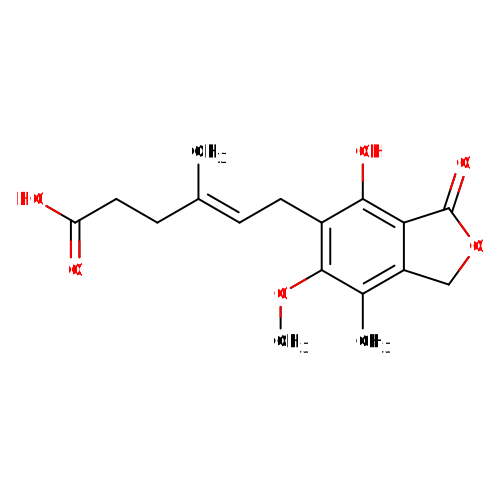
Structure for Mycophenolic acid (DB01024)
- Weight
- Average: 320.3371
Monoisotopic: 320.125988372 - Chemical Formula
- C17H20O6
- Synonyms
- (e)-6-(4-Hydroxy-6-methoxy-7-methyl-3-oxo-5-phthalanyl)-4-methyl-4-hexenoic acid
- Acide mycophenolique
- Acido micofenolico
- Acidum mycophenolicum
- Micofenolico acido
- Mycophenolate
- Mycophenolic acid
- Mycophenolsäure
- External IDs
- 68618
- NSC-129185

Pharmacology
- Indication
Mycophenolic acid is an antimetabolite immunosuppressant indicated for prophylaxis of organ rejection in adult patients receiving kidney transplants and in pediatric patients at least 5 years of age and older who are at least 6 months post kidney transplant. Mycophenolic acid is used in combination with cyclosporine and corticosteroids.7
 Reduce drug development failure ratesBuild, train, & validate machine-learning modelswith evidence-based and structured datasets.Build, train, & validate predictive machine-learning models with structured datasets.
- Associated Conditions
Indication Type Indication Combined Product Details Approval Level Age Group Patient Characteristics Dose Form Used as adjunct in combination to prevent Kidney transplant rejection Regimen in combination with: Cyclosporine (DB00091) •••••••••••• ••••••••• ••••••• ••••••• ••••••• Used as adjunct in combination to prevent Kidney transplant rejection Regimen in combination with: Cyclosporine (DB00091) •••••••••••• ••••• ••••••• ••••••• ••••••• - Contraindications & Blackbox Warnings
 Prevent Adverse Drug Events TodayTap into our Clinical API for life-saving information on contraindications & blackbox warnings, population restrictions, harmful risks, & more.Avoid life-threatening adverse drug events with our Clinical API
- Pharmacodynamics
Mycophenolic acid is a potent inhibitor of inosine monophosphate dehydrogenase (IMPDH) that blocks de novo biosynthesis of purine nucleotides. This affects lymphocytes primarily and leads to the suppression of DNA synthesis in T- and B-cells.2,7 Mycophenolic acid arrests the T-lymphocyte cell cycle at the G1/S interface and inhibits the proliferation of lymphocytes.2 Also, it has been suggested that mycophenolic acid suppresses cytokine production by limiting the number of cytokine-producing cells.2 The enteric-coating of mycophenolic acid tablets prevents the development of upper gastrointestinal adverse events by delaying drug release until it reaches the small intestine.5
Patients treated with mycophenolic acid have a higher risk of developing new or reactivated viral infections, serious infections, blood dyscrasias (including pure red cell aplasia), serious gastrointestinal tract complications, acute inflammatory syndrome associated with mycophenolate products, lymphoma, and other malignancies.7 The use of mycophenolic acid is also associated with an increased risk of first-trimester pregnancy loss and congenital malformations. Mycophenolic acid should be avoided in patients with rare hereditary deficiency of hypoxanthine-guanine phosphoribosyl-transferase (HGPRT). Patients treated with mycophenolic acid should not receive live attenuated vaccines or donate blood or semen.7
- Mechanism of action
Mycophenolic acid is a selective noncompetitive and reversible inhibitor of inosine monophosphate dehydrogenase (IMPDH), that blocks the conversion of inosine-5-phosphate and xanthine-5-phosphate to guanosine-5-phosphate.1,7 By inhibiting IMPDH, mycophenolic acid interferes with the de novo pathway of guanosine nucleotide synthesis without incorporation into DNA. While other cell types are able to use salvage pathways, T- and B-lymphocyte proliferation is a mechanism heavily dependent on the de novo synthesis of purines. Therefore, mycophenolic acid has potent cytostatic effects on T- and B- and lymphocytes.1,7 Mycophenolic acid also suppresses antibody formation by B-lymphocytes and prevents the glycosylation of lymphocyte and monocyte glycoproteins involved in intercellular adhesion to endothelial cells.8
Target Actions Organism AInosine-5'-monophosphate dehydrogenase 2 inhibitorHumans AInosine-5'-monophosphate dehydrogenase 1 inhibitorHumans - Absorption
Between 360 mg and 2,160 mg, mycophenolic acid follows a linear and dose-proportional pharmacokinetic profile. The enteric-coating of mycophenolic acid tablets prevents release under acidic conditions (stomach, pH < 5). However, enteric-coated mycophenolic acid tablets are highly soluble in neutral pH conditions such as those in the intestine.7 In renal transplant patients, the median delay (Tlag) in the rise of mycophenolic acid concentration ranged between 0.25 and 1.25 hours, and the Tmax ranged between 1.5 and 2.75 hours. Adult renal transplant patients on cyclosporine given mycophenolic acid had a Tmax of 2 h, a Cmax of 26.1 μg/mL, and an AUC0-12 of 66.5 μg⋅h/mL. Stable pediatric (5-16 years old) renal transplant patients had a Cmax and AUC 33% and 18% higher than the ones detected in adults.7
In stable renal transplant patients treated with cyclosporine, the gastrointestinal absorption and absolute bioavailability of delayed-release tablets of mycophenolic acid were 93% and 72%, respectively.7 Following the administration of a high-fat meal (55 g fat, 1000 calories), the AUC of mycophenolic acid (enteric-coated tablets, 720 mg) was comparable to the one detected during fasting. However, a high-fat meal can lead to a 33% decrease of the Cmax, a 3.5-hour delay in the Tlag (range of -6 to 18 hours), and a 5.0-hour delay in the Tmax (range of -9 to 20 hours). To avoid variability in the absorption of mycophenolic acid, this drug should be taken on an empty stomach.7
- Volume of distribution
At steady state, the volume of distribution of mycophenolic acid is 54 L. At the elimination phase, the volume of distribution of mycophenolic acid is 112 L.7
- Protein binding
Mycophenolic acid is highly protein-bound, and more than 98% of it is bound to albumin.7
- Metabolism
Mycophenolic acid is mainly metabolized by glucuronyl transferase to form glucuronidated metabolites. Mycophenolic acid glucuronide (MPAG), the major metabolite of mycophenolic acid, does not display pharmacological activity. However, the acyl glucuronide minor metabolite has a pharmacological activity similar to mycophenolic acid. The AUC ratio of mycophenolic acid:MPAG:acyl glucuronide is approximately 1:24:0.28 at a steady state.7
Hover over products below to view reaction partners
- Route of elimination
In stable renal transplant patients, approximately 60% of mycophenolic acid is eliminated in the urine as mycophenolic acid glucuronide (MPAG), while 3% is eliminated unchanged.7 MPAG is also secreted in the bile and is available for deconjugation by gut flora. The mycophenolic acid that results from MPAG deconjugation may be reabsorbed and produce a second peak 6-8 hours after administration.7
- Half-life
The mean elimination half-life of mycophenolic acid ranges between 8 and 16 hours, while the mean elimination half-life of mycophenolic acid glucuronide, its major metabolite, ranges between 13 and 17 hours.7
- Clearance
The mean clearance of mycophenolic acid is 140 mL/min. The mean renal clearance of its metabolite, mycophenolic acid glucuronide, is 15.5 mL/min.7
- Adverse Effects
 Improve decision support & research outcomesWith structured adverse effects data, including: blackbox warnings, adverse reactions, warning & precautions, & incidence rates. View sample adverse effects data in our new Data Library!Improve decision support & research outcomes with our structured adverse effects data.
- Toxicity
There are anecdotal reports of deliberate or accidental overdoses with mycophenolic acid; however, not all patients have experienced related adverse reactions. In those cases where adverse reactions have been reported, reactions fall within the safety profile of its class of drugs. A mycophenolic acid overdose could lead to the oversuppression of the immune system and increase the susceptibility to infection.7 It may be appropriate to interrupt or discontinue mycophenolic acid if blood dyscrasias occur. Some of the signs and symptoms associated with mycophenolic acid overdose are hematological abnormalities, such as leukopenia and neutropenia, and gastrointestinal symptoms, such as abdominal pain, diarrhea, nausea and vomiting, and dyspepsia.7
Carcinogenicity studies of 104 weeks done in rats and mice, suggest that mycophenolate sodium does not induce the formation of tumours. Rats were given up to 9 mg/kg of mycophenolate sodium, which corresponded to 0.6-1.2 times the systemic exposure observed in renal transplant patients, while mice were given 180 mg/kg, an equivalent of 0.6 times the mycophenolate sodium therapeutic dose.7 The genotoxicity of mycophenolate sodium was confirmed by the mouse lymphoma/thymidine kinase assay, the micronucleus test in V79 Chinese hamster cells, and the in vivo mouse micronucleus assay. Mycophenolate mofetil, a prodrug of mycophenolic acid, had a similar genotoxic profile. At daily oral doses as high as 18 mg/kg and 20 mg/kg, mycophenolate sodium had no effect on male and female rat fertility, respectively.7 The oral LD50 of mycophenolic acid is 352 mg/kg in rats and 1000 mg/kg in mice.9
- Pathways
Pathway Category Mycophenolic Acid Metabolism Pathway Drug metabolism - Pharmacogenomic Effects/ADRs
- Not Available
Interactions
- Drug Interactions
- This information should not be interpreted without the help of a healthcare provider. If you believe you are experiencing an interaction, contact a healthcare provider immediately. The absence of an interaction does not necessarily mean no interactions exist.
Drug Interaction Integrate drug-drug
interactions in your softwareAbacavir Mycophenolic acid may decrease the excretion rate of Abacavir which could result in a higher serum level. Abatacept The risk or severity of adverse effects can be increased when Mycophenolic acid is combined with Abatacept. Aceclofenac Aceclofenac may decrease the excretion rate of Mycophenolic acid which could result in a higher serum level. Acemetacin Acemetacin may decrease the excretion rate of Mycophenolic acid which could result in a higher serum level. Acenocoumarol The risk or severity of bleeding can be increased when Mycophenolic acid is combined with Acenocoumarol. - Food Interactions
- Take on an empty stomach. Take mycophenolic acid at least 1 hour before or 2 hours after eating.
Products
 Drug product information from 10+ global regionsOur datasets provide approved product information including:dosage, form, labeller, route of administration, and marketing period.Access drug product information from over 10 global regions.
- Product Ingredients
Ingredient UNII CAS InChI Key Mycophenolate sodium WX877SQI1G 37415-62-6 DOZYTHNHLLSNIK-JOKMOOFLSA-M - Product Images


- International/Other Brands
- Melbex / Myfortic (Novartis Pharmaceuticals Corporation)
- Brand Name Prescription Products
Name Dosage Strength Route Labeller Marketing Start Marketing End Region Image Mycophenolic Acid Tablet, delayed release 180 mg Oral Jamp Pharma Corporation 2021-11-10 Not applicable Canada 
Mycophenolic Acid Tablet, delayed release 360 mg Oral Jamp Pharma Corporation 2021-11-10 Not applicable Canada Myfortic Tablet, delayed release 360 mg Oral Novartis 2005-02-11 Not applicable Canada Myfortic Tablet, delayed release 180 mg/1 Oral Novartis Pharmaceuticals Corporation 2004-02-27 Not applicable US 
Myfortic Tablet, delayed release 180 mg Oral Novartis 2005-02-11 Not applicable Canada - Generic Prescription Products
Name Dosage Strength Route Labeller Marketing Start Marketing End Region Image Apo-mycophenolic Acid Tablet, delayed release 180 mg Oral Apotex Corporation 2014-07-02 Not applicable Canada Apo-mycophenolic Acid Tablet, delayed release 360 mg Oral Apotex Corporation 2014-07-02 Not applicable Canada Mar-mycophenolic Acid Tablet, delayed release 360 mg Oral Marcan Pharmaceuticals Inc 2021-04-07 Not applicable Canada Mar-mycophenolic Acid Tablet, delayed release 180 mg Oral Marcan Pharmaceuticals Inc 2021-04-07 Not applicable Canada Mycophenolic Acid Tablet, delayed release 180 mg/1 Oral Accord Healthcare Inc. 2017-09-11 Not applicable US


Categories
- ATC Codes
- L04AA06 — Mycophenolic acid
- Drug Categories
- Acids, Acyclic
- Anti-Bacterial Agents
- Anti-Infective Agents
- Antibiotics, Antineoplastic
- Antimetabolite Immunosuppressant
- Antineoplastic and Immunomodulating Agents
- Caproates
- Cytochrome P-450 CYP2C8 Substrates
- Cytochrome P-450 CYP2C8 Substrates with a Narrow Therapeutic Index
- Cytochrome P-450 CYP3A Substrates
- Cytochrome P-450 CYP3A4 Substrates
- Cytochrome P-450 CYP3A4 Substrates with a Narrow Therapeutic Index
- Cytochrome P-450 CYP3A5 Substrates
- Cytochrome P-450 CYP3A5 Substrates with a Narrow Therapeutic Index
- Cytochrome P-450 Substrates
- Drugs that are Mainly Renally Excreted
- Enzyme Inhibitors
- Fatty Acids
- Immunosuppressive Agents
- Mycophenolic Acid and Prodrugs
- Narrow Therapeutic Index Drugs
- Selective Immunosuppressants
- UGT1A1 Substrates
- UGT1A1 Substrates with a Narrow Therapeutic Index
- UGT1A6 substrate
- UGT1A6 Substrates with a Narrow Therapeutic Index
- UGT1A9 Substrates
- UGT1A9 Substrates with a Narrow Therapeutic Index
- UGT2B7 substrates
- UGT2B7 Substrates with a Narrow Therapeutic Index
- Chemical TaxonomyProvided by Classyfire
- Description
- This compound belongs to the class of organic compounds known as phthalides. These are compounds containing a 3-hydrocarbylidene-2-benzofuran-1(3H)-one moiety,.
- Kingdom
- Organic compounds
- Super Class
- Organoheterocyclic compounds
- Class
- Isocoumarans
- Sub Class
- Isobenzofuranones
- Direct Parent
- Phthalides
- Alternative Parents
- Anisoles / Medium-chain fatty acids / Alkyl aryl ethers / Methyl-branched fatty acids / Hydroxy fatty acids / Heterocyclic fatty acids / Unsaturated fatty acids / Dicarboxylic acids and derivatives / Vinylogous acids / Lactones show 6 more
- Substituents
- Alkyl aryl ether / Anisole / Aromatic heteropolycyclic compound / Benzenoid / Branched fatty acid / Carbonyl group / Carboxylic acid / Carboxylic acid derivative / Carboxylic acid ester / Dicarboxylic acid or derivatives show 16 more
- Molecular Framework
- Aromatic heteropolycyclic compounds
- External Descriptors
- 2-benzofurans, monocarboxylic acid, phenols, gamma-lactone (CHEBI:168396)
- Affected organisms
- Humans and other mammals
Chemical Identifiers
- UNII
- HU9DX48N0T
- CAS number
- 24280-93-1
- InChI Key
- HPNSFSBZBAHARI-RUDMXATFSA-N
- InChI
- InChI=1S/C17H20O6/c1-9(5-7-13(18)19)4-6-11-15(20)14-12(8-23-17(14)21)10(2)16(11)22-3/h4,20H,5-8H2,1-3H3,(H,18,19)/b9-4+
- IUPAC Name
- (4E)-6-(4-hydroxy-6-methoxy-7-methyl-3-oxo-1,3-dihydro-2-benzofuran-5-yl)-4-methylhex-4-enoic acid
- SMILES
- COC1=C(C\C=C(/C)CCC(O)=O)C(O)=C2C(=O)OCC2=C1C
References
- Synthesis Reference
Bernard J. Abbott, John G. Whitney, "Method of preparing mycophenolic acid glucoside." U.S. Patent US4234684, issued January, 1976.
US4234684- General References
- Kitchin JE, Pomeranz MK, Pak G, Washenik K, Shupack JL: Rediscovering mycophenolic acid: a review of its mechanism, side effects, and potential uses. J Am Acad Dermatol. 1997 Sep;37(3 Pt 1):445-9. doi: 10.1016/s0190-9622(97)70147-6. [Article]
- Shaw LM, Korecka M, Venkataramanan R, Goldberg L, Bloom R, Brayman KL: Mycophenolic acid pharmacodynamics and pharmacokinetics provide a basis for rational monitoring strategies. Am J Transplant. 2003 May;3(5):534-42. doi: 10.1034/j.1600-6143.2003.00079.x. [Article]
- Wagner M, Earley AK, Webster AC, Schmid CH, Balk EM, Uhlig K: Mycophenolic acid versus azathioprine as primary immunosuppression for kidney transplant recipients. Cochrane Database Syst Rev. 2015 Dec 3;(12):CD007746. doi: 10.1002/14651858.CD007746.pub2. [Article]
- Kiang TKL, Ensom MHH: Exposure-Toxicity Relationships of Mycophenolic Acid in Adult Kidney Transplant Patients. Clin Pharmacokinet. 2019 Dec;58(12):1533-1552. doi: 10.1007/s40262-019-00802-z. [Article]
- Budde K, Glander P, Diekmann F, Waiser J, Fritsche L, Dragun D, Neumayer HH: Review of the immunosuppressant enteric-coated mycophenolate sodium. Expert Opin Pharmacother. 2004 Jun;5(6):1333-45. doi: 10.1517/14656566.5.6.1333. [Article]
- FDA Approved Drug Products: Myfortic (mycophenolic acid) delayed-release tablets for oral use [Link]
- FDA Approved Drug Products: MYFORTIC (mycophenolic acid) delayed-release tablets for oral use [Link]
- FDA Approved Drug Products: Cellcept (mycophenolate mofetil) for oral or intravenous administration [Link]
- Santa Cruz Biotechnology: Mycophenolic acid SDS [Link]
- External Links
- Human Metabolome Database
- HMDB0015159
- PubChem Compound
- 446541
- PubChem Substance
- 46504559
- ChemSpider
- 393865
- BindingDB
- 19264
- 265323
- ChEBI
- 168396
- ChEMBL
- CHEMBL866
- ZINC
- ZINC000000001758
- Therapeutic Targets Database
- DAP000784
- PharmGKB
- PA164748728
- PDBe Ligand
- MOA
- Drugs.com
- Drugs.com Drug Page
- Wikipedia
- Mycophenolic_acid
- PDB Entries
- 1jr1 / 1me7 / 1meh / 1mei / 4af0 / 4fo4 / 4fxs / 7dbl / 7wkz
- MSDS
- Download (74 KB)
Clinical Trials
- Clinical Trials
Phase Status Purpose Conditions Count 4 Active Not Recruiting Treatment Hepatocellular Carcinoma 1 4 Completed Diagnostic Immunosuppression / Kidney Transplant Rejection 1 4 Completed Prevention Anesthetics Adverse Reaction / Kidney Transplantation 1 4 Completed Prevention Cytomegalovirus (CMV) Infections / Transplantation Infection 1 4 Completed Prevention De Novo Kidney Transplantation 2
Pharmacoeconomics
- Manufacturers
- Not Available
- Packagers
- Novartis AG
- Dosage Forms
Form Route Strength Tablet, delayed release Oral 180 mg Tablet, delayed release Oral 360 mg Tablet, film coated Oral 500 MG Capsule, coated Oral 25000000 mg Injection, powder, lyophilized, for solution Parenteral 500 mg Suspension Oral 20 g Tablet Oral 500.00 mg Tablet, coated Oral 250 mg Tablet, coated Oral 500 mg Capsule, coated Oral 250 mg Tablet, film coated Oral 250 MG Capsule Oral 250 mg Tablet, coated Oral 50000000 mg Tablet, delayed release Oral 180 mg/1 Tablet, delayed release Oral 360 mg/1 Tablet Oral 180 mg Tablet Oral 360 mg Tablet Oral 180.000 mg Tablet, delayed release Oral Tablet, delayed release Oral 192.4 MG Tablet, delayed release Oral 384.8 MG Tablet, film coated Oral 180 mg Tablet, film coated Oral 360 mg Tablet, film coated Oral Tablet, coated Oral 180 mg Tablet Oral 500 mg - Prices
Unit description Cost Unit Myfortic 360 mg Enteric Coated Tabs 8.0USD tab Myfortic 360 mg tablet 7.69USD tablet Myfortic 180 mg tablet 3.85USD tablet DrugBank does not sell nor buy drugs. Pricing information is supplied for informational purposes only.- Patents
Patent Number Pediatric Extension Approved Expires (estimated) Region CA2250906 No 2006-10-03 2017-04-10 Canada US6025391 No 2000-02-15 2017-04-10 US US6172107 No 2001-01-09 2017-04-10 US US6306900 No 2001-10-23 2018-02-27 US
Properties
- State
- Solid
- Experimental Properties
Property Value Source melting point (°C) 141°C PhysProp water solubility Insoluble Not Available logP 2.8 Not Available - Predicted Properties
Property Value Source Water Solubility 0.0355 mg/mL ALOGPS logP 2.36 ALOGPS logP 3.53 Chemaxon logS -4 ALOGPS pKa (Strongest Acidic) 3.57 Chemaxon pKa (Strongest Basic) -4.1 Chemaxon Physiological Charge -1 Chemaxon Hydrogen Acceptor Count 5 Chemaxon Hydrogen Donor Count 2 Chemaxon Polar Surface Area 93.06 Å2 Chemaxon Rotatable Bond Count 6 Chemaxon Refractivity 85.23 m3·mol-1 Chemaxon Polarizability 32.95 Å3 Chemaxon Number of Rings 2 Chemaxon Bioavailability 1 Chemaxon Rule of Five Yes Chemaxon Ghose Filter Yes Chemaxon Veber's Rule No Chemaxon MDDR-like Rule No Chemaxon - Predicted ADMET Features
Property Value Probability Human Intestinal Absorption + 0.9409 Blood Brain Barrier + 0.5826 Caco-2 permeable - 0.5583 P-glycoprotein substrate Substrate 0.8058 P-glycoprotein inhibitor I Non-inhibitor 0.7888 P-glycoprotein inhibitor II Inhibitor 0.545 Renal organic cation transporter Non-inhibitor 0.8199 CYP450 2C9 substrate Non-substrate 0.8305 CYP450 2D6 substrate Non-substrate 0.8575 CYP450 3A4 substrate Substrate 0.6934 CYP450 1A2 substrate Inhibitor 0.9107 CYP450 2C9 inhibitor Non-inhibitor 0.907 CYP450 2D6 inhibitor Non-inhibitor 0.9232 CYP450 2C19 inhibitor Non-inhibitor 0.9025 CYP450 3A4 inhibitor Inhibitor 0.796 CYP450 inhibitory promiscuity Low CYP Inhibitory Promiscuity 0.7237 Ames test AMES toxic 0.9107 Carcinogenicity Non-carcinogens 0.9619 Biodegradation Ready biodegradable 0.5888 Rat acute toxicity 2.9907 LD50, mol/kg Not applicable hERG inhibition (predictor I) Weak inhibitor 0.753 hERG inhibition (predictor II) Non-inhibitor 0.6329
Spectra
- Mass Spec (NIST)
- Not Available
- Spectra
- Chromatographic Properties
Collision Cross Sections (CCS)
Adduct CCS Value (Å2) Source type Source [M-H]- 188.3060478 predictedDarkChem Lite v0.1.0 [M-H]- 188.3875478 predictedDarkChem Lite v0.1.0 [M-H]- 193.3456478 predictedDarkChem Lite v0.1.0 [M-H]- 174.08586 predictedDeepCCS 1.0 (2019) [M-H]- 188.3060478 predictedDarkChem Lite v0.1.0 [M-H]- 188.3875478 predictedDarkChem Lite v0.1.0 [M-H]- 193.3456478 predictedDarkChem Lite v0.1.0 [M-H]- 174.08586 predictedDeepCCS 1.0 (2019) [M+H]+ 187.1719478 predictedDarkChem Lite v0.1.0 [M+H]+ 188.4285478 predictedDarkChem Lite v0.1.0 [M+H]+ 190.6414478 predictedDarkChem Lite v0.1.0 [M+H]+ 176.44386 predictedDeepCCS 1.0 (2019) [M+H]+ 187.1719478 predictedDarkChem Lite v0.1.0 [M+H]+ 188.4285478 predictedDarkChem Lite v0.1.0 [M+H]+ 190.6414478 predictedDarkChem Lite v0.1.0 [M+H]+ 176.44386 predictedDeepCCS 1.0 (2019) [M+Na]+ 188.0479478 predictedDarkChem Lite v0.1.0 [M+Na]+ 188.5075478 predictedDarkChem Lite v0.1.0 [M+Na]+ 191.1732478 predictedDarkChem Lite v0.1.0 [M+Na]+ 184.06657 predictedDeepCCS 1.0 (2019) [M+Na]+ 188.0479478 predictedDarkChem Lite v0.1.0 [M+Na]+ 188.5075478 predictedDarkChem Lite v0.1.0 [M+Na]+ 191.1732478 predictedDarkChem Lite v0.1.0 [M+Na]+ 184.06657 predictedDeepCCS 1.0 (2019)
Targets

- Kind
- Protein
- Organism
- Humans
- Pharmacological action
- Yes
- Actions
- Inhibitor
- General Function
- Rna binding
- Specific Function
- Catalyzes the conversion of inosine 5'-phosphate (IMP) to xanthosine 5'-phosphate (XMP), the first committed and rate-limiting step in the de novo synthesis of guanine nucleotides, and therefore pl...
- Gene Name
- IMPDH2
- Uniprot ID
- P12268
- Uniprot Name
- Inosine-5'-monophosphate dehydrogenase 2
- Molecular Weight
- 55804.495 Da
References
- Vannozzi F, Filipponi F, Di Paolo A, Danesi R, Urbani L, Bocci G, Catalano G, De Simone P, Mosca F, Del Tacca M: An exploratory study on pharmacogenetics of inosine-monophosphate dehydrogenase II in peripheral mononuclear cells from liver-transplant recipients. Transplant Proc. 2004 Nov;36(9):2787-90. [Article]
- Wang J, Zeevi A, Webber S, Girnita DM, Addonizio L, Selby R, Hutchinson IV, Burckart GJ: A novel variant L263F in human inosine 5'-monophosphate dehydrogenase 2 is associated with diminished enzyme activity. Pharmacogenet Genomics. 2007 Apr;17(4):283-90. [Article]
- Penuelas S, Noe V, Morales R, Ciudad CJ: Sensitization of human erythroleukemia K562 cells resistant to methotrexate by inhibiting IMPDH. Med Sci Monit. 2005 Jan;11(1):BR6-12. [Article]
- Yam P, Jensen M, Akkina R, Anderson J, Villacres MC, Wu J, Zaia JA, Yee JK: Ex vivo selection and expansion of cells based on expression of a mutated inosine monophosphate dehydrogenase 2 after HIV vector transduction: effects on lymphocytes, monocytes, and CD34+ stem cells. Mol Ther. 2006 Aug;14(2):236-44. Epub 2006 May 2. [Article]
- Dzidic A, Prgomet C, Mohr A, Meyer K, Bauer J, Meyer HH, Pfaffl MW: Effects of mycophenolic acid on inosine monophosphate dehydrogenase I and II mRNA expression in white blood cells and various tissues in sheep. J Vet Med A Physiol Pathol Clin Med. 2006 May;53(4):163-9. [Article]
- Kind
- Protein
- Organism
- Humans
- Pharmacological action
- Yes
- Actions
- Inhibitor
- General Function
- Rna binding
- Specific Function
- Catalyzes the conversion of inosine 5'-phosphate (IMP) to xanthosine 5'-phosphate (XMP), the first committed and rate-limiting step in the de novo synthesis of guanine nucleotides, and therefore pl...
- Gene Name
- IMPDH1
- Uniprot ID
- P20839
- Uniprot Name
- Inosine-5'-monophosphate dehydrogenase 1
- Molecular Weight
- 55405.365 Da
References
- Dzidic A, Prgomet C, Mohr A, Meyer K, Bauer J, Meyer HH, Pfaffl MW: Effects of mycophenolic acid on inosine monophosphate dehydrogenase I and II mRNA expression in white blood cells and various tissues in sheep. J Vet Med A Physiol Pathol Clin Med. 2006 May;53(4):163-9. [Article]
Enzymes
- Kind
- Protein
- Organism
- Humans
- Pharmacological action
- Unknown
- Actions
- Substrate
- Curator comments
- The acyl glucuronide metabolite of mycophenolic acid is mainly generated by UGT2B7.
- General Function
- Glucuronosyltransferase activity
- Specific Function
- UDPGT is of major importance in the conjugation and subsequent elimination of potentially toxic xenobiotics and endogenous compounds.Its unique specificity for 3,4-catechol estrogens and estriol su...
- Gene Name
- UGT2B7
- Uniprot ID
- P16662
- Uniprot Name
- UDP-glucuronosyltransferase 2B7
- Molecular Weight
- 60694.12 Da
References
- Dostalek M, Court MH, Hazarika S, Akhlaghi F: Diabetes mellitus reduces activity of human UDP-glucuronosyltransferase 2B7 in liver and kidney leading to decreased formation of mycophenolic acid acyl-glucuronide metabolite. Drug Metab Dispos. 2011 Mar;39(3):448-55. doi: 10.1124/dmd.110.036608. Epub 2010 Dec 1. [Article]
- Picard N, Ratanasavanh D, Premaud A, Le Meur Y, Marquet P: Identification of the UDP-glucuronosyltransferase isoforms involved in mycophenolic acid phase II metabolism. Drug Metab Dispos. 2005 Jan;33(1):139-46. Epub 2004 Oct 6. [Article]
- Kind
- Protein
- Organism
- Humans
- Pharmacological action
- Unknown
- Actions
- Substrate
- Curator comments
- UGT1A8 is the main extra-hepatic enzyme involved in the formation of the mycophenolic acid-7-O-glucuronide metabolite.
- General Function
- Steroid binding
- Specific Function
- UDPGT is of major importance in the conjugation and subsequent elimination of potentially toxic xenobiotics and endogenous compounds. Isoform 2 lacks transferase activity but acts as a negative reg...
- Gene Name
- UGT1A8
- Uniprot ID
- Q9HAW9
- Uniprot Name
- UDP-glucuronosyltransferase 1-8
- Molecular Weight
- 59741.035 Da
References
- Bernard O, Guillemette C: The main role of UGT1A9 in the hepatic metabolism of mycophenolic acid and the effects of naturally occurring variants. Drug Metab Dispos. 2004 Aug;32(8):775-8. doi: 10.1124/dmd.32.8.775. [Article]
- Kind
- Protein
- Organism
- Humans
- Pharmacological action
- Unknown
- Actions
- Substrate
- Curator comments
- UGT1A9 is the main hepatic enzyme involved in the formation of the mycophenolic acid-7-O-glucuronide metabolite.
- General Function
- Retinoic acid binding
- Specific Function
- UDPGT is of major importance in the conjugation and subsequent elimination of potentially toxic xenobiotics and endogenous compounds. This isoform has specificity for phenols. Isoform 2 lacks trans...
- Gene Name
- UGT1A9
- Uniprot ID
- O60656
- Uniprot Name
- UDP-glucuronosyltransferase 1-9
- Molecular Weight
- 59940.495 Da
References
- Dostalek M, Court MH, Hazarika S, Akhlaghi F: Diabetes mellitus reduces activity of human UDP-glucuronosyltransferase 2B7 in liver and kidney leading to decreased formation of mycophenolic acid acyl-glucuronide metabolite. Drug Metab Dispos. 2011 Mar;39(3):448-55. doi: 10.1124/dmd.110.036608. Epub 2010 Dec 1. [Article]
- Picard N, Ratanasavanh D, Premaud A, Le Meur Y, Marquet P: Identification of the UDP-glucuronosyltransferase isoforms involved in mycophenolic acid phase II metabolism. Drug Metab Dispos. 2005 Jan;33(1):139-46. Epub 2004 Oct 6. [Article]
- Bernard O, Guillemette C: The main role of UGT1A9 in the hepatic metabolism of mycophenolic acid and the effects of naturally occurring variants. Drug Metab Dispos. 2004 Aug;32(8):775-8. doi: 10.1124/dmd.32.8.775. [Article]
- Kind
- Protein
- Organism
- Humans
- Pharmacological action
- Unknown
- Actions
- Substrate
- Curator comments
- UGT1A1, UGT1A7, and UGT1A10 play a minor role in the formation of mycophenolic acid-7-O-glucuronide.
- General Function
- Steroid binding
- Specific Function
- UDPGT is of major importance in the conjugation and subsequent elimination of potentially toxic xenobiotics and endogenous compounds. This isoform glucuronidates bilirubin IX-alpha to form both the...
- Gene Name
- UGT1A1
- Uniprot ID
- P22309
- Uniprot Name
- UDP-glucuronosyltransferase 1-1
- Molecular Weight
- 59590.91 Da
References
- Dostalek M, Court MH, Hazarika S, Akhlaghi F: Diabetes mellitus reduces activity of human UDP-glucuronosyltransferase 2B7 in liver and kidney leading to decreased formation of mycophenolic acid acyl-glucuronide metabolite. Drug Metab Dispos. 2011 Mar;39(3):448-55. doi: 10.1124/dmd.110.036608. Epub 2010 Dec 1. [Article]
- Miles KK, Kessler FK, Smith PC, Ritter JK: Characterization of rat intestinal microsomal UDP-glucuronosyltransferase activity toward mycophenolic acid. Drug Metab Dispos. 2006 Sep;34(9):1632-9. Epub 2006 Jun 21. [Article]
- Bernard O, Guillemette C: The main role of UGT1A9 in the hepatic metabolism of mycophenolic acid and the effects of naturally occurring variants. Drug Metab Dispos. 2004 Aug;32(8):775-8. doi: 10.1124/dmd.32.8.775. [Article]
- Kind
- Protein
- Organism
- Humans
- Pharmacological action
- Unknown
- Actions
- Substrate
- Curator comments
- UGT1A1, UGT1A7, and UGT1A10 play a minor role in the formation of mycophenolic acid-7-O-glucuronide.
- General Function
- Retinoic acid binding
- Specific Function
- UDPGT is of major importance in the conjugation and subsequent elimination of potentially toxic xenobiotics and endogenous compounds. Isoform 2 lacks transferase activity but acts as a negative reg...
- Gene Name
- UGT1A7
- Uniprot ID
- Q9HAW7
- Uniprot Name
- UDP-glucuronosyltransferase 1-7
- Molecular Weight
- 59818.315 Da
References
- Miles KK, Kessler FK, Smith PC, Ritter JK: Characterization of rat intestinal microsomal UDP-glucuronosyltransferase activity toward mycophenolic acid. Drug Metab Dispos. 2006 Sep;34(9):1632-9. Epub 2006 Jun 21. [Article]
- Bernard O, Guillemette C: The main role of UGT1A9 in the hepatic metabolism of mycophenolic acid and the effects of naturally occurring variants. Drug Metab Dispos. 2004 Aug;32(8):775-8. doi: 10.1124/dmd.32.8.775. [Article]
- Kind
- Protein
- Organism
- Humans
- Pharmacological action
- Unknown
- Actions
- Substrate
- Curator comments
- UGT1A1, UGT1A7, and UGT1A10 play a minor role in the formation of mycophenolic acid-7-O-glucuronide.
- General Function
- Protein kinase c binding
- Specific Function
- UDPGT is of major importance in the conjugation and subsequent elimination of potentially toxic xenobiotics and endogenous compounds. Isoform 2 lacks transferase activity but acts as a negative reg...
- Gene Name
- UGT1A10
- Uniprot ID
- Q9HAW8
- Uniprot Name
- UDP-glucuronosyltransferase 1-10
- Molecular Weight
- 59809.075 Da
References
- Bernard O, Guillemette C: The main role of UGT1A9 in the hepatic metabolism of mycophenolic acid and the effects of naturally occurring variants. Drug Metab Dispos. 2004 Aug;32(8):775-8. doi: 10.1124/dmd.32.8.775. [Article]
- Kind
- Protein
- Organism
- Humans
- Pharmacological action
- Unknown
- Actions
- Substrate
- Curator comments
- Bond based on evidence that suggests that UGT1A6 converts mycophenolic acid to mycophenolic acid-7-O-glucuronide in rats.
- General Function
- Protein homodimerization activity
- Specific Function
- UDPGT is of major importance in the conjugation and subsequent elimination of potentially toxic xenobiotics and endogenous compounds. This isoform has specificity for phenols. Isoform 3 lacks trans...
- Gene Name
- UGT1A6
- Uniprot ID
- P19224
- Uniprot Name
- UDP-glucuronosyltransferase 1-6
- Molecular Weight
- 60750.215 Da
References
- Miles KK, Kessler FK, Smith PC, Ritter JK: Characterization of rat intestinal microsomal UDP-glucuronosyltransferase activity toward mycophenolic acid. Drug Metab Dispos. 2006 Sep;34(9):1632-9. Epub 2006 Jun 21. [Article]
- Kind
- Protein
- Organism
- Humans
- Pharmacological action
- Unknown
- Actions
- Substrate
- Curator comments
- The mycophenolic acid (MPA) metabolite 6-O-desmethyl-MPA is produced by CYP3A4 and CYP3A5.
- General Function
- Vitamin d3 25-hydroxylase activity
- Specific Function
- Cytochromes P450 are a group of heme-thiolate monooxygenases. In liver microsomes, this enzyme is involved in an NADPH-dependent electron transport pathway. It performs a variety of oxidation react...
- Gene Name
- CYP3A4
- Uniprot ID
- P08684
- Uniprot Name
- Cytochrome P450 3A4
- Molecular Weight
- 57342.67 Da
References
- Picard N, Cresteil T, Premaud A, Marquet P: Characterization of a phase 1 metabolite of mycophenolic acid produced by CYP3A4/5. Ther Drug Monit. 2004 Dec;26(6):600-8. [Article]
- Kind
- Protein
- Organism
- Humans
- Pharmacological action
- Unknown
- Actions
- Substrate
- Curator comments
- The mycophenolic acid (MPA) metabolite 6-O-desmethyl-MPA is produced by CYP3A4 and CYP3A5.
- General Function
- Oxygen binding
- Specific Function
- Cytochromes P450 are a group of heme-thiolate monooxygenases. In liver microsomes, this enzyme is involved in an NADPH-dependent electron transport pathway. It oxidizes a variety of structurally un...
- Gene Name
- CYP3A5
- Uniprot ID
- P20815
- Uniprot Name
- Cytochrome P450 3A5
- Molecular Weight
- 57108.065 Da
References
- Picard N, Cresteil T, Premaud A, Marquet P: Characterization of a phase 1 metabolite of mycophenolic acid produced by CYP3A4/5. Ther Drug Monit. 2004 Dec;26(6):600-8. [Article]
- Kind
- Protein
- Organism
- Humans
- Pharmacological action
- Unknown
- Actions
- Substrate
- Curator comments
- CYP2C8 may have a role in the conversion of mycophenolic acid (MPA) to 6-O-desmethyl-MPA.
- General Function
- Steroid hydroxylase activity
- Specific Function
- Cytochromes P450 are a group of heme-thiolate monooxygenases. In liver microsomes, this enzyme is involved in an NADPH-dependent electron transport pathway. It oxidizes a variety of structurally un...
- Gene Name
- CYP2C8
- Uniprot ID
- P10632
- Uniprot Name
- Cytochrome P450 2C8
- Molecular Weight
- 55824.275 Da
References
- Picard N, Cresteil T, Premaud A, Marquet P: Characterization of a phase 1 metabolite of mycophenolic acid produced by CYP3A4/5. Ther Drug Monit. 2004 Dec;26(6):600-8. [Article]
Carriers
- Kind
- Protein
- Organism
- Humans
- Pharmacological action
- Unknown
- Actions
- Binder
- General Function
- Toxic substance binding
- Specific Function
- Serum albumin, the main protein of plasma, has a good binding capacity for water, Ca(2+), Na(+), K(+), fatty acids, hormones, bilirubin and drugs. Its main function is the regulation of the colloid...
- Gene Name
- ALB
- Uniprot ID
- P02768
- Uniprot Name
- Serum albumin
- Molecular Weight
- 69365.94 Da
References
- FDA Approved Drug Products: MYFORTIC (mycophenolic acid) delayed-release tablets for oral use [Link]

Drug created at June 13, 2005 13:24 / Updated at April 24, 2024 14:30