Identification
- Summary
Calcitriol is an active metabolite of vitamin D that is used to treat hyperparathyroidism and is also used in dialysis patients to combat hypocalcemia.
- Brand Names
- Rocaltrol, Vectical
- Generic Name
- Calcitriol
- DrugBank Accession Number
- DB00136
- Background
Calcitriol is an active metabolite of vitamin D with 3 hydroxyl (OH) groups and is commonly referred to as 1,25-dihydroxycholecalciferol, or 1alpha,25-dihydroxyvitamin D3, 1,25-dihydroxyvitamin D3. It is produced in the body after series of conversion steps of 7-dehydrocholesterol from exposure to UV light. 7-dehydrocholesterol is converted to Vitamin D3 (vitamin D3) in the skin, which is then converted to Calcifediol in the liver and kidneys. Calcifediol undergoes hydroxylation to form calcitriol via 1α-hydroxylase (CYP27B1) activity 4. Calcitriol is considered to be the most potent metabolite of vitamin D in humans 1. Renal production of calcitriol is stimulated in response to PTH, low calcium and low phosphate 4. Calcitriol plays a role in plasma calcium regulation in concert with parathyroid hormone (PTH) by enhancing absorption of dietary calcium and phosphate from the gastrointestinal tract, promoting renal tubular reabsorption of calcium in the kidneys, and stimulating the release of calcium stores from the skeletal system. In addition to promoting fatty acid synthesis and inhibiting lipolysis, calcitriol has been demonstrated to increase energy efficiency by suppressing UCP2 expression, which is modulated by signaling pathways of classical nuclear receptors (nVDR), where calcitriol acts as a natural ligand 3. There is also evidence that calcitriol modulates the action of cytokines and may regulate immune and inflammatory response, cell turnover, cell differentiation 4.
Administered orally and intravenously, calcitriol is commonly used as a medication in the treatment of secondary hyperparathyroidism and resultant metabolic bone disease, hypocalcemia in patients undergoing chronic renal dialysis, and osteoporosis. It is also available in topical form for the treatment of mild to moderate plaque psoriasis in adults. Calcitriol is marketed under various trade names including Rocaltrol (Roche), Calcijex (Abbott) and Decostriol (Mibe, Jesalis).
- Type
- Small Molecule
- Groups
- Approved, Nutraceutical
- Structure
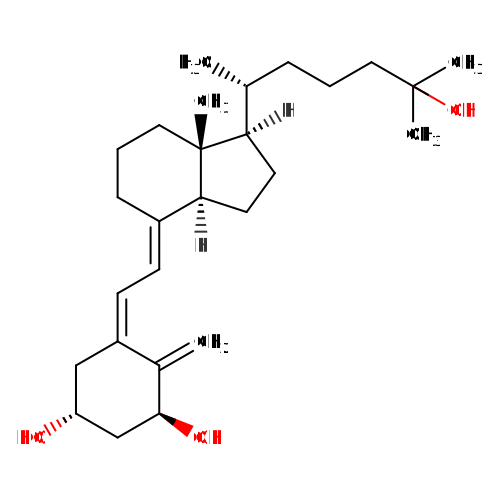
Structure for Calcitriol (DB00136)
- Weight
- Average: 416.6365
Monoisotopic: 416.329045274 - Chemical Formula
- C27H44O3
- Synonyms
- (1S,3R,5Z,7E)-9,10-secocholesta-5,7,10-triene-1,3,25-triol
- (1α,3β,5Z,7E)-9,10-secocholesta-5,7,10(19)-triene-1,3,25-triol
- (5Z,7E)-(1S,3R)-9,10-secocholesta-5,7,10(19)-triene-1,3,25-triol
- 1-alpha-25-Dihydroxyvitamin D3
- 1,25-DHCC
- 1,25-dihydroxycholecalciferol
- 1α,25-dihydroxycholecalciferol
- 1α,25-dihydroxyvitamin D3
- 1α,25(OH)2D3
- Calcitriol
- Calcitriolum
- External IDs
- DN-101
- RO 21-5535
- RO-21-5535
- RO-215535

Pharmacology
- Indication
Used to treat vitamin D deficiency or insufficiency, refractory rickets (vitamin D resistant rickets), familial hypophosphatemia and hypoparathyroidism, and in the management of hypocalcemia and renal osteodystrophy in patients with chronic renal failure undergoing dialysis. Also used in conjunction with calcium in the management and prevention of primary or corticosteroid-induced osteoporosis.
 Reduce drug development failure ratesBuild, train, & validate machine-learning modelswith evidence-based and structured datasets.Build, train, & validate predictive machine-learning models with structured datasets.
- Associated Conditions
Indication Type Indication Combined Product Details Approval Level Age Group Patient Characteristics Dose Form Management of Hypocalcemia •••••••••••• ••••••• Management of Hypocalcemia •••••••••••• •••••••••• •••••••••• •••••••• Management of Mild to moderate plaque psoriasis •••••••••••• Management of Osteodystrophy •••••••••••• ••••••• Management of Secondary hyperparathyroidism •••••••••••• ••••••• - Contraindications & Blackbox Warnings
 Prevent Adverse Drug Events TodayTap into our Clinical API for life-saving information on contraindications & blackbox warnings, population restrictions, harmful risks, & more.Avoid life-threatening adverse drug events with our Clinical API
- Pharmacodynamics
Calcitriol is a biologically active calcitrophic hormone with anti-osteoporotic, immunomodulatory, anticarcinogenic, antipsoriatic, antioxidant, and mood-modulatory activities. Its main sites of action are the intestine, bone, kidney and parathyroid hormone Label. Calcitriol is a ligand for the vitamin D nuclear receptor, which is expressed in, but not limited to, gastrointestinal (GI) tissues, bones, and kidneys 1. As an active form of vitamin D3, calcitriol elevates the plasma levels of calcium by stimulating intestinal calcium uptake, increasing reabsorption of calcium by the kidneys, and possibly increasing the release of calcium from skeletal stores. The duration of pharmacologic activity of a single dose of exogenous calcitriol is expected to be about 3 to 5 days Label.
In addition to its important role in calcium metabolism, other pharmacological effects of calcitriol have been studied in various conditions including cancer models. Various studies demonstrated expression of vitamin D receptors in cancer cell lines, including mouse myeloid leukemia cells 1. Calcitriol has been found to induce differentiation and/or inhibit cell proliferation in vitro and in vivo in many cell types, such as malignant cell lines carcinomas of the breast, prostate, colon, skin, and brain, myeloid leukemia cells, and others 2. In early human prostate cancer trials, administration of 1.5 µg/d calcitriol in male participants resulted in a reduction in the rate of PSA rise in most participants, however it was coincided with dose-limiting hypercalcemia in most participants 1. Hypercalcemia and hypercalcuria were evident in numerous initial trials, and this may be due to these trials not testing the drug at concentrations that are active in preclinical systems 2. Findings from preclinical data show an additive or synergistic antineoplastic action of calcitriol when combined with agents including dexamethasone, retinoids, and radiation, as well as several cytotoxic chemotherapy drugs such as platinum compounds 2.
Vitamin D deficiency has long been suspected to increase the susceptibility to tuberculosis. The active form of calcitriol, 1,25-(OH)2-D3, has been found to enhance the ability of mononuclear phagocytes to suppress the intracellular growth of Mycobacterium tuberculosis. 1,25-(OH)2-D3 has demonstrated beneficial effects in animal models of such autoimmune diseases as rheumatoid arthritis. Vitamin D appears to demonstrate both immune-enhancing and immunosuppressive effects.
- Mechanism of action
The mechanism of action of calcitriol in the treatment of psoriasis is accounted for by their antiproliferative activity for keratinocytes and their stimulation of epidermal cell differentiation. The anticarcinogenic activity of the active form of Calcitriol appears to be correlated with cellular vitamin D receptor (VDR) levels. Vitamin D receptors belong to the superfamily of steroid-hormone zinc-finger receptors. VDRs selectively bind 1,25-(OH)2-D3 and retinoic acid X receptor (RXR) to form a heterodimeric complex that interacts with specific DNA sequences known as vitamin D-responsive elements. VDRs are ligand-activated transcription factors. The receptors activate or repress the transcription of target genes upon binding their respective ligands. It is thought that the anticarcinogenic effect of Calcitriol is mediated via VDRs in cancer cells. The immunomodulatory activity of calcitriol is thought to be mediated by vitamin D receptors (VDRs) which are expressed constitutively in monocytes but induced upon activation of T and B lymphocytes. 1,25-(OH)2-D3 has also been found to enhance the activity of some vitamin D-receptor positive immune cells and to enhance the sensitivity of certain target cells to various cytokines secreted by immune cells.
A study suggests that calcitriol plays an immunoregulatry role by suppressing the aryl hydrocarbon receptor (AhR) expression in human Th9, a pro-inflammatory CD4 T cell subset 9. This suppression subsequently leads to repressed expression of BATF, a transcription factor essential for Th9 9. Calcitriol has also been found to induce monocyte differentiation and to inhibit lymphocyte proliferation and production of cytokines, including interleukin IL-1 and IL-2, as well as to suppress immunoglobulin secretion by B lymphocytes.
Target Actions Organism AVitamin D3 receptor agonistHumans UHomeobox protein Hox-A10 Not Available Humans - Absorption
Upon administration, calcitriol is rapidly absorbed from the intestines. When a single oral dose of 0.5 mcg of calcitriol was administered, the mean serum concentrations of calcitriol rose from a baseline value of 40.0±4.4 (SD) pg/mL to 60.0±4.4 pg/mL at 2 hours, and declined to 53.0±6.9 at 4 hours, 50±7.0 at 8 hours, 44±4.6 at 12 hours and 41.5±5.1 at 24 hours Label. Following administration of single doses of 0.25 to 1.0 mcg of calcitriol, the peak plasma concentrations were reached within 3 to 6 hours Label. In a pharmacokinetic study, the oral bioavailability was 70.6±5.8% in healthy male volunteers and 72.2±4.8% in male patients with uraemia 8.
- Volume of distribution
Upon intravenous administration, the volume of distribution of calcitriol was 0.49±0.14 L/kg in healthy male volunteers and 0.27±0.06 l/kg in uraemic male patients participating in a pharmacokinetic study 8. There is some evidence that calcitriol is transferred into human milk at low levels (ie, 2.2±0.1 pg/mL) in mothers Label. Calcitriol from maternal circulation may also enter the fetal circulation Label.
- Protein binding
Calcitriol is approximately 99.9% bound in blood, mostly by an alpha-globulin vitamin D binding protein Label.
- Metabolism
Metabolism of calcitriol involves two pathways Label. The first pathway involves 24-hydroxylase activity in the kidney; this enzyme is also present in many target tissues which possess the vitamin D receptor such as the intestine. The end product of this pathway is a side chain shortened metabolite, calcitroic acid. The second pathway involves the conversion of calcitriol via the stepwise hydroxylation of carbon-26 and carbon-23, and cyclization to yield ultimately 1a,25R(OH)2-26,23S-lactone D3, which appears to be the major metabolite circulating in humans.
Ohter identified metabolites of calcitriol include 1α, 25(OH)2-24-oxo-D3; 1α, 23,25(OH)3-24-oxo-D3; 1α, 24R,25(OH)3D3; 1α, 25S,26(OH)3D3; 1α, 25(OH)2-23-oxo-D3; 1α, 25R,26(OH)3-23-oxo-D3 and 1α, (OH)24,25,26,27-tetranor-COOH-D3 Label.
Hover over products below to view reaction partners
- Route of elimination
In normal subjects, approximately 27% and 7% of the radioactivity appeared in the feces and urine, respectively, within 24 hours Label. Calcitriol undergoes enterohepatic recycling and biliary excretion. The metabolites of calcitriol are excreted primarily in feces. Cumulative excretion of radioactivity on the sixth day following intravenous administration of radiolabeled calcitriol averaged 16% in urine and 49% in feces Label.
- Half-life
After administration of single oral doses, the elimination half life was 5-8 hours Label.
- Clearance
The metabolic clearance rate was 23.5±4.34 ml/min in healthy male volunteers and 10.1±1.35 ml/min in male patients with uraemia 8. In the pediatric patients undergoing peritoneal dialysis receiving dose of 10.2 ng/kg (SD 5.5 ng/kg) for 2 months, the clearance rate was 15.3 mL/hr/kg Label.
- Adverse Effects
 Improve decision support & research outcomesWith structured adverse effects data, including: blackbox warnings, adverse reactions, warning & precautions, & incidence rates. View sample adverse effects data in our new Data Library!Improve decision support & research outcomes with our structured adverse effects data.
- Toxicity
LD50 (oral, rat) = 620 μg/kg; LD50 (intraperitoneal, rat) > 5 mg/kg MSDS.
Symptoms of calcitriol toxicity mirrors the early and late signs and symptoms of vitamin D intoxication associated with hypercalcemia 10. Early signs include weakness, headache, somnolence, nausea, vomiting, dry mouth, constipation, muscle pain, bone pain and metallic taste. Late signs are characterized by polyuria, polydipsia, anorexia, weight loss, nocturia, conjunctivitis (calcific), pancreatitis, photophobia, rhinorrhea, pruritus, hyperthermia, decreased libido, elevated BUN, albuminuria, hypercholesterolemia, elevated SGOT and SGPT, ectopic calcification, hypertension, cardiac arrhythmias and, rarely, overt psychosis 10.
- Pathways
- Not Available
- Pharmacogenomic Effects/ADRs
- Not Available
Interactions
- Drug Interactions
- This information should not be interpreted without the help of a healthcare provider. If you believe you are experiencing an interaction, contact a healthcare provider immediately. The absence of an interaction does not necessarily mean no interactions exist.
Drug Interaction Integrate drug-drug
interactions in your softwareAbametapir The serum concentration of Calcitriol can be increased when it is combined with Abametapir. Abemaciclib The metabolism of Abemaciclib can be increased when combined with Calcitriol. Acalabrutinib The metabolism of Acalabrutinib can be increased when combined with Calcitriol. Acenocoumarol The metabolism of Acenocoumarol can be increased when combined with Calcitriol. Acetyldigitoxin The risk or severity of ventricular arrhythmias and Cardiac Arrhythmia can be increased when Calcitriol is combined with Acetyldigitoxin. - Food Interactions
- No interactions found.
Products
 Drug product information from 10+ global regionsOur datasets provide approved product information including:dosage, form, labeller, route of administration, and marketing period.Access drug product information from over 10 global regions.
- Product Images
- International/Other Brands
- Asentar (Novacea) / Calcitriol Oral Solution (Roxane) / Decostriol (Mibe Jena (Germany), Jesalis (Hong Kong, Thailand))
- Brand Name Prescription Products
Name Dosage Strength Route Labeller Marketing Start Marketing End Region Image Calcijex Solution 1 mcg / mL Intravenous Abbvie 1990-12-31 2017-01-13 Canada 
Calcijex Injection, solution 1 ug/1mL Intravenous Abbvie 2010-06-01 2012-08-01 US 
Calcijex Solution 2 mcg / mL Intravenous Abbvie 1990-12-31 2017-01-13 Canada Calcitriol Solution 1 ug/1mL Intravenous NEPHRX, LLC 2009-01-27 Not applicable US Calcitriol Injection, solution 2 ug/1mL Intravenous AMERICAN REGENT, INC. 2007-01-01 2007-01-01 US - Generic Prescription Products
Name Dosage Strength Route Labeller Marketing Start Marketing End Region Image Calcitriol Capsule, liquid filled 0.25 ug/1 Oral Aphena Pharma Solutions Tennessee, Inc. 2013-05-29 Not applicable US Calcitriol Capsule, liquid filled 0.25 ug/1 Oral bryant ranch prepack 2018-06-12 Not applicable US Calcitriol Capsule 0.5 ug/1 Oral bryant ranch prepack 2014-12-12 2018-11-30 US Calcitriol Solution 1 ug/1mL Oral Sun Pharmaceutical Industries, Inc. 2009-08-26 Not applicable US Calcitriol Capsule, liquid filled 0.25 ug/1 Oral Teva Pharmaceuticals USA, Inc. 2016-08-25 Not applicable US - Over the Counter Products
Name Dosage Strength Route Labeller Marketing Start Marketing End Region Image BONKY SOFT CAPSULE Capsule Oral BIO-PHARMACEUTICALS SDN. BHD. 2020-09-08 Not applicable Malaysia 
Decostriol 0.25 mcg capsule Capsule Oral IDAMAN PHARMA SDN. BHD. 2020-09-08 Not applicable Malaysia Osteocap Capsule Capsule Oral MEGA LIFESCIENCES SDN. BHD. 2020-09-08 Not applicable Malaysia RO-CAL 0.25mcg Capsule Oral PAHANG PHARMACY SDN. BHD. 2020-09-08 Not applicable Malaysia ROCALTROL CAPSULE 0.25MCG Capsule 0.25 MCG Oral DKSH MALAYSIA SDN BHD 2020-09-08 Not applicable Malaysia - Mixture Products
Name Ingredients Dosage Route Labeller Marketing Start Marketing End Region Image ยาเม็ด แมกซ์มาร์วิล Calcitriol (0.5 mcg) + Alendronic acid (5 mg) Tablet, delayed release Oral บริษัท สหแพทย์เภสัช จำกัด 2015-05-18 2020-08-24 Thailand 
- Unapproved/Other Products
Name Ingredients Dosage Route Labeller Marketing Start Marketing End Region Image CALDEROL 1 MCG/ML I.V. ENJEKSIYONLUK COZELTI ICEREN 2AMPUL, 5 ADET Calcitriol (1 mcg/ml) Injection, solution Intravenous PHARMADA İLAÇ SAN. VE TİC. A.Ş. 2020-03-17 2024-01-23 Turkey 
CALDEROL 2 MCG/ML I.V. ENJEKSIYONLUK COZELTI ICEREN 2AMPUL, 5 ADET Calcitriol (2 mcg/ml) Injection, solution Intravenous PHARMADA İLAÇ SAN. VE TİC. A.Ş. 2019-11-26 2024-01-23 Turkey Validerm Calcitriol (0.2 mg/0.2mg) + Fluticasone propionate (0.05 g/0.05g) + Tacrolimus hydrate (0.05 g/0.05g) Kit Topical Accumix Pharmaceuticals 2014-12-15 2015-07-17 US


Categories
- ATC Codes
- D05AX03 — Calcitriol
- D05AX — Other antipsoriatics for topical use
- D05A — ANTIPSORIATICS FOR TOPICAL USE
- D05 — ANTIPSORIATICS
- D — DERMATOLOGICALS
- Drug Categories
- Alimentary Tract and Metabolism
- Antipsoriatics
- Antipsoriatics for Topical Use
- Bone Density Conservation Agents
- Calcium-Regulating Hormones and Agents
- Cholestanes
- Cholestenes
- Cytochrome P-450 CYP3A Inducers
- Cytochrome P-450 CYP3A Substrates
- Cytochrome P-450 CYP3A4 Inducers
- Cytochrome P-450 CYP3A4 Inducers (strength unknown)
- Cytochrome P-450 CYP3A4 Substrates
- Cytochrome P-450 Enzyme Inducers
- Cytochrome P-450 Substrates
- Diet, Food, and Nutrition
- Food
- Fused-Ring Compounds
- Growth Substances
- Lipids
- Membrane Lipids
- Membrane Transport Modulators
- Micronutrients
- Misc. Skin and Mucous Membrane Agents
- Physiological Phenomena
- Secosteroids
- Steroids
- Sterols
- Vitamin D and Analogues
- Vitamins
- Vitamins (Fat Soluble)
- Chemical TaxonomyProvided by Classyfire
- Description
- This compound belongs to the class of organic compounds known as vitamin d and derivatives. These are compounds containing a secosteroid backbone, usually secoergostane or secocholestane.
- Kingdom
- Organic compounds
- Super Class
- Lipids and lipid-like molecules
- Class
- Steroids and steroid derivatives
- Sub Class
- Vitamin D and derivatives
- Direct Parent
- Vitamin D and derivatives
- Alternative Parents
- Triterpenoids / Tertiary alcohols / Secondary alcohols / Cyclic alcohols and derivatives / Hydrocarbon derivatives
- Substituents
- Alcohol / Aliphatic homopolycyclic compound / Cyclic alcohol / Hydrocarbon derivative / Organic oxygen compound / Organooxygen compound / Secondary alcohol / Tertiary alcohol / Triterpenoid
- Molecular Framework
- Aliphatic homopolycyclic compounds
- External Descriptors
- triol, D3 vitamins, hydroxycalciol (CHEBI:17823) / Steroid hormones (C01673) / Vitamin D3 and derivatives (LMST03020258)
- Affected organisms
- Humans and other mammals
Chemical Identifiers
- UNII
- FXC9231JVH
- CAS number
- 32222-06-3
- InChI Key
- GMRQFYUYWCNGIN-NKMMMXOESA-N
- InChI
- InChI=1S/C27H44O3/c1-18(8-6-14-26(3,4)30)23-12-13-24-20(9-7-15-27(23,24)5)10-11-21-16-22(28)17-25(29)19(21)2/h10-11,18,22-25,28-30H,2,6-9,12-17H2,1,3-5H3/b20-10+,21-11-/t18-,22-,23-,24+,25+,27-/m1/s1
- IUPAC Name
- (1R,3S,5Z)-5-{2-[(1R,3aS,4E,7aR)-1-[(2R)-6-hydroxy-6-methylheptan-2-yl]-7a-methyl-octahydro-1H-inden-4-ylidene]ethylidene}-4-methylidenecyclohexane-1,3-diol
- SMILES
- C[C@H](CCCC(C)(C)O)[C@@]1([H])CC[C@@]2([H])\C(CCC[C@]12C)=C\C=C1\C[C@@H](O)C[C@H](O)C1=C
References
- Synthesis Reference
Raymond E. Conrow, "Process for preparation of calcitriol lactone and related intermediates." U.S. Patent US5457245, issued April, 1994.
US5457245- General References
- Brawer MK: Recent Progress in the Treatment of Advanced Prostate Cancer With Intermittent Dose-Intense Calcitriol (DN-101). Rev Urol. 2007 Winter;9(1):1-8. [Article]
- Beer TM, Javle M, Lam GN, Henner WD, Wong A, Trump DL: Pharmacokinetics and tolerability of a single dose of DN-101, a new formulation of calcitriol, in patients with cancer. Clin Cancer Res. 2005 Nov 1;11(21):7794-9. [Article]
- Zemel MB, Sun X: Calcitriol and energy metabolism. Nutr Rev. 2008 Oct;66(10 Suppl 2):S139-46. doi: 10.1111/j.1753-4887.2008.00099.x. [Article]
- Rodriguez M, Munoz-Castaneda JR, Almaden Y: Therapeutic use of calcitriol. Curr Vasc Pharmacol. 2014 Mar;12(2):294-9. [Article]
- Dechant KL, Goa KL: Calcitriol. A review of its use in the treatment of postmenopausal osteoporosis and its potential in corticosteroid-induced osteoporosis. Drugs Aging. 1994 Oct;5(4):300-17. doi: 10.2165/00002512-199405040-00006. [Article]
- Toussaint ND, Damasiewicz MJ: Do the benefits of using calcitriol and other vitamin D receptor activators in patients with chronic kidney disease outweigh the harms? Nephrology (Carlton). 2017 Mar;22 Suppl 2:51-56. doi: 10.1111/nep.13026. [Article]
- Farach-Carson MC, Nemere I: Membrane receptors for vitamin D steroid hormones: potential new drug targets. Curr Drug Targets. 2003 Jan;4(1):67-76. [Article]
- Brandi L, Egfjord M, Olgaard K: Pharmacokinetics of 1,25(OH)2D3 and 1α(OH)D3 in normal and uraemic men Nephrology Dialysis Transplantation. 2002 May 1;17(5):829–842. [Article]
- Takami M, Fujimaki K, Nishimura MI, Iwashima M: Cutting Edge: AhR Is a Molecular Target of Calcitriol in Human T Cells. J Immunol. 2015 Sep 15;195(6):2520-3. doi: 10.4049/jimmunol.1500344. Epub 2015 Aug 14. [Article]
- 1,25-DIHYDROXYCHOLECALCIFEROL - National Library of Medicine HSDB Database - ToxNet - NIH [Link]
- DailyMed Label: Rocaltrol (calcitriol) Oral Capsule or Solution [Link]
- External Links
- Human Metabolome Database
- HMDB0001903
- KEGG Drug
- D00129
- KEGG Compound
- C01673
- PubChem Compound
- 5280453
- PubChem Substance
- 46508162
- ChemSpider
- 4444108
- BindingDB
- 50200182
- 1894
- ChEBI
- 17823
- ChEMBL
- CHEMBL846
- ZINC
- ZINC000100015048
- Therapeutic Targets Database
- DAP000289
- PharmGKB
- PA448717
- Guide to Pharmacology
- GtP Drug Page
- PDBe Ligand
- VDX
- RxList
- RxList Drug Page
- Drugs.com
- Drugs.com Drug Page
- PDRhealth
- PDRhealth Drug Page
- Wikipedia
- Calcitriol
- PDB Entries
- 1db1 / 1ie9 / 1rk3 / 2hc4 / 2zbz / 2zlc / 3cv9 / 3m7r / 3vt3 / 3vt7 … show 9 more
- FDA label
- Download (39.2 KB)
- MSDS
- Download (74.7 KB)
Clinical Trials
- Clinical Trials
Phase Status Purpose Conditions Count 4 Completed Prevention Chronic Kidney Disease (CKD) / Coronary Calcification / Deficiency, Vitamin D / Disorders of Calcium and Bone Metabolism 1 4 Completed Supportive Care Cancer 1 4 Completed Treatment Anemia / Chronic Kidney Disease (CKD) 1 4 Completed Treatment Cardiorenal Syndrome (CRS) / Chronic Allograft Nephropathy (CAN) 1 4 Completed Treatment Chronic Kidney Disease (CKD) / Secondary Hyperparathyroidism (SHPT) 2
Pharmacoeconomics
- Manufacturers
- Roxane laboratories inc
- Teva pharmaceuticals usa inc
- Validus pharmaceuticals llc
- Abbott laboratories hosp products div
- Akorn inc
- App pharmaceuticals llc
- Fresenius medical care north america
- Genix therapeutics inc
- Hospira inc
- Luitpold pharmaceuticals inc
- Lyne laboratories inc
- Teva parenteral medicines inc
- Galderma laboratories lp
- Packagers
- Abbott Laboratories Ltd.
- Akorn Inc.
- American Regent
- APP Pharmaceuticals
- Atlantic Biologicals Corporation
- Cardinal Health
- Catalent Pharma Solutions
- DSM Corp.
- F Hoffmann-La Roche Ltd.
- Galderma Laboratories
- Gulf Pharmaceutical Industries
- Hospira Inc.
- Kaiser Foundation Hospital
- Luitpold Pharmaceuticals Inc.
- Nephrx LLC
- Pharmaceutical Utilization Management Program VA Inc.
- Physicians Total Care Inc.
- Pierre Fabre
- Ranbaxy Laboratories
- Resource Optimization and Innovation LLC
- Roxane Labs
- Teva Pharmaceutical Industries Ltd.
- Tya Pharmaceuticals
- Validus Pharmaceuticals
- Dosage Forms
Form Route Strength Injection Intravenous Injection, solution Intravenous 1 mcg/ml Injection, solution Intravenous 2 mcg/mL Injection, solution Intravenous; Parenteral 1 MCG/ML Solution Intravenous 2 mcg / mL Injection Intravenous 1 mcg/ml Injection Intravenous 2 mcg/ml Capsule Oral 0.25 ug/1 Capsule Oral 0.5 ug/1 Capsule, liquid filled Oral 0.50 ug/1 Injection Intravenous 1 ug/1mL Injection Intravenous 2 ug/1mL Injection, solution Intravenous 1 mg/1mL Injection, solution Intravenous 1 ug/1mL Injection, solution Intravenous 2 ug/1mL Solution Intravenous 1 ug/1mL Capsule, liquid filled Oral 0.25 cg Capsule, liquid filled Oral 0.5 mcg Capsule, liquid filled Oral 0.54 mcg Capsule, liquid filled Oral 0.6 mcg Capsule, liquid filled Oral 0.5 cg Capsule, liquid filled Oral 0.3 cg Capsule Oral 0.25 UG Capsule Oral 0.5 UG Solution Intravenous 1 mcg / mL Capsule Oral 0.25 MICROGRAMMI Capsule Oral 0.50 MICROGRAMMI Capsule Oral 0.5 MICROGRAMMI Injection, solution Intravenous Capsule Oral 0.5 Mikrogramm Capsule Oral 0.50 UG Capsule Oral 0.00025 mg Capsule Oral 0.25 mcg Capsule, liquid filled Oral 0.25 m Capsule, liquid filled Oral 0.25 mcg Capsule Oral 1.5 MG Capsule Oral 3 MG Capsule Oral 4.5 MG Capsule Oral 6 MG Capsule Oral 0.250 mcg Capsule Oral 0.5 mcg Capsule Oral 0.50 MCG Capsule, gelatin coated Oral 0.25 ug/1 Capsule, gelatin coated Oral 0.5 ug/1 Capsule, liquid filled Oral 0.25 ug/1 Capsule, liquid filled Oral 0.5 ug/1 Solution Oral 1 ug/1mL Capsule Oral Capsule Oral 0.25 MIKROGRAMM Solution Oral 1 mcg / mL Ointment Topical 3 mcg/g Ointment Topical 3 MICROGRAMMI/G Ointment Topical 3 mcg / g Ointment Topical 0.3 mg Kit Topical Ointment Topical 3 ug/1g Solution 1 mcg/1ml Tablet, delayed release Oral - Prices
Unit description Cost Unit Calcijex 2 mcg/ml 19.38USD ml Calcijex 1 mcg/ml ampul 14.7USD ml Calcijex 1 mcg/ml 10.68USD ml Calcitriol 1 mcg/ml ampul 6.0USD ml Vectical 3 mcg/g ointment 4.68USD g Rocaltrol 0.5 mcg capsule 2.02USD capsule Calcitriol 0.5 mcg capsule 1.97USD capsule Rocaltrol 0.25 mcg capsule 1.46USD capsule Calcitriol 0.25 mcg capsule 1.45USD capsule DrugBank does not sell nor buy drugs. Pricing information is supplied for informational purposes only.- Patents
Patent Number Pediatric Extension Approved Expires (estimated) Region US6265392 Yes 2001-07-24 2020-02-02 US US6051567 Yes 2000-04-18 2020-02-02 US US6274169 Yes 2001-08-14 2020-02-02 US
Properties
- State
- Solid
- Experimental Properties
Property Value Source melting point (°C) 113-114 Uskokovic, M.R., Narwid, T.A., lacobelli, J.A. and Baggiolini, E.; U.S. Patent 3,993,675; November 23, 1976; assigned to Hoffmann-La Roche, Inc. water solubility Insoluble Not Available logP 5 Not Available - Predicted Properties
Property Value Source Water Solubility 0.00667 mg/mL ALOGPS logP 5.51 ALOGPS logP 4.35 Chemaxon logS -4.8 ALOGPS pKa (Strongest Acidic) 14.39 Chemaxon pKa (Strongest Basic) -1.3 Chemaxon Physiological Charge 0 Chemaxon Hydrogen Acceptor Count 3 Chemaxon Hydrogen Donor Count 3 Chemaxon Polar Surface Area 60.69 Å2 Chemaxon Rotatable Bond Count 6 Chemaxon Refractivity 126.53 m3·mol-1 Chemaxon Polarizability 51.13 Å3 Chemaxon Number of Rings 3 Chemaxon Bioavailability 1 Chemaxon Rule of Five Yes Chemaxon Ghose Filter No Chemaxon Veber's Rule No Chemaxon MDDR-like Rule Yes Chemaxon - Predicted ADMET Features
Property Value Probability Human Intestinal Absorption + 0.9924 Blood Brain Barrier + 0.8524 Caco-2 permeable + 0.7812 P-glycoprotein substrate Substrate 0.7843 P-glycoprotein inhibitor I Non-inhibitor 0.6065 P-glycoprotein inhibitor II Non-inhibitor 0.6073 Renal organic cation transporter Non-inhibitor 0.8178 CYP450 2C9 substrate Non-substrate 0.8367 CYP450 2D6 substrate Non-substrate 0.9022 CYP450 3A4 substrate Substrate 0.7506 CYP450 1A2 substrate Non-inhibitor 0.9033 CYP450 2C9 inhibitor Non-inhibitor 0.8354 CYP450 2D6 inhibitor Non-inhibitor 0.9495 CYP450 2C19 inhibitor Non-inhibitor 0.7796 CYP450 3A4 inhibitor Non-inhibitor 0.813 CYP450 inhibitory promiscuity Low CYP Inhibitory Promiscuity 0.6175 Ames test Non AMES toxic 0.9133 Carcinogenicity Non-carcinogens 0.9274 Biodegradation Not ready biodegradable 0.9937 Rat acute toxicity 5.1352 LD50, mol/kg Not applicable hERG inhibition (predictor I) Weak inhibitor 0.8734 hERG inhibition (predictor II) Non-inhibitor 0.8579
Spectra
- Mass Spec (NIST)
- Not Available
- Spectra
Spectrum Spectrum Type Splash Key Predicted GC-MS Spectrum - GC-MS Predicted GC-MS splash10-0aba-2019200000-f91cfe8e2e00e1a8f6da Predicted MS/MS Spectrum - 10V, Positive (Annotated) Predicted LC-MS/MS splash10-000t-0219000000-6a6265f9f696ec976c03 Predicted MS/MS Spectrum - 10V, Negative (Annotated) Predicted LC-MS/MS splash10-014i-0000900000-bdf8e43e790bccc92d4a Predicted MS/MS Spectrum - 20V, Negative (Annotated) Predicted LC-MS/MS splash10-00kg-2109300000-6c0d3fae8fe566ec7049 Predicted MS/MS Spectrum - 20V, Positive (Annotated) Predicted LC-MS/MS splash10-01c0-3229000000-805d017434cf4ee2f1e7 Predicted MS/MS Spectrum - 40V, Negative (Annotated) Predicted LC-MS/MS splash10-05bf-0409000000-d4b0b29110498da046e5 Predicted MS/MS Spectrum - 40V, Positive (Annotated) Predicted LC-MS/MS splash10-02mi-2792000000-306b058b5afea2d447a9 Predicted 1H NMR Spectrum 1D NMR Not Applicable Predicted 13C NMR Spectrum 1D NMR Not Applicable - Chromatographic Properties
Collision Cross Sections (CCS)
Adduct CCS Value (Å2) Source type Source [M-H]- 220.4513527 predictedDarkChem Lite v0.1.0 [M-H]- 209.1829527 predictedDarkChem Lite v0.1.0 [M-H]- 202.10118 predictedDeepCCS 1.0 (2019) [M+H]+ 214.7668527 predictedDarkChem Lite v0.1.0 [M+H]+ 208.8626527 predictedDarkChem Lite v0.1.0 [M+H]+ 203.92609 predictedDeepCCS 1.0 (2019) [M+Na]+ 218.9218527 predictedDarkChem Lite v0.1.0 [M+Na]+ 208.5045527 predictedDarkChem Lite v0.1.0 [M+Na]+ 209.5319 predictedDeepCCS 1.0 (2019)
Targets

- Kind
- Protein
- Organism
- Humans
- Pharmacological action
- Yes
- Actions
- Agonist
- General Function
- Zinc ion binding
- Specific Function
- Nuclear hormone receptor. Transcription factor that mediates the action of vitamin D3 by controlling the expression of hormone sensitive genes. Recruited to promoters via its interaction with BAZ1B...
- Gene Name
- VDR
- Uniprot ID
- P11473
- Uniprot Name
- Vitamin D3 receptor
- Molecular Weight
- 48288.64 Da
References
- Kind
- Protein
- Organism
- Humans
- Pharmacological action
- Unknown
- General Function
- Sequence-specific transcription factor which is part of a developmental regulatory system that provides cells with specific positional identities on the anterior-posterior axis. Binds to the DNA sequence 5'-AA[AT]TTTTATTAC-3'.
- Specific Function
- Histone deacetylase binding
- Gene Name
- HOXA10
- Uniprot ID
- P31260
- Uniprot Name
- Homeobox protein Hox-A10
- Molecular Weight
- 42413.825 Da
References
- Du H, Daftary GS, Lalwani SI, Taylor HS: Direct regulation of HOXA10 by 1,25-(OH)2D3 in human myelomonocytic cells and human endometrial stromal cells. Mol Endocrinol. 2005 Sep;19(9):2222-33. Epub 2005 May 19. [Article]
Enzymes
- Kind
- Protein
- Organism
- Humans
- Pharmacological action
- Unknown
- Actions
- SubstrateInducer
- General Function
- Oxidoreductase activity
- Specific Function
- Has a role in maintaining calcium homeostasis. Catalyzes the NADPH-dependent 24-hydroxylation of calcidiol (25-hydroxyvitamin D(3)) and calcitriol (1-alpha,25-dihydroxyvitamin D(3)). The enzyme can...
- Gene Name
- CYP24A1
- Uniprot ID
- Q07973
- Uniprot Name
- 1,25-dihydroxyvitamin D(3) 24-hydroxylase, mitochondrial
- Molecular Weight
- 58874.695 Da
References
- Schuster I: Cytochromes P450 are essential players in the vitamin D signaling system. Biochim Biophys Acta. 2011 Jan;1814(1):186-99. doi: 10.1016/j.bbapap.2010.06.022. Epub 2010 Jul 7. [Article]
- Bikle DD: Vitamin D metabolism, mechanism of action, and clinical applications. Chem Biol. 2014 Mar 20;21(3):319-29. doi: 10.1016/j.chembiol.2013.12.016. Epub 2014 Feb 13. [Article]
- Anderson PH, O'Loughlin PD, May BK, Morris HA: Determinants of circulating 1,25-dihydroxyvitamin D3 levels: the role of renal synthesis and catabolism of vitamin D. J Steroid Biochem Mol Biol. 2004 May;89-90(1-5):111-3. doi: 10.1016/j.jsbmb.2004.03.089. [Article]
- Jones G, Prosser DE, Kaufmann M: 25-Hydroxyvitamin D-24-hydroxylase (CYP24A1): its important role in the degradation of vitamin D. Arch Biochem Biophys. 2012 Jul 1;523(1):9-18. doi: 10.1016/j.abb.2011.11.003. Epub 2011 Nov 12. [Article]
- Kind
- Protein
- Organism
- Humans
- Pharmacological action
- Unknown
- Actions
- SubstrateInducer
- General Function
- Vitamin d3 25-hydroxylase activity
- Specific Function
- Cytochromes P450 are a group of heme-thiolate monooxygenases. In liver microsomes, this enzyme is involved in an NADPH-dependent electron transport pathway. It performs a variety of oxidation react...
- Gene Name
- CYP3A4
- Uniprot ID
- P08684
- Uniprot Name
- Cytochrome P450 3A4
- Molecular Weight
- 57342.67 Da
References
- Xu Y, Hashizume T, Shuhart MC, Davis CL, Nelson WL, Sakaki T, Kalhorn TF, Watkins PB, Schuetz EG, Thummel KE: Intestinal and hepatic CYP3A4 catalyze hydroxylation of 1alpha,25-dihydroxyvitamin D(3): implications for drug-induced osteomalacia. Mol Pharmacol. 2006 Jan;69(1):56-65. Epub 2005 Oct 5. [Article]
Carriers
- Kind
- Protein
- Organism
- Humans
- Pharmacological action
- No
- Actions
- Binder
- General Function
- Vitamin transporter activity
- Specific Function
- Involved in vitamin D transport and storage, scavenging of extracellular G-actin, enhancement of the chemotactic activity of C5 alpha for neutrophils in inflammation and macrophage activation.
- Gene Name
- GC
- Uniprot ID
- P02774
- Uniprot Name
- Vitamin D-binding protein
- Molecular Weight
- 52963.025 Da
References
- Davey RX: Vitamin D-binding protein as it is understood in 2016: is it a critical key with which to help to solve the calcitriol conundrum? Ann Clin Biochem. 2017 Mar;54(2):199-208. doi: 10.1177/0004563216677100. Epub 2016 Dec 11. [Article]
- Arnaud J, Constans J: Affinity differences for vitamin D metabolites associated with the genetic isoforms of the human serum carrier protein (DBP). Hum Genet. 1993 Sep;92(2):183-8. [Article]

Drug created at June 13, 2005 13:24 / Updated at April 27, 2024 09:44