Identification
- Summary
Cyclosporine is a steroid-sparing immunosuppressant used in organ and bone marrow transplants as well as inflammatory conditions such as ulcerative colitis, rheumatoid arthritis, and atopic dermatitis.
- Brand Names
- Cequa, Gengraf, Neoral, Restasis, Sandimmune, Verkazia, Vevye
- Generic Name
- Cyclosporine
- DrugBank Accession Number
- DB00091
- Background
Cyclosporine is a calcineurin inhibitor known for its immunomodulatory properties that prevent organ transplant rejection and treat various inflammatory and autoimmune conditions. It is isolated from the fungus Beauveria nivea.2 Initially manufactured by Sandoz and approved for use by the FDA in 1983, cyclosporine is now available in various products by Novartis (previously known as Sandoz).25,26,27
- Type
- Small Molecule
- Groups
- Approved, Investigational, Vet approved
- Structure
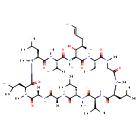
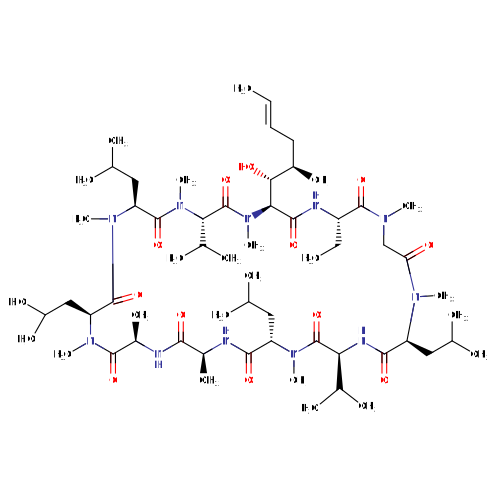
Structure for Cyclosporine (DB00091)
- Weight
- Average: 1202.635
Monoisotopic: 1201.841368058 - Chemical Formula
- C62H111N11O12
- Synonyms
- Ciclosporin
- Ciclosporina
- Ciclosporine
- Ciclosporinum
- CsA
- CyA
- Cyclosporin
- Cyclosporin A
- Cyclosporine
- External IDs
- 27-400
- Antibiotic S 7481F1
- Antibiotic S-7481F1
- NOVA-22007
- NSC-290193
- OL-27-400
- SANG-35
- SDZ-OXL-400

Pharmacology
- Indication
Cyclosporine is approved for a variety of conditions. Firstly, it is approved for the prophylaxis of organ rejection in allogeneic kidney, liver, and heart transplants. It is also used to prevent bone marrow transplant rejection. For the above indications, cyclosporine can be used in conjunction with azathioprine and corticosteroids. Finally, cyclosporine can be used in patients who have chronic transplant rejection and have received previous immunosuppressive therapy22 and to prevent or treat graft-versus-host disease (GVHD).25
Secondly, cyclosporine is used for the treatment of patients with severe active rheumatoid arthritis (RA) when they no longer respond to methotrexate alone.26 It can be used for the treatment of adult non-immunocompromised patients with severe, recalcitrant, plaque psoriasis that have failed to respond to at least one systemic therapy or when systemic therapies are not tolerated or contraindicated.26 The ophthalmic solution of cyclosporine is indicated to increase tear production in patients suffering from keratoconjunctivitis sicca.25 In addition, cyclosporine is approved for the treatment of steroid dependent and steroid-resistant nephrotic syndrome due to glomerular diseases which may include minimal change nephropathy, focal and segmental glomerulosclerosis or membranous glomerulonephritis.25
A cyclosporine ophthalmic emulsion is indicated in the treatment of vernal keratoconjunctivitis in adults and children.29
Off-label, cyclosporine is commonly used for the treatment of various autoimmune and inflammatory conditions such as atopic dermatitis, blistering disorders, ulcerative colitis, juvenile rheumatoid arthritis, uveitis, connective tissue diseases, as well as idiopathic thrombocytopenic purpura.1,17,6,7,8
 Reduce drug development failure ratesBuild, train, & validate machine-learning modelswith evidence-based and structured datasets.Build, train, & validate predictive machine-learning models with structured datasets.
- Associated Conditions
Indication Type Indication Combined Product Details Approval Level Age Group Patient Characteristics Dose Form Treatment of Atopic dermatitis ••• ••••• Prophylaxis of Bone marrow transplant rejection •••••••••••• •••••••• ••••••• ••••••• •••••••••• •••••••• Treatment of Chronic transplant rejection •••••••••••• •••••• •••••••• •••• ••••••• ••••••••• Treatment of Connective tissue disorder ••• ••••• Treatment of Dry eyes •••••••••••• •••••••• • ••••• - Contraindications & Blackbox Warnings
 Prevent Adverse Drug Events TodayTap into our Clinical API for life-saving information on contraindications & blackbox warnings, population restrictions, harmful risks, & more.Avoid life-threatening adverse drug events with our Clinical API
- Pharmacodynamics
Cyclosporine exerts potent immunosuppressive actions on T cells, thereby prolonging survival following organ and bone marrow transplants.26 This drug prevents and controls serious immune-mediated reactions including allograft rejection, graft versus host disease, and inflammatory autoimmune disease.26
Some notable effects of cyclosporine are hypertrichosis, gingival hyperplasia, and hyperlipidemia. There is also some debate about this drug causing nephrotoxicity.9
- Mechanism of action
Cyclosporine is a calcineurin inhibitor that inhibits T cell activation.2,5,12 Its binding to the receptor cyclophilin-1 inside cells produces a complex known as cyclosporine-cyclophilin. This complex subsequently inhibits calcineurin, which in turn stops the dephosphorylation as well as the activation of the nuclear factor of activated T cells (NF-AT) that normally cause inflammatory reactions. NF-AT is a transcription factor that promotes the production of cytokines such as IL-2, IL-4, interferon-gamma and TNF-alpha, all of which are involved in the inflammatory process. Specifically, the inhibition of IL-2, which is necessary for T cell activation or proliferation, is believed to be responsible for cyclosporine's immunosuppressive actions.2,11 In addition to the above, the inhibition of NF-AT leads to lower levels of other factors associated with T helper cell function and thymocyte development.2
Target Actions Organism ACalcium signal-modulating cyclophilin ligand binderHumans ACalcineurin subunit B type 2 inhibitorHumans APeptidyl-prolyl cis-trans isomerase A inhibitorbinderHumans APeptidyl-prolyl cis-trans isomerase F, mitochondrial binderHumans - Absorption
The absorption of cyclosporine occurs mainly in the intestine.2,10 Absorption of cyclosporine is highly variable with a peak bioavailability of 30% sometimes occurring 1-8 hours after administration with a second peak observed in certain patients.5,25 The absorption of cyclosporine from the GI tract has been found to be incomplete, likely due to first pass effects.9 Cmax in both the blood and plasma occurs at approximately 3.5 hours post-dose.22
The Cmax of a 0.1% cyclosporine ophthalmic emulsion is 0.67 ng/mL after instilling one drop four times daily.29
A note on erratic absorption
During chronic administration, the absorption of Sandimmune Soft Gelatin Capsules and Oral Solution have been observed to be erratic, according to Novartis prescribing information. Those being administered the soft gelatin capsules or oral solution over the long term should be regularly monitored by testing cyclosporine blood concentrations and adjusting the dose accordingly.22 When compared with the other oral forms of Sandimmune, Neoral capsules and solution have a higher rate of absorption that results in a higher Tmax and a 59% higher Cmax with a 29 % higher bioavailability.22
- Volume of distribution
The distribution of cyclosporine in the blood consists of 33%-47% in plasma, 4%-9% in the lymphocytes, 5%-12% in the granulocytes, and 41%-58% in the erythrocytes.22 The reported volume of distribution of cyclosporine ranges from 4-8 L/kg. It concentrates mainly in leucocyte-rich tissues as well as tissues that contain high amounts of fat because it is highly lipophilic.9 Cyclosporine, in the eye drop formulation, crosses the blood-retinal barrier.5,13
- Protein binding
About 50% of the administered dose is taken up by erythrocytes while about 34% is bound to lipoproteins.5 Prescribing information for Sandimmune states that 90% is mainly bound to lipoproteins.22
- Metabolism
Cyclosporine is metabolized in the intestine and the liver by CYP450 enzymes, predominantly CYP3A4 with contributions from CYP3A5.2,9 The involvement of CYP3A7 is not clearly established.9 Cyclosporine undergoes several metabolic pathways and about 25 different metabolites have been identified. One of its main active metabolites, AM1, demonstrates only 10-20% activity when compared to the parent drug, according to some studies.5,9
The 3 primary metabolites are M1, M9, and M4N, which are produced from oxidation at the 1-beta, 9-gamma, and 4-N-demethylated positions, respectively.9
Hover over products below to view reaction partners
- Route of elimination
After sulfate conjugation, cyclosporine remains in the bile where it is broken down to the original compound and then re-absorbed into the circulation. Cyclosporine excretion is primarily biliary with only 3-6%9,22 of the dose (including the parent drug and metabolites) excreted in the urine while 90% of the administered dose is eliminated in the bile. From the excreted proportion, under 1% of the dose is excreted as unchanged cyclosporine.5,22
- Half-life
The half-life of cyclosporine is biphasic and very variable on different conditions but it is reported in general to last 19 hours.5 Prescribing information also states a terminal half-life of approximately 19 hours, but with a range between 10 to 27 hours.22
- Clearance
Cyclosporin shows a linear clearance profile that ranges from 0.38 to 3 Lxh/kg5, however, there is substantial inter- patient variability.9 A 250 mg dose of cyclosporine in the oral soft gelatin capsule of a lipid micro-emulsion formulation shows an approximate clearance of 22.5 L/h.14
- Adverse Effects
 Improve decision support & research outcomesWith structured adverse effects data, including: blackbox warnings, adverse reactions, warning & precautions, & incidence rates. View sample adverse effects data in our new Data Library!Improve decision support & research outcomes with our structured adverse effects data.
- Toxicity
The oral LD50 in rats is 1480 mg/kg and the TDLO in humans is 12 mg/kg.23
Overdose information
In cases of overdose with oral cyclosporine, forced emesis and gastric lavage are recommended 2 hours after ingestion. There are little data available in the literature regarding overdoses with cyclosporine, but hepatotoxicity and nephrotoxicity may occur.26 One case report of an cyclosporine overdose due to medical error was made involving a 26 year old female and noted the occurrence of nausea, flushing, tremor, vertigo and vomiting, which resolved within about 1 day. Anorexia and a feeling of increased body girth were also experienced by this patient and resolved within about 2 weeks.14 When overdose with cyclosporine is observed, it is important to consider that dialysis and charcoal, hemoperfusion are not effective techniques to remove cyclosporine from the body.26
- Pathways
- Not Available
- Pharmacogenomic Effects/ADRs
- Not Available
Interactions
- Drug Interactions
- This information should not be interpreted without the help of a healthcare provider. If you believe you are experiencing an interaction, contact a healthcare provider immediately. The absence of an interaction does not necessarily mean no interactions exist.
Drug Interaction Integrate drug-drug
interactions in your software1,2-Benzodiazepine The metabolism of 1,2-Benzodiazepine can be decreased when combined with Cyclosporine. Abacavir Cyclosporine may decrease the excretion rate of Abacavir which could result in a higher serum level. Abametapir The serum concentration of Cyclosporine can be increased when it is combined with Abametapir. Abatacept Abatacept may increase the immunosuppressive activities of Cyclosporine. Abemaciclib The serum concentration of Abemaciclib can be increased when it is combined with Cyclosporine. - Food Interactions
- Avoid grapefruit products.
- Avoid potassium-containing products. Taking products that increase serum potassium may increase the risk of hyperkalemia.
- Avoid St. John's Wort.
- Take at the same time every day. Take consistently with regard to food.
Products
 Drug product information from 10+ global regionsOur datasets provide approved product information including:dosage, form, labeller, route of administration, and marketing period.Access drug product information from over 10 global regions.
- Product Images
- International/Other Brands
- Sangcya (Sangstat Medical Corp.) / Verkazia (Santen Inc.)
- Brand Name Prescription Products
Name Dosage Strength Route Labeller Marketing Start Marketing End Region Image Aqua-stasis Liquid 0.0005 g/100mL Ophthalmic Dr Marc's Manufacturing And Sales 2016-02-23 2018-04-17 US 
Cequa Solution / drops 0.0009 g/1mL Ophthalmic; Topical Sun Pharmaceutical Industries, Inc. 2018-08-15 Not applicable US Cequa Solution 0.09 % w/v Ophthalmic Sun Pharmaceutical Industries Limited 2021-11-04 Not applicable Canada 
Cequa Solution / drops 0.0009 mg/1mL Ophthalmic; Topical Sun Pharmaceutical Industries, Inc. 2018-08-15 Not applicable US Cyclo-derm Liquid 0.25 g/100mL Topical Dr Marc's Manufacturing And Sales 2016-02-23 2018-04-17 US - Generic Prescription Products
Name Dosage Strength Route Labeller Marketing Start Marketing End Region Image Apo-cyclosporine Oral Solution Solution 100 mg / mL Oral Apotex Corporation 2002-07-30 2018-01-11 Canada Cyclosporine Injection, solution 50 mg/1mL Intravenous bryant ranch prepack 2003-10-07 2024-08-01 US Cyclosporine Capsule, liquid filled 25 mg/1 Oral Heritage Pharmaceuticals Inc. d/b/a Avet Pharmaceuticals Inc. 2022-11-30 Not applicable US Cyclosporine Capsule 100 mg/1 Oral Eon Labs, Inc. 2000-01-13 2020-02-28 US Cyclosporine Capsule, liquid filled 100 mg/1 Oral Cardinal Health 2010-09-01 2010-10-31 US 
- Unapproved/Other Products
Name Ingredients Dosage Route Labeller Marketing Start Marketing End Region Image Aqua-stasis Cyclosporine (0.0005 g/100mL) Liquid Ophthalmic Dr Marc's Manufacturing And Sales 2016-02-23 2018-04-17 US Cyclo-derm Cyclosporine (0.25 g/100mL) Liquid Topical Dr Marc's Manufacturing And Sales 2016-02-23 2018-04-17 US Cyclosporine Cyclosporine (50 mg/1mL) Injection, solution Intravenous AMERICAN REGENT, INC. 2003-10-07 2021-04-30 US Cyclosporine/Chondroitin PF Cyclosporine (1 mg/1mL) Emulsion Ophthalmic Imprimis Njof, Llc 2018-07-01 Not applicable US Cyclosporine/Chondroitin Sulfate PF Cyclosporine (1 mg/1mL) Emulsion Ophthalmic ImprimisRx NJ 2018-02-01 Not applicable US


Categories
- ATC Codes
- L04AD01 — Ciclosporin
- L04AD — Calcineurin inhibitors
- L04A — IMMUNOSUPPRESSANTS
- L04 — IMMUNOSUPPRESSANTS
- L — ANTINEOPLASTIC AND IMMUNOMODULATING AGENTS
- Drug Categories
- Agents causing hyperkalemia
- Agents Causing Muscle Toxicity
- Agents that produce hypertension
- Agents that produce neuromuscular block (indirect)
- Agents that reduce seizure threshold
- Amino Acids, Peptides, and Proteins
- Anti-Inflammatory Agents
- Antirheumatic Agents
- BCRP/ABCG2 Inhibitors
- BSEP/ABCB11 Inhibitors
- BSEP/ABCB11 Substrates
- BSEP/ABCB11 Substrates with a Narrow Therapeutic Index
- Calcineurin Inhibitor Immunosuppressant
- Calcineurin Inhibitors
- Cyclosporins
- Cytochrome P-450 CYP2C19 Inhibitors
- Cytochrome P-450 CYP2C19 inhibitors (strength unknown)
- Cytochrome P-450 CYP2D6 Inhibitors
- Cytochrome P-450 CYP2D6 Inhibitors (moderate)
- Cytochrome P-450 CYP3A Inhibitors
- Cytochrome P-450 CYP3A Substrates
- Cytochrome P-450 CYP3A4 Inhibitors
- Cytochrome P-450 CYP3A4 Inhibitors (moderate)
- Cytochrome P-450 CYP3A4 Substrates
- Cytochrome P-450 CYP3A4 Substrates with a Narrow Therapeutic Index
- Cytochrome P-450 CYP3A5 Substrates
- Cytochrome P-450 CYP3A5 Substrates with a Narrow Therapeutic Index
- Cytochrome P-450 Enzyme Inhibitors
- Cytochrome P-450 Substrates
- Dermatologicals
- Enzyme Inhibitors
- Immunologic Factors
- Immunosuppressive Agents
- Narrow Therapeutic Index Drugs
- Nephrotoxic agents
- Neurotoxic agents
- NTCP Inhibitors
- OAT1/SLC22A6 inhibitors
- OAT1/SLC22A6 Substrates
- OATP1B1/SLCO1B1 Inhibitors
- OATP1B1/SLCO1B1 Substrates
- OATP1B3 inhibitors
- Ophthalmologicals
- P-glycoprotein inhibitors
- P-glycoprotein substrates
- P-glycoprotein substrates with a Narrow Therapeutic Index
- Peptides
- Peptides, Cyclic
- Chemical TaxonomyProvided by Classyfire
- Description
- This compound belongs to the class of organic compounds known as cyclosporins. These are cyclic depsipeptides containing the cyclosporin backbone.
- Kingdom
- Organic compounds
- Super Class
- Organic acids and derivatives
- Class
- Peptidomimetics
- Sub Class
- Peptoid-peptide hybrids
- Direct Parent
- Cyclosporins
- Alternative Parents
- Oligopeptides / Macrolactams / Alpha amino acids and derivatives / Tertiary carboxylic acid amides / Secondary carboxylic acid amides / Secondary alcohols / Lactams / Azacyclic compounds / Organopnictogen compounds / Organonitrogen compounds show 3 more
- Substituents
- Alcohol / Aliphatic heteromonocyclic compound / Alpha-amino acid or derivatives / Alpha-oligopeptide / Azacycle / Carbonyl group / Carboxamide group / Carboxylic acid derivative / Cyclosporin-backbone / Hydrocarbon derivative show 12 more
- Molecular Framework
- Aliphatic heteromonocyclic compounds
- External Descriptors
- homodetic cyclic peptide (CHEBI:4031)
- Affected organisms
- Humans and other mammals
Chemical Identifiers
- UNII
- 83HN0GTJ6D
- CAS number
- 59865-13-3
- InChI Key
- PMATZTZNYRCHOR-CGLBZJNRSA-N
- InChI
- InChI=1S/C62H111N11O12/c1-25-27-28-40(15)52(75)51-56(79)65-43(26-2)58(81)67(18)33-48(74)68(19)44(29-34(3)4)55(78)66-49(38(11)12)61(84)69(20)45(30-35(5)6)54(77)63-41(16)53(76)64-42(17)57(80)70(21)46(31-36(7)8)59(82)71(22)47(32-37(9)10)60(83)72(23)50(39(13)14)62(85)73(51)24/h25,27,34-47,49-52,75H,26,28-33H2,1-24H3,(H,63,77)(H,64,76)(H,65,79)(H,66,78)/b27-25+/t40-,41+,42-,43+,44+,45+,46+,47+,49+,50+,51+,52-/m1/s1
- IUPAC Name
- (3S,6S,9S,12R,15S,18S,21S,24S,30S,33S)-30-ethyl-33-[(1R,2R,4E)-1-hydroxy-2-methylhex-4-en-1-yl]-1,4,7,10,12,15,19,25,28-nonamethyl-6,9,18,24-tetrakis(2-methylpropyl)-3,21-bis(propan-2-yl)-1,4,7,10,13,16,19,22,25,28,31-undecaazacyclotritriacontan-2,5,8,11,14,17,20,23,26,29,32-undecone
- SMILES
- CC[C@@H]1NC(=O)[C@H]([C@H](O)[C@H](C)C\C=C\C)N(C)C(=O)[C@H](C(C)C)N(C)C(=O)[C@H](CC(C)C)N(C)C(=O)[C@H](CC(C)C)N(C)C(=O)[C@@H](C)NC(=O)[C@H](C)NC(=O)[C@H](CC(C)C)N(C)C(=O)[C@@H](NC(=O)[C@H](CC(C)C)N(C)C(=O)CN(C)C1=O)C(C)C
References
- Synthesis Reference
Hans Dietl, "Pharmaceutical preparation containing cyclosporine(s) for intravenous administration and a process for its production." U.S. Patent US5527537, issued October, 1990.
US5527537- General References
- Lichtiger S, Present DH, Kornbluth A, Gelernt I, Bauer J, Galler G, Michelassi F, Hanauer S: Cyclosporine in severe ulcerative colitis refractory to steroid therapy. N Engl J Med. 1994 Jun 30;330(26):1841-5. [Article]
- Forsythe P, Paterson S: Ciclosporin 10 years on: indications and efficacy. Vet Rec. 2014 Mar;174 Suppl 2:13-21. doi: 10.1136/vr.102484. [Article]
- Cockerill GW, Bert AG, Ryan GR, Gamble JR, Vadas MA, Cockerill PN: Regulation of granulocyte-macrophage colony-stimulating factor and E-selectin expression in endothelial cells by cyclosporin A and the T-cell transcription factor NFAT. Blood. 1995 Oct 1;86(7):2689-98. [Article]
- Lallemand F, Schmitt M, Bourges JL, Gurny R, Benita S, Garrigue JS: Cyclosporine A delivery to the eye: A comprehensive review of academic and industrial efforts. Eur J Pharm Biopharm. 2017 Aug;117:14-28. doi: 10.1016/j.ejpb.2017.03.006. Epub 2017 Mar 14. [Article]
- Faulds D, Goa KL, Benfield P: Cyclosporin. A review of its pharmacodynamic and pharmacokinetic properties, and therapeutic use in immunoregulatory disorders. Drugs. 1993 Jun;45(6):953-1040. doi: 10.2165/00003495-199345060-00007. [Article]
- Kappers-Klunne MC, van't Veer MB: Cyclosporin A for the treatment of patients with chronic idiopathic thrombocytopenic purpura refractory to corticosteroids or splenectomy. Br J Haematol. 2001 Jul;114(1):121-5. doi: 10.1046/j.1365-2141.2001.02893.x. [Article]
- Lee SH, Chung H, Yu HG: Clinical outcomes of cyclosporine treatment for noninfectious uveitis. Korean J Ophthalmol. 2012 Feb;26(1):21-5. doi: 10.3341/kjo.2012.26.1.21. Epub 2012 Jan 14. [Article]
- Yang TH, Wu TH, Chang YL, Liao HT, Hsu CC, Tsai CY, Chou YC: Cyclosporine for the treatment of lupus nephritis in patients with systemic lupus erythematosus. Clin Nephrol. 2018 Apr;89(4):277-285. doi: 10.5414/CN109325. [Article]
- Barbarino JM, Staatz CE, Venkataramanan R, Klein TE, Altman RB: PharmGKB summary: cyclosporine and tacrolimus pathways. Pharmacogenet Genomics. 2013 Oct;23(10):563-85. doi: 10.1097/FPC.0b013e328364db84. [Article]
- Freeman DJ: Pharmacology and pharmacokinetics of cyclosporine. Clin Biochem. 1991 Feb;24(1):9-14. doi: 10.1016/0009-9120(91)90084-r. [Article]
- Russell G, Graveley R, Seid J, al-Humidan AK, Skjodt H: Mechanisms of action of cyclosporine and effects on connective tissues. Semin Arthritis Rheum. 1992 Jun;21(6 Suppl 3):16-22. doi: 10.1016/0049-0172(92)90009-3. [Article]
- Kapturczak MH, Meier-Kriesche HU, Kaplan B: Pharmacology of calcineurin antagonists. Transplant Proc. 2004 Mar;36(2 Suppl):25S-32S. doi: 10.1016/j.transproceed.2004.01.018. [Article]
- Occhiutto ML, Freitas FR, Maranhao RC, Costa VP: Breakdown of the blood-ocular barrier as a strategy for the systemic use of nanosystems. Pharmaceutics. 2012 May 14;4(2):252-75. doi: 10.3390/pharmaceutics4020252. [Article]
- Tafazoli A: Accidental Overdose of Oral Cyclosporine in Haematopoietic Stem Cell Transplantation: A Case Report and Literature Review. Drug Saf Case Rep. 2015 Dec;2(1):20. doi: 10.1007/s40800-015-0023-3. [Article]
- Flechner SM, Katz AR, Rogers AJ, Van Buren C, Kahan BD: The presence of cyclosporine in body tissues and fluids during pregnancy. Am J Kidney Dis. 1985 Jan;5(1):60-3. doi: 10.1016/s0272-6386(85)80138-4. [Article]
- Nyberg G, Haljamae U, Frisenette-Fich C, Wennergren M, Kjellmer I: Breast-feeding during treatment with cyclosporine. Transplantation. 1998 Jan 27;65(2):253-5. doi: 10.1097/00007890-199801270-00019. [Article]
- Dehesa L, Abuchar A, Nuno-Gonzalez A, Vitiello M, Kerdel FA: The use of cyclosporine in dermatology. J Drugs Dermatol. 2012 Aug;11(8):979-87. [Article]
- Wang Z, Zhang L: Treatment effect of cyclosporine A in patients with painful bladder syndrome/interstitial cystitis: A systematic review. Exp Ther Med. 2016 Jul;12(1):445-450. doi: 10.3892/etm.2016.3301. Epub 2016 Apr 27. [Article]
- Tappeiner C, Roesel M, Heinz C, Michels H, Ganser G, Heiligenhaus A: Limited value of cyclosporine A for the treatment of patients with uveitis associated with juvenile idiopathic arthritis. Eye (Lond). 2009 May;23(5):1192-8. doi: 10.1038/eye.2008.174. Epub 2008 Jun 13. [Article]
- FDA approvals [Link]
- Dailymed [Link]
- Cyclosporine Product Label [Link]
- Cayman Chem: Cyclosporine MSDS [Link]
- NIH Stat Pearls: Cyclosporine [Link]
- Novartis Monograph: Apo-Cyclosporine [Link]
- Neoral (Cyclosporine) FDA Label [Link]
- NY times: Drug that reduces risk in transplants gets early approval [Link]
- FDA Approved Products: Restasis (cyclosporine ophthalmic emulsion) [Link]
- FDA Approved Drug Products: Verkazia (Cyclosporine) Ophthalmic Emulsion [Link]
- FDA Approved Drug Products: VEVYE (cyclosporine ophthalmic solution) 0.1%, for topical ophthalmic use [Link]
- Health Canada Product Monograph: Neoral (cyclosporine for oral use) and Sandimmune (cyclosporine for intravenous injection) [Link]
- Health Canada Product Monograph: CEQUA (Cyclosporine Ophthalmic Solution) for topical opthalmic injection) [Link]
- FDA Approved Drug Products: Neoral (Cyclosporine) oral capule and solution (October 2023) [Link]
- NEORAL (cyclosporine) HC label [File]
- External Links
- KEGG Drug
- D00184
- KEGG Compound
- C05086
- PubChem Compound
- 5284373
- PubChem Substance
- 46508198
- ChemSpider
- 4447449
- BindingDB
- 50022815
- 3008
- ChEBI
- 4031
- ChEMBL
- CHEMBL160
- Therapeutic Targets Database
- DNC001177
- PharmGKB
- PA449167
- RxList
- RxList Drug Page
- Drugs.com
- Drugs.com Drug Page
- Wikipedia
- Ciclosporin
- FDA label
- Download (176 KB)
- MSDS
- Download (83.2 KB)
Clinical Trials
Pharmacoeconomics
- Manufacturers
- Apotex inc
- Ivax pharmaceuticals inc sub teva pharmaceuticals usa
- Pliva inc
- Sandoz inc
- Abbott laboratories
- Novartis pharmaceuticals corp
- Allergan inc
- Bedford laboratories div ben venue laboratories inc
- Pharmaforce inc
- Novex pharma
- Watson laboratories inc
- Wockhardt eu operations (swiss) ag
- Packagers
- Abbott Laboratories Ltd.
- Allergan Inc.
- Amerisource Health Services Corp.
- Apotex Inc.
- Banner Pharmacaps Inc.
- Bedford Labs
- Ben Venue Laboratories Inc.
- Cardinal Health
- Catalent Pharma Solutions
- Draxis Specialty Pharmaceuticals Inc.
- Eon Labs
- Ivax Pharmaceuticals
- Lake Erie Medical and Surgical Supply
- Medisca Inc.
- Murfreesboro Pharmaceutical Nursing Supply
- Novartis AG
- Paddock Labs
- Physicians Total Care Inc.
- Pliva Inc.
- R.P. Scherer GmbH and Co. KG
- Sandhills Packaging Inc.
- Sangstat Medical Corp.
- Santec Chemicals Corp.
- Swiss Caps Ag
- Teva Pharmaceutical Industries Ltd.
- Torpharm Inc.
- Watson Pharmaceuticals
- Wockhardt Ltd.
- Dosage Forms
Form Route Strength Solution Oral 10 g Solution Ophthalmic 0.09 % w/v Solution / drops Ophthalmic; Topical 0.0009 mg/1mL Solution / drops Ophthalmic; Topical 0.0009 g/1mL Solution / drops Ophthalmic 0.05 % Solution Oral 100 MG/ML Solution Oral 100 mg Liquid Topical 0.25 g/100mL Capsule Oral 100 mg/1 Capsule, gelatin coated Oral 100 mg/1 Capsule, gelatin coated Oral 25 mg/1 Capsule, liquid filled Oral 100 mg/1 Injection, solution Intravenous 50 mg/1mL Solution Oral 100 mg/1mL Powder Not applicable 1 g/1g Capsule, liquid filled Oral 25 mg/1 Capsule, liquid filled Oral 50 mg/1 Emulsion Ophthalmic 1 mg/1mL Emulsion Ophthalmic 0.50 mg Emulsion Ophthalmic 0.05 % Solution / drops Ophthalmic 0.1 % Capsule, liquid filled Oral 100.00 MG Capsule, liquid filled Oral 25.00 MG Capsule, liquid filled Oral 50.00 MG Capsule Oral 100.00 mg Emulsion Oral 10.000 g Capsule Oral 50 mg Capsule, liquid filled Oral 100 MG Capsule, liquid filled Oral 25 MG Capsule Oral 25 mg/1 Capsule Oral 50 mg/1 Liquid Ophthalmic 0.0005 g/100mL Liquid Ophthalmic 1 mg/1ml Solution / drops Ophthalmic 1 MG/ML Solution / drops Ophthalmic Emulsion Ophthalmic 1 mg/ml Tablet Oral 25 mg Solution Intravenous 50.000 mg Solution Conjunctival; Ophthalmic 1 mg Solution Ophthalmic 1.000 mg Solution Oral Capsule Oral Capsule Oral 10 mg Solution Oral 100 mg / mL Capsule, gelatin coated Oral 100 mg Capsule, gelatin coated Oral 25 mg Capsule, gelatin coated Oral 50 mg Emulsion Ophthalmic 0.05 % w/v Emulsion Ophthalmic 0.5 mg/1mL Emulsion Ophthalmic 0.500 mg Emulsion Ophthalmic Emulsion Conjunctival 0.2 mg Injection, solution, concentrate Intravenous; Parenteral 50 MG/ML Solution Parenteral 0.05 g Solution 50 mg/1ml Injection, solution, concentrate Parenteral 50 mg/ml Injection, solution Intravenous 50 mg/ml Injection Intravenous 50.0 mg/ml Injection Intravenous Capsule Oral 50.000 mg Capsule Oral 100 mg Capsule Oral 25 mg Capsule, liquid filled Oral 10 mg Capsule, liquid filled Oral 10.0 mg Capsule, liquid filled Oral 100.0 mg Capsule, liquid filled Oral 25.0 mg Capsule, liquid filled Oral 50.0 mg Solution Oral 100.0 mg/ml Emulsion Oral 10 g Capsule, liquid filled Oral 50 mg Solution Intravenous 0.05 g Injection Intravenous 50 mg/1mL Solution Intravenous 50 mg / mL Liquid Oral 100 mg / mL Emulsion Ophthalmic 0.1 % w/v Emulsion Ophthalmic; Topical 1 mg/1mL Solution / drops Ophthalmic 1 mg/1mL - Prices
Unit description Cost Unit SandIMMUNE 100 mg/ml Solution 50ml Bottle 499.62USD bottle Neoral 100 mg/ml Solution 50ml Bottle 346.14USD bottle CycloSPORINE Modified 100 mg/ml Solution 50ml Bottle 311.53USD bottle SandIMMUNE 30 100 mg capsule Box 308.69USD box Restasis 30 0.05% Emulsion 1 Box = 30 Containers 205.99USD box Neoral 30 100 mg capsule Box 190.54USD box CycloSPORINE Modified 30 100 mg capsule Box 171.48USD box Gengraf 30 100 mg capsule Box 159.94USD box SandIMMUNE 30 25 mg capsule Box 77.33USD box Neoral 30 25 mg capsule Box 47.69USD box SandIMMUNE 50 mg/ml Solution 5ml Ampule 46.38USD ampule Gengraf 30 25 mg capsule Box 42.99USD box CycloSPORINE Modified 30 25 mg capsule Box 42.9USD box Cyclosporine a powder 25.2USD g Sandimmune 100 mg capsule 9.89USD capsule Sandimmune 50 mg/ml ampul 7.71USD ml Cyclosporine 100 mg capsule 6.46USD capsule Neoral 100 mg gelatn capsule 6.11USD capsule Cyclosporine 100 mg softgel 5.5USD softgel capsule Cyclosporine modif 100 mg softgel 5.5USD softgel capsule Cyclosporine modif 100 mg capsule 5.49USD capsule Cyclosporine 50 mg/ml amp 5.45USD ml Cyclosporine 50 mg/ml vial 5.28USD ml Gengraf 100 mg capsule 5.28USD capsule Restasis 0.05% eye emulsion 4.49USD each Cyclosporine 50 mg softgel 2.74USD softgel capsule Sandimmune 25 mg capsule 2.48USD capsule Cyclosporine 25 mg capsule 1.56USD capsule Neoral 25 mg gelatin capsule 1.53USD capsule Cyclosporine 25 mg softgel 1.38USD softgel capsule Gengraf 25 mg capsule 1.32USD capsule DrugBank does not sell nor buy drugs. Pricing information is supplied for informational purposes only.- Patents
Patent Number Pediatric Extension Approved Expires (estimated) Region US5985321 No 1999-11-16 2014-09-26 US US4839342 No 1989-06-13 2009-08-02 US CA2108018 No 2003-04-15 2012-04-16 Canada CA1332150 No 1994-09-27 2011-09-27 Canada US8633162 No 2014-01-21 2024-08-27 US US8648048 No 2014-02-11 2024-08-27 US US9248191 No 2016-02-02 2024-08-27 US US8629111 No 2014-01-14 2024-08-27 US US8642556 No 2014-02-04 2024-08-27 US US8685930 No 2014-04-01 2024-08-27 US US8561859 No 2013-10-22 2032-04-16 US US9676525 No 2017-06-13 2034-02-07 US US8292129 No 2012-10-23 2031-02-25 US US9669974 No 2017-06-06 2034-05-11 US US9937225 No 2018-04-10 2033-08-23 US US8980839 No 2015-03-17 2033-08-23 US US10441630 No 2019-10-15 2033-08-23 US US10918694 No 2021-02-16 2037-02-28 US US8298568 No 2012-10-30 2027-11-03 US US9220694 No 2015-12-29 2026-01-27 US US7973081 No 2011-07-05 2026-01-27 US US8524779 No 2013-09-03 2026-01-27 US US9132071 No 2015-09-15 2029-06-02 US US9956289 No 2018-05-01 2026-01-27 US US11612658 No 2006-01-27 2026-01-27 US US8614178 No 2013-12-24 2030-12-13 US US10813976 No 2020-10-27 2037-09-22 US US11154513 No 2021-10-26 2038-11-20 US US11413323 No 2019-10-11 2039-10-11 US
Properties
- State
- Solid
- Experimental Properties
Property Value Source melting point (°C) 148-151 °C https://www.chemicalbook.com/ChemicalProductProperty_EN_CB5163816.htm boiling point (°C) 838.63 https://www.chemicalbook.com/ChemicalProductProperty_EN_CB5163816.htm water solubility insoluble https://www.chemicalbook.com/ChemicalProductProperty_EN_CB5163816.htm logP 1.4 https://www.sciencedirect.com/science/article/pii/S0939641116309080 Caco2 permeability -6.05 ADME Research, USCD pKa 13.32±0.70 https://www.chemicalbook.com/ChemicalProductProperty_EN_CB5163816.htm - Predicted Properties
Property Value Source logP 3.64 Chemaxon pKa (Strongest Acidic) 11.83 Chemaxon pKa (Strongest Basic) -2.4 Chemaxon Physiological Charge 0 Chemaxon Hydrogen Acceptor Count 12 Chemaxon Hydrogen Donor Count 5 Chemaxon Polar Surface Area 278.8 Å2 Chemaxon Rotatable Bond Count 15 Chemaxon Refractivity 327.14 m3·mol-1 Chemaxon Polarizability 133.6 Å3 Chemaxon Number of Rings 1 Chemaxon Bioavailability 0 Chemaxon Rule of Five No Chemaxon Ghose Filter No Chemaxon Veber's Rule No Chemaxon MDDR-like Rule No Chemaxon - Predicted ADMET Features
Property Value Probability Human Intestinal Absorption + 0.8727 Blood Brain Barrier - 0.9659 Caco-2 permeable - 0.6994 P-glycoprotein substrate Substrate 0.8463 P-glycoprotein inhibitor I Inhibitor 0.8685 P-glycoprotein inhibitor II Non-inhibitor 0.5992 Renal organic cation transporter Non-inhibitor 0.9485 CYP450 2C9 substrate Non-substrate 0.8628 CYP450 2D6 substrate Non-substrate 0.8823 CYP450 3A4 substrate Substrate 0.6407 CYP450 1A2 substrate Non-inhibitor 0.9045 CYP450 2C9 inhibitor Non-inhibitor 0.923 CYP450 2D6 inhibitor Non-inhibitor 0.9265 CYP450 2C19 inhibitor Non-inhibitor 0.9026 CYP450 3A4 inhibitor Non-inhibitor 0.6112 CYP450 inhibitory promiscuity Low CYP Inhibitory Promiscuity 0.9968 Ames test Non AMES toxic 0.9133 Carcinogenicity Non-carcinogens 0.8948 Biodegradation Not ready biodegradable 0.9244 Rat acute toxicity 2.8788 LD50, mol/kg Not applicable hERG inhibition (predictor I) Weak inhibitor 0.9815 hERG inhibition (predictor II) Non-inhibitor 0.9214
Spectra
- Mass Spec (NIST)
- Not Available
- Spectra
- Chromatographic Properties
Collision Cross Sections (CCS)
Adduct CCS Value (Å2) Source type Source [M-H]- 392.0282896 predictedDarkChem Lite v0.1.0 [M-H]- 370.77896 predictedDeepCCS 1.0 (2019) [M+H]+ 390.4440896 predictedDarkChem Lite v0.1.0 [M+H]+ 372.50266 predictedDeepCCS 1.0 (2019) [M+Na]+ 394.8031896 predictedDarkChem Lite v0.1.0 [M+Na]+ 378.66428 predictedDeepCCS 1.0 (2019)
Targets

- Kind
- Protein
- Organism
- Humans
- Pharmacological action
- Yes
- Actions
- Binder
- General Function
- Not Available
- Specific Function
- Likely involved in the mobilization of calcium as a result of the TCR/CD3 complex interaction. Binds to cyclophilin B.
- Gene Name
- CAMLG
- Uniprot ID
- P49069
- Uniprot Name
- Calcium signal-modulating cyclophilin ligand
- Molecular Weight
- 32952.255 Da
References
- Bernasconi R, Solda T, Galli C, Pertel T, Luban J, Molinari M: Cyclosporine A-sensitive, cyclophilin B-dependent endoplasmic reticulum-associated degradation. PLoS One. 2010 Sep 28;5(9). pii: e13008. doi: 10.1371/journal.pone.0013008. [Article]
- Yamashita H, Ito T, Kato H, Asai S, Tanaka H, Nagai H, Inagaki N: Comparison of the efficacy of tacrolimus and cyclosporine A in a murine model of dinitrofluorobenzene-induced atopic dermatitis. Eur J Pharmacol. 2010 Oct 25;645(1-3):171-6. doi: 10.1016/j.ejphar.2010.07.031. Epub 2010 Aug 3. [Article]
- Galat A, Bua J: Molecular aspects of cyclophilins mediating therapeutic actions of their ligands. Cell Mol Life Sci. 2010 Oct;67(20):3467-88. doi: 10.1007/s00018-010-0437-0. Epub 2010 Jul 4. [Article]
- Lee J, Kim SS: Current implications of cyclophilins in human cancers. J Exp Clin Cancer Res. 2010 Jul 19;29:97. doi: 10.1186/1756-9966-29-97. [Article]
- Forsythe P, Paterson S: Ciclosporin 10 years on: indications and efficacy. Vet Rec. 2014 Mar;174 Suppl 2:13-21. doi: 10.1136/vr.102484. [Article]
- Russell G, Graveley R, Seid J, al-Humidan AK, Skjodt H: Mechanisms of action of cyclosporine and effects on connective tissues. Semin Arthritis Rheum. 1992 Jun;21(6 Suppl 3):16-22. doi: 10.1016/0049-0172(92)90009-3. [Article]
- Kind
- Protein
- Organism
- Humans
- Pharmacological action
- Yes
- Actions
- Inhibitor
- General Function
- Calcium ion binding
- Specific Function
- Regulatory subunit of calcineurin, a calcium-dependent, calmodulin stimulated protein phosphatase. Confers calcium sensitivity (By similarity).
- Gene Name
- PPP3R2
- Uniprot ID
- Q96LZ3
- Uniprot Name
- Calcineurin subunit B type 2
- Molecular Weight
- 19533.065 Da
References
- Yamashita H, Ito T, Kato H, Asai S, Tanaka H, Nagai H, Inagaki N: Comparison of the efficacy of tacrolimus and cyclosporine A in a murine model of dinitrofluorobenzene-induced atopic dermatitis. Eur J Pharmacol. 2010 Oct 25;645(1-3):171-6. doi: 10.1016/j.ejphar.2010.07.031. Epub 2010 Aug 3. [Article]
- Grigoriu S, Bond R, Cossio P, Chen JA, Ly N, Hummer G, Page R, Cyert MS, Peti W: The molecular mechanism of substrate engagement and immunosuppressant inhibition of calcineurin. PLoS Biol. 2013;11(2):e1001492. doi: 10.1371/journal.pbio.1001492. Epub 2013 Feb 26. [Article]
- Cardenas ME, Hemenway C, Muir RS, Ye R, Fiorentino D, Heitman J: Immunophilins interact with calcineurin in the absence of exogenous immunosuppressive ligands. EMBO J. 1994 Dec 15;13(24):5944-57. [Article]
- Neoral (Cyclosporine) FDA Label [Link]
- Kind
- Protein
- Organism
- Humans
- Pharmacological action
- Yes
- Actions
- InhibitorBinder
- Curator comments
- Cyclosporin A has been shown to inhibit cyclophilin.
- General Function
- Virion binding
- Specific Function
- PPIases accelerate the folding of proteins. It catalyzes the cis-trans isomerization of proline imidic peptide bonds in oligopeptides.
- Gene Name
- PPIA
- Uniprot ID
- P62937
- Uniprot Name
- Peptidyl-prolyl cis-trans isomerase A
- Molecular Weight
- 18012.42 Da
References
- Redell JB, Zhao J, Dash PK: Acutely increased cyclophilin a expression after brain injury: a role in blood-brain barrier function and tissue preservation. J Neurosci Res. 2007 Jul;85(9):1980-8. [Article]
- Schaller T, Ylinen LM, Webb BL, Singh S, Towers GJ: Fusion of cyclophilin A to Fv1 enables cyclosporine-sensitive restriction of human and feline immunodeficiency viruses. J Virol. 2007 Sep;81(18):10055-63. Epub 2007 Jul 3. [Article]
- Lee J, Kim SS: Current implications of cyclophilins in human cancers. J Exp Clin Cancer Res. 2010 Jul 19;29:97. doi: 10.1186/1756-9966-29-97. [Article]
- Stegmann CM, Luhrmann R, Wahl MC: The crystal structure of PPIL1 bound to cyclosporine A suggests a binding mode for a linear epitope of the SKIP protein. PLoS One. 2010 Apr 2;5(4):e10013. doi: 10.1371/journal.pone.0010013. [Article]
- Kind
- Protein
- Organism
- Humans
- Pharmacological action
- Yes
- Actions
- Binder
- General Function
- Peptidyl-prolyl cis-trans isomerase activity
- Specific Function
- PPIases accelerate the folding of proteins. It catalyzes the cis-trans isomerization of proline imidic peptide bonds in oligopeptides. Involved in regulation of the mitochondrial permeability trans...
- Gene Name
- PPIF
- Uniprot ID
- P30405
- Uniprot Name
- Peptidyl-prolyl cis-trans isomerase F, mitochondrial
- Molecular Weight
- 22040.09 Da
References
- Quesniaux VF, Schreier MH, Wenger RM, Hiestand PC, Harding MW, Van Regenmortel MH: Molecular characteristics of cyclophilin-cyclosporine interaction. Transplantation. 1988 Aug;46(2 Suppl):23S-28S. doi: 10.1097/00007890-198808001-00005. [Article]
- Ryffel B, Woerly G, Greiner B, Haendler B, Mihatsch MJ, Foxwell BM: Distribution of the cyclosporine binding protein cyclophilin in human tissues. Immunology. 1991 Mar;72(3):399-404. [Article]
- Kallen J, Spitzfaden C, Zurini MG, Wider G, Widmer H, Wuthrich K, Walkinshaw MD: Structure of human cyclophilin and its binding site for cyclosporin A determined by X-ray crystallography and NMR spectroscopy. Nature. 1991 Sep 19;353(6341):276-9. [Article]
Enzymes
- Kind
- Protein
- Organism
- Humans
- Pharmacological action
- Unknown
- Actions
- Inhibitor
- Curator comments
- Data regarding this enzyme action of cyclosporin is limited to the results of one in vitro study. Clinical correlation is unknown.
- General Function
- Steroid hydroxylase activity
- Specific Function
- Responsible for the metabolism of a number of therapeutic agents such as the anticonvulsant drug S-mephenytoin, omeprazole, proguanil, certain barbiturates, diazepam, propranolol, citalopram and im...
- Gene Name
- CYP2C19
- Uniprot ID
- P33261
- Uniprot Name
- Cytochrome P450 2C19
- Molecular Weight
- 55930.545 Da
References
- Niwa T, Yamamoto S, Saito M, Shiraga T, Takagi A: Effect of cyclosporine and tacrolimus on cytochrome p450 activities in human liver microsomes. Yakugaku Zasshi. 2007 Jan;127(1):209-16. [Article]
- Kind
- Protein
- Organism
- Humans
- Pharmacological action
- Unknown
- Actions
- Inhibitor
- Curator comments
- Data regarding this enzyme action of cyclosporin is limited to the results of one in vitro study. Clinical correlation is unknown.
- General Function
- Steroid hydroxylase activity
- Specific Function
- Responsible for the metabolism of many drugs and environmental chemicals that it oxidizes. It is involved in the metabolism of drugs such as antiarrhythmics, adrenoceptor antagonists, and tricyclic...
- Gene Name
- CYP2D6
- Uniprot ID
- P10635
- Uniprot Name
- Cytochrome P450 2D6
- Molecular Weight
- 55768.94 Da
References
- Niwa T, Yamamoto S, Saito M, Shiraga T, Takagi A: Effect of cyclosporine and tacrolimus on cytochrome p450 activities in human liver microsomes. Yakugaku Zasshi. 2007 Jan;127(1):209-16. [Article]
- Kind
- Protein
- Organism
- Humans
- Pharmacological action
- Unknown
- Actions
- Substrate
- General Function
- Oxygen binding
- Specific Function
- Cytochromes P450 are a group of heme-thiolate monooxygenases. In liver microsomes, this enzyme is involved in an NADPH-dependent electron transport pathway. It oxidizes a variety of structurally un...
- Gene Name
- CYP3A5
- Uniprot ID
- P20815
- Uniprot Name
- Cytochrome P450 3A5
- Molecular Weight
- 57108.065 Da
References
- Zhu HJ, Yuan SH, Fang Y, Sun XZ, Kong H, Ge WH: The effect of CYP3A5 polymorphism on dose-adjusted cyclosporine concentration in renal transplant recipients: a meta-analysis. Pharmacogenomics J. 2011 Jun;11(3):237-46. doi: 10.1038/tpj.2010.26. Epub 2010 Apr 6. [Article]
- Zheng S, Tasnif Y, Hebert MF, Davis CL, Shitara Y, Calamia JC, Lin YS, Shen DD, Thummel KE: CYP3A5 gene variation influences cyclosporine A metabolite formation and renal cyclosporine disposition. Transplantation. 2013 Mar 27;95(6):821-7. doi: 10.1097/TP.0b013e31827e6ad9. [Article]
- Barbarino JM, Staatz CE, Venkataramanan R, Klein TE, Altman RB: PharmGKB summary: cyclosporine and tacrolimus pathways. Pharmacogenet Genomics. 2013 Oct;23(10):563-85. doi: 10.1097/FPC.0b013e328364db84. [Article]
- Flockhart Table of Drug Interactions [Link]
- Neoral (Cyclosporine) FDA Label [Link]
- Kind
- Protein
- Organism
- Humans
- Pharmacological action
- Unknown
- Actions
- SubstrateInhibitor
- General Function
- Vitamin d3 25-hydroxylase activity
- Specific Function
- Cytochromes P450 are a group of heme-thiolate monooxygenases. In liver microsomes, this enzyme is involved in an NADPH-dependent electron transport pathway. It performs a variety of oxidation react...
- Gene Name
- CYP3A4
- Uniprot ID
- P08684
- Uniprot Name
- Cytochrome P450 3A4
- Molecular Weight
- 57342.67 Da
References
- Ekins S, Bravi G, Wikel JH, Wrighton SA: Three-dimensional-quantitative structure activity relationship analysis of cytochrome P-450 3A4 substrates. J Pharmacol Exp Ther. 1999 Oct;291(1):424-33. [Article]
- Sidharta PN, Treiber A, Dingemanse J: Clinical pharmacokinetics and pharmacodynamics of the endothelin receptor antagonist macitentan. Clin Pharmacokinet. 2015 May;54(5):457-71. doi: 10.1007/s40262-015-0255-5. [Article]
- Amundsen R, Asberg A, Ohm IK, Christensen H: Cyclosporine A- and tacrolimus-mediated inhibition of CYP3A4 and CYP3A5 in vitro. Drug Metab Dispos. 2012 Apr;40(4):655-61. doi: 10.1124/dmd.111.043018. Epub 2011 Dec 28. [Article]
- Watkins PB: The role of cytochromes P-450 in cyclosporine metabolism. J Am Acad Dermatol. 1990 Dec;23(6 Pt 2):1301-9; discussion 1309-11. doi: 10.1016/0190-9622(90)70358-o. [Article]
- Barbarino JM, Staatz CE, Venkataramanan R, Klein TE, Altman RB: PharmGKB summary: cyclosporine and tacrolimus pathways. Pharmacogenet Genomics. 2013 Oct;23(10):563-85. doi: 10.1097/FPC.0b013e328364db84. [Article]
- FDA Drug Development and Drug Interactions: Table of Substrates, Inhibitors and Inducers [Link]
- Flockhart Table of Drug Interactions [Link]
Transporters
- Kind
- Protein
- Organism
- Humans
- Pharmacological action
- Unknown
- Actions
- SubstrateInhibitor
- General Function
- Xenobiotic-transporting atpase activity
- Specific Function
- Energy-dependent efflux pump responsible for decreased drug accumulation in multidrug-resistant cells.
- Gene Name
- ABCB1
- Uniprot ID
- P08183
- Uniprot Name
- Multidrug resistance protein 1
- Molecular Weight
- 141477.255 Da
References
- Fricker G, Drewe J, Huwyler J, Gutmann H, Beglinger C: Relevance of p-glycoprotein for the enteral absorption of cyclosporin A: in vitro-in vivo correlation. Br J Pharmacol. 1996 Aug;118(7):1841-7. [Article]
- Lown KS, Mayo RR, Leichtman AB, Hsiao HL, Turgeon DK, Schmiedlin-Ren P, Brown MB, Guo W, Rossi SJ, Benet LZ, Watkins PB: Role of intestinal P-glycoprotein (mdr1) in interpatient variation in the oral bioavailability of cyclosporine. Clin Pharmacol Ther. 1997 Sep;62(3):248-60. [Article]
- Soldner A, Christians U, Susanto M, Wacher VJ, Silverman JA, Benet LZ: Grapefruit juice activates P-glycoprotein-mediated drug transport. Pharm Res. 1999 Apr;16(4):478-85. [Article]
- Barbarino JM, Staatz CE, Venkataramanan R, Klein TE, Altman RB: PharmGKB summary: cyclosporine and tacrolimus pathways. Pharmacogenet Genomics. 2013 Oct;23(10):563-85. doi: 10.1097/FPC.0b013e328364db84. [Article]
- Cyclosporine Product Label [Link]
- FDA Drug Development and Drug Interactions: Table of Substrates, Inhibitors and Inducers [Link]
- Kind
- Protein
- Organism
- Humans
- Pharmacological action
- Unknown
- Actions
- SubstrateInhibitor
- General Function
- Transporter activity
- Specific Function
- Involved in the ATP-dependent secretion of bile salts into the canaliculus of hepatocytes.
- Gene Name
- ABCB11
- Uniprot ID
- O95342
- Uniprot Name
- Bile salt export pump
- Molecular Weight
- 146405.83 Da
References
- Byrne JA, Strautnieks SS, Mieli-Vergani G, Higgins CF, Linton KJ, Thompson RJ: The human bile salt export pump: characterization of substrate specificity and identification of inhibitors. Gastroenterology. 2002 Nov;123(5):1649-58. [Article]
- Stieger B, Fattinger K, Madon J, Kullak-Ublick GA, Meier PJ: Drug- and estrogen-induced cholestasis through inhibition of the hepatocellular bile salt export pump (Bsep) of rat liver. Gastroenterology. 2000 Feb;118(2):422-30. [Article]
- Zhang J, He K, Cai L, Chen YC, Yang Y, Shi Q, Woolf TF, Ge W, Guo L, Borlak J, Tong W: Inhibition of bile salt transport by drugs associated with liver injury in primary hepatocytes from human, monkey, dog, rat, and mouse. Chem Biol Interact. 2016 Aug 5;255:45-54. doi: 10.1016/j.cbi.2016.03.019. Epub 2016 Mar 19. [Article]
- Kind
- Protein
- Organism
- Humans
- Pharmacological action
- Unknown
- Actions
- Inhibitor
- General Function
- Bile acid:sodium symporter activity
- Specific Function
- Plays a critical role in the sodium-dependent reabsorption of bile acids from the lumen of the small intestine. Plays a key role in cholesterol metabolism.
- Gene Name
- SLC10A2
- Uniprot ID
- Q12908
- Uniprot Name
- Ileal sodium/bile acid cotransporter
- Molecular Weight
- 37713.405 Da
References
- Craddock AL, Love MW, Daniel RW, Kirby LC, Walters HC, Wong MH, Dawson PA: Expression and transport properties of the human ileal and renal sodium-dependent bile acid transporter. Am J Physiol. 1998 Jan;274(1 Pt 1):G157-69. [Article]
- Kosters A, Karpen SJ: Bile acid transporters in health and disease. Xenobiotica. 2008 Jul;38(7-8):1043-71. doi: 10.1080/00498250802040584. [Article]
- FDA Drug Development and Drug Interactions: Table of Substrates, Inhibitors and Inducers [Link]
- Kind
- Protein
- Organism
- Humans
- Pharmacological action
- Unknown
- Actions
- Inhibitor
- General Function
- Virus receptor activity
- Specific Function
- The hepatic sodium/bile acid uptake system exhibits broad substrate specificity and transports various non-bile acid organic compounds as well. It is strictly dependent on the extracellular presenc...
- Gene Name
- SLC10A1
- Uniprot ID
- Q14973
- Uniprot Name
- Sodium/bile acid cotransporter
- Molecular Weight
- 38118.64 Da
References
- Schroeder A, Eckhardt U, Stieger B, Tynes R, Schteingart CD, Hofmann AF, Meier PJ, Hagenbuch B: Substrate specificity of the rat liver Na(+)-bile salt cotransporter in Xenopus laevis oocytes and in CHO cells. Am J Physiol. 1998 Feb;274(2 Pt 1):G370-5. [Article]
- Kosters A, Karpen SJ: Bile acid transporters in health and disease. Xenobiotica. 2008 Jul;38(7-8):1043-71. doi: 10.1080/00498250802040584. [Article]
- Kind
- Protein
- Organism
- Humans
- Pharmacological action
- Unknown
- Actions
- SubstrateInhibitor
- General Function
- Sodium-independent organic anion transmembrane transporter activity
- Specific Function
- Involved in the renal elimination of endogenous and exogenous organic anions. Functions as organic anion exchanger when the uptake of one molecule of organic anion is coupled with an efflux of one ...
- Gene Name
- SLC22A6
- Uniprot ID
- Q4U2R8
- Uniprot Name
- Solute carrier family 22 member 6
- Molecular Weight
- 61815.78 Da
References
- Sweet DH, Wolff NA, Pritchard JB: Expression cloning and characterization of ROAT1. The basolateral organic anion transporter in rat kidney. J Biol Chem. 1997 Nov 28;272(48):30088-95. [Article]
- Taguchi T, Masuo Y, Kogi T, Nakamichi N, Kato Y: Characterization of Long-Lasting Oatp Inhibition by Typical Inhibitor Cyclosporine A and In Vitro-In Vivo Discrepancy in Its Drug Interaction Potential in Rats. J Pharm Sci. 2016 Jul;105(7):2231-9. doi: 10.1016/j.xphs.2016.04.025. Epub 2016 Jun 9. [Article]
- Uchida M, Tajima Y, Kakuni M, Kageyama Y, Okada T, Sakurada E, Tateno C, Hayashi R: Organic Anion-Transporting Polypeptide (OATP)-Mediated Drug-Drug Interaction Study between Rosuvastatin and Cyclosporine A in Chimeric Mice with Humanized Liver. Drug Metab Dispos. 2018 Jan;46(1):11-19. doi: 10.1124/dmd.117.075994. Epub 2017 Oct 19. [Article]
- Sidharta PN, Treiber A, Dingemanse J: Clinical pharmacokinetics and pharmacodynamics of the endothelin receptor antagonist macitentan. Clin Pharmacokinet. 2015 May;54(5):457-71. doi: 10.1007/s40262-015-0255-5. [Article]
- Novartis Monograph: Apo-Cyclosporine [Link]
- Kind
- Protein
- Organism
- Humans
- Pharmacological action
- Unknown
- Actions
- SubstrateInhibitor
- Curator comments
- Data in the literature is limited regarding this transporter action.
- General Function
- Atpase activity, coupled to transmembrane movement of substances
- Specific Function
- ATP-dependent transporter probably involved in cellular detoxification through lipophilic anion extrusion.
- Gene Name
- ABCC10
- Uniprot ID
- Q5T3U5
- Uniprot Name
- Multidrug resistance-associated protein 7
- Molecular Weight
- 161627.375 Da
References
- Chen ZS, Hopper-Borge E, Belinsky MG, Shchaveleva I, Kotova E, Kruh GD: Characterization of the transport properties of human multidrug resistance protein 7 (MRP7, ABCC10). Mol Pharmacol. 2003 Feb;63(2):351-8. [Article]
- Kind
- Protein
- Organism
- Humans
- Pharmacological action
- Unknown
- Actions
- Inhibitor
- General Function
- Organic anion transmembrane transporter activity
- Specific Function
- Mediates hepatobiliary excretion of numerous organic anions. May function as a cellular cisplatin transporter.
- Gene Name
- ABCC2
- Uniprot ID
- Q92887
- Uniprot Name
- Canalicular multispecific organic anion transporter 1
- Molecular Weight
- 174205.64 Da
References
- Hesselink DA, van Hest RM, Mathot RA, Bonthuis F, Weimar W, de Bruin RW, van Gelder T: Cyclosporine interacts with mycophenolic acid by inhibiting the multidrug resistance-associated protein 2. Am J Transplant. 2005 May;5(5):987-94. doi: 10.1046/j.1600-6143.2005.00779.x. [Article]
- Elamiri A, Perwaiz S, Tuchweber B, Yousef IM: Effect of mdr2 mutation with combined tandem disruption of canalicular glycoprotein transporters by cyclosporine A on bile formation in mice. Pharmacol Res. 2003 Nov;48(5):467-72. doi: 10.1016/s1043-6618(03)00187-7. [Article]
- Kind
- Protein
- Organism
- Humans
- Pharmacological action
- Unknown
- Actions
- Inhibitor
- General Function
- Xenobiotic-transporting atpase activity
- Specific Function
- High-capacity urate exporter functioning in both renal and extrarenal urate excretion. Plays a role in porphyrin homeostasis as it is able to mediates the export of protoporhyrin IX (PPIX) both fro...
- Gene Name
- ABCG2
- Uniprot ID
- Q9UNQ0
- Uniprot Name
- ATP-binding cassette sub-family G member 2
- Molecular Weight
- 72313.47 Da
References
- Ozvegy C, Litman T, Szakacs G, Nagy Z, Bates S, Varadi A, Sarkadi B: Functional characterization of the human multidrug transporter, ABCG2, expressed in insect cells. Biochem Biophys Res Commun. 2001 Jul 6;285(1):111-7. [Article]
- Sidharta PN, Treiber A, Dingemanse J: Clinical pharmacokinetics and pharmacodynamics of the endothelin receptor antagonist macitentan. Clin Pharmacokinet. 2015 May;54(5):457-71. doi: 10.1007/s40262-015-0255-5. [Article]
- Kind
- Protein
- Organism
- Humans
- Pharmacological action
- Unknown
- Actions
- SubstrateInhibitor
- General Function
- Sodium-independent organic anion transmembrane transporter activity
- Specific Function
- Mediates the Na(+)-independent uptake of organic anions such as pravastatin, taurocholate, methotrexate, dehydroepiandrosterone sulfate, 17-beta-glucuronosyl estradiol, estrone sulfate, prostagland...
- Gene Name
- SLCO1B1
- Uniprot ID
- Q9Y6L6
- Uniprot Name
- Solute carrier organic anion transporter family member 1B1
- Molecular Weight
- 76447.99 Da
References
- Shitara Y, Itoh T, Sato H, Li AP, Sugiyama Y: Inhibition of transporter-mediated hepatic uptake as a mechanism for drug-drug interaction between cerivastatin and cyclosporin A. J Pharmacol Exp Ther. 2003 Feb;304(2):610-6. [Article]
- Fehrenbach T, Cui Y, Faulstich H, Keppler D: Characterization of the transport of the bicyclic peptide phalloidin by human hepatic transport proteins. Naunyn Schmiedebergs Arch Pharmacol. 2003 Nov;368(5):415-20. Epub 2003 Oct 3. [Article]
- Gertz M, Cartwright CM, Hobbs MJ, Kenworthy KE, Rowland M, Houston JB, Galetin A: Cyclosporine inhibition of hepatic and intestinal CYP3A4, uptake and efflux transporters: application of PBPK modeling in the assessment of drug-drug interaction potential. Pharm Res. 2013 Mar;30(3):761-80. doi: 10.1007/s11095-012-0918-y. Epub 2012 Nov 22. [Article]
- FDA Drug Development and Drug Interactions: Table of Substrates, Inhibitors and Inducers [Link]
- Kind
- Protein
- Organism
- Humans
- Pharmacological action
- No
- Actions
- Inhibitor
- General Function
- Sodium-independent organic anion transmembrane transporter activity
- Specific Function
- Mediates the Na(+)-independent uptake of organic anions such as 17-beta-glucuronosyl estradiol, taurocholate, triiodothyronine (T3), leukotriene C4, dehydroepiandrosterone sulfate (DHEAS), methotre...
- Gene Name
- SLCO1B3
- Uniprot ID
- Q9NPD5
- Uniprot Name
- Solute carrier organic anion transporter family member 1B3
- Molecular Weight
- 77402.175 Da
References
- Sidharta PN, Treiber A, Dingemanse J: Clinical pharmacokinetics and pharmacodynamics of the endothelin receptor antagonist macitentan. Clin Pharmacokinet. 2015 May;54(5):457-71. doi: 10.1007/s40262-015-0255-5. [Article]
- Shitara Y, Takeuchi K, Nagamatsu Y, Wada S, Sugiyama Y, Horie T: Long-lasting inhibitory effects of cyclosporin A, but not tacrolimus, on OATP1B1- and OATP1B3-mediated uptake. Drug Metab Pharmacokinet. 2012;27(4):368-78. doi: 10.2133/dmpk.dmpk-11-rg-096. Epub 2012 Jan 13. [Article]
- Gertz M, Cartwright CM, Hobbs MJ, Kenworthy KE, Rowland M, Houston JB, Galetin A: Cyclosporine inhibition of hepatic and intestinal CYP3A4, uptake and efflux transporters: application of PBPK modeling in the assessment of drug-drug interaction potential. Pharm Res. 2013 Mar;30(3):761-80. doi: 10.1007/s11095-012-0918-y. Epub 2012 Nov 22. [Article]
- FDA Drug Development and Drug Interactions: Table of Substrates, Inhibitors and Inducers [Link]

Drug created at June 13, 2005 13:24 / Updated at April 26, 2024 00:46