Identification
- Summary
Methadone is an opioid analgesic indicated for management of severe pain that is not responsive to alternative treatments. Also used to aid in detoxification and maintenance treatment of opioid addiction.
- Brand Names
- Diskets, Dolophine, Metadol, Metadol-D, Methadose
- Generic Name
- Methadone
- DrugBank Accession Number
- DB00333
- Background
Methadone is a potent synthetic analgesic that works as a full µ-opioid receptor (MOR) agonist and N-methyl-d-aspartate (NMDA) receptor antagonist. As a full MOR agonist, methadone mimics the natural effects of the body's opioids, endorphins, and enkephalins through the release of neurotransmitters involved in pain transmission. It also has a number of unique characteristics that have led to its increased use in the last two decades; in particular, methadone has a lower risk of neuropsychiatric toxicity compared to other opioids (due to a lack of active metabolites), minimal accumulation in renal failure, good bioavailability, low cost, and a long duration of action.22,23,24,14,19,20
Due to its unique mechanism of action, methadone is particularly useful for the management of hard to treat pain syndromes such as neuropathic pain and cancer pain requiring higher and more frequent doses of shorter-acting opioids.15,16,18 Compared with morphine, the gold standard reference opioid, methadone also acts as an agonist of κ- and σ-opioid receptors, as an antagonist of the N-methyl-D-aspartate (NMDA) receptor, and as an inhibitor of serotonin and norepinephrine uptake.2,7 Specifically by inhibiting the NMDA receptor, methadone dampens a major excitatory pain pathway within the central nervous system.12 Compared to other opioids, methadone's effects on NMDA inhibition may explain it's improved analgesic efficacy and reduced opioid tolerance.16,17
Methadone shares similar effects and risks of other opioids such as morphine, hydromorphone, oxycodone, and fentanyl. However, it also has a unique pharmacokinetic profile. Compared with short-acting and even extended-release formulations of morphine, methadone displays a comparatively longer duration of action and half-life. These effects make methadone a good option for the treatment of severe pain and addiction as fewer doses are needed to maintain analgesia and prevent opioid withdrawal symptoms. However, methadone also has an unpredictable half-life with interindividual variability, which leads to an unpredictable risk of respiratory depression and overdose when initiating or titrating therapy.8
Overall, methadone's pharmacological actions result in analgesia, suppression of opioid withdrawal symptoms, sedation, miosis, sweating, hypotension, bradycardia, nausea and vomiting (via binding within the chemoreceptor trigger zone), and constipation. At higher doses, methadone use can result in respiratory depression, overdose, and death.22,23,24
Treatment of opioid addiction with methadone, buprenorphine, or slow-release oral morphine (SROM) is termed Opioid Agonist Treatment (OAT) or Opioid Substitution Therapy (OST). The intention of substitution of illicit opioids with the long-acting opioids used in OAT is to prevent withdrawal symptoms for 24-36 hours following dosing to ultimately reduce cravings and drug-seeking behaviours. Use of OAT is also intended to lead to social stabilization by reducing crime rates, incarceration, use of illicit opioids such as heroin or fentanyl, and ultimately marginalization.13 Illegally purchased opioids present many other harms in addition to overdose as they can be injected and may be laced with other substances that increase the risk of harm or overdose. Provision of OAT is often combined with education about harm reduction including use of clean needles and injection supplies in an effort to reduce the risks associated with injection drug use such as contraction of HIV and Hepatitis C and other complications including skin infections, abscesses, or endocarditis.
- Type
- Small Molecule
- Groups
- Approved
- Structure
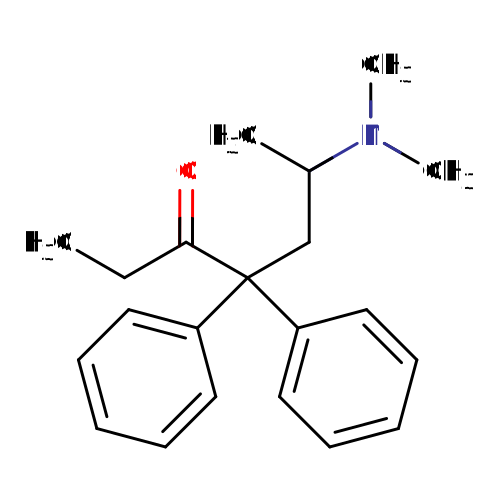
Structure for Methadone (DB00333)
- Weight
- Average: 309.4452
Monoisotopic: 309.209264491 - Chemical Formula
- C21H27NO
- Synonyms
- (+-)-Methadone
- (+/-)-Methadone
- (±)-methadone
- 6-Dimethylamino-4,4-diphenyl-3-heptanone
- dl-Methadone
- Metadona
- Methadone
- Methadonum

Pharmacology
- Indication
Methadone is indicated for the management of pain severe enough to require an opioid analgesic and for which alternative treatment options are inadequate. It's recommended that use is reserved for use in patients for whom alternative treatment options (eg, nonopioid analgesics, opioid combination products) are ineffective, not tolerated, or would be otherwise inadequate to provide sufficient management of pain.23
Methadone is also indicated for detoxification treatment of opioid addiction (heroin or other morphine-like drugs), and for maintenance substitution treatment for opioid dependence in adults in conjunction with appropriate social and medical services.22,24
 Reduce drug development failure ratesBuild, train, & validate machine-learning modelswith evidence-based and structured datasets.Build, train, & validate predictive machine-learning models with structured datasets.
- Associated Conditions
Indication Type Indication Combined Product Details Approval Level Age Group Patient Characteristics Dose Form Management of Opioid addiction •••••••••••• ••••• Management of Opioid addiction •••••••••••• ••••• Management of Severe pain •••••••••••• ••••• •••••••••• ••••••••••• ••••••••• ••••••• - Associated Therapies
- Contraindications & Blackbox Warnings
 Prevent Adverse Drug Events TodayTap into our Clinical API for life-saving information on contraindications & blackbox warnings, population restrictions, harmful risks, & more.Avoid life-threatening adverse drug events with our Clinical API
- Pharmacodynamics
Overall, methadone's pharmacological actions result in analgesia, suppression of opioid withdrawal symptoms, sedation, miosis (through binding to receptors in the pupillary muscles), sweating, hypotension, bradycardia, nausea and vomiting (via binding within the chemoreceptor trigger zone), and constipation. Like many basic drugs, methadone also enters mast cells and releases histamine by a non-immunological mechanism leading to flushing, pruritus, and urticaria, which can commonly be misattributed to an allergic reaction.
Compared to other opioids, methadone has fewer active metabolites and therefore a lower risk of neuropsychiatric toxicity. This means that higher doses needed to manage severe pain or addiction are less likely to result in delirium, hyperalgesia, or seizures.19,20
Similar to morphine, both methadone isomers are 5-HT(3) receptor antagonists, although l-methadone produces greater inhibition than d-methadone.
Methadone's effects are reversible by naloxone with a pA2 value similar to its antagonism of morphine.22,23,24
Dependence and Tolerance
As with other opioids, tolerance and physical dependence may develop upon repeated administration of methadone and there is a potential for development of psychological dependence. Physical dependence and tolerance reflect the neuroadaptation of the opioid receptors to chronic exposure to an opioid and are separate and distinct from abuse and addiction. Tolerance, as well as physical dependence, may develop upon repeated administration of opioids, and are not by themselves evidence of an addictive disorder or abuse.
Patients on prolonged therapy should be tapered gradually from the drug if it is no longer required for pain control. Withdrawal symptoms may occur following abrupt discontinuation of therapy or upon administration of an opioid antagonist. Some of the symptoms that may be associated with abrupt withdrawal of an opioid analgesic include body aches, diarrhea, gooseflesh, loss of appetite, nausea, nervousness or restlessness, anxiety, runny nose, sneezing, tremors or shivering, stomach cramps, tachycardia, trouble with sleeping, unusual increase in sweating, palpitations, unexplained fever, weakness and yawning.22,23,24
Cardiac Conduction Effects
Laboratory studies, both in vivo and in vitro, have demonstrated that methadone inhibits cardiac potassium channels and prolongs the QT interval. Cases of QT interval prolongation and serious arrhythmia (torsades de pointes) have been observed during treatment with methadone. These cases appear to be more commonly associated with, but not limited to, higher dose treatment (> 200 mg/day). Methadone should be administered with particular caution to patients already at risk for development of prolonged QT interval (e.g., cardiac hypertrophy, concomitant diuretic use, hypokalemia, hypomagnesemia). Careful monitoring is recommended when using methadone in patients with a history of cardiac conduction disease, those taking medications affecting cardiac conduction, and in other cases where history or physical exam suggest an increased risk of dysrhythmia.22,23,24
Respiratory Depression and Overdose
Serious, life-threatening, or fatal respiratory depression may occur with use of methadone. Patients should be monitored for respiratory depression, especially during initiation of methadone or following a dose increase.
Respiratory depression is of particular concern in elderly or debilitated patients as well as in those suffering from conditions accompanied by hypoxia or hypercapnia when even moderate therapeutic doses may dangerously decrease pulmonary ventilation. Methadone should be administered with extreme caution to patients with conditions accompanied by hypoxia, hypercapnia, or decreased respiratory reserve such as: asthma, chronic obstructive pulmonary disease or cor pulmonale, severe obesity, sleep apnea syndrome, myxedema, kyphoscoliosis, and CNS depression or coma. In these patients, even usual therapeutic doses of methadone may decrease respiratory drive while simultaneously increasing airway resistance to the point of apnea. Alternative, non-opioid analgesics should be considered, and methadone should be employed only under careful medical supervision at the lowest effective dose.
Infants exposed in-utero or through breast milk are at risk of life-threatening respiratory depression upon delivery or when nursed.
Methadone's peak respiratory depressant effects typically occur later, and persist longer than its peak analgesic effects, in the short-term use setting. These characteristics can contribute to cases of iatrogenic overdose, particularly during treatment initiation and dose titration.22,23,24
Head Injury and Increased Intracranial Pressure
The respiratory depressant effects of opioids and their capacity to elevate cerebrospinal fluid pressure may be markedly exaggerated in the presence of head injury, other intracranial lesions or a pre-existing increase in intracranial pressure. Furthermore, opioids produce effects which may obscure the clinical course of patients with head injuries. In such patients, methadone must be used with caution, and only if it is deemed essential.22,23,24
Incomplete Cross-tolerance between Methadone and other Opioids
Patients tolerant to other opioids may be incompletely tolerant to methadone. Incomplete cross-tolerance is of particular concern for patients tolerant to other µ-opioid agonists who are being converted to methadone, thus making the determination of dosing during opioid conversion complex. Deaths have been reported during conversion from chronic, high-dose treatment with other opioid agonists. A high degree of “opioid tolerance” does not eliminate the possibility of methadone overdose, iatrogenic or otherwise.22,23,24
Crosstolerance between morphine and methadone has been demonstrated, as steady-state plasma methadone concentrations required for effectiveness (C50%) were higher in abstinent rats previously dosed with morphine, as compared to controls.
Misuse, Abuse, and Diversion of Opioids
Methadone is a mu-agonist opioid with an abuse liability similar to morphine. Methadone, like morphine and other opioids used for analgesia, has the potential for being abused and is subject to criminal diversion.
Methadone can be abused in a manner similar to other opioid agonists, legal or illicit. This should be considered when dispensing Methadone in situations where the clinician is concerned about an increased risk of misuse, abuse, or diversion.22,23,24
Hypotensive Effect
The administration of methadone may result in severe hypotension in patients whose ability to maintain normal blood pressure is compromised (e.g., severe volume depletion).22,23,24
Gastrointestinal Effects
Methadone and other morphine-like opioids have been shown to decrease bowel motility and cause constipation. This primarily occurs through agonism of opioid receptors in the gut wall. Methadone may obscure the diagnosis or clinical course of patients with acute abdominal conditions.22,23,24
Sexual Function/Reproduction
Reproductive function in human males may be decreased by methadone treatment. Reductions in ejaculate volume and seminal vesicle and prostate secretions have been reported in methadone-treated individuals. In addition, reductions in serum testosterone levels and sperm motility, and abnormalities in sperm morphology have been reported. Long-term use of opioids may be associated with decreased sex hormone levels and symptoms such as low libido, erectile dysfunction, or infertility.22,23,24
- Mechanism of action
Methadone is a synthetic opioid analgesic with full agonist activity at the µ-opioid receptor. While agonism of the µ-opioid receptor is the primary mechanism of action for the treatment of pain, methadone also acts as an agonist of κ- and σ-opioid receptors within the central and peripheral nervous systems. Interestingly, methadone differs from morphine (which is considered the gold standard reference opioid) in its antagonism of the N-methyl-D-aspartate (NMDA) receptor and its strong inhibition of serotonin and norepinephrine uptake, which likely also contributes to its antinociceptive activity.2
Methadone is administered as a 50:50 racemic mixture of (R)- and (S)-stereoisomers, with (R)-methadone demonstrating ~10-fold higher affinity and potency for the µ-opioid receptor than the (S) stereoisomer.2 The analgesic activity of the racemate is almost entirely due to the (R)-isomer, while the (S)-isomer lacks significant respiratory depressant activity but does have antitussive effects.
While methadone shares similar effects and risks of other opioids such as morphine, hydromorphone, oxycodone, and fentanyl it has a number of unique pharmacokinetic and pharmacodynamic properties that distinguish it from them and make it a useful agent for the treatment of opioid addiction. For example, methadone abstinence syndrome, although qualitatively similar to that of morphine, differs in that the onset is slower, the course is more prolonged, and the symptoms are less severe.
Target Actions Organism AMu-type opioid receptor agonistHumans ANMDA receptor antagonistHumans ADelta-type opioid receptor agonistHumans ANeuronal acetylcholine receptor subunit alpha-7 agonistHumans U5-hydroxytryptamine receptor 3A antagonistHumans UNeuronal acetylcholine receptor subunit alpha-3 antagonistHumans UNeuronal acetylcholine receptor subunit alpha-4 antagonistHumans UNeuronal acetylcholine receptor subunit beta-2 antagonistHumans - Absorption
Methadone is one of the more lipid-soluble opioids and is well absorbed from the gastrointestinal tract. Following oral administration of methadone, bioavailability ranges from 36-100%, with a marked interindividual variation. It can be detected in blood as soon as 15-45 minutes following administration with peak plasma concentrations achieved between 1 to 7.5 hours. A second peak is observed ~4 hours after administration and is likely due to enterohepatic circulation. Dose proportionality of methadone pharmacokinetics is not known.2,22,23,24
Following administration of daily oral doses ranging from 10 to 225 mg the steady-state plasma concentrations ranged between 65 to 630 ng/mL and the peak concentrations ranged between 124 to 1255 ng/mL. Effect of food on the bioavailability of methadone has not been evaluated.2,22,23,24
Slower absorption is observed in opioid users compared to healthy subjects, which may reflect the pharmacological effect of opioids in slowing gastric emptying and mobility.2,22,23,24
Due to the large inter-individual variation in methadone pharmacokinetics and pharmacodynamics, treatment should be individualized to each patient. There was an up to 17-fold interindividual variation found in methadone blood concentrations for a given dosage, likely due in part to individual variability in CYP enzyme function.2 There is also a large variability in pharmacokinetics between methadone's enantiomers, which further complicates pharmacokinetic interpretation and study.8
- Volume of distribution
Due to interindividual differences in pharmacokinetics, estimates of methadone's volume of distribution have ranged from 189-470 L8 with monographs listing it between 1.0-8.0L/kg.22,23,24 As this is higher than physiological volumes of total body water, methadone is highly distributed in the body including brain, gut, kidney, liver, muscle, and lung. A population pharmacokinetic study found that subject gender and weight explained ~33% of the variance in the apparent volume of distribution of methadone.2,24
Methadone is found to be secreted in saliva, sweat, breast milk, amniotic fluid and umbilical cord plasma. The concentration in cord blood is about half the maternal levels.24
- Protein binding
Methadone is highly bound to plasma proteins. While it primarily binds to α1-acid glycoprotein (85-90%), it also binds to albumin and other tissue and plasma proteins including lipoproteins. Methadone is unusual in the opioid class, in that there is extensive binding to tissue proteins and fairly slow transfer between some parts of this tissue reservoir and the plasma.2,24,11
- Metabolism
Methadone undergoes fairly extensive first-pass metabolism. Cytochrome P450 enzymes, primarily CYP3A4, CYP2B6, and CYP2C19 and to a lesser extent CYP2C9, CYP2C8, and CYP2D6, are responsible for conversion of methadone to EDDP (2-ethyl-1,5-dimethyl-3,3-diphenylpyrrolidine) and other inactive metabolites, which are excreted mainly in the urine. Methadone first undergoes N-demethylation to form a highly unstable compound that spontaneously converts to EDDP through cyclization and dehydration. EDDP is then converted to 2-ethyl5-methyl-3,3-diphenyl-1-pyrroline (EDMP). Both EDDP and EDMP are inactive.22,24,11
The CYP isozymes also demonstrate different affinities for metabolizing the different methadone enantiomers: CYP2C19, CYP3A7, and CYP2C8 preferentially metabolize (R)-methadone while CYP2B6, CYP2D6, and CYP2C18 preferentially metabolize (S)-methadone. CYP3A4 does not have an enantiomer preference.9,11
Single nucleotide polymorphisms (SNPs) within the cytochrome P450 enzymes can impact methadone pharmacokinetics and contribute to the interindividual variation in response to methadone therapy. In particular, CYP2B6 polymorphisms have been shown to impact individual response to methadone as it is the predominant determinant involved in the N-demethylation of methadone, clearance, and the metabolic ratios of [methadone]/[EDDP].10 The SNPs CYP2B6*6, *9, *11, CYP2C19*2, *3, CYP3A4*1B, and CYP3A5*3 result in increased methadone plasma concentrations, decreased N-demethylation, and decreased methadone clearance, while homozygous carriers of CYP2B6*6/*6 demonstrate diminished metabolism and clearance of methadone.10 See the pharmacogenomics section for further information.
Pharmacogenomic effects on the CYP enzymes can be significant as the long half-life of methadone can result in some individuals having higher than normal therapeutic levels which puts them at risk of dose-related side effects. For example, elevated (R)-methadone levels can increase the risk of respiratory depression, while elevated (S)-methadone levels can increase the risk of severe cardiac arrhythmias due to prolonged QTc interval.10
Hover over products below to view reaction partners
- Route of elimination
The elimination of methadone is mediated by extensive biotransformation, followed by renal and fecal excretion. Unmetabolized methadone and its metabolites are excreted in urine to a variable degree.
- Half-life
Due to interindividual differences in pharmacokinetics, estimates of methadone's half-life have ranged from 15–207 hours8 with official monographs listing it between 7-59 hours.22,23,24
- Clearance
Due to interindividual differences in pharmacokinetics, estimates of methadone's clearance have ranged from 5.9–13 L/h hours8 with approved monographs listing it between 1.4 to 126 L/h.22,23,24
- Adverse Effects
 Improve decision support & research outcomesWith structured adverse effects data, including: blackbox warnings, adverse reactions, warning & precautions, & incidence rates. View sample adverse effects data in our new Data Library!Improve decision support & research outcomes with our structured adverse effects data.
- Toxicity
In severe overdosage, particularly by the intravenous route, apnea, circulatory collapse, cardiac arrest, and death may occur.
- Pathways
Pathway Category Methadone Action Pathway Drug action Methadone Metabolism Pathway Drug metabolism - Pharmacogenomic Effects/ADRs
Interacting Gene/Enzyme Allele name Genotype(s) Defining Change(s) Type(s) Description Details ATP-dependent translocase ABCB1 --- GG 2677G > T/A pgx review The ABCB1 2677G > T/A GG genotype affects methadone pharmacokinetics and was associated with a 20% reduction in CL/F. Details Cytochrome P450 2B6 CYP2B6*6 Not Available 516G >T pgx review The presence of the rs3745274 minor allele (CYP2B6 515G > T) has been found to affect methadone pharmacokinetics. It reduces CL/F by up to 20% for S-methadone only and reduces (R)- and (S)-methadone N-demethylation, Details Cytochrome P450 2B6 CYP2B6*4 Not Available c.785A>G pgx review The presence of the rs2279343 allele (CYP2B6 785A>G) amplifies CYP2B6 activity and has been found to increase methadone metabolism and clearance. Details Cytochrome P450 2B6 CYP2B6*2 Not Available c.64C > T pgx review The presence of the rs8192709 allele has been found to result in a lower metabolic ratio of [Methadone]/[EDDP] in heterozygotes. Details Cytochrome P450 2B6 CYP2B6*5 Not Available 1459C > T pgx review There is conflicting evidence for the effects of the presence of the rs3211371 allele (CYP2B6 1459C>T). Some studies show it results in increased CYP2B6 activity and ultimately reduced (S)-methadone plasma levels and increased clearance[A184661] while others have demonstrated the opposite effects. [A184658] Details Cytochrome P450 2B6 CYP2B6*9 Not Available 516G>T The presence of the rs3745274 allele (CYP2B6 516G>T) has been shown to reduce CYP2B6 activity, increase (R,S)-methadone plasma levels, and reduce (R)- and (S)-methadone N-demethylation. Details Cytochrome P450 2B6 CYP2B6*11 Not Available 136A > G pgx review The presence of the rs35303484 allele (CYP2B6 135A>G) has been shown to increase (S)-methadone plasma levels and decrease clearance. Details Cytochrome P450 2B6 CYP2B6 3′UTR Not Available c.*1355A > G pgx review The presence of the rs707265 allele (CYP2B6 c.*1355A>G) has been shown increase the [(S)-MTD/MTD Dose] plasma ratio, and reduce clearance of (S)-methadone. Details Cytochrome P450 2B6 CYP2B6 3′UTR Not Available c.*1277A > T pgx review The presence of the rs1038376 allele (CYP2B6 c.*1277A > T) has been shown to increase the [(S)-MTD/MTD Dose] plasma ratio and reduce (S)-MTD clearance. Details Cytochrome P450 2B6 CYP2B6 intron 1 Not Available c.172–468 T > G pgx review The presence of the rsl0403955 allele (c.172–468 T>G) has been shown increase the [(S)-MTD/MTD Dose] plasma ratio, and reduce clearance of (S)-methadone. Details Cytochrome P450 2B6 CYP2B6 intron 5 Not Available c.923–197T > C The presence of the rs2279345 allele (CYP2B6 c.923–197T>C) has been shown increase the [(S)-MTD/MTD Dose] plasma ratio, and reduce clearance of (S)-methadone. Details Cytochrome P450 3A4 CYP3A4*1B Not Available −392A > G pgx review The presence of the rs2740574 allele (CYP3A4 −392A>G) has been shown to increase (S)-methadone plasma levels. Details
Interactions
- Drug Interactions
- This information should not be interpreted without the help of a healthcare provider. If you believe you are experiencing an interaction, contact a healthcare provider immediately. The absence of an interaction does not necessarily mean no interactions exist.
Drug Interaction Integrate drug-drug
interactions in your software1,2-Benzodiazepine 1,2-Benzodiazepine may increase the central nervous system depressant (CNS depressant) activities of Methadone. Abacavir The therapeutic efficacy of Abacavir can be decreased when used in combination with Methadone. Abametapir The serum concentration of Methadone can be increased when it is combined with Abametapir. Abatacept The metabolism of Methadone can be increased when combined with Abatacept. Abemaciclib The serum concentration of Abemaciclib can be increased when it is combined with Methadone. - Food Interactions
- Avoid alcohol.
- Take with or without food. Food does not significantly affect absorption.
Products
 Drug product information from 10+ global regionsOur datasets provide approved product information including:dosage, form, labeller, route of administration, and marketing period.Access drug product information from over 10 global regions.
- Product Ingredients
Ingredient UNII CAS InChI Key Methadone hydrochloride 229809935B 1095-90-5 FJQXCDYVZAHXNS-UHFFFAOYSA-N - International/Other Brands
- Adolan / Depridol / Heptadon / Heptanon / Ketalgin / Mephenon / Physeptone
- Brand Name Prescription Products
Name Dosage Strength Route Labeller Marketing Start Marketing End Region Image Diskets Tablet 40 mg/1 Oral Hikma Pharmaceuticals USA Inc. 1973-03-14 Not applicable US 
Dolophine Tablet 10 mg/1 Oral West-Ward Pharmaceuticals Corp. 1947-08-13 Not applicable US Dolophine Tablet 5 mg/1 Oral West-Ward Pharmaceuticals Corp. 1947-08-13 Not applicable US Metadol Tablet 10 mg Oral Paladin Labs Inc. 2003-07-29 Not applicable Canada 
Metadol Solution 1 mg / mL Oral Paladin Labs Inc. 2003-07-11 Not applicable Canada - Generic Prescription Products
Name Dosage Strength Route Labeller Marketing Start Marketing End Region Image Apo-methadone Tablet 1 mg Oral Apotex Corporation 2024-03-08 Not applicable Canada Apo-methadone Tablet 10 mg Oral Apotex Corporation 2024-03-08 Not applicable Canada Apo-methadone Tablet 5 mg Oral Apotex Corporation 2024-03-08 Not applicable Canada Apo-methadone Tablet 25 mg Oral Apotex Corporation 2024-03-08 Not applicable Canada Jamp Methadone Oral Concentrate Solution 10 mg / mL Oral Jamp Pharma Corporation 2020-10-30 Not applicable Canada
Categories
- ATC Codes
- N07BC02 — Methadone
- N07BC — Drugs used in opioid dependence
- N07B — DRUGS USED IN ADDICTIVE DISORDERS
- N07 — OTHER NERVOUS SYSTEM DRUGS
- N — NERVOUS SYSTEM
- Drug Categories
- Analgesics
- Anticholinergic Agents
- Antidepressive Agents
- Antitussive Agents
- Central Nervous System Agents
- Central Nervous System Depressants
- Cytochrome P-450 CYP1A2 Substrates
- Cytochrome P-450 CYP2B6 Inducers
- Cytochrome P-450 CYP2B6 Inducers (strength unknown)
- Cytochrome P-450 CYP2B6 Substrates
- Cytochrome P-450 CYP2C18 Substrates
- Cytochrome P-450 CYP2C19 Substrates
- Cytochrome P-450 CYP2C8 Substrates
- Cytochrome P-450 CYP2C9 Substrates
- Cytochrome P-450 CYP2D6 Inhibitors
- Cytochrome P-450 CYP2D6 Inhibitors (strength unknown)
- Cytochrome P-450 CYP2D6 Substrates
- Cytochrome P-450 CYP3A Inducers
- Cytochrome P-450 CYP3A Inhibitors
- Cytochrome P-450 CYP3A Substrates
- Cytochrome P-450 CYP3A4 Inducers
- Cytochrome P-450 CYP3A4 Inducers (strength unknown)
- Cytochrome P-450 CYP3A4 Inhibitors
- Cytochrome P-450 CYP3A4 Inhibitors (strength unknown)
- Cytochrome P-450 CYP3A4 Substrates
- Cytochrome P-450 CYP3A5 Substrates
- Cytochrome P-450 CYP3A7 Substrates
- Cytochrome P-450 Enzyme Inducers
- Cytochrome P-450 Enzyme Inhibitors
- Cytochrome P-450 Substrates
- Diphenylpropylamine Derivatives
- Drugs that are Mainly Renally Excreted
- Drugs Used in Addictive Disorders
- Drugs Used in Opioid Dependence
- High-risk opioids
- Ketones
- Moderate Risk QTc-Prolonging Agents
- Narcotics
- Nervous System
- Nicotinic Antagonists
- NMDA Receptor Antagonists
- Opiate Agonists
- Opioid Agonist
- Opioids
- P-glycoprotein inhibitors
- Peripheral Nervous System Agents
- QTc Prolonging Agents
- Respiratory System Agents
- Sensory System Agents
- Serotonergic Drugs Shown to Increase Risk of Serotonin Syndrome
- Serotonin Agents
- Serotonin Modulators
- Thyroxine-binding globulin inducers
- Chemical TaxonomyProvided by Classyfire
- Description
- This compound belongs to the class of organic compounds known as diphenylmethanes. These are compounds containing a diphenylmethane moiety, which consists of a methane wherein two hydrogen atoms are replaced by two phenyl groups.
- Kingdom
- Organic compounds
- Super Class
- Benzenoids
- Class
- Benzene and substituted derivatives
- Sub Class
- Diphenylmethanes
- Direct Parent
- Diphenylmethanes
- Alternative Parents
- Aralkylamines / Gamma-amino ketones / Trialkylamines / Organopnictogen compounds / Organic oxides / Hydrocarbon derivatives
- Substituents
- Amine / Aralkylamine / Aromatic homomonocyclic compound / Carbonyl group / Diphenylmethane / Gamma-aminoketone / Hydrocarbon derivative / Ketone / Organic nitrogen compound / Organic oxide
- Molecular Framework
- Aromatic homomonocyclic compounds
- External Descriptors
- tertiary amine, benzenes, ketone (CHEBI:6807)
- Affected organisms
- Humans and other mammals
Chemical Identifiers
- UNII
- UC6VBE7V1Z
- CAS number
- 76-99-3
- InChI Key
- USSIQXCVUWKGNF-UHFFFAOYSA-N
- InChI
- InChI=1S/C21H27NO/c1-5-20(23)21(16-17(2)22(3)4,18-12-8-6-9-13-18)19-14-10-7-11-15-19/h6-15,17H,5,16H2,1-4H3
- IUPAC Name
- 6-(dimethylamino)-4,4-diphenylheptan-3-one
- SMILES
- CCC(=O)C(CC(C)N(C)C)(C1=CC=CC=C1)C1=CC=CC=C1
References
- Synthesis Reference
Charles J. Barnett, "Modification of methadone synthesis process step." U.S. Patent US4048211, issued August, 1952.
US4048211- General References
- Kell MJ: Utilization of plasma and urine methadone concentrations to optimize treatment in maintenance clinics: I. Measurement techniques for a clinical setting. J Addict Dis. 1994;13(1):5-26. [Article]
- Eap CB, Buclin T, Baumann P: Interindividual variability of the clinical pharmacokinetics of methadone: implications for the treatment of opioid dependence. Clin Pharmacokinet. 2002;41(14):1153-93. doi: 10.2165/00003088-200241140-00003. [Article]
- Joseph H, Stancliff S, Langrod J: Methadone maintenance treatment (MMT): a review of historical and clinical issues. Mt Sinai J Med. 2000 Oct-Nov;67(5-6):347-64. [Article]
- Connock M, Juarez-Garcia A, Jowett S, Frew E, Liu Z, Taylor RJ, Fry-Smith A, Day E, Lintzeris N, Roberts T, Burls A, Taylor RS: Methadone and buprenorphine for the management of opioid dependence: a systematic review and economic evaluation. Health Technol Assess. 2007 Mar;11(9):1-171, iii-iv. [Article]
- Donny EC, Brasser SM, Bigelow GE, Stitzer ML, Walsh SL: Methadone doses of 100 mg or greater are more effective than lower doses at suppressing heroin self-administration in opioid-dependent volunteers. Addiction. 2005 Oct;100(10):1496-509. [Article]
- Haroutiunian S, McNicol ED, Lipman AG: Methadone for chronic non-cancer pain in adults. Cochrane Database Syst Rev. 2012 Nov 14;11:CD008025. doi: 10.1002/14651858.CD008025.pub2. [Article]
- Codd EE, Shank RP, Schupsky JJ, Raffa RB: Serotonin and norepinephrine uptake inhibiting activity of centrally acting analgesics: structural determinants and role in antinociception. J Pharmacol Exp Ther. 1995 Sep;274(3):1263-70. [Article]
- Bart G, Lenz S, Straka RJ, Brundage RC: Ethnic and genetic factors in methadone pharmacokinetics: a population pharmacokinetic study. Drug Alcohol Depend. 2014 Dec 1;145:185-93. doi: 10.1016/j.drugalcdep.2014.10.014. Epub 2014 Oct 24. [Article]
- Wang SC, Ho IK, Tsou HH, Tian JN, Hsiao CF, Chen CH, Tan HK, Lin L, Wu CS, Su LW, Huang CL, Yang YH, Liu ML, Lin KM, Chen CY, Liu SC, Wu HY, Chan HW, Tsai MH, Lin PS, Liu YL: CYP2B6 polymorphisms influence the plasma concentration and clearance of the methadone S-enantiomer. J Clin Psychopharmacol. 2011 Aug;31(4):463-9. doi: 10.1097/JCP.0b013e318222b5dd. [Article]
- Ahmad T, Valentovic MA, Rankin GO: Effects of cytochrome P450 single nucleotide polymorphisms on methadone metabolism and pharmacodynamics. Biochem Pharmacol. 2018 Jul;153:196-204. doi: 10.1016/j.bcp.2018.02.020. Epub 2018 Feb 16. [Article]
- Volpe DA, Xu Y, Sahajwalla CG, Younis IR, Patel V: Methadone Metabolism and Drug-Drug Interactions: In Vitro and In Vivo Literature Review. J Pharm Sci. 2018 Dec;107(12):2983-2991. doi: 10.1016/j.xphs.2018.08.025. Epub 2018 Sep 8. [Article]
- Deng M, Chen SR, Pan HL: Presynaptic NMDA receptors control nociceptive transmission at the spinal cord level in neuropathic pain. Cell Mol Life Sci. 2019 May;76(10):1889-1899. doi: 10.1007/s00018-019-03047-y. Epub 2019 Feb 20. [Article]
- Ferri M, Minozzi S, Bo A, Amato L: Slow-release oral morphine as maintenance therapy for opioid dependence. Cochrane Database Syst Rev. 2013 Jun 5;(6):CD009879. doi: 10.1002/14651858.CD009879.pub2. [Article]
- Toombs JD, Kral LA: Methadone treatment for pain states. Am Fam Physician. 2005 Apr 1;71(7):1353-8. [Article]
- Kahan M, Wilson L, Mailis-Gagnon A, Srivastava A: Canadian guideline for safe and effective use of opioids for chronic noncancer pain: clinical summary for family physicians. Part 2: special populations. Can Fam Physician. 2011 Nov;57(11):1269-76, e419-28. [Article]
- Crews JC, Sweeney NJ, Denson DD: Clinical efficacy of methadone in patients refractory to other mu-opioid receptor agonist analgesics for management of terminal cancer pain. Case presentations and discussion of incomplete cross-tolerance among opioid agonist analgesics. Cancer. 1993 Oct 1;72(7):2266-72. doi: 10.1002/1097-0142(19931001)72:7<2266::aid-cncr2820720734>3.0.co;2-p. [Article]
- Hewitt DJ: The use of NMDA-receptor antagonists in the treatment of chronic pain. Clin J Pain. 2000 Jun;16(2 Suppl):S73-9. [Article]
- Bruera E, Neumann CM: Role of methadone in the management of pain in cancer patients. Oncology (Williston Park). 1999 Sep;13(9):1275-82; discussion 1285-8, 1291. [Article]
- Mercadante S: Pathophysiology and treatment of opioid-related myoclonus in cancer patients. Pain. 1998 Jan;74(1):5-9. [Article]
- Sarhill N, Davis MP, Walsh D, Nouneh C: Methadone-induced myoclonus in advanced cancer. Am J Hosp Palliat Care. 2001 Jan-Feb;18(1):51-3. doi: 10.1177/104990910101800113. [Article]
- FDA Approved Drug Products: DISKETS (methadone hydrochloride) tablets, for oral suspension CII [Link]
- FDA Label - Methadone [File]
- Health Canada Label - Metadol [File]
- Health Canada Label - Methadose [File]
- External Links
- Human Metabolome Database
- HMDB0014477
- KEGG Drug
- D08195
- KEGG Compound
- C07163
- PubChem Compound
- 4095
- PubChem Substance
- 46505722
- ChemSpider
- 3953
- BindingDB
- 82507
- 6813
- ChEBI
- 167309
- ChEMBL
- CHEMBL651
- Therapeutic Targets Database
- DAP000267
- PharmGKB
- PA450401
- RxList
- RxList Drug Page
- Drugs.com
- Drugs.com Drug Page
- Wikipedia
- Methadone
- FDA label
- Download (327 KB)
- MSDS
- Download (60 KB)
Clinical Trials
- Clinical Trials
Phase Status Purpose Conditions Count 4 Active Not Recruiting Treatment Adverse Drug Reaction (ADR) / Arrhythmia / Effect of Drugs 1 4 Completed Health Services Research Human Immunodeficiency Virus (HIV) Infections / Opioid Use Disorder (OUD) 1 4 Completed Prevention Chronic Pain / Postoperative pain 1 4 Completed Prevention Post Operative Nausea and Vomiting (PONV) / Postoperative pain 1 4 Completed Treatment Acquired Immune Deficiency Syndrome (AIDS) / Human Immunodeficiency Virus (HIV) Infections / Opiate Addiction / Substance Dependence 1
Pharmacoeconomics
- Manufacturers
- Roxane laboratories inc
- Vistapharm inc
- Mallinckrodt chemical inc
- Bioniche pharma usa llc
- Sandoz inc
- Mallinckrodt inc
- The pharmanetwork llc
- Packagers
- AAIPharma Inc.
- Bioniche Pharma
- Blenheim Pharmacal
- Bryant Ranch Prepack
- D.M. Graham Laboratories Inc.
- Direct Dispensing Inc.
- Dispensing Solutions
- Diversified Healthcare Services Inc.
- Eon Labs
- Lake Erie Medical and Surgical Supply
- Mallinckrodt Inc.
- Nucare Pharmaceuticals Inc.
- Physicians Total Care Inc.
- Redpharm Drug
- Roxane Labs
- Stat Rx Usa
- Vistapharm Inc.
- Xanodyne Pharmaceuticals Inc.
- Dosage Forms
Form Route Strength Solution Parenteral 10.000 mg Tablet Oral 40.000 mg Solution Oral 1.000 g Syrup Oral 5 mg/ml Injection, solution Parenteral 10 MG/1ML Syrup Oral 1 MG/ML Syrup Oral 10 MG/20ML Syrup Oral 20 MG/20ML Syrup Oral 5 MG/20ML Tablet Oral 1 mg Tablet Oral 10 mg Tablet Oral 25 mg Tablet Oral 5 mg Solution Oral 1 mg / mL Solution Oral 10 mg/mL Solution Oral Solution Oral 1 MG/ML Solution Oral 5 MG/ML Injection, solution, concentrate Oral 10 mg/ml Injection, solution Intravenous 10 mg/1mL Syrup Oral Tablet Oral 40 mg/1 Concentrate Oral 10 mg/1mL Injection, solution Intramuscular; Intravenous; Subcutaneous 10 mg/1mL Powder Oral 1 g/1g Solution Oral 10 mg/5mL Solution Oral 5 mg/5mL Tablet Oral 10 mg/1 Tablet Oral 10 mg/1001 Tablet Oral 5 mg/1001 Tablet Oral 5 mg/1 Solution Oral 10 mg / mL Tablet, soluble Oral 40 mg Syrup Oral 2 mg/ml Tablet Oral 20 mg Tablet Oral 40 mg Tablet Oral 60 mg Solution, concentrate Oral - Prices
Unit description Cost Unit Methadone hcl 10 mg/ml vial 7.48USD ml Methadone hcl powder 5.91USD g Metadol 25 mg Tablet 1.69USD tablet Metadol 10 mg Tablet 0.9USD tablet Methadone intensol 10 mg/ml 0.85USD ml Metadol 5 mg Tablet 0.56USD tablet Methadone hcl 10 mg tablet 0.37USD tablet Metadol Concentrate 10 mg/ml Liquid 0.37USD ml Methadone hcl 5 mg tablet 0.34USD tablet Dolophine hcl 10 mg tablet 0.21USD tablet Metadol 1 mg Tablet 0.17USD tablet Methadose 5 mg tablet 0.16USD tablet Methadose 10 mg tablet 0.14USD tablet Dolophine hcl 5 mg tablet 0.13USD tablet Metadol 1 mg/ml Solution 0.1USD ml DrugBank does not sell nor buy drugs. Pricing information is supplied for informational purposes only.- Patents
- Not Available
Properties
- State
- Solid
- Experimental Properties
Property Value Source melting point (°C) 235.0 °C Not Available logP 3.93 HANSCH,C ET AL. (1995) pKa 9.2 A497 - Predicted Properties
Property Value Source Water Solubility 0.0059 mg/mL ALOGPS logP 4.14 ALOGPS logP 5.01 Chemaxon logS -4.7 ALOGPS pKa (Strongest Acidic) 19.79 Chemaxon pKa (Strongest Basic) 9.12 Chemaxon Physiological Charge 1 Chemaxon Hydrogen Acceptor Count 2 Chemaxon Hydrogen Donor Count 0 Chemaxon Polar Surface Area 20.31 Å2 Chemaxon Rotatable Bond Count 7 Chemaxon Refractivity 97.27 m3·mol-1 Chemaxon Polarizability 36.28 Å3 Chemaxon Number of Rings 2 Chemaxon Bioavailability 1 Chemaxon Rule of Five No Chemaxon Ghose Filter Yes Chemaxon Veber's Rule Yes Chemaxon MDDR-like Rule No Chemaxon - Predicted ADMET Features
Property Value Probability Human Intestinal Absorption + 0.9968 Blood Brain Barrier + 0.9772 Caco-2 permeable + 0.7841 P-glycoprotein substrate Substrate 0.6224 P-glycoprotein inhibitor I Inhibitor 0.7627 P-glycoprotein inhibitor II Non-inhibitor 0.9101 Renal organic cation transporter Non-inhibitor 0.5851 CYP450 2C9 substrate Non-substrate 0.7822 CYP450 2D6 substrate Non-substrate 0.7743 CYP450 3A4 substrate Substrate 0.66 CYP450 1A2 substrate Inhibitor 0.5312 CYP450 2C9 inhibitor Non-inhibitor 0.864 CYP450 2D6 inhibitor Inhibitor 0.5449 CYP450 2C19 inhibitor Non-inhibitor 0.8177 CYP450 3A4 inhibitor Non-inhibitor 0.5507 CYP450 inhibitory promiscuity Low CYP Inhibitory Promiscuity 0.6586 Ames test Non AMES toxic 0.946 Carcinogenicity Carcinogens 0.6315 Biodegradation Not ready biodegradable 0.9888 Rat acute toxicity 3.5250 LD50, mol/kg Not applicable hERG inhibition (predictor I) Weak inhibitor 0.947 hERG inhibition (predictor II) Inhibitor 0.7606
Spectra
- Mass Spec (NIST)
- Not Available
- Spectra
- Chromatographic Properties
Collision Cross Sections (CCS)
Adduct CCS Value (Å2) Source type Source [M-H]- 189.3222635 predictedDarkChem Lite v0.1.0 [M-H]- 174.8972 predictedDeepCCS 1.0 (2019) [M+H]+ 189.7020635 predictedDarkChem Lite v0.1.0 [M+H]+ 177.2552 predictedDeepCCS 1.0 (2019) [M+Na]+ 189.6602635 predictedDarkChem Lite v0.1.0 [M+Na]+ 184.34584 predictedDeepCCS 1.0 (2019)
Targets

- Kind
- Protein
- Organism
- Humans
- Pharmacological action
- Yes
- Actions
- Agonist
- Curator comments
- Full agonist.
- General Function
- Voltage-gated calcium channel activity
- Specific Function
- Receptor for endogenous opioids such as beta-endorphin and endomorphin. Receptor for natural and synthetic opioids including morphine, heroin, DAMGO, fentanyl, etorphine, buprenorphin and methadone...
- Gene Name
- OPRM1
- Uniprot ID
- P35372
- Uniprot Name
- Mu-type opioid receptor
- Molecular Weight
- 44778.855 Da
References
- Overington JP, Al-Lazikani B, Hopkins AL: How many drug targets are there? Nat Rev Drug Discov. 2006 Dec;5(12):993-6. [Article]
- Imming P, Sinning C, Meyer A: Drugs, their targets and the nature and number of drug targets. Nat Rev Drug Discov. 2006 Oct;5(10):821-34. [Article]
- Shi J, Hui L, Xu Y, Wang F, Huang W, Hu G: Sequence variations in the mu-opioid receptor gene (OPRM1) associated with human addiction to heroin. Hum Mutat. 2002 Apr;19(4):459-60. [Article]
- Kakko J, von Wachenfeldt J, Svanborg KD, Lidstrom J, Barr CS, Heilig M: Mood and neuroendocrine response to a chemical stressor, metyrapone, in buprenorphine-maintained heroin dependence. Biol Psychiatry. 2008 Jan 15;63(2):172-7. Epub 2007 Sep 11. [Article]
- Kvam TM, Baar C, Rakvag TT, Kaasa S, Krokan HE, Skorpen F: Genetic analysis of the murine mu opioid receptor: increased complexity of Oprm gene splicing. J Mol Med (Berl). 2004 Apr;82(4):250-5. Epub 2004 Jan 9. [Article]
- Eap CB, Buclin T, Baumann P: Interindividual variability of the clinical pharmacokinetics of methadone: implications for the treatment of opioid dependence. Clin Pharmacokinet. 2002;41(14):1153-93. doi: 10.2165/00003088-200241140-00003. [Article]
- Sotgiu ML, Valente M, Storchi R, Caramenti G, Biella GE: Cooperative N-methyl-D-aspartate (NMDA) receptor antagonism and mu-opioid receptor agonism mediate the methadone inhibition of the spinal neuron pain-related hyperactivity in a rat model of neuropathic pain. Pharmacol Res. 2009 Oct;60(4):284-90. doi: 10.1016/j.phrs.2009.04.002. Epub 2009 Apr 11. [Article]
- Kind
- Protein group
- Organism
- Humans
- Pharmacological action
- Yes
- Actions
- Antagonist
- General Function
- Voltage-gated cation channel activity
- Specific Function
- NMDA receptor subtype of glutamate-gated ion channels with high calcium permeability and voltage-dependent sensitivity to magnesium. Mediated by glycine. This protein plays a key role in synaptic p...
Components:
References
- Overington JP, Al-Lazikani B, Hopkins AL: How many drug targets are there? Nat Rev Drug Discov. 2006 Dec;5(12):993-6. [Article]
- Imming P, Sinning C, Meyer A: Drugs, their targets and the nature and number of drug targets. Nat Rev Drug Discov. 2006 Oct;5(10):821-34. [Article]
- Sotgiu ML, Valente M, Storchi R, Caramenti G, Biella GE: Cooperative N-methyl-D-aspartate (NMDA) receptor antagonism and mu-opioid receptor agonism mediate the methadone inhibition of the spinal neuron pain-related hyperactivity in a rat model of neuropathic pain. Pharmacol Res. 2009 Oct;60(4):284-90. doi: 10.1016/j.phrs.2009.04.002. Epub 2009 Apr 11. [Article]
- Eap CB, Buclin T, Baumann P: Interindividual variability of the clinical pharmacokinetics of methadone: implications for the treatment of opioid dependence. Clin Pharmacokinet. 2002;41(14):1153-93. doi: 10.2165/00003088-200241140-00003. [Article]
- Hanania T, Manfredi P, Inturrisi C, Vitolo OV: The N-methyl-D-aspartate receptor antagonist d-methadone acutely improves depressive-like behavior in the forced swim test performance of rats. Exp Clin Psychopharmacol. 2019 Aug 1. pii: 2019-44083-001. doi: 10.1037/pha0000310. [Article]
- Ebert B, Thorkildsen C, Andersen S, Christrup LL, Hjeds H: Opioid analgesics as noncompetitive N-methyl-D-aspartate (NMDA) antagonists. Biochem Pharmacol. 1998 Sep 1;56(5):553-9. doi: 10.1016/s0006-2952(98)00088-4. [Article]
- FDA Label - Methadone [File]
- Kind
- Protein
- Organism
- Humans
- Pharmacological action
- Yes
- Actions
- Agonist
- General Function
- Opioid receptor activity
- Specific Function
- G-protein coupled receptor that functions as receptor for endogenous enkephalins and for a subset of other opioids. Ligand binding causes a conformation change that triggers signaling via guanine n...
- Gene Name
- OPRD1
- Uniprot ID
- P41143
- Uniprot Name
- Delta-type opioid receptor
- Molecular Weight
- 40368.235 Da
References
- Gross ER, Hsu AK, Gross GJ: Acute methadone treatment reduces myocardial infarct size via the delta-opioid receptor in rats during reperfusion. Anesth Analg. 2009 Nov;109(5):1395-402. doi: 10.1213/ANE.0b013e3181b92201. [Article]
- Eap CB, Buclin T, Baumann P: Interindividual variability of the clinical pharmacokinetics of methadone: implications for the treatment of opioid dependence. Clin Pharmacokinet. 2002;41(14):1153-93. doi: 10.2165/00003088-200241140-00003. [Article]
- Kind
- Protein
- Organism
- Humans
- Pharmacological action
- Yes
- Actions
- Agonist
- General Function
- Toxic substance binding
- Specific Function
- After binding acetylcholine, the AChR responds by an extensive change in conformation that affects all subunits and leads to opening of an ion-conducting channel across the plasma membrane. The cha...
- Gene Name
- CHRNA7
- Uniprot ID
- P36544
- Uniprot Name
- Neuronal acetylcholine receptor subunit alpha-7
- Molecular Weight
- 56448.925 Da
References
- Talka R, Tuominen RK, Salminen O: Methadone's effect on nAChRs--a link between methadone use and smoking? Biochem Pharmacol. 2015 Oct 15;97(4):542-549. doi: 10.1016/j.bcp.2015.07.031. Epub 2015 Jul 29. [Article]
- Talka R, Salminen O, Tuominen RK: Methadone is a non-competitive antagonist at the alpha4beta2 and alpha3* nicotinic acetylcholine receptors and an agonist at the alpha7 nicotinic acetylcholine receptor. Basic Clin Pharmacol Toxicol. 2015 Apr;116(4):321-8. doi: 10.1111/bcpt.12317. Epub 2014 Oct 7. [Article]
- Kind
- Protein
- Organism
- Humans
- Pharmacological action
- Unknown
- Actions
- Antagonist
- General Function
- Voltage-gated potassium channel activity
- Specific Function
- This is one of the several different receptors for 5-hydroxytryptamine (serotonin), a biogenic hormone that functions as a neurotransmitter, a hormone, and a mitogen. This receptor is a ligand-gate...
- Gene Name
- HTR3A
- Uniprot ID
- P46098
- Uniprot Name
- 5-hydroxytryptamine receptor 3A
- Molecular Weight
- 55279.835 Da
References
- Deeb TZ, Sharp D, Hales TG: Direct subunit-dependent multimodal 5-hydroxytryptamine3 receptor antagonism by methadone. Mol Pharmacol. 2009 Apr;75(4):908-17. doi: 10.1124/mol.108.053322. Epub 2009 Jan 8. [Article]
- Kind
- Protein
- Organism
- Humans
- Pharmacological action
- Unknown
- Actions
- Antagonist
- General Function
- Ligand-gated ion channel activity
- Specific Function
- After binding acetylcholine, the AChR responds by an extensive change in conformation that affects all subunits and leads to opening of an ion-conducting channel across the plasma membrane.
- Gene Name
- CHRNA3
- Uniprot ID
- P32297
- Uniprot Name
- Neuronal acetylcholine receptor subunit alpha-3
- Molecular Weight
- 57479.54 Da
References
- Talka R, Tuominen RK, Salminen O: Methadone's effect on nAChRs--a link between methadone use and smoking? Biochem Pharmacol. 2015 Oct 15;97(4):542-549. doi: 10.1016/j.bcp.2015.07.031. Epub 2015 Jul 29. [Article]
- Talka R, Salminen O, Tuominen RK: Methadone is a non-competitive antagonist at the alpha4beta2 and alpha3* nicotinic acetylcholine receptors and an agonist at the alpha7 nicotinic acetylcholine receptor. Basic Clin Pharmacol Toxicol. 2015 Apr;116(4):321-8. doi: 10.1111/bcpt.12317. Epub 2014 Oct 7. [Article]
- Kind
- Protein
- Organism
- Humans
- Pharmacological action
- Unknown
- Actions
- Antagonist
- General Function
- Ligand-gated ion channel activity
- Specific Function
- After binding acetylcholine, the AChR responds by an extensive change in conformation that affects all subunits and leads to opening of an ion-conducting channel across the plasma membrane permeabl...
- Gene Name
- CHRNA4
- Uniprot ID
- P43681
- Uniprot Name
- Neuronal acetylcholine receptor subunit alpha-4
- Molecular Weight
- 69956.47 Da
References
- Talka R, Tuominen RK, Salminen O: Methadone's effect on nAChRs--a link between methadone use and smoking? Biochem Pharmacol. 2015 Oct 15;97(4):542-549. doi: 10.1016/j.bcp.2015.07.031. Epub 2015 Jul 29. [Article]
- Talka R, Salminen O, Tuominen RK: Methadone is a non-competitive antagonist at the alpha4beta2 and alpha3* nicotinic acetylcholine receptors and an agonist at the alpha7 nicotinic acetylcholine receptor. Basic Clin Pharmacol Toxicol. 2015 Apr;116(4):321-8. doi: 10.1111/bcpt.12317. Epub 2014 Oct 7. [Article]
- Kind
- Protein
- Organism
- Humans
- Pharmacological action
- Unknown
- Actions
- Antagonist
- General Function
- Ligand-gated ion channel activity
- Specific Function
- After binding acetylcholine, the AChR responds by an extensive change in conformation that affects all subunits and leads to opening of an ion-conducting channel across the plasma membrane permeabl...
- Gene Name
- CHRNB2
- Uniprot ID
- P17787
- Uniprot Name
- Neuronal acetylcholine receptor subunit beta-2
- Molecular Weight
- 57018.575 Da
References
- Talka R, Tuominen RK, Salminen O: Methadone's effect on nAChRs--a link between methadone use and smoking? Biochem Pharmacol. 2015 Oct 15;97(4):542-549. doi: 10.1016/j.bcp.2015.07.031. Epub 2015 Jul 29. [Article]
- Talka R, Salminen O, Tuominen RK: Methadone is a non-competitive antagonist at the alpha4beta2 and alpha3* nicotinic acetylcholine receptors and an agonist at the alpha7 nicotinic acetylcholine receptor. Basic Clin Pharmacol Toxicol. 2015 Apr;116(4):321-8. doi: 10.1111/bcpt.12317. Epub 2014 Oct 7. [Article]
Enzymes
- Kind
- Protein
- Organism
- Humans
- Pharmacological action
- Unknown
- Actions
- SubstrateInhibitorInducer
- General Function
- Vitamin d3 25-hydroxylase activity
- Specific Function
- Cytochromes P450 are a group of heme-thiolate monooxygenases. In liver microsomes, this enzyme is involved in an NADPH-dependent electron transport pathway. It performs a variety of oxidation react...
- Gene Name
- CYP3A4
- Uniprot ID
- P08684
- Uniprot Name
- Cytochrome P450 3A4
- Molecular Weight
- 57342.67 Da
References
- Kharasch ED, Hoffer C, Whittington D, Sheffels P: Role of hepatic and intestinal cytochrome P450 3A and 2B6 in the metabolism, disposition, and miotic effects of methadone. Clin Pharmacol Ther. 2004 Sep;76(3):250-69. [Article]
- Boulton DW, Arnaud P, DeVane CL: A single dose of methadone inhibits cytochrome P-4503A activity in healthy volunteers as assessed by the urinary cortisol ratio. Br J Clin Pharmacol. 2001 Apr;51(4):350-4. [Article]
- Volpe DA, Xu Y, Sahajwalla CG, Younis IR, Patel V: Methadone Metabolism and Drug-Drug Interactions: In Vitro and In Vivo Literature Review. J Pharm Sci. 2018 Dec;107(12):2983-2991. doi: 10.1016/j.xphs.2018.08.025. Epub 2018 Sep 8. [Article]
- Flockhart Table of Drug Interactions [Link]
- FDA Label - Methadone [File]
- Kind
- Protein
- Organism
- Humans
- Pharmacological action
- Unknown
- Actions
- Substrate
- General Function
- Steroid hydroxylase activity
- Specific Function
- Responsible for the metabolism of a number of therapeutic agents such as the anticonvulsant drug S-mephenytoin, omeprazole, proguanil, certain barbiturates, diazepam, propranolol, citalopram and im...
- Gene Name
- CYP2C19
- Uniprot ID
- P33261
- Uniprot Name
- Cytochrome P450 2C19
- Molecular Weight
- 55930.545 Da
References
- Lan T, Yuan LJ, Hu XX, Zhou Q, Wang J, Huang XX, Dai DP, Cai JP, Hu GX: Effects of CYP2C19 variants on methadone metabolism in vitro. Drug Test Anal. 2017 Apr;9(4):634-639. doi: 10.1002/dta.1997. Epub 2016 May 19. [Article]
- Wang SC, Ho IK, Tsou HH, Liu SW, Hsiao CF, Chen CH, Tan HK, Lin L, Wu CS, Su LW, Huang CL, Yang YH, Liu ML, Lin KM, Liu SC, Wu HY, Kuo HW, Chen AC, Chang YS, Liu YL: Functional genetic polymorphisms in CYP2C19 gene in relation to cardiac side effects and treatment dose in a methadone maintenance cohort. OMICS. 2013 Oct;17(10):519-26. doi: 10.1089/omi.2012.0068. Epub 2013 Sep 9. [Article]
- Volpe DA, Xu Y, Sahajwalla CG, Younis IR, Patel V: Methadone Metabolism and Drug-Drug Interactions: In Vitro and In Vivo Literature Review. J Pharm Sci. 2018 Dec;107(12):2983-2991. doi: 10.1016/j.xphs.2018.08.025. Epub 2018 Sep 8. [Article]
- FDA Label - Methadone [File]
- Kind
- Protein
- Organism
- Humans
- Pharmacological action
- Unknown
- Actions
- Substrate
- General Function
- Oxygen binding
- Specific Function
- Cytochromes P450 are a group of heme-thiolate monooxygenases. In liver microsomes, this enzyme is involved in an NADPH-dependent electron transport pathway. It oxidizes a variety of structurally un...
- Gene Name
- CYP3A7
- Uniprot ID
- P24462
- Uniprot Name
- Cytochrome P450 3A7
- Molecular Weight
- 57525.03 Da
References
- Volpe DA, Xu Y, Sahajwalla CG, Younis IR, Patel V: Methadone Metabolism and Drug-Drug Interactions: In Vitro and In Vivo Literature Review. J Pharm Sci. 2018 Dec;107(12):2983-2991. doi: 10.1016/j.xphs.2018.08.025. Epub 2018 Sep 8. [Article]
- Kind
- Protein
- Organism
- Humans
- Pharmacological action
- No
- Actions
- SubstrateInhibitor
- General Function
- Steroid hydroxylase activity
- Specific Function
- Responsible for the metabolism of many drugs and environmental chemicals that it oxidizes. It is involved in the metabolism of drugs such as antiarrhythmics, adrenoceptor antagonists, and tricyclic...
- Gene Name
- CYP2D6
- Uniprot ID
- P10635
- Uniprot Name
- Cytochrome P450 2D6
- Molecular Weight
- 55768.94 Da
References
- Wu D, Otton SV, Sproule BA, Busto U, Inaba T, Kalow W, Sellers EM: Inhibition of human cytochrome P450 2D6 (CYP2D6) by methadone. Br J Clin Pharmacol. 1993 Jan;35(1):30-4. doi: 10.1111/j.1365-2125.1993.tb05666.x. [Article]
- Gelston EA, Coller JK, Lopatko OV, James HM, Schmidt H, White JM, Somogyi AA: Methadone inhibits CYP2D6 and UGT2B7/2B4 in vivo: a study using codeine in methadone- and buprenorphine-maintained subjects. Br J Clin Pharmacol. 2012 May;73(5):786-94. doi: 10.1111/j.1365-2125.2011.04145.x. [Article]
- Coller JK, Michalakas JR, James HM, Farquharson AL, Colvill J, White JM, Somogyi AA: Inhibition of CYP2D6-mediated tramadol O-demethylation in methadone but not buprenorphine maintenance patients. Br J Clin Pharmacol. 2012 Nov;74(5):835-41. doi: 10.1111/j.1365-2125.2012.04256.x. [Article]
- Volpe DA, Xu Y, Sahajwalla CG, Younis IR, Patel V: Methadone Metabolism and Drug-Drug Interactions: In Vitro and In Vivo Literature Review. J Pharm Sci. 2018 Dec;107(12):2983-2991. doi: 10.1016/j.xphs.2018.08.025. Epub 2018 Sep 8. [Article]
- Yue QY, Sawe J: Different effects of inhibitors on the O- and N-demethylation of codeine in human liver microsomes. Eur J Clin Pharmacol. 1997;52(1):41-7. [Article]
- Flockhart Table of Drug Interactions [Link]
- Kind
- Protein
- Organism
- Humans
- Pharmacological action
- Unknown
- Actions
- SubstrateInducer
- General Function
- Steroid hydroxylase activity
- Specific Function
- Cytochromes P450 are a group of heme-thiolate monooxygenases. In liver microsomes, this enzyme is involved in an NADPH-dependent electron transport pathway. It oxidizes a variety of structurally un...
- Gene Name
- CYP2B6
- Uniprot ID
- P20813
- Uniprot Name
- Cytochrome P450 2B6
- Molecular Weight
- 56277.81 Da
References
- Kharasch ED, Hoffer C, Whittington D, Sheffels P: Role of hepatic and intestinal cytochrome P450 3A and 2B6 in the metabolism, disposition, and miotic effects of methadone. Clin Pharmacol Ther. 2004 Sep;76(3):250-69. [Article]
- Smith HS: Opioid metabolism. Mayo Clin Proc. 2009 Jul;84(7):613-24. doi: 10.1016/S0025-6196(11)60750-7. [Article]
- Volpe DA, Xu Y, Sahajwalla CG, Younis IR, Patel V: Methadone Metabolism and Drug-Drug Interactions: In Vitro and In Vivo Literature Review. J Pharm Sci. 2018 Dec;107(12):2983-2991. doi: 10.1016/j.xphs.2018.08.025. Epub 2018 Sep 8. [Article]
- Flockhart Table of Drug Interactions [Link]
- Opioid Metabolism and Effects of Cytochrome P450 [Link]
- Kind
- Protein
- Organism
- Humans
- Pharmacological action
- Unknown
- Actions
- Substrate
- General Function
- Steroid hydroxylase activity
- Specific Function
- Cytochromes P450 are a group of heme-thiolate monooxygenases. In liver microsomes, this enzyme is involved in an NADPH-dependent electron transport pathway. It oxidizes a variety of structurally un...
- Gene Name
- CYP2C8
- Uniprot ID
- P10632
- Uniprot Name
- Cytochrome P450 2C8
- Molecular Weight
- 55824.275 Da
References
- Wang JS, DeVane CL: Involvement of CYP3A4, CYP2C8, and CYP2D6 in the metabolism of (R)- and (S)-methadone in vitro. Drug Metab Dispos. 2003 Jun;31(6):742-7. doi: 10.1124/dmd.31.6.742. [Article]
- Kharasch ED: Current Concepts in Methadone Metabolism and Transport. Clin Pharmacol Drug Dev. 2017 Mar;6(2):125-134. doi: 10.1002/cpdd.326. [Article]
- Volpe DA, Xu Y, Sahajwalla CG, Younis IR, Patel V: Methadone Metabolism and Drug-Drug Interactions: In Vitro and In Vivo Literature Review. J Pharm Sci. 2018 Dec;107(12):2983-2991. doi: 10.1016/j.xphs.2018.08.025. Epub 2018 Sep 8. [Article]
- FDA Label - Methadone [File]
- Kind
- Protein
- Organism
- Humans
- Pharmacological action
- Unknown
- Actions
- Substrate
- General Function
- Oxygen binding
- Specific Function
- Catalyzes the formation of aromatic C18 estrogens from C19 androgens.
- Gene Name
- CYP19A1
- Uniprot ID
- P11511
- Uniprot Name
- Aromatase
- Molecular Weight
- 57882.48 Da
References
- Lu WJ, Bies R, Kamden LK, Desta Z, Flockhart DA: Methadone: a substrate and mechanism-based inhibitor of CYP19 (aromatase). Drug Metab Dispos. 2010 Aug;38(8):1308-13. doi: 10.1124/dmd.110.032474. Epub 2010 Apr 21. [Article]
- Kind
- Protein
- Organism
- Humans
- Pharmacological action
- Unknown
- Actions
- Substrate
- Curator comments
- Data supporting this enzyme action are limited to in vitro studies.
- General Function
- Oxidoreductase activity, acting on paired donors, with incorporation or reduction of molecular oxygen, reduced flavin or flavoprotein as one donor, and incorporation of one atom of oxygen
- Specific Function
- Cytochromes P450 are a group of heme-thiolate monooxygenases. In liver microsomes, this enzyme is involved in an NADPH-dependent electron transport pathway. It oxidizes a variety of structurally un...
- Gene Name
- CYP1A2
- Uniprot ID
- P05177
- Uniprot Name
- Cytochrome P450 1A2
- Molecular Weight
- 58293.76 Da
References
- Ferrari A, Coccia CP, Bertolini A, Sternieri E: Methadone--metabolism, pharmacokinetics and interactions. Pharmacol Res. 2004 Dec;50(6):551-9. doi: 10.1016/j.phrs.2004.05.002. [Article]
- Prost F, Thormann W: Capillary electrophoresis to assess drug metabolism induced in vitro using single CYP450 enzymes (Supersomes): application to the chiral metabolism of mephenytoin and methadone. Electrophoresis. 2003 Aug;24(15):2577-87. doi: 10.1002/elps.200305493. [Article]
- Kapur BM, Hutson JR, Chibber T, Luk A, Selby P: Methadone: a review of drug-drug and pathophysiological interactions. Crit Rev Clin Lab Sci. 2011 Jul-Aug;48(4):171-95. doi: 10.3109/10408363.2011.620601. [Article]
- FDA Label - Methadone [File]
- Kind
- Protein
- Organism
- Humans
- Pharmacological action
- Unknown
- Actions
- Substrate
- General Function
- Steroid hydroxylase activity
- Specific Function
- Cytochromes P450 are a group of heme-thiolate monooxygenases. In liver microsomes, this enzyme is involved in an NADPH-dependent electron transport pathway. It oxidizes a variety of structurally un...
- Gene Name
- CYP2C18
- Uniprot ID
- P33260
- Uniprot Name
- Cytochrome P450 2C18
- Molecular Weight
- 55710.075 Da
References
- Iribarne C, Berthou F, Baird S, Dreano Y, Picart D, Bail JP, Beaune P, Menez JF: Involvement of cytochrome P450 3A4 enzyme in the N-demethylation of methadone in human liver microsomes. Chem Res Toxicol. 1996 Mar;9(2):365-73. doi: 10.1021/tx950116m. [Article]
- Volpe DA, Xu Y, Sahajwalla CG, Younis IR, Patel V: Methadone Metabolism and Drug-Drug Interactions: In Vitro and In Vivo Literature Review. J Pharm Sci. 2018 Dec;107(12):2983-2991. doi: 10.1016/j.xphs.2018.08.025. Epub 2018 Sep 8. [Article]
- Kind
- Protein
- Organism
- Humans
- Pharmacological action
- Unknown
- Actions
- Substrate
- General Function
- Steroid hydroxylase activity
- Specific Function
- Cytochromes P450 are a group of heme-thiolate monooxygenases. In liver microsomes, this enzyme is involved in an NADPH-dependent electron transport pathway. It oxidizes a variety of structurally un...
- Gene Name
- CYP2C9
- Uniprot ID
- P11712
- Uniprot Name
- Cytochrome P450 2C9
- Molecular Weight
- 55627.365 Da
References
- Rendic S: Summary of information on human CYP enzymes: human P450 metabolism data. Drug Metab Rev. 2002 Feb-May;34(1-2):83-448. [Article]
- Kapur BM, Hutson JR, Chibber T, Luk A, Selby P: Methadone: a review of drug-drug and pathophysiological interactions. Crit Rev Clin Lab Sci. 2011 Jul-Aug;48(4):171-95. doi: 10.3109/10408363.2011.620601. [Article]
- Volpe DA, Xu Y, Sahajwalla CG, Younis IR, Patel V: Methadone Metabolism and Drug-Drug Interactions: In Vitro and In Vivo Literature Review. J Pharm Sci. 2018 Dec;107(12):2983-2991. doi: 10.1016/j.xphs.2018.08.025. Epub 2018 Sep 8. [Article]
- FDA Label - Methadone [File]
- Kind
- Protein group
- Organism
- Humans
- Pharmacological action
- No
- Actions
- Inhibitor
- General Function
- Vitamin d3 25-hydroxylase activity
- Specific Function
- Cytochromes P450 are a group of heme-thiolate monooxygenases. In liver microsomes, this enzyme is involved in an NADPH-dependent electron transport pathway. It performs a variety of oxidation react...
Components:
| Name | UniProt ID |
|---|---|
| Cytochrome P450 3A4 | P08684 |
| Cytochrome P450 3A43 | Q9HB55 |
| Cytochrome P450 3A5 | P20815 |
| Cytochrome P450 3A7 | P24462 |
References
- Yue QY, Sawe J: Different effects of inhibitors on the O- and N-demethylation of codeine in human liver microsomes. Eur J Clin Pharmacol. 1997;52(1):41-7. [Article]
- Kind
- Protein
- Organism
- Humans
- Pharmacological action
- No
- Actions
- Inhibitor
- General Function
- Glucuronosyltransferase activity
- Specific Function
- UDPGTs are of major importance in the conjugation and subsequent elimination of potentially toxic xenobiotics and endogenous compounds. This isozyme is active on polyhydroxylated estrogens (such as...
- Gene Name
- UGT2B4
- Uniprot ID
- P06133
- Uniprot Name
- UDP-glucuronosyltransferase 2B4
- Molecular Weight
- 60512.035 Da
References
- Raungrut P, Uchaipichat V, Elliot DJ, Janchawee B, Somogyi AA, Miners JO: In vitro-in vivo extrapolation predicts drug-drug interactions arising from inhibition of codeine glucuronidation by dextropropoxyphene, fluconazole, ketoconazole, and methadone in humans. J Pharmacol Exp Ther. 2010 Aug;334(2):609-18. doi: 10.1124/jpet.110.167916. Epub 2010 May 18. [Article]
Carriers
- Kind
- Protein
- Organism
- Humans
- Pharmacological action
- No
- General Function
- Not Available
- Specific Function
- Functions as transport protein in the blood stream. Binds various ligands in the interior of its beta-barrel domain. Also binds synthetic drugs and influences their distribution and availability in...
- Gene Name
- ORM1
- Uniprot ID
- P02763
- Uniprot Name
- Alpha-1-acid glycoprotein 1
- Molecular Weight
- 23511.38 Da
References
- Eap CB, Buclin T, Baumann P: Interindividual variability of the clinical pharmacokinetics of methadone: implications for the treatment of opioid dependence. Clin Pharmacokinet. 2002;41(14):1153-93. doi: 10.2165/00003088-200241140-00003. [Article]
- Volpe DA, Xu Y, Sahajwalla CG, Younis IR, Patel V: Methadone Metabolism and Drug-Drug Interactions: In Vitro and In Vivo Literature Review. J Pharm Sci. 2018 Dec;107(12):2983-2991. doi: 10.1016/j.xphs.2018.08.025. Epub 2018 Sep 8. [Article]
- Kind
- Protein
- Organism
- Humans
- Pharmacological action
- No
- General Function
- Toxic substance binding
- Specific Function
- Serum albumin, the main protein of plasma, has a good binding capacity for water, Ca(2+), Na(+), K(+), fatty acids, hormones, bilirubin and drugs. Its main function is the regulation of the colloid...
- Gene Name
- ALB
- Uniprot ID
- P02768
- Uniprot Name
- Serum albumin
- Molecular Weight
- 69365.94 Da
References
- Eap CB, Buclin T, Baumann P: Interindividual variability of the clinical pharmacokinetics of methadone: implications for the treatment of opioid dependence. Clin Pharmacokinet. 2002;41(14):1153-93. doi: 10.2165/00003088-200241140-00003. [Article]
- Volpe DA, Xu Y, Sahajwalla CG, Younis IR, Patel V: Methadone Metabolism and Drug-Drug Interactions: In Vitro and In Vivo Literature Review. J Pharm Sci. 2018 Dec;107(12):2983-2991. doi: 10.1016/j.xphs.2018.08.025. Epub 2018 Sep 8. [Article]
Transporters
- Kind
- Protein
- Organism
- Humans
- Pharmacological action
- Unknown
- Actions
- Inhibitor
- General Function
- Xenobiotic-transporting atpase activity
- Specific Function
- Energy-dependent efflux pump responsible for decreased drug accumulation in multidrug-resistant cells.
- Gene Name
- ABCB1
- Uniprot ID
- P08183
- Uniprot Name
- Multidrug resistance protein 1
- Molecular Weight
- 141477.255 Da
References
- Stormer E, Perloff MD, von Moltke LL, Greenblatt DJ: Methadone inhibits rhodamine123 transport in Caco-2 cells. Drug Metab Dispos. 2001 Jul;29(7):954-6. [Article]
- Tournier N, Chevillard L, Megarbane B, Pirnay S, Scherrmann JM, Decleves X: Interaction of drugs of abuse and maintenance treatments with human P-glycoprotein (ABCB1) and breast cancer resistance protein (ABCG2). Int J Neuropsychopharmacol. 2010 Aug;13(7):905-15. doi: 10.1017/S1461145709990848. Epub 2009 Nov 4. [Article]
- Eap CB, Buclin T, Baumann P: Interindividual variability of the clinical pharmacokinetics of methadone: implications for the treatment of opioid dependence. Clin Pharmacokinet. 2002;41(14):1153-93. doi: 10.2165/00003088-200241140-00003. [Article]
- Volpe DA, Xu Y, Sahajwalla CG, Younis IR, Patel V: Methadone Metabolism and Drug-Drug Interactions: In Vitro and In Vivo Literature Review. J Pharm Sci. 2018 Dec;107(12):2983-2991. doi: 10.1016/j.xphs.2018.08.025. Epub 2018 Sep 8. [Article]

Drug created at June 13, 2005 13:24 / Updated at April 26, 2024 00:45