Identification
- Summary
Allopurinol is a xanthine oxidase inhibitor used to reduce urinary and serum uric acid concentrations in patients with gout, recurrent calcium oxalate calculi, and various malignancies.
- Brand Names
- Aloprim, Zyloprim
- Generic Name
- Allopurinol
- DrugBank Accession Number
- DB00437
- Background
Gout is a disease that occurs by the deposition of monosodium urate crystals (MSU) in body tissues, especially around joints 7. This disease has been well-documented in historical medical records and appears in the biographies of several prominent, historically recognized individuals 7.
Allopurinol is a xanthine oxidase enzyme inhibitor that is considered to be one of the most effective drugs used to decrease urate levels and is frequently used in the treatment of chronic gout 6. It was initially approved by the FDA in 1966 12 and is now formulated by several manufacturers 13.
- Type
- Small Molecule
- Groups
- Approved
- Structure
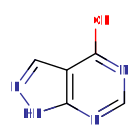
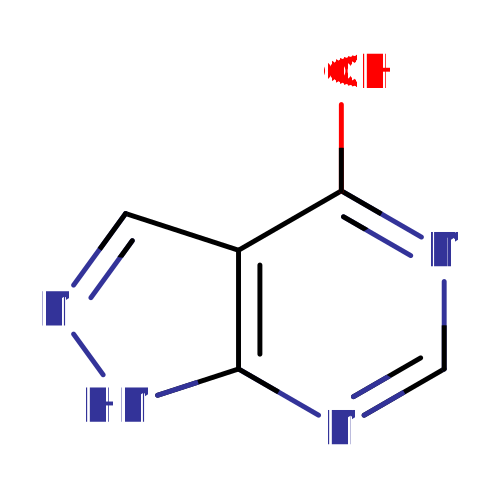
Structure for Allopurinol (DB00437)
- Weight
- Average: 136.1115
Monoisotopic: 136.03851077 - Chemical Formula
- C5H4N4O
- Synonyms
- 1,5-Dihydro-4H-pyrazolo(3,4-d)pyrimidin-4-one
- 1,5-Dihydro-4H-pyrazolo(3,4-d)pyrimidine-4-one
- 1H-Pyrazolo(3,4-d)pyrimidin-4-ol
- 4-HPP
- 4-Hydroxy-1H-pyrazolo(3,4-d)pyrimidine
- 4-Hydroxy-3,4-pyrazolopyrimidine
- 4-Hydroxypyrazolo(3,4-d)pyrimidine
- 4-Hydroxypyrazolopyrimidine
- 4-Hydroxypyrazolyl(3,4-d)pyrimidine
- 4'-Hydroxypyrazolol(3,4-d)pyrimidine
- 4H-Pyrazolo(3,4-d)pyrimidin-4-one
- Allopurinol
- Allopurinolum
- Alopurinol
- External IDs
- BW 56-158
- NSC-101655
- NSC-1390

Pharmacology
- Indication
Allopurinol is indicated in Label:
1) the management of patients with signs and symptoms of primary or secondary gout (acute attacks, tophi, joint destruction, uric acid lithiasis, and/or nephropathy).
2) the management of patients with leukemia, lymphoma and malignancies who are receiving cancer therapy which causes elevations of serum and urinary uric acid levels. Treatment with allopurinol should be discontinued when the potential for overproduction of uric acid is no longer present.
3) the management of patients with recurrent calcium oxalate calculi whose daily uric acid excretion exceeds 800 mg/day in male patients and 750 mg/day in female patients. Therapy in such patients should be carefully assessed initially and reassessed periodically to determine in each case that treatment is beneficial and that the benefits outweigh the risks.
 Reduce drug development failure ratesBuild, train, & validate machine-learning modelswith evidence-based and structured datasets.Build, train, & validate predictive machine-learning models with structured datasets.
- Associated Conditions
Indication Type Indication Combined Product Details Approval Level Age Group Patient Characteristics Dose Form Used in combination to treat Hyperuricemia Combination Product in combination with: Benzbromarone (DB12319) •••••••••••• •••••• Used in combination to treat Hyperuricemia Combination Product in combination with: Benzbromarone (DB12319) •••••••••••• •••••• Used in combination to treat Hyperuricemia Combination Product in combination with: Benzbromarone (DB12319) •••••••••••• •••••• Used in combination to treat Hyperuricemia Combination Product in combination with: Benzbromarone (DB12319) •••••••••••• •••••• Used in combination to treat Hyperuricemia Combination Product in combination with: Benzbromarone (DB12319) •••••••••••• •••••• - Contraindications & Blackbox Warnings
 Prevent Adverse Drug Events TodayTap into our Clinical API for life-saving information on contraindications & blackbox warnings, population restrictions, harmful risks, & more.Avoid life-threatening adverse drug events with our Clinical API
- Pharmacodynamics
Allopurinol decreases the production of uric acid by stopping the biochemical reactions that precede its formation Label. This process decreases urate and relieves the symptoms of gout, which may include painful tophi, joint pain, inflammation, redness, decreased range of motion, and swelling 2.
- Mechanism of action
Allopurinol is a structural analog of the natural purine base, hypoxanthine. After ingestion, allopurinol is metabolized to its active metabolite, oxypurinol (alloxanthine) in the liver 11, which acts as an inhibitor of xanthine oxidase enzyme Label.
Allopurinol and its active metabolite inhibit xanthine oxidase, the enzyme that converts hypoxanthine to xanthine and xanthine to uric acid. Inhibition of this enzyme is responsible for the effects of allopurinol. This drug increases the reutilization of hypoxanthine and xanthine for nucleotide and nucleic acid synthesis by a process that involves the enzyme hypoxanthine-guanine phosphoribosyltransferase (HGPRTase). This process results in an increased nucleotide concentration, which causes feedback inhibition of de novo purine synthesis. The end result is decreased urine and serum uric acid concentrations 15, which decreases the incidence of gout symptoms.
Accompanying the reduction of serum uric acid by allopurinol is an increase in the serum and urine concentrations of hypoxanthine and xanthine (due to inhibition of xanthine oxidase). In the absence of allopurinol, regular urinary excretion of oxypurines almost entirely occurs in the form of uric acid. After the ingestion of allopurinol, the contents of excreted urine are hypoxanthine, xanthine, and uric acid. Because each substance has its own individual solubility, the concentration of uric acid in plasma is decreased without exposing the renal tissues to a high load of uric acid, thereby decreasing the risk of crystalluria. By lowering the uric acid concentration in the plasma below its limits of solubility, allopurinol encourages the dissolution of gout tophi. Although the levels of hypoxanthine and xanthine are found to be increased after allopurinol ingestion, the risk of deposition in renal tissues is less than that of uric acid, as they become more soluble and are rapidly excreted by the kidney 15.
Target Actions Organism AXanthine dehydrogenase/oxidase inhibitorHumans - Absorption
This drug is about 90% absorbed from the gastrointestinal tract. Peak plasma levels normally occur at 1.5 hours and 4.5 hours post-dose for allopurinol and oxipurinol respectively. Following one oral dose of 300 mg of allopurinol, maximum plasma levels of about 3 mcg/mL of allopurinol and 6.5 mcg/mL of oxipurinol were measured Label.
- Volume of distribution
Allopurinol and oxypurinol are both substrates for the enzyme xanthine oxidase, which is present in the cytoplasm of endothelial cells of capillaries, including sinusoids, with the highest activity demonstrated in the liver and intestinal lining. Tissue concentrations of allopurinol have not yet been reported in humans, however, it is probable that allopurinol and the metabolite oxypurinol would be measured in the highest concentrations in the abovementioned tissues. In animals, allopurinol concentrations are found to reach the highest levels in the blood, liver, intestine and heart, and lowest in the brain and lung tissues 9.
- Protein binding
Allopurinol and oxypurinol are only negligibly bound to plasma proteins 10,9.
- Metabolism
Allopurinol is rapidly metabolized to the corresponding xanthine analog, oxipurinol (alloxanthine), which is also an inhibitor of xanthine oxidase enzyme Label. Both allopurinol and oxypurinol inhibit the action of this enzyme. Allopurinol and oxypurinol are also converted by the purine salvage pathway to their respective ribonucleotides. The effect of these ribonucleotides related to the hypouricemic action of allopurinol in humans is not fully elucidated to this date. These metabolites may act to inhibit de novo purine biosynthesis by inhibiting the enzyme, amidophosphoribosyltransferase. The ribonucleotides have not been found to be incorporated in DNA 8.
Hover over products below to view reaction partners
- Route of elimination
Approximately 80% of orally ingested allopurinol is found excreted in the urine as various metabolites 9. About 20% of ingested allopurinol is excreted in the feces Label.
- Half-life
The plasma half-life of allopurinol is 1-2 hours, due to its rapid renal clearance Label.
- Clearance
Since allopurinol and its metabolites are mainly eliminated by the kidney, accumulation of this drug can occur in patients with renal dysfunction or failure, and the dose of allopurinol should, therefore, be reduced. With a creatinine clearance of 10 to 20 mL/min, a daily dosage of 200 mg of allopurinol is suitable. When the creatinine clearance is less than 10 mL/min, the daily dosage should not be higher than 100 mg. With severe renal impairment (creatinine clearance measured at less than 3 mL/min) a longer interval between doses may be required Label.
- Adverse Effects
 Improve decision support & research outcomesWith structured adverse effects data, including: blackbox warnings, adverse reactions, warning & precautions, & incidence rates. View sample adverse effects data in our new Data Library!Improve decision support & research outcomes with our structured adverse effects data.
- Toxicity
Oral TDLO (rat): 10 mg/kg; Oral LD50 (mouse): 78 mg/kg; Oral TDLO (mouse): 100 mg/kg 14
Use in pregnancy
Reproductive studies have been completed using rats and rabbit models at doses up to twenty times the normal human dose ( about 5 mg/kg per day), and it was concluded that fertility was not impaired and there was no fetal harm. There is a published report of a study in pregnant mice administered 50 or 100 mg/kg allopurinol intraperitoneally on gestation days 10 or 13. There were increased numbers of dead fetuses in dams administered 100 mg/kg allopurinol, however, death did not occur in those given 50 mg/kg. There were higher numbers of external malformations in fetuses at both doses of allopurinol on gestation day 10 and higher numbers of skeletal malformations in fetuses at both doses on gestation day 13. Despite the above findings, there are no adequate or well-controlled studies in pregnant women. Because animal reproduction studies are not always predictive of human response, this drug should be used during pregnancy only if it is absolutely required Label.
Use in nursing
Both allopurinol and the metabolite oxipurinol have been found in the milk of a mother who was receiving allopurinol. Since the effect of allopurinol on the nursing infant is unknown, it is advisable to exercise caution when allopurinol is taken by a nursing woman Label.
Mutagenicity and carcinogenicity
Cytogenic studies demonstrate that allopurinol does not induce chromosomal abnormalities in human blood cells in vitro at concentrations up to 100 g/mL and in vivo at doses up to 60 mg/day for an average duration of 40 months. Allopurinol does not form nitroso compounds (which may be carcinogenic) or affect lymphocyte transformation in vitro. Evidence suggests that allopurinol does not have deleterious effects on DNA at any stage of the cell cycle and was not found to be mutagenic. No evidence of carcinogenicity has been observed in mice treated with allopurinol for up to a 2 year period 15.
- Pathways
- Not Available
- Pharmacogenomic Effects/ADRs
Interacting Gene/Enzyme Allele name Genotype(s) Defining Change(s) Type(s) Description Details HLA class I histocompatibility antigen protein P5 HLA-B*5801 (G;G) / (G;T) G allele ADR Directly Studied Patients who carry this allele are at a higher risk of experiencing severe cutaneous adverse reactions when treated with allopurinol. Details
Interactions
- Drug Interactions
- This information should not be interpreted without the help of a healthcare provider. If you believe you are experiencing an interaction, contact a healthcare provider immediately. The absence of an interaction does not necessarily mean no interactions exist.
Drug Interaction Integrate drug-drug
interactions in your softwareAbacavir Allopurinol may decrease the excretion rate of Abacavir which could result in a higher serum level. Abemaciclib Abemaciclib may decrease the excretion rate of Allopurinol which could result in a higher serum level. Aceclofenac Aceclofenac may decrease the excretion rate of Allopurinol which could result in a higher serum level. Acemetacin Acemetacin may decrease the excretion rate of Allopurinol which could result in a higher serum level. Acenocoumarol The risk or severity of bleeding can be increased when Allopurinol is combined with Acenocoumarol. - Food Interactions
- Avoid alcohol.
- Take with a full glass of water.
- Take with food.
Products
 Drug product information from 10+ global regionsOur datasets provide approved product information including:dosage, form, labeller, route of administration, and marketing period.Access drug product information from over 10 global regions.
- Product Ingredients
Ingredient UNII CAS InChI Key Allopurinol sodium 428673RC2Z 17795-21-0 PTJRZVJXXNYNLN-UHFFFAOYSA-M - Product Images
- International/Other Brands
- Adenock (Tanabe) / Allohexal / Alloril / Aluron / Milurit / Progout / Zyloric / Zyrik
- Brand Name Prescription Products
Name Dosage Strength Route Labeller Marketing Start Marketing End Region Image Alloprin Tablet 300 mg Oral Valeant Canada Lp Valeant Canada S.E.C. 1980-12-31 2014-07-30 Canada 
Alloprin Tablet 200 mg Oral Valeant Canada Lp Valeant Canada S.E.C. 1981-12-31 2014-07-30 Canada Alloprin Tablet 100 mg Oral Valeant Canada Lp Valeant Canada S.E.C. 1979-12-31 2014-07-30 Canada Allopurinol Tablet 100 mg/1 Oral PD-Rx Pharmaceuticals, Inc. 2009-04-06 Not applicable US 
Allopurinol Tablet 100 mg/1 Oral bryant ranch prepack 2009-04-06 Not applicable US - Generic Prescription Products
Name Dosage Strength Route Labeller Marketing Start Marketing End Region Image Ag-allopurinol Tablet 200 mg Oral Angita Pharma Inc. 2019-09-20 Not applicable Canada Ag-allopurinol Tablet 100 mg Oral Angita Pharma Inc. 2019-10-27 Not applicable Canada Ag-allopurinol Tablet 300 mg Oral Angita Pharma Inc. 2019-09-20 Not applicable Canada Allopurinol Tablet 100 mg/1 Oral McKesson Corporation dba SKY Packaging 2009-11-16 Not applicable US Allopurinol Tablet 300 mg/1 Oral State of Florida DOH Central Pharmacy 2014-10-01 Not applicable US 
- Mixture Products
Name Ingredients Dosage Route Labeller Marketing Start Marketing End Region Image DUZALLO Allopurinol (200 MG) + Lesinurad (200 MG) Tablet, film coated Oral Grunenthal Gmbh 2019-01-29 2020-08-28 Italy 
Duzallo Allopurinol (300 mg/1) + Lesinurad (200 mg/1) Tablet, film coated Oral Ironwood Pharmaceuticals, Inc. 2017-10-03 2019-11-30 US DUZALLO Allopurinol (300 MG) + Lesinurad (200 MG) Tablet, film coated Oral Grunenthal Gmbh 2019-01-29 2020-08-28 Italy DUZALLO Allopurinol (200 MG) + Lesinurad (200 MG) Tablet, film coated Oral Grunenthal Gmbh 2019-01-29 2020-08-28 Italy Duzallo Allopurinol (200 mg/1) + Lesinurad (200 mg/1) Tablet, film coated Oral Ironwood Pharmaceuticals, Inc. 2017-10-03 2020-04-30 US


Categories
- ATC Codes
- M04AA01 — Allopurinol
- M04AA — Preparations inhibiting uric acid production
- M04A — ANTIGOUT PREPARATIONS
- M04 — ANTIGOUT PREPARATIONS
- M — MUSCULO-SKELETAL SYSTEM
- Drug Categories
- Antigout Preparations
- Antimetabolites
- Antioxidants
- BCRP/ABCG2 Substrates
- Drugs that are Mainly Renally Excreted
- Enzyme Inhibitors
- Free Radical Scavengers
- Heterocyclic Compounds, Fused-Ring
- Musculo-Skeletal System
- OAT3/SLC22A8 Substrates
- Preparations Inhibiting Uric Acid Production
- Protective Agents
- Purines
- Uricosuric Agents
- Xanthine Oxidase Inhibitors
- Chemical TaxonomyProvided by Classyfire
- Description
- This compound belongs to the class of organic compounds known as pyrazolo[3,4-d]pyrimidines. These are aromatic heterocyclic compounds containing a pyrazolo[3,4-d]pyrimidine ring system, which consists of a pyrazole ring fused to but and not sharing a nitrogen atom with a pyrimidine ring.
- Kingdom
- Organic compounds
- Super Class
- Organoheterocyclic compounds
- Class
- Pyrazolopyrimidines
- Sub Class
- Pyrazolo[3,4-d]pyrimidines
- Direct Parent
- Pyrazolo[3,4-d]pyrimidines
- Alternative Parents
- Pyrimidones / Vinylogous amides / Pyrazoles / Heteroaromatic compounds / Azacyclic compounds / Organopnictogen compounds / Organooxygen compounds / Organonitrogen compounds / Organic oxides / Hydrocarbon derivatives
- Substituents
- Aromatic heteropolycyclic compound / Azacycle / Azole / Heteroaromatic compound / Hydrocarbon derivative / Organic nitrogen compound / Organic oxide / Organic oxygen compound / Organonitrogen compound / Organooxygen compound
- Molecular Framework
- Aromatic heteropolycyclic compounds
- External Descriptors
- organic heterobicyclic compound, nucleobase analogue (CHEBI:40279) / a small molecule (CPD-9024)
- Affected organisms
- Humans and other mammals
Chemical Identifiers
- UNII
- 63CZ7GJN5I
- CAS number
- 315-30-0
- InChI Key
- OFCNXPDARWKPPY-UHFFFAOYSA-N
- InChI
- InChI=1S/C5H4N4O/c10-5-3-1-8-9-4(3)6-2-7-5/h1-2H,(H2,6,7,8,9,10)
- IUPAC Name
- 1H-pyrazolo[3,4-d]pyrimidin-4-ol
- SMILES
- OC1=NC=NC2=C1C=NN2
References
- Synthesis Reference
Druey, J. and Schmidt, P.; US. Patent 2868,803; January 13,1959; assigned to Ciba Pharmaceutical Products Inc. Hitchings, G.H. and Falco, EA.; U.S. Patent 3,474,098; October 21,1969; assigned to Bur- roughs Wellcome & Co. Cresswell, R.M.and Mentha, J.W.; US.Patent4,146,713; March27,1979; assigned to Bur- roughs Wellcome & Co.
- General References
- Pacher P, Nivorozhkin A, Szabo C: Therapeutic effects of xanthine oxidase inhibitors: renaissance half a century after the discovery of allopurinol. Pharmacol Rev. 2006 Mar;58(1):87-114. [Article]
- Schlesinger N: Diagnosing and treating gout: a review to aid primary care physicians. Postgrad Med. 2010 Mar;122(2):157-61. doi: 10.3810/pgm.2010.03.2133. [Article]
- Suzuki I, Yamauchi T, Onuma M, Nozaki S: Allopurinol, an inhibitor of uric acid synthesis--can it be used for the treatment of metabolic syndrome and related disorders? Drugs Today (Barc). 2009 May;45(5):363-78. doi: 10.1358/dot.2009.45.5.1370460. [Article]
- Terkeltaub R: Update on gout: new therapeutic strategies and options. Nat Rev Rheumatol. 2010 Jan;6(1):30-8. doi: 10.1038/nrrheum.2009.236. [Article]
- George J, Struthers AD: Role of urate, xanthine oxidase and the effects of allopurinol in vascular oxidative stress. Vasc Health Risk Manag. 2009;5(1):265-72. Epub 2009 Apr 8. [Article]
- Seth R, Kydd AS, Buchbinder R, Bombardier C, Edwards CJ: Allopurinol for chronic gout. Cochrane Database Syst Rev. 2014 Oct 14;(10):CD006077. doi: 10.1002/14651858.CD006077.pub3. [Article]
- Ragab G, Elshahaly M, Bardin T: Gout: An old disease in new perspective - A review. J Adv Res. 2017 Sep;8(5):495-511. doi: 10.1016/j.jare.2017.04.008. Epub 2017 May 10. [Article]
- Murrell GA, Rapeport WG: Clinical pharmacokinetics of allopurinol. Clin Pharmacokinet. 1986 Sep-Oct;11(5):343-53. doi: 10.2165/00003088-198611050-00001. [Article]
- Reiter S, Simmonds HA, Webster DR, Watson AR: On the metabolism of allopurinol. Formation of allopurinol-1-riboside in purine nucleoside phosphorylase deficiency. Biochem Pharmacol. 1983 Jul 15;32(14):2167-74. [Article]
- Turnheim K, Krivanek P, Oberbauer R: Pharmacokinetics and pharmacodynamics of allopurinol in elderly and young subjects. Br J Clin Pharmacol. 1999 Oct;48(4):501-9. [Article]
- Ahmad Qurie; Rina Musa (2018). StatPearls: Allopurinol. StatPearls Publishing.
- Allopurinol approval package, FDA label [Link]
- Allopurinol, DailyMed [Link]
- Cayman Chem MSDS, Allopurinol [File]
- MedSafe NZ: Allopurinol [File]
- External Links
- Human Metabolome Database
- HMDB0014581
- KEGG Drug
- D00224
- PubChem Compound
- 2094
- PubChem Substance
- 46508516
- ChemSpider
- 2010
- BindingDB
- 181133
- 519
- ChEBI
- 40279
- ChEMBL
- CHEMBL1467
- ZINC
- ZINC000013298313
- Therapeutic Targets Database
- DAP000773
- PharmGKB
- PA448320
- PDBe Ligand
- 7HP
- RxList
- RxList Drug Page
- Drugs.com
- Drugs.com Drug Page
- PDRhealth
- PDRhealth Drug Page
- Wikipedia
- Allopurinol
- FDA label
- Download (386 KB)
- MSDS
- Download (75.9 KB)
Clinical Trials
- Clinical Trials
Phase Status Purpose Conditions Count 4 Completed Basic Science Gout Chronic / Hyperuricemia 1 4 Completed Prevention Diabetic Nephropathy / Type 1 Diabetes Mellitus 1 4 Completed Prevention Gout Flares / Impaired Renal Function 1 4 Completed Treatment Acute Coronary Syndrome (ACS) 1 4 Completed Treatment Adenine Phosphoribosyl Transferase Deficiency 1
Pharmacoeconomics
- Manufacturers
- Apotex inc etobicoke site
- Caraco pharmaceutical laboratories ltd
- Mutual pharmaceutical co inc
- Mylan pharmaceuticals inc
- Northstar healthcare holdings ltd
- Par pharmaceutical inc
- Purepac pharmaceutical co
- Sandoz inc
- Superpharm corp
- Vintage pharmaceuticals inc
- Watson laboratories inc
- Abbott laboratories pharmaceutical products div
- Dr reddys laboratories louisiana llc
- Prometheus laboratories inc
- Bedford laboratories
- Bioniche pharma usa llc
- Packagers
- Advanced Pharmaceutical Services Inc.
- Amerisource Health Services Corp.
- Apotex Inc.
- A-S Medication Solutions LLC
- Ascend Laboratories LLC
- BASF Corp.
- Bedford Labs
- Ben Venue Laboratories Inc.
- Bioniche Pharma
- Biotest Pharmaceuticals
- Bryant Ranch Prepack
- Caraco Pharmaceutical Labs
- Cardinal Health
- Comprehensive Consultant Services Inc.
- Dept Health Central Pharmacy
- DHHS Program Support Center Supply Service Center
- Direct Dispensing Inc.
- Dispensing Solutions
- Diversified Healthcare Services Inc.
- Doctor Reddys Laboratories Ltd.
- DSM Corp.
- H.J. Harkins Co. Inc.
- Heartland Repack Services LLC
- Kaiser Foundation Hospital
- Liberty Pharmaceuticals
- Major Pharmaceuticals
- Murfreesboro Pharmaceutical Nursing Supply
- Mutual Pharmaceutical Co.
- Mylan
- Neighborcare Repackaging Inc.
- Northstar Rx LLC
- Nucare Pharmaceuticals Inc.
- Paddock Labs
- Palmetto Pharmaceuticals Inc.
- Par Pharmaceuticals
- PCA LLC
- PD-Rx Pharmaceuticals Inc.
- Pharmedix
- Physicians Total Care Inc.
- Piramal Healthcare
- Preferred Pharmaceuticals Inc.
- Prepackage Specialists
- Prepak Systems Inc.
- Prescript Pharmaceuticals
- Prometheus Laboratories Inc.
- Qualitest
- Rebel Distributors Corp.
- Remedy Repack
- Resource Optimization and Innovation LLC
- Sandhills Packaging Inc.
- Southwood Pharmaceuticals
- Spectrum Pharmaceuticals
- UDL Laboratories
- Va Cmop Dallas
- Vangard Labs Inc.
- Vintage Pharmaceuticals Inc.
- Watson Pharmaceuticals
- Dosage Forms
Form Route Strength Tablet Oral 300 mg Tablet Oral Injection, powder, lyophilized, for solution Intravenous 500 mg/25mL Tablet Oral 100.00 mg Tablet Oral 200 mg Tablet, effervescent Granule Oral 4.4 % Granule, effervescent Oral 300 mg Tablet Oral 150 MG Tablet Oral 10000000 mg Tablet Oral 100 MG Tablet Oral 300.00 mg Tablet, film coated Oral Capsule Oral Tablet Oral Tablet Oral 300.000 mg Tablet, film coated Oral Tablet, soluble Tablet Oral 100 mg/1 Tablet Oral 100.000 mg Tablet Oral 200 mg/1 Tablet Oral 300 mg/1 Granule Oral 300 MG Tablet, coated Oral - Prices
Unit description Cost Unit Aloprim 500 mg vial 612.3USD vial Allopurinol sodium 500 mg vial 583.14USD vial Allopurinol powder 18.41USD g Zyloprim 300 mg tablet 1.89USD tablet Zyloprim 100 mg tablet 0.82USD tablet Allopurinol 300 mg tablet 0.46USD tablet Allopurinol 100 mg tablet 0.24USD tablet Apo-Allopurinol 300 mg Tablet 0.22USD tablet Novo-Purol 300 mg Tablet 0.22USD tablet Apo-Allopurinol 200 mg Tablet 0.14USD tablet Novo-Purol 200 mg Tablet 0.14USD tablet Apo-Allopurinol 100 mg Tablet 0.08USD tablet Novo-Purol 100 mg Tablet 0.08USD tablet Suspendol-s liquid 0.04USD ml DrugBank does not sell nor buy drugs. Pricing information is supplied for informational purposes only.- Patents
Patent Number Pediatric Extension Approved Expires (estimated) Region US8283369 No 2012-10-09 2028-11-26 US US8084483 No 2011-12-27 2029-08-17 US US8357713 No 2013-01-22 2028-11-26 US US8546437 No 2013-10-01 2029-04-29 US US9216179 No 2015-12-22 2030-08-02 US US8003681 No 2011-08-23 2025-08-25 US US8546436 No 2013-10-01 2032-02-29 US US9956205 No 2018-05-01 2031-12-28 US US10183012 No 2019-01-22 2028-11-26 US
Properties
- State
- Solid
- Experimental Properties
Property Value Source melting point (°C) >300 https://www.chemicalbook.com/ChemicalProductProperty_US_CB1181254.aspx boiling point (°C) 250.36 https://www.chemicalbook.com/ChemicalProductProperty_US_CB1181254.aspx water solubility solubility in water at 37°C is 80.0 mg/dL and is greater in an alkaline solution FDA label logP -1.8 http://www.t3db.ca/toxins/T3D3477 logS -1.4 http://www.t3db.ca/toxins/T3D3477 pKa 10.2 (at 25℃) https://www.chemicalbook.com/ChemicalProductProperty_US_CB1181254.aspx - Predicted Properties
Property Value Source Water Solubility 22.0 mg/mL ALOGPS logP -0.41 ALOGPS logP 0.031 Chemaxon logS -0.79 ALOGPS pKa (Strongest Acidic) 8.47 Chemaxon pKa (Strongest Basic) 1.25 Chemaxon Physiological Charge 0 Chemaxon Hydrogen Acceptor Count 4 Chemaxon Hydrogen Donor Count 2 Chemaxon Polar Surface Area 74.69 Å2 Chemaxon Rotatable Bond Count 0 Chemaxon Refractivity 34.98 m3·mol-1 Chemaxon Polarizability 11.7 Å3 Chemaxon Number of Rings 2 Chemaxon Bioavailability 1 Chemaxon Rule of Five Yes Chemaxon Ghose Filter No Chemaxon Veber's Rule No Chemaxon MDDR-like Rule No Chemaxon - Predicted ADMET Features
Property Value Probability Human Intestinal Absorption + 0.997 Blood Brain Barrier + 0.9885 Caco-2 permeable - 0.6232 P-glycoprotein substrate Non-substrate 0.7409 P-glycoprotein inhibitor I Non-inhibitor 0.9135 P-glycoprotein inhibitor II Non-inhibitor 0.9858 Renal organic cation transporter Non-inhibitor 0.8653 CYP450 2C9 substrate Non-substrate 0.8635 CYP450 2D6 substrate Non-substrate 0.8256 CYP450 3A4 substrate Non-substrate 0.6242 CYP450 1A2 substrate Non-inhibitor 0.8817 CYP450 2C9 inhibitor Non-inhibitor 0.9472 CYP450 2D6 inhibitor Non-inhibitor 0.923 CYP450 2C19 inhibitor Non-inhibitor 0.9198 CYP450 3A4 inhibitor Non-inhibitor 0.858 CYP450 inhibitory promiscuity Low CYP Inhibitory Promiscuity 0.9169 Ames test Non AMES toxic 0.7089 Carcinogenicity Non-carcinogens 0.921 Biodegradation Not ready biodegradable 0.9675 Rat acute toxicity 2.1087 LD50, mol/kg Not applicable hERG inhibition (predictor I) Weak inhibitor 0.9511 hERG inhibition (predictor II) Non-inhibitor 0.9448
Spectra
- Mass Spec (NIST)
- Download (7.32 KB)
- Spectra
- Chromatographic Properties
Collision Cross Sections (CCS)
Adduct CCS Value (Å2) Source type Source [M-H]- 121.513952 predictedDarkChem Lite v0.1.0 [M-H]- 121.416952 predictedDarkChem Lite v0.1.0 [M-H]- 122.79832 predictedDeepCCS 1.0 (2019) [M+H]+ 122.509652 predictedDarkChem Lite v0.1.0 [M+H]+ 122.668152 predictedDarkChem Lite v0.1.0 [M+H]+ 125.2091 predictedDeepCCS 1.0 (2019) [M+Na]+ 121.819352 predictedDarkChem Lite v0.1.0 [M+Na]+ 122.118752 predictedDarkChem Lite v0.1.0 [M+Na]+ 134.04073 predictedDeepCCS 1.0 (2019)
Targets

- Kind
- Protein
- Organism
- Humans
- Pharmacological action
- Yes
- Actions
- Inhibitor
- General Function
- Xanthine oxidase activity
- Specific Function
- Key enzyme in purine degradation. Catalyzes the oxidation of hypoxanthine to xanthine. Catalyzes the oxidation of xanthine to uric acid. Contributes to the generation of reactive oxygen species. Ha...
- Gene Name
- XDH
- Uniprot ID
- P47989
- Uniprot Name
- Xanthine dehydrogenase/oxidase
- Molecular Weight
- 146422.99 Da
References
- Chen X, Ji ZL, Chen YZ: TTD: Therapeutic Target Database. Nucleic Acids Res. 2002 Jan 1;30(1):412-5. [Article]
- Suzuki I, Yamauchi T, Onuma M, Nozaki S: Allopurinol, an inhibitor of uric acid synthesis--can it be used for the treatment of metabolic syndrome and related disorders? Drugs Today (Barc). 2009 May;45(5):363-78. doi: 10.1358/dot.2009.45.5.1370460. [Article]
- Carro MD, Falkenstein E, Radke WJ, Klandorf H: Effects of allopurinol on uric acid concentrations, xanthine oxidoreductase activity and oxidative stress in broiler chickens. Comp Biochem Physiol C Toxicol Pharmacol. 2010 Jan;151(1):12-7. doi: 10.1016/j.cbpc.2009.07.010. Epub 2009 Aug 3. [Article]
- George J, Struthers AD: Role of urate, xanthine oxidase and the effects of allopurinol in vascular oxidative stress. Vasc Health Risk Manag. 2009;5(1):265-72. Epub 2009 Apr 8. [Article]
- Higgins P, Dawson J, Walters M: The potential for xanthine oxidase inhibition in the prevention and treatment of cardiovascular and cerebrovascular disease. Cardiovasc Psychiatry Neurol. 2009;2009:282059. doi: 10.1155/2009/282059. Epub 2009 Nov 4. [Article]
- Dincer HE, Dincer AP, Levinson DJ: Asymptomatic hyperuricemia: to treat or not to treat. Cleve Clin J Med. 2002 Aug;69(8):594, 597, 600-2 passim. [Article]
- Kelley WN, Wyngaarden JB: Effects of allopurinol and oxipurinol on purine synthesis in cultured human cells. J Clin Invest. 1970 Mar;49(3):602-9. [Article]
- Okamoto K: [Inhibitors of xanthine oxidoreductase]. Nihon Rinsho. 2008 Apr;66(4):748-53. [Article]
- Taha MO, Simoes MJ, Noguerol EC, Mendonca FP, Pascoalick HM, Alves RA, Vivian ME, Morales FP, Campos AC, Magalhaes KG, Venerando PS, Tersariol IL, Monteiro HP, Oliveira-Junior IS, Jurkiewicz A, Caricati-Neto A: Effects of allopurinol on ischemia and reperfusion in rabbit livers. Transplant Proc. 2009 Apr;41(3):820-3. doi: 10.1016/j.transproceed.2009.02.051. [Article]
- Terkeltaub R: Update on gout: new therapeutic strategies and options. Nat Rev Rheumatol. 2010 Jan;6(1):30-8. doi: 10.1038/nrrheum.2009.236. [Article]
- Pacher P, Nivorozhkin A, Szabo C: Therapeutic effects of xanthine oxidase inhibitors: renaissance half a century after the discovery of allopurinol. Pharmacol Rev. 2006 Mar;58(1):87-114. [Article]
- FDA label, Allopurinol [File]
Enzymes
- Kind
- Protein
- Organism
- Humans
- Pharmacological action
- Unknown
- Actions
- Substrate
- General Function
- Xanthine dehydrogenase activity
- Specific Function
- Oxidase with broad substrate specificity, oxidizing aromatic azaheterocycles, such as N1-methylnicotinamide and N-methylphthalazinium, as well as aldehydes, such as benzaldehyde, retinal, pyridoxal...
- Gene Name
- AOX1
- Uniprot ID
- Q06278
- Uniprot Name
- Aldehyde oxidase
- Molecular Weight
- 147916.735 Da
References
- Moriwaki Y, Yamamoto T, Nasako Y, Takahashi S, Suda M, Hiroishi K, Hada T, Higashino K: In vitro oxidation of pyrazinamide and allopurinol by rat liver aldehyde oxidase. Biochem Pharmacol. 1993 Sep 14;46(6):975-81. [Article]
- Yumiko Nasako, Tetsuya Yamamoto, Yuji Moriwaki, Sumio Takahashi, Zenta Tsutsumi, Toshikazu Hada, Kazuya Higashino (1995). Purine and Pyrimidine Metabolism in Man VIII. pringer Science+Business Media New York.
- BMJ Article: Allopurinol metabolism in a patient with xanthine oxidase deficiency [File]
- Kind
- Protein
- Organism
- Humans
- Pharmacological action
- Unknown
- Actions
- Inhibitor
- General Function
- Xanthine oxidase activity
- Specific Function
- Key enzyme in purine degradation. Catalyzes the oxidation of hypoxanthine to xanthine. Catalyzes the oxidation of xanthine to uric acid. Contributes to the generation of reactive oxygen species. Ha...
- Gene Name
- XDH
- Uniprot ID
- P47989
- Uniprot Name
- Xanthine dehydrogenase/oxidase
- Molecular Weight
- 146422.99 Da
References
- Pacher P, Nivorozhkin A, Szabo C: Therapeutic effects of xanthine oxidase inhibitors: renaissance half a century after the discovery of allopurinol. Pharmacol Rev. 2006 Mar;58(1):87-114. [Article]
- Seth R, Kydd AS, Buchbinder R, Bombardier C, Edwards CJ: Allopurinol for chronic gout. Cochrane Database Syst Rev. 2014 Oct 14;(10):CD006077. doi: 10.1002/14651858.CD006077.pub3. [Article]
- Murrell GA, Rapeport WG: Clinical pharmacokinetics of allopurinol. Clin Pharmacokinet. 1986 Sep-Oct;11(5):343-53. doi: 10.2165/00003088-198611050-00001. [Article]
- FDA label, Allopurinol [File]
Transporters
- Kind
- Protein
- Organism
- Humans
- Pharmacological action
- Unknown
- Actions
- Substrate
- General Function
- Sodium-independent organic anion transmembrane transporter activity
- Specific Function
- Plays an important role in the excretion/detoxification of endogenous and exogenous organic anions, especially from the brain and kidney. Involved in the transport basolateral of steviol, fexofenad...
- Gene Name
- SLC22A8
- Uniprot ID
- Q8TCC7
- Uniprot Name
- Solute carrier family 22 member 8
- Molecular Weight
- 59855.585 Da
References
- Kobayashi Y, Ohshiro N, Tsuchiya A, Kohyama N, Ohbayashi M, Yamamoto T: Renal transport of organic compounds mediated by mouse organic anion transporter 3 (mOat3): further substrate specificity of mOat3. Drug Metab Dispos. 2004 May;32(5):479-83. [Article]
- Kind
- Protein
- Organism
- Humans
- Pharmacological action
- Unknown
- Actions
- Substrate
- General Function
- Sodium-independent organic anion transmembrane transporter activity
- Specific Function
- Mediates sodium-independent multispecific organic anion transport. Transport of prostaglandin E2, prostaglandin F2, tetracycline, bumetanide, estrone sulfate, glutarate, dehydroepiandrosterone sulf...
- Gene Name
- SLC22A7
- Uniprot ID
- Q9Y694
- Uniprot Name
- Solute carrier family 22 member 7
- Molecular Weight
- 60025.025 Da
References
- Kobayashi Y, Ohshiro N, Shibusawa A, Sasaki T, Tokuyama S, Sekine T, Endou H, Yamamoto T: Isolation, characterization and differential gene expression of multispecific organic anion transporter 2 in mice. Mol Pharmacol. 2002 Jul;62(1):7-14. [Article]
- Kind
- Protein
- Organism
- Humans
- Pharmacological action
- Unknown
- Actions
- Substrate
- General Function
- Xenobiotic-transporting atpase activity
- Specific Function
- High-capacity urate exporter functioning in both renal and extrarenal urate excretion. Plays a role in porphyrin homeostasis as it is able to mediates the export of protoporhyrin IX (PPIX) both fro...
- Gene Name
- ABCG2
- Uniprot ID
- Q9UNQ0
- Uniprot Name
- ATP-binding cassette sub-family G member 2
- Molecular Weight
- 72313.47 Da
References
- Nakamura M, Fujita K, Toyoda Y, Takada T, Hasegawa H, Ichida K: Investigation of the transport of xanthine dehydrogenase inhibitors by the urate transporter ABCG2. Drug Metab Pharmacokinet. 2018 Feb;33(1):77-81. doi: 10.1016/j.dmpk.2017.11.002. Epub 2017 Nov 22. [Article]
- Wen CC, Yee SW, Liang X, Hoffmann TJ, Kvale MN, Banda Y, Jorgenson E, Schaefer C, Risch N, Giacomini KM: Genome-wide association study identifies ABCG2 (BCRP) as an allopurinol transporter and a determinant of drug response. Clin Pharmacol Ther. 2015 May;97(5):518-25. doi: 10.1002/cpt.89. Epub 2015 Apr 6. [Article]
- Yu KH, Chang PY, Chang SC, Wu-Chou YH, Wu LA, Chen DP, Lo FS, Lu JJ: A comprehensive analysis of the association of common variants of ABCG2 with gout. Sci Rep. 2017 Aug 30;7(1):9988. doi: 10.1038/s41598-017-10196-2. [Article]
- Kind
- Protein
- Organism
- Humans
- Pharmacological action
- Unknown
- General Function
- Quaternary ammonium group transmembrane transporter activity
- Specific Function
- Mediates tubular uptake of organic compounds from circulation. Mediates the influx of agmatine, dopamine, noradrenaline (norepinephrine), serotonin, choline, famotidine, ranitidine, histamin, creat...
- Gene Name
- SLC22A2
- Uniprot ID
- O15244
- Uniprot Name
- Solute carrier family 22 member 2
- Molecular Weight
- 62579.99 Da
References
- Liang Y, Li S, Chen L: The physiological role of drug transporters. Protein Cell. 2015 May;6(5):334-50. doi: 10.1007/s13238-015-0148-2. Epub 2015 Mar 24. [Article]


Drug created at June 13, 2005 13:24 / Updated at April 26, 2024 00:46