Identification
- Summary
Dronabinol is a synthetic delta-9-THC used in the treatment of anorexia and weight loss in HIV patients as well as nausea and vomiting in cancer chemotherapy.
- Brand Names
- Marinol, Sativex, Syndros
- Generic Name
- Dronabinol
- DrugBank Accession Number
- DB00470
- Background
Dronabinol (marketed as Marinol) is a synthetic form of delta-9-tetrahydrocannabinol (Δ⁹-THC), the primary psychoactive component of cannabis (marijuana). THC demonstrates its effects through weak partial agonist activity at Cannabinoid-1 (CB1R) and Cannabinoid-2 (CB2R) receptors, which results in the well-known effects of smoking cannabis such as increased appetite, reduced pain, and changes in emotional and cognitive processes. Due to its evidence as an appetite stimulant and an anti-nauseant, Dronabinol is approved for use in anorexia associated with weight loss in patients with AIDS and for the treatment of nausea and vomiting associated with cancer chemotherapy in patients who have failed to respond adequately to conventional antiemetic treatments Label.
Tetrahydrocannabinol (THC) and cannabidiol (CBD) are the two most abundant cannabinoids found naturally in the resin of the marijuana plant, both of which are pharmacologically active due to their interaction with cannabinoid receptors that are found throughout the body 4. While both CBD and THC are used for medicinal purposes, they have different receptor activity, function, and physiological effects. If not provided in their activated form (such as through synthetic forms like Dronabinol or Nabilone), THC and CBD are obtained through conversion from their precursors, tetrahydrocannabinolic acid-A (THCA-A) and cannabidiolic acid (CBDA), through decarboxylation reactions. This can be achieved through heating, smoking, vaporization, or baking of dried unfertilized female cannabis flowers.
From a pharmacological perspective, Cannabis' diverse receptor profile explains its potential application for such a wide variety of medical conditions. Cannabis contains more than 400 different chemical compounds, of which 61 are considered cannabinoids, a class of compounds that act upon endogenous cannabinoid receptors of the body 1. The endocannabinoid system is widely distributed throughout the central and peripheral nervous system (via the Cannabinoid Receptors CB1 and CB2) and plays a role in many physiological processes such as inflammation, cardiovascular function, learning, pain, memory, stress and emotional regulation, and the sleep/wake cycle among many others 2. CB1 receptors are found in both the central and peripheral nervous system, and are most abundant in the hippocampus and amygdala, which are the areas of the brain responsible for short-term memory storage and emotional regulation. CB2 receptors are mainly located in the peripheral nervous system and can be found on lymphoid tissue where they are involved in regulation of immune function 3.
- Type
- Small Molecule
- Groups
- Approved, Illicit
- Structure
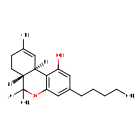
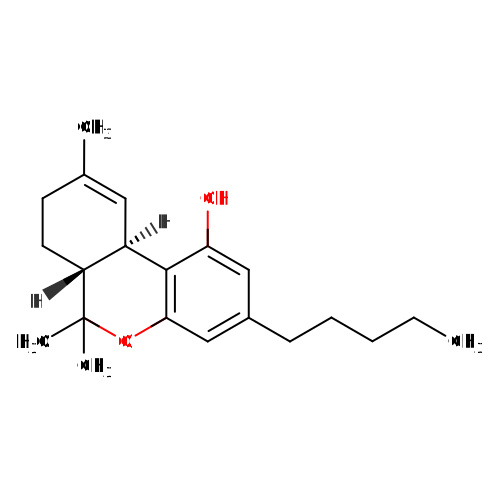
Structure for Dronabinol (DB00470)
- Weight
- Average: 314.4617
Monoisotopic: 314.224580204 - Chemical Formula
- C21H30O2
- Synonyms
- .DELTA.1-THC
- (-)-delta9-trans-Tetrahydrocannabinol
- 1-trans-delta-9-Tetrahydrocannabinol
- 3-Pentyl-6,6,9-trimethyl-6a,7,8,10a-tetrahydro-6H-dibenzo(b,d)pyran-1-ol
- 6,6,9-Trimethyl-3-pentyl-6a,7,8,10a-tetrahydro-6H-benzo[c]chromen-1-ol
- delta-9-tetrahydrocannabinol
- delta-9-THC
- delta(1)-tetrahydrocannabinol
- delta(9)-THC
- delta9-tetrahydrocannabinol
- Dronabinol
- Dronabinolum
- Tetrahydrocannabinol
- THC
- Δ9-tetrahydrocannabinol
- External IDs
- Abbott 40566
- ABBOTT-40566
- Dea No. 7369
- Dea No. 7370
- J882F
- NSC-134454
- QCD 84924
- QCD-84924
- SP 104
- SP-104

Pharmacology
- Indication
Dronabinol is indicated for the treatment of anorexia associated with weight loss in patients with AIDS, and nausea and vomiting associated with cancer chemotherapy in patients who have failed to respond adequately to conventional antiemetic treatments.8
 Reduce drug development failure ratesBuild, train, & validate machine-learning modelswith evidence-based and structured datasets.Build, train, & validate predictive machine-learning models with structured datasets.
- Associated Conditions
Indication Type Indication Combined Product Details Approval Level Age Group Patient Characteristics Dose Form Management of Anorexia •••••••••••• ••••• •••••••• •••••• •••••••••• •••••••• •••••• •••••••• Management of Chemotherapy-induced nausea and vomiting (cinv) •••••••••••• ••••• •••••••••• •••••••• •• •••••••••••• ••••••• •••••••• - Contraindications & Blackbox Warnings
 Prevent Adverse Drug Events TodayTap into our Clinical API for life-saving information on contraindications & blackbox warnings, population restrictions, harmful risks, & more.Avoid life-threatening adverse drug events with our Clinical API
- Pharmacodynamics
Dronabinol-induced sympathomimetic activity may result in tachycardia and/or conjunctival injection. Its effects on blood pressure are inconsistent, but subjects have experienced orthostatic hypotension and/or syncope upon abrupt standing.8
Dronabinol also demonstrates reversible effects on appetite, mood, cognition, memory, and perception. These phenomena appear to be dose-related, increasing in frequency with higher dosages, and subject to great inter-patient variability. After oral administration, dronabinol capsules have an onset of action of approximately 0.5 to 1 hour and a peak effect at 2 to 4 hours. Duration of action for psychoactive effects is 4 to 6 hours, but the appetite stimulant effect of dronabinol may continue for 24 hours or longer after administration.8
Tachyphylaxis and tolerance develop to some of the cardiovascular and CNS pharmacologic effects of dronabinol with chronic use, suggesting an indirect effect on sympathetic neurons. In a study of the pharmacodynamics of chronic dronabinol exposure, healthy male subjects (N = 12) received 12 times the maximum dose for anorexia associated with weight loss in patients with AIDS of dronabinol capsules in divided doses for 16 days. An initial tachycardia induced by dronabinol was replaced successively by normal sinus rhythm and then bradycardia. A decrease in supine blood pressure, made worse by standing, was also observed initially. These subjects developed tolerance to the cardiovascular and subjective adverse CNS effects of dronabinol within 12 days of treatment initiation.8
Tachyphylaxis and tolerance do not appear to develop to the appetite stimulant effect of dronabinol. In clinical studies of dronabinol capsules in AIDS patients, at the recommended dosage, the appetite stimulant effect was sustained for up to five months.8
- Mechanism of action
Dronabinol is a synthetic form of delta-9-tetrahydrocannabinol (Δ⁹-THC), the primary psychoactive component of cannabis (marijuana). THC demonstrates its effects through weak partial agonist activity at Cannabinoid-1 (CB1R) and Cannabinoid-2 (CB2R) receptors, which results in the well-known effects of smoking cannabis such as increased appetite, reduced pain, and changes in emotional and cognitive processes.
Target Actions Organism ACannabinoid receptor 1 agonistHumans ACannabinoid receptor 2 agonistHumans - Absorption
Dronabinol is almost completely absorbed (90 to 95%) after a single oral dose. Due to the combined effects of first-pass hepatic metabolism and high lipid solubility, only 10 to 20% of the administered dose reaches systemic circulation. Relative bioavailability data from healthy male and female subjects suggest that a dose of 4.2 mg of SYNDROS provides comparable systemic exposure (Cmax and AUC) to a 5 mg dronabinol capsule, under fasted conditions, with the Cmax and AUCinf of 1.9 ± 1.3 ng/mL and 3.8 ± 1.8 ng.h/mL respectively. The concentrations of both dronabinol and its major active metabolite (11-hydroxy-delta-9-THC) peak at approximately 0.5 to 4 hours after oral dosing with SYNDROS and decline over several days. The mean inter- and intra-subject variability in dronabinol pharmacokinetics (Cmax and AUCinf) was approximately 66% and 47% and 67% and 14%, respectively, following the administration of SYNDROS to healthy subjects.8
- Volume of distribution
Dronabinol has a large apparent volume of distribution, approximately 10 L/kg, because of its lipid solubility.8
- Protein binding
The plasma protein binding of dronabinol and its metabolites is approximately 97%.8
- Metabolism
THC is primarily metabolized in the liver by microsomal hydroxylation and oxidation reactions catalyzed by Cytochrome P450 enzymes. 11-hydroxy-▵9-tetrahydrocannabinol (11-OH-THC) is the primary active metabolite, capable of producing psychological and behavioural effects, which is then metabolized into 11-nor-9-carboxy-▵ 9-tetrahydrocannabinol (THC-COOH), THC's primary inactive metabolite 1. Dronabinol and its principal active metabolite, 11-OH-delta-9-THC, are present in approximately equal concentrations in plasma. Concentrations of both parent drug and metabolite peak at approximately 0.5 to 4 hours after oral dosing and decline over several days Label.
Hover over products below to view reaction partners
- Route of elimination
Dronabinol and its biotransformation products are excreted in both feces and urine. Biliary excretion is the major route of excretion with about half of a radiolabeled oral dose being recovered from the feces within 72 hours as contrasted with 10 to 15% recovered from urine. Less than 5% of an oral dose is recovered unchanged in the feces.8
Due to its redistribution, dronabinol and its metabolites may be excreted for prolonged periods of time. Following single-dose administration, dronabinol metabolites have been detected for more than 5 weeks in the urine and feces.8
In a study of dronabinol capsules involving AIDS patients, urinary cannabinoid/creatinine concentration ratios were studied bi-weekly over a six-week period. The urinary cannabinoid/creatinine ratio was closely correlated with the dose. No increase in the cannabinoid/creatinine ratio was observed after the first two weeks of treatment, indicating that steady-state cannabinoid levels had been reached. This conclusion is consistent with predictions based on the observed terminal half-life of dronabinol.8
- Half-life
The elimination phase of dronabinol can be described using a two-compartment model with an initial (alpha) half-life of about 4 hours and a terminal (beta) half-life of 25 to 36 hours.8
- Clearance
The value for clearance average is about 0.2 L/kg-hr but is highly variable due to the complexity of cannabinoid distribution.8
- Adverse Effects
 Improve decision support & research outcomesWith structured adverse effects data, including: blackbox warnings, adverse reactions, warning & precautions, & incidence rates. View sample adverse effects data in our new Data Library!Improve decision support & research outcomes with our structured adverse effects data.
- Toxicity
SYNDROS, a synthetic cannabinoid containing alcohol, may cause fetal harm. Avoid the use of SYNDROS in pregnant women. Although there is little published data on the use of synthetic cannabinoids during pregnancy, the use of cannabis (e.g., marijuana) and the use of alcohol during pregnancy have been associated with adverse fetal/neonatal outcomes (see Clinical Considerations). Cannabinoids have been found in the umbilical cord blood of pregnant women who smoke cannabis. In animal reproduction studies, no teratogenicity was reported in mice administered dronabinol (delta-9-THC) at up to 30 times the MRHD (maximum recommended human doses) and up to 5 times the MRHD for patients with AIDS and cancer, respectively. Similar findings were reported in pregnant rats administered dronabinol at up to 5 to 20 times the MRHD and 3 times the MRHD for patients with AIDS and cancer, respectively. Decreased maternal weight gain and the number of viable pups and increased fetal mortality and early resorptions were observed in both species at doses that induced maternal toxicity. In rats, maternal administration of dronabinol from pregnancy (implantation) through weaning was associated with maternal toxicity, including mortality of pups, and adverse developmental and 10 neurodevelopmental effects on the pups at 2 to 20 times the MRHD for patients with AIDS and less than and up to 3.3 times the MRHD for patients with cancer.8
The estimated background risk of major birth defects and miscarriage for the indicated populations is unknown. All pregnancies have a background risk of birth defect, loss, or other adverse outcomes. In the U.S. general population, the estimated background risk of major birth defects and miscarriage in clinically recognized pregnancies is 2 to 4% and 15 to 20%, respectively.8
For mothers infected with the Human Immunodeficiency Virus (HIV), the Centers for Disease Control and Prevention recommend that HIV-infected mothers not breastfeed their infants to avoid risking postnatal transmission of HIV. Because of the potential for HIV transmission (in 12 HIV-negative infants) and serious adverse reactions in a breastfed infant, instruct mothers not to breastfeed if they are receiving SYNDROS. For mothers with nausea and vomiting associated with cancer chemotherapy, there are limited data on the presence of dronabinol in human milk, the effects on the breastfed infant, or the effects on milk production. The reported effects of inhaled cannabis transferred to the breastfeeding infant have been inconsistent and insufficient to establish causality. The developmental and health benefits of breastfeeding should be considered along with the mother’s clinical need for SYNDROS and any potential adverse effects on the breastfed infant from SYNDROS or from the underlying maternal condition.8
The safety and effectiveness of SYNDROS have not been established in pediatric patients. Pediatric patients may be more sensitive to the neurological and psychoactive effects of SYNDROS. SYNDROS contains the excipients 50% (w/w) dehydrated alcohol and 5.5% (w/w) propylene glycol. Ethanol competitively inhibits the metabolism of propylene glycol, which may lead to elevated concentrations of propylene glycol. Preterm neonates may be at increased risk of propylene glycol-associated adverse events due to diminished ability to metabolize propylene glycol, thereby, leading to accumulation.8
Clinical studies of dronabinol capsules in AIDS and cancer patients did not include sufficient numbers of subjects aged 65 and over to determine whether they respond differently from younger subjects. Elderly patients may be more sensitive to the neuropsychiatric and postural hypotensive effects of SYNDROS. Elderly patients with dementia are at increased risk for falls as a result of their underlying disease state, which may be exacerbated by the CNS effects of somnolence and dizziness associated with SYNDROS. These patients should be monitored closely and placed on fall precautions prior to initiating SYNDROS therapy. In antiemetic studies, no difference in efficacy was apparent in patients greater than 55 years of age compared to younger patients. In general, dose selection for an elderly patient should be cautious, usually starting at the low end of the dosing range, reflecting the greater frequency of falls decreased hepatic, renal, or cardiac function, increased sensitivity to psychoactive effects, and concomitant disease or other drugs therapy.8
SYNDROS contains dronabinol, the main psychoactive component in marijuana. Ingestion of high doses of dronabinol increases the risk of psychiatric adverse reactions if abused or misused, while continued administration can lead to addiction. Psychiatric adverse reactions may include psychosis, hallucinations, depersonalization, mood alteration, and paranoia. In vitro studies demonstrate that SYNDROS can be easily and effectively abused without manipulation. SYNDROS contains 50% (w/w) dehydrated alcohol. In a randomized, single-dose, double-blind, placebo- and active-controlled crossover pharmacodynamic study of 43 experienced marijuana smokers, “drug liking” responses and safety of SYNDROS were compared with placebo and dronabinol in sesame oil oral capsules. Treatment arms were 10 mg and 30 mg dronabinol capsules, 10 mg and 30 mg dronabinol from= SYNDROS, and placebo oral solution and capsules. Greater “drug liking” scores were reported with the 30 mg dose, compared with the 10 mg dose, for both SYNDROS and dronabinol-containing capsules. Overall, the pharmacodynamic results from this study demonstrated no statistically significant differences in various measures of drug liking for the doses taken, though the SYNDROS results were consistently greater than those of dronabinol capsules. Similarly, observed adverse reactions were greater for SYNDROS. The pharmacodynamic and safety effects of SYNDROS following multiple doses have not been evaluated. Patients should be instructed to keep SYNDROS in a secure place out of reach of others for whom the medication has not been prescribed.8
Physical dependence is a state that develops as a result of physiological adaptation in response to repeated drug use. Physical dependence manifests by drug class-specific withdrawal symptoms after abrupt discontinuation or a significant dose reduction of a drug. The appearance of a withdrawal syndrome when the administration of the drug is terminated is the only actual evidence of physical dependence. Physical dependence can develop during chronic therapy with SYNDROS and develops after chronic abuse of marijuana. A withdrawal syndrome was reported after the abrupt discontinuation of dronabinol capsules in subjects receiving dosages of 210 mg per day for 12 to 16 consecutive days. Within 12 hours after discontinuation, subjects manifested symptoms such as irritability, insomnia, and restlessness. By approximately 24 hours post-dronabinol discontinuation, withdrawal symptoms intensified to include “hot flashes”, sweating, rhinorrhea, loose stools, hiccoughs, and anorexia. These withdrawal symptoms gradually dissipated over the next 48 hours. Electroencephalographic changes consistent with the effects of drug withdrawal (hyperexcitation) were recorded in patients after abrupt dechallenge. Patients also complained of disturbed sleep for several weeks after discontinuing therapy with high dosages of dronabinol.8
Signs and symptoms of dronabinol overdose include drowsiness, euphoria, heightened sensory awareness, altered time perception, reddened conjunctiva, dry mouth, tachycardia, memory impairment, depersonalization, mood alteration, urinary retention, reduced bowel motility, decreased motor coordination, lethargy, slurred speech, and postural hypotension. Patients may also experience panic reactions if they have a prior history of nervousness or anxiety and seizures may occur in patients with existing seizure disorders. It is not known if dronabinol can be removed by dialysis in cases of overdose.8
- Pathways
- Not Available
- Pharmacogenomic Effects/ADRs
Interacting Gene/Enzyme Allele name Genotype(s) Defining Change(s) Type(s) Description Details Cytochrome P450 2C9 CYP2C9*2 Not Available 430C>T Effect Inferred Poor drug metabolizer. Details Cytochrome P450 2C9 CYP2C9*3 Not Available 1075A>C Effect Inferred Poor drug metabolizer. Details Cytochrome P450 2C9 CYP2C9*4 Not Available 1076T>C Effect Inferred Poor drug metabolizer. Details Cytochrome P450 2C9 CYP2C9*5 Not Available 1080C>G Effect Inferred Poor drug metabolizer. Details Cytochrome P450 2C9 CYP2C9*8 Not Available 449G>A Effect Inferred Poor drug metabolizer. Details Cytochrome P450 2C9 CYP2C9*11 Not Available 1003C>T Effect Inferred Poor drug metabolizer. Details Cytochrome P450 2C9 CYP2C9*12 Not Available 1465C>T Effect Inferred Poor drug metabolizer. Details Cytochrome P450 2C9 CYP2C9*13 Not Available 269T>C Effect Inferred Poor drug metabolizer. Details Cytochrome P450 2C9 CYP2C9*14 Not Available 374G>A Effect Inferred Poor drug metabolizer. Details Cytochrome P450 2C9 CYP2C9*16 Not Available 895A>G Effect Inferred Poor drug metabolizer. Details Cytochrome P450 2C9 CYP2C9*18 Not Available 1075A>C / 1190A>C … show all Effect Inferred Poor drug metabolizer. Details Cytochrome P450 2C9 CYP2C9*26 Not Available 389C>G Effect Inferred Poor drug metabolizer. Details Cytochrome P450 2C9 CYP2C9*28 Not Available 641A>T Effect Inferred Poor drug metabolizer. Details Cytochrome P450 2C9 CYP2C9*30 Not Available 1429G>A Effect Inferred Poor drug metabolizer. Details Cytochrome P450 2C9 CYP2C9*33 Not Available 395G>A Effect Inferred Poor drug metabolizer. Details Cytochrome P450 2C9 CYP2C9*6 Not Available 818delA Effect Inferred Poor drug metabolizer. Details Cytochrome P450 2C9 CYP2C9*15 Not Available 485C>A Effect Inferred Poor drug metabolizer. Details Cytochrome P450 2C9 CYP2C9*25 Not Available 353_362delAGAAATGGAA Effect Inferred Poor drug metabolizer. Details Cytochrome P450 2C9 CYP2C9*35 Not Available 374G>T / 430C>T Effect Inferred Poor drug metabolizer. Details
Interactions
- Drug Interactions
- This information should not be interpreted without the help of a healthcare provider. If you believe you are experiencing an interaction, contact a healthcare provider immediately. The absence of an interaction does not necessarily mean no interactions exist.
Drug Interaction Integrate drug-drug
interactions in your software1,2-Benzodiazepine Dronabinol may increase the central nervous system depressant (CNS depressant) activities of 1,2-Benzodiazepine. Abametapir The serum concentration of Dronabinol can be increased when it is combined with Abametapir. Abatacept The metabolism of Dronabinol can be increased when combined with Abatacept. Abrocitinib The metabolism of Abrocitinib can be decreased when combined with Dronabinol. Acalabrutinib The serum concentration of Dronabinol can be increased when it is combined with Acalabrutinib. - Food Interactions
- Avoid alcohol. Patients with a history of substance abuse or dependence, including marijuana or alcohol, may be more likely to abuse SYNDROS as well.
- Take before a meal. Because food delays the absorption of SYNDROS, administer the first dose on an empty stomach at least 30 minutes before eating.
Products
 Drug product information from 10+ global regionsOur datasets provide approved product information including:dosage, form, labeller, route of administration, and marketing period.Access drug product information from over 10 global regions.
- Brand Name Prescription Products
Name Dosage Strength Route Labeller Marketing Start Marketing End Region Image Dronabinol Capsule 2.5 mg/1 Oral bryant ranch prepack 2021-03-03 Not applicable US 
Dronabinol Capsule 5 mg/1 Oral bryant ranch prepack 2021-03-03 Not applicable US Dronabinol Capsule 5 mg/1 Oral Actavis Pharma, Inc. 2005-06-07 2019-05-31 US Dronabinol Capsule 2.5 mg/1 Oral Ascend Laboratories, LLC 2017-05-10 2021-09-30 US Dronabinol Capsule 2.5 mg/1 Oral Major Pharmaceuticals 2017-05-10 Not applicable US - Generic Prescription Products
Name Dosage Strength Route Labeller Marketing Start Marketing End Region Image Dronabinol Capsule 5 mg/1 Oral American Health Packaging 2010-09-23 2019-10-31 US Dronabinol Capsule 10 mg/1 Oral Camber Pharmaceuticals Inc 2020-02-10 Not applicable US Dronabinol Capsule 5 mg/1 Oral Physicians Total Care, Inc. 2008-08-19 Not applicable US Dronabinol Capsule 5 mg/1 Oral Rhodes Pharmaceuticals L.P. 2018-06-26 Not applicable US Dronabinol Capsule 5 mg/1 Oral Major Pharmaceuticals 2008-06-27 2019-10-31 US - Mixture Products
Name Ingredients Dosage Route Labeller Marketing Start Marketing End Region Image SATIVEX Dronabinol (2.7 mg/100µL) + Cannabidiol (2.5 mg/100µL) Spray, metered Transmucosal Jazz Pharmaceuticals Ireland Limited 2014-07-08 Not applicable Italy 
Sativex Dronabinol (2.7 mg / act) + Cannabidiol (2.5 mg / act) Spray Buccal Gw Pharma Limited 2005-06-22 Not applicable Canada 
SATIVEX Dronabinol (2.7 mg/100µL) + Cannabidiol (2.5 mg/100µL) Spray, metered Transmucosal Jazz Pharmaceuticals Ireland Limited 2014-07-08 Not applicable Italy SATIVEX Dronabinol (2.7 mg/100µL) + Cannabidiol (2.5 mg/100µL) Spray, metered Transmucosal Jazz Pharmaceuticals Ireland Limited 2014-07-08 2024-01-12 Italy SATIVEX Dronabinol (2.7 mg/100µL) + Cannabidiol (2.5 mg/100µL) Spray, metered Transmucosal Jazz Pharmaceuticals Ireland Limited 2014-07-08 2024-01-12 Italy
Categories
- ATC Codes
- A04AD10 — Dronabinol
- Drug Categories
- Agents producing tachycardia
- Alimentary Tract and Metabolism
- Analgesics
- Analgesics, Non-Narcotic
- Antiemetics and Antinauseants
- BCRP/ABCG2 Inhibitors
- Cannabinoid Receptor Agonists
- Cannabinoids and similars
- Central Nervous System Agents
- Central Nervous System Depressants
- Cytochrome P-450 CYP1A2 Inhibitors
- Cytochrome P-450 CYP1A2 Inhibitors (strength unknown)
- Cytochrome P-450 CYP2A6 Inhibitors
- Cytochrome P-450 CYP2A6 Inhibitors (strength unknown)
- Cytochrome P-450 CYP2B6 Inhibitors
- Cytochrome P-450 CYP2B6 Inhibitors (strength unknown)
- Cytochrome P-450 CYP2C19 Inhibitors
- Cytochrome P-450 CYP2C19 inhibitors (strength unknown)
- Cytochrome P-450 CYP2C19 Substrates
- Cytochrome P-450 CYP2C9 Inducers
- Cytochrome P-450 CYP2C9 Inducers (strength unknown)
- Cytochrome P-450 CYP2C9 Inhibitors
- Cytochrome P-450 CYP2C9 Inhibitors (strength unknown)
- Cytochrome P-450 CYP2C9 Substrates
- Cytochrome P-450 CYP2D6 Inhibitors
- Cytochrome P-450 CYP2D6 Inhibitors (strength unknown)
- Cytochrome P-450 CYP3A Inhibitors
- Cytochrome P-450 CYP3A Substrates
- Cytochrome P-450 CYP3A4 Inhibitors
- Cytochrome P-450 CYP3A4 Inhibitors (strength unknown)
- Cytochrome P-450 CYP3A4 Substrates
- Cytochrome P-450 CYP3A5 Inhibitors
- Cytochrome P-450 CYP3A5 Inhibitors (weak)
- Cytochrome P-450 CYP3A7 Inhibitors
- Cytochrome P-450 CYP3A7 Inhibitors (weak)
- Cytochrome P-450 Enzyme Inducers
- Cytochrome P-450 Enzyme Inhibitors
- Cytochrome P-450 Substrates
- Hallucinogens
- Hormones, Hormone Substitutes, and Hormone Antagonists
- Miscellaneous Antiemetics
- Neurotransmitter Agents
- P-glycoprotein inhibitors
- Peripheral Nervous System Agents
- Psychotropic Drugs
- Sensory System Agents
- Terpenes
- UGT1A1 Substrates
- UGT1A3 substrates
- UGT1A9 Substrates
- Chemical TaxonomyProvided by Classyfire
- Description
- This compound belongs to the class of organic compounds known as 2,2-dimethyl-1-benzopyrans. These are organic compounds containing a 1-benzopyran moiety that carries two methyl groups at the 2-position.
- Kingdom
- Organic compounds
- Super Class
- Organoheterocyclic compounds
- Class
- Benzopyrans
- Sub Class
- 1-benzopyrans
- Direct Parent
- 2,2-dimethyl-1-benzopyrans
- Alternative Parents
- Alkyl aryl ethers / 1-hydroxy-4-unsubstituted benzenoids / 1-hydroxy-2-unsubstituted benzenoids / Oxacyclic compounds / Hydrocarbon derivatives
- Substituents
- 1-hydroxy-2-unsubstituted benzenoid / 1-hydroxy-4-unsubstituted benzenoid / 2,2-dimethyl-1-benzopyran / Alkyl aryl ether / Aromatic heteropolycyclic compound / Benzenoid / Ether / Hydrocarbon derivative / Organic oxygen compound / Organooxygen compound
- Molecular Framework
- Aromatic heteropolycyclic compounds
- External Descriptors
- polyketide, diterpenoid, phytocannabinoid, benzochromene (CHEBI:66964) / Cannabinoids (C06972)
- Affected organisms
- Humans and other mammals
Chemical Identifiers
- UNII
- 7J8897W37S
- CAS number
- 1972-08-3
- InChI Key
- CYQFCXCEBYINGO-IAGOWNOFSA-N
- InChI
- InChI=1S/C21H30O2/c1-5-6-7-8-15-12-18(22)20-16-11-14(2)9-10-17(16)21(3,4)23-19(20)13-15/h11-13,16-17,22H,5-10H2,1-4H3/t16-,17-/m1/s1
- IUPAC Name
- (6aR,10aR)-6,6,9-trimethyl-3-pentyl-6H,6aH,7H,8H,10aH-benzo[c]isochromen-1-ol
- SMILES
- [H][C@@]12C=C(C)CC[C@@]1([H])C(C)(C)OC1=C2C(O)=CC(CCCCC)=C1
References
- Synthesis Reference
Fabio E.S. SOUZA, Jason E. FIELD, Ming PAN, "INTERMEDIATE COMPOUNDS IN THE SYNTHESIS OF DRONABINOL." U.S. Patent US20080312465, issued December 18, 2008.
US20080312465- General References
- Sharma P, Murthy P, Bharath MM: Chemistry, metabolism, and toxicology of cannabis: clinical implications. Iran J Psychiatry. 2012 Fall;7(4):149-56. [Article]
- Baron EP: Comprehensive Review of Medicinal Marijuana, Cannabinoids, and Therapeutic Implications in Medicine and Headache: What a Long Strange Trip It's Been .... Headache. 2015 Jun;55(6):885-916. doi: 10.1111/head.12570. Epub 2015 May 25. [Article]
- Kaur R, Ambwani SR, Singh S: Endocannabinoid System: A Multi-Facet Therapeutic Target. Curr Clin Pharmacol. 2016;11(2):110-7. [Article]
- Elsohly MA, Slade D: Chemical constituents of marijuana: the complex mixture of natural cannabinoids. Life Sci. 2005 Dec 22;78(5):539-48. doi: 10.1016/j.lfs.2005.09.011. Epub 2005 Sep 30. [Article]
- Alsherbiny MA, Li CG: Medicinal Cannabis-Potential Drug Interactions. Medicines (Basel). 2018 Dec 23;6(1). pii: medicines6010003. doi: 10.3390/medicines6010003. [Article]
- FDA Approved Drug Products: Syndros (Dronabinol) Oral Solution [Link]
- WHO Expert Committee on Drug Dependence Pre-Review: delta-9-tetrahydrocannibinol [Link]
- FDA Approved Drug Products: Syndros (Dronabinol) Oral Solution 2022 [Link]
- Health Canada Approved Drug Proucts: Marinol (Dronabinol) Oral Solution [Link]
- External Links
- Human Metabolome Database
- HMDB0014613
- KEGG Drug
- D00306
- KEGG Compound
- C06972
- PubChem Compound
- 16078
- PubChem Substance
- 46508472
- ChemSpider
- 15266
- BindingDB
- 60994
- 10402
- ChEBI
- 66964
- ChEMBL
- CHEMBL465
- ZINC
- ZINC000001530625
- Therapeutic Targets Database
- DAP000207
- PharmGKB
- PA449421
- Guide to Pharmacology
- GtP Drug Page
- PDBe Ligand
- TCI
- RxList
- RxList Drug Page
- Wikipedia
- Dronabinol
- PDB Entries
- 3ls4 / 6mp4 / 7m6m / 7m6o / 7m6q / 7p4j
- FDA label
- Download (414 KB)
- MSDS
- Download (51.4 KB)
Clinical Trials
- Clinical Trials
Phase Status Purpose Conditions Count 4 Active Not Recruiting Other Cannabis Use / Pregnancy Related 1 4 Completed Basic Science Healthy Volunteers (HV) 1 4 Completed Basic Science Post Traumatic Stress Disorder (PTSD) 1 4 Completed Treatment Chest Pain 1 4 Completed Treatment Medical Abortion / Pain 1
Pharmacoeconomics
- Manufacturers
- Svc pharma lp
- Abbott products inc
- Roxane Laboratories,Inc.
- Packagers
- Banner Pharmacaps Inc.
- GW Pharma Ltd.
- Par Pharmaceuticals
- Pharmaceutics International Inc.
- Physicians Total Care Inc.
- Southwood Pharmaceuticals
- UNIMED
- Unimed Pharmaceuticals Inc.
- Watson Pharmaceuticals
- Dosage Forms
Form Route Strength Capsule Oral 10 mg/1 Capsule Oral 5 mg/1 Capsule, liquid filled Oral 10 mg/1 Capsule, liquid filled Oral 2.5 mg/1 Capsule, liquid filled Oral 5 mg/1 Capsule Oral 2.5 mg/1 Capsule Oral 2.5 mg Capsule Oral 5 mg Capsule Oral 10 mg Solution Buccal; Oral Spray Buccal Spray, metered Transmucosal Solution Oral 5 mg/1mL - Prices
Unit description Cost Unit Marinol 10 mg capsule 29.86USD capsule Dronabinol 10 mg capsule 19.26USD capsule Marinol 5 mg capsule 16.0USD capsule Dronabinol 5 mg capsule 11.8USD capsule Marinol 2.5 mg capsule 8.02USD capsule Dronabinol 2.5 mg capsule 5.11USD capsule DrugBank does not sell nor buy drugs. Pricing information is supplied for informational purposes only.- Patents
Patent Number Pediatric Extension Approved Expires (estimated) Region US6703418 No 2004-03-09 2011-02-26 US US8222292 No 2012-07-17 2028-08-06 US US9345771 No 2016-05-24 2028-08-06 US US10265293 No 2019-04-23 2028-08-06 US US11253472 No 2008-08-06 2028-08-06 US
Properties
- State
- Solid
- Experimental Properties
Property Value Source melting point (°C) 200 °C at 2.00E-02 mm Hg Not Available water solubility 2.8 mg/L (at 23 °C) WHO Expert Committee on Drug Dependence Pre-Review: delta-9-tetrahydrocannibinol logP 5.648 Not Available pKa 10.6 PHYSICIAN'S DESK REFERENCE (1998) - Predicted Properties
Property Value Source Water Solubility 0.00263 mg/mL ALOGPS logP 7.29 ALOGPS logP 5.94 Chemaxon logS -5.1 ALOGPS pKa (Strongest Acidic) 9.34 Chemaxon pKa (Strongest Basic) -4.9 Chemaxon Physiological Charge 0 Chemaxon Hydrogen Acceptor Count 2 Chemaxon Hydrogen Donor Count 1 Chemaxon Polar Surface Area 29.46 Å2 Chemaxon Rotatable Bond Count 4 Chemaxon Refractivity 96.73 m3·mol-1 Chemaxon Polarizability 38.96 Å3 Chemaxon Number of Rings 3 Chemaxon Bioavailability 1 Chemaxon Rule of Five No Chemaxon Ghose Filter No Chemaxon Veber's Rule Yes Chemaxon MDDR-like Rule No Chemaxon - Predicted ADMET Features
Property Value Probability Human Intestinal Absorption + 0.9949 Blood Brain Barrier + 0.9685 Caco-2 permeable + 0.7607 P-glycoprotein substrate Substrate 0.8458 P-glycoprotein inhibitor I Non-inhibitor 0.5548 P-glycoprotein inhibitor II Inhibitor 0.7191 Renal organic cation transporter Non-inhibitor 0.8169 CYP450 2C9 substrate Non-substrate 0.7522 CYP450 2D6 substrate Non-substrate 0.9116 CYP450 3A4 substrate Substrate 0.7199 CYP450 1A2 substrate Inhibitor 0.6567 CYP450 2C9 inhibitor Inhibitor 0.5352 CYP450 2D6 inhibitor Non-inhibitor 0.7307 CYP450 2C19 inhibitor Inhibitor 0.7683 CYP450 3A4 inhibitor Non-inhibitor 0.6771 CYP450 inhibitory promiscuity High CYP Inhibitory Promiscuity 0.8349 Ames test Non AMES toxic 0.9132 Carcinogenicity Non-carcinogens 0.8947 Biodegradation Not ready biodegradable 0.9725 Rat acute toxicity 2.5940 LD50, mol/kg Not applicable hERG inhibition (predictor I) Weak inhibitor 0.7714 hERG inhibition (predictor II) Non-inhibitor 0.8136
Spectra
- Mass Spec (NIST)
- Not Available
- Spectra
- Chromatographic Properties
Collision Cross Sections (CCS)
Adduct CCS Value (Å2) Source type Source [M-H]- 195.0593755 predictedDarkChem Lite v0.1.0 [M-H]- 196.9897755 predictedDarkChem Lite v0.1.0 [M-H]- 195.0566755 predictedDarkChem Lite v0.1.0 [M-H]- 183.03017 predictedDeepCCS 1.0 (2019) [M+H]+ 194.7968755 predictedDarkChem Lite v0.1.0 [M+H]+ 196.5147755 predictedDarkChem Lite v0.1.0 [M+H]+ 194.3344755 predictedDarkChem Lite v0.1.0 [M+H]+ 185.3882 predictedDeepCCS 1.0 (2019) [M+Na]+ 195.4111755 predictedDarkChem Lite v0.1.0 [M+Na]+ 197.0637755 predictedDarkChem Lite v0.1.0 [M+Na]+ 195.1455755 predictedDarkChem Lite v0.1.0 [M+Na]+ 191.48137 predictedDeepCCS 1.0 (2019)
Targets

- Kind
- Protein
- Organism
- Humans
- Pharmacological action
- Yes
- Actions
- Agonist
- General Function
- Drug binding
- Specific Function
- Involved in cannabinoid-induced CNS effects. Acts by inhibiting adenylate cyclase. Could be a receptor for anandamide. Inhibits L-type Ca(2+) channel current. Isoform 2 and isoform 3 have altered l...
- Gene Name
- CNR1
- Uniprot ID
- P21554
- Uniprot Name
- Cannabinoid receptor 1
- Molecular Weight
- 52857.365 Da
References
- Overington JP, Al-Lazikani B, Hopkins AL: How many drug targets are there? Nat Rev Drug Discov. 2006 Dec;5(12):993-6. [Article]
- Imming P, Sinning C, Meyer A: Drugs, their targets and the nature and number of drug targets. Nat Rev Drug Discov. 2006 Oct;5(10):821-34. [Article]
- Pryce G, Giovannoni G, Baker D: Mifepristone or inhibition of 11beta-hydroxylase activity potentiates the sedating effects of the cannabinoid receptor-1 agonist Delta(9)-tetrahydrocannabinol in mice. Neurosci Lett. 2003 May 1;341(2):164-6. [Article]
- Tsai SJ, Wang YC, Hong CJ: Association study of a cannabinoid receptor gene (CNR1) polymorphism and schizophrenia. Psychiatr Genet. 2000 Sep;10(3):149-51. [Article]
- Chen X, Ji ZL, Chen YZ: TTD: Therapeutic Target Database. Nucleic Acids Res. 2002 Jan 1;30(1):412-5. [Article]
- Kind
- Protein
- Organism
- Humans
- Pharmacological action
- Yes
- Actions
- Agonist
- General Function
- Cannabinoid receptor activity
- Specific Function
- Heterotrimeric G protein-coupled receptor for endocannabinoid 2-arachidonoylglycerol mediating inhibition of adenylate cyclase. May function in inflammatory response, nociceptive transmission and b...
- Gene Name
- CNR2
- Uniprot ID
- P34972
- Uniprot Name
- Cannabinoid receptor 2
- Molecular Weight
- 39680.275 Da
References
- Davis M, Maida V, Daeninck P, Pergolizzi J: The emerging role of cannabinoid neuromodulators in symptom management. Support Care Cancer. 2007 Jan;15(1):63-71. Epub 2006 Dec 1. [Article]
- Pertwee RG: Emerging strategies for exploiting cannabinoid receptor agonists as medicines. Br J Pharmacol. 2009 Feb;156(3):397-411. doi: 10.1111/j.1476-5381.2008.00048.x. [Article]
Enzymes
- Kind
- Protein
- Organism
- Humans
- Pharmacological action
- No
- Actions
- InhibitorInducer
- General Function
- Vitamin d 24-hydroxylase activity
- Specific Function
- Cytochromes P450 are a group of heme-thiolate monooxygenases. In liver microsomes, this enzyme is involved in an NADPH-dependent electron transport pathway. It oxidizes a variety of structurally un...
- Gene Name
- CYP1A1
- Uniprot ID
- P04798
- Uniprot Name
- Cytochrome P450 1A1
- Molecular Weight
- 58164.815 Da
References
- Alsherbiny MA, Li CG: Medicinal Cannabis-Potential Drug Interactions. Medicines (Basel). 2018 Dec 23;6(1). pii: medicines6010003. doi: 10.3390/medicines6010003. [Article]
- Stout SM, Cimino NM: Exogenous cannabinoids as substrates, inhibitors, and inducers of human drug metabolizing enzymes: a systematic review. Drug Metab Rev. 2014 Feb;46(1):86-95. doi: 10.3109/03602532.2013.849268. Epub 2013 Oct 25. [Article]
- Qian Y, Gurley BJ, Markowitz JS: The Potential for Pharmacokinetic Interactions Between Cannabis Products and Conventional Medications. J Clin Psychopharmacol. 2019 Sep/Oct;39(5):462-471. doi: 10.1097/JCP.0000000000001089. [Article]
- Kind
- Protein
- Organism
- Humans
- Pharmacological action
- No
- Actions
- Inhibitor
- General Function
- Oxidoreductase activity, acting on paired donors, with incorporation or reduction of molecular oxygen, reduced flavin or flavoprotein as one donor, and incorporation of one atom of oxygen
- Specific Function
- Cytochromes P450 are a group of heme-thiolate monooxygenases. In liver microsomes, this enzyme is involved in an NADPH-dependent electron transport pathway. It oxidizes a variety of structurally un...
- Gene Name
- CYP1A2
- Uniprot ID
- P05177
- Uniprot Name
- Cytochrome P450 1A2
- Molecular Weight
- 58293.76 Da
References
- Stout SM, Cimino NM: Exogenous cannabinoids as substrates, inhibitors, and inducers of human drug metabolizing enzymes: a systematic review. Drug Metab Rev. 2014 Feb;46(1):86-95. doi: 10.3109/03602532.2013.849268. Epub 2013 Oct 25. [Article]
- Nasrin S, Watson CJW, Perez-Paramo YX, Lazarus P: Cannabinoid Metabolites as Inhibitors of Major Hepatic CYP450 Enzymes, with Implications for Cannabis-Drug Interactions. Drug Metab Dispos. 2021 Dec;49(12):1070-1080. doi: 10.1124/dmd.121.000442. Epub 2021 Sep 7. [Article]
- Qian Y, Gurley BJ, Markowitz JS: The Potential for Pharmacokinetic Interactions Between Cannabis Products and Conventional Medications. J Clin Psychopharmacol. 2019 Sep/Oct;39(5):462-471. doi: 10.1097/JCP.0000000000001089. [Article]
- Kind
- Protein
- Organism
- Humans
- Pharmacological action
- No
- Actions
- Inhibitor
- General Function
- Oxygen binding
- Specific Function
- Cytochromes P450 are a group of heme-thiolate monooxygenases. In liver microsomes, this enzyme is involved in an NADPH-dependent electron transport pathway. It oxidizes a variety of structurally un...
- Gene Name
- CYP1B1
- Uniprot ID
- Q16678
- Uniprot Name
- Cytochrome P450 1B1
- Molecular Weight
- 60845.33 Da
References
- Stout SM, Cimino NM: Exogenous cannabinoids as substrates, inhibitors, and inducers of human drug metabolizing enzymes: a systematic review. Drug Metab Rev. 2014 Feb;46(1):86-95. doi: 10.3109/03602532.2013.849268. Epub 2013 Oct 25. [Article]
- Qian Y, Gurley BJ, Markowitz JS: The Potential for Pharmacokinetic Interactions Between Cannabis Products and Conventional Medications. J Clin Psychopharmacol. 2019 Sep/Oct;39(5):462-471. doi: 10.1097/JCP.0000000000001089. [Article]
- Kind
- Protein
- Organism
- Humans
- Pharmacological action
- No
- Actions
- Inhibitor
- General Function
- Steroid hydroxylase activity
- Specific Function
- Exhibits a high coumarin 7-hydroxylase activity. Can act in the hydroxylation of the anti-cancer drugs cyclophosphamide and ifosphamide. Competent in the metabolic activation of aflatoxin B1. Const...
- Gene Name
- CYP2A6
- Uniprot ID
- P11509
- Uniprot Name
- Cytochrome P450 2A6
- Molecular Weight
- 56501.005 Da
References
- Alsherbiny MA, Li CG: Medicinal Cannabis-Potential Drug Interactions. Medicines (Basel). 2018 Dec 23;6(1). pii: medicines6010003. doi: 10.3390/medicines6010003. [Article]
- Stout SM, Cimino NM: Exogenous cannabinoids as substrates, inhibitors, and inducers of human drug metabolizing enzymes: a systematic review. Drug Metab Rev. 2014 Feb;46(1):86-95. doi: 10.3109/03602532.2013.849268. Epub 2013 Oct 25. [Article]
- Qian Y, Gurley BJ, Markowitz JS: The Potential for Pharmacokinetic Interactions Between Cannabis Products and Conventional Medications. J Clin Psychopharmacol. 2019 Sep/Oct;39(5):462-471. doi: 10.1097/JCP.0000000000001089. [Article]
- Kind
- Protein
- Organism
- Humans
- Pharmacological action
- No
- Actions
- SubstrateInhibitorInducer
- General Function
- Steroid hydroxylase activity
- Specific Function
- Cytochromes P450 are a group of heme-thiolate monooxygenases. In liver microsomes, this enzyme is involved in an NADPH-dependent electron transport pathway. It oxidizes a variety of structurally un...
- Gene Name
- CYP2C9
- Uniprot ID
- P11712
- Uniprot Name
- Cytochrome P450 2C9
- Molecular Weight
- 55627.365 Da
References
- Zhou SF, Zhou ZW, Yang LP, Cai JP: Substrates, inducers, inhibitors and structure-activity relationships of human Cytochrome P450 2C9 and implications in drug development. Curr Med Chem. 2009;16(27):3480-675. Epub 2009 Sep 1. [Article]
- Bland TM, Haining RL, Tracy TS, Callery PS: CYP2C-catalyzed delta9-tetrahydrocannabinol metabolism: kinetics, pharmacogenetics and interaction with phenytoin. Biochem Pharmacol. 2005 Oct 1;70(7):1096-103. doi: 10.1016/j.bcp.2005.07.007. [Article]
- Sachse-Seeboth C, Pfeil J, Sehrt D, Meineke I, Tzvetkov M, Bruns E, Poser W, Vormfelde SV, Brockmoller J: Interindividual variation in the pharmacokinetics of Delta9-tetrahydrocannabinol as related to genetic polymorphisms in CYP2C9. Clin Pharmacol Ther. 2009 Mar;85(3):273-6. doi: 10.1038/clpt.2008.213. Epub 2008 Nov 12. [Article]
- Nasrin S, Watson CJW, Perez-Paramo YX, Lazarus P: Cannabinoid Metabolites as Inhibitors of Major Hepatic CYP450 Enzymes, with Implications for Cannabis-Drug Interactions. Drug Metab Dispos. 2021 Dec;49(12):1070-1080. doi: 10.1124/dmd.121.000442. Epub 2021 Sep 7. [Article]
- Alsherbiny MA, Li CG: Medicinal Cannabis-Potential Drug Interactions. Medicines (Basel). 2018 Dec 23;6(1). pii: medicines6010003. doi: 10.3390/medicines6010003. [Article]
- Stout SM, Cimino NM: Exogenous cannabinoids as substrates, inhibitors, and inducers of human drug metabolizing enzymes: a systematic review. Drug Metab Rev. 2014 Feb;46(1):86-95. doi: 10.3109/03602532.2013.849268. Epub 2013 Oct 25. [Article]
- Kocis PT, Vrana KE: Delta-9-Tetrahydrocannabinol and Cannabidiol Drug-Drug Interactions. Med Cannabis Cannabinoids. 2020 Jul 7;3(1):61-73. doi: 10.1159/000507998. eCollection 2020 Aug. [Article]
- Qian Y, Gurley BJ, Markowitz JS: The Potential for Pharmacokinetic Interactions Between Cannabis Products and Conventional Medications. J Clin Psychopharmacol. 2019 Sep/Oct;39(5):462-471. doi: 10.1097/JCP.0000000000001089. [Article]
- FDA Approved Drug Products: Syndros (Dronabinol) Oral Solution 2022 [Link]
- Kind
- Protein
- Organism
- Humans
- Pharmacological action
- No
- Actions
- Inhibitor
- General Function
- Steroid hydroxylase activity
- Specific Function
- Cytochromes P450 are a group of heme-thiolate monooxygenases. In liver microsomes, this enzyme is involved in an NADPH-dependent electron transport pathway. It oxidizes a variety of structurally un...
- Gene Name
- CYP2B6
- Uniprot ID
- P20813
- Uniprot Name
- Cytochrome P450 2B6
- Molecular Weight
- 56277.81 Da
References
- Nasrin S, Watson CJW, Perez-Paramo YX, Lazarus P: Cannabinoid Metabolites as Inhibitors of Major Hepatic CYP450 Enzymes, with Implications for Cannabis-Drug Interactions. Drug Metab Dispos. 2021 Dec;49(12):1070-1080. doi: 10.1124/dmd.121.000442. Epub 2021 Sep 7. [Article]
- Alsherbiny MA, Li CG: Medicinal Cannabis-Potential Drug Interactions. Medicines (Basel). 2018 Dec 23;6(1). pii: medicines6010003. doi: 10.3390/medicines6010003. [Article]
- Stout SM, Cimino NM: Exogenous cannabinoids as substrates, inhibitors, and inducers of human drug metabolizing enzymes: a systematic review. Drug Metab Rev. 2014 Feb;46(1):86-95. doi: 10.3109/03602532.2013.849268. Epub 2013 Oct 25. [Article]
- Qian Y, Gurley BJ, Markowitz JS: The Potential for Pharmacokinetic Interactions Between Cannabis Products and Conventional Medications. J Clin Psychopharmacol. 2019 Sep/Oct;39(5):462-471. doi: 10.1097/JCP.0000000000001089. [Article]
- Kind
- Protein
- Organism
- Humans
- Pharmacological action
- No
- Actions
- SubstrateInhibitor
- General Function
- Steroid hydroxylase activity
- Specific Function
- Responsible for the metabolism of a number of therapeutic agents such as the anticonvulsant drug S-mephenytoin, omeprazole, proguanil, certain barbiturates, diazepam, propranolol, citalopram and im...
- Gene Name
- CYP2C19
- Uniprot ID
- P33261
- Uniprot Name
- Cytochrome P450 2C19
- Molecular Weight
- 55930.545 Da
References
- Nasrin S, Watson CJW, Perez-Paramo YX, Lazarus P: Cannabinoid Metabolites as Inhibitors of Major Hepatic CYP450 Enzymes, with Implications for Cannabis-Drug Interactions. Drug Metab Dispos. 2021 Dec;49(12):1070-1080. doi: 10.1124/dmd.121.000442. Epub 2021 Sep 7. [Article]
- Stout SM, Cimino NM: Exogenous cannabinoids as substrates, inhibitors, and inducers of human drug metabolizing enzymes: a systematic review. Drug Metab Rev. 2014 Feb;46(1):86-95. doi: 10.3109/03602532.2013.849268. Epub 2013 Oct 25. [Article]
- Qian Y, Gurley BJ, Markowitz JS: The Potential for Pharmacokinetic Interactions Between Cannabis Products and Conventional Medications. J Clin Psychopharmacol. 2019 Sep/Oct;39(5):462-471. doi: 10.1097/JCP.0000000000001089. [Article]
- Kind
- Protein
- Organism
- Humans
- Pharmacological action
- No
- Actions
- Inhibitor
- General Function
- Steroid hydroxylase activity
- Specific Function
- Responsible for the metabolism of many drugs and environmental chemicals that it oxidizes. It is involved in the metabolism of drugs such as antiarrhythmics, adrenoceptor antagonists, and tricyclic...
- Gene Name
- CYP2D6
- Uniprot ID
- P10635
- Uniprot Name
- Cytochrome P450 2D6
- Molecular Weight
- 55768.94 Da
References
- Nasrin S, Watson CJW, Perez-Paramo YX, Lazarus P: Cannabinoid Metabolites as Inhibitors of Major Hepatic CYP450 Enzymes, with Implications for Cannabis-Drug Interactions. Drug Metab Dispos. 2021 Dec;49(12):1070-1080. doi: 10.1124/dmd.121.000442. Epub 2021 Sep 7. [Article]
- Alsherbiny MA, Li CG: Medicinal Cannabis-Potential Drug Interactions. Medicines (Basel). 2018 Dec 23;6(1). pii: medicines6010003. doi: 10.3390/medicines6010003. [Article]
- Stout SM, Cimino NM: Exogenous cannabinoids as substrates, inhibitors, and inducers of human drug metabolizing enzymes: a systematic review. Drug Metab Rev. 2014 Feb;46(1):86-95. doi: 10.3109/03602532.2013.849268. Epub 2013 Oct 25. [Article]
- Qian Y, Gurley BJ, Markowitz JS: The Potential for Pharmacokinetic Interactions Between Cannabis Products and Conventional Medications. J Clin Psychopharmacol. 2019 Sep/Oct;39(5):462-471. doi: 10.1097/JCP.0000000000001089. [Article]
- Kind
- Protein
- Organism
- Humans
- Pharmacological action
- No
- Actions
- SubstrateInhibitor
- General Function
- Steroid hydroxylase activity
- Specific Function
- This enzyme metabolizes arachidonic acid predominantly via a NADPH-dependent olefin epoxidation to all four regioisomeric cis-epoxyeicosatrienoic acids. One of the predominant enzymes responsible f...
- Gene Name
- CYP2J2
- Uniprot ID
- P51589
- Uniprot Name
- Cytochrome P450 2J2
- Molecular Weight
- 57610.165 Da
References
- Kocis PT, Vrana KE: Delta-9-Tetrahydrocannabinol and Cannabidiol Drug-Drug Interactions. Med Cannabis Cannabinoids. 2020 Jul 7;3(1):61-73. doi: 10.1159/000507998. eCollection 2020 Aug. [Article]
- Qian Y, Gurley BJ, Markowitz JS: The Potential for Pharmacokinetic Interactions Between Cannabis Products and Conventional Medications. J Clin Psychopharmacol. 2019 Sep/Oct;39(5):462-471. doi: 10.1097/JCP.0000000000001089. [Article]
- Kind
- Protein
- Organism
- Humans
- Pharmacological action
- No
- Actions
- SubstrateInhibitor
- General Function
- Vitamin d3 25-hydroxylase activity
- Specific Function
- Cytochromes P450 are a group of heme-thiolate monooxygenases. In liver microsomes, this enzyme is involved in an NADPH-dependent electron transport pathway. It performs a variety of oxidation react...
- Gene Name
- CYP3A4
- Uniprot ID
- P08684
- Uniprot Name
- Cytochrome P450 3A4
- Molecular Weight
- 57342.67 Da
References
- Zhou SF, Zhou ZW, Yang LP, Cai JP: Substrates, inducers, inhibitors and structure-activity relationships of human Cytochrome P450 2C9 and implications in drug development. Curr Med Chem. 2009;16(27):3480-675. Epub 2009 Sep 1. [Article]
- Alsherbiny MA, Li CG: Medicinal Cannabis-Potential Drug Interactions. Medicines (Basel). 2018 Dec 23;6(1). pii: medicines6010003. doi: 10.3390/medicines6010003. [Article]
- Stout SM, Cimino NM: Exogenous cannabinoids as substrates, inhibitors, and inducers of human drug metabolizing enzymes: a systematic review. Drug Metab Rev. 2014 Feb;46(1):86-95. doi: 10.3109/03602532.2013.849268. Epub 2013 Oct 25. [Article]
- Kocis PT, Vrana KE: Delta-9-Tetrahydrocannabinol and Cannabidiol Drug-Drug Interactions. Med Cannabis Cannabinoids. 2020 Jul 7;3(1):61-73. doi: 10.1159/000507998. eCollection 2020 Aug. [Article]
- Qian Y, Gurley BJ, Markowitz JS: The Potential for Pharmacokinetic Interactions Between Cannabis Products and Conventional Medications. J Clin Psychopharmacol. 2019 Sep/Oct;39(5):462-471. doi: 10.1097/JCP.0000000000001089. [Article]
- FDA Approved Drug Products: Syndros (Dronabinol) Oral Solution 2022 [Link]
- Kind
- Protein
- Organism
- Humans
- Pharmacological action
- No
- Actions
- Inhibitor
- General Function
- Oxygen binding
- Specific Function
- Cytochromes P450 are a group of heme-thiolate monooxygenases. In liver microsomes, this enzyme is involved in an NADPH-dependent electron transport pathway. It oxidizes a variety of structurally un...
- Gene Name
- CYP3A5
- Uniprot ID
- P20815
- Uniprot Name
- Cytochrome P450 3A5
- Molecular Weight
- 57108.065 Da
References
- Stout SM, Cimino NM: Exogenous cannabinoids as substrates, inhibitors, and inducers of human drug metabolizing enzymes: a systematic review. Drug Metab Rev. 2014 Feb;46(1):86-95. doi: 10.3109/03602532.2013.849268. Epub 2013 Oct 25. [Article]
- Qian Y, Gurley BJ, Markowitz JS: The Potential for Pharmacokinetic Interactions Between Cannabis Products and Conventional Medications. J Clin Psychopharmacol. 2019 Sep/Oct;39(5):462-471. doi: 10.1097/JCP.0000000000001089. [Article]
- Kind
- Protein
- Organism
- Humans
- Pharmacological action
- No
- Actions
- Inhibitor
- General Function
- Oxygen binding
- Specific Function
- Cytochromes P450 are a group of heme-thiolate monooxygenases. In liver microsomes, this enzyme is involved in an NADPH-dependent electron transport pathway. It oxidizes a variety of structurally un...
- Gene Name
- CYP3A7
- Uniprot ID
- P24462
- Uniprot Name
- Cytochrome P450 3A7
- Molecular Weight
- 57525.03 Da
References
- Stout SM, Cimino NM: Exogenous cannabinoids as substrates, inhibitors, and inducers of human drug metabolizing enzymes: a systematic review. Drug Metab Rev. 2014 Feb;46(1):86-95. doi: 10.3109/03602532.2013.849268. Epub 2013 Oct 25. [Article]
- Qian Y, Gurley BJ, Markowitz JS: The Potential for Pharmacokinetic Interactions Between Cannabis Products and Conventional Medications. J Clin Psychopharmacol. 2019 Sep/Oct;39(5):462-471. doi: 10.1097/JCP.0000000000001089. [Article]
- Kind
- Protein
- Organism
- Humans
- Pharmacological action
- No
- Actions
- Inhibitor
- General Function
- Triglyceride lipase activity
- Specific Function
- Involved in the detoxification of xenobiotics and in the activation of ester and amide prodrugs. Hydrolyzes aromatic and aliphatic esters, but has no catalytic activity toward amides or a fatty acy...
- Gene Name
- CES1
- Uniprot ID
- P23141
- Uniprot Name
- Liver carboxylesterase 1
- Molecular Weight
- 62520.62 Da
References
- Qian Y, Gurley BJ, Markowitz JS: The Potential for Pharmacokinetic Interactions Between Cannabis Products and Conventional Medications. J Clin Psychopharmacol. 2019 Sep/Oct;39(5):462-471. doi: 10.1097/JCP.0000000000001089. [Article]
- Kind
- Protein
- Organism
- Humans
- Pharmacological action
- No
- Actions
- Inhibitor
- General Function
- Prostaglandin-endoperoxide synthase activity
- Specific Function
- Converts arachidonate to prostaglandin H2 (PGH2), a committed step in prostanoid synthesis. Involved in the constitutive production of prostanoids in particular in the stomach and platelets. In gas...
- Gene Name
- PTGS1
- Uniprot ID
- P23219
- Uniprot Name
- Prostaglandin G/H synthase 1
- Molecular Weight
- 68685.82 Da
References
- Ruhaak LR, Felth J, Karlsson PC, Rafter JJ, Verpoorte R, Bohlin L: Evaluation of the cyclooxygenase inhibiting effects of six major cannabinoids isolated from Cannabis sativa. Biol Pharm Bull. 2011;34(5):774-8. doi: 10.1248/bpb.34.774. [Article]
- Kind
- Protein
- Organism
- Humans
- Pharmacological action
- No
- Actions
- Substrate
- General Function
- Steroid binding
- Specific Function
- UDPGT is of major importance in the conjugation and subsequent elimination of potentially toxic xenobiotics and endogenous compounds. This isoform glucuronidates bilirubin IX-alpha to form both the...
- Gene Name
- UGT1A1
- Uniprot ID
- P22309
- Uniprot Name
- UDP-glucuronosyltransferase 1-1
- Molecular Weight
- 59590.91 Da
References
- Nasrin S, Watson CJW, Perez-Paramo YX, Lazarus P: Cannabinoid Metabolites as Inhibitors of Major Hepatic CYP450 Enzymes, with Implications for Cannabis-Drug Interactions. Drug Metab Dispos. 2021 Dec;49(12):1070-1080. doi: 10.1124/dmd.121.000442. Epub 2021 Sep 7. [Article]
- Mazur A, Lichti CF, Prather PL, Zielinska AK, Bratton SM, Gallus-Zawada A, Finel M, Miller GP, Radominska-Pandya A, Moran JH: Characterization of human hepatic and extrahepatic UDP-glucuronosyltransferase enzymes involved in the metabolism of classic cannabinoids. Drug Metab Dispos. 2009 Jul;37(7):1496-504. doi: 10.1124/dmd.109.026898. Epub 2009 Apr 1. [Article]
- Kind
- Protein
- Organism
- Humans
- Pharmacological action
- No
- Actions
- Substrate
- General Function
- Retinoic acid binding
- Specific Function
- UDPGT is of major importance in the conjugation and subsequent elimination of potentially toxic xenobiotics and endogenous compounds. Isoform 2 lacks transferase activity but acts as a negative reg...
- Gene Name
- UGT1A3
- Uniprot ID
- P35503
- Uniprot Name
- UDP-glucuronosyltransferase 1-3
- Molecular Weight
- 60337.835 Da
References
- Mazur A, Lichti CF, Prather PL, Zielinska AK, Bratton SM, Gallus-Zawada A, Finel M, Miller GP, Radominska-Pandya A, Moran JH: Characterization of human hepatic and extrahepatic UDP-glucuronosyltransferase enzymes involved in the metabolism of classic cannabinoids. Drug Metab Dispos. 2009 Jul;37(7):1496-504. doi: 10.1124/dmd.109.026898. Epub 2009 Apr 1. [Article]
- Nasrin S, Watson CJW, Perez-Paramo YX, Lazarus P: Cannabinoid Metabolites as Inhibitors of Major Hepatic CYP450 Enzymes, with Implications for Cannabis-Drug Interactions. Drug Metab Dispos. 2021 Dec;49(12):1070-1080. doi: 10.1124/dmd.121.000442. Epub 2021 Sep 7. [Article]
- Kind
- Protein
- Organism
- Humans
- Pharmacological action
- No
- Actions
- Substrate
- General Function
- Retinoic acid binding
- Specific Function
- UDPGT is of major importance in the conjugation and subsequent elimination of potentially toxic xenobiotics and endogenous compounds. This isoform has specificity for phenols. Isoform 2 lacks trans...
- Gene Name
- UGT1A9
- Uniprot ID
- O60656
- Uniprot Name
- UDP-glucuronosyltransferase 1-9
- Molecular Weight
- 59940.495 Da
References
- Nasrin S, Watson CJW, Perez-Paramo YX, Lazarus P: Cannabinoid Metabolites as Inhibitors of Major Hepatic CYP450 Enzymes, with Implications for Cannabis-Drug Interactions. Drug Metab Dispos. 2021 Dec;49(12):1070-1080. doi: 10.1124/dmd.121.000442. Epub 2021 Sep 7. [Article]
- Mazur A, Lichti CF, Prather PL, Zielinska AK, Bratton SM, Gallus-Zawada A, Finel M, Miller GP, Radominska-Pandya A, Moran JH: Characterization of human hepatic and extrahepatic UDP-glucuronosyltransferase enzymes involved in the metabolism of classic cannabinoids. Drug Metab Dispos. 2009 Jul;37(7):1496-504. doi: 10.1124/dmd.109.026898. Epub 2009 Apr 1. [Article]
- Kind
- Protein
- Organism
- Humans
- Pharmacological action
- No
- Actions
- Substrate
- General Function
- Protein kinase c binding
- Specific Function
- UDPGT is of major importance in the conjugation and subsequent elimination of potentially toxic xenobiotics and endogenous compounds. Isoform 2 lacks transferase activity but acts as a negative reg...
- Gene Name
- UGT1A10
- Uniprot ID
- Q9HAW8
- Uniprot Name
- UDP-glucuronosyltransferase 1-10
- Molecular Weight
- 59809.075 Da
References
- Mazur A, Lichti CF, Prather PL, Zielinska AK, Bratton SM, Gallus-Zawada A, Finel M, Miller GP, Radominska-Pandya A, Moran JH: Characterization of human hepatic and extrahepatic UDP-glucuronosyltransferase enzymes involved in the metabolism of classic cannabinoids. Drug Metab Dispos. 2009 Jul;37(7):1496-504. doi: 10.1124/dmd.109.026898. Epub 2009 Apr 1. [Article]
- Nasrin S, Watson CJW, Perez-Paramo YX, Lazarus P: Cannabinoid Metabolites as Inhibitors of Major Hepatic CYP450 Enzymes, with Implications for Cannabis-Drug Interactions. Drug Metab Dispos. 2021 Dec;49(12):1070-1080. doi: 10.1124/dmd.121.000442. Epub 2021 Sep 7. [Article]
Transporters
- Kind
- Protein
- Organism
- Humans
- Pharmacological action
- No
- Actions
- Inhibitor
- General Function
- Xenobiotic-transporting atpase activity
- Specific Function
- High-capacity urate exporter functioning in both renal and extrarenal urate excretion. Plays a role in porphyrin homeostasis as it is able to mediates the export of protoporhyrin IX (PPIX) both fro...
- Gene Name
- ABCG2
- Uniprot ID
- Q9UNQ0
- Uniprot Name
- ATP-binding cassette sub-family G member 2
- Molecular Weight
- 72313.47 Da
References
- Tournier N, Chevillard L, Megarbane B, Pirnay S, Scherrmann JM, Decleves X: Interaction of drugs of abuse and maintenance treatments with human P-glycoprotein (ABCB1) and breast cancer resistance protein (ABCG2). Int J Neuropsychopharmacol. 2010 Aug;13(7):905-15. doi: 10.1017/S1461145709990848. Epub 2009 Nov 4. [Article]
- Stout SM, Cimino NM: Exogenous cannabinoids as substrates, inhibitors, and inducers of human drug metabolizing enzymes: a systematic review. Drug Metab Rev. 2014 Feb;46(1):86-95. doi: 10.3109/03602532.2013.849268. Epub 2013 Oct 25. [Article]
- Qian Y, Gurley BJ, Markowitz JS: The Potential for Pharmacokinetic Interactions Between Cannabis Products and Conventional Medications. J Clin Psychopharmacol. 2019 Sep/Oct;39(5):462-471. doi: 10.1097/JCP.0000000000001089. [Article]
- Kind
- Protein
- Organism
- Humans
- Pharmacological action
- Unknown
- Actions
- Inhibitor
- Curator comments
- Cannabinoids can cause dysregulation of P-glycoprotein but at higher concentrations than are normally present in cannabis smokers.
- General Function
- Xenobiotic-transporting atpase activity
- Specific Function
- Energy-dependent efflux pump responsible for decreased drug accumulation in multidrug-resistant cells.
- Gene Name
- ABCB1
- Uniprot ID
- P08183
- Uniprot Name
- Multidrug resistance protein 1
- Molecular Weight
- 141477.255 Da
References
- Tournier N, Chevillard L, Megarbane B, Pirnay S, Scherrmann JM, Decleves X: Interaction of drugs of abuse and maintenance treatments with human P-glycoprotein (ABCB1) and breast cancer resistance protein (ABCG2). Int J Neuropsychopharmacol. 2010 Aug;13(7):905-15. doi: 10.1017/S1461145709990848. Epub 2009 Nov 4. [Article]
- Alsherbiny MA, Li CG: Medicinal Cannabis-Potential Drug Interactions. Medicines (Basel). 2018 Dec 23;6(1). pii: medicines6010003. doi: 10.3390/medicines6010003. [Article]
- Stout SM, Cimino NM: Exogenous cannabinoids as substrates, inhibitors, and inducers of human drug metabolizing enzymes: a systematic review. Drug Metab Rev. 2014 Feb;46(1):86-95. doi: 10.3109/03602532.2013.849268. Epub 2013 Oct 25. [Article]
- Kind
- Protein
- Organism
- Humans
- Pharmacological action
- Unknown
- Actions
- Inhibitor
- General Function
- Transporter activity
- Specific Function
- Mediates export of organic anions and drugs from the cytoplasm. Mediates ATP-dependent transport of glutathione and glutathione conjugates, leukotriene C4, estradiol-17-beta-o-glucuronide, methotre...
- Gene Name
- ABCC1
- Uniprot ID
- P33527
- Uniprot Name
- Multidrug resistance-associated protein 1
- Molecular Weight
- 171589.5 Da
References
- Stout SM, Cimino NM: Exogenous cannabinoids as substrates, inhibitors, and inducers of human drug metabolizing enzymes: a systematic review. Drug Metab Rev. 2014 Feb;46(1):86-95. doi: 10.3109/03602532.2013.849268. Epub 2013 Oct 25. [Article]
- Qian Y, Gurley BJ, Markowitz JS: The Potential for Pharmacokinetic Interactions Between Cannabis Products and Conventional Medications. J Clin Psychopharmacol. 2019 Sep/Oct;39(5):462-471. doi: 10.1097/JCP.0000000000001089. [Article]

Drug created at June 13, 2005 13:24 / Updated at April 27, 2024 09:44