Identification
- Summary
Raloxifene is a selective estrogen receptor modulator that is used to prevent and treat osteoporosis and reduce the risk of invasive breast cancer in high-risk postmenopausal women.
- Brand Names
- Evista, Optruma
- Generic Name
- Raloxifene
- DrugBank Accession Number
- DB00481
- Background
Raloxifene is a second generation selective estrogen receptor modulator (SERM) that mediates anti-estrogenic effects on breast and uterine tissues, and estrogenic effects on bone, lipid metabolism, and blood coagulation.6,12 Exhibiting tissue-specific effects distinct from estradiol, raloxifene is the first of the benzothiophene group of antiestrogens to be labelled a SERM.7 Available in many countries worldwide, raloxifene was initially approved by the FDA in December, 1997 under the market name Evista® for the management and prevention of osteoporosis in postmenopausal women and reduction in risk for invasive breast cancer in postmenopausal women with osteoporosis or those who are at high risk for invasive breast cancer. However, it has a negligible effect on altering the development and progression of breast cancer itself.Label The most common causes of osteoporosis include postmenopausal deficiency of estrogen and age-related deterioration in bone homeostasis. Due to the risk of bone fractures that may lead to morbidities and reduced quality of life, the management of osteoporosis in postmenopausal women with the use of therapeutic agents in addition to concurrent therapies is critical. Due to the decline in estrogen levels in postmenopausal osteoporosis, hormone replacement therapy (HRT), such as estradiol, has been used to ameliorate the condition. However, due to the off-target actions by HRT, newer non-hormonal agents such as raloxifene and tamoxifen have been developed to reduce adverse events through selective pharmacological actions on tissue-specific therapeutic targets.12
The main effects of raloxifene are to preserve the bone mineral density and decrease the risk of breast cancer in postmenopausal women. Compared to estrogen and tamoxifen, raloxifene was not associated with an increased risk of uterine cancer and it does not cause endometrial proliferation.1 Although rare, there was an increased risk of venous thromboembolism during clinical trials of postmenopausal women receiving raloxifene. In addition, a clinical study consisting of postmenopausal women with documented coronary heart disease or at increased risk for coronary events showed an increased risk for fatal stroke with raloxifene therapy compared to placebo.Label It is strongly advised that the risk-benefit ratio is considered before starting raloxifene therapy in women at risk of thromboembolic disease or strokes, such as the prior history of stroke, transient ischemic attack, atrial fibrillation, hypertension, or cigarette smoking.Label
- Type
- Small Molecule
- Groups
- Approved, Investigational
- Structure
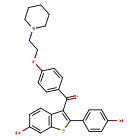
Structure for Raloxifene (DB00481)
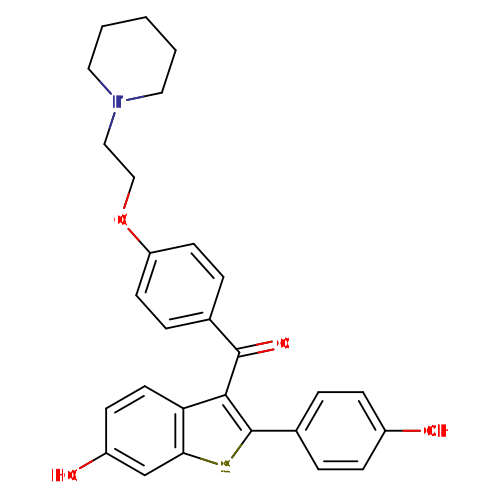
- Weight
- Average: 473.583
Monoisotopic: 473.166079047 - Chemical Formula
- C28H27NO4S
- Synonyms
- (2-(4-Hydroxyphenyl)-6-hydroxybenzo(b)thien-3-yl)(4-(2-(1-piperidinyl)ethoxy)phenyl)methanone
- Raloxifène
- Raloxifene
- Raloxifeno
- Raloxifenum
- External IDs
- J22.982B
- LY 139481
- LY-139481

Pharmacology
- Indication
Indicated for the prevention and treatment of osteoporosis in postmenopausal women, as well as prevention and treatment of corticosteroid-induced bone loss.Label
Indicated for the reduction in the risk of invasive breast cancer in postmenopausal women with osteoporosis or postmenopausal women with a high risk for invasive breast cancer.Label
 Reduce drug development failure ratesBuild, train, & validate machine-learning modelswith evidence-based and structured datasets.Build, train, & validate predictive machine-learning models with structured datasets.
- Associated Conditions
Indication Type Indication Combined Product Details Approval Level Age Group Patient Characteristics Dose Form Prevention of Invasive breast cancer •••••••••••• •••••••••••••• •••• •••• ••• •••••• •••••• Prevention of Invasive breast cancer •••••••••••• •••••••••••••• •••••••••••••• •••••••••••• Prevention of Osteoporosis •••••••••••• •••••••••••••• Treatment of Osteoporosis •••••••••••• •••••••••••••• Treatment of Osteoporosis caused by corticosteroid ••• ••••• - Contraindications & Blackbox Warnings
 Prevent Adverse Drug Events TodayTap into our Clinical API for life-saving information on contraindications & blackbox warnings, population restrictions, harmful risks, & more.Avoid life-threatening adverse drug events with our Clinical API
- Pharmacodynamics
Raloxifene belongs to the selective estrogen receptor modulator (SERM) drug class that exhibits estrogenic effects on bone and lipid metabolism while mediating anti-estrogenic effects on uterine endometrium and breast tissues.7 On skeletal tissues, raloxifene stimulates bone-depositing osteoblasts and inhibits bone-resorbing osteoclasts12 to augument bone mineral density.7 Raloxifene produces estrogen-like effects on bone, reducing the resorption of bone and increasing bone mineral density in postmenopausal women, thus slowing the rate of bone loss.Label In three randomized, placebo-controlled trials in Europe, postmenopausal women receiving raloxifene at variable doses of 30 to 150 mg daily demonstrated significant increases in bone mineral density in the lumbar spine, total hip, femoral neck and total body compared to placebo.7 In the MORE and RUTH trials, there were fewer incidences of vertebral fractures in postmeopausal women receiving raloxifene compared to placebo.6 In a eight-week study evaluating short-term effects of raloxifene in healthy postmenopausal women, there was a decrease in the bone turnover markers, such as serum alkaline phosphatase level, serum osteocalcin level and urinary calcium excretion.7
Raloxifene was shown to inhibit estrogen-dependent proliferation of human breast cancer cells in vitro and development of induced mammary tumors in rats in vivo.4 In adult female rats, raloxifene produced a greater regression of the mammary gland than tamoxifen.4 The MORE trial was a multicenter, randomized, double-blind clinical trial that investigated the long-term effects of the drug therapy in European and American postmenopausal women receiving raloxifene for 40 months.2 Additionally, a reduction in the incidence of invasive breast cancer was also demonstrates in the CORE and RUTH trials.6 Study findings demonstrated that compared to placebo, the risk of invasive breast cancer was decreased by 76% among postmenopausal women with osteoporosis. There was a decrease in the risk of estrogen receptor-positive breast cancer by 90% but there was no increase in the risk of endometrial cancer. Unlike hormone replacement therapy, raloxifene does not mediate proliferative or stimulatory effects on endometrial tissue. Findings from both animal and human studies demonstrated no significant changes in the histologic appearance of the endometrium.7
Raloxifene promotes estrogen-like effects on lipid metabolism. In a European trial that evaluated lipid profiles following raloxifene therapy over the 24-month period, there were significant decreases in the serum concentrations of total and low-density lipoprotein (LDL) cholesterol over a 24-month period of raloxifene therapy.7 Raloxifene is not associated with causing alterations in the serum levels of HDL cholesterol or triglycerides.7 As the HDL choesterol level is considered a strong inverse predictor of cardiovascular disease in women, the cardioprotective effects of raloxifene were questioned. Due to limited data on the long-term trials, it is not possible to determine whether the small lipid effects produced by raloxifene correlate with a smaller degree of cardioprotective activity compared with hormone replacement therapy.7
- Mechanism of action
Raloxifene is a selective estrogen receptor modulator that acts as both an estrogen agonist and antagonist via differential effects on the tissue-specific estrogen receptors. Based on the findings of competitive binding assays, raloxifene displays binding affinity that is similar to that of estradiol4, the predominant circulating estrogen.9 Estrogens play variable roles at different tissues in females, including the bone, breasts, uterus and liver, by binding to the steroid nuclear hormone receptors, Estrogen Receptor alpha (ERα) or Estrogen Receptor beta (ERβ).9 These receptors are normally bound to the Heat Shock Protein 90 (Hsp90) when unbound to the ligand. Ligand binding induces a conformational change in the receptor that promotes dissociation of the receptor from Hsp90, dimerization and translocation into the nucleus. This movement into the nucleus allows the receptor to bind to genomic locations based on sequence recognition of the DNA binding domain, also known as the Estrogen Response Elements (EREs).9
In bones, endogenous estrogens normally modulate multiple DNA response elements, including the gene-encoding transforming growth factor-β3 (TGF-β3), which is a cytokine embedded in the bone matrix.12 TGF-β3 plays an important role in bone remodelling8 by working with other cytokines to induce production of osteoblasts, such as IL-63, and attenuate the activity of osetoclasts. Estrogens typically maintain the bone integrity by inhibiting the cytokines that recruit osteoclasts and oppose the bone-resorbing, Ca2+-mobilizing action of parathyroid hormone. In contrast, estrogens promote osteoblast proliferation, augment the production of TGF-β3 and bone morphogenic proteins, and inhibit apoptosis.12 Mimicking the action of endogenous estrogen in bone tissues, raloxifene binds to the estrogen receptor to influence gene transcription through interactions with the estrogen response element (ERE) and a distinct DNA target, the raloxifene response element (RRE).5 It occupies the same ER ligand binding site as estrogen.11 Upon binding, raloxifene induces a conformational change of the receptor, allowing mediation of direct binding to transcriptional elements by accessory proteins. Increased expression of bone matrix proteins, such as alkaline phosphatase, osteonectin, osteocalcin and collagen may be seen.5 The agonistic or antagonistic action of raloxifene depends on the extent of recruitment of coactivators and corepressors to estrogen receptor (ER) target gene promotors.Label In breast tissues, raloxifene acts as an estrogen receptor antagonist to attenuate the estrogen-dependent proliferative effects of epithelial cell expansion. In addition to the antiproliferative effects, raloxifene prevents the production of cytokines and recruitment of macrophages and lymphocytes into tumor mass.10
Target Actions Organism AEstrogen receptor alpha agonistHumans AEstrogen receptor beta agonistHumans USerpin B9 Not Available Humans UTrefoil factor 1 Not Available Humans - Absorption
Raloxifene is well absorbed from the gastrointestinal tract, with approximately 60% fo the drug being absorbed following oral administration.12 Due to the extensive first-pass hepatic metabolism that involves glucuronide conjugation, the absolute oral bioavailability of raloxifene is about 2%.12 Following oral ingestion of a single dose or multiple dose of raloxifen in healthy postmenopausal women, the mean peak plasma concentrations (Cmax) were 0.50 and 1.36 ng/mL, respectively, and the AUC values were 27.2 and 24.2 ngxhr/mL, respectively. The time to reach Cmax following a single or multiple oral doses were 27.7 and 32.5 hours, respectively.Label Although not clinically significant, oral ingestion of raloxifene with high-fat meals is thought to increase the systemic bioavailability of the drug7 by increasnig the peak plasma concentrations (Cmax) and AUC by 28% and 16%, respectively.Label
- Volume of distribution
Following oral administration of single doses randing from 30 to 150 mg in postmenopausal women, the volume of distribution was about 2348 L/kg. Following oral administration of multiple doses, the value increased to 2853 L/kg. Raloxifene is widely distributed in the tissues. It is not known whether raloxifene is excreted in human milk.Label
- Protein binding
About 95% of raloxifene and its glucuronide metabolites are bound to plasma proteins.Label Although this is a relatively high protein binding profile, in vitro studies suggest that raloxifene and its metabolites do not significantly interact with binding of highly protein-bound drugs.7 FDA Label still advises patients to use raloxifene with caution co-administering with other highly protein-bound drugs.Label
- Metabolism
Raloxifene is reported to undergo metabolism in the intestines and liver devoid of cytochrome P450 pathway.7 It is extensively metabolized, where less than 1% of the total dose exists as unchanged compound.Label It mainly undergoes first-pass metabolism to form glucuronide conjugates, raloxifene-4'-glucuronide (raloxifene-4'-β-glucuronide), raloxifene-6-glucuronide (raloxifene-6-β-glucuronide), and raloxifene-6,4'-diglucuronide. No other metabolites have been detected in human plasma. The terminal log-linear portions of the plasma concentration curves for raloxifene and the glucuronides are generally parallel. This is consistent with interconversion of raloxifene and the glucuronide metabolites.Label
Hover over products below to view reaction partners
- Route of elimination
Raloxifene predominantly undergoes fecal excretion, with less than 0.2% of the dose being excreted in the urine as unchanged form of the compound and less than 6% of the dose being excreted as glucuronide conjugates. Co-administration with cholestyramine, a bile acid sequestrant, was shown to reduce the enterohepatic recycling of raloxifene by 60%.12
- Half-life
The average plasma elimination half-life of raloxifene ranges from 27 to 32 hours.7,12 The prolonged half-life has been attributed to the drug's reversible systemic metabolism and significant enterohepatic cycling.7
- Clearance
Following intravenous administration, raloxifene was shown to be cleared at a rate approximating hepatic blood flow. The apparent oral clearance is reported to be 44.1 L/kgxhr. The clearance can range from 40 to 60L/kgxhr following chronic dosing. In healthy postmenopausal women receiving multiple oral dose, the mean clearance was 47.4 L/kgxhr. Apparent clearance can be reduced by 56% in patients with hepatic impairment.Label
- Adverse Effects
 Improve decision support & research outcomesWith structured adverse effects data, including: blackbox warnings, adverse reactions, warning & precautions, & incidence rates. View sample adverse effects data in our new Data Library!Improve decision support & research outcomes with our structured adverse effects data.
- Toxicity
LD50 and Overdose
The oral LD50 value in rats is > 5000 mg/kg, which is about 810 times the human dose.MSDS In monkeys, no mortality was seen after a single oral dose of 1000 mg/kg.Label No cases of raloxifene overdose have been reported during clinical trials. A rare postmarketing report of a non-fatal overdose after oral ingestion of 1.5 g has been reported. Common adverse events of leg cramps, hot flushes, and dizziness have been reported with the use of raloxifene at doses of greater than 180 mg. More serious adverse event of venous thromboembolic events were observed with raloxifene.4 Two 18-month-old children accidentally ingested 180 mg of raloxifene and symptoms of ataxia, dizziness, vomiting, rash, diarrhea, tremor, flushing, and elevated alkaline phosphatase levels were reported. There is no known antidote for raloxifene. Label
Nonclinical Toxicology
In a two-year mouse carcinogenicity study at raloxifene doses that are higher than the human therapeutic doses, there was an increased incidence of benign and malignant ovarian tumors of granulosa or theca cell origin. Another study showed an increased incidence of testicular interstitial cell tumors, prostatic adenomas, adenocarcinomas, and prostatic leiomyoblastoma in male mice receiving doses higher than human therapeutic doses. There was no evidence of the genotoxic potential of raloxifene in bacterial mutagenicity assays, in vitro rat DNA assays, or other in vitro rodent cell line assays. When assessing effects on the reproductive system of male and female rats, raloxifene caused lack of pregnancy and disruptions in estrous cycles and inhibited ovulation at dose of 0.1 to 10 mg/kg/day. Administration of raloxifene during the preimplantation period at doses greater than 0.1 mg/kg resulted in delayed and disrupted embryo implantation, further leading to prolonged gestation and reduced litter size. There were no effects on sperm production or quality or reproductive performance in male rats. The effects on the fertility by raloxifene were reversible.Label
Use in special populations
The use of raloxifene in pregnant or nursing women is not advised. Although there are no specific dosing adjustment guidelines, caution should be undertaken when administering raloxifene in geriatric patients or patients with renal or hepatic impairment.Label
- Pathways
- Not Available
- Pharmacogenomic Effects/ADRs
- Not Available
Interactions
- Drug Interactions
- This information should not be interpreted without the help of a healthcare provider. If you believe you are experiencing an interaction, contact a healthcare provider immediately. The absence of an interaction does not necessarily mean no interactions exist.
Drug Interaction Integrate drug-drug
interactions in your softwareAbemaciclib The serum concentration of Abemaciclib can be increased when it is combined with Raloxifene. Acalabrutinib The serum concentration of Acalabrutinib can be increased when it is combined with Raloxifene. Acenocoumarol The serum concentration of Acenocoumarol can be increased when it is combined with Raloxifene. Acetylcysteine The excretion of Raloxifene can be decreased when combined with Acetylcysteine. Adenine The metabolism of Raloxifene can be decreased when combined with Adenine. - Food Interactions
- Avoid excessive or chronic alcohol consumption. Excessive and chronic alcohol consumption may be associated with vitamin D deficiency.
- Take with or without food. The absorption is unaffected by food.
Products
 Drug product information from 10+ global regionsOur datasets provide approved product information including:dosage, form, labeller, route of administration, and marketing period.Access drug product information from over 10 global regions.
- Product Ingredients
Ingredient UNII CAS InChI Key Raloxifene Hydrochloride 4F86W47BR6 82640-04-8 BKXVVCILCIUCLG-UHFFFAOYSA-N - Product Images
- International/Other Brands
- Keoxifene
- Brand Name Prescription Products
Name Dosage Strength Route Labeller Marketing Start Marketing End Region Image Act Raloxifene Tablet 60 mg Oral TEVA Canada Limited 2012-06-19 Not applicable Canada 
Evista Tablet 60 mg/1 Oral Eli Lilly and Company 2006-04-17 2006-04-17 US 

Evista Tablet, film coated 60 mg Oral Substipharm 2020-12-17 Not applicable EU 
Evista Tablet 60 mg/1 Oral Physicians Total Care, Inc. 2000-05-11 Not applicable US 
Evista Tablet, film coated 60 mg Oral Substipharm 2020-12-17 Not applicable EU - Generic Prescription Products
Name Dosage Strength Route Labeller Marketing Start Marketing End Region Image Apo-raloxifene Tablet 60 mg Oral Apotex Corporation 2009-03-31 Not applicable Canada Jamp Raloxifene Tablet 60 mg Oral Jamp Pharma Corporation Not applicable Not applicable Canada PMS-raloxifene Tablet 60 mg Oral Pharmascience Inc 2011-09-19 2020-04-22 Canada Raloxifene Tablet, film coated 60 mg/1 Oral Avera McKennan Hospital 2016-05-09 2017-05-24 US Raloxifene Tablet, film coated 60 mg/1 Oral Actavis Pharma Company 2015-06-18 Not applicable US 
- Unapproved/Other Products
Name Ingredients Dosage Route Labeller Marketing Start Marketing End Region Image EVISTA 60 MG TABLET, 28 ADET Raloxifene (60 mg) Tablet Oral DAİİCHİ SANKYO İLAÇ TİC. LTD. ŞTİ. 2013-01-29 2020-12-29 Turkey 


Categories
- ATC Codes
- G03XC01 — Raloxifene
- Drug Categories
- BCRP/ABCG2 Substrates
- Benzene Derivatives
- Benzylidene Compounds
- Bone Density Conservation Agents
- Cytochrome P-450 CYP2B6 Inhibitors
- Cytochrome P-450 CYP2B6 Inhibitors (strong)
- Cytochrome P-450 CYP2C8 Inhibitors
- Cytochrome P-450 CYP2C8 Inhibitors (strength unknown)
- Cytochrome P-450 CYP3A Inhibitors
- Cytochrome P-450 CYP3A4 Inhibitors
- Cytochrome P-450 CYP3A4 Inhibitors (strength unknown)
- Cytochrome P-450 Enzyme Inhibitors
- Estrogen Agonist-antagonists
- Estrogen Agonist/Antagonist
- Estrogen Antagonists
- Estrogen Receptor Modulators
- Genito Urinary System and Sex Hormones
- Hormone Antagonists
- Hormones, Hormone Substitutes, and Hormone Antagonists
- OATP1B1/SLCO1B1 Substrates
- OATP1B3 substrates
- P-glycoprotein substrates
- Selective Estrogen Receptor Modulators
- Sex Hormones and Modulators of the Genital System
- Stilbenes
- UGT1A1 Substrates
- Chemical TaxonomyProvided by Classyfire
- Description
- This compound belongs to the class of organic compounds known as aryl-phenylketones. These are aromatic compounds containing a ketone substituted by one aryl group, and a phenyl group.
- Kingdom
- Organic compounds
- Super Class
- Organic oxygen compounds
- Class
- Organooxygen compounds
- Sub Class
- Carbonyl compounds
- Direct Parent
- Aryl-phenylketones
- Alternative Parents
- 3-aroylthiophenes / 1-benzothiophenes / Thiophene carboxylic acids and derivatives / Phenoxy compounds / Phenol ethers / Benzoyl derivatives / Alkyl aryl ethers / 1-hydroxy-2-unsubstituted benzenoids / Piperidines / Heteroaromatic compounds show 5 more
- Substituents
- 1-benzothiophene / 1-hydroxy-2-unsubstituted benzenoid / 3-aroylthiophene / Alkyl aryl ether / Amine / Aromatic heteropolycyclic compound / Aryl-phenylketone / Azacycle / Benzenoid / Benzothiophene show 18 more
- Molecular Framework
- Aromatic heteropolycyclic compounds
- External Descriptors
- 1-benzothiophenes, N-oxyethylpiperidine (CHEBI:45355)
- Affected organisms
- Humans and other mammals
Chemical Identifiers
- UNII
- YX9162EO3I
- CAS number
- 84449-90-1
- InChI Key
- GZUITABIAKMVPG-UHFFFAOYSA-N
- InChI
- InChI=1S/C28H27NO4S/c30-21-8-4-20(5-9-21)28-26(24-13-10-22(31)18-25(24)34-28)27(32)19-6-11-23(12-7-19)33-17-16-29-14-2-1-3-15-29/h4-13,18,30-31H,1-3,14-17H2
- IUPAC Name
- 2-(4-hydroxyphenyl)-3-{4-[2-(piperidin-1-yl)ethoxy]benzoyl}-1-benzothiophen-6-ol
- SMILES
- OC1=CC=C(C=C1)C1=C(C(=O)C2=CC=C(OCCN3CCCCC3)C=C2)C2=C(S1)C=C(O)C=C2
References
- Synthesis Reference
Massimo Ferrari, Fabrizio Zinetti, Paolo Belotti, "Process for preparing raloxifene hydrochloride." U.S. Patent US20070100147, issued May 03, 2007.
US20070100147- General References
- Heringa M: Review on raloxifene: profile of a selective estrogen receptor modulator. Int J Clin Pharmacol Ther. 2003 Aug;41(8):331-45. [Article]
- Cummings SR, Eckert S, Krueger KA, Grady D, Powles TJ, Cauley JA, Norton L, Nickelsen T, Bjarnason NH, Morrow M, Lippman ME, Black D, Glusman JE, Costa A, Jordan VC: The effect of raloxifene on risk of breast cancer in postmenopausal women: results from the MORE randomized trial. Multiple Outcomes of Raloxifene Evaluation. JAMA. 1999 Jun 16;281(23):2189-97. [Article]
- Bryant HU, Glasebrook AL, Yang NN, Sato M: An estrogen receptor basis for raloxifene action in bone. J Steroid Biochem Mol Biol. 1999 Apr-Jun;69(1-6):37-44. [Article]
- Balfour JA, Goa KL: Raloxifene. Drugs Aging. 1998 Apr;12(4):335-41; discussion 342. [Article]
- Clemett D, Spencer CM: Raloxifene: a review of its use in postmenopausal osteoporosis. Drugs. 2000 Aug;60(2):379-411. [Article]
- Moen MD, Keating GM: Raloxifene: a review of its use in the prevention of invasive breast cancer. Drugs. 2008;68(14):2059-83. [Article]
- Scott JA, Da Camara CC, Early JE: Raloxifene: a selective estrogen receptor modulator. Am Fam Physician. 1999 Sep 15;60(4):1131-9. [Article]
- Yang NN, Venugopalan M, Hardikar S, Glasebrook A: Identification of an estrogen response element activated by metabolites of 17beta-estradiol and raloxifene. Science. 1996 Aug 30;273(5279):1222-5. [Article]
- Palmisano BT, Zhu L, Stafford JM: Role of Estrogens in the Regulation of Liver Lipid Metabolism. Adv Exp Med Biol. 2017;1043:227-256. doi: 10.1007/978-3-319-70178-3_12. [Article]
- Yaghjyan L, Colditz GA: Estrogens in the breast tissue: a systematic review. Cancer Causes Control. 2011 Apr;22(4):529-40. doi: 10.1007/s10552-011-9729-4. Epub 2011 Feb 1. [Article]
- Diez-Perez A: Selective estrogen receptor modulators (SERMS). Arq Bras Endocrinol Metabol. 2006 Aug;50(4):720-34. [Article]
- 35. (2012). In Rang and Dale's Pharmacology (7th ed., pp. 438-439). Edinburgh: Elsevier/Churchill Livingstone. [ISBN:978-0-7020-3471-8]
- EVISTA (raloxifene hydrochloride) Tablet for Oral Use - FDA Label [Link]
- External Links
- Human Metabolome Database
- HMDB0014624
- KEGG Compound
- C07228
- PubChem Compound
- 5035
- PubChem Substance
- 46506514
- ChemSpider
- 4859
- BindingDB
- 19441
- 72143
- ChEBI
- 8772
- ChEMBL
- CHEMBL81
- ZINC
- ZINC000000538275
- Therapeutic Targets Database
- DAP000792
- PharmGKB
- PA451221
- Guide to Pharmacology
- GtP Drug Page
- PDBe Ligand
- RAL
- RxList
- RxList Drug Page
- Drugs.com
- Drugs.com Drug Page
- PDRhealth
- PDRhealth Drug Page
- Wikipedia
- Raloxifene
- PDB Entries
- 1err / 1qkn / 2jfa / 2qxs / 2y05 / 7kbs / 7ndo / 7opn / 7orc / 7ujc
- FDA label
- Download (286 KB)
- MSDS
- Download (507 KB)
Clinical Trials
- Clinical Trials
Phase Status Purpose Conditions Count 4 Active Not Recruiting Treatment Osteoporosis / Postmenopausal Osteoporosis 1 4 Completed Prevention Healthy Volunteers (HV) 1 4 Completed Treatment Compliance / Postmenopausal Osteoporosis 1 4 Completed Treatment Depression / Perimenopausal Depression 1 4 Completed Treatment Osteoporosis 5
Pharmacoeconomics
- Manufacturers
- Eli lilly and co
- Packagers
- AQ Pharmaceuticals Inc.
- A-S Medication Solutions LLC
- Atlantic Biologicals Corporation
- Cardinal Health
- Eli Lilly & Co.
- Kaiser Foundation Hospital
- Lilly Del Caribe Inc.
- Murfreesboro Pharmaceutical Nursing Supply
- PD-Rx Pharmaceuticals Inc.
- Physicians Total Care Inc.
- Prepak Systems Inc.
- Resource Optimization and Innovation LLC
- Dosage Forms
Form Route Strength Tablet, coated Oral 60 mg Tablet Oral 60.000 mg Tablet Oral 60 mg/1 Tablet Oral 60 mg Tablet, film coated Oral Tablet, film coated Oral 60 MG Tablet, coated Oral 60 mg/1 Tablet, film coated Oral 60 mg/1 Tablet, film coated Oral 60.0 mg - Prices
Unit description Cost Unit Evista 60 mg tablet 4.37USD tablet DrugBank does not sell nor buy drugs. Pricing information is supplied for informational purposes only.- Patents
Patent Number Pediatric Extension Approved Expires (estimated) Region US5393763 No 1995-02-28 2012-07-28 US CA2158400 No 2006-10-24 2015-09-15 Canada CA2101356 No 1998-11-17 2013-07-27 Canada US6458811 No 2002-10-01 2017-03-10 US US6894064 No 2005-05-17 2017-03-10 US US6797719 No 2004-09-28 2017-03-10 US US8030330 No 2011-10-04 2017-03-10 US
Properties
- State
- Solid
- Experimental Properties
Property Value Source melting point (°C) 268-272 MSDS water solubility Insoluble MSDS logP 5.2 Not Available - Predicted Properties
Property Value Source Water Solubility 0.000512 mg/mL ALOGPS logP 5.45 ALOGPS logP 5.46 Chemaxon logS -6 ALOGPS pKa (Strongest Acidic) 9 Chemaxon pKa (Strongest Basic) 8.42 Chemaxon Physiological Charge 1 Chemaxon Hydrogen Acceptor Count 5 Chemaxon Hydrogen Donor Count 2 Chemaxon Polar Surface Area 70 Å2 Chemaxon Rotatable Bond Count 7 Chemaxon Refractivity 135.48 m3·mol-1 Chemaxon Polarizability 52.55 Å3 Chemaxon Number of Rings 5 Chemaxon Bioavailability 1 Chemaxon Rule of Five No Chemaxon Ghose Filter No Chemaxon Veber's Rule No Chemaxon MDDR-like Rule Yes Chemaxon - Predicted ADMET Features
Property Value Probability Human Intestinal Absorption + 0.9865 Blood Brain Barrier + 0.8661 Caco-2 permeable - 0.8957 P-glycoprotein substrate Substrate 0.7751 P-glycoprotein inhibitor I Non-inhibitor 0.6231 P-glycoprotein inhibitor II Inhibitor 0.9366 Renal organic cation transporter Inhibitor 0.634 CYP450 2C9 substrate Non-substrate 0.7897 CYP450 2D6 substrate Non-substrate 0.9116 CYP450 3A4 substrate Substrate 0.5198 CYP450 1A2 substrate Non-inhibitor 0.9045 CYP450 2C9 inhibitor Non-inhibitor 0.9071 CYP450 2D6 inhibitor Inhibitor 0.8932 CYP450 2C19 inhibitor Inhibitor 0.8986 CYP450 3A4 inhibitor Inhibitor 0.7617 CYP450 inhibitory promiscuity High CYP Inhibitory Promiscuity 0.8222 Ames test Non AMES toxic 0.8487 Carcinogenicity Non-carcinogens 0.9433 Biodegradation Not ready biodegradable 0.9587 Rat acute toxicity 2.5287 LD50, mol/kg Not applicable hERG inhibition (predictor I) Weak inhibitor 0.6322 hERG inhibition (predictor II) Inhibitor 0.5779
Spectra
- Mass Spec (NIST)
- Not Available
- Spectra
- Chromatographic Properties
Collision Cross Sections (CCS)
Adduct CCS Value (Å2) Source type Source [M-H]- 228.884389 predictedDarkChem Lite v0.1.0 [M-H]- 210.23293 predictedDeepCCS 1.0 (2019) [M+H]+ 229.316089 predictedDarkChem Lite v0.1.0 [M+H]+ 212.59091 predictedDeepCCS 1.0 (2019) [M+Na]+ 228.492889 predictedDarkChem Lite v0.1.0 [M+Na]+ 218.68407 predictedDeepCCS 1.0 (2019)
Targets

- Kind
- Protein
- Organism
- Humans
- Pharmacological action
- Yes
- Actions
- Agonist
- General Function
- Zinc ion binding
- Specific Function
- Nuclear hormone receptor. The steroid hormones and their receptors are involved in the regulation of eukaryotic gene expression and affect cellular proliferation and differentiation in target tissu...
- Gene Name
- ESR1
- Uniprot ID
- P03372
- Uniprot Name
- Estrogen receptor
- Molecular Weight
- 66215.45 Da
References
- Khovidhunkit W, Shoback DM: Clinical effects of raloxifene hydrochloride in women. Ann Intern Med. 1999 Mar 2;130(5):431-9. [Article]
- Cummings SR, Eckert S, Krueger KA, Grady D, Powles TJ, Cauley JA, Norton L, Nickelsen T, Bjarnason NH, Morrow M, Lippman ME, Black D, Glusman JE, Costa A, Jordan VC: The effect of raloxifene on risk of breast cancer in postmenopausal women: results from the MORE randomized trial. Multiple Outcomes of Raloxifene Evaluation. JAMA. 1999 Jun 16;281(23):2189-97. [Article]
- Bryant HU, Glasebrook AL, Yang NN, Sato M: An estrogen receptor basis for raloxifene action in bone. J Steroid Biochem Mol Biol. 1999 Apr-Jun;69(1-6):37-44. [Article]
- Figtree GA, Lu Y, Webb CM, Collins P: Raloxifene acutely relaxes rabbit coronary arteries in vitro by an estrogen receptor-dependent and nitric oxide-dependent mechanism. Circulation. 1999 Sep 7;100(10):1095-101. [Article]
- Schafer JI, Liu H, Tonetti DA, Jordan VC: The interaction of raloxifene and the active metabolite of the antiestrogen EM-800 (SC 5705) with the human estrogen receptor. Cancer Res. 1999 Sep 1;59(17):4308-13. [Article]
- Chen X, Ji ZL, Chen YZ: TTD: Therapeutic Target Database. Nucleic Acids Res. 2002 Jan 1;30(1):412-5. [Article]
- Scott JA, Da Camara CC, Early JE: Raloxifene: a selective estrogen receptor modulator. Am Fam Physician. 1999 Sep 15;60(4):1131-9. [Article]
- Matsumoto T: [Selective estrogen receptor modulators (SERMs)]. Clin Calcium. 2006 Sep;16(9):1520-25. [Article]
- Moen MD, Keating GM: Raloxifene: a review of its use in the prevention of invasive breast cancer. Drugs. 2008;68(14):2059-83. [Article]
- Kind
- Protein
- Organism
- Humans
- Pharmacological action
- Yes
- Actions
- Agonist
- General Function
- Zinc ion binding
- Specific Function
- Nuclear hormone receptor. Binds estrogens with an affinity similar to that of ESR1, and activates expression of reporter genes containing estrogen response elements (ERE) in an estrogen-dependent m...
- Gene Name
- ESR2
- Uniprot ID
- Q92731
- Uniprot Name
- Estrogen receptor beta
- Molecular Weight
- 59215.765 Da
References
- Bryant HU, Glasebrook AL, Yang NN, Sato M: An estrogen receptor basis for raloxifene action in bone. J Steroid Biochem Mol Biol. 1999 Apr-Jun;69(1-6):37-44. [Article]
- Iannone MA, Consler TG, Pearce KH, Stimmel JB, Parks DJ, Gray JG: Multiplexed molecular interactions of nuclear receptors using fluorescent microspheres. Cytometry. 2001 Aug 1;44(4):326-37. [Article]
- Zhou W, Koldzic-Zivanovic N, Clarke CH, de Beun R, Wassermann K, Bury PS, Cunningham KA, Thomas ML: Selective estrogen receptor modulator effects in the rat brain. Neuroendocrinology. 2002 Jan;75(1):24-33. [Article]
- Sun J, Huang YR, Harrington WR, Sheng S, Katzenellenbogen JA, Katzenellenbogen BS: Antagonists selective for estrogen receptor alpha. Endocrinology. 2002 Mar;143(3):941-7. [Article]
- Kim IY, Seong DH, Kim BC, Lee DK, Remaley AT, Leach F, Morton RA, Kim SJ: Raloxifene, a selective estrogen receptor modulator, induces apoptosis in androgen-responsive human prostate cancer cell line LNCaP through an androgen-independent pathway. Cancer Res. 2002 Jul 1;62(13):3649-53. [Article]
- Chen X, Ji ZL, Chen YZ: TTD: Therapeutic Target Database. Nucleic Acids Res. 2002 Jan 1;30(1):412-5. [Article]
- Kind
- Protein
- Organism
- Humans
- Pharmacological action
- Unknown
- General Function
- Granzyme B inhibitor.
- Specific Function
- Cysteine-type endopeptidase inhibitor activity involved in apoptotic process
- Gene Name
- SERPINB9
- Uniprot ID
- P50453
- Uniprot Name
- Serpin B9
- Molecular Weight
- 42403.185 Da
References
- Krieg AJ, Krieg SA, Ahn BS, Shapiro DJ: Interplay between estrogen response element sequence and ligands controls in vivo binding of estrogen receptor to regulated genes. J Biol Chem. 2004 Feb 6;279(6):5025-34. Epub 2003 Nov 14. [Article]
- Kind
- Protein
- Organism
- Humans
- Pharmacological action
- Unknown
- General Function
- Stabilizer of the mucous gel overlying the gastrointestinal mucosa that provides a physical barrier against various noxious agents. May inhibit the growth of calcium oxalate crystals in urine.
- Specific Function
- Growth factor activity
- Gene Name
- TFF1
- Uniprot ID
- P04155
- Uniprot Name
- Trefoil factor 1
- Molecular Weight
- 9149.435 Da
References
- Krieg AJ, Krieg SA, Ahn BS, Shapiro DJ: Interplay between estrogen response element sequence and ligands controls in vivo binding of estrogen receptor to regulated genes. J Biol Chem. 2004 Feb 6;279(6):5025-34. Epub 2003 Nov 14. [Article]
Enzymes
- Kind
- Protein
- Organism
- Humans
- Pharmacological action
- Unknown
- Actions
- Inhibitor
- General Function
- Steroid hydroxylase activity
- Specific Function
- Cytochromes P450 are a group of heme-thiolate monooxygenases. In liver microsomes, this enzyme is involved in an NADPH-dependent electron transport pathway. It oxidizes a variety of structurally un...
- Gene Name
- CYP2B6
- Uniprot ID
- P20813
- Uniprot Name
- Cytochrome P450 2B6
- Molecular Weight
- 56277.81 Da
References
- Walsky RL, Astuccio AV, Obach RS: Evaluation of 227 drugs for in vitro inhibition of cytochrome P450 2B6. J Clin Pharmacol. 2006 Dec;46(12):1426-38. [Article]
- Kind
- Protein
- Organism
- Humans
- Pharmacological action
- Unknown
- Actions
- Inhibitor
- General Function
- Steroid hydroxylase activity
- Specific Function
- Cytochromes P450 are a group of heme-thiolate monooxygenases. In liver microsomes, this enzyme is involved in an NADPH-dependent electron transport pathway. It oxidizes a variety of structurally un...
- Gene Name
- CYP2C8
- Uniprot ID
- P10632
- Uniprot Name
- Cytochrome P450 2C8
- Molecular Weight
- 55824.275 Da
References
- Walsky RL, Gaman EA, Obach RS: Examination of 209 drugs for inhibition of cytochrome P450 2C8. J Clin Pharmacol. 2005 Jan;45(1):68-78. [Article]
- VandenBrink BM, Davis JA, Pearson JT, Foti RS, Wienkers LC, Rock DA: Cytochrome p450 architecture and cysteine nucleophile placement impact raloxifene-mediated mechanism-based inactivation. Mol Pharmacol. 2012 Nov;82(5):835-42. doi: 10.1124/mol.112.080739. Epub 2012 Aug 2. [Article]
- Kind
- Protein
- Organism
- Humans
- Pharmacological action
- Unknown
- Actions
- Inhibitor
- General Function
- Xanthine dehydrogenase activity
- Specific Function
- Oxidase with broad substrate specificity, oxidizing aromatic azaheterocycles, such as N1-methylnicotinamide and N-methylphthalazinium, as well as aldehydes, such as benzaldehyde, retinal, pyridoxal...
- Gene Name
- AOX1
- Uniprot ID
- Q06278
- Uniprot Name
- Aldehyde oxidase
- Molecular Weight
- 147916.735 Da
References
- Obach RS: Potent inhibition of human liver aldehyde oxidase by raloxifene. Drug Metab Dispos. 2004 Jan;32(1):89-97. [Article]
- Obach RS, Huynh P, Allen MC, Beedham C: Human liver aldehyde oxidase: inhibition by 239 drugs. J Clin Pharmacol. 2004 Jan;44(1):7-19. [Article]
- Sahi J, Khan KK, Black CB: Aldehyde oxidase activity and inhibition in hepatocytes and cytosolic fractions from mouse, rat, monkey and human. Drug Metab Lett. 2008 Aug;2(3):176-83. [Article]
- Kind
- Protein
- Organism
- Humans
- Pharmacological action
- Unknown
- Actions
- Inhibitor
- General Function
- Oxygen binding
- Specific Function
- Catalyzes the formation of aromatic C18 estrogens from C19 androgens.
- Gene Name
- CYP19A1
- Uniprot ID
- P11511
- Uniprot Name
- Aromatase
- Molecular Weight
- 57882.48 Da
References
- Fiorelli G, Picariello L, Martineti V, Tonelli F, Brandi ML: Estrogen synthesis in human colon cancer epithelial cells. J Steroid Biochem Mol Biol. 1999 Dec 31;71(5-6):223-30. [Article]
- Kind
- Protein
- Organism
- Humans
- Pharmacological action
- Unknown
- Actions
- Inhibitor
- General Function
- Vitamin d3 25-hydroxylase activity
- Specific Function
- Cytochromes P450 are a group of heme-thiolate monooxygenases. In liver microsomes, this enzyme is involved in an NADPH-dependent electron transport pathway. It performs a variety of oxidation react...
- Gene Name
- CYP3A4
- Uniprot ID
- P08684
- Uniprot Name
- Cytochrome P450 3A4
- Molecular Weight
- 57342.67 Da
References
- Moore CD, Reilly CA, Yost GS: CYP3A4-Mediated oxygenation versus dehydrogenation of raloxifene. Biochemistry. 2010 Jun 1;49(21):4466-75. doi: 10.1021/bi902213r. [Article]
- VandenBrink BM, Davis JA, Pearson JT, Foti RS, Wienkers LC, Rock DA: Cytochrome p450 architecture and cysteine nucleophile placement impact raloxifene-mediated mechanism-based inactivation. Mol Pharmacol. 2012 Nov;82(5):835-42. doi: 10.1124/mol.112.080739. Epub 2012 Aug 2. [Article]
- Zhou S, Yung Chan S, Cher Goh B, Chan E, Duan W, Huang M, McLeod HL: Mechanism-based inhibition of cytochrome P450 3A4 by therapeutic drugs. Clin Pharmacokinet. 2005;44(3):279-304. doi: 10.2165/00003088-200544030-00005. [Article]
- Kind
- Protein
- Organism
- Humans
- Pharmacological action
- No
- Actions
- Substrate
- General Function
- Steroid binding
- Specific Function
- UDPGT is of major importance in the conjugation and subsequent elimination of potentially toxic xenobiotics and endogenous compounds. This isoform glucuronidates bilirubin IX-alpha to form both the...
- Gene Name
- UGT1A1
- Uniprot ID
- P22309
- Uniprot Name
- UDP-glucuronosyltransferase 1-1
- Molecular Weight
- 59590.91 Da
References
- Williams JA, Hyland R, Jones BC, Smith DA, Hurst S, Goosen TC, Peterkin V, Koup JR, Ball SE: Drug-drug interactions for UDP-glucuronosyltransferase substrates: a pharmacokinetic explanation for typically observed low exposure (AUCi/AUC) ratios. Drug Metab Dispos. 2004 Nov;32(11):1201-8. doi: 10.1124/dmd.104.000794. Epub 2004 Aug 10. [Article]
- Kind
- Protein
- Organism
- Humans
- Pharmacological action
- No
- Actions
- Substrate
- General Function
- Protein kinase c binding
- Specific Function
- UDPGT is of major importance in the conjugation and subsequent elimination of potentially toxic xenobiotics and endogenous compounds. Isoform 2 lacks transferase activity but acts as a negative reg...
- Gene Name
- UGT1A10
- Uniprot ID
- Q9HAW8
- Uniprot Name
- UDP-glucuronosyltransferase 1-10
- Molecular Weight
- 59809.075 Da
References
- Kemp DC, Fan PW, Stevens JC: Characterization of raloxifene glucuronidation in vitro: contribution of intestinal metabolism to presystemic clearance. Drug Metab Dispos. 2002 Jun;30(6):694-700. [Article]
- Sun D, Jones NR, Manni A, Lazarus P: Characterization of raloxifene glucuronidation: potential role of UGT1A8 genotype on raloxifene metabolism in vivo. Cancer Prev Res (Phila). 2013 Jul;6(7):719-30. doi: 10.1158/1940-6207.CAPR-12-0448. Epub 2013 May 16. [Article]
- Kind
- Protein
- Organism
- Humans
- Pharmacological action
- No
- Actions
- Substrate
- General Function
- Steroid binding
- Specific Function
- UDPGT is of major importance in the conjugation and subsequent elimination of potentially toxic xenobiotics and endogenous compounds. Isoform 2 lacks transferase activity but acts as a negative reg...
- Gene Name
- UGT1A8
- Uniprot ID
- Q9HAW9
- Uniprot Name
- UDP-glucuronosyltransferase 1-8
- Molecular Weight
- 59741.035 Da
References
- Sun D, Jones NR, Manni A, Lazarus P: Characterization of raloxifene glucuronidation: potential role of UGT1A8 genotype on raloxifene metabolism in vivo. Cancer Prev Res (Phila). 2013 Jul;6(7):719-30. doi: 10.1158/1940-6207.CAPR-12-0448. Epub 2013 May 16. [Article]
- Kemp DC, Fan PW, Stevens JC: Characterization of raloxifene glucuronidation in vitro: contribution of intestinal metabolism to presystemic clearance. Drug Metab Dispos. 2002 Jun;30(6):694-700. [Article]
Carriers
- Kind
- Protein
- Organism
- Humans
- Pharmacological action
- No
- Actions
- Binder
- General Function
- Toxic substance binding
- Specific Function
- Serum albumin, the main protein of plasma, has a good binding capacity for water, Ca(2+), Na(+), K(+), fatty acids, hormones, bilirubin and drugs. Its main function is the regulation of the colloid...
- Gene Name
- ALB
- Uniprot ID
- P02768
- Uniprot Name
- Serum albumin
- Molecular Weight
- 69365.94 Da
- Kind
- Protein
- Organism
- Humans
- Pharmacological action
- No
- Actions
- Binder
- General Function
- Not Available
- Specific Function
- Functions as transport protein in the blood stream. Binds various ligands in the interior of its beta-barrel domain. Also binds synthetic drugs and influences their distribution and availability in...
- Gene Name
- ORM1
- Uniprot ID
- P02763
- Uniprot Name
- Alpha-1-acid glycoprotein 1
- Molecular Weight
- 23511.38 Da
Transporters
- Kind
- Protein
- Organism
- Humans
- Pharmacological action
- Unknown
- Actions
- Substrate
- General Function
- Sodium-independent organic anion transmembrane transporter activity
- Specific Function
- Mediates the Na(+)-independent uptake of organic anions such as pravastatin, taurocholate, methotrexate, dehydroepiandrosterone sulfate, 17-beta-glucuronosyl estradiol, estrone sulfate, prostagland...
- Gene Name
- SLCO1B1
- Uniprot ID
- Q9Y6L6
- Uniprot Name
- Solute carrier organic anion transporter family member 1B1
- Molecular Weight
- 76447.99 Da
References
- Trdan Lusin T, Stieger B, Marc J, Mrhar A, Trontelj J, Zavratnik A, Ostanek B: Organic anion transporting polypeptides OATP1B1 and OATP1B3 and their genetic variants influence the pharmacokinetics and pharmacodynamics of raloxifene. J Transl Med. 2012 Apr 25;10:76. doi: 10.1186/1479-5876-10-76. [Article]
- Kind
- Protein
- Organism
- Humans
- Pharmacological action
- Unknown
- Actions
- Substrate
- General Function
- Sodium-independent organic anion transmembrane transporter activity
- Specific Function
- Mediates the Na(+)-independent uptake of organic anions such as 17-beta-glucuronosyl estradiol, taurocholate, triiodothyronine (T3), leukotriene C4, dehydroepiandrosterone sulfate (DHEAS), methotre...
- Gene Name
- SLCO1B3
- Uniprot ID
- Q9NPD5
- Uniprot Name
- Solute carrier organic anion transporter family member 1B3
- Molecular Weight
- 77402.175 Da
References
- Trdan Lusin T, Stieger B, Marc J, Mrhar A, Trontelj J, Zavratnik A, Ostanek B: Organic anion transporting polypeptides OATP1B1 and OATP1B3 and their genetic variants influence the pharmacokinetics and pharmacodynamics of raloxifene. J Transl Med. 2012 Apr 25;10:76. doi: 10.1186/1479-5876-10-76. [Article]
- Kind
- Protein
- Organism
- Humans
- Pharmacological action
- Unknown
- Actions
- Substrate
- General Function
- Xenobiotic-transporting atpase activity
- Specific Function
- Energy-dependent efflux pump responsible for decreased drug accumulation in multidrug-resistant cells.
- Gene Name
- ABCB1
- Uniprot ID
- P08183
- Uniprot Name
- Multidrug resistance protein 1
- Molecular Weight
- 141477.255 Da
References
- Trdan Lusin T, Mrhar A, Stieger B, Kullak-Ublick GA, Marc J, Ostanek B, Zavratnik A, Kristl A, Berginc K, Delic K, Trontelj J: Influence of hepatic and intestinal efflux transporters and their genetic variants on the pharmacokinetics and pharmacodynamics of raloxifene in osteoporosis treatment. Transl Res. 2012 Oct;160(4):298-308. doi: 10.1016/j.trsl.2012.03.002. Epub 2012 Mar 28. [Article]
- Chang JH, Kochansky CJ, Shou M: The role of P-glycoprotein in the bioactivation of raloxifene. Drug Metab Dispos. 2006 Dec;34(12):2073-8. doi: 10.1124/dmd.106.012179. Epub 2006 Sep 7. [Article]
- Kind
- Protein
- Organism
- Humans
- Pharmacological action
- Unknown
- Actions
- Substrate
- General Function
- Xenobiotic-transporting atpase activity
- Specific Function
- High-capacity urate exporter functioning in both renal and extrarenal urate excretion. Plays a role in porphyrin homeostasis as it is able to mediates the export of protoporhyrin IX (PPIX) both fro...
- Gene Name
- ABCG2
- Uniprot ID
- Q9UNQ0
- Uniprot Name
- ATP-binding cassette sub-family G member 2
- Molecular Weight
- 72313.47 Da
References
- Trdan Lusin T, Mrhar A, Stieger B, Kullak-Ublick GA, Marc J, Ostanek B, Zavratnik A, Kristl A, Berginc K, Delic K, Trontelj J: Influence of hepatic and intestinal efflux transporters and their genetic variants on the pharmacokinetics and pharmacodynamics of raloxifene in osteoporosis treatment. Transl Res. 2012 Oct;160(4):298-308. doi: 10.1016/j.trsl.2012.03.002. Epub 2012 Mar 28. [Article]
- Kind
- Protein
- Organism
- Humans
- Pharmacological action
- Unknown
- Actions
- Substrate
- General Function
- Organic anion transmembrane transporter activity
- Specific Function
- Mediates hepatobiliary excretion of numerous organic anions. May function as a cellular cisplatin transporter.
- Gene Name
- ABCC2
- Uniprot ID
- Q92887
- Uniprot Name
- Canalicular multispecific organic anion transporter 1
- Molecular Weight
- 174205.64 Da
References
- Trdan Lusin T, Mrhar A, Stieger B, Kullak-Ublick GA, Marc J, Ostanek B, Zavratnik A, Kristl A, Berginc K, Delic K, Trontelj J: Influence of hepatic and intestinal efflux transporters and their genetic variants on the pharmacokinetics and pharmacodynamics of raloxifene in osteoporosis treatment. Transl Res. 2012 Oct;160(4):298-308. doi: 10.1016/j.trsl.2012.03.002. Epub 2012 Mar 28. [Article]
- Kind
- Protein
- Organism
- Humans
- Pharmacological action
- Unknown
- Actions
- Substrate
- General Function
- Organic anion transmembrane transporter activity
- Specific Function
- May act as an inducible transporter in the biliary and intestinal excretion of organic anions. Acts as an alternative route for the export of bile acids and glucuronides from cholestatic hepatocyte...
- Gene Name
- ABCC3
- Uniprot ID
- O15438
- Uniprot Name
- Canalicular multispecific organic anion transporter 2
- Molecular Weight
- 169341.14 Da
References
- Trdan Lusin T, Mrhar A, Stieger B, Kullak-Ublick GA, Marc J, Ostanek B, Zavratnik A, Kristl A, Berginc K, Delic K, Trontelj J: Influence of hepatic and intestinal efflux transporters and their genetic variants on the pharmacokinetics and pharmacodynamics of raloxifene in osteoporosis treatment. Transl Res. 2012 Oct;160(4):298-308. doi: 10.1016/j.trsl.2012.03.002. Epub 2012 Mar 28. [Article]
- Kind
- Protein
- Organism
- Humans
- Pharmacological action
- Unknown
- Actions
- Substrate
- General Function
- Atpase activity, coupled to transmembrane movement of substances
- Specific Function
- May be an organic anion pump relevant to cellular detoxification.
- Gene Name
- ABCC4
- Uniprot ID
- O15439
- Uniprot Name
- Multidrug resistance-associated protein 4
- Molecular Weight
- 149525.33 Da
References
- Zhou X, Wang S, Sun H, Wu B: Sulfonation of raloxifene in HEK293 cells overexpressing SULT1A3: Involvement of breast cancer resistance protein (BCRP/ABCG2) and multidrug resistance-associated protein 4 (MRP4/ABCC4) in excretion of sulfate metabolites. Drug Metab Pharmacokinet. 2015 Dec;30(6):425-33. doi: 10.1016/j.dmpk.2015.09.001. Epub 2015 Oct 9. [Article]

Drug created at June 13, 2005 13:24 / Updated at April 27, 2024 09:44