Identification
- Summary
Ribavirin is a guanosine nucleoside used to treat some forms of Hepatitis C.
- Brand Names
- Ibavyr, Rebetol, Virazole
- Generic Name
- Ribavirin
- DrugBank Accession Number
- DB00811
- Background
Producing a broad-spectrum activity against several RNA and DNA viruses, Ribavirin is a synthetic guanosine nucleoside and antiviral agent that interferes with the synthesis of viral mRNA. It is primarily indicated for use in treating hepatitis C and viral hemorrhagic fevers. HCV is a single-stranded RNA virus that is categorized into nine distinct genotypes, with genotype 1 being the most common in the United States, and affecting 72% of all chronic HCV patients 9. It is reported that ribavirin might be only effective in early stages of viral hemorrhagic fevers including Lasser fever, Crimean-Congo hemorrhagic fever, Venezuelan hemorrhagic fever, and Hantavirus infection. Ribavirin is a prodrug that is metabolized into nucleoside analogs that blocks viral RNA synthesis and viral mRNA capping. Before the development of newer drugs, ribavirin and Peginterferon alfa-2a/Peginterferon alfa-2b dual therapy was considered the first-generation and standard antiviral treatment 5. The dual therapy was administered for 48 weeks in patients with genotype 1, 4, 5, and 6, and 24 weeks in patients with genotype 2 and 3 5. Newer drugs developed as Hepatitis C viral infection treatments can be used to reduce or eliminate the use of ribavirin, which are associated with serious adverse effects. They also improve therapeutic efficacy in patients with failed Peginterferon alfa-2a/Peginterferon alfa-2b and ribavirin-based therapy. The potential use of ribavirin as a treatment for acute myeloid leukemia is currently under investigation.
According to 2017 American Association for the Study of Liver Diseases (AASLD) and 2015 consensus guidelines from the Canadian Association for the Study of the Liver (CASL), ribavirin is typically used as an adjunct therapy to various first-line and second-line combination therapies recommended for each genotypes. Ribavirin is added to decrease relapse rates by accelerating viral clearance early in the treatment course 7. When used to treat Hepatitis C virus (HCV) infections, it is always used as a part of combination therapies as ribavirin monotherapy is not efficacious in the treatment of chronic hepatitis C infection 6. Additionally, including ribavirin in the regimen can increase the risk of anemia.
In HCV genotye 1/2/3/4/5/6 patients, ribavirin can be used in combination therapy involving Daclatasvir and Sofosbuvir, Eplusa (Sofosbuvir, Velpatasvir), Harvoni (Sofosbuvir, Ledipasvir), Simeprevir and Sofosbuvir, Viekira Pak (Ombitasvir, Paritaprevir, Ritonavir, Dasabuvir), Technivie (Ritonavir, Ombitasvir, Paritaprevir) and Zepatier (Elbasvir, Grazoprevir). Addition of weight-based ribavirin to Technivie therapy increased sustained virologic response after 12 weeks of daily therapy (SVR12) from 90% to 97% in patients with HCV genotype 1a and 90.9% to 100% in HCV genotype 4 patients 9. Zepatier therapy along with ribavirin improved SVR in HCV genotype 5 patients. Combination therapy of ribavirin and Peginterferon alfa-2a results in the SVR of 44% in patients with genotype 1 infection and 70% in patients with genotype 2-6. The inclusion of ribavirin in the combination therapies depend on individual patient's profile, for example if HCV genotype 3 patient has a Y93H genetic variant and compensated cirrhosis.
- Type
- Small Molecule
- Groups
- Approved
- Structure
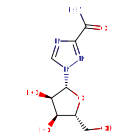
Structure for Ribavirin (DB00811)

- Weight
- Average: 244.2047
Monoisotopic: 244.080769514 - Chemical Formula
- C8H12N4O5
- Synonyms
- 1-beta-D-Ribofuranosyl-1,2,4-triazole-3-carboxamide
- 1-beta-D-Ribofuranosyl-1H-1,2,4-triazole-3-carboxamide
- RBV
- Ribavirin
- Ribavirina
- Ribavirine
- Ribavirinum
- Tribavirin
- External IDs
- ICN 1229
- SCH 18908
- SCH-18908

Pharmacology
- Indication
Indicated for the treatment of chronic Hepatitis C virus (HCV) infection in combination with other antiviral agents with the intent to cure or achieve a sustained virologic response (SVR). Typically added to improve SVR and reduce relapse rates 6.
The addition of ribavirin in Technivie therapy indicated for treating HCV genotype 1a and 4 infections is recommended in patients with or without cirrhosis.
Resistance: viral genetic determinants resulting in variable response to ribavirin therapy has not been yet determined.
 Reduce drug development failure ratesBuild, train, & validate machine-learning modelswith evidence-based and structured datasets.Build, train, & validate predictive machine-learning models with structured datasets.
- Associated Conditions
Indication Type Indication Combined Product Details Approval Level Age Group Patient Characteristics Dose Form Used in combination to treat Chronic hepatitis c Combination Product in combination with: Peginterferon alfa-2a (DB00008) •••••••••••• ••• •••••••• Used in combination to treat Chronic hepatitis c Combination Product in combination with: Peginterferon alfa-2a (DB00008) •••••••••••• Treatment of Severe respiratory syncytial virus infection •••••••••••• ••••••••• •••••• •••••••• - Contraindications & Blackbox Warnings
 Prevent Adverse Drug Events TodayTap into our Clinical API for life-saving information on contraindications & blackbox warnings, population restrictions, harmful risks, & more.Avoid life-threatening adverse drug events with our Clinical API
- Pharmacodynamics
Ribavirin mediates direct antiviral activity against a number of DNA and RNA viruses by increasing the mutation frequency in the genomes of several RNA viruses. It is a member of the nucleoside antimetabolite drugs that interfere with duplication of the viral genetic material. The drug inhibits the activity of the enzyme RNA dependent RNA polymerase, due to its resemblence to building blocks of the RNA molecules.
- Mechanism of action
Ribavirin is reported to have several mechanism of actions that lead to inhibition of viral RNA and protein synthesis. After activation by adenosine kinase to ribavirin mono-, di-, and triphosphate metabolites. Ribavirin triphosphate (RTP) is the predominant metabolite which directly inhibits viral mRNA polymerase by binding to the nucleotide binding site of the enzyme. This prevents the binding of the correct nucleotides, leading to a reduction in viral replication or to the production of defective virions 7. RTP also demonstrates an inhibitory action on viral mRNA guanylyltransferase and mRNA 2′-O-methyltransferase of dengue virus. Inhibition of these enzymes disrupts the posttranslational capping of the 5′ end of viral mRNA through ribavirin being incorporated at the 5′ end in place of guanosine and preventing the cap methylation step.
Inhibition of host inosine monophosphate dehydrogenase (IMPDH) and subsequent depletion of GTP pool is proposed to be another mechanism of action of ribavirin. IMPDH catalyzes the rate-limiting step where inosine 5′-monophosphate is converted to xanthine monophosphate during guanosine monophosphate (GMP) synthesis. GMP is later converted to guanosine triphoshpate (GTP). Ribavirin monophosphate mimics inosine 5′-monophosphate and acts as a competitive inhibitor of IMPDH. Inhibited de novo synthesis of guanine nucleotides and decreased intracellular GTP pools leads to a decline in viral protein synthesis and limit replication of viral genomes 7.
Ribavirin acts as a mutagen in the target virus to cause an 'error catastrophe' due to increased viral mutations. RTP pairs with cytidine triphosphate or uridine triphosphate with equal efficiency and to block HCV RNA elongation. It causes premature termination of nascent HCV RNA and increases mutagenesis by producing defective virions 7.
Ribavirin also exerts an immunomodulatory action of the host to the virus by shifting a Th2 response in favor of a Th1 phenotype. Th2 response and production of type 2 cytokines such as IL-4, IL-5, and IL-10 stimulates the humoral response which enhances immunity toward the virus 7. Ribavirin enhanced induction of interferon-related genes, including the interferon-α receptor, and down-regulation of genes involved in interferon inhibition, apoptosis, and hepatic stellate cell activation in vitro 6.
Target Actions Organism AInosine-5'-monophosphate dehydrogenase 1 inhibitorHumans ARNA-directed RNA polymerase L antagonistHPIV-2 AGenome polyprotein inhibitorDENV-2 UInosine-5'-monophosphate dehydrogenase 2 Not Available Humans URNA-directed RNA polymerase catalytic subunit inhibitorInfluenza A virus (strain A/Beijing/11/1956 H1N1) - Absorption
Ribavirin is reported to be rapidly and extensively absorbed following oral administration. The average time to reach Cmax was 2 hours after oral administration of 1200 mg ribavirin Label. The oral bioavailability is 64% following a single oral dose administration of 600mg ribavirin 10.
- Volume of distribution
Ribavirin displays a large volume of distribution Label.
- Protein binding
No protein binding reported 10.
- Metabolism
First and as a step required for activation, ribavirin is phosphorylated intracellularly by adenosine kinase to ribavirin mono-, di-, and triphosphate metabolites. After activation and function, ribavirin undergoes two metabolic pathways where it is reversibly phosphorlyated or degraded via deribosylation and amide hydrolysis to yield a triazole carboxylic acid metabolite. In vitro studies indicate that ribavirin is not a substrate of CYP450 enzymes 10.
- Route of elimination
The metabolites of ribavirin are renally excreted. After the oral administration of 600mg radiolabeled ribavirin, approximately 61% of the drug was detected in the urine and 12% was detected in the feces. 17% of administered dose was in unchanged form 10.
- Half-life
The terminal half-life of ribavirin following administration of a single oral dose of 1200 mg is about 120 to 170 hours Label.
- Clearance
The total apparent clearance rate after a single oral dose administration of 1200 mg ribavirin is 26L/h Label.
- Adverse Effects
 Improve decision support & research outcomesWith structured adverse effects data, including: blackbox warnings, adverse reactions, warning & precautions, & incidence rates. View sample adverse effects data in our new Data Library!Improve decision support & research outcomes with our structured adverse effects data.
- Toxicity
Rivabirin and PEG-Interferon Alfa-2A dual therapy is associated with flu-like symptoms, depression, suicide, insomnia, irritability, relapse of drug abuse/overdose, hepatic decompensation in 2% of HIV co-infected patients and bacterial infections each occurring at a frequency of less than 1%. Ribavirin-induced anemia is a dose-dependent adverse effect where reduced hemoglobin levels can be seen within the first 1-2 weeks in therapy. The mechanism of ribavirin-induced anemia has been shown to involve reductions in reticulocyte counts and erythrocyte Na-K pump activity, and increases in K-Cl cotransport, membrane bound IgG, and C3, and erythrocyte band 3 6. Oral LD50 in rats is 2700 mg/kg. Intraperitoneal LD50 in mouse is 1300 mg/kg. Potential carcinogenic effects of ribavirin to humans cannot be yet excluded as it demonstrates mutagenic activity in the in vitro mouse lymphoma assay.
- Pathways
- Not Available
- Pharmacogenomic Effects/ADRs
Interacting Gene/Enzyme Allele name Genotype(s) Defining Change(s) Type(s) Description Details Interferon lambda-3 --- (T;T) / (C;T) / (G;G) / (G;T) C > T Effect Directly Studied Patients with this genotype in IFNL3 have a reduced likelihood of achieving sustained virologic response to ribavirin therapy. Details
Interactions
- Drug Interactions
- This information should not be interpreted without the help of a healthcare provider. If you believe you are experiencing an interaction, contact a healthcare provider immediately. The absence of an interaction does not necessarily mean no interactions exist.
Drug Interaction Integrate drug-drug
interactions in your softwareAbacavir Ribavirin may increase the hepatotoxic activities of Abacavir. Aceclofenac Aceclofenac may decrease the excretion rate of Ribavirin which could result in a higher serum level. Acemetacin Acemetacin may decrease the excretion rate of Ribavirin which could result in a higher serum level. Acetaminophen Acetaminophen may decrease the excretion rate of Ribavirin which could result in a higher serum level. Acetazolamide Acetazolamide may increase the excretion rate of Ribavirin which could result in a lower serum level and potentially a reduction in efficacy. - Food Interactions
- Avoid alcohol. Ribavirin is used to treat chronic hepatitis C infection; ingesting alcohol may worsen this infection.
- Take with food. Taking ribavirin with a high-fat meal slows the absorption and increases the AUC and Cmax of ribavirin.
Products
 Drug product information from 10+ global regionsOur datasets provide approved product information including:dosage, form, labeller, route of administration, and marketing period.Access drug product information from over 10 global regions.
- Product Images


- International/Other Brands
- Rebretron / Ribamide / Vilona (Valeant) / Viramid (Il Sung) / Virazide (Grossman)
- Brand Name Prescription Products
Name Dosage Strength Route Labeller Marketing Start Marketing End Region Image Copegus Tablet, film coated 200 mg/1 Oral Genentech, Inc. 2002-12-03 2018-01-31 US 
Ibavyr Tablet 600 mg Oral Pendopharm Division Of Pharmascience Inc 2014-07-14 Not applicable Canada 
Ibavyr Tablet 400 mg Oral Pendopharm Division Of Pharmascience Inc 2014-07-14 Not applicable Canada Ibavyr Tablet 200 mg Oral Pendopharm Division Of Pharmascience Inc 2015-05-01 Not applicable Canada Moderiba Tablet 200 mg Oral Abbvie 2015-02-17 2018-11-26 Canada - Generic Prescription Products
Name Dosage Strength Route Labeller Marketing Start Marketing End Region Image Moderiba Tablet, film coated 400 mg/1 Oral AbbVie Inc. 2014-01-20 2018-10-31 US Moderiba Tablet, film coated 600 mg/1 Oral AbbVie Inc. 2014-01-20 2019-04-30 US Moderiba Tablet, film coated 200 mg/1 Oral AbbVie Inc. 2014-01-20 2019-05-01 US Ribasphere Tablet, film coated 400 mg/1 Oral Kadmon Pharmaceuticals, LLC 2005-12-05 2019-09-30 US Ribasphere Tablet 200 mg/1 Oral Remedy Repack 2011-11-18 2014-01-29 US - Mixture Products
Name Ingredients Dosage Route Labeller Marketing Start Marketing End Region Image Moderiba Ribavirin (400 mg/1) + Ribavirin (600 mg/1) Kit Oral AbbVie Inc. 2014-01-20 2018-10-31 US Moderiba Ribavirin (200 mg/1) + Ribavirin (400 mg/1) Kit Oral AbbVie Inc. 2014-01-20 2018-10-31 US Moderiba Ribavirin (400 mg/1) + Ribavirin (600 mg/1) Kit Oral AbbVie Inc. 2014-01-20 2018-10-31 US Moderiba Ribavirin (200 mg/1) + Ribavirin (400 mg/1) Kit Oral AbbVie Inc. 2014-01-20 2018-10-31 US Pegasys Rbv Ribavirin (200 mg / tab) + Peginterferon alfa-2a (180 mcg / 0.5 mL) Solution; Tablet Oral; Subcutaneous Hoffmann La Roche 2004-05-26 2018-07-10 Canada - Unapproved/Other Products
Name Ingredients Dosage Route Labeller Marketing Start Marketing End Region Image Virazole Ribavirin (0.1 g/1mL) Liquid Intravenous Legacy Pharmaceuticals Switzerland GmbH 2017-12-06 Not applicable US


Categories
- ATC Codes
- J05AP01 — Ribavirin
- Drug Categories
- Anti-Infective Agents
- Antiinfectives for Systemic Use
- Antimetabolites
- Antiviral Agents
- Antivirals for Systemic Use
- Antivirals for treatment of HCV infections
- Direct Acting Antivirals
- Drugs that are Mainly Renally Excreted
- Noxae
- Nucleic Acids, Nucleotides, and Nucleosides
- Nucleoside Analog Antiviral
- Nucleosides
- Nucleosides and Nucleotides
- Ribonucleosides
- Toxic Actions
- Treatments for Hepatitis C
- Chemical TaxonomyProvided by Classyfire
- Description
- This compound belongs to the class of organic compounds known as triazole ribonucleosides and ribonucleotides. These are nucleoside derivatives containing a ribose (or deoxyribose) moiety which is N-glycosylated to a triazole. Nucleotides have a phosphate group linked to the C5 carbon of the ribose (or deoxyribose) moiety.
- Kingdom
- Organic compounds
- Super Class
- Nucleosides, nucleotides, and analogues
- Class
- Triazole ribonucleosides and ribonucleotides
- Sub Class
- Not Available
- Direct Parent
- Triazole ribonucleosides and ribonucleotides
- Alternative Parents
- Glycosylamines / Pentoses / 2-heteroaryl carboxamides / Triazoles / Tetrahydrofurans / Heteroaromatic compounds / Secondary alcohols / Primary carboxylic acid amides / Oxacyclic compounds / Azacyclic compounds show 5 more
- Substituents
- 1,2,4-triazole / 2-heteroaryl carboxamide / Alcohol / Aromatic heteromonocyclic compound / Azacycle / Azole / Carboxamide group / Carboxylic acid derivative / Glycosyl compound / Heteroaromatic compound show 18 more
- Molecular Framework
- Aromatic heteromonocyclic compounds
- External Descriptors
- monocarboxylic acid amide, aromatic amide, 1-ribosyltriazole (CHEBI:63580)
- Affected organisms
- Hepatitis B virus
- Hepatitis C virus, RSV and other RNA/DNA viruses
Chemical Identifiers
- UNII
- 49717AWG6K
- CAS number
- 36791-04-5
- InChI Key
- IWUCXVSUMQZMFG-AFCXAGJDSA-N
- InChI
- InChI=1S/C8H12N4O5/c9-6(16)7-10-2-12(11-7)8-5(15)4(14)3(1-13)17-8/h2-5,8,13-15H,1H2,(H2,9,16)/t3-,4-,5-,8-/m1/s1
- IUPAC Name
- 1-[(2R,3R,4S,5R)-3,4-dihydroxy-5-(hydroxymethyl)oxolan-2-yl]-1H-1,2,4-triazole-3-carboxamide
- SMILES
- NC(=O)C1=NN(C=N1)[C@@H]1O[C@H](CO)[C@@H](O)[C@H]1O
References
- Synthesis Reference
- US3798209
- General References
- Sidwell RW, Bailey KW, Wong MH, Barnard DL, Smee DF: In vitro and in vivo influenza virus-inhibitory effects of viramidine. Antiviral Res. 2005 Oct;68(1):10-7. [Article]
- Sidwell RW, Huffman JH, Khare GP, Allen LB, Witkowski JT, Robins RK: Broad-spectrum antiviral activity of Virazole: 1-beta-D-ribofuranosyl-1,2,4-triazole-3-carboxamide. Science. 1972 Aug 25;177(4050):705-6. [Article]
- Alvarez D, Dieterich DT, Brau N, Moorehead L, Ball L, Sulkowski MS: Zidovudine use but not weight-based ribavirin dosing impacts anaemia during HCV treatment in HIV-infected persons. J Viral Hepat. 2006 Oct;13(10):683-9. [Article]
- Bani-Sadr F, Carrat F, Pol S, Hor R, Rosenthal E, Goujard C, Morand P, Lunel-Fabiani F, Salmon-Ceron D, Piroth L, Pialoux G, Bentata M, Cacoub P, Perronne C: Risk factors for symptomatic mitochondrial toxicity in HIV/hepatitis C virus-coinfected patients during interferon plus ribavirin-based therapy. J Acquir Immune Defic Syndr. 2005 Sep 1;40(1):47-52. [Article]
- Myers RP, Shah H, Burak KW, Cooper C, Feld JJ: An update on the management of chronic hepatitis C: 2015 Consensus guidelines from the Canadian Association for the Study of the Liver. Can J Gastroenterol Hepatol. 2015 Jan-Feb;29(1):19-34. Epub 2015 Jan 13. [Article]
- Martin P, Jensen DM: Ribavirin in the treatment of chronic hepatitis C. J Gastroenterol Hepatol. 2008 Jun;23(6):844-55. doi: 10.1111/j.1440-1746.2008.05398.x. [Article]
- Te HS, Randall G, Jensen DM: Mechanism of action of ribavirin in the treatment of chronic hepatitis C. Gastroenterol Hepatol (N Y). 2007 Mar;3(3):218-25. [Article]
- Huggins JW: Prospects for treatment of viral hemorrhagic fevers with ribavirin, a broad-spectrum antiviral drug. Rev Infect Dis. 1989 May-Jun;11 Suppl 4:S750-61. [Article]
- American Association for the Study of Liver Diseases; Infectious Diseases Society of America. HCV guidance. http://hcvguidelines.org. Accessed June 12, 2017. [Link]
- FDA Approved Drug Products: Rebetol (ribavirin) oral capsules [Link]
- External Links
- Human Metabolome Database
- HMDB0014949
- KEGG Drug
- D00423
- PubChem Compound
- 37542
- PubChem Substance
- 46505883
- ChemSpider
- 34439
- BindingDB
- 50154375
- 9344
- ChEBI
- 63580
- ChEMBL
- CHEMBL1643
- ZINC
- ZINC000001035331
- Therapeutic Targets Database
- DNC001210
- PharmGKB
- PA451241
- PDBe Ligand
- RBV
- RxList
- RxList Drug Page
- Drugs.com
- Drugs.com Drug Page
- Wikipedia
- Ribavirin
- PDB Entries
- 3sfu / 4pb1 / 5axd / 8tz1
- FDA label
- Download (1.25 MB)
- MSDS
- Download (350 KB)
Clinical Trials
- Clinical Trials
Phase Status Purpose Conditions Count 4 Active Not Recruiting Treatment Hepatitis C Virus (HCV) Infection 1 4 Completed Basic Science Chronic Hepatitis C Virus (HCV) Infection / Liver Disease / Viral Disease 1 4 Completed Diagnostic Chronic Hepatitis C Virus (HCV) Infection 1 4 Completed Prevention Chronic Hepatitis C Virus (HCV) Infection 1 4 Completed Prevention Hepatitis C Virus (HCV) Infection 1
Pharmacoeconomics
- Manufacturers
- Schering plough research institute
- Three rivers pharmaceuticals llc
- Aurobindo pharma ltd
- Sandoz inc
- Teva pharmaceuticals usa inc
- Zydus pharmaceuticals usa inc
- Valeant pharmaceuticals international
- Schering corp
- Hoffmann la roche inc
- Packagers
- Amerisource Health Services Corp.
- Aurobindo Pharma Ltd.
- Ben Venue Laboratories Inc.
- Cadila Healthcare Ltd.
- DSM Corp.
- F Hoffmann-La Roche Ltd.
- Legacy Pharmaceuticals Packaging LLC
- Mallinckrodt Inc.
- Medisca Inc.
- Par Pharmaceuticals
- Patheon Inc.
- Physicians Total Care Inc.
- Prx Pharmaceuticals
- Richmond Pharmacy
- Sandoz
- Schering Corp.
- Schering-Plough Inc.
- Teva Pharmaceutical Industries Ltd.
- Three Rivers Pharmaceuticals LLC
- Valeant Ltd.
- Warrick Pharmaceuticals Corp.
- Zydus Pharmaceuticals
- Dosage Forms
Form Route Strength Tablet, film coated Oral Tablet, film coated Oral 200 MG Tablet, film coated Oral 400 MG Tablet Oral 600 mg Tablet, film coated Oral 400 mg/1 Tablet, film coated Oral 600 MG Tablet, film coated Oral 600 mg/1 Solution; tablet Oral; Subcutaneous Capsule; powder, for solution Oral; Subcutaneous Liquid Oral 40 mg/1mL Solution Oral 40 mg/ml Capsule Oral 200 mg Capsule; kit; liquid Oral; Subcutaneous Tablet Oral 200 mg/1 Kit Oral Kit; tablet Oral Tablet Oral 400 mg/1 Tablet Oral 600 mg/1 Capsule Oral 200 mg/1 Powder, for solution Respiratory (inhalation) 6 g/1 Tablet, coated Oral 200 mg/1 Tablet, film coated Oral 200 mg/1 Tablet, film coated Oral 500 mg/1 Capsule Oral Capsule, coated Oral 200 mg Capsule Oral 400.000 mg Capsule Oral 400.0000 mg Cream Topical 7.500 g Solution Oral 2.0000 g Solution Oral 40.000 mg Solution Parenteral 100.000 mg Aerosol; powder, for solution Respiratory (inhalation) 6 g / vial Liquid Intravenous 0.1 g/1mL Powder, for solution Respiratory (inhalation) Injection, powder, for solution Parenteral 6 g Tablet, coated Oral 200 mg Tablet Oral 200 mg Tablet Oral 400 mg - Prices
Unit description Cost Unit Virazole 6 gm vial 4512.21USD vial Ribatab 600 mg tablet 32.01USD tablet Ribasphere 600 mg tablet 24.88USD tablet Ribavirin 600 mg tablet 24.88USD tablet Ribatab 400 mg tablet 21.34USD tablet Ribavirin 500 mg tablet 20.74USD tablet Ribasphere 400 mg tablet 16.59USD tablet Ribavirin 400 mg tablet 16.59USD tablet Copegus 200 mg tablet 15.19USD tablet Rebetol 200 mg capsule 10.81USD capsule Ribasphere 200 mg capsule 10.33USD capsule Ribavirin 200 mg capsule 10.33USD capsule Ribasphere 200 mg tablet 8.29USD tablet Ribavirin 200 mg tablet 8.29USD tablet Ribavirin powder 3.21USD g Rebetol 40 mg/ml Solution 2.42USD ml DrugBank does not sell nor buy drugs. Pricing information is supplied for informational purposes only.- Patents
Patent Number Pediatric Extension Approved Expires (estimated) Region CA2365412 No 2002-09-17 2018-12-21 Canada CA2287056 No 2000-08-15 2018-12-21 Canada US6150337 No 2000-11-21 2017-11-21 US US6172046 Yes 2001-01-09 2018-03-21 US US6177074 Yes 2001-01-23 2017-05-01 US US6461605 Yes 2002-10-08 2017-05-01 US US6472373 Yes 2002-10-29 2018-03-21 US US6524570 Yes 2003-02-25 2017-05-01 US US6790837 Yes 2004-09-14 2023-10-05 US
Properties
- State
- Solid
- Experimental Properties
Property Value Source melting point (°C) 174-176 °C MSDS water solubility Soluble MSDS logP -1.85 MSDS - Predicted Properties
Property Value Source Water Solubility 33.2 mg/mL ALOGPS logP -1.9 ALOGPS logP -2.8 Chemaxon logS -0.87 ALOGPS pKa (Strongest Acidic) 11.88 Chemaxon pKa (Strongest Basic) -1.2 Chemaxon Physiological Charge 0 Chemaxon Hydrogen Acceptor Count 7 Chemaxon Hydrogen Donor Count 4 Chemaxon Polar Surface Area 143.72 Å2 Chemaxon Rotatable Bond Count 3 Chemaxon Refractivity 64.57 m3·mol-1 Chemaxon Polarizability 22.18 Å3 Chemaxon Number of Rings 2 Chemaxon Bioavailability 1 Chemaxon Rule of Five Yes Chemaxon Ghose Filter No Chemaxon Veber's Rule No Chemaxon MDDR-like Rule No Chemaxon - Predicted ADMET Features
Property Value Probability Human Intestinal Absorption + 0.9852 Blood Brain Barrier + 0.9381 Caco-2 permeable - 0.7742 P-glycoprotein substrate Non-substrate 0.7715 P-glycoprotein inhibitor I Non-inhibitor 0.9507 P-glycoprotein inhibitor II Non-inhibitor 0.964 Renal organic cation transporter Non-inhibitor 0.9574 CYP450 2C9 substrate Non-substrate 0.8329 CYP450 2D6 substrate Non-substrate 0.8426 CYP450 3A4 substrate Non-substrate 0.6011 CYP450 1A2 substrate Non-inhibitor 0.9045 CYP450 2C9 inhibitor Non-inhibitor 0.9462 CYP450 2D6 inhibitor Non-inhibitor 0.9442 CYP450 2C19 inhibitor Non-inhibitor 0.9095 CYP450 3A4 inhibitor Non-inhibitor 0.9535 CYP450 inhibitory promiscuity Low CYP Inhibitory Promiscuity 0.9845 Ames test Non AMES toxic 0.9133 Carcinogenicity Non-carcinogens 0.9025 Biodegradation Not ready biodegradable 0.7406 Rat acute toxicity 1.9876 LD50, mol/kg Not applicable hERG inhibition (predictor I) Weak inhibitor 0.9948 hERG inhibition (predictor II) Non-inhibitor 0.919
Spectra
- Mass Spec (NIST)
- Not Available
- Spectra
- Chromatographic Properties
Collision Cross Sections (CCS)
Adduct CCS Value (Å2) Source type Source [M-H]- 164.1960852 predictedDarkChem Lite v0.1.0 [M-H]- 163.3961852 predictedDarkChem Lite v0.1.0 [M-H]- 147.7295 predictedDeepCCS 1.0 (2019) [M+H]+ 164.5011852 predictedDarkChem Lite v0.1.0 [M+H]+ 164.0665852 predictedDarkChem Lite v0.1.0 [M+H]+ 150.12508 predictedDeepCCS 1.0 (2019) [M+Na]+ 164.6012852 predictedDarkChem Lite v0.1.0 [M+Na]+ 156.87782 predictedDeepCCS 1.0 (2019)
Targets

- Kind
- Protein
- Organism
- Humans
- Pharmacological action
- Yes
- Actions
- Inhibitor
- General Function
- Rna binding
- Specific Function
- Catalyzes the conversion of inosine 5'-phosphate (IMP) to xanthosine 5'-phosphate (XMP), the first committed and rate-limiting step in the de novo synthesis of guanine nucleotides, and therefore pl...
- Gene Name
- IMPDH1
- Uniprot ID
- P20839
- Uniprot Name
- Inosine-5'-monophosphate dehydrogenase 1
- Molecular Weight
- 55405.365 Da
References
- Chen X, Ji ZL, Chen YZ: TTD: Therapeutic Target Database. Nucleic Acids Res. 2002 Jan 1;30(1):412-5. [Article]
- Gish RG: Treating HCV with ribavirin analogues and ribavirin-like molecules. J Antimicrob Chemother. 2006 Jan;57(1):8-13. Epub 2005 Nov 17. [Article]
- McHutchison JG, Shiffman ML, Cheung RC, Gordon SC, Wright TL, Pottage JC Jr, McNair L, Ette E, Moseley S, Alam J: A randomized, double-blind, placebo-controlled dose-escalation trial of merimepodib (VX-497) and interferon-alpha in previously untreated patients with chronic hepatitis C. Antivir Ther. 2005;10(5):635-43. [Article]
- Leyssen P, De Clercq E, Neyts J: The anti-yellow fever virus activity of ribavirin is independent of error-prone replication. Mol Pharmacol. 2006 Apr;69(4):1461-7. Epub 2006 Jan 18. [Article]
- Kind
- Protein
- Organism
- HPIV-2
- Pharmacological action
- Yes
- Actions
- Antagonist
- General Function
- Rna-directed rna polymerase activity
- Specific Function
- Displays RNA-directed RNA polymerase, mRNA guanylyl transferase, mRNA (guanine-N(7)-)-methyltransferase and poly(A) synthetase activities. The viral mRNA guanylyl transferase displays a different b...
- Gene Name
- L
- Uniprot ID
- P26676
- Uniprot Name
- RNA-directed RNA polymerase L
- Molecular Weight
- 256380.115 Da
References
- Eriksson B, Helgstrand E, Johansson NG, Larsson A, Misiorny A, Noren JO, Philipson L, Stenberg K, Stening G, Stridh S, Oberg B: Inhibition of influenza virus ribonucleic acid polymerase by ribavirin triphosphate. Antimicrob Agents Chemother. 1977 Jun;11(6):946-51. doi: 10.1128/aac.11.6.946. [Article]
- Kind
- Protein
- Organism
- DENV-2
- Pharmacological action
- Yes
- Actions
- Inhibitor
- Curator comments
- Ribavirin's effects on genome polyprotein may stem from its inhibition of the mRNA 2'-O-methyltransferase domain.
- General Function
- Structural molecule activity
- Specific Function
- Capsid protein C self-assembles to form an icosahedral capsid about 30 nm in diameter. The capsid encapsulates the genomic RNA.prM acts as a chaperone for envelope protein E during intracellular vi...
- Gene Name
- Not Available
- Uniprot ID
- P12823
- Uniprot Name
- Genome polyprotein
- Molecular Weight
- 379216.195 Da
References
- Benarroch D, Egloff MP, Mulard L, Guerreiro C, Romette JL, Canard B: A structural basis for the inhibition of the NS5 dengue virus mRNA 2'-O-methyltransferase domain by ribavirin 5'-triphosphate. J Biol Chem. 2004 Aug 20;279(34):35638-43. doi: 10.1074/jbc.M400460200. Epub 2004 May 19. [Article]
- Chang J, Schul W, Butters TD, Yip A, Liu B, Goh A, Lakshminarayana SB, Alonzi D, Reinkensmeier G, Pan X, Qu X, Weidner JM, Wang L, Yu W, Borune N, Kinch MA, Rayahin JE, Moriarty R, Xu X, Shi PY, Guo JT, Block TM: Combination of alpha-glucosidase inhibitor and ribavirin for the treatment of dengue virus infection in vitro and in vivo. Antiviral Res. 2011 Jan;89(1):26-34. doi: 10.1016/j.antiviral.2010.11.002. Epub 2010 Nov 10. [Article]
- Pires de Mello CP, Drusano GL, Rodriquez JL, Kaushik A, Brown AN: Antiviral Effects of Clinically-Relevant Interferon-alpha and Ribavirin Regimens against Dengue Virus in the Hollow Fiber Infection Model (HFIM). Viruses. 2018 Jun 9;10(6). pii: v10060317. doi: 10.3390/v10060317. [Article]
- Kind
- Protein
- Organism
- Humans
- Pharmacological action
- Unknown
- General Function
- Rna binding
- Specific Function
- Catalyzes the conversion of inosine 5'-phosphate (IMP) to xanthosine 5'-phosphate (XMP), the first committed and rate-limiting step in the de novo synthesis of guanine nucleotides, and therefore pl...
- Gene Name
- IMPDH2
- Uniprot ID
- P12268
- Uniprot Name
- Inosine-5'-monophosphate dehydrogenase 2
- Molecular Weight
- 55804.495 Da
References
- Markland W, McQuaid TJ, Jain J, Kwong AD: Broad-spectrum antiviral activity of the IMP dehydrogenase inhibitor VX-497: a comparison with ribavirin and demonstration of antiviral additivity with alpha interferon. Antimicrob Agents Chemother. 2000 Apr;44(4):859-66. [Article]
- Shah CP, Kharkar PS: Newer human inosine 5'-monophosphate dehydrogenase 2 (hIMPDH2) inhibitors as potential anticancer agents. J Enzyme Inhib Med Chem. 2018 Dec;33(1):972-977. doi: 10.1080/14756366.2018.1474211. [Article]
- Kind
- Protein
- Organism
- Influenza A virus (strain A/Beijing/11/1956 H1N1)
- Pharmacological action
- Unknown
- Actions
- Inhibitor
- General Function
- Rna-directed rna polymerase activity
- Specific Function
- RNA-dependent RNA polymerase which is responsible for replication and transcription of virus RNA segments. The transcription of viral mRNAs occurs by a unique mechanism called cap-snatching. 5' met...
- Gene Name
- PB1
- Uniprot ID
- P16502
- Uniprot Name
- RNA-directed RNA polymerase catalytic subunit
- Molecular Weight
- 86534.5 Da
References
- Overington JP, Al-Lazikani B, Hopkins AL: How many drug targets are there? Nat Rev Drug Discov. 2006 Dec;5(12):993-6. [Article]
- Imming P, Sinning C, Meyer A: Drugs, their targets and the nature and number of drug targets. Nat Rev Drug Discov. 2006 Oct;5(10):821-34. [Article]
- Bougie I, Bisaillon M: Initial binding of the broad spectrum antiviral nucleoside ribavirin to the hepatitis C virus RNA polymerase. J Biol Chem. 2003 Dec 26;278(52):52471-8. Epub 2003 Oct 16. [Article]
Enzymes
- Kind
- Protein
- Organism
- Humans
- Pharmacological action
- Unknown
- Actions
- Modulator
- General Function
- Nucleotide binding
- Specific Function
- May have a critical role in the maintenance of a constant composition of intracellular purine/pyrimidine nucleotides in cooperation with other nucleotidases. Preferentially hydrolyzes inosine 5'-mo...
- Gene Name
- NT5C2
- Uniprot ID
- P49902
- Uniprot Name
- Cytosolic purine 5'-nucleotidase
- Molecular Weight
- 64969.2 Da
References
- Wu JZ, Larson G, Walker H, Shim JH, Hong Z: Phosphorylation of ribavirin and viramidine by adenosine kinase and cytosolic 5'-nucleotidase II: Implications for ribavirin metabolism in erythrocytes. Antimicrob Agents Chemother. 2005 Jun;49(6):2164-71. [Article]
- Wallden K, Nordlund P: Structural basis for the allosteric regulation and substrate recognition of human cytosolic 5'-nucleotidase II. J Mol Biol. 2011 May 13;408(4):684-96. doi: 10.1016/j.jmb.2011.02.059. Epub 2011 Mar 17. [Article]
- Kind
- Protein
- Organism
- Humans
- Pharmacological action
- No
- Actions
- Activator
- General Function
- Poly(a) rna binding
- Specific Function
- ATP dependent phosphorylation of adenosine and other related nucleoside analogs to monophosphate derivatives. Serves as a potential regulator of concentrations of extracellular adenosine and intrac...
- Gene Name
- ADK
- Uniprot ID
- P55263
- Uniprot Name
- Adenosine kinase
- Molecular Weight
- 40545.075 Da
References
- Wu JZ, Larson G, Walker H, Shim JH, Hong Z: Phosphorylation of ribavirin and viramidine by adenosine kinase and cytosolic 5'-nucleotidase II: Implications for ribavirin metabolism in erythrocytes. Antimicrob Agents Chemother. 2005 Jun;49(6):2164-71. [Article]
- Kumarapperuma SC, Sun Y, Jeselnik M, Chung K, Parker WB, Jonsson CB, Arterburn JB: Structural effects on the phosphorylation of 3-substituted 1-beta-D-ribofuranosyl-1,2,4-triazoles by human adenosine kinase. Bioorg Med Chem Lett. 2007 Jun 1;17(11):3203-7. Epub 2007 Mar 12. [Article]
Transporters
- Kind
- Protein
- Organism
- Humans
- Pharmacological action
- Unknown
- Actions
- Substrate
- General Function
- Pyrimidine- and adenine-specific:sodium symporter activity
- Specific Function
- Sodium-dependent, pyrimidine- and purine-selective. Involved in the homeostasis of endogenous nucleosides. Exhibits the transport characteristics of the nucleoside transport system cib or N3 subtyp...
- Gene Name
- SLC28A3
- Uniprot ID
- Q9HAS3
- Uniprot Name
- Solute carrier family 28 member 3
- Molecular Weight
- 76929.61 Da
References
- Yamamoto T, Sugawara M, Kikukawa T, Miyauchi S, Yamaguchi M, Tero A, Takagi S, Nakagaki T: Kinetic study of anti-viral ribavirin uptake mediated by hCNT3 and hENT1 in Xenopus laevis oocytes. Biophys Chem. 2010 Mar;147(1-2):59-65. doi: 10.1016/j.bpc.2009.12.012. Epub 2010 Jan 6. [Article]
- Kind
- Protein
- Organism
- Humans
- Pharmacological action
- Unknown
- Actions
- Substrate
- General Function
- Nucleoside transmembrane transporter activity
- Specific Function
- Mediates both influx and efflux of nucleosides across the membrane (equilibrative transporter). It is sensitive (ES) to low concentrations of the inhibitor nitrobenzylmercaptopurine riboside (NBMPR...
- Gene Name
- SLC29A1
- Uniprot ID
- Q99808
- Uniprot Name
- Equilibrative nucleoside transporter 1
- Molecular Weight
- 50218.805 Da
References
- Yamamoto T, Sugawara M, Kikukawa T, Miyauchi S, Yamaguchi M, Tero A, Takagi S, Nakagaki T: Kinetic study of anti-viral ribavirin uptake mediated by hCNT3 and hENT1 in Xenopus laevis oocytes. Biophys Chem. 2010 Mar;147(1-2):59-65. doi: 10.1016/j.bpc.2009.12.012. Epub 2010 Jan 6. [Article]
- Fukuchi Y, Furihata T, Hashizume M, Iikura M, Chiba K: Characterization of ribavirin uptake systems in human hepatocytes. J Hepatol. 2010 Apr;52(4):486-92. doi: 10.1016/j.jhep.2010.01.011. Epub 2010 Feb 4. [Article]

Drug created at June 13, 2005 13:24 / Updated at April 26, 2024 00:45