Identification
- Summary
Fluvastatin is an HMG-CoA reductase inhibitor used to lower lipid levels and reduce the risk of cardiovascular disease including myocardial infarction and stroke.
- Brand Names
- Lescol
- Generic Name
- Fluvastatin
- DrugBank Accession Number
- DB01095
- Background
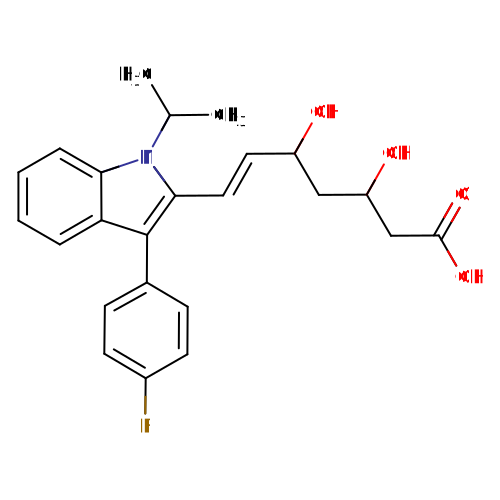
Fluvastatin is an antilipemic agent that competitively inhibits hydroxymethylglutaryl-coenzyme A (HMG-CoA) reductase. HMG-CoA reductase catalyzes the conversion of HMG-CoA to mevalonic acid, the rate-limiting step in cholesterol biosynthesis. Fluvastatin belongs to a class of medications called statins and is used to reduce plasma cholesterol levels and prevent cardiovascular disease. It is also the first entirely synthetic HMG-CoA reductase inhibitor and is structurally distinct from the fungal derivatives of this therapeutic class. Fluvastatin is a racemate comprising equimolar amounts of (3R,5S)- and (3S,5R)-fluvastatin.
- Type
- Small Molecule
- Groups
- Approved
- Structure
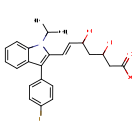
Structure for Fluvastatin (DB01095)
- Weight
- Average: 411.473
Monoisotopic: 411.184586484 - Chemical Formula
- C24H26FNO4
- Synonyms
- Fluvastatin
- fluvastatina
- fluvastatine
- fluvastatinum

Pharmacology
- Indication
To be used as an adjunct to dietary therapy to prevent cardiovascular events. May be used as secondary prevention in patients with coronary heart disease (CHD) to reduce the risk of requiring coronary revascularization procedures, for reducing progression of coronary atherosclerosis in hypercholesterolemic patients with CHD, and for the treatment of primary hypercholesterolemia and mixed dyslidipidemia.
 Reduce drug development failure ratesBuild, train, & validate machine-learning modelswith evidence-based and structured datasets.Build, train, & validate predictive machine-learning models with structured datasets.
- Associated Conditions
Indication Type Indication Combined Product Details Approval Level Age Group Patient Characteristics Dose Form Management of Atherosclerosis •••••••••••• ••••••• •••••••• ••••••• Treatment of Heterozygous familial hypercholesterolemia •••••••••••• •••••• ••••••• ••••••••••••• • •••• ••••••••••••• ••••••• •••••••• ••••••• Treatment of Heterozygous familial hypercholesterolemia •••••••••••• •••••• ••••••• •••••••••••• ••••••• •••••••• ••••••• Treatment of Mixed dyslipidemias •••••••••••• ••••• ••••••• •••••••• ••••••• Treatment of Primary hypercholesterolemia •••••••••••• ••••• ••••••• •••••••• ••••••• - Contraindications & Blackbox Warnings
 Prevent Adverse Drug Events TodayTap into our Clinical API for life-saving information on contraindications & blackbox warnings, population restrictions, harmful risks, & more.Avoid life-threatening adverse drug events with our Clinical API
- Pharmacodynamics
Fluvastatin, the first synthetically-derived HMG-CoA reductase inhibitor, is a hydrophilic, acidic, antilipemic agent used to lower cholesterol and triglyceride levels associated with primary hypercholesterolemia and mixed dyslipidemia (Fredrickson types IIa and IIb), to slow the progression of coronary atherosclerosis in patients with CHD and as secondary prevention therapy in patients with CHD to reduce the risk of requiring coronary revascularization procedures. Although similar to lovastatin, simvastatin, and pravastatin, fluvastatin has a shorter half-life, no active metabolites, extensive protein binding, and minimal CSF penetration. Fluvastatin acts primarily in the liver. It is prepared as a racemate of two erythro enantiomers of which the 3R,5S enantiomer exerts the pharmacologic effect.
- Mechanism of action
Fluvastatin selectively and competitively inhibits the hepatic enzyme hydroxymethylglutaryl-coenzyme A (HMG-CoA) reductase. HMG-CoA reductase is responsible for converting HMG-CoA to mevalonate, the rate-limiting step in cholesterol biosynthesis. Inhibition results in a decrease in hepatic cholesterol levels which stimulates the synthesis of LDL receptors and increases hepatic uptake of LDL cholesterol. The end result is decreased levels of plasma total and LDL cholesterol.
Target Actions Organism A3-hydroxy-3-methylglutaryl-coenzyme A reductase inhibitorHumans UHistone deacetylase 2 inhibitorHumans - Absorption
Rapidly and almost completely absorbed (> 90%), but undergoes extensive first pass metabolism. Bioavailability is 24% (range 9-50%) when a 10 mg dose is given. The mean relative bioavailability of the extended-release tablet is 29% (range: 9% to 66%) compared to an immediate-release capsule administered under fasting conditions. When given orally, fluvastatin reaches peak concentrations (Tmax) in less than one hour. Taking the extended release tablet with a high-fat meal will delay absorption (Tmax = 6 hours) and increase bioavailability by approximately 50%. However, the maximum concentration of fluvastatin sodium extended-release tablets seen after a high fat meal is less than the peak concentration following a single dose or twice daily dose of the 40 mg fluvastatin capsule.
- Volume of distribution
- 0.35 L/kg
- Protein binding
98% bound to plasma proteins. At therapeutic concentrations, the protein binding of fluvastatin is not affected by warfarin, salicylic acid and glyburide.
- Metabolism
Undergoes hepatic metabolism primarily via hydroxylation of the indole ring at the 5- and 6-positions to 5-hydroxy fluvastatin and 6-hydroxy fluvastatin, respectively. N-dealkylation to N-desisopropyl fluvastatin and beta-oxidation of the side chain also occurs. Metabolized primarily by the CYP2C9 isozyme system (75%), and to a lesser extent by CYP3A4 (~20%) and CYP2C8 (~5%). Hydroxylated metabolites retain some pharmcological activity, but are present as conjugates (glucuronides and sulfates) in the blood and are rapidly eliminated via bile into feces. Both enantiomers of fluvastatin are metabolized in a similar manner. Fluvastatin also undergoes glucuronidation via UGT enzymes.
Hover over products below to view reaction partners
- Route of elimination
When orally administered, fluvastatin is primarily excreted in the faces ( ~90%) as metabolites, with less than 2% present as unchanged drug. Approximately 5% was recovered in the urine.
- Half-life
3 hours
- Clearance
- 0.8 L/h/kg
- 107 ± 38.1 L/h [Hypercholesterolemia patients receiving a single dose of 20 mg]
- 87.8 ± 45 L/h [Hypercholesterolemia patients receiving 20 mg twice daily]
- 108 ± 44.7 L/h [Hypercholesterolemia patients receiving 40 mg single]
- 64.2 ± 21.1 L/h [Hypercholesterolemia patients receiving 40 mg twice daily]
- Adverse Effects
 Improve decision support & research outcomesWith structured adverse effects data, including: blackbox warnings, adverse reactions, warning & precautions, & incidence rates. View sample adverse effects data in our new Data Library!Improve decision support & research outcomes with our structured adverse effects data.
- Toxicity
Generally well-tolerated. May cause gastrointestinal upset (diarrhea, nausea, constipation, gas, abdominal pain), myotoxicity (mypothy, myositis, rhabdomyolysis), and hepatotoxicity.
- Pathways
Pathway Category Fluvastatin Action Pathway Drug action - Pharmacogenomic Effects/ADRs
- Not Available
Interactions
- Drug Interactions
- This information should not be interpreted without the help of a healthcare provider. If you believe you are experiencing an interaction, contact a healthcare provider immediately. The absence of an interaction does not necessarily mean no interactions exist.
Drug Interaction Integrate drug-drug
interactions in your softwareAbametapir The serum concentration of Fluvastatin can be increased when it is combined with Abametapir. Abatacept The metabolism of Fluvastatin can be increased when combined with Abatacept. Abiraterone The metabolism of Fluvastatin can be decreased when combined with Abiraterone. Abrocitinib The metabolism of Abrocitinib can be decreased when combined with Fluvastatin. Acalabrutinib The metabolism of Fluvastatin can be decreased when combined with Acalabrutinib. - Food Interactions
- Take with or without food. Should be taken consistently in regards to meals.
Products
 Drug product information from 10+ global regionsOur datasets provide approved product information including:dosage, form, labeller, route of administration, and marketing period.Access drug product information from over 10 global regions.
- Product Ingredients
Ingredient UNII CAS InChI Key Fluvastatin sodium PYF7O1FV7F 93957-55-2 ZGGHKIMDNBDHJB-CALJPSDSSA-M - Product Images
- International/Other Brands
- Canef (AstraZeneca) / Cranoc (Astellas)
- Brand Name Prescription Products
Name Dosage Strength Route Labeller Marketing Start Marketing End Region Image Lescol Capsule 40 mg/1 Oral Physicians Total Care, Inc. 2002-03-08 Not applicable US 
Lescol Capsule 40 mg/1 Oral Novartis Pharmaceuticals Corporation 2007-01-09 2007-01-09 US Lescol Capsule 20 mg/1 Oral Physicians Total Care, Inc. 1994-06-10 Not applicable US 
Lescol Capsule 20 mg/1 Oral Novartis Pharmaceuticals Corporation 2007-01-09 2007-01-09 US 
Lescol 20mg Capsule 20 mg Oral Novartis 1994-12-31 2018-09-21 Canada 
- Generic Prescription Products
Name Dosage Strength Route Labeller Marketing Start Marketing End Region Image Fluvastatin Capsule 40 mg/1 Oral Teva Pharmaceuticals USA, Inc. 2012-07-05 Not applicable US 
Fluvastatin Capsule 40 mg/1 Oral bryant ranch prepack 2012-07-05 Not applicable US Fluvastatin Capsule 20 mg/1 Oral Teva Pharmaceuticals USA, Inc. 2012-07-05 Not applicable US 
Fluvastatin Capsule 20 mg/1 Oral bryant ranch prepack 2012-07-05 Not applicable US Fluvastatin Sodium Capsule 40 mg/1 Oral Carilion Materials Management 2013-03-19 Not applicable US 


Categories
- ATC Codes
- C10AA04 — Fluvastatin
- Drug Categories
- Agents Causing Muscle Toxicity
- Cytochrome P-450 CYP2B6 Inducers
- Cytochrome P-450 CYP2B6 Inducers (strength unknown)
- Cytochrome P-450 CYP2C19 Inhibitors
- Cytochrome P-450 CYP2C19 inhibitors (strength unknown)
- Cytochrome P-450 CYP2C8 Inhibitors
- Cytochrome P-450 CYP2C8 Inhibitors (moderate)
- Cytochrome P-450 CYP2C8 Substrates
- Cytochrome P-450 CYP2C9 Inhibitors
- Cytochrome P-450 CYP2C9 Inhibitors (strength unknown)
- Cytochrome P-450 CYP2C9 Substrates
- Cytochrome P-450 CYP2D6 Substrates
- Cytochrome P-450 CYP3A Inhibitors
- Cytochrome P-450 CYP3A Substrates
- Cytochrome P-450 CYP3A4 Inhibitors
- Cytochrome P-450 CYP3A4 Inhibitors (strength unknown)
- Cytochrome P-450 CYP3A4 Substrates
- Cytochrome P-450 CYP3A5 Substrates
- Cytochrome P-450 Enzyme Inducers
- Cytochrome P-450 Enzyme Inhibitors
- Cytochrome P-450 Substrates
- Fatty Acids
- Heptanoic Acids
- Heterocyclic Compounds, Fused-Ring
- Hydroxymethylglutaryl-CoA Reductase Inhibitors
- Hypolipidemic Agents
- Hypolipidemic Agents Indicated for Hyperlipidemia
- Indoles
- Lipid Modifying Agents
- Lipid Modifying Agents, Plain
- Lipid Regulating Agents
- Lipids
- OATP1B1/SLCO1B1 Inhibitors
- OATP1B1/SLCO1B1 Substrates
- OATP1B3 substrates
- UGT1A1 Substrates
- UGT1A3 substrates
- UGT2B7 substrates
- Classification
- Not classified
- Affected organisms
- Humans and other mammals
Chemical Identifiers
- UNII
- 4L066368AS
- CAS number
- 93957-54-1
- InChI Key
- FJLGEFLZQAZZCD-VAWYXSNFSA-N
- InChI
- InChI=1S/C24H26FNO4/c1-15(2)26-21-6-4-3-5-20(21)24(16-7-9-17(25)10-8-16)22(26)12-11-18(27)13-19(28)14-23(29)30/h3-12,15,18-19,27-28H,13-14H2,1-2H3,(H,29,30)/b12-11+
- IUPAC Name
- (6E)-7-[3-(4-fluorophenyl)-1-(propan-2-yl)-1H-indol-2-yl]-3,5-dihydroxyhept-6-enoic acid
- SMILES
- CC(C)N1C(\C=C\C(O)CC(O)CC(O)=O)=C(C2=CC=CC=C12)C1=CC=C(F)C=C1
References
- Synthesis Reference
Gustavo Frenkel, Eyal Gilboa, "Process for the preparation of fluvastatin sodium crystal form XIV." U.S. Patent US20050119342, issued June 02, 2005.
US20050119342- General References
- Toda T, Eliasson E, Ask B, Inotsume N, Rane A: Roles of different CYP enzymes in the formation of specific fluvastatin metabolites by human liver microsomes. Basic Clin Pharmacol Toxicol. 2009 Nov;105(5):327-32. doi: 10.1111/j.1742-7843.2009.00453.x. Epub 2009 Aug 6. [Article]
- FDA Approved Drug Products: Lescol XL (fluvastatin sodium) extended-release oral tablets [Link]
- External Links
- Human Metabolome Database
- HMDB0015227
- KEGG Drug
- D07983
- KEGG Compound
- C07014
- PubChem Compound
- 1548972
- PubChem Substance
- 46505668
- ChemSpider
- 4510159
- BindingDB
- 50248235
- 41127
- ChEBI
- 38562
- ChEMBL
- CHEMBL2220442
- ZINC
- ZINC000001530639
- Therapeutic Targets Database
- DAP000554
- PharmGKB
- PA449688
- PDBe Ligand
- 115
- RxList
- RxList Drug Page
- Drugs.com
- Drugs.com Drug Page
- Wikipedia
- Fluvastatin
- FDA label
- Download (84.5 KB)
- MSDS
- Download (101 KB)
Clinical Trials
- Clinical Trials
Phase Status Purpose Conditions Count 4 Completed Basic Science Adipose Tissue, Brown / Clinical Trials / Resistance, Insulin 1 4 Completed Basic Science Drug Drug Interaction (DDI) 1 4 Completed Prevention Graft Vasculopathy 1 4 Completed Prevention Hypertension / Stroke / Transient Ischemic Attack 1 4 Completed Prevention Kidney Transplantation 1
Pharmacoeconomics
- Manufacturers
- Not Available
- Packagers
- Advanced Pharmaceutical Services Inc.
- AQ Pharmaceuticals Inc.
- A-S Medication Solutions LLC
- Direct Dispensing Inc.
- Novartis AG
- Nucare Pharmaceuticals Inc.
- PD-Rx Pharmaceuticals Inc.
- Pharmaceutical Utilization Management Program VA Inc.
- Physicians Total Care Inc.
- Dosage Forms
Form Route Strength Capsule Oral Tablet, film coated, extended release Oral 80 mg/1 Capsule Oral 20 mg/1 Capsule Oral 40 mg/1 Capsule Oral 20 mg Capsule Oral 40 mg Tablet, extended release Oral 80 mg/1 Tablet, extended release Oral 80 mg Tablet, film coated Oral 80 mg Tablet 80 mg Tablet, film coated, extended release Oral Tablet, extended release Oral - Prices
Unit description Cost Unit Lescol XL 80 mg 24 Hour tablet 4.25USD tablet Lescol xl 80 mg tablet 4.24USD tablet Lescol xl 80 mg tablet sa 3.66USD tablet Lescol 20 mg capsule 3.38USD capsule Lescol 40 mg capsule 3.37USD capsule Lescol Xl 80 mg Extended-Release Tablet 1.62USD tablet Lescol 40 mg Capsule 1.35USD capsule Lescol 20 mg Capsule 0.96USD capsule DrugBank does not sell nor buy drugs. Pricing information is supplied for informational purposes only.- Patents
Patent Number Pediatric Extension Approved Expires (estimated) Region US5354772 No 1994-10-11 2011-10-11 US CA2346868 No 2008-09-09 2019-10-12 Canada CA2085037 No 2000-11-28 2012-12-10 Canada US6242003 Yes 2001-06-05 2020-10-13 US
Properties
- State
- Solid
- Experimental Properties
Property Value Source melting point (°C) 194-197 °C Hojjati, Mohammad; Journal of Supercritical Fluids 2007, V41(2), P187-194 CAPLUS water solubility 0.46 mg/L Not Available logP 4.5 Not Available - Predicted Properties
Property Value Source Water Solubility 0.00441 mg/mL ALOGPS logP 3.69 ALOGPS logP 3.83 Chemaxon logS -5 ALOGPS pKa (Strongest Acidic) 4.54 Chemaxon pKa (Strongest Basic) -2.8 Chemaxon Physiological Charge -1 Chemaxon Hydrogen Acceptor Count 4 Chemaxon Hydrogen Donor Count 3 Chemaxon Polar Surface Area 82.69 Å2 Chemaxon Rotatable Bond Count 8 Chemaxon Refractivity 114.86 m3·mol-1 Chemaxon Polarizability 43.59 Å3 Chemaxon Number of Rings 3 Chemaxon Bioavailability 1 Chemaxon Rule of Five Yes Chemaxon Ghose Filter Yes Chemaxon Veber's Rule No Chemaxon MDDR-like Rule Yes Chemaxon - Predicted ADMET Features
Property Value Probability Human Intestinal Absorption + 0.9943 Blood Brain Barrier + 0.9382 Caco-2 permeable - 0.5053 P-glycoprotein substrate Non-substrate 0.5176 P-glycoprotein inhibitor I Non-inhibitor 0.7395 P-glycoprotein inhibitor II Non-inhibitor 0.8381 Renal organic cation transporter Non-inhibitor 0.8823 CYP450 2C9 substrate Non-substrate 0.7305 CYP450 2D6 substrate Substrate 0.8918 CYP450 3A4 substrate Substrate 0.6111 CYP450 1A2 substrate Non-inhibitor 0.6003 CYP450 2C9 inhibitor Non-inhibitor 0.675 CYP450 2D6 inhibitor Non-inhibitor 0.8983 CYP450 2C19 inhibitor Non-inhibitor 0.6314 CYP450 3A4 inhibitor Non-inhibitor 0.8811 CYP450 inhibitory promiscuity High CYP Inhibitory Promiscuity 0.809 Ames test Non AMES toxic 0.9132 Carcinogenicity Non-carcinogens 0.7909 Biodegradation Not ready biodegradable 1.0 Rat acute toxicity 2.9472 LD50, mol/kg Not applicable hERG inhibition (predictor I) Weak inhibitor 0.9899 hERG inhibition (predictor II) Non-inhibitor 0.848
Spectra
- Mass Spec (NIST)
- Not Available
- Spectra
Spectrum Spectrum Type Splash Key Predicted MS/MS Spectrum - 10V, Positive (Annotated) Predicted LC-MS/MS splash10-03di-0005900000-2bdec5b028e1f666ddfa Predicted MS/MS Spectrum - 10V, Negative (Annotated) Predicted LC-MS/MS splash10-01ot-0009400000-296322c121efb9b6852a Predicted MS/MS Spectrum - 20V, Positive (Annotated) Predicted LC-MS/MS splash10-01tc-0019100000-4e7fcc148634410ee66c Predicted MS/MS Spectrum - 20V, Negative (Annotated) Predicted LC-MS/MS splash10-0k92-0009000000-2c865dc7b562aeca6a79 Predicted MS/MS Spectrum - 40V, Positive (Annotated) Predicted LC-MS/MS splash10-0080-0093000000-5a1740d50cbca1ea79e4 Predicted MS/MS Spectrum - 40V, Negative (Annotated) Predicted LC-MS/MS splash10-03fu-3196000000-b3fa5c34b5bc753b7899 Predicted 1H NMR Spectrum 1D NMR Not Applicable Predicted 13C NMR Spectrum 1D NMR Not Applicable - Chromatographic Properties
Collision Cross Sections (CCS)
Not Available
Targets

- Kind
- Protein
- Organism
- Humans
- Pharmacological action
- Yes
- Actions
- Inhibitor
- General Function
- Nadph binding
- Specific Function
- Transmembrane glycoprotein that is the rate-limiting enzyme in cholesterol biosynthesis as well as in the biosynthesis of nonsterol isoprenoids that are essential for normal cell function including...
- Gene Name
- HMGCR
- Uniprot ID
- P04035
- Uniprot Name
- 3-hydroxy-3-methylglutaryl-coenzyme A reductase
- Molecular Weight
- 97475.155 Da
References
- Chen X, Ji ZL, Chen YZ: TTD: Therapeutic Target Database. Nucleic Acids Res. 2002 Jan 1;30(1):412-5. [Article]
- Podar K, Tai YT, Hideshima T, Vallet S, Richardson PG, Anderson KC: Emerging therapies for multiple myeloma. Expert Opin Emerg Drugs. 2009 Mar;14(1):99-127. doi: 10.1517/14728210802676278 . [Article]
- Berman HM, Westbrook J, Feng Z, Gilliland G, Bhat TN, Weissig H, Shindyalov IN, Bourne PE: The Protein Data Bank. Nucleic Acids Res. 2000 Jan 1;28(1):235-42. [Article]
- Kind
- Protein
- Organism
- Humans
- Pharmacological action
- Unknown
- Actions
- Inhibitor
- General Function
- Transcription factor binding
- Specific Function
- Responsible for the deacetylation of lysine residues on the N-terminal part of the core histones (H2A, H2B, H3 and H4). Histone deacetylation gives a tag for epigenetic repression and plays an impo...
- Gene Name
- HDAC2
- Uniprot ID
- Q92769
- Uniprot Name
- Histone deacetylase 2
- Molecular Weight
- 55363.855 Da
References
- Lin YC, Lin JH, Chou CW, Chang YF, Yeh SH, Chen CC: Statins increase p21 through inhibition of histone deacetylase activity and release of promoter-associated HDAC1/2. Cancer Res. 2008 Apr 1;68(7):2375-83. doi: 10.1158/0008-5472.CAN-07-5807. [Article]
Enzymes
- Kind
- Protein
- Organism
- Humans
- Pharmacological action
- Unknown
- Actions
- SubstrateInducer
- General Function
- Vitamin d 24-hydroxylase activity
- Specific Function
- Cytochromes P450 are a group of heme-thiolate monooxygenases. In liver microsomes, this enzyme is involved in an NADPH-dependent electron transport pathway. It oxidizes a variety of structurally un...
- Gene Name
- CYP1A1
- Uniprot ID
- P04798
- Uniprot Name
- Cytochrome P450 1A1
- Molecular Weight
- 58164.815 Da
References
- Zhou SF, Zhou ZW, Yang LP, Cai JP: Substrates, inducers, inhibitors and structure-activity relationships of human Cytochrome P450 2C9 and implications in drug development. Curr Med Chem. 2009;16(27):3480-675. Epub 2009 Sep 1. [Article]
- Kocarek TA, Reddy AB: Regulation of cytochrome P450 expression by inhibitors of hydroxymethylglutaryl-coenzyme A reductase in primary cultured rat hepatocytes and in rat liver. Drug Metab Dispos. 1996 Nov;24(11):1197-204. [Article]
- Fischer V, Johanson L, Heitz F, Tullman R, Graham E, Baldeck JP, Robinson WT: The 3-hydroxy-3-methylglutaryl coenzyme A reductase inhibitor fluvastatin: effect on human cytochrome P-450 and implications for metabolic drug interactions. Drug Metab Dispos. 1999 Mar;27(3):410-6. [Article]
- Kind
- Protein
- Organism
- Humans
- Pharmacological action
- Unknown
- Actions
- SubstrateInhibitor
- General Function
- Vitamin d3 25-hydroxylase activity
- Specific Function
- Cytochromes P450 are a group of heme-thiolate monooxygenases. In liver microsomes, this enzyme is involved in an NADPH-dependent electron transport pathway. It performs a variety of oxidation react...
- Gene Name
- CYP3A4
- Uniprot ID
- P08684
- Uniprot Name
- Cytochrome P450 3A4
- Molecular Weight
- 57342.67 Da
References
- Fischer V, Johanson L, Heitz F, Tullman R, Graham E, Baldeck JP, Robinson WT: The 3-hydroxy-3-methylglutaryl coenzyme A reductase inhibitor fluvastatin: effect on human cytochrome P-450 and implications for metabolic drug interactions. Drug Metab Dispos. 1999 Mar;27(3):410-6. [Article]
- Toda T, Eliasson E, Ask B, Inotsume N, Rane A: Roles of different CYP enzymes in the formation of specific fluvastatin metabolites by human liver microsomes. Basic Clin Pharmacol Toxicol. 2009 Nov;105(5):327-32. doi: 10.1111/j.1742-7843.2009.00453.x. Epub 2009 Aug 6. [Article]
- Scripture CD, Pieper JA: Clinical pharmacokinetics of fluvastatin. Clin Pharmacokinet. 2001;40(4):263-81. [Article]
- Lee CK, Choi JS, Bang JS: Effects of Fluvastatin on the Pharmacokinetics of Repaglinide: Possible Role of CYP3A4 and P-glycoprotein Inhibition by Fluvastatin. Korean J Physiol Pharmacol. 2013 Jun;17(3):245-51. doi: 10.4196/kjpp.2013.17.3.245. Epub 2013 Jun 11. [Article]
- Kind
- Protein
- Organism
- Humans
- Pharmacological action
- Unknown
- Actions
- Substrate
- General Function
- Oxygen binding
- Specific Function
- Cytochromes P450 are a group of heme-thiolate monooxygenases. In liver microsomes, this enzyme is involved in an NADPH-dependent electron transport pathway. It oxidizes a variety of structurally un...
- Gene Name
- CYP3A5
- Uniprot ID
- P20815
- Uniprot Name
- Cytochrome P450 3A5
- Molecular Weight
- 57108.065 Da
References
- Kivisto KT, Niemi M, Schaeffeler E, Pitkala K, Tilvis R, Fromm MF, Schwab M, Eichelbaum M, Strandberg T: Lipid-lowering response to statins is affected by CYP3A5 polymorphism. Pharmacogenetics. 2004 Aug;14(8):523-5. [Article]
- Kind
- Protein
- Organism
- Humans
- Pharmacological action
- Unknown
- Actions
- SubstrateInhibitor
- General Function
- Steroid hydroxylase activity
- Specific Function
- Cytochromes P450 are a group of heme-thiolate monooxygenases. In liver microsomes, this enzyme is involved in an NADPH-dependent electron transport pathway. It oxidizes a variety of structurally un...
- Gene Name
- CYP2C8
- Uniprot ID
- P10632
- Uniprot Name
- Cytochrome P450 2C8
- Molecular Weight
- 55824.275 Da
References
- Fischer V, Johanson L, Heitz F, Tullman R, Graham E, Baldeck JP, Robinson WT: The 3-hydroxy-3-methylglutaryl coenzyme A reductase inhibitor fluvastatin: effect on human cytochrome P-450 and implications for metabolic drug interactions. Drug Metab Dispos. 1999 Mar;27(3):410-6. [Article]
- Toda T, Eliasson E, Ask B, Inotsume N, Rane A: Roles of different CYP enzymes in the formation of specific fluvastatin metabolites by human liver microsomes. Basic Clin Pharmacol Toxicol. 2009 Nov;105(5):327-32. doi: 10.1111/j.1742-7843.2009.00453.x. Epub 2009 Aug 6. [Article]
- Scripture CD, Pieper JA: Clinical pharmacokinetics of fluvastatin. Clin Pharmacokinet. 2001;40(4):263-81. [Article]
- Zhou SF, Zhou ZW, Yang LP, Cai JP: Substrates, inducers, inhibitors and structure-activity relationships of human Cytochrome P450 2C9 and implications in drug development. Curr Med Chem. 2009;16(27):3480-675. Epub 2009 Sep 1. [Article]
- Backman JT, Filppula AM, Niemi M, Neuvonen PJ: Role of Cytochrome P450 2C8 in Drug Metabolism and Interactions. Pharmacol Rev. 2016 Jan;68(1):168-241. doi: 10.1124/pr.115.011411. [Article]
- Kind
- Protein
- Organism
- Humans
- Pharmacological action
- Unknown
- Actions
- SubstrateInhibitor
- General Function
- Steroid hydroxylase activity
- Specific Function
- Cytochromes P450 are a group of heme-thiolate monooxygenases. In liver microsomes, this enzyme is involved in an NADPH-dependent electron transport pathway. It oxidizes a variety of structurally un...
- Gene Name
- CYP2C9
- Uniprot ID
- P11712
- Uniprot Name
- Cytochrome P450 2C9
- Molecular Weight
- 55627.365 Da
References
- Fischer V, Johanson L, Heitz F, Tullman R, Graham E, Baldeck JP, Robinson WT: The 3-hydroxy-3-methylglutaryl coenzyme A reductase inhibitor fluvastatin: effect on human cytochrome P-450 and implications for metabolic drug interactions. Drug Metab Dispos. 1999 Mar;27(3):410-6. [Article]
- Toda T, Eliasson E, Ask B, Inotsume N, Rane A: Roles of different CYP enzymes in the formation of specific fluvastatin metabolites by human liver microsomes. Basic Clin Pharmacol Toxicol. 2009 Nov;105(5):327-32. doi: 10.1111/j.1742-7843.2009.00453.x. Epub 2009 Aug 6. [Article]
- Scripture CD, Pieper JA: Clinical pharmacokinetics of fluvastatin. Clin Pharmacokinet. 2001;40(4):263-81. [Article]
- Meadowcroft AM, Williamson KM, Patterson JH, Hinderliter AL, Pieper JA: The effects of fluvastatin, a CYP2C9 inhibitor, on losartan pharmacokinetics in healthy volunteers. J Clin Pharmacol. 1999 Apr;39(4):418-24. [Article]
- Wu JC, Nafziger AN, Bertino JS Jr, Ma JD: Limitations of S-warfarin truncated area under the concentration-time curve to predict cytochrome P450 2c9 activity. Drug Metab Lett. 2012 Jun 1;6(2):94-101. [Article]
- Flockhart Table of Drug Interactions [Link]
- Fluvastatin FDA label [File]
- Kind
- Protein
- Organism
- Humans
- Pharmacological action
- Unknown
- Actions
- Inhibitor
- General Function
- Steroid hydroxylase activity
- Specific Function
- Responsible for the metabolism of a number of therapeutic agents such as the anticonvulsant drug S-mephenytoin, omeprazole, proguanil, certain barbiturates, diazepam, propranolol, citalopram and im...
- Gene Name
- CYP2C19
- Uniprot ID
- P33261
- Uniprot Name
- Cytochrome P450 2C19
- Molecular Weight
- 55930.545 Da
References
- Cohen LH, van Leeuwen RE, van Thiel GC, van Pelt JF, Yap SH: Equally potent inhibitors of cholesterol synthesis in human hepatocytes have distinguishable effects on different cytochrome P450 enzymes. Biopharm Drug Dispos. 2000 Dec;21(9):353-64. [Article]
- Kind
- Protein
- Organism
- Humans
- Pharmacological action
- Unknown
- Actions
- Substrate
- General Function
- Steroid hydroxylase activity
- Specific Function
- Responsible for the metabolism of many drugs and environmental chemicals that it oxidizes. It is involved in the metabolism of drugs such as antiarrhythmics, adrenoceptor antagonists, and tricyclic...
- Gene Name
- CYP2D6
- Uniprot ID
- P10635
- Uniprot Name
- Cytochrome P450 2D6
- Molecular Weight
- 55768.94 Da
References
- Cohen LH, van Leeuwen RE, van Thiel GC, van Pelt JF, Yap SH: Equally potent inhibitors of cholesterol synthesis in human hepatocytes have distinguishable effects on different cytochrome P450 enzymes. Biopharm Drug Dispos. 2000 Dec;21(9):353-64. [Article]
- Scripture CD, Pieper JA: Clinical pharmacokinetics of fluvastatin. Clin Pharmacokinet. 2001;40(4):263-81. [Article]
- Zhou SF, Zhou ZW, Yang LP, Cai JP: Substrates, inducers, inhibitors and structure-activity relationships of human Cytochrome P450 2C9 and implications in drug development. Curr Med Chem. 2009;16(27):3480-675. Epub 2009 Sep 1. [Article]
- Kind
- Protein
- Organism
- Humans
- Pharmacological action
- Unknown
- Actions
- Substrate
- General Function
- Steroid binding
- Specific Function
- UDPGT is of major importance in the conjugation and subsequent elimination of potentially toxic xenobiotics and endogenous compounds. This isoform glucuronidates bilirubin IX-alpha to form both the...
- Gene Name
- UGT1A1
- Uniprot ID
- P22309
- Uniprot Name
- UDP-glucuronosyltransferase 1-1
- Molecular Weight
- 59590.91 Da
- Kind
- Protein
- Organism
- Humans
- Pharmacological action
- Unknown
- Actions
- Substrate
- General Function
- Retinoic acid binding
- Specific Function
- UDPGT is of major importance in the conjugation and subsequent elimination of potentially toxic xenobiotics and endogenous compounds. Isoform 2 lacks transferase activity but acts as a negative reg...
- Gene Name
- UGT1A3
- Uniprot ID
- P35503
- Uniprot Name
- UDP-glucuronosyltransferase 1-3
- Molecular Weight
- 60337.835 Da
- Kind
- Protein
- Organism
- Humans
- Pharmacological action
- Unknown
- Actions
- Substrate
- General Function
- Glucuronosyltransferase activity
- Specific Function
- UDPGT is of major importance in the conjugation and subsequent elimination of potentially toxic xenobiotics and endogenous compounds.Its unique specificity for 3,4-catechol estrogens and estriol su...
- Gene Name
- UGT2B7
- Uniprot ID
- P16662
- Uniprot Name
- UDP-glucuronosyltransferase 2B7
- Molecular Weight
- 60694.12 Da
- Kind
- Protein
- Organism
- Humans
- Pharmacological action
- Unknown
- Actions
- Inducer
- General Function
- Steroid hydroxylase activity
- Specific Function
- Cytochromes P450 are a group of heme-thiolate monooxygenases. In liver microsomes, this enzyme is involved in an NADPH-dependent electron transport pathway. It oxidizes a variety of structurally un...
- Gene Name
- CYP2B6
- Uniprot ID
- P20813
- Uniprot Name
- Cytochrome P450 2B6
- Molecular Weight
- 56277.81 Da
References
- Kocarek TA, Dahn MS, Cai H, Strom SC, Mercer-Haines NA: Regulation of CYP2B6 and CYP3A expression by hydroxymethylglutaryl coenzyme A inhibitors in primary cultured human hepatocytes. Drug Metab Dispos. 2002 Dec;30(12):1400-5. [Article]
Transporters
- Kind
- Protein
- Organism
- Humans
- Pharmacological action
- Unknown
- Actions
- SubstrateInhibitor
- General Function
- Sodium-independent organic anion transmembrane transporter activity
- Specific Function
- Mediates the Na(+)-independent uptake of organic anions such as pravastatin, taurocholate, methotrexate, dehydroepiandrosterone sulfate, 17-beta-glucuronosyl estradiol, estrone sulfate, prostagland...
- Gene Name
- SLCO1B1
- Uniprot ID
- Q9Y6L6
- Uniprot Name
- Solute carrier organic anion transporter family member 1B1
- Molecular Weight
- 76447.99 Da
References
- Kopplow K, Letschert K, Konig J, Walter B, Keppler D: Human hepatobiliary transport of organic anions analyzed by quadruple-transfected cells. Mol Pharmacol. 2005 Oct;68(4):1031-8. Epub 2005 Jul 26. [Article]
- Karlgren M, Ahlin G, Bergstrom CA, Svensson R, Palm J, Artursson P: In vitro and in silico strategies to identify OATP1B1 inhibitors and predict clinical drug-drug interactions. Pharm Res. 2012 Feb;29(2):411-26. doi: 10.1007/s11095-011-0564-9. Epub 2011 Aug 23. [Article]
- Kind
- Protein
- Organism
- Humans
- Pharmacological action
- Unknown
- Actions
- Substrate
- General Function
- Sodium-independent organic anion transmembrane transporter activity
- Specific Function
- Mediates the Na(+)-independent uptake of organic anions such as 17-beta-glucuronosyl estradiol, taurocholate, triiodothyronine (T3), leukotriene C4, dehydroepiandrosterone sulfate (DHEAS), methotre...
- Gene Name
- SLCO1B3
- Uniprot ID
- Q9NPD5
- Uniprot Name
- Solute carrier organic anion transporter family member 1B3
- Molecular Weight
- 77402.175 Da
References
- Kopplow K, Letschert K, Konig J, Walter B, Keppler D: Human hepatobiliary transport of organic anions analyzed by quadruple-transfected cells. Mol Pharmacol. 2005 Oct;68(4):1031-8. Epub 2005 Jul 26. [Article]
- Kind
- Protein
- Organism
- Humans
- Pharmacological action
- Unknown
- General Function
- Sodium-independent organic anion transmembrane transporter activity
- Specific Function
- Mediates the Na(+)-independent transport of organic anions such as taurocholate, the prostaglandins PGD2, PGE1, PGE2, leukotriene C4, thromboxane B2 and iloprost.
- Gene Name
- SLCO2B1
- Uniprot ID
- O94956
- Uniprot Name
- Solute carrier organic anion transporter family member 2B1
- Molecular Weight
- 76709.98 Da
References
- Kopplow K, Letschert K, Konig J, Walter B, Keppler D: Human hepatobiliary transport of organic anions analyzed by quadruple-transfected cells. Mol Pharmacol. 2005 Oct;68(4):1031-8. Epub 2005 Jul 26. [Article]
- Kind
- Protein
- Organism
- Humans
- Pharmacological action
- Unknown
- Actions
- SubstrateInhibitor
- General Function
- Proton-dependent oligopeptide secondary active transmembrane transporter activity
- Specific Function
- Proton-coupled intake of oligopeptides of 2 to 4 amino acids with a preference for dipeptides. May constitute a major route for the absorption of protein digestion end-products.
- Gene Name
- SLC15A1
- Uniprot ID
- P46059
- Uniprot Name
- Solute carrier family 15 member 1
- Molecular Weight
- 78805.265 Da
References
- Ekins S, Johnston JS, Bahadduri P, D'Souza VM, Ray A, Chang C, Swaan PW: In vitro and pharmacophore-based discovery of novel hPEPT1 inhibitors. Pharm Res. 2005 Apr;22(4):512-7. Epub 2005 Apr 7. [Article]
- Kind
- Protein
- Organism
- Humans
- Pharmacological action
- No
- Actions
- Substrate
- General Function
- Organic anion transmembrane transporter activity
- Specific Function
- Mediates hepatobiliary excretion of numerous organic anions. May function as a cellular cisplatin transporter.
- Gene Name
- ABCC2
- Uniprot ID
- Q92887
- Uniprot Name
- Canalicular multispecific organic anion transporter 1
- Molecular Weight
- 174205.64 Da
References
- Ellis LC, Hawksworth GM, Weaver RJ: ATP-dependent transport of statins by human and rat MRP2/Mrp2. Toxicol Appl Pharmacol. 2013 Jun 1;269(2):187-94. doi: 10.1016/j.taap.2013.03.019. Epub 2013 Apr 2. [Article]

Drug created at June 13, 2005 13:24 / Updated at April 26, 2024 00:45