Identification
- Summary
Amiodarone is a class III antiarrhythmic indicated for the treatment of recurrent hemodynamically unstable ventricular tachycardia and recurrent ventricular fibrillation.
- Brand Names
- Nexterone, Pacerone
- Generic Name
- Amiodarone
- DrugBank Accession Number
- DB01118
- Background
Amiodarone is a benzofuran derivative, anti-arrhythmic drug used commonly in a variety of settings.4 Most known for its approved indication in life-threatening ventricular arrhythmias, it is also used off-label in the outpatient and inpatient setting for atrial fibrillation. Because of its ability to cause serious toxicity and possibly death, amiodarone use should be reserved for its approved indications, according to prescribing information.18,19,20
- Type
- Small Molecule
- Groups
- Approved, Investigational
- Structure
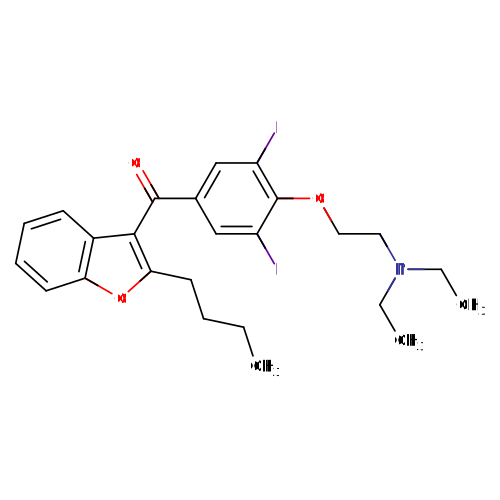
Structure for Amiodarone (DB01118)
- Weight
- Average: 645.3116
Monoisotopic: 645.023680639 - Chemical Formula
- C25H29I2NO3
- Synonyms
- 2-Butyl-3-(3,5-diiodo-4-(2-diethylaminoethoxy)benzoyl)benzofuran
- 2-Butyl-3-benzofuranyl 4-(2-(diethylamino)ethoxy)-3,5-diiodophenyl ketone
- 2-n-Butyl-3',5'-diiodo-4'-N-diethylaminoethoxy-3-benzoylbenzofuran
- Amiodarona
- Amiodarone
- Amiodaronum

Pharmacology
- Indication
The FDA approved indications for amiodarone are recurrent ventricular fibrillation (VF) and recurrent hemodynamically unstable ventricular tachycardia (VT). The FDA emphasizes that this drug should only be given in these conditions when they are clinically documented and have not responded to normal therapeutic doses of other antiarrhythmic agents, or when other drugs are not tolerated by the patient.18
Off-label indications include atrial fibrillation and supraventricular tachycardia.7,8,9,20
 Reduce drug development failure ratesBuild, train, & validate machine-learning modelswith evidence-based and structured datasets.Build, train, & validate predictive machine-learning models with structured datasets.
- Associated Conditions
Indication Type Indication Combined Product Details Approval Level Age Group Patient Characteristics Dose Form Management of Atrial fibrillation ••• ••••• Prevention of Atrial fibrillation ••• ••••• Management of Supraventricular tachycardia ••• ••••• Management of Recurrent ventricular fibrillation •••••••••••• Management of Recurrent hemodynamically unstable ventricular tachycardia •••••••••••• - Contraindications & Blackbox Warnings
 Prevent Adverse Drug Events TodayTap into our Clinical API for life-saving information on contraindications & blackbox warnings, population restrictions, harmful risks, & more.Avoid life-threatening adverse drug events with our Clinical API
- Pharmacodynamics
After intravenous administration, amiodarone acts to relax smooth muscles that line vascular walls, decreases peripheral vascular resistance (afterload), and increases the cardiac index by a small amount. Administration by this route also decreases cardiac conduction, preventing and treating arrhythmias.2,7,18 When it is given orally, however, amiodarone does not lead to significant changes in the left ventricular ejection fraction. Similar to other anti-arrhythmic agents, controlled clinical trials do not confirm that oral amiodarone increases survival.18
Amiodarone prolongs the QRS duration and QT interval. In addition, a decreased SA (sinoatrial) node automaticity occurs with a decrease in AV node conduction velocity. Ectopic pacemaker automaticity is also inhibited.19 Thyrotoxicosis or hypothyroidism may also result from the administration of amiodarone, which contains high levels of iodine, and interferes with normal thyroid function.11
- Mechanism of action
Amiodarone is considered a class III anti-arrhythmic drug. It blocks potassium currents that cause repolarization of the heart muscle during the third phase of the cardiac action potential. As a result amiodarone increases the duration of the action potential as well as the effective refractory period for cardiac cells (myocytes). Therefore, cardiac muscle cell excitability is reduced, preventing and treating abnormal heart rhythms.5,10
Unique from other members of the class III anti-arrhythmic drug class, amiodarone also interferes with the functioning of beta-adrenergic receptors, sodium channels, and calcium channels channels. These actions, at times, can lead to undesirable effects, such as hypotension, bradycardia, and Torsades de pointes (TdP).19 In addition to the above, amiodarone may increase activity of peroxisome proliferator-activated receptors, leading to steatogenic changes in the liver or other organs.14,15 Finally, amiodarone has been found to bind to the thyroid receptor due to its iodine content, potentially leading to amiodarone induced hypothyroidism or thyrotoxicosis.11
Target Actions Organism AHERG human cardiac K+ channel inhibitorHumans ABeta adrenergic receptor inhibitordownregulatorHumans UVoltage-dependent T-type calcium channel subunit alpha-1I inhibitorHumans UVoltage gated L-type calcium channel inhibitorHumans UThyroid hormone receptor antagonistbinderHumans and other mammals UPeroxisome proliferator-activated receptor gamma agonistHumans UPeroxisome proliferator-activated receptor alpha agonistHumans UPeroxisome proliferator-activated receptor gamma coactivator 1-beta agonistHumans - Absorption
The Cmax of amiodarone in the plasma is achieved about 3 to 7 hours after administration.18 The general time to onset of action of amiodarone after one dose given by the intravenous route is between 1 and 30 minutes, with therapeutic effects lasting from 1-3 hours. Steady-state concentrations of amiodarone in the plasma ranges between 0.4 to 11.99 μg/ml; it is advisable that steady-state levels are generally maintained between 1.0 and 2.5 μg/ml in patients with arrhythmias.4,5
Interestingly, its onset of action may sometimes begin after 2 to 3 days, but frequently takes 1 to 3 weeks, despite the administration of higher loading doses.18 The bioavailability of amiodarone varies in clinical studies, averaging between 35 and 65%.18
Effect of food
In healthy subjects who were given a single 600-mg dose immediately after consuming a meal high in fat, the AUC of amiodarone increased by 2.3 and the Cmax by 3.8 times.18 Food also enhances absorption, reducing the Tmax by about 37%.18
- Volume of distribution
In a pharmacokinetic study of 3 healthy individuals and 3 patients diagnosed with supraventricular tachycardia (SVT), the volume of distribution was found to be 9.26-17.17 L/kg in healthy volunteers and 6.88-21.05 L/kg in the SVT patients.6 Prescribing information mentions that the volume of distribution of amiodarone varies greatly, with a mean distribution of approximately 60 L/kg. It accumulates throughout the body, especially in adipose tissue4 and highly vascular organs including the lung, liver, and spleen. One major metabolite of amiodarone, desethylamiodarone (DEA), is found in even higher proportions in the same tissues as amiodarone.18
- Protein binding
- Metabolism
This drug is metabolized to the main metabolite desethylamiodarone (DEA)4 by the CYP3A4 and CYP2C8 enzymes. The CYP3A4 enzyme is found in the liver and intestines.18 A hydroxyl metabolite of DEA has been identified in mammals, but its clinical significance is unknown.12
Hover over products below to view reaction partners
- Route of elimination
Amiodarone is eliminated primarily by hepatic metabolism and biliary excretion.4 A small amount of desethylamiodarone (DEA) is found in the urine.18
- Half-life
The terminal half-life of amiodarone varies according to the patient, but is long nonetheless, and ranges from about 9-100 days. The half-life duration varies according to different sources. 3,7 According to the prescribing information for amiodarone, the average apparent plasma terminal elimination half-life of amiodarone is of 58 days (ranging from 15 to 142 days). The terminal half-life range was between 14 to 75 days for the active metabolite, (DEA).18 The plasma half-life of amiodarone after one dose ranges from 3.2 to 79.7 hours, according to one source.4
- Clearance
The clearance of amiodarone after intravenous administration in patients with ventricular fibrillation and ventricular tachycardia ranged from 220 to 440 ml/hr/kg in one clinically study.18 Another study determined that the total body clearance of amiodarone varies from 0.10 to 0.77 L/min after one intravenous dose.4 Renal impairment does not appear to affect the clearance of amiodarone, but hepatic impairment may reduce clearance. Patients with liver cirrhosis exhibited significantly lower Cmax and mean amiodarone concentration for DEA, but not for amiodarone. Severe left ventricular dysfunction prolongs the half-life of DEA.18
A note on monitoring
No guidelines have been developed for adjusting the dose of amiodarone in renal, hepatic, or cardiac abnormalities. In patients on chronic amiodarone treatment, close clinical monitoring is advisable, especially for elderly patients and those with severe left ventricular dysfunction.18
- Adverse Effects
 Improve decision support & research outcomesWith structured adverse effects data, including: blackbox warnings, adverse reactions, warning & precautions, & incidence rates. View sample adverse effects data in our new Data Library!Improve decision support & research outcomes with our structured adverse effects data.
- Toxicity
The LD50 of oral amiodarone in mice and rats exceeds 3,000 mg/kg.18 An overdose with amiodarone can have a fatal outcome due to its potential to cause arrhythmia. Signs or symptoms of an overdose may include, hypotension, shock, bradycardia, AV block, and liver toxicity. In cases of an overdose, initiate supportive treatment and, if needed, use fluids, vasopressors, or positive inotropic agents. Temporary pacing may be required for heart block. Ensure to monitor liver function regularly. Amiodarone and its main metabolite, DEA, are not removable by dialysis.17
- Pathways
Pathway Category Amiodarone Action Pathway Drug action - Pharmacogenomic Effects/ADRs
Interacting Gene/Enzyme Allele name Genotype(s) Defining Change(s) Type(s) Description Details Potassium voltage-gated channel subfamily H member 2 MiRP1 Not Available KCNE2 ADR Directly Studied The presence of polymorphisms in KCNH2 and KCNE2 may potentially be associated with increased susceptibility to long Q-T syndrome or cardiac arrhytmia when treated with amiodarone. Details
Interactions
- Drug Interactions
- This information should not be interpreted without the help of a healthcare provider. If you believe you are experiencing an interaction, contact a healthcare provider immediately. The absence of an interaction does not necessarily mean no interactions exist.
Drug Interaction Integrate drug-drug
interactions in your software1,2-Benzodiazepine The metabolism of 1,2-Benzodiazepine can be decreased when combined with Amiodarone. Abaloparatide The risk or severity of adverse effects can be increased when Amiodarone is combined with Abaloparatide. Abametapir The serum concentration of Amiodarone can be increased when it is combined with Abametapir. Abatacept The metabolism of Amiodarone can be increased when combined with Abatacept. Abemaciclib The metabolism of Abemaciclib can be decreased when combined with Amiodarone. - Food Interactions
- Avoid grapefruit products. Grapefruit inhibits CYP3A4 metabolism, which may increase the serum concentration of amiodarone.
- Avoid St. John's Wort. This herb induces the CYP3A4 metabolism of amiodarone. Therefore it may reduce the serum concentration and effectiveness of amiodarone.
- Take with or without food. The absorption is unaffected by food.
Products
 Drug product information from 10+ global regionsOur datasets provide approved product information including:dosage, form, labeller, route of administration, and marketing period.Access drug product information from over 10 global regions.
- Product Ingredients
Ingredient UNII CAS InChI Key Amiodarone hydrochloride 976728SY6Z 19774-82-4 ITPDYQOUSLNIHG-UHFFFAOYSA-N - Product Images
- International/Other Brands
- Amio-Aqueous IV / Aratac / Arycor / Atlansil / Tachyra
- Brand Name Prescription Products
Name Dosage Strength Route Labeller Marketing Start Marketing End Region Image Amiodarone Tablet 200 mg Oral Sanis Health Inc 2011-06-10 Not applicable Canada 
Amiodarone Tablet 200 mg Oral Sorres Pharma Inc 2009-06-23 2014-06-20 Canada Amiodarone Tablet 200 mg Oral Sivem Pharmaceuticals Ulc 2012-06-10 Not applicable Canada Amiodarone for Injection 50mg/ml Solution 50 mg / mL Intravenous TEVA Canada Limited 2004-04-21 2018-02-23 Canada Amiodarone HCl Injection, solution 1.8 mg/1mL Intravenous Cantrell Drug Company 2013-10-18 Not applicable US 
- Generic Prescription Products
Name Dosage Strength Route Labeller Marketing Start Marketing End Region Image Amiodarone Hci Injection, solution 50 mg/1mL Intravenous HF Acquisition Co LLC, DBA HealthFirst 2019-12-08 Not applicable US Amiodarone HCl Tablet 100 mg/1 Oral Mayne Pharma Inc. 2017-01-01 2019-12-31 US Amiodarone HCl Tablet 200 mg/1 Oral Cameron Pharmaceuticals, LLC 2013-01-01 Not applicable US Amiodarone HCl Tablet 400 mg/1 Oral bryant ranch prepack 2013-01-01 Not applicable US Amiodarone HCl Tablet 400 mg/1 Oral Mayne Pharma Inc. 2013-01-01 2019-12-31 US - Unapproved/Other Products
Name Ingredients Dosage Route Labeller Marketing Start Marketing End Region Image Amiodarone HCl Amiodarone hydrochloride (1.8 mg/1mL) Injection, solution Intravenous Cantrell Drug Company 2013-10-18 Not applicable US


Categories
- ATC Codes
- C01BD01 — Amiodarone
- Drug Categories
- Agents causing hyperkalemia
- Agents Causing Muscle Toxicity
- alpha-Galactosidase, antagonists & inhibitors
- Antiarrhythmic agents
- Antiarrhythmics, Class III
- Benzofurans
- Bradycardia-Causing Agents
- BSEP/ABCB11 Inhibitors
- BSEP/ABCB11 Substrates
- BSEP/ABCB11 Substrates with a Narrow Therapeutic Index
- Calcium Channel Blockers
- Cardiac Therapy
- Cardiovascular Agents
- Cytochrome P-450 CYP1A2 Inhibitors
- Cytochrome P-450 CYP1A2 Inhibitors (strength unknown)
- Cytochrome P-450 CYP1A2 Inhibitors (strong)
- Cytochrome P-450 CYP2A6 Inhibitors
- Cytochrome P-450 CYP2A6 Inhibitors (moderate)
- Cytochrome P-450 CYP2C19 Inhibitors
- Cytochrome P-450 CYP2C19 inhibitors (strength unknown)
- Cytochrome P-450 CYP2C19 Inhibitors (weak)
- Cytochrome P-450 CYP2C19 Substrates
- Cytochrome P-450 CYP2C19 Substrates with a Narrow Therapeutic Index
- Cytochrome P-450 CYP2C8 Substrates
- Cytochrome P-450 CYP2C8 Substrates with a Narrow Therapeutic Index
- Cytochrome P-450 CYP2C9 Inhibitors
- Cytochrome P-450 CYP2C9 Inhibitors (moderate)
- Cytochrome P-450 CYP2D6 Inhibitors
- Cytochrome P-450 CYP2D6 Inhibitors (weak)
- Cytochrome P-450 CYP3A Inhibitors
- Cytochrome P-450 CYP3A Substrates
- Cytochrome P-450 CYP3A4 Inhibitors
- Cytochrome P-450 CYP3A4 Inhibitors (strength unknown)
- Cytochrome P-450 CYP3A4 Inhibitors (strong)
- Cytochrome P-450 CYP3A4 Substrates
- Cytochrome P-450 CYP3A4 Substrates (strength unknown)
- Cytochrome P-450 CYP3A4 Substrates with a Narrow Therapeutic Index
- Cytochrome P-450 Enzyme Inhibitors
- Cytochrome P-450 Substrates
- Drugs causing inadvertant photosensitivity
- Enzyme Inhibitors
- Heterocyclic Compounds, Fused-Ring
- Highest Risk QTc-Prolonging Agents
- Hypotensive Agents
- Membrane Transport Modulators
- Narrow Therapeutic Index Drugs
- OCT2 Inhibitors
- P-glycoprotein inducers
- P-glycoprotein inhibitors
- Photosensitizing Agents
- Potassium Channel Blockers
- QTc Prolonging Agents
- Sodium Channel Blockers
- Vasodilating Agents
- Chemical TaxonomyProvided by Classyfire
- Description
- This compound belongs to the class of organic compounds known as aryl-phenylketones. These are aromatic compounds containing a ketone substituted by one aryl group, and a phenyl group.
- Kingdom
- Organic compounds
- Super Class
- Organic oxygen compounds
- Class
- Organooxygen compounds
- Sub Class
- Carbonyl compounds
- Direct Parent
- Aryl-phenylketones
- Alternative Parents
- Benzofurans / Phenoxy compounds / Phenol ethers / Benzoyl derivatives / 3-aroylfurans / Iodobenzenes / Alkyl aryl ethers / Aryl iodides / Heteroaromatic compounds / Trialkylamines show 5 more
- Substituents
- 3-aroylfuran / Alkyl aryl ether / Amine / Aromatic heteropolycyclic compound / Aryl halide / Aryl iodide / Aryl-phenylketone / Benzenoid / Benzofuran / Benzoyl show 19 more
- Molecular Framework
- Aromatic heteropolycyclic compounds
- External Descriptors
- tertiary amino compound, organoiodine compound, 1-benzofurans, aromatic ketone (CHEBI:2663)
- Affected organisms
- Humans and other mammals
Chemical Identifiers
- UNII
- N3RQ532IUT
- CAS number
- 1951-25-3
- InChI Key
- IYIKLHRQXLHMJQ-UHFFFAOYSA-N
- InChI
- InChI=1S/C25H29I2NO3/c1-4-7-11-22-23(18-10-8-9-12-21(18)31-22)24(29)17-15-19(26)25(20(27)16-17)30-14-13-28(5-2)6-3/h8-10,12,15-16H,4-7,11,13-14H2,1-3H3
- IUPAC Name
- {2-[4-(2-butyl-1-benzofuran-3-carbonyl)-2,6-diiodophenoxy]ethyl}diethylamine
- SMILES
- CCCCC1=C(C(=O)C2=CC(I)=C(OCCN(CC)CC)C(I)=C2)C2=C(O1)C=CC=C2
References
- Synthesis Reference
M.J.A. Walker, P.P.S. Therapeutic Areas I: Central Nervous System, Pain, Metabolic Syndrome, Urology, Gastrointestinal and Cardiovascular: Amiodarone. Comprehensive Medicinal Chemistry II, 2007
US3248401- General References
- Singh BN, Vaughan Williams EM: The effect of amiodarone, a new anti-anginal drug, on cardiac muscle. Br J Pharmacol. 1970 Aug;39(4):657-67. [Article]
- Rosenbaum MB, Chiale PA, Halpern MS, Nau GJ, Przybylski J, Levi RJ, Lazzari JO, Elizari MV: Clinical efficacy of amiodarone as an antiarrhythmic agent. Am J Cardiol. 1976 Dec;38(7):934-44. [Article]
- Rosenbaum MB, Chiale PA, Haedo A, Lazzari JO, Elizari MV: Ten years of experience with amiodarone. Am Heart J. 1983 Oct;106(4 Pt 2):957-64. [Article]
- Latini R, Tognoni G, Kates RE: Clinical pharmacokinetics of amiodarone. Clin Pharmacokinet. 1984 Mar-Apr;9(2):136-56. doi: 10.2165/00003088-198409020-00002. [Article]
- Zipes DP, Prystowsky EN, Heger JJ: Amiodarone: electrophysiologic actions, pharmacokinetics and clinical effects. J Am Coll Cardiol. 1984 Apr;3(4):1059-71. doi: 10.1016/s0735-1097(84)80367-8. [Article]
- Riva E, Gerna M, Latini R, Giani P, Volpi A, Maggioni A: Pharmacokinetics of amiodarone in man. J Cardiovasc Pharmacol. 1982 Mar-Apr;4(2):264-9. doi: 10.1097/00005344-198203000-00015. [Article]
- Freedman MD, Somberg JC: Pharmacology and pharmacokinetics of amiodarone. J Clin Pharmacol. 1991 Nov;31(11):1061-9. doi: 10.1002/j.1552-4604.1991.tb03673.x. [Article]
- Rowland E, Krikler DM: Electrophysiological assessment of amiodarone in treatment of resistant supraventricular arrhythmias. Br Heart J. 1980 Jul;44(1):82-90. doi: 10.1136/hrt.44.1.82. [Article]
- Soult JA, Munoz M, Lopez JD, Romero A, Santos J, Tovaruela A: Efficacy and safety of intravenous amiodarone for short-term treatment of paroxysmal supraventricular tachycardia in children. Pediatr Cardiol. 1995 Jan-Feb;16(1):16-9. doi: 10.1007/BF02310328. [Article]
- Honjo H, Kodama I, Kamiya K, Toyama J: Block of cardiac sodium channels by amiodarone studied by using Vmax of action potential in single ventricular myocytes. Br J Pharmacol. 1991 Mar;102(3):651-6. doi: 10.1111/j.1476-5381.1991.tb12228.x. [Article]
- Narayana SK, Woods DR, Boos CJ: Management of amiodarone-related thyroid problems. Ther Adv Endocrinol Metab. 2011 Jun;2(3):115-26. doi: 10.1177/2042018811398516. [Article]
- Ha HR, Bigler L, Binder M, Kozlik P, Stieger B, Hesse M, Altorfer HR, Follath F: Metabolism of amiodarone (part I): identification of a new hydroxylated metabolite of amiodarone. Drug Metab Dispos. 2001 Feb;29(2):152-8. [Article]
- Deng P, You T, Chen X, Yuan T, Huang H, Zhong D: Identification of amiodarone metabolites in human bile by ultraperformance liquid chromatography/quadrupole time-of-flight mass spectrometry. Drug Metab Dispos. 2011 Jun;39(6):1058-69. doi: 10.1124/dmd.110.037671. Epub 2011 Mar 11. [Article]
- Szalowska E, van der Burg B, Man HY, Hendriksen PJ, Peijnenburg AA: Model steatogenic compounds (amiodarone, valproic acid, and tetracycline) alter lipid metabolism by different mechanisms in mouse liver slices. PLoS One. 2014 Jan 29;9(1):e86795. doi: 10.1371/journal.pone.0086795. eCollection 2014. [Article]
- Song M, Kim YJ, Ryu JC: Phospholipidosis induced by PPARgamma signaling in human bronchial epithelial (BEAS-2B) cells exposed to amiodarone. Toxicol Sci. 2011 Mar;120(1):98-108. doi: 10.1093/toxsci/kfq361. Epub 2010 Dec 1. [Article]
- Electronic Medicines Compendium Amiodarone 100mg Tablets [Link]
- Nexterone FDA label [Link]
- FDA Approved Drug Products: CORDARONE (amiodarone HCl) tablets [Link]
- NIH StatPearls: Amiodarone [Link]
- AAFP: Medication Guide for Amiodarone [Link]
- FDA Approved Drug Products: NEXTERONE (amiodarone HCl) injection [Link]
- External Links
- Human Metabolome Database
- HMDB0015250
- KEGG Drug
- D02910
- KEGG Compound
- C06823
- PubChem Compound
- 2157
- PubChem Substance
- 46507387
- ChemSpider
- 2072
- BindingDB
- 18957
- 703
- ChEBI
- 2663
- ChEMBL
- CHEMBL633
- ZINC
- ZINC000003830212
- Therapeutic Targets Database
- DAP000496
- PharmGKB
- PA448383
- Guide to Pharmacology
- GtP Drug Page
- PDBe Ligand
- BBI
- RxList
- RxList Drug Page
- Drugs.com
- Drugs.com Drug Page
- Wikipedia
- Amiodarone
- PDB Entries
- 4o8z / 5h4d / 8e56 / 8e57 / 8e58 / 8e59 / 8e5b / 8fhs
- MSDS
- Download (51.8 KB)
Clinical Trials
- Clinical Trials
Phase Status Purpose Conditions Count 4 Active Not Recruiting Treatment Cardiomyopathy / Ventricular Premature Beats, Contractions, or Systoles 1 4 Active Not Recruiting Treatment Ventricular Tachycardia (VT) 1 4 Completed Not Available Paroxysmal Atrial Fibrillation (PAF) 1 4 Completed Prevention Atrial Fibrillation 1 4 Completed Prevention Atrial Fibrillation / Coronary Artery Bypass Grafting (CABG) 1
Pharmacoeconomics
- Manufacturers
- Not Available
- Packagers
- Alphapharm Party Ltd.
- Amerisource Health Services Corp.
- Amphastar Pharmaceuticals
- Apotex Inc.
- APP Pharmaceuticals
- A-S Medication Solutions LLC
- Aurolife Pharma LLC
- Aurosal Pharmaceuticals LLC
- Barr Pharmaceuticals
- Baxter International Inc.
- Bedford Labs
- Ben Venue Laboratories Inc.
- Bioniche Pharma
- Cadila Healthcare Ltd.
- Cardinal Health
- Caremark LLC
- Diversified Healthcare Services Inc.
- Eon Labs
- General Injectables and Vaccines Inc.
- Gland Pharma Ltd.
- Heartland Repack Services LLC
- Hikma Pharmaceuticals
- Hospira Inc.
- Mckesson Corp.
- Murfreesboro Pharmaceutical Nursing Supply
- Murty Pharmaceuticals Inc.
- Mylan
- Neuman Distributors Inc.
- Novex Pharma
- Novopharm Ltd.
- Par Pharmaceuticals
- Physicians Total Care Inc.
- Prepak Systems Inc.
- Remedy Repack
- Resource Optimization and Innovation LLC
- Sagent Pharmaceuticals
- Sandhills Packaging Inc.
- Sandoz
- Sanofi-Aventis Inc.
- Sicor Pharmaceuticals
- Spectrum Pharmaceuticals
- Taro Pharmaceuticals USA
- Teva Pharmaceutical Industries Ltd.
- UDL Laboratories
- Upsher Smith Laboratories
- Vangard Labs Inc.
- West-Ward Pharmaceuticals
- Wockhardt Ltd.
- Wyeth Pharmaceuticals
- Zydus Pharmaceuticals
- Dosage Forms
Form Route Strength Capsule 200 MG Injection, solution Parenteral Solution Parenteral 50 mg Injection Parenteral 150 mg Solution Parenteral 150 mg Injection, solution Parenteral 150 MG/3ML Injection, solution Injection, solution 20 MG/ML Injection Injection, solution Intravenous 1.8 mg/1mL Injection, solution, concentrate Intravenous Injection, solution Parenteral 50 MG/ML Injection Intravenous Injection Intravenous 150 mg/3mL Injection Intravenous 450 mg/9mL Injection Intravenous 50 mg/1mL Injection Intravenous 900 mg/18mL Injection, solution Intravenous 150 mg/3mL Injection, solution Intravenous 450 mg/9mL Injection, solution Intravenous 50 mg/1mL Injection, solution Intravenous 900 mg/18mL Tablet Oral 200 mg/1 Tablet Oral 300 mg/1 Solution Intravenous 50 mg / mL Injection, solution Intravenous Injection Intramuscular 150 mg Tablet Oral 200.0000 mg Tablet Oral 200 mg Solution Parenteral 150.000 mg Tablet Oral 200.000 mg Solution Intravenous 150 mg/3ml Liquid Intravenous 50 mg / mL Solution Intravenous 150 mg Solution Intravenous 150.000 mg Injection, solution, concentrate Intravenous 50 mg/mL Tablet Oral Injection Parenteral Injection, solution Intravenous 1.5 mg/1mL Tablet Oral 100 mg/1 Tablet Oral 400 mg/1 Tablet Oral 100 mg Solution 50 mg/1ml - Prices
Unit description Cost Unit Amiodarone hcl powder 38.98USD g Pacerone 100 mg tablet 7.58USD tablet Pacerone 400 mg tablet 7.43USD tablet Amiodarone hcl 400 mg tablet 6.32USD tablet Cordarone 200 mg tablet 4.78USD tablet Pacerone 200 mg tablet 3.53USD tablet Amiodarone hcl 200 mg tablet 3.37USD tablet Cordarone 200 mg Tablet 2.32USD tablet Apo-Amiodarone 200 mg Tablet 1.3USD tablet Mylan-Amiodarone 200 mg Tablet 1.3USD tablet Novo-Amiodarone 200 mg Tablet 1.3USD tablet Pms-Amiodarone 200 mg Tablet 1.3USD tablet Ratio-Amiodarone 200 mg Tablet 1.3USD tablet Sandoz Amiodarone 200 mg Tablet 1.3USD tablet Amiodarone 150 mg/3 ml vial 0.83USD ml Pms-Amiodarone 100 mg Tablet 0.72USD tablet Amiodarone 900 mg/18 ml vial 0.59USD ml Amiodarone 450 mg/9 ml vial 0.57USD ml DrugBank does not sell nor buy drugs. Pricing information is supplied for informational purposes only.- Patents
Patent Number Pediatric Extension Approved Expires (estimated) Region US5134127 No 1992-07-28 2010-01-23 US US6869939 No 2005-03-22 2022-05-04 US US7635773 No 2009-12-22 2029-03-13 US
Properties
- State
- Solid
- Experimental Properties
Property Value Source melting point (°C) 156 O'Neil, M.J. (ed.). The Merck Index - An Encyclopedia of Chemicals, Drugs, and Biologicals. 13th Edition, Whitehouse Station, NJ: Merck and Co., Inc., 2001., p. 85. Marly, SA, Belgium. boiling point (°C) 100 https://auromedics.com/wordpress/wp-content/uploads/Amiodarone-Hydrochloride-Injection-USP-SDS-US-11-28-17.pdf water solubility Low https://www.accessdata.fda.gov/drugsatfda_docs/label/2010/018972s042lbl.pdf logP 7.2 https://journals.lww.com/md-journal/fulltext/2018/09140/comedication_with_interacting_drugs_predisposes.46.aspx pKa 6.56 ± 0.06 https://www.chemicalbook.com/ChemicalProductProperty_US_CB7131332.aspx - Predicted Properties
Property Value Source Water Solubility 0.00476 mg/mL ALOGPS logP 7.24 ALOGPS logP 7.64 Chemaxon logS -5.1 ALOGPS pKa (Strongest Basic) 8.47 Chemaxon Physiological Charge 1 Chemaxon Hydrogen Acceptor Count 3 Chemaxon Hydrogen Donor Count 0 Chemaxon Polar Surface Area 42.68 Å2 Chemaxon Rotatable Bond Count 11 Chemaxon Refractivity 145.05 m3·mol-1 Chemaxon Polarizability 56.78 Å3 Chemaxon Number of Rings 3 Chemaxon Bioavailability 0 Chemaxon Rule of Five No Chemaxon Ghose Filter No Chemaxon Veber's Rule No Chemaxon MDDR-like Rule Yes Chemaxon - Predicted ADMET Features
Property Value Probability Human Intestinal Absorption + 1.0 Blood Brain Barrier + 0.8615 Caco-2 permeable + 0.66 P-glycoprotein substrate Substrate 0.8044 P-glycoprotein inhibitor I Inhibitor 0.8563 P-glycoprotein inhibitor II Inhibitor 0.8388 Renal organic cation transporter Inhibitor 0.5099 CYP450 2C9 substrate Non-substrate 0.7959 CYP450 2D6 substrate Substrate 0.8918 CYP450 3A4 substrate Substrate 0.7188 CYP450 1A2 substrate Inhibitor 0.9106 CYP450 2C9 inhibitor Inhibitor 0.8948 CYP450 2D6 inhibitor Inhibitor 0.8931 CYP450 2C19 inhibitor Non-inhibitor 0.9025 CYP450 3A4 inhibitor Non-inhibitor 0.8309 CYP450 inhibitory promiscuity High CYP Inhibitory Promiscuity 0.8615 Ames test Non AMES toxic 0.5661 Carcinogenicity Non-carcinogens 0.7696 Biodegradation Not ready biodegradable 1.0 Rat acute toxicity 2.6539 LD50, mol/kg Not applicable hERG inhibition (predictor I) Strong inhibitor 0.5932 hERG inhibition (predictor II) Inhibitor 0.7638
Spectra
- Mass Spec (NIST)
- Not Available
- Spectra
- Chromatographic Properties
Collision Cross Sections (CCS)
Adduct CCS Value (Å2) Source type Source [M-H]- 219.0648071 predictedDarkChem Lite v0.1.0 [M-H]- 223.23326 predictedDeepCCS 1.0 (2019) [M+H]+ 220.3645071 predictedDarkChem Lite v0.1.0 [M+H]+ 225.59126 predictedDeepCCS 1.0 (2019) [M+Na]+ 219.2856071 predictedDarkChem Lite v0.1.0 [M+Na]+ 233.272 predictedDeepCCS 1.0 (2019)
Targets

- Kind
- Protein group
- Organism
- Humans
- Pharmacological action
- Yes
- Actions
- Inhibitor
- General Function
- Voltage-gated potassium channel activity involved in ventricular cardiac muscle cell action potential repolarization
- Specific Function
- Pore-forming (alpha) subunit of voltage-gated inwardly rectifying potassium channel. Channel properties are modulated by cAMP and subunit assembly. Mediates the rapidly activating component of the ...
Components:
| Name | UniProt ID |
|---|---|
| Potassium voltage-gated channel subfamily H member 2 | Q12809 |
| Potassium voltage-gated channel subfamily H member 6 | Q9H252 |
| Potassium voltage-gated channel subfamily H member 7 | Q9NS40 |
References
- Wang SP, Wang JA, Luo RH, Cui WY, Wang H: Potassium channel currents in rat mesenchymal stem cells and their possible roles in cell proliferation. Clin Exp Pharmacol Physiol. 2008 Sep;35(9):1077-84. doi: 10.1111/j.1440-1681.2008.04964.x. Epub 2008 May 25. [Article]
- Varro A, Biliczki P, Iost N, Virag L, Hala O, Kovacs P, Matyus P, Papp JG: Theoretical possibilities for the development of novel antiarrhythmic drugs. Curr Med Chem. 2004 Jan;11(1):1-11. [Article]
- Waldhauser KM, Brecht K, Hebeisen S, Ha HR, Konrad D, Bur D, Krahenbuhl S: Interaction with the hERG channel and cytotoxicity of amiodarone and amiodarone analogues. Br J Pharmacol. 2008 Oct;155(4):585-95. doi: 10.1038/bjp.2008.287. Epub 2008 Jul 7. [Article]
- FDA Approved Drug Products: CORDARONE (amiodarone HCl) tablets [Link]
- Kind
- Protein group
- Organism
- Humans
- Pharmacological action
- Yes
- Actions
- InhibitorDownregulator
- General Function
- Receptor signaling protein activity
- Specific Function
- Beta-adrenergic receptors mediate the catecholamine-induced activation of adenylate cyclase through the action of G proteins. This receptor binds epinephrine and norepinephrine with approximately e...
Components:
| Name | UniProt ID |
|---|---|
| Beta-1 adrenergic receptor | P08588 |
| Beta-2 adrenergic receptor | P07550 |
| Beta-3 adrenergic receptor | P13945 |
References
- Drvota V, Haggblad J, Blange I, Magnusson Y, Sylven S: The effect of amiodarone on the beta-adrenergic receptor is due to a downregulation of receptor protein and not to a receptor-ligand interaction. Biochem Biophys Res Commun. 1999 Feb 16;255(2):515-20. doi: 10.1006/bbrc.1998.0138. [Article]
- Disatnik MH, Shainberg A: Regulation of beta-adrenoceptors by thyroid hormone and amiodarone in rat myocardiac cells in culture. Biochem Pharmacol. 1991 Mar 15-Apr 1;41(6-7):1039-44. doi: 10.1016/0006-2952(91)90212-n. [Article]
- FDA Approved Drug Products: CORDARONE (amiodarone HCl) tablets [Link]
- NIH StatPearls: Amiodarone [Link]
- Kind
- Protein
- Organism
- Humans
- Pharmacological action
- Unknown
- Actions
- Inhibitor
- General Function
- Voltage-gated calcium channel activity
- Specific Function
- Voltage-sensitive calcium channels (VSCC) mediate the entry of calcium ions into excitable cells and are also involved in a variety of calcium-dependent processes, including muscle contraction, hor...
- Gene Name
- CACNA1I
- Uniprot ID
- Q9P0X4
- Uniprot Name
- Voltage-dependent T-type calcium channel subunit alpha-1I
- Molecular Weight
- 245100.8 Da
References
- Cohen CJ, Spires S, Van Skiver D: Block of T-type Ca channels in guinea pig atrial cells by antiarrhythmic agents and Ca channel antagonists. J Gen Physiol. 1992 Oct;100(4):703-28. [Article]
- Lewalter T, Pittrow D, Goette A, Kirch W, Hohnloser S: [Clinical pharmacology and electrophysiological properties of dronedarone]. Dtsch Med Wochenschr. 2010 Mar;135 Suppl 2:S43-7. doi: 10.1055/s-0030-1249208. Epub 2010 Mar 10. [Article]
- Lubic SP, Nguyen KP, Dave B, Giacomini JC: Antiarrhythmic agent amiodarone possesses calcium channel blocker properties. J Cardiovasc Pharmacol. 1994 Nov;24(5):707-14. doi: 10.1097/00005344-199424050-00004. [Article]
- NIH StatPearls: Amiodarone [Link]
- Kind
- Protein group
- Organism
- Humans
- Pharmacological action
- Unknown
- Actions
- Inhibitor
- General Function
- Voltage-gated calcium channel activity
- Specific Function
- Voltage-sensitive calcium channels (VSCC) mediate the entry of calcium ions into excitable cells and are also involved in a variety of calcium-dependent processes, including muscle contraction, hor...
Components:
References
- Cohen CJ, Spires S, Van Skiver D: Block of T-type Ca channels in guinea pig atrial cells by antiarrhythmic agents and Ca channel antagonists. J Gen Physiol. 1992 Oct;100(4):703-28. [Article]
- Lewalter T, Pittrow D, Goette A, Kirch W, Hohnloser S: [Clinical pharmacology and electrophysiological properties of dronedarone]. Dtsch Med Wochenschr. 2010 Mar;135 Suppl 2:S43-7. doi: 10.1055/s-0030-1249208. Epub 2010 Mar 10. [Article]
- Lubic SP, Nguyen KP, Dave B, Giacomini JC: Antiarrhythmic agent amiodarone possesses calcium channel blocker properties. J Cardiovasc Pharmacol. 1994 Nov;24(5):707-14. doi: 10.1097/00005344-199424050-00004. [Article]
- Watanabe Y, Kimura J: Inhibitory effect of amiodarone on Na(+)/Ca(2+) exchange current in guinea-pig cardiac myocytes. Br J Pharmacol. 2000 Sep;131(1):80-4. doi: 10.1038/sj.bjp.0703527. [Article]
- NIH StatPearls: Amiodarone [Link]
- Kind
- Protein group
- Organism
- Humans and other mammals
- Pharmacological action
- Unknown
- Actions
- AntagonistBinder
- General Function
- Zinc ion binding
- Specific Function
- Isoform Alpha-1: Nuclear hormone receptor that can act as a repressor or activator of transcription. High affinity receptor for thyroid hormones, including triiodothyronine and thyroxine.Isoform Al...
Components:
References
- Carlsson B, Singh BN, Temciuc M, Nilsson S, Li YL, Mellin C, Malm J: Synthesis and preliminary characterization of a novel antiarrhythmic compound (KB130015) with an improved toxicity profile compared with amiodarone. J Med Chem. 2002 Jan 31;45(3):623-30. [Article]
- Norman MF, Lavin TN: Antagonism of thyroid hormone action by amiodarone in rat pituitary tumor cells. J Clin Invest. 1989 Jan;83(1):306-13. doi: 10.1172/JCI113874. [Article]
- Narayana SK, Woods DR, Boos CJ: Management of amiodarone-related thyroid problems. Ther Adv Endocrinol Metab. 2011 Jun;2(3):115-26. doi: 10.1177/2042018811398516. [Article]
- NIH StatPearls: Amiodarone [Link]
- Kind
- Protein
- Organism
- Humans
- Pharmacological action
- Unknown
- Actions
- Agonist
- General Function
- Zinc ion binding
- Specific Function
- Nuclear receptor that binds peroxisome proliferators such as hypolipidemic drugs and fatty acids. Once activated by a ligand, the nuclear receptor binds to DNA specific PPAR response elements (PPRE...
- Gene Name
- PPARG
- Uniprot ID
- P37231
- Uniprot Name
- Peroxisome proliferator-activated receptor gamma
- Molecular Weight
- 57619.58 Da
References
- Szalowska E, van der Burg B, Man HY, Hendriksen PJ, Peijnenburg AA: Model steatogenic compounds (amiodarone, valproic acid, and tetracycline) alter lipid metabolism by different mechanisms in mouse liver slices. PLoS One. 2014 Jan 29;9(1):e86795. doi: 10.1371/journal.pone.0086795. eCollection 2014. [Article]
- Song M, Kim YJ, Ryu JC: Phospholipidosis induced by PPARgamma signaling in human bronchial epithelial (BEAS-2B) cells exposed to amiodarone. Toxicol Sci. 2011 Mar;120(1):98-108. doi: 10.1093/toxsci/kfq361. Epub 2010 Dec 1. [Article]
- Kind
- Protein
- Organism
- Humans
- Pharmacological action
- Unknown
- Actions
- Agonist
- General Function
- Zinc ion binding
- Specific Function
- Ligand-activated transcription factor. Key regulator of lipid metabolism. Activated by the endogenous ligand 1-palmitoyl-2-oleoyl-sn-glycerol-3-phosphocholine (16:0/18:1-GPC). Activated by oleyleth...
- Gene Name
- PPARA
- Uniprot ID
- Q07869
- Uniprot Name
- Peroxisome proliferator-activated receptor alpha
- Molecular Weight
- 52224.595 Da
References
- Szalowska E, van der Burg B, Man HY, Hendriksen PJ, Peijnenburg AA: Model steatogenic compounds (amiodarone, valproic acid, and tetracycline) alter lipid metabolism by different mechanisms in mouse liver slices. PLoS One. 2014 Jan 29;9(1):e86795. doi: 10.1371/journal.pone.0086795. eCollection 2014. [Article]
- McCarthy TC, Pollak PT, Hanniman EA, Sinal CJ: Disruption of hepatic lipid homeostasis in mice after amiodarone treatment is associated with peroxisome proliferator-activated receptor-alpha target gene activation. J Pharmacol Exp Ther. 2004 Dec;311(3):864-73. doi: 10.1124/jpet.104.072785. Epub 2004 Jul 20. [Article]
- Kind
- Protein
- Organism
- Humans
- Pharmacological action
- Unknown
- Actions
- Agonist
- General Function
- Plays a role of stimulator of transcription factors and nuclear receptors activities. Activates transcriptional activity of estrogen receptor alpha, nuclear respiratory factor 1 (NRF1) and glucocorticoid receptor in the presence of glucocorticoids. May play a role in constitutive non-adrenergic-mediated mitochondrial biogenesis as suggested by increased basal oxygen consumption and mitochondrial number when overexpressed. May be involved in fat oxidation and non-oxidative glucose metabolism and in the regulation of energy expenditure. Induces the expression of PERM1 in the skeletal muscle in an ESRRA-dependent manner.
- Specific Function
- Af-2 domain binding
- Gene Name
- PPARGC1B
- Uniprot ID
- Q86YN6
- Uniprot Name
- Peroxisome proliferator-activated receptor gamma coactivator 1-beta
- Molecular Weight
- 113221.09 Da
References
- Szalowska E, van der Burg B, Man HY, Hendriksen PJ, Peijnenburg AA: Model steatogenic compounds (amiodarone, valproic acid, and tetracycline) alter lipid metabolism by different mechanisms in mouse liver slices. PLoS One. 2014 Jan 29;9(1):e86795. doi: 10.1371/journal.pone.0086795. eCollection 2014. [Article]
Enzymes
- Kind
- Protein
- Organism
- Humans
- Pharmacological action
- No
- Actions
- SubstrateInhibitor
- Curator comments
- Amiodarone competitively inhibits the CYP3A4 as it is a substrate of this enzyme.
- General Function
- Vitamin d3 25-hydroxylase activity
- Specific Function
- Cytochromes P450 are a group of heme-thiolate monooxygenases. In liver microsomes, this enzyme is involved in an NADPH-dependent electron transport pathway. It performs a variety of oxidation react...
- Gene Name
- CYP3A4
- Uniprot ID
- P08684
- Uniprot Name
- Cytochrome P450 3A4
- Molecular Weight
- 57342.67 Da
References
- Zhou SF, Zhou ZW, Yang LP, Cai JP: Substrates, inducers, inhibitors and structure-activity relationships of human Cytochrome P450 2C9 and implications in drug development. Curr Med Chem. 2009;16(27):3480-675. Epub 2009 Sep 1. [Article]
- Elsherbiny ME, El-Kadi AO, Brocks DR: The metabolism of amiodarone by various CYP isoenzymes of human and rat, and the inhibitory influence of ketoconazole. J Pharm Pharm Sci. 2008;11(1):147-59. [Article]
- Ohyama K, Nakajima M, Nakamura S, Shimada N, Yamazaki H, Yokoi T: A significant role of human cytochrome P450 2C8 in amiodarone N-deethylation: an approach to predict the contribution with relative activity factor. Drug Metab Dispos. 2000 Nov;28(11):1303-10. [Article]
- Ohyama K, Nakajima M, Suzuki M, Shimada N, Yamazaki H, Yokoi T: Inhibitory effects of amiodarone and its N-deethylated metabolite on human cytochrome P450 activities: prediction of in vivo drug interactions. Br J Clin Pharmacol. 2000 Mar;49(3):244-53. doi: 10.1046/j.1365-2125.2000.00134.x. [Article]
- Clin-Info. (2006). In Compendium of Pharmaceuticals and Specialties: The Canadian Drug Reference for Health Professionals (pp. L53). Canadian Pharmacists Association. [ISBN:1-894402-22-7]
- Drug Interactions: Cytochrome P450 Drug Interaction Table [Link]
- Electronic Medicines Compendium Amiodarone 100mg Tablets [Link]
- FDA Approved Drug Products: CORDARONE (amiodarone HCl) tablets [Link]
- Flockhart Table of Drug Interactions [Link]
- Kind
- Protein
- Organism
- Humans
- Pharmacological action
- No
- Actions
- Substrate
- General Function
- Steroid hydroxylase activity
- Specific Function
- Cytochromes P450 are a group of heme-thiolate monooxygenases. In liver microsomes, this enzyme is involved in an NADPH-dependent electron transport pathway. It oxidizes a variety of structurally un...
- Gene Name
- CYP2C8
- Uniprot ID
- P10632
- Uniprot Name
- Cytochrome P450 2C8
- Molecular Weight
- 55824.275 Da
References
- Zhou SF, Zhou ZW, Yang LP, Cai JP: Substrates, inducers, inhibitors and structure-activity relationships of human Cytochrome P450 2C9 and implications in drug development. Curr Med Chem. 2009;16(27):3480-675. Epub 2009 Sep 1. [Article]
- Ohyama K, Nakajima M, Nakamura S, Shimada N, Yamazaki H, Yokoi T: A significant role of human cytochrome P450 2C8 in amiodarone N-deethylation: an approach to predict the contribution with relative activity factor. Drug Metab Dispos. 2000 Nov;28(11):1303-10. [Article]
- Clin-Info. (2006). In Compendium of Pharmaceuticals and Specialties: The Canadian Drug Reference for Health Professionals (pp. L53). Canadian Pharmacists Association. [ISBN:1-894402-22-7]
- FDA Approved Drug Products: CORDARONE (amiodarone HCl) tablets [Link]
- Kind
- Protein
- Organism
- Humans
- Pharmacological action
- No
- Actions
- Inhibitor
- General Function
- Steroid hydroxylase activity
- Specific Function
- Responsible for the metabolism of many drugs and environmental chemicals that it oxidizes. It is involved in the metabolism of drugs such as antiarrhythmics, adrenoceptor antagonists, and tricyclic...
- Gene Name
- CYP2D6
- Uniprot ID
- P10635
- Uniprot Name
- Cytochrome P450 2D6
- Molecular Weight
- 55768.94 Da
References
- Zhou SF, Zhou ZW, Yang LP, Cai JP: Substrates, inducers, inhibitors and structure-activity relationships of human Cytochrome P450 2C9 and implications in drug development. Curr Med Chem. 2009;16(27):3480-675. Epub 2009 Sep 1. [Article]
- Yamreudeewong W, DeBisschop M, Martin LG, Lower DL: Potentially significant drug interactions of class III antiarrhythmic drugs. Drug Saf. 2003;26(6):421-38. doi: 10.2165/00002018-200326060-00004. [Article]
- Ohyama K, Nakajima M, Suzuki M, Shimada N, Yamazaki H, Yokoi T: Inhibitory effects of amiodarone and its N-deethylated metabolite on human cytochrome P450 activities: prediction of in vivo drug interactions. Br J Clin Pharmacol. 2000 Mar;49(3):244-53. doi: 10.1046/j.1365-2125.2000.00134.x. [Article]
- Fukumoto K, Kobayashi T, Tachibana K, Kato R, Tanaka K, Komamura K, Kamakura S, Kitakaze M, Ueno K: Effect of amiodarone on the serum concentration/dose ratio of metoprolol in patients with cardiac arrhythmia. Drug Metab Pharmacokinet. 2006 Dec;21(6):501-5. [Article]
- Jaruratanasirikul S, Hortiwakul R: The inhibitory effect of amiodarone and desethylamiodarone on dextromethorphan O-demethylation in human and rat liver microsomes. J Pharm Pharmacol. 1994 Nov;46(11):933-5. doi: 10.1111/j.2042-7158.1994.tb05721.x. [Article]
- Clin-Info. (2006). In Compendium of Pharmaceuticals and Specialties: The Canadian Drug Reference for Health Professionals (pp. L53). Canadian Pharmacists Association. [ISBN:1-894402-22-7]
- Drug Interactions: Cytochrome P450 Drug Interaction Table [Link]
- Flockhart Table of Drug Interactions [Link]
- FDA Drug Development and Drug Interactions: Table of Substrates, Inhibitors and Inducers [Link]
- Kind
- Protein
- Organism
- Humans
- Pharmacological action
- Unknown
- Actions
- Inhibitor
- General Function
- Steroid hydroxylase activity
- Specific Function
- Cytochromes P450 are a group of heme-thiolate monooxygenases. In liver microsomes, this enzyme is involved in an NADPH-dependent electron transport pathway. It oxidizes a variety of structurally un...
- Gene Name
- CYP2C9
- Uniprot ID
- P11712
- Uniprot Name
- Cytochrome P450 2C9
- Molecular Weight
- 55627.365 Da
References
- Zhou SF, Zhou ZW, Yang LP, Cai JP: Substrates, inducers, inhibitors and structure-activity relationships of human Cytochrome P450 2C9 and implications in drug development. Curr Med Chem. 2009;16(27):3480-675. Epub 2009 Sep 1. [Article]
- Yamreudeewong W, DeBisschop M, Martin LG, Lower DL: Potentially significant drug interactions of class III antiarrhythmic drugs. Drug Saf. 2003;26(6):421-38. doi: 10.2165/00002018-200326060-00004. [Article]
- Naganuma M, Shiga T, Nishikata K, Tsuchiya T, Kasanuki H, Fujii E: Role of desethylamiodarone in the anticoagulant effect of concurrent amiodarone and warfarin therapy. J Cardiovasc Pharmacol Ther. 2001 Oct;6(4):363-7. doi: 10.1177/107424840100600405. [Article]
- Heimark LD, Wienkers L, Kunze K, Gibaldi M, Eddy AC, Trager WF, O'Reilly RA, Goulart DA: The mechanism of the interaction between amiodarone and warfarin in humans. Clin Pharmacol Ther. 1992 Apr;51(4):398-407. [Article]
- Clin-Info. (2006). In Compendium of Pharmaceuticals and Specialties: The Canadian Drug Reference for Health Professionals (pp. L53). Canadian Pharmacists Association. [ISBN:1-894402-22-7]
- Drug Interactions: Cytochrome P450 Drug Interaction Table [Link]
- Drug Interactions & Labeling - FDA [Link]
- Flockhart Table of Drug Interactions [Link]
- FDA Drug Development and Drug Interactions: Table of Substrates, Inhibitors and Inducers [Link]
- Kind
- Protein
- Organism
- Humans
- Pharmacological action
- Unknown
- Actions
- Inhibitor
- Curator comments
- The induction of p-gp by glycoprotein is only supported by data from in vitro studies. Clinical relevance is unknown.
- General Function
- Oxidoreductase activity, acting on paired donors, with incorporation or reduction of molecular oxygen, reduced flavin or flavoprotein as one donor, and incorporation of one atom of oxygen
- Specific Function
- Cytochromes P450 are a group of heme-thiolate monooxygenases. In liver microsomes, this enzyme is involved in an NADPH-dependent electron transport pathway. It oxidizes a variety of structurally un...
- Gene Name
- CYP1A2
- Uniprot ID
- P05177
- Uniprot Name
- Cytochrome P450 1A2
- Molecular Weight
- 58293.76 Da
References
- Naganuma M, Shiga T, Nishikata K, Tsuchiya T, Kasanuki H, Fujii E: Role of desethylamiodarone in the anticoagulant effect of concurrent amiodarone and warfarin therapy. J Cardiovasc Pharmacol Ther. 2001 Oct;6(4):363-7. doi: 10.1177/107424840100600405. [Article]
- McDonald MG, Au NT, Rettie AE: P450-Based Drug-Drug Interactions of Amiodarone and its Metabolites: Diversity of Inhibitory Mechanisms. Drug Metab Dispos. 2015 Nov;43(11):1661-9. doi: 10.1124/dmd.115.065623. Epub 2015 Aug 21. [Article]
- Drug Interactions: Cytochrome P450 Drug Interaction Table [Link]
- Flockhart Table of Drug Interactions [Link]
- FDA Approved Drug Products: CORDARONE (amiodarone HCl) tablets [Link]
- Kind
- Protein
- Organism
- Humans
- Pharmacological action
- Unknown
- Actions
- SubstrateInhibitor
- Curator comments
- CYP2C19 plays a minor role in amiodarone metabolism and is unlikely to cause clinically significant interaction.
- General Function
- Steroid hydroxylase activity
- Specific Function
- Responsible for the metabolism of a number of therapeutic agents such as the anticonvulsant drug S-mephenytoin, omeprazole, proguanil, certain barbiturates, diazepam, propranolol, citalopram and im...
- Gene Name
- CYP2C19
- Uniprot ID
- P33261
- Uniprot Name
- Cytochrome P450 2C19
- Molecular Weight
- 55930.545 Da
References
- Ohyama K, Nakajima M, Nakamura S, Shimada N, Yamazaki H, Yokoi T: A significant role of human cytochrome P450 2C8 in amiodarone N-deethylation: an approach to predict the contribution with relative activity factor. Drug Metab Dispos. 2000 Nov;28(11):1303-10. [Article]
- Ohyama K, Nakajima M, Suzuki M, Shimada N, Yamazaki H, Yokoi T: Inhibitory effects of amiodarone and its N-deethylated metabolite on human cytochrome P450 activities: prediction of in vivo drug interactions. Br J Clin Pharmacol. 2000 Mar;49(3):244-53. doi: 10.1046/j.1365-2125.2000.00134.x. [Article]
- Kind
- Protein
- Organism
- Humans
- Pharmacological action
- Unknown
- Actions
- Substrate
- General Function
- Vitamin d 24-hydroxylase activity
- Specific Function
- Cytochromes P450 are a group of heme-thiolate monooxygenases. In liver microsomes, this enzyme is involved in an NADPH-dependent electron transport pathway. It oxidizes a variety of structurally un...
- Gene Name
- CYP1A1
- Uniprot ID
- P04798
- Uniprot Name
- Cytochrome P450 1A1
- Molecular Weight
- 58164.815 Da
References
- Elsherbiny ME, El-Kadi AO, Brocks DR: The metabolism of amiodarone by various CYP isoenzymes of human and rat, and the inhibitory influence of ketoconazole. J Pharm Pharm Sci. 2008;11(1):147-59. [Article]
- Wu Q, Ning B, Xuan J, Ren Z, Guo L, Bryant MS: The role of CYP 3A4 and 1A1 in amiodarone-induced hepatocellular toxicity. Toxicol Lett. 2016 Jun 24;253:55-62. doi: 10.1016/j.toxlet.2016.04.016. Epub 2016 Apr 22. [Article]
- Kind
- Protein
- Organism
- Humans
- Pharmacological action
- Unknown
- Actions
- Inhibitor
- Curator comments
- Data regarding this enzyme action are limited in the literature.
- General Function
- Steroid hydroxylase activity
- Specific Function
- Exhibits a high coumarin 7-hydroxylase activity. Can act in the hydroxylation of the anti-cancer drugs cyclophosphamide and ifosphamide. Competent in the metabolic activation of aflatoxin B1. Const...
- Gene Name
- CYP2A6
- Uniprot ID
- P11509
- Uniprot Name
- Cytochrome P450 2A6
- Molecular Weight
- 56501.005 Da
References
- Ohyama K, Nakajima M, Suzuki M, Shimada N, Yamazaki H, Yokoi T: Inhibitory effects of amiodarone and its N-deethylated metabolite on human cytochrome P450 activities: prediction of in vivo drug interactions. Br J Clin Pharmacol. 2000 Mar;49(3):244-53. doi: 10.1046/j.1365-2125.2000.00134.x. [Article]
- Kind
- Protein
- Organism
- Humans
- Pharmacological action
- Unknown
- Actions
- Inhibitor
- General Function
- Steroid hydroxylase activity
- Specific Function
- This enzyme metabolizes arachidonic acid predominantly via a NADPH-dependent olefin epoxidation to all four regioisomeric cis-epoxyeicosatrienoic acids. One of the predominant enzymes responsible f...
- Gene Name
- CYP2J2
- Uniprot ID
- P51589
- Uniprot Name
- Cytochrome P450 2J2
- Molecular Weight
- 57610.165 Da
References
- Karkhanis A, Lam HY, Venkatesan G, Koh SK, Chai CL, Zhou L, Hong Y, Kojodjojo P, Chan EC: Multiple modes of inhibition of human cytochrome P450 2J2 by dronedarone, amiodarone and their active metabolites. Biochem Pharmacol. 2016 May 1;107:67-80. doi: 10.1016/j.bcp.2016.03.005. Epub 2016 Mar 10. [Article]
- Karkhanis A, Tram NDT, Chan ECY: Effects of dronedarone, amiodarone and their active metabolites on sequential metabolism of arachidonic acid to epoxyeicosatrienoic and dihydroxyeicosatrienoic acids. Biochem Pharmacol. 2017 Dec 15;146:188-198. doi: 10.1016/j.bcp.2017.09.012. Epub 2017 Sep 25. [Article]
Carriers
- Kind
- Protein
- Organism
- Humans
- Pharmacological action
- Unknown
- Actions
- Binder
- General Function
- Toxic substance binding
- Specific Function
- Serum albumin, the main protein of plasma, has a good binding capacity for water, Ca(2+), Na(+), K(+), fatty acids, hormones, bilirubin and drugs. Its main function is the regulation of the colloid...
- Gene Name
- ALB
- Uniprot ID
- P02768
- Uniprot Name
- Serum albumin
- Molecular Weight
- 69365.94 Da
References
- Veronese ME, McLean S, Hendriks R: Plasma protein binding of amiodarone in a patient population: measurement by erythrocyte partitioning and a novel glass-binding method. Br J Clin Pharmacol. 1988 Dec;26(6):721-31. doi: 10.1111/j.1365-2125.1988.tb05311.x. [Article]
- Neyroz P, Bonati M: In vitro amiodarone protein binding and its interaction with warfarin. Experientia. 1985 Mar 15;41(3):361-3. doi: 10.1007/bf02004505. [Article]
- Lalloz MR, Byfield PG, Greenwood RM, Himsworth RL: Binding of amiodarone by serum proteins and the effects of drugs, hormones and other interacting ligands. J Pharm Pharmacol. 1984 Jun;36(6):366-72. doi: 10.1111/j.2042-7158.1984.tb04400.x. [Article]
Transporters
- Kind
- Protein
- Organism
- Humans
- Pharmacological action
- Unknown
- Actions
- InhibitorInducer
- Curator comments
- The induction of p-glycoprotein by amiodarone is only supported by in vitro data. Clinical relevance is unknown.
- General Function
- Xenobiotic-transporting atpase activity
- Specific Function
- Energy-dependent efflux pump responsible for decreased drug accumulation in multidrug-resistant cells.
- Gene Name
- ABCB1
- Uniprot ID
- P08183
- Uniprot Name
- Multidrug resistance protein 1
- Molecular Weight
- 141477.255 Da
References
- Schuetz EG, Beck WT, Schuetz JD: Modulators and substrates of P-glycoprotein and cytochrome P4503A coordinately up-regulate these proteins in human colon carcinoma cells. Mol Pharmacol. 1996 Feb;49(2):311-8. [Article]
- Katoh M, Nakajima M, Yamazaki H, Yokoi T: Inhibitory effects of CYP3A4 substrates and their metabolites on P-glycoprotein-mediated transport. Eur J Pharm Sci. 2001 Feb;12(4):505-13. [Article]
- Yasuda K, Lan LB, Sanglard D, Furuya K, Schuetz JD, Schuetz EG: Interaction of cytochrome P450 3A inhibitors with P-glycoprotein. J Pharmacol Exp Ther. 2002 Oct;303(1):323-32. [Article]
- Tiberghien F, Loor F: Ranking of P-glycoprotein substrates and inhibitors by a calcein-AM fluorometry screening assay. Anticancer Drugs. 1996 Jul;7(5):568-78. [Article]
- Kim RB, Wandel C, Leake B, Cvetkovic M, Fromm MF, Dempsey PJ, Roden MM, Belas F, Chaudhary AK, Roden DM, Wood AJ, Wilkinson GR: Interrelationship between substrates and inhibitors of human CYP3A and P-glycoprotein. Pharm Res. 1999 Mar;16(3):408-14. [Article]
- FDA Drug Development and Drug Interactions: Table of Substrates, Inhibitors and Inducers [Link]
- Kind
- Protein
- Organism
- Humans
- Pharmacological action
- No
- Actions
- SubstrateInhibitor
- Curator comments
- There are limited data in the literature to support this transporter action. It is not likely to be clinically significant.
- General Function
- Transporter activity
- Specific Function
- Involved in the ATP-dependent secretion of bile salts into the canaliculus of hepatocytes.
- Gene Name
- ABCB11
- Uniprot ID
- O95342
- Uniprot Name
- Bile salt export pump
- Molecular Weight
- 146405.83 Da
References
- Pedersen JM, Matsson P, Bergstrom CA, Hoogstraate J, Noren A, LeCluyse EL, Artursson P: Early identification of clinically relevant drug interactions with the human bile salt export pump (BSEP/ABCB11). Toxicol Sci. 2013 Dec;136(2):328-43. doi: 10.1093/toxsci/kft197. Epub 2013 Sep 6. [Article]
- Kind
- Protein
- Organism
- Humans
- Pharmacological action
- Unknown
- Actions
- Inhibitor
- General Function
- Quaternary ammonium group transmembrane transporter activity
- Specific Function
- Mediates tubular uptake of organic compounds from circulation. Mediates the influx of agmatine, dopamine, noradrenaline (norepinephrine), serotonin, choline, famotidine, ranitidine, histamin, creat...
- Gene Name
- SLC22A2
- Uniprot ID
- O15244
- Uniprot Name
- Solute carrier family 22 member 2
- Molecular Weight
- 62579.99 Da
References

Drug created at June 13, 2005 13:24 / Updated at April 26, 2024 00:45