Identification
- Summary
Bortezomib is a proteasome inhibitor used to treat multiple myeloma in patients who have not been successfully treated with at least two previous therapies.
- Brand Names
- Velcade
- Generic Name
- Bortezomib
- DrugBank Accession Number
- DB00188
- Background
Bortezomib is a dipeptide boronic acid derivative and proteasome inhibitor used to treat multiple myeloma and mantle cell lymphoma.4 The 26S proteasome is a protein complex that degrades ubiquitinated proteins in the ubiquitin-proteasome pathway: reversible inhibition of the 26S proteasome, leading to cell cycle arrest and apoptosis of cancer cells, is thought to be the main mechanism of action of bortezomib.10 However, multiple mechanisms may be involved in the anticancer activity of bortezomib.4
Bortezomib was first synthesized in 1995.4 In May 2003, bortezomib became the first anticancer proteasome inhibitor that was approved by the FDA under the trade name VELCADE.5 Phase I, II, III, and IV clinical trials are undergoing to investigate the therapeutic efficacy of bortezomib in leukemia, myasthenia gravis, systemic lupus erythematosus, rheumatoid arthritis, and solid tumours.6
- Type
- Small Molecule
- Groups
- Approved, Investigational
- Structure
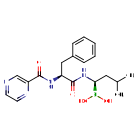
Structure for Bortezomib (DB00188)

- Weight
- Average: 384.237
Monoisotopic: 384.196885774 - Chemical Formula
- C19H25BN4O4
- Synonyms
- [(1R)-3-methyl-1-({(2S)-3-phenyl-2-[(pyrazin-2-ylcarbonyl)amino]propanoyl}amino)butyl]boronic acid
- Bortezomib
- N-[(1R)-1-(DIHYDROXYBORYL)-3-methylbutyl]-N-(pyrazin-2-ylcarbonyl)-L-phenylalaninamide
- External IDs
- BXCL 101
- BXCL-101
- BXCL101
- LDP 341
- LDP-341
- LDP341
- PS 341
- PS-341
- PS341

Pharmacology
- Indication
Bortezomib is indicated for the treatment of adults with multiple myeloma or mantle cell lymphoma.11
 Reduce drug development failure ratesBuild, train, & validate machine-learning modelswith evidence-based and structured datasets.Build, train, & validate predictive machine-learning models with structured datasets.
- Associated Conditions
Indication Type Indication Combined Product Details Approval Level Age Group Patient Characteristics Dose Form Treatment of Mantle cell lymphoma •••••••••••• ••••• Treatment of Multiple myeloma •••••••••••• ••••• - Contraindications & Blackbox Warnings
 Prevent Adverse Drug Events TodayTap into our Clinical API for life-saving information on contraindications & blackbox warnings, population restrictions, harmful risks, & more.Avoid life-threatening adverse drug events with our Clinical API
- Pharmacodynamics
Bortezomib works to target the ubiquitin-proteasome pathway, an essential molecular pathway that regulates intracellular concentrations of proteins and promotes protein degradation.1 The ubiquitin-proteasome pathway is often dysregulated in pathological conditions, leading to aberrant pathway signalling and the formation of malignant cells. In one study, patient-derived chronic lymphocytic leukemia (CLL) cells contained 3-fold higher levels of chymotrypsin-like proteasome activity than normal lymphocytes.1 By reversibly inhibiting proteasome, bortezomib prevents proteasome-mediated proteolysis. Bortezomib exerts a cytotoxic effect on various cancer cell types in vitro and delays tumour growth in vivo in nonclinical tumour models.7 Bortezomib inhibits the proteasome activity in a dose-dependent manner. In one pharmacodynamic study, more than 75% of proteasome inhibition was observed in whole blood samples within one hour after dosing of bortezomib.4
- Mechanism of action
The ubiquitin-proteasome pathway is a homeostatic proteolytic pathway for intracellular protein degradation: proteins marked with a poly-ubiquitin chain are degraded to small peptides and free ubiquitin by the proteasome, which is a large multimeric protease.2 Aberrant proteasome-dependent proteolysis, as seen in some malignancies, can lead to uncontrolled cell division, leading to tumorigenesis, cancer growth, and spread.2,4
Bortezomib is a reversible inhibitor of the 26S proteasome, which is made up of a 20S core complexed with a 19S regulatory complex. Individual β-subunits allow specific catalytic action of the 20S core.3,4 In mammalian cells, bortezomib is a potent inhibitor of the proteasome’s chymotryptic-like activity, which is attributed to the β5-subunit of the 20S core particle.3 Bortezomib binds to the active site of the threonine hydroxyl group in the β5-subunit.4 A probing study showed bortezomib also binding to and inhibiting the β1-subunit, which mediates the caspase-like activity of the proteasome, and β1i-subunit, which is an altered subunit that is expressed to form immunoproteasomes in response to cell stress or inflammation.3 By inhibiting the proteasome-mediated degradation of key proteins that promote cell apoptosis,2 bortezomib induces a cell cycle arrest during the G2-M phase.10 It is believed that multiple mechanisms, other than proteasome inhibition, may be involved in the anticancer activity of bortezomib.4 The anticancer activity of bortezomib was largely associated with suppression of the NF-κB signalling pathway, resulting in the downregulation of anti-apoptotic target genes and expression of anti-apoptic proteins. This may be explained by bortezomib preventing uncontrolled degradation of IκB, which is an inhibitory protein of NF-κB. NOXA, which is a pro-apoptotic factor, induced by bortezomib selectively in cancer cells; thus, it is suggested to be another key mechanism of bortezomib.4
Target Actions Organism AProteasome subunit beta type-5 inhibitorHumans AProteasome subunit beta type-1 inhibitorHumans - Absorption
Following intravenous administration of 1 mg/m2 and 1.3 mg/m2 doses, the mean Cmax of bortezomib were 57 and 112 ng/mL, respectively. In a twice-weekly dosing regimen, the Cmax ranged from 67 to 106 ng/mL at the dose of 1 mg/m2 and 89 to 120 ng/mL for the 1.3 mg/m2 dose. In patients with multiple myeloma, the Cmax of bortezomib followig subcutaneous administration was lower than that of intravenously-administered dose; however, the total systemic exposure of the drug was equivalent for both routes of administration.7 There is a wide interpatient variability in drug plasma concentrations.10
- Volume of distribution
The mean distribution volume of bortezomib ranged from approximately 498 to 1884 L/m2 in patients with multiple myeloma receiving a single- or repeat-dose of 1 mg/m2 or 1.3 mg/m2.7 Bortezomib distributes into nearly all tissues, except for the adipose and brain tissue.4
- Protein binding
Over the concentration range of 100 to 1000 ng/mL, bortezomib is about 83% bound to human plasma proteins.7
- Metabolism
Bortezomib is primarily metabolized by CYP3A4, CYP2C19, and CYP1A2. CYP2D6 and CYP2C9 are also involved in drug metabolism, but to a smaller extent.7 Oxidative deboronation, which involves the removal of boronic acid from the parent compound, is the main metabolic pathway. Metabolites of bortezomib are pharmacologically inactive and more than 30 metabolites have been identified in human and animal studies.5
Hover over products below to view reaction partners
- Route of elimination
Bortezomib is eliminated by both renal and hepatic routes.5
- Half-life
The mean elimination half-life of bortezomib ranged from 40 to 193 hours following a multiple dosing regimen at a 1 mg/m2 dose. The half-life ranged from 76 to 108 hours after multiple dosing of 1.3 mg/m2 bortezomib.7
- Clearance
Following the administration of a first dose of 1 mg/m2 and 1.3 mg/m2, the mean mean total body clearances were 102 and 112 L/h, respectively. The clearances were 15 and 32 L/h after the subsequent dose of 1 and 1.3 mg/m2, respectively.7
- Adverse Effects
 Improve decision support & research outcomesWith structured adverse effects data, including: blackbox warnings, adverse reactions, warning & precautions, & incidence rates. View sample adverse effects data in our new Data Library!Improve decision support & research outcomes with our structured adverse effects data.
- Toxicity
The Lowest published toxic dose (TDLo) in mouse was 5 mg/kg/14D following intraperitoneal administration of an intermittent dose and 1.6 mg/kg/12D following subcutaneous administration of a continuous dose.9
The therapeutic dose of bortezomib is individualized in each patient to prevent overdose. Fatal outcomes occurred in humans following the administration of more than twice the recommended therapeutic dose of bortezomib. The symptoms from overdose included the acute onset of symptomatic hypotension and thrombocytopenia. As there is no known antidote for bortezomib overdosage, monitoring of vital signs and appropriate supportive care should be initiated when drug overdosage is suspected. In monkeys and dogs, increased heart rate, decreased contractility, hypotension, and death were observed with the intravenous dose as low as two times the recommended clinical dose on a mg/m2 basis. A case of a slight increase in the corrected QT interval leading to death occurred in dog studies.7
- Pathways
- Not Available
- Pharmacogenomic Effects/ADRs
- Not Available
Interactions
- Drug Interactions
- This information should not be interpreted without the help of a healthcare provider. If you believe you are experiencing an interaction, contact a healthcare provider immediately. The absence of an interaction does not necessarily mean no interactions exist.
Drug Interaction Integrate drug-drug
interactions in your softwareAbametapir The serum concentration of Bortezomib can be increased when it is combined with Abametapir. Abatacept The metabolism of Bortezomib can be increased when combined with Abatacept. Abciximab The risk or severity of bleeding can be increased when Abciximab is combined with Bortezomib. Abemaciclib The serum concentration of Abemaciclib can be increased when it is combined with Bortezomib. Abiraterone The serum concentration of Bortezomib can be increased when it is combined with Abiraterone. - Food Interactions
- Avoid St. John's Wort. This herb induces CYP3A4 metabolism, which may reduce the serum concentration of bortezomib.
- Exercise caution with grapefruit products. Grapefruit inhibits CYP3A4 metabolism, which may increase the serum concentration of bortezomib.
- Limit foods and supplements high in flavonoids. Flavonoids may interfere with the therapeutic action of this drug. Foods high in flavonoids include green vegetables, fruits, and green tea.
- Limit foods and supplements high in vitamin C. Vitamin C may interfere with the therapeutic action of this drug. Foods high in vitamin C include citrus fruits and beverages.
Products
 Drug product information from 10+ global regionsOur datasets provide approved product information including:dosage, form, labeller, route of administration, and marketing period.Access drug product information from over 10 global regions.
- Brand Name Prescription Products
Name Dosage Strength Route Labeller Marketing Start Marketing End Region Image Bortezomib Injection 1 mg/1 Intravenous Fosun Pharma USA Inc 2022-08-23 Not applicable US 
Bortezomib Injection, powder, lyophilized, for solution 1 mg/1 Intravenous; Subcutaneous Hospira, Inc. 2022-05-16 Not applicable US Bortezomib Injection, powder, lyophilized, for solution 1 mg/1mL Intravenous Fresenius Kabi USA, LLC 2017-11-06 Not applicable US Bortezomib Injection 2.5 mg/1 Intravenous MAIA Pharmaceuticals, Inc. 2022-08-10 Not applicable US Bortezomib Injection, powder, lyophilized, for solution 2.5 mg/1 Intravenous; Subcutaneous Hospira, Inc. 2022-05-16 Not applicable US - Generic Prescription Products
Name Dosage Strength Route Labeller Marketing Start Marketing End Region Image Bortezomib Injection, powder, lyophilized, for solution 3.5 mg/1 Intravenous; Subcutaneous Fresenius Kabi USA, LLC 2022-05-02 Not applicable US Bortezomib Injection, powder, lyophilized, for solution 3.5 mg/1 Intravenous; Subcutaneous Pharmascience Inc. 2022-05-02 Not applicable US Bortezomib Injection, powder, lyophilized, for solution 3.5 mg/1 Intravenous; Subcutaneous Sagent Pharmaceuticals 2022-05-01 Not applicable US Bortezomib Injection, powder, lyophilized, for solution 3.5 mg/1 Intravenous; Subcutaneous BluePoint Laboratories 2022-07-31 Not applicable US Bortezomib Injection, powder, lyophilized, for solution 3.5 mg/1 Intravenous; Subcutaneous Dr.Reddy's Laboratories, Inc. 2022-07-26 Not applicable US
Categories
- ATC Codes
- L01XG01 — Bortezomib
- Drug Categories
- Acids
- Acids, Noncarboxylic
- Antineoplastic Agents
- Antineoplastic and Immunomodulating Agents
- Boron Compounds
- Boronic Acids
- Cardiotoxic antineoplastic agents
- Cytochrome P-450 CYP1A2 Inhibitors
- Cytochrome P-450 CYP1A2 Inhibitors (moderate)
- Cytochrome P-450 CYP1A2 Inhibitors (strength unknown)
- Cytochrome P-450 CYP1A2 Substrates
- Cytochrome P-450 CYP1A2 Substrates with a Narrow Therapeutic Index
- Cytochrome P-450 CYP2C19 Inhibitors
- Cytochrome P-450 CYP2C19 Inhibitors (weak)
- Cytochrome P-450 CYP2C19 Substrates
- Cytochrome P-450 CYP2C19 Substrates with a Narrow Therapeutic Index
- Cytochrome P-450 CYP2C9 Inhibitors
- Cytochrome P-450 CYP2C9 Inhibitors (strength unknown)
- Cytochrome P-450 CYP2C9 Substrates
- Cytochrome P-450 CYP2C9 Substrates with a Narrow Therapeutic Index
- Cytochrome P-450 CYP2D6 Substrates
- Cytochrome P-450 CYP2D6 Substrates with a Narrow Therapeutic Index
- Cytochrome P-450 CYP3A Substrates
- Cytochrome P-450 CYP3A4 Substrates
- Cytochrome P-450 CYP3A4 Substrates with a Narrow Therapeutic Index
- Cytochrome P-450 Enzyme Inhibitors
- Cytochrome P-450 Substrates
- Hepatotoxic Agents
- Hypotensive Agents
- Immunosuppressive Agents
- Myelosuppressive Agents
- Narrow Therapeutic Index Drugs
- OATP1B3 inhibitors
- P-glycoprotein substrates
- P-glycoprotein substrates with a Narrow Therapeutic Index
- Potential QTc-Prolonging Agents
- Proteasome Inhibitors
- Pyrazines
- QTc Prolonging Agents
- Chemical TaxonomyProvided by Classyfire
- Description
- This compound belongs to the class of organic compounds known as phenylalanine and derivatives. These are compounds containing phenylalanine or a derivative thereof resulting from reaction of phenylalanine at the amino group or the carboxy group, or from the replacement of any hydrogen of glycine by a heteroatom.
- Kingdom
- Organic compounds
- Super Class
- Organic acids and derivatives
- Class
- Carboxylic acids and derivatives
- Sub Class
- Amino acids, peptides, and analogues
- Direct Parent
- Phenylalanine and derivatives
- Alternative Parents
- N-acyl-alpha amino acids and derivatives / Alpha amino acid amides / Amphetamines and derivatives / Pyrazinecarboxamides / 2-heteroaryl carboxamides / Fatty amides / Heteroaromatic compounds / Secondary carboxylic acid amides / Boronic acids / Organic metalloid salts show 7 more
- Substituents
- 2-heteroaryl carboxamide / Alkylborane / Alpha-amino acid amide / Amphetamine or derivatives / Aromatic heteromonocyclic compound / Azacycle / Benzenoid / Boronic acid / Boronic acid derivative / Carbonyl group show 23 more
- Molecular Framework
- Aromatic heteromonocyclic compounds
- External Descriptors
- pyrazines, amino acid amide, L-phenylalanine derivative (CHEBI:52717)
- Affected organisms
- Humans and other mammals
Chemical Identifiers
- UNII
- 69G8BD63PP
- CAS number
- 179324-69-7
- InChI Key
- GXJABQQUPOEUTA-RDJZCZTQSA-N
- InChI
- InChI=1S/C19H25BN4O4/c1-13(2)10-17(20(27)28)24-18(25)15(11-14-6-4-3-5-7-14)23-19(26)16-12-21-8-9-22-16/h3-9,12-13,15,17,27-28H,10-11H2,1-2H3,(H,23,26)(H,24,25)/t15-,17-/m0/s1
- IUPAC Name
- [(1R)-3-methyl-1-[(2S)-3-phenyl-2-[(pyrazin-2-yl)formamido]propanamido]butyl]boronic acid
- SMILES
- CC(C)C[C@H](NC(=O)[C@H](CC1=CC=CC=C1)NC(=O)C1=CN=CC=N1)B(O)O
References
- Synthesis Reference
Raghavendracharyulu Venkata Palle, Rajasekhar Kadaboina, Veerendeer Murki, Amarendhar Manda, Nageshwar Gunda, Ramaseshagiri Rao Pulla, Mallesha Hanmanthu, Narasimha Naidu Mopidevi, Suresh Kumar Ramdoss, "BORTEZOMIB AND PROCESS FOR PRODUCING SAME." U.S. Patent US20100226597, issued September 09, 2010.
US20100226597- General References
- Voorhees PM, Dees EC, O'Neil B, Orlowski RZ: The proteasome as a target for cancer therapy. Clin Cancer Res. 2003 Dec 15;9(17):6316-25. [Article]
- Adams J, Palombella VJ, Sausville EA, Johnson J, Destree A, Lazarus DD, Maas J, Pien CS, Prakash S, Elliott PJ: Proteasome inhibitors: a novel class of potent and effective antitumor agents. Cancer Res. 1999 Jun 1;59(11):2615-22. [Article]
- Berkers CR, Verdoes M, Lichtman E, Fiebiger E, Kessler BM, Anderson KC, Ploegh HL, Ovaa H, Galardy PJ: Activity probe for in vivo profiling of the specificity of proteasome inhibitor bortezomib. Nat Methods. 2005 May;2(5):357-62. Epub 2005 Apr 21. [Article]
- Chen D, Frezza M, Schmitt S, Kanwar J, Dou QP: Bortezomib as the first proteasome inhibitor anticancer drug: current status and future perspectives. Curr Cancer Drug Targets. 2011 Mar;11(3):239-53. doi: 10.2174/156800911794519752. [Article]
- Schwartz R, Davidson T: Pharmacology, pharmacokinetics, and practical applications of bortezomib. Oncology (Williston Park). 2004 Dec;18(14 Suppl 11):14-21. [Article]
- Guedes RA, Aniceto N, Andrade MAP, Salvador JAR, Guedes RC: Chemical Patterns of Proteasome Inhibitors: Lessons Learned from Two Decades of Drug Design. Int J Mol Sci. 2019 Oct 25;20(21). pii: ijms20215326. doi: 10.3390/ijms20215326. [Article]
- FDA Approved Drug Products: Bortezomib for Injection, for subcutaneous or intravenous use [Link]
- Thermo Fisher Scientific: Bortezomib Safety Data Sheet [Link]
- Cayman Chemical: Bortezomib Safety Data Sheet [Link]
- BC Cancer: Bortezomib Monograph [Link]
- FDA Approved Drug Products: BORTEZOMIB for injection, for subcutaneous or intravenous use (December 2022) [Link]
- External Links
- Human Metabolome Database
- HMDB0014334
- KEGG Drug
- D03150
- PubChem Compound
- 387447
- PubChem Substance
- 46508736
- ChemSpider
- 343402
- BindingDB
- 50069989
- 358258
- ChEBI
- 52717
- ChEMBL
- CHEMBL325041
- ZINC
- ZINC000169746649
- Therapeutic Targets Database
- DAP001318
- PharmGKB
- PA10252
- PDBe Ligand
- BO2
- RxList
- RxList Drug Page
- Drugs.com
- Drugs.com Drug Page
- Wikipedia
- Bortezomib
- PDB Entries
- 2f16 / 4fwd / 4qvl / 4qvm / 4qvn / 4qvp / 4qvq / 4qvv / 4qvw / 4qvy … show 20 more
- FDA label
- Download (199 KB)
Clinical Trials
- Clinical Trials
Phase Status Purpose Conditions Count 4 Completed Prevention Kidney Transplantation 1 4 Completed Treatment Chronic Kidney Disease (CKD) / Immunoglobulin A Nephropathy 1 4 Completed Treatment HLA Sensitization 1 4 Completed Treatment Multiple Myeloma (MM) 3 4 Completed Treatment Relapsed/Refractory Multiple Myeloma (RRMM) 1
Pharmacoeconomics
- Manufacturers
- Millennium pharmaceuticals inc
- Packagers
- Ben Venue Laboratories Inc.
- Janssen-Ortho Inc.
- Millennium Pharmaceuticals
- Dosage Forms
Form Route Strength Injection, powder, for solution Parenteral Solution Parenteral 3.5 mg Solution Intravenous 3.50 mg Injection Intravenous; Subcutaneous Injection, solution Intravenous 3.5 mg Injection, powder, lyophilized, for solution Injection, powder, lyophilized, for solution Intravenous; Subcutaneous 1 mg Injection Intravenous 1 mg/1 Injection Intravenous 2.5 mg/1 Injection, powder, lyophilized, for solution Intravenous Injection, powder, lyophilized, for solution Intravenous 1 mg/1mL Injection, powder, lyophilized, for solution Intravenous 3.5 mg/1 Injection, powder, lyophilized, for solution Intravenous 3.5 mg Injection, powder, lyophilized, for solution Intravenous; Subcutaneous 1 mg/1mL Injection, powder, lyophilized, for solution Intravenous; Subcutaneous 1 mg/1 Injection, powder, lyophilized, for solution Intravenous; Subcutaneous 2.5 mg/1 Injection, powder, lyophilized, for solution Intravenous; Subcutaneous 3.5 mg/3.5mL Injection, powder, for solution Intravenous 1 MG Injection, powder, for solution Subcutaneous 3.5 MG Injection, solution Intravenous; Subcutaneous 2.5 mg/ml Injection, solution Subcutaneous 2.5 MG/ML Injection, powder, for solution 1 mg/1vial Injection, powder, for solution 3.5 mg/1vial Injection, solution 2.5 MG/ML Injection, solution Parenteral 2.5 mg/ml Injection, powder, for solution Subcutaneous 2.5 MG Injection, powder, for solution Parenteral 3.5 mg Injection, powder, for solution Intravenous; Subcutaneous 1 mg Injection, powder, for solution Intravenous; Subcutaneous 2.5 mg Injection, powder, for solution Intravenous; Subcutaneous 3 mg Injection, powder, for solution 1 MG Injection, powder, for solution Parenteral 1 MG Injection, powder, for solution Parenteral 2.5 MG Injection, solution Parenteral Injection, powder, for solution Injection, powder, for solution 2.5 MG Injection, solution Intravenous 1 mg Injection, powder, lyophilized, for solution Intravenous; Subcutaneous 100000 mg Injection, powder, lyophilized, for solution Intravenous; Subcutaneous 2.5 mg Injection, powder, lyophilized, for solution Intravenous; Subcutaneous 250000 mg Powder Intravenous; Subcutaneous 3.5 mg Injection, powder, lyophilized, for solution Parenteral 3.5 mg Injection, powder, for solution; injection, powder, lyophilized, for solution 3.5 mg Powder Intravenous; Subcutaneous Solution Subcutaneous 3.500 mg Injection, powder, for solution Intravenous; Subcutaneous 3.50 mg Solution Intravenous 3.500 mg Injection, powder, lyophilized, for solution Intravenous; Subcutaneous 350000 mg Injection, powder, for solution Intravenous Injection, powder, for solution Intravenous 1.0 mg Injection, powder, for solution Intravenous; Subcutaneous Injection, powder, for solution Intravenous; Subcutaneous 3.5 mg/1vial Injection, powder, lyophilized, for solution Intravenous; Subcutaneous 3.5 mg/1 Solution Parenteral 3.500 mg Injection Intravenous; Subcutaneous 3.5 mg Injection, powder, for solution Intravenous 3.5 mg Injection Parenteral 3.5 mg Injection, powder, lyophilized, for solution Intravenous; Subcutaneous 3.5 mg Injection, powder, for solution 3.5 MG Injection, powder, for solution Intravenous; Subcutaneous 3.5 mg Powder Intravenous; Subcutaneous 3.5 mg/1vial Injection, powder, lyophilized, for solution 1 mg/1vial Injection, powder, lyophilized, for solution 3.5 mg/1vial - Prices
Unit description Cost Unit Velcade 3.5 mg vial 1590.0USD vial DrugBank does not sell nor buy drugs. Pricing information is supplied for informational purposes only.- Patents
Patent Number Pediatric Extension Approved Expires (estimated) Region US6083903 No 2000-07-04 2014-10-28 US CA2203936 No 2005-04-12 2015-10-27 Canada 
US5780454 Yes 1998-07-14 2017-11-03 US US6958319 Yes 2005-10-25 2022-07-25 US US6713446 Yes 2004-03-30 2022-07-25 US US8962572 No 2015-02-24 2032-11-03 US US11679119 No 2022-09-23 2042-09-23 US US11752164 No 2022-09-23 2042-09-23 US
Properties
- State
- Solid
- Experimental Properties
Property Value Source melting point (°C) 139-143 Thermo Fisher Scientific Bortezomib Safety Data Sheet water solubility The solubility of bortezomib, as the monomeric boronic acid, is 3.3 to 3.8 mg/mL in a pH range of 2 to 6.5. Not Available - Predicted Properties
Property Value Source Water Solubility 0.0532 mg/mL ALOGPS logP 0.89 ALOGPS logP 1.53 Chemaxon logS -3.9 ALOGPS pKa (Strongest Acidic) 8.64 Chemaxon pKa (Strongest Basic) -0.59 Chemaxon Physiological Charge 0 Chemaxon Hydrogen Acceptor Count 6 Chemaxon Hydrogen Donor Count 4 Chemaxon Polar Surface Area 124.44 Å2 Chemaxon Rotatable Bond Count 9 Chemaxon Refractivity 99.37 m3·mol-1 Chemaxon Polarizability 40.65 Å3 Chemaxon Number of Rings 2 Chemaxon Bioavailability 1 Chemaxon Rule of Five Yes Chemaxon Ghose Filter Yes Chemaxon Veber's Rule No Chemaxon MDDR-like Rule No Chemaxon - Predicted ADMET Features
Property Value Probability Human Intestinal Absorption - 0.6935 Blood Brain Barrier - 0.6533 Caco-2 permeable - 0.6576 P-glycoprotein substrate Substrate 0.5909 P-glycoprotein inhibitor I Non-inhibitor 0.785 P-glycoprotein inhibitor II Non-inhibitor 1.0 Renal organic cation transporter Non-inhibitor 0.9445 CYP450 2C9 substrate Non-substrate 0.7145 CYP450 2D6 substrate Substrate 0.8918 CYP450 3A4 substrate Non-substrate 0.5209 CYP450 1A2 substrate Non-inhibitor 0.855 CYP450 2C9 inhibitor Non-inhibitor 0.8267 CYP450 2D6 inhibitor Non-inhibitor 0.9304 CYP450 2C19 inhibitor Non-inhibitor 0.8108 CYP450 3A4 inhibitor Non-inhibitor 0.7308 CYP450 inhibitory promiscuity Low CYP Inhibitory Promiscuity 0.9604 Ames test Non AMES toxic 0.7439 Carcinogenicity Non-carcinogens 0.8064 Biodegradation Not ready biodegradable 0.9943 Rat acute toxicity 2.4537 LD50, mol/kg Not applicable hERG inhibition (predictor I) Weak inhibitor 0.9936 hERG inhibition (predictor II) Non-inhibitor 0.8593
Spectra
- Mass Spec (NIST)
- Not Available
- Spectra
- Chromatographic Properties
Collision Cross Sections (CCS)
Adduct CCS Value (Å2) Source type Source [M-H]- 201.3410112 predictedDarkChem Lite v0.1.0 [M+H]+ 200.8482112 predictedDarkChem Lite v0.1.0 [M+Na]+ 200.4446112 predictedDarkChem Lite v0.1.0
Targets

- Kind
- Protein
- Organism
- Humans
- Pharmacological action
- Yes
- Actions
- Inhibitor
- General Function
- Threonine-type endopeptidase activity
- Specific Function
- The proteasome is a multicatalytic proteinase complex which is characterized by its ability to cleave peptides with Arg, Phe, Tyr, Leu, and Glu adjacent to the leaving group at neutral or slightly ...
- Gene Name
- PSMB5
- Uniprot ID
- P28074
- Uniprot Name
- Proteasome subunit beta type-5
- Molecular Weight
- 28480.01 Da
References
- Berkers CR, Verdoes M, Lichtman E, Fiebiger E, Kessler BM, Anderson KC, Ploegh HL, Ovaa H, Galardy PJ: Activity probe for in vivo profiling of the specificity of proteasome inhibitor bortezomib. Nat Methods. 2005 May;2(5):357-62. Epub 2005 Apr 21. [Article]
- Chen D, Frezza M, Schmitt S, Kanwar J, Dou QP: Bortezomib as the first proteasome inhibitor anticancer drug: current status and future perspectives. Curr Cancer Drug Targets. 2011 Mar;11(3):239-53. doi: 10.2174/156800911794519752. [Article]
- Kind
- Protein
- Organism
- Humans
- Pharmacological action
- Yes
- Actions
- Inhibitor
- General Function
- Threonine-type endopeptidase activity
- Specific Function
- The proteasome is a multicatalytic proteinase complex which is characterized by its ability to cleave peptides with Arg, Phe, Tyr, Leu, and Glu adjacent to the leaving group at neutral or slightly ...
- Gene Name
- PSMB1
- Uniprot ID
- P20618
- Uniprot Name
- Proteasome subunit beta type-1
- Molecular Weight
- 26489.09 Da
References
- Berkers CR, Verdoes M, Lichtman E, Fiebiger E, Kessler BM, Anderson KC, Ploegh HL, Ovaa H, Galardy PJ: Activity probe for in vivo profiling of the specificity of proteasome inhibitor bortezomib. Nat Methods. 2005 May;2(5):357-62. Epub 2005 Apr 21. [Article]
- Chen D, Frezza M, Schmitt S, Kanwar J, Dou QP: Bortezomib as the first proteasome inhibitor anticancer drug: current status and future perspectives. Curr Cancer Drug Targets. 2011 Mar;11(3):239-53. doi: 10.2174/156800911794519752. [Article]
Enzymes
- Kind
- Protein
- Organism
- Humans
- Pharmacological action
- No
- Actions
- Substrate
- Curator comments
- There is no time-dependent inhibition of CYP3A4 by bortezomib or its metabolites (Lu et al., 2006).
- General Function
- Vitamin d3 25-hydroxylase activity
- Specific Function
- Cytochromes P450 are a group of heme-thiolate monooxygenases. In liver microsomes, this enzyme is involved in an NADPH-dependent electron transport pathway. It performs a variety of oxidation react...
- Gene Name
- CYP3A4
- Uniprot ID
- P08684
- Uniprot Name
- Cytochrome P450 3A4
- Molecular Weight
- 57342.67 Da
References
- Hellmann A, Rule S, Walewski J, Shpilberg O, Feng H, van de Velde H, Patel H, Skee DM, Girgis S, Louw VJ: Effect of cytochrome P450 3A4 inducers on the pharmacokinetic, pharmacodynamic and safety profiles of bortezomib in patients with multiple myeloma or non-Hodgkin's lymphoma. Clin Pharmacokinet. 2011 Dec 1;50(12):781-91. doi: 10.2165/11594410-000000000-00000. [Article]
- Zhou W, An G, Jian Y, Guo H, Chen W: Effect of CYP2C19 and CYP3A4 gene polymorphisms on the efficacy of bortezomib-based regimens in patients with multiple myeloma. Oncol Lett. 2015 Aug;10(2):1171-1175. doi: 10.3892/ol.2015.3294. Epub 2015 May 29. [Article]
- Pekol T, Daniels JS, Labutti J, Parsons I, Nix D, Baronas E, Hsieh F, Gan LS, Miwa G: Human metabolism of the proteasome inhibitor bortezomib: identification of circulating metabolites. Drug Metab Dispos. 2005 Jun;33(6):771-7. doi: 10.1124/dmd.104.002956. Epub 2005 Mar 11. [Article]
- Lu C, Gallegos R, Li P, Xia CQ, Pusalkar S, Uttamsingh V, Nix D, Miwa GT, Gan LS: Investigation of drug-drug interaction potential of bortezomib in vivo in female Sprague-Dawley rats and in vitro in human liver microsomes. Drug Metab Dispos. 2006 Apr;34(4):702-8. doi: 10.1124/dmd.105.008060. Epub 2006 Jan 27. [Article]
- FDA Approved Drug Products: Bortezomib for Injection, for subcutaneous or intravenous use [Link]
- Kind
- Protein
- Organism
- Humans
- Pharmacological action
- No
- Actions
- SubstrateInhibitor
- Curator comments
- In an in vitro study, bortezomib and its metabolites M1 and M2 were found to be mild inhibitors of CYP2C19 with IC50 values of approximately 18.0, 10.0, and 13.2 microM, respectively (Lu et al., 2006).
- General Function
- Steroid hydroxylase activity
- Specific Function
- Responsible for the metabolism of a number of therapeutic agents such as the anticonvulsant drug S-mephenytoin, omeprazole, proguanil, certain barbiturates, diazepam, propranolol, citalopram and im...
- Gene Name
- CYP2C19
- Uniprot ID
- P33261
- Uniprot Name
- Cytochrome P450 2C19
- Molecular Weight
- 55930.545 Da
References
- Zhou SF, Zhou ZW, Yang LP, Cai JP: Substrates, inducers, inhibitors and structure-activity relationships of human Cytochrome P450 2C9 and implications in drug development. Curr Med Chem. 2009;16(27):3480-675. Epub 2009 Sep 1. [Article]
- Pekol T, Daniels JS, Labutti J, Parsons I, Nix D, Baronas E, Hsieh F, Gan LS, Miwa G: Human metabolism of the proteasome inhibitor bortezomib: identification of circulating metabolites. Drug Metab Dispos. 2005 Jun;33(6):771-7. doi: 10.1124/dmd.104.002956. Epub 2005 Mar 11. [Article]
- Uttamsingh V, Lu C, Miwa G, Gan LS: Relative contributions of the five major human cytochromes P450, 1A2, 2C9, 2C19, 2D6, and 3A4, to the hepatic metabolism of the proteasome inhibitor bortezomib. Drug Metab Dispos. 2005 Nov;33(11):1723-8. doi: 10.1124/dmd.105.005710. Epub 2005 Aug 15. [Article]
- Lu C, Gallegos R, Li P, Xia CQ, Pusalkar S, Uttamsingh V, Nix D, Miwa GT, Gan LS: Investigation of drug-drug interaction potential of bortezomib in vivo in female Sprague-Dawley rats and in vitro in human liver microsomes. Drug Metab Dispos. 2006 Apr;34(4):702-8. doi: 10.1124/dmd.105.008060. Epub 2006 Jan 27. [Article]
- FDA Approved Drug Products: Bortezomib for Injection, for subcutaneous or intravenous use [Link]
- Kind
- Protein
- Organism
- Humans
- Pharmacological action
- Unknown
- Actions
- Substrate
- General Function
- Steroid hydroxylase activity
- Specific Function
- Responsible for the metabolism of many drugs and environmental chemicals that it oxidizes. It is involved in the metabolism of drugs such as antiarrhythmics, adrenoceptor antagonists, and tricyclic...
- Gene Name
- CYP2D6
- Uniprot ID
- P10635
- Uniprot Name
- Cytochrome P450 2D6
- Molecular Weight
- 55768.94 Da
References
- Zhou SF, Zhou ZW, Yang LP, Cai JP: Substrates, inducers, inhibitors and structure-activity relationships of human Cytochrome P450 2C9 and implications in drug development. Curr Med Chem. 2009;16(27):3480-675. Epub 2009 Sep 1. [Article]
- Uttamsingh V, Lu C, Miwa G, Gan LS: Relative contributions of the five major human cytochromes P450, 1A2, 2C9, 2C19, 2D6, and 3A4, to the hepatic metabolism of the proteasome inhibitor bortezomib. Drug Metab Dispos. 2005 Nov;33(11):1723-8. doi: 10.1124/dmd.105.005710. Epub 2005 Aug 15. [Article]
- Pekol T, Daniels JS, Labutti J, Parsons I, Nix D, Baronas E, Hsieh F, Gan LS, Miwa G: Human metabolism of the proteasome inhibitor bortezomib: identification of circulating metabolites. Drug Metab Dispos. 2005 Jun;33(6):771-7. doi: 10.1124/dmd.104.002956. Epub 2005 Mar 11. [Article]
- FDA Approved Drug Products: Bortezomib for Injection, for subcutaneous or intravenous use [Link]
- Kind
- Protein
- Organism
- Humans
- Pharmacological action
- No
- Actions
- SubstrateInhibitor
- General Function
- Oxidoreductase activity, acting on paired donors, with incorporation or reduction of molecular oxygen, reduced flavin or flavoprotein as one donor, and incorporation of one atom of oxygen
- Specific Function
- Cytochromes P450 are a group of heme-thiolate monooxygenases. In liver microsomes, this enzyme is involved in an NADPH-dependent electron transport pathway. It oxidizes a variety of structurally un...
- Gene Name
- CYP1A2
- Uniprot ID
- P05177
- Uniprot Name
- Cytochrome P450 1A2
- Molecular Weight
- 58293.76 Da
References
- Pekol T, Daniels JS, Labutti J, Parsons I, Nix D, Baronas E, Hsieh F, Gan LS, Miwa G: Human metabolism of the proteasome inhibitor bortezomib: identification of circulating metabolites. Drug Metab Dispos. 2005 Jun;33(6):771-7. doi: 10.1124/dmd.104.002956. Epub 2005 Mar 11. [Article]
- FDA Approved Drug Products: Bortezomib for Injection, for subcutaneous or intravenous use [Link]
- Kind
- Protein
- Organism
- Humans
- Pharmacological action
- No
- Actions
- SubstrateInhibitor
- Curator comments
- In an in vitro study, the M1 metabolite of bortezomib was a mild inhibitor of CYP2C9 with an IC50 value of approximately 11.5 microM (Lu et al., 2006).
- General Function
- Steroid hydroxylase activity
- Specific Function
- Cytochromes P450 are a group of heme-thiolate monooxygenases. In liver microsomes, this enzyme is involved in an NADPH-dependent electron transport pathway. It oxidizes a variety of structurally un...
- Gene Name
- CYP2C9
- Uniprot ID
- P11712
- Uniprot Name
- Cytochrome P450 2C9
- Molecular Weight
- 55627.365 Da
References
- Pekol T, Daniels JS, Labutti J, Parsons I, Nix D, Baronas E, Hsieh F, Gan LS, Miwa G: Human metabolism of the proteasome inhibitor bortezomib: identification of circulating metabolites. Drug Metab Dispos. 2005 Jun;33(6):771-7. doi: 10.1124/dmd.104.002956. Epub 2005 Mar 11. [Article]
- Lu C, Gallegos R, Li P, Xia CQ, Pusalkar S, Uttamsingh V, Nix D, Miwa GT, Gan LS: Investigation of drug-drug interaction potential of bortezomib in vivo in female Sprague-Dawley rats and in vitro in human liver microsomes. Drug Metab Dispos. 2006 Apr;34(4):702-8. doi: 10.1124/dmd.105.008060. Epub 2006 Jan 27. [Article]
- Uttamsingh V, Lu C, Miwa G, Gan LS: Relative contributions of the five major human cytochromes P450, 1A2, 2C9, 2C19, 2D6, and 3A4, to the hepatic metabolism of the proteasome inhibitor bortezomib. Drug Metab Dispos. 2005 Nov;33(11):1723-8. doi: 10.1124/dmd.105.005710. Epub 2005 Aug 15. [Article]
- FDA Approved Drug Products: Bortezomib for Injection, for subcutaneous or intravenous use [Link]
Transporters
- Kind
- Protein
- Organism
- Humans
- Pharmacological action
- No
- Actions
- Substrate
- General Function
- Xenobiotic-transporting atpase activity
- Specific Function
- Energy-dependent efflux pump responsible for decreased drug accumulation in multidrug-resistant cells.
- Gene Name
- ABCB1
- Uniprot ID
- P08183
- Uniprot Name
- Multidrug resistance protein 1
- Molecular Weight
- 141477.255 Da
References
- O'Connor R, Ooi MG, Meiller J, Jakubikova J, Klippel S, Delmore J, Richardson P, Anderson K, Clynes M, Mitsiades CS, O'Gorman P: The interaction of bortezomib with multidrug transporters: implications for therapeutic applications in advanced multiple myeloma and other neoplasias. Cancer Chemother Pharmacol. 2013 May;71(5):1357-68. doi: 10.1007/s00280-013-2136-7. Epub 2013 Apr 16. [Article]
- Clemens J, Welti L, Schafer J, Seckinger A, Burhenne J, Theile D, Weiss J: Bortezomib, carfilzomib and ixazomib do not mediate relevant transporter-based drug-drug interactions. Oncol Lett. 2017 Sep;14(3):3185-3192. doi: 10.3892/ol.2017.6560. Epub 2017 Jul 8. [Article]
- Kind
- Protein
- Organism
- Humans
- Pharmacological action
- No
- Actions
- Inhibitor
- General Function
- Sodium-independent organic anion transmembrane transporter activity
- Specific Function
- Mediates the Na(+)-independent uptake of organic anions such as 17-beta-glucuronosyl estradiol, taurocholate, triiodothyronine (T3), leukotriene C4, dehydroepiandrosterone sulfate (DHEAS), methotre...
- Gene Name
- SLCO1B3
- Uniprot ID
- Q9NPD5
- Uniprot Name
- Solute carrier organic anion transporter family member 1B3
- Molecular Weight
- 77402.175 Da
References
- Alam K, Farasyn T, Crowe A, Ding K, Yue W: Treatment with proteasome inhibitor bortezomib decreases organic anion transporting polypeptide (OATP) 1B3-mediated transport in a substrate-dependent manner. PLoS One. 2017 Nov 6;12(11):e0186924. doi: 10.1371/journal.pone.0186924. eCollection 2017. [Article]

Drug created at June 13, 2005 13:24 / Updated at April 27, 2024 09:44