Identification
- Summary
Pantoprazole is a proton pump inhibitor used to treat erosive esophagitis, gastric acid hypersecretion, and to promote healing of tissue damage caused by gastric acid.
- Brand Names
- Protonix, Somac Control, Tecta
- Generic Name
- Pantoprazole
- DrugBank Accession Number
- DB00213
- Background
Pantoprazole is a first-generation proton pump inhibitor (PPI) used for the management of gastroesophageal reflux disease (GERD), for gastric protection to prevent recurrence of stomach ulcers or gastric damage from chronic use of NSAIDs, and for the treatment of pathological hypersecretory conditions including Zollinger-Ellison (ZE) Syndrome. It can also be found in quadruple regimens for the treatment of H. pylori infections along with other antibiotics including amoxicillin, clarithromycin, and metronidazole, for example.1023 Its efficacy is considered similar to other medications within the PPI class including omeprazole, esomeprazole, lansoprazole, dexlansoprazole, and rabeprazole.
Pantoprazole exerts its stomach acid-suppressing effects by preventing the final step in gastric acid production by covalently binding to sulfhydryl groups of cysteines found on the (H+, K+)-ATPase enzyme at the secretory surface of gastric parietal cell. This effect leads to inhibition of both basal and stimulated gastric acid secretion, irrespective of the stimulus. As the binding of pantoprazole to the (H+, K+)-ATPase enzyme is irreversible and new enzyme needs to be expressed in order to resume acid secretion, pantoprazole's duration of antisecretory effect persists longer than 24 hours.Label
Due to their good safety profile and as several PPIs are available over the counter without a prescription, their current use in North America is widespread. Long term use of PPIs such as pantoprazole have been associated with possible adverse effects, however, including increased susceptibility to bacterial infections (including gastrointestinal C. difficile), reduced absorption of micronutrients including iron and B12, and an increased risk of developing hypomagnesemia and hypocalcemia which may contribute to osteoporosis and bone fractures later in life.12
PPIs such as pantoprazole have also been shown to inhibit the activity of dimethylarginine dimethylaminohydrolase (DDAH), an enzyme necessary for cardiovascular health. DDAH inhibition causes a consequent accumulation of the nitric oxide synthase inhibitor asymmetric dimethylarginie (ADMA), which is thought to cause the association of PPIs with increased risk of cardiovascular events in patients with unstable coronary syndromes.14,15
Pantoprazole doses should be slowly lowered, or tapered, before discontinuing as rapid discontinuation of PPIs such as pantoprazole may cause a rebound effect and a short term increase in hypersecretion.13
- Type
- Small Molecule
- Groups
- Approved
- Structure
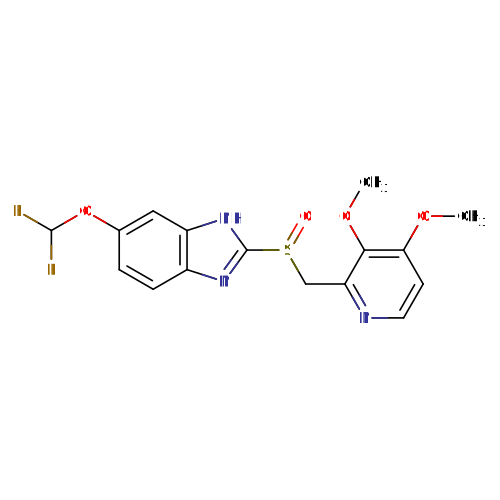
Structure for Pantoprazole (DB00213)
- Weight
- Average: 383.37
Monoisotopic: 383.075133083 - Chemical Formula
- C16H15F2N3O4S
- Synonyms
- Pantoprazol
- Pantoprazole
- Pantoprazolum

Pharmacology
- Indication
Pantoprazole Injection:
Treatment of gastroesophageal reflux disease associated with a history of erosive esophagitis
Pantoprazole for injection is indicated for short-term treatment (7-10 days) of patients having gastroesophageal reflux disease (GERD) with a history of erosive esophagitis, as an alternative to oral medication in patients who are unable to continue taking pantoprazole delayed-release tablets. Safety and efficacy of pantoprazole injection as the initial treatment of patients having GERD with a history of erosive esophagitis have not been demonstrated at this time.Label
Pathological Hypersecretion Associated with Zollinger-Ellison Syndrome
Pantoprazole for injection is indicated for the treatment of pathological hypersecretory conditions associated with Zollinger-Ellison Syndrome or other neoplastic conditions.Label
Pantoprazole delayed-release oral suspension:
Short-Term Treatment of erosive esophagitis associated with gastroesophageal reflux disease (GERD)
Indicated in adults and pediatric patients five years of age and above for the short-term treatment (up to 8 weeks) in the healing and symptomatic relief of erosive esophagitis. For adult patients who have not healed after 8 weeks of treatment, an additional 8-week course of pantoprazole may be considered. Safety of treatment beyond 8 weeks in pediatric patients has not been determined.19
Maintenance of healing of erosive esophagitis
Indicated for maintenance of healing of erosive esophagitis and reduction in relapse rates of daytime and nighttime heartburn symptoms in adult patients with GERD.19
Pathological hypersecretory conditions including Zollinger-Ellison syndrome
Indicated for the long-term treatment of the above conditions.19
 Reduce drug development failure ratesBuild, train, & validate machine-learning modelswith evidence-based and structured datasets.Build, train, & validate predictive machine-learning models with structured datasets.
- Associated Conditions
Indication Type Indication Combined Product Details Approval Level Age Group Patient Characteristics Dose Form Treatment of Erosive esophagitis •••••••••••• Treatment of Erosive esophagitis •••••••••••• Treatment of Erosive esophagitis •••••••••••• Treatment of Gerd •••••••••••• Treatment of Gerd with erosive esophagitis •••••••••••• •••••••• ••• ••• •••••• •• •••••••• •••••• •••••••••••• ••••••••••••••• ••••••• - Contraindications & Blackbox Warnings
 Prevent Adverse Drug Events TodayTap into our Clinical API for life-saving information on contraindications & blackbox warnings, population restrictions, harmful risks, & more.Avoid life-threatening adverse drug events with our Clinical API
- Pharmacodynamics
This drug acts to decrease gastric acid secretion, which reduces stomach acidity. Pantoprazole administration leads to long-lasting inhibition of gastric acid secretion.16
General Effects
Pantoprazole has been shown to reduce acid reflux-related symptoms, heal inflammation of the esophagus, and improve patient quality of life more effectively than histamine-2 receptor antagonists (H2 blockers). This drug has an excellent safety profile and a low incidence of drug interactions. It can be used safely in various high-risk patient populations, including the elderly and those with renal failure or moderate hepatic dysfunction.1
Due to their good safety profile and as several PPIs are available over the counter without a prescription, their current use in North America is widespread. Long term use of PPIs such as pantoprazole have been associated with possible adverse effects, however, including increased susceptibility to bacterial infections (including gastrointestinal C. difficile), reduced absorption of micronutrients including iron and B12, and an increased risk of developing hypomagnesemia and hypocalcemia which may contribute to osteoporosis and bone fractures later in life.12
PPIs such as pantoprazole have also been shown to inhibit the activity of dimethylarginine dimethylaminohydrolase (DDAH), an enzyme necessary for cardiovascular health. DDAH inhibition causes a consequent accumulation of the nitric oxide synthase inhibitor asymmetric dimethylarginie (ADMA), which is thought to cause the association of PPIs with increased risk of cardiovascular events in patients with unstable coronary syndromes 14,15.
A note on laboratory testing abnormalities
During treatment with antisecretory medicinal products such as pantoprazole, serum gastrin (a peptide hormone that stimulates secretion of gastric acid) increases in response to the decreased acid secretion caused by proton pump inhibition. The increased gastrin level may interfere with investigations for neuroendocrine tumors. Published evidence suggests that proton pump inhibitors should be stopped 14 days before chromogranin A (CgA) measurements. This permits chromogranin A levels, that might be falsely elevated after proton pump inhibitor treatment, to return to the normal reference range.21
Reports have been made of false-positive results in urine screening tests for tetrahydrocannabinol (THC) in patients receiving the majority of proton pump inhibitors, including pantoprazole. A confirmatory method should be used.21
- Mechanism of action
Hydrochloric acid (HCl) secretion into the gastric lumen is a process regulated mainly by the H(+)/K(+)-ATPase of the proton pump, expressed in high quantities by the parietal cells of the stomach.9 ATPase is an enzyme on the parietal cell membrane that facilitates hydrogen and potassium exchange through the cell, which normally results in the extrusion of potassium and formation of HCl (gastric acid).
Proton pump inhibitors such as pantoprazole are substituted benzimidazole derivatives, weak bases, which accumulate in the acidic space of the parietal cell before being converted in the canaliculi (small canal) of the gastric parietal cell, an acidic environment, to active sulfenamide derivatives. This active form then makes disulfide bonds with important cysteines on the gastric acid pump, inhibiting its function.6 Specifically, pantoprazole binds to the sulfhydryl group of H+, K+-ATPase, which is an enzyme implicated in accelerating the final step in the acid secretion pathway. The enzyme is inactivated, inhibiting gastric acid secretion.7 The inhibition of gastric acid secretion is stronger with proton pump inhibitors such as pantoprazole and lasts longer than with the H(2) antagonists.9
Target Actions Organism APotassium-transporting ATPase alpha chain 1 inhibitorHumans NN(G),N(G)-dimethylarginine dimethylaminohydrolase 1 inhibitorHumans - Absorption
Pantoprazole is absorbed after oral administration as an enteric-coated tablet with maximum plasma concentrations attained within 2 – 3 hours and a bioavailability of 77% that does not change with multiple dosing 6. Following an oral dose of 40mg, the Cmax is approximately 2.5 μg/mL with a tmax of 2 to 3 hours. The AUC is approximately 5 μg.h/mL. There is no food effect on AUC (bioavailability) and Cmax.22
Delayed-release tablets are prepared as enteric-coated tablets so that absorption of pantoprazole begins only after the tablet leaves the stomach.
- Volume of distribution
The apparent volume of distribution of pantoprazole is approximately 11.0-23.6 L, distributing mainly in the extracellular fluid.Label
- Protein binding
Approximately 98%Label
- Metabolism
Pantoprazole is heavily metabolized in the liver by the cytochrome P450 (CYP) system. Pantoprazole metabolism is independent of the route of administration (intravenous or oral). The main metabolic pathway is demethylation, by CYP2C19 hepatic cytochrome enzyme, followed by sulfation; other metabolic pathways include oxidation by CYP3A4. There is no evidence that any of the pantoprazole metabolites are pharmacologically active.19
After hepatic metabolism, almost 80% of an oral or intravenous dose is excreted as metabolites in urine; the remainder is found in feces and originates from biliary secretion.8
Hover over products below to view reaction partners
- Route of elimination
After a single oral or intravenous (IV) dose of 14C-labeled pantoprazole to healthy, normal metabolizing subjects, about 71% of the dose was excreted in the urine, with 18% excreted in the feces by biliary excretion. There was no kidney excretion of unchanged pantoprazole.19
- Half-life
About 1 hour19
- Clearance
Adults: With intravenous administration of pantoprazole to extensive metabolizers, total clearance is 7.6-14.0 L/h.16 In a population pharmacokinetic analysis, the total clearance increased with increasing body weight in a non-linear fashion.16
Children: clearance values in the children 1 to 5 years old with endoscopically proven GERD had a median value of 2.4 L/h.19
- Adverse Effects
 Improve decision support & research outcomesWith structured adverse effects data, including: blackbox warnings, adverse reactions, warning & precautions, & incidence rates. View sample adverse effects data in our new Data Library!Improve decision support & research outcomes with our structured adverse effects data.
- Toxicity
Rat Oral LD 50 747 mg/kg17
Tumorigenicity
Because of the chronic nature of GERD, there may be a potential for long-term administration of pantoprazole. In long-term rodent studies, pantoprazole was carcinogenic and its administration lead to rare types of gastrointestinal tumors. The relevance of these findings to tumor development in humans is unknown at this time.19
Teratogenic Effects
This drug falls under pregnancy category B category. Reproduction studies have been performed in rats at oral doses up to 88 times the recommended human dose (RHD), as well as in rabbits at oral doses up to 16 times the RHD, and have shown no evidence of impaired fertility or harm to the fetus caused by pantoprazole. No adequate and well-controlled studies in pregnant women have been completed. Because animal reproduction studies are not always predictive of human response, this drug should only be used during pregnancy if clearly required.19
Nursing Mothers
Pantoprazole and its metabolites have been found to be excreted in the milk of rats. Pantoprazole excretion in human milk has been found in a study performed with a single nursing mother after one 40 mg oral dose. The clinical relevance of this finding is not known, however, it is advisable to take note of this finding when considering pantoprazole use during nursing. Many drugs excreted in human breastmilk have a risk for serious adverse effects in nursing infants.19
- Pathways
Pathway Category Pantoprazole Metabolism Pathway Drug metabolism Pantoprazole Action Pathway Drug action - Pharmacogenomic Effects/ADRs
Interacting Gene/Enzyme Allele name Genotype(s) Defining Change(s) Type(s) Description Details Cytochrome P450 2C19 CYP2C19*2A Not Available 681G>A Effect Inferred Poor drug metabolizer. Details Cytochrome P450 2C19 CYP2C19*2B Not Available 681G>A Effect Inferred Poor drug metabolizer. Details Cytochrome P450 2C19 CYP2C19*3 Not Available 636G>A Effect Inferred Poor drug metabolizer. Details Cytochrome P450 2C19 CYP2C19*4 Not Available 1A>G Effect Inferred Poor drug metabolizer. Details Cytochrome P450 2C19 CYP2C19*5 Not Available 1297C>T Effect Inferred Poor drug metabolizer. Details Cytochrome P450 2C19 CYP2C19*6 Not Available 395G>A Effect Inferred Poor drug metabolizer. Details Cytochrome P450 2C19 CYP2C19*7 Not Available 19294T>A Effect Inferred Poor drug metabolizer. Details Cytochrome P450 2C19 CYP2C19*22 Not Available 557G>C / 991A>G Effect Inferred Poor drug metabolizer. Details Cytochrome P450 2C19 CYP2C19*24 Not Available 99C>T / 991A>G … show all Effect Inferred Poor drug metabolizer. Details Cytochrome P450 2C19 CYP2C19*35 Not Available 12662A>G Effect Inferred Poor drug metabolizer. Details
Interactions
- Drug Interactions
- This information should not be interpreted without the help of a healthcare provider. If you believe you are experiencing an interaction, contact a healthcare provider immediately. The absence of an interaction does not necessarily mean no interactions exist.
Drug Interaction Integrate drug-drug
interactions in your softwareAbacavir Pantoprazole may decrease the excretion rate of Abacavir which could result in a higher serum level. Abametapir The serum concentration of Pantoprazole can be increased when it is combined with Abametapir. Abatacept The metabolism of Pantoprazole can be increased when combined with Abatacept. Abemaciclib Pantoprazole may decrease the excretion rate of Abemaciclib which could result in a higher serum level. Abrocitinib The metabolism of Abrocitinib can be decreased when combined with Pantoprazole. - Food Interactions
- Take with or without food. The absorption is unaffected by food.
Products
 Drug product information from 10+ global regionsOur datasets provide approved product information including:dosage, form, labeller, route of administration, and marketing period.Access drug product information from over 10 global regions.
- Product Ingredients
Ingredient UNII CAS InChI Key Pantoprazole magnesium 1AL13B11R4 199387-73-0 RDRUTBCDIVCMMX-UHFFFAOYSA-N Pantoprazole magnesium dihydrate Not Available Not Available Not applicable Pantoprazole magnesium hemipentahydrate Not Available Not Available GYTCJCWFCBALFS-UHFFFAOYSA-N Pantoprazole sodium 6871619Q5X 164579-32-2 BRIJTIAFXDNYOD-UHFFFAOYSA-N - Product Images
- International/Other Brands
- Pantozol
- Brand Name Prescription Products
Name Dosage Strength Route Labeller Marketing Start Marketing End Region Image Act Pantoprazole Tablet, delayed release 40 mg Oral Actavis Pharma Company 2008-06-04 2018-07-09 Canada 
Controloc Control Tablet, delayed release 20 mg Oral Takeda 2016-09-08 Not applicable EU 
Controloc Control Tablet, delayed release 20 mg Oral Takeda 2016-09-08 Not applicable EU Controloc Control Tablet, delayed release 20 mg Oral Takeda 2016-09-08 Not applicable EU Controloc Control Tablet, delayed release 20 mg Oral Takeda 2016-09-08 Not applicable EU - Generic Prescription Products
Name Dosage Strength Route Labeller Marketing Start Marketing End Region Image Abbott-pantoprazole Tablet, delayed release 40 mg Oral Abbott 2014-03-17 2015-12-31 Canada Abbott-pantoprazole Tablet, delayed release 20 mg Oral Abbott Not applicable Not applicable Canada Ag-pantoprazole Tablet, delayed release 20 mg Oral Angita Pharma Inc. Not applicable Not applicable Canada Ag-pantoprazole Tablet, delayed release 40 mg Oral Angita Pharma Inc. 2018-07-17 Not applicable Canada Ag-pantoprazole Sodium Tablet, delayed release 20 mg Oral Angita Pharma Inc. Not applicable Not applicable Canada


Categories
- ATC Codes
- A02BD04 — Pantoprazole, amoxicillin and clarithromycin
- A02BD — Combinations for eradication of Helicobacter pylori
- A02B — DRUGS FOR PEPTIC ULCER AND GASTRO-OESOPHAGEAL REFLUX DISEASE (GORD)
- A02 — DRUGS FOR ACID RELATED DISORDERS
- A — ALIMENTARY TRACT AND METABOLISM
- A02BD — Combinations for eradication of Helicobacter pylori
- A02B — DRUGS FOR PEPTIC ULCER AND GASTRO-OESOPHAGEAL REFLUX DISEASE (GORD)
- A02 — DRUGS FOR ACID RELATED DISORDERS
- A — ALIMENTARY TRACT AND METABOLISM
- Drug Categories
- 2-Pyridinylmethylsulfinylbenzimidazoles
- Acid Reducers
- Alimentary Tract and Metabolism
- Anti-Ulcer Agents
- BCRP/ABCG2 Inhibitors
- BCRP/ABCG2 Substrates
- Benzimidazoles
- Cytochrome P-450 CYP2C19 Inhibitors
- Cytochrome P-450 CYP2C19 Inhibitors (weak)
- Cytochrome P-450 CYP2C19 Substrates
- Cytochrome P-450 CYP3A Substrates
- Cytochrome P-450 CYP3A4 Substrates
- Cytochrome P-450 Enzyme Inhibitors
- Cytochrome P-450 Substrates
- Drugs for Acid Related Disorders
- Drugs for Peptic Ulcer and Gastro-Oesophageal Reflux Disease (Gord)
- Drugs that are Mainly Renally Excreted
- Enzyme Inhibitors
- Gastric Acid Lowering Agents
- Gastrointestinal Agents
- Heterocyclic Compounds, Fused-Ring
- OAT3/SLC22A8 Inhibitors
- OATP1B1/SLCO1B1 Inhibitors
- P-glycoprotein inhibitors
- P-glycoprotein substrates
- Proton Pump Inhibitors
- Proton-pump Inhibitors
- Pyridines
- Sulfoxides
- Sulfur Compounds
- Chemical TaxonomyProvided by Classyfire
- Description
- This compound belongs to the class of organic compounds known as sulfinylbenzimidazoles. These are polycyclic aromatic compounds containing a sulfinyl group attached at the position 2 of a benzimidazole moiety.
- Kingdom
- Organic compounds
- Super Class
- Organoheterocyclic compounds
- Class
- Benzimidazoles
- Sub Class
- Sulfinylbenzimidazoles
- Direct Parent
- Sulfinylbenzimidazoles
- Alternative Parents
- Alkyl aryl ethers / Pyridines and derivatives / Benzenoids / Imidazoles / Heteroaromatic compounds / Sulfoxides / Sulfinyl compounds / Azacyclic compounds / Organopnictogen compounds / Organonitrogen compounds show 4 more
- Substituents
- Alkyl aryl ether / Alkyl fluoride / Alkyl halide / Aromatic heteropolycyclic compound / Azacycle / Azole / Benzenoid / Ether / Heteroaromatic compound / Hydrocarbon derivative show 14 more
- Molecular Framework
- Aromatic heteropolycyclic compounds
- External Descriptors
- organofluorine compound, aromatic ether, sulfoxide, pyridines, benzimidazoles (CHEBI:7915)
- Affected organisms
- Humans and other mammals
Chemical Identifiers
- UNII
- D8TST4O562
- CAS number
- 102625-70-7
- InChI Key
- IQPSEEYGBUAQFF-UHFFFAOYSA-N
- InChI
- InChI=1S/C16H15F2N3O4S/c1-23-13-5-6-19-12(14(13)24-2)8-26(22)16-20-10-4-3-9(25-15(17)18)7-11(10)21-16/h3-7,15H,8H2,1-2H3,(H,20,21)
- IUPAC Name
- 6-(difluoromethoxy)-2-[(3,4-dimethoxypyridin-2-yl)methanesulfinyl]-1H-1,3-benzodiazole
- SMILES
- COC1=C(OC)C(CS(=O)C2=NC3=C(N2)C=C(OC(F)F)C=C3)=NC=C1
References
- Synthesis Reference
Rudolf Linder, "Freeze-dried pantoprazole preparation and pantoprazole injection." U.S. Patent US20030003058, issued January 02, 2003.
US20030003058- General References
- Mathews S, Reid A, Tian C, Cai Q: An update on the use of pantoprazole as a treatment for gastroesophageal reflux disease. Clin Exp Gastroenterol. 2010;3:11-6. Epub 2010 Jan 20. [Article]
- Dabrowski A, Stabuc B, Lazebnik L: Meta-analysis of the efficacy and safety of pantoprazole in the treatment and symptom relief of patients with gastroesophageal reflux disease - PAN-STAR. Prz Gastroenterol. 2018;13(1):6-15. doi: 10.5114/pg.2018.74556. Epub 2018 Mar 26. [Article]
- Strand DS, Kim D, Peura DA: 25 Years of Proton Pump Inhibitors: A Comprehensive Review. Gut Liver. 2017 Jan 15;11(1):27-37. doi: 10.5009/gnl15502. [Article]
- Jungnickel PW: Pantoprazole: a new proton pump inhibitor. Clin Ther. 2000 Nov;22(11):1268-93. [Article]
- Shin JM, Kim N: Pharmacokinetics and pharmacodynamics of the proton pump inhibitors. J Neurogastroenterol Motil. 2013 Jan;19(1):25-35. doi: 10.5056/jnm.2013.19.1.25. Epub 2013 Jan 8. [Article]
- Bardou M, Martin J: Pantoprazole: from drug metabolism to clinical relevance. Expert Opin Drug Metab Toxicol. 2008 Apr;4(4):471-83. doi: 10.1517/17425255.4.4.471 . [Article]
- Shin JM, Sachs G: Differences in binding properties of two proton pump inhibitors on the gastric H+,K+-ATPase in vivo. Biochem Pharmacol. 2004 Dec 1;68(11):2117-27. doi: 10.1016/j.bcp.2004.07.035. [Article]
- Huber R, Hartmann M, Bliesath H, Luhmann R, Steinijans VW, Zech K: Pharmacokinetics of pantoprazole in man. Int J Clin Pharmacol Ther. 1996 May;34(1 Suppl):S7-16. [Article]
- Lewin MJ: Cellular mechanisms and inhibitors of gastric acid secretion. Drugs Today (Barc). 1999 Oct;35(10):743-52. [Article]
- Fallone CA, Chiba N, van Zanten SV, Fischbach L, Gisbert JP, Hunt RH, Jones NL, Render C, Leontiadis GI, Moayyedi P, Marshall JK: The Toronto Consensus for the Treatment of Helicobacter pylori Infection in Adults. Gastroenterology. 2016 Jul;151(1):51-69.e14. doi: 10.1053/j.gastro.2016.04.006. Epub 2016 Apr 19. [Article]
- Tanus-Santos JE, Pinheiro LC: Proton pump inhibitors: new mechanisms of action. Basic Clin Pharmacol Toxicol. 2019 Apr 13. doi: 10.1111/bcpt.13237. [Article]
- Haastrup PF, Thompson W, Sondergaard J, Jarbol DE: Side Effects of Long-Term Proton Pump Inhibitor Use: A Review. Basic Clin Pharmacol Toxicol. 2018 Aug;123(2):114-121. doi: 10.1111/bcpt.13023. Epub 2018 May 24. [Article]
- Reimer C, Sondergaard B, Hilsted L, Bytzer P: Proton-pump inhibitor therapy induces acid-related symptoms in healthy volunteers after withdrawal of therapy. Gastroenterology. 2009 Jul;137(1):80-7, 87.e1. doi: 10.1053/j.gastro.2009.03.058. Epub 2009 Apr 10. [Article]
- Ghebremariam YT, LePendu P, Lee JC, Erlanson DA, Slaviero A, Shah NH, Leiper J, Cooke JP: Unexpected effect of proton pump inhibitors: elevation of the cardiovascular risk factor asymmetric dimethylarginine. Circulation. 2013 Aug 20;128(8):845-53. doi: 10.1161/CIRCULATIONAHA.113.003602. Epub 2013 Jul 3. [Article]
- Tommasi S, Elliot DJ, Hulin JA, Lewis BC, McEvoy M, Mangoni AA: Human dimethylarginine dimethylaminohydrolase 1 inhibition by proton pump inhibitors and the cardiovascular risk marker asymmetric dimethylarginine: in vitro and in vivo significance. Sci Rep. 2017 Jun 6;7(1):2871. doi: 10.1038/s41598-017-03069-1. [Article]
- Pantoprazole Tablets, Monograph [File]
- Pfizer Safety Data Sheet [File]
- Assessment Report, Pantozol [File]
- Protonix delayed release and oral suspension FDA label [File]
- Pantoloc EMA label [File]
- Sandoz Pantoprazole DRT Monograph [File]
- Health Canada Label - Pantoprazole [File]
- TOP Guidelines - H pylori [File]
- External Links
- Human Metabolome Database
- HMDB0005017
- KEGG Drug
- D05353
- KEGG Compound
- C11806
- PubChem Compound
- 4679
- PubChem Substance
- 46504622
- ChemSpider
- 4517
- BindingDB
- 50241342
- 40790
- ChEBI
- 7915
- ChEMBL
- CHEMBL1502
- Therapeutic Targets Database
- DAP000724
- PharmGKB
- PA450774
- RxList
- RxList Drug Page
- Drugs.com
- Drugs.com Drug Page
- Wikipedia
- Pantoprazole
- FDA label
- Download (183 KB)
- MSDS
- Download (58.1 KB)
Clinical Trials
- Clinical Trials
Phase Status Purpose Conditions Count 4 Active Not Recruiting Prevention Anti-platelet Therapy / Coronary Artery Bypass Grafting (CABG) / Coronavirus Disease 2019 (COVID‑19) / Gastrointestinal Ulcer (Peptic) or Erosion 1 4 Completed Not Available Healthy Volunteers (HV) 1 4 Completed Diagnostic Helicobacter Pylori Infection 1 4 Completed Other Acute Kidney Injury (AKI) / Critically Ill Patients / End Stage Renal Disease (ESRD) / Proton Pump Inhibitors / Renal Replacement Therapies 1 4 Completed Prevention Aspiration of Gastric Contents 1
Pharmacoeconomics
- Manufacturers
- Wyeth pharmaceuticals inc
- Kudco ireland ltd
- Sun pharma global inc
- Teva pharmaceuticals usa inc
- Packagers
- Advanced Pharmaceutical Services Inc.
- Amerisource Health Services Corp.
- Apotheca Inc.
- AQ Pharmaceuticals Inc.
- A-S Medication Solutions LLC
- Cardinal Health
- Coupler Enterprises Inc.
- Direct Pharmaceuticals Inc.
- DispenseXpress Inc.
- ESI Lederle
- Innoviant Pharmacy Inc.
- Kaiser Foundation Hospital
- Lake Erie Medical and Surgical Supply
- Murfreesboro Pharmaceutical Nursing Supply
- Nucare Pharmaceuticals Inc.
- Nycomed Inc.
- Patheon Inc.
- Physicians Total Care Inc.
- Prepackage Specialists
- Prepak Systems Inc.
- Ranbaxy Laboratories
- Rebel Distributors Corp.
- Redpharm Drug
- Resource Optimization and Innovation LLC
- Schwarz Pharma Inc.
- Southwood Pharmaceuticals
- Stat Rx Usa
- Sun Pharmaceutical Industries Ltd.
- Teva Pharmaceutical Industries Ltd.
- Vangard Labs Inc.
- Wasserburger Arzneimittelwerk GmbH
- Wyeth Pharmaceuticals
- Dosage Forms
Form Route Strength Tablet Oral 45.100 mg Injection Intravenous Injection Intravenous 40 mg Capsule, extended release Oral 4000000 mg Capsule, extended release Oral 40 mg Tablet Oral 40.000 mg Kit; tablet Oral Tablet Oral 40.00 mg Tablet, delayed release Oral Tablet Oral 20 mg Injection, powder, for solution Tablet, delayed release Oral 22.6 MG Tablet, delayed release Oral 45.2 MG Tablet Oral 20.0 mg Tablet Oral 40.0 mg Injection Intravenous 40 mg/ml Tablet, film coated Oral 20 mg Tablet, film coated Oral 40 mg Tablet, delayed release Oral 20.00 mg Injection, solution Intravenous 40 mg Tablet, delayed release Oral 20 mg Tablet, delayed release Oral 2000000 mg Tablet, delayed release Oral 4000000 mg Injection, powder, for solution Parenteral Tablet, delayed release Oral Tablet, coated Oral Tablet, coated Oral 20 mg Tablet, coated Oral 40 MG For suspension Oral 40 mg/1 Injection, powder, for solution Intravenous Injection, powder, for solution Intravenous 40 mg/1 Injection, powder, for solution Intravenous 40 MG Injection, powder, lyophilized, for solution Intravenous 40 mg/1 Injection, powder, lyophilized, for solution Intravenous 40 mg/10mL Injection, powder, lyophilized, for solution Intravenous 40 mg Injection, solution Intravenous 40 mg/50mL Injection, solution Intravenous 40 mg/100mL Injection, solution Intravenous 80 mg/100mL Tablet Oral 40 mg/1 Tablet, delayed release Oral 20 mg/1 Tablet, delayed release Oral 40 mg/1 Tablet, delayed release Oral 45.1 Mg Tablet Oral Injection, powder, for solution Parenteral 40 MG Injection, powder, for solution 40 mg/1vial Tablet Oral 40 mg Capsule, coated Oral 40 mg Tablet, delayed release Oral 40 mg Tablet, delayed release Oral 22.55 MG Injection, powder, lyophilized, for solution Intravenous 40 mg/vial Solution Intravenous 40.000 mg Powder, for solution Intravenous 40 mg / vial Solution Parenteral 40.000 mg Injection, powder, lyophilized, for solution Intravenous Injection, powder, for solution 40 mg Granule, delayed release Oral 40 mg/1 Injection, powder, for solution Intravenous 40 mg/10mL Tablet Oral 20.000 mg Tablet Oral 43.040 mg Tablet, film coated Oral Powder 40 mg/1vial - Prices
Unit description Cost Unit Protonix iv 40 mg vial 14.4USD vial Protonix 40 mg tablet dr 8.91USD tablet Protonix 20 mg tablet 5.43USD tab Protonix 40 mg Enteric Coated Tabs 5.43USD tab Protonix dr 20 mg tablet 5.22USD tablet Protonix dr 40 mg tablet 5.22USD tablet Pantoprazole Sodium 20 mg Enteric Coated Tabs 4.26USD tab Pantoprazole Sodium 40 mg Enteric Coated Tabs 4.26USD tab Pantoprazole sod dr 20 mg tablet 3.93USD tablet Pantoprazole sod dr 40 mg tablet 3.93USD tablet Pantoloc 40 mg Enteric-Coated Tablet 2.28USD tablet Apo-Pantoprazole 40 mg Enteric-Coated Tablet 1.27USD tablet Co Pantoprazole 40 mg Enteric-Coated Tablet 1.27USD tablet Mylan-Pantoprazole 40 mg Enteric-Coated Tablet 1.27USD tablet Novo-Pantoprazole 40 mg Enteric-Coated Tablet 1.27USD tablet Phl-Pantoprazole 40 mg Enteric-Coated Tablet 1.27USD tablet Pms-Pantoprazole 40 mg Enteric-Coated Tablet 1.27USD tablet Ran-Pantoprazole 40 mg Enteric-Coated Tablet 1.27USD tablet Ratio-Pantoprazole 40 mg Enteric-Coated Tablet 1.27USD tablet Sandoz Pantoprazole 40 mg Enteric-Coated Tablet 1.27USD tablet DrugBank does not sell nor buy drugs. Pricing information is supplied for informational purposes only.- Patents
Patent Number Pediatric Extension Approved Expires (estimated) Region US4758579 No 1988-07-19 2010-07-19 US 
CA2428870 No 2006-05-23 2021-11-17 Canada CA2092694 No 2005-04-05 2011-09-06 Canada CA2341031 No 2006-04-04 2019-08-12 Canada US5997903 Yes 1999-12-07 2017-06-07 US US8754108 Yes 2014-06-17 2022-05-17 US US6780881 Yes 2004-08-24 2022-05-17 US US7351723 Yes 2008-04-01 2022-05-17 US US7550153 Yes 2009-06-23 2025-03-30 US US7553498 Yes 2009-06-30 2025-03-30 US US7838027 Yes 2010-11-23 2025-03-30 US US7544370 Yes 2009-06-09 2026-12-07 US
Properties
- State
- Solid
- Experimental Properties
Property Value Source melting point (°C) 149-150 https://www.pfizer.com/sites/default/files/products/material_safety_data/Pantoprazo;le_sodium_for_injection_20-June-2016.pdf boiling point (°C) 586.9±60.0 °C at 760 mmHg http://www.chemspider.com/Chemical-Structure.4517.html water solubility Freely soluble in water. https://www.ncbi.nlm.nih.gov/pubmed/18433349 logP 2.05 https://www.pfizer.com/sites/default/files/products/material_safety_data/Pantoprazo;le_sodium_for_injection_20-June-2016.pdf pKa 3.92 and 8.19 https://www.ema.europa.eu/documents/assessment-report/pantozol-control-epar-public-assessment-report_en.pdf - Predicted Properties
Property Value Source Water Solubility 0.495 mg/mL ALOGPS logP 2.11 ALOGPS logP 2.18 Chemaxon logS -2.9 ALOGPS pKa (Strongest Acidic) 9.15 Chemaxon pKa (Strongest Basic) 3.55 Chemaxon Physiological Charge 0 Chemaxon Hydrogen Acceptor Count 6 Chemaxon Hydrogen Donor Count 1 Chemaxon Polar Surface Area 86.33 Å2 Chemaxon Rotatable Bond Count 7 Chemaxon Refractivity 90.05 m3·mol-1 Chemaxon Polarizability 35.17 Å3 Chemaxon Number of Rings 3 Chemaxon Bioavailability 1 Chemaxon Rule of Five Yes Chemaxon Ghose Filter Yes Chemaxon Veber's Rule No Chemaxon MDDR-like Rule Yes Chemaxon - Predicted ADMET Features
Property Value Probability Human Intestinal Absorption + 0.9935 Blood Brain Barrier - 0.5777 Caco-2 permeable + 0.7262 P-glycoprotein substrate Non-substrate 0.6127 P-glycoprotein inhibitor I Inhibitor 0.5587 P-glycoprotein inhibitor II Non-inhibitor 0.9198 Renal organic cation transporter Non-inhibitor 0.6285 CYP450 2C9 substrate Non-substrate 0.84 CYP450 2D6 substrate Non-substrate 0.8683 CYP450 3A4 substrate Substrate 0.7254 CYP450 1A2 substrate Inhibitor 0.7639 CYP450 2C9 inhibitor Non-inhibitor 0.8054 CYP450 2D6 inhibitor Non-inhibitor 0.7308 CYP450 2C19 inhibitor Inhibitor 0.7877 CYP450 3A4 inhibitor Non-inhibitor 0.7258 CYP450 inhibitory promiscuity High CYP Inhibitory Promiscuity 0.903 Ames test Non AMES toxic 0.5527 Carcinogenicity Non-carcinogens 0.8108 Biodegradation Not ready biodegradable 0.9972 Rat acute toxicity 2.3466 LD50, mol/kg Not applicable hERG inhibition (predictor I) Weak inhibitor 0.9228 hERG inhibition (predictor II) Non-inhibitor 0.8734
Spectra
- Mass Spec (NIST)
- Not Available
- Spectra
- Chromatographic Properties
Collision Cross Sections (CCS)
Adduct CCS Value (Å2) Source type Source [M-H]- 202.7193413 predictedDarkChem Lite v0.1.0 [M-H]- 187.74922 predictedDeepCCS 1.0 (2019) [M+H]+ 202.5185413 predictedDarkChem Lite v0.1.0 [M+H]+ 190.10724 predictedDeepCCS 1.0 (2019) [M+Na]+ 202.9481413 predictedDarkChem Lite v0.1.0 [M+Na]+ 197.15103 predictedDeepCCS 1.0 (2019)
Targets

- Kind
- Protein
- Organism
- Humans
- Pharmacological action
- Yes
- Actions
- Inhibitor
- General Function
- Sodium:potassium-exchanging atpase activity
- Specific Function
- Catalyzes the hydrolysis of ATP coupled with the exchange of H(+) and K(+) ions across the plasma membrane. Responsible for acid production in the stomach.
- Gene Name
- ATP4A
- Uniprot ID
- P20648
- Uniprot Name
- Potassium-transporting ATPase alpha chain 1
- Molecular Weight
- 114117.74 Da
References
- Moreira Dias L: Pantoprazole: a proton pump inhibitor. Clin Drug Investig. 2009;29 Suppl 2:3-12. doi: 10.2165/1153121-S0-000000000-00000. [Article]
- Cheer SM, Prakash A, Faulds D, Lamb HM: Pantoprazole: an update of its pharmacological properties and therapeutic use in the management of acid-related disorders. Drugs. 2003;63(1):101-33. [Article]
- Bardou M, Martin J: Pantoprazole: from drug metabolism to clinical relevance. Expert Opin Drug Metab Toxicol. 2008 Apr;4(4):471-83. doi: 10.1517/17425255.4.4.471 . [Article]
- Protonix delayed release and oral suspension FDA label [File]
- Kind
- Protein
- Organism
- Humans
- Pharmacological action
- No
- Actions
- Inhibitor
- General Function
- Metal ion binding
- Specific Function
- Hydrolyzes N(G),N(G)-dimethyl-L-arginine (ADMA) and N(G)-monomethyl-L-arginine (MMA) which act as inhibitors of NOS. Has therefore a role in the regulation of nitric oxide generation.
- Gene Name
- DDAH1
- Uniprot ID
- O94760
- Uniprot Name
- N(G),N(G)-dimethylarginine dimethylaminohydrolase 1
- Molecular Weight
- 31121.5 Da
References
- Ghebremariam YT, LePendu P, Lee JC, Erlanson DA, Slaviero A, Shah NH, Leiper J, Cooke JP: Unexpected effect of proton pump inhibitors: elevation of the cardiovascular risk factor asymmetric dimethylarginine. Circulation. 2013 Aug 20;128(8):845-53. doi: 10.1161/CIRCULATIONAHA.113.003602. Epub 2013 Jul 3. [Article]
- Tommasi S, Elliot DJ, Hulin JA, Lewis BC, McEvoy M, Mangoni AA: Human dimethylarginine dimethylaminohydrolase 1 inhibition by proton pump inhibitors and the cardiovascular risk marker asymmetric dimethylarginine: in vitro and in vivo significance. Sci Rep. 2017 Jun 6;7(1):2871. doi: 10.1038/s41598-017-03069-1. [Article]
Enzymes
- Kind
- Protein
- Organism
- Humans
- Pharmacological action
- Unknown
- Actions
- SubstrateInhibitor
- General Function
- Steroid hydroxylase activity
- Specific Function
- Responsible for the metabolism of a number of therapeutic agents such as the anticonvulsant drug S-mephenytoin, omeprazole, proguanil, certain barbiturates, diazepam, propranolol, citalopram and im...
- Gene Name
- CYP2C19
- Uniprot ID
- P33261
- Uniprot Name
- Cytochrome P450 2C19
- Molecular Weight
- 55930.545 Da
References
- Ogilvie BW, Yerino P, Kazmi F, Buckley DB, Rostami-Hodjegan A, Paris BL, Toren P, Parkinson A: The proton pump inhibitor, omeprazole, but not lansoprazole or pantoprazole, is a metabolism-dependent inhibitor of CYP2C19: implications for coadministration with clopidogrel. Drug Metab Dispos. 2011 Nov;39(11):2020-33. doi: 10.1124/dmd.111.041293. Epub 2011 Jul 27. [Article]
- Meyer UA: Interaction of proton pump inhibitors with cytochromes P450: consequences for drug interactions. Yale J Biol Med. 1996 May-Jun;69(3):203-9. [Article]
- Li W, Zeng S, Yu LS, Zhou Q: Pharmacokinetic drug interaction profile of omeprazole with adverse consequences and clinical risk management. Ther Clin Risk Manag. 2013;9:259-71. doi: 10.2147/TCRM.S43151. Epub 2013 May 27. [Article]
- El Rouby N, Lima JJ, Johnson JA: Proton pump inhibitors: from CYP2C19 pharmacogenetics to precision medicine. Expert Opin Drug Metab Toxicol. 2018 Apr;14(4):447-460. doi: 10.1080/17425255.2018.1461835. Epub 2018 Apr 12. [Article]
- Flockhart Table of Drug Interactions [Link]
- Kind
- Protein
- Organism
- Humans
- Pharmacological action
- Unknown
- Actions
- Substrate
- General Function
- Vitamin d3 25-hydroxylase activity
- Specific Function
- Cytochromes P450 are a group of heme-thiolate monooxygenases. In liver microsomes, this enzyme is involved in an NADPH-dependent electron transport pathway. It performs a variety of oxidation react...
- Gene Name
- CYP3A4
- Uniprot ID
- P08684
- Uniprot Name
- Cytochrome P450 3A4
- Molecular Weight
- 57342.67 Da
References
Transporters
- Kind
- Protein
- Organism
- Humans
- Pharmacological action
- Unknown
- Actions
- SubstrateInhibitor
- General Function
- Xenobiotic-transporting atpase activity
- Specific Function
- Energy-dependent efflux pump responsible for decreased drug accumulation in multidrug-resistant cells.
- Gene Name
- ABCB1
- Uniprot ID
- P08183
- Uniprot Name
- Multidrug resistance protein 1
- Molecular Weight
- 141477.255 Da
References
- Pauli-Magnus C, Rekersbrink S, Klotz U, Fromm MF: Interaction of omeprazole, lansoprazole and pantoprazole with P-glycoprotein. Naunyn Schmiedebergs Arch Pharmacol. 2001 Dec;364(6):551-7. [Article]
- Wedemeyer RS, Blume H: Pharmacokinetic drug interaction profiles of proton pump inhibitors: an update. Drug Saf. 2014 Apr;37(4):201-11. doi: 10.1007/s40264-014-0144-0. [Article]
- Oostendorp RL, Buckle T, Beijnen JH, van Tellingen O, Schellens JH: The effect of P-gp (Mdr1a/1b), BCRP (Bcrp1) and P-gp/BCRP inhibitors on the in vivo absorption, distribution, metabolism and excretion of imatinib. Invest New Drugs. 2009 Feb;27(1):31-40. doi: 10.1007/s10637-008-9138-z. Epub 2008 May 1. [Article]
- Kunimatsu S, Mizuno T, Fukudo M, Katsura T: Effect of P-glycoprotein and breast cancer resistance protein inhibition on the pharmacokinetics of sunitinib in rats. Drug Metab Dispos. 2013 Aug;41(8):1592-7. doi: 10.1124/dmd.112.050286. Epub 2013 Jun 7. [Article]
- Kind
- Protein
- Organism
- Humans
- Pharmacological action
- Unknown
- Actions
- SubstrateInhibitor
- General Function
- Xenobiotic-transporting atpase activity
- Specific Function
- High-capacity urate exporter functioning in both renal and extrarenal urate excretion. Plays a role in porphyrin homeostasis as it is able to mediates the export of protoporhyrin IX (PPIX) both fro...
- Gene Name
- ABCG2
- Uniprot ID
- Q9UNQ0
- Uniprot Name
- ATP-binding cassette sub-family G member 2
- Molecular Weight
- 72313.47 Da
References
- Breedveld P, Zelcer N, Pluim D, Sonmezer O, Tibben MM, Beijnen JH, Schinkel AH, van Tellingen O, Borst P, Schellens JH: Mechanism of the pharmacokinetic interaction between methotrexate and benzimidazoles: potential role for breast cancer resistance protein in clinical drug-drug interactions. Cancer Res. 2004 Aug 15;64(16):5804-11. [Article]
- Suzuki K, Doki K, Homma M, Tamaki H, Hori S, Ohtani H, Sawada Y, Kohda Y: Co-administration of proton pump inhibitors delays elimination of plasma methotrexate in high-dose methotrexate therapy. Br J Clin Pharmacol. 2009 Jan;67(1):44-9. doi: 10.1111/j.1365-2125.2008.03303.x. Epub 2008 Nov 17. [Article]
- Dahan A, Amidon GL: Small intestinal efflux mediated by MRP2 and BCRP shifts sulfasalazine intestinal permeability from high to low, enabling its colonic targeting. Am J Physiol Gastrointest Liver Physiol. 2009 Aug;297(2):G371-7. doi: 10.1152/ajpgi.00102.2009. Epub 2009 Jun 18. [Article]
- Kind
- Protein
- Organism
- Humans
- Pharmacological action
- Unknown
- Actions
- Inhibitor
- General Function
- Sodium-independent organic anion transmembrane transporter activity
- Specific Function
- Plays an important role in the excretion/detoxification of endogenous and exogenous organic anions, especially from the brain and kidney. Involved in the transport basolateral of steviol, fexofenad...
- Gene Name
- SLC22A8
- Uniprot ID
- Q8TCC7
- Uniprot Name
- Solute carrier family 22 member 8
- Molecular Weight
- 59855.585 Da
References
- Oostendorp RL, van de Steeg E, van der Kruijssen CM, Beijnen JH, Kenworthy KE, Schinkel AH, Schellens JH: Organic anion-transporting polypeptide 1B1 mediates transport of Gimatecan and BNP1350 and can be inhibited by several classic ATP-binding cassette (ABC) B1 and/or ABCG2 inhibitors. Drug Metab Dispos. 2009 Apr;37(4):917-23. doi: 10.1124/dmd.108.024901. Epub 2009 Jan 12. [Article]
- Chioukh R, Noel-Hudson MS, Ribes S, Fournier N, Becquemont L, Verstuyft C: Proton pump inhibitors inhibit methotrexate transport by renal basolateral organic anion transporter hOAT3. Drug Metab Dispos. 2014 Dec;42(12):2041-8. doi: 10.1124/dmd.114.058529. Epub 2014 Sep 19. [Article]

Drug created at June 13, 2005 13:24 / Updated at April 27, 2024 09:44