Drugbank Logo

Showing drug card for Tacrine (DB00382)

Legend: drug field target field enzyme field

Version 2.5
Creation Date 2005-06-13 13:24:05
Update Date 2009-06-23 18:07:03
Primary Accession Number DB00382
Secondary Accession Number
  • APRD00690
Name Tacrine
Drug Type
  • Approved
  • Small Molecule
Description A cholinesterase inhibitor that crosses the blood-brain barrier. Tacrine has been used to counter the effects of muscle relaxants, as a respiratory stimulant, and in the treatment of Alzheimer's disease and other central nervous system disorders. [PubChem]
Synonyms
  1. THA
  2. Tetrahydroaminacrine
  3. Tetrahydroaminoacridine
  4. Tetrahydroaminocrin
  5. Tetrahydroaminocrine
Brand Names
  1. Cognex
  2. Romotal
Brand Mixtures Not Available
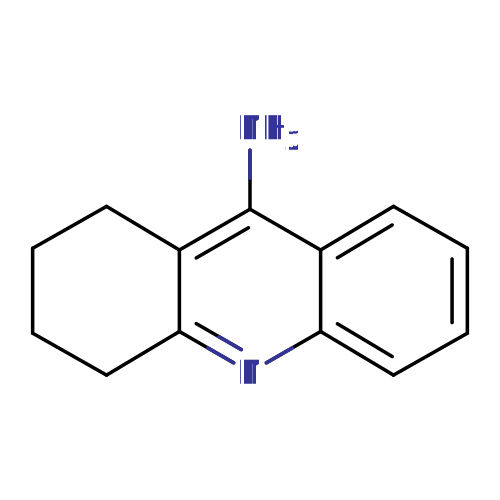
Chemical IUPAC Name 1,2,3,4-tetrahydroacridin-9-amine
Chemical Formula C13H14N2
Chemical Structure Structure
CAS Registry Number 321-64-2
InChI Identifier InChI=1/C13H14N2/c14-13-9-5-1-3-7-11(9)15-12-8-4-2-6-10(12)13/h1,3,5,7H,2,4,6,8H2,(H2,14,15)/f/h14H2
InChI Key YLJREFDVOIBQDA-YGPBECBDCL
KEGG Drug Not Available
KEGG Compound C01453 Link Image
PubChem Compound 1935 Link Image
PubChem Substance 4630 Link Image
ChEBI ID 9389 Link Image
PharmGKB ID PA451576 Link Image
HET ID 760 Link Image
GenBank ID Not Available
Drug ID Number [DIN] Not Available
RxList Link http://www.rxlist.com/cgi/generic2/tacrine.htm Link Image
PDRhealth Link Not Available
Wikipedia Link http://en.wikipedia.org/wiki/Tacrine Link Image
FDA Label Not Available
Material Safety Data Sheet (MSDS)
Synthesis Reference Not Available
Average Molecular Weight 198.2637
Monoisotopic Molecular Weight 198.1157
State Solid
Melting Point 183.5 oC
Experimental Water Solubility 217 mg/L Source: PhysProp
Predicted Water Solubility 1.36e-01 mg/mL Calculated using ALOGPS
Experimental LogP/Hydrophobicity 2.2 Source: PhysProp
Predicted LogP 3.13 Calculated using ALOGPS
Experimental LogS Not Available
Predicted LogS -3.16 Calculated using ALOGPS
Experimental Caco2 Permeability Not Available
pKa/Isoelectric Point 9.95
Mass Spectrum Not Available
MOL File Show Link Image | Download Link Image
SDF File Show Link Image | Download Link Image
PDB File Show Link Image | Download Link Image
2D Structure
3D Structure
Experimental PDB ID 1P0Q Link Image
Experimental PDB File Show
Experimental PDB Structure
Isomeric SMILES NC1=C2CCCCC2=NC2=CC=CC=C12
Canonical SMILES NC1=C2CCCCC2=NC2=CC=CC=C12
Drug Category
  • Cholinesterase Inhibitors
  • Nootropic Agents
  • Parasympathomimetics
ATC Codes
AHFS Codes Not Available
Indication For the treatment of mild to moderate dementia of the Alzheimer's type.

Pharmacology Tacrine is a parasympathomimetic, specifically, a reversible cholinesterase inhibitor. Tacrine is indicated for the treatment of mild to moderate dementia of the Alzheimer's type. Tacrine is postulated to exert its therapeutic effect by enhancing cholinergic function. This is accomplished by increasing the concentration of acetylcholine through reversible inhibition of its hydrolysis by acetylcholinesterase. If this proposed mechanism of action is correct, tacrine's effect may lessen as the disease process advances and fewer cholinergic neurons remain functionally intact. There is no evidence that tacrine alters the course of the underlying dementing process.
Mechanism of Action Tacrine acts by elevating acetylcholine concentrations in the cerebral cortex by slowing the degradation of acetylcholine released by still intact cholinergic neurons. It does so by reversibly binding acetylcholinesterase.
Absorption Tacrine is rapidly absorbed. Absolute bioavailability of tacrine is approximately 17 ± 13%.
Toxicity Overdosage with cholinesterase inhibitors can cause a cholinergic crisis characterized by severe nausea/vomiting, salivation, sweating, bradycardia, hypotension, collapse, and convulsions. Increasing muscle weakness is a possibility and may result in death if respiratory muscles are involved. The estimated median lethal dose of tacrine following a single oral dose in rats is 40 mg/kg, or approximately 12 times the maximum recommended human dose of 160 mg/day.
Protein Binding 55%
Biotransformation Hepatic. Cytochrome P450 1A2 is the principal isozyme involved in tacrine metabolism. The major metabolite, 1-hydroxy-tacrine (velnacrine), has central cholinergic activity.
Half Life 2 to 4 hours
Dosage Forms
Form Route
Capsule Oral
Patient Information Not Available
Contraindications Show Link Image
Interactions Show Link Image
Drug Interactions
Drug Interaction
Acetophenazine The therapeutic effects of the central acetylcholinesterase inhibitor (AChEI), Tacrine, and/or the anticholinergic/antipsychotic, Acetophenazine, may be reduced due to antagonism. This interaction may be beneficial when the anticholinergic action is a side effect. AChEIs may also augment the central neurotoxic effect of antipsychotics. Monitor for extrapyramidal symptoms and decreased efficacy of both agents.
Acetylcholine The acetylcholinesterase inhibitor, Tacrine, may increase the adverse/toxic effects of Acetylcholine, a cholinergic agonist. Monitor for increased cholinergic effects and toxicity.
Ambenonium The acetylcholinesterase inhibitor, Tacrine, may increase the adverse/toxic effects of Ambenonium, a cholinergic agonist. Monitor for increased cholinergic effects and toxicity.
Aminophylline Tacrine may reduce the elimination rate of Aminophylline. Monitor for changes in the therapeutic and toxic effects of theophylline if Tacrine is initiated, discontinued or if the dose is changed.
Amitriptyline The therapeutic effects of the central acetylcholinesterase inhibitor, Tacrine, and/or the anticholinergic, Amitriptyline, may be reduced due to antagonism. The interaction may be beneficial when the anticholinergic action is a side effect. Monitor for decreased efficacy of both agents.
Amlodipine The metabolism of Tacrine, a CYP1A2 substrate, may be reduced by Amlopidine, a CYP1A2 inhibitors. Monitor the efficacy and toxicity of Tacrine if Amlopidine is initiated, discontinued or if the dose is changed.
Amoxapine The therapeutic effects of the central acetylcholinesterase inhibitor, Tacrine, and/or the anticholinergic, Amoxapine, may be reduced due to antagonism. The interaction may be beneficial when the anticholinergic action is a side effect. Monitor for decreased efficacy of both agents.
Aripiprazole Tacrine, a central acetylcholinesterase inhibitor, may augment the central neurotoxic effect of antipsychotics such as Aripiprazole. Monitor for extrapyramidal symptoms.
Atropine The therapeutic effects of the central acetylcholinesterase inhibitor, Tacrine, and/or the anticholinergic, Atropine, may be reduced due to antagonism. The interaction may be beneficial when the anticholinergic action is a side effect. Monitor for decreased efficacy of both agents.
Azelastine The therapeutic effects of the central acetylcholinesterase inhibitor, Tacrine, and/or the anticholinergic, Azelastine, may be reduced due to antagonism. The interaction may be beneficial when the anticholinergic action is a side effect. Monitor for decreased efficacy of both agents.
Belladona The therapeutic effects of the central acetylcholinesterase inhibitor, Tacrine, and/or the anticholinergic, Belladonna, may be reduced due to antagonism. The interaction may be beneficial when the anticholinergic action is a side effect. Monitor for decreased efficacy of both agents.
Benztropine The therapeutic effects of the central acetylcholinesterase inhibitor, Tacrine, and/or the anticholinergic, Benztropine, may be reduced due to antagonism. The interaction may be beneficial when the anticholinergic action is a side effect. Monitor for decreased efficacy of both agents.
Betamethasone Tacrine and Betamethasone may independently exacerbate muscle weakness in myasthenia gravis patients. Monitor for additive muscle weakness effects.
Bethanechol The acetylcholinesterase inhibitor, Tacrine, may increase the cholinergic effects of Bethanecol, a cholinergic agonist. Monitor for increased cholinergic effects.
Biperiden The therapeutic effects of the central acetylcholinesterase inhibitor, Tacrine, and/or the anticholinergic, Biperidin, may be reduced due to antagonism. The interaction may be beneficial when the anticholinergic action is a side effect. Monitor for decreased efficacy of both agents.
Bromodiphenhydramine The therapeutic effects of the central acetylcholinesterase inhibitor, Tacrine, and/or the anticholinergic, Bromodiphenhydramine, may be reduced due to antagonism. The interaction may be beneficial when the anticholinergic action is a side effect. Monitor for decreased efficacy of both agents.
Brompheniramine The therapeutic effects of the central acetylcholinesterase inhibitor, Tacrine, and/or the anticholinergic, Brompheniramine, may be reduced due to antagonism. The interaction may be beneficial when the anticholinergic action is a side effect. Monitor for decreased efficacy of both agents.
Carbachol The acetylcholinesterase inhibitor, Tacrine, may increase the cholinergic effects of Carbachol, a cholinergic agonist. Monitor for increased cholinergic effects.
Carbinoxamine The therapeutic effects of the central acetylcholinesterase inhibitor, Tacrine, and/or the anticholinergic, Carbinoxamine, may be reduced due to antagonism. The interaction may be beneficial when the anticholinergic action is a side effect. Monitor for decreased efficacy of both agents.
Cetirizine The therapeutic effects of the central acetylcholinesterase inhibitor, Tacrine, and/or the anticholinergic, Cetirizine, may be reduced due to antagonism. The interaction may be beneficial when the anticholinergic action is a side effect. Monitor for decreased efficacy of both agents.
Cevimeline The acetylcholinesterase inhibitor, Tacrine, may increase the adverse/toxic effects of Cevimeline, a cholinergic agonist. Monitor for increased cholinergic effects and toxicity.
Chlorpheniramine The therapeutic effects of the central acetylcholinesterase inhibitor, Tacrine, and/or the anticholinergic, Chlorpheniramine, may be reduced due to antagonism. The interaction may be beneficial when the anticholinergic action is a side effect. Monitor for decreased efficacy of both agents.
Chlorpromazine The therapeutic effects of the central acetylcholinesterase inhibitor (AChEI), Tacrine, and/or the anticholinergic/antipsychotic, Chlorpromazine, may be reduced due to antagonism. This interaction may be beneficial when the anticholinergic action is a side effect. AChEIs may also augment the central neurotoxic effect of antipsychotics. Monitor for extrapyramidal symptoms and decreased efficacy of both agents.
Cimetidine The metabolism of Tacrine, a CYP1A2 substrate, may be reduced by Cimetidine, a CYP1A2 inhibitors. Monitor the efficacy and toxicity of Tacrine if Cimetidine is initiated, discontinued or if the dose is changed.
Ciprofloxacin The metabolism of Tacrine, a CYP1A2 substrate, may be reduced by strong CYP1A2 inhibitors such as Ciprofloxacin. Consider modifying therapy to avoid Tacrine toxicity. Monitor the efficacy and toxicity of Tacrine if Ciprofloxacin is initiated, discontinued or if the dose is changed.
Clemastine The therapeutic effects of the central acetylcholinesterase inhibitor, Tacrine, and/or the anticholinergic, Clemastine, may be reduced due to antagonism. The interaction may be beneficial when the anticholinergic action is a side effect. Monitor for decreased efficacy of both agents.
Clidinium The therapeutic effects of the central acetylcholinesterase inhibitor, Tacrine, and/or the anticholinergic, Clidinium, may be reduced due to antagonism. The interaction may be beneficial when the anticholinergic action is a side effect. Monitor for decreased efficacy of both agents.
Clomipramine The therapeutic effects of the central acetylcholinesterase inhibitor, Tacrine, and/or the anticholinergic, Clomipramine, may be reduced due to antagonism. The interaction may be beneficial when the anticholinergic action is a side effect. Monitor for decreased efficacy of both agents.
Clozapine The therapeutic effects of the central acetylcholinesterase inhibitor (AChEI), Tacrine, and/or the anticholinergic/antipsychotic, Clozapine, may be reduced due to antagonism. This interaction may be beneficial when the anticholinergic action is a side effect. AChEIs may also augment the central neurotoxic effect of antipsychotics. Monitor for extrapyramidal symptoms and decreased efficacy of both agents.
Corticotropin Tacrine and Corticotropin may independently exacerbate muscle weakness in myasthenia gravis patients. Monitor for additive muscle weakness effects.
Cortisone acetate Tacrine and Cortisone may independently exacerbate muscle weakness in myasthenia gravis patients. Monitor for additive muscle weakness effects.
Cyclizine The therapeutic effects of the central acetylcholinesterase inhibitor, Tacrine, and/or the anticholinergic, Cyclizine, may be reduced due to antagonism. The interaction may be beneficial when the anticholinergic action is a side effect. Monitor for decreased efficacy of both agents.
Cyclobenzaprine The therapeutic effects of the central acetylcholinesterase inhibitor, Tacrine, and/or the anticholinergic, Cyclobenzaprine, may be reduced due to antagonism. The interaction may be beneficial when the anticholinergic action is a side effect. Monitor for decreased efficacy of both agents.
Cyclopentolate The therapeutic effects of the central acetylcholinesterase inhibitor, Tacrine, and/or the anticholinergic, Cyclopentolate, may be reduced due to antagonism. The interaction may be beneficial when the anticholinergic action is a side effect. Monitor for decreased efficacy of both agents.
Cyproheptadine The therapeutic effects of the central acetylcholinesterase inhibitor, Tacrine, and/or the anticholinergic, Cyproheptadine, may be reduced due to antagonism. The interaction may be beneficial when the anticholinergic action is a side effect. Monitor for decreased efficacy of both agents.
Darifenacin The therapeutic effects of the central acetylcholinesterase inhibitor, Tacrine, and/or the anticholinergic, Darifenacin, may be reduced due to antagonism. The interaction may be beneficial when the anticholinergic action is a side effect. Monitor for decreased efficacy of both agents.
Demecarium bromide The acetylcholinesterase inhibitor, Tacrine, may increase the adverse/toxic effects of Demcarium, a cholinergic agonist. Monitor for increased cholinergic effects and toxicity.
Desipramine The therapeutic effects of the central acetylcholinesterase inhibitor, Tacrine, and/or the anticholinergic, Desipramine, may be reduced due to antagonism. The interaction may be beneficial when the anticholinergic action is a side effect. Monitor for decreased efficacy of both agents.
Desloratadine The therapeutic effects of the central acetylcholinesterase inhibitor, Tacrine, and/or the anticholinergic, Desloratadine, may be reduced due to antagonism. The interaction may be beneficial when the anticholinergic action is a side effect. Monitor for decreased efficacy of both agents.
Dexamethasone Tacrine and Dexamethasone may independently exacerbate muscle weakness in myasthenia gravis patients. Monitor for additive muscle weakness effects.
Dexbrompheniramine The therapeutic effects of the central acetylcholinesterase inhibitor, Tacrine, and/or the anticholinergic, Dexbrompheniramine, may be reduced due to antagonism. The interaction may be beneficial when the anticholinergic action is a side effect. Monitor for decreased efficacy of both agents.
Diclofenac The metabolism of Tacrine, a CYP1A2 substrate, may be reduced by Diclofenac, a CYP1A2 inhibitors. Monitor the efficacy and toxicity of Tacrine if Diclofenac is initiated, discontinued or if the dose is changed.
Dicyclomine The therapeutic effects of the central acetylcholinesterase inhibitor, Tacrine, and/or the anticholinergic, Dicyclomine, may be reduced due to antagonism. The interaction may be beneficial when the anticholinergic action is a side effect. Monitor for decreased efficacy of both agents.
Dimenhydrinate The therapeutic effects of the central acetylcholinesterase inhibitor, Tacrine, and/or the anticholinergic, Dimenhydrinate, may be reduced due to antagonism. The interaction may be beneficial when the anticholinergic action is a side effect. Monitor for decreased efficacy of both agents.
Diphenhydramine The therapeutic effects of the central acetylcholinesterase inhibitor, Tacrine, and/or the anticholinergic, Diphenhydramine, may be reduced due to antagonism. The interaction may be beneficial when the anticholinergic action is a side effect. Monitor for decreased efficacy of both agents.
Doxepin The therapeutic effects of the central acetylcholinesterase inhibitor, Tacrine, and/or the anticholinergic, Doxepin, may be reduced due to antagonism. The interaction may be beneficial when the anticholinergic action is a side effect. Monitor for decreased efficacy of both agents.
Doxylamine The therapeutic effects of the central acetylcholinesterase inhibitor, Tacrine, and/or the anticholinergic, Doxylamine, may be reduced due to antagonism. The interaction may be beneficial when the anticholinergic action is a side effect. Monitor for decreased efficacy of both agents.
Droperidol The therapeutic effects of the central acetylcholinesterase inhibitor (AChEI), Tacrine, and/or the anticholinergic/antipsychotic, Droperidol, may be reduced due to antagonism. This interaction may be beneficial when the anticholinergic action is a side effect. AChEIs may also augment the central neurotoxic effect of antipsychotics. Monitor for extrapyramidal symptoms and decreased efficacy of both agents.
Edrophonium The acetylcholinesterase inhibitor, Tacrine, may increase the adverse/toxic effects of Edrophonium, a cholinergic agonist. Monitor for increased cholinergic effects and toxicity.
Epinastine The therapeutic effects of the central acetylcholinesterase inhibitor, Tacrine, and/or the anticholinergic, Epinastine, may be reduced due to antagonism. The interaction may be beneficial when the anticholinergic action is a side effect. Monitor for decreased efficacy of both agents.
Fexofenadine The therapeutic effects of the central acetylcholinesterase inhibitor, Tacrine, and/or the anticholinergic, Fexofenadine, may be reduced due to antagonism. The interaction may be beneficial when the anticholinergic action is a side effect. Monitor for decreased efficacy of both agents.
Flavoxate The therapeutic effects of the central acetylcholinesterase inhibitor, Tacrine, and/or the anticholinergic, Flavoxate, may be reduced due to antagonism. The interaction may be beneficial when the anticholinergic action is a side effect. Monitor for decreased efficacy of both agents.
Fludrocortisone Tacrine and Fludrocortisone may independently exacerbate muscle weakness in myasthenia gravis patients. Monitor for additive muscle weakness effects.
Fluoxetine The metabolism of Tacrine, a CYP1A2 substrate, may be reduced by Fluoxetine, a CYP1A2 inhibitors. Monitor the efficacy and toxicity of Tacrine if Fluoxetine is initiated, discontinued or if the dose is changed.
Flupenthixol The therapeutic effects of the central acetylcholinesterase inhibitor (AChEI), Tacrine, and/or the anticholinergic/antipsychotic, Flupenthixol, may be reduced due to antagonism. This interaction may be beneficial when the anticholinergic action is a side effect. AChEIs may also augment the central neurotoxic effect of antipsychotics. Monitor for extrapyramidal symptoms and decreased efficacy of both agents.
Fluphenazine The therapeutic effects of the central acetylcholinesterase inhibitor (AChEI), Tacrine, and/or the anticholinergic/antipsychotic, Fluphenazine, may be reduced due to antagonism. This interaction may be beneficial when the anticholinergic action is a side effect. AChEIs may also augment the central neurotoxic effect of antipsychotics. Monitor for extrapyramidal symptoms and decreased efficacy of both agents.
Fluvoxamine Fluvoxamine, a strong CYP1A2 inhibitor, may decrease the metabolism and clearance of Tacrine, a CYP1A2 substrate. Concomitant therapy should be avoided as it could lead to severe toxic effects such as hepatotoxicity. If concomitant therapy is used, monitor for altered efficacy and toxic effects, such as gastrointestinal and hepatic effects, of Tacrine.
Gemfibrozil The metabolism of Tacrine, a CYP1A2 substrate, may be reduced by Gemfibrozil, a CYP1A2 inhibitors. Monitor the efficacy and toxicity of Tacrine if Gemfibrozil is initiated, discontinued or if the dose is changed.
Ginkgo biloba Ginkgo biloba may cause additive/toxic cholinergic effects when administered with Tacrine. Monitor for cholinergic toxicity.
Glycopyrrolate The therapeutic effects of the central acetylcholinesterase inhibitor, Tacrine, and/or the anticholinergic, Glycopyrrolate, may be reduced due to antagonism. The interaction may be beneficial when the anticholinergic action is a side effect. Monitor for decreased efficacy of both agents.
Guanidine The acetylcholinesterase inhibitor, Tacrine, may increase the adverse/toxic effects of Guanidine, a cholinergic agonist. Monitor for increased cholinergic effects and toxicity.
Haloperidol The therapeutic effects of the central acetylcholinesterase inhibitor (AChEI), Tacrine, and/or the anticholinergic/antipsychotic, Haloperidol, may be reduced due to antagonism. This interaction may be beneficial when the anticholinergic action is a side effect. AChEIs may also augment the central neurotoxic effect of antipsychotics. Monitor for extrapyramidal symptoms and decreased efficacy of both agents.
Homatropine Methylbromide The therapeutic effects of the central acetylcholinesterase inhibitor, Tacrine, and/or the anticholinergic, Homatropine, may be reduced due to antagonism. The interaction may be beneficial when the anticholinergic action is a side effect. Monitor for decreased efficacy of both agents.
Hydrocortisone Tacrine and Hydrocortisone may independently exacerbate muscle weakness in myasthenia gravis patients. Monitor for additive muscle weakness effects.
Hydroxyzine The therapeutic effects of the central acetylcholinesterase inhibitor, Tacrine, and/or the anticholinergic, Hydroxyzine, may be reduced due to antagonism. The interaction may be beneficial when the anticholinergic action is a side effect. Monitor for decreased efficacy of both agents.
Hyoscyamine The therapeutic effects of the central acetylcholinesterase inhibitor, Tacrine, and/or the anticholinergic, Hyoscyamine, may be reduced due to antagonism. The interaction may be beneficial when the anticholinergic action is a side effect. Monitor for decreased efficacy of both agents.
Imipramine The therapeutic effects of the central acetylcholinesterase inhibitor, Tacrine, and/or the anticholinergic, Imipramine, may be reduced due to antagonism. The interaction may be beneficial when the anticholinergic action is a side effect. Monitor for decreased efficacy of both agents.
Ipratropium The therapeutic effects of the central acetylcholinesterase inhibitor, Tacrine, and/or the anticholinergic, Ipratropium, may be reduced due to antagonism. The interaction may be beneficial when the anticholinergic action is a side effect. Monitor for decreased efficacy of both agents.
Isocarboxazid The therapeutic effects of the central acetylcholinesterase inhibitor, Tacrine, and/or the anticholinergic, Isocarboxazid, may be reduced due to antagonism. The interaction may be beneficial when the anticholinergic action is a side effect. Monitor for decreased efficacy of both agents.
Ketoconazole The metabolism of Tacrine, a CYP1A2 substrate, may be reduced by strong CYP1A2 inhibitors such as Ketoconazole. Consider modifying therapy to avoid Tacrine toxicity. Monitor the efficacy and toxicity of Tacrine if Ketoconazole is initiated, discontinued or if the dose is changed.
Ketotifen The therapeutic effects of the central acetylcholinesterase inhibitor, Tacrine, and/or the anticholinergic, Ketotifen, may be reduced due to antagonism. The interaction may be beneficial when the anticholinergic action is a side effect. Monitor for decreased efficacy of both agents.
Levocabastine The therapeutic effects of the central acetylcholinesterase inhibitor, Tacrine, and/or the anticholinergic, Levocabastine, may be reduced due to antagonism. The interaction may be beneficial when the anticholinergic action is a side effect. Monitor for decreased efficacy of both agents.
Levocetirizine The therapeutic effects of the central acetylcholinesterase inhibitor, Tacrine, and/or the anticholinergic, Levocetirizine, may be reduced due to antagonism. The interaction may be beneficial when the anticholinergic action is a side effect. Monitor for decreased efficacy of both agents.
Lidocaine The metabolism of Tacrine, a CYP1A2 substrate, may be reduced by strong CYP1A2 inhibitors such as Lidocaine. Consider modifying therapy to avoid Tacrine toxicity. Monitor the efficacy and toxicity of Tacrine if Lidocaine is initiated, discontinued or if the dose is changed.
Loratadine The therapeutic effects of the central acetylcholinesterase inhibitor, Tacrine, and/or the anticholinergic, Loratadine, may be reduced due to antagonism. The interaction may be beneficial when the anticholinergic action is a side effect. Monitor for decreased efficacy of both agents.
Loxapine The therapeutic effects of the central acetylcholinesterase inhibitor (AChEI), Tacrine, and/or the anticholinergic/antipsychotic, Loxapine, may be reduced due to antagonism. This interaction may be beneficial when the anticholinergic action is a side effect. AChEIs may also augment the central neurotoxic effect of antipsychotics. Monitor for extrapyramidal symptoms and decreased efficacy of both agents.
Maprotiline The therapeutic effects of the central acetylcholinesterase inhibitor, Tacrine, and/or the anticholinergic, Maprotiline, may be reduced due to antagonism. The interaction may be beneficial when the anticholinergic action is a side effect. Monitor for decreased efficacy of both agents.
Meclizine The therapeutic effects of the central acetylcholinesterase inhibitor, Tacrine, and/or the anticholinergic, Meclizine, may be reduced due to antagonism. The interaction may be beneficial when the anticholinergic action is a side effect. Monitor for decreased efficacy of both agents.
Mepenzolate The therapeutic effects of the central acetylcholinesterase inhibitor, Tacrine, and/or the anticholinergic, Mepenzolate, may be reduced due to antagonism. The interaction may be beneficial when the anticholinergic action is a side effect. Monitor for decreased efficacy of both agents.
Mesoridazine The therapeutic effects of the central acetylcholinesterase inhibitor (AChEI), Tacrine, and/or the anticholinergic/antipsychotic, Mesoridazine, may be reduced due to antagonism. This interaction may be beneficial when the anticholinergic action is a side effect. AChEIs may also augment the central neurotoxic effect of antipsychotics. Monitor for extrapyramidal symptoms and decreased efficacy of both agents.
Methantheline The therapeutic effects of the central acetylcholinesterase inhibitor, Tacrine, and/or the anticholinergic, Methantheline, may be reduced due to antagonism. The interaction may be beneficial when the anticholinergic action is a side effect. Monitor for decreased efficacy of both agents.
Methoxsalen The metabolism of Tacrine, a CYP1A2 substrate, may be reduced by strong CYP1A2 inhibitors such as Methoxsalen. Consider modifying therapy to avoid Tacrine toxicity. Monitor the efficacy and toxicity of Tacrine if Methoxsalen is initiated, discontinued or if the dose is changed.
Methylprednisolone Tacrine and Methylprednisolone may independently exacerbate muscle weakness in myasthenia gravis patients. Monitor for additive muscle weakness effects.
Methylscopolamine The therapeutic effects of the central acetylcholinesterase inhibitor, Tacrine, and/or the anticholinergic, Methylscopolamine, may be reduced due to antagonism. The interaction may be beneficial when the anticholinergic action is a side effect. Monitor for decreased efficacy of both agents.
Mexiletine The metabolism of Tacrine, a CYP1A2 substrate, may be reduced by strong CYP1A2 inhibitors such as Mexiletine. Consider modifying therapy to avoid Tacrine toxicity. Monitor the efficacy and toxicity of Tacrine if Mexiletine is initiated, discontinued or if the dose is changed.
Miconazole The metabolism of Tacrine, a CYP1A2 substrate, may be reduced by Miconazole, a CYP1A2 inhibitors. Monitor the efficacy and toxicity of Tacrine if Miconazole is initiated, discontinued or if the dose is changed.
Moclobemide The therapeutic effects of the central acetylcholinesterase inhibitor, Tacrine, and/or the anticholinergic, Moclobemide, may be reduced due to antagonism. The interaction may be beneficial when the anticholinergic action is a side effect. Monitor for decreased efficacy of both agents.
Molindone The therapeutic effects of the central acetylcholinesterase inhibitor (AChEI), Tacrine, and/or the anticholinergic/antipsychotic, Molindone, may be reduced due to antagonism. This interaction may be beneficial when the anticholinergic action is a side effect. AChEIs may also augment the central neurotoxic effect of antipsychotics. Monitor for extrapyramidal symptoms and decreased efficacy of both agents.
Nifedipine The metabolism of Tacrine, a CYP1A2 substrate, may be reduced by Nifedipine, a CYP1A2 inhibitors. Monitor the efficacy and toxicity of Tacrine if Nifedipine is initiated, discontinued or if the dose is changed.
Norfloxacin The metabolism of Tacrine, a CYP1A2 substrate, may be reduced by strong CYP1A2 inhibitors such as Norfloxacin. Consider modifying therapy to avoid Tacrine toxicity. Monitor the efficacy and toxicity of Tacrine if Norfloxacin is initiated, discontinued or if the dose is changed.
Nortriptyline The therapeutic effects of the central acetylcholinesterase inhibitor, Tacrine, and/or the anticholinergic, Nortriptyline, may be reduced due to antagonism. The interaction may be beneficial when the anticholinergic action is a side effect. Monitor for decreased efficacy of both agents.
Ofloxacin The metabolism of Tacrine, a CYP1A2 substrate, may be reduced by strong CYP1A2 inhibitors such as Ofloxacin. Consider modifying therapy to avoid Tacrine toxicity. Monitor the efficacy and toxicity of Tacrine if Ofloxacin is initiated, discontinued or if the dose is changed.
Olanzapine The therapeutic effects of the central acetylcholinesterase inhibitor (AChEI), Tacrine, and/or the anticholinergic/antipsychotic, Olanzapine, may be reduced due to antagonism. This interaction may be beneficial when the anticholinergic action is a side effect. AChEIs may also augment the central neurotoxic effect of antipsychotics. Monitor for extrapyramidal symptoms and decreased efficacy of both agents.
Olopatadine The therapeutic effects of the central acetylcholinesterase inhibitor, Tacrine, and/or the anticholinergic, Olopatadine, may be reduced due to antagonism. The interaction may be beneficial when the anticholinergic action is a side effect. Monitor for decreased efficacy of both agents.
Orphenadrine The therapeutic effects of the central acetylcholinesterase inhibitor, Tacrine, and/or the anticholinergic, Orphenadrine, may be reduced due to antagonism. The interaction may be beneficial when the anticholinergic action is a side effect. Monitor for decreased efficacy of both agents.
Oxybutynin The therapeutic effects of the central acetylcholinesterase inhibitor, Tacrine, and/or the anticholinergic, Oxybutynin, may be reduced due to antagonism. The interaction may be beneficial when the anticholinergic action is a side effect. Monitor for decreased efficacy of both agents.
Paliperidone Tacrine, a central acetylcholinesterase inhibitor, may augment the central neurotoxic effect of antipsychotics such as Paliperidone. Monitor for extrapyramidal symptoms.
Perphenazine The therapeutic effects of the central acetylcholinesterase inhibitor (AChEI), Tacrine, and/or the anticholinergic/antipsychotic, Perphenazine, may be reduced due to antagonism. This interaction may be beneficial when the anticholinergic action is a side effect. AChEIs may also augment the central neurotoxic effect of antipsychotics. Monitor for extrapyramidal symptoms and decreased efficacy of both agents.
Phenelzine The therapeutic effects of the central acetylcholinesterase inhibitor, Tacrine, and/or the anticholinergic, Phenelzine, may be reduced due to antagonism. The interaction may be beneficial when the anticholinergic action is a side effect. Monitor for decreased efficacy of both agents.
Phenindamine The therapeutic effects of the central acetylcholinesterase inhibitor, Tacrine, and/or the anticholinergic, Phenindamine, may be reduced due to antagonism. The interaction may be beneficial when the anticholinergic action is a side effect. Monitor for decreased efficacy of both agents.
Pilocarpine The acetylcholinesterase inhibitor, Tacrine, may increase the adverse/toxic effects of Pilocarpine, a cholinergic agonist. Monitor for increased cholinergic effects and toxicity.
Pimozide The therapeutic effects of the central acetylcholinesterase inhibitor (AChEI), Tacrine, and/or the anticholinergic/antipsychotic, Pimozide, may be reduced due to antagonism. This interaction may be beneficial when the anticholinergic action is a side effect. AChEIs may also augment the central neurotoxic effect of antipsychotics. Monitor for extrapyramidal symptoms and decreased efficacy of both agents.
Pizotifen The therapeutic effects of the central acetylcholinesterase inhibitor, Tacrine, and/or the anticholinergic, Pizotifen, may be reduced due to antagonism. The interaction may be beneficial when the anticholinergic action is a side effect. Monitor for decreased efficacy of both agents.
Prednisolone Tacrine and Prednisolone may independently exacerbate muscle weakness in myasthenia gravis patients. Monitor for additive muscle weakness effects.
Prednisone Tacrine and Prednisone may independently exacerbate muscle weakness in myasthenia gravis patients. Monitor for additive muscle weakness effects.
Primaquine The metabolism of Tacrine, a CYP1A2 substrate, may be reduced by strong CYP1A2 inhibitors such as Primaquine. Consider modifying therapy to avoid Tacrine toxicity. Monitor the efficacy and toxicity of Tacrine if Primaquine is initiated, discontinued or if the dose is changed.
Prochlorperazine The therapeutic effects of the central acetylcholinesterase inhibitor (AChEI), Tacrine, and/or the anticholinergic/antipsychotic, Prochlorperazine, may be reduced due to antagonism. This interaction may be beneficial when the anticholinergic action is a side effect. AChEIs may also augment the central neurotoxic effect of antipsychotics. Monitor for extrapyramidal symptoms and decreased efficacy of both agents.
Procyclidine The therapeutic effects of the central acetylcholinesterase inhibitor, Tacrine, and/or the anticholinergic, Procyclidine, may be reduced due to antagonism. The interaction may be beneficial when the anticholinergic action is a side effect. Monitor for decreased efficacy of both agents.
Promethazine The therapeutic effects of the central acetylcholinesterase inhibitor, Tacrine, and/or the anticholinergic, Promethazine, may be reduced due to antagonism. The interaction may be beneficial when the anticholinergic action is a side effect. Monitor for decreased efficacy of both agents.
Propantheline The therapeutic effects of the central acetylcholinesterase inhibitor, Tacrine, and/or the anticholinergic, Propantheline, may be reduced due to antagonism. The interaction may be beneficial when the anticholinergic action is a side effect. Monitor for decreased efficacy of both agents.
Propofol The metabolism of Tacrine, a CYP1A2 substrate, may be reduced by Propofol, a CYP1A2 inhibitors. Monitor the efficacy and toxicity of Tacrine if Propofol is initiated, discontinued or if the dose is changed.
Protriptyline The therapeutic effects of the central acetylcholinesterase inhibitor, Tacrine, and/or the anticholinergic, Protriptyline, may be reduced due to antagonism. The interaction may be beneficial when the anticholinergic action is a side effect. Monitor for decreased efficacy of both agents.
Quetiapine The therapeutic effects of the central acetylcholinesterase inhibitor (AChEI), Tacrine, and/or the anticholinergic/antipsychotic, Quetiapine, may be reduced due to antagonism. This interaction may be beneficial when the anticholinergic action is a side effect. AChEIs may also augment the central neurotoxic effect of antipsychotics. Monitor for extrapyramidal symptoms and decreased efficacy of both agents.
Risperidone The therapeutic effects of the central acetylcholinesterase inhibitor (AChEI), Tacrine, and/or the anticholinergic/antipsychotic, Risperidone, may be reduced due to antagonism. This interaction may be beneficial when the anticholinergic action is a side effect. AChEIs may also augment the central neurotoxic effect of antipsychotics. Monitor for extrapyramidal symptoms and decreased efficacy of both agents.
Scopolamine The therapeutic effects of the central acetylcholinesterase inhibitor, Tacrine, and/or the anticholinergic, Scopolamine, may be reduced due to antagonism. The interaction may be beneficial when the anticholinergic action is a side effect. Monitor for decreased efficacy of both agents.
Solifenacin The therapeutic effects of the central acetylcholinesterase inhibitor, Tacrine, and/or the anticholinergic, Solifenacin, may be reduced due to antagonism. The interaction may be beneficial when the anticholinergic action is a side effect. Monitor for decreased efficacy of both agents.
Succinylcholine Tacrine may increase the effects of Succinylcholine. Monitor Succinylcholine therapy for increased effects.
Theophylline Tacrine may reduce the elimination rate of Theophylline. Monitor for changes in the therapeutic and toxic effects of theophylline if Tacrine is initiated, discontinued or if the dose is changed.
Thiabendazole The metabolism of Tacrine, a CYP1A2 substrate, may be reduced by strong CYP1A2 inhibitors such as Thiabendazole. Consider modifying therapy to avoid Tacrine toxicity. Monitor the efficacy and toxicity of Tacrine if Thiabendazole is initiated, discontinued or if the dose is changed.
Thioridazine The therapeutic effects of the central acetylcholinesterase inhibitor (AChEI), Tacrine, and/or the anticholinergic/antipsychotic, Thioridazine, may be reduced due to antagonism. This interaction may be beneficial when the anticholinergic action is a side effect. AChEIs may also augment the central neurotoxic effect of antipsychotics. Monitor for extrapyramidal symptoms and decreased efficacy of both agents.
Thiothixene The therapeutic effects of the central acetylcholinesterase inhibitor (AChEI), Tacrine, and/or the anticholinergic/antipsychotic, Thiothixene, may be reduced due to antagonism. This interaction may be beneficial when the anticholinergic action is a side effect. AChEIs may also augment the central neurotoxic effect of antipsychotics. Monitor for extrapyramidal symptoms and decreased efficacy of both agents.
Tiotropium The therapeutic effects of the central acetylcholinesterase inhibitor, Tacrine, and/or the anticholinergic, Tiotropium, may be reduced due to antagonism. The interaction may be beneficial when the anticholinergic action is a side effect. Monitor for decreased efficacy of both agents.
Tolterodine The therapeutic effects of the central acetylcholinesterase inhibitor, Tacrine, and/or the anticholinergic, Tolterodine, may be reduced due to antagonism. The interaction may be beneficial when the anticholinergic action is a side effect. Monitor for decreased efficacy of both agents.
Tranylcypromine The metabolism of Tacrine, a CYP1A2 substrate, may be reduced by Tranylcypromine, a CYP1A2 inhibitors. Monitor the efficacy and toxicity of Tacrine if Tranylcypromine is initiated, discontinued or if the dose is changed.
Tranylcypromine The therapeutic effects of the central acetylcholinesterase inhibitor, Tacrine, and/or the anticholinergic, Tranylcypromine, may be reduced due to antagonism. The interaction may be beneficial when the anticholinergic action is a side effect. Monitor for decreased efficacy of both agents.
Triamcinolone Tacrine and Triamcinolone may independently exacerbate muscle weakness in myasthenia gravis patients. Monitor for additive muscle weakness effects.
Trifluoperazine The therapeutic effects of the central acetylcholinesterase inhibitor (AChEI), Tacrine, and/or the anticholinergic/antipsychotic, Trifluoperazine, may be reduced due to antagonism. This interaction may be beneficial when the anticholinergic action is a side effect. AChEIs may also augment the central neurotoxic effect of antipsychotics. Monitor for extrapyramidal symptoms and decreased efficacy of both agents.
Trihexyphenidyl The therapeutic effects of the central acetylcholinesterase inhibitor, Tacrine, and/or the anticholinergic, Trihexyphenidyl, may be reduced due to antagonism. The interaction may be beneficial when the anticholinergic action is a side effect. Monitor for decreased efficacy of both agents.
Trimeprazine The therapeutic effects of the central acetylcholinesterase inhibitor, Tacrine, and/or the anticholinergic, Trimeprazine, may be reduced due to antagonism. The interaction may be beneficial when the anticholinergic action is a side effect. Monitor for decreased efficacy of both agents.
Trimethobenzamide The therapeutic effects of the central acetylcholinesterase inhibitor, Tacrine, and/or the anticholinergic, Trimethobenzamide, may be reduced due to antagonism. The interaction may be beneficial when the anticholinergic action is a side effect. Monitor for decreased efficacy of both agents.
Trimipramine The therapeutic effects of the central acetylcholinesterase inhibitor, Tacrine, and/or the anticholinergic, Trimipramine, may be reduced due to antagonism. The interaction may be beneficial when the anticholinergic action is a side effect. Monitor for decreased efficacy of both agents.
Triprolidine The therapeutic effects of the central acetylcholinesterase inhibitor, Tacrine, and/or the anticholinergic, Triprolidine, may be reduced due to antagonism. The interaction may be beneficial when the anticholinergic action is a side effect. Monitor for decreased efficacy of both agents.
Trospium The therapeutic effects of the central acetylcholinesterase inhibitor, Tacrine, and/or the anticholinergic, Trospium, may be reduced due to antagonism. The interaction may be beneficial when the anticholinergic action is a side effect. Monitor for decreased efficacy of both agents.
Ziprasidone Tacrine, a central acetylcholinesterase inhibitor, may augment the central neurotoxic effect of antipsychotics such as Ziprasidone. Monitor for extrapyramidal symptoms.
Zuclopenthixol The therapeutic effects of the central acetylcholinesterase inhibitor (AChEI), Tacrine, and/or the anticholinergic/antipsychotic, Zuclopenthixol, may be reduced due to antagonism. This interaction may be beneficial when the anticholinergic action is a side effect. AChEIs may also augment the central neurotoxic effect of antipsychotics. Monitor for extrapyramidal symptoms and decreased efficacy of both agents.
Food Interactions Not Available
Pathways Not Available
General References
  1. Qizilbash N, Whitehead A, Higgins J, Wilcock G, Schneider L, Farlow M: Cholinesterase inhibition for Alzheimer disease: a meta-analysis of the tacrine trials. Dementia Trialists' Collaboration. JAMA. 1998 Nov 25;280(20):1777-82. [PubMed Link Image]
  2. Drugs.com Link Image
  3. Wikipedia Link Image
  4. RxList Link Image
Organisms Affected
  • Humans and other mammals
Phase 1 Metabolizing Enzymes
  1. Cytochrome P450 1A2 (CYP1A2)
Targets
  1. Acetylcholinesterase
Phase 1 Metabolizing Enzyme 1 [top]
Enzyme 1 Name Cytochrome P450 1A2 (CYP1A2)
Enzyme 1 Gene Name CYP1A2
Enzyme 1 SwissProt ID P05177 Link Image
Enzyme 1 SNPs SNPJam Report Link Image
Enzyme 1 Protein Sequence >P05177|CP1A2_HUMAN Cytochrome P450 1A2 - Homo sapiens (Human).
MALSQSVPFSATELLLASAIFCLVFWVLKGLRPRVPKGLKSPPEPWGWPLLGHVLTLGKN
PHLALSRMSQRYGDVLQIRIGSTPVLVLSRLDTIRQALVRQGDDFKGRPDLYTSTLITDG
QSLTFSTDSGPVWAARRRLAQNALNTFSIASDPASSSSCYLEEHVSKEAKALISRLQELM
AGPGHFDPYNQVVVSVANVIGAMCFGQHFPESSDEMLSLVKNTHEFVETASSGNPLDFFP
ILRYLPNPALQRFKAFNQRFLWFLQKTVQEHYQDFDKNSVRDITGALFKHSKKGPRASGN
LIPQEKIVNLVNDIFGAGFDTVTTAISWSLMYLVTKPEIQRKIQKELDTVIGRERRPRLS
DRPQLPYLEAFILETFRHSSFLPFTIPHSTTRDTTLNGFYIPKKCCVFVNQWQVNHDPEL
WEDPSEFRPERFLTADGTAINKPLSEKMMLFGMGKRRCIGEVLAKWEIFLFLAILLQQLE
FSVPPGVKVDLTPIYGLTMKHARCEHVQARRFSIN
Drug Target 1 [top]
Target 1 ID 474
Target 1 Name Acetylcholinesterase
Target 1 Synonyms
  1. AChE
  2. Acetylcholinesterase precursor
  3. EC 3.1.1.7
Target 1 Gene Name ACHE
Target 1 Protein Sequence >Acetylcholinesterase precursor
MRPPQCLLHTPSLASPLLLLLLWLLGGGVGAEGREDAELLVTVRGGRLRGIRLKTPGGPV
SAFLGIPFAEPPMGPRRFLPPEPKQPWSGVVDATTFQSVCYQYVDTLYPGFEGTEMWNPN
RELSEDCLYLNVWTPYPRPTSPTPVLVWIYGGGFYSGASSLDVYDGRFLVQAERTVLVSM
NYRVGAFGFLALPGSREAPGNVGLLDQRLALQWVQENVAAFGGDPTSVTLFGESAGAASV
GMHLLSPPSRGLFHRAVLQSGAPNGPWATVGMGEARRRATQLAHLVGCPPGGTGGNDTEL
VACLRTRPAQVLVNHEWHVLPQESVFRFSFVPVVDGDFLSDTPEALINAGDFHGLQVLVG
VVKDEGSYFLVYGAPGFSKDNESLISRAEFLAGVRVGVPQVSDLAAEAVVLHYTDWLHPE
DPARLREALSDVVGDHNVVCPVAQLAGRLAAQGARVYAYVFEHRASTLSWPLWMGVPHGY
EIEFIFGIPLDPSRNYTAEEKIFAQRLMRYWANFARTGDPNEPRDPKAPQWPPYTAGAQQ
YVSLDLRPLEVRRGLRAQACAFWNRFLPKLLSATDTLDEAERQWKAEFHRWSSYMVHWKN
QFDHYSKQDRCSDL
Target 1 Number of Residues 624
Target 1 Molecular Weight 67797
Target 1 Theoretical pI 6.24
Target 1 GO Classification
Function
catalytic activity
hydrolase activity
hydrolase activity, acting on ester bonds
carboxylic ester hydrolase activity
cholinesterase activity
Process
Not Available
Component
Not Available
Target 1 General Function Lipid transport and metabolism
Target 1 Specific Function Rapidly hydrolyzes choline released into the synapse
Target 1 Pathways
Name SMPDB Link KEGG Link
Glycerophospholipid metabolism map00564 Link Image
Target 1 Reactions
  • acetylcholine + H2O = choline + acetate
Target 1 Pfam Domain Function
Target 1 Signals
  • 1-31
Target 1 Transmembrane Regions
  • None
Target 1 Essentiality Non-Essential
Target 1 GenBank ID Protein 177975 Link Image
Target 1 UniProtKB/Swiss-Prot ID P22303 Link Image
Target 1 UniProtKB/Swiss-Prot Entry Name ACES_HUMAN Link Image
Target 1 PDB ID 1F8U Link Image
Target 1 PDB File Show
Target 1 3D Structure
Target 1 Cellular Location
  • Cytoplasmic
Target 1 Gene Sequence >1845 bp
ATGAGGCCCCCGCAGTGTCTGCTGCACACGCCTTCCCTGGCTTCCCCACTCCTTCTCCTC
CTCCTCTGGCTCCTGGGTGGAGGAGTGGGGGCTGAGGGCCGGGAGGATGCAGAGCTGCTG
GTGACGGTGCGTGGGGGCCGGCTGCGGGGCATTCGCCTGAAGACCCCCGGGGGCCCTGTC
TCTGCTTTCCTGGGCATCCCCTTTGCGGAGCCACCCATGGGACCCCGTCGCTTTCTGCCA
CCGGAGCCCAAGCAGCCTTGGTCAGGGGTGGTAGACGCTACAACCTTCCAGAGTGTCTGC
TACCAATATGTGGACACCCTATACCCAGGTTTTGAGGGCACCGAGATGTGGAACCCCAAC
CGTGAGCTGAGCGAGGACTGCCTGTACCTCAACGTGTGGACACCATACCCCCGGCCTACA
TCCCCCACCCCTGTCCTCGTCTGGATCTATGGGGGTGGCTTCTACAGTGGGGCCTCCTCC
TTGGACGTGTACGATGGCCGCTTCTTGGTACAGGCCGAGAGGACTGTGCTGGTGTCCATG
AACTACCGGGTGGGAGCCTTTGGCTTCCTGGCCCTGCCGGGGAGCCGAGAGGCCCCGGGC
AATGTGGGTCTCCTGGATCAGAGGCTGGCCCTGCAGTGGGTGCAGGAGAACGTGGCAGCC
TTCGGGGGTGACCCGACATCAGTGACGCTGTTTGGGGAGAGCGCGGGAGCCGCCTCGGTG
GGCATGCACCTGCTGTCCCCGCCCAGCCGGGGCCTGTTCCACAGGGCCGTGCTGCAGAGC
GGTGCCCCCAATGGACCCTGGGCCACGGTGGGCATGGGAGAGGCCCGTCGCAGGGCCACG
CAGCTGGCCCACCTTGTGGGCTGTCCTCCAGGCGGCACTGGTGGGAATGACACAGAGCTG
GTAGCCTGCCTTCGGACACGACCAGCGCAGGTCCTGGTGAACCACGAATGGCACGTGCTG
CCTCAAGAAAGCGTCTTCCGGTTCTCCTTCGTGCCTGTGGTAGATGGAGACTTCCTCAGT
GACACCCCAGAGGCCCTCATCAACGCGGGAGACTTCCACGGCCTGCAGGTGCTGGTGGGT
GTGGTGAAGGATGAGGGCTCGTATTTTCTGGTTTACGGGGCCCCAGGCTTCAGCAAAGAC
AACGAGTCTCTCATCAGCCGGGCCGAGTTCCTGGCCGGGGTGCGGGTCGGGGTTCCCCAG
GTAAGTGACCTGGCAGCCGAGGCTGTGGTCCTGCATTACACAGACTGGCTGCATCCCGAG
GACCCGGCACGCCTGAGGGAGGCCCTGAGCGATGTGGTGGGCGACCACAATGTCGTGTGC
CCCGTGGCCCAGCTGGCTGGGCGACTGGCTGCCCAGGGTGCCCGGGTCTACGCCTACGTC
TTTGAACACCGTGCTTCCACGCTCTCCTGGCCCCTGTGGATGGGGGTGCCCCACGGCTAC
GAGATCGAGTTCATCTTTGGGATCCCCCTGGACCCCTCTCGAAACTACACGGCAGAGGAG
AAAATCTTCGCCCAGCGACTGATGCGATACTGGGCCAACTTTGCCCGCACAGGGGATCCC
AATGAGCCCCGAGACCCCAAGGCCCCACAATGGCCCCCGTACACGGCGGGGGCTCAGCAG
TACGTTAGTCTGGACCTGCGGCCGCTGGAGGTGCGGCGGGGGCTGCGCGCCCAGGCCTGC
GCCTTCTGGAACCGCTTCCTCCCCAAATTGCTCAGCGCCACCGACACGCTCGACGAGGCG
GAGCGCCAGTGGAAGGCCGAGTTCCACCGCTGGAGCTCCTACATGGTGCACTGGAAGAAC
CAGTTCGACCACTACAGCAAGCAGGATCGCTGCTCAGACCTGTGA
Target 1 GenBank Gene ID
Target 1 GeneCard ID ACHE Link Image
Target 1 GenAtlas ID ACHE Link Image
Target 1 HGNC ID HGNC:108 Link Image
Target 1 Chromosome Location 7
Target 1 Locus 7q22
Target 1 SNPs SNPJam Report Link Image
Target 1 General References
  1. Kryger G, Harel M, Giles K, Toker L, Velan B, Lazar A, Kronman C, Barak D, Ariel N, Shafferman A, Silman I, Sussman JL: Structures of recombinant native and E202Q mutant human acetylcholinesterase complexed with the snake-venom toxin fasciculin-II. Acta Crystallogr D Biol Crystallogr. 2000 Nov;56(Pt 11):1385-94. [PubMed Link Image]
  2. Wilson MD, Riemer C, Martindale DW, Schnupf P, Boright AP, Cheung TL, Hardy DM, Schwartz S, Scherer SW, Tsui LC, Miller W, Koop BF: Comparative analysis of the gene-dense ACHE/TFR2 region on human chromosome 7q22 with the orthologous region on mouse chromosome 5. Nucleic Acids Res. 2001 Mar 15;29(6):1352-65. [PubMed Link Image]
  3. Hillier LW, Fulton RS, Fulton LA, Graves TA, Pepin KH, Wagner-McPherson C, Layman D, Maas J, Jaeger S, Walker R, Wylie K, Sekhon M, Becker MC, O'Laughlin MD, Schaller ME, Fewell GA, Delehaunty KD, Miner TL, Nash WE, Cordes M, Du H, Sun H, Edwards J, Bradshaw-Cordum H, Ali J, Andrews S, Isak A, Vanbrunt A, Nguyen C, Du F, Lamar B, Courtney L, Kalicki J, Ozersky P, Bielicki L, Scott K, Holmes A, Harkins R, Harris A, Strong CM, Hou S, Tomlinson C, Dauphin-Kohlberg S, Kozlowicz-Reilly A, Leonard S, Rohlfing T, Rock SM, Tin-Wollam AM, Abbott A, Minx P, Maupin R, Strowmatt C, Latreille P, Miller N, Johnson D, Murray J, Woessner JP, Wendl MC, Yang SP, Schultz BR, Wallis JW, Spieth J, Bieri TA, Nelson JO, Berkowicz N, Wohldmann PE, Cook LL, Hickenbotham MT, Eldred J, Williams D, Bedell JA, Mardis ER, Clifton SW, Chissoe SL, Marra MA, Raymond C, Haugen E, Gillett W, Zhou Y, James R, Phelps K, Iadanoto S, Bubb K, Simms E, Levy R, Clendenning J, Kaul R, Kent WJ, Furey TS, Baertsch RA, Brent MR, Keibler E, Flicek P, Bork P, Suyama M, Bailey JA, Portnoy ME, Torrents D, Chinwalla AT, Gish WR, Eddy SR, McPherson JD, Olson MV, Eichler EE, Green ED, Waterston RH, Wilson RK: The DNA sequence of human chromosome 7. Nature. 2003 Jul 10;424(6945):157-64. [PubMed Link Image]
  4. Shafferman A, Kronman C, Flashner Y, Leitner M, Grosfeld H, Ordentlich A, Gozes Y, Cohen S, Ariel N, Barak D, et al.: Mutagenesis of human acetylcholinesterase. Identification of residues involved in catalytic activity and in polypeptide folding. J Biol Chem. 1992 Sep 5;267(25):17640-8. [PubMed Link Image]
  5. Velan B, Grosfeld H, Kronman C, Leitner M, Gozes Y, Lazar A, Flashner Y, Marcus D, Cohen S, Shafferman A: The effect of elimination of intersubunit disulfide bonds on the activity, assembly, and secretion of recombinant human acetylcholinesterase. Expression of acetylcholinesterase Cys-580----Ala mutant. J Biol Chem. 1991 Dec 15;266(35):23977-84. [PubMed Link Image]
  6. Soreq H, Ben-Aziz R, Prody CA, Seidman S, Gnatt A, Neville L, Lieman-Hurwitz J, Lev-Lehman E, Ginzberg D, Lipidot-Lifson Y, et al.: Molecular cloning and construction of the coding region for human acetylcholinesterase reveals a G + C-rich attenuating structure. Proc Natl Acad Sci U S A. 1990 Dec;87(24):9688-92. [PubMed Link Image]
  7. Chhajlani V, Derr D, Earles B, Schmell E, August T: Purification and partial amino acid sequence analysis of human erythrocyte acetylcholinesterase. FEBS Lett. 1989 Apr 24;247(2):279-82. [PubMed Link Image]
  8. Karpel R, Ben Aziz-Aloya R, Sternfeld M, Ehrlich G, Ginzberg D, Tarroni P, Clementi F, Zakut H, Soreq H: Expression of three alternative acetylcholinesterase messenger RNAs in human tumor cell lines of different tissue origins. Exp Cell Res. 1994 Feb;210(2):268-77. [PubMed Link Image]
  9. Bartels CF, Zelinski T, Lockridge O: Mutation at codon 322 in the human acetylcholinesterase (ACHE) gene accounts for YT blood group polymorphism. Am J Hum Genet. 1993 May;52(5):928-36. [PubMed Link Image]
  10. Felder CE, Botti SA, Lifson S, Silman I, Sussman JL: External and internal electrostatic potentials of cholinesterase models. J Mol Graph Model. 1997 Oct;15(5):318-27, 335-7. [PubMed Link Image]
Target 1 Drug References
  1. Davis KL: Alzheimer's disease: seeking new ways to preserve brain function. Interview by Alice V. Luddington. Geriatrics. 1999 Feb;54(2):42-7; quiz 48. [PubMed Link Image]
  2. Wang H, Carlier PR, Ho WL, Wu DC, Lee NT, Li CP, Pang YP, Han YF: Effects of bis(7)-tacrine, a novel anti-Alzheimer's agent, on rat brain AChE. Neuroreport. 1999 Mar 17;10(4):789-93. [PubMed Link Image]
  3. Traykov L, Tavitian B, Jobert A, Boller F, Forette F, Crouzel C, Di Giamberardino L, Pappata S: In vivo PET study of cerebral [11C] methyl- tetrahydroaminoacridine distribution and kinetics in healthy human subjects. Eur J Neurol. 1999 May;6(3):273-8. [PubMed Link Image]
  4. Wang H, Tang XC: Anticholinesterase effects of huperzine A, E2020, and tacrine in rats. Zhongguo Yao Li Xue Bao. 1998 Jan;19(1):27-30. [PubMed Link Image]
  5. Kosasa T, Kuriya Y, Matsui K, Yamanishi Y: Effect of donepezil hydrochloride (E2020) on basal concentration of extracellular acetylcholine in the hippocampus of rats. Eur J Pharmacol. 1999 Sep 10;380(2-3):101-7. [PubMed Link Image]
  6. Chen X, Ji ZL, Chen YZ: TTD: Therapeutic Target Database. Nucleic Acids Res. 2002 Jan 1;30(1):412-5. [PubMed Link Image]

This project is supported by Genome Alberta & Genome Canada, a not-for-profit organization that is leading Canada's national genomics strategy with $600 million in funding from the federal government. This project is also supported in part by GenomeQuest, Inc., an enterprise genomic information company serving the life science community.