Identification
- Summary
Valproic acid is an anticonvulsant used to control complex partial seizures and both simple and complex absence seizures.
- Brand Names
- Depakene, Depakote, Epival
- Generic Name
- Valproic acid
- DrugBank Accession Number
- DB00313
- Background
Valproic acid, or valproate, is an fatty acid derivative and anticonvulsant originally synthesized in 1881 by Beverly S. Burton.26 It enjoyed use as a popular organic solvent in industry and pharmaceutical manufacturing for nearly a century. In 1963, a serendipitous discovery was made by George Carraz during his investigations into the anticonvulsant effects of khelline when he found that all of his samples, dissolved in valproic acid, exerted a similar degree of anticonvulsive activity. It first received approval on February 28, 1978 from the FDA under the trade name Depakene.29
Since then, it has been investigated for neuroprotective, anti-manic, and anti-migraine effects. It is currently a compound of interest in the field of oncology for its anti-proliferative effects and is the subject of many clinical trials in a variety of cancer types.
- Type
- Small Molecule
- Groups
- Approved, Investigational
- Structure
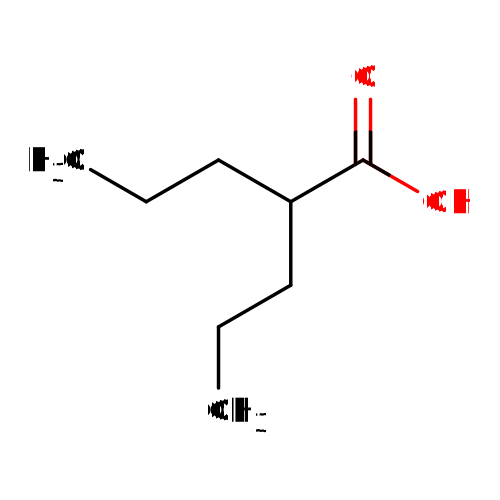
Structure for Valproic acid (DB00313)
- Weight
- Average: 144.2114
Monoisotopic: 144.115029756 - Chemical Formula
- C8H16O2
- Synonyms
- 2-n-propyl-n-valeric acid
- 2-propyl-pentanoic acid
- 2-Propylpentanoic Acid
- 2-Propylvaleric Acid
- 4-heptanecarboxylic acid
- acide valproïque
- ácido valproico
- acidum valproicum
- di-n-propylacetic acid
- Di-n-propylessigsäure
- Dipropylacetic acid
- DPA
- n-DPA
- Valproate
- Valproic acid
- Valproinsäure
- VPA
- External IDs
- 44089

Pharmacology
- Indication
Indicated for:Label
1) Use as monotherapy or adjunctive therapy in the management of complex partial seizures and simple or complex absence seizures.
2) Adjunctive therapy in the management of multiple seizure types that include absence seizures.
3) Prophylaxis of migraine headaches.
4) Acute management of mania associated with bipolar disorder.
Off-label uses include:
1) Maintenance therapy for bipolar disorder.7
2) Treatment for acute bipolar depression.8,9,10
3) Emergency treatment of status epilepticus.11
 Reduce drug development failure ratesBuild, train, & validate machine-learning modelswith evidence-based and structured datasets.Build, train, & validate predictive machine-learning models with structured datasets.
- Associated Conditions
Indication Type Indication Combined Product Details Approval Level Age Group Patient Characteristics Dose Form Management of Absence seizures •••••••••••• •••••••• ••••••• •••••••• •••••••• ••••••• ••••••• •••••••• •••••••••• •••••• ••••••• ••••••• •••••••• ••••••• •••••••• ••••••• Management of Bipolar disorder (bd) ••• ••••• ••••• •••••••• ••••••• •••••••• ••••••• ••••••• •••••••• ••••••• •••••••• ••••••• Management of Complex partial seizures •••••••••••• •••••• ••••••••• •••••••• ••••••• •••••••• •••••••• ••••••• ••••••• •••••••• •••••••••• •••••• ••••••• ••••••• •••••••• ••••••• •••••••• ••••••• Management of Depressive episode ••• ••••• ••••• •••••••• ••••••• ••••••• •••••••• ••••••• ••••••• •••••••• ••••••• •••••••• ••••••• Management of Manic episode •••••••••••• •••••••• ••••••• •••••••• •••••••• ••••••• ••••••• •••••••• •••••• ••••••• ••••••• •••••••• ••••••• •••••••• •••••••• ••••••• •••• ••••••• •••••••• ••••••• - Contraindications & Blackbox Warnings
 Prevent Adverse Drug Events TodayTap into our Clinical API for life-saving information on contraindications & blackbox warnings, population restrictions, harmful risks, & more.Avoid life-threatening adverse drug events with our Clinical API
- Pharmacodynamics
Valproate has been shown to reduce the incidence of complex partial seizures and migraine headaches.Label,5 It also improves symptom control in bipolar mania.23 Although the exact mechanisms responsible are unknown, it is thought that valproate produces increased cortical inhibition to contribute to control of neural synchrony. It is also thought that valproate exerts a neuroprotective effect preventing damage and neural degeneration in epilepsy, migraines, and bipolar disorder.
Valproate is hepatotoxic and teratogenic. The reasons for this are unclear but have been attributed to the genomic effects of the drug.1
A small proof-of concept study found that valproate increases clearance of human immunodeficiency virus (HIV) when combined with highly active antiretroviral therapy (HAART) by reactivating the virus to allow clearance, however, a larger multicentre trial failed to show a significant effect on HIV reservoirs when added to HAART.2,6 The FDA labeling contains a warning regarding HIV reactivation during valproate use.Label.
- Mechanism of action
The exact mechanisms by which valproate exerts it's effects on epilepsy, migraine headaches, and bipolar disorder are unknown however several pathways exist which may contribute to the drug's action.
Valproate is known to inhibit succinic semialdehyde dehydrogenase.12 This inhibition results in an increase in succinic semialdehyde which acts as an inhibitor of GABA transaminase ultimately reducing GABA metabolism and increasing GABAergic neurotransmission. As GABA is an inhibitory neurotransmitter, this increase results in increased inhibitory activity.1 A possible secondary contributor to cortical inhibition is a direct suppression of voltage gated sodium channel activity and indirect suppression through effects on GABA.
It has also been suggested that valproate impacts the extracellular signal-related kinase pathway (ERK).1 These effects appear to be dependent on mitogen-activated protein kinase (MEK) and result in the phosphorylation of ERK1/2. This activation increases expression of several downstream targets including ELK-1 with subsequent increases in c-fos, growth cone-associated protein-43 which contributes to neural plasticity, B-cell lymphoma/leukaemia-2 which is an anti-apoptotic protein, and brain-derived neurotrophic factor (BDNF) which is also involved in neural plasticity and growth. Increased neurogenesis and neurite growth due to valproate are attributed to the effects of this pathway. An additional downstream effect of increased BDNF expression appears to be an increase in GABAA receptors which contribute further to increased GABAergic activity.13
Valproate exerts a non-competitive indirect inhibitory effect on myo-inosital-1-phophate synthetase.14 This results in reduced de novo synthesis of inositol monophosphatase and subsequent inositol depletion. It is unknown how this contributed to valproate's effects on bipolar disorder but [lithium] is known to exert a similar inositol-depleting effect.15 Valproate exposure also appears to produce down-regulation of protein kinase C proteins (PKC)-α and -ε which are potentially related to bipolar disorder as PKC is unregulated in the frontal cortex of bipolar patients. This is further supported by a similar reduction in PKC with lithium.16 The inhibition of the PKC pathway may also be a contributor to migraine prophylaxis.17 Myristoylated alanine-rich C kinase substrate, a PKC substrate, is also downregulated by valproate and may contribute to changes in synaptic remodeling through effects on the cytoskeleton.18
Valproate also appears to impact fatty acid metabolism.1 Less incorporation of fatty acid substrates in sterols and glycerolipids is thought to impact membrane fluidity and result in increased action potential threshold potentially contributing to valproate's antiepileptic action.19 Valproate has been found to be a non-competitive direct inhibitor of brain microsomal long-chain fatty acyl-CoA synthetase.20 Inhibition of this enzyme decreases available arichidonyl-CoA, a substrate in the production of inflammatory prostaglandins. It is thought that this may be a mechanism behind valproate's efficacy in migraine prophylaxis as migraines are routinely treated with non-steroidal anti-inflammatory drugs which also inhibit prostaglandin production.
Finally, valproate acts as a direct histone deactylase (HDAC) inhibitor.22 Hyperacetylation of lysine residues on histones promoted DNA relaxation and allows for increased gene transcription. The scope of valproate's genomic effects is wide with 461 genes being up or down-regulated.21 The relation of these genomic effects to therapeutic value is not fully characterized however H3 and H4 hyperacetylation correlates with improvement of symptoms in bipolar patients.23 Histone hyperacetylation at the BDNF gene, increasing BDNF expression, post-seizure is known to occur and is thought to be a neuroprotective mechanism which valproate may strengthen or prolong.24 H3 hyperacetylation is associated with a reduction in glyceraldehyde-3-phosphate dehydrogenase, a pro-apoptotic enzyme, contributing further to valproate's neuroprotective effects.25
Target Actions Organism AHistone deacetylase 9 inhibitorHumans UShort/branched chain specific acyl-CoA dehydrogenase, mitochondrial inhibitorHumans U2-oxoglutarate dehydrogenase, mitochondrial inhibitorHumans USuccinate-semialdehyde dehydrogenase, mitochondrial inhibitorHumans USodium channel protein inhibitorHumans UHistone deacetylase 2 inhibitorHumans UPeroxisome proliferator-activated receptor alpha Not Available Humans UPeroxisome proliferator-activated receptor delta Not Available Humans UPeroxisome proliferator-activated receptor gamma Not Available Humans UHistone deacetylase inhibitorHumans UCyclin-dependent kinase inhibitor 1 regulatorHumans UHepatocyte growth factor inhibitorHumans UOrnithine decarboxylase downregulatorHumans UProgrammed cell death 1 ligand 1 downregulatorHumans - Absorption
The intravenous and oral forms of valproic acid are expected to produce the same AUC, Cmax, and Cmin at steady-state.Label The oral delayed-release tablet formulation has a Tmax of 4 hours. Differences in absorption rate are expected from other formulations but are not considered to be clinically important in the context of chronic therapy beyond impacting frequency of dosing. Differences in absorption may create earlier Tmax or higher Cmax values on initiation of therapy and may be affected differently by meals.30 The extended release tablet formulation had Tmax increase from 4 hours to 8 hours when taken with food. In comparison, the sprinkle capsule formulation had Tmax increase from 3.3 hours to 4.8 hours. Bioavailability is reported to be approximately 90% with all oral formulations with enteric-coated forms possibly reaching 100%.27
- Volume of distribution
11 L/1.73m2.Label
- Protein binding
Protein binding is linear at low concentrations with a free fraction of approximately 10% at 40 mcg/mL but becomes non-linear at higher concentrations with a free fraction of 18.5% at 135 mcg/mL.Label This may be due to binding at separate high and low-affinity sites on albumin proteins.27 Binding is expected to decrease in the elderly and patients with hepatic dysfunction.
- Metabolism
Most drug is metabolized to glucuronide conjugates (30-50%) of the parent drug or of metabolites.Label,27 Another large portion is metabolized through mitochondrial β-oxidation (40%). The remainder of metabolism (15-20%) occurs through oxidation, hydroxylation, and dehydrogenation at the ω, ω1, and ω2 positions resulting in the formation of hydroxyls, ketones, carboxyls, a lactone metabolite, double bonds, and combinations.
Hover over products below to view reaction partners
- Route of elimination
Most drug is eliminated through hepatic metabolism, about 30-50%.Label The other major contributing pathway is mitochondrial β-oxidation, about 40%. Other oxidative pathways make up an additional 15-20%. Less than 3% is excreted unchanged in the urine.
- Half-life
13-19 hours.Label
The half-life in neonates ranges from 10-67 hours while the half-life in pediatric patients under 2 months of age ranges from 7-13 hours.
- Clearance
0.56 L/hr/m2Label
Pediatric patients between 3 months and 10 years of age have 50% higher clearances by weight. Pediatric patients 10 years of age or older approximate adult values.Label
- Adverse Effects
 Improve decision support & research outcomesWith structured adverse effects data, including: blackbox warnings, adverse reactions, warning & precautions, & incidence rates. View sample adverse effects data in our new Data Library!Improve decision support & research outcomes with our structured adverse effects data.
- Toxicity
LD50 Values
Oral, mouse: 1098 mg/kg
Oral, rat: 670 mg/kg
Overdose
Symptoms of overdose include somnolence, heart block, deep coma, and hypernatremia. Fatalities have been reported, however patients have recovered from valproate serum concentrations as high as 2120 mcg/mL. The unbound fraction may be removed by hemodialysis. Naloxone has been demonstrated to reverse the CNS depressant effects of overdose but may also reverse the anti-epileptic effects.Label
Reproductive Toxicity
Valproate use in pregnancy is known to increase the risk of neural tube defects and other structural abnormalities.Label The risk of spina bifida increases from 0.06-0.07% in the normal population to 1-2% in valproate users. The North American Antiepileptic Drug (NAAED) Pregnancy Registry reports a major malformation rate of 9-11%, 5 times the baseline rate. These malformations include neural tube defects, cardiovascular malformations, craniofacial defects (e.g., oral clefts, craniosynostosis), hypospadias, limb malformations (e.g., clubfoot, polydactyly), and other malformations of varying severity involving other body systems. Other antiepileptic drugs, lamotrigine, carbemazepine, and phenytoin, have been found to reduce IQ in children exposed in utero. Valproate was also studied however the results did not achieve statistical significance (97 IQ (CI: 94-101)). Observational studies report an absolute risk increase of 2.9% (relative risk 2.9 times baseline) of autism spectrum disorder in children exposed to valproate in utero. There have been case reports of fatal hepatic failure in children of mothers who used valproate during pregnancy.
There have been reports of male infertility when taking valproate.Label
Lactation
Valproate is excreted in human milk.Label Data in the published literature describe the presence of valproate in human milk (range: 0.4 mcg/mL to 3.9 mcg/mL), corresponding to 1% to 10% of maternal serum levels. Valproate serum concentrations collected from breastfed infants aged 3 days postnatal to 12 weeks following delivery ranged from 0.7 mcg/mL to 4 mcg/mL, which were 1% to 6% of maternal serum valproate levels. A published study in children up to six years of age did not report adverse developmental or cognitive effects following exposure to valproate via breast milk.
Other Toxicity Considerations
Use in pediatrics under 2 years of age increases the risk of fatal hepatotoxicity.Label
- Pathways
Pathway Category Valproic Acid Metabolism Pathway Drug metabolism - Pharmacogenomic Effects/ADRs
Interacting Gene/Enzyme Allele name Genotype(s) Defining Change(s) Type(s) Description Details DNA polymerase subunit gamma-1 A467T (A;A) / (A;G) G > A ADR Directly Studied The presence of this polymorphism in POLG may indicate an increased risk of liver failure and death when treated with valproic acid. Details DNA polymerase subunit gamma-1 W748S (C;C) / (C;G) G > C ADR Directly Studied The presence of this polymorphism in POLG may indicate an increased risk of liver failure and death when treated with valproic acid. Details
Interactions
- Drug Interactions
- This information should not be interpreted without the help of a healthcare provider. If you believe you are experiencing an interaction, contact a healthcare provider immediately. The absence of an interaction does not necessarily mean no interactions exist.
Drug Interaction Integrate drug-drug
interactions in your software1,2-Benzodiazepine The risk or severity of CNS depression can be increased when Valproic acid is combined with 1,2-Benzodiazepine. Abacavir The metabolism of Abacavir can be decreased when combined with Valproic acid. Abametapir The serum concentration of Valproic acid can be increased when it is combined with Abametapir. Abatacept The metabolism of Valproic acid can be increased when combined with Abatacept. Abemaciclib The serum concentration of Abemaciclib can be increased when it is combined with Valproic acid. - Food Interactions
- Avoid alcohol.
- Avoid milk and dairy products.
- Take with food.
Products
 Drug product information from 10+ global regionsOur datasets provide approved product information including:dosage, form, labeller, route of administration, and marketing period.Access drug product information from over 10 global regions.
- Product Ingredients
Ingredient UNII CAS InChI Key Divalproex sodium 644VL95AO6 76584-70-8 MSRILKIQRXUYCT-UHFFFAOYSA-M Magnesium Valproate Q400352CM2 62959-43-7 LKLLHOIUJVEAGU-UHFFFAOYSA-L Valproate sodium 5VOM6GYJ0D 1069-66-5 AEQFSUDEHCCHBT-UHFFFAOYSA-M - Product Images
- International/Other Brands
- Convulex / Depakine / Deprakine / Encorate / Epilim / Valcote / Valparin
- Brand Name Prescription Products
Name Dosage Strength Route Labeller Marketing Start Marketing End Region Image Depacon Injection 100 mg/1mL Intravenous AbbVie Inc. 1996-12-30 2019-11-01 US 
Depakene Capsule 250 mg Oral Bgp Pharma Ulc 1978-12-31 2017-05-16 Canada 
Depakene Solution 250 mg/5mL Oral AbbVie Inc. 1978-02-28 2019-07-17 US Depakene Capsule, liquid filled 250 mg/1 Oral REMEDYREPACK INC. 2018-10-03 2020-05-21 US Depakene Capsule, liquid filled 250 mg/1 Oral AbbVie Inc. 1978-02-28 2019-10-11 US - Generic Prescription Products
Name Dosage Strength Route Labeller Marketing Start Marketing End Region Image Apo-divalproex Tablet, delayed release 125 mg Oral Apotex Corporation 1999-03-24 Not applicable Canada Apo-divalproex Tablet, delayed release 500 mg / ect Oral Apotex Corporation 1999-03-24 Not applicable Canada Apo-divalproex Tablet, delayed release 250 mg / ect Oral Apotex Corporation 1999-03-24 Not applicable Canada Apo-valproic Acid Capsule 250 mg Oral Apotex Corporation 1998-06-01 Not applicable Canada Apo-valproic Acid Oral Solution Solution 250 mg / 5 mL Oral Apotex Corporation 1998-07-15 Not applicable Canada - Mixture Products
Name Ingredients Dosage Route Labeller Marketing Start Marketing End Region Image DEPAKIN Valproic acid (290.27 MG) + Valproate sodium (666.6 mg) Granule, delayed release Oral Sanofi S.R.L. 2014-07-08 Not applicable Italy 
DEPAKIN Valproic acid (29.03 MG) + Valproate sodium (66.66 mg) Granule, delayed release Oral Sanofi S.R.L. 2014-07-08 Not applicable Italy DEPAKIN Valproic acid (87 MG) + Valproate sodium (199.8 mg) Tablet, extended release Oral Sanofi S.R.L. 2014-07-08 Not applicable Italy DEPAKIN Valproic acid (217.75 MG) + Valproate sodium (500.06 mg) Granule, delayed release Oral Sanofi S.R.L. 2014-07-08 Not applicable Italy DEPAKIN Valproic acid (72.61 MG) + Valproate sodium (166.76 mg) Granule, delayed release Oral Sanofi S.R.L. 2014-07-08 Not applicable Italy


Categories
- ATC Codes
- N03AG01 — Valproic acid
- Drug Categories
- Acids, Acyclic
- Anti-epileptic Agent
- Anticonvulsants
- Antimanic Agents
- Antineoplastic Agents
- Central Nervous System Agents
- Central Nervous System Depressants
- Cytochrome P-450 CYP1A2 Inhibitors
- Cytochrome P-450 CYP1A2 Inhibitors (strength unknown)
- Cytochrome P-450 CYP2A6 Substrates
- Cytochrome P-450 CYP2A6 Substrates with a Narrow Therapeutic Index
- Cytochrome P-450 CYP2B6 Substrates
- Cytochrome P-450 CYP2B6 Substrates with a Narrow Therapeutic Index
- Cytochrome P-450 CYP2C19 Inhibitors
- Cytochrome P-450 CYP2C19 Inhibitors (weak)
- Cytochrome P-450 CYP2C19 Substrates
- Cytochrome P-450 CYP2C19 Substrates with a Narrow Therapeutic Index
- Cytochrome P-450 CYP2C8 Inhibitors
- Cytochrome P-450 CYP2C9 Inhibitors
- Cytochrome P-450 CYP2C9 Inhibitors (moderate)
- Cytochrome P-450 CYP2C9 Substrates
- Cytochrome P-450 CYP2C9 Substrates with a Narrow Therapeutic Index
- Cytochrome P-450 CYP3A Inhibitors
- Cytochrome P-450 CYP3A Substrates
- Cytochrome P-450 CYP3A4 Inhibitors
- Cytochrome P-450 CYP3A4 Inhibitors (strength unknown)
- Cytochrome P-450 CYP3A5 Substrates
- Cytochrome P-450 CYP3A5 Substrates with a Narrow Therapeutic Index
- Cytochrome P-450 Enzyme Inhibitors
- Cytochrome P-450 Substrates
- Decreased Central Nervous System Disorganized Electrical Activity
- Drugs causing inadvertant photosensitivity
- Enzyme Inhibitors
- Fatty Acid Derivatives
- Fatty Acids
- Fatty Acids, Volatile
- GABA Agents
- Hepatotoxic Agents
- Highest Risk QTc-Prolonging Agents
- Histone Deacetylase Inhibitors
- Lipids
- Methemoglobinemia Associated Agents
- Miscellaneous Anticonvulsants
- Mood Stabilizer
- Narrow Therapeutic Index Drugs
- Nervous System
- Neurotransmitter Agents
- OAT1/SLC22A6 inhibitors
- OAT3/SLC22A8 Inhibitors
- OAT3/SLC22A8 Substrates
- OAT3/SLC22A8 Substrates with a Narrow Therapeutic Index
- Organic Anion Transporting Polypeptide 2B1 Inhibitors
- Pentanoic Acids
- Photosensitizing Agents
- Psychotropic Drugs
- QTc Prolonging Agents
- Serotonergic Drugs Shown to Increase Risk of Serotonin Syndrome
- Tranquilizing Agents
- UGT1A1 Inhibitors
- UGT1A1 Substrates
- UGT1A1 Substrates with a Narrow Therapeutic Index
- UGT1A3 substrates
- UGT1A3 Substrates with a Narrow Therapeutic Index
- UGT1A4 substrates
- UGT1A6 substrate
- UGT1A6 Substrates with a Narrow Therapeutic Index
- UGT1A9 Substrates
- UGT1A9 Substrates with a Narrow Therapeutic Index
- UGT2B7 substrates
- UGT2B7 Substrates with a Narrow Therapeutic Index
- Valerates
- Chemical TaxonomyProvided by Classyfire
- Description
- This compound belongs to the class of organic compounds known as methyl-branched fatty acids. These are fatty acids with an acyl chain that has a methyl branch. Usually, they are saturated and contain only one or more methyl group. However, branches other than methyl may be present.
- Kingdom
- Organic compounds
- Super Class
- Lipids and lipid-like molecules
- Class
- Fatty Acyls
- Sub Class
- Fatty acids and conjugates
- Direct Parent
- Methyl-branched fatty acids
- Alternative Parents
- Monocarboxylic acids and derivatives / Carboxylic acids / Organic oxides / Hydrocarbon derivatives / Carbonyl compounds
- Substituents
- Aliphatic acyclic compound / Carbonyl group / Carboxylic acid / Carboxylic acid derivative / Hydrocarbon derivative / Methyl-branched fatty acid / Monocarboxylic acid or derivatives / Organic oxide / Organic oxygen compound / Organooxygen compound
- Molecular Framework
- Aliphatic acyclic compounds
- External Descriptors
- branched-chain fatty acid, branched-chain saturated fatty acid (CHEBI:39867) / Branched fatty acids (LMFA01020291)
- Affected organisms
- Humans and other mammals
Chemical Identifiers
- UNII
- 614OI1Z5WI
- CAS number
- 99-66-1
- InChI Key
- NIJJYAXOARWZEE-UHFFFAOYSA-N
- InChI
- InChI=1S/C8H16O2/c1-3-5-7(6-4-2)8(9)10/h7H,3-6H2,1-2H3,(H,9,10)
- IUPAC Name
- 2-propylpentanoic acid
- SMILES
- CCCC(CCC)C(O)=O
References
- Synthesis Reference
Daniel Aubert, Francis Blanc, Henri Desmolin, Michel Morre, Lucette Sindely, "Valproic acid preparations." U.S. Patent US5017613, issued January, 1965.
US5017613- General References
- Rosenberg G: The mechanisms of action of valproate in neuropsychiatric disorders: can we see the forest for the trees? Cell Mol Life Sci. 2007 Aug;64(16):2090-103. [Article]
- Lehrman G, Hogue IB, Palmer S, Jennings C, Spina CA, Wiegand A, Landay AL, Coombs RW, Richman DD, Mellors JW, Coffin JM, Bosch RJ, Margolis DM: Depletion of latent HIV-1 infection in vivo: a proof-of-concept study. Lancet. 2005 Aug 13-19;366(9485):549-55. [Article]
- Schwartz C, Palissot V, Aouali N, Wack S, Brons NH, Leners B, Bosseler M, Berchem G: Valproic acid induces non-apoptotic cell death mechanisms in multiple myeloma cell lines. Int J Oncol. 2007 Mar;30(3):573-82. [Article]
- Valentini A, Gravina P, Federici G, Bernardini S: Valproic acid induces apoptosis, p16INK4A upregulation and sensitization to chemotherapy in human melanoma cells. Cancer Biol Ther. 2007 Feb;6(2):185-91. Epub 2007 Feb 5. [Article]
- Linde M, Mulleners WM, Chronicle EP, McCrory DC: Valproate (valproic acid or sodium valproate or a combination of the two) for the prophylaxis of episodic migraine in adults. Cochrane Database Syst Rev. 2013 Jun 24;(6):CD010611. doi: 10.1002/14651858.CD010611. [Article]
- Routy JP, Tremblay CL, Angel JB, Trottier B, Rouleau D, Baril JG, Harris M, Trottier S, Singer J, Chomont N, Sekaly RP, Boulassel MR: Valproic acid in association with highly active antiretroviral therapy for reducing systemic HIV-1 reservoirs: results from a multicentre randomized clinical study. HIV Med. 2012 May;13(5):291-6. doi: 10.1111/j.1468-1293.2011.00975.x. Epub 2012 Jan 26. [Article]
- Cipriani A, Reid K, Young AH, Macritchie K, Geddes J: Valproic acid, valproate and divalproex in the maintenance treatment of bipolar disorder. Cochrane Database Syst Rev. 2013 Oct 17;(10):CD003196. doi: 10.1002/14651858.CD003196.pub2. [Article]
- Ghaemi SN, Gilmer WS, Goldberg JF, Zablotsky B, Kemp DE, Kelley ME, Bauer AD, Fleck J, Filkowski MM, Stan VA, Dunn RT: Divalproex in the treatment of acute bipolar depression: a preliminary double-blind, randomized, placebo-controlled pilot study. J Clin Psychiatry. 2007 Dec;68(12):1840-4. [Article]
- Davis LL, Bartolucci A, Petty F: Divalproex in the treatment of bipolar depression: a placebo-controlled study. J Affect Disord. 2005 Apr;85(3):259-66. doi: 10.1016/j.jad.2004.09.009. [Article]
- Muzina DJ, Gao K, Kemp DE, Khalife S, Ganocy SJ, Chan PK, Serrano MB, Conroy CM, Calabrese JR: Acute efficacy of divalproex sodium versus placebo in mood stabilizer-naive bipolar I or II depression: a double-blind, randomized, placebo-controlled trial. J Clin Psychiatry. 2011 Jun;72(6):813-9. doi: 10.4088/JCP.09m05570gre. Epub 2010 Aug 24. [Article]
- Prasad M, Krishnan PR, Sequeira R, Al-Roomi K: Anticonvulsant therapy for status epilepticus. Cochrane Database Syst Rev. 2014 Sep 10;(9):CD003723. doi: 10.1002/14651858.CD003723.pub3. [Article]
- El-Habr EA, Dubois LG, Burel-Vandenbos F, Bogeas A, Lipecka J, Turchi L, Lejeune FX, Coehlo PL, Yamaki T, Wittmann BM, Fareh M, Mahfoudhi E, Janin M, Narayanan A, Morvan-Dubois G, Schmitt C, Verreault M, Oliver L, Sharif A, Pallud J, Devaux B, Puget S, Korkolopoulou P, Varlet P, Ottolenghi C, Plo I, Moura-Neto V, Virolle T, Chneiweiss H, Junier MP: A driver role for GABA metabolism in controlling stem and proliferative cell state through GHB production in glioma. Acta Neuropathol. 2017 Apr;133(4):645-660. doi: 10.1007/s00401-016-1659-5. Epub 2016 Dec 28. [Article]
- Yamada MK, Nakanishi K, Ohba S, Nakamura T, Ikegaya Y, Nishiyama N, Matsuki N: Brain-derived neurotrophic factor promotes the maturation of GABAergic mechanisms in cultured hippocampal neurons. J Neurosci. 2002 Sep 1;22(17):7580-5. [Article]
- Shaltiel G, Shamir A, Shapiro J, Ding D, Dalton E, Bialer M, Harwood AJ, Belmaker RH, Greenberg ML, Agam G: Valproate decreases inositol biosynthesis. Biol Psychiatry. 2004 Dec 1;56(11):868-74. doi: 10.1016/j.biopsych.2004.08.027. [Article]
- Yu W, Greenberg ML: Inositol depletion, GSK3 inhibition and bipolar disorder. Future Neurol. 2016 May;11(2):135-148. doi: 10.2217/fnl-2016-0003. Epub 2016 Apr 26. [Article]
- Manji HK, Etcheberrigaray R, Chen G, Olds JL: Lithium decreases membrane-associated protein kinase C in hippocampus: selectivity for the alpha isozyme. J Neurochem. 1993 Dec;61(6):2303-10. [Article]
- Yi L, Wu Q, Chen N, Song G, Wang C, Zou Q, Zhang Z: Valproate Plays a Protective Role against Migraine by Inhibiting Protein Kinase C Signalling in Nitroglycerin-treated Mice. Basic Clin Pharmacol Toxicol. 2018 Mar;122(3):310-316. doi: 10.1111/bcpt.12915. Epub 2017 Nov 12. [Article]
- Watterson JM, Watson DG, Meyer EM, Lenox RH: A role for protein kinase C and its substrates in the action of valproic acid in the brain: implications for neural plasticity. Brain Res. 2002 Apr 26;934(1):69-80. [Article]
- Bolanos JP, Medina JM: Effect of valproate on the metabolism of the central nervous system. Life Sci. 1997;60(22):1933-42. [Article]
- Bazinet RP, Weis MT, Rapoport SI, Rosenberger TA: Valproic acid selectively inhibits conversion of arachidonic acid to arachidonoyl-CoA by brain microsomal long-chain fatty acyl-CoA synthetases: relevance to bipolar disorder. Psychopharmacology (Berl). 2006 Jan;184(1):122-9. Epub 2005 Dec 13. [Article]
- Tang Y, Glauser TA, Gilbert DL, Hershey AD, Privitera MD, Ficker DM, Szaflarski JP, Sharp FR: Valproic acid blood genomic expression patterns in children with epilepsy - a pilot study. Acta Neurol Scand. 2004 Mar;109(3):159-68. [Article]
- Phiel CJ, Zhang F, Huang EY, Guenther MG, Lazar MA, Klein PS: Histone deacetylase is a direct target of valproic acid, a potent anticonvulsant, mood stabilizer, and teratogen. J Biol Chem. 2001 Sep 28;276(39):36734-41. doi: 10.1074/jbc.M101287200. Epub 2001 Jul 25. [Article]
- Sharma RP, Rosen C, Kartan S, Guidotti A, Costa E, Grayson DR, Chase K: Valproic acid and chromatin remodeling in schizophrenia and bipolar disorder: preliminary results from a clinical population. Schizophr Res. 2006 Dec;88(1-3):227-31. doi: 10.1016/j.schres.2006.07.015. Epub 2006 Sep 25. [Article]
- Huang Y, Doherty JJ, Dingledine R: Altered histone acetylation at glutamate receptor 2 and brain-derived neurotrophic factor genes is an early event triggered by status epilepticus. J Neurosci. 2002 Oct 1;22(19):8422-8. [Article]
- Kanai H, Sawa A, Chen RW, Leeds P, Chuang DM: Valproic acid inhibits histone deacetylase activity and suppresses excitotoxicity-induced GAPDH nuclear accumulation and apoptotic death in neurons. Pharmacogenomics J. 2004;4(5):336-44. [Article]
- Lopez-Munoz F, Baumeister AA, Hawkins MF, Alamo C: The role of serendipity in the discovery of the clinical effects of psychotropic drugs: beyond of the myth. Actas Esp Psiquiatr. 2012 Jan-Feb;40(1):34-42. Epub 2012 Jan 1. [Article]
- Zaccara G, Messori A, Moroni F: Clinical pharmacokinetics of valproic acid--1988. Clin Pharmacokinet. 1988 Dec;15(6):367-89. doi: 10.2165/00003088-198815060-00002. [Article]
- Depacon FDA Label (2006) [Link]
- Depakene FDA [Link]
- Depakene FDA Label (2019) [Link]
- FDA Approved Drug Products: Stavzor (valproic acid) delayed-release capsules for oral use [Link]
- External Links
- Human Metabolome Database
- HMDB0001877
- KEGG Drug
- D00399
- KEGG Compound
- C07185
- PubChem Compound
- 3121
- PubChem Substance
- 46505925
- ChemSpider
- 3009
- BindingDB
- 50003616
- 11118
- ChEBI
- 39867
- ChEMBL
- CHEMBL109
- ZINC
- ZINC000003008621
- Therapeutic Targets Database
- DNC001659
- PharmGKB
- PA451846
- PDBe Ligand
- 2PP
- RxList
- RxList Drug Page
- Drugs.com
- Drugs.com Drug Page
- PDRhealth
- PDRhealth Drug Page
- Wikipedia
- Valproate
- PDB Entries
- 1dit
- FDA label
- Download (316 KB)
- MSDS
- Download (77.9 KB)
Clinical Trials
- Clinical Trials
Phase Status Purpose Conditions Count 4 Active Not Recruiting Other Epilepsy 1 4 Active Not Recruiting Treatment Partial Epilepsy 1 4 Completed Not Available Healthy Volunteers (HV) 1 4 Completed Prevention Post Cerebral Hemorrhage 1 4 Completed Treatment Acute Migraine 1
Pharmacoeconomics
- Manufacturers
- Banner pharmacaps inc
- Abbott laboratories pharmaceutical products div
- Catalent pharma solutions llc
- Par pharmaceutical inc
- Rp scherer north america div rp scherer corp
- Usl pharma inc
- Alpharma uspd inc
- Apotex inc richmond hill
- High technology pharmacal co inc
- Pharmaceutical assoc inc div beach products
- Sun pharmaceutical industries inc
- Teva pharmaceuticals usa
- Vintage pharmaceuticals llc
- Wockhardt eu operations (swiss) ag
- Packagers
- Abbott Laboratories Ltd.
- Apothecon
- Atlantic Biologicals Corporation
- Banner Pharmacaps Inc.
- Bedford Labs
- Ben Venue Laboratories Inc.
- Caraco Pharmaceutical Labs
- Cardinal Health
- Catalent Pharma Solutions
- Coupler Enterprises Inc.
- Global Pharmaceuticals
- Heartland Repack Services LLC
- Hi Tech Pharmacal Co. Inc.
- Impax Laboratories Inc.
- Ivax Pharmaceuticals
- Kaiser Foundation Hospital
- Lake Erie Medical and Surgical Supply
- Major Pharmaceuticals
- Mckesson Corp.
- Murfreesboro Pharmaceutical Nursing Supply
- Noven Pharmaceuticals Inc.
- Nucare Pharmaceuticals Inc.
- Pharmaceutical Association
- Pharmaceutical Utilization Management Program VA Inc.
- Physicians Total Care Inc.
- Pliva Inc.
- Precision Dose Inc.
- Prepackage Specialists
- Prepak Systems Inc.
- Professional Co.
- Qualitest
- Rebel Distributors Corp.
- Remedy Repack
- Sandoz
- Teva Pharmaceutical Industries Ltd.
- Tya Pharmaceuticals
- UDL Laboratories
- USL Pharma Inc.
- Vangard Labs Inc.
- Vintage Pharmaceuticals Inc.
- Watson Pharmaceuticals
- Wockhardt Ltd.
- Xactdose Inc.
- Dosage Forms
Form Route Strength Injection Intravenous 500 mg Tablet, delayed release Oral 125 mg Tablet, delayed release Oral 250 mg / ect Tablet, delayed release Oral 500 mg / ect Solution Oral 10.000 g Tablet Oral 100.000 mg Granule Oral 200 mg Granule Oral 400 mg Granule Oral 400.000 mg Tablet Oral 300.00 mg Solution Oral 200 mg Syrup Oral 5 g Injection, solution Parenteral 100 mg/ml Capsule Oral 150 mg Capsule, delayed release Oral 300 mg/1 Capsule Oral 300 mg Capsule, delayed release Oral 300 MG Syrup Oral 50 mg/ml Capsule Oral 500 mg Tablet Oral 300 mg Tablet Oral Solution Oral 20.000 g Suspension Oral 4.000 g Tablet Oral 400.0000 mg Capsule Oral 250.000 mg Syrup Oral 5.000 g Capsule, liquid filled Oral 250 mg Granule Oral 100 MG Granule Oral 1000 MG Granule Oral 250 MG Granule Oral 50 MG Granule Oral 500 MG Granule Oral 750 MG Granule, delayed release Oral Powder, for solution Intravenous 400 MG/4ML Solution Oral 200 MG/ML Tablet, coated Oral 300 MG Tablet, coated Oral 500 MG Tablet, extended release Oral Syrup Oral 57.64 mg/ml Solution / drops Oral 300 mg/ml Tablet, film coated Oral 500 mg Injection, powder, for solution Parenteral 400 mg Tablet, delayed release Oral Tablet, extended release Oral 250 mg/1 Tablet, extended release Oral 500 mg/1 Tablet, extended release Oral Tablet, film coated, extended release Oral Solution Oral Syrup Oral 250 mg / 5 mL Tablet, extended release Oral 250 mg Capsule Oral 125 mg/1 Capsule, coated pellets Oral 125 mg/1 Tablet, delayed release Oral 125 mg/1 Tablet, delayed release Oral 250 mg/1 Tablet, delayed release Oral 500 mg/1 Tablet, extended release Oral 500 1/1 Tablet, extended release Oral 583159 Mg Tablet, film coated, extended release Oral 250 mg/1 Tablet, film coated, extended release Oral 500 mg/1 Tablet, film coated Oral 125 mg/1 Tablet, film coated Oral 250 mg/1 Tablet, film coated Oral 500 mg/1 Tablet, delayed release particles Oral 500 mg/1 Tablet Oral 600.000 mg Tablet, delayed release Oral 300 mg Liquid Intravenous 500 mg / 5 mL Tablet, delayed release Oral 269.1 MG Tablet, coated Oral 200.00 mg Tablet, film coated Oral 199.8 mg Injection, solution Intravenous 400 mg/mL Syrup Oral 200 mg/5ml Injection, powder, for solution Intravenous 400 mg Tablet Oral 250.000 mg Solution Oral 300 mg Syrup Oral Solution Oral 37.5 g Capsule, coated Oral 250 mg Capsule Oral 250 mg / cap Solution Oral 200 mg/5mL Tablet, extended release Oral 270 Mg Tablet, extended release Oral 540 Mg Tablet Oral 200.000 mg Tablet Oral 500.00 mg Tablet Oral 538.00 mg Solution Oral 5.760 g Capsule, extended release Oral Granule Oral Tablet, sugar coated Oral 150 mg Tablet, sugar coated Oral 300 mg Solution Oral 60 MG/ML Tablet, sugar coated Oral 600 mg Tablet, extended release Oral 300 MG Tablet, extended release Oral 1000 MG Capsule, extended release Oral 150 MG Capsule, extended release Oral 300 MG Capsule Oral 250 mg Solution Oral 250 mg / 5 mL Capsule, delayed release Oral 500 mg Tablet, film coated Oral Solution Intravenous 500 mg Syrup Oral 50 mg / mL Syrup Oral 250 mg/5ml Injection, solution 400 mg/4ml Injection, solution Intravenous 400 mg/4ml Injection, solution Intravenous 100.0 mg/ml Capsule, delayed release Oral 125 mg/1 Capsule, delayed release Oral 250 mg/1 Capsule, delayed release Oral 500 mg/1 Tablet Oral 83.000 mg Tablet, film coated Oral 538.1 mg Capsule, coated Oral 125 mg Tablet, delayed release Oral 250 mg Tablet, extended release Oral 50000000 mg Tablet, film coated, extended release Oral Tablet, film coated Oral Tablet, delayed release Oral 200 mg Tablet, delayed release Oral 500 mg Tablet, delayed release Oral 600 MG Solution Oral 300 MG/G Solution Oral 300 MG/ML Tablet, delayed release Oral 150 MG Injection Intravenous 100 mg/1mL Injection Intravenous 500 mg/5mL Injection, solution Intravenous 100 mg/1mL Solution / drops Oral Capsule, liquid filled Oral 250 mg/1 Capsule Oral 250 mg/1 Solution Oral 250 mg/5mL Solution Oral 500 mg/10mL Tablet Oral 250 mg/1 Tablet Oral 260.6 mg Tablet Oral 500 mg Solution Intravenous 400 mg Tablet Oral 400.000 mg Tablet Oral 269.070 mg Tablet Oral 269.07 mg Tablet, delayed release Oral 478 mg Powder 400 mg/4ml Syrup Oral 200 mg/1ml Solution 200 mg/1ml Solution Oral 200 mg/1ml Tablet, extended release Oral 500 mg - Prices
Unit description Cost Unit Valproic acid liquid 10.2USD g Depakene 250 mg capsule 2.21USD capsule Valproic acid 250 mg capsule 0.79USD capsule Depakene 250 mg/5ml Syrup 0.66USD ml Novo-Valproic 500 mg Enteric-Coated Capsule 0.54USD capsule Pms-Valproic Acid E.C. 500 mg Enteric-Coated Capsule 0.54USD capsule Apo-Valproic 250 mg Capsule 0.27USD capsule Mylan-Valproic 250 mg Capsule 0.27USD capsule Novo-Valproic 250 mg Capsule 0.27USD capsule Nu-Valproic 250 mg Capsule 0.27USD capsule Pms-Valproic Acid 250 mg Capsule 0.27USD capsule Ratio-Valproic 250 mg Capsule 0.27USD capsule Sandoz Valproic 250 mg Capsule 0.27USD capsule Valproic Acid 250 mg/5ml Syrup 0.16USD ml Valproic acid 250 mg/5 ml syr 0.15USD ml Depakene 50 mg/ml Syrup 0.11USD ml Apo-Valproic 50 mg/ml Syrup 0.06USD ml Pms-Valproic Acid 50 mg/ml Syrup 0.06USD ml Ratio-Valproic 50 mg/ml Syrup 0.06USD ml DrugBank does not sell nor buy drugs. Pricing information is supplied for informational purposes only.- Patents
Patent Number Pediatric Extension Approved Expires (estimated) Region US6713086 Yes 2004-03-30 2019-06-18 US US6720004 Yes 2004-04-13 2019-06-18 US US6511678 Yes 2003-01-28 2019-06-18 US US6528090 Yes 2003-03-04 2019-06-18 US US6528091 Yes 2003-03-04 2019-06-18 US US6419953 Yes 2002-07-16 2019-06-18 US
Properties
- State
- Solid
- Experimental Properties
Property Value Source boiling point (°C) 222 ChemIDplus water solubility 1.3 mg/mL FDA label (2006) logP 2.75 ChemIDplus logS -1.86 ADME Research, USCD pKa 4.8 FDA label (2006) - Predicted Properties
Property Value Source Water Solubility 2.36 mg/mL ALOGPS logP 2.54 ALOGPS logP 2.8 Chemaxon logS -1.8 ALOGPS pKa (Strongest Acidic) 5.14 Chemaxon Physiological Charge -1 Chemaxon Hydrogen Acceptor Count 2 Chemaxon Hydrogen Donor Count 1 Chemaxon Polar Surface Area 37.3 Å2 Chemaxon Rotatable Bond Count 5 Chemaxon Refractivity 40.25 m3·mol-1 Chemaxon Polarizability 17 Å3 Chemaxon Number of Rings 0 Chemaxon Bioavailability 1 Chemaxon Rule of Five Yes Chemaxon Ghose Filter No Chemaxon Veber's Rule Yes Chemaxon MDDR-like Rule No Chemaxon - Predicted ADMET Features
Property Value Probability Human Intestinal Absorption + 0.9828 Blood Brain Barrier + 0.9626 Caco-2 permeable + 0.8866 P-glycoprotein substrate Non-substrate 0.7345 P-glycoprotein inhibitor I Non-inhibitor 0.9695 P-glycoprotein inhibitor II Non-inhibitor 0.7405 Renal organic cation transporter Non-inhibitor 0.9277 CYP450 2C9 substrate Non-substrate 0.8247 CYP450 2D6 substrate Non-substrate 0.9115 CYP450 3A4 substrate Non-substrate 0.7033 CYP450 1A2 substrate Non-inhibitor 0.5447 CYP450 2C9 inhibitor Non-inhibitor 0.8174 CYP450 2D6 inhibitor Non-inhibitor 0.9397 CYP450 2C19 inhibitor Non-inhibitor 0.957 CYP450 3A4 inhibitor Non-inhibitor 0.9583 CYP450 inhibitory promiscuity Low CYP Inhibitory Promiscuity 0.9364 Ames test Non AMES toxic 0.9805 Carcinogenicity Non-carcinogens 0.5266 Biodegradation Ready biodegradable 0.8523 Rat acute toxicity 1.8543 LD50, mol/kg Not applicable hERG inhibition (predictor I) Weak inhibitor 0.9357 hERG inhibition (predictor II) Non-inhibitor 0.9249
Spectra
- Mass Spec (NIST)
- Download (8.07 KB)
- Spectra
- Chromatographic Properties
Collision Cross Sections (CCS)
Adduct CCS Value (Å2) Source type Source [M-H]- 134.9790161 predictedDarkChem Lite v0.1.0 [M-H]- 135.0536161 predictedDarkChem Lite v0.1.0 [M-H]- 134.65881 predictedDeepCCS 1.0 (2019) [M+H]+ 137.54492 predictedDeepCCS 1.0 (2019) [M+Na]+ 146.34946 predictedDeepCCS 1.0 (2019)
Targets

- Kind
- Protein
- Organism
- Humans
- Pharmacological action
- Yes
- Actions
- Inhibitor
- General Function
- Transcription factor binding
- Specific Function
- Responsible for the deacetylation of lysine residues on the N-terminal part of the core histones (H2A, H2B, H3 and H4). Histone deacetylation gives a tag for epigenetic repression and plays an impo...
- Gene Name
- HDAC9
- Uniprot ID
- Q9UKV0
- Uniprot Name
- Histone deacetylase 9
- Molecular Weight
- 111296.29 Da
References
- Ylisastigui L, Archin NM, Lehrman G, Bosch RJ, Margolis DM: Coaxing HIV-1 from resting CD4 T cells: histone deacetylase inhibition allows latent viral expression. AIDS. 2004 May 21;18(8):1101-8. [Article]
- Michaelis M, Kohler N, Reinisch A, Eikel D, Gravemann U, Doerr HW, Nau H, Cinatl J Jr: Increased human cytomegalovirus replication in fibroblasts after treatment with therapeutical plasma concentrations of valproic acid. Biochem Pharmacol. 2004 Aug 1;68(3):531-8. [Article]
- Kanai H, Sawa A, Chen RW, Leeds P, Chuang DM: Valproic acid inhibits histone deacetylase activity and suppresses excitotoxicity-induced GAPDH nuclear accumulation and apoptotic death in neurons. Pharmacogenomics J. 2004;4(5):336-44. [Article]
- Stockhausen MT, Sjolund J, Manetopoulos C, Axelson H: Effects of the histone deacetylase inhibitor valproic acid on Notch signalling in human neuroblastoma cells. Br J Cancer. 2005 Feb 28;92(4):751-9. [Article]
- Beutler AS, Li S, Nicol R, Walsh MJ: Carbamazepine is an inhibitor of histone deacetylases. Life Sci. 2005 May 13;76(26):3107-15. [Article]
- Rosenberg G: The mechanisms of action of valproate in neuropsychiatric disorders: can we see the forest for the trees? Cell Mol Life Sci. 2007 Aug;64(16):2090-103. [Article]
- Kawano T, Akiyama M, Agawa-Ohta M, Mikami-Terao Y, Iwase S, Yanagisawa T, Ida H, Agata N, Yamada H: Histone deacetylase inhibitors valproic acid and depsipeptide sensitize retinoblastoma cells to radiotherapy by increasing H2AX phosphorylation and p53 acetylation-phosphorylation. Int J Oncol. 2010 Oct;37(4):787-95. [Article]
- Kind
- Protein
- Organism
- Humans
- Pharmacological action
- Unknown
- Actions
- Inhibitor
- General Function
- Oxidoreductase activity, acting on the ch-ch group of donors, with a flavin as acceptor
- Specific Function
- Has greatest activity toward short branched chain acyl-CoA derivative such as (s)-2-methylbutyryl-CoA, isobutyryl-CoA, and 2-methylhexanoyl-CoA as well as toward short straight chain acyl-CoAs such...
- Gene Name
- ACADSB
- Uniprot ID
- P45954
- Uniprot Name
- Short/branched chain specific acyl-CoA dehydrogenase, mitochondrial
- Molecular Weight
- 47485.035 Da
References
- Ito M, Ikeda Y, Arnez JG, Finocchiaro G, Tanaka K: The enzymatic basis for the metabolism and inhibitory effects of valproic acid: dehydrogenation of valproyl-CoA by 2-methyl-branched-chain acyl-CoA dehydrogenase. Biochim Biophys Acta. 1990 May 16;1034(2):213-8. [Article]
- Bazinet RP, Weis MT, Rapoport SI, Rosenberger TA: Valproic acid selectively inhibits conversion of arachidonic acid to arachidonoyl-CoA by brain microsomal long-chain fatty acyl-CoA synthetases: relevance to bipolar disorder. Psychopharmacology (Berl). 2006 Jan;184(1):122-9. Epub 2005 Dec 13. [Article]
- Kind
- Protein
- Organism
- Humans
- Pharmacological action
- Unknown
- Actions
- Inhibitor
- General Function
- Thiamine pyrophosphate binding
- Specific Function
- The 2-oxoglutarate dehydrogenase complex catalyzes the overall conversion of 2-oxoglutarate to succinyl-CoA and CO(2). It contains multiple copies of three enzymatic components: 2-oxoglutarate dehy...
- Gene Name
- OGDH
- Uniprot ID
- Q02218
- Uniprot Name
- 2-oxoglutarate dehydrogenase, mitochondrial
- Molecular Weight
- 115934.37 Da
References
- Johannessen CU, Johannessen SI: Valproate: past, present, and future. CNS Drug Rev. 2003 Summer;9(2):199-216. [Article]
- Kind
- Protein
- Organism
- Humans
- Pharmacological action
- Unknown
- Actions
- Inhibitor
- General Function
- Succinate-semialdehyde dehydrogenase [nad(p)+] activity
- Specific Function
- Catalyzes one step in the degradation of the inhibitory neurotransmitter gamma-aminobutyric acid (GABA).
- Gene Name
- ALDH5A1
- Uniprot ID
- P51649
- Uniprot Name
- Succinate-semialdehyde dehydrogenase, mitochondrial
- Molecular Weight
- 57214.23 Da
References
- Johannessen CU, Johannessen SI: Valproate: past, present, and future. CNS Drug Rev. 2003 Summer;9(2):199-216. [Article]
- Kind
- Protein group
- Organism
- Humans
- Pharmacological action
- Unknown
- Actions
- Inhibitor
- General Function
- Voltage-gated sodium channel activity
- Specific Function
- Mediates the voltage-dependent sodium ion permeability of excitable membranes. Assuming opened or closed conformations in response to the voltage difference across the membrane, the protein forms a...
Components:
References
- Farber NB, Jiang XP, Heinkel C, Nemmers B: Antiepileptic drugs and agents that inhibit voltage-gated sodium channels prevent NMDA antagonist neurotoxicity. Mol Psychiatry. 2002;7(7):726-33. [Article]
- Kind
- Protein
- Organism
- Humans
- Pharmacological action
- Unknown
- Actions
- Inhibitor
- General Function
- Transcription factor binding
- Specific Function
- Responsible for the deacetylation of lysine residues on the N-terminal part of the core histones (H2A, H2B, H3 and H4). Histone deacetylation gives a tag for epigenetic repression and plays an impo...
- Gene Name
- HDAC2
- Uniprot ID
- Q92769
- Uniprot Name
- Histone deacetylase 2
- Molecular Weight
- 55363.855 Da
References
- Kramer OH, Zhu P, Ostendorff HP, Golebiewski M, Tiefenbach J, Peters MA, Brill B, Groner B, Bach I, Heinzel T, Gottlicher M: The histone deacetylase inhibitor valproic acid selectively induces proteasomal degradation of HDAC2. EMBO J. 2003 Jul 1;22(13):3411-20. [Article]
- Gottlicher M: Valproic acid: an old drug newly discovered as inhibitor of histone deacetylases. Ann Hematol. 2004;83 Suppl 1:S91-2. [Article]
- Kind
- Protein
- Organism
- Humans
- Pharmacological action
- Unknown
- General Function
- Zinc ion binding
- Specific Function
- Ligand-activated transcription factor. Key regulator of lipid metabolism. Activated by the endogenous ligand 1-palmitoyl-2-oleoyl-sn-glycerol-3-phosphocholine (16:0/18:1-GPC). Activated by oleyleth...
- Gene Name
- PPARA
- Uniprot ID
- Q07869
- Uniprot Name
- Peroxisome proliferator-activated receptor alpha
- Molecular Weight
- 52224.595 Da
References
- Szalowska E, van der Burg B, Man HY, Hendriksen PJ, Peijnenburg AA: Model steatogenic compounds (amiodarone, valproic acid, and tetracycline) alter lipid metabolism by different mechanisms in mouse liver slices. PLoS One. 2014 Jan 29;9(1):e86795. doi: 10.1371/journal.pone.0086795. eCollection 2014. [Article]
- Kind
- Protein
- Organism
- Humans
- Pharmacological action
- Unknown
- General Function
- Zinc ion binding
- Specific Function
- Ligand-activated transcription factor. Receptor that binds peroxisome proliferators such as hypolipidemic drugs and fatty acids. Has a preference for poly-unsaturated fatty acids, such as gamma-lin...
- Gene Name
- PPARD
- Uniprot ID
- Q03181
- Uniprot Name
- Peroxisome proliferator-activated receptor delta
- Molecular Weight
- 49902.99 Da
References
- Szalowska E, van der Burg B, Man HY, Hendriksen PJ, Peijnenburg AA: Model steatogenic compounds (amiodarone, valproic acid, and tetracycline) alter lipid metabolism by different mechanisms in mouse liver slices. PLoS One. 2014 Jan 29;9(1):e86795. doi: 10.1371/journal.pone.0086795. eCollection 2014. [Article]
- Kind
- Protein
- Organism
- Humans
- Pharmacological action
- Unknown
- General Function
- Zinc ion binding
- Specific Function
- Nuclear receptor that binds peroxisome proliferators such as hypolipidemic drugs and fatty acids. Once activated by a ligand, the nuclear receptor binds to DNA specific PPAR response elements (PPRE...
- Gene Name
- PPARG
- Uniprot ID
- P37231
- Uniprot Name
- Peroxisome proliferator-activated receptor gamma
- Molecular Weight
- 57619.58 Da
References
- Szalowska E, van der Burg B, Man HY, Hendriksen PJ, Peijnenburg AA: Model steatogenic compounds (amiodarone, valproic acid, and tetracycline) alter lipid metabolism by different mechanisms in mouse liver slices. PLoS One. 2014 Jan 29;9(1):e86795. doi: 10.1371/journal.pone.0086795. eCollection 2014. [Article]
- Kind
- Protein group
- Organism
- Humans
- Pharmacological action
- Unknown
- Actions
- Inhibitor
- General Function
- Transcription regulatory region sequence-specific dna binding
- Specific Function
- Responsible for the deacetylation of lysine residues on the N-terminal part of the core histones (H2A, H2B, H3 and H4). Histone deacetylation gives a tag for epigenetic repression and plays an impo...
Components:
References
- Booth L, Roberts JL, Poklepovic A, Dent P: [pemetrexed + sildenafil], via autophagy-dependent HDAC downregulation, enhances the immunotherapy response of NSCLC cells. Cancer Biol Ther. 2017 Sep 2;18(9):705-714. doi: 10.1080/15384047.2017.1362511. [Article]
- Nelson-DeGrave VL, Wickenheisser JK, Cockrell JE, Wood JR, Legro RS, Strauss JF 3rd, McAllister JM: Valproate potentiates androgen biosynthesis in human ovarian theca cells. Endocrinology. 2004 Feb;145(2):799-808. Epub 2003 Oct 23. [Article]
- Chabane N, Li X, Fahmi H: HDAC4 contributes to IL-1-induced mPGES-1 expression in human synovial fibroblasts through up-regulation of Egr-1 transcriptional activity. J Cell Biochem. 2009 Feb 15;106(3):453-63. doi: 10.1002/jcb.22027. [Article]
- Rocchi P, Tonelli R, Camerin C, Purgato S, Fronza R, Bianucci F, Guerra F, Pession A, Ferreri AM: p21Waf1/Cip1 is a common target induced by short-chain fatty acid HDAC inhibitors (valproic acid, tributyrin and sodium butyrate) in neuroblastoma cells. Oncol Rep. 2005 Jun;13(6):1139-44. [Article]
- Kouraklis G, Theocharis S: Histone deacetylase inhibitors and anticancer therapy. Curr Med Chem Anticancer Agents. 2002 Jul;2(4):477-84. doi: 10.2174/1568011023353921. [Article]
- Chang MC, Chen YJ, Lian YC, Chang BE, Huang CC, Huang WL, Pan YH, Jeng JH: Butyrate Stimulates Histone H3 Acetylation, 8-Isoprostane Production, RANKL Expression, and Regulated Osteoprotegerin Expression/Secretion in MG-63 Osteoblastic Cells. Int J Mol Sci. 2018 Dec 17;19(12). pii: ijms19124071. doi: 10.3390/ijms19124071. [Article]
- Matsumoto Y, Motoki T, Kubota S, Takigawa M, Tsubouchi H, Gohda E: Inhibition of tumor-stromal interaction through HGF/Met signaling by valproic acid. Biochem Biophys Res Commun. 2008 Feb 1;366(1):110-6. doi: 10.1016/j.bbrc.2007.11.089. Epub 2007 Nov 29. [Article]
- Kind
- Protein
- Organism
- Humans
- Pharmacological action
- Unknown
- Actions
- Regulator
- General Function
- May be involved in p53/TP53 mediated inhibition of cellular proliferation in response to DNA damage. Binds to and inhibits cyclin-dependent kinase activity, preventing phosphorylation of critical cyclin-dependent kinase substrates and blocking cell cycle progression. Functions in the nuclear localization and assembly of cyclin D-CDK4 complex and promotes its kinase activity towards RB1. At higher stoichiometric ratios, inhibits the kinase activity of the cyclin D-CDK4 complex. Inhibits DNA synthesis by DNA polymerase delta by competing with POLD3 for PCNA binding (PubMed:11595739).
- Specific Function
- Cyclin binding
- Gene Name
- CDKN1A
- Uniprot ID
- P38936
- Uniprot Name
- Cyclin-dependent kinase inhibitor 1
- Molecular Weight
- 18119.145 Da
References
- Rocchi P, Tonelli R, Camerin C, Purgato S, Fronza R, Bianucci F, Guerra F, Pession A, Ferreri AM: p21Waf1/Cip1 is a common target induced by short-chain fatty acid HDAC inhibitors (valproic acid, tributyrin and sodium butyrate) in neuroblastoma cells. Oncol Rep. 2005 Jun;13(6):1139-44. [Article]
- Kind
- Protein
- Organism
- Humans
- Pharmacological action
- Unknown
- Actions
- Inhibitor
- General Function
- Serine-type endopeptidase activity
- Specific Function
- Potent mitogen for mature parenchymal hepatocyte cells, seems to be a hepatotrophic factor, and acts as a growth factor for a broad spectrum of tissues and cell types. Activating ligand for the rec...
- Gene Name
- HGF
- Uniprot ID
- P14210
- Uniprot Name
- Hepatocyte growth factor
- Molecular Weight
- 83133.115 Da
References
- Matsumoto Y, Motoki T, Kubota S, Takigawa M, Tsubouchi H, Gohda E: Inhibition of tumor-stromal interaction through HGF/Met signaling by valproic acid. Biochem Biophys Res Commun. 2008 Feb 1;366(1):110-6. doi: 10.1016/j.bbrc.2007.11.089. Epub 2007 Nov 29. [Article]
- Kind
- Protein
- Organism
- Humans
- Pharmacological action
- Unknown
- Actions
- Downregulator
- General Function
- Protein homodimerization activity
- Specific Function
- Key enzyme of polyamine biosynthesis that converts ornithine into putrescine, which is the precursor for the polyamines, spermidine and spermine.
- Gene Name
- ODC1
- Uniprot ID
- P11926
- Uniprot Name
- Ornithine decarboxylase
- Molecular Weight
- 51147.73 Da
References
- Booth L, Roberts JL, Poklepovic A, Dent P: [pemetrexed + sildenafil], via autophagy-dependent HDAC downregulation, enhances the immunotherapy response of NSCLC cells. Cancer Biol Ther. 2017 Sep 2;18(9):705-714. doi: 10.1080/15384047.2017.1362511. [Article]
- Kind
- Protein
- Organism
- Humans
- Pharmacological action
- Unknown
- Actions
- Downregulator
- General Function
- Not Available
- Specific Function
- Involved in the costimulatory signal, essential for T-cell proliferation and production of IL10 and IFNG, in an IL2-dependent and a PDCD1-independent manner. Interaction with PDCD1 inhibits T-cell ...
- Gene Name
- CD274
- Uniprot ID
- Q9NZQ7
- Uniprot Name
- Programmed cell death 1 ligand 1
- Molecular Weight
- 33275.095 Da
References
- Booth L, Roberts JL, Poklepovic A, Dent P: [pemetrexed + sildenafil], via autophagy-dependent HDAC downregulation, enhances the immunotherapy response of NSCLC cells. Cancer Biol Ther. 2017 Sep 2;18(9):705-714. doi: 10.1080/15384047.2017.1362511. [Article]
Enzymes
- Kind
- Protein
- Organism
- Humans
- Pharmacological action
- Unknown
- Actions
- Substrate
- General Function
- Steroid hydroxylase activity
- Specific Function
- Exhibits a high coumarin 7-hydroxylase activity. Can act in the hydroxylation of the anti-cancer drugs cyclophosphamide and ifosphamide. Competent in the metabolic activation of aflatoxin B1. Const...
- Gene Name
- CYP2A6
- Uniprot ID
- P11509
- Uniprot Name
- Cytochrome P450 2A6
- Molecular Weight
- 56501.005 Da
References
- Zhou SF, Zhou ZW, Yang LP, Cai JP: Substrates, inducers, inhibitors and structure-activity relationships of human Cytochrome P450 2C9 and implications in drug development. Curr Med Chem. 2009;16(27):3480-675. Epub 2009 Sep 1. [Article]
- Raunio H, Rautio A, Gullsten H, Pelkonen O: Polymorphisms of CYP2A6 and its practical consequences. Br J Clin Pharmacol. 2001 Oct;52(4):357-63. [Article]
- Rendic S: Summary of information on human CYP enzymes: human P450 metabolism data. Drug Metab Rev. 2002 Feb-May;34(1-2):83-448. [Article]
- Kind
- Protein
- Organism
- Humans
- Pharmacological action
- Unknown
- Actions
- Substrate
- General Function
- Steroid hydroxylase activity
- Specific Function
- Cytochromes P450 are a group of heme-thiolate monooxygenases. In liver microsomes, this enzyme is involved in an NADPH-dependent electron transport pathway. It oxidizes a variety of structurally un...
- Gene Name
- CYP2B6
- Uniprot ID
- P20813
- Uniprot Name
- Cytochrome P450 2B6
- Molecular Weight
- 56277.81 Da
References
- Zhou SF, Zhou ZW, Yang LP, Cai JP: Substrates, inducers, inhibitors and structure-activity relationships of human Cytochrome P450 2C9 and implications in drug development. Curr Med Chem. 2009;16(27):3480-675. Epub 2009 Sep 1. [Article]
- Hedrich WD, Hassan HE, Wang H: Insights into CYP2B6-mediated drug-drug interactions. Acta Pharm Sin B. 2016 Sep;6(5):413-425. doi: 10.1016/j.apsb.2016.07.016. Epub 2016 Aug 9. [Article]
- Kind
- Protein
- Organism
- Humans
- Pharmacological action
- Unknown
- Actions
- SubstrateInhibitor
- General Function
- Steroid hydroxylase activity
- Specific Function
- Cytochromes P450 are a group of heme-thiolate monooxygenases. In liver microsomes, this enzyme is involved in an NADPH-dependent electron transport pathway. It oxidizes a variety of structurally un...
- Gene Name
- CYP2C9
- Uniprot ID
- P11712
- Uniprot Name
- Cytochrome P450 2C9
- Molecular Weight
- 55627.365 Da
References
- Zhou SF, Zhou ZW, Yang LP, Cai JP: Substrates, inducers, inhibitors and structure-activity relationships of human Cytochrome P450 2C9 and implications in drug development. Curr Med Chem. 2009;16(27):3480-675. Epub 2009 Sep 1. [Article]
- Amini-Shirazi N, Ghahremani MH, Ahmadkhaniha R, Mandegary A, Dadgar A, Abdollahi M, Shadnia S, Pakdaman H, Kebriaeezadeh A: Influence of CYP2C9 polymorphism on metabolism of valproate and its hepatotoxin metabolite in Iranian patients. Toxicol Mech Methods. 2010 Oct;20(8):452-7. doi: 10.3109/15376516.2010.497977. [Article]
- Gunes A, Bilir E, Zengil H, Babaoglu MO, Bozkurt A, Yasar U: Inhibitory effect of valproic acid on cytochrome P450 2C9 activity in epilepsy patients. Basic Clin Pharmacol Toxicol. 2007 Jun;100(6):383-6. doi: 10.1111/j.1742-7843.2007.00061.x. [Article]
- Kind
- Protein
- Organism
- Humans
- Pharmacological action
- Unknown
- Actions
- Substrate
- General Function
- Oxygen binding
- Specific Function
- Cytochromes P450 are a group of heme-thiolate monooxygenases. In liver microsomes, this enzyme is involved in an NADPH-dependent electron transport pathway. It oxidizes a variety of structurally un...
- Gene Name
- CYP3A5
- Uniprot ID
- P20815
- Uniprot Name
- Cytochrome P450 3A5
- Molecular Weight
- 57108.065 Da
References
- Zhou SF, Zhou ZW, Yang LP, Cai JP: Substrates, inducers, inhibitors and structure-activity relationships of human Cytochrome P450 2C9 and implications in drug development. Curr Med Chem. 2009;16(27):3480-675. Epub 2009 Sep 1. [Article]
- Kind
- Protein
- Organism
- Humans
- Pharmacological action
- Unknown
- Actions
- Substrate
- General Function
- Prostaglandin-endoperoxide synthase activity
- Specific Function
- Converts arachidonate to prostaglandin H2 (PGH2), a committed step in prostanoid synthesis. Involved in the constitutive production of prostanoids in particular in the stomach and platelets. In gas...
- Gene Name
- PTGS1
- Uniprot ID
- P23219
- Uniprot Name
- Prostaglandin G/H synthase 1
- Molecular Weight
- 68685.82 Da
References
- Zhou SF, Zhou ZW, Yang LP, Cai JP: Substrates, inducers, inhibitors and structure-activity relationships of human Cytochrome P450 2C9 and implications in drug development. Curr Med Chem. 2009;16(27):3480-675. Epub 2009 Sep 1. [Article]
- Kind
- Protein
- Organism
- Humans
- Pharmacological action
- Unknown
- Actions
- Inhibitor
- Curator comments
- Data supported only by in vitro studies.
- General Function
- Oxidoreductase activity, acting on paired donors, with incorporation or reduction of molecular oxygen, reduced flavin or flavoprotein as one donor, and incorporation of one atom of oxygen
- Specific Function
- Cytochromes P450 are a group of heme-thiolate monooxygenases. In liver microsomes, this enzyme is involved in an NADPH-dependent electron transport pathway. It oxidizes a variety of structurally un...
- Gene Name
- CYP1A2
- Uniprot ID
- P05177
- Uniprot Name
- Cytochrome P450 1A2
- Molecular Weight
- 58293.76 Da
References
- Facciola G, Avenoso A, Scordo MG, Madia AG, Ventimiglia A, Perucca E, Spina E: Small effects of valproic acid on the plasma concentrations of clozapine and its major metabolites in patients with schizophrenic or affective disorders. Ther Drug Monit. 1999 Jun;21(3):341-5. [Article]
- Kind
- Protein
- Organism
- Humans
- Pharmacological action
- Unknown
- Actions
- SubstrateInhibitor
- General Function
- Steroid hydroxylase activity
- Specific Function
- Responsible for the metabolism of a number of therapeutic agents such as the anticonvulsant drug S-mephenytoin, omeprazole, proguanil, certain barbiturates, diazepam, propranolol, citalopram and im...
- Gene Name
- CYP2C19
- Uniprot ID
- P33261
- Uniprot Name
- Cytochrome P450 2C19
- Molecular Weight
- 55930.545 Da
References
- Fleming J, Chetty M: Psychotropic drug interactions with valproate. Clin Neuropharmacol. 2005 Mar-Apr;28(2):96-101. [Article]
- Anderson GD: A mechanistic approach to antiepileptic drug interactions. Ann Pharmacother. 1998 May;32(5):554-63. doi: 10.1345/aph.17332. [Article]
- Gunes A, Bilir E, Zengil H, Babaoglu MO, Bozkurt A, Yasar U: Inhibitory effect of valproic acid on cytochrome P450 2C9 activity in epilepsy patients. Basic Clin Pharmacol Toxicol. 2007 Jun;100(6):383-6. doi: 10.1111/j.1742-7843.2007.00061.x. [Article]
- Wen X, Wang JS, Kivisto KT, Neuvonen PJ, Backman JT: In vitro evaluation of valproic acid as an inhibitor of human cytochrome P450 isoforms: preferential inhibition of cytochrome P450 2C9 (CYP2C9). Br J Clin Pharmacol. 2001 Nov;52(5):547-53. doi: 10.1046/j.0306-5251.2001.01474.x. [Article]
- Kind
- Protein
- Organism
- Humans
- Pharmacological action
- Unknown
- Actions
- Inhibitor
- General Function
- Vitamin d3 25-hydroxylase activity
- Specific Function
- Cytochromes P450 are a group of heme-thiolate monooxygenases. In liver microsomes, this enzyme is involved in an NADPH-dependent electron transport pathway. It performs a variety of oxidation react...
- Gene Name
- CYP3A4
- Uniprot ID
- P08684
- Uniprot Name
- Cytochrome P450 3A4
- Molecular Weight
- 57342.67 Da
References
- Facciola G, Avenoso A, Scordo MG, Madia AG, Ventimiglia A, Perucca E, Spina E: Small effects of valproic acid on the plasma concentrations of clozapine and its major metabolites in patients with schizophrenic or affective disorders. Ther Drug Monit. 1999 Jun;21(3):341-5. [Article]
- Kind
- Protein
- Organism
- Humans
- Pharmacological action
- Unknown
- Actions
- Substrate
- General Function
- Protein homodimerization activity
- Specific Function
- UDPGT is of major importance in the conjugation and subsequent elimination of potentially toxic xenobiotics and endogenous compounds. This isoform glucuronidates bilirubin IX-alpha to form both the...
- Gene Name
- UGT1A4
- Uniprot ID
- P22310
- Uniprot Name
- UDP-glucuronosyltransferase 1-4
- Molecular Weight
- 60024.535 Da
References
- Argikar UA, Remmel RP: Effect of aging on glucuronidation of valproic acid in human liver microsomes and the role of UDP-glucuronosyltransferase UGT1A4, UGT1A8, and UGT1A10. Drug Metab Dispos. 2009 Jan;37(1):229-36. doi: 10.1124/dmd.108.022426. Epub 2008 Oct 6. [Article]
- Kind
- Protein
- Organism
- Humans
- Pharmacological action
- Unknown
- Actions
- Substrate
- General Function
- Steroid binding
- Specific Function
- UDPGT is of major importance in the conjugation and subsequent elimination of potentially toxic xenobiotics and endogenous compounds. Isoform 2 lacks transferase activity but acts as a negative reg...
- Gene Name
- UGT1A8
- Uniprot ID
- Q9HAW9
- Uniprot Name
- UDP-glucuronosyltransferase 1-8
- Molecular Weight
- 59741.035 Da
References
- Krishnaswamy S, Hao Q, Al-Rohaimi A, Hesse LM, von Moltke LL, Greenblatt DJ, Court MH: UDP glucuronosyltransferase (UGT) 1A6 pharmacogenetics: II. Functional impact of the three most common nonsynonymous UGT1A6 polymorphisms (S7A, T181A, and R184S). J Pharmacol Exp Ther. 2005 Jun;313(3):1340-6. Epub 2005 Mar 10. [Article]
- Kind
- Protein
- Organism
- Humans
- Pharmacological action
- Unknown
- Actions
- Substrate
- General Function
- Protein kinase c binding
- Specific Function
- UDPGT is of major importance in the conjugation and subsequent elimination of potentially toxic xenobiotics and endogenous compounds. Isoform 2 lacks transferase activity but acts as a negative reg...
- Gene Name
- UGT1A10
- Uniprot ID
- Q9HAW8
- Uniprot Name
- UDP-glucuronosyltransferase 1-10
- Molecular Weight
- 59809.075 Da
References
- Krishnaswamy S, Hao Q, Al-Rohaimi A, Hesse LM, von Moltke LL, Greenblatt DJ, Court MH: UDP glucuronosyltransferase (UGT) 1A6 pharmacogenetics: II. Functional impact of the three most common nonsynonymous UGT1A6 polymorphisms (S7A, T181A, and R184S). J Pharmacol Exp Ther. 2005 Jun;313(3):1340-6. Epub 2005 Mar 10. [Article]
- Kind
- Protein
- Organism
- Humans
- Pharmacological action
- Unknown
- Actions
- Substrate
- General Function
- Protein homodimerization activity
- Specific Function
- UDPGT is of major importance in the conjugation and subsequent elimination of potentially toxic xenobiotics and endogenous compounds. This isoform has specificity for phenols. Isoform 3 lacks trans...
- Gene Name
- UGT1A6
- Uniprot ID
- P19224
- Uniprot Name
- UDP-glucuronosyltransferase 1-6
- Molecular Weight
- 60750.215 Da
References
- Krishnaswamy S, Hao Q, Al-Rohaimi A, Hesse LM, von Moltke LL, Greenblatt DJ, Court MH: UDP glucuronosyltransferase (UGT) 1A6 pharmacogenetics: II. Functional impact of the three most common nonsynonymous UGT1A6 polymorphisms (S7A, T181A, and R184S). J Pharmacol Exp Ther. 2005 Jun;313(3):1340-6. Epub 2005 Mar 10. [Article]
- Kind
- Protein
- Organism
- Humans
- Pharmacological action
- Unknown
- Actions
- Substrate
- General Function
- Retinoic acid binding
- Specific Function
- UDPGT is of major importance in the conjugation and subsequent elimination of potentially toxic xenobiotics and endogenous compounds. Isoform 2 lacks transferase activity but acts as a negative reg...
- Gene Name
- UGT1A3
- Uniprot ID
- P35503
- Uniprot Name
- UDP-glucuronosyltransferase 1-3
- Molecular Weight
- 60337.835 Da
References
- Krishnaswamy S, Hao Q, Al-Rohaimi A, Hesse LM, von Moltke LL, Greenblatt DJ, Court MH: UDP glucuronosyltransferase (UGT) 1A6 pharmacogenetics: II. Functional impact of the three most common nonsynonymous UGT1A6 polymorphisms (S7A, T181A, and R184S). J Pharmacol Exp Ther. 2005 Jun;313(3):1340-6. Epub 2005 Mar 10. [Article]
- Argikar UA, Remmel RP: Effect of aging on glucuronidation of valproic acid in human liver microsomes and the role of UDP-glucuronosyltransferase UGT1A4, UGT1A8, and UGT1A10. Drug Metab Dispos. 2009 Jan;37(1):229-36. doi: 10.1124/dmd.108.022426. Epub 2008 Oct 6. [Article]
- Chung JY, Cho JY, Yu KS, Kim JR, Lim KS, Sohn DR, Shin SG, Jang IJ: Pharmacokinetic and pharmacodynamic interaction of lorazepam and valproic acid in relation to UGT2B7 genetic polymorphism in healthy subjects. Clin Pharmacol Ther. 2008 Apr;83(4):595-600. Epub 2007 Aug 8. [Article]
- Kind
- Protein
- Organism
- Humans
- Pharmacological action
- Unknown
- Actions
- Substrate
- General Function
- Glucuronosyltransferase activity
- Specific Function
- UDPGT is of major importance in the conjugation and subsequent elimination of potentially toxic xenobiotics and endogenous compounds.Its unique specificity for 3,4-catechol estrogens and estriol su...
- Gene Name
- UGT2B7
- Uniprot ID
- P16662
- Uniprot Name
- UDP-glucuronosyltransferase 2B7
- Molecular Weight
- 60694.12 Da
References
- Chung JY, Cho JY, Yu KS, Kim JR, Lim KS, Sohn DR, Shin SG, Jang IJ: Pharmacokinetic and pharmacodynamic interaction of lorazepam and valproic acid in relation to UGT2B7 genetic polymorphism in healthy subjects. Clin Pharmacol Ther. 2008 Apr;83(4):595-600. Epub 2007 Aug 8. [Article]
- Kind
- Protein
- Organism
- Humans
- Pharmacological action
- Unknown
- Actions
- Substrate
- General Function
- Glucuronosyltransferase activity
- Specific Function
- UDPGTs are of major importance in the conjugation and subsequent elimination of potentially toxic xenobiotics and endogenous compounds. This isozyme displays activity toward several classes of xeno...
- Gene Name
- UGT2B15
- Uniprot ID
- P54855
- Uniprot Name
- UDP-glucuronosyltransferase 2B15
- Molecular Weight
- 61035.815 Da
References
- Chung JY, Cho JY, Yu KS, Kim JR, Lim KS, Sohn DR, Shin SG, Jang IJ: Pharmacokinetic and pharmacodynamic interaction of lorazepam and valproic acid in relation to UGT2B7 genetic polymorphism in healthy subjects. Clin Pharmacol Ther. 2008 Apr;83(4):595-600. Epub 2007 Aug 8. [Article]
- Kind
- Protein
- Organism
- Humans
- Pharmacological action
- Unknown
- Actions
- Substrate
- General Function
- Retinoic acid binding
- Specific Function
- UDPGT is of major importance in the conjugation and subsequent elimination of potentially toxic xenobiotics and endogenous compounds. This isoform has specificity for phenols. Isoform 2 lacks trans...
- Gene Name
- UGT1A9
- Uniprot ID
- O60656
- Uniprot Name
- UDP-glucuronosyltransferase 1-9
- Molecular Weight
- 59940.495 Da
References
- Zhou SF, Zhou ZW, Yang LP, Cai JP: Substrates, inducers, inhibitors and structure-activity relationships of human Cytochrome P450 2C9 and implications in drug development. Curr Med Chem. 2009;16(27):3480-675. Epub 2009 Sep 1. [Article]
- Kind
- Protein
- Organism
- Humans
- Pharmacological action
- No
- Actions
- SubstrateInhibitor
- General Function
- Steroid binding
- Specific Function
- UDPGT is of major importance in the conjugation and subsequent elimination of potentially toxic xenobiotics and endogenous compounds. This isoform glucuronidates bilirubin IX-alpha to form both the...
- Gene Name
- UGT1A1
- Uniprot ID
- P22309
- Uniprot Name
- UDP-glucuronosyltransferase 1-1
- Molecular Weight
- 59590.91 Da
References
- Interactions [Link]
Carriers
- Kind
- Protein
- Organism
- Humans
- Pharmacological action
- Unknown
- General Function
- Toxic substance binding
- Specific Function
- Serum albumin, the main protein of plasma, has a good binding capacity for water, Ca(2+), Na(+), K(+), fatty acids, hormones, bilirubin and drugs. Its main function is the regulation of the colloid...
- Gene Name
- ALB
- Uniprot ID
- P02768
- Uniprot Name
- Serum albumin
- Molecular Weight
- 69365.94 Da
References
- Dasgupta A, Emerson L: Interaction of valproic acid with nonsteroidal antiinflammatory drugs mefenamic acid and fenoprofen in normal and uremic sera: lack of interaction in uremic sera due to the presence of endogenous factors. Ther Drug Monit. 1996 Dec;18(6):654-9. [Article]
Transporters
- Kind
- Protein
- Organism
- Humans
- Pharmacological action
- Unknown
- Actions
- Inhibitor
- General Function
- Sodium-independent organic anion transmembrane transporter activity
- Specific Function
- Involved in the renal elimination of endogenous and exogenous organic anions. Functions as organic anion exchanger when the uptake of one molecule of organic anion is coupled with an efflux of one ...
- Gene Name
- SLC22A6
- Uniprot ID
- Q4U2R8
- Uniprot Name
- Solute carrier family 22 member 6
- Molecular Weight
- 61815.78 Da
References
- Sekine T, Watanabe N, Hosoyamada M, Kanai Y, Endou H: Expression cloning and characterization of a novel multispecific organic anion transporter. J Biol Chem. 1997 Jul 25;272(30):18526-9. [Article]
- Kind
- Protein
- Organism
- Humans
- Pharmacological action
- Unknown
- Actions
- SubstrateInhibitor
- General Function
- Sodium-independent organic anion transmembrane transporter activity
- Specific Function
- Plays an important role in the excretion/detoxification of endogenous and exogenous organic anions, especially from the brain and kidney. Involved in the transport basolateral of steviol, fexofenad...
- Gene Name
- SLC22A8
- Uniprot ID
- Q8TCC7
- Uniprot Name
- Solute carrier family 22 member 8
- Molecular Weight
- 59855.585 Da
References
- Ohtsuki S, Asaba H, Takanaga H, Deguchi T, Hosoya K, Otagiri M, Terasaki T: Role of blood-brain barrier organic anion transporter 3 (OAT3) in the efflux of indoxyl sulfate, a uremic toxin: its involvement in neurotransmitter metabolite clearance from the brain. J Neurochem. 2002 Oct;83(1):57-66. [Article]
- Cha SH, Sekine T, Fukushima JI, Kanai Y, Kobayashi Y, Goya T, Endou H: Identification and characterization of human organic anion transporter 3 expressing predominantly in the kidney. Mol Pharmacol. 2001 May;59(5):1277-86. [Article]
- Kind
- Protein
- Organism
- Humans
- Pharmacological action
- Unknown
- Actions
- Inhibitor
- General Function
- Symporter activity
- Specific Function
- Sodium-ion dependent, high affinity carnitine transporter. Involved in the active cellular uptake of carnitine. Transports one sodium ion with one molecule of carnitine. Also transports organic cat...
- Gene Name
- SLC22A5
- Uniprot ID
- O76082
- Uniprot Name
- Solute carrier family 22 member 5
- Molecular Weight
- 62751.08 Da
References
- Ohashi R, Tamai I, Yabuuchi H, Nezu JI, Oku A, Sai Y, Shimane M, Tsuji A: Na(+)-dependent carnitine transport by organic cation transporter (OCTN2): its pharmacological and toxicological relevance. J Pharmacol Exp Ther. 1999 Nov;291(2):778-84. [Article]
- Kind
- Protein
- Organism
- Humans
- Pharmacological action
- Unknown
- Actions
- Substrate
- General Function
- Symporter activity
- Specific Function
- Proton-coupled monocarboxylate transporter. Catalyzes the rapid transport across the plasma membrane of many monocarboxylates such as lactate, pyruvate, branched-chain oxo acids derived from leucin...
- Gene Name
- SLC16A1
- Uniprot ID
- P53985
- Uniprot Name
- Monocarboxylate transporter 1
- Molecular Weight
- 53943.685 Da
References
- Tamai I, Sai Y, Ono A, Kido Y, Yabuuchi H, Takanaga H, Satoh E, Ogihara T, Amano O, Izeki S, Tsuji A: Immunohistochemical and functional characterization of pH-dependent intestinal absorption of weak organic acids by the monocarboxylic acid transporter MCT1. J Pharm Pharmacol. 1999 Oct;51(10):1113-21. [Article]
- Kind
- Protein
- Organism
- Humans
- Pharmacological action
- Unknown
- Actions
- Substrate
- General Function
- Sodium-independent organic anion transmembrane transporter activity
- Specific Function
- Mediates sodium-independent multispecific organic anion transport. Transport of prostaglandin E2, prostaglandin F2, tetracycline, bumetanide, estrone sulfate, glutarate, dehydroepiandrosterone sulf...
- Gene Name
- SLC22A7
- Uniprot ID
- Q9Y694
- Uniprot Name
- Solute carrier family 22 member 7
- Molecular Weight
- 60025.025 Da
References
- Kobayashi Y, Ohshiro N, Shibusawa A, Sasaki T, Tokuyama S, Sekine T, Endou H, Yamamoto T: Isolation, characterization and differential gene expression of multispecific organic anion transporter 2 in mice. Mol Pharmacol. 2002 Jul;62(1):7-14. [Article]
- Kind
- Protein
- Organism
- Humans
- Pharmacological action
- Unknown
- Actions
- Inhibitor
- General Function
- Sodium-independent organic anion transmembrane transporter activity
- Specific Function
- Mediates the Na(+)-independent transport of organic anions such as taurocholate, the prostaglandins PGD2, PGE1, PGE2, leukotriene C4, thromboxane B2 and iloprost.
- Gene Name
- SLCO2B1
- Uniprot ID
- O94956
- Uniprot Name
- Solute carrier organic anion transporter family member 2B1
- Molecular Weight
- 76709.98 Da
References
- Karlgren M, Vildhede A, Norinder U, Wisniewski JR, Kimoto E, Lai Y, Haglund U, Artursson P: Classification of inhibitors of hepatic organic anion transporting polypeptides (OATPs): influence of protein expression on drug-drug interactions. J Med Chem. 2012 May 24;55(10):4740-63. doi: 10.1021/jm300212s. Epub 2012 May 15. [Article]


Drug created at June 13, 2005 13:24 / Updated at April 27, 2024 09:44