Identification
- Summary
Enalapril is a prodrug of an ACE inhibitor used to treat hypertension and congestive heart failure.
- Brand Names
- Epaned, Vaseretic, Vasotec
- Generic Name
- Enalapril
- DrugBank Accession Number
- DB00584
- Background
Enalapril is a prodrug belonging to the angiotensin-converting enzyme (ACE) inhibitor drug class that works on the renin-angiotensin-aldosterone system, which is responsible for the regulation of blood pressure and fluid and electrolyte homeostasis. Enalapril is an orally-active and long-acting nonsulphydryl antihypertensive agent that suppresses the renin-angiotensin-aldosterone system to lower blood pressure. It was developed from a targeted research programmed using molecular modelling.2 Being a prodrug, enalapril is rapidly biotransformed into its active metabolite, enalaprilat, which is responsible for the pharmacological actions of enalapril. The active metabolite of enalapril competitively inhibits the ACE to hinder the production of angiotensin II, a key component of the renin-angiotensin-aldosterone system that promotes vasoconstriction and renal reabsorption of sodium ions in the kidneys. Ultimately, enalaprilat works to reduce blood pressure and blood fluid volume.
Commonly marketed under the trade name Vasotec, enalapril was first approved by the FDA in 1985 for the management of hypertension, heart failure, and asymptomatic left ventricular dysfunction. It is also found in a combination product containing hydrochlorothiazide that is used for the management of hypertension. The active metabolite enalaprilat is also available in oral tablets and intravenous formulations for injection.
- Type
- Small Molecule
- Groups
- Approved, Vet approved
- Structure
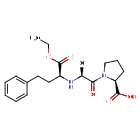
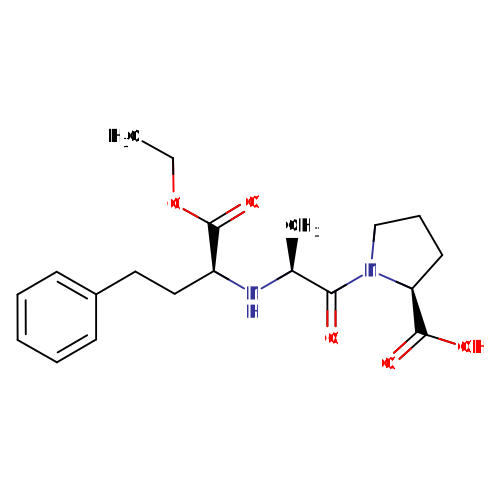
Structure for Enalapril (DB00584)
- Weight
- Average: 376.4467
Monoisotopic: 376.199822016 - Chemical Formula
- C20H28N2O5
- Synonyms
- (S)-1-(N-(1-(ethoxycarbonyl)-3-phenylpropyl)-L-alanyl)-L-proline
- (S)-1-{(S)-2-[1-((S)-Ethoxycarbonyl)-3-phenyl-propylamino]-propionyl}-pyrrolidine-2-carboxylic acid
- 1-(N-((S)-1-carboxy-3-phenylpropyl)-L-alanyl)-L-proline 1'-ethyl ester
- ánalapril
- Enalapril
- Enalaprila
- Enalaprilum
- External IDs
- L 154739-01 D
- MK 421

Pharmacology
- Indication
Indicated for the management of essential or renovascular hypertension 10 as monotherapy or in combination with other antihypertensive agents, such as thiazide diuretics, for an additive effect.Label
Indicated for the treatment of symptomatic congestive heart failure, usually in combination with diuretics and digitalis.Label
Indicated for the management of asymptomatic left ventricular dysfunction in patients with an ejection fraction of ≤ to 35 percent to decrease the rate of development of overt heart failure and the incidence of hospitalization for heart failure.Label
 Reduce drug development failure ratesBuild, train, & validate machine-learning modelswith evidence-based and structured datasets.Build, train, & validate predictive machine-learning models with structured datasets.
- Associated Conditions
Indication Type Indication Combined Product Details Approval Level Age Group Patient Characteristics Dose Form Management of Diabetic nephropathy ••• ••••• Used in combination to manage High blood pressure (hypertension) Combination Product in combination with: Nitrendipine (DB01054) •••••••••••• ••••• ••••• •••••••• •••••••••••• •••••••••• •••• ••••••••••• •••••• Used in combination to manage Hypertension Combination Product in combination with: Hydrochlorothiazide (DB00999) •••••••••••• Treatment of Hypertension ••• ••••• ••••••••• Management of Hypertension •••••••••••• - Contraindications & Blackbox Warnings
 Prevent Adverse Drug Events TodayTap into our Clinical API for life-saving information on contraindications & blackbox warnings, population restrictions, harmful risks, & more.Avoid life-threatening adverse drug events with our Clinical API
- Pharmacodynamics
Enalapril is an antihypertensive agent that exhibits natriuretic and uricosuric properties. Enalapril lowers blood pressure in all grades of essential and renovascular hypertension, and peripheral vascular resistance without causing an increase in heart rate.6 Individuals with low-renin hypertensive population were still responsive to enalapril.Label The duration of hypertensive effect in the systolic and diastolic blood pressure persists for at least 24 hours following initial administration of a single oral dose, and repeated daily administration of enalapril confers an additional reduction in blood pressure and a steady-state antihypertensive response may take several weeks.7 In patients with severe congestive heart failure and inadequate clinical response to conventional antihypertensive therapies, treatment with enalapril resulted in improvements in cardiac performance as observed by a reduction in both preload and afterload, and improved clinical status long-term.6 Furthermore, enalapril was shown to increase cardiac output and stroke volume while decreasing pulmonary capillary wedge pressure in patients with congestive heart failure refractory to conventional treatment with digitalis and diuretics. In clinical studies, enalapril reduced left ventricular mass, and did not affect cardiac function or myocardial perfusion during exercise.5 Enalapril is not highly associated with the risk of bradycardia unlike most diuretics and beta-blockers 6 and it does not produce rebound hypertension upon discontinuation of therapy.5
Enalapril is not reported to produce hypokalaemia, hyperglycaemia, hyperuricaemia or hypercholesterolaemia. In the kidneys, enalapril was shown to increase renal blood flow and decrease renal vascular resistance. It also augmented the glomerular filtration rate in patients with a glomerular filtration rate less than 80 mL/min.5 When used in combination, enalapril was shown to attenuate the extent of drug-induced hypokalemia caused by hydrochlorothiazide 6 and the antihypertensive effects of both drugs were potentiated.2
- Mechanism of action
The renin-angiotensin-aldosterone system (RAAS) is a signaling pathway that works in synergism with the sympathetic system to regulate blood pressure and fluid and electrolyte homeostasis. Activation of this system upon stimulation by different factors, such as low blood pressure and nerve impulses, leads to increased release of norepinephrine (NE) from sympathetic nerve terminals and effects on the vascular growth, vasoconstriction, and salt retention in the kidneys.9 Renin is released from Renin acts on the precursor prottein angiotensinogen, which is a plasma globulin synthesized from the liver, to produce cleaved peptide hormone angiotensin I.9 Angiotensin I then can be further cleaved by ACE to produce angiotensin II, a vasoconstrictive peptide hormone.Label Present in different isoforms, angiotensin converting enzyme (ACE) is peptidyl dipeptidase enzyme expressed in various tissues, including the vascular tissues, such as the heart, brain, and kidneys.9 ACE also plays a role in inactivation of bradykinin, a potent vasodepressor peptide.9,Label Angiotensin II mediates various actions on the body by working on its G-protein coupled receptors, AT1 and AT2.9 It causes direct vasoconstriction of precapillary arterioles and postcapillary venules, inhibits the reuptake of NE thereby increasing available levels, stimulates the release of catecholamines from the adrenal medulla, reduces urinary excretion of sodium ions and water by promoting proximal tubular reabsorption, stimulates synthesis and release of aldosterone from the adrenal cortex, and stimulates hypertrophy of both vascular smooth muscle cells and cardiac myocytes.11
Enalapril is a pharmacologically inactive prodrug that requires hepatic biotransformation to form enalaprilat, its active metabolite that works on the RAAS to inhibit ACE.Label Biotransformation is critial for the therapeutic actions of the drug, as enalapril itself is only a weak inhibitor of ACE.4 ACE inhibition results in reduced production and plasma levels of angiotensin II, increased plasma renin activity due to the loss of feedback inhibition by angiotensin II, and decreased aldosterone secretion.10 However, plasma aldosterone levels usually return to normal during long-term administration of enalapril.7 Decreased levels of angiotensin II subsequently leads to the dilatation of peripheral vessles and reduced vascular resistance which in turn lower blood pressure.7 While inhibition of ACE leading to suppression of RAAS is thought to be the primary mechanism of action of enalapril, the drug was shown to still exert antihypertensive effects on individuals with low-renin hypertension. It is suggested that enalapril may mediate its pharmacological actions via other modes of action that are not fully understood.Label As ACE is structurally similar to kininase I, which is a carboxypeptidase that degrades bradykinin, whether increased levels of bradykinin play a role in the therapeutic effects of enalapril remains to be elucidated.Label
Target Actions Organism AAngiotensin-converting enzyme inhibitorHumans - Absorption
Following oral administration, the peak plasma concentrations (Cmax) of enalapril is achieved within 1 hour post dosing while the Cmax of enalaprilat occurs at three to four hours post dosing.Label The steady-state is achieved by the fourth daily dose and there is no accumulation with repeated dosing.5 However, accumulation of enalaprilat may occur in patients with creatinine clearance less than 30 mL/min.4 Food intake is reported to have a minimal effect on drug absorption.1 Following oral administration, about 60% of enalapril was absorbed.Label Bioavailability of enalapril averaged about 40% when intravenous enalaprilat was used as a reference standard.2
- Volume of distribution
The volume of distribution of enalapril has not been established. Enalaprilat is shown to penetrate into most tissuesm, in particular the kidneys and vascular tissuem, although penetration of the blood-brain barrier has not been demonstrated after administration at therapeutic doses.7 In dog studies, enalapril and enalaprilat cross the blood-brain barrier poorly.10 Minimal penetration occurs into breast milk but significant fetal transfer occurs.7 The drug crosses the placental barrier in rats and hamsters.10
- Protein binding
It is reported that less than 50% of enalaprilat is bound to human plasma proteins, based on limited data from binding studies of enalaprilat in human plasma both by equilibrium dialysis and by ultrafiltration.2,7
- Metabolism
About 60% of the absorbed dose is extensively hydrolyzed to enalaprilat via de-esterification mediated by hepatic esterases.Label In humans, metabolism beyond bioactivation to enalaprilat is not observed.5
Hover over products below to view reaction partners
- Route of elimination
Enalapril is mainly eliminated through renal excretion, where approximately 94% of the total dose is excreted via urine or feces as either enalaprilat or unchanged parent compound.Label About 61% and 33% of the total dose can be recovered in the urine and feces, respectively.7 In the urine, about 40% of the recovered dose is in the form of enalaprilat.Label
- Half-life
The average terminal half life of enalaprilat is 35-38 hours. The effective half life following multiple doses is 11-14 hours. The prolonged terminal half-life is due to the binding of enalaprilat to ACE.5
- Clearance
Following oral administration in healthy male volunteers, the renal clearance was approximately 158 ± 47 mL/min.8 It is reported that enalapril and enalaprilat are undetectable in the plasma by 4 hours post-dosing.3
- Adverse Effects
 Improve decision support & research outcomesWith structured adverse effects data, including: blackbox warnings, adverse reactions, warning & precautions, & incidence rates. View sample adverse effects data in our new Data Library!Improve decision support & research outcomes with our structured adverse effects data.
- Toxicity
LD50 and Overdose
Oral LD50 in rats is 2973 mg/kg.MSDS Lethality was observed with single oral doses of enalapril above 1000 mg/kg in mice and greater than or equal to 1775 mg/kg in rats. Serum enalaprilat levels 100- and 200-fold higher than usually seen after therapeutic doses have been reported after ingestion of 300 mg and 440 mg of enalapril, respectively.10 While there is limited data about enalapril overdose in humans, overdosage may result in marked hypotension and stupor based on the pharmacological properties of the drug. Most common adverse effects of enalapril include cough, hypotension, stupor, headache, dizziness and fatigue. If hypotension is seen, usual treatment of intravenous infusion of normal saline solution is recommended. Enalaprilat may be removed from systemic circulation with the use of hemodialysis. It has been removed from neonatal circulation by peritoneal dialysis.Label
Nonclinical toxicology
Maternal and fetal toxicity occudred in some rabbits treated with enalapril at doses of 1 mg/kg/day or more. There was no fetotoxicity, expressed as a decrease in average fetal weight, or teratogenicity in rats treated with enalapril at doses up to 200 mg/kg/day, which is about 333 times the maximum human dose.10 In mice and rats receiving enalapril at doses ranging from 90 to 180 mg/kg/day, there was no evidence of a tumorigenic effect. Neither enalapril or its active metabolite were shown to be mutagenic or genotoxic in in vitro and in vivo studies. There were no adverse effects on reproductive performance of male and female rats treated with up to 90 mg/kg/day of enalapril. Label
Use in special populations
Caution is warranted in patients who are concurrently using another ACE inhibitors with enalapril, as there have been incidences of agranulocytosis with the use of captopril, which is another ACE inhibitor. This adverse event may be particularly significant in patients with renal impairment or collagen vascular disease.Label As enalapril and enalaprilat were shown to be secreted in human milk in trace amounts, the use of enalaprilat in nursing women is not recommended.10 Significant fetal transfer occurs with enalapril and enalaprilat thus the use of the drug in pregnant women should be strongly avoided. Caution is advised when enalapril is used in patients who are elderly or with renal impairment, as dosage adjustments may be appropriate. The antihypertensive effect of angiotensin converting enzyme inhibitors is generally lower in individuals of African descent, usually a low-renin hypertensive population.Label
- Pathways
Pathway Category Enalapril Metabolism Pathway Drug metabolism Enalapril Action Pathway Drug action - Pharmacogenomic Effects/ADRs
- Not Available
Interactions
- Drug Interactions
- This information should not be interpreted without the help of a healthcare provider. If you believe you are experiencing an interaction, contact a healthcare provider immediately. The absence of an interaction does not necessarily mean no interactions exist.
Drug Interaction Integrate drug-drug
interactions in your softwareAbaloparatide The risk or severity of adverse effects can be increased when Enalapril is combined with Abaloparatide. Acamprosate The excretion of Acamprosate can be decreased when combined with Enalapril. Acebutolol Enalapril may increase the hypotensive activities of Acebutolol. Aceclofenac The risk or severity of renal failure, hyperkalemia, and hypertension can be increased when Aceclofenac is combined with Enalapril. Acemetacin The risk or severity of renal failure, hyperkalemia, and hypertension can be increased when Acemetacin is combined with Enalapril. - Food Interactions
- Avoid hypertensive herbs (e.g. bayberry, blue cohosh, cayenne, ephedra, and licorice). Additive hypertensive effects may occur.
- Avoid potassium-containing products. Potassium products increase the risk of hyperkalemia.
- Take with or without food. The absorption is unaffected by food.
Products
 Drug product information from 10+ global regionsOur datasets provide approved product information including:dosage, form, labeller, route of administration, and marketing period.Access drug product information from over 10 global regions.
- Product Ingredients
Ingredient UNII CAS InChI Key Enalapril maleate 9O25354EPJ 76095-16-4 OYFJQPXVCSSHAI-QFPUQLAESA-N Enalapril sodium 94A7UFL2SI 149404-21-7 FTTHROYWFRGKST-BDURURIASA-M - Active Moieties
Name Kind UNII CAS InChI Key Enalaprilat prodrug Q508Q118JM 76420-72-9 LZFZMUMEGBBDTC-QEJZJMRPSA-N - Product Images
- International/Other Brands
- Acetec (Alphapharm) / Acetensil (Grünenthal) / Alapren (Ranbaxy) / Amotac (Mass Pharma) / Amprace (Merck Sharp & Dohme) / Dilvas (Cipla) / Diotensil (Mintlab) / Drepatil (Fada) / Enace (Abbott) / EnaHexal (Sandoz) / Enal (East West) / Enalapoten (Del Bel) / Enpril (Wockhardt) / Feliberal (Silanes) / Gadopril (Gador (Argentina)) / Glioten (Bago) / Kinfil (Nova Argentia (Argentina)) / Vasotec IV (Sandoz (Canada))
- Brand Name Prescription Products
Name Dosage Strength Route Labeller Marketing Start Marketing End Region Image Act Enalapril Tablet 8 mg Oral TEVA Canada Limited 2007-10-17 Not applicable Canada 
Act Enalapril Tablet 4 mg Oral TEVA Canada Limited 2007-10-17 Not applicable Canada Act Enalapril Tablet 16 mg Oral TEVA Canada Limited 2007-10-17 Not applicable Canada Act Enalapril Tablet 2 mg Oral TEVA Canada Limited 2007-10-17 Not applicable Canada Enalapril Tablet 5 mg Oral Sanis Health Inc 2013-02-13 Not applicable Canada - Generic Prescription Products
Name Dosage Strength Route Labeller Marketing Start Marketing End Region Image Apo-enalapril Tablet 10 mg Oral Apotex Corporation 1993-12-31 Not applicable Canada Apo-enalapril Tablet 5 mg Oral Apotex Corporation 1993-12-31 Not applicable Canada Apo-enalapril Tablet 20 mg Oral Apotex Corporation 1993-12-31 Not applicable Canada Apo-enalapril Tablet 2.5 mg Oral Apotex Corporation 1993-12-31 Not applicable Canada Ava-enalapril Tablet 2.5 mg Oral Avanstra Inc 2011-10-11 2014-08-21 Canada - Mixture Products
Name Ingredients Dosage Route Labeller Marketing Start Marketing End Region Image ACESISTEM Enalapril (20 MG) + Hydrochlorothiazide (12.5 MG) Tablet Oral Alfasigma s.p.a. 2014-07-08 Not applicable Italy 
ACESISTEM Enalapril (20 MG) + Hydrochlorothiazide (12.5 MG) Tablet Oral Alfasigma s.p.a. 2014-07-08 Not applicable Italy ACESISTEM Enalapril (20 MG) + Hydrochlorothiazide (12.5 MG) Tablet Oral Alfasigma s.p.a. 2014-07-08 2022-04-14 Italy ATOVER Enalapril maleate (20 MG) + Lercanidipine hydrochloride (10 MG) Tablet, coated Oral Recordati Industria Chimica E Farmaceutica S.P.A. 2014-07-08 Not applicable Italy ATOVER Enalapril maleate (20 MG) + Lercanidipine hydrochloride (10 MG) Tablet, coated Oral Recordati Industria Chimica E Farmaceutica S.P.A. 2014-07-08 Not applicable Italy


Categories
- ATC Codes
- C09BA02 — Enalapril and diuretics
- C09BA — ACE inhibitors and diuretics
- C09B — ACE INHIBITORS, COMBINATIONS
- C09 — AGENTS ACTING ON THE RENIN-ANGIOTENSIN SYSTEM
- C — CARDIOVASCULAR SYSTEM
- C09BB — ACE inhibitors and calcium channel blockers
- C09B — ACE INHIBITORS, COMBINATIONS
- C09 — AGENTS ACTING ON THE RENIN-ANGIOTENSIN SYSTEM
- C — CARDIOVASCULAR SYSTEM
- C09BB — ACE inhibitors and calcium channel blockers
- C09B — ACE INHIBITORS, COMBINATIONS
- C09 — AGENTS ACTING ON THE RENIN-ANGIOTENSIN SYSTEM
- C — CARDIOVASCULAR SYSTEM
- Drug Categories
- ACE Inhibitors and Calcium Channel Blockers
- ACE Inhibitors and Diuretics
- Agents Acting on the Renin-Angiotensin System
- Agents causing angioedema
- Agents causing hyperkalemia
- Agents Causing Muscle Toxicity
- Amino Acids, Peptides, and Proteins
- Angiotensin-Converting Enzyme Inhibitors
- Antihypertensive Agents
- Antihypertensive Agents Indicated for Hypertension
- Cardiovascular Agents
- Decreased Blood Pressure
- Dipeptides
- Drugs causing inadvertant photosensitivity
- Enzyme Inhibitors
- Hypotensive Agents
- OAT1/SLC22A6 inhibitors
- OAT3/SLC22A8 Inhibitors
- OATP1B1/SLCO1B1 Substrates
- Oligopeptides
- P-glycoprotein inhibitors
- Peptides
- Photosensitizing Agents
- Protease Inhibitors
- Chemical TaxonomyProvided by Classyfire
- Description
- This compound belongs to the class of organic compounds known as dipeptides. These are organic compounds containing a sequence of exactly two alpha-amino acids joined by a peptide bond.
- Kingdom
- Organic compounds
- Super Class
- Organic acids and derivatives
- Class
- Carboxylic acids and derivatives
- Sub Class
- Amino acids, peptides, and analogues
- Direct Parent
- Dipeptides
- Alternative Parents
- Proline and derivatives / Alpha amino acid esters / N-acyl-L-alpha-amino acids / Alpha amino acid amides / Pyrrolidine carboxylic acids / N-acylpyrrolidines / Aralkylamines / Fatty acid esters / Benzene and substituted derivatives / Dicarboxylic acids and derivatives show 10 more
- Substituents
- Alpha-amino acid amide / Alpha-amino acid ester / Alpha-amino acid or derivatives / Alpha-dipeptide / Amine / Amino acid / Amino acid or derivatives / Aralkylamine / Aromatic heteromonocyclic compound / Azacycle show 28 more
- Molecular Framework
- Aromatic heteromonocyclic compounds
- External Descriptors
- dicarboxylic acid monoester, dipeptide (CHEBI:4784)
- Affected organisms
- Humans and other mammals
Chemical Identifiers
- UNII
- 69PN84IO1A
- CAS number
- 75847-73-3
- InChI Key
- GBXSMTUPTTWBMN-XIRDDKMYSA-N
- InChI
- InChI=1S/C20H28N2O5/c1-3-27-20(26)16(12-11-15-8-5-4-6-9-15)21-14(2)18(23)22-13-7-10-17(22)19(24)25/h4-6,8-9,14,16-17,21H,3,7,10-13H2,1-2H3,(H,24,25)/t14-,16-,17-/m0/s1
- IUPAC Name
- (2S)-1-[(2S)-2-{[(2S)-1-ethoxy-1-oxo-4-phenylbutan-2-yl]amino}propanoyl]pyrrolidine-2-carboxylic acid
- SMILES
- CCOC(=O)[C@H](CCC1=CC=CC=C1)N[C@@H](C)C(=O)N1CCC[C@H]1C(O)=O
References
- Synthesis Reference
K. S. Keshava Murthy, Andrew Burchat, Gamini Weeratunga, "Sodium enalapril complex and the use thereof to make sodium enalapril." U.S. Patent US5637730, issued February, 1983.
US5637730- General References
- Swanson BN, Vlasses PH, Ferguson RK, Bergquist PA, Till AE, Irvin JD, Harris K: Influence of food on the bioavailability of enalapril. J Pharm Sci. 1984 Nov;73(11):1655-7. [Article]
- Davies RO, Gomez HJ, Irvin JD, Walker JF: An overview of the clinical pharmacology of enalapril. Br J Clin Pharmacol. 1984;18 Suppl 2:215S-229S. [Article]
- MacFadyen RJ, Meredith PA, Elliott HL: Enalapril clinical pharmacokinetics and pharmacokinetic-pharmacodynamic relationships. An overview. Clin Pharmacokinet. 1993 Oct;25(4):274-82. doi: 10.2165/00003088-199325040-00003. [Article]
- Vlasses PH, Larijani GE, Conner DP, Ferguson RK: Enalapril, a nonsulfhydryl angiotensin-converting enzyme inhibitor. Clin Pharm. 1985 Jan-Feb;4(1):27-40. [Article]
- Gomez HJ, Cirillo VJ, Irvin JD: Enalapril: a review of human pharmacology. Drugs. 1985;30 Suppl 1:13-24. doi: 10.2165/00003495-198500301-00004. [Article]
- Todd PA, Heel RC: Enalapril. A review of its pharmacodynamic and pharmacokinetic properties, and therapeutic use in hypertension and congestive heart failure. Drugs. 1986 Mar;31(3):198-248. doi: 10.2165/00003495-198631030-00002. [Article]
- Todd PA, Goa KL: Enalapril. A reappraisal of its pharmacology and therapeutic use in hypertension. Drugs. 1992 Mar;43(3):346-81. doi: 10.2165/00003495-199243030-00005. [Article]
- Ulm EH, Hichens M, Gomez HJ, Till AE, Hand E, Vassil TC, Biollaz J, Brunner HR, Schelling JL: Enalapril maleate and a lysine analogue (MK-521): disposition in man. Br J Clin Pharmacol. 1982 Sep;14(3):357-62. doi: 10.1111/j.1365-2125.1982.tb01991.x. [Article]
- 22. (2012). In Rang and Dale's Pharmacology (7th ed., pp. 270-271). Edinburgh: Elsevier/Churchill Livingstone. [ISBN:978-0-7020-3471-8]
- Enalapril Oral Tablets - Product Monograph [Link]
- Angiotensin Converting Enzyme Inhibitors (ACEI) - StatPearls [Link]
- FDA Approved Drug Products: VASOTEC (enalapril maleate) tablets [Link]
- FDA Approved Drug Products: EPANED (enalapril maleate) solution [Link]
- FDA Approved Drug Products: LEXXEL (enalapril maleate and felodipine) tablets [Link]
- FDA Approved Drug Products: VASERETIC (enalapril maleate and hydrochlorothiazide) tablets [Link]
- External Links
- Human Metabolome Database
- HMDB0014722
- KEGG Drug
- D07892
- KEGG Compound
- C06977
- PubChem Compound
- 5388962
- PubChem Substance
- 46507920
- ChemSpider
- 4534998
- BindingDB
- 50017129
- 3827
- ChEBI
- 4784
- ChEMBL
- CHEMBL578
- ZINC
- ZINC000003791297
- Therapeutic Targets Database
- DAP001374
- PharmGKB
- PA449456
- RxList
- RxList Drug Page
- Drugs.com
- Drugs.com Drug Page
- PDRhealth
- PDRhealth Drug Page
- Wikipedia
- Enalapril
- FDA label
- Download (120 KB)
- MSDS
- Download (173 KB)
Clinical Trials
- Clinical Trials
Phase Status Purpose Conditions Count 4 Active Not Recruiting Screening Healthy Volunteers (HV) 1 4 Active Not Recruiting Treatment Chagas Disease / Heart Failure 1 4 Completed Basic Science Carboxylesterase 1 (CES1) Genotype / CES1 Activity 1 4 Completed Basic Science Coronavirus Disease 2019 (COVID‑19) / Myocarditis Allergic / Renal Dialysis / Severe Acute Respiratory Syndrome-related Coronavirus / Vaccines / Viral Infections 1 4 Completed Basic Science Hypertension / Syndrome, Metabolic 1
Pharmacoeconomics
- Manufacturers
- Apotex inc
- Apothecon inc div bristol myers squibb
- Ivax pharmaceuticals inc sub teva pharmaceuticals usa
- Krka dd novo mesto
- Lek pharmaceuticals d d
- Mylan pharmaceuticals inc
- Ranbaxy laboratories ltd
- Sandoz inc
- Taro pharmaceutical industries ltd
- Teva pharmaceuticals usa inc
- Watson laboratories inc
- Wockhardt americas inc
- Biovail laboratories international srl
- Bedford laboratories div ben venue laboratories inc
- Hikma farmaceutica (portugal) sa
- Hospira inc
- Teva parenteral medicines inc
- Packagers
- Advanced Pharmaceutical Services Inc.
- Amerisource Health Services Corp.
- Apace Packaging
- Apotex Inc.
- Apotheca Inc.
- A-S Medication Solutions LLC
- Baxter International Inc.
- Bedford Labs
- Ben Venue Laboratories Inc.
- Bryant Ranch Prepack
- BTA Pharmaceuticals
- California Clinical Pharmacy Inc.
- Cardinal Health
- Comprehensive Consultant Services Inc.
- Corepharma LLC
- Coupler Enterprises Inc.
- Direct Dispensing Inc.
- Dispensing Solutions
- Diversified Healthcare Services Inc.
- Emcure Pharmaceuticals Ltd.
- Eon Labs
- Heartland Repack Services LLC
- Hikma Pharmaceuticals
- Hospira Inc.
- Ivax Pharmaceuticals
- Krka d.d. Novo Mesto
- Lake Erie Medical and Surgical Supply
- Lek Pharmaceuticals Inc.
- Major Pharmaceuticals
- Medisca Inc.
- Merck & Co.
- Merrell Pharmaceuticals Inc.
- Murfreesboro Pharmaceutical Nursing Supply
- Mylan
- Neuman Distributors Inc.
- Nucare Pharmaceuticals Inc.
- Ohm Laboratories Inc.
- Palmetto Pharmaceuticals Inc.
- Par Pharmaceuticals
- Patheon Inc.
- PCA LLC
- PD-Rx Pharmaceuticals Inc.
- Pharmaceutical Utilization Management Program VA Inc.
- Pharmedix
- Pharmpak Inc.
- Physicians Total Care Inc.
- Preferred Pharmaceuticals Inc.
- Prepackage Specialists
- Prepak Systems Inc.
- Ranbaxy Laboratories
- Rebel Distributors Corp.
- Remedy Repack
- Sandhills Packaging Inc.
- Sandoz
- Southwood Pharmaceuticals
- Taro Pharmaceuticals USA
- Teva Pharmaceutical Industries Ltd.
- Tya Pharmaceuticals
- UDL Laboratories
- Vangard Labs Inc.
- Watson Pharmaceuticals
- West-Ward Pharmaceuticals
- Wockhardt Ltd.
- Dosage Forms
Form Route Strength Tablet Oral 10.000 mg Tablet Oral 2.5 mg Tablet Oral 20.000 mg Tablet, orally disintegrating Oral 0.25 mg Tablet Oral 10.0 mg Tablet Oral 20.0 mg Tablet Oral 5.0 mg Powder, for suspension Oral 0.006 g Tablet Oral 5.254 mg Capsule, coated Oral Tablet Oral 30 MG Tablet Oral 40 MG Tablet Oral 2 mg / tab Tablet Oral 2000000 mg Tablet, film coated Oral 5 mg Tablet Oral 5.1 mg Tablet Oral 500000 mg Tablet, coated Oral Tablet Oral 10 mg/1 Tablet Oral 2.5 mg/1 Tablet Oral 20 mg/1 Tablet Oral 5 mg/1 Tablet, soluble Oral 10 mg/1 Tablet, soluble Oral 2.5 mg/1 Tablet, soluble Oral 20 mg/1 Tablet, soluble Oral 5 mg/1 Tablet Oral Tablet Oral 20.4 mg Tablet, film coated Oral Tablet Oral Tablet Oral 10 MG Tablet Oral 5.000 mg Tablet Oral 10.00 MG Solution Oral 1 mg/1mL Tablet Oral 5.00 mg Tablet, extended release Oral Tablet Oral 48.31 mg Tablet Oral 32 mg Tablet Oral 4.0 mg Tablet Oral 8.0 mg Tablet Oral 2 mg Tablet Oral 16 mg Tablet Oral 2.0 mg Tablet Oral 4 mg Tablet Oral 8 mg Tablet Oral 20 mg Tablet Oral 5 mg Tablet, coated Oral 20 mg - Prices
Unit description Cost Unit Enalapril maleate powder 9.18USD g Enalaprilat 1.25 mg/ml vial 3.6USD ml Vasotec 20 mg tablet 3.36USD tablet Vaseretic 10-25 mg tablet 3.15USD tablet Vasotec 10 mg tablet 2.63USD tablet Vasotec 5 mg tablet 2.08USD tablet Vasotec 2.5 mg tablet 1.65USD tablet Enalapril maleate 20 mg tablet 1.56USD tablet Vaseretic 5-12.5 mg tablet 1.49USD tablet Vasotec 20 mg Tablet 1.34USD tablet Vasotec 10 mg Tablet 1.11USD tablet Enalapril maleate 10 mg tablet 1.09USD tablet Enalapril maleate 5 mg tablet 1.03USD tablet Vasotec 5 mg Tablet 0.92USD tablet Enalapril maleate 2.5 mg tablet 0.82USD tablet Vasotec 2.5 mg Tablet 0.78USD tablet Apo-Enalapril 20 mg Tablet 0.75USD tablet Co Enalapril 20 mg Tablet 0.75USD tablet Mylan-Enalapril 20 mg Tablet 0.75USD tablet Novo-Enalapril 20 mg Tablet 0.75USD tablet Pms-Enalapril 20 mg Tablet 0.75USD tablet Ratio-Enalapril 20 mg Tablet 0.75USD tablet Sandoz Enalapril 20 mg Tablet 0.75USD tablet Taro-Enalapril 20 mg Tablet 0.75USD tablet Apo-Enalapril 10 mg Tablet 0.62USD tablet Co Enalapril 10 mg Tablet 0.62USD tablet Mylan-Enalapril 10 mg Tablet 0.62USD tablet Novo-Enalapril 10 mg Tablet 0.62USD tablet Pms-Enalapril 10 mg Tablet 0.62USD tablet Ratio-Enalapril 10 mg Tablet 0.62USD tablet Sandoz Enalapril 10 mg Tablet 0.62USD tablet Taro-Enalapril 10 mg Tablet 0.62USD tablet Apo-Enalapril 5 mg Tablet 0.52USD tablet Co Enalapril 5 mg Tablet 0.52USD tablet Mylan-Enalapril 5 mg Tablet 0.52USD tablet Novo-Enalapril 5 mg Tablet 0.52USD tablet Pms-Enalapril 5 mg Tablet 0.52USD tablet Ratio-Enalapril 5 mg Tablet 0.52USD tablet Sandoz Enalapril 5 mg Tablet 0.52USD tablet Taro-Enalapril 5 mg Tablet 0.52USD tablet Apo-Enalapril 2.5 mg Tablet 0.44USD tablet Co Enalapril 2.5 mg Tablet 0.44USD tablet Mylan-Enalapril 2.5 mg Tablet 0.44USD tablet Novo-Enalapril 2.5 mg Tablet 0.44USD tablet Pms-Enalapril 2.5 mg Tablet 0.44USD tablet Ratio-Enalapril 2.5 mg Tablet 0.44USD tablet Sandoz Enalapril 2.5 mg Tablet 0.44USD tablet Taro-Enalapril 2.5 mg Tablet 0.44USD tablet DrugBank does not sell nor buy drugs. Pricing information is supplied for informational purposes only.- Patents
Patent Number Pediatric Extension Approved Expires (estimated) Region US8778366 No 2014-07-15 2032-11-06 US 
US8568747 No 2013-10-29 2032-11-06 US US9669008 No 2017-06-06 2036-03-25 US US9808442 No 2017-11-07 2036-03-25 US US9855214 No 2018-01-02 2032-11-06 US US9968553 No 2018-05-15 2032-11-06 US US10039745 No 2018-08-07 2036-03-25 US US10154987 No 2018-12-18 2036-03-25 US US10772868 No 2020-09-15 2036-03-25 US US10786482 No 2020-09-29 2036-03-25 US US11040023 No 2021-06-22 2036-03-25 US US11141405 No 2021-10-12 2036-03-25 US US11173141 No 2021-11-16 2036-03-25 US
Properties
- State
- Solid
- Experimental Properties
Property Value Source melting point (°C) 143-144.5 MSDS water solubility 1.64E+004 mg/L MCFARLAND,JW ET AL. (2001) logP 0.07 HANSCH,C ET AL. (1995) Caco2 permeability -5.64 ADME Research, USCD - Predicted Properties
Property Value Source Water Solubility 0.213 mg/mL ALOGPS logP 0.19 ALOGPS logP 0.59 Chemaxon logS -3.2 ALOGPS pKa (Strongest Acidic) 3.67 Chemaxon pKa (Strongest Basic) 5.2 Chemaxon Physiological Charge -1 Chemaxon Hydrogen Acceptor Count 5 Chemaxon Hydrogen Donor Count 2 Chemaxon Polar Surface Area 95.94 Å2 Chemaxon Rotatable Bond Count 10 Chemaxon Refractivity 99.57 m3·mol-1 Chemaxon Polarizability 40.41 Å3 Chemaxon Number of Rings 2 Chemaxon Bioavailability 1 Chemaxon Rule of Five Yes Chemaxon Ghose Filter Yes Chemaxon Veber's Rule No Chemaxon MDDR-like Rule No Chemaxon - Predicted ADMET Features
Property Value Probability Human Intestinal Absorption + 0.7428 Blood Brain Barrier - 0.9659 Caco-2 permeable - 0.8956 P-glycoprotein substrate Substrate 0.7691 P-glycoprotein inhibitor I Non-inhibitor 0.6681 P-glycoprotein inhibitor II Non-inhibitor 0.5136 Renal organic cation transporter Non-inhibitor 0.8442 CYP450 2C9 substrate Non-substrate 0.8632 CYP450 2D6 substrate Non-substrate 0.9116 CYP450 3A4 substrate Non-substrate 0.5696 CYP450 1A2 substrate Non-inhibitor 0.9125 CYP450 2C9 inhibitor Non-inhibitor 0.9154 CYP450 2D6 inhibitor Non-inhibitor 0.9231 CYP450 2C19 inhibitor Non-inhibitor 0.9025 CYP450 3A4 inhibitor Non-inhibitor 0.8309 CYP450 inhibitory promiscuity Low CYP Inhibitory Promiscuity 0.6825 Ames test Non AMES toxic 0.9383 Carcinogenicity Non-carcinogens 0.9216 Biodegradation Not ready biodegradable 0.8686 Rat acute toxicity 1.8269 LD50, mol/kg Not applicable hERG inhibition (predictor I) Weak inhibitor 0.9719 hERG inhibition (predictor II) Non-inhibitor 0.7456
Spectra
- Mass Spec (NIST)
- Not Available
- Spectra
- Chromatographic Properties
Collision Cross Sections (CCS)
Adduct CCS Value (Å2) Source type Source [M-H]- 208.51317 predictedDarkChem Lite v0.1.0 [M-H]- 209.17627 predictedDarkChem Lite v0.1.0 [M-H]- 187.60167 predictedDeepCCS 1.0 (2019) [M+H]+ 207.21777 predictedDarkChem Lite v0.1.0 [M+H]+ 210.04177 predictedDarkChem Lite v0.1.0 [M+H]+ 189.95967 predictedDeepCCS 1.0 (2019) [M+Na]+ 208.05917 predictedDarkChem Lite v0.1.0 [M+Na]+ 209.58057 predictedDarkChem Lite v0.1.0 [M+Na]+ 196.05284 predictedDeepCCS 1.0 (2019)
Targets

- Kind
- Protein
- Organism
- Humans
- Pharmacological action
- Yes
- Actions
- Inhibitor
- General Function
- Zinc ion binding
- Specific Function
- Converts angiotensin I to angiotensin II by release of the terminal His-Leu, this results in an increase of the vasoconstrictor activity of angiotensin. Also able to inactivate bradykinin, a potent...
- Gene Name
- ACE
- Uniprot ID
- P12821
- Uniprot Name
- Angiotensin-converting enzyme
- Molecular Weight
- 149713.675 Da
References
- Andujar-Sanchez M, Jara-Perez V, Camara-Artigas A: Thermodynamic determination of the binding constants of angiotensin-converting enzyme inhibitors by a displacement method. FEBS Lett. 2007 Jul 24;581(18):3449-54. Epub 2007 Jun 27. [Article]
- Chen X, Ji ZL, Chen YZ: TTD: Therapeutic Target Database. Nucleic Acids Res. 2002 Jan 1;30(1):412-5. [Article]
- Liu YH, Liu LY, Wu JX, Chen SX, Sun YX: Comparison of captopril and enalapril to study the role of the sulfhydryl-group in improvement of endothelial dysfunction with ACE inhibitors in high dieted methionine mice. J Cardiovasc Pharmacol. 2006 Jan;47(1):82-8. [Article]
- Natesh R, Schwager SL, Evans HR, Sturrock ED, Acharya KR: Structural details on the binding of antihypertensive drugs captopril and enalaprilat to human testicular angiotensin I-converting enzyme. Biochemistry. 2004 Jul 13;43(27):8718-24. [Article]
Carriers
- Kind
- Protein
- Organism
- Humans
- Pharmacological action
- No
- Actions
- Binder
- General Function
- Toxic substance binding
- Specific Function
- Serum albumin, the main protein of plasma, has a good binding capacity for water, Ca(2+), Na(+), K(+), fatty acids, hormones, bilirubin and drugs. Its main function is the regulation of the colloid...
- Gene Name
- ALB
- Uniprot ID
- P02768
- Uniprot Name
- Serum albumin
- Molecular Weight
- 69365.94 Da
References
- Trbojevic-Stankovic J, Aleksic M, Odovic J: Estimation of angiotensin-converting enzyme inhibitors protein binding degree using chromatographic hydrophobicity data. Srp Arh Celok Lek. 2015 Jan-Feb;143(1-2):50-5. [Article]
Transporters
- Kind
- Protein
- Organism
- Humans
- Pharmacological action
- Unknown
- Actions
- Inhibitor
- General Function
- Xenobiotic-transporting atpase activity
- Specific Function
- Energy-dependent efflux pump responsible for decreased drug accumulation in multidrug-resistant cells.
- Gene Name
- ABCB1
- Uniprot ID
- P08183
- Uniprot Name
- Multidrug resistance protein 1
- Molecular Weight
- 141477.255 Da
References
- Takara K, Kakumoto M, Tanigawara Y, Funakoshi J, Sakaeda T, Okumura K: Interaction of digoxin with antihypertensive drugs via MDR1. Life Sci. 2002 Feb 15;70(13):1491-500. [Article]
- Kind
- Protein
- Organism
- Humans
- Pharmacological action
- Unknown
- Actions
- SubstrateInhibitor
- General Function
- Proton-dependent oligopeptide secondary active transmembrane transporter activity
- Specific Function
- Proton-coupled intake of oligopeptides of 2 to 4 amino acids with a preference for dipeptides. May constitute a major route for the absorption of protein digestion end-products.
- Gene Name
- SLC15A1
- Uniprot ID
- P46059
- Uniprot Name
- Solute carrier family 15 member 1
- Molecular Weight
- 78805.265 Da
References
- Han H, de Vrueh RL, Rhie JK, Covitz KM, Smith PL, Lee CP, Oh DM, Sadee W, Amidon GL: 5'-Amino acid esters of antiviral nucleosides, acyclovir, and AZT are absorbed by the intestinal PEPT1 peptide transporter. Pharm Res. 1998 Aug;15(8):1154-9. [Article]
- Han HK, Rhie JK, Oh DM, Saito G, Hsu CP, Stewart BH, Amidon GL: CHO/hPEPT1 cells overexpressing the human peptide transporter (hPEPT1) as an alternative in vitro model for peptidomimetic drugs. J Pharm Sci. 1999 Mar;88(3):347-50. [Article]
- Temple CS, Boyd CA: Proton-coupled oligopeptide transport by rat renal cortical brush border membrane vesicles: a functional analysis using ACE inhibitors to determine the isoform of the transporter. Biochim Biophys Acta. 1998 Aug 14;1373(1):277-81. [Article]
- Tsuji A: Transporter-mediated Drug Interactions. Drug Metab Pharmacokinet. 2002;17(4):253-74. [Article]
- Kind
- Protein
- Organism
- Humans
- Pharmacological action
- Unknown
- Actions
- Inhibitor
- General Function
- Sodium-independent organic anion transmembrane transporter activity
- Specific Function
- Involved in the renal elimination of endogenous and exogenous organic anions. Functions as organic anion exchanger when the uptake of one molecule of organic anion is coupled with an efflux of one ...
- Gene Name
- SLC22A6
- Uniprot ID
- Q4U2R8
- Uniprot Name
- Solute carrier family 22 member 6
- Molecular Weight
- 61815.78 Da
References
- Kuze K, Graves P, Leahy A, Wilson P, Stuhlmann H, You G: Heterologous expression and functional characterization of a mouse renal organic anion transporter in mammalian cells. J Biol Chem. 1999 Jan 15;274(3):1519-24. [Article]
- Kind
- Protein
- Organism
- Humans
- Pharmacological action
- Unknown
- Actions
- Inhibitor
- General Function
- Sodium-independent organic anion transmembrane transporter activity
- Specific Function
- Plays an important role in the excretion/detoxification of endogenous and exogenous organic anions, especially from the brain and kidney. Involved in the transport basolateral of steviol, fexofenad...
- Gene Name
- SLC22A8
- Uniprot ID
- Q8TCC7
- Uniprot Name
- Solute carrier family 22 member 8
- Molecular Weight
- 59855.585 Da
References
- Kobayashi Y, Ohshiro N, Tsuchiya A, Kohyama N, Ohbayashi M, Yamamoto T: Renal transport of organic compounds mediated by mouse organic anion transporter 3 (mOat3): further substrate specificity of mOat3. Drug Metab Dispos. 2004 May;32(5):479-83. [Article]
- Kind
- Protein
- Organism
- Humans
- Pharmacological action
- Unknown
- Actions
- Inhibitor
- General Function
- Sodium-independent organic anion transmembrane transporter activity
- Specific Function
- Mediates sodium-independent multispecific organic anion transport. Transport of prostaglandin E2, prostaglandin F2, tetracycline, bumetanide, estrone sulfate, glutarate, dehydroepiandrosterone sulf...
- Gene Name
- SLC22A7
- Uniprot ID
- Q9Y694
- Uniprot Name
- Solute carrier family 22 member 7
- Molecular Weight
- 60025.025 Da
References
- Kobayashi Y, Ohshiro N, Shibusawa A, Sasaki T, Tokuyama S, Sekine T, Endou H, Yamamoto T: Isolation, characterization and differential gene expression of multispecific organic anion transporter 2 in mice. Mol Pharmacol. 2002 Jul;62(1):7-14. [Article]
- Sekine T, Cha SH, Tsuda M, Apiwattanakul N, Nakajima N, Kanai Y, Endou H: Identification of multispecific organic anion transporter 2 expressed predominantly in the liver. FEBS Lett. 1998 Jun 12;429(2):179-82. [Article]
- Kind
- Protein
- Organism
- Humans
- Pharmacological action
- Unknown
- Actions
- Substrate
- General Function
- Sodium-independent organic anion transmembrane transporter activity
- Specific Function
- Mediates the Na(+)-independent transport of organic anions such as sulfobromophthalein (BSP) and conjugated (taurocholate) and unconjugated (cholate) bile acids (By similarity). Selectively inhibit...
- Gene Name
- SLCO1A2
- Uniprot ID
- P46721
- Uniprot Name
- Solute carrier organic anion transporter family member 1A2
- Molecular Weight
- 74144.105 Da
References
- Abu-Zahra TN, Wolkoff AW, Kim RB, Pang KS: Uptake of enalapril and expression of organic anion transporting polypeptide 1 in zonal, isolated rat hepatocytes. Drug Metab Dispos. 2000 Jul;28(7):801-6. [Article]
- Pang KS, Wang PJ, Chung AY, Wolkoff AW: The modified dipeptide, enalapril, an angiotensin-converting enzyme inhibitor, is transported by the rat liver organic anion transport protein. Hepatology. 1998 Nov;28(5):1341-6. [Article]

Drug created at June 13, 2005 13:24 / Updated at April 26, 2024 00:45