| Version |
2.5 |
| Creation Date |
2005-06-13 13:24:05 |
| Update Date |
2009-06-23 18:08:19 |
| Primary Accession Number |
DB00656 |
| Secondary Accession Number |
|
| Name |
Trazodone |
| Drug Type |
- Approved
- Investigational
- Small Molecule
|
| Description |
A serotonin uptake inhibitor that is used as an antidepressive agent. It has been shown to be effective in patients with major depressive disorders and other subsets of depressive disorders. It is generally more useful in depressive disorders associated with insomnia and anxiety. This drug does not aggravate psychotic symptoms in patients with schizophrenia or schizoaffective disorders. (From AMA Drug Evaluations Annual, 1994, p309) |
| Synonyms |
- Trazodona [INN-Spanish]
- Trazodone Hcl
- Trazodone Hydrochloride
- Trazodonum [INN-Latin]
- trazodone
|
| Brand Names |
- Beneficat
- Bimaran
- Desirel
- Desyrel
- Molipaxin
- Pragmazone
- Sideril
- Thombran
- Tombran
- Trazalon
- Trazodil
- Trazodon
- Trazolan
- Trazonil
- Trialodine
- Trittico
|
| Brand Mixtures |
Not Available |
| Chemical IUPAC Name |
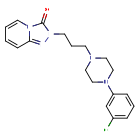
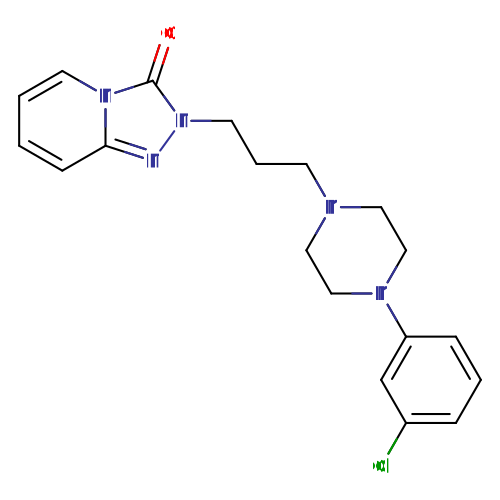
2-[3-[4-(3-chlorophenyl)piperazin-1-yl]propyl]-[1,2,4]triazolo[4,5-a]pyridin-3-one |
| Chemical Formula |
C19H22ClN5O |
| Chemical Structure |
 |
| CAS Registry Number |
19794-93-5 |
| InChI Identifier |
InChI=1/C19H22ClN5O/c20-16-5-3-6-17(15-16)23-13-11-22(12-14-23)8-4-10-25-19(26)24-9-2-1-7-18(24)21-25/h1-3,5-7,9,15H,4,8,10-14H2 |
| InChI Key |
PHLBKPHSAVXXEF-UHFFFAOYAD |
| KEGG Drug |
Not Available |
| KEGG Compound |
C07156  |
| PubChem Compound |
5533  |
| PubChem Substance |
172043  |
| ChEBI ID |
Not Available |
| PharmGKB ID |
PA451744  |
| HET ID |
Not Available |
| GenBank ID |
Not Available |
| Drug ID Number [DIN] |
02249804  |
| RxList Link |
http://www.rxlist.com/cgi/generic/traz.htm  |
| PDRhealth Link |
Not Available |
| Wikipedia Link |
http://en.wikipedia.org/wiki/Trazodone  |
| FDA Label |
|
| Material Safety Data Sheet (MSDS) |
|
| Synthesis Reference |
Palazzo, Silvestrini, U.S. Pat 3,381,009 (1968) |
| Average Molecular Weight |
371.8640 |
| Monoisotopic Molecular Weight |
371.1513 |
| State |
Solid |
| Melting Point |
86-87 oC |
| Experimental Water Solubility |
Sparigly soluble
Source: PhysProp
|
| Predicted Water Solubility |
2.90e-01 mg/mL
Calculated using ALOGPS
|
| Experimental LogP/Hydrophobicity |
2.9
Source: PhysProp
|
| Predicted LogP |
2.68
Calculated using ALOGPS
|
| Experimental LogS |
Not Available |
| Predicted LogS |
-3.11
Calculated using ALOGPS
|
| Experimental Caco2 Permeability |
Not Available |
| pKa/Isoelectric Point |
Not Available |
| Mass Spectrum |
Not Available
|
| MOL File |
Show | Download  |
| SDF File |
Show | Download  |
| PDB File |
Show | Download  |
| 2D Structure |
|
| 3D Structure |
|
| Experimental PDB ID |
Not Available |
| Isomeric SMILES |
ClC1=CC=CC(=C1)N1CCN(CCCN2N=C3C=CC=CN3C2=O)CC1 |
| Canonical SMILES |
ClC1=CC=CC(=C1)N1CCN(CCCN2N=C3C=CC=CN3C2=O)CC1 |
| Drug Category |
- Anti-anxiety Agents
- Antidepressants, Second-Generation
- Antidepressive Agents, Second-Generation
- Serotonin Uptake Inhibitors
|
| ATC Codes |
|
| AHFS Codes |
|
| Indication |
For the treatment of depression. |
| Pharmacology |
Trazodone is an antidepressant and hypnotic chemically unrelated to tricyclic, tetracyclic, or other known antidepressant agents. The mechanism of trazodone's antidepressant action in man is not fully understood. In animals, trazodone selectively inhibits serotonin uptake by brain synaptosomes and potentiates the behavioral changes induced by the serotonin precursor, 5-hydroxytryptophan. Cardiac conduction effects of trazodone in the anesthetized dog are qualitatively dissimilar and quantitatively less pronounced than those seen with tricyclic antidepressants. Trazodone is not a monoamine oxidase inhibitor and, unlike amphetamine-type drugs, does not stimulate the central nervous system. In man, trazodone is well absorbed after oral administration without selective localization in any tissue. Since the clearance of trazodone from the body is sufficiently variable, in some patients trazodone may accumulate in the plasma. |
| Mechanism of Action |
Trazodone binds at 5-HT2 receptor, it acts as a serotonin agonist at high doses and a serotonin antagonist at low doses. Like fluoxetine, trazodone's antidepressant activity likely results from blockage of serotonin reuptake by inhibiting serotonin reuptake pump at the presynaptic neuronal membrane. If used for long time periods, postsynaptic neuronal receptor binding sites may also be affected. The sedative effect of trazodone is likely the result of alpha-adrenergic blocking action and modest histamine blockade at H1 receptor. It weakly blocks presynaptic alpha2-adrenergic receptors and strongly inhibits postsynaptic alpha1 receptors. Trazodone does not affect the reuptake of norepinephrine or dopamine within the CNS. |
| Absorption |
Well absorbed following oral administration. |
| Toxicity |
LD50=96mg/kg (i.v. in mice) |
| Protein Binding |
89-95% |
| Biotransformation |
Hepatic |
| Half Life |
3-6 hours |
| Dosage Forms |
|
| Patient Information |
Show  |
| Contraindications |
Show  |
| Interactions |
Show  |
| Drug Interactions |
| Drug |
Interaction |
| Acenocoumarol |
Trazodone decreases the anticoagulant effect |
| Almotriptan |
Increased risk of serotonin syndrome. Monitor for symptoms of serotonin syndrome. |
| Aminoglutethimide |
The CYP3A4 inducer, Aminoglutethimide, may decrease Trazodone efficacy by increasing Trazodone metabolism and clearance. Monitor for changes in Trazodone efficacy/toxicity if Aminoglutethimide is initiated, discontinued or dose changed. |
| Amiodarone |
The CYP3A4 inhibitor, Amiodarone, may increase Trazodone efficacy/toxicity by decreasing Trazodone metabolism and clearance. Monitor for changes in Trazodone efficacy/toxicity if Amiodarone is initiated, discontinued or dose changed. |
| Amitriptyline |
Increased risk of serotonin syndrome. The 2D6 inhibitor, Trazodone, may also increase the efficacy of Amitriptyline by decreasing Amitriptyline metabolism and clearance. Monitor for symptoms of serotonin syndrome and changes in Amitriptyline efficacy if Trazodone is initiated, discontinued or dose changed. |
| Amoxapine |
Increased risk of serotonin syndrome. The 2D6 inhibitor, Trazodone, may also increase the efficacy of Amoxapine by decreasing Amoxapine metabolism and clearance. Monitor for symptoms of serotonin syndrome and changes in Amoxapine efficacy if Trazodone is initiated, discontinued or dose changed. |
| Amprenavir |
The protease inhibitor, Amprenavir, may increase the efficacy/toxicity of Trazodone by inhibiting Trazodone metabolism and clearance. Monitor for changes in Trazodone efficacy/toxicity if Amprenavir is initiated, discontinued or dose changed. |
| Anisindione |
Trazodone decreases the anticoagulant effect |
| Aprepitant |
The CYP3A4 inhibitor, Aprepitant, may increase Trazodone efficacy/toxicity by decreasing Trazodone metabolism and clearance. Monitor for changes in Trazodone efficacy/toxicity if Aprepitant is initiated, discontinued or dose changed. |
| Aripiprazole |
The 2D6 inhibitor, Trazodone, may increase the efficacy of Aripiprazole by decreasing Ariprazole metabolism and clearance. Monitor for changes in Aripiprazole efficacy if Trazodone is initiated, discontinued or dose changed. |
| Atazanavir |
The protease inhibitor, Atazanavir, may increase the efficacy/toxicity of Trazodone by inhibiting Trazodone metabolism and clearance. Monitor for changes in Trazodone efficacy/toxicity if Atazanavir is initiated, discontinued or dose changed. |
| Atomoxetine |
The 2D6 inhibitor, Trazodone, may increase the efficacy of Atomoxetine by decreasing Atomoxetine metabolism and clearance. Monitor for changes in Atomoxetine efficacy if Trazodone is initiated, discontinued or dose changed. |
| Bosentan |
The CYP3A4 inducer, Bosentan, may decrease Trazodone efficacy by increasing Trazodone metabolism and clearance. Monitor for changes in Trazodone efficacy/toxicity if Bosentan is initiated, discontinued or dose changed. |
| Bromocriptine |
Increased risk of serotonin syndrome. Monitor for symptoms of serotonin syndrome. |
| Buspirone |
Increased risk of serotonin syndrome. Monitor for symptoms of serotonin syndrome. |
| Cabergoline |
Increased risk of serotonin syndrome. Monitor for symptoms of serotonin syndrome. |
| Caffeine |
The CYP3A4 inhibitor, Caffeine, may increase Trazodone efficacy/toxicity by decreasing Trazodone metabolism and clearance. Monitor for changes in Trazodone efficacy/toxicity if Caffeine is initiated, discontinued or dose changed. |
| Captopril |
The 2D6 inhibitor, Trazodone, may increase the efficacy of Captopril by decreasing Captopril metabolism and clearance. Monitor for changes in Captopril efficacy if Trazodone is initiated, discontinued or dose changed. |
| Carbamazepine |
The CYP3A4 inducer, Carbamazepine, may decrease Trazodone efficacy by increasing Trazodone metabolism and clearance. Monitor for changes in Trazodone efficacy/toxicity if Carbamazepine is initiated, discontinued or dose changed. |
| Carvedilol |
The 2D6 inhibitor, Trazodone, may increase the efficacy of Carvedilol by decreasing Carvedilol metabolism and clearance. Monitor for changes in Carvedilol efficacy if Trazodone is initiated, discontinued or dose changed. |
| Chloroquine |
The 2D6 inhibitor, Trazodone, may increase the efficacy of Chloroquine by decreasing Chloroquine metabolism and clearance. Monitor for changes in Chloroquine efficacy if Trazodone is initiated, discontinued or dose changed. |
| Chlorpromazine |
The 2D6 inhibitor, Trazodone, may increase the efficacy of Chlorpromazine by decreasing Chlorpromazine metabolism and clearance. Monitor for changes in Chlorpromazine efficacy if Trazodone is initiated, discontinued or dose changed. |
| Cimetidine |
The CYP3A4 inhibitor, Cimetidine, may increase Trazodone efficacy/toxicity by decreasing Trazodone metabolism and clearance. Monitor for changes in Trazodone efficacy/toxicity if Cimetidine is initiated, discontinued or dose changed. |
| Citalopram |
Increased risk of serotonin syndrome. Monitor for symptoms of serotonin syndrome. |
| Clarithromycin |
The CYP3A4 inhibitor, Clarithromycin, may increase Trazodone efficacy/toxicity by decreasing Trazodone metabolism and clearance. Consider alternate therapy or monitor for changes in Trazodone efficacy/toxicity if Clarithromycin is initiated, discontinued or dose changed. |
| Clomipramine |
Increased risk of serotonin syndrome. The 2D6 inhibitor, Trazodone, may also increase the efficacy of Clomipramine by decreasing Clomipramine metabolism and clearance. Monitor for symptoms of serotonin syndrome and changes in Clomipramine efficacy if Trazodone is initiated, discontinued or dose changed. |
| Clotrimazole |
The CYP3A4 inhibitor, Clotrimazole, may increase Trazodone efficacy/toxicity by decreasing Trazodone metabolism and clearance. Monitor for changes in Trazodone efficacy/toxicity if Clotrimazole is initiated, discontinued or dose changed. |
| Conivaptan |
The CYP3A4 inhibitor, Conivaptan, may increase Trazodone efficacy/toxicity by decreasing Trazodone metabolism and clearance. Consider alternate therapy or monitor for changes in Trazodone efficacy/toxicity if Conivaptan is initiated, discontinued or dose changed. |
| Cyclosporine |
The CYP3A4 inhibitor, Cyclosporine, may increase Trazodone efficacy/toxicity by decreasing Trazodone metabolism and clearance. Monitor for changes in Trazodone efficacy/toxicity if Cyclosporine is initiated, discontinued or dose changed. |
| Darunavir |
The protease inhibitor, Darunavir, may increase the efficacy/toxicity of Trazodone by inhibiting Trazodone metabolism and clearance. Monitor for changes in Trazodone efficacy/toxicity if Darunavir is initiated, discontinued or dose changed. |
| Delavirdine |
The CYP3A4 inhibitor, Delavirdine, may increase Trazodone efficacy/toxicity by decreasing Trazodone metabolism and clearance. Consider alternate therapy or monitor for changes in Trazodone efficacy/toxicity if Delavirdine is initiated, discontinued or dose changed. |
| Desipramine |
Increased risk of serotonin syndrome. The CYP3A4 inhibitor, Desipramine, may increase Trazodone efficacy/toxicity by decreasing Trazodone metabolism and clearance. The CYP2D6 inhibitor, Trazodone, may increase the efficacy of Desipramine by decreasing Desipramine metabolism and clearance. Monitor for symptoms of serotonin syndrome and changes in Trazodone and Desipramine efficacy/toxicity if either agent is initiated, discontinued or dose changed. |
| Dexamethasone |
The CYP3A4 inducer, Dexamethasone, may decrease Trazodone efficacy by increasing Trazodone metabolism and clearance. Monitor for changes in Trazodone efficacy/toxicity if Dexamethasone is initiated, discontinued or dose changed. |
| Dextromethorphan |
Increased risk of serotonin syndrome. The 2D6 inhibitor, Trazodone, may also increase the efficacy of Dextromethorphan by decreasing Dextromethorphan metabolism and clearance. Monitor for symptoms of serotonin syndrome and changes in Dextromethorphan efficacy if Trazodone is initiated, discontinued or dose changed. |
| Dicumarol |
Trazodone decreases the anticoagulant effect |
| Dihydroergotamine |
Increased risk of serotonin syndrome. Monitor for symptoms of serotonin syndrome. |
| Diltiazem |
The CYP3A4 inhibitor, Diltizem, may increase Trazodone efficacy/toxicity by decreasing Trazodone metabolism and clearance. Monitor for changes in Trazodone efficacy/toxicity if Diltiazem is initiated, discontinued or dose changed. |
| Donepezil |
Possible antagonism of action |
| Doxepin |
Increased risk of serotonin syndrome. The 2D6 inhibitor, Trazodone, may also increase the efficacy of Doxepin by decreasing Doxepin metabolism and clearance. Monitor for symptoms of serotonin syndrome and changes in Doxepin efficacy if Trazodone is initiated, discontinued or dose changed. |
| Doxorubicin |
The 2D6 inhibitor, Trazodone, may increase the efficacy of Doxorubicin by decreasing Doxorubicin metabolism and clearance. Monitor for changes in Doxorubicin efficacy if Trazodone is initiated, discontinued or dose changed. |
| Doxycycline |
The CYP3A4 inhibitor, Doxycycline, may increase Trazodone efficacy/toxicity by decreasing Trazodone metabolism and clearance. Monitor for changes in Trazodone efficacy/toxicity if Doxycycline is initiated, discontinued or dose changed. |
| Duloxetine |
Increased risk of serotonin syndrome. The 2D6 inhibitor, Trazodone, may also increase the efficacy of Duloxetine by decreasing Duloxetine metabolism and clearance. Monitor for symptoms of serotonin syndrome and changes in Duloxetine efficacy if Trazodone is initiated, discontinued or dose changed. |
| Efavirenz |
The CYP3A4 inhibitor and inducer, Efavirenz, may alter Trazodone efficacy/toxicity by altering Trazodone metabolism and clearance. Monitor for changes in Trazodone efficacy/toxicity if Efavirenz is initiated, discontinued or dose changed. |
| Eletriptan |
Increased risk of serotonin syndrome. Monitor for symptoms of serotonin syndrome. |
| Ergoloid mesylate |
Increased risk of serotonin syndrome. Monitor for symptoms of serotonin syndrome. |
| Ergonovine |
Increased risk of serotonin syndrome. Monitor for symptoms of serotonin syndrome. |
| Ergotamine |
Increased risk of serotonin syndrome. Monitor for symptoms of serotonin syndrome. |
| Erythromycin |
The CYP3A4 inhibitor, Erythromycin , may increase Trazodone efficacy/toxicity by decreasing Trazodone metabolism and clearance. Monitor for changes in Trazodone efficacy/toxicity if Erythromycin is initiated, discontinued or dose changed. |
| Escitalopram |
Increased risk of serotonin syndrome. Monitor for symptoms of serotonin syndrome. |
| Etravirine |
The CYP3A4 inhibitor, Etravirene, may increase Trazodone efficacy/toxicity by decreasing Trazodone metabolism and clearance. Monitor for changes in Trazodone efficacy/toxicity if Etravirine is initiated, discontinued or dose changed. |
| Flecainide |
The 2D6 inhibitor, Trazodone, may increase the efficacy of Flecainide by decreasing Flecainide metabolism and clearance. Monitor for changes in Flecainide efficacy if Trazodone is initiated, discontinued or dose changed. |
| Fluconazole |
The CYP3A4 inhibitor, Fluconazole, may increase Trazodone efficacy/toxicity by decreasing Trazodone metabolism and clearance. Monitor for changes in Trazodone efficacy/toxicity if Fluconazole is initiated, discontinued or dose changed. |
| Fluoxetine |
Increased risk of serotonin syndrome. The 2D6 inhibitor, Trazodone, may also increase the efficacy of Fluoxetine by decreasing Fluoxetine metabolism and clearance. Monitor for symptoms of serotonin syndrome and changes in Fluoxetine efficacy if Trazodone is initiated, discontinued or dose changed. |
| Fluphenazine |
The 2D6 inhibitor, Trazodone, may increase the efficacy of Fluphenazine by decreasing Fluphenazine metabolism and clearance. Monitor for changes in Fluphenazine efficacy if Trazodone is initiated, discontinued or dose changed. |
| Fluvoxamine |
Increased risk of serotonin syndrome. The 2D6 inhibitor, Trazodone, may also increase the efficacy of Fluvoxamine by decreasing Fluvoxamine metabolism and clearance. Monitor for symptoms of serotonin syndrome and changes in Fluvoxamine efficacy if Trazodone is initiated, discontinued or dose changed. |
| Fosamprenavir |
The protease inhibitor, Fosamprenavir, may increase the efficacy/toxicity of Trazodone by inhibiting Trazodone metabolism and clearance. Monitor for changes in Trazodone efficacy/toxicity if Fosamprenavir is initiated, discontinued or dose changed. |
| Fosphenytoin |
The CYP3A4 inducer, Fosphenytoin, may decrease Trazodone efficacy by increasing Trazodone metabolism and clearance. Monitor for changes in Trazodone efficacy/toxicity if Fosphenytoin is initiated, discontinued or dose changed. |
| Frovatriptan |
Increased risk of serotonin syndrome. Monitor for symptoms of serotonin syndrome. |
| Furazolidone |
Increased risk of serotonin syndrome. Monitor for symptoms of serotonin syndrome. |
| Galantamine |
Possible antagonism of action |
| Ginkgo biloba |
Increased effect and toxicity of both agents |
| Haloperidol |
The CYP3A4 inhibitor, Haloperidol, may increase Trazodone efficacy/toxicity by decreasing Trazodone metabolism and clearance. The CYP2D6 inhibitor, Trazodone, may increase the efficacy of Haloperidol by decreasing Haloperidol metabolism and clearance. Monitor for changes in Trazodone and Haloperidol efficacy/toxicity if either agent is initiated, discontinued or dose changed. |
| Imatinib |
The CYP3A4 inhibitor, Imatinib, may increase Trazodone efficacy/toxicity by decreasing Trazodone metabolism and clearance. Consider alternate therapy or monitor for changes in Trazodone efficacy/toxicity if Imatinib is initiated, discontinued or dose changed. |
| Imipramine |
Increased risk of serotonin syndrome. The 2D6 inhibitor, Trazodone, may also increase the efficacy of Imipramine by decreasing Imipramine metabolism and clearance. Monitor for symptoms of serotonin syndrome and changes in Imipramine efficacy if Trazodone is initiated, discontinued or dose changed. |
| Indinavir |
The protease inhibitor, Indinavir, may increase the efficacy/toxicity of Trazodone by inhibiting Trazodone metabolism and clearance. Monitor for changes in Trazodone efficacy/toxicity if Indinavir is initiated, discontinued or dose changed. |
| Indinavir |
This strong CYP3A4 inhibitor increases the effect and toxicity of trazodone |
| Isocarboxazid |
Increased risk of serotonin syndrome. Monitor for symptoms of serotonin syndrome. |
| Isoniazid |
The CYP3A4 inhibitor, Isoniazid, may increase Trazodone efficacy/toxicity by decreasing Trazodone metabolism and clearance. Consider alternate therapy or monitor for changes in Trazodone efficacy/toxicity if Isoniazid is initiated, discontinued or dose changed. |
| Itraconazole |
The CYP3A4 inhibitor, Itraconazole, may increase Trazodone efficacy/toxicity by decreasing Trazodone metabolism and clearance. Consider alternate therapy or monitor for changes in Trazodone efficacy/toxicity if Itraconazole is initiated, discontinued or dose changed. |
| Itraconazole |
This strong CYP3A4 inhibitor increases the effect and toxicity of trazodone |
| Ketoconazole |
The CYP3A4 inhibitor, Ketoconazole, may increase Trazodone efficacy/toxicity by decreasing Trazodone metabolism and clearance. Consider alternate therapy or monitor for changes in Trazodone efficacy/toxicity if Ketoconazole is initiated, discontinued or dose changed. |
| Ketoconazole |
This strong CYP3A4 inhibitor increases the effect and toxicity of trazodone |
| Lapatinib |
The CYP3A4 inhibitor, Lapatinib, may increase Trazodone efficacy/toxicity by decreasing Trazodone metabolism and clearance. Monitor for changes in Trazodone efficacy/toxicity if Lapatinib is initiated, discontinued or dose changed. |
| Lidocaine |
The CYP3A4 inhibitor, Lidocaine, may increase Trazodone efficacy/toxicity by decreasing Trazodone metabolism and clearance. The 2D6 inhibitor, Trazodone, may increase the efficacy of Lidocaine by decreasing Lidocaine metabolism and clearance. Monitor for changes in Trazodone and Lidocaine efficacy/toxicity if either agent is initiated, discontinued or dose changed. |
| Linezolid |
Increased risk of serotonin syndrome. Monitor for symptoms of serotonin syndrome. |
| Lithium |
Increased risk of serotonin syndrome. Monitor for symptoms of serotonin syndrome. |
| Lomustine |
The 2D6 inhibitor, Trazodone, may increase the efficacy of Lomustine by decreasing Lomustine metabolism and clearance. Monitor for changes in Lomustine efficacy if Trazodone is initiated, discontinued or dose changed. |
| Lopinavir |
The protease inhibitor, Lopinavir, may increase the efficacy/toxicity of Trazodone by inhibiting Trazodone metabolism and clearance. Monitor for changes in Trazodone efficacy/toxicity if Lopinavir is initiated, discontinued or dose changed. |
| Maprotiline |
Increased risk of serotonin syndrome. Monitor for symptoms of serotonin syndrome. |
| Meperidine |
Increased risk of serotonin syndrome. Monitor for symptoms of serotonin syndrome. |
| Methamphetamine |
The 2D6 inhibitor, Trazodone, may increase the efficacy of Methamphetamine by decreasing Methamphetamine metabolism and clearance. Monitor for changes in Methamphetamine efficacy if Trazodone is initiated, discontinued or dose changed. |
| Methylergonovine |
Increased risk of serotonin syndrome. Monitor for symptoms of serotonin syndrome. |
| Metoprolol |
The 2D6 inhibitor, Trazodone, may increase the efficacy of Metoprolol by decreasing Metoprolol metabolism and clearance. Monitor for changes in Metoprolol efficacy if Trazodone is initiated, discontinued or dose changed. |
| Metronidazole |
The CYP3A4 inhibitor, Metronidazole, may increase Trazodone efficacy/toxicity by decreasing Trazodone metabolism and clearance. Monitor for changes in Trazodone efficacy/toxicity if Metronidazole is initiated, discontinued or dose changed. |
| Mexiletine |
The 2D6 inhibitor, Trazodone, may increase the efficacy of Mexiletine by decreasing Mexiletine metabolism and clearance. Monitor for changes in Mexiletine efficacy if Trazodone is initiated, discontinued or dose changed. |
| Miconazole |
The CYP3A4 inhibitor, Miconazole, may increase Trazodone efficacy/toxicity by decreasing Trazodone metabolism and clearance. Consider alternate therapy or monitor for changes in Trazodone efficacy/toxicity if Miconazole is initiated, discontinued or dose changed. |
| Mirtazapine |
Increased risk of serotonin syndrome. Monitor for symptoms of serotonin syndrome. |
| Moclobemide |
Increased risk of serotonin syndrome. The 2D6 inhibitor, Trazodone, may also increase the efficacy of Moclobemide by decreasing Moclobemide metabolism and clearance. Monitor for symptoms of serotonin syndrome and changes in Moclobemide efficacy if Trazodone is initiated, discontinued or dose changed. |
| Nafcillin |
The CYP3A4 inducer, Nafcillin, may decrease Trazodone efficacy by increasing Trazodone metabolism and clearance. Monitor for changes in Trazodone efficacy/toxicity if Nafcillin is initiated, discontinued or dose changed. |
| Naratriptan |
Increased risk of serotonin syndrome. Monitor for symptoms of serotonin syndrome. |
| Nebivolol |
The CYP2D6 inhibitor, Trazodone, may increase the efficacy/toxicity of Nebivolol by decreaseing Nebivolol metabolism and clearance. Monitor for changes in blood pressure if Trazodone is initiated, discontinued or dose changed. |
| Nefazodone |
Increased risk of serotonin syndrome. The CYP3A4 inhibitor, Nefazodone, may increase Trazodone efficacy/toxicity by decreasing Trazodone metabolism and clearance. The CYP2D6 inhibitor, Trazodone, may increase the efficacy of Nefazodone by decreaseing Nefazodone metabolism and clearance. Consider alternate therapy or monitor for symtpoms of sertonin syndrome and changes in Trazodone and Nefazodone efficacy/toxicity if either agent is initiated, discontinued or dose changed. |
| Nefazodone |
This strong CYP3A4 inhibitor increases the effect and toxicity of trazodone |
| Nelfinavir |
The protease inhibitor, Nelfinavir, may increase the efficacy/toxicity of Trazodone by inhibiting Trazodone metabolism and clearance. Monitor for changes in Trazodone efficacy/toxicity if Nelfinavir is initiated, discontinued or dose changed. |
| Nevirapine |
The CYP3A4 inducer, Nevirapine, may decrease Trazodone efficacy by increasing Trazodone metabolism and clearance. Monitor for changes in Trazodone efficacy/toxicity if Nevirapine is initiated, discontinued or dose changed. |
| Nicardipine |
The CYP3A4 inhibitor, Nicardipine, may increase Trazodone efficacy/toxicity by decreasing Trazodone metabolism and clearance. Consider alternate therapy or monitor for changes in Trazodone efficacy/toxicity if Nicardipine is initiated, discontinued or dose changed. |
| Norfloxacin |
The CYP3A4 inhibitor, Norfloxacin, may increase Trazodone efficacy/toxicity by decreasing Trazodone metabolism and clearance. Monitor for changes in Trazodone efficacy/toxicity if Norfloxacin is initiated, discontinued or dose changed. |
| Nortriptyline |
Increased risk of serotonin syndrome. The 2D6 inhibitor, Trazodone, may also increase the efficacy of Nortriptyline by decreasing Nortriptyline metabolism and clearance. Monitor for symptoms of serotonin syndrome and changes in Nortriptyline efficacy if Trazodone is initiated, discontinued or dose changed. |
| Oxcarbazepine |
The CYP3A4 inducer, Oxcarbazepine, may decrease Trazodone efficacy by increasing Trazodone metabolism and clearance. Monitor for changes in Trazodone efficacy/toxicity if Oxcarbazepine is initiated, discontinued or dose changed. |
| Paroxetine |
Increased risk of serotonin syndrome. The 2D6 inhibitor, Trazodone, may also increase the efficacy of Paroxetine by decreasing Paroxetine metabolism and clearance. Monitor for symptoms of serotonin syndrome and changes in Paroxetine efficacy if Trazodone is initiated, discontinued or dose changed. |
| Pentobarbital |
The CYP3A4 inducer, Pentobarbital, may decrease Trazodone efficacy by increasing Trazodone metabolism and clearance. Monitor for changes in Trazodone efficacy/toxicity if Pentobarbital is initiated, discontinued or dose changed. |
| Pergolide |
Increased risk of serotonin syndrome. Monitor for symptoms of serotonin syndrome. |
| Perphenazine |
The 2D6 inhibitor, Trazodone, may increase the efficacy of Perphenazine by decreasing Perphenazine metabolism and clearance. Monitor for changes in Perphenazine efficacy if Trazodone is initiated, discontinued or dose changed. |
| Phenelzine |
Increased risk of serotonin syndrome. Monitor for symptoms of serotonin syndrome. |
| Phenobarbital |
The CYP3A4 inducer, Phenobarbital, may decrease Trazodone efficacy by increasing Trazodone metabolism and clearance. Monitor for changes in Trazodone efficacy/toxicity if Phenobarbital is initiated, discontinued or dose changed. |
| Phenytoin |
The CYP3A4 inducer, Phenytoin, may decrease Trazodone efficacy by increasing Trazodone metabolism and clearance. Monitor for changes in Trazodone efficacy/toxicity if Phenytoin is initiated, discontinued or dose changed. |
| Pipotiazine |
The 2D6 inhibitor, Trazodone, may increase the efficacy of Pipotiazine by decreasing Pipotiazine metabolism and clearance. Monitor for changes in Pipotiazine efficacy if Trazodone is initiated, discontinued or dose changed. |
| Posaconazole |
The CYP3A4 inhibitor, Posaconazole, may increase Trazodone efficacy/toxicity by decreasing Trazodone metabolism and clearance. Consider alternate therapy or monitor for changes in Trazodone efficacy/toxicity if Posaconazole is initiated, discontinued or dose changed. |
| Primidone |
The CYP3A4 inducer, Primidone, may decrease Trazodone efficacy by increasing Trazodone metabolism and clearance. Monitor for changes in Trazodone efficacy/toxicity if Primidone is initiated, discontinued or dose changed. |
| Procainamide |
The 2D6 inhibitor, Trazodone, may increase the efficacy of Procainamide by decreasing Procainamide metabolism and clearance. Monitor for changes in Procainamide efficacy if Trazodone is initiated, discontinued or dose changed. |
| Procarbazine |
Increased risk of serotonin syndrome. Monitor for symptoms of serotonin syndrome. |
| Promethazine |
Increased risk of serotonin syndrome. The 2D6 inhibitor, Trazodone, may also increase the efficacy of Promethazine by decreasing Promethazine metabolism and clearance. Monitor for symptoms of serotonin syndrome and changes in Promethazine efficacy if Trazodone is initiated, discontinued or dose changed. |
| Propafenone |
The 2D6 inhibitor, Trazodone, may increase the efficacy of Propafenone by decreasing Propafenone metabolism and clearance. Monitor for changes in Propafenone efficacy if Trazodone is initiated, discontinued or dose changed. |
| Protriptyline |
Increased risk of serotonin syndrome. The 2D6 inhibitor, Trazodone, may also increase the efficacy of Protriptyline by decreasing Protriptyline metabolism and clearance. Monitor for symptoms of serotonin syndrome and changes in Protriptyline efficacy if Trazodone is initiated, discontinued or dose changed. |
| Quinidine |
The CYP3A4 inhibitor, Quinidine, may increase Trazodone efficacy/toxicity by decreasing Trazodone metabolism and clearance. Consider alternate therapy or monitor for changes in Trazodone efficacy/toxicity if Quinidine is initiated, discontinued or dose changed. |
| Rasagiline |
Increased risk of serotonin syndrome. Monitor for symptoms of serotonin syndrome. |
| Rifabutin |
The CYP3A4 inducer, Rifabutin, may decrease Trazodone efficacy by increasing Trazodone metabolism and clearance. Monitor for changes in Trazodone efficacy/toxicity if Rifabutin is initiated, discontinued or dose changed. |
| Rifampin |
The CYP3A4 inducer, Rifampin, may decrease Trazodone efficacy by increasing Trazodone metabolism and clearance. Monitor for changes in Trazodone efficacy/toxicity if Rifampin is initiated, discontinued or dose changed. |
| Rifapentine |
The CYP3A4 inducer, Rifapentine, may decrease Trazodone efficacy by increasing Trazodone metabolism and clearance. Monitor for changes in Trazodone efficacy/toxicity if Rifapentine is initiated, discontinued or dose changed. |
| Risperidone |
The 2D6 inhibitor, Trazodone, may increase the efficacy of Risperidone by decreasing Risperidone metabolism and clearance. Monitor for changes in Risperidone efficacy if Trazodone is initiated, discontinued or dose changed. |
| Ritonavir |
Ritonavir increases levels/effect of trazodone |
| Ritonavir |
The protease inhibitor, Ritonavir, may increase the efficacy/toxicity of Trazodone by inhibiting Trazodone metabolism and clearance. Monitor for changes in Trazodone efficacy/toxicity if Ritonavir is initiated, discontinued or dose changed. |
| Rivastigmine |
Possible antagonism of action |
| Rizatriptan |
Increased risk of serotonin syndrome. Monitor for symptoms of serotonin syndrome. |
| S-Adenosylmethionine |
Increased risk of serotonin syndrome. Monitor for symptoms of serotonin syndrome. |
| Saquinavir |
The protease inhibitor, Saquinavir, may increase the efficacy/toxicity of Trazodone by inhibiting Trazodone metabolism and clearance. Monitor for changes in Trazodone efficacy/toxicity if Saquinavir is initiated, discontinued or dose changed. |
| Selegiline |
Increased risk of serotonin syndrome. Monitor for symptoms of serotonin syndrome. |
| Sertraline |
Increased risk of serotonin syndrome. The CYP3A4 inhibitor, Sertraline, may also increase Trazodone efficacy/toxicity by decreasing Trazodone metabolism and clearance. The 2D6 inhibitor, Trazodone, may increase the efficacy of Sertraline by decreasing Sertraline metabolism and clearance. Monitor for symptoms of serotonin syndrome and changes in Trazodone and Sertraline efficacy/toxicity if either agent is initiated, discontinued or dose changed. |
| Sibutramine |
Increased risk of serotonin syndrome. Avoid concomitant therapy. |
| St. John's Wort |
The CYP3A4 inducer, St. John's Wort, may decrease the efficacy of Trazodone by increasing Trazodone metabolism and clearance. Monitor for changes in Trazodone efficacy/toxicity if St. John's Wort is initiated, discontinued or dose changed. Increased risk of serotonin syndrome. Monitor for symptoms of serotonin syndrome. |
| Sumatriptan |
Increased risk of serotonin syndrome. Monitor for symptoms of serotonin syndrome. |
| Tamoxifen |
The CYP2D6 inhibitor, Trazodone, may decrease the efficacy of Tamoxifen by reducing active metabolite production. Consider alternate therapy. |
| Tamsulosin |
The 2D6 inhibitor, Trazodone, may increase the efficacy of Tamsulosin by decreasing Tamsulosin metabolism and clearance. Monitor for changes in Tamsulosin efficacy if Trazodone is initiated, discontinued or dose changed. |
| Telithromycin |
The CYP3A4 inhibitor, Telithromycin, may increase Trazodone efficacy/toxicity by decreasing Trazodone metabolism and clearance. Consider alternate therapy or monitor for changes in Trazodone efficacy/toxicity if Telithromycin is initiated, discontinued or dose changed. |
| Tetrabenazine |
The 2D6 inhibitor, Trazodone, may increase the efficacy of Tetrabenazine by decreasing Tetrabenazine metabolism and clearance. Monitor for changes in Tetrabenazine efficacy if Trazodone is initiated, discontinued or dose changed. |
| Tetracycline |
The CYP3A4 inhibitor, Tetracycline, may increase Trazodone efficacy/toxicity by decreasing Trazodone metabolism and clearance. Monitor for changes in Trazodone efficacy/toxicity if Tetracycline is initiated, discontinued or dose changed. |
| Thioridazine |
The 2D6 inhibitor, Trazodone, may increase the efficacy of Thioridazine by decreasing Thioridazine metabolism and clearance. Monitor for changes in Thioridazine efficacy if Trazodone is initiated, discontinued or dose changed. |
| Timolol |
The 2D6 inhibitor, Trazodone, may increase the efficacy of Timolol by decreasing Timolol metabolism and clearance. Monitor for changes in Timolol efficacy if Trazodone is initiated, discontinued or dose changed. |
| Tipranavir |
The protease inhibitor, Tipranavir, may increase the efficacy/toxicity of Trazodone by inhibiting Trazodone metabolism and clearance. Monitor for changes in Trazodone efficacy/toxicity if Tipranavir is initiated, discontinued or dose changed. |
| Tolterodine |
The 2D6 inhibitor, Trazodone, may increase the efficacy of Tolterodine by decreasing Tolterodine metabolism and clearance. Monitor for changes in Tolterodine efficacy if Trazodone is initiated, discontinued or dose changed. |
| Tramadol |
Increased risk of serotonin syndrome. Monitor for symptoms of serotonin syndrome. |
| Trimipramine |
Increased risk of serotonin syndrome. The 2D6 inhibitor, Trazodone, may also increase the efficacy of Trimipramine by decreasing Trimipramine metabolism and clearance. Monitor for symptoms of serotonin syndrome and changes in Trimipramine efficacy if Trazodone is initiated, discontinued or dose changed. |
| Venlafaxine |
Increased risk of serotonin syndrome. The 2D6 inhibitor, Trazodone, may also increase the efficacy of Venlafaxine by decreasing Venlafaxine metabolism and clearance. Monitor for symptoms of serotonin syndrome and changes in Venlafaxine efficacy if Trazodone is initiated, discontinued or dose changed. |
| Verapamil |
The CYP3A4 inhibitor, Verapamil, may increase Trazodone efficacy/toxicity by decreasing Trazodone metabolism and clearance. Monitor for changes in Trazodone efficacy/toxicity if Verapamil is initiated, discontinued or dose changed. |
| Voriconazole |
The CYP3A4 inhibitor, Voriconazole, may increase Trazodone efficacy/toxicity by decreasing Trazodone metabolism and clearance. Consider alternate therapy or monitor for changes in Trazodone efficacy/toxicity if Voriconazole is initiated, discontinued or dose changed. |
| Warfarin |
Trazodone decreases the anticoagulant effect |
| Zolmitriptan |
Increased risk of serotonin syndrome. Monitor for symptoms of serotonin syndrome. |
| Zuclopenthixol |
The 2D6 inhibitor, Trazodone, may increase the efficacy of Zuclopenthixol by decreasing Zuclopenthixol metabolism and clearance. Monitor for changes in Zuclopenthixol efficacy if Trazodone is initiated, discontinued or dose changed. |
| sitaxentan |
The CYP3A4 inhibitor, Sitaxsenten, may increase Trazodone efficacy/toxicity by decreasing Trazodone metabolism and clearance. Monitor for changes in Trazodone efficacy/toxicity if Norfloxacin is initiated, discontinued or dose changed. |
|
| Food Interactions |
- Avoid St.John's Wort.
- Avoid alcohol.
- Take with food.
|
| Pathways |
Not Available
|
| General References |
- Jauch R, Kopitar Z, Prox A, Zimmer A: [Pharmacokinetics and metabolism of trazodone in man (author's transl)] Arzneimittelforschung. 1976;26(11):2084-9. [PubMed
]
- Marek GJ, McDougle CJ, Price LH, Seiden LS: A comparison of trazodone and fluoxetine: implications for a serotonergic mechanism of antidepressant action. Psychopharmacology (Berl). 1992;109(1-2):2-11. [PubMed
]
- Kalgutkar AS, Henne KR, Lame ME, Vaz AD, Collin C, Soglia JR, Zhao SX, Hop CE: Metabolic activation of the nontricyclic antidepressant trazodone to electrophilic quinone-imine and epoxide intermediates in human liver microsomes and recombinant P4503A4. Chem Biol Interact. 2005 Jun 30;155(1-2):10-20. Epub 2005 Apr 18. [PubMed
]
- Otani K, Yasui N, Kaneko S, Ishida M, Ohkubo T, Osanai T, Sugawara K, Fukushima Y: Trazodone treatment increases plasma prolactin concentrations in depressed patients. Int Clin Psychopharmacol. 1995 Jun;10(2):115-7. [PubMed
]
- Rotzinger S, Fang J, Baker GB: Trazodone is metabolized to m-chlorophenylpiperazine by CYP3A4 from human sources. Drug Metab Dispos. 1998 Jun;26(6):572-5. [PubMed
]
- Drugs.com

- Wikipedia

- RxList

|
| Organisms Affected |
|
| Phase 1 Metabolizing Enzymes |
- Cytochrome P450 2D6 (CYP2D6)
|
| Targets |
- Alpha-2A adrenergic receptor
- 5-hydroxytryptamine 1A receptor
- Histamine H1 receptor
- 5-hydroxytryptamine 2A receptor
- Sodium-dependent noradrenaline transporter
- Alpha-1A adrenergic receptor
- Alpha-1B adrenergic receptor
- Sodium-dependent serotonin transporter
|
|
Drug Target 1
[top]
|
| Target 1 ID |
318 |
| Target 1 Name |
Alpha-2A adrenergic receptor |
| Target 1 Synonyms |
- Alpha-2 adrenergic receptor subtype C10
- Alpha-2A adrenoceptor
- Alpha-2A adrenoreceptor
- Alpha-2AAR
|
| Target 1 Gene Name |
ADRA2A |
| Target 1 Protein Sequence |
>Alpha-2A adrenergic receptor
MGSLQPDAGNASWNGTEAPGGGARATPYSLQVTLTLVCLAGLLMLLTVFGNVLVIIAVFT
SRALKAPQNLFLVSLASADILVATLVIPFSLANEVMGYWYFGKAWCEIYLALDVLFCTSS
IVHLCAISLDRYWSITQAIEYNLKRTPRRIKAIIITVWVISAVISFPPLISIEKKGGGGG
PQPAEPRCEINDQKWYVISSCIGSFFAPCLIMILVYVRIYQIAKRRTRVPPSRRGPDAVA
APPGGTERRPNGLGPERSAGPGGAEAEPLPTQLNGAPGEPAPAGPRDTDALDLEESSSSD
HAERPPGPRRPERGPRGKGKARASQVKPGDSLPRRGPGATGIGTPAAGPGEERVGAAKAS
RWRGRQNREKRFTFVLAVVIGVFVVCWFPFFFTYTLTAVGCSVPRTLFKFFFWFGYCNSS
LNPVIYTIFNHDFRRAFKKILCRGDRKRIV
|
| Target 1 Number of Residues |
457 |
| Target 1 Molecular Weight |
48957 |
| Target 1 Theoretical pI |
10.20 |
| Target 1 GO Classification |
|
Function
|
signal transducer activity
receptor activity
transmembrane receptor activity
G-protein coupled receptor activity
rhodopsin-like receptor activity
amine receptor activity
adrenoceptor activity
alpha-adrenergic receptor activity
alpha2-adrenergic receptor activity |
|
Process
|
cellular process
cell communication
signal transduction
cell surface receptor linked signal transduction
G-protein coupled receptor protein signaling pathway |
|
Component
|
cell
membrane
intrinsic to membrane
integral to membrane |
|
| Target 1 General Function |
Involved in alpha2-adrenergic receptor activity |
| Target 1 Specific Function |
Alpha-2 adrenergic receptors mediate the catecholamine- induced inhibition of adenylate cyclase through the action of G proteins. The rank order of potency for agonists of this receptor is oxymetazoline > clonidine > epinephrine > norepinephrine > phenylephrine > dopamine > p-synephrine > p-tyramine > serotonin = p-octopamine. For antagonists, the rank order is yohimbine > phentolamine = mianserine > chlorpromazine = spiperone = prazosin > propanolol > alprenolol = pindolol |
| Target 1 Pathways |
Not Available
|
| Target 1 Reactions |
Not Available |
| Target 1 Pfam Domain Function |
|
| Target 1 Signals |
|
| Target 1 Transmembrane Regions |
- 34-59
- 71-96
- 107-129
- 150-173
- 193-217
- 375-399
- 407-430
|
| Target 1 Essentiality |
Non-Essential |
| Target 1 GenBank ID Protein |
178196  |
| Target 1 UniProtKB/Swiss-Prot ID |
P08913  |
| Target 1 UniProtKB/Swiss-Prot Entry Name |
ADA2A_HUMAN  |
| Target 1 PDB ID |
1HOF  |
| Target 1 PDB File |
Show |
| Target 1 3D Structure |
|
| Target 1 Cellular Location |
- Membrane
- multi-pass membrane protein
|
| Target 1 Gene Sequence |
>1353 bp
ATGGGCTCCCTGCAGCCGGACGCGGGCAACGCGAGCTGGAACGGGACCGAGGCGCCGGGG
GGCGGCGCCCGGGCCACCCCTTACTCCCTGCAGGTGACGCTGACGCTGGTGTGCCTGGCC
GGCCTGCTCATGCTGCTCACCGTGTTCGGCAACGTGCTCGTCATCATCGCCGTGTTCACG
AGCCGCGCGCTCAAGGCGCCCCAAAACCTCTTCCTGGTGTCTCTGGCCTCGGCCGACATC
CTGGTGGCCACGCTCGTCATCCCTTTCTCGCTGGCCAACGAGGTCATGGGCTACTGGTAC
TTCGGCAAGGCTTGGTGCGAGATCTACCTGGCGCTCGACGTGCTCTTCTGCACGTCGTCC
ATCGTGCACCTGTGCGCCATCAGCCTGGACCGCTACTGGTCCATCACACAGGCCATCGAG
TACAACCTGAAGCGCACGCCGCGCCGCATCAAGGCCATCATCATCACCGTGTGGGTCATC
TCGGCCGTCATCTCCTTCCCGCCGCTCATCTCCATCGAGAAGAAGGGCGGCGGCGGCGGC
CCGCAGCCGGCCGAGCCGCGCTGCGAGATCAACGACCAGAAGTGGTACGTCATCTCGTCG
TGCATCGGCTCCTTCTTCGCTCCCTGCCTCATCATGATCCTGGTCTACGTGCGCATCTAC
CAGATCGCCAAGCGTCGCACCCGCGTGCCACCCAGCCGCCGGGGTCCGGACGCCGTCGCC
GCGCCGCCGGGGGGCACCGAGCGCAGGCCCAACGGTCTGGGCCCCGAGCGCAGCGCGGGC
CCGGGGGGCGCAGAGGCCGAACCGCTGCCCACCCAGCTCAACGGCGCCCCTGGCGAGCCC
GCGCCGGCCGGGCCGCGCGACACCGACGCGCTGGACCTGGAGGAGAGCTCGTCTTCCGAC
CACGCCGAGCGGCCTCCAGGGCCCCGCAGACCCGAGCGCGGTCCCCGGGGCAAAGGCAAG
GCCCGAGCGAGCCAGGTGAAGCCGGGCGACAGCCTGCGCGGCGCGGGCCGGGGGCGACGG
GGATCGGGACGCCGGCTGCAGGGCCGGGGGAGGAGCGCGTCGGGGCTGCCAAGGCGTCGC
GCTGGCGCGGGCGGGCAGAACCGCGAGAAGCGCTTCACGTTCGTGCTGGCCGTGGTCATC
GGAGTGTTCGTGGTGTGCTGGTTCCCCTTCTTCTTCACCTACACGCTCACGGCCGTCGGG
TGCTCCGTGCCACGCACGCTCTTCAAATTCTTCTTCTGGTTCGGCTACTGCAACAGCTCG
TTGAACCCGGTCATCTACACCATCTTCAACCACGATTTCCGCCGCGCCTTCAAGAAGATC
CTCTGTCGGGGGGACAGGAAGCGGATCGTGTGA
|
| Target 1 GenBank Gene ID |
|
| Target 1 GeneCard ID |
ADRA2A  |
| Target 1 GenAtlas ID |
ADRA2A  |
| Target 1 HGNC ID |
HGNC:281  |
| Target 1 Chromosome Location |
10 |
| Target 1 Locus |
10q24-q26 |
| Target 1 SNPs |
SNPJam Report  |
| Target 1 General References |
- Chung DA, Zuiderweg ER, Fowler CB, Soyer OS, Mosberg HI, Neubig RR: NMR structure of the second intracellular loop of the alpha 2A adrenergic receptor: evidence for a novel cytoplasmic helix. Biochemistry. 2002 Mar 19;41(11):3596-604. [PubMed
]
- Suryanarayana S, Daunt DA, Von Zastrow M, Kobilka BK: A point mutation in the seventh hydrophobic domain of the alpha 2 adrenergic receptor increases its affinity for a family of beta receptor antagonists. J Biol Chem. 1991 Aug 15;266(23):15488-92. [PubMed
]
- Wang CD, Buck MA, Fraser CM: Site-directed mutagenesis of alpha 2A-adrenergic receptors: identification of amino acids involved in ligand binding and receptor activation by agonists. Mol Pharmacol. 1991 Aug;40(2):168-79. [PubMed
]
- Chhajlani V, Rangel N, Uhlen S, Wikberg JE: Identification of an additional gene belonging to the alpha 2 adrenergic receptor family in the human genome by PCR. FEBS Lett. 1991 Mar 25;280(2):241-4. [PubMed
]
- Guyer CA, Horstman DA, Wilson AL, Clark JD, Cragoe EJ Jr, Limbird LE: Cloning, sequencing, and expression of the gene encoding the porcine alpha 2-adrenergic receptor. Allosteric modulation by Na+, H+, and amiloride analogs. J Biol Chem. 1990 Oct 5;265(28):17307-17. [PubMed
]
- Fraser CM, Arakawa S, McCombie WR, Venter JC: Cloning, sequence analysis, and permanent expression of a human alpha 2-adrenergic receptor in Chinese hamster ovary cells. Evidence for independent pathways of receptor coupling to adenylate cyclase attenuation and activation. J Biol Chem. 1989 Jul 15;264(20):11754-61. [PubMed
]
- Kobilka BK, Matsui H, Kobilka TS, Yang-Feng TL, Francke U, Caron MG, Lefkowitz RJ, Regan JW: Cloning, sequencing, and expression of the gene coding for the human platelet alpha 2-adrenergic receptor. Science. 1987 Oct 30;238(4827):650-6. [PubMed
]
|
| Target 1 Drug References |
- Imming P, Sinning C, Meyer A: Drugs, their targets and the nature and number of drug targets. Nat Rev Drug Discov. 2006 Oct;5(10):821-34. [PubMed
]
- Overington JP, Al-Lazikani B, Hopkins AL: How many drug targets are there? Nat Rev Drug Discov. 2006 Dec;5(12):993-6. [PubMed
]
|
|
Drug Target 2
[top]
|
| Target 2 ID |
320 |
| Target 2 Name |
5-hydroxytryptamine 1A receptor |
| Target 2 Synonyms |
- 5- HT1A
- 5-HT-1A
- G-21
- Serotonin receptor 1A
|
| Target 2 Gene Name |
HTR1A |
| Target 2 Protein Sequence |
>5-hydroxytryptamine 1A receptor
MDVLSPGQGNNTTSPPAPFETGGNTTGISDVTVSYQVITSLLLGTLIFCAVLGNACVVAA
IALERSLQNVANYLIGSLAVTDLMVSVLVLPMAALYQVLNKWTLGQVTCDLFIALDVLCC
TSSILHLCAIALDRYWAITDPIDYVNKRTPRRAAALISLTWLIGFLISIPPMLGWRTPED
RSDPDACTISKDHGYTIYSTFGAFYIPLLLMLVLYGRIFRAARFRIRKTVKKVEKTGADT
RHGASPAPQPKKSVNGESGSRNWRLGVESKAGGALCANGAVRQGDDGAALEVIEVHRVGN
SKEHLPLPSEAGPTPCAPASFERKNERNAEAKRKMALARERKTVKTLGIIMGTFILCWLP
FFIVALVLPFCESSCHMPTLLGAIINWLGYSNSLLNPVIYAYFNKDFQNAFKKIIKCKFC
RQ
|
| Target 2 Number of Residues |
429 |
| Target 2 Molecular Weight |
46107 |
| Target 2 Theoretical pI |
9.05 |
| Target 2 GO Classification |
|
Function
|
signal transducer activity
receptor activity
transmembrane receptor activity
G-protein coupled receptor activity
rhodopsin-like receptor activity |
|
Process
|
cellular process
cell communication
signal transduction
cell surface receptor linked signal transduction
G-protein coupled receptor protein signaling pathway |
|
Component
|
cell
membrane
intrinsic to membrane
integral to membrane |
|
| Target 2 General Function |
Involved in rhodopsin-like receptor activity |
| Target 2 Specific Function |
This is one of the several different receptors for 5- hydroxytryptamine (serotonin), a biogenic hormone that functions as a neurotransmitter, a hormone, and a mitogen. The activity of this receptor is mediated by G proteins that inhibit adenylate cyclase activity |
| Target 2 Pathways |
Not Available
|
| Target 2 Reactions |
Not Available |
| Target 2 Pfam Domain Function |
|
| Target 2 Signals |
|
| Target 2 Transmembrane Regions |
- 37-62
- 74-98
- 110-132
- 153-178
- 192-217
- 346-367
- 379-403
|
| Target 2 Essentiality |
Non-Essential |
| Target 2 GenBank ID Protein |
189928  |
| Target 2 UniProtKB/Swiss-Prot ID |
P08908  |
| Target 2 UniProtKB/Swiss-Prot Entry Name |
5HT1A_HUMAN  |
| Target 2 PDB ID |
Not Available |
| Target 2 Cellular Location |
- Membrane
- multi-pass membrane protein
|
| Target 2 Gene Sequence |
>1266 bp
ATGGATGTGCTCAGCCCTGGTCAGGGCAACAACACCACATCACCACCGGCTCCCTTTGAG
ACCGGCGGCAACACTACTGGTATCTCCGACGTGACCGTCAGCTACCAAGTGATCACCTCT
CTGCTGCTGGGCACGCTCATCTTCTGCGCGGTGCTGGGCAATGCGTGCGTGGTGGCTGCC
ATCGCCTTGGAGCGCTCCCTGCAGAACGTGGCCAATTATCTTATTGGCTCTTTGGCGGTC
ACCGACCTCATGGTGTCGGTGTTGGTGCTGCCCATGGCCGCGCTGTATCAGGTGCTCAAC
AAGTGGACACTGGGCCAGGTAACCTGCGACCTGTTCATCGCCCTCGACGTGCTGTGCTGC
ACCTCATCCATCTTGCACCTGTGCGCCATCGCGCTGGACAGGTACTGGGCCATCACGGAC
CCCATCGACTACGTGAACAAGAGGACGCCCCGGCCGCGTGCGCTCATCTCGCTCACTTGG
CTTATTGGCTTCCTCATCTCTATCCCGCCCATCCTGGGCTGGCGCACCCCGGAAGACCGC
TCGGACCCCGACGCATGCACCATTAGCAAGGATCATGGCTACACTATCTATTCCACCTTT
GGAGCTTTCTACATCCCGCTGCTGCTCATGCTGGTTCTCTATGGGCGCATATTCCGAGCT
GCGCGCTTCCGCATCCGCAAGACGGTCAAAAAGGTGGAGAAGACCGGAGCGGACACCCGC
CATGGAGCATCTCCCGCCCCGCAGCCCAAGAAGAGTGTGAATGGAGAGTCGGGGAGCAGG
AACTGGAGGCTGGGCGTGGAGAGCAAGGCTGGGGGTGCTCTGTGCGCCAATGGCGCGGTG
AGGCAAGGTGACGATGGCGCCGCCCTGGAGGTGATCGAGGTGCACCGAGTGGGCAACTCC
AAAGAGCACTTGCCTCTGCCCAGCGAGGCTGGTCCTACCCCTTGTGCCCCCGCCTCTTTC
GAGAGGAAAAATGAGCGCAACGCCGAGGCGAAGCGCAAGATGGCCCTGGCCCGAGAGAGG
AAGACAGTGAAGACGCTGGGCATCATCATGGGCACCTTCATCCTCTGCTGGCTGCCCTTC
TTCATCGTGGCTCTTGTTCTGCCCTTCTGCGAGAGCAGCTGCCACATGCCCACCCTGTTG
GGCGCCATAATCAATTGGCTGGGCTACTCCAACTCTCTGCTTAACCCCGTCATTTACGCA
TACTTCAACAAGGACTTTCAAAACGCGTTTAAGAAGATCATTAAGTGTAACTTCTGCCGC
CAGTGA
|
| Target 2 GenBank Gene ID |
|
| Target 2 GeneCard ID |
HTR1A  |
| Target 2 GenAtlas ID |
HTR1A  |
| Target 2 HGNC ID |
HGNC:5286  |
| Target 2 Chromosome Location |
5 |
| Target 2 Locus |
5q11.2-q13 |
| Target 2 SNPs |
SNPJam Report  |
| Target 2 General References |
- Parks CL, Chang LS, Shenk T: A polymerase chain reaction mediated by a single primer: cloning of genomic sequences adjacent to a serotonin receptor protein coding region. Nucleic Acids Res. 1991 Dec;19(25):7155-60. [PubMed
]
- Kobilka BK, Frielle T, Collins S, Yang-Feng T, Kobilka TS, Francke U, Lefkowitz RJ, Caron MG: An intronless gene encoding a potential member of the family of receptors coupled to guanine nucleotide regulatory proteins. Nature. 1987 Sep 3-9;329(6134):75-9. [PubMed
]
- Fargin A, Raymond JR, Lohse MJ, Kobilka BK, Caron MG, Lefkowitz RJ: The genomic clone G-21 which resembles a beta-adrenergic receptor sequence encodes the 5-HT1A receptor. Nature. 1988 Sep 22;335(6188):358-60. [PubMed
]
- Nakhai B, Nielsen DA, Linnoila M, Goldman D: Two naturally occurring amino acid substitutions in the human 5-HT1A receptor: glycine 22 to serine 22 and isoleucine 28 to valine 28. Biochem Biophys Res Commun. 1995 May 16;210(2):530-6. [PubMed
]
- Aune TM, McGrath KM, Sarr T, Bombara MP, Kelley KA: Expression of 5HT1a receptors on activated human T cells. Regulation of cyclic AMP levels and T cell proliferation by 5-hydroxytryptamine. J Immunol. 1993 Aug 1;151(3):1175-83. [PubMed
]
- Kawanishi Y, Harada S, Tachikawa H, Okubo T, Shiraishi H: Novel mutations in the promoter and coding region of the human 5-HT1A receptor gene and association analysis in schizophrenia. Am J Med Genet. 1998 Sep 7;81(5):434-9. [PubMed
]
|
| Target 2 Drug References |
- Subhash MN, Srinivas BN, Vinod KY: Alterations in 5-HT(1A) receptors and adenylyl cyclase response by trazodone in regions of rat brain. Life Sci. 2002 Aug 16;71(13):1559-67. [PubMed
]
- Odagaki Y, Toyoshima R, Yamauchi T: Trazodone and its active metabolite m-chlorophenylpiperazine as partial agonists at 5-HT1A receptors assessed by [35S]GTPgammaS binding. J Psychopharmacol. 2005 May;19(3):235-41. [PubMed
]
- Redrobe JP, Bourin M: Effects of pretreatment with clonidine, lithium and quinine on the activities of antidepressant drugs in the mouse tail suspension test. Fundam Clin Pharmacol. 1997;11(5):381-6. [PubMed
]
|
|
Drug Target 3
[top]
|
| Target 3 ID |
492 |
| Target 3 Name |
Histamine H1 receptor |
| Target 3 Synonyms |
Not Available |
| Target 3 Gene Name |
HRH1 |
| Target 3 Protein Sequence |
>Histamine H1 receptor
MSLPNSSCLLEDKMCEGNKTTMASPQLMPLVVVLSTICLVTVGLNLLVLYAVRSERKLHT
VGNLYIVSLSVADLIVGAVVMPMNILYLLMSKWSLGRPLCLFWLSMDYVASTASIFSVFI
LCIDRYRSVQQPLRYLKYRTKTRASATILGAWFLSFLWVIPILGWNHFMQQTSVRREDKC
ETDFYDVTWFKVMTAIINFYLPTLLMLWFYAKIYKAVRQHCQHRELINRSLPSFSEIKLR
PENPKGDAKKPGKESPWEVLKRKPKDAGGGSVLKSPSQTPKEMKSPVVFSQEDDREVDKL
YCFPLDIVHMQAAAEGSSRDYVAVNRSHGQLKTDEQGLNTHGASEISEDQMLGDSQSFSR
TDSDTTTETAPGKGKLRSGSNTGLDYIKFTWKRLRSHSRQYVSGLHMNRERKAAKQLGFI
MAAFILCWIPYFIFFMVIAFCKNCCNEHLHMFTIWLGYINSTLNPLIYPLCNENFKKTFK
RILHIRS
|
| Target 3 Number of Residues |
495 |
| Target 3 Molecular Weight |
55785 |
| Target 3 Theoretical pI |
9.58 |
| Target 3 GO Classification |
|
Function
|
amine receptor activity
histamine receptor activity
signal transducer activity
receptor activity
transmembrane receptor activity
G-protein coupled receptor activity
rhodopsin-like receptor activity |
|
Process
|
cellular process
cell communication
signal transduction
cell surface receptor linked signal transduction
G-protein coupled receptor protein signaling pathway |
|
Component
|
cell
membrane
intrinsic to membrane
integral to membrane |
|
| Target 3 General Function |
Involved in rhodopsin-like receptor activity |
| Target 3 Specific Function |
In peripheral tissues, the H1 subclass of histamine receptors mediates the contraction of smooth muscles, increase in capillary permeability due to contraction of terminal venules, and catecholamine release from adrenal medulla, as well as mediating neurotransmission in the central nervous system |
| Target 3 Pathways |
Not Available
|
| Target 3 Reactions |
Not Available |
| Target 3 Pfam Domain Function |
|
| Target 3 Signals |
|
| Target 3 Transmembrane Regions |
- 30-49
- 64-83
- 102-123
- 146-165
- 190-210
- 419-438
- 451-470
|
| Target 3 Essentiality |
Non-Essential |
| Target 3 GenBank ID Protein |
510296  |
| Target 3 UniProtKB/Swiss-Prot ID |
P35367  |
| Target 3 UniProtKB/Swiss-Prot Entry Name |
HRH1_HUMAN  |
| Target 3 PDB ID |
Not Available |
| Target 3 Cellular Location |
- Membrane
- multi-pass membrane protein
|
| Target 3 Gene Sequence |
>1464 bp
ATGAGCCTCCCCAATTCCTCCTGCCTCTTAGAAGACAAGATGTGTGAGGGCAACAAGACC
ACTATGGCCAGCCCCCAGCTGATGCCCCTGGTGGTGGTCCTGAGCACTATCTGCTTGGTC
ACAGTAGGGCTCAACCTGCTGGTGCTGTATGCCGTACGGAGTGAGCGGAAGCTCCACACT
GTGGGGAACCTGTACATCGTCAGCCTCTCGGTGGCGGACTTGATCGTGGGTGCCGTCGTC
ATGCCTATGAACATCCTCTACCTGCTCATGTCCAAGTGGTCACTGGGCCGTCCTCTCTGC
CTCTTTTGGCTTTCCATGGACTATGTGGCCAGCACAGCGTCCATTTTCAGTGTCTTCATC
CTGTGCATTGATCGCTACCGCTCTGTCCAGCAGCCCCTCAGGTACCTTAAGTATCGTACC
AAGACCCGAGCCTCGGCCACCATTCTGGGGGCCTGGTTTCTCTCTTTTCTGTGGGTTATT
CCCATTCTAGGCTGGAATCACTTCATGCAGCAGACCTCGGTGCGCCGAGAGGACAAGTGT
GAGACAGACTTCTATGATGTCACCTGGTTCAAGGTCATGACTGCCATCATCAACTTCTAC
CTGCCCACCTTGCTCATGCTCTGGTTCTATGCCAAGATCTACAAGGCCGTACGACAACAC
TGCCAGCACCGGGAGCTCATCAATAGGTCCCTCCCTTCCTTCTCAGAAATTAAGCTGAGG
CCAGAGAACCCCAAGGGGGATGCCAAGAAACCAGGGAAGGAGTCTCCCTGGGAGGTTCTG
AAAAGGAAGCCAAAAGATGCTGGTGGTGGATCTGTCTTGAAGTCACCATCCCAAACCCCC
AAGGAGATGAAATCCCCAGTTGTCTTCAGCCAAGAGGATGATAGAGAAGTAGACAAACTC
TACTGCTTTCCACTTGATATTGTGCACATGCAGGCTGCGGCAGAGGGGAGTAGCAGGGAC
TATGTAGCCGTCAACCGGAGCCATGGCCAGCTCAAGACAGATGAGCAGGGCCTGAACACA
CATGGGGCCAGCGAGATATCAGAGGATCAGATGTTAGGTGATAGCCAATCCTTCTCTCGA
ACGGACTCAGATACCACCACAGAGACAGCACCAGGCAAAGGCAAATTGAGGAGTGGGTCT
AACACAGGCCTGGATTACATCAAGTTTACTTGGAAGAGGCTCCGCTCGCATTCAAGACAG
TATGTATCTGGGTTGCACATGAACCGCGAAAGGAAGGCCGCCAAACAGTTGGGTTTTATC
ATGGCAGCCTTCATCCTCTGCTGGATCCCTTATTTCATCTTCTTCATGGTCATTGCCTTC
TGCAAGAACTGTTGCAATGAACATTTGCACATGTTCACCATCTGGCTGGGCTACATCAAC
TCCACACTGAACCCCCTCATCTACCCCTTGTGCAATGAGAACTTCAAGAAGACATTCAAG
AGAATTCTGCATATTCGCTCCTAA
|
| Target 3 GenBank Gene ID |
|
| Target 3 GeneCard ID |
HRH1  |
| Target 3 GenAtlas ID |
HRH1  |
| Target 3 HGNC ID |
HGNC:5182  |
| Target 3 Chromosome Location |
3 |
| Target 3 Locus |
3p25 |
| Target 3 SNPs |
SNPJam Report  |
| Target 3 General References |
- Fukui H, Fujimoto K, Mizuguchi H, Sakamoto K, Horio Y, Takai S, Yamada K, Ito S: Molecular cloning of the human histamine H1 receptor gene. Biochem Biophys Res Commun. 1994 Jun 15;201(2):894-901. [PubMed
]
- De Backer MD, Gommeren W, Moereels H, Nobels G, Van Gompel P, Leysen JE, Luyten WH: Genomic cloning, heterologous expression and pharmacological characterization of a human histamine H1 receptor. Biochem Biophys Res Commun. 1993 Dec 30;197(3):1601-8. [PubMed
]
|
| Target 3 Drug References |
- Chen X, Ji ZL, Chen YZ: TTD: Therapeutic Target Database. Nucleic Acids Res. 2002 Jan 1;30(1):412-5. [PubMed
]
- Noguchi S, Inukai T, Kuno T, Tanaka C: The suppression of olfactory bulbectomy-induced muricide by antidepressants and antihistamines via histamine H1 receptor blocking. Physiol Behav. 1992 Jun;51(6):1123-7. [PubMed
]
- Richelson E, Nelson A: Antagonism by antidepressants of neurotransmitter receptors of normal human brain in vitro. J Pharmacol Exp Ther. 1984 Jul;230(1):94-102. [PubMed
]
|
|
Drug Target 4
[top]
|
| Target 4 ID |
502 |
| Target 4 Name |
5-hydroxytryptamine 2A receptor |
| Target 4 Synonyms |
- 5- HT-2
- 5-HT-2A
- Serotonin receptor 2A
|
| Target 4 Gene Name |
HTR2A |
| Target 4 Protein Sequence |
>5-hydroxytryptamine 2A receptor
MDILCEENTSLSSTTNSLMQLNDDTRLYSNDFNSGEANTSDAFNWTVDSENRTNLSCEGC
LSPSCLSLLHLQEKNWSALLTAVVIILTIAGNILVIMAVSLEKKLQNATNYFLMSLAIAD
MLLGFLVMPVSMLTILYGYRWPLPSKLCAVWIYLDVLFSTASIMHLCAISLDRYVAIQNP
IHHSRFNSRTKAFLKIIAVWTISVGISMPIPVFGLQDDSKVFKEGSCLLADDNFVLIGSF
VSFFIPLTIMVITYFLTIKSLQKEATLCVSDLGTRAKLASFSFLPQSSLSSEKLFQRSIH
REPGSYTGRRTMQSISNEQKACKVLGIVFFLFVVMWCPFFITNIMAVICKESCNEDVIGA
LLNVFVWIGYLSSAVNPLVYTLFNKTYRSAFSRYIQCQYKENKKPLQLILVNTIPALAYK
SSQLQMGQKKNSKQDAKTTDNDCSMVALGKQHSEEASKDNSDGVNEKVSCV
|
| Target 4 Number of Residues |
478 |
| Target 4 Molecular Weight |
52604 |
| Target 4 Theoretical pI |
7.72 |
| Target 4 GO Classification |
|
Function
|
signal transducer activity
receptor activity
transmembrane receptor activity
G-protein coupled receptor activity
rhodopsin-like receptor activity |
|
Process
|
cellular process
cell communication
signal transduction
cell surface receptor linked signal transduction
G-protein coupled receptor protein signaling pathway |
|
Component
|
cell
membrane
intrinsic to membrane
integral to membrane |
|
| Target 4 General Function |
Involved in rhodopsin-like receptor activity |
| Target 4 Specific Function |
This is one of the several different receptors for 5- hydroxytryptamine (serotonin), a biogenic hormone that functions as a neurotransmitter, a hormone, and a mitogen. This receptor mediates its action by association with G proteins that activate a phosphatidylinositol-calcium second messenger system. This receptor is involved in tracheal smooth muscle contraction, bronchoconstriction, and control of aldosterone production |
| Target 4 Pathways |
Not Available
|
| Target 4 Reactions |
Not Available |
| Target 4 Pfam Domain Function |
|
| Target 4 Signals |
|
| Target 4 Transmembrane Regions |
- 76-99
- 111-132
- 148-171
- 192-215
- 234-254
- 325-346
- 363-384
|
| Target 4 Essentiality |
Non-Essential |
| Target 4 GenBank ID Protein |
36431  |
| Target 4 UniProtKB/Swiss-Prot ID |
P28223  |
| Target 4 UniProtKB/Swiss-Prot Entry Name |
5HT2A_HUMAN  |
| Target 4 PDB ID |
Not Available |
| Target 4 Cellular Location |
- Cell membrane
- multi-pass membrane protein. Localizes to the post-synaptic thickening of axo-dendrit
|
| Target 4 Gene Sequence |
>1416 bp
ATGGATATTCTTTGTGAAGAAAATACTTCTTTGAGCTCAACTACGAACTCCCTAATGCAA
TTAAATGATGACACCAGGCTCTACAGTAATGACTTTAACTCTGGAGAAGCTAACACTTCT
GATGCATTTAACTGGACAGTCGACTCTGAAAATCGAACCAACCTTTCCTGTGAAGGGTGC
CTCTCACCGTCGTGTCTCTCCTTACTTCATCTCCAGGAAAAAAACTGGTCTGCTTTACTG
ACAGCCGTAGTGATTATTCTAACTATTGCTGGAAACATACTCGTCATCATGGCAGTGTCC
CTAGAGAAAAAGCTGCAGAATGCCACCAACTATTTCCTGATGTCACTTGCCATAGCTGAT
ATGCTGCTGGGTTTCCTTGTCATGCCCGTGTCCATGTTAACCATCCTGTATGGGTACCGG
TGGCCTCTGCCGAGCAAGCTTTGTGCAGTCTGGATTTACCTGGACGTGCTCTTCTCCACG
GCCTCCATCATGCACCTCTGCGCCATCTCGCTGGACCGCTACGTCGCCATCCAGAATCCC
ATCCACCACAGCCGCTTCAACTCCAGAACTAAGGCATTTCTGAAAATCATTGCTGTTTGG
ACCATATCAGTAGGTATATCCATGCCAATACCAGTCTTTGGGCTACAGGACGATTCGAAG
GTCTTTAAGGAGGGGAGTTGCTTACTCGCCGATGATAACTTTGTCCTGATCGGCTCTTTT
GTGTCATTTTTCATTCCCTTAACCATCATGGTGATCACCTACTTTCTAACTATCAAGTCA
CTCCAGAAAGAAGCTACTTTGTGTGTAAGTGATCTTGGCACACGGGCCAAATTAGCTTCT
TTCAGCTTCCTCCCTCAGAGTTCTTTGTCTTCAGAAAAGCTCTTCCAGCGGTCGATCCAT
AGGGAGCCAGGGTCCTACACAGGCAGGAGGACTATGCAGTCCATCAGCAATGAGCAAAAG
GCATGCAAGGTGCTGGGCATCGTCTTCTTCCTGTTTGTGGTGATGTGGTGCCCTTTCTTC
ATCACAAACATCATGGCCGTCATCTGCAAAGAGTCCTGCAATGAGGATGTCATTGGGGCC
CTGCTCAATGTGTTTGTTTGGATCGGTTATCTCTCTTCAGCAGTCAACCCACTAGTCTAC
ACACTGTTCAACAAGACCTATAGGTCAGCCTTTTCACGGTATATTCAGTGTCAGTACAAG
GAAAACAAAAAACCATTGCAGTTAATTTTAGTGAACACAATACCGGCTTTGGCCTACAAG
TCTAGCCAACTTCAAATGGGACAAAAAAAGAATTCAAAGCAAGATGCCAAGACAACAGAT
AATGACTGCTCAATGGTTGCTCTAGGAAAGCAGCATTCTGAAGAGGCTTCTAAAGACAAT
AGCGACGGAGTGAATGAAAAGGTGAGCTGTGTGTGA
|
| Target 4 GenBank Gene ID |
|
| Target 4 GeneCard ID |
HTR2A  |
| Target 4 GenAtlas ID |
HTR2A  |
| Target 4 HGNC ID |
HGNC:5293  |
| Target 4 Chromosome Location |
13 |
| Target 4 Locus |
13q14-q21 |
| Target 4 SNPs |
SNPJam Report  |
| Target 4 General References |
- Cargill M, Altshuler D, Ireland J, Sklar P, Ardlie K, Patil N, Shaw N, Lane CR, Lim EP, Kalyanaraman N, Nemesh J, Ziaugra L, Friedland L, Rolfe A, Warrington J, Lipshutz R, Daley GQ, Lander ES: Characterization of single-nucleotide polymorphisms in coding regions of human genes. Nat Genet. 1999 Jul;22(3):231-8. [PubMed
]
- Marshall SE, Bird TG, Hart K, Welsh KI: Unified approach to the analysis of genetic variation in serotonergic pathways. Am J Med Genet. 1999 Dec 15;88(6):621-7. [PubMed
]
- Becamel C, Figge A, Poliak S, Dumuis A, Peles E, Bockaert J, Lubbert H, Ullmer C: Interaction of serotonin 5-hydroxytryptamine type 2C receptors with PDZ10 of the multi-PDZ domain protein MUPP1. J Biol Chem. 2001 Apr 20;276(16):12974-82. Epub 2001 Jan 9. [PubMed
]
- Chen K, Yang W, Grimsby J, Shih JC: The human 5-HT2 receptor is encoded by a multiple intron-exon gene. Brain Res Mol Brain Res. 1992 Jun;14(1-2):20-6. [PubMed
]
- Stam NJ, Van Huizen F, Van Alebeek C, Brands J, Dijkema R, Tonnaer JA, Olijve W: Genomic organization, coding sequence and functional expression of human 5-HT2 and 5-HT1A receptor genes. Eur J Pharmacol. 1992 Oct 1;227(2):153-62. [PubMed
]
- Saltzman AG, Morse B, Whitman MM, Ivanshchenko Y, Jaye M, Felder S: Cloning of the human serotonin 5-HT2 and 5-HT1C receptor subtypes. Biochem Biophys Res Commun. 1991 Dec 31;181(3):1469-78. [PubMed
]
- Cook EH Jr, Fletcher KE, Wainwright M, Marks N, Yan SY, Leventhal BL: Primary structure of the human platelet serotonin 5-HT2A receptor: identify with frontal cortex serotonin 5-HT2A receptor. J Neurochem. 1994 Aug;63(2):465-9. [PubMed
]
- Erdmann J, Shimron-Abarbanell D, Rietschel M, Albus M, Maier W, Korner J, Bondy B, Chen K, Shih JC, Knapp M, Propping P, Nothen MM: Systematic screening for mutations in the human serotonin-2A (5-HT2A) receptor gene: identification of two naturally occurring receptor variants and association analysis in schizophrenia. Hum Genet. 1996 May;97(5):614-9. [PubMed
]
|
| Target 4 Drug References |
- Pazzagli M, Giovannini MG, Pepeu G: Trazodone increases extracellular serotonin levels in the frontal cortex of rats. Eur J Pharmacol. 1999 Nov 3;383(3):249-57. [PubMed
]
- Marcoli M, Rosu C, Bonfanti A, Raiteri M, Maura G: Inhibitory presynaptic 5-hydroxytryptamine(2A) receptors regulate evoked glutamate release from rat cerebellar mossy fibers. J Pharmacol Exp Ther. 2001 Dec;299(3):1106-11. [PubMed
]
- Saletu-Zyhlarz GM, Abu-Bakr MH, Anderer P, Gruber G, Mandl M, Strobl R, Gollner D, Prause W, Saletu B: Insomnia in depression: differences in objective and subjective sleep and awakening quality to normal controls and acute effects of trazodone. Prog Neuropsychopharmacol Biol Psychiatry. 2002 Feb;26(2):249-60. [PubMed
]
- Marek GJ, McDougle CJ, Price LH, Seiden LS: A comparison of trazodone and fluoxetine: implications for a serotonergic mechanism of antidepressant action. Psychopharmacology (Berl). 1992;109(1-2):2-11. [PubMed
]
- Luparini MR, Garrone B, Pazzagli M, Pinza M, Pepeu G: A cortical GABA-5HT interaction in the mechanism of action of the antidepressant trazodone. Prog Neuropsychopharmacol Biol Psychiatry. 2004 Nov;28(7):1117-27. [PubMed
]
|
|
Drug Target 5
[top]
|
| Target 5 ID |
540 |
| Target 5 Name |
Sodium-dependent noradrenaline transporter |
| Target 5 Synonyms |
- NET
- Norepinephrine transporter
|
| Target 5 Gene Name |
SLC6A2 |
| Target 5 Protein Sequence |
>Sodium-dependent noradrenaline transporter
MLLARMNPQVQPENNGADTGPEQPLRARKTAELLVVKERNGVQCLLAPRDGDAQPRETWG
KKIDFLLSVVGFAVDLANVWRFPYLCYKNGGGAFLIPYTLFLIIAGMPLFYMELALGQYN
REGAATVWKICPFFKGVGYAVILIALYVGFYYNVIIAWSLYYLFSSFTLNLPWTDCGHTW
NSPNCTDPKLLNGSVLGNHTKYSKYKFTPAAEFYERGVLHLHESSGIHDIGLPQWQLLLC
LMVVVIVLYFSLWKGVKTSGKVVWITATLPYFVLFVLLVHGVTLPGASNGINAYLHIDFY
RLKEATVWIDAATQIFFSLGAGFGVLIAFASYNKFDNNCYRDALLTSSINCITSFVSGFA
IFSILGYMAHEHKVNIEDVATEGAGLVFILYPEAISTLSGSTFWAVVFFVMLLALGLDSS
MGGMEAVITGLADDFQVLKRHRKLFTFGVTFSTFLLALFCITKGGIYVLTLLDTFAAGTS
ILFAVLMEAIGVSWFYGVDRFSNDIQQMMGFRPGLYWRLCWKFVSPAFLLFVVVVSIINF
KPLTYDDYIFPPWANWVGWGIALSSMVLVPIYVIYKFLSTQGSLWERLAYGITPENEHHL
VAQRDIRQFQLQHWLAI
|
| Target 5 Number of Residues |
627 |
| Target 5 Molecular Weight |
69333 |
| Target 5 Theoretical pI |
7.53 |
| Target 5 GO Classification |
|
Function
|
transporter activity
neurotransmitter transporter activity
neurotransmitter:sodium symporter activity |
|
Process
|
physiological process
cellular physiological process
transport
neurotransmitter transport |
|
Component
|
cell
membrane
intrinsic to membrane
integral to membrane
integral to plasma membrane |
|
| Target 5 General Function |
Involved in neurotransmitter:sodium symporter activity |
| Target 5 Specific Function |
Amine transporter. Terminates the action of noradrenaline by its high affinity sodium-dependent reuptake into presynaptic terminals |
| Target 5 Pathways |
Not Available
|
| Target 5 Reactions |
Not Available |
| Target 5 Pfam Domain Function |
|
| Target 5 Signals |
|
| Target 5 Transmembrane Regions |
- 65-85
- 93-112
- 136-156
- 235-253
- 262-279
- 315-332
- 344-365
- 398-417
- 444-462
- 478-498
- 519-538
- 557-575
|
| Target 5 Essentiality |
Non-Essential |
| Target 5 GenBank ID Protein |
189258  |
| Target 5 UniProtKB/Swiss-Prot ID |
P23975  |
| Target 5 UniProtKB/Swiss-Prot Entry Name |
SC6A2_HUMAN  |
| Target 5 PDB ID |
Not Available |
| Target 5 Cellular Location |
- Membrane
- multi-pass membrane protein
|
| Target 5 Gene Sequence |
>1854 bp
ATGCTTCTGGCGCGGATGAACCCGCAGGTGCAGCCCGAGAACAACGGGGCGGACACGGGT
CCAGAGCAGCCCCTTCGGGCGCGCAAAACTGCGGAGCTGCTGGTGGTGAAGGAGCGCAAC
GGCGTCCAGTGCCTGCTGGCGCCCCGCGACGGCGACGCGCAGCCCCGGGAGACCTGGGGC
AAGAAGATCGACTTCCTGCTGTCCGTAGTCGGCTTCGCAGTGGACCTGGCCAACGTGTGG
CGCTTCCCCTACCTCTGCTACAAGAACGGCGGCGGTGCCTTCTTGATCCCGTACACACTG
TTCCTTATCATCGCGGGGATGCCCCTGTTCTACATGGAGCTGGCTCTGGGACAGTACAAC
CGGGAGGGGGCTGCCACCGTTTGGAAAATCTGCCCATTCTTCAAAGGCGTTGGCTATGCT
GTCATCCTGATCGCCCTGTACGTTGGCTTCTACTACAACGTCATCATCGCCTGGTCACTC
TACTACCTCTTCTCCTCCTTCACCCTCAACCTGCCCTGGACCGACTGTGGCCACACCTGG
AACAGCCCCAACTGTACCGACCCCAAGCTCCTCAATGGCTCCGTGCTTGGCAACCACACC
AAGTACTCCAAGTACAAGTTCACGCCGGCAGCCGAGTTTTATGAGCGTGGTGTCCTGCAC
CTTCACGAGAGCAGCGGGATTCATGACATCGGCCTGCCCCAGTGGCAGCTCTTGCTCTGT
CTGATGGTCGTCGTCATCGTCTTGTATTTTAGCCTCTGGAAAGGGGTGAAGACATCAGGA
AAGGTGGTGTGGATCACAGCCACGCTGCCTTACTTCGTGCTGTTCGTGCTCCTGGTCCAT
GGCGTCACGCTGCCCGGAGCCTCCAATGGCATCAATGCCTACCTGCACATCGACTTCTAC
CGCTTGAAAGAGGCCACGGTATGGATTGATGCCGCAACTCAGATATTTTTTTCCTTGGGG
GCTGGATTTGGAGTATTGATTGCATTTGCCAGTTACAACAAATTTGACAACAACTGTTAC
AGGGATGCCCTGCTGACCAGCAGCATCAACTGTATCACCAGCTTCGTCTCTGGGTTCGCC
ATCTTCTCCATCCTTGGTTACATGGCCCATGAACACAAGGTCAACATTGAGGATGTGGCC
ACAGAAGGAGCTGGCCTAGTGTTCATCCTGTATCCAGAGGCCATTTCTACCCTGTCTGGA
TCTACATTCTGGGCTGTTGTGTTTTTCGTCATGCTCCTGGCGCTGGGCCTTGACAGCTCA
ATGGGAGGCATGGAGGCTGTCATCACGGGCCTGGCAGATGACTTCCAGGTCCTGAAGCGA
CACCGGAAACTCTTCACATTTGGCGTCACCTTCAGCACTTTCCTTCTCGCCCTGTTCTGC
ATAACCAAGGGTGGAATTTACGTCTTGACCCTCCTGGACACCTTTGCTGCGGGCACCTCC
ATCCTTTTTGCTGTCCTCATGGAAGCCATCGGAGTTTCCTGGTTTTATGGAGTGGACAGG
TTCAGCAACGACATCCAGCAGATGATGGGGTTCAGGCCGGGTCTATACTGGAGACTGTGC
TGGAAGTTCGTCAGTCCTGCCTTCCTCCTGTTCGTGGTTGTGGTCAGCATCATCAACTTC
AAGCCACTCACCTACGACGACTACATCTTCCCGCCCTGGGCCAACTGGGTGGGGTGGGGC
ATCGCCCTGTCCTCCATGGTCCTGGTGCCCATCTACGTCATCTATAAGTTCCTCAGCACG
CAGGGCTCTCTTTGGGAGAGACTGGCCTATGGCATCACGCCAGAGAACGAGCACCACCTG
GTGGCTCAGAGGGACATCAGACAGTTCCAGTTGCAACACTGGCTGGCCATCTGA
|
| Target 5 GenBank Gene ID |
|
| Target 5 GeneCard ID |
SLC6A2  |
| Target 5 GenAtlas ID |
SLC6A2  |
| Target 5 HGNC ID |
HGNC:11048  |
| Target 5 Chromosome Location |
16 |
| Target 5 Locus |
16q12.2 |
| Target 5 SNPs |
SNPJam Report  |
| Target 5 General References |
- Shannon JR, Flattem NL, Jordan J, Jacob G, Black BK, Biaggioni I, Blakely RD, Robertson D: Orthostatic intolerance and tachycardia associated with norepinephrine-transporter deficiency. N Engl J Med. 2000 Feb 24;342(8):541-9. [PubMed
]
- Torres GE, Yao WD, Mohn AR, Quan H, Kim KM, Levey AI, Staudinger J, Caron MG: Functional interaction between monoamine plasma membrane transporters and the synaptic PDZ domain-containing protein PICK1. Neuron. 2001 Apr;30(1):121-34. [PubMed
]
- Pacholczyk T, Blakely RD, Amara SG: Expression cloning of a cocaine- and antidepressant-sensitive human noradrenaline transporter. Nature. 1991 Mar 28;350(6316):350-4. [PubMed
]
- Porzgen P, Bonisch H, Bruss M: Molecular cloning and organization of the coding region of the human norepinephrine transporter gene. Biochem Biophys Res Commun. 1995 Oct 24;215(3):1145-50. [PubMed
]
|
| Target 5 Drug References |
- Owens MJ, Ieni JR, Knight DL, Winders K, Nemeroff CB: The serotonergic antidepressant nefazodone inhibits the serotonin transporter: in vivo and ex vivo studies. Life Sci. 1995;57(24):PL373-80. [PubMed
]
|
|
Drug Target 6
[top]
|
| Target 6 ID |
556 |
| Target 6 Name |
Alpha-1A adrenergic receptor |
| Target 6 Synonyms |
- Alpha 1A- adrenoreceptor
- Alpha 1A-adrenoceptor
- Alpha adrenergic receptor 1c
- Alpha-1C adrenergic receptor
|
| Target 6 Gene Name |
ADRA1A |
| Target 6 Protein Sequence |
>Alpha-1A adrenergic receptor
MVFLSGNASDSSNCTQPPAPVNISKAILLGVILGGLILFGVLGNILVILSVACHRHLHSV
THYYIVNLAVADLLLTSTVLPFSAIFEVLGYWAFGRVFCNIWAAVDVLCCTASIMGLCII
SIDRYIGVSYPLRYPTIVTQRRGLMALLCVWALSLVISIGPLFGWRQPAPEDETICQINE
EPGYVLFSALGSFYLPLAIILVMYCRVYVVAKRESRGLKSGLKTDKSDSEQVTLRIHRKN
APAGGSGMASAKTKTHFSVRLLKFSREKKAAKTLGIVVGCFVLCWLPFFLVMPIGSFFPD
FKPSETVFKIVFWLGYLNSCINPIIYPCSSQEFKKAFQNVLRIQCLCRKQSSKHALGYTL
HPPSQAVEGQHKDMVRIPVGSRETFYRISKTDGVCEWKFFSSMPRGSARITVSKDQSSCT
TARVRSKSFLQVCCCVGPSTPSLDKNHQVPTIKVHTISLSENGEEV
|
| Target 6 Number of Residues |
473 |
| Target 6 Molecular Weight |
51487 |
| Target 6 Theoretical pI |
9.23 |
| Target 6 GO Classification |
|
Function
|
signal transducer activity
receptor activity
transmembrane receptor activity
G-protein coupled receptor activity
rhodopsin-like receptor activity
amine receptor activity
adrenoceptor activity
alpha-adrenergic receptor activity
alpha1-adrenergic receptor activity |
|
Process
|
cellular process
cell communication
signal transduction
cell surface receptor linked signal transduction
G-protein coupled receptor protein signaling pathway |
|
Component
|
cell
membrane
intrinsic to membrane
integral to membrane |
|
| Target 6 General Function |
Involved in alpha1-adrenergic receptor activity |
| Target 6 Specific Function |
This alpha-adrenergic receptor mediates its action by association with G proteins that activate a phosphatidylinositol- calcium second messenger system. Its effect is mediated by G(q) and G(11) proteins |
| Target 6 Pathways |
Not Available
|
| Target 6 Reactions |
Not Available |
| Target 6 Pfam Domain Function |
|
| Target 6 Signals |
|
| Target 6 Transmembrane Regions |
- 28-51
- 65-88
- 100-122
- 144-167
- 182-205
- 274-297
- 306-329
|
| Target 6 Essentiality |
Non-Essential |
| Target 6 GenBank ID Protein |
433201  |
| Target 6 UniProtKB/Swiss-Prot ID |
P35348  |
| Target 6 UniProtKB/Swiss-Prot Entry Name |
ADA1A_HUMAN  |
| Target 6 PDB ID |
Not Available |
| Target 6 Cellular Location |
- Membrane
- multi-pass membrane protein
|
| Target 6 Gene Sequence |
>1401 bp
ATGGTGTTTCTCTCGGGAAATGCTTCCGACAGCTCCAACTGCACCCAACCGCCGGCACCG
GTGAACATTTCCAAGGCCATTCTGCTCGGGGTGATCTTGGGGGGCCTCATTCTTTTCGGG
GTGCTGGGTAACATCCTAGTGATCCTCTCCGTAGCCTGTCACCGACACCTGCACTCAGTC
ACGCACTACTACATCGTCAACCTGGCGGTGGCCGACCTCCTGCTCACCTCCACGGTGCTG
CCCTTCTCCGCCATCTTCGAGGTCCTAGGCTACTGGGCCTTCGGCAGGGTCTTCTGCAAC
ATCTGGGCGGCAGTGGATGTGCTGTGCTGCACCGCGTCCATCATGGGCCTCTGCATCATC
TCCATCGACCGCTACATCGGCGTGAGCTACCCGCTGCGCTACCCAACCATCGTCACCCAG
AGGAGGGGTCTCATGGCTCTGCTCTGCGTCTGGGCACTCTCCCTGGTCATATCCATTGGA
CCCCTGTTCGGCTGGAGGCAGCCGGCCCCCGAGGACGAGACCATCTGCCAGATCAACGAG
GAGCCGGGCTACGTGCTCTTCTCAGCGCTGGGCTCCTTCTACCTGCCTCTGGCCATCATC
CTGGTCATGTACTGCCGCGTCTACGTGGTGGCCAAGAGGGAGAGCCGGGGCCTCAAGTCT
GGCCTCAAGACCGACAAGTCGGACTCGGAGCAAGTGACGCTCCGCATCCATCGGAAAAAC
GCCCCGGCAGGAGGCAGCGGGATGGCCAGCGCCAAGACCAAGACGCACTTCTCAGTGAGG
CTCCTCAAGTTCTCCCGGGAGAAGAAAGCGGCCAAAACGCTGGGCATCGTGGTCGGCTGC
TTCGTCCTCTGCTGGCTGCCTTTTTTCTTAGTCATGCCCATTGGGTCTTTCTTCCCTGAT
TTCAAGCCCTCTGAAACAGTTTTTAAAATAGTATTTTGGCTCGGATATCTAAACAGCTGC
ATCAACCCCATCATATACCCATGCTCCAGCCAAGAGTTCAAAAAGGCCTTTCAGAATGTC
TTGAGAATCCAGTGTCTCCGCAGAAAGCAGTCTTCCAAACATGCCCTGGGCTACACCCTG
CACCCGCCCAGCCAGGCCGTGGAAGGGCAACACAAGGACATGGTGCGCATCCCCGTGGGA
TCAAGAGAGACCTTCTACAGGATCTCCAAGACGGATGGCGTTTGTGAATGGAAATTTTTC
TCTTCCATGCCCCGTGGATCTGCCAGGATTACAGTGTCCAAAGACCAATCCTCCTGTACC
ACAGCCCGGGTGAGAAGTAAAAGCTTTTTGGAGGTCTGCTGCTGTGTAGGGCCCTCAACC
CCCAGCCTTGACAAGAACCATCAAGTTCCAACCATTAAGGTCCACACCATCTCCCTCAGT
GAGAACGGGGAGGAAGTCTAG
|
| Target 6 GenBank Gene ID |
|
| Target 6 GeneCard ID |
ADRA1A  |
| Target 6 GenAtlas ID |
ADRA1A  |
| Target 6 HGNC ID |
HGNC:277  |
| Target 6 Chromosome Location |
8 |
| Target 6 Locus |
8p21-p11.2 |
| Target 6 SNPs |
SNPJam Report  |
| Target 6 General References |
- Hirasawa A, Shibata K, Horie K, Takei Y, Obika K, Tanaka T, Muramoto N, Takagaki K, Yano J, Tsujimoto G: Cloning, functional expression and tissue distribution of human alpha 1c-adrenoceptor splice variants. FEBS Lett. 1995 Apr 24;363(3):256-60. [PubMed
]
- Schwinn DA, Johnston GI, Page SO, Mosley MJ, Wilson KH, Worman NP, Campbell S, Fidock MD, Furness LM, Parry-Smith DJ, et al.: Cloning and pharmacological characterization of human alpha-1 adrenergic receptors: sequence corrections and direct comparison with other species homologues. J Pharmacol Exp Ther. 1995 Jan;272(1):134-42. [PubMed
]
- Weinberg DH, Trivedi P, Tan CP, Mitra S, Perkins-Barrow A, Borkowski D, Strader CD, Bayne M: Cloning, expression and characterization of human alpha adrenergic receptors alpha 1a, alpha 1b and alpha 1c. Biochem Biophys Res Commun. 1994 Jun 30;201(3):1296-304. [PubMed
]
- Forray C, Bard JA, Wetzel JM, Chiu G, Shapiro E, Tang R, Lepor H, Hartig PR, Weinshank RL, Branchek TA, et al.: The alpha 1-adrenergic receptor that mediates smooth muscle contraction in human prostate has the pharmacological properties of the cloned human alpha 1c subtype. Mol Pharmacol. 1994 Apr;45(4):703-8. [PubMed
]
- Hirasawa A, Horie K, Tanaka T, Takagaki K, Murai M, Yano J, Tsujimoto G: Cloning, functional expression and tissue distribution of human cDNA for the alpha 1C-adrenergic receptor. Biochem Biophys Res Commun. 1993 Sep 15;195(2):902-9. [PubMed
]
- Tseng-Crank J, Kost T, Goetz A, Hazum S, Roberson KM, Haizlip J, Godinot N, Robertson CN, Saussy D: The alpha 1C-adrenoceptor in human prostate: cloning, functional expression, and localization to specific prostatic cell types. Br J Pharmacol. 1995 Aug;115(8):1475-85. [PubMed
]
- Chang DJ, Chang TK, Yamanishi SS, Salazar FH, Kosaka AH, Khare R, Bhakta S, Jasper JR, Shieh IS, Lesnick JD, Ford AP, Daniels DV, Eglen RM, Clarke DE, Bach C, Chan HW: Molecular cloning, genomic characterization and expression of novel human alpha1A-adrenoceptor isoforms. FEBS Lett. 1998 Jan 30;422(2):279-83. [PubMed
]
|
| Target 6 Drug References |
- Imming P, Sinning C, Meyer A: Drugs, their targets and the nature and number of drug targets. Nat Rev Drug Discov. 2006 Oct;5(10):821-34. [PubMed
]
- Overington JP, Al-Lazikani B, Hopkins AL: How many drug targets are there? Nat Rev Drug Discov. 2006 Dec;5(12):993-6. [PubMed
]
|
|
Drug Target 7
[top]
|
| Target 7 ID |
632 |
| Target 7 Name |
Alpha-1B adrenergic receptor |
| Target 7 Synonyms |
- Alpha 1B- adrenoreceptor
- Alpha 1B-adrenoceptor
|
| Target 7 Gene Name |
ADRA1B |
| Target 7 Protein Sequence |
>Alpha-1B adrenergic receptor
MNPDLDTGHNTSAPAHWGELKNANFTGPNQTSSNSTLPQLDITRAISVGLVLGAFILFAI
VGNILVILSVACNRHLRTPTNYFIVNLAMADLLLSFTVLPFSAALEVLGYWVLGRIFCDI
WAAVDVLCCTASILSLCAISIDRYIGVRYSLQYPTLVTRRKAILALLSVWVLSTVISIGP
LLGWKEPAPNDDKECGVTEEPFYALFSSLGSFYIPLAVILVMYCRVYIVAKRTTKNLEAG
VMKEMSNSKELTLRIHSKNFHEDTLSSTKAKGHNPRSSIAVKLFKFSREKKAAKTLGIVV
GMFILCWLPFFIALPLGSLFSTLKPPDAVFKVVFWLGYFNSCLNPIIYPCSSKEFKRAFV
RILGCQCRGRGRRRRRRRRRLGGCAYTYRPWTRGGSLERSQSRKDSLDDSGSCLSGSQRT
LPSASPSPGYLGRGAPPPVELCAFPEWKAPGALLSLPAPEPPGRRGRHDSGPLFTFKLLT
EPESPGTDGGASNGGCEAAADVANGQPGFKSNMPLAPGQF
|
| Target 7 Number of Residues |
528 |
| Target 7 Molecular Weight |
56837 |
| Target 7 Theoretical pI |
9.79 |
| Target 7 GO Classification |
|
Function
|
signal transducer activity
receptor activity
transmembrane receptor activity
G-protein coupled receptor activity
rhodopsin-like receptor activity
amine receptor activity
adrenoceptor activity
alpha-adrenergic receptor activity
alpha1-adrenergic receptor activity |
|
Process
|
cellular process
cell communication
signal transduction
cell surface receptor linked signal transduction
G-protein coupled receptor protein signaling pathway |
|
Component
|
cell
membrane
intrinsic to membrane
integral to membrane |
|
| Target 7 General Function |
Involved in alpha1-adrenergic receptor activity |
| Target 7 Specific Function |
This alpha-adrenergic receptor mediates its action by association with G proteins that activate a phosphatidylinositol- calcium second messenger system |
| Target 7 Pathways |
Not Available
|
| Target 7 Reactions |
Not Available |
| Target 7 Pfam Domain Function |
|
| Target 7 Signals |
|
| Target 7 Transmembrane Regions |
- 46-70
- 84-105
- 116-141
- 162-182
- 202-224
- 296-319
- 327-340
|
| Target 7 Essentiality |
Non-Essential |
| Target 7 GenBank ID Protein |
Not Available |
| Target 7 UniProtKB/Swiss-Prot ID |
P35368  |
| Target 7 UniProtKB/Swiss-Prot Entry Name |
ADA1B_HUMAN  |
| Target 7 PDB ID |
Not Available |
| Target 7 Cellular Location |
- Membrane
- multi-pass membrane protein
|
| Target 7 Gene Sequence |
Not Available |
| Target 7 GenBank Gene ID |
|
| Target 7 GeneCard ID |
ADRA1B  |
| Target 7 GenAtlas ID |
ADRA1B  |
| Target 7 HGNC ID |
HGNC:278  |
| Target 7 Chromosome Location |
5 |
| Target 7 Locus |
5q23-q32 |
| Target 7 SNPs |
SNPJam Report  |
| Target 7 General References |
- Ramarao CS, Denker JM, Perez DM, Gaivin RJ, Riek RP, Graham RM: Genomic organization and expression of the human alpha 1B-adrenergic receptor. J Biol Chem. 1992 Oct 25;267(30):21936-45. [PubMed
]
- Schwinn DA, Johnston GI, Page SO, Mosley MJ, Wilson KH, Worman NP, Campbell S, Fidock MD, Furness LM, Parry-Smith DJ, et al.: Cloning and pharmacological characterization of human alpha-1 adrenergic receptors: sequence corrections and direct comparison with other species homologues. J Pharmacol Exp Ther. 1995 Jan;272(1):134-42. [PubMed
]
- Forray C, Bard JA, Wetzel JM, Chiu G, Shapiro E, Tang R, Lepor H, Hartig PR, Weinshank RL, Branchek TA, et al.: The alpha 1-adrenergic receptor that mediates smooth muscle contraction in human prostate has the pharmacological properties of the cloned human alpha 1c subtype. Mol Pharmacol. 1994 Apr;45(4):703-8. [PubMed
]
|
| Target 7 Drug References |
- Chen X, Ji ZL, Chen YZ: TTD: Therapeutic Target Database. Nucleic Acids Res. 2002 Jan 1;30(1):412-5. [PubMed
]
|
|
Drug Target 8
[top]
|
| Target 8 ID |
824 |
| Target 8 Name |
Sodium-dependent serotonin transporter |
| Target 8 Synonyms |
- 5HT transporter
- 5HTT
|
| Target 8 Gene Name |
SLC6A4 |
| Target 8 Protein Sequence |
>Sodium-dependent serotonin transporter
METTPLNSQKQLSACEDGEDCQENGVLQKVVPTPGDKVESGQISNGYSAVPSPGAGDDTR
HSIPATTTTLVAELHQGERETWGKKVDFLLSVIGYAVDLGNVWRFPYICYQNGGGAFLLP
YTIMAIFGGIPLFYMELALGQYHRNGCISIWRKICPIFKGIGYAICIIAFYIASYYNTIM
AWALYYLISSFTDQLPWTSCKNSWNTGNCTNYFSEDNITWTLHSTSPAEEFYTRHVLQIH
RSKGLQDLGGISWQLALCIMLIFTVIYFSIWKGVKTSGKVVWVTATFPYIILSVLLVRGA
TLPGAWRGVLFYLKPNWQKLLETGVWIDAAAQIFFSLGPGFGVLLAFASYNKFNNNCYQD
ALVTSVVNCMTSFVSGFVIFTVLGYMAEMRNEDVSEVAKDAGPSLLFITYAEAIANMPAS
TFFAIIFFLMLITLGLDSTFAGLEGVITAVLDEFPHVWAKRRERFVLAVVITCFFGSLVT
LTFGGAYVVKLLEEYATGPAVLTVALIEAVAVSWFYGITQFCRDVKEMLGFSPGWFWRIC
WVAISPLFLLFIICSFLMSPPQLRLFQYNYPYWSIILGYCIGTSSFICIPTYIAYRLIIT
PGTFKERIIKSITPETPTEIPCGDIRLNAV
|
| Target 8 Number of Residues |
640 |
| Target 8 Molecular Weight |
70325 |
| Target 8 Theoretical pI |
6.17 |
| Target 8 GO Classification |
|
Function
|
transporter activity
neurotransmitter transporter activity
neurotransmitter:sodium symporter activity |
|
Process
|
physiological process
cellular physiological process
transport
neurotransmitter transport |
|
Component
|
cell
membrane
intrinsic to membrane
integral to membrane
integral to plasma membrane |
|
| Target 8 General Function |
Involved in serotonin:sodium symporter activity |
| Target 8 Specific Function |
Terminates the action of serotonine by its high affinity sodium-dependent reuptake into presynaptic terminals |
| Target 8 Pathways |
Not Available
|
| Target 8 Reactions |
Not Available |
| Target 8 Pfam Domain Function |
|
| Target 8 Signals |
|
| Target 8 Transmembrane Regions |
- 88-108
- 116-135
- 160-180
- 253-271
- 280-297
- 333-350
- 362-383
- 417-436
- 464-482
- 498-518
- 539-558
- 577-595
|
| Target 8 Essentiality |
Non-Essential |
| Target 8 GenBank ID Protein |
36433  |
| Target 8 UniProtKB/Swiss-Prot ID |
P31645  |
| Target 8 UniProtKB/Swiss-Prot Entry Name |
SC6A4_HUMAN  |
| Target 8 PDB ID |
Not Available |
| Target 8 Cellular Location |
- Membrane
- multi-pass membrane protein
|
| Target 8 Gene Sequence |
>1893 bp
ATGGAGACGACGCCCTTGAATTCTCAGAAGCAGCTATCAGCGTGTGAAGATGGAGAAGAT
TGTCAGGAAAACGGAGTTCTACAGAAGGTTGTTCCCACCCCAGGGGACAAAGTGGAGTCC
GGGCAAATATCCAATGGGTACTCAGCAGTTCCAAGTCCTGGTGCGGGAGATGACACACGG
CACTCTATCCCAGCGACCACCACCACCCTAGTGGCTGAGCTTCATCAAGGGGAACGGGAG
ACCTGGGGCAAGAAGGTGGATTTCCTTCTCTCAGTGATTGGCTATGCTGTGGACCTGGGC
AATGTCTGGCGCTTCCCCTACATATGTTACCAGAATGGAGGGGGGGCATTCCTCCTCCCC
TACACCATCATGGCCATTTTTGGGGGAATCCCGCTCTTTTACATGGAGCTCGCACTGGGA
CAGTACCACCGAAATGGATGCATTTCAATATGGAGGAAAATCTGCCCGATTTTCAAAGGG
ATTGGTTATGCCATCTGCATCATTGCCTTTTACATTGCTTCCTACTACAACACCATCATG
GCCTGGGCGCTATACTACCTCATCTCCTCCTTCACGGACCAGCTGCCCTGGACCAGCTGC
AAGAACTCCTGGAACACTGGCAACTGCACCAATTACTTCTCCGAGGACAACATCACCTGG
ACCCTCCATTCCACGTCCCCTGCTGAAGAATTTTACACGCGCCACGTCCTGCAGATCCAC
CGGTCTAAGGGGCTCCAGGACCTGGGGGGCATCAGCTGGCAGCTGGCCCTCTGCATCATG
CTGATCTTCACTGTTATCTACTTCAGCATCTGGAAAGGCGTCAAGACCTCTGGCAAGGTG
GTGTGGGTGACAGCCACCTTCCCTTATATCATCCTTTCTGTCCTGCTGGTGAGGGGTGCC
ACCCTCCCTGGAGCCTGGAGGGGTGTTCTCTTCTACTTGAAACCCAATTGGCAGAAACTC
CTGGAGACAGGGGTGTGGATAGATGCAGCCGCTCAGATCTTCTTCTCTCTTGGTCCGGGC
TTTGGGGTCCTGCTGGCTTTTGCTAGCTACAACAAGTTCAACAACAACTGCTACCAAGAT
GCCCTGGTGACCAGCGTGGTGAACTGCATGACGAGCTTCGTTTCGGGATTTGTCATCTTC
ACAGTGCTCGGTTACATGGCTGAGATGAGGAATGAAGATGTGTCTGAGGTGGCCAAAGAC
GCAGGTCCCAGCCTCCTCTTCATCACGTATGCAGAAGCGATAGCCAACATGCCAGCGTCC
ACTTTCTTTGCCATCATCTTCTTTCTGATGTTAATCACGCTGGGCTTGGACAGCACGTTT
GCAGGCTTGGAGGGGGTGATCACGGCTGTGCTGGATGAGTTCCCACACGTCTGGGCCAAG
CGCCGGGAGCGGTTCGTGCTCGCCGTGGTCATCACCTGCTTCTTTGGATCCCTGGTCACC
CTGACTTTTGGAGGGGCCTACGTGGTGAAGCTGCTGGAGGAGTATGCCACGGGGCCCGCA
GTGCTCACTGTCGCGCTGATCGAAGCAGTCGCTGTGTCTTGGTTCTATGGCATCACTCAG
TTCTGCAGGGACGTGAAGGAAATGCTCGGCTTCAGCCCGGGGTGGTTCTGGAGGATCTGC
TGGGTGGCCATCAGCCCTCTGTTTCTCCTGTTCATCATTTGCAGTTTTCTGATGAGCCCG
CCACAACTACGACTTTTCCAATATAATTATCCTTACTGGAGTATCATCTTGGGTTACTGC
ATAGGAACCTCATCTTTCATTTGCATCCCCACATATATAGCTTATCGGTTGATCATCACT
CCAGGGACATTTAAAGAGCGTATTATTAAAAGTATTACCCCGGAGACACCAACAGAAATT
CCTTGTGGGGACATCCGCTTGAATGCTGTGTAA
|
| Target 8 GenBank Gene ID |
|
| Target 8 GeneCard ID |
SLC6A4  |
| Target 8 GenAtlas ID |
SLC6A4  |
| Target 8 HGNC ID |
HGNC:11050  |
| Target 8 Chromosome Location |
17 |
| Target 8 Locus |
17q11.1-q12 |
| Target 8 SNPs |
SNPJam Report  |
| Target 8 General References |
- Cargill M, Altshuler D, Ireland J, Sklar P, Ardlie K, Patil N, Shaw N, Lane CR, Lim EP, Kalyanaraman N, Nemesh J, Ziaugra L, Friedland L, Rolfe A, Warrington J, Lipshutz R, Daley GQ, Lander ES: Characterization of single-nucleotide polymorphisms in coding regions of human genes. Nat Genet. 1999 Jul;22(3):231-8. [PubMed
]
- Caspi A, Sugden K, Moffitt TE, Taylor A, Craig IW, Harrington H, McClay J, Mill J, Martin J, Braithwaite A, Poulton R: Influence of life stress on depression: moderation by a polymorphism in the 5-HTT gene. Science. 2003 Jul 18;301(5631):386-9. [PubMed
]
- Ramamoorthy S, Bauman AL, Moore KR, Han H, Yang-Feng T, Chang AS, Ganapathy V, Blakely RD: Antidepressant- and cocaine-sensitive human serotonin transporter: molecular cloning, expression, and chromosomal localization. Proc Natl Acad Sci U S A. 1993 Mar 15;90(6):2542-6. [PubMed
]
- Lesch KP, Wolozin BL, Murphy DL, Reiderer P: Primary structure of the human platelet serotonin uptake site: identity with the brain serotonin transporter. J Neurochem. 1993 Jun;60(6):2319-22. [PubMed
]
- Lesch KP, Wolozin BL, Estler HC, Murphy DL, Riederer P: Isolation of a cDNA encoding the human brain serotonin transporter. J Neural Transm Gen Sect. 1993;91(1):67-72. [PubMed
]
|
| Target 8 Drug References |
- Haney EM, Chan BK, Diem SJ, Ensrud KE, Cauley JA, Barrett-Connor E, Orwoll E, Bliziotes MM: Association of low bone mineral density with selective serotonin reuptake inhibitor use by older men. Arch Intern Med. 2007 Jun 25;167(12):1246-51. [PubMed
]
- Owens MJ, Ieni JR, Knight DL, Winders K, Nemeroff CB: The serotonergic antidepressant nefazodone inhibits the serotonin transporter: in vivo and ex vivo studies. Life Sci. 1995;57(24):PL373-80. [PubMed
]
|