Identification
- Summary
Rosuvastatin is an HMG-CoA reductase inhibitor used to lower lipid levels and reduce the risk of cardiovascular disease including myocardial infarction and stroke.
- Brand Names
- Crestor, Ezallor, Roszet
- Generic Name
- Rosuvastatin
- DrugBank Accession Number
- DB01098
- Background
Rosuvastatin, also known as the brand name product Crestor, is a lipid-lowering drug that belongs to the statin class of medications, which are used to lower the risk of cardiovascular disease and manage elevated lipid levels by inhibiting the endogenous production of cholesterol in the liver. More specifically, statin medications competitively inhibit the enzyme hydroxymethylglutaryl-coenzyme A (HMG-CoA) Reductase,24 which catalyzes the conversion of HMG-CoA to mevalonic acid and is the third step in a sequence of metabolic reactions involved in the production of several compounds involved in lipid metabolism and transport including cholesterol, low-density lipoprotein (LDL) (sometimes referred to as "bad cholesterol"), and very low-density lipoprotein (VLDL). Prescribing of statin medications is considered standard practice following any cardiovascular events and for people with a moderate to high risk of development of CVD, such as those with Type 2 Diabetes. The clear evidence of the benefit of statin use coupled with very minimal side effects or long term effects has resulted in this class becoming one of the most widely prescribed medications in North America.15,21
Rosuvastatin and other drugs from the statin class of medications including atorvastatin, pravastatin, simvastatin, fluvastatin, and lovastatin are considered first-line options for the treatment of dyslipidemia.15,21 This is largely due to the fact that cardiovascular disease (CVD), which includes heart attack, atherosclerosis, angina, peripheral artery disease, and stroke, has become a leading cause of death in high-income countries and a major cause of morbidity around the world.14 Elevated cholesterol levels, and in particular, elevated low-density lipoprotein (LDL) levels, are an important risk factor for the development of CVD.15,38 Use of statins to target and reduce LDL levels has been shown in a number of landmark studies to significantly reduce the risk of development of CVD and all-cause mortality.16,17,18,26,31,42 Statins are considered a cost-effective treatment option for CVD due to their evidence of reducing all-cause mortality including fatal and non-fatal CVD as well as the need for surgical revascularization or angioplasty following a heart attack.15,21 Evidence has shown that even for low-risk individuals (with <10% risk of a major vascular event occurring within 5 years) statins cause a 20%-22% relative reduction in major cardiovascular events (heart attack, stroke, coronary revascularization, and coronary death) for every 1 mmol/L reduction in LDL without any significant side effects or risks.19,20
While all statin medications are considered equally effective from a clinical standpoint, rosuvastatin is considered the most potent; doses of 10 to 40mg rosuvastatin per day were found in clinical studies to result in a 45.8% to 54.6% decreases in LDL cholesterol levels, which is about three-fold more potent than atorvastatin's effects on LDL cholesterol.22,4 However, the results of the SATURN trial26 concluded that despite this difference in potency, there was no difference in their effect on the progression of coronary atherosclerosis.
Rosuvastatin is also a unique member of the class of statins due to its high hydrophilicity which increases hepatic uptake at the site of action, low bioavailability, and minimal metabolism via the Cytochrome P450 system.37 This last point results in less risk of drug-drug interactions compared to atorvastatin, lovastatin, and simvastatin, which are all extensively metabolized by Cytochrome P450 (CYP) 3A4, an enzyme involved in the metabolism of many commonly used drugs.29 Drugs such as ciclosporin, gemfibrozil, and some antiretrovirals are more likely to interact with this statin through antagonism of OATP1B1 organic anion transporter protein 1B1-mediated hepatic uptake of rosuvastatin.46,47
- Type
- Small Molecule
- Groups
- Approved
- Structure
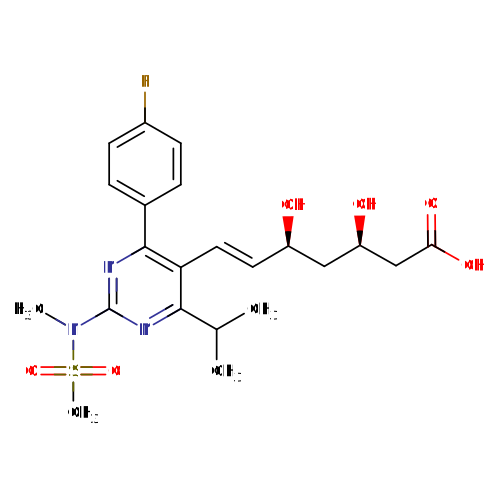
Structure for Rosuvastatin (DB01098)
- Weight
- Average: 481.538
Monoisotopic: 481.168284538 - Chemical Formula
- C22H28FN3O6S
- Synonyms
- (3R,5S,6E)-7-(4-(4-fluorophenyl)-6-(1-methylethyl)-2-(ethyl(methylsulfonyl)amino)-5-pyrimidinyl)-3,5-dihydroxy-6-heptenoic acid
- (3R,5S,6E)-7-{4-(4-fluorophenyl)-6-isopropyl-2-[methyl(methylsulfonyl)amino]pyrimidin-5-yl}-3,5-dihydroxyhept-6-enoic acid
- Rosuvastatin
- Rosuvastatina
- External IDs
- ZD-4522
- ZD4522

Pharmacology
- Indication
The FDA monograph states that rosuvastatin is indicated as an adjunct to diet in the treatment of triglyceridemia, Primary Dysbetalipoproteinemia (Type III Hyperlipoproteinemia), and Homozygous Familial Hypercholesterolemia.46
The Health Canada monograph for rosuvastatin further specifies that rosuvastatin is indicated for the reduction of elevated total cholesterol (Total-C), LDL-C, ApoB, the Total-C/HDL-C ratio and triglycerides (TG) and for increasing HDL-C in hyperlipidemic and dyslipidemic conditions when response to diet and exercise alone has been inadequate. It is also indicated for the prevention of major cardiovascular events (including risk of myocardial infarction, nonfatal stroke, and coronary artery revascularization) in adult patients without documented history of cardiovascular or cerebrovascular events, but with at least two conventional risk factors for cardiovascular disease.47
Prescribing of statin medications is considered standard practice following any cardiovascular events and for people with a moderate to high risk of development of CVD. Statin-indicated conditions include diabetes mellitus, clinical atherosclerosis (including myocardial infarction, acute coronary syndromes, stable angina, documented coronary artery disease, stroke, trans ischemic attack (TIA), documented carotid disease, peripheral artery disease, and claudication), abdominal aortic aneurysm, chronic kidney disease, and severely elevated LDL-C levels.15,21
 Reduce drug development failure ratesBuild, train, & validate machine-learning modelswith evidence-based and structured datasets.Build, train, & validate predictive machine-learning models with structured datasets.
- Associated Conditions
Indication Type Indication Combined Product Details Approval Level Age Group Patient Characteristics Dose Form Management of Atherosclerosis •••••••••••• Prevention of Atherosclerotic cardiovascular disease •••••••••••• Prevention of Cardiovascular disease •••••••••••• Used in combination to prevent Cardiovascular events Combination Product in combination with: Acetylsalicylic acid (DB00945) •••••••••••• •••• •••••••••••••• •••• ••••••• •••••••••••• Used in combination to prevent Cardiovascular events Combination Product in combination with: Amlodipine (DB00381) •••••••••••• ••••••• •••••• - Associated Therapies
- Contraindications & Blackbox Warnings
 Prevent Adverse Drug Events TodayTap into our Clinical API for life-saving information on contraindications & blackbox warnings, population restrictions, harmful risks, & more.Avoid life-threatening adverse drug events with our Clinical API
- Pharmacodynamics
Rosuvastatin is a synthetic, enantiomerically pure antilipemic agent. It is used to lower total cholesterol, low density lipoprotein-cholesterol (LDL-C), apolipoprotein B (apoB), non-high density lipoprotein-cholesterol (non-HDL-C), and trigleride (TG) plasma concentrations while increasing HDL-C concentrations. High LDL-C, low HDL-C and high TG concentrations in the plasma are associated with increased risk of atherosclerosis and cardiovascular disease. The total cholesterol to HDL-C ratio is a strong predictor of coronary artery disease and high ratios are associated with higher risk of disease. Increased levels of HDL-C are associated with lower cardiovascular risk. By decreasing LDL-C and TG and increasing HDL-C, rosuvastatin reduces the risk of cardiovascular morbidity and mortality.15,21
Elevated cholesterol levels, and in particular, elevated low-density lipoprotein (LDL) levels, are an important risk factor for the development of CVD.15 Use of statins to target and reduce LDL levels has been shown in a number of landmark studies to significantly reduce the risk of development of CVD and all-cause mortality.16,17,18,26,31 Statins are considered a cost-effective treatment option for CVD due to their evidence of reducing all-cause mortality including fatal and non-fatal CVD as well as the need for surgical revascularization or angioplasty following a heart attack.15,21 Evidence has shown that even for low-risk individuals (with <10% risk of a major vascular event occurring within 5 years) statins cause a 20%-22% relative reduction in major cardiovascular events (heart attack, stroke, coronary revascularization, and coronary death) for every 1 mmol/L reduction in LDL without any significant side effects or risks.19,20
Skeletal Muscle Effects
Cases of myopathy and rhabdomyolysis with acute renal failure secondary to myoglobinuria have been reported with HMG-CoA reductase inhibitors, including rosuvastatin. These risks can occur at any dose level, but are increased at the highest dose (40 mg). Rosuvastatin should be prescribed with caution in patients with predisposing factors for myopathy (e.g., age ≥ 65 years, inadequately treated hypothyroidism, renal impairment).
The risk of myopathy during treatment with rosuvastatin may be increased with concurrent administration of some other lipid-lowering therapies (such as fenofibrate or niacin), gemfibrozil, cyclosporine, atazanavir/ritonavir, lopinavir/ritonavir, or simeprevir. Cases of myopathy, including rhabdomyolysis, have been reported with HMG-CoA reductase inhibitors, including rosuvastatin, coadministered with colchicine, and caution should therefore be exercised when prescribing these two medications together.46
Real-world data from observational studies has suggested that 10-15% of people taking statins may experience muscle aches at some point during treatment.41
Liver Enzyme Abnormalities
Increases in serum transaminases have been reported with HMG-CoA reductase inhibitors, including rosuvastatin. In most cases, the elevations were transient and resolved or improved on continued therapy or after a brief interruption in therapy. There were two cases of jaundice, for which a relationship to rosuvastatin therapy could not be determined, which resolved after discontinuation of therapy. There were no cases of liver failure or irreversible liver disease in these trials.46
Endocrine Effects
Increases in HbA1c and fasting serum glucose levels have been reported with HMG-CoA reductase inhibitors, including rosuvastatin calcium tablets. Based on clinical trial data with rosuvastatin, in some instances these increases may exceed the threshold for the diagnosis of diabetes mellitus.46
An in vitro study found that atorvastatin, pravastatin, rosuvastatin, and pitavastatin exhibited a dose-dependent cytotoxic effect on human pancreas islet β cells, with reductions in cell viability of 32, 41, 34 and 29%, respectively, versus control]. Moreover, insulin secretion rates were decreased by 34, 30, 27 and 19%, respectively, relative to control.40
HMG-CoA reductase inhibitors interfere with cholesterol synthesis and lower cholesterol levels and, as such, might theoretically blunt adrenal or gonadal steroid hormone production. Rosuvastatin demonstrated no effect upon nonstimulated cortisol levels and no effect on thyroid metabolism as assessed by TSH plasma concentration. In rosuvastatin treated patients, there was no impairment of adrenocortical reserve and no reduction in plasma cortisol concentrations. Clinical studies with other HMG-CoA reductase inhibitors have suggested that these agents do not reduce plasma testosterone concentration. The effects of HMG-CoA reductase inhibitors on male fertility have not been studied. The effects, if any, on the pituitarygonadal axis in premenopausal women are unknown.47
Cardiovascular
Ubiquinone levels were not measured in rosuvastatin clinical trials, however significant decreases in circulating ubiquinone levels in patients treated with other statins have been observed. The clinical significance of a potential long-term statin-induced deficiency of ubiquinone has not been established. It has been reported that a decrease in myocardial ubiquinone levels could lead to impaired cardiac function in patients with borderline congestive heart failure.47
Lipoprotein A
In some patients, the beneficial effect of lowered total cholesterol and LDL-C levels may be partly blunted by a concomitant increase in the Lipoprotein(a) [Lp(a)] concentrations. Present knowledge suggests the importance of high Lp(a) levels as an emerging risk factor for coronary heart disease. It is thus desirable to maintain and reinforce lifestyle changes in high-risk patients placed on rosuvastatin therapy.47 Further studies have demonstrated statins affect Lp(a) levels differently in patients with dyslipidemia depending on their apo(a) phenotype; statins increase Lp(a) levels exclusively in patients with the low molecular weight apo(a) phenotype.23
- Mechanism of action
Rosuvastatin is a statin medication and a competitive inhibitor of the enzyme HMG-CoA (3-hydroxy-3-methylglutaryl coenzyme A) reductase, which catalyzes the conversion of HMG-CoA to mevalonate, an early rate-limiting step in cholesterol biosynthesis.24 Rosuvastatin acts primarily in the liver, where decreased hepatic cholesterol concentrations stimulate the upregulation of hepatic low density lipoprotein (LDL) receptors which increases hepatic uptake of LDL. Rosuvastatin also inhibits hepatic synthesis of very low density lipoprotein (VLDL).46 The overall effect is a decrease in plasma LDL and VLDL.
In vitro and in vivo animal studies also demonstrate that rosuvastatin exerts vasculoprotective effects independent of its lipid-lowering properties, also known as the pleiotropic effects of statins.25 This includes improvement in endothelial function, enhanced stability of atherosclerotic plaques, reduced oxidative stress and inflammation, and inhibition of the thrombogenic response.
Statins have also been found to bind allosterically to β2 integrin function-associated antigen-1 (LFA-1), which plays an important role in leukocyte trafficking and in T cell activation.39
Rosuvastatin exerts an anti-inflammatory effect on rat mesenteric microvascular endothelium by attenuating leukocyte rolling, adherence and transmigration.11 The drug also modulates nitric oxide synthase (NOS) expression and reduces ischemic-reperfusion injuries in rat hearts.1 Rosuvastatin increases the bioavailability of nitric oxide11,7,1 by upregulating NOS3 and by increasing the stability of NOS through post-transcriptional polyadenylation.6 It is unclear as to how rosuvastatin brings about these effects though they may be due to decreased concentrations of mevalonic acid.
Target Actions Organism A3-hydroxy-3-methylglutaryl-coenzyme A reductase inhibitorHumans UIntegrin alpha-L inhibitory allosteric modulatorHumans - Absorption
In a study of healthy white male volunteers, the absolute oral bioavailability of rosuvastatin was found to be approximately 20% while absorption was estimated to be 50%, which is consistent with a substantial first-pass effect after oral dosing.27,28 Another study in healthy volunteers found that the peak plasma concentration (Cmax) of rosuvastatin was 6.06ng/mL and was reached at a median of 5 hours following oral dosing.30 Both Cmax and AUC increased in approximate proportion to dose. Neither food nor evening versus morning administration was shown to have an effect on the AUC of rosuvastatin.46,47 Many statins are known to interact with hepatic uptake transporters and thus reach high concentrations at their site of action in the liver.
Breast Cancer Resistance Protein (BCRP) is a membrane-bound protein that plays an important role in the absorption of rosuvastatin, particularly as CYP3A4 has minimal involvement in its metabolism.29 Evidence from pharmacogenetic studies of c.421C>A single nucleotide polymorphisms (SNPs) in the gene for BCRP has demonstrated that individuals with the 421AA genotype have reduced functional activity and 2.4-fold higher AUC and Cmax values for rosuvastatin compared to study individuals with the control 421CC genotype. This has important implications for the variation in response to the drug in terms of efficacy and toxicity, particularly as the BCRP c.421C>A polymorphism occurs more frequently in Asian populations than in Caucasians.32,33 Other statin drugs impacted by this polymorphism include fluvastatin and atorvastatin.32
Genetic differences in the OATP1B1 (organic-anion-transporting polypeptide 1B1) hepatic transporter have also been shown to impact rosuvastatin pharmacokinetics. Evidence from pharmacogenetic studies of the c.521T>C SNP showed that rosuvastatin AUC was increased 1.62-fold for individuals homozygous for 521CC compared to homozygous 521TT individuals.36 Other statin drugs impacted by this polymorphism include simvastatin, pitavastatin, atorvastatin, and pravastatin.29
For patients known to have the above-mentioned c.421AA BCRP or c.521CC OATP1B1 genotypes, a maximum daily dose of 20mg of rosuvastatin is recommended to avoid adverse effects from the increased exposure to the drug, such as muscle pain and risk of rhabdomyolysis.47
- Volume of distribution
Rosuvastatin undergoes first-pass extraction in the liver, which is the primary site of cholesterol synthesis and LDL-C clearance. The mean volume of distribution at steady-state of rosuvastatin is approximately 134 litres.46,47
- Protein binding
Rosuvastatin is 88% bound to plasma proteins, mostly albumin. This binding is reversible and independent of plasma concentrations.46,47
- Metabolism
Rosuvastatin is not extensively metabolized, as demonstrated by the small amount of radiolabeled dose that is recovered as a metabolite (~10%). Cytochrome P450 (CYP) 2C9 is primarily responsible for the formation of rosuvastatin's major metabolite, N-desmethylrosuvastatin, which has approximately 20-50% of the pharmacological activity of its parent compound in vitro.46,47 However, this metabolic pathway isn't deemed to be clinically significant as there were no observable effects found on rosuvastatin pharmacokinetics when rosuvastatin was coadministered with fluconazole, a potent CYP2C9 inhibitor.34
In vitro and in vivo data indicate that rosuvastatin has no clinically significant cytochrome P450 interactions (as substrate, inhibitor or inducer). Consequently, there is little potential for drug-drug interactions upon coadministration with agents that are metabolized by cytochrome P450.47
Hover over products below to view reaction partners
- Route of elimination
Rosuvastatin is not extensively metabolized; approximately 10% of a radiolabeled dose is recovered as metabolite. Following oral administration, rosuvastatin and its metabolites are primarily excreted in the feces (90%). After an intravenous dose, approximately 28% of total body clearance was via the renal route, and 72% by the hepatic route.46,47,27
A study in healthy adult male volunteers found that approximately 90% of the rosuvastatin dose was recovered in feces within 72 hours after dose, while the remaining 10% was recovered in urine. The drug was completely excreted from the body after 10 days of dosing. They also found that approximately 76.8% of the excreted dose was unchanged from the parent compound, with the remaining dose recovered as the metabolites n-desmethyl rosuvastatin and rosuvastatin-5S-lactone.30
Renal tubular secretion is responsible for >90% of total renal clearance, and is believed to be mediated primarily by the uptake transporter OAT3 (Organic anion transporter 1), while OAT1 had minimal involvement.35
- Half-life
The elimination half-life (t½) of rosuvastatin is approximately 19 hours and does not increase with increasing doses.46,47
- Clearance
Not Available
- Adverse Effects
 Improve decision support & research outcomesWith structured adverse effects data, including: blackbox warnings, adverse reactions, warning & precautions, & incidence rates. View sample adverse effects data in our new Data Library!Improve decision support & research outcomes with our structured adverse effects data.
- Toxicity
Generally well-tolerated. Side effects may include myalgia, constipation, asthenia, abdominal pain, and nausea. Other possible side effects include myotoxicity (myopathy, myositis, rhabdomyolysis) and hepatotoxicity. To avoid toxicity in Asian patients, lower doses should be considered. Pharmacokinetic studies show an approximately two-fold increase in peak plasma concentration and AUC in Asian patients (Philippino, Chinese, Japanese, Korean, Vietnamese, or Asian-Indian descent) compared to Caucasian patients.
- Pathways
Pathway Category Rosuvastatin Action Pathway Drug action - Pharmacogenomic Effects/ADRs
Interacting Gene/Enzyme Allele name Genotype(s) Defining Change(s) Type(s) Description Details Kinesin-like protein KIF6 --- (C;C) / (C;T) C Allele Effect Directly Studied Patients with this genotype have a greater reduction in risk of a major cardiovascular event with high dose rosuvastatin. Details 3-hydroxy-3-methylglutaryl-coenzyme A reductase --- (A;T) T Allele Effect Directly Studied Patients with this genotype have a lesser reduction in LDL cholesterol with rosuvastatin. Details ATP-binding cassette sub-family G member 2 --- (A;A) / (A;C) G > T Effect Directly Studied Patients with this genotype have a greater reduction in LDL cholesterol with rosuvastatin. Details
Interactions
- Drug Interactions
- This information should not be interpreted without the help of a healthcare provider. If you believe you are experiencing an interaction, contact a healthcare provider immediately. The absence of an interaction does not necessarily mean no interactions exist.
Drug Interaction Integrate drug-drug
interactions in your softwareAbametapir The serum concentration of Rosuvastatin can be increased when it is combined with Abametapir. Abatacept The metabolism of Rosuvastatin can be increased when combined with Abatacept. Abemaciclib The metabolism of Abemaciclib can be decreased when combined with Rosuvastatin. Abrocitinib The metabolism of Abrocitinib can be decreased when combined with Rosuvastatin. Acalabrutinib The metabolism of Acalabrutinib can be decreased when combined with Rosuvastatin. - Food Interactions
- Take with or without food. Co-administration with food does not affect absorption.
Products
 Drug product information from 10+ global regionsOur datasets provide approved product information including:dosage, form, labeller, route of administration, and marketing period.Access drug product information from over 10 global regions.
- Product Ingredients
Ingredient UNII CAS InChI Key Rosuvastatin calcium 83MVU38M7Q 147098-20-2 LALFOYNTGMUKGG-JGMJEEPBSA-L Rosuvastatin zinc 70VE4E19Z7 953412-08-3 KUQHZGJLQWUFPU-BGRFNVSISA-L - Product Images
- International/Other Brands
- Astende (Lazar (Argentina)) / Cirantan (AstraZeneca (Netherlands)) / Cresadex (Drugtech (Chile)) / Provisacor (AstraZeneca (Italy, Netherlands) ) / Razel (Glenmark (India)) / Rosedex (Roux-Ocefa (Argentina)) / Rosimol (Sandoz (Argentina)) / Rosumed (Labomed (Chile)) / Rosustatin (Montpellier (Argentina)) / Rosuvas (Ranbaxy (India)) / Rosuvast (Bago (Argentina)) / Rosvel (Laboratorios Chile (Chile)) / Rovartal (Roemmers (Argentina)) / Simestat (Simesa (Italy)) / Sinlip (Gador (Argentina)) / Visacor (AstraZeneca (Portugal)) / Vivacor (AstraZeneca (Brazil))
- Brand Name Prescription Products
Name Dosage Strength Route Labeller Marketing Start Marketing End Region Image Act Rosuvastatin Tablet 5 mg Oral Actavis Pharma Company 2012-03-16 2019-07-09 Canada 
Act Rosuvastatin Tablet 20 mg Oral Actavis Pharma Company 2012-03-16 2019-07-09 Canada Act Rosuvastatin Tablet 10 mg Oral Actavis Pharma Company 2012-03-16 2019-07-09 Canada Act Rosuvastatin Tablet 40 mg Oral Actavis Pharma Company 2012-03-16 2019-07-09 Canada Crestor Tablet, film coated 5 mg/1 Oral Cardinal Health 2010-12-01 2018-03-31 US 

- Generic Prescription Products
Name Dosage Strength Route Labeller Marketing Start Marketing End Region Image Ach-rosuvastatin Tablet 40 mg Oral Accord Healthcare Inc 2019-05-23 Not applicable Canada Ach-rosuvastatin Tablet 5 mg Oral Accord Healthcare Inc 2019-05-23 Not applicable Canada Ach-rosuvastatin Tablet 20 mg Oral Accord Healthcare Inc 2019-05-23 Not applicable Canada Ach-rosuvastatin Tablet 10 mg Oral Accord Healthcare Inc 2019-05-23 Not applicable Canada Ag-rosuvastatin Tablet 40 mg Oral Angita Pharma Inc. 2018-12-28 Not applicable Canada - Mixture Products
Name Ingredients Dosage Route Labeller Marketing Start Marketing End Region Image ACIDO FENOFIBRICO / ROSUVASTATINA 135 MG/10 MG Rosuvastatin calcium (10 mg) + Fenofibrate (135 mg) Capsule, coated Oral TECNOQUIMICAS S.A. 2019-03-19 Not applicable Colombia 
Arosuva plus Ezetimib 10 mg/10 mg Filmtabletten Rosuvastatin (10 mg) + Ezetimibe (10 mg) Tablet, film coated Oral Gebro Pharma Gmb H 2019-11-04 Not applicable Austria 
Arosuva plus Ezetimib 20 mg/10 mg Filmtabletten Rosuvastatin (20 mg) + Ezetimibe (10 mg) Tablet, film coated Oral Gebro Pharma Gmb H 2019-11-04 Not applicable Austria Arosuva plus Ezetimib 40 mg/10 mg Filmtabletten Rosuvastatin (40 mg) + Ezetimibe (10 mg) Tablet, film coated Oral Gebro Pharma Gmb H 2019-11-04 Not applicable Austria Arosuva plus Ezetimib 5 mg/10 mg Filmtabletten Rosuvastatin (5 mg) + Ezetimibe (10 mg) Tablet, film coated Oral Gebro Pharma Gmb H 2019-11-04 Not applicable Austria


Categories
- ATC Codes
- C10BX10 — Rosuvastatin and valsartan
- C10BX — Lipid modifying agents in combination with other drugs
- C10B — LIPID MODIFYING AGENTS, COMBINATIONS
- C10 — LIPID MODIFYING AGENTS
- C — CARDIOVASCULAR SYSTEM
- C10BX — Lipid modifying agents in combination with other drugs
- C10B — LIPID MODIFYING AGENTS, COMBINATIONS
- C10 — LIPID MODIFYING AGENTS
- C — CARDIOVASCULAR SYSTEM
- C10BX — Lipid modifying agents in combination with other drugs
- C10B — LIPID MODIFYING AGENTS, COMBINATIONS
- C10 — LIPID MODIFYING AGENTS
- C — CARDIOVASCULAR SYSTEM
- C10AA — HMG CoA reductase inhibitors
- C10A — LIPID MODIFYING AGENTS, PLAIN
- C10 — LIPID MODIFYING AGENTS
- C — CARDIOVASCULAR SYSTEM
- A10BH — Dipeptidyl peptidase 4 (DPP-4) inhibitors
- A10B — BLOOD GLUCOSE LOWERING DRUGS, EXCL. INSULINS
- A10 — DRUGS USED IN DIABETES
- A — ALIMENTARY TRACT AND METABOLISM
- G01AE — Sulfonamides
- G01A — ANTIINFECTIVES AND ANTISEPTICS, EXCL. COMBINATIONS WITH CORTICOSTEROIDS
- G01 — GYNECOLOGICAL ANTIINFECTIVES AND ANTISEPTICS
- G — GENITO URINARY SYSTEM AND SEX HORMONES
- C10BX — Lipid modifying agents in combination with other drugs
- C10B — LIPID MODIFYING AGENTS, COMBINATIONS
- C10 — LIPID MODIFYING AGENTS
- C — CARDIOVASCULAR SYSTEM
- C10BX — Lipid modifying agents in combination with other drugs
- C10B — LIPID MODIFYING AGENTS, COMBINATIONS
- C10 — LIPID MODIFYING AGENTS
- C — CARDIOVASCULAR SYSTEM
- C10BA — Combinations of various lipid modifying agents
- C10B — LIPID MODIFYING AGENTS, COMBINATIONS
- C10 — LIPID MODIFYING AGENTS
- C — CARDIOVASCULAR SYSTEM
- C10BX — Lipid modifying agents in combination with other drugs
- C10B — LIPID MODIFYING AGENTS, COMBINATIONS
- C10 — LIPID MODIFYING AGENTS
- C — CARDIOVASCULAR SYSTEM
- C10BX — Lipid modifying agents in combination with other drugs
- C10B — LIPID MODIFYING AGENTS, COMBINATIONS
- C10 — LIPID MODIFYING AGENTS
- C — CARDIOVASCULAR SYSTEM
- C10BX — Lipid modifying agents in combination with other drugs
- C10B — LIPID MODIFYING AGENTS, COMBINATIONS
- C10 — LIPID MODIFYING AGENTS
- C — CARDIOVASCULAR SYSTEM
- Drug Categories
- Agents Causing Muscle Toxicity
- Alimentary Tract and Metabolism
- Amides
- Anticholesteremic Agents
- BCRP/ABCG2 Substrates
- BSEP/ABCB11 Substrates
- Cytochrome P-450 CYP2C9 Substrates
- Cytochrome P-450 CYP3A Inhibitors
- Cytochrome P-450 CYP3A Substrates
- Cytochrome P-450 CYP3A4 Substrates
- Cytochrome P-450 CYP3A4 Substrates (strength unknown)
- Cytochrome P-450 CYP3A5 Inhibitors
- Cytochrome P-450 CYP3A5 Substrates
- Cytochrome P-450 Enzyme Inhibitors
- Cytochrome P-450 Substrates
- Drugs Used in Diabetes
- Enzyme Inhibitors
- Fluorobenzenes
- Genito Urinary System and Sex Hormones
- Gynecological Antiinfectives and Antiseptics
- Hydrocarbons, Fluorinated
- Hydrocarbons, Halogenated
- Hydroxymethylglutaryl-CoA Reductase Inhibitors
- Hypolipidemic Agents
- Hypolipidemic Agents Indicated for Hyperlipidemia
- Lipid Modifying Agents
- Lipid Modifying Agents, Plain
- Lipid Regulating Agents
- OAT3/SLC22A8 Inhibitors
- OAT3/SLC22A8 Substrates
- OATP1B1/SLCO1B1 Inhibitors
- OATP1B1/SLCO1B1 Substrates
- Pyrimidines
- Sulfonamides
- Sulfones
- Sulfur Compounds
- Chemical TaxonomyProvided by Classyfire
- Description
- This compound belongs to the class of organic compounds known as phenylpyrimidines. These are polycyclic aromatic compounds containing a benzene ring linked to a pyrimidine ring through a CC or CN bond. Pyrimidine is a 6-membered ring consisting of four carbon atoms and two nitrogen centers at the 1- and 3- ring positions.
- Kingdom
- Organic compounds
- Super Class
- Organoheterocyclic compounds
- Class
- Diazines
- Sub Class
- Pyrimidines and pyrimidine derivatives
- Direct Parent
- Phenylpyrimidines
- Alternative Parents
- Medium-chain hydroxy acids and derivatives / Medium-chain fatty acids / Beta hydroxy acids and derivatives / Fluorobenzenes / Halogenated fatty acids / Heterocyclic fatty acids / Hydroxy fatty acids / Aryl fluorides / Unsaturated fatty acids / Organosulfonamides show 13 more
- Substituents
- 4-phenylpyrimidine / 5-phenylpyrimidine / Alcohol / Aminosulfonyl compound / Aromatic heteromonocyclic compound / Aryl fluoride / Aryl halide / Azacycle / Benzenoid / Beta-hydroxy acid show 33 more
- Molecular Framework
- Aromatic heteromonocyclic compounds
- External Descriptors
- statin (synthetic), sulfonamide, pyrimidines, dihydroxy monocarboxylic acid, monofluorobenzenes (CHEBI:38545)
- Affected organisms
- Humans and other mammals
Chemical Identifiers
- UNII
- 413KH5ZJ73
- CAS number
- 287714-41-4
- InChI Key
- BPRHUIZQVSMCRT-VEUZHWNKSA-N
- InChI
- InChI=1S/C22H28FN3O6S/c1-13(2)20-18(10-9-16(27)11-17(28)12-19(29)30)21(14-5-7-15(23)8-6-14)25-22(24-20)26(3)33(4,31)32/h5-10,13,16-17,27-28H,11-12H2,1-4H3,(H,29,30)/b10-9+/t16-,17-/m1/s1
- IUPAC Name
- (3R,5S,6E)-7-[4-(4-fluorophenyl)-2-(N-methylmethanesulfonamido)-6-(propan-2-yl)pyrimidin-5-yl]-3,5-dihydroxyhept-6-enoic acid
- SMILES
- CC(C)C1=NC(=NC(C2=CC=C(F)C=C2)=C1\C=C\[C@@H](O)C[C@@H](O)CC(=O)O)N(C)S(C)(=O)=O
References
- Synthesis Reference
Valerie Niddam-Hildesheim, Greta Sterimbaum, "Process for preparation of rosuvastatin calcium." U.S. Patent US20050080134, issued April 14, 2005.
US20050080134- General References
- Di Napoli P, Taccardi AA, Grilli A, De Lutiis MA, Barsotti A, Felaco M, De Caterina R: Chronic treatment with rosuvastatin modulates nitric oxide synthase expression and reduces ischemia-reperfusion injury in rat hearts. Cardiovasc Res. 2005 Jun 1;66(3):462-71. Epub 2005 Mar 2. [Article]
- Everett BM, Glynn RJ, MacFadyen JG, Ridker PM: Rosuvastatin in the prevention of stroke among men and women with elevated levels of C-reactive protein: justification for the Use of Statins in Prevention: an Intervention Trial Evaluating Rosuvastatin (JUPITER). Circulation. 2010 Jan 5;121(1):143-50. doi: 10.1161/CIRCULATIONAHA.109.874834. Epub 2009 Dec 21. [Article]
- Jones SP, Gibson MF, Rimmer DM 3rd, Gibson TM, Sharp BR, Lefer DJ: Direct vascular and cardioprotective effects of rosuvastatin, a new HMG-CoA reductase inhibitor. J Am Coll Cardiol. 2002 Sep 18;40(6):1172-8. [Article]
- Jones PH, Davidson MH, Stein EA, Bays HE, McKenney JM, Miller E, Cain VA, Blasetto JW: Comparison of the efficacy and safety of rosuvastatin versus atorvastatin, simvastatin, and pravastatin across doses (STELLAR* Trial). Am J Cardiol. 2003 Jul 15;92(2):152-60. [Article]
- Kilic E, Kilic U, Matter CM, Luscher TF, Bassetti CL, Hermann DM: Aggravation of focal cerebral ischemia by tissue plasminogen activator is reversed by 3-hydroxy-3-methylglutaryl coenzyme A reductase inhibitor but does not depend on endothelial NO synthase. Stroke. 2005 Feb;36(2):332-6. Epub 2004 Dec 29. [Article]
- Kosmidou I, Moore JP, Weber M, Searles CD: Statin treatment and 3' polyadenylation of eNOS mRNA. Arterioscler Thromb Vasc Biol. 2007 Dec;27(12):2642-9. Epub 2007 Oct 4. [Article]
- Laufs U, Gertz K, Dirnagl U, Bohm M, Nickenig G, Endres M: Rosuvastatin, a new HMG-CoA reductase inhibitor, upregulates endothelial nitric oxide synthase and protects from ischemic stroke in mice. Brain Res. 2002 Jun 28;942(1-2):23-30. [Article]
- McKillop T: The statin wars. Lancet. 2003 Nov 1;362(9394):1498. [Article]
- McTaggart F, Buckett L, Davidson R, Holdgate G, McCormick A, Schneck D, Smith G, Warwick M: Preclinical and clinical pharmacology of Rosuvastatin, a new 3-hydroxy-3-methylglutaryl coenzyme A reductase inhibitor. Am J Cardiol. 2001 Mar 8;87(5A):28B-32B. [Article]
- Nissen SE, Nicholls SJ, Sipahi I, Libby P, Raichlen JS, Ballantyne CM, Davignon J, Erbel R, Fruchart JC, Tardif JC, Schoenhagen P, Crowe T, Cain V, Wolski K, Goormastic M, Tuzcu EM: Effect of very high-intensity statin therapy on regression of coronary atherosclerosis: the ASTEROID trial. JAMA. 2006 Apr 5;295(13):1556-65. Epub 2006 Mar 13. [Article]
- Stalker TJ, Lefer AM, Scalia R: A new HMG-CoA reductase inhibitor, rosuvastatin, exerts anti-inflammatory effects on the microvascular endothelium: the role of mevalonic acid. Br J Pharmacol. 2001 Jun;133(3):406-12. [Article]
- Authors unspecified: The statin wars: why AstraZeneca must retreat. Lancet. 2003 Oct 25;362(9393):1341. [Article]
- Ho RH, Tirona RG, Leake BF, Glaeser H, Lee W, Lemke CJ, Wang Y, Kim RB: Drug and bile acid transporters in rosuvastatin hepatic uptake: function, expression, and pharmacogenetics. Gastroenterology. 2006 May;130(6):1793-806. Epub 2006 Mar 6. [Article]
- Kreatsoulas C, Anand SS: The impact of social determinants on cardiovascular disease. Can J Cardiol. 2010 Aug-Sep;26 Suppl C:8C-13C. doi: 10.1016/s0828-282x(10)71075-8. [Article]
- Anderson TJ, Gregoire J, Pearson GJ, Barry AR, Couture P, Dawes M, Francis GA, Genest J Jr, Grover S, Gupta M, Hegele RA, Lau DC, Leiter LA, Lonn E, Mancini GB, McPherson R, Ngui D, Poirier P, Sievenpiper JL, Stone JA, Thanassoulis G, Ward R: 2016 Canadian Cardiovascular Society Guidelines for the Management of Dyslipidemia for the Prevention of Cardiovascular Disease in the Adult. Can J Cardiol. 2016 Nov;32(11):1263-1282. doi: 10.1016/j.cjca.2016.07.510. Epub 2016 Jul 25. [Article]
- Authors unspecified: Prevention of cardiovascular events and death with pravastatin in patients with coronary heart disease and a broad range of initial cholesterol levels. N Engl J Med. 1998 Nov 5;339(19):1349-57. doi: 10.1056/NEJM199811053391902. [Article]
- Cannon CP, Braunwald E, McCabe CH, Rader DJ, Rouleau JL, Belder R, Joyal SV, Hill KA, Pfeffer MA, Skene AM: Intensive versus moderate lipid lowering with statins after acute coronary syndromes. N Engl J Med. 2004 Apr 8;350(15):1495-504. doi: 10.1056/NEJMoa040583. Epub 2004 Mar 8. [Article]
- Ridker PM, Danielson E, Fonseca FA, Genest J, Gotto AM Jr, Kastelein JJ, Koenig W, Libby P, Lorenzatti AJ, MacFadyen JG, Nordestgaard BG, Shepherd J, Willerson JT, Glynn RJ: Rosuvastatin to prevent vascular events in men and women with elevated C-reactive protein. N Engl J Med. 2008 Nov 20;359(21):2195-207. doi: 10.1056/NEJMoa0807646. Epub 2008 Nov 9. [Article]
- Mihaylova B, Emberson J, Blackwell L, Keech A, Simes J, Barnes EH, Voysey M, Gray A, Collins R, Baigent C: The effects of lowering LDL cholesterol with statin therapy in people at low risk of vascular disease: meta-analysis of individual data from 27 randomised trials. Lancet. 2012 Aug 11;380(9841):581-90. doi: 10.1016/S0140-6736(12)60367-5. Epub 2012 May 17. [Article]
- Taylor F, Huffman MD, Macedo AF, Moore TH, Burke M, Davey Smith G, Ward K, Ebrahim S: Statins for the primary prevention of cardiovascular disease. Cochrane Database Syst Rev. 2013 Jan 31;(1):CD004816. doi: 10.1002/14651858.CD004816.pub5. [Article]
- Grundy SM, Stone NJ: 2018 American Heart Association/American College of Cardiology Multisociety Guideline on the Management of Blood Cholesterol: Primary Prevention. JAMA Cardiol. 2019 Apr 10. pii: 2730287. doi: 10.1001/jamacardio.2019.0777. [Article]
- Adams SP, Sekhon SS, Wright JM: Lipid-lowering efficacy of rosuvastatin. Cochrane Database Syst Rev. 2014 Nov 21;(11):CD010254. doi: 10.1002/14651858.CD010254.pub2. [Article]
- Yahya R, Berk K, Verhoeven A, Bos S, van der Zee L, Touw J, Erhart G, Kronenberg F, Timman R, Sijbrands E, Roeters van Lennep J, Mulder M: Statin treatment increases lipoprotein(a) levels in subjects with low molecular weight apolipoprotein(a) phenotype. Atherosclerosis. 2019 Jul 3. pii: S0021-9150(19)31392-9. doi: 10.1016/j.atherosclerosis.2019.07.001. [Article]
- Moghadasian MH: Clinical pharmacology of 3-hydroxy-3-methylglutaryl coenzyme A reductase inhibitors. Life Sci. 1999;65(13):1329-37. doi: 10.1016/s0024-3205(99)00199-x. [Article]
- Liao JK, Laufs U: Pleiotropic effects of statins. Annu Rev Pharmacol Toxicol. 2005;45:89-118. doi: 10.1146/annurev.pharmtox.45.120403.095748. [Article]
- Nicholls SJ, Ballantyne CM, Barter PJ, Chapman MJ, Erbel RM, Libby P, Raichlen JS, Uno K, Borgman M, Wolski K, Nissen SE: Effect of two intensive statin regimens on progression of coronary disease. N Engl J Med. 2011 Dec 1;365(22):2078-87. doi: 10.1056/NEJMoa1110874. Epub 2011 Nov 15. [Article]
- Martin PD, Warwick MJ, Dane AL, Brindley C, Short T: Absolute oral bioavailability of rosuvastatin in healthy white adult male volunteers. Clin Ther. 2003 Oct;25(10):2553-63. [Article]
- Birmingham BK, Bujac SR, Elsby R, Azumaya CT, Zalikowski J, Chen Y, Kim K, Ambrose HJ: Rosuvastatin pharmacokinetics and pharmacogenetics in Caucasian and Asian subjects residing in the United States. Eur J Clin Pharmacol. 2015 Mar;71(3):329-40. doi: 10.1007/s00228-014-1800-0. Epub 2015 Jan 30. [Article]
- Elsby R, Hilgendorf C, Fenner K: Understanding the critical disposition pathways of statins to assess drug-drug interaction risk during drug development: it's not just about OATP1B1. Clin Pharmacol Ther. 2012 Nov;92(5):584-98. doi: 10.1038/clpt.2012.163. Epub 2012 Oct 10. [Article]
- Martin PD, Warwick MJ, Dane AL, Hill SJ, Giles PB, Phillips PJ, Lenz E: Metabolism, excretion, and pharmacokinetics of rosuvastatin in healthy adult male volunteers. Clin Ther. 2003 Nov;25(11):2822-35. [Article]
- Authors unspecified: MRC/BHF Heart Protection Study of cholesterol lowering with simvastatin in 20,536 high-risk individuals: a randomised placebo-controlled trial. Lancet. 2002 Jul 6;360(9326):7-22. doi: 10.1016/S0140-6736(02)09327-3. [Article]
- Keskitalo JE, Zolk O, Fromm MF, Kurkinen KJ, Neuvonen PJ, Niemi M: ABCG2 polymorphism markedly affects the pharmacokinetics of atorvastatin and rosuvastatin. Clin Pharmacol Ther. 2009 Aug;86(2):197-203. doi: 10.1038/clpt.2009.79. Epub 2009 May 27. [Article]
- Lee E, Ryan S, Birmingham B, Zalikowski J, March R, Ambrose H, Moore R, Lee C, Chen Y, Schneck D: Rosuvastatin pharmacokinetics and pharmacogenetics in white and Asian subjects residing in the same environment. Clin Pharmacol Ther. 2005 Oct;78(4):330-41. doi: 10.1016/j.clpt.2005.06.013. [Article]
- Cooper KJ, Martin PD, Dane AL, Warwick MJ, Schneck DW, Cantarini MV: The effect of fluconazole on the pharmacokinetics of rosuvastatin. Eur J Clin Pharmacol. 2002 Nov;58(8):527-31. doi: 10.1007/s00228-002-0508-8. Epub 2002 Oct 3. [Article]
- Windass AS, Lowes S, Wang Y, Brown CD: The contribution of organic anion transporters OAT1 and OAT3 to the renal uptake of rosuvastatin. J Pharmacol Exp Ther. 2007 Sep;322(3):1221-7. doi: 10.1124/jpet.107.125831. Epub 2007 Jun 21. [Article]
- Pasanen MK, Fredrikson H, Neuvonen PJ, Niemi M: Different effects of SLCO1B1 polymorphism on the pharmacokinetics of atorvastatin and rosuvastatin. Clin Pharmacol Ther. 2007 Dec;82(6):726-33. doi: 10.1038/sj.clpt.6100220. Epub 2007 May 2. [Article]
- Kostapanos MS, Milionis HJ, Elisaf MS: Rosuvastatin-associated adverse effects and drug-drug interactions in the clinical setting of dyslipidemia. Am J Cardiovasc Drugs. 2010;10(1):11-28. doi: 10.2165/13168600-000000000-00000. [Article]
- Kannel WB, Castelli WP, Gordon T, McNamara PM: Serum cholesterol, lipoproteins, and the risk of coronary heart disease. The Framingham study. Ann Intern Med. 1971 Jan;74(1):1-12. doi: 10.7326/0003-4819-74-1-1. [Article]
- Weitz-Schmidt G, Welzenbach K, Brinkmann V, Kamata T, Kallen J, Bruns C, Cottens S, Takada Y, Hommel U: Statins selectively inhibit leukocyte function antigen-1 by binding to a novel regulatory integrin site. Nat Med. 2001 Jun;7(6):687-92. doi: 10.1038/89058. [Article]
- Zhao W, Zhao SP: Different effects of statins on induction of diabetes mellitus: an experimental study. Drug Des Devel Ther. 2015 Nov 24;9:6211-23. doi: 10.2147/DDDT.S87979. eCollection 2015. [Article]
- Harper CR, Jacobson TA: The broad spectrum of statin myopathy: from myalgia to rhabdomyolysis. Curr Opin Lipidol. 2007 Aug;18(4):401-8. doi: 10.1097/MOL.0b013e32825a6773. [Article]
- Authors unspecified: Randomised trial of cholesterol lowering in 4444 patients with coronary heart disease: the Scandinavian Simvastatin Survival Study (4S) Lancet. 1994 Nov 19;344(8934):1383-9. [Article]
- Crestor (Rosuvastatin Calcium) FDA Label [Link]
- FDA Approved Drug Products: Crestor (rosuvastatin) tablets for oral use (July 2023) [Link]
- FDA Approved Drug Products: Ezallor Sprinkle (rosuvastatin) capsules for oral use [Link]
- FDA Label - Rosuvastatin [File]
- Health Canada Monograph - Rosuvastatin [File]
- External Links
- Human Metabolome Database
- HMDB0015230
- KEGG Drug
- D08492
- PubChem Compound
- 446157
- PubChem Substance
- 46509022
- ChemSpider
- 393589
- BindingDB
- 18372
- 301542
- ChEBI
- 38545
- ChEMBL
- CHEMBL1496
- ZINC
- ZINC000001535101
- Therapeutic Targets Database
- DAP000555
- PharmGKB
- PA134308647
- PDBe Ligand
- FBI
- RxList
- RxList Drug Page
- Drugs.com
- Drugs.com Drug Page
- Wikipedia
- Rosuvastatin
- MSDS
- Download (57.8 KB)
Clinical Trials
- Clinical Trials
Phase Status Purpose Conditions Count 4 Active Not Recruiting Basic Science Healthy Volunteers (HV) 1 4 Active Not Recruiting Prevention Anesthetics Adverse Reaction / Cardiovascular Disease (CVD) / Cardiovascular Risk 1 4 Active Not Recruiting Treatment Coronary Artery Disease (CAD) 2 4 Active Not Recruiting Treatment High Cholesterol 1 4 Completed Not Available Coronary Heart Disease (CHD) 1
Pharmacoeconomics
- Manufacturers
- Not Available
- Packagers
- A-S Medication Solutions LLC
- AstraZeneca Inc.
- Bryant Ranch Prepack
- Cardinal Health
- Corden Pharma GmbH
- IPR Pharmaceuticals Inc.
- Lake Erie Medical and Surgical Supply
- Murfreesboro Pharmaceutical Nursing Supply
- Nucare Pharmaceuticals Inc.
- PD-Rx Pharmaceuticals Inc.
- Physicians Total Care Inc.
- Prepak Systems Inc.
- Remedy Repack
- Resource Optimization and Innovation LLC
- Southwood Pharmaceuticals
- Dosage Forms
Form Route Strength Tablet, coated Oral 10 mg Tablet, coated Oral 20 mg Tablet Oral 5.20 mg Tablet, film coated Oral Tablet, effervescent Oral Tablet, film coated Oral 20.84 mg Tablet Oral; Sublingual 20 mg Tablet, effervescent 10 mg Tablet, effervescent 20 mg Tablet, effervescent 40 mg Tablet, effervescent Tablet Oral 10.000 mg Tablet Oral 5.000 mg Tablet, film coated Oral 10 mg/1 Tablet, film coated Oral 20 mg/1 Tablet, film coated Oral 40 mg/1 Tablet, film coated Oral 5 mg/1 Tablet Oral 10 mg Tablet Oral 20 mg Tablet Oral 5 mg Tablet Oral 10.0000 mg Tablet, coated Oral 40 mg Capsule Oral 10 mg/1 Capsule Oral 20 mg/1 Capsule Oral 40 mg/1 Capsule Oral 5 mg/1 Tablet, coated Oral Capsule, liquid filled Oral Tablet Oral 20.860 mg Tablet, coated Oral 10.42 mg Tablet, delayed release Oral 10 mg Tablet, coated Oral 41.58 mg Capsule Oral 10.400 mg Tablet Oral 10.000 mg Tablet, film coated Oral Tablet Oral 10.00 mg Tablet Oral Tablet, film coated Oral 10.00 mg Tablet, film coated Oral 5.00 mg Tablet, coated Oral 30 MG Tablet, coated Oral 10.4 mg Tablet Oral 10.0 mg Tablet Oral 20.0 mg Tablet Oral 40.0 mg Tablet Oral 5.0 mg Tablet Oral 10 mg/1 Tablet Oral 20 mg/1 Tablet Oral 40 mg/1 Tablet Oral 5 mg/1 Tablet, coated Oral 10 mg/1 Tablet, coated Oral 20 mg/1 Tablet, coated Oral 40 mg/1 Tablet, coated Oral 5 mg/1 Tablet, film coated Oral 10.4 MG Tablet, film coated Oral 20.8 Mg Tablet, film coated Oral 22.04 MG Tablet, film coated Oral 41.6 Mg Tablet, film coated Oral 44.08 MG Tablet, film coated Oral 10.000 mg Tablet, film coated Oral 20.000 mg Tablet, coated Oral 1000000 mg Capsule, liquid filled Oral 2000000 mg Tablet, coated Oral 2000000 mg Tablet, film coated Oral 15 MG Tablet, film coated Oral 30 MG Tablet, film coated Oral 40 MG Tablet, film coated Oral 5 MG Tablet Oral 41.66 mg Tablet, coated Oral 4000000 mg Tablet Oral 40 mg Tablet Tablet Oral 10.400 mg Capsule, liquid filled Oral 5 mg Capsule, liquid filled Oral 10 mg Capsule, liquid filled Oral 20 mg Capsule, liquid filled Oral 40 mg Tablet, coated Oral 20.84 mg Tablet 20 mg Tablet, coated Oral 5 mg Tablet Oral 20.000 mg Tablet, film coated Oral 11.02 MG Capsule, coated Oral Capsule, coated Oral 20 mg Capsule Oral Tablet Oral 200.000 mg Tablet Oral 40.000 mg Tablet 10 mg Tablet Oral Tablet, coated Oral 10 mg Tablet Oral 5.200 mg Tablet, film coated Oral 10 mg Tablet, film coated Oral 20 mg - Prices
Unit description Cost Unit Crestor 40 mg tablet 4.7USD tablet Crestor 20 mg tablet 4.69USD tablet Crestor 10 mg tablet 4.68USD tablet Crestor 5 mg tablet 4.68USD tablet Crestor 40 mg Tablet 2.24USD tablet Crestor 20 mg Tablet 1.91USD tablet Crestor 10 mg Tablet 1.53USD tablet Crestor 5 mg Tablet 1.45USD tablet DrugBank does not sell nor buy drugs. Pricing information is supplied for informational purposes only.- Patents
Patent Number Pediatric Extension Approved Expires (estimated) Region CA2315141 No 2009-08-18 2020-08-04 Canada CA2072945 No 2001-07-31 2012-07-02 Canada US6858618 Yes 2005-02-22 2022-06-17 US US7030152 Yes 2006-04-18 2018-10-02 US US7964614 Yes 2011-06-21 2018-10-02 US US6316460 Yes 2001-11-13 2021-02-04 US USRE37314 Yes 2001-08-07 2016-07-08 US US10413543 No 2019-09-17 2036-02-12 US US10376470 No 2019-08-13 2033-05-01 US US9763885 No 2017-09-19 2033-05-01 US
Properties
- State
- Solid
- Experimental Properties
Property Value Source water solubility Sparingly soluble in water FDA label logP 0.13 FDA label - Predicted Properties
Property Value Source Water Solubility 0.0886 mg/mL ALOGPS logP 1.47 ALOGPS logP 1.92 Chemaxon logS -3.7 ALOGPS pKa (Strongest Acidic) 4 Chemaxon pKa (Strongest Basic) -1.6 Chemaxon Physiological Charge -1 Chemaxon Hydrogen Acceptor Count 8 Chemaxon Hydrogen Donor Count 3 Chemaxon Polar Surface Area 140.92 Å2 Chemaxon Rotatable Bond Count 9 Chemaxon Refractivity 121.44 m3·mol-1 Chemaxon Polarizability 48.55 Å3 Chemaxon Number of Rings 2 Chemaxon Bioavailability 1 Chemaxon Rule of Five Yes Chemaxon Ghose Filter No Chemaxon Veber's Rule No Chemaxon MDDR-like Rule No Chemaxon - Predicted ADMET Features
Property Value Probability Human Intestinal Absorption + 0.9791 Blood Brain Barrier - 0.6815 Caco-2 permeable - 0.5818 P-glycoprotein substrate Non-substrate 0.6962 P-glycoprotein inhibitor I Non-inhibitor 0.5099 P-glycoprotein inhibitor II Non-inhibitor 0.8987 Renal organic cation transporter Non-inhibitor 0.9467 CYP450 2C9 substrate Non-substrate 0.5544 CYP450 2D6 substrate Non-substrate 0.8633 CYP450 3A4 substrate Non-substrate 0.584 CYP450 1A2 substrate Non-inhibitor 0.6896 CYP450 2C9 inhibitor Non-inhibitor 0.5957 CYP450 2D6 inhibitor Non-inhibitor 0.8609 CYP450 2C19 inhibitor Non-inhibitor 0.6414 CYP450 3A4 inhibitor Non-inhibitor 0.8308 CYP450 inhibitory promiscuity Low CYP Inhibitory Promiscuity 0.6226 Ames test Non AMES toxic 0.662 Carcinogenicity Non-carcinogens 0.6578 Biodegradation Not ready biodegradable 1.0 Rat acute toxicity 2.5599 LD50, mol/kg Not applicable hERG inhibition (predictor I) Weak inhibitor 0.9856 hERG inhibition (predictor II) Non-inhibitor 0.8117
Spectra
- Mass Spec (NIST)
- Not Available
- Spectra
Spectrum Spectrum Type Splash Key Predicted GC-MS Spectrum - GC-MS Predicted GC-MS splash10-03dl-4024900000-6da5a329db1ec51e7329 Predicted MS/MS Spectrum - 10V, Positive (Annotated) Predicted LC-MS/MS splash10-001i-0000900000-26b4568a209a0f9ca797 Predicted MS/MS Spectrum - 10V, Negative (Annotated) Predicted LC-MS/MS splash10-067i-5003900000-1e54f4b5c5a578131b66 Predicted MS/MS Spectrum - 20V, Positive (Annotated) Predicted LC-MS/MS splash10-01pk-0003900000-6fc593c80bc67a4f7a62 Predicted MS/MS Spectrum - 20V, Negative (Annotated) Predicted LC-MS/MS splash10-00di-5009400000-d6af550a498ba542b65a Predicted MS/MS Spectrum - 40V, Positive (Annotated) Predicted LC-MS/MS splash10-0h3j-1049100000-d17a79f668861f817ffe Predicted MS/MS Spectrum - 40V, Negative (Annotated) Predicted LC-MS/MS splash10-057v-7029300000-3d71a257f025972ec7d0 Predicted 1H NMR Spectrum 1D NMR Not Applicable Predicted 13C NMR Spectrum 1D NMR Not Applicable - Chromatographic Properties
Collision Cross Sections (CCS)
Adduct CCS Value (Å2) Source type Source [M-H]- 234.2873326 predictedDarkChem Lite v0.1.0 [M-H]- 211.98924 predictedDeepCCS 1.0 (2019) [M+H]+ 235.1144326 predictedDarkChem Lite v0.1.0 [M+H]+ 214.38481 predictedDeepCCS 1.0 (2019) [M+Na]+ 234.3503326 predictedDarkChem Lite v0.1.0 [M+Na]+ 220.29735 predictedDeepCCS 1.0 (2019)
Targets

- Kind
- Protein
- Organism
- Humans
- Pharmacological action
- Yes
- Actions
- Inhibitor
- General Function
- Nadph binding
- Specific Function
- Transmembrane glycoprotein that is the rate-limiting enzyme in cholesterol biosynthesis as well as in the biosynthesis of nonsterol isoprenoids that are essential for normal cell function including...
- Gene Name
- HMGCR
- Uniprot ID
- P04035
- Uniprot Name
- 3-hydroxy-3-methylglutaryl-coenzyme A reductase
- Molecular Weight
- 97475.155 Da
References
- Carbonell T, Freire E: Binding thermodynamics of statins to HMG-CoA reductase. Biochemistry. 2005 Sep 6;44(35):11741-8. [Article]
- Chapman MJ, Caslake M, Packard C, McTaggart F: New dimension of statin action on ApoB atherogenicity. Clin Cardiol. 2003 Jan;26(1 Suppl 1):I7-10. [Article]
- Chen X, Ji ZL, Chen YZ: TTD: Therapeutic Target Database. Nucleic Acids Res. 2002 Jan 1;30(1):412-5. [Article]
- Davidson MH: Rosuvastatin: a highly efficacious statin for the treatment of dyslipidaemia. Expert Opin Investig Drugs. 2002 Jan;11(1):125-41. [Article]
- Hanefeld M: Clinical rationale for rosuvastatin, a potent new HMG-CoA reductase inhibitor. Int J Clin Pract. 2001 Jul-Aug;55(6):399-405. [Article]
- Holdgate GA, Ward WH, McTaggart F: Molecular mechanism for inhibition of 3-hydroxy-3-methylglutaryl CoA (HMG-CoA) reductase by rosuvastatin. Biochem Soc Trans. 2003 Jun;31(Pt 3):528-31. [Article]
- McTaggart F, Buckett L, Davidson R, Holdgate G, McCormick A, Schneck D, Smith G, Warwick M: Preclinical and clinical pharmacology of Rosuvastatin, a new 3-hydroxy-3-methylglutaryl coenzyme A reductase inhibitor. Am J Cardiol. 2001 Mar 8;87(5A):28B-32B. [Article]
- Olsson AG, McTaggart F, Raza A: Rosuvastatin: a highly effective new HMG-CoA reductase inhibitor. Cardiovasc Drug Rev. 2002 Winter;20(4):303-28. [Article]
- Kind
- Protein
- Organism
- Humans
- Pharmacological action
- Unknown
- Actions
- Inhibitory allosteric modulator
- General Function
- Metal ion binding
- Specific Function
- Integrin alpha-L/beta-2 is a receptor for ICAM1, ICAM2, ICAM3 and ICAM4. It is involved in a variety of immune phenomena including leukocyte-endothelial cell interaction, cytotoxic T-cell mediated ...
- Gene Name
- ITGAL
- Uniprot ID
- P20701
- Uniprot Name
- Integrin alpha-L
- Molecular Weight
- 128768.495 Da
References
- Weitz-Schmidt G, Welzenbach K, Brinkmann V, Kamata T, Kallen J, Bruns C, Cottens S, Takada Y, Hommel U: Statins selectively inhibit leukocyte function antigen-1 by binding to a novel regulatory integrin site. Nat Med. 2001 Jun;7(6):687-92. doi: 10.1038/89058. [Article]
- Katano H, Pesnicak L, Cohen JI: Simvastatin induces apoptosis of Epstein-Barr virus (EBV)-transformed lymphoblastoid cell lines and delays development of EBV lymphomas. Proc Natl Acad Sci U S A. 2004 Apr 6;101(14):4960-5. Epub 2004 Mar 23. [Article]
- Liao JK, Laufs U: Pleiotropic effects of statins. Annu Rev Pharmacol Toxicol. 2005;45:89-118. doi: 10.1146/annurev.pharmtox.45.120403.095748. [Article]
Enzymes
- Kind
- Protein
- Organism
- Humans
- Pharmacological action
- No
- Actions
- Substrate
- General Function
- Steroid hydroxylase activity
- Specific Function
- Cytochromes P450 are a group of heme-thiolate monooxygenases. In liver microsomes, this enzyme is involved in an NADPH-dependent electron transport pathway. It oxidizes a variety of structurally un...
- Gene Name
- CYP2C9
- Uniprot ID
- P11712
- Uniprot Name
- Cytochrome P450 2C9
- Molecular Weight
- 55627.365 Da
References
- Sakaeda T, Fujino H, Komoto C, Kakumoto M, Jin JS, Iwaki K, Nishiguchi K, Nakamura T, Okamura N, Okumura K: Effects of acid and lactone forms of eight HMG-CoA reductase inhibitors on CYP-mediated metabolism and MDR1-mediated transport. Pharm Res. 2006 Mar;23(3):506-12. doi: 10.1007/s11095-005-9371-5. Epub 2006 Jan 1. [Article]
- Cooper KJ, Martin PD, Dane AL, Warwick MJ, Schneck DW, Cantarini MV: The effect of fluconazole on the pharmacokinetics of rosuvastatin. Eur J Clin Pharmacol. 2002 Nov;58(8):527-31. doi: 10.1007/s00228-002-0508-8. Epub 2002 Oct 3. [Article]
- Health Canada Monograph - Rosuvastatin [File]
Carriers
- Kind
- Protein
- Organism
- Humans
- Pharmacological action
- Unknown
- Actions
- Substrate
- General Function
- Toxic substance binding
- Specific Function
- Serum albumin, the main protein of plasma, has a good binding capacity for water, Ca(2+), Na(+), K(+), fatty acids, hormones, bilirubin and drugs. Its main function is the regulation of the colloid...
- Gene Name
- ALB
- Uniprot ID
- P02768
- Uniprot Name
- Serum albumin
- Molecular Weight
- 69365.94 Da
Transporters
- Kind
- Protein
- Organism
- Humans
- Pharmacological action
- Unknown
- Actions
- Substrate
- General Function
- Atpase activity, coupled to transmembrane movement of substances
- Specific Function
- May be an organic anion pump relevant to cellular detoxification.
- Gene Name
- ABCC4
- Uniprot ID
- O15439
- Uniprot Name
- Multidrug resistance-associated protein 4
- Molecular Weight
- 149525.33 Da
References
- Knauer MJ, Urquhart BL, Meyer zu Schwabedissen HE, Schwarz UI, Lemke CJ, Leake BF, Kim RB, Tirona RG: Human skeletal muscle drug transporters determine local exposure and toxicity of statins. Circ Res. 2010 Feb 5;106(2):297-306. doi: 10.1161/CIRCRESAHA.109.203596. Epub 2009 Nov 25. [Article]
- Kind
- Protein
- Organism
- Humans
- Pharmacological action
- Unknown
- General Function
- Sodium-independent organic anion transmembrane transporter activity
- Specific Function
- Mediates the Na(+)-independent transport of organic anions such as sulfobromophthalein (BSP) and conjugated (taurocholate) and unconjugated (cholate) bile acids (By similarity). Selectively inhibit...
- Gene Name
- SLCO1A2
- Uniprot ID
- P46721
- Uniprot Name
- Solute carrier organic anion transporter family member 1A2
- Molecular Weight
- 74144.105 Da
References
- Ho RH, Tirona RG, Leake BF, Glaeser H, Lee W, Lemke CJ, Wang Y, Kim RB: Drug and bile acid transporters in rosuvastatin hepatic uptake: function, expression, and pharmacogenetics. Gastroenterology. 2006 May;130(6):1793-806. Epub 2006 Mar 6. [Article]
- Kind
- Protein
- Organism
- Humans
- Pharmacological action
- Unknown
- Actions
- SubstrateInhibitor
- General Function
- Sodium-independent organic anion transmembrane transporter activity
- Specific Function
- Mediates the Na(+)-independent uptake of organic anions such as pravastatin, taurocholate, methotrexate, dehydroepiandrosterone sulfate, 17-beta-glucuronosyl estradiol, estrone sulfate, prostagland...
- Gene Name
- SLCO1B1
- Uniprot ID
- Q9Y6L6
- Uniprot Name
- Solute carrier organic anion transporter family member 1B1
- Molecular Weight
- 76447.99 Da
References
- van de Steeg E, Greupink R, Schreurs M, Nooijen IH, Verhoeckx KC, Hanemaaijer R, Ripken D, Monshouwer M, Vlaming ML, DeGroot J, Verwei M, Russel FG, Huisman MT, Wortelboer HM: Drug-drug interactions between rosuvastatin and oral antidiabetic drugs occurring at the level of OATP1B1. Drug Metab Dispos. 2013 Mar;41(3):592-601. doi: 10.1124/dmd.112.049023. Epub 2012 Dec 17. [Article]
- Karlgren M, Ahlin G, Bergstrom CA, Svensson R, Palm J, Artursson P: In vitro and in silico strategies to identify OATP1B1 inhibitors and predict clinical drug-drug interactions. Pharm Res. 2012 Feb;29(2):411-26. doi: 10.1007/s11095-011-0564-9. Epub 2011 Aug 23. [Article]
- Elsby R, Hilgendorf C, Fenner K: Understanding the critical disposition pathways of statins to assess drug-drug interaction risk during drug development: it's not just about OATP1B1. Clin Pharmacol Ther. 2012 Nov;92(5):584-98. doi: 10.1038/clpt.2012.163. Epub 2012 Oct 10. [Article]
- Kind
- Protein
- Organism
- Humans
- Pharmacological action
- Unknown
- General Function
- Sodium-independent organic anion transmembrane transporter activity
- Specific Function
- Mediates the Na(+)-independent uptake of organic anions such as 17-beta-glucuronosyl estradiol, taurocholate, triiodothyronine (T3), leukotriene C4, dehydroepiandrosterone sulfate (DHEAS), methotre...
- Gene Name
- SLCO1B3
- Uniprot ID
- Q9NPD5
- Uniprot Name
- Solute carrier organic anion transporter family member 1B3
- Molecular Weight
- 77402.175 Da
References
- Ho RH, Tirona RG, Leake BF, Glaeser H, Lee W, Lemke CJ, Wang Y, Kim RB: Drug and bile acid transporters in rosuvastatin hepatic uptake: function, expression, and pharmacogenetics. Gastroenterology. 2006 May;130(6):1793-806. Epub 2006 Mar 6. [Article]
- Kind
- Protein
- Organism
- Humans
- Pharmacological action
- Unknown
- General Function
- Sodium-independent organic anion transmembrane transporter activity
- Specific Function
- Mediates the Na(+)-independent transport of organic anions such as taurocholate, the prostaglandins PGD2, PGE1, PGE2, leukotriene C4, thromboxane B2 and iloprost.
- Gene Name
- SLCO2B1
- Uniprot ID
- O94956
- Uniprot Name
- Solute carrier organic anion transporter family member 2B1
- Molecular Weight
- 76709.98 Da
References
- Ho RH, Tirona RG, Leake BF, Glaeser H, Lee W, Lemke CJ, Wang Y, Kim RB: Drug and bile acid transporters in rosuvastatin hepatic uptake: function, expression, and pharmacogenetics. Gastroenterology. 2006 May;130(6):1793-806. Epub 2006 Mar 6. [Article]
- Kind
- Protein
- Organism
- Humans
- Pharmacological action
- Unknown
- General Function
- Cystine:glutamate antiporter activity
- Specific Function
- Sodium-independent, high-affinity exchange of anionic amino acids with high specificity for anionic form of cystine and glutamate.
- Gene Name
- SLC7A11
- Uniprot ID
- Q9UPY5
- Uniprot Name
- Cystine/glutamate transporter
- Molecular Weight
- 55422.44 Da
References
- Ho RH, Tirona RG, Leake BF, Glaeser H, Lee W, Lemke CJ, Wang Y, Kim RB: Drug and bile acid transporters in rosuvastatin hepatic uptake: function, expression, and pharmacogenetics. Gastroenterology. 2006 May;130(6):1793-806. Epub 2006 Mar 6. [Article]
- Kind
- Protein
- Organism
- Humans
- Pharmacological action
- Unknown
- Actions
- Substrate
- General Function
- Transporter activity
- Specific Function
- Involved in the ATP-dependent secretion of bile salts into the canaliculus of hepatocytes.
- Gene Name
- ABCB11
- Uniprot ID
- O95342
- Uniprot Name
- Bile salt export pump
- Molecular Weight
- 146405.83 Da
References
- Jemnitz K, Veres Z, Tugyi R, Vereczkey L: Biliary efflux transporters involved in the clearance of rosuvastatin in sandwich culture of primary rat hepatocytes. Toxicol In Vitro. 2010 Mar;24(2):605-10. doi: 10.1016/j.tiv.2009.10.009. Epub 2009 Oct 21. [Article]
- Kind
- Protein
- Organism
- Humans
- Pharmacological action
- Unknown
- Actions
- Substrate
- General Function
- Xenobiotic-transporting atpase activity
- Specific Function
- High-capacity urate exporter functioning in both renal and extrarenal urate excretion. Plays a role in porphyrin homeostasis as it is able to mediates the export of protoporhyrin IX (PPIX) both fro...
- Gene Name
- ABCG2
- Uniprot ID
- Q9UNQ0
- Uniprot Name
- ATP-binding cassette sub-family G member 2
- Molecular Weight
- 72313.47 Da
References
- Elsby R, Hilgendorf C, Fenner K: Understanding the critical disposition pathways of statins to assess drug-drug interaction risk during drug development: it's not just about OATP1B1. Clin Pharmacol Ther. 2012 Nov;92(5):584-98. doi: 10.1038/clpt.2012.163. Epub 2012 Oct 10. [Article]
- Keskitalo JE, Zolk O, Fromm MF, Kurkinen KJ, Neuvonen PJ, Niemi M: ABCG2 polymorphism markedly affects the pharmacokinetics of atorvastatin and rosuvastatin. Clin Pharmacol Ther. 2009 Aug;86(2):197-203. doi: 10.1038/clpt.2009.79. Epub 2009 May 27. [Article]
- Lee E, Ryan S, Birmingham B, Zalikowski J, March R, Ambrose H, Moore R, Lee C, Chen Y, Schneck D: Rosuvastatin pharmacokinetics and pharmacogenetics in white and Asian subjects residing in the same environment. Clin Pharmacol Ther. 2005 Oct;78(4):330-41. doi: 10.1016/j.clpt.2005.06.013. [Article]
- Kind
- Protein
- Organism
- Humans
- Pharmacological action
- No
- Actions
- Substrate
- General Function
- Organic anion transmembrane transporter activity
- Specific Function
- Mediates hepatobiliary excretion of numerous organic anions. May function as a cellular cisplatin transporter.
- Gene Name
- ABCC2
- Uniprot ID
- Q92887
- Uniprot Name
- Canalicular multispecific organic anion transporter 1
- Molecular Weight
- 174205.64 Da
References
- Ellis LC, Hawksworth GM, Weaver RJ: ATP-dependent transport of statins by human and rat MRP2/Mrp2. Toxicol Appl Pharmacol. 2013 Jun 1;269(2):187-94. doi: 10.1016/j.taap.2013.03.019. Epub 2013 Apr 2. [Article]
- Kind
- Protein
- Organism
- Humans
- Pharmacological action
- Unknown
- Actions
- SubstrateInhibitor
- Curator comments
- Substrate activity was demonstrated in vitro using human and rat OAT3 expressed on Xenopus Laevis.
- General Function
- Sodium-independent organic anion transmembrane transporter activity
- Specific Function
- Plays an important role in the excretion/detoxification of endogenous and exogenous organic anions, especially from the brain and kidney. Involved in the transport basolateral of steviol, fexofenad...
- Gene Name
- SLC22A8
- Uniprot ID
- Q8TCC7
- Uniprot Name
- Solute carrier family 22 member 8
- Molecular Weight
- 59855.585 Da
References
- VanWert AL, Gionfriddo MR, Sweet DH: Organic anion transporters: discovery, pharmacology, regulation and roles in pathophysiology. Biopharm Drug Dispos. 2010 Jan;31(1):1-71. doi: 10.1002/bdd.693. [Article]
- Windass AS, Lowes S, Wang Y, Brown CD: The contribution of organic anion transporters OAT1 and OAT3 to the renal uptake of rosuvastatin. J Pharmacol Exp Ther. 2007 Sep;322(3):1221-7. doi: 10.1124/jpet.107.125831. Epub 2007 Jun 21. [Article]
- Kind
- Protein
- Organism
- Humans
- Pharmacological action
- Unknown
- General Function
- Virus receptor activity
- Specific Function
- The hepatic sodium/bile acid uptake system exhibits broad substrate specificity and transports various non-bile acid organic compounds as well. It is strictly dependent on the extracellular presenc...
- Gene Name
- SLC10A1
- Uniprot ID
- Q14973
- Uniprot Name
- Sodium/bile acid cotransporter
- Molecular Weight
- 38118.64 Da
References
- Ho RH, Tirona RG, Leake BF, Glaeser H, Lee W, Lemke CJ, Wang Y, Kim RB: Drug and bile acid transporters in rosuvastatin hepatic uptake: function, expression, and pharmacogenetics. Gastroenterology. 2006 May;130(6):1793-806. Epub 2006 Mar 6. [Article]

Drug created at June 13, 2005 13:24 / Updated at April 26, 2024 00:45