Identification
- Summary
Bromocriptine is a dopamine D2 receptor agonist used for the treatment of galactorrhea due to hyperprolactinemia and other prolactin-related conditions, as well as in early Parkinsonian Syndrome.
- Brand Names
- Cycloset, Parlodel
- Generic Name
- Bromocriptine
- DrugBank Accession Number
- DB01200
- Background
Bromocriptine mesylate is a semisynthetic ergot alkaloid derivative with potent dopaminergic activity. It inhibits prolactin secretion and may be used to treat dysfunctions associated with hyperprolactinemia. Bromocriptine is also indicated for the management of signs and symptoms of Parkinsonian Syndrome, as well as the treatment of acromegaly. Bromocriptine has been associated with pulmonary fibrosis, and can also cause sustained suppression of somatotropin (growth hormone) secretion in some patients with acromegaly.
In 1995, the FDA withdrew the approval of bromocriptine mesylate for the prevention of physiological lactation after finding that bromocriptine was not shown to be safe for use.8,9 It continues to be used for the indications mentioned above.
- Type
- Small Molecule
- Groups
- Approved, Investigational, Withdrawn
- Structure

Structure for Bromocriptine (DB01200)
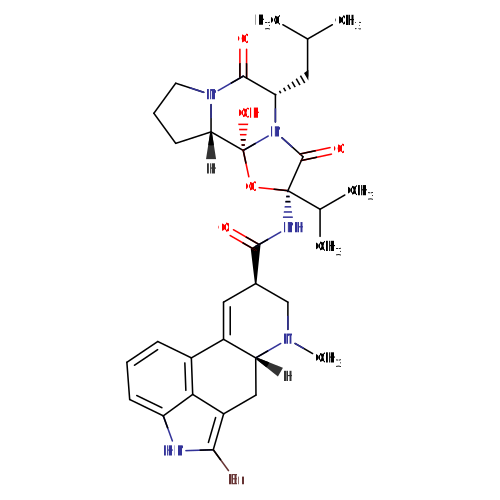
- Weight
- Average: 654.595
Monoisotopic: 653.221282062 - Chemical Formula
- C32H40BrN5O5
- Synonyms
- 2-Bromo-alpha-ergocryptine
- 2-Bromo-alpha-ergokryptin
- 2-Bromo-alpha-ergokryptine
- 2-bromo-α-ergocryptine
- 2-bromo-α-ergokryptin
- 2-bromo-α-ergokryptine
- Bromocriptina
- Bromocriptine
- Bromocriptinum
- Bromocryptine
- Bromoergocriptine
- Bromoergocryptine
- External IDs
- CB-154
- SANDOZ 15-754

Pharmacology
- Indication
For the treatment of galactorrhea due to hyperprolactinemia, prolactin-dependent menstrual disorders and infertility, prolactin-secreting adenomas, prolactin-dependent male hypogonadism, as adjunct therapy to surgery or radiotherapy for acromegaly or as monotherapy is special cases, as monotherapy in early Parksinsonian Syndrome or as an adjunct with levodopa in advanced cases with motor complications. Bromocriptine has also been used off-label to treat restless legs syndrome and neuroleptic malignant syndrome.
 Reduce drug development failure ratesBuild, train, & validate machine-learning modelswith evidence-based and structured datasets.Build, train, & validate predictive machine-learning models with structured datasets.
- Associated Conditions
Indication Type Indication Combined Product Details Approval Level Age Group Patient Characteristics Dose Form Management of Acromegaly •••••••••••• Management of Hyperprolactinemia •••••••••••• Treatment of Neuroleptic malignant syndrome ••• ••••• Symptomatic treatment of Parkinson's disease •••••••••••• Management of Type 2 diabetes mellitus •••••••••••• - Contraindications & Blackbox Warnings
 Prevent Adverse Drug Events TodayTap into our Clinical API for life-saving information on contraindications & blackbox warnings, population restrictions, harmful risks, & more.Avoid life-threatening adverse drug events with our Clinical API
- Pharmacodynamics
Bromocriptine stimulates centrally-located dopaminergic receptors resulting in a number of pharmacologic effects. Five dopamine receptor types from two dopaminergic subfamilies have been identified. The dopaminergic D1 receptor subfamily consists of D1 and D5 subreceptors, which are associated with dyskinesias. The dopaminergic D2 receptor subfamily consists of D2, D3 and D4 subreceptors, which are associated with improvement of symptoms of movement disorders. Thus, agonist activity specific for D2 subfamily receptors, primarily D2 and D3 receptor subtypes, are the primary targets of dopaminergic antiparkinsonian agents. It is thought that postsynaptic D2 stimulation is primarily responsible for the antiparkinsonian effect of dopamine agonists, while presynaptic D2 stimulation confers neuroprotective effects. This semisynthetic ergot derivative exhibits potent agonist activity on dopamine D2-receptors. It also exhibits agonist activity (in order of decreasing binding affinity) on 5-hydroxytryptamine (5-HT)1D, dopamine D3, 5-HT1A, 5-HT2A, 5-HT1B, and 5-HT2C receptors, antagonist activity on α2A-adrenergic, α2C, α2B, and dopamine D1 receptors, partial agonist activity at receptor 5-HT2B, and inactivates dopamine D4 and 5-HT7 receptors. Parkinsonian Syndrome manifests when approximately 80% of dopaminergic activity in the nigrostriatal pathway of the brain is lost. As this striatum is involved in modulating the intensity of coordinated muscle activity (e.g. movement, balance, walking), loss of activity may result in dystonia (acute muscle contraction), Parkinsonism (including symptoms of bradykinesia, tremor, rigidity, and flattened affect), akathesia (inner restlessness), tardive dyskinesia (involuntary muscle movements usually associated with long-term loss of dopaminergic activity), and neuroleptic malignant syndrome, which manifests when complete blockage of nigrostriatal dopamine occurs. High dopaminergic activity in the mesolimbic pathway of the brain causes hallucinations and delusions; these side effects of dopamine agonists are manifestations seen in patients with schizophrenia who have overractivity in this area of the brain. The hallucinogenic side effects of dopamine agonists may also be due to 5-HT2A agonism. The tuberoinfundibular pathway of the brain originates in the hypothalamus and terminates in the pituitary gland. In this pathway, dopamine inhibits lactotrophs in anterior pituitary from secreting prolactin. Increased dopaminergic activity in the tuberoinfundibular pathway inhibits prolactin secretion making bromocriptine an effective agent for treating disorders associated with hypersecretion of prolactin. Pulmonary fibrosis may be associated bromocriptine’s agonist activity at 5-HT1B and 5-HT2B receptors.
- Mechanism of action
The dopamine D2 receptor is a 7-transmembrane G-protein coupled receptor associated with Gi proteins. In lactotrophs, stimulation of dopamine D2 receptor causes inhibition of adenylyl cyclase, which decreases intracellular cAMP concentrations and blocks IP3-dependent release of Ca2+ from intracellular stores. Decreases in intracellular calcium levels may also be brought about via inhibition of calcium influx through voltage-gated calcium channels, rather than via inhibition of adenylyl cyclase. Additionally, receptor activation blocks phosphorylation of p42/p44 MAPK and decreases MAPK/ERK kinase phosphorylation. Inhibition of MAPK appears to be mediated by c-Raf and B-Raf-dependent inhibition of MAPK/ERK kinase. Dopamine-stimulated growth hormone release from the pituitary gland is mediated by a decrease in intracellular calcium influx through voltage-gated calcium channels rather than via adenylyl cyclase inhibition. Stimulation of dopamine D2 receptors in the nigrostriatal pathway leads to improvements in coordinated muscle activity in those with movement disorders.
Target Actions Organism ADopamine D2 receptor agonistHumans ADopamine D3 receptor agonistHumans U5-hydroxytryptamine receptor 1D agonistHumans UAlpha-2A adrenergic receptor agonistHumans U5-hydroxytryptamine receptor 1A agonistHumans UAlpha-2C adrenergic receptor agonistHumans UAlpha-2B adrenergic receptor agonistHumans U5-hydroxytryptamine receptor 2B agonistHumans UDopamine D4 receptor antagonistHumans U5-hydroxytryptamine receptor 2A agonistHumans U5-hydroxytryptamine receptor 1B agonistHumans U5-hydroxytryptamine receptor 2C agonistHumans UDopamine D5 receptor agonistHumans UDopamine D1 receptor agonistHumans UAlpha-1A adrenergic receptor antagonistagonistHumans UAlpha-1B adrenergic receptor antagonistagonistHumans UAlpha-1D adrenergic receptor agonistHumans U5-hydroxytryptamine receptor 7 antagonistHumans - Absorption
Approximately 28% of the oral dose is absorbed; however due to a substantial first pass effect, only 6% of the oral dose reaches the systemic circulation unchanged. Bromocriptine and its metabolites appear in the blood as early as 10 minutes following oral administration and peak plasma concentration are reached within 1-1.5 hours. Serum prolactin may be decreased within 2 hours or oral administration with a maximal effect achieved after 8 hours. Growth hormone concentrations in patients with acromegaly is reduced within 1-2 hours with a single oral dose of 2.5 mg and decreased growth hormone concentrations persist for at least 4-5 hours.
- Volume of distribution
Not Available
- Protein binding
90-96% bound to serum albumin
- Metabolism
Completely metabolized by the liver, primarily by hydrolysis of the amide bond to produce lysergic acid and a peptide fragment, both inactive and non-toxic. Bromocriptine is metabolized by cytochrome P450 3A4 and excreted primarily in the feces via biliary secretion.
- Route of elimination
Parent drug and metabolites are almost completely excreted via the liver, and only 6% eliminated via the kidney.
- Half-life
2-8 hours
- Clearance
Not Available
- Adverse Effects
 Improve decision support & research outcomesWith structured adverse effects data, including: blackbox warnings, adverse reactions, warning & precautions, & incidence rates. View sample adverse effects data in our new Data Library!Improve decision support & research outcomes with our structured adverse effects data.
- Toxicity
Symptoms of overdosage include nausea, vomiting, and severe hypotension. The most common adverse effects include nausea, headache, vertigo, constipation, light-headedness, abdominal cramps, nasal congestion, diarrhea, and hypotension.
- Pathways
- Not Available
- Pharmacogenomic Effects/ADRs
- Not Available
Interactions
- Drug Interactions
- This information should not be interpreted without the help of a healthcare provider. If you believe you are experiencing an interaction, contact a healthcare provider immediately. The absence of an interaction does not necessarily mean no interactions exist.
Drug Interaction Integrate drug-drug
interactions in your software1,2-Benzodiazepine The risk or severity of CNS depression can be increased when Bromocriptine is combined with 1,2-Benzodiazepine. Abaloparatide The risk or severity of adverse effects can be increased when Bromocriptine is combined with Abaloparatide. Abametapir The serum concentration of Bromocriptine can be increased when it is combined with Abametapir. Acarbose The risk or severity of hypoglycemia can be increased when Acarbose is combined with Bromocriptine. Acebutolol The therapeutic efficacy of Bromocriptine can be increased when used in combination with Acebutolol. - Food Interactions
- Avoid alcohol.
- Take with food. Food reduces irritation.
Products
 Drug product information from 10+ global regionsOur datasets provide approved product information including:dosage, form, labeller, route of administration, and marketing period.Access drug product information from over 10 global regions.
- Product Ingredients
Ingredient UNII CAS InChI Key Bromocriptine mesylate FFP983J3OD 22260-51-1 NOJMTMIRQRDZMT-GSPXQYRGSA-N - Product Images
- International/Other Brands
- Apo-Bromocriptine (Apotex) / Bagren (Serono (Brazil)) / Ergoset / Parlodel Snaptabs (Novartis) / Pravidel (Meda (Germany, Sweden), Novartis (Canada, discontinued))
- Brand Name Prescription Products
Name Dosage Strength Route Labeller Marketing Start Marketing End Region Image Bromocriptine Tablet 2.5 mg Oral Pharmel Inc 1998-09-03 1998-09-03 Canada 
Bromocriptine Tablet 2.5 mg Oral Aa Pharma Inc 1994-12-31 Not applicable Canada Bromocriptine Capsule 5 mg Oral Pharmel Inc 1998-09-03 1998-09-03 Canada Bromocriptine Capsule 5 mg Oral Aa Pharma Inc 1997-01-08 Not applicable Canada Bromocriptine Mesylate Capsule 5 mg/1 Oral Sun Pharmaceutical Industries, Inc. 2016-12-22 Not applicable US 
- Generic Prescription Products
Name Dosage Strength Route Labeller Marketing Start Marketing End Region Image Bromocriptine mesylate Capsule 5 mg/1 Oral Zydus Pharmaceuticals USA Inc. 2009-01-23 Not applicable US Bromocriptine Mesylate Tablet 2.5 mg/1 Oral Mylan Pharmaceuticals Inc. 2013-06-05 2020-07-31 US 
Bromocriptine Mesylate Tablet 2.5 mg/1 Oral American Health Packaging 2017-07-27 2024-09-30 US Bromocriptine Mesylate Tablet 2.5 mg/1 Oral KAISER FOUNDATION HOSPITALS 2014-10-10 2017-06-30 US Bromocriptine Mesylate Capsule 5 mg/1 Oral Sandoz 1978-06-28 2013-11-30 US


Categories
- ATC Codes
- N04BC01 — BromocriptineG02CB01 — Bromocriptine
- Drug Categories
- Adrenergic Agonists
- Adrenergic alpha-1 Receptor Agonists
- Adrenergic alpha-1 Receptor Antagonists
- Adrenergic alpha-2 Receptor Agonists
- Adrenergic alpha-Agonists
- Adrenergic alpha-Antagonists
- Adrenergic Antagonists
- Agents producing tachycardia
- Agents that produce hypertension
- Alkaloids
- Anti-Dyskinesia Agents
- Anti-Parkinson Agents (Dopamine Agonist)
- Anti-Parkinson Drugs
- Antidepressive Agents
- Blood Glucose Lowering Agents
- Central Nervous System Agents
- Central Nervous System Depressants
- Cytochrome P-450 CYP3A Inhibitors
- Cytochrome P-450 CYP3A Substrates
- Cytochrome P-450 CYP3A4 Inhibitors
- Cytochrome P-450 CYP3A4 Inhibitors (strength unknown)
- Cytochrome P-450 CYP3A4 Substrates
- Cytochrome P-450 Enzyme Inhibitors
- Cytochrome P-450 Substrates
- Dopamine Agents
- Dopamine Agonists
- Ergolines
- Ergot Alkaloids and Derivatives
- Ergot-derivative Dopamine Receptor Agonists
- Ergotamines
- Genito Urinary System and Sex Hormones
- Heterocyclic Compounds, Fused-Ring
- Hormone Antagonists
- Hormones, Hormone Substitutes, and Hormone Antagonists
- Hypotensive Agents
- Nervous System
- Neurotransmitter Agents
- P-glycoprotein inhibitors
- P-glycoprotein substrates
- Prolactine Inhibitors
- Serotonin 5-HT2 Receptor Agonists
- Serotonin Agents
- Serotonin Modulators
- Serotonin Receptor Agonists
- Chemical TaxonomyProvided by Classyfire
- Description
- This compound belongs to the class of organic compounds known as lysergamides. These are amides of Lysergic acids.
- Kingdom
- Organic compounds
- Super Class
- Alkaloids and derivatives
- Class
- Ergoline and derivatives
- Sub Class
- Lysergic acids and derivatives
- Direct Parent
- Lysergamides
- Alternative Parents
- Indoloquinolines / Benzoquinolines / Pyrroloquinolines / N-acyl-alpha amino acids and derivatives / 3-alkylindoles / Isoindoles and derivatives / Aralkylamines / N-alkylpiperazines / Aryl bromides / Benzenoids show 18 more
- Substituents
- 1,4-diazinane / 3-alkylindole / Alkanolamine / Alpha-amino acid or derivatives / Amine / Amino acid or derivatives / Aralkylamine / Aromatic heteropolycyclic compound / Aryl bromide / Aryl halide show 42 more
- Molecular Framework
- Aromatic heteropolycyclic compounds
- External Descriptors
- indole alkaloid (CHEBI:3181)
- Affected organisms
- Humans and other mammals
Chemical Identifiers
- UNII
- 3A64E3G5ZO
- CAS number
- 25614-03-3
- InChI Key
- OZVBMTJYIDMWIL-AYFBDAFISA-N
- InChI
- InChI=1S/C32H40BrN5O5/c1-16(2)12-24-29(40)37-11-7-10-25(37)32(42)38(24)30(41)31(43-32,17(3)4)35-28(39)18-13-20-19-8-6-9-22-26(19)21(27(33)34-22)14-23(20)36(5)15-18/h6,8-9,13,16-18,23-25,34,42H,7,10-12,14-15H2,1-5H3,(H,35,39)/t18-,23-,24+,25+,31-,32+/m1/s1
- IUPAC Name
- (4R,7R)-10-bromo-N-[(1S,2S,4R,7S)-2-hydroxy-7-(2-methylpropyl)-5,8-dioxo-4-(propan-2-yl)-3-oxa-6,9-diazatricyclo[7.3.0.0^{2,6}]dodecan-4-yl]-6-methyl-6,11-diazatetracyclo[7.6.1.0^{2,7}.0^{12,16}]hexadeca-1(16),2,9,12,14-pentaene-4-carboxamide
- SMILES
- [H][C@@]12CCCN1C(=O)[C@H](CC(C)C)N1C(=O)[C@](NC(=O)[C@H]3CN(C)[C@]4([H])CC5=C(Br)NC6=CC=CC(=C56)C4=C3)(O[C@@]21O)C(C)C
References
- Synthesis Reference
Luigi Moro, Achille Fiori, Alberto Natali, "Processes for the preparation of pharmaceutical compositions containing bromocriptine having high stability and related products." U.S. Patent US5066495, issued May, 1988.
US5066495- General References
- Banihashemi B, Albert PR: Dopamine-D2S receptor inhibition of calcium influx, adenylyl cyclase, and mitogen-activated protein kinase in pituitary cells: distinct Galpha and Gbetagamma requirements. Mol Endocrinol. 2002 Oct;16(10):2393-404. [Article]
- Kvernmo T, Houben J, Sylte I: Receptor-binding and pharmacokinetic properties of dopaminergic agonists. Curr Top Med Chem. 2008;8(12):1049-67. [Article]
- Lam YW: Clinical pharmacology of dopamine agonists. Pharmacotherapy. 2000 Jan;20(1 Pt 2):17S-25S. [Article]
- Malgaroli A, Vallar L, Elahi FR, Pozzan T, Spada A, Meldolesi J: Dopamine inhibits cytosolic Ca2+ increases in rat lactotroph cells. Evidence of a dual mechanism of action. J Biol Chem. 1987 Oct 15;262(29):13920-7. [Article]
- Nishina Y, Takano K, Yasufuku-Takano J, Teramoto A, Fujita T: Mechanism of D(2) agonist-induced inhibition of GH secretion from human GH-secreting adenoma cells. Endocr J. 2005 Dec;52(6):775-9. [Article]
- Vallar L, Meldolesi J: Mechanisms of signal transduction at the dopamine D2 receptor. Trends Pharmacol Sci. 1989 Feb;10(2):74-7. [Article]
- Vallar L, Vicentini LM, Meldolesi J: Inhibition of inositol phosphate production is a late, Ca2+-dependent effect of D2 dopaminergic receptor activation in rat lactotroph cells. J Biol Chem. 1988 Jul 25;263(21):10127-34. [Article]
- Code of Federal Regulations 216.24: Drug products withdrawn or removed from the market for reasons of safety or effectiveness. [Link]
- GovInfo: 60 FR 3404 - Sandoz Pharmaceuticals Corp.; Bromocriptine Mesylate (Parlodel); Withdrawal of Approval of the Indication for the Prevention of Physiological Lactation [Link]
- External Links
- Human Metabolome Database
- HMDB0015331
- KEGG Drug
- D03165
- KEGG Compound
- C06856
- PubChem Compound
- 31101
- PubChem Substance
- 46505504
- ChemSpider
- 28858
- BindingDB
- 81993
- 1760
- ChEBI
- 3181
- ChEMBL
- CHEMBL493
- ZINC
- ZINC000053683151
- Therapeutic Targets Database
- DAP001462
- PharmGKB
- PA448671
- PDBe Ligand
- 08Y
- RxList
- RxList Drug Page
- Drugs.com
- Drugs.com Drug Page
- Wikipedia
- Bromocriptine
- PDB Entries
- 3ua1 / 5vcg / 6vms / 7jvr
- FDA label
- Download (105 KB)
Clinical Trials
- Clinical Trials
Phase Status Purpose Conditions Count 4 Completed Treatment Autonomic Neuropathy, Diabetic 1 4 Completed Treatment Parkinson's Disease (PD) 2 4 Completed Treatment Type 2 Diabetes Mellitus 2 4 Not Yet Recruiting Treatment Decreased carbohydrate and glucose tolerance / Schizophrenia 1 4 Recruiting Treatment Peripartum Cardiomyopathy, Postpartum 1
Pharmacoeconomics
- Manufacturers
- Not Available
- Packagers
- Amerisource Health Services Corp.
- Cadila Healthcare Ltd.
- Heartland Repack Services LLC
- Kaiser Foundation Hospital
- Lek Pharmaceuticals Inc.
- Medisca Inc.
- Murfreesboro Pharmaceutical Nursing Supply
- Mylan
- Novartis AG
- Paddock Labs
- Pharmaceutical Utilization Management Program VA Inc.
- Physicians Total Care Inc.
- Poli Industria Chimica SPA
- Resource Optimization and Innovation LLC
- Sandoz
- Zydus Pharmaceuticals
- Dosage Forms
Form Route Strength Tablet, film coated Oral 2.5 mg Capsule Oral 10 MG Capsule Oral 5 mg Capsule Oral 5 mg/1 Tablet Oral 2.5 mg/1 Tablet Oral 2.87 mg Tablet Oral 0.8 mg/1 Capsule, coated Oral 5 mg Capsule Oral 5.0 mg / cap Tablet Oral 2.5 mg / tab Capsule, gelatin coated Oral 5 mg/1 Capsule, delayed release Oral 2.5 mg Capsule, delayed release Oral 5 mg Capsule Oral Tablet Oral Capsule Oral 5 mg / cap Tablet Oral 2.5 mg - Prices
Unit description Cost Unit Bromocriptine mesylate powd 384.03USD g Parlodel 5 mg capsule 9.25USD capsule Parlodel 2.5 mg tablet 5.64USD tablet Bromocriptine Mesylate 5 mg capsule 5.21USD capsule Bromocriptine Mesylate 2.5 mg tablet 2.28USD tablet Bromocriptine 2.5 mg tablet 2.18USD tablet Apo-Bromocriptine 5 mg Capsule 1.02USD capsule Pms-Bromocriptine 5 mg Capsule 1.02USD capsule Apo-Bromocriptine 2.5 mg Tablet 0.57USD tablet Pms-Bromocriptine 2.5 mg Tablet 0.57USD tablet DrugBank does not sell nor buy drugs. Pricing information is supplied for informational purposes only.- Patents
Patent Number Pediatric Extension Approved Expires (estimated) Region US5716957 No 1998-02-10 2015-02-10 US US5468755 No 1995-11-21 2012-11-21 US US8613947 No 2013-12-24 2032-04-30 US US7888310 No 2011-02-15 2023-07-25 US US8431155 No 2013-04-30 2032-04-30 US US8137993 No 2012-03-20 2023-07-25 US US8137992 No 2012-03-20 2023-07-25 US US8137994 No 2012-03-20 2023-07-25 US US8877708 No 2014-11-04 2030-06-07 US US9192576 No 2015-11-24 2032-04-30 US US9522117 No 2016-12-20 2032-04-30 US US9352025 No 2016-05-31 2030-06-07 US US9700555 No 2017-07-11 2032-04-30 US US9895422 No 2018-02-20 2030-06-07 US US9993474 No 2018-06-12 2032-04-30 US US10688094 No 2020-06-23 2032-04-30 US US10688155 No 2020-06-23 2030-06-07 US US11000522 No 2021-05-11 2032-04-30 US
Properties
- State
- Solid
- Experimental Properties
Property Value Source melting point (°C) 215-218 Fluckiger, E.,Troxler, F. and Hofmann, A,; US. Patent 3,752,814; August 14, 1973; assigned to Sandoz Ltd., Switzerland. Fluckiger, E., Troxler, F. and Hofmann, A.; U.S. Patent 3,752,888; August 14, 1973; assigned to Sandoz Ltd., Switzerland. logP 3.5 Not Available - Predicted Properties
Property Value Source Water Solubility 0.0858 mg/mL ALOGPS logP 3.2 ALOGPS logP 3.89 Chemaxon logS -3.9 ALOGPS pKa (Strongest Acidic) 9.69 Chemaxon pKa (Strongest Basic) 6.71 Chemaxon Physiological Charge 0 Chemaxon Hydrogen Acceptor Count 6 Chemaxon Hydrogen Donor Count 3 Chemaxon Polar Surface Area 118.21 Å2 Chemaxon Rotatable Bond Count 5 Chemaxon Refractivity 165.51 m3·mol-1 Chemaxon Polarizability 66.44 Å3 Chemaxon Number of Rings 7 Chemaxon Bioavailability 1 Chemaxon Rule of Five No Chemaxon Ghose Filter No Chemaxon Veber's Rule No Chemaxon MDDR-like Rule No Chemaxon - Predicted ADMET Features
Property Value Probability Human Intestinal Absorption + 0.915 Blood Brain Barrier - 0.9845 Caco-2 permeable - 0.6618 P-glycoprotein substrate Substrate 0.8881 P-glycoprotein inhibitor I Inhibitor 0.8563 P-glycoprotein inhibitor II Inhibitor 0.8388 Renal organic cation transporter Non-inhibitor 0.837 CYP450 2C9 substrate Non-substrate 0.8345 CYP450 2D6 substrate Non-substrate 0.9116 CYP450 3A4 substrate Substrate 0.7454 CYP450 1A2 substrate Non-inhibitor 0.9031 CYP450 2C9 inhibitor Inhibitor 0.8326 CYP450 2D6 inhibitor Non-inhibitor 0.9231 CYP450 2C19 inhibitor Inhibitor 0.8994 CYP450 3A4 inhibitor Inhibitor 0.796 CYP450 inhibitory promiscuity High CYP Inhibitory Promiscuity 0.5149 Ames test Non AMES toxic 0.7879 Carcinogenicity Non-carcinogens 0.9353 Biodegradation Not ready biodegradable 0.9973 Rat acute toxicity 2.7499 LD50, mol/kg Not applicable hERG inhibition (predictor I) Weak inhibitor 0.9313 hERG inhibition (predictor II) Inhibitor 0.5
Spectra
- Mass Spec (NIST)
- Not Available
- Spectra
- Chromatographic Properties
Collision Cross Sections (CCS)
Adduct CCS Value (Å2) Source type Source [M-H]- 247.6789372 predictedDarkChem Lite v0.1.0 [M-H]- 237.46371 predictedDeepCCS 1.0 (2019) [M+H]+ 243.2499372 predictedDarkChem Lite v0.1.0 [M+H]+ 239.28859 predictedDeepCCS 1.0 (2019) [M+Na]+ 243.5963372 predictedDarkChem Lite v0.1.0 [M+Na]+ 244.99821 predictedDeepCCS 1.0 (2019)
Targets

- Kind
- Protein
- Organism
- Humans
- Pharmacological action
- Yes
- Actions
- Agonist
- General Function
- Potassium channel regulator activity
- Specific Function
- Dopamine receptor whose activity is mediated by G proteins which inhibit adenylyl cyclase.
- Gene Name
- DRD2
- Uniprot ID
- P14416
- Uniprot Name
- D(2) dopamine receptor
- Molecular Weight
- 50618.91 Da
References
- Cavallotti C, Nuti F, Bruzzone P, Mancone M: Age-related changes in dopamine D2 receptors in rat heart and coronary vessels. Clin Exp Pharmacol Physiol. 2002 May-Jun;29(5-6):412-8. [Article]
- Chen X, Ji ZL, Chen YZ: TTD: Therapeutic Target Database. Nucleic Acids Res. 2002 Jan 1;30(1):412-5. [Article]
- Kvernmo T, Houben J, Sylte I: Receptor-binding and pharmacokinetic properties of dopaminergic agonists. Curr Top Med Chem. 2008;8(12):1049-67. [Article]
- Lam YW: Clinical pharmacology of dopamine agonists. Pharmacotherapy. 2000 Jan;20(1 Pt 2):17S-25S. [Article]
- Lahlou S: Cardiovascular responses to intrathecal dopamine receptor agonists in conscious DOCA-salt hypertensive rats. Fundam Clin Pharmacol. 1999;13(6):624-34. [Article]
- Lahlou S, Araujo Lima PF, Interaminense LF, Duarte GP: Blunted central bromocriptine-induced tachycardia in conscious, malnourished rats. Pharmacol Toxicol. 2003 Apr;92(4):189-94. [Article]
- Lahlou S, Lima GC, Leao-Filho CS, Duarte GP: Effects of long-term pretreatment with isoproterenol on bromocriptine-induced tachycardia in conscious rats. Can J Physiol Pharmacol. 2000 Mar;78(3):260-5. [Article]
- Stefaneanu L, Kovacs K, Horvath E, Buchfelder M, Fahlbusch R, Lancranjan L: Dopamine D2 receptor gene expression in human adenohypophysial adenomas. Endocrine. 2001 Apr;14(3):329-36. [Article]
- Kind
- Protein
- Organism
- Humans
- Pharmacological action
- Yes
- Actions
- Agonist
- General Function
- G-protein coupled amine receptor activity
- Specific Function
- Dopamine receptor whose activity is mediated by G proteins which inhibit adenylyl cyclase. Promotes cell proliferation.
- Gene Name
- DRD3
- Uniprot ID
- P35462
- Uniprot Name
- D(3) dopamine receptor
- Molecular Weight
- 44224.335 Da
References
- Kind
- Protein
- Organism
- Humans
- Pharmacological action
- Unknown
- Actions
- Agonist
- General Function
- Serotonin receptor activity
- Specific Function
- G-protein coupled receptor for 5-hydroxytryptamine (serotonin). Also functions as a receptor for ergot alkaloid derivatives, various anxiolytic and antidepressant drugs and other psychoactive subst...
- Gene Name
- HTR1D
- Uniprot ID
- P28221
- Uniprot Name
- 5-hydroxytryptamine receptor 1D
- Molecular Weight
- 41906.38 Da
References
- Kind
- Protein
- Organism
- Humans
- Pharmacological action
- Unknown
- Actions
- Agonist
- General Function
- Thioesterase binding
- Specific Function
- Alpha-2 adrenergic receptors mediate the catecholamine-induced inhibition of adenylate cyclase through the action of G proteins. The rank order of potency for agonists of this receptor is oxymetazo...
- Gene Name
- ADRA2A
- Uniprot ID
- P08913
- Uniprot Name
- Alpha-2A adrenergic receptor
- Molecular Weight
- 48956.275 Da
References
- de Leeuw van Weenen JE, Parlevliet ET, Maechler P, Havekes LM, Romijn JA, Ouwens DM, Pijl H, Guigas B: The dopamine receptor D2 agonist bromocriptine inhibits glucose-stimulated insulin secretion by direct activation of the alpha2-adrenergic receptors in beta cells. Biochem Pharmacol. 2010 Jun 15;79(12):1827-36. doi: 10.1016/j.bcp.2010.01.029. Epub 2010 Feb 4. [Article]
- Kvernmo T, Houben J, Sylte I: Receptor-binding and pharmacokinetic properties of dopaminergic agonists. Curr Top Med Chem. 2008;8(12):1049-67. [Article]
- Lam YW: Clinical pharmacology of dopamine agonists. Pharmacotherapy. 2000 Jan;20(1 Pt 2):17S-25S. [Article]
- Kind
- Protein
- Organism
- Humans
- Pharmacological action
- Unknown
- Actions
- Agonist
- General Function
- Serotonin receptor activity
- Specific Function
- G-protein coupled receptor for 5-hydroxytryptamine (serotonin). Also functions as a receptor for various drugs and psychoactive substances. Ligand binding causes a conformation change that triggers...
- Gene Name
- HTR1A
- Uniprot ID
- P08908
- Uniprot Name
- 5-hydroxytryptamine receptor 1A
- Molecular Weight
- 46106.335 Da
References
- Kind
- Protein
- Organism
- Humans
- Pharmacological action
- Unknown
- Actions
- Agonist
- General Function
- Protein homodimerization activity
- Specific Function
- Alpha-2 adrenergic receptors mediate the catecholamine-induced inhibition of adenylate cyclase through the action of G proteins.
- Gene Name
- ADRA2C
- Uniprot ID
- P18825
- Uniprot Name
- Alpha-2C adrenergic receptor
- Molecular Weight
- 49521.585 Da
References
- de Leeuw van Weenen JE, Parlevliet ET, Maechler P, Havekes LM, Romijn JA, Ouwens DM, Pijl H, Guigas B: The dopamine receptor D2 agonist bromocriptine inhibits glucose-stimulated insulin secretion by direct activation of the alpha2-adrenergic receptors in beta cells. Biochem Pharmacol. 2010 Jun 15;79(12):1827-36. doi: 10.1016/j.bcp.2010.01.029. Epub 2010 Feb 4. [Article]
- Kvernmo T, Houben J, Sylte I: Receptor-binding and pharmacokinetic properties of dopaminergic agonists. Curr Top Med Chem. 2008;8(12):1049-67. [Article]
- Lam YW: Clinical pharmacology of dopamine agonists. Pharmacotherapy. 2000 Jan;20(1 Pt 2):17S-25S. [Article]
- Kind
- Protein
- Organism
- Humans
- Pharmacological action
- Unknown
- Actions
- Agonist
- General Function
- Epinephrine binding
- Specific Function
- Alpha-2 adrenergic receptors mediate the catecholamine-induced inhibition of adenylate cyclase through the action of G proteins. The rank order of potency for agonists of this receptor is clonidine...
- Gene Name
- ADRA2B
- Uniprot ID
- P18089
- Uniprot Name
- Alpha-2B adrenergic receptor
- Molecular Weight
- 49565.8 Da
References
- de Leeuw van Weenen JE, Parlevliet ET, Maechler P, Havekes LM, Romijn JA, Ouwens DM, Pijl H, Guigas B: The dopamine receptor D2 agonist bromocriptine inhibits glucose-stimulated insulin secretion by direct activation of the alpha2-adrenergic receptors in beta cells. Biochem Pharmacol. 2010 Jun 15;79(12):1827-36. doi: 10.1016/j.bcp.2010.01.029. Epub 2010 Feb 4. [Article]
- Kvernmo T, Houben J, Sylte I: Receptor-binding and pharmacokinetic properties of dopaminergic agonists. Curr Top Med Chem. 2008;8(12):1049-67. [Article]
- Lam YW: Clinical pharmacology of dopamine agonists. Pharmacotherapy. 2000 Jan;20(1 Pt 2):17S-25S. [Article]
- Kind
- Protein
- Organism
- Humans
- Pharmacological action
- Unknown
- Actions
- Agonist
- General Function
- Serotonin receptor activity
- Specific Function
- G-protein coupled receptor for 5-hydroxytryptamine (serotonin). Also functions as a receptor for various ergot alkaloid derivatives and psychoactive substances. Ligand binding causes a conformation...
- Gene Name
- HTR2B
- Uniprot ID
- P41595
- Uniprot Name
- 5-hydroxytryptamine receptor 2B
- Molecular Weight
- 54297.41 Da
References
- Cussac D, Boutet-Robinet E, Ailhaud MC, Newman-Tancredi A, Martel JC, Danty N, Rauly-Lestienne I: Agonist-directed trafficking of signalling at serotonin 5-HT2A, 5-HT2B and 5-HT2C-VSV receptors mediated Gq/11 activation and calcium mobilisation in CHO cells. Eur J Pharmacol. 2008 Oct 10;594(1-3):32-8. doi: 10.1016/j.ejphar.2008.07.040. Epub 2008 Jul 30. [Article]
- Kvernmo T, Houben J, Sylte I: Receptor-binding and pharmacokinetic properties of dopaminergic agonists. Curr Top Med Chem. 2008;8(12):1049-67. [Article]
- Lam YW: Clinical pharmacology of dopamine agonists. Pharmacotherapy. 2000 Jan;20(1 Pt 2):17S-25S. [Article]
- Kind
- Protein
- Organism
- Humans
- Pharmacological action
- Unknown
- Actions
- Antagonist
- General Function
- Sh3 domain binding
- Specific Function
- Dopamine receptor responsible for neuronal signaling in the mesolimbic system of the brain, an area of the brain that regulates emotion and complex behavior. Its activity is mediated by G proteins ...
- Gene Name
- DRD4
- Uniprot ID
- P21917
- Uniprot Name
- D(4) dopamine receptor
- Molecular Weight
- 48359.86 Da
References
- Kvernmo T, Houben J, Sylte I: Receptor-binding and pharmacokinetic properties of dopaminergic agonists. Curr Top Med Chem. 2008;8(12):1049-67. [Article]
- Kind
- Protein
- Organism
- Humans
- Pharmacological action
- Unknown
- Actions
- Agonist
- General Function
- Virus receptor activity
- Specific Function
- G-protein coupled receptor for 5-hydroxytryptamine (serotonin). Also functions as a receptor for various drugs and psychoactive substances, including mescaline, psilocybin, 1-(2,5-dimethoxy-4-iodop...
- Gene Name
- HTR2A
- Uniprot ID
- P28223
- Uniprot Name
- 5-hydroxytryptamine receptor 2A
- Molecular Weight
- 52602.58 Da
References
- Cussac D, Boutet-Robinet E, Ailhaud MC, Newman-Tancredi A, Martel JC, Danty N, Rauly-Lestienne I: Agonist-directed trafficking of signalling at serotonin 5-HT2A, 5-HT2B and 5-HT2C-VSV receptors mediated Gq/11 activation and calcium mobilisation in CHO cells. Eur J Pharmacol. 2008 Oct 10;594(1-3):32-8. doi: 10.1016/j.ejphar.2008.07.040. Epub 2008 Jul 30. [Article]
- Kvernmo T, Houben J, Sylte I: Receptor-binding and pharmacokinetic properties of dopaminergic agonists. Curr Top Med Chem. 2008;8(12):1049-67. [Article]
- Lam YW: Clinical pharmacology of dopamine agonists. Pharmacotherapy. 2000 Jan;20(1 Pt 2):17S-25S. [Article]
- Kind
- Protein
- Organism
- Humans
- Pharmacological action
- Unknown
- Actions
- Agonist
- General Function
- Serotonin receptor activity
- Specific Function
- G-protein coupled receptor for 5-hydroxytryptamine (serotonin). Also functions as a receptor for ergot alkaloid derivatives, various anxiolytic and antidepressant drugs and other psychoactive subst...
- Gene Name
- HTR1B
- Uniprot ID
- P28222
- Uniprot Name
- 5-hydroxytryptamine receptor 1B
- Molecular Weight
- 43567.535 Da
References
- Kind
- Protein
- Organism
- Humans
- Pharmacological action
- Unknown
- Actions
- Agonist
- General Function
- Serotonin receptor activity
- Specific Function
- G-protein coupled receptor for 5-hydroxytryptamine (serotonin). Also functions as a receptor for various drugs and psychoactive substances, including ergot alkaloid derivatives, 1-2,5,-dimethoxy-4-...
- Gene Name
- HTR2C
- Uniprot ID
- P28335
- Uniprot Name
- 5-hydroxytryptamine receptor 2C
- Molecular Weight
- 51820.705 Da
References
- Cussac D, Boutet-Robinet E, Ailhaud MC, Newman-Tancredi A, Martel JC, Danty N, Rauly-Lestienne I: Agonist-directed trafficking of signalling at serotonin 5-HT2A, 5-HT2B and 5-HT2C-VSV receptors mediated Gq/11 activation and calcium mobilisation in CHO cells. Eur J Pharmacol. 2008 Oct 10;594(1-3):32-8. doi: 10.1016/j.ejphar.2008.07.040. Epub 2008 Jul 30. [Article]
- Kvernmo T, Houben J, Sylte I: Receptor-binding and pharmacokinetic properties of dopaminergic agonists. Curr Top Med Chem. 2008;8(12):1049-67. [Article]
- Lam YW: Clinical pharmacology of dopamine agonists. Pharmacotherapy. 2000 Jan;20(1 Pt 2):17S-25S. [Article]
- Kind
- Protein
- Organism
- Humans
- Pharmacological action
- Unknown
- Actions
- Agonist
- General Function
- G-protein coupled amine receptor activity
- Specific Function
- Dopamine receptor whose activity is mediated by G proteins which activate adenylyl cyclase.
- Gene Name
- DRD5
- Uniprot ID
- P21918
- Uniprot Name
- D(1B) dopamine receptor
- Molecular Weight
- 52950.5 Da
References
- Kvernmo T, Houben J, Sylte I: Receptor-binding and pharmacokinetic properties of dopaminergic agonists. Curr Top Med Chem. 2008;8(12):1049-67. [Article]
- Kind
- Protein
- Organism
- Humans
- Pharmacological action
- Unknown
- Actions
- Agonist
- General Function
- G-protein coupled amine receptor activity
- Specific Function
- Dopamine receptor whose activity is mediated by G proteins which activate adenylyl cyclase.
- Gene Name
- DRD1
- Uniprot ID
- P21728
- Uniprot Name
- D(1A) dopamine receptor
- Molecular Weight
- 49292.765 Da
References
- Kvernmo T, Houben J, Sylte I: Receptor-binding and pharmacokinetic properties of dopaminergic agonists. Curr Top Med Chem. 2008;8(12):1049-67. [Article]
- Kind
- Protein
- Organism
- Humans
- Pharmacological action
- Unknown
- Actions
- AntagonistAgonist
- Curator comments
- Bromocriptine displays low affinity towards alpha-1 adrenoceptor. In vitro, bromocriptine acts as an antagonist in postsynaptic alpha-1 adrenoceptors expressed in smooth muscle cells.
- General Function
- Protein heterodimerization activity
- Specific Function
- This alpha-adrenergic receptor mediates its action by association with G proteins that activate a phosphatidylinositol-calcium second messenger system. Its effect is mediated by G(q) and G(11) prot...
- Gene Name
- ADRA1A
- Uniprot ID
- P35348
- Uniprot Name
- Alpha-1A adrenergic receptor
- Molecular Weight
- 51486.005 Da
References
- Kind
- Protein
- Organism
- Humans
- Pharmacological action
- Unknown
- Actions
- AntagonistAgonist
- Curator comments
- Bromocriptine displays low affinity towards alpha-1 adrenoceptor. In vitro, bromocriptine acts as an antagonist in postsynaptic alpha-1 adrenoceptors expressed in smooth muscle cells.
- General Function
- Protein heterodimerization activity
- Specific Function
- This alpha-adrenergic receptor mediates its action by association with G proteins that activate a phosphatidylinositol-calcium second messenger system. Its effect is mediated by G(q) and G(11) prot...
- Gene Name
- ADRA1B
- Uniprot ID
- P35368
- Uniprot Name
- Alpha-1B adrenergic receptor
- Molecular Weight
- 56835.375 Da
References
- Kind
- Protein
- Organism
- Humans
- Pharmacological action
- Unknown
- Actions
- Agonist
- General Function
- Alpha1-adrenergic receptor activity
- Specific Function
- This alpha-adrenergic receptor mediates its effect through the influx of extracellular calcium.
- Gene Name
- ADRA1D
- Uniprot ID
- P25100
- Uniprot Name
- Alpha-1D adrenergic receptor
- Molecular Weight
- 60462.205 Da
References
- Lam YW: Clinical pharmacology of dopamine agonists. Pharmacotherapy. 2000 Jan;20(1 Pt 2):17S-25S. [Article]
- Kind
- Protein
- Organism
- Humans
- Pharmacological action
- Unknown
- Actions
- Antagonist
- General Function
- Serotonin receptor activity
- Specific Function
- This is one of the several different receptors for 5-hydroxytryptamine (serotonin), a biogenic hormone that functions as a neurotransmitter, a hormone, and a mitogen. The activity of this receptor ...
- Gene Name
- HTR7
- Uniprot ID
- P34969
- Uniprot Name
- 5-hydroxytryptamine receptor 7
- Molecular Weight
- 53554.43 Da
References
- Knight JA, Smith C, Toohey N, Klein MT, Teitler M: Pharmacological analysis of the novel, rapid, and potent inactivation of the human 5-Hydroxytryptamine7 receptor by risperidone, 9-OH-Risperidone, and other inactivating antagonists. Mol Pharmacol. 2009 Feb;75(2):374-80. doi: 10.1124/mol.108.052084. Epub 2008 Nov 7. [Article]
Enzymes
- Kind
- Protein
- Organism
- Humans
- Pharmacological action
- No
- Actions
- SubstrateInhibitor
- General Function
- Vitamin d3 25-hydroxylase activity
- Specific Function
- Cytochromes P450 are a group of heme-thiolate monooxygenases. In liver microsomes, this enzyme is involved in an NADPH-dependent electron transport pathway. It performs a variety of oxidation react...
- Gene Name
- CYP3A4
- Uniprot ID
- P08684
- Uniprot Name
- Cytochrome P450 3A4
- Molecular Weight
- 57342.67 Da
References
- Fernando H, Halpert JR, Davydov DR: Resolution of multiple substrate binding sites in cytochrome P450 3A4: the stoichiometry of the enzyme-substrate complexes probed by FRET and Job's titration. Biochemistry. 2006 Apr 4;45(13):4199-209. [Article]
- Kvernmo T, Houben J, Sylte I: Receptor-binding and pharmacokinetic properties of dopaminergic agonists. Curr Top Med Chem. 2008;8(12):1049-67. [Article]
- Nath A, Grinkova YV, Sligar SG, Atkins WM: Ligand binding to cytochrome P450 3A4 in phospholipid bilayer nanodiscs: the effect of model membranes. J Biol Chem. 2007 Sep 28;282(39):28309-20. Epub 2007 Jun 15. [Article]
- Via MA, Chandra H, Araki T, Potenza MV, Skamagas M: Bromocriptine approved as the first medication to target dopamine activity to improve glycemic control in patients with type 2 diabetes. Diabetes Metab Syndr Obes. 2010 Mar 26;3:43-8. [Article]
- Bromocriptine Monograph - BC Cancer [Link]
- Parlodel (bromocriptine mesylate) - FDA Label [Link]
Transporters
- Kind
- Protein
- Organism
- Humans
- Pharmacological action
- Unknown
- Actions
- SubstrateInhibitor
- General Function
- Xenobiotic-transporting atpase activity
- Specific Function
- Energy-dependent efflux pump responsible for decreased drug accumulation in multidrug-resistant cells.
- Gene Name
- ABCB1
- Uniprot ID
- P08183
- Uniprot Name
- Multidrug resistance protein 1
- Molecular Weight
- 141477.255 Da
References
- Ekins S, Kim RB, Leake BF, Dantzig AH, Schuetz EG, Lan LB, Yasuda K, Shepard RL, Winter MA, Schuetz JD, Wikel JH, Wrighton SA: Three-dimensional quantitative structure-activity relationships of inhibitors of P-glycoprotein. Mol Pharmacol. 2002 May;61(5):964-73. [Article]
- Yasuda K, Lan LB, Sanglard D, Furuya K, Schuetz JD, Schuetz EG: Interaction of cytochrome P450 3A inhibitors with P-glycoprotein. J Pharmacol Exp Ther. 2002 Oct;303(1):323-32. [Article]
- Mahar Doan KM, Humphreys JE, Webster LO, Wring SA, Shampine LJ, Serabjit-Singh CJ, Adkison KK, Polli JW: Passive permeability and P-glycoprotein-mediated efflux differentiate central nervous system (CNS) and non-CNS marketed drugs. J Pharmacol Exp Ther. 2002 Dec;303(3):1029-37. [Article]
- Renaud JP, Davydov DR, Heirwegh KP, Mansuy D, Hui Bon Hoa GH: Thermodynamic studies of substrate binding and spin transitions in human cytochrome P-450 3A4 expressed in yeast microsomes. Biochem J. 1996 Nov 1;319 ( Pt 3):675-81. [Article]

Drug created at June 13, 2005 13:24 / Updated at April 26, 2024 00:45