Identification
- Summary
Colchicine is an alkaloid used to treat gout and Familial Mediterranean Fever as well as prevent major cardiovascular events.
- Brand Names
- Colcrys, Gloperba, Lodoco, Mitigare
- Generic Name
- Colchicine
- DrugBank Accession Number
- DB01394
- Background
Colchicine is an alkaloid drug derived from a plant belonging to the Lily family, known as Colchicum autumnale, or "autumn crocus."4 Its use was first approved by the FDA in 1961.11 Colchicine is used in the treatment of gout flares and Familial Mediterranean fever,9 and prevention of major cardiovascular events.12 It has also been investigated in other inflammatory and fibrotic conditions.1
- Type
- Small Molecule
- Groups
- Approved
- Structure
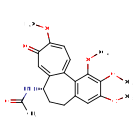
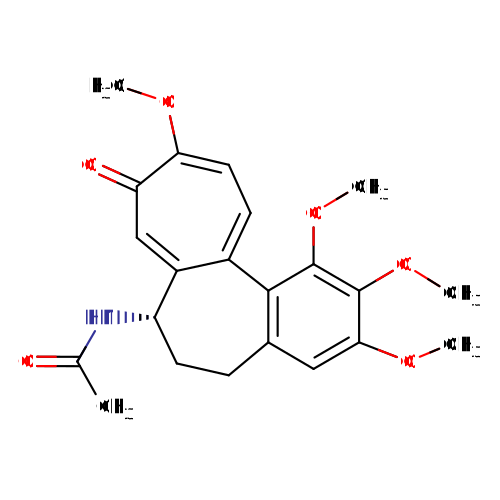
Structure for Colchicine (DB01394)
- Weight
- Average: 399.443
Monoisotopic: 399.168187529 - Chemical Formula
- C22H25NO6
- Synonyms
- Colchicin
- Colchicina
- Colchicine
- Colchicinum

Pharmacology
- Indication
Colchicine is indicated for the prophylaxis and treatment of gout flares. It is also indicated in Familial Mediterranean fever (FMF) in children and adults of four years of age and older.9 It is also indicated to reduce the risk of myocardial infarction (MI), stroke, coronary revascularization, and cardiovascular death in adult patients with established atherosclerotic disease or with multiple risk factors for cardiovascular disease.12
Some off-label uses of colchicine include the treatment of the manifestations of Behcet's syndrome, pericarditis, and postpericardiotomy syndrome.5,6
 Reduce drug development failure ratesBuild, train, & validate machine-learning modelswith evidence-based and structured datasets.Build, train, & validate predictive machine-learning models with structured datasets.
- Associated Conditions
Indication Type Indication Combined Product Details Approval Level Age Group Patient Characteristics Dose Form Management of Behcet syndrome ••• ••••• Prevention of Cardiovascular mortality •••••••••••• ••••• ••••••••••• ••••••••••••••• •••••••• ••••••• •••••• Prevention of Cardiovascular mortality •••••••••••• ••••• •••• •••• ••• •••••••••••••• •••• •••••• •••••• Prevention of Coronary revascularization •••••••••••• ••••• •••• •••• ••• •••••••••••••• •••• •••••• •••••• Prevention of Coronary revascularization •••••••••••• ••••• ••••••••••• ••••••••••••••• •••••••• ••••••• •••••• - Contraindications & Blackbox Warnings
 Prevent Adverse Drug Events TodayTap into our Clinical API for life-saving information on contraindications & blackbox warnings, population restrictions, harmful risks, & more.Avoid life-threatening adverse drug events with our Clinical API
- Pharmacodynamics
Colchicine ameliorates the symptoms of gout and Familial Mediterranean fever.1,9 It possesses anti-inflammatory, anti-fibrotic, and cardiovascular protective effects. Colchicine was shown to exhibit anticancer properties, such as the inhibition of cancer cell migration and angiogenesis. Colchicine has a narrow therapeutic window.1
- Mechanism of action
The exact mechanism of action of colchicine has not been fully established; however, colchicine likely interferes with the intracellular assembly of the inflammasome complex present in neutrophils and monocytes that mediates activation of interleukin-1β, an inflammatory mediator.1,2,9 Colchicine also attenuates neutrophil adhesion and recruitment, as well as superoxide production.4 Clinical data demonstrate that colchicine reduces high-sensitivity C- reactive protein (hs-CRP).12
Colchicine is an anti-mitotic drug that disrupts cytoskeletal functions by inhibiting β-tubulin polymerization into microtubules. Consequently, it prevents the activation, degranulation, and migration of neutrophils. This pharmacological action is thought to be related to colchicine ameliorating gout symptoms and preventing major cardiovascular events.9,12 Colchicine blocks microtubule growth at low concentrations and causes the depolymerization of microtubules at high concentrations.1
Target Actions Organism ATubulin beta chain inhibitorbinderHumans - Absorption
Colchicine is rapidly absorbed after oral administration from the gastrointestinal tract.9 The bioavailability of colchicine is about 45%:9,12 one study suggests that colchicine bioavailability is highly variable, ranging from 24 to 88%.3
In healthy adults, the mean Cmax of 2.5 ng/mL (range 1.1 to 4.4 ng/mL) was achieved in one to two hours (range 0.5 to 3 hours) after a single dose administered under fasting conditions.9 In a multiple-dose study of colchicine administration at a dose of 1 mg per day, steady-state concentrations were achieved by day 8 following administration.3
Administration of colchicine with food does not affect the colchicine absorption rate but decreases the extent of colchicine by approximately 15%.9
- Volume of distribution
The mean apparent volume of distribution in young and healthy patients is about 5-8 L/kg. It is known to cross the placenta and distribute into the breast milk.9
Colchicine has been found to distribute to various tissues, mainly into the bile, liver, and kidney tissues. Smaller amounts have been detected in the heart, lungs, intestinal tissue, and stomach.11
- Protein binding
The plasma protein binding for colchicine is low to moderate, at 39 ± 5%, and it is mainly bound to albumin regardless of concentration.11,12
- Metabolism
Colchicine is metabolized in the liver. It undergoes CYP3A4-mediated demethylation into major metabolites, 2-O-demethylcolchicine and 3-O-demethylcolchicine. It also forms one minor metabolite, 10-O-demethylcolchicine (colchiceine).9,11 Plasma levels of these metabolites are less than 5% of parent drug.12
Hover over products below to view reaction partners
- Route of elimination
In a pharmacokinetic study of healthy research subjects who received 1 mg of oral colchicine, about 40% to 65% of the dose was recovered in the urine in the form of an unchanged drug. Colchicine undergoes enterohepatic recirculation and biliary excretion.7,9
- Half-life
After several doses of 0.6 mg twice daily, the average elimination half-life of colchicine ranges from 26.6 to 31.2 hours.9 Another study reported the elimination half-life ranging to be 20 to 40 hours.3
- Clearance
In one pharmacokinetic study involving patients who received a single oral dose of 0.6 mg colchicine, the clearance was 0.0321 ± 0.0091 mL/min in young, healthy adults and 0.0292 ± 0.0071 mL/min in adults between the ages of 60 and 70 years. Patients with end-stage renal impairment showed a 75% lower clearance of colchicine.9
In a pharmacokinetic study of patients with Familial Mediterranean Fever (FMF), the apparent mean clearance was calculated at 0.726 ± 0.110 L/h/kg.8
- Adverse Effects
 Improve decision support & research outcomesWith structured adverse effects data, including: blackbox warnings, adverse reactions, warning & precautions, & incidence rates. View sample adverse effects data in our new Data Library!Improve decision support & research outcomes with our structured adverse effects data.
- Toxicity
The oral LD50 of colchicine in mice is 5.87 mg/kg.10
Acute overdose exceeding 0.5 mg/kg (35 mg for a 70 kg average adult) is usually fatal. Fatalities have been reported with as little as 7 mg.12 Colchicine poisoning presents in three sequential and usually overlapping phases. The first stage of acute colchicine toxicity typically occurs within 24 hours of ingestion and includes gastrointestinal symptoms such as abdominal pain, nausea, vomiting, diarrhea, and significant fluid loss, leading to volume depletion. Peripheral leukocytosis may also be seen. The second stage develops 24 to 72 hours after ingestion and is characterized by multi-organ failure. Death is usually a result of respiratory depression and cardiovascular collapse. Recovery may be accompanied by rebound leukocytosis about one week after ingestion.9,12
No specific antidote is known. Elimination of toxins by gastric lavage followed by activated charcoal should be attempted within 1-2 hours of ingestion. Colchicine is not effectively removed by hemodialysis.9,12
- Pathways
- Not Available
- Pharmacogenomic Effects/ADRs
- Not Available
Interactions
- Drug Interactions
- This information should not be interpreted without the help of a healthcare provider. If you believe you are experiencing an interaction, contact a healthcare provider immediately. The absence of an interaction does not necessarily mean no interactions exist.
Drug Interaction Integrate drug-drug
interactions in your softwareAbacavir Abacavir may decrease the excretion rate of Colchicine which could result in a higher serum level. Abametapir The serum concentration of Colchicine can be increased when it is combined with Abametapir. Abemaciclib The serum concentration of Abemaciclib can be increased when it is combined with Colchicine. Abrocitinib The serum concentration of Colchicine can be increased when it is combined with Abrocitinib. Acalabrutinib The metabolism of Colchicine can be decreased when combined with Acalabrutinib. - Food Interactions
- Take with or without food. The absorption is unaffected by food.
Products
 Drug product information from 10+ global regionsOur datasets provide approved product information including:dosage, form, labeller, route of administration, and marketing period.Access drug product information from over 10 global regions.
- Product Images
- Brand Name Prescription Products
Name Dosage Strength Route Labeller Marketing Start Marketing End Region Image Colchicine Capsule 0.6 mg/1 Oral Major Pharmaceuticals 2014-10-01 Not applicable US 
Colchicine Tablet 1 mg Oral Euro Pharm International Canada Inc 1950-12-31 2012-06-14 Canada 
Colchicine Tablet 0.6 mg/1 Oral Physicians Total Care, Inc. 1995-05-12 2010-12-29 US Colchicine Tablet, film coated 0.6 mg/1 Oral Direct Rx 2021-07-23 Not applicable US Colchicine Capsule 0.6 mg/1 Oral bryant ranch prepack 2014-10-01 Not applicable US - Generic Prescription Products
Name Dosage Strength Route Labeller Marketing Start Marketing End Region Image Colchicine Tablet, film coated 0.6 mg/1 Oral Aphena Pharma Solutions - Tennessee, LLC 2020-02-05 Not applicable US Colchicine Tablet, film coated 0.6 mg/1 Oral Par Pharmaceutical, Inc. 2022-09-27 Not applicable US Colchicine Tablet 0.6 mg/1 Oral bryant ranch prepack 2019-02-10 Not applicable US Colchicine Tablet, film coated 0.6 mg/1 Oral bryant ranch prepack 2018-07-01 Not applicable US Colchicine Tablet 0.6 mg/1 Oral Dr.Reddys Laboratories, Inc. 2020-06-11 Not applicable US - Over the Counter Products
Name Dosage Strength Route Labeller Marketing Start Marketing End Region Image โคชิก Tablet 0.6 mg Oral บริษัท พอนด์ เคมีคอล จำกัด 1997-12-19 Not applicable Thailand 
- Mixture Products
Name Ingredients Dosage Route Labeller Marketing Start Marketing End Region Image Probenecid and Colchicine Colchicine (0.5 mg/1) + Probenecid (500 mg/1) Tablet Oral Av Kare, Inc. 2012-05-08 2016-02-01 US Probenecid and Colchicine Colchicine (0.5 mg/1) + Probenecid (500 mg/1) Tablet Oral Actavis Pharma, Inc. 1982-10-01 Not applicable US 
Probenecid and Colchicine Colchicine (0.5 mg/1) + Probenecid (500 mg/1) Tablet Oral Ingenus Pharmaceuticals, LLC 2019-05-16 Not applicable US Probenecid and Colchicine Colchicine (0.5 mg/1) + Probenecid (500 mg/1) Tablet Oral Physicians Total Care, Inc. 1995-04-24 2013-05-30 US Probenecid and Colchicine Colchicine (0.5 mg/1) + Probenecid (500 mg/1) Tablet Oral Rising Pharma Holdings, Inc. 2023-10-24 Not applicable US - Unapproved/Other Products
Name Ingredients Dosage Route Labeller Marketing Start Marketing End Region Image Colchicine Colchicine (0.6 mg/1) Tablet Oral Physicians Total Care, Inc. 1995-05-12 2010-12-29 US Colchicine Colchicine (0.6 mg/1) Tablet Oral Remedy Repack 2010-11-10 2011-11-10 US Colchicine Colchicine (0.6 mg/1) Tablet Oral West Ward Pharmaceutical 1990-10-08 2010-12-28 US 
Colchicine Colchicine (0.6 mg/1) Tablet Oral Rebel Distributors 1990-10-08 2011-04-13 US


Categories
- ATC Codes
- M04AC01 — Colchicine
- Drug Categories
- Agents Causing Muscle Toxicity
- Alkaloids
- Antigout Preparations
- Antimitotic Agents
- Cytochrome P-450 CYP2B6 Inhibitors
- Cytochrome P-450 CYP2B6 Inhibitors (strength unknown)
- Cytochrome P-450 CYP2C8 Inhibitors
- Cytochrome P-450 CYP2C8 Inhibitors (strength unknown)
- Cytochrome P-450 CYP2E1 Inducers
- Cytochrome P-450 CYP2E1 Inducers (strength unknown)
- Cytochrome P-450 CYP3A Inhibitors
- Cytochrome P-450 CYP3A Substrates
- Cytochrome P-450 CYP3A4 Inhibitors
- Cytochrome P-450 CYP3A4 Inhibitors (strength unknown)
- Cytochrome P-450 CYP3A4 Substrates
- Cytochrome P-450 Enzyme Inducers
- Cytochrome P-450 Enzyme Inhibitors
- Cytochrome P-450 Substrates
- Drugs that are Mainly Renally Excreted
- Experimental Unapproved Treatments for COVID-19
- Mitosis Modulators
- Musculo-Skeletal System
- P-glycoprotein inducers
- P-glycoprotein substrates
- Preparations With No Effect on Uric Acid Metabolism
- Tubulin Modulators
- Classification
- Not classified
- Affected organisms
- Humans and other mammals
Chemical Identifiers
- UNII
- SML2Y3J35T
- CAS number
- 64-86-8
- InChI Key
- IAKHMKGGTNLKSZ-INIZCTEOSA-N
- InChI
- InChI=1S/C22H25NO6/c1-12(24)23-16-8-6-13-10-19(27-3)21(28-4)22(29-5)20(13)14-7-9-18(26-2)17(25)11-15(14)16/h7,9-11,16H,6,8H2,1-5H3,(H,23,24)/t16-/m0/s1
- IUPAC Name
- N-[(10S)-3,4,5,14-tetramethoxy-13-oxotricyclo[9.5.0.0^{2,7}]hexadeca-1(16),2(7),3,5,11,14-hexaen-10-yl]acetamide
- SMILES
- COC1=CC2=C(C(OC)=C1OC)C1=CC=C(OC)C(=O)C=C1[C@H](CC2)NC(C)=O
References
- Synthesis Reference
Christian Wehrey, "Colchicine derivatives, process for preparing them, products obtained therefrom and use thereof." U.S. Patent US20040138182, issued July 15, 2004.
US20040138182- General References
- Leung YY, Yao Hui LL, Kraus VB: Colchicine--Update on mechanisms of action and therapeutic uses. Semin Arthritis Rheum. 2015 Dec;45(3):341-50. doi: 10.1016/j.semarthrit.2015.06.013. Epub 2015 Jun 26. [Article]
- Dalbeth N, Lauterio TJ, Wolfe HR: Mechanism of action of colchicine in the treatment of gout. Clin Ther. 2014 Oct 1;36(10):1465-79. doi: 10.1016/j.clinthera.2014.07.017. Epub 2014 Aug 21. [Article]
- Chappey O, Scherrmann JM: [Colchicine: recent data on pharmacokinetics and clinical pharmacology]. Rev Med Interne. 1995;16(10):782-9. [Article]
- Angelidis C, Kotsialou Z, Kossyvakis C, Vrettou AR, Zacharoulis A, Kolokathis F, Kekeris V, Giannopoulos G: Colchicine Pharmacokinetics and Mechanism of Action. Curr Pharm Des. 2018;24(6):659-663. doi: 10.2174/1381612824666180123110042. [Article]
- Campbell KB, Cicci TA, Vora AK, Burgess LD: Beyond Gout: Colchicine Use in the Cardiovascular Patient. Hosp Pharm. 2015 Nov;50(10):859-867. doi: 10.1310/hpj5010-859. Epub 2015 Nov 19. [Article]
- Saleh Z, Arayssi T: Update on the therapy of Behcet disease. Ther Adv Chronic Dis. 2014 May;5(3):112-34. doi: 10.1177/2040622314523062. [Article]
- Finkelstein Y, Aks SE, Hutson JR, Juurlink DN, Nguyen P, Dubnov-Raz G, Pollak U, Koren G, Bentur Y: Colchicine poisoning: the dark side of an ancient drug. Clin Toxicol (Phila). 2010 Jun;48(5):407-14. doi: 10.3109/15563650.2010.495348. [Article]
- Ben-Chetrit E, Scherrmann JM, Zylber-Katz E, Levy M: Colchicine disposition in patients with familial Mediterranean fever with renal impairment. J Rheumatol. 1994 Apr;21(4):710-3. [Article]
- FDA Approved Drug Products: Colcrys (colchicine) tablets for oral use (May 2020) [Link]
- Cayman Chemical: Colchicine MSDS [Link]
- FDA Pharmacology Review: Mitigare (colchicine) Oral Capsules [Link]
- FDA Approved Drug Products: LODOCO (colchicine) tablets, for oral use (June 2023) [Link]
- External Links
- Human Metabolome Database
- HMDB0015466
- KEGG Drug
- D00570
- KEGG Compound
- C07592
- PubChem Compound
- 2833
- PubChem Substance
- 46505639
- ChemSpider
- 5933
- BindingDB
- 50014846
- 2683
- ChEBI
- 27882
- ChEMBL
- CHEMBL107
- ZINC
- ZINC000000621853
- Therapeutic Targets Database
- DAP001254
- PharmGKB
- PA449092
- Guide to Pharmacology
- GtP Drug Page
- PDBe Ligand
- LOC
- RxList
- RxList Drug Page
- Drugs.com
- Drugs.com Drug Page
- Wikipedia
- Colchicine
- PDB Entries
- 3e22 / 3ut5 / 4lzr / 4o2b / 4x1i / 4x1k / 4x1y / 4x20 / 5eyp / 5itz … show 11 more
Clinical Trials
- Clinical Trials
Phase Status Purpose Conditions Count 4 Active Not Recruiting Health Services Research Coronary Artery Disease (CAD) 1 4 Active Not Recruiting Treatment Coronavirus Disease 2019 (COVID‑19) / Pulmonary Interstitial Fibrosis 1 4 Completed Basic Science Chronic Kidney Disease (CKD) 1 4 Completed Basic Science Healthy Volunteers (HV) 1 4 Completed Basic Science Pharmacokinetics 1
Pharmacoeconomics
- Manufacturers
- Not Available
- Packagers
- Advanced Pharmaceutical Services Inc.
- Amneal Pharmaceuticals
- Apotheca Inc.
- A-S Medication Solutions LLC
- Atlantic Biologicals Corporation
- Bedford Labs
- Bryant Ranch Prepack
- Comprehensive Consultant Services Inc.
- Concord Labs
- Consolidated Midland Corp.
- DispenseXpress Inc.
- Dispensing Solutions
- Diversified Healthcare Services Inc.
- Excellium Pharmaceutical Inc.
- Heartland Repack Services LLC
- Major Pharmaceuticals
- Murfreesboro Pharmaceutical Nursing Supply
- Nucare Pharmaceuticals Inc.
- PCA LLC
- PD-Rx Pharmaceuticals Inc.
- Pharmedix
- Physicians Total Care Inc.
- Prepackage Specialists
- Prepak Systems Inc.
- Redpharm Drug
- Remedy Repack
- Resource Optimization and Innovation LLC
- Schein Pharmaceutical Inc.
- Southwood Pharmaceuticals
- Spectrum Pharmaceuticals
- Sunrise Pharmaceutical Inc.
- United Research Laboratories Inc.
- Vangard Labs Inc.
- Vintage Pharmaceuticals Inc.
- Vision Pharma LLC
- West-Ward Pharmaceuticals
- Dosage Forms
Form Route Strength Tablet Oral 1000 MICROGRAMMI Tablet Oral 0372 mg Granule Oral 1 mg Capsule Oral 0.6 mg/1 Tablet Oral 0.6 mg/1 Tablet Oral 1 mg Tablet Oral 500 mcg Tablet, coated Oral 0.5 mg Tablet Oral 0.6 mg Tablet Oral 500.000 mcg Tablet, film coated Oral 0.5 MG Tablet, film coated Oral 0.6 mg/1 Solution Oral 0.6 mg/5mL Tablet Oral 1.0 mg Tablet Oral Tablet Oral 0.5 mg/1 Tablet, extended release Oral 0.5 mg Tablet Oral Tablet Oral 1.000 mg Ointment Topical Tablet Oral 0.5 mg - Prices
Unit description Cost Unit Colchicine powder 306.6USD g Colcrys 0.6 mg tablet 5.82USD tablet Colchicine 0.6 mg tablet 0.58USD tablet Colchicine 1 mg Tablet 0.55USD tablet DrugBank does not sell nor buy drugs. Pricing information is supplied for informational purposes only.- Patents
Patent Number Pediatric Extension Approved Expires (estimated) Region US7601758 No 2009-10-13 2029-02-10 US US7619004 No 2009-11-17 2028-12-03 US US7820681 No 2010-10-26 2029-02-17 US US7906519 No 2011-03-15 2029-02-17 US US7915269 No 2011-03-29 2029-02-17 US US7935731 No 2011-05-03 2028-12-03 US US7964647 No 2011-06-21 2028-10-06 US US7964648 No 2011-06-21 2028-10-06 US US7981938 No 2011-07-19 2028-10-06 US US8093296 No 2012-01-10 2028-10-06 US US8093297 No 2012-01-10 2028-10-06 US US8093298 No 2012-01-10 2028-10-06 US US8097655 No 2012-01-17 2028-10-06 US US8415395 No 2013-04-09 2028-10-06 US US8415396 No 2013-04-09 2028-10-06 US US8440721 No 2013-05-14 2029-02-17 US US8440722 No 2013-05-14 2029-02-17 US US8927607 No 2015-01-06 2033-08-22 US US9399036 No 2016-07-26 2033-08-22 US US9675613 No 2017-06-13 2033-08-22 US US9555029 No 2017-01-31 2033-08-22 US US9789108 No 2017-10-17 2033-08-22 US US9907751 No 2018-03-06 2036-11-22 US US10226423 No 2019-03-12 2037-12-20 US US10383820 No 2019-08-20 2036-11-22 US US10383821 No 2019-08-20 2036-11-22 US US9744144 No 2017-08-29 2035-01-22 US US10130585 No 2018-11-20 2034-12-31 US US10206891 No 2019-02-19 2035-01-22 US US10265281 No 2019-04-23 2035-01-22 US US10842762 No 2020-11-24 2035-01-22 US US11026899 No 2021-06-08 2035-01-22 US US11026900 No 2021-06-08 2035-01-22 US US11026901 No 2021-06-08 2035-01-22 US
Properties
- State
- Solid
- Experimental Properties
Property Value Source melting point (°C) 150-160 https://www.chemicalbook.com/ChemicalProductProperty_US_CB6391144.aspx boiling point (°C) 522.37 https://www.chemicalbook.com/ChemicalProductProperty_US_CB6391144.aspx water solubility 10 mg/mL https://www.chemicalbook.com/ChemicalProductProperty_US_CB6391144.aspx logP 1.07 https://www.ebi.ac.uk/chembl/compound_report_card/CHEMBL107/ pKa 12.36 https://www.chemicalbook.com/ChemicalProductProperty_US_CB6391144.aspx - Predicted Properties
Property Value Source Water Solubility 0.0276 mg/mL ALOGPS logP 1.59 ALOGPS logP 1.46 Chemaxon logS -4.2 ALOGPS pKa (Strongest Acidic) 15.06 Chemaxon pKa (Strongest Basic) -1.2 Chemaxon Physiological Charge 0 Chemaxon Hydrogen Acceptor Count 6 Chemaxon Hydrogen Donor Count 1 Chemaxon Polar Surface Area 83.09 Å2 Chemaxon Rotatable Bond Count 5 Chemaxon Refractivity 111.38 m3·mol-1 Chemaxon Polarizability 41.89 Å3 Chemaxon Number of Rings 3 Chemaxon Bioavailability 1 Chemaxon Rule of Five Yes Chemaxon Ghose Filter Yes Chemaxon Veber's Rule No Chemaxon MDDR-like Rule No Chemaxon - Predicted ADMET Features
Property Value Probability Human Intestinal Absorption + 0.9856 Blood Brain Barrier + 0.7865 Caco-2 permeable + 0.5119 P-glycoprotein substrate Non-substrate 0.594 P-glycoprotein inhibitor I Non-inhibitor 0.8007 P-glycoprotein inhibitor II Non-inhibitor 0.6956 Renal organic cation transporter Non-inhibitor 0.8997 CYP450 2C9 substrate Non-substrate 0.8042 CYP450 2D6 substrate Non-substrate 0.9116 CYP450 3A4 substrate Substrate 0.7359 CYP450 1A2 substrate Non-inhibitor 0.9045 CYP450 2C9 inhibitor Non-inhibitor 0.9071 CYP450 2D6 inhibitor Non-inhibitor 0.9231 CYP450 2C19 inhibitor Non-inhibitor 0.9025 CYP450 3A4 inhibitor Non-inhibitor 0.831 CYP450 inhibitory promiscuity Low CYP Inhibitory Promiscuity 0.7959 Ames test Non AMES toxic 0.9132 Carcinogenicity Non-carcinogens 0.9208 Biodegradation Ready biodegradable 0.6489 Rat acute toxicity 2.3748 LD50, mol/kg Not applicable hERG inhibition (predictor I) Weak inhibitor 0.9877 hERG inhibition (predictor II) Non-inhibitor 0.7394
Spectra
- Mass Spec (NIST)
- Download (2.96 KB)
- Spectra
Spectrum Spectrum Type Splash Key Predicted MS/MS Spectrum - 10V, Positive (Annotated) Predicted LC-MS/MS splash10-0udi-0007900000-e4a4415b21177a3d13dc Predicted MS/MS Spectrum - 10V, Negative (Annotated) Predicted LC-MS/MS splash10-0zfs-1009000000-33d3087228d93bf1755f Predicted MS/MS Spectrum - 20V, Positive (Annotated) Predicted LC-MS/MS splash10-0a4i-0009000000-6a60f69f32f9951dec0a Predicted MS/MS Spectrum - 20V, Negative (Annotated) Predicted LC-MS/MS splash10-052f-9003000000-678d8b8bac26b4769b41 Predicted MS/MS Spectrum - 40V, Positive (Annotated) Predicted LC-MS/MS splash10-0bt9-0019000000-519710ac4c945d5394ed Predicted MS/MS Spectrum - 40V, Negative (Annotated) Predicted LC-MS/MS splash10-0f6x-2009000000-2416d43d594bae7365e0 Predicted 1H NMR Spectrum 1D NMR Not Applicable Predicted 13C NMR Spectrum 1D NMR Not Applicable - Chromatographic Properties
Collision Cross Sections (CCS)
Adduct CCS Value (Å2) Source type Source [M-H]- 208.5603489 predictedDarkChem Lite v0.1.0 [M-H]- 207.2891489 predictedDarkChem Lite v0.1.0 [M-H]- 209.5759489 predictedDarkChem Lite v0.1.0 [M-H]- 190.23613 predictedDeepCCS 1.0 (2019) [M+H]+ 209.3615489 predictedDarkChem Lite v0.1.0 [M+H]+ 206.5695489 predictedDarkChem Lite v0.1.0 [M+H]+ 207.2020489 predictedDarkChem Lite v0.1.0 [M+H]+ 192.59412 predictedDeepCCS 1.0 (2019) [M+Na]+ 208.8032489 predictedDarkChem Lite v0.1.0 [M+Na]+ 206.6552489 predictedDarkChem Lite v0.1.0 [M+Na]+ 208.5055489 predictedDarkChem Lite v0.1.0 [M+Na]+ 198.68727 predictedDeepCCS 1.0 (2019)
Targets

- Kind
- Protein
- Organism
- Humans
- Pharmacological action
- Yes
- Actions
- InhibitorBinder
- General Function
- Ubiquitin protein ligase binding
- Specific Function
- Tubulin is the major constituent of microtubules. It binds two moles of GTP, one at an exchangeable site on the beta chain and one at a non-exchangeable site on the alpha chain.
- Gene Name
- TUBB
- Uniprot ID
- P07437
- Uniprot Name
- Tubulin beta chain
- Molecular Weight
- 49670.515 Da
References
- Yee KW, Hagey A, Verstovsek S, Cortes J, Garcia-Manero G, O'Brien SM, Faderl S, Thomas D, Wierda W, Kornblau S, Ferrajoli A, Albitar M, McKeegan E, Grimm DR, Mueller T, Holley-Shanks RR, Sahelijo L, Gordon GB, Kantarjian HM, Giles FJ: Phase 1 study of ABT-751, a novel microtubule inhibitor, in patients with refractory hematologic malignancies. Clin Cancer Res. 2005 Sep 15;11(18):6615-24. [Article]
- Acharya BR, Choudhury D, Das A, Chakrabarti G: Vitamin K3 disrupts the microtubule networks by binding to tubulin: a novel mechanism of its antiproliferative activity. Biochemistry. 2009 Jul 28;48(29):6963-74. doi: 10.1021/bi900152k. [Article]
- Li CM, Lu Y, Ahn S, Narayanan R, Miller DD, Dalton JT: Competitive mass spectrometry binding assay for characterization of three binding sites of tubulin. J Mass Spectrom. 2010 Oct;45(10):1160-6. doi: 10.1002/jms.1804. [Article]
- Cerquaglia C, Diaco M, Nucera G, La Regina M, Montalto M, Manna R: Pharmacological and clinical basis of treatment of Familial Mediterranean Fever (FMF) with colchicine or analogues: an update. Curr Drug Targets Inflamm Allergy. 2005 Feb;4(1):117-24. [Article]
- Dalbeth N, Lauterio TJ, Wolfe HR: Mechanism of action of colchicine in the treatment of gout. Clin Ther. 2014 Oct 1;36(10):1465-79. doi: 10.1016/j.clinthera.2014.07.017. Epub 2014 Aug 21. [Article]
- Lu Y, Chen J, Xiao M, Li W, Miller DD: An overview of tubulin inhibitors that interact with the colchicine binding site. Pharm Res. 2012 Nov;29(11):2943-71. doi: 10.1007/s11095-012-0828-z. Epub 2012 Jul 20. [Article]
- Finkelstein Y, Aks SE, Hutson JR, Juurlink DN, Nguyen P, Dubnov-Raz G, Pollak U, Koren G, Bentur Y: Colchicine poisoning: the dark side of an ancient drug. Clin Toxicol (Phila). 2010 Jun;48(5):407-14. doi: 10.3109/15563650.2010.495348. [Article]
- FDA Approved Drug Products: Colcrys (colchicine) tablets for oral use (May 2020) [Link]
- FDA Approved Drug Products: LODOCO (colchicine) tablets, for oral use (June 2023) [Link]
Enzymes
- Kind
- Protein
- Organism
- Humans
- Pharmacological action
- Unknown
- Actions
- SubstrateInhibitor
- General Function
- Vitamin d3 25-hydroxylase activity
- Specific Function
- Cytochromes P450 are a group of heme-thiolate monooxygenases. In liver microsomes, this enzyme is involved in an NADPH-dependent electron transport pathway. It performs a variety of oxidation react...
- Gene Name
- CYP3A4
- Uniprot ID
- P08684
- Uniprot Name
- Cytochrome P450 3A4
- Molecular Weight
- 57342.67 Da
References
- Dvorak Z, Ulrichova J, Modriansky M, Maurel P: Effect of colchicine and its derivatives on the expression of selected isoforms of cytochrome P450 in primary cultures of human hepatocytes. Acta Univ Palacki Olomuc Fac Med. 2000;143:47-50. [Article]
- Tateishi T, Soucek P, Caraco Y, Guengerich FP, Wood AJ: Colchicine biotransformation by human liver microsomes. Identification of CYP3A4 as the major isoform responsible for colchicine demethylation. Biochem Pharmacol. 1997 Jan 10;53(1):111-6. doi: 10.1016/s0006-2952(96)00693-4. [Article]
- Dvorak Z, Modriansky M, Pichard-Garcia L, Balaguer P, Vilarem MJ, Ulrichova J, Maurel P, Pascussi JM: Colchicine down-regulates cytochrome P450 2B6, 2C8, 2C9, and 3A4 in human hepatocytes by affecting their glucocorticoid receptor-mediated regulation. Mol Pharmacol. 2003 Jul;64(1):160-9. doi: 10.1124/mol.64.1.160. [Article]
- FDA Approved Drug Products: Colcrys (colchicine) tablets for oral use (May 2020) [Link]
- FDA Pharmacology Review: Mitigare (colchicine) Oral Capsules [Link]
- Kind
- Protein
- Organism
- Humans
- Pharmacological action
- Unknown
- Actions
- Inhibitor
- Curator comments
- This enzyme action is obtained from the results of one in vitro study. The clinical significance of this enzyme action in relation to colchicine use is unknown.
- General Function
- Steroid hydroxylase activity
- Specific Function
- Cytochromes P450 are a group of heme-thiolate monooxygenases. In liver microsomes, this enzyme is involved in an NADPH-dependent electron transport pathway. It oxidizes a variety of structurally un...
- Gene Name
- CYP2B6
- Uniprot ID
- P20813
- Uniprot Name
- Cytochrome P450 2B6
- Molecular Weight
- 56277.81 Da
References
- Dvorak Z, Modriansky M, Pichard-Garcia L, Balaguer P, Vilarem MJ, Ulrichova J, Maurel P, Pascussi JM: Colchicine down-regulates cytochrome P450 2B6, 2C8, 2C9, and 3A4 in human hepatocytes by affecting their glucocorticoid receptor-mediated regulation. Mol Pharmacol. 2003 Jul;64(1):160-9. doi: 10.1124/mol.64.1.160. [Article]
- Kind
- Protein
- Organism
- Humans
- Pharmacological action
- Unknown
- Actions
- Inhibitor
- Curator comments
- This enzyme action is obtained from the results of one in vitro study. The clinical significance of this enzyme action in relation to colchicine use is unknown.
- General Function
- Steroid hydroxylase activity
- Specific Function
- Cytochromes P450 are a group of heme-thiolate monooxygenases. In liver microsomes, this enzyme is involved in an NADPH-dependent electron transport pathway. It oxidizes a variety of structurally un...
- Gene Name
- CYP2C8
- Uniprot ID
- P10632
- Uniprot Name
- Cytochrome P450 2C8
- Molecular Weight
- 55824.275 Da
References
- Dvorak Z, Modriansky M, Pichard-Garcia L, Balaguer P, Vilarem MJ, Ulrichova J, Maurel P, Pascussi JM: Colchicine down-regulates cytochrome P450 2B6, 2C8, 2C9, and 3A4 in human hepatocytes by affecting their glucocorticoid receptor-mediated regulation. Mol Pharmacol. 2003 Jul;64(1):160-9. doi: 10.1124/mol.64.1.160. [Article]
- Kind
- Protein
- Organism
- Humans
- Pharmacological action
- Unknown
- Actions
- Inducer
- Curator comments
- This enzyme action is obtained from the results of one in vitro study. The clinical significance of this enzyme action in relation to colchicine use is unknown.
- General Function
- Steroid hydroxylase activity
- Specific Function
- Metabolizes several precarcinogens, drugs, and solvents to reactive metabolites. Inactivates a number of drugs and xenobiotics and also bioactivates many xenobiotic substrates to their hepatotoxic ...
- Gene Name
- CYP2E1
- Uniprot ID
- P05181
- Uniprot Name
- Cytochrome P450 2E1
- Molecular Weight
- 56848.42 Da
References
- Dvorak Z, Ulrichova J, Modriansky M, Maurel P: Effect of colchicine and its derivatives on the expression of selected isoforms of cytochrome P450 in primary cultures of human hepatocytes. Acta Univ Palacki Olomuc Fac Med. 2000;143:47-50. [Article]
Carriers
- Kind
- Protein
- Organism
- Humans
- Pharmacological action
- Unknown
- Actions
- Binder
- General Function
- Toxic substance binding
- Specific Function
- Serum albumin, the main protein of plasma, has a good binding capacity for water, Ca(2+), Na(+), K(+), fatty acids, hormones, bilirubin and drugs. Its main function is the regulation of the colloid...
- Gene Name
- ALB
- Uniprot ID
- P02768
- Uniprot Name
- Serum albumin
- Molecular Weight
- 69365.94 Da
References
- Hu YJ, Liu Y, Zhao RM, Qu SS: Interaction of colchicine with human serum albumin investigated by spectroscopic methods. Int J Biol Macromol. 2005 Nov 15;37(3):122-6. doi: 10.1016/j.ijbiomac.2005.09.007. Epub 2005 Oct 18. [Article]
- Trnavska Z, Kuchar M, Rejholec V, Trnavsky K: The binding of colchicine and its derivatives to bovine and human serum albumin and human plasma. Pharmacology. 1979;18(3):123-7. doi: 10.1159/000137240. [Article]
- Maciazek-Jurczyk M, Sulkowska A, Bojko B, Rownicka-Zubik J, Sulkowski WW: Interaction of phenylbutazone and colchicine in binding to serum albumin in rheumatoid therapy: 1H NMR study. Spectrochim Acta A Mol Biomol Spectrosc. 2009 Sep 15;74(1):1-9. doi: 10.1016/j.saa.2009.06.043. Epub 2009 Jun 25. [Article]
- FDA Approved Drug Products: Colcrys (colchicine) tablets for oral use (May 2020) [Link]
Transporters
- Kind
- Protein
- Organism
- Humans
- Pharmacological action
- Unknown
- Actions
- SubstrateInducer
- General Function
- Xenobiotic-transporting atpase activity
- Specific Function
- Energy-dependent efflux pump responsible for decreased drug accumulation in multidrug-resistant cells.
- Gene Name
- ABCB1
- Uniprot ID
- P08183
- Uniprot Name
- Multidrug resistance protein 1
- Molecular Weight
- 141477.255 Da
References
- Silva R, Carmo H, Vilas-Boas V, Barbosa DJ, Palmeira A, Sousa E, Carvalho F, Bastos Mde L, Remiao F: Colchicine effect on P-glycoprotein expression and activity: in silico and in vitro studies. Chem Biol Interact. 2014 Jul 25;218:50-62. doi: 10.1016/j.cbi.2014.04.009. Epub 2014 Apr 20. [Article]
- Drion N, Lemaire M, Lefauconnier JM, Scherrmann JM: Role of P-glycoprotein in the blood-brain transport of colchicine and vinblastine. J Neurochem. 1996 Oct;67(4):1688-93. doi: 10.1046/j.1471-4159.1996.67041688.x. [Article]
- Decleves X, Niel E, Debray M, Scherrmann JM: Is P-glycoprotein (ABCB1) a phase 0 or a phase 3 colchicine transporter depending on colchicine exposure conditions? Toxicol Appl Pharmacol. 2006 Dec 1;217(2):153-60. doi: 10.1016/j.taap.2006.08.004. Epub 2006 Aug 10. [Article]
- FDA Approved Drug Products: Colcrys (colchicine) tablets for oral use (May 2020) [Link]


Drug created at July 08, 2007 17:02 / Updated at April 26, 2024 00:46