Identification
- Summary
Atenolol is a synthetic beta-1 selective blocker used in the management of hypertension and chronic angina, and to reduce mortality in known or suspected myocardial infarction in hemodynamically stable patients.
- Brand Names
- Tenoretic, Tenormin
- Generic Name
- Atenolol
- DrugBank Accession Number
- DB00335
- Background
Atenolol is a cardioselective beta-blocker used in a variety of cardiovascular conditions.
Sir James Black, a Scottish pharmacologist, pioneered the use of beta-blockers for the management of angina pectoris in 1958 for which he received the Nobel Prize.19 Beta-blockers quickly became popular in clinical use and where subsequently investigated for use in myocardial infarction, arrhythmias, and hypertension during the 1960s. Later they continued to be investigated for use in heart failure throughout the 1970-1980s. Atenolol itself was developed early on in this history by Alvogen Malta under the trade name Tenormin and received FDA approval in September, 1981.Label
Despite being one of the most widely prescribed beta blockers, evidence suggests atenolol may not significantly reduce mortality, and only modestly reduce the risk of cardiovascular disease in patients with hypertension.20,21 A Cochrane review of patients being treated for primary hypertension shows that atenolol shows a risk ratio of 0.88 for cardiovascular disease risk and a risk ratio of 0.99 for mortality.20,21 Similar results have been found in other meta-analyses.22,23 A meta-analysis of over 145,000 patients showed the risk of stroke in patients taking atenolol may depend on the age of the patient.23 The use of atenolol may need to be based on more patient factors than hypertension alone.20,21,22,23
- Type
- Small Molecule
- Groups
- Approved
- Structure
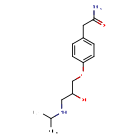
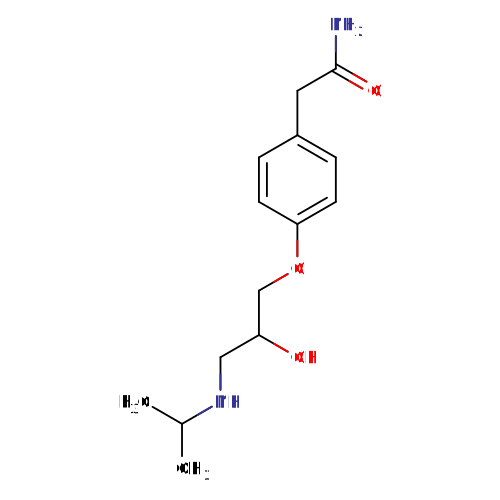
Structure for Atenolol (DB00335)
- Weight
- Average: 266.3361
Monoisotopic: 266.16304258 - Chemical Formula
- C14H22N2O3
- Synonyms
- 1-p-Carbamoylmethylphenoxy-3-isopropylamino-2-propanol
- 2-(p-(2-Hydroxy-3-(isopropylamino)propoxy)phenyl)acetamide
- 4-(2-Hydroxy-3-((1-methylethyl)amino)propoxy)benzeneacetamide
- Atenolol
- Atenololum

Pharmacology
- Indication
Indicated for:Label
1) Management of hypertension alone and in combination with other antihypertensives.
2) Management of angina pectoris associated with coronary atherosclerosis.
3) Management of acute myocardial infarction in hemodynamically stable patients with a heart rate greater than 50 beats per minutes and a systolic blood pressure above 100 mmHg.
Off-label uses include:
1) Secondary prevention of myocardial infarction.4
2) Management of heart failure.3
3) Management of atrial fibrillation.1
4) Management of supraventricular tachycardia.5
5) Management of ventricular arrythmias such as congenital long-QT and arrhythmogenic right ventricular cardiomyopathy.6
6) Management of symptomatic thyrotoxicosis in combination with methimazole.2
7) Prophylaxis of migraine headaches.7
8) Management of alcohol withdrawal.8,9
 Reduce drug development failure ratesBuild, train, & validate machine-learning modelswith evidence-based and structured datasets.Build, train, & validate predictive machine-learning models with structured datasets.
- Associated Conditions
Indication Type Indication Combined Product Details Approval Level Age Group Patient Characteristics Dose Form Management of Alcohol withdrawal ••• ••••• •••••• Management of Angina pectoris •••••••••••• •••••• Management of Atrial fibrillation ••• ••••• ••••• •••••• Management of Heart failure ••• ••••• •••••• Management of Hypertension •••••••••••• •••••• - Contraindications & Blackbox Warnings
 Prevent Adverse Drug Events TodayTap into our Clinical API for life-saving information on contraindications & blackbox warnings, population restrictions, harmful risks, & more.Avoid life-threatening adverse drug events with our Clinical API
- Pharmacodynamics
Atenolol is a cardio-selective beta-blocker and as such exerts most of its effects on the heart.Label It acts as an antagonist to sympathetic innervation and prevents increases in heart rate, electrical conductivity, and contractility in the heart due to increased release of norepinephrine from the peripheral nervous system.Label,24,14 Together the decreases in contractility and rate produce a reduction in cardiac output resulting in a compensatory increase in peripheral vascular resistance in the short-term. This response later declines to baseline with long-term use of atenolol. More importantly, this reduction in the work demanded of the myocardium also reduces oxygen demand which provides therapeutic benefit by reducing the mismatch of oxygen supply and demand in settings where coronary blood flow is limited, such as in coronary atherosclerosis. Reducing oxygen demand, particularly due to exercise, can reduce the frequency of angina pectoris symptoms and potentially improve survival of the remaining myocardium after myocardial infarction. The decrease in rate of sinoatrial node potentials, electrical conduction, slowing of potentials traveling through the atrioventricular node, and reduced frequency of ectopic potentials due to blockade of adrenergic beta receptors has led to benefit in arrhythmic conditions such as atrial fibrillation by controlling the rate of action potential generation and allowing for more effective coordinated contractions. Since a degree of sympathetic activity is necessary to maintain cardiac function, the reduced contractility induced by atenolol may precipitate or worsen heart failure, especially during volume overload.Label
The effects of atenolol on blood pressure have been established, although it is less effective than alternative beta-blockers, but the mechanism has not yet been characterized.Label,24 As a β1 selective drug, it does not act via the vasodilation produced by non-selective agents.24 Despite this there is a sustained reduction in peripheral vascular resistance, and consequently blood pressure, alongside a decrease in cardiac output. It is thought that atenolol's antihypertensive activity may be related to action on the central nervous system (CNS) or it's inhibition of the renin-aldosterone-angiotensin system rather than direct effects on the vasculature.Label
Atenolol produces CNS effects similar to other beta-blockers, but does so to a lesser extent due to reduces ability to cross the blood-brain barrier.24 It has the potential to produce fatigue, depression, and sleep disturbances such as nightmares or insomnia.Label,24 The exact mechanisms behind these have not been characterized but their occurrence must be considered as they represent clinically relevant adverse effects.
Atenolol exerts some effects on the respiratory system although to a much lesser extent than non-selective beta-blockers.Label Interaction with β2 receptors in the airways can produce bronchoconstriction by blocking the relaxation of bronchial smooth muscle mediated by the sympathetic nervous system.24 The same action can interfere with β-agonist therapies used in asthma and chronic obstructive pulmonary disease.Label,14,24
Unlike some other beta-blocker drugs, atenolol does not have intrinsic sympathomimetic or membrane stabilizing activity nor does it produce changes in glycemic control.Label
- Mechanism of action
Atenolol is a cardioselective beta-blocker, called such because it selectively binds to the β1-adrenergic receptor as an antagonist up to a reported 26 fold more than β2 receptors.15 Selective activity at the β1 receptor produces cardioselectivity due to the higher population of this receptor in cardiac tissue. Some binding to β2 and possibly β3 receptors can still occur at therapeutic dosages but the effects mediated by antagonizing these are significantly reduced from those of non-selective agents. β1 and β2 receptors are Gs coupled therefore antagonism of their activation reduces activity of adenylyl cyclase and its downstream signalling via cyclic adenosime monophosphate and protein kinase A (PKA).
In cardiomyocytes PKA is thought to mediate activation of L-type calcium channels and ryanodine receptors through their phosphorylation.16 L-type calcium channels can then provide an initial rise in intracellular calcium and trigger the ryanodine receptors to release calcium stored in the sarcoplasmic reticulum (SR) and increased contractility. PKA also plays a role in the cessation of contraction by phosphorylating phospholamban which in turn increases the affinity of SR Ca2+ ATPase to increase reuptake of calcium into the SR. It also phophorylates troponin I to reduce affinity of the protein for calcium. Both of these events lead to a reduction in contraction which, when coupled with the initial increase in contraction, allows for faster cycling and consequently higher heart rate with increased contractility. L-type calcium channels are also a major contributor to cardiac depolarization and their activation can increase frequency of action potentials and possibly the incidence of ectopic potentials.17
Similar inihibitory events occur in the bronchial smooth muscle to mediate relaxation including phosphorylation of myosin light-chain kinase, reducing its affinity for calcium.18 PKA also inhibits the excitatory Gq coupled pathway by phosphorylating the inositol trisphosphate receptor and phospholipase C resulting in inhibition of intracellular calcium release. Antagonism of this activity by beta-blocker agents like atenolol can thus cause increased bronchoconstriction.
Target Actions Organism ABeta-1 adrenergic receptor antagonistHumans UBeta-2 adrenergic receptor antagonistHumans - Absorption
Approximately 50% of an oral dose is absorbed from the gastrointestinal tract, with the remainder being excreted unchanged in the feces.Label Administering atenolol with food can decrease the AUC by about 20%.10 While atenolol can cross the blood-brain barrier, it does so slowly and to a small extent.
- Volume of distribution
Total Vd of 63.8-112.5 L. Atenolol distributes into a central volume of 12.8-17.5 L along with two peripheral compartments with a combined volume of 51-95 L.10 Distribution takes about 3 hrs for the central compartment, 4 hrs for the shallower peripheral compartment, and 5-6 hrs for the deeper peripheral compartment.
- Protein binding
6-16% bound in plasma.Label Atenolol binds to two sites on human serum albumin.12
- Metabolism
Minimal metabolism in the liver.Label The sole non-conjugated metabolite is the product of a hydroxylation reaction at the carbon between the amide and benzene groups.11 The only other metabolite to be confirmed is a glucuronide conjugate. These metabolites make up 5-8% and 2% of the renally excreted dose with 87-90% appearing as unchanged drug. The hydroxylated metabolite is exerts 1/10th the beta-blocking activity of atenolol.
Hover over products below to view reaction partners
- Route of elimination
85% is eliminated by the kidneys following IV administration with 10% appearing in the feces.Label,10
- Half-life
6-7 hrs.Label
- Clearance
Total clearance is estimated at 97.3-176.3 mL/min with a renal clearance of 95-168 mL/min.10
- Adverse Effects
 Improve decision support & research outcomesWith structured adverse effects data, including: blackbox warnings, adverse reactions, warning & precautions, & incidence rates. View sample adverse effects data in our new Data Library!Improve decision support & research outcomes with our structured adverse effects data.
- Toxicity
LD50 Values
Mouse: 2 g/kg (Oral), 57 mg/kg (IV), 134 mg/kg (IP), 400 mg/kg (SC)26
Rat: 2 g/kg (Oral), 77 mg/kg (IV), 600 mg/kg (SC)26
Rabbit: 50 mg/kg (IV)26
Carcinogenicity & Mutagenicity
Studies in rats and mice at doses of 300 mg/kg/day, equivalent to 150 times maximum recommended human dose, for durations of 18 and 24 months showed no carcinogenicity.Label One study in rats at doses of 500-1500 mg/kg/day, 250-750 times maximum human dose, resulted in increases benign adrenal medullary tumors in both sexes and increase mammary fibroadenomas in females.
Atenolol showed no mutagenicity in the Ames test using S. typhinarium, dominant lethal test in mice, or in vivo cytogenetics test in chinese hamster ovary cells.Label
Reproductive Toxicity
No adverse effects on fertility were observed in either male or female mice after receiving doses of 200 mg/kg/day, equivalent to 200 times the maximum human dose. In humans, atenolol is known to cross the placenta and fetuses exposed to the drug have been reported to be smaller than expected considering gestational age. Embryo-fetal resorption has been observed in rats at doses of 50mg/kg/day, 50 times the max human dose, but not in rabbits at doses of 25mg/kg/day.Label
Lactation
Atenolol appears in breast milk at a ratio of 1.5-6.8 to plasma concentrations.Label It has been estimated that infant exposure occurs at 5.7-19.2% maternal weight-adjusted dosage.25 Effects in infants include bradycardia, hypothermia, and lethargy.
- Pathways
Pathway Category Atenolol Action Pathway Drug action - Pharmacogenomic Effects/ADRs
Interacting Gene/Enzyme Allele name Genotype(s) Defining Change(s) Type(s) Description Details Beta-1 adrenergic receptor --- (C;C) / (C;G) G > C Effect Directly Studied Patients with this genotype have a greater reduction in blood pressure with atenolol. Details
Interactions
- Drug Interactions
- This information should not be interpreted without the help of a healthcare provider. If you believe you are experiencing an interaction, contact a healthcare provider immediately. The absence of an interaction does not necessarily mean no interactions exist.
Drug Interaction Integrate drug-drug
interactions in your softwareAbaloparatide The risk or severity of adverse effects can be increased when Atenolol is combined with Abaloparatide. Abatacept The metabolism of Atenolol can be increased when combined with Abatacept. Abiraterone The metabolism of Atenolol can be decreased when combined with Abiraterone. Acarbose The therapeutic efficacy of Acarbose can be increased when used in combination with Atenolol. Acebutolol Atenolol may increase the arrhythmogenic activities of Acebutolol. - Food Interactions
- No interactions found.
Products
 Drug product information from 10+ global regionsOur datasets provide approved product information including:dosage, form, labeller, route of administration, and marketing period.Access drug product information from over 10 global regions.
- Product Images
- International/Other Brands
- Myocord (Ivax) / Normiten (Teva)
- Brand Name Prescription Products
Name Dosage Strength Route Labeller Marketing Start Marketing End Region Image Act Atenolol Tablet 100 mg Oral Actavis Pharma Company 2004-08-13 2020-10-21 Canada 
Act Atenolol Tablet 50 mg Oral Actavis Pharma Company 2004-08-13 2020-10-21 Canada Atenolol Tablet 25 mg Oral Pro Doc Limitee 2009-06-15 Not applicable Canada Atenolol Tablet 100 mg Oral Sivem Pharmaceuticals Ulc 1999-03-09 Not applicable Canada Atenolol Tablet 50 mg Oral Sanis Health Inc 2017-10-20 Not applicable Canada - Generic Prescription Products
Name Dosage Strength Route Labeller Marketing Start Marketing End Region Image Ag-atenolol Tablet 100 mg Oral Angita Pharma Inc. 2018-07-18 Not applicable Canada Ag-atenolol Tablet 50 mg Oral Angita Pharma Inc. 2018-07-18 Not applicable Canada Ag-atenolol Tablet 25 mg Oral Angita Pharma Inc. 2018-07-18 Not applicable Canada Apo-atenol Tab 100mg Tablet 100 mg Oral Apotex Corporation 1988-12-31 Not applicable Canada Apo-atenol Tab 50mg Tablet 50 mg Oral Apotex Corporation 1988-12-31 Not applicable Canada - Over the Counter Products
Name Dosage Strength Route Labeller Marketing Start Marketing End Region Image PRENOLOL 50 Tablet, coated 50 mg Oral บริษัท เบอร์ลินฟาร์มาซูติคอลอินดัสตรี้ จำกัด 2016-09-13 Not applicable Thailand 
- Mixture Products
Name Ingredients Dosage Route Labeller Marketing Start Marketing End Region Image Aa-atenidone Atenolol (100 mg) + Chlorthalidone (25 mg) Tablet Oral Aa Pharma Inc 2004-08-12 Not applicable Canada Aa-atenidone Atenolol (50 mg) + Chlorthalidone (25 mg) Tablet Oral Aa Pharma Inc 2004-08-12 Not applicable Canada Apo-Atenidone Tablets 100/25 mg Atenolol (100 mg) + Chlorthalidone (25 mg) Tablet Oral PHARMAFORTE (MALAYSIA) SDN. BHD. 2020-09-08 Not applicable Malaysia 
ATENIGRON Atenolol (100 MG) + Chlorthalidone (25 MG) Tablet Oral Aescul API Us Farmaceutici Srl 2014-07-08 Not applicable Italy 
ATENIGRON Atenolol (125 mg) + Chlorthalidone (25 mg) Tablet Oral Aescul API Us Farmaceutici Srl 2014-07-08 2023-12-08 Italy - Unapproved/Other Products
Name Ingredients Dosage Route Labeller Marketing Start Marketing End Region Image Atenolol Scopolamine Atenolol (50 mg/50.5mg) + Scopolamine (.5 mg/50.5mg) Tablet Oral TPS 2014-10-01 Not applicable US 
Atenolol Scopolamine Atenolol (25 mg/25.25mg) + Scopolamine (.25 mg/25.25mg) Tablet Buccal; Oral; Sublingual; Transmucosal TPS 2014-10-01 Not applicable US


Categories
- ATC Codes
- C07CB53 — Atenolol and other diuretics, combinations
- C07CB — Beta blocking agents, selective, and other diuretics
- C07C — BETA BLOCKING AGENTS AND OTHER DIURETICS
- C07 — BETA BLOCKING AGENTS
- C — CARDIOVASCULAR SYSTEM
- C07AB — Beta blocking agents, selective
- C07A — BETA BLOCKING AGENTS
- C07 — BETA BLOCKING AGENTS
- C — CARDIOVASCULAR SYSTEM
- C07FB — Beta blocking agents and calcium channel blockers
- C07F — BETA BLOCKING AGENTS, OTHER COMBINATIONS
- C07 — BETA BLOCKING AGENTS
- C — CARDIOVASCULAR SYSTEM
- C07DB — Beta blocking agents, selective, thiazides and other diuretics
- C07D — BETA BLOCKING AGENTS, THIAZIDES AND OTHER DIURETICS
- C07 — BETA BLOCKING AGENTS
- C — CARDIOVASCULAR SYSTEM
- C07BB — Beta blocking agents, selective, and thiazides
- C07B — BETA BLOCKING AGENTS AND THIAZIDES
- C07 — BETA BLOCKING AGENTS
- C — CARDIOVASCULAR SYSTEM
- Drug Categories
- Adrenergic Agents
- Adrenergic Antagonists
- Adrenergic beta-1 Receptor Antagonists
- Adrenergic beta-Antagonists
- Agents causing hyperkalemia
- Alcohols
- Amines
- Amino Alcohols
- Antiarrhythmic agents
- Antihypertensive Agents
- Antihypertensive Agents Indicated for Hypertension
- Autonomic Agents
- Beta blocking agents and calcium channel blockers
- Beta Blocking Agents and Thiazides
- Beta Blocking Agents, Selective
- Beta Blocking Agents, Selective, and Thiazides
- Beta-Blockers (Beta1 Selective)
- Bradycardia-Causing Agents
- BSEP/ABCB11 Substrates
- Cardiovascular Agents
- Cytochrome P-450 CYP2D6 Substrates
- Cytochrome P-450 Substrates
- Hypotensive Agents
- Peripheral Nervous System Agents
- QTc shortening agents
- Sympatholytics
- Chemical TaxonomyProvided by Classyfire
- Description
- This compound belongs to the class of organic compounds known as phenylacetamides. These are amide derivatives of phenylacetic acids.
- Kingdom
- Organic compounds
- Super Class
- Benzenoids
- Class
- Benzene and substituted derivatives
- Sub Class
- Phenylacetamides
- Direct Parent
- Phenylacetamides
- Alternative Parents
- Phenoxy compounds / Phenol ethers / Alkyl aryl ethers / Secondary alcohols / Primary carboxylic acid amides / Amino acids and derivatives / 1,2-aminoalcohols / Dialkylamines / Organopnictogen compounds / Organic oxides show 2 more
- Substituents
- 1,2-aminoalcohol / Alcohol / Alkyl aryl ether / Amine / Amino acid or derivatives / Aromatic homomonocyclic compound / Carbonyl group / Carboxamide group / Carboxylic acid derivative / Ether show 14 more
- Molecular Framework
- Aromatic homomonocyclic compounds
- External Descriptors
- monocarboxylic acid amide, ethanolamines, propanolamine (CHEBI:2904)
- Affected organisms
- Humans and other mammals
Chemical Identifiers
- UNII
- 50VV3VW0TI
- CAS number
- 29122-68-7
- InChI Key
- METKIMKYRPQLGS-UHFFFAOYSA-N
- InChI
- InChI=1S/C14H22N2O3/c1-10(2)16-8-12(17)9-19-13-5-3-11(4-6-13)7-14(15)18/h3-6,10,12,16-17H,7-9H2,1-2H3,(H2,15,18)
- IUPAC Name
- 2-(4-{2-hydroxy-3-[(propan-2-yl)amino]propoxy}phenyl)acetamide
- SMILES
- CC(C)NCC(O)COC1=CC=C(CC(N)=O)C=C1
References
- Synthesis Reference
Barrett, A.M., Carter, J., Hull, R., Le Count, D.J. and Squire, C.J.; U.S. Patent 3,663,607; May 16, 1972; assigned to Imperial Chemical Industries Limited, England. Barrett, A.M., Carter, J., Hull, R., Le Count, D.J. and Squire, C.J.; U.S. Patent 3,836,671; September 17, 1974; assigned to Imperial Chemical Industries Limited, England.
US3663607- General References
- January CT, Wann LS, Calkins H, Field ME, Chen LY, Furie KL, Cigarroa JE, Heidenreich PA, Cleveland JC Jr, Murray KT, Ellinor PT, Shea JB, Ezekowitz MD, Tracy CM, Yancy CW: 2019 AHA/ACC/HRS Focused Update of the 2014 AHA/ACC/HRS Guideline for the Management of Patients With Atrial Fibrillation: A Report of the American College of Cardiology/American Heart Association Task Force on Clinical Practice Guidelines and the Heart Rhythm Society. Heart Rhythm. 2019 Jan 28. pii: S1547-5271(19)30037-2. doi: 10.1016/j.hrthm.2019.01.024. [Article]
- Ross DS, Burch HB, Cooper DS, Greenlee MC, Laurberg P, Maia AL, Rivkees SA, Samuels M, Sosa JA, Stan MN, Walter MA: 2016 American Thyroid Association Guidelines for Diagnosis and Management of Hyperthyroidism and Other Causes of Thyrotoxicosis. Thyroid. 2016 Oct;26(10):1343-1421. doi: 10.1089/thy.2016.0229. [Article]
- Ezekowitz JA, O'Meara E, McDonald MA, Abrams H, Chan M, Ducharme A, Giannetti N, Grzeslo A, Hamilton PG, Heckman GA, Howlett JG, Koshman SL, Lepage S, McKelvie RS, Moe GW, Rajda M, Swiggum E, Virani SA, Zieroth S, Al-Hesayen A, Cohen-Solal A, D'Astous M, De S, Estrella-Holder E, Fremes S, Green L, Haddad H, Harkness K, Hernandez AF, Kouz S, LeBlanc MH, Masoudi FA, Ross HJ, Roussin A, Sussex B: 2017 Comprehensive Update of the Canadian Cardiovascular Society Guidelines for the Management of Heart Failure. Can J Cardiol. 2017 Nov;33(11):1342-1433. doi: 10.1016/j.cjca.2017.08.022. Epub 2017 Sep 6. [Article]
- Mancini GB, Gosselin G, Chow B, Kostuk W, Stone J, Yvorchuk KJ, Abramson BL, Cartier R, Huckell V, Tardif JC, Connelly K, Ducas J, Farkouh ME, Gupta M, Juneau M, O'Neill B, Raggi P, Teo K, Verma S, Zimmermann R: Canadian Cardiovascular Society guidelines for the diagnosis and management of stable ischemic heart disease. Can J Cardiol. 2014 Aug;30(8):837-49. doi: 10.1016/j.cjca.2014.05.013. Epub 2014 May 28. [Article]
- Page RL, Joglar JA, Caldwell MA, Calkins H, Conti JB, Deal BJ, Estes NAM 3rd, Field ME, Goldberger ZD, Hammill SC, Indik JH, Lindsay BD, Olshansky B, Russo AM, Shen WK, Tracy CM, Al-Khatib SM: 2015 ACC/AHA/HRS Guideline for the Management of Adult Patients With Supraventricular Tachycardia: A Report of the American College of Cardiology/American Heart Association Task Force on Clinical Practice Guidelines and the Heart Rhythm Society. J Am Coll Cardiol. 2016 Apr 5;67(13):e27-e115. doi: 10.1016/j.jacc.2015.08.856. Epub 2015 Sep 24. [Article]
- Al-Khatib SM, Stevenson WG, Ackerman MJ, Bryant WJ, Callans DJ, Curtis AB, Deal BJ, Dickfeld T, Field ME, Fonarow GC, Gillis AM, Granger CB, Hammill SC, Hlatky MA, Joglar JA, Kay GN, Matlock DD, Myerburg RJ, Page RL: 2017 AHA/ACC/HRS Guideline for Management of Patients With Ventricular Arrhythmias and the Prevention of Sudden Cardiac Death. Circulation. 2018 Sep 25;138(13):e272-e391. doi: 10.1161/CIR.0000000000000549. [Article]
- Jackson JL, Cogbill E, Santana-Davila R, Eldredge C, Collier W, Gradall A, Sehgal N, Kuester J: A Comparative Effectiveness Meta-Analysis of Drugs for the Prophylaxis of Migraine Headache. PLoS One. 2015 Jul 14;10(7):e0130733. doi: 10.1371/journal.pone.0130733. eCollection 2015. [Article]
- Horwitz RI, Gottlieb LD, Kraus ML: The efficacy of atenolol in the outpatient management of the alcohol withdrawal syndrome. Results of a randomized clinical trial. Arch Intern Med. 1989 May;149(5):1089-93. [Article]
- Kraus ML, Gottlieb LD, Horwitz RI, Anscher M: Randomized clinical trial of atenolol in patients with alcohol withdrawal. N Engl J Med. 1985 Oct 10;313(15):905-9. doi: 10.1056/NEJM198510103131501. [Article]
- Kirch W, Gorg KG: Clinical pharmacokinetics of atenolol--a review. Eur J Drug Metab Pharmacokinet. 1982;7(2):81-91. doi: 10.1007/BF03188723. [Article]
- Reeves PR, McAinsh J, McIntosh DA, Winrow MJ: Metabolism of atenolol in man. Xenobiotica. 1978 May;8(5):313-20. doi: 10.3109/00498257809060956. [Article]
- Niaei N, Hasanzadeh M, Shadjou N: Molecular interaction of some cardiovascular drugs with human serum albumin at physiological-like conditions: A new approach. J Mol Recognit. 2018 Aug;31(8):e2715. doi: 10.1002/jmr.2715. Epub 2018 Apr 6. [Article]
- Baker JG, Wilcox RG: beta-Blockers, heart disease and COPD: current controversies and uncertainties. Thorax. 2017 Mar;72(3):271-276. doi: 10.1136/thoraxjnl-2016-208412. Epub 2016 Dec 7. [Article]
- Frishman WH: beta-Adrenergic blockade in cardiovascular disease. J Cardiovasc Pharmacol Ther. 2013 Jul;18(4):310-9. doi: 10.1177/1074248413484986. Epub 2013 Apr 30. [Article]
- Abrahamsson T, Ek B, Nerme V: The beta 1- and beta 2-adrenoceptor affinity of atenolol and metoprolol. A receptor-binding study performed with different radioligands in tissues from the rat, the guinea pig and man. Biochem Pharmacol. 1988 Jan 15;37(2):203-8. [Article]
- Salazar NC, Chen J, Rockman HA: Cardiac GPCRs: GPCR signaling in healthy and failing hearts. Biochim Biophys Acta. 2007 Apr;1768(4):1006-18. doi: 10.1016/j.bbamem.2007.02.010. Epub 2007 Feb 20. [Article]
- Priest BT, McDermott JS: Cardiac ion channels. Channels (Austin). 2015;9(6):352-9. doi: 10.1080/19336950.2015.1076597. Epub 2015 Aug 20. [Article]
- Billington CK, Penn RB: Signaling and regulation of G protein-coupled receptors in airway smooth muscle. Respir Res. 2003;4:2. Epub 2003 Mar 14. [Article]
- Wachter SB, Gilbert EM: Beta-adrenergic receptors, from their discovery and characterization through their manipulation to beneficial clinical application. Cardiology. 2012;122(2):104-12. doi: 10.1159/000339271. Epub 2012 Jul 3. [Article]
- Wiysonge CS, Bradley HA, Volmink J, Mayosi BM: Cochrane corner: beta-blockers for hypertension. Heart. 2018 Feb;104(4):282-283. doi: 10.1136/heartjnl-2017-311585. Epub 2017 Jul 29. [Article]
- Wiysonge C, Bradley H, Volmink J, Mayosi B, Opie L: Beta‐blockers for hypertension Cochrane Database of Systematic Reviews. [Article]
- Carlberg B, Samuelsson O, Lindholm LH: Atenolol in hypertension: is it a wise choice? Lancet. 2004 Nov 6-12;364(9446):1684-9. doi: 10.1016/S0140-6736(04)17355-8. [Article]
- Kuyper LM, Khan NA: Atenolol vs nonatenolol beta-blockers for the treatment of hypertension: a meta-analysis. Can J Cardiol. 2014 May;30(5 Suppl):S47-53. doi: 10.1016/j.cjca.2014.01.006. Epub 2014 Jan 15. [Article]
- Thomas C. Westfall; Heather Macarthur; David P. Westfall (2018). 12. In Goodman & Gilman's: The Pharmacological Basis of Therapeutics (13th ed.). McGraw-Hill Education. [ISBN:978-1-25-958473-2]
- LactMed: Atenolol [Link]
- ChemIDplus: Atenolol [Link]
- FDA Approved Products: Tenormin (atenolol) oral tablets [Link]
- External Links
- Human Metabolome Database
- HMDB0001924
- KEGG Drug
- D00235
- PubChem Compound
- 2249
- PubChem Substance
- 46506915
- ChemSpider
- 2162
- BindingDB
- 25753
- 1202
- ChEBI
- 2904
- ChEMBL
- CHEMBL24
- Therapeutic Targets Database
- DAP000482
- PharmGKB
- PA448499
- Guide to Pharmacology
- GtP Drug Page
- RxList
- RxList Drug Page
- Drugs.com
- Drugs.com Drug Page
- Wikipedia
- Atenolol
- FDA label
- Download (226 KB)
- MSDS
- Download (72.9 KB)
Clinical Trials
- Clinical Trials
Phase Status Purpose Conditions Count 4 Completed Basic Science Aortic Blood Pressure 1 4 Completed Health Services Research Hypertension / Syndrome, Metabolic 1 4 Completed Other Cardiac Failure / Cardiovascular Disease (CVD) / Heart Failure / Heart Failure With Preserved Ejection Fraction (HFpEF) / Heart Failure, Diastolic 2 4 Completed Prevention Angina Pectoris / Diabetes Mellitus / Myocardial Infarction / Stroke 1 4 Completed Prevention Atherosclerosis / Cardiovascular Disease (CVD) / Cerebral Arteriosclerosis / Coronary Heart Disease (CHD) / Diabetes Mellitus / Hypertension 1
Pharmacoeconomics
- Manufacturers
- Astrazeneca pharmaceuticals lp
- Able laboratories inc
- Apothecon sub bristol myers squibb co
- Aurobindo pharma ltd
- Caraco pharmaceutical laboratories ltd
- Dava pharmaceuticals inc
- Genpharm pharmaceuticals inc
- Ipca laboratories ltd
- Ipr pharmaceuticals inc
- Mutual pharmaceutical co inc
- Mylan pharmaceuticals inc
- Northstar healthcare holdings ltd
- Nostrum laboratories inc
- Pliva inc
- Sandoz inc
- Scs pharmaceuticals
- Teva pharmaceuticals usa inc
- Teva pharmaceuticals usa
- Unique pharmaceutical laboratories
- Watson laboratories inc
- Zydus pharmaceuticals usa inc
- Astrazeneca lp
- Packagers
- Advanced Pharmaceutical Services Inc.
- Amerisource Health Services Corp.
- Apotheca Inc.
- AQ Pharmaceuticals Inc.
- A-S Medication Solutions LLC
- AstraZeneca Inc.
- Aurobindo Pharma Ltd.
- Bryant Ranch Prepack
- Cadila Healthcare Ltd.
- Caraco Pharmaceutical Labs
- Cardinal Health
- Comprehensive Consultant Services Inc.
- Corepharma LLC
- Darby Dental Supply Co. Inc.
- DAVA Pharmaceuticals
- Dept Health Central Pharmacy
- DHHS Program Support Center Supply Service Center
- Direct Dispensing Inc.
- Dispensing Solutions
- Diversified Healthcare Services Inc.
- Genpharm LP
- Golden State Medical Supply Inc.
- Group Health Cooperative
- H.J. Harkins Co. Inc.
- Heartland Repack Services LLC
- Innovative Manufacturing and Distribution Services Inc.
- Ipca Laboratories Ltd.
- Ivax Pharmaceuticals
- Kaiser Foundation Hospital
- Lake Erie Medical and Surgical Supply
- Liberty Pharmaceuticals
- Major Pharmaceuticals
- Mallinckrodt Inc.
- Medisca Inc.
- Medvantx Inc.
- Merckle GmbH
- Murfreesboro Pharmaceutical Nursing Supply
- Mutual Pharmaceutical Co.
- Mylan
- Neighborcare Repackaging Inc.
- Northstar Rx LLC
- Norwich Pharmaceuticals Inc.
- Novopharm Ltd.
- Nucare Pharmaceuticals Inc.
- Ohm Laboratories Inc.
- Pack Pharmaceuticals
- Palmetto Pharmaceuticals Inc.
- Par Pharmaceuticals
- PCA LLC
- PD-Rx Pharmaceuticals Inc.
- Pharmaceutical Utilization Management Program VA Inc.
- Pharmpak Inc.
- Physicians Total Care Inc.
- Piramal Healthcare
- Preferred Pharmaceuticals Inc.
- Prepackage Specialists
- Prepak Systems Inc.
- Qualitest
- Ranbaxy Laboratories
- Rebel Distributors Corp.
- Remedy Repack
- Sandhills Packaging Inc.
- Sandoz
- Southwood Pharmaceuticals
- Stat Scripts LLC
- Talbert Medical Management Corp.
- Teva Pharmaceutical Industries Ltd.
- Tya Pharmaceuticals
- UDL Laboratories
- United Research Laboratories Inc.
- Va Cmop Dallas
- Vangard Labs Inc.
- Watson Pharmaceuticals
- Zydus Pharmaceuticals
- Dosage Forms
Form Route Strength Tablet, film coated Oral Tablet, film coated Oral Tablet Oral 100 mg/1 Tablet Oral 25 mg/1 Tablet Oral 50 mg/1 Tablet Oral Tablet Oral 10000000 mg Tablet Oral Tablet Buccal; Oral; Sublingual; Transmucosal Solution Oral Tablet, coated Oral Tablet Oral 50.00 mg Capsule, liquid filled Oral 100 mg Capsule, liquid filled Oral 50 mg Tablet, coated Oral Capsule, extended release Oral Capsule Oral 50 mg Capsule Oral Tablet Oral 50 mg Tablet, film coated Oral 100 mg Tablet, film coated Oral 50 mg Injection, solution Intravenous 5 mg/10mL Tablet Oral 5000000 mg Solution Parenteral 5 mg Tablet, film coated Oral 25 mg Tablet Oral 50.000 mg Tablet Oral 50 mg Tablet, film coated Oral 100 mg Tablet, coated Oral 25 mg Tablet, film coated Oral 50 mg Tablet Oral 100 mg Tablet Oral 25 mg Tablet, coated Oral 100 mg Tablet, coated Oral 50 mg - Prices
Unit description Cost Unit Atenolol powder 5.14USD g Tenormin 100 mg tablet 2.28USD tablet Tenormin 25 mg tablet 1.94USD tablet Tenormin 50 mg tablet 1.52USD tablet Atenolol 100 mg tablet 1.26USD tablet Atenolol 50 mg tablet 0.85USD tablet Atenolol 25 mg tablet 0.81USD tablet Apo-Atenol 100 mg Tablet 0.6USD tablet Co Atenolol 100 mg Tablet 0.6USD tablet Mylan-Atenolol 100 mg Tablet 0.6USD tablet Novo-Atenol 100 mg Tablet 0.6USD tablet Phl-Atenolol 100 mg Tablet 0.6USD tablet Pms-Atenolol 100 mg Tablet 0.6USD tablet Ran-Atenolol 100 mg Tablet 0.6USD tablet Ratio-Atenolol 100 mg Tablet 0.6USD tablet Sandoz Atenolol 100 mg Tablet 0.6USD tablet Apo-Atenol 50 mg Tablet 0.36USD tablet Co Atenolol 50 mg Tablet 0.36USD tablet Mylan-Atenolol 50 mg Tablet 0.36USD tablet Novo-Atenol 50 mg Tablet 0.36USD tablet Phl-Atenolol 50 mg Tablet 0.36USD tablet Pms-Atenolol 50 mg Tablet 0.36USD tablet Ran-Atenolol 50 mg Tablet 0.36USD tablet Ratio-Atenolol 50 mg Tablet 0.36USD tablet Sandoz Atenolol 50 mg Tablet 0.36USD tablet Novo-Atenol 25 mg Tablet 0.18USD tablet Pms-Atenolol 25 mg Tablet 0.18USD tablet DrugBank does not sell nor buy drugs. Pricing information is supplied for informational purposes only.- Patents
- Not Available
Properties
- State
- Solid
- Experimental Properties
Property Value Source melting point (°C) 158-160 Barrett, A.M., Carter, J., Hull, R., Le Count, D.J. and Squire, C.J.; U.S. Patent 3,663,607; May 16, 1972; assigned to Imperial Chemical Industries Limited, England. Barrett, A.M., Carter, J., Hull, R., Le Count, D.J. and Squire, C.J.; U.S. Patent 3,836,671; September 17, 1974; assigned to Imperial Chemical Industries Limited, England. water solubility 1.33E+004 mg/L (at 25 °C) MCFARLAND,JW ET AL. (2001) logP 0.16 HANSCH,C ET AL. (1995) Caco2 permeability -6.44 ADME Research, USCD pKa 9.6 MERCK INDEX (2001) - Predicted Properties
Property Value Source Water Solubility 0.429 mg/mL ALOGPS logP 0.57 ALOGPS logP 0.43 Chemaxon logS -2.8 ALOGPS pKa (Strongest Acidic) 14.08 Chemaxon pKa (Strongest Basic) 9.67 Chemaxon Physiological Charge 1 Chemaxon Hydrogen Acceptor Count 4 Chemaxon Hydrogen Donor Count 3 Chemaxon Polar Surface Area 84.58 Å2 Chemaxon Rotatable Bond Count 8 Chemaxon Refractivity 73.51 m3·mol-1 Chemaxon Polarizability 29.98 Å3 Chemaxon Number of Rings 1 Chemaxon Bioavailability 1 Chemaxon Rule of Five Yes Chemaxon Ghose Filter Yes Chemaxon Veber's Rule No Chemaxon MDDR-like Rule No Chemaxon - Predicted ADMET Features
Property Value Probability Human Intestinal Absorption + 0.9831 Blood Brain Barrier - 0.9505 Caco-2 permeable - 0.7922 P-glycoprotein substrate Substrate 0.6773 P-glycoprotein inhibitor I Non-inhibitor 0.9446 P-glycoprotein inhibitor II Non-inhibitor 0.9856 Renal organic cation transporter Non-inhibitor 0.8959 CYP450 2C9 substrate Non-substrate 0.8416 CYP450 2D6 substrate Substrate 0.5468 CYP450 3A4 substrate Non-substrate 0.6826 CYP450 1A2 substrate Non-inhibitor 0.9045 CYP450 2C9 inhibitor Non-inhibitor 0.9163 CYP450 2D6 inhibitor Non-inhibitor 0.9231 CYP450 2C19 inhibitor Non-inhibitor 0.9026 CYP450 3A4 inhibitor Non-inhibitor 0.9379 CYP450 inhibitory promiscuity Low CYP Inhibitory Promiscuity 0.9537 Ames test Non AMES toxic 0.9132 Carcinogenicity Non-carcinogens 0.8691 Biodegradation Not ready biodegradable 0.8969 Rat acute toxicity 2.0932 LD50, mol/kg Not applicable hERG inhibition (predictor I) Weak inhibitor 0.996 hERG inhibition (predictor II) Non-inhibitor 0.8861
Spectra
- Mass Spec (NIST)
- Not Available
- Spectra
- Chromatographic Properties
Collision Cross Sections (CCS)
Adduct CCS Value (Å2) Source type Source [M-H]- 177.0360205 predictedDarkChem Lite v0.1.0 [M-H]- 163.46071 predictedDeepCCS 1.0 (2019) [M+H]+ 178.1194205 predictedDarkChem Lite v0.1.0 [M+H]+ 165.81871 predictedDeepCCS 1.0 (2019) [M+Na]+ 176.7919205 predictedDarkChem Lite v0.1.0 [M+Na]+ 171.91185 predictedDeepCCS 1.0 (2019)
Targets

- Kind
- Protein
- Organism
- Humans
- Pharmacological action
- Yes
- Actions
- Antagonist
- General Function
- Receptor signaling protein activity
- Specific Function
- Beta-adrenergic receptors mediate the catecholamine-induced activation of adenylate cyclase through the action of G proteins. This receptor binds epinephrine and norepinephrine with approximately e...
- Gene Name
- ADRB1
- Uniprot ID
- P08588
- Uniprot Name
- Beta-1 adrenergic receptor
- Molecular Weight
- 51322.1 Da
References
- Schafer M, Frischkopf K, Taimor G, Piper HM, Schluter KD: Hypertrophic effect of selective beta(1)-adrenoceptor stimulation on ventricular cardiomyocytes from adult rat. Am J Physiol Cell Physiol. 2000 Aug;279(2):C495-503. [Article]
- Brown RA, Ilg KJ, Chen AF, Ren J: Dietary Mg(2+) supplementation restores impaired vasoactive responses in isolated rat aorta induced by chronic ethanol consumption. Eur J Pharmacol. 2002 May 10;442(3):241-50. [Article]
- Horinouchi T, Morishima S, Tanaka T, Suzuki F, Tanaka Y, Koike K, Miwa S, Muramatsu I: Different changes of plasma membrane beta-adrenoceptors in rat heart after chronic administration of propranolol, atenolol and bevantolol. Life Sci. 2007 Jul 12;81(5):399-404. Epub 2007 Jun 16. [Article]
- Alberti C, Monopoli A, Casati C, Forlani A, Sala C, Nador B, Ongini E, Morganti A: Mechanism and pressor relevance of the short-term cardiovascular and renin excitatory actions of the selective A2A-adenosine receptor agonists. J Cardiovasc Pharmacol. 1997 Sep;30(3):320-4. [Article]
- Chen X, Ji ZL, Chen YZ: TTD: Therapeutic Target Database. Nucleic Acids Res. 2002 Jan 1;30(1):412-5. [Article]
- Kind
- Protein
- Organism
- Humans
- Pharmacological action
- Unknown
- Actions
- Antagonist
- General Function
- Protein homodimerization activity
- Specific Function
- Beta-adrenergic receptors mediate the catecholamine-induced activation of adenylate cyclase through the action of G proteins. The beta-2-adrenergic receptor binds epinephrine with an approximately ...
- Gene Name
- ADRB2
- Uniprot ID
- P07550
- Uniprot Name
- Beta-2 adrenergic receptor
- Molecular Weight
- 46458.32 Da
References
- Nuttall SL, Routledge HC, Kendall MJ: A comparison of the beta1-selectivity of three beta1-selective beta-blockers. J Clin Pharm Ther. 2003 Jun;28(3):179-86. [Article]
Enzymes
- Kind
- Protein
- Organism
- Humans
- Pharmacological action
- No
- Actions
- Substrate
- Curator comments
- May be responsible for metabolizing a small portion of atenolol as CYP2D6 also metabolizes metoprolol, a strucurally similar molecule.
- General Function
- Steroid hydroxylase activity
- Specific Function
- Responsible for the metabolism of many drugs and environmental chemicals that it oxidizes. It is involved in the metabolism of drugs such as antiarrhythmics, adrenoceptor antagonists, and tricyclic...
- Gene Name
- CYP2D6
- Uniprot ID
- P10635
- Uniprot Name
- Cytochrome P450 2D6
- Molecular Weight
- 55768.94 Da
References
- Sternieri E, Coccia CP, Pinetti D, Guerzoni S, Ferrari A: Pharmacokinetics and interactions of headache medications, part II: prophylactic treatments. Expert Opin Drug Metab Toxicol. 2006 Dec;2(6):981-1007. doi: 10.1517/17425255.2.6.981 . [Article]
- Brodde OE, Kroemer HK: Drug-drug interactions of beta-adrenoceptor blockers. Arzneimittelforschung. 2003;53(12):814-22. [Article]
Carriers
- Kind
- Protein
- Organism
- Humans
- Pharmacological action
- No
- Actions
- Substrate
- General Function
- Toxic substance binding
- Specific Function
- Serum albumin, the main protein of plasma, has a good binding capacity for water, Ca(2+), Na(+), K(+), fatty acids, hormones, bilirubin and drugs. Its main function is the regulation of the colloid...
- Gene Name
- ALB
- Uniprot ID
- P02768
- Uniprot Name
- Serum albumin
- Molecular Weight
- 69365.94 Da
References
- Niaei N, Hasanzadeh M, Shadjou N: Molecular interaction of some cardiovascular drugs with human serum albumin at physiological-like conditions: A new approach. J Mol Recognit. 2018 Aug;31(8):e2715. doi: 10.1002/jmr.2715. Epub 2018 Apr 6. [Article]
Transporters
- Kind
- Protein
- Organism
- Humans
- Pharmacological action
- No
- Actions
- Substrate
- General Function
- Transporter activity
- Specific Function
- Involved in the ATP-dependent secretion of bile salts into the canaliculus of hepatocytes.
- Gene Name
- ABCB11
- Uniprot ID
- O95342
- Uniprot Name
- Bile salt export pump
- Molecular Weight
- 146405.83 Da
References
- Pedersen JM, Matsson P, Bergstrom CA, Hoogstraate J, Noren A, LeCluyse EL, Artursson P: Early identification of clinically relevant drug interactions with the human bile salt export pump (BSEP/ABCB11). Toxicol Sci. 2013 Dec;136(2):328-43. doi: 10.1093/toxsci/kft197. Epub 2013 Sep 6. [Article]

Drug created at June 13, 2005 13:24 / Updated at April 26, 2024 00:45