Identification
- Summary
Mirtazapine is a tetracyclic antidepressant used in the treatment of major depression and is used off-label as a drug for insomnia and to increase appetite.
- Brand Names
- Remeron
- Generic Name
- Mirtazapine
- DrugBank Accession Number
- DB00370
- Background
Mirtazapine is a tetracyclic piperazino-azepine antidepressant agent that was initially approved for the treatment of major depressive disorder (MDD) in the Netherlands in 1994.13 This drug was first manufactured by Organon Inc., and received FDA approval in 1997 for the treatment of major depressive disorder.29,31 The effects of this drug may be observed as early as 1 week after beginning therapy.21,32
In addition to its beneficial effects in depression, mirtazapine has been reported to be efficacious in the off-label management of various other conditions. It may improve the symptoms of neurological disorders, reverse weight loss caused by medical conditions, improve sleep, and prevent nausea and vomiting after surgery.9
- Type
- Small Molecule
- Groups
- Approved
- Structure
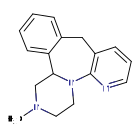
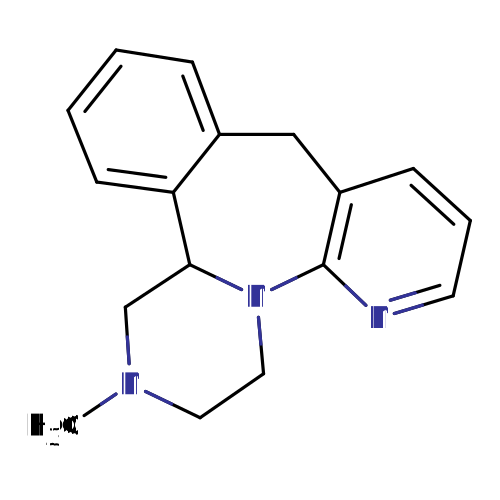
Structure for Mirtazapine (DB00370)
- Weight
- Average: 265.3529
Monoisotopic: 265.157897623 - Chemical Formula
- C17H19N3
- Synonyms
- 1,2,3,4,10,14b-Hexahydro-2-methylpyrazino(2,1-a)pyrido(2,3-c)benzazepine
- 6-Azamianserin
- Mepirzapine
- Mirtazapin
- Mirtazapina
- Mirtazapine
- Mirtazapinum
- External IDs
- Org 3770

Pharmacology
- Indication
This drug is indicated for the treatment of major depressive disorder and its associated symptoms.Label
Mirtazapine has been used off-label for a variety of conditions including panic disorder, generalized anxiety disorder, dysthymia, tension headaches, hot flushes, post-traumatic stress disorder (PTSD), sleep disorders, substance abuse disorders, and sexual disorders, among others.9,13
 Reduce drug development failure ratesBuild, train, & validate machine-learning modelswith evidence-based and structured datasets.Build, train, & validate predictive machine-learning models with structured datasets.
- Associated Conditions
Indication Type Indication Combined Product Details Approval Level Age Group Patient Characteristics Dose Form Treatment of Cancer pain ••• ••••• Symptomatic treatment of Depressive illness •••••••••••• ••••••• •••••• •••••••••••••• Treatment of Dysthymia ••• ••••• Treatment of Fibromyalgia ••• ••••• Symptomatic treatment of Generalized anxiety disorder (gad) ••• ••••• - Contraindications & Blackbox Warnings
 Prevent Adverse Drug Events TodayTap into our Clinical API for life-saving information on contraindications & blackbox warnings, population restrictions, harmful risks, & more.Avoid life-threatening adverse drug events with our Clinical API
- Pharmacodynamics
General effects and a note on suicidality
Mirtazapine is effective in treating moderate to severe depression and treats many symptoms normally associated with this condition. These symptoms may include disturbed sleep, lack of appetite, and anhedonia, in addition to anxiety.2,22,29. It is important to note that suicidal ideation and behavior may emerge or increase during treatment with mirtazapine, as with any other antidepressant. This risk is especially pronounced in younger individuals. Patients, medical professionals, and families should monitor for suicidal thoughts, worsening depression, anxiety, agitation, sleep changes, irritable behavior, aggression, impulsivity, restlessness, and other unusual behavior when this drug is taken or the dose is adjusted.Label Do not administer mirtazapine to children. When deciding to prescribe this drug, carefully consider the increased risk of suicidal thoughts and behavior, especially in young adults.Label
Effects on appetite and weight gain
In addition to the above effects, mirtazapine exerts stimulating effects on appetite, and has been used for increasing appetite and decreasing nausea in cancer patients.14,15 Some studies and case reports have shown that this drug improves eating habits and weight gain in patients suffering from anorexia nervosa when administered in conjunction with psychotherapy and/or other psychotropic drugs.16,23 In a clinical trial, women with depression experienced a clinically significant mean increase in body weight, fat mass, and concentrations of leptin when treated with mirtazapine for a 6-week period, with a lack of effect on glucose homeostasis.18
Effects on sleep
The use of mirtazapine to treat disordered sleep has been leveraged from its tendency to cause somnolence, which is a frequently experienced adverse effect by patients taking this drug.8,20,Label Mirtazapine has been shown to exert beneficial effects on sleep latency, duration, and quality due to its sedating properties.17 Insomnia is a common occurrence in patients with depression, and mirtazapine has been found to be efficacious in treating this condition.8
- Mechanism of action
Summary
The mechanism of action of mirtazapine is not fully understoodLabel but may be explained by its effects on central adrenergic and serotonergic activity. This drug exhibits a fast onset of action, a high level of response, a manageable side-effect profile, and dual noradrenergic and serotonergic effects that are unique from the effects of other antidepressants.9
Effects on various receptors
It has been shown that both noradrenergic and serotonergic activity increase following mirtazapine administration. The results of these studies demonstrate mirtazapine exerts antagonist activity at presynaptic α2-adrenergic inhibitory autoreceptors and heteroreceptors in the central nervous system. This is thought to lead to enhanced noradrenergic and serotonergic activity Label, which are known to improve the symptoms of depression and form the basis of antidepressant therapy.24,25
Mirtazapine is a strong antagonist of serotonin 5-HT2 and 5-HT3 receptors. It has not been found to bind significantly to the serotonin 5-HT1A and 5-HT1B receptors Label but indirectly increases 5-HT1A transmission.28
In addition to the above effects, mirtazapine is a peripheral α1-adrenergic antagonist. This action may explain episodes of orthostatic hypotension that have been reported after mirtazapine use.Label Mirtazapine is a potent histamine (H1) receptor antagonist, which may contribute to its powerful sedating effects.Label The pain-relieving effects of mirtazapine may be explained by its effects on opioid receptors.26,27
Target Actions Organism A5-hydroxytryptamine receptor 2A antagonistHumans A5HT3 serotonin receptor antagonistHumans AAlpha-2A adrenergic receptor antagonistHumans UAlpha-1 adrenergic receptors antagonistHumans U5-hydroxytryptamine receptor 2C antagonistHumans UKappa-type opioid receptor agonistHumans NHistamine H1 receptor antagonistHumans - Absorption
The absorption of this drug is rapid and complete.12,Label Due to first pass metabolism in the liver and metabolism in the gut wall, absolute bioavailability is about 50%.Label,12 Peak blood concentrations are attained within about 2 hours after an oral dose. Food has little effect on the absorption of mirtazapine, and no dose adjustment is required if it is taken with food.Label Steady-state levels are achieved by about 5 days after the initial dose.Label,12 Mirtazapine pharmacokinetics vary across gender and age range. Females and the elderly population have been shown to have higher blood concentrations in comparison to males and younger adults.12
- Volume of distribution
The volume of distribution after an oral steady-state dose was measured to be 107 ± 42L in a pharmacokinetic study.30
- Protein binding
- Metabolism
Mirtazapine is heavily metabolized in humans.Label Demethylation and hydroxylation and subsequent glucuronide conjugation are the major pathways by which mirtazapine is metabolized.12,Label Data from in vitro studies on human liver microsomes show that cytochrome 2D6 and 1A2 lead to the formation of the 8-hydroxy metabolite of mirtazapine. The CYP3A enzyme metabolizes this drug into its N-desmethyl and N-oxide metabolites. There are various other unconjugated metabolites of this drug that are pharmacologically active, but are measured in the blood at limited concentrations.Label,12
Hover over products below to view reaction partners
- Route of elimination
This drug is mainly excreted by the kidney. It is 75% eliminated in the urine and 15% eliminated in the feces.12
- Half-life
- Clearance
Total body clearance in males was found to be 31 L/h in a clinical pharmacokinetics study after intravenous administration.12
Clearance in elderly patients
Mirtazapine clearance is slower in the elderly than in younger subjects. Exercise caution when this drug is given to elderly patients. In a clinical trial, elderly males showed a marked decrease in mirtazapine clearance when compared to young males taking the same dose. This difference was less significant when clearance was compared between elderly females and younger females taking mirtazapine.Label
Clearance in hepatic and renal impairment
Patients with hepatic and renal impairment have decreased rates of clearance and dosage adjustments may be necessary for these patients.Label Moderate renal impairment and hepatic impairment cause about a 30% decrease in mirtazapine clearance. Severe renal impairment leads to a 50% decrease in mirtazapine clearance.12
- Adverse Effects
 Improve decision support & research outcomesWith structured adverse effects data, including: blackbox warnings, adverse reactions, warning & precautions, & incidence rates. View sample adverse effects data in our new Data Library!Improve decision support & research outcomes with our structured adverse effects data.
- Toxicity
LD50
Oral LD50 was 830 mg/kg in male Swiss mice 24 hours after being administered mirtazapine.36
Overdose information
Activated charcoal should be administered during an overdose to absorb excess mirtazapine. General supportive therapy should be employed, including maintenance of an adequate airway, oxygen therapy, and ventilation therapy. Vital signs and cardiac rhythm must be monitored. It is not advisable to induce vomiting. Gastric lavage with a large-bore orogastric tube with proper protection of the airway is recommended Label. There is no antidote for mirtazapine available currently.Label Consider the possibility of mirtazapine combined with other drugs in an overdose and ensure to contact the local poison control center for guidance on management.Label
Carcinogenesis
At higher than normal doses, mirtazapine increased the incidence of hepatocellular adenomas and carcinomas in male mice. The highest doses administered to the mice were about 20 and 12 times the maximum recommended human dose (MRHD).Label Hepatocellular tumors and thyroid follicular adenoma/cystadenomas in male rats occurred at an increased rate at a higher mirtazapine dose (60 mg/kg/day). In female rats, both the medium (20 mg/kg/day) and higher (60 mg/kg/day) doses of mirtazapine increased the rate of hepatocellular adenomas.Label The relevance of these findings in humans is not known at this time.Label
Impairment of Fertility
Mirtazapine was administered to rats at doses reaching 100 mg/kg (equivalent to 20 times the maximum recommended human dose) in a fertility study. There was no impact on mating and conception, however, there was a disturbance of reproductive (estrous) cycling at higher doses. These doses were measured to be at least 3 times the maximum recommended human dose. Loss of fetus before implantation in the uterus occurred when doses equivalent to 20 times the maximum recommended dose were administered.Label
Use in pregnancy
This drug is categorized as a pregnancy category C drug. No adequate studies in pregnant women have been conducted. In rats, an increased rate of post-implantation demise occurred with mirtazapine administration. Additionally, an increase in deaths of rat pups during the first 3 days of lactation with a decrease in pup birth weight was noted. Studies on animals are not always relevant to human response. Mirtazapine should be used during pregnancy only if the clinical need outweighs the possible risks to the fetus.Label
Use in nursing
Whether this drug is excreted in human milk is unknown.Label Many drugs are found excreted in human breast milk, therefore caution is advised if this drug is used during nursing.Label
- Pathways
Pathway Category Mirtazapine H1-Antihistamine Action Drug action - Pharmacogenomic Effects/ADRs
- Not Available
Interactions
- Drug Interactions
- This information should not be interpreted without the help of a healthcare provider. If you believe you are experiencing an interaction, contact a healthcare provider immediately. The absence of an interaction does not necessarily mean no interactions exist.
Drug Interaction Integrate drug-drug
interactions in your software1,2-Benzodiazepine 1,2-Benzodiazepine may increase the central nervous system depressant (CNS depressant) activities of Mirtazapine. Abametapir The serum concentration of Mirtazapine can be increased when it is combined with Abametapir. Abatacept The metabolism of Mirtazapine can be increased when combined with Abatacept. Abemaciclib The metabolism of Abemaciclib can be decreased when combined with Mirtazapine. Abiraterone The serum concentration of Mirtazapine can be increased when it is combined with Abiraterone. - Food Interactions
- Avoid alcohol.
- Take with or without food. Food does not significantly affect absorption.
Products
 Drug product information from 10+ global regionsOur datasets provide approved product information including:dosage, form, labeller, route of administration, and marketing period.Access drug product information from over 10 global regions.
- Product Ingredients
Ingredient UNII CAS InChI Key Mirtazapine hemihydrate 8Z5UNK8A61 Not Available Not applicable Mirtazapine hydrochloride 42CIX4573G 207516-99-2 SISMRXGXKXMBKT-UHFFFAOYSA-N - Product Images
- International/Other Brands
- Avanza (Schering-Plough) / Axit (Alphapharm) / Mirtabene (ratiopharm) / Mirtaz (Pinewood) / Mirtazon (Schering-Plough) / Norset (MSD France) / Promyrtil (Schering-Plough) / Remergil (Merck Sharp & Dohme) / Remergon (Organon) / Rexer (Schering-Plough) / Zispin (Organon)
- Brand Name Prescription Products
Name Dosage Strength Route Labeller Marketing Start Marketing End Region Image Co Mirtazapine Tablet 30 mg Oral Cobalt Laboratories 2006-03-23 2013-07-19 Canada 
Mirtazapine Tablet 30 mg Oral Sivem Pharmaceuticals Ulc 2020-10-22 Not applicable Canada Mirtazapine Tablet 15 mg Oral Sanis Health Inc 2023-10-12 Not applicable Canada Mirtazapine Tablet 15 mg Oral Sivem Pharmaceuticals Ulc 2020-10-22 Not applicable Canada Mirtazapine Tablet 30 mg Oral Meliapharm Inc 2004-04-14 2014-06-25 Canada - Generic Prescription Products
Name Dosage Strength Route Labeller Marketing Start Marketing End Region Image Apo-mirtazapine Tablet 45 mg Oral Apotex Corporation 2006-10-04 Not applicable Canada Apo-mirtazapine Tablet 30 mg Oral Apotex Corporation 2006-10-04 Not applicable Canada Apo-mirtazapine Tablet 15 mg Oral Apotex Corporation 2006-10-04 Not applicable Canada Auro-mirtazapine Tablet 15 mg Oral Auro Pharma Inc 2013-10-16 Not applicable Canada Auro-mirtazapine Tablet 45 mg Oral Auro Pharma Inc 2013-10-16 Not applicable Canada


Categories
- ATC Codes
- N06AX11 — Mirtazapine
- Drug Categories
- Adrenergic Agents
- Adrenergic alpha-2 Receptor Antagonists
- Adrenergic alpha-Antagonists
- Adrenergic Antagonists
- Agents that produce hypertension
- Anti-Anxiety Agents
- Antidepressive Agents
- Antidepressive Agents Indicated for Depression
- Antidepressive Agents, Second-Generation
- Antidepressive Agents, Tetracyclic
- Central Nervous System Agents
- Central Nervous System Depressants
- Cytochrome P-450 CYP1A2 Substrates
- Cytochrome P-450 CYP2D6 Substrates
- Cytochrome P-450 CYP3A Inhibitors
- Cytochrome P-450 CYP3A Substrates
- Cytochrome P-450 CYP3A4 Inhibitors
- Cytochrome P-450 CYP3A4 Inhibitors (weak)
- Cytochrome P-450 CYP3A4 Substrates
- Cytochrome P-450 Enzyme Inhibitors
- Cytochrome P-450 Substrates
- Heterocyclic Compounds, Fused-Ring
- Histamine Agents
- Histamine Antagonists
- Histamine H1 Antagonists
- Miscellaneous Antidepressants
- Nervous System
- Neurotransmitter Agents
- Potential QTc-Prolonging Agents
- Psychoanaleptics
- Psychotropic Drugs
- QTc Prolonging Agents
- Serotonergic Drugs Shown to Increase Risk of Serotonin Syndrome
- Serotonin 5-HT2 Receptor Antagonists
- Serotonin 5-HT2A Receptor Antagonists
- Serotonin 5-HT2C Receptor Antagonists
- Serotonin 5-HT3 Receptor Antagonists
- Serotonin Agents
- Serotonin Modulators
- Serotonin Receptor Antagonists
- Tranquilizing Agents
- Chemical TaxonomyProvided by Classyfire
- Description
- This compound belongs to the class of organic compounds known as piperazinoazepines. These are compounds containing a piperazinoazepine skeleton, which consists of an azepine ring fused to a piperazine.
- Kingdom
- Organic compounds
- Super Class
- Organoheterocyclic compounds
- Class
- Piperazinoazepines
- Sub Class
- Not Available
- Direct Parent
- Piperazinoazepines
- Alternative Parents
- Benzazepines / Dialkylarylamines / N-methylpiperazines / Azepines / Aralkylamines / Pyridines and derivatives / Imidolactams / Benzenoids / Heteroaromatic compounds / Trialkylamines show 3 more
- Substituents
- 1,4-diazinane / Amine / Aralkylamine / Aromatic heteropolycyclic compound / Azacycle / Azepine / Benzazepine / Benzenoid / Dialkylarylamine / Heteroaromatic compound show 12 more
- Molecular Framework
- Aromatic heteropolycyclic compounds
- External Descriptors
- benzazepine, tetracyclic antidepressant (CHEBI:6950)
- Affected organisms
- Humans and other mammals
Chemical Identifiers
- UNII
- A051Q2099Q
- CAS number
- 85650-52-8
- InChI Key
- RONZAEMNMFQXRA-UHFFFAOYSA-N
- InChI
- InChI=1S/C17H19N3/c1-19-9-10-20-16(12-19)15-7-3-2-5-13(15)11-14-6-4-8-18-17(14)20/h2-8,16H,9-12H2,1H3
- IUPAC Name
- 5-methyl-2,5,19-triazatetracyclo[13.4.0.0^{2,7}.0^{8,13}]nonadeca-1(15),8,10,12,16,18-hexaene
- SMILES
- CN1CCN2C(C1)C1=CC=CC=C1CC1=C2N=CC=C1
References
- Synthesis Reference
Leonid Metzger, "Methods for the preparation of mirtazapine intermediates." U.S. Patent US20020165238, issued November 07, 2002.
US20020165238- General References
- Gillman PK: A systematic review of the serotonergic effects of mirtazapine in humans: implications for its dual action status. Hum Psychopharmacol. 2006 Mar;21(2):117-25. [Article]
- Burrows GD, Kremer CM: Mirtazapine: clinical advantages in the treatment of depression. J Clin Psychopharmacol. 1997 Apr;17 Suppl 1:34S-39S. [Article]
- Velazquez C, Carlson A, Stokes KA, Leikin JB: Relative safety of mirtazapine overdose. Vet Hum Toxicol. 2001 Dec;43(6):342-4. [Article]
- Gorman JM: Mirtazapine: clinical overview. J Clin Psychiatry. 1999;60 Suppl 17:9-13; discussion 46-8. [Article]
- Baldwin DS, Anderson IM, Nutt DJ, Bandelow B, Bond A, Davidson JR, den Boer JA, Fineberg NA, Knapp M, Scott J, Wittchen HU: Evidence-based guidelines for the pharmacological treatment of anxiety disorders: recommendations from the British Association for Psychopharmacology. J Psychopharmacol. 2005 Nov;19(6):567-96. [Article]
- Fawcett J, Barkin RL: Review of the results from clinical studies on the efficacy, safety and tolerability of mirtazapine for the treatment of patients with major depression. J Affect Disord. 1998 Dec;51(3):267-85. [Article]
- Nutt DJ: Tolerability and safety aspects of mirtazapine. Hum Psychopharmacol. 2002 Jun;17 Suppl 1:S37-41. doi: 10.1002/hup.388. [Article]
- Croom KF, Perry CM, Plosker GL: Mirtazapine: a review of its use in major depression and other psychiatric disorders. CNS Drugs. 2009;23(5):427-52. doi: 10.2165/00023210-200923050-00006. [Article]
- Alam A, Voronovich Z, Carley JA: A review of therapeutic uses of mirtazapine in psychiatric and medical conditions. Prim Care Companion CNS Disord. 2013;15(5). pii: 13r01525. doi: 10.4088/PCC.13r01525. Epub 2013 Oct 10. [Article]
- Watanabe N, Omori IM, Nakagawa A, Cipriani A, Barbui C, McGuire H, Churchill R, Furukawa TA: Mirtazapine versus other antidepressants in the acute-phase treatment of adults with major depression: systematic review and meta-analysis. J Clin Psychiatry. 2008 Sep;69(9):1404-15. [Article]
- Segers K, Surquin M: Can mirtazapine counteract the weight loss associated with Alzheimer disease? A retrospective open-label study. Alzheimer Dis Assoc Disord. 2014 Jul-Sep;28(3):291-3. doi: 10.1097/WAD.0b013e3182614f52. [Article]
- Timmer CJ, Sitsen JM, Delbressine LP: Clinical pharmacokinetics of mirtazapine. Clin Pharmacokinet. 2000 Jun;38(6):461-74. doi: 10.2165/00003088-200038060-00001. [Article]
- San L, Arranz B: Mirtazapine: only for depression? Acta Neuropsychiatr. 2006 Jun;18(3-4):130-43. doi: 10.1111/j.1601-5215.2006.00143.x. [Article]
- Ito T, Okubo Y, Roth A: [Efficacy of mirtazapine for appetite loss and nausea of the cancer patient--from clinical experience in Memorial Sloan-Kettering Cancer Center]. Gan To Kagaku Ryoho. 2009 Apr;36(4):623-6. [Article]
- Shibahara H, Ito T, Uematsu N, Imai E, Nishimura D: [Low-dose mirtazapine improved nausea and appetite loss during S-1 therapy]. Gan To Kagaku Ryoho. 2012 Jan;39(1):143-5. [Article]
- Marvanova M, Gramith K: Role of antidepressants in the treatment of adults with anorexia nervosa. Ment Health Clin. 2018 Apr 26;8(3):127-137. doi: 10.9740/mhc.2018.05.127. eCollection 2018 May. [Article]
- Dolder CR, Nelson MH, Iler CA: The effects of mirtazapine on sleep in patients with major depressive disorder. Ann Clin Psychiatry. 2012 Aug;24(3):215-24. [Article]
- Laimer M, Kramer-Reinstadler K, Rauchenzauner M, Lechner-Schoner T, Strauss R, Engl J, Deisenhammer EA, Hinterhuber H, Patsch JR, Ebenbichler CF: Effect of mirtazapine treatment on body composition and metabolism. J Clin Psychiatry. 2006 Mar;67(3):421-4. [Article]
- Tylee A, Walters P: Onset of action of antidepressants. BMJ. 2007 May 5;334(7600):911-2. doi: 10.1136/bmj.39197.619190.80. [Article]
- Barkin RL, Chor PN, Braun BG, Schwer WA: A Trilogy Case Review Highlighting the Clinical and Pharmacologic Applications of Mirtazapine in Reducing Polypharmacy for Anxiety, Agitation, Insomnia, Depression, and Sexual Dysfunction. Prim Care Companion J Clin Psychiatry. 1999 Oct;1(5):142-145. [Article]
- Lavergne F, Berlin I, Gamma A, Stassen H, Angst J: Onset of improvement and response to mirtazapine in depression: a multicenter naturalistic study of 4771 patients. Neuropsychiatr Dis Treat. 2005 Mar;1(1):59-68. [Article]
- Belujon P, Grace AA: Dopamine System Dysregulation in Major Depressive Disorders. Int J Neuropsychopharmacol. 2017 Dec 1;20(12):1036-1046. doi: 10.1093/ijnp/pyx056. [Article]
- Safer DL, Darcy AM, Lock J: Use of mirtazapine in an adult with refractory anorexia nervosa and comorbid depression: a case report. Int J Eat Disord. 2011 Mar;44(2):178-81. doi: 10.1002/eat.20793. [Article]
- Blier P, El Mansari M: Serotonin and beyond: therapeutics for major depression. Philos Trans R Soc Lond B Biol Sci. 2013 Feb 25;368(1615):20120536. doi: 10.1098/rstb.2012.0536. Print 2013. [Article]
- Maletic V, Eramo A, Gwin K, Offord SJ, Duffy RA: The Role of Norepinephrine and Its alpha-Adrenergic Receptors in the Pathophysiology and Treatment of Major Depressive Disorder and Schizophrenia: A Systematic Review. Front Psychiatry. 2017 Mar 17;8:42. doi: 10.3389/fpsyt.2017.00042. eCollection 2017. [Article]
- Schreiber S, Rigai T, Katz Y, Pick CG: The antinociceptive effect of mirtazapine in mice is mediated through serotonergic, noradrenergic and opioid mechanisms. Brain Res Bull. 2002 Sep 30;58(6):601-5. [Article]
- Peckham AM, De La Cruz A, Dufresne RL: Kappa opioid receptor antagonism: Are opioids the answer for treatment resistant depression? Ment Health Clin. 2018 Jun 29;8(4):175-183. doi: 10.9740/mhc.2018.07.175. eCollection 2018 Jul. [Article]
- Anttila SA, Leinonen EV: A review of the pharmacological and clinical profile of mirtazapine. CNS Drug Rev. 2001 Fall;7(3):249-64. [Article]
- Talha N. Jilani; Abdolreza Saadabadi (2019). Mirtazapine. StatPearls Publishing.
- Bioavailability of mirtazapine from Remeron® tablets after single and multiple oral dosing [Link]
- Remeron approval, 1997 [Link]
- Mirtazapine: A Newer Antidepressant, American Family Physician (AFP) [Link]
- Remeron (Mirtazapine) FDA Label [Link]
- FDA Approved Drug Products: REMERON/REMERONSolTab (mirtazapine) tablets [Link]
- Health Canada Product Monograph: REMERON RD (mirtazapine) tablets [Link]
- Monograph, Mylan mirtazapine [File]
- External Links
- Human Metabolome Database
- HMDB0014514
- KEGG Drug
- D00563
- KEGG Compound
- C07570
- PubChem Compound
- 4205
- PubChem Substance
- 46506965
- ChemSpider
- 4060
- BindingDB
- 50115644
- 15996
- ChEBI
- 6950
- ChEMBL
- CHEMBL654
- Therapeutic Targets Database
- DAP000010
- PharmGKB
- PA450522
- RxList
- RxList Drug Page
- Drugs.com
- Drugs.com Drug Page
- PDRhealth
- PDRhealth Drug Page
- Wikipedia
- Mirtazapine
- FDA label
- Download (310 KB)
- MSDS
- Download (57.2 KB)
Clinical Trials
- Clinical Trials
Phase Status Purpose Conditions Count 4 Completed Not Available Major Depressive Disorder (MDD) 1 4 Completed Diagnostic Affective Disorders / Depressive Disorder / Moods Disorders / Psychiatric Disorder NOS 1 4 Completed Other Healthy (Controls) / Major Depressive Disorder (MDD) 1 4 Completed Prevention Agitation 1 4 Completed Prevention Post Operative Nausea and Vomiting (PONV) 1
Pharmacoeconomics
- Manufacturers
- Actavis totowa llc
- Aurobindo pharma ltd inc
- Teva pharmaceuticals usa inc
- Watson laboratories inc
- Organon usa inc
- Actavis elizabeth llc
- Alphapharm party ltd
- Apotex inc etobicoke site
- Aurobindo pharma ltd
- Caraco pharmaceutical laboratories ltd
- Ivax pharmaceuticals inc sub teva pharmaceuticals usa
- Mylan pharmaceuticals inc
- Roxane laboratories inc
- Sandoz inc
- Watson laboratories inc florida
- Packagers
- Alphapharm Party Ltd.
- Amerisource Health Services Corp.
- Amkas Laboratories Inc.
- Apotex Inc.
- A-S Medication Solutions LLC
- Aurobindo Pharma Ltd.
- Aurolife Pharma LLC
- Barr Pharmaceuticals
- Bryant Ranch Prepack
- Caraco Pharmaceutical Labs
- Cardinal Health
- Cima Laboratories Inc.
- Coupler Enterprises Inc.
- Dept Health Central Pharmacy
- Dispensing Solutions
- Diversified Healthcare Services Inc.
- Eon Labs
- GE Healthcare Inc.
- Greenstone LLC
- Heartland Repack Services LLC
- Innoviant Pharmacy Inc.
- Kaiser Foundation Hospital
- Keltman Pharmaceuticals Inc.
- Murfreesboro Pharmaceutical Nursing Supply
- Mylan
- Neuman Distributors Inc.
- Novopharm Ltd.
- Nucare Pharmaceuticals Inc.
- Organon Pharmaceuticals
- Par Pharmaceuticals
- Patheon Inc.
- Physicians Total Care Inc.
- Prasco Labs
- Prepackage Specialists
- Prepak Systems Inc.
- Rebel Distributors Corp.
- Remedy Repack
- Resource Optimization and Innovation LLC
- Schering-Plough Inc.
- Southwood Pharmaceuticals
- Stat Rx Usa
- Teva Pharmaceutical Industries Ltd.
- Tya Pharmaceuticals
- UDL Laboratories
- Vangard Labs Inc.
- Watson Pharmaceuticals
- Dosage Forms
Form Route Strength Tablet, film coated Oral 30 mg Tablet Oral Tablet Oral 15.000 mg Tablet, coated Oral 30 mg Tablet, film coated Oral 45 MG Tablet, coated Oral 3000000 mg Tablet, film coated Oral 15 mg Tablet, orally disintegrating Oral Tablet, soluble Oral 30 mg Tablet Oral 1500000 mg Tablet Oral 30 mg Tablet, coated Oral 45 mg Powder Not applicable 1 kg/1kg Tablet Oral 15 mg/1 Tablet Oral 30 mg/1 Tablet Oral 45 mg/1 Tablet Oral 7.5 mg/1 Tablet, film coated Oral 15 mg/1 Tablet, film coated Oral 30 mg/1 Tablet, film coated Oral 45 mg/1 Tablet, film coated Oral 7.5 mg/1 Tablet, orally disintegrating Oral 15 mg/1 Tablet, orally disintegrating Oral 30 mg/1 Tablet, orally disintegrating Oral 45 mg/1 Tablet, orally disintegrating Oral 15.0 mg Tablet, orally disintegrating Oral 30.0 mg Tablet, film coated Oral Injection, solution, concentrate Intravenous 15 mg/5ml Injection, solution, concentrate Intravenous 6 mg/2ml Tablet, effervescent Tablet Oral 45 mg Injection, solution, concentrate Intravenous 3 MG/ML Solution Oral 15 MG/ML Tablet, orally disintegrating Oral 45 mg Tablet Oral 15 mg Tablet Oral 30.000 mg Tablet, orally disintegrating Oral 15 mg Tablet, orally disintegrating Oral 30 mg - Prices
Unit description Cost Unit Remeron SolTab 30 45 mg Dispersible Tablet Box 114.4USD box Remeron SolTab 30 15 mg Dispersible Tablet Box 107.58USD box Remeron SolTab 30 30 mg Dispersible Tablet Box 107.27USD box Mirtazapine 30 45 mg Dispersible Tablet Box 88.95USD box Mirtazapine 30 30 mg Dispersible Tablet Box 83.48USD box Mirtazapine 30 15 mg Dispersible Tablet Box 81.02USD box Remeron 45 mg tablet 4.61USD tablet Remeron 15 mg tablet 4.42USD tablet Remeron 45 mg soltab 3.57USD tablet Remeron 30 mg soltab 3.55USD tablet Remeron 30 mg tablet 3.47USD tablet Remeron 15 mg soltab 3.26USD tablet Mirtazapine 45 mg tablet 2.91USD tablet Mirtazapine 30 mg tablet 2.85USD tablet Mirtazapine 15 mg tablet 2.77USD tablet Mirtazapine 7.5 mg tablet 2.56USD tablet Apo-Mirtazapine 30 mg Tablet 0.73USD tablet Mylan-Mirtazapine 30 mg Tablet 0.73USD tablet Novo-Mirtazapine 30 mg Tablet 0.73USD tablet Phl-Mirtazapine 30 mg Tablet 0.73USD tablet Pms-Mirtazapine 30 mg Tablet 0.73USD tablet Ratio-Mirtazapine 30 mg Tablet 0.73USD tablet Sandoz Mirtazapine 30 mg Tablet 0.73USD tablet Pms-Mirtazapine 15 mg Tablet 0.39USD tablet DrugBank does not sell nor buy drugs. Pricing information is supplied for informational purposes only.- Patents
Patent Number Pediatric Extension Approved Expires (estimated) Region US5178878 No 1993-01-12 2010-01-12 US 
CA2386547 No 2010-06-08 2020-10-09 Canada
Properties
- State
- Solid
- Experimental Properties
Property Value Source melting point (°C) 114-116 °C https://www.chemicalbook.com/ChemicalProductProperty_US_CB0463388.aspx boiling point (°C) 432.4 https://www.lookchem.com/Mirtazapine/ water solubility slightly soluble in water https://www.accessdata.fda.gov/drugsatfda_docs/label/2010/020415s023s024.pdf logP 2.9 http://sitem.herts.ac.uk/aeru/vsdb/Reports/2980.htm pKa 7.7 https://www.ncbi.nlm.nih.gov/pmc/articles/PMC2825368/ - Predicted Properties
Property Value Source Water Solubility 1.1 mg/mL ALOGPS logP 2.9 ALOGPS logP 3.21 Chemaxon logS -2.4 ALOGPS pKa (Strongest Basic) 6.67 Chemaxon Physiological Charge 0 Chemaxon Hydrogen Acceptor Count 3 Chemaxon Hydrogen Donor Count 0 Chemaxon Polar Surface Area 19.37 Å2 Chemaxon Rotatable Bond Count 0 Chemaxon Refractivity 82.66 m3·mol-1 Chemaxon Polarizability 30.4 Å3 Chemaxon Number of Rings 4 Chemaxon Bioavailability 1 Chemaxon Rule of Five Yes Chemaxon Ghose Filter Yes Chemaxon Veber's Rule Yes Chemaxon MDDR-like Rule No Chemaxon - Predicted ADMET Features
Property Value Probability Human Intestinal Absorption + 0.9873 Blood Brain Barrier + 0.9855 Caco-2 permeable + 0.7283 P-glycoprotein substrate Substrate 0.8462 P-glycoprotein inhibitor I Inhibitor 0.6148 P-glycoprotein inhibitor II Non-inhibitor 0.8975 Renal organic cation transporter Inhibitor 0.7956 CYP450 2C9 substrate Non-substrate 0.7988 CYP450 2D6 substrate Substrate 0.7894 CYP450 3A4 substrate Non-substrate 0.5148 CYP450 1A2 substrate Inhibitor 0.8503 CYP450 2C9 inhibitor Non-inhibitor 0.6675 CYP450 2D6 inhibitor Inhibitor 0.7222 CYP450 2C19 inhibitor Non-inhibitor 0.6206 CYP450 3A4 inhibitor Non-inhibitor 0.8309 CYP450 inhibitory promiscuity Low CYP Inhibitory Promiscuity 0.6031 Ames test Non AMES toxic 0.8079 Carcinogenicity Non-carcinogens 0.9742 Biodegradation Not ready biodegradable 0.9919 Rat acute toxicity 2.5197 LD50, mol/kg Not applicable hERG inhibition (predictor I) Weak inhibitor 0.7532 hERG inhibition (predictor II) Inhibitor 0.7455
Spectra
- Mass Spec (NIST)
- Not Available
- Spectra
- Chromatographic Properties
Collision Cross Sections (CCS)
Adduct CCS Value (Å2) Source type Source [M-H]- 169.0243326 predictedDarkChem Lite v0.1.0 [M-H]- 158.14867 predictedDeepCCS 1.0 (2019) [M+H]+ 170.5250326 predictedDarkChem Lite v0.1.0 [M+H]+ 160.50667 predictedDeepCCS 1.0 (2019) [M+Na]+ 169.0770326 predictedDarkChem Lite v0.1.0 [M+Na]+ 166.59982 predictedDeepCCS 1.0 (2019)
Targets

- Kind
- Protein
- Organism
- Humans
- Pharmacological action
- Yes
- Actions
- Antagonist
- General Function
- Virus receptor activity
- Specific Function
- G-protein coupled receptor for 5-hydroxytryptamine (serotonin). Also functions as a receptor for various drugs and psychoactive substances, including mescaline, psilocybin, 1-(2,5-dimethoxy-4-iodop...
- Gene Name
- HTR2A
- Uniprot ID
- P28223
- Uniprot Name
- 5-hydroxytryptamine receptor 2A
- Molecular Weight
- 52602.58 Da
References
- Waldinger MD, Berendsen HH, Schweitzer DH: Treatment of hot flushes with mirtazapine: four case reports. Maturitas. 2000 Oct 31;36(3):165-8. [Article]
- Pawlyk AC, Cosmi S, Alfinito PD, Maswood N, Deecher DC: Effects of the 5-HT2A antagonist mirtazapine in rat models of thermoregulation. Brain Res. 2006 Dec 6;1123(1):135-44. doi: 10.1016/j.brainres.2006.09.050. Epub 2006 Oct 24. [Article]
- Celada P, Puig M, Amargos-Bosch M, Adell A, Artigas F: The therapeutic role of 5-HT1A and 5-HT2A receptors in depression. J Psychiatry Neurosci. 2004 Jul;29(4):252-65. [Article]
- Remeron tablets FDA label [File]
- Kind
- Protein
- Organism
- Humans
- Pharmacological action
- Yes
- Actions
- Antagonist
- General Function
- Not Available
- Specific Function
- Not Available
- Gene Name
- Not Available
- Uniprot ID
- Q9UE69
- Uniprot Name
- 5HT3 serotonin receptor
- Molecular Weight
- 1285.6 Da
References
- Thompson AJ, Lummis SC: The 5-HT3 receptor as a therapeutic target. Expert Opin Ther Targets. 2007 Apr;11(4):527-40. doi: 10.1517/14728222.11.4.527 . [Article]
- Bell SN, Campbell PE, Cole WG, Menelaus MB: Tibia vara caused by focal fibrocartilaginous dysplasia. Three case reports. J Bone Joint Surg Br. 1985 Nov;67(5):780-4. [Article]
- Davis R, Wilde MI: Mirtazapine : A Review of its Pharmacology and Therapeutic Potential in the Management of Major Depression. CNS Drugs. 1996 May;5(5):389-402. doi: 10.2165/00023210-199605050-00007. [Article]
- Rogoz Z, Wrobel A, Dlaboga D, Maj J, Dziedzicka-Wasylewska M: Effect of repeated treatment with mirtazapine on the central alpha1-adrenergic receptors. J Physiol Pharmacol. 2002 Mar;53(1):105-16. [Article]
- Kind
- Protein
- Organism
- Humans
- Pharmacological action
- Yes
- Actions
- Antagonist
- General Function
- Thioesterase binding
- Specific Function
- Alpha-2 adrenergic receptors mediate the catecholamine-induced inhibition of adenylate cyclase through the action of G proteins. The rank order of potency for agonists of this receptor is oxymetazo...
- Gene Name
- ADRA2A
- Uniprot ID
- P08913
- Uniprot Name
- Alpha-2A adrenergic receptor
- Molecular Weight
- 48956.275 Da
References
- Garcia-Sevilla JA, Ventayol P, Perez V, Rubovszky G, Puigdemont D, Ferrer-Alcon M, Andreoli A, Guimon J, Alvarez E: Regulation of platelet alpha 2A-adrenoceptors, Gi proteins and receptor kinases in major depression: effects of mirtazapine treatment. Neuropsychopharmacology. 2004 Mar;29(3):580-8. [Article]
- Anttila SA, Leinonen EV: A review of the pharmacological and clinical profile of mirtazapine. CNS Drug Rev. 2001 Fall;7(3):249-64. [Article]
- de Boer T: The effects of mirtazapine on central noradrenergic and serotonergic neurotransmission. Int Clin Psychopharmacol. 1995 Dec;10 Suppl 4:19-23. [Article]
- Haddjeri N, Blier P, de Montigny C: Effects of long-term treatment with the alpha 2-adrenoceptor antagonist mirtazapine on 5-HT neurotransmission. Naunyn Schmiedebergs Arch Pharmacol. 1997 Jan;355(1):20-9. [Article]
- Lee HY, Kang RH, Paik JW, Jeong YJ, Chang HS, Han SW, Lee MS: Association of the adrenergic alpha 2a receptor--1291C/G polymorphism with weight change and treatment response to mirtazapine in patients with major depressive disorder. Brain Res. 2009 Mar 25;1262:1-6. doi: 10.1016/j.brainres.2009.01.013. Epub 2009 Jan 20. [Article]
- Remeron tablets FDA label [File]
- Kind
- Protein group
- Organism
- Humans
- Pharmacological action
- Unknown
- Actions
- Antagonist
- General Function
- Protein heterodimerization activity
- Specific Function
- This alpha-adrenergic receptor mediates its action by association with G proteins that activate a phosphatidylinositol-calcium second messenger system. Its effect is mediated by G(q) and G(11) prot...
Components:
| Name | UniProt ID |
|---|---|
| Alpha-1A adrenergic receptor | P35348 |
| Alpha-1B adrenergic receptor | P35368 |
| Alpha-1D adrenergic receptor | P25100 |
References
- Kind
- Protein
- Organism
- Humans
- Pharmacological action
- Unknown
- Actions
- Antagonist
- General Function
- Serotonin receptor activity
- Specific Function
- G-protein coupled receptor for 5-hydroxytryptamine (serotonin). Also functions as a receptor for various drugs and psychoactive substances, including ergot alkaloid derivatives, 1-2,5,-dimethoxy-4-...
- Gene Name
- HTR2C
- Uniprot ID
- P28335
- Uniprot Name
- 5-hydroxytryptamine receptor 2C
- Molecular Weight
- 51820.705 Da
References
- Benelli A, Frigeri C, Bertolini A, Genedani S: Influence of mirtazapine on the sexual behavior of male rats. Psychopharmacology (Berl). 2004 Jan;171(3):250-8. Epub 2003 Nov 13. [Article]
- Millan MJ, Gobert A, Rivet JM, Adhumeau-Auclair A, Cussac D, Newman-Tancredi A, Dekeyne A, Nicolas JP, Lejeune F: Mirtazapine enhances frontocortical dopaminergic and corticolimbic adrenergic, but not serotonergic, transmission by blockade of alpha2-adrenergic and serotonin2C receptors: a comparison with citalopram. Eur J Neurosci. 2000 Mar;12(3):1079-95. [Article]
- Meert TF, Melis W, Aerts N, Clincke G: Antagonism of meta-chlorophenylpiperazine-induced inhibition of exploratory activity in an emergence procedure, the open field test, in rats. Behav Pharmacol. 1997 Aug;8(4):353-63. [Article]
- Millan MJ: Serotonin 5-HT2C receptors as a target for the treatment of depressive and anxious states: focus on novel therapeutic strategies. Therapie. 2005 Sep-Oct;60(5):441-60. [Article]
- Dekeyne A, Iob L, Millan MJ: Following long-term training with citalopram, both mirtazapine and mianserin block its discriminative stimulus properties in rats. Psychopharmacology (Berl). 2001 Jan;153(3):389-92. [Article]
- Remeron tablets FDA label [File]
- Kind
- Protein
- Organism
- Humans
- Pharmacological action
- Unknown
- Actions
- Agonist
- Curator comments
- This is a potential target.
- General Function
- Opioid receptor activity
- Specific Function
- G-protein coupled opioid receptor that functions as receptor for endogenous alpha-neoendorphins and dynorphins, but has low affinity for beta-endorphins. Also functions as receptor for various synt...
- Gene Name
- OPRK1
- Uniprot ID
- P41145
- Uniprot Name
- Kappa-type opioid receptor
- Molecular Weight
- 42644.665 Da
References
- Schreiber S, Rigai T, Katz Y, Pick CG: The antinociceptive effect of mirtazapine in mice is mediated through serotonergic, noradrenergic and opioid mechanisms. Brain Res Bull. 2002 Sep 30;58(6):601-5. [Article]
- Olianas MC, Dedoni S, Onali P: The atypical antidepressant mianserin exhibits agonist activity at kappa-opioid receptors. Br J Pharmacol. 2012 Nov;167(6):1329-41. doi: 10.1111/j.1476-5381.2012.02078.x. [Article]
- Peckham AM, De La Cruz A, Dufresne RL: Kappa opioid receptor antagonism: Are opioids the answer for treatment resistant depression? Ment Health Clin. 2018 Jun 29;8(4):175-183. doi: 10.9740/mhc.2018.07.175. eCollection 2018 Jul. [Article]
- Kind
- Protein
- Organism
- Humans
- Pharmacological action
- No
- Actions
- Antagonist
- General Function
- Histamine receptor activity
- Specific Function
- In peripheral tissues, the H1 subclass of histamine receptors mediates the contraction of smooth muscles, increase in capillary permeability due to contraction of terminal venules, and catecholamin...
- Gene Name
- HRH1
- Uniprot ID
- P35367
- Uniprot Name
- Histamine H1 receptor
- Molecular Weight
- 55783.61 Da
References
- Vande Griend JP, Anderson SL: Histamine-1 receptor antagonism for treatment of insomnia. J Am Pharm Assoc (2003). 2012;52(6):e210-9. doi: 10.1331/JAPhA.2012.12051. [Article]
- Salvi V, Mencacci C, Barone-Adesi F: H1-histamine receptor affinity predicts weight gain with antidepressants. Eur Neuropsychopharmacol. 2016 Oct;26(10):1673-7. doi: 10.1016/j.euroneuro.2016.08.012. Epub 2016 Sep 1. [Article]
- Sato H, Ito C, Tashiro M, Hiraoka K, Shibuya K, Funaki Y, Iwata R, Matsuoka H, Yanai K: Histamine H(1) receptor occupancy by the new-generation antidepressants fluvoxamine and mirtazapine: a positron emission tomography study in healthy volunteers. Psychopharmacology (Berl). 2013 Nov;230(2):227-34. doi: 10.1007/s00213-013-3146-1. Epub 2013 Jun 1. [Article]
- Remeron tablets FDA label [File]
Enzymes
- Kind
- Protein
- Organism
- Humans
- Pharmacological action
- Unknown
- Actions
- SubstrateInhibitor
- General Function
- Vitamin d3 25-hydroxylase activity
- Specific Function
- Cytochromes P450 are a group of heme-thiolate monooxygenases. In liver microsomes, this enzyme is involved in an NADPH-dependent electron transport pathway. It performs a variety of oxidation react...
- Gene Name
- CYP3A4
- Uniprot ID
- P08684
- Uniprot Name
- Cytochrome P450 3A4
- Molecular Weight
- 57342.67 Da
References
- Anttila SA, Leinonen EV: A review of the pharmacological and clinical profile of mirtazapine. CNS Drug Rev. 2001 Fall;7(3):249-64. [Article]
- Stormer E, von Moltke LL, Shader RI, Greenblatt DJ: Metabolism of the antidepressant mirtazapine in vitro: contribution of cytochromes P-450 1A2, 2D6, and 3A4. Drug Metab Dispos. 2000 Oct;28(10):1168-75. [Article]
- Owen JR, Nemeroff CB: New antidepressants and the cytochrome P450 system: focus on venlafaxine, nefazodone, and mirtazapine. Depress Anxiety. 1998;7 Suppl 1:24-32. [Article]
- Remeron tablets FDA label [File]
- Kind
- Protein
- Organism
- Humans
- Pharmacological action
- Unknown
- Actions
- Substrate
- General Function
- Steroid hydroxylase activity
- Specific Function
- Responsible for the metabolism of many drugs and environmental chemicals that it oxidizes. It is involved in the metabolism of drugs such as antiarrhythmics, adrenoceptor antagonists, and tricyclic...
- Gene Name
- CYP2D6
- Uniprot ID
- P10635
- Uniprot Name
- Cytochrome P450 2D6
- Molecular Weight
- 55768.94 Da
References
- Anttila SA, Leinonen EV: A review of the pharmacological and clinical profile of mirtazapine. CNS Drug Rev. 2001 Fall;7(3):249-64. [Article]
- Stormer E, von Moltke LL, Shader RI, Greenblatt DJ: Metabolism of the antidepressant mirtazapine in vitro: contribution of cytochromes P-450 1A2, 2D6, and 3A4. Drug Metab Dispos. 2000 Oct;28(10):1168-75. [Article]
- Kirchheiner J, Henckel HB, Meineke I, Roots I, Brockmoller J: Impact of the CYP2D6 ultrarapid metabolizer genotype on mirtazapine pharmacokinetics and adverse events in healthy volunteers. J Clin Psychopharmacol. 2004 Dec;24(6):647-52. [Article]
- Remeron tablets FDA label [File]
- Kind
- Protein
- Organism
- Humans
- Pharmacological action
- Unknown
- Actions
- Substrate
- General Function
- Oxidoreductase activity, acting on paired donors, with incorporation or reduction of molecular oxygen, reduced flavin or flavoprotein as one donor, and incorporation of one atom of oxygen
- Specific Function
- Cytochromes P450 are a group of heme-thiolate monooxygenases. In liver microsomes, this enzyme is involved in an NADPH-dependent electron transport pathway. It oxidizes a variety of structurally un...
- Gene Name
- CYP1A2
- Uniprot ID
- P05177
- Uniprot Name
- Cytochrome P450 1A2
- Molecular Weight
- 58293.76 Da
References
- Anttila SA, Leinonen EV: A review of the pharmacological and clinical profile of mirtazapine. CNS Drug Rev. 2001 Fall;7(3):249-64. [Article]
- Stormer E, von Moltke LL, Shader RI, Greenblatt DJ: Metabolism of the antidepressant mirtazapine in vitro: contribution of cytochromes P-450 1A2, 2D6, and 3A4. Drug Metab Dispos. 2000 Oct;28(10):1168-75. [Article]
- Owen JR, Nemeroff CB: New antidepressants and the cytochrome P450 system: focus on venlafaxine, nefazodone, and mirtazapine. Depress Anxiety. 1998;7 Suppl 1:24-32. [Article]
- Mirtazapine FDA label [File]
Transporters
- Kind
- Protein
- Organism
- Humans
- Pharmacological action
- Unknown
- Actions
- SubstrateInhibitor
- General Function
- Serotonin:sodium symporter activity
- Specific Function
- Serotonin transporter whose primary function in the central nervous system involves the regulation of serotonergic signaling via transport of serotonin molecules from the synaptic cleft back into t...
- Gene Name
- SLC6A4
- Uniprot ID
- P31645
- Uniprot Name
- Sodium-dependent serotonin transporter
- Molecular Weight
- 70324.165 Da
References
- Kang RH, Wong ML, Choi MJ, Paik JW, Lee MS: Association study of the serotonin transporter promoter polymorphism and mirtazapine antidepressant response in major depressive disorder. Prog Neuropsychopharmacol Biol Psychiatry. 2007 Aug 15;31(6):1317-21. doi: 10.1016/j.pnpbp.2007.05.018. Epub 2007 Jun 7. [Article]
- Lundberg J, Tiger M, Landen M, Halldin C, Farde L: Serotonin transporter occupancy with TCAs and SSRIs: a PET study in patients with major depressive disorder. Int J Neuropsychopharmacol. 2012 Sep;15(8):1167-72. doi: 10.1017/S1461145711001945. Epub 2012 Jan 16. [Article]
- Domschke K, Tidow N, Schwarte K, Deckert J, Lesch KP, Arolt V, Zwanzger P, Baune BT: Serotonin transporter gene hypomethylation predicts impaired antidepressant treatment response. Int J Neuropsychopharmacol. 2014 Aug;17(8):1167-76. doi: 10.1017/S146114571400039X. Epub 2014 Mar 28. [Article]

Drug created at June 13, 2005 13:24 / Updated at April 27, 2024 09:44