Identification
- Summary
Vincristine is a vinca alkaloid used to treat acute leukemia, malignant lymphoma, Hodgkin's disease, acute erythraemia, and acute panmyelosis.
- Brand Names
- Marqibo, Vincasar
- Generic Name
- Vincristine
- DrugBank Accession Number
- DB00541
- Background
Vincristine is an antitumor vinca alkaloid isolated from Vinca Rosea. It is marketed under several brand names, many of which have different formulations such as Marqibo (liposomal injection) and Vincasar. Vincristine is indicated for the treatment of acute leukaemia, malignant lymphoma, Hodgkin's disease, acute erythraemia, and acute panmyelosis. vincristine sulfate is often chosen as part of polychemotherapy because of lack of significant bone–marrow suppression (at recommended doses) and of unique clinical toxicity (neuropathy).
- Type
- Small Molecule
- Groups
- Approved, Investigational
- Structure
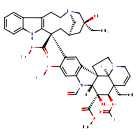
Structure for Vincristine (DB00541)

- Weight
- Average: 824.972
Monoisotopic: 824.399644019 - Chemical Formula
- C46H56N4O10
- Synonyms
- 22-Oxovincaleukoblastin
- 22-Oxovincaleukoblastine
- Leurocristine
- Vincristin
- Vincristina
- Vincristine
- Vincristinum
- External IDs
- L 37231
- NSC 67574

Pharmacology
- Indication
Treatment of acute lymphocytic leukemia (ALL), Hodgkin lymphoma, non-Hodgkin lymphomas, Wilms' tumor, neuroblastoma, rhabdomyosarcoma. Liposomal vincristine is indicated for the treatment of relapsed Philadelphia chromosome-negative (Ph-) acute lymphoblastic leukemia (ALL).
 Reduce drug development failure ratesBuild, train, & validate machine-learning modelswith evidence-based and structured datasets.Build, train, & validate predictive machine-learning models with structured datasets.
- Associated Conditions
Indication Type Indication Combined Product Details Approval Level Age Group Patient Characteristics Dose Form Treatment of Acute lymphocytic leukemia •••••••••••• Used in combination to treat Choriocarcinoma ••• ••••• Used in combination to treat Chronic lymphocytic leukemia ••• ••••• Used in combination to treat Ewing's sarcoma ••• ••••• Used in combination to treat Gestational trophoblastic tumors ••• ••••• - Contraindications & Blackbox Warnings
 Prevent Adverse Drug Events TodayTap into our Clinical API for life-saving information on contraindications & blackbox warnings, population restrictions, harmful risks, & more.Avoid life-threatening adverse drug events with our Clinical API
- Pharmacodynamics
Vincristine is a vinca alkaloid antineoplastic agent used as a treatment for various cancers including breast cancer, Hodgkin's disease, Kaposi's sarcoma, and testicular cancer. The vinca alkaloids are structurally similar compounds comprised of 2 multiringed units, vindoline and catharanthine. The vinca alkaloids have become clinically useful since the discovery of their antitumour properties in 1959. Initially, extracts of the periwinkle plant (Catharanthus roseus) were investigated because of putative hypoglycemic properties, but were noted to cause marrow suppression in rats and antileukemic effects in vitro. Vincristine binds to the microtubular proteins of the mitotic spindle, leading to crystallization of the microtubule and mitotic arrest or cell death. Vincristine has some immunosuppressant effect. The vinca alkaloids are considered to be cell cycle phase-specific.
- Mechanism of action
The antitumor activity of Vincristine is thought to be due primarily to inhibition of mitosis at metaphase through its interaction with tubulin. Like other vinca alkaloids, Vincristine may also interfere with: 1) amino acid, cyclic AMP, and glutathione metabolism, 2) calmodulin-dependent Ca2+-transport ATPase activity, 3) cellular respiration, and 4) nucleic acid and lipid biosynthesis.
Target Actions Organism ATubulin beta chain inhibitorHumans UTubulin alpha-4A chain inhibitorHumans - Absorption
Not Available
- Volume of distribution
Within 15 to 30 minutes after injection, over 90% of the drug is distributed from the blood into tissue, where it remains tightly, but not irreversibly, bound.
- Protein binding
~75%
- Metabolism
Hepatic. Cytochrome P450 isoenzymes of the CYP3A subfamily facilitate the metabolism of vincristine.
- Route of elimination
The liver is the major excretory organ in humans and animals. 80% of an injected dose of vincristine sulfate is excreted via feces. 10 - 20% is excreted via urine.
- Half-life
When intravenously injected into cancer patients, a triphasic serum decay patten was observed. The initial, middle, and terminal half-lives are 5 minutes, 2.3 hours, 85 hours respectively. The range of the terminal half-life is humans is 19 - 155 hours.
- Clearance
Not Available
- Adverse Effects
 Improve decision support & research outcomesWith structured adverse effects data, including: blackbox warnings, adverse reactions, warning & precautions, & incidence rates. View sample adverse effects data in our new Data Library!Improve decision support & research outcomes with our structured adverse effects data.
- Toxicity
IVN-RAT LD50 1300 mg/kg; IPR-MUS LD50 5.2 mg/kg. Marqibo® must only be administered IV because it is fatal if administered by other routes. Marqibo® also has different dosing than vincristine sulphate injection, so attention is needed to prevent overdoses. The most clinically significant adverse effect of vincristine is neurotoxicity.
- Pathways
Pathway Category Vincristine Action Pathway Drug action - Pharmacogenomic Effects/ADRs
- Not Available
Interactions
- Drug Interactions
- This information should not be interpreted without the help of a healthcare provider. If you believe you are experiencing an interaction, contact a healthcare provider immediately. The absence of an interaction does not necessarily mean no interactions exist.
Drug Interaction Integrate drug-drug
interactions in your softwareAbametapir The serum concentration of Vincristine can be increased when it is combined with Abametapir. Abatacept The metabolism of Vincristine can be increased when combined with Abatacept. Abemaciclib Abemaciclib may decrease the excretion rate of Vincristine which could result in a higher serum level. Abrocitinib The serum concentration of Vincristine can be increased when it is combined with Abrocitinib. Acalabrutinib The metabolism of Vincristine can be decreased when combined with Acalabrutinib. - Food Interactions
- Exercise caution with grapefruit products. Grapefruit inhibits CYP3A4 metabolism, which may increase the serum concentration of vincristine.
- Exercise caution with St. John's Wort. This herb induces CYP3A4 metabolism, which may reduce serum levels of vincristine.
Products
 Drug product information from 10+ global regionsOur datasets provide approved product information including:dosage, form, labeller, route of administration, and marketing period.Access drug product information from over 10 global regions.
- Product Ingredients
Ingredient UNII CAS InChI Key Vincristine sulfate T5IRO3534A 2068-78-2 AQTQHPDCURKLKT-PNYVAJAMSA-N - International/Other Brands
- Alcavixin (Korea United Pharma) / Alcrist (Alkem) / Citomid (CSC) / Cytocristin (Cipla) / Oncocristin (Sun) / Oncovin (Lilly) / Oncrivin (Teva) / Sindovin (Actavis) / Tevacristin (Teva) / Vinces (Ivax) / Vincrisin (Teva) / Vincristin (Gedeon Richter) / Vincrisul (STADA) / Vinlon (Celon) / Vinracine (Meizler)
- Brand Name Prescription Products
Name Dosage Strength Route Labeller Marketing Start Marketing End Region Image Marqibo Kit 5 mg/5mL Intravenous Acrotech Biopharma Llc 2013-01-14 Not applicable US 
Marqibo Kit 5 mg/5mL Intravenous Talon Therapeutics, Inc. 2013-01-14 Not applicable US Oncovin Solution 1mg/ml Liquid 1 mg / mL Intravenous Eli Lilly & Co. Ltd. 1984-12-31 1998-08-04 Canada 
Vincristine Sulfate Inj 1mg/ml USP Liquid 1 mg / mL Intravenous David Bull Laboratories (Pty) Ltd. 1989-12-31 1999-08-10 Canada Vincristine Sulfate Inj 5mg/vial USP Powder, for solution 5 mg / vial Intravenous David Bull Laboratories (Pty) Ltd. 1989-12-31 1996-09-10 Canada - Generic Prescription Products
Name Dosage Strength Route Labeller Marketing Start Marketing End Region Image Vincasar PFS Injection, solution 1 mg/1mL Intravenous Teva Parenteral Medicines, Inc. 2000-05-01 Not applicable US Vincasar PFS Injection, solution 1 mg/1mL Intravenous Teva Parenteral Medicines, Inc. 2000-05-01 Not applicable US VinCRIStine Sulfate Injection, solution 1 mg/1mL Intravenous Hospira, Inc. 1996-01-01 Not applicable US - Mixture Products
Name Ingredients Dosage Route Labeller Marketing Start Marketing End Region Image MEODEX® Vincristine (3 mg) + Dexamethasone (1 mg) Suspension Ophthalmic LABORATORIOS OTICOFF 2007-12-14 Not applicable Colombia 
- Unapproved/Other Products
Name Ingredients Dosage Route Labeller Marketing Start Marketing End Region Image VINCRISTINE SULFAT DBL 1 MG/1ML ENJ. SOL. ICEREN FLAKON Vincristine (1 mg/1ml) Injection, solution ORNA İLAÇ TEKSTİL KİMYEVİ MAD. SAN. VE DIŞ TİC. LTD. ŞTİ. 2018-02-20 Not applicable Turkey 
VINCRISTINE SULFAT DBL 2 MG/2ML ENJ. SOL. ICEREN FLAKON Vincristine (2 mg/2ml) Injection, solution ORNA İLAÇ TEKSTİL KİMYEVİ MAD. SAN. VE DIŞ TİC. LTD. ŞTİ. 2018-02-20 Not applicable Turkey
Categories
- ATC Codes
- L01CA02 — Vincristine
- Drug Categories
- Agents Causing Muscle Toxicity
- Alkaloids
- Antimitotic Agents
- Antineoplastic Agents
- Antineoplastic Agents, Phytogenic
- Antineoplastic and Immunomodulating Agents
- BCRP/ABCG2 Substrates
- BSEP/ABCB11 Substrates
- BSEP/ABCB11 Substrates with a Narrow Therapeutic Index
- Cardiotoxic antineoplastic agents
- Cytochrome P-450 CYP3A Substrates
- Cytochrome P-450 CYP3A4 Substrates
- Cytochrome P-450 CYP3A4 Substrates with a Narrow Therapeutic Index
- Cytochrome P-450 CYP3A5 Substrates
- Cytochrome P-450 CYP3A5 Substrates with a Narrow Therapeutic Index
- Cytochrome P-450 CYP3A7 Substrates
- Cytochrome P-450 CYP3A7 Substrates with a Narrow Therapeutic Index
- Cytochrome P-450 Substrates
- Heterocyclic Compounds, Fused-Ring
- Immunosuppressive Agents
- Indole Alkaloids
- Indoles
- Indolizidines
- Indolizines
- Mitosis Modulators
- Narrow Therapeutic Index Drugs
- Neurotoxic agents
- OATP1B1/SLCO1B1 Inhibitors
- OATP1B3 inhibitors
- P-glycoprotein inducers
- P-glycoprotein inhibitors
- P-glycoprotein substrates
- P-glycoprotein substrates with a Narrow Therapeutic Index
- Secologanin Tryptamine Alkaloids
- Tubulin Modulators
- Vinca Alkaloids
- Chemical TaxonomyProvided by Classyfire
- Description
- This compound belongs to the class of organic compounds known as vinca alkaloids. These are alkaloids with a dimeric chemical structure composed of an indole nucleus (catharanthine), and a dihydroindole nucleus (vindoline), joined together.
- Kingdom
- Organic compounds
- Super Class
- Alkaloids and derivatives
- Class
- Vinca alkaloids
- Sub Class
- Not Available
- Direct Parent
- Vinca alkaloids
- Alternative Parents
- Carbazoles / 3-alkylindoles / Tricarboxylic acids and derivatives / Anisoles / Alkyl aryl ethers / Aralkylamines / Piperidines / N-alkylpyrrolidines / Methyl esters / Heteroaromatic compounds show 12 more
- Substituents
- 1,2-aminoalcohol / 3-alkylindole / Alcohol / Alkyl aryl ether / Amine / Amino acid or derivatives / Anisole / Aralkylamine / Aromatic heteropolycyclic compound / Azacycle show 30 more
- Molecular Framework
- Aromatic heteropolycyclic compounds
- External Descriptors
- Not Available
- Affected organisms
- Humans and other mammals
Chemical Identifiers
- UNII
- 5J49Q6B70F
- CAS number
- 57-22-7
- InChI Key
- OGWKCGZFUXNPDA-CFWMRBGOSA-N
- InChI
- InChI=1S/C46H56N4O10/c1-7-42(55)22-28-23-45(40(53)58-5,36-30(14-18-48(24-28)25-42)29-12-9-10-13-33(29)47-36)32-20-31-34(21-35(32)57-4)50(26-51)38-44(31)16-19-49-17-11-15-43(8-2,37(44)49)39(60-27(3)52)46(38,56)41(54)59-6/h9-13,15,20-21,26,28,37-39,47,55-56H,7-8,14,16-19,22-25H2,1-6H3/t28-,37-,38+,39+,42-,43+,44+,45-,46-/m0/s1
- IUPAC Name
- methyl (1R,9R,10S,11R,12R,19R)-11-(acetyloxy)-12-ethyl-4-[(1R,13S,15R,17S)-17-ethyl-17-hydroxy-13-(methoxycarbonyl)-1,11-diazatetracyclo[13.3.1.0^{4,12}.0^{5,10}]nonadeca-4(12),5,7,9-tetraen-13-yl]-8-formyl-10-hydroxy-5-methoxy-8,16-diazapentacyclo[10.6.1.0^{1,9}.0^{2,7}.0^{16,19}]nonadeca-2(7),3,5,13-tetraene-10-carboxylate
- SMILES
- [H][C@@]12N3CC[C@@]11C4=C(C=C(OC)C(=C4)[C@]4(C[C@H]5C[N@](C[C@](O)(CC)C5)CCC5=C4NC4=CC=CC=C54)C(=O)OC)N(C=O)[C@@]1([H])[C@](O)([C@H](OC(C)=O)[C@]2(CC)C=CC3)C(=O)OC
References
- Synthesis Reference
Homer L. Pearce, "Method of preparing vincristine." U.S. Patent US4303584, issued November, 1967.
US4303584- General References
- Graf WD, Chance PF, Lensch MW, Eng LJ, Lipe HP, Bird TD: Severe vincristine neuropathy in Charcot-Marie-Tooth disease type 1A. Cancer. 1996 Apr 1;77(7):1356-62. [Article]
- Qweider M, Gilsbach JM, Rohde V: Inadvertent intrathecal vincristine administration: a neurosurgical emergency. Case report. J Neurosurg Spine. 2007 Mar;6(3):280-3. [Article]
- JOHNSON IS, ARMSTRONG JG, GORMAN M, BURNETT JP Jr: THE VINCA ALKALOIDS: A NEW CLASS OF ONCOLYTIC AGENTS. Cancer Res. 1963 Sep;23:1390-427. [Article]
- Gidding CE, Kellie SJ, Kamps WA, de Graaf SS: Vincristine revisited. Crit Rev Oncol Hematol. 1999 Feb;29(3):267-87. [Article]
- FDA Approved Drug Products: Marqibo (vincristine sulfate liposome) for intravenous injection [Link]
- External Links
- Human Metabolome Database
- HMDB0014681
- KEGG Drug
- D08679
- KEGG Compound
- C07204
- PubChem Compound
- 5978
- PubChem Substance
- 46507033
- ChemSpider
- 4535015
- BindingDB
- 38872
- 11202
- ChEBI
- 28445
- ChEMBL
- CHEMBL499458
- ZINC
- ZINC000085537024
- Therapeutic Targets Database
- DAP000114
- PharmGKB
- PA451879
- PDBe Ligand
- R1Q
- RxList
- RxList Drug Page
- Drugs.com
- Drugs.com Drug Page
- Wikipedia
- Vincristine
- PDB Entries
- 7a69
- FDA label
- Download (362 KB)
- MSDS
- Download (90.9 KB)
Clinical Trials
- Clinical Trials
Phase Status Purpose Conditions Count 4 Active Not Recruiting Treatment Central Nervous System Embryonal Tumors / Medulloblastomas 1 4 Active Not Recruiting Treatment Diffuse Large B-Cell Lymphoma (DLBCL) 1 4 Completed Treatment Acute Lymphobkastic Leukemia 1 4 Completed Treatment Acute Lymphoblastic Leukemia (ALL) 7 4 Completed Treatment Advanced Follicular Lymphoma 1
Pharmacoeconomics
- Manufacturers
- Eli lilly and co
- Teva parenteral medicines inc
- Bristol myers squibb
- Abic ltd
- Abraxis pharmaceutical products
- App pharmaceuticals llc
- Hospira inc
- Packagers
- APP Pharmaceuticals
- Hospira Inc.
- Mission Pharmacal
- Pharmacia Inc.
- Sicor Pharmaceuticals
- Teva Pharmaceutical Industries Ltd.
- Dosage Forms
Form Route Strength Solution Intravenous Injection Intravenous 1 mg/1ml Kit Intravenous 5 mg/5mL Suspension Ophthalmic Injection, solution Parenteral 1 mg Injection, solution Parenteral 2 mg Liquid Intravenous 1 mg / mL Solution Conjunctival; Ophthalmic 3.5 mg Injection Intravenous 1 MG/ML Injection, powder, lyophilized, for solution Intravenous 1 mg Solution Intravenous 1.000 mg Injection, solution Intravenous 1 mg/1mL Injection, solution Intravenous 2 mg/2ml Solution Intravenous 1.0000 mg Injection, powder, lyophilized, for solution Parenteral 1 mg Solution Parenteral 5 mg Injection, solution Intravenous 1 mg Injection, solution Intravenous 2 mg Injection, solution Intravenous; Parenteral 1 MG/ML Solution Parenteral 2 mg Injection, solution Intravenous Injection, solution Intravenous 1 MG/ML Injection, solution Injection, solution Parenteral 1 MG/ML Injection, solution 1 mg Injection, solution 1 mg/1ml Injection, solution 2 mg/2ml Injection Intravenous Powder, for solution Intravenous 5 mg / vial Solution Intravenous 1 mg / mL Solution Intravenous 1 mg Solution 1 mg/1ml - Prices
Unit description Cost Unit Vincristine 2 mg/2 ml vial 18.06USD ml Oncovite tablet 0.19USD tablet DrugBank does not sell nor buy drugs. Pricing information is supplied for informational purposes only.- Patents
Patent Number Pediatric Extension Approved Expires (estimated) Region US6723338 No 2004-04-20 2020-03-31 US US7887836 No 2011-02-15 2020-03-31 US US7247316 No 2007-07-24 2020-09-25 US
Properties
- State
- Solid
- Experimental Properties
Property Value Source melting point (°C) 220 °C PhysProp logP 2.82 HANSCH,C ET AL. (1995) pKa 5 MERCK INDEX (1996) - Predicted Properties
Property Value Source Water Solubility 0.03 mg/mL ALOGPS logP 3.36 ALOGPS logP 3.13 Chemaxon logS -4.4 ALOGPS pKa (Strongest Acidic) 10.85 Chemaxon pKa (Strongest Basic) 8.66 Chemaxon Physiological Charge 2 Chemaxon Hydrogen Acceptor Count 9 Chemaxon Hydrogen Donor Count 3 Chemaxon Polar Surface Area 171.17 Å2 Chemaxon Rotatable Bond Count 10 Chemaxon Refractivity 221.48 m3·mol-1 Chemaxon Polarizability 88.32 Å3 Chemaxon Number of Rings 9 Chemaxon Bioavailability 1 Chemaxon Rule of Five No Chemaxon Ghose Filter No Chemaxon Veber's Rule No Chemaxon MDDR-like Rule Yes Chemaxon - Predicted ADMET Features
Property Value Probability Human Intestinal Absorption + 0.9738 Blood Brain Barrier - 0.9514 Caco-2 permeable + 0.6262 P-glycoprotein substrate Substrate 0.9027 P-glycoprotein inhibitor I Inhibitor 0.6573 P-glycoprotein inhibitor II Inhibitor 0.6919 Renal organic cation transporter Non-inhibitor 0.8178 CYP450 2C9 substrate Non-substrate 0.8071 CYP450 2D6 substrate Non-substrate 0.9138 CYP450 3A4 substrate Substrate 0.7666 CYP450 1A2 substrate Non-inhibitor 0.9203 CYP450 2C9 inhibitor Non-inhibitor 0.9072 CYP450 2D6 inhibitor Non-inhibitor 0.9231 CYP450 2C19 inhibitor Non-inhibitor 0.9025 CYP450 3A4 inhibitor Non-inhibitor 0.7491 CYP450 inhibitory promiscuity Low CYP Inhibitory Promiscuity 0.8574 Ames test Non AMES toxic 0.9133 Carcinogenicity Non-carcinogens 0.8938 Biodegradation Not ready biodegradable 1.0 Rat acute toxicity 2.9324 LD50, mol/kg Not applicable hERG inhibition (predictor I) Weak inhibitor 0.9699 hERG inhibition (predictor II) Inhibitor 0.5265
Spectra
- Mass Spec (NIST)
- Not Available
- Spectra
- Chromatographic Properties
Collision Cross Sections (CCS)
Adduct CCS Value (Å2) Source type Source [M-H]- 304.7271784 predictedDarkChem Lite v0.1.0
Targets

- Kind
- Protein
- Organism
- Humans
- Pharmacological action
- Yes
- Actions
- Inhibitor
- General Function
- Ubiquitin protein ligase binding
- Specific Function
- Tubulin is the major constituent of microtubules. It binds two moles of GTP, one at an exchangeable site on the beta chain and one at a non-exchangeable site on the alpha chain.
- Gene Name
- TUBB
- Uniprot ID
- P07437
- Uniprot Name
- Tubulin beta chain
- Molecular Weight
- 49670.515 Da
References
- Overington JP, Al-Lazikani B, Hopkins AL: How many drug targets are there? Nat Rev Drug Discov. 2006 Dec;5(12):993-6. [Article]
- Imming P, Sinning C, Meyer A: Drugs, their targets and the nature and number of drug targets. Nat Rev Drug Discov. 2006 Oct;5(10):821-34. [Article]
- Kurtzberg LS, Roth SD, Bagley RG, Rouleau C, Yao M, Crawford JL, Krumbholz RD, Schmid SM, Teicher BA: Bone marrow CFU-GM and human tumor xenograft efficacy of three tubulin binding agents. Cancer Chemother Pharmacol. 2009 Oct;64(5):1029-38. doi: 10.1007/s00280-009-0959-z. Epub 2009 Mar 10. [Article]
- Gan PP, McCarroll JA, Po'uha ST, Kamath K, Jordan MA, Kavallaris M: Microtubule dynamics, mitotic arrest, and apoptosis: drug-induced differential effects of betaIII-tubulin. Mol Cancer Ther. 2010 May;9(5):1339-48. doi: 10.1158/1535-7163.MCT-09-0679. Epub 2010 May 4. [Article]
- Kind
- Protein
- Organism
- Humans
- Pharmacological action
- Unknown
- Actions
- Inhibitor
- General Function
- Structural constituent of cytoskeleton
- Specific Function
- Tubulin is the major constituent of microtubules. It binds two moles of GTP, one at an exchangeable site on the beta chain and one at a non-exchangeable site on the alpha chain.
- Gene Name
- TUBA4A
- Uniprot ID
- P68366
- Uniprot Name
- Tubulin alpha-4A chain
- Molecular Weight
- 49923.995 Da
References
- Yasui M, Koyama N, Koizumi T, Senda-Murata K, Takashima Y, Hayashi M, Sugimoto K, Honma M: Live cell imaging of micronucleus formation and development. Mutat Res. 2010 Oct 13;692(1-2):12-8. doi: 10.1016/j.mrfmmm.2010.07.009. Epub 2010 Aug 5. [Article]
- Gan PP, McCarroll JA, Po'uha ST, Kamath K, Jordan MA, Kavallaris M: Microtubule dynamics, mitotic arrest, and apoptosis: drug-induced differential effects of betaIII-tubulin. Mol Cancer Ther. 2010 May;9(5):1339-48. doi: 10.1158/1535-7163.MCT-09-0679. Epub 2010 May 4. [Article]
- Vilpo JA, Koski T, Vilpo LM: Selective toxicity of vincristine against chronic lymphocytic leukemia cells in vitro. Eur J Haematol. 2000 Dec;65(6):370-8. [Article]
Enzymes
- Kind
- Protein
- Organism
- Humans
- Pharmacological action
- Unknown
- Actions
- Substrate
- General Function
- Vitamin d3 25-hydroxylase activity
- Specific Function
- Cytochromes P450 are a group of heme-thiolate monooxygenases. In liver microsomes, this enzyme is involved in an NADPH-dependent electron transport pathway. It performs a variety of oxidation react...
- Gene Name
- CYP3A4
- Uniprot ID
- P08684
- Uniprot Name
- Cytochrome P450 3A4
- Molecular Weight
- 57342.67 Da
References
- Zhou XJ, Zhou-Pan XR, Gauthier T, Placidi M, Maurel P, Rahmani R: Human liver microsomal cytochrome P450 3A isozymes mediated vindesine biotransformation. Metabolic drug interactions. Biochem Pharmacol. 1993 Feb 24;45(4):853-61. [Article]
- Egbelakin A, Ferguson MJ, MacGill EA, Lehmann AS, Topletz AR, Quinney SK, Li L, McCammack KC, Hall SD, Renbarger JL: Increased risk of vincristine neurotoxicity associated with low CYP3A5 expression genotype in children with acute lymphoblastic leukemia. Pediatr Blood Cancer. 2011 Mar;56(3):361-7. doi: 10.1002/pbc.22845. Epub 2010 Nov 11. [Article]
- Kayilioglu H, Kocak U, Kan Karaer D, Percin EF, Sal E, Tekkesin F, Isik M, Oner N, Belen FB, Yilmaz Keskin E, Okur A, Albayrak M, Kaya Z, Pinarli FG, Yenicesu I, Karadeniz C, Oguz A, Gursel T: Association of CYP3A5 Expression and Vincristine Neurotoxicity in Pediatric Malignancies in Turkish Population. J Pediatr Hematol Oncol. 2017 Aug;39(6):458-462. doi: 10.1097/MPH.0000000000000910. [Article]
- Flockhart Table of Drug Interactions [Link]
- Kind
- Protein
- Organism
- Humans
- Pharmacological action
- No
- Actions
- Substrate
- General Function
- Oxygen binding
- Specific Function
- Cytochromes P450 are a group of heme-thiolate monooxygenases. In liver microsomes, this enzyme is involved in an NADPH-dependent electron transport pathway. It oxidizes a variety of structurally un...
- Gene Name
- CYP3A5
- Uniprot ID
- P20815
- Uniprot Name
- Cytochrome P450 3A5
- Molecular Weight
- 57108.065 Da
References
- Kayilioglu H, Kocak U, Kan Karaer D, Percin EF, Sal E, Tekkesin F, Isik M, Oner N, Belen FB, Yilmaz Keskin E, Okur A, Albayrak M, Kaya Z, Pinarli FG, Yenicesu I, Karadeniz C, Oguz A, Gursel T: Association of CYP3A5 Expression and Vincristine Neurotoxicity in Pediatric Malignancies in Turkish Population. J Pediatr Hematol Oncol. 2017 Aug;39(6):458-462. doi: 10.1097/MPH.0000000000000910. [Article]
- Flockhart Table of Drug Interactions [Link]
- Kind
- Protein
- Organism
- Humans
- Pharmacological action
- Unknown
- Actions
- Substrate
- General Function
- Oxygen binding
- Specific Function
- Cytochromes P450 are a group of heme-thiolate monooxygenases. In liver microsomes, this enzyme is involved in an NADPH-dependent electron transport pathway. It oxidizes a variety of structurally un...
- Gene Name
- CYP3A7
- Uniprot ID
- P24462
- Uniprot Name
- Cytochrome P450 3A7
- Molecular Weight
- 57525.03 Da
References
- Flockhart Table of Drug Interactions [Link]
Transporters
- Kind
- Protein
- Organism
- Humans
- Pharmacological action
- Unknown
- Actions
- SubstrateInhibitorInducer
- General Function
- Xenobiotic-transporting atpase activity
- Specific Function
- Energy-dependent efflux pump responsible for decreased drug accumulation in multidrug-resistant cells.
- Gene Name
- ABCB1
- Uniprot ID
- P08183
- Uniprot Name
- Multidrug resistance protein 1
- Molecular Weight
- 141477.255 Da
References
- Arora A, Shukla Y: Modulation of vinca-alkaloid induced P-glycoprotein expression by indole-3-carbinol. Cancer Lett. 2003 Jan 28;189(2):167-73. [Article]
- Polli JW, Wring SA, Humphreys JE, Huang L, Morgan JB, Webster LO, Serabjit-Singh CS: Rational use of in vitro P-glycoprotein assays in drug discovery. J Pharmacol Exp Ther. 2001 Nov;299(2):620-8. [Article]
- Tang F, Horie K, Borchardt RT: Are MDCK cells transfected with the human MDR1 gene a good model of the human intestinal mucosa? Pharm Res. 2002 Jun;19(6):765-72. [Article]
- Doppenschmitt S, Langguth P, Regardh CG, Andersson TB, Hilgendorf C, Spahn-Langguth H: Characterization of binding properties to human P-glycoprotein: development of a [3H]verapamil radioligand-binding assay. J Pharmacol Exp Ther. 1999 Jan;288(1):348-57. [Article]
- Nagy H, Goda K, Fenyvesi F, Bacso Z, Szilasi M, Kappelmayer J, Lustyik G, Cianfriglia M, Szabo G Jr: Distinct groups of multidrug resistance modulating agents are distinguished by competition of P-glycoprotein-specific antibodies. Biochem Biophys Res Commun. 2004 Mar 19;315(4):942-9. [Article]
- Li D, Jang SH, Kim J, Wientjes MG, Au JL: Enhanced drug-induced apoptosis associated with P-glycoprotein overexpression is specific to antimicrotubule agents. Pharm Res. 2003 Jan;20(1):45-50. [Article]
- Lecureur V, Sun D, Hargrove P, Schuetz EG, Kim RB, Lan LB, Schuetz JD: Cloning and expression of murine sister of P-glycoprotein reveals a more discriminating transporter than MDR1/P-glycoprotein. Mol Pharmacol. 2000 Jan;57(1):24-35. [Article]
- Kuo CC, Hsieh HP, Pan WY, Chen CP, Liou JP, Lee SJ, Chang YL, Chen LT, Chen CT, Chang JY: BPR0L075, a novel synthetic indole compound with antimitotic activity in human cancer cells, exerts effective antitumoral activity in vivo. Cancer Res. 2004 Jul 1;64(13):4621-8. [Article]
- Woodahl EL, Crouthamel MH, Bui T, Shen DD, Ho RJ: MDR1 (ABCB1) G1199A (Ser400Asn) polymorphism alters transepithelial permeability and sensitivity to anticancer agents. Cancer Chemother Pharmacol. 2009 Jun;64(1):183-8. doi: 10.1007/s00280-008-0906-4. Epub 2009 Jan 4. [Article]
- Tiwari AK, Sodani K, Wang SR, Kuang YH, Ashby CR Jr, Chen X, Chen ZS: Nilotinib (AMN107, Tasigna) reverses multidrug resistance by inhibiting the activity of the ABCB1/Pgp and ABCG2/BCRP/MXR transporters. Biochem Pharmacol. 2009 Jul 15;78(2):153-61. doi: 10.1016/j.bcp.2009.04.002. Epub 2009 Apr 11. [Article]
- Noguchi K, Kawahara H, Kaji A, Katayama K, Mitsuhashi J, Sugimoto Y: Substrate-dependent bidirectional modulation of P-glycoprotein-mediated drug resistance by erlotinib. Cancer Sci. 2009 Sep;100(9):1701-7. doi: 10.1111/j.1349-7006.2009.01213.x. Epub 2009 May 12. [Article]
- Kind
- Protein
- Organism
- Humans
- Pharmacological action
- Unknown
- Actions
- Inhibitor
- General Function
- Organic anion transmembrane transporter activity
- Specific Function
- May act as an inducible transporter in the biliary and intestinal excretion of organic anions. Acts as an alternative route for the export of bile acids and glucuronides from cholestatic hepatocyte...
- Gene Name
- ABCC3
- Uniprot ID
- O15438
- Uniprot Name
- Canalicular multispecific organic anion transporter 2
- Molecular Weight
- 169341.14 Da
References
- Zeng H, Chen ZS, Belinsky MG, Rea PA, Kruh GD: Transport of methotrexate (MTX) and folates by multidrug resistance protein (MRP) 3 and MRP1: effect of polyglutamylation on MTX transport. Cancer Res. 2001 Oct 1;61(19):7225-32. [Article]
- Kind
- Protein
- Organism
- Humans
- Pharmacological action
- Unknown
- Actions
- Inhibitor
- General Function
- Toxin transporter activity
- Specific Function
- Mediates potential-dependent transport of a variety of organic cations. May play a significant role in the disposition of cationic neurotoxins and neurotransmitters in the brain.
- Gene Name
- SLC22A3
- Uniprot ID
- O75751
- Uniprot Name
- Solute carrier family 22 member 3
- Molecular Weight
- 61279.485 Da
References
- Shnitsar V, Eckardt R, Gupta S, Grottker J, Muller GA, Koepsell H, Burckhardt G, Hagos Y: Expression of human organic cation transporter 3 in kidney carcinoma cell lines increases chemosensitivity to melphalan, irinotecan, and vincristine. Cancer Res. 2009 Feb 15;69(4):1494-501. doi: 10.1158/0008-5472.CAN-08-2483. Epub 2009 Feb 3. [Article]
- Kind
- Protein
- Organism
- Humans
- Pharmacological action
- Unknown
- Actions
- SubstrateInhibitor
- General Function
- Transporter activity
- Specific Function
- Mediates export of organic anions and drugs from the cytoplasm. Mediates ATP-dependent transport of glutathione and glutathione conjugates, leukotriene C4, estradiol-17-beta-o-glucuronide, methotre...
- Gene Name
- ABCC1
- Uniprot ID
- P33527
- Uniprot Name
- Multidrug resistance-associated protein 1
- Molecular Weight
- 171589.5 Da
References
- Loe DW, Almquist KC, Cole SP, Deeley RG: ATP-dependent 17 beta-estradiol 17-(beta-D-glucuronide) transport by multidrug resistance protein (MRP). Inhibition by cholestatic steroids. J Biol Chem. 1996 Apr 19;271(16):9683-9. [Article]
- Godinot N, Iversen PW, Tabas L, Xia X, Williams DC, Dantzig AH, Perry WL 3rd: Cloning and functional characterization of the multidrug resistance-associated protein (MRP1/ABCC1) from the cynomolgus monkey. Mol Cancer Ther. 2003 Mar;2(3):307-16. [Article]
- Nunoya K, Grant CE, Zhang D, Cole SP, Deeley RG: Molecular cloning and pharmacological characterization of rat multidrug resistance protein 1 (mrp1). Drug Metab Dispos. 2003 Aug;31(8):1016-26. [Article]
- Sumizawa T, Chen ZS, Chuman Y, Seto K, Furukawa T, Haraguchi M, Tani A, Shudo N, Akiyama SI: Reversal of multidrug resistance-associated protein-mediated drug resistance by the pyridine analog PAK-104P. Mol Pharmacol. 1997 Mar;51(3):399-405. [Article]
- Renes J, de Vries EG, Nienhuis EF, Jansen PL, Muller M: ATP- and glutathione-dependent transport of chemotherapeutic drugs by the multidrug resistance protein MRP1. Br J Pharmacol. 1999 Feb;126(3):681-8. [Article]
- Stride BD, Grant CE, Loe DW, Hipfner DR, Cole SP, Deeley RG: Pharmacological characterization of the murine and human orthologs of multidrug-resistance protein in transfected human embryonic kidney cells. Mol Pharmacol. 1997 Sep;52(3):344-53. [Article]
- Kind
- Protein
- Organism
- Humans
- Pharmacological action
- Unknown
- Actions
- SubstrateInhibitor
- General Function
- Atpase activity, coupled to transmembrane movement of substances
- Specific Function
- ATP-dependent transporter probably involved in cellular detoxification through lipophilic anion extrusion.
- Gene Name
- ABCC10
- Uniprot ID
- Q5T3U5
- Uniprot Name
- Multidrug resistance-associated protein 7
- Molecular Weight
- 161627.375 Da
References
- Chen ZS, Hopper-Borge E, Belinsky MG, Shchaveleva I, Kotova E, Kruh GD: Characterization of the transport properties of human multidrug resistance protein 7 (MRP7, ABCC10). Mol Pharmacol. 2003 Feb;63(2):351-8. [Article]
- Hopper-Borge E, Xu X, Shen T, Shi Z, Chen ZS, Kruh GD: Human multidrug resistance protein 7 (ABCC10) is a resistance factor for nucleoside analogues and epothilone B. Cancer Res. 2009 Jan 1;69(1):178-84. doi: 10.1158/0008-5472.CAN-08-1420. [Article]
- Kind
- Protein
- Organism
- Humans
- Pharmacological action
- Unknown
- Actions
- SubstrateInhibitor
- General Function
- Organic anion transmembrane transporter activity
- Specific Function
- Mediates hepatobiliary excretion of numerous organic anions. May function as a cellular cisplatin transporter.
- Gene Name
- ABCC2
- Uniprot ID
- Q92887
- Uniprot Name
- Canalicular multispecific organic anion transporter 1
- Molecular Weight
- 174205.64 Da
References
- Tang F, Horie K, Borchardt RT: Are MDCK cells transfected with the human MRP2 gene a good model of the human intestinal mucosa? Pharm Res. 2002 Jun;19(6):773-9. [Article]
- Hong J, Lambert JD, Lee SH, Sinko PJ, Yang CS: Involvement of multidrug resistance-associated proteins in regulating cellular levels of (-)-epigallocatechin-3-gallate and its methyl metabolites. Biochem Biophys Res Commun. 2003 Oct 10;310(1):222-7. [Article]
- Ishikawa T, Muller M, Klunemann C, Schaub T, Keppler D: ATP-dependent primary active transport of cysteinyl leukotrienes across liver canalicular membrane. Role of the ATP-dependent transport system for glutathione S-conjugates. J Biol Chem. 1990 Nov 5;265(31):19279-86. [Article]
- Chen ZS, Kawabe T, Ono M, Aoki S, Sumizawa T, Furukawa T, Uchiumi T, Wada M, Kuwano M, Akiyama SI: Effect of multidrug resistance-reversing agents on transporting activity of human canalicular multispecific organic anion transporter. Mol Pharmacol. 1999 Dec;56(6):1219-28. [Article]
- Kind
- Protein
- Organism
- Humans
- Pharmacological action
- Unknown
- Actions
- Substrate
- General Function
- Transporter activity
- Specific Function
- Involved in the ATP-dependent secretion of bile salts into the canaliculus of hepatocytes.
- Gene Name
- ABCB11
- Uniprot ID
- O95342
- Uniprot Name
- Bile salt export pump
- Molecular Weight
- 146405.83 Da
References
- Lecureur V, Sun D, Hargrove P, Schuetz EG, Kim RB, Lan LB, Schuetz JD: Cloning and expression of murine sister of P-glycoprotein reveals a more discriminating transporter than MDR1/P-glycoprotein. Mol Pharmacol. 2000 Jan;57(1):24-35. [Article]
- Kind
- Protein
- Organism
- Humans
- Pharmacological action
- Unknown
- Actions
- Substrate
- General Function
- Xenobiotic-transporting atpase activity
- Specific Function
- High-capacity urate exporter functioning in both renal and extrarenal urate excretion. Plays a role in porphyrin homeostasis as it is able to mediates the export of protoporhyrin IX (PPIX) both fro...
- Gene Name
- ABCG2
- Uniprot ID
- Q9UNQ0
- Uniprot Name
- ATP-binding cassette sub-family G member 2
- Molecular Weight
- 72313.47 Da
References
- Allen JD, Van Dort SC, Buitelaar M, van Tellingen O, Schinkel AH: Mouse breast cancer resistance protein (Bcrp1/Abcg2) mediates etoposide resistance and transport, but etoposide oral availability is limited primarily by P-glycoprotein. Cancer Res. 2003 Mar 15;63(6):1339-44. [Article]
- Kind
- Protein
- Organism
- Humans
- Pharmacological action
- Unknown
- Actions
- Substrate
- General Function
- Transmembrane transporter activity
- Specific Function
- Can activate specifically hydrolysis of GTP bound to RAC1 and CDC42, but not RALA. Mediates ATP-dependent transport of S-(2,4-dinitrophenyl)-glutathione (DNP-SG) and doxorubicin (DOX) and is the ma...
- Gene Name
- RALBP1
- Uniprot ID
- Q15311
- Uniprot Name
- RalA-binding protein 1
- Molecular Weight
- 76062.86 Da
References
- Drake KJ, Singhal J, Yadav S, Nadkar A, Pungaliya C, Singhal SS, Awasthi S: RALBP1/RLIP76 mediates multidrug resistance. Int J Oncol. 2007 Jan;30(1):139-44. [Article]
- Kind
- Protein
- Organism
- Humans
- Pharmacological action
- Unknown
- Actions
- Inhibitor
- General Function
- Sodium-independent organic anion transmembrane transporter activity
- Specific Function
- Mediates the Na(+)-independent uptake of organic anions such as pravastatin, taurocholate, methotrexate, dehydroepiandrosterone sulfate, 17-beta-glucuronosyl estradiol, estrone sulfate, prostagland...
- Gene Name
- SLCO1B1
- Uniprot ID
- Q9Y6L6
- Uniprot Name
- Solute carrier organic anion transporter family member 1B1
- Molecular Weight
- 76447.99 Da
References
- Karlgren M, Vildhede A, Norinder U, Wisniewski JR, Kimoto E, Lai Y, Haglund U, Artursson P: Classification of inhibitors of hepatic organic anion transporting polypeptides (OATPs): influence of protein expression on drug-drug interactions. J Med Chem. 2012 May 24;55(10):4740-63. doi: 10.1021/jm300212s. Epub 2012 May 15. [Article]
- Kind
- Protein
- Organism
- Humans
- Pharmacological action
- Unknown
- Actions
- Inhibitor
- General Function
- Sodium-independent organic anion transmembrane transporter activity
- Specific Function
- Mediates the Na(+)-independent uptake of organic anions such as 17-beta-glucuronosyl estradiol, taurocholate, triiodothyronine (T3), leukotriene C4, dehydroepiandrosterone sulfate (DHEAS), methotre...
- Gene Name
- SLCO1B3
- Uniprot ID
- Q9NPD5
- Uniprot Name
- Solute carrier organic anion transporter family member 1B3
- Molecular Weight
- 77402.175 Da
References
- Karlgren M, Vildhede A, Norinder U, Wisniewski JR, Kimoto E, Lai Y, Haglund U, Artursson P: Classification of inhibitors of hepatic organic anion transporting polypeptides (OATPs): influence of protein expression on drug-drug interactions. J Med Chem. 2012 May 24;55(10):4740-63. doi: 10.1021/jm300212s. Epub 2012 May 15. [Article]

Drug created at June 13, 2005 13:24 / Updated at April 26, 2024 00:45