Identification
- Summary
Vinblastine is a vinca alkaloid used to treat breast cancer, testicular cancer, neuroblastoma, Hodgkin's and non-Hodgkins lymphoma, mycosis fungoides, histiocytosis, and Kaposi's sarcoma.
- Generic Name
- Vinblastine
- DrugBank Accession Number
- DB00570
- Background
Antitumor alkaloid isolated from Vinca rosea. (Merck, 11th ed.)
- Type
- Small Molecule
- Groups
- Approved
- Structure
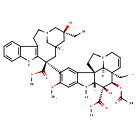
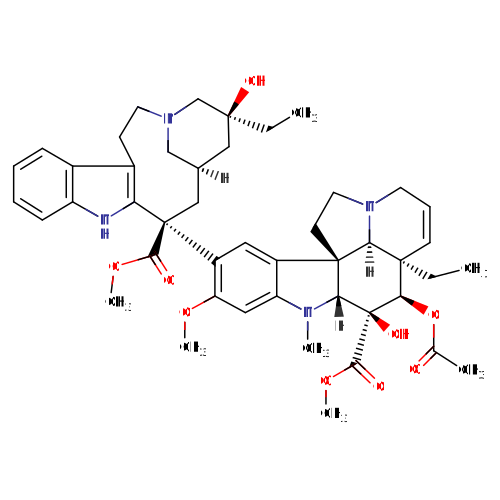
Structure for Vinblastine (DB00570)
- Weight
- Average: 810.9741
Monoisotopic: 810.420379474 - Chemical Formula
- C46H58N4O9
- Synonyms
- Vinblastin
- Vinblastina
- Vinblastine
- Vinblastinum
- Vincaleukoblastine
- External IDs
- NSC-47842

Pharmacology
- Indication
For treatment of breast cancer, testicular cancer, lymphomas, neuroblastoma, Hodgkin's and non-Hodgkin's lymphomas, mycosis fungoides, histiocytosis, and Kaposi's sarcoma.
 Reduce drug development failure ratesBuild, train, & validate machine-learning modelswith evidence-based and structured datasets.Build, train, & validate predictive machine-learning models with structured datasets.
- Associated Conditions
Indication Type Indication Combined Product Details Approval Level Age Group Patient Characteristics Dose Form Used in combination to treat Advanced soft tissue sarcoma ••• ••••• Treatment of Autoimmune hemolytic anemia ••• ••••• Used in combination to treat Bladder cancer ••• ••••• Treatment of Hodgkin lymphoma •••••••••••• Treatment of Immune thrombocytopenic purpura ••• ••••• - Contraindications & Blackbox Warnings
 Prevent Adverse Drug Events TodayTap into our Clinical API for life-saving information on contraindications & blackbox warnings, population restrictions, harmful risks, & more.Avoid life-threatening adverse drug events with our Clinical API
- Pharmacodynamics
Vinblastine is a vinca alkaloid antineoplastic agent. The vinca alkaloids are structurally similar compounds comprised of 2 multiringed units: vindoline and catharanthine. The vinca alkaloids have become clinically useful since the discovery of their antitumour properties in 1959. Initially, extracts of the periwinkle plant (Catharanthus roseus) were investigated because of putative hypoglycemic properties, but were noted to cause marrow suppression in rats and antileukemic effects in vitro. Vinblastine has some immunosuppressant effect. The vinca alkaloids are considered to be cell cycle phase-specific.
- Mechanism of action
The antitumor activity of vinblastine is thought to be due primarily to inhibition of mitosis at metaphase through its interaction with tubulin. Vinblastine binds to the microtubular proteins of the mitotic spindle, leading to crystallization of the microtubule and mitotic arrest or cell death.
Target Actions Organism ATubulin alpha-1A chain binderHumans ATubulin beta chain binderHumans ATubulin delta chain binderHumans ATubulin gamma-1 chain binderHumans ATubulin epsilon chain binderHumans NTranscription factor AP-1 other/unknownHumans - Absorption
Not Available
- Volume of distribution
Not Available
- Protein binding
98-99%
- Metabolism
Hepatic. Metabolism of vinblastine has been shown to be mediated by hepatic cytochrome P450 3A isoenzymes.
Hover over products below to view reaction partners
- Route of elimination
The major route of excretion may be through the biliary system.
- Half-life
Triphasic: 35 min, 53 min, and 19 hours
- Clearance
Not Available
- Adverse Effects
 Improve decision support & research outcomesWith structured adverse effects data, including: blackbox warnings, adverse reactions, warning & precautions, & incidence rates. View sample adverse effects data in our new Data Library!Improve decision support & research outcomes with our structured adverse effects data.
- Toxicity
Oral, mouse: LD50 = 423 mg/kg; Oral, rat: LD50 = 305 mg/kg.
- Pathways
Pathway Category Vinblastine Action Pathway Drug action - Pharmacogenomic Effects/ADRs
- Not Available
Interactions
- Drug Interactions
- This information should not be interpreted without the help of a healthcare provider. If you believe you are experiencing an interaction, contact a healthcare provider immediately. The absence of an interaction does not necessarily mean no interactions exist.
Drug Interaction Integrate drug-drug
interactions in your softwareAbametapir The serum concentration of Vinblastine can be increased when it is combined with Abametapir. Abatacept The metabolism of Vinblastine can be increased when combined with Abatacept. Abciximab The risk or severity of bleeding can be increased when Abciximab is combined with Vinblastine. Abemaciclib The metabolism of Abemaciclib can be increased when combined with Vinblastine. Abrocitinib The serum concentration of Vinblastine can be increased when it is combined with Abrocitinib. - Food Interactions
- Avoid grapefruit products. Grapefruit inhibits CYP3A metabolism, which may increase the serum concentration of vinblastine.
- Exercise caution with St. John's Wort. This herb induces CYP3A metabolism, which may reduce serum levels of vinblastine.
Products
 Drug product information from 10+ global regionsOur datasets provide approved product information including:dosage, form, labeller, route of administration, and marketing period.Access drug product information from over 10 global regions.
- Product Ingredients
Ingredient UNII CAS InChI Key Vinblastine sulfate N00W22YO2B 143-67-9 KDQAABAKXDWYSZ-PNYVAJAMSA-N - International/Other Brands
- Blastivin (Pharmachemie) / Cytoblastin (Cipla) / Lemblastine / Oncostin (Cipla) / Velban (ABL Antibióticos do Brasil) / Velbastin (Korea United Pharm) / Velbe (STADA) / Vinblasin (Teva) / Vinblastin (Gedeon Richter) / Vinko (Koçak) / Weibaoding (Hospira) / Xintoprost (Richmond)
- Brand Name Prescription Products
Name Dosage Strength Route Labeller Marketing Start Marketing End Region Image Velbe 1mg/ml Powder, for solution 10 mg / 10 mL Intravenous Eli Lilly & Co. Ltd. 1994-11-15 2000-10-02 Canada 
Vinblastine Sulfate Inj 1mg/ml Liquid 1 mg / mL Intravenous David Bull Laboratories (Pty) Ltd. 1992-12-31 1998-08-13 Canada Vinblastine Sulfate Injection Solution 1 mg / mL Intravenous Pfizer Canada Ulc 1998-04-14 Not applicable Canada Vinblastine Sulfate Injection Solution 1 mg / mL Intravenous Sandoz Canada Incorporated Not applicable Not applicable Canada Vinblastine Sulphate Injection Solution 1 mg / mL Intravenous TEVA Canada Limited 2013-02-08 Not applicable Canada - Generic Prescription Products
Name Dosage Strength Route Labeller Marketing Start Marketing End Region Image Vinblastine Sulfate Injection 1 mg/1mL Intravenous Fresenius Kabi USA, LLC 2000-07-12 Not applicable US 
Vinblastine Sulfate Injection, powder, lyophilized, for solution 10 mg/10mL Intravenous Bedford Pharmaceuticals 1996-05-01 2013-04-30 US
Categories
- ATC Codes
- L01CA01 — Vinblastine
- Drug Categories
- Alkaloids
- Antimitotic Agents
- Antineoplastic Agents
- Antineoplastic Agents, Phytogenic
- Antineoplastic and Immunomodulating Agents
- BSEP/ABCB11 Inhibitors
- BSEP/ABCB11 Substrates
- BSEP/ABCB11 Substrates with a Narrow Therapeutic Index
- Cardiotoxic antineoplastic agents
- Cytochrome P-450 CYP2D6 Inhibitors
- Cytochrome P-450 CYP2D6 Inhibitors (weak)
- Cytochrome P-450 CYP3A Inducers
- Cytochrome P-450 CYP3A Inhibitors
- Cytochrome P-450 CYP3A Substrates
- Cytochrome P-450 CYP3A4 Inducers
- Cytochrome P-450 CYP3A4 Inducers (strength unknown)
- Cytochrome P-450 CYP3A4 Inhibitors
- Cytochrome P-450 CYP3A4 Inhibitors (strength unknown)
- Cytochrome P-450 CYP3A4 Substrates
- Cytochrome P-450 CYP3A4 Substrates with a Narrow Therapeutic Index
- Cytochrome P-450 Enzyme Inducers
- Cytochrome P-450 Enzyme Inhibitors
- Cytochrome P-450 Substrates
- Heterocyclic Compounds, Fused-Ring
- Immunosuppressive Agents
- Indole Alkaloids
- Indoles
- Indolizidines
- Indolizines
- Mitosis Modulators
- Myelosuppressive Agents
- Narrow Therapeutic Index Drugs
- OATP1B1/SLCO1B1 Inhibitors
- P-glycoprotein inducers
- P-glycoprotein inhibitors
- P-glycoprotein substrates
- P-glycoprotein substrates with a Narrow Therapeutic Index
- Secologanin Tryptamine Alkaloids
- Tubulin Modulators
- Vinca Alkaloids
- Chemical TaxonomyProvided by Classyfire
- Description
- This compound belongs to the class of organic compounds known as vinca alkaloids. These are alkaloids with a dimeric chemical structure composed of an indole nucleus (catharanthine), and a dihydroindole nucleus (vindoline), joined together.
- Kingdom
- Organic compounds
- Super Class
- Alkaloids and derivatives
- Class
- Vinca alkaloids
- Sub Class
- Not Available
- Direct Parent
- Vinca alkaloids
- Alternative Parents
- Carbazoles / 3-alkylindoles / Tricarboxylic acids and derivatives / Anisoles / Dialkylarylamines / Alkyl aryl ethers / Aralkylamines / Piperidines / N-alkylpyrrolidines / Tertiary alcohols show 12 more
- Substituents
- 1,2-aminoalcohol / 3-alkylindole / Alcohol / Alkyl aryl ether / Amine / Amino acid or derivatives / Anisole / Aralkylamine / Aromatic heteropolycyclic compound / Azacycle show 30 more
- Molecular Framework
- Aromatic heteropolycyclic compounds
- External Descriptors
- Not Available
- Affected organisms
- Humans and other mammals
Chemical Identifiers
- UNII
- 5V9KLZ54CY
- CAS number
- 865-21-4
- InChI Key
- JXLYSJRDGCGARV-CFWMRBGOSA-N
- InChI
- InChI=1S/C46H58N4O9/c1-8-42(54)23-28-24-45(40(52)57-6,36-30(15-19-49(25-28)26-42)29-13-10-11-14-33(29)47-36)32-21-31-34(22-35(32)56-5)48(4)38-44(31)17-20-50-18-12-16-43(9-2,37(44)50)39(59-27(3)51)46(38,55)41(53)58-7/h10-14,16,21-22,28,37-39,47,54-55H,8-9,15,17-20,23-26H2,1-7H3/t28-,37-,38+,39+,42-,43+,44+,45-,46-/m0/s1
- IUPAC Name
- methyl (1R,9R,10S,11R,12R,19R)-11-(acetyloxy)-12-ethyl-4-[(13S,15R,17S)-17-ethyl-17-hydroxy-13-(methoxycarbonyl)-1,11-diazatetracyclo[13.3.1.0^{4,12}.0^{5,10}]nonadeca-4(12),5(10),6,8-tetraen-13-yl]-10-hydroxy-5-methoxy-8-methyl-8,16-diazapentacyclo[10.6.1.0^{1,9}.0^{2,7}.0^{16,19}]nonadeca-2,4,6,13-tetraene-10-carboxylate
- SMILES
- [H][C@@]12N(C)C3=CC(OC)=C(C=C3[C@@]11CCN3CC=C[C@@](CC)([C@@H](OC(C)=O)[C@]2(O)C(=O)OC)[C@@]13[H])[C@]1(C[C@@]2([H])CN(C[C@](O)(CC)C2)CCC2=C1NC1=C2C=CC=C1)C(=O)OC
References
- Synthesis Reference
Pierre Potier, Pierre Mangeney, Nicole Langlois, Yves Langlois, "Process for the synthesis of vinblastine and leurosidine." U.S. Patent US4305875, issued October, 1977.
US4305875- General References
- Starling D: Two ultrastructurally distinct tubulin paracrystals induced in sea-urchin eggs by vinblastine sulphate. J Cell Sci. 1976 Jan;20(1):79-89. [Article]
- External Links
- PubChem Compound
- 13342
- PubChem Substance
- 46504550
- ChemSpider
- 12773
- BindingDB
- 50012278
- 11198
- ChEMBL
- CHEMBL159
- ZINC
- ZINC000085432544
- Therapeutic Targets Database
- DAP000785
- PharmGKB
- PA451877
- PDBe Ligand
- VLB
- RxList
- RxList Drug Page
- Drugs.com
- Drugs.com Drug Page
- Wikipedia
- Vinblastine
- PDB Entries
- 1z2b / 4eb6 / 5bmv / 5j2t / 7z7d / 8cle / 8clh
- MSDS
- Download (73.5 KB)
Clinical Trials
- Clinical Trials
Phase Status Purpose Conditions Count 4 Completed Treatment Lymphoma 1 4 Completed Treatment Non-Small Cell Lung Carcinoma 1 4 Recruiting Treatment Pediatric Hodgkin's Disease 1 4 Unknown Status Treatment Non-Hodgkin's Lymphoma (NHL) 1 3 Active Not Recruiting Treatment Ann Arbor Stage III Hodgkin Lymphoma / Ann Arbor Stage III Lymphocyte-Depleted Classic Hodgkin Lymphoma / Ann Arbor Stage III Mixed Cellularity Classic Hodgkin Lymphoma / Ann Arbor Stage III Nodular Sclerosis Classic Hodgkin Lymphoma / Ann Arbor Stage IV Hodgkin Lymphoma / Ann Arbor Stage IV Lymphocyte-Depleted Classic Hodgkin Lymphoma / Ann Arbor Stage IV Mixed Cellularity Classic Hodgkin Lymphoma / Ann Arbor Stage IV Nodular Sclerosis Classic Hodgkin Lymphoma / Classical Hodgkin's Lymphoma / Lymphocyte-Rich Classical Hodgkin Lymphoma 1
Pharmacoeconomics
- Manufacturers
- Eli lilly and co
- Abraxis pharmaceutical products
- App pharmaceuticals llc
- Bedford laboratories div ben venue laboratories inc
- Hospira inc
- Packagers
- APP Pharmaceuticals
- APPD
- Bedford Labs
- Ben Venue Laboratories Inc.
- Hospira Inc.
- Dosage Forms
Form Route Strength Solution Intravenous 10.000 mg Injection Intravenous Injection Intravenous 1 mg/ml Solution Intravenous 10 mg Solution Intravenous 1000000 mg Solution Intravenous Injection, powder, for solution Intravenous 10 mg Injection, solution Intravenous 10 mg Powder, for solution Parenteral 10 MG Powder, for solution Intravenous 10 mg / 10 mL Powder, for solution Intravenous Injection, powder, lyophilized, for solution Intravenous 10 mg Injection, solution Parenteral 1 MG/ML Injection, powder, lyophilized, for solution Parenteral 10 mg Injection, solution 5 mg Injection Intravenous 1 mg/1mL Injection, powder, lyophilized, for solution Intravenous 10 mg/10mL Liquid Intravenous 1 mg / mL Solution Intravenous 1 mg / mL Solution Intravenous 10 mg/1vial - Prices
Unit description Cost Unit Vinblastine sulf 10 mg vial 18.6USD each DrugBank does not sell nor buy drugs. Pricing information is supplied for informational purposes only.- Patents
- Not Available
Properties
- State
- Solid
- Experimental Properties
Property Value Source melting point (°C) 267 °C Not Available water solubility Negligible Not Available logP 3.70 SANGSTER (1994) - Predicted Properties
Property Value Source Water Solubility 0.0169 mg/mL ALOGPS logP 4.22 ALOGPS logP 4.18 Chemaxon logS -4.7 ALOGPS pKa (Strongest Acidic) 10.87 Chemaxon pKa (Strongest Basic) 8.86 Chemaxon Physiological Charge 2 Chemaxon Hydrogen Acceptor Count 9 Chemaxon Hydrogen Donor Count 3 Chemaxon Polar Surface Area 154.1 Å2 Chemaxon Rotatable Bond Count 10 Chemaxon Refractivity 222.42 m3·mol-1 Chemaxon Polarizability 87.46 Å3 Chemaxon Number of Rings 9 Chemaxon Bioavailability 1 Chemaxon Rule of Five No Chemaxon Ghose Filter No Chemaxon Veber's Rule No Chemaxon MDDR-like Rule Yes Chemaxon - Predicted ADMET Features
Property Value Probability Human Intestinal Absorption + 0.9806 Blood Brain Barrier - 0.9203 Caco-2 permeable + 0.6283 P-glycoprotein substrate Substrate 0.9213 P-glycoprotein inhibitor I Inhibitor 0.7737 P-glycoprotein inhibitor II Inhibitor 0.6817 Renal organic cation transporter Non-inhibitor 0.771 CYP450 2C9 substrate Non-substrate 0.816 CYP450 2D6 substrate Non-substrate 0.9117 CYP450 3A4 substrate Substrate 0.72 CYP450 1A2 substrate Non-inhibitor 0.9198 CYP450 2C9 inhibitor Non-inhibitor 0.9093 CYP450 2D6 inhibitor Non-inhibitor 0.9231 CYP450 2C19 inhibitor Non-inhibitor 0.9025 CYP450 3A4 inhibitor Non-inhibitor 0.8149 CYP450 inhibitory promiscuity Low CYP Inhibitory Promiscuity 0.8681 Ames test Non AMES toxic 0.9132 Carcinogenicity Non-carcinogens 0.91 Biodegradation Not ready biodegradable 1.0 Rat acute toxicity 2.9111 LD50, mol/kg Not applicable hERG inhibition (predictor I) Weak inhibitor 0.9366 hERG inhibition (predictor II) Non-inhibitor 0.5793
Spectra
- Mass Spec (NIST)
- Not Available
- Spectra
- Chromatographic Properties
Collision Cross Sections (CCS)
Adduct CCS Value (Å2) Source type Source [M-H]- 298.2963632 predictedDarkChem Lite v0.1.0 [M-H]- 248.36577 predictedDeepCCS 1.0 (2019) [M+H]+ 250.03435 predictedDeepCCS 1.0 (2019) [M+Na]+ 256.81277 predictedDeepCCS 1.0 (2019)
Targets

- Kind
- Protein
- Organism
- Humans
- Pharmacological action
- Yes
- Actions
- Binder
- General Function
- Tubulin is the major constituent of microtubules. It binds two moles of GTP, one at an exchangeable site on the beta chain and one at a non-exchangeable site on the alpha chain.
- Specific Function
- Gtp binding
- Gene Name
- TUBA1A
- Uniprot ID
- Q71U36
- Uniprot Name
- Tubulin alpha-1A chain
- Molecular Weight
- 50135.25 Da
References
- Jordan MA, Kamath K: How do microtubule-targeted drugs work? An overview. Curr Cancer Drug Targets. 2007 Dec;7(8):730-42. [Article]
- Correia JJ: Effects of antimitotic agents on tubulin-nucleotide interactions. Pharmacol Ther. 1991 Nov;52(2):127-47. [Article]
- Jordan A, Hadfield JA, Lawrence NJ, McGown AT: Tubulin as a target for anticancer drugs: agents which interact with the mitotic spindle. Med Res Rev. 1998 Jul;18(4):259-96. [Article]
- Islam MN, Iskander MN: Microtubulin binding sites as target for developing anticancer agents. Mini Rev Med Chem. 2004 Dec;4(10):1077-104. [Article]
- Gupta S, Bhattacharyya B: Antimicrotubular drugs binding to vinca domain of tubulin. Mol Cell Biochem. 2003 Nov;253(1-2):41-7. [Article]
- Kind
- Protein
- Organism
- Humans
- Pharmacological action
- Yes
- Actions
- Binder
- General Function
- Ubiquitin protein ligase binding
- Specific Function
- Tubulin is the major constituent of microtubules. It binds two moles of GTP, one at an exchangeable site on the beta chain and one at a non-exchangeable site on the alpha chain.
- Gene Name
- TUBB
- Uniprot ID
- P07437
- Uniprot Name
- Tubulin beta chain
- Molecular Weight
- 49670.515 Da
References
- Jordan MA, Kamath K: How do microtubule-targeted drugs work? An overview. Curr Cancer Drug Targets. 2007 Dec;7(8):730-42. [Article]
- Correia JJ: Effects of antimitotic agents on tubulin-nucleotide interactions. Pharmacol Ther. 1991 Nov;52(2):127-47. [Article]
- Jordan A, Hadfield JA, Lawrence NJ, McGown AT: Tubulin as a target for anticancer drugs: agents which interact with the mitotic spindle. Med Res Rev. 1998 Jul;18(4):259-96. [Article]
- Islam MN, Iskander MN: Microtubulin binding sites as target for developing anticancer agents. Mini Rev Med Chem. 2004 Dec;4(10):1077-104. [Article]
- Gupta S, Bhattacharyya B: Antimicrotubular drugs binding to vinca domain of tubulin. Mol Cell Biochem. 2003 Nov;253(1-2):41-7. [Article]
- Kind
- Protein
- Organism
- Humans
- Pharmacological action
- Yes
- Actions
- Binder
- General Function
- Structural constituent of cytoskeleton
- Specific Function
- In the elongating spermatid it is associated with the manchette, a specialized microtubule system present during reshaping of the sperm head.
- Gene Name
- TUBD1
- Uniprot ID
- Q9UJT1
- Uniprot Name
- Tubulin delta chain
- Molecular Weight
- 51033.86 Da
References
- Jordan MA, Kamath K: How do microtubule-targeted drugs work? An overview. Curr Cancer Drug Targets. 2007 Dec;7(8):730-42. [Article]
- Correia JJ: Effects of antimitotic agents on tubulin-nucleotide interactions. Pharmacol Ther. 1991 Nov;52(2):127-47. [Article]
- Jordan A, Hadfield JA, Lawrence NJ, McGown AT: Tubulin as a target for anticancer drugs: agents which interact with the mitotic spindle. Med Res Rev. 1998 Jul;18(4):259-96. [Article]
- Islam MN, Iskander MN: Microtubulin binding sites as target for developing anticancer agents. Mini Rev Med Chem. 2004 Dec;4(10):1077-104. [Article]
- Gupta S, Bhattacharyya B: Antimicrotubular drugs binding to vinca domain of tubulin. Mol Cell Biochem. 2003 Nov;253(1-2):41-7. [Article]
- Kind
- Protein
- Organism
- Humans
- Pharmacological action
- Yes
- Actions
- Binder
- General Function
- Structural constituent of cytoskeleton
- Specific Function
- Tubulin is the major constituent of microtubules. The gamma chain is found at microtubule organizing centers (MTOC) such as the spindle poles or the centrosome. Pericentriolar matrix component that...
- Gene Name
- TUBG1
- Uniprot ID
- P23258
- Uniprot Name
- Tubulin gamma-1 chain
- Molecular Weight
- 51169.48 Da
References
- Jordan MA, Kamath K: How do microtubule-targeted drugs work? An overview. Curr Cancer Drug Targets. 2007 Dec;7(8):730-42. [Article]
- Correia JJ: Effects of antimitotic agents on tubulin-nucleotide interactions. Pharmacol Ther. 1991 Nov;52(2):127-47. [Article]
- Jordan A, Hadfield JA, Lawrence NJ, McGown AT: Tubulin as a target for anticancer drugs: agents which interact with the mitotic spindle. Med Res Rev. 1998 Jul;18(4):259-96. [Article]
- Islam MN, Iskander MN: Microtubulin binding sites as target for developing anticancer agents. Mini Rev Med Chem. 2004 Dec;4(10):1077-104. [Article]
- Gupta S, Bhattacharyya B: Antimicrotubular drugs binding to vinca domain of tubulin. Mol Cell Biochem. 2003 Nov;253(1-2):41-7. [Article]
- Kind
- Protein
- Organism
- Humans
- Pharmacological action
- Yes
- Actions
- Binder
- General Function
- Structural constituent of cytoskeleton
- Specific Function
- Not Available
- Gene Name
- TUBE1
- Uniprot ID
- Q9UJT0
- Uniprot Name
- Tubulin epsilon chain
- Molecular Weight
- 52931.4 Da
References
- Jordan MA, Kamath K: How do microtubule-targeted drugs work? An overview. Curr Cancer Drug Targets. 2007 Dec;7(8):730-42. [Article]
- Correia JJ: Effects of antimitotic agents on tubulin-nucleotide interactions. Pharmacol Ther. 1991 Nov;52(2):127-47. [Article]
- Jordan A, Hadfield JA, Lawrence NJ, McGown AT: Tubulin as a target for anticancer drugs: agents which interact with the mitotic spindle. Med Res Rev. 1998 Jul;18(4):259-96. [Article]
- Islam MN, Iskander MN: Microtubulin binding sites as target for developing anticancer agents. Mini Rev Med Chem. 2004 Dec;4(10):1077-104. [Article]
- Gupta S, Bhattacharyya B: Antimicrotubular drugs binding to vinca domain of tubulin. Mol Cell Biochem. 2003 Nov;253(1-2):41-7. [Article]
- Kind
- Protein
- Organism
- Humans
- Pharmacological action
- No
- Actions
- Other/unknown
- General Function
- Transcriptional activator activity, rna polymerase ii transcription factor binding
- Specific Function
- Transcription factor that recognizes and binds to the enhancer heptamer motif 5'-TGA[CG]TCA-3'. Promotes activity of NR5A1 when phosphorylated by HIPK3 leading to increased steroidogenic gene expre...
- Gene Name
- JUN
- Uniprot ID
- P05412
- Uniprot Name
- Transcription factor AP-1
- Molecular Weight
- 35675.32 Da
References
- Brantley-Finley C, Lyle CS, Du L, Goodwin ME, Hall T, Szwedo D, Kaushal GP, Chambers TC: The JNK, ERK and p53 pathways play distinct roles in apoptosis mediated by the antitumor agents vinblastine, doxorubicin, and etoposide. Biochem Pharmacol. 2003 Aug 1;66(3):459-69. [Article]
- Bene A, Kurten RC, Chambers TC: Subcellular localization as a limiting factor for utilization of decoy oligonucleotides. Nucleic Acids Res. 2004 Oct 21;32(19):e142. [Article]
- Obey TB, Lyle CS, Chambers TC: Role of c-Jun in cellular sensitivity to the microtubule inhibitor vinblastine. Biochem Biophys Res Commun. 2005 Oct 7;335(4):1179-84. [Article]
- Martinez-Campa C, Casado P, Rodriguez R, Zuazua P, Garcia-Pedrero JM, Lazo PS, Ramos S: Effect of vinca alkaloids on ERalpha levels and estradiol-induced responses in MCF-7 cells. Breast Cancer Res Treat. 2006 Jul;98(1):81-9. Epub 2006 Mar 23. [Article]
- Duan L, Sterba K, Kolomeichuk S, Kim H, Brown PH, Chambers TC: Inducible overexpression of c-Jun in MCF7 cells causes resistance to vinblastine via inhibition of drug-induced apoptosis and senescence at a step subsequent to mitotic arrest. Biochem Pharmacol. 2007 Feb 15;73(4):481-90. Epub 2006 Oct 29. [Article]
Enzymes
- Kind
- Protein
- Organism
- Humans
- Pharmacological action
- Unknown
- Actions
- Inhibitor
- General Function
- Steroid hydroxylase activity
- Specific Function
- Responsible for the metabolism of many drugs and environmental chemicals that it oxidizes. It is involved in the metabolism of drugs such as antiarrhythmics, adrenoceptor antagonists, and tricyclic...
- Gene Name
- CYP2D6
- Uniprot ID
- P10635
- Uniprot Name
- Cytochrome P450 2D6
- Molecular Weight
- 55768.94 Da
References
- Le Guellec C, Lacarelle B, Catalin J, Durand A: Inhibitory effects of anticancer drugs on dextromethorphan-O-demethylase activity in human liver microsomes. Cancer Chemother Pharmacol. 1993;32(6):491-5. [Article]
- Kind
- Protein
- Organism
- Humans
- Pharmacological action
- Unknown
- Actions
- SubstrateInhibitorInducer
- General Function
- Vitamin d3 25-hydroxylase activity
- Specific Function
- Cytochromes P450 are a group of heme-thiolate monooxygenases. In liver microsomes, this enzyme is involved in an NADPH-dependent electron transport pathway. It performs a variety of oxidation react...
- Gene Name
- CYP3A4
- Uniprot ID
- P08684
- Uniprot Name
- Cytochrome P450 3A4
- Molecular Weight
- 57342.67 Da
References
- Ekins S, Bravi G, Wikel JH, Wrighton SA: Three-dimensional-quantitative structure activity relationship analysis of cytochrome P-450 3A4 substrates. J Pharmacol Exp Ther. 1999 Oct;291(1):424-33. [Article]
- Smith NF, Mani S, Schuetz EG, Yasuda K, Sissung TM, Bates SE, Figg WD, Sparreboom A: Induction of CYP3A4 by vinblastine: Role of the nuclear receptor NR1I2. Ann Pharmacother. 2010 Nov;44(11):1709-17. doi: 10.1345/aph.1P354. Epub 2010 Oct 19. [Article]
- Baumhakel M, Kasel D, Rao-Schymanski RA, Bocker R, Beckurts KT, Zaigler M, Barthold D, Fuhr U: Screening for inhibitory effects of antineoplastic agents on CYP3A4 in human liver microsomes. Int J Clin Pharmacol Ther. 2001 Dec;39(12):517-28. [Article]
Transporters
- Kind
- Protein
- Organism
- Humans
- Pharmacological action
- Unknown
- Actions
- SubstrateInhibitorInducer
- General Function
- Xenobiotic-transporting atpase activity
- Specific Function
- Energy-dependent efflux pump responsible for decreased drug accumulation in multidrug-resistant cells.
- Gene Name
- ABCB1
- Uniprot ID
- P08183
- Uniprot Name
- Multidrug resistance protein 1
- Molecular Weight
- 141477.255 Da
References
- Arora A, Shukla Y: Modulation of vinca-alkaloid induced P-glycoprotein expression by indole-3-carbinol. Cancer Lett. 2003 Jan 28;189(2):167-73. [Article]
- Gao J, Murase O, Schowen RL, Aube J, Borchardt RT: A functional assay for quantitation of the apparent affinities of ligands of P-glycoprotein in Caco-2 cells. Pharm Res. 2001 Feb;18(2):171-6. [Article]
- Wang EJ, Casciano CN, Clement RP, Johnson WW: Active transport of fluorescent P-glycoprotein substrates: evaluation as markers and interaction with inhibitors. Biochem Biophys Res Commun. 2001 Nov 30;289(2):580-5. [Article]
- Tang F, Horie K, Borchardt RT: Are MDCK cells transfected with the human MDR1 gene a good model of the human intestinal mucosa? Pharm Res. 2002 Jun;19(6):765-72. [Article]
- Horie K, Tang F, Borchardt RT: Isolation and characterization of Caco-2 subclones expressing high levels of multidrug resistance protein efflux transporter. Pharm Res. 2003 Feb;20(2):161-8. [Article]
- Schwab D, Fischer H, Tabatabaei A, Poli S, Huwyler J: Comparison of in vitro P-glycoprotein screening assays: recommendations for their use in drug discovery. J Med Chem. 2003 Apr 24;46(9):1716-25. [Article]
- Tanigawara Y, Okamura N, Hirai M, Yasuhara M, Ueda K, Kioka N, Komano T, Hori R: Transport of digoxin by human P-glycoprotein expressed in a porcine kidney epithelial cell line (LLC-PK1). J Pharmacol Exp Ther. 1992 Nov;263(2):840-5. [Article]
- Tiberghien F, Loor F: Ranking of P-glycoprotein substrates and inhibitors by a calcein-AM fluorometry screening assay. Anticancer Drugs. 1996 Jul;7(5):568-78. [Article]
- Pouliot JF, L'Heureux F, Liu Z, Prichard RK, Georges E: Reversal of P-glycoprotein-associated multidrug resistance by ivermectin. Biochem Pharmacol. 1997 Jan 10;53(1):17-25. [Article]
- Smit JW, Weert B, Schinkel AH, Meijer DK: Heterologous expression of various P-glycoproteins in polarized epithelial cells induces directional transport of small (type 1) and bulky (type 2) cationic drugs. J Pharmacol Exp Ther. 1998 Jul;286(1):321-7. [Article]
- Shepard RL, Winter MA, Hsaio SC, Pearce HL, Beck WT, Dantzig AH: Effect of modulators on the ATPase activity and vanadate nucleotide trapping of human P-glycoprotein. Biochem Pharmacol. 1998 Sep 15;56(6):719-27. [Article]
- Golstein PE, Boom A, van Geffel J, Jacobs P, Masereel B, Beauwens R: P-glycoprotein inhibition by glibenclamide and related compounds. Pflugers Arch. 1999 Apr;437(5):652-60. [Article]
- Takara K, Tanigawara Y, Komada F, Nishiguchi K, Sakaeda T, Okumura K: Cellular pharmacokinetic aspects of reversal effect of itraconazole on P-glycoprotein-mediated resistance of anticancer drugs. Biol Pharm Bull. 1999 Dec;22(12):1355-9. [Article]
- Nagy H, Goda K, Fenyvesi F, Bacso Z, Szilasi M, Kappelmayer J, Lustyik G, Cianfriglia M, Szabo G Jr: Distinct groups of multidrug resistance modulating agents are distinguished by competition of P-glycoprotein-specific antibodies. Biochem Biophys Res Commun. 2004 Mar 19;315(4):942-9. [Article]
- Chen C, Mireles RJ, Campbell SD, Lin J, Mills JB, Xu JJ, Smolarek TA: Differential interaction of 3-hydroxy-3-methylglutaryl-coa reductase inhibitors with ABCB1, ABCC2, and OATP1B1. Drug Metab Dispos. 2005 Apr;33(4):537-46. Epub 2004 Dec 22. [Article]
- Yamazaki M, Neway WE, Ohe T, Chen I, Rowe JF, Hochman JH, Chiba M, Lin JH: In vitro substrate identification studies for p-glycoprotein-mediated transport: species difference and predictability of in vivo results. J Pharmacol Exp Ther. 2001 Mar;296(3):723-35. [Article]
- Adachi Y, Suzuki H, Sugiyama Y: Comparative studies on in vitro methods for evaluating in vivo function of MDR1 P-glycoprotein. Pharm Res. 2001 Dec;18(12):1660-8. [Article]
- Kumar S, Kwei GY, Poon GK, Iliff SA, Wang Y, Chen Q, Franklin RB, Didolkar V, Wang RW, Yamazaki M, Chiu SH, Lin JH, Pearson PG, Baillie TA: Pharmacokinetics and interactions of a novel antagonist of chemokine receptor 5 (CCR5) with ritonavir in rats and monkeys: role of CYP3A and P-glycoprotein. J Pharmacol Exp Ther. 2003 Mar;304(3):1161-71. [Article]
- Atkinson DE, Greenwood SL, Sibley CP, Glazier JD, Fairbairn LJ: Role of MDR1 and MRP1 in trophoblast cells, elucidated using retroviral gene transfer. Am J Physiol Cell Physiol. 2003 Sep;285(3):C584-91. Epub 2003 Apr 30. [Article]
- Troutman MD, Thakker DR: Novel experimental parameters to quantify the modulation of absorptive and secretory transport of compounds by P-glycoprotein in cell culture models of intestinal epithelium. Pharm Res. 2003 Aug;20(8):1210-24. [Article]
- Dagenais C, Graff CL, Pollack GM: Variable modulation of opioid brain uptake by P-glycoprotein in mice. Biochem Pharmacol. 2004 Jan 15;67(2):269-76. [Article]
- Taipalensuu J, Tavelin S, Lazorova L, Svensson AC, Artursson P: Exploring the quantitative relationship between the level of MDR1 transcript, protein and function using digoxin as a marker of MDR1-dependent drug efflux activity. Eur J Pharm Sci. 2004 Jan;21(1):69-75. [Article]
- Hunter J, Hirst BH, Simmons NL: Drug absorption limited by P-glycoprotein-mediated secretory drug transport in human intestinal epithelial Caco-2 cell layers. Pharm Res. 1993 May;10(5):743-9. [Article]
- Borgnia MJ, Eytan GD, Assaraf YG: Competition of hydrophobic peptides, cytotoxic drugs, and chemosensitizers on a common P-glycoprotein pharmacophore as revealed by its ATPase activity. J Biol Chem. 1996 Feb 9;271(6):3163-71. [Article]
- Dantzig AH, Shepard RL, Law KL, Tabas L, Pratt S, Gillespie JS, Binkley SN, Kuhfeld MT, Starling JJ, Wrighton SA: Selectivity of the multidrug resistance modulator, LY335979, for P-glycoprotein and effect on cytochrome P-450 activities. J Pharmacol Exp Ther. 1999 Aug;290(2):854-62. [Article]
- Lecureur V, Sun D, Hargrove P, Schuetz EG, Kim RB, Lan LB, Schuetz JD: Cloning and expression of murine sister of P-glycoprotein reveals a more discriminating transporter than MDR1/P-glycoprotein. Mol Pharmacol. 2000 Jan;57(1):24-35. [Article]
- Fedoruk MN, Gimenez-Bonafe P, Guns ES, Mayer LD, Nelson CC: P-glycoprotein increases the efflux of the androgen dihydrotestosterone and reduces androgen responsive gene activity in prostate tumor cells. Prostate. 2004 Apr 1;59(1):77-90. [Article]
- Takara K, Sakaeda T, Kakumoto M, Tanigawara Y, Kobayashi H, Okumura K, Ohnishi N, Yokoyama T: Effects of alpha-adrenoceptor antagonist doxazosin on MDR1-mediated multidrug resistance and transcellular transport. Oncol Res. 2009;17(11-12):527-33. [Article]
- Jutabha P, Wempe MF, Anzai N, Otomo J, Kadota T, Endou H: Xenopus laevis oocytes expressing human P-glycoprotein: probing trans- and cis-inhibitory effects on [3H]vinblastine and [3H]digoxin efflux. Pharmacol Res. 2010 Jan;61(1):76-84. doi: 10.1016/j.phrs.2009.07.002. Epub 2009 Jul 21. [Article]
- Kugawa F, Suzuki T, Miyata M, Tomono K, Tamanoi F: Construction of a model cell line for the assay of MDR1 (multi drug resistance gene-1) substrates/inhibitors using HeLa cells. Pharmazie. 2009 May;64(5):296-300. [Article]
- Woodahl EL, Crouthamel MH, Bui T, Shen DD, Ho RJ: MDR1 (ABCB1) G1199A (Ser400Asn) polymorphism alters transepithelial permeability and sensitivity to anticancer agents. Cancer Chemother Pharmacol. 2009 Jun;64(1):183-8. doi: 10.1007/s00280-008-0906-4. Epub 2009 Jan 4. [Article]
- Ekins S, Kim RB, Leake BF, Dantzig AH, Schuetz EG, Lan LB, Yasuda K, Shepard RL, Winter MA, Schuetz JD, Wikel JH, Wrighton SA: Application of three-dimensional quantitative structure-activity relationships of P-glycoprotein inhibitors and substrates. Mol Pharmacol. 2002 May;61(5):974-81. [Article]
- Takara K, Sakaeda T, Yagami T, Kobayashi H, Ohmoto N, Horinouchi M, Nishiguchi K, Okumura K: Cytotoxic effects of 27 anticancer drugs in HeLa and MDR1-overexpressing derivative cell lines. Biol Pharm Bull. 2002 Jun;25(6):771-8. [Article]
- Henning U, Loffler S, Krieger K, Klimke A: Uptake of clozapine into HL-60 promyelocytic leukaemia cells. Pharmacopsychiatry. 2002 May;35(3):90-5. [Article]
- Kind
- Protein
- Organism
- Humans
- Pharmacological action
- Unknown
- Actions
- SubstrateInhibitorInducer
- General Function
- Transporter activity
- Specific Function
- Mediates export of organic anions and drugs from the cytoplasm. Mediates ATP-dependent transport of glutathione and glutathione conjugates, leukotriene C4, estradiol-17-beta-o-glucuronide, methotre...
- Gene Name
- ABCC1
- Uniprot ID
- P33527
- Uniprot Name
- Multidrug resistance-associated protein 1
- Molecular Weight
- 171589.5 Da
References
- Schrenk D, Baus PR, Ermel N, Klein C, Vorderstemann B, Kauffmann HM: Up-regulation of transporters of the MRP family by drugs and toxins. Toxicol Lett. 2001 Mar 31;120(1-3):51-7. [Article]
- Loe DW, Almquist KC, Cole SP, Deeley RG: ATP-dependent 17 beta-estradiol 17-(beta-D-glucuronide) transport by multidrug resistance protein (MRP). Inhibition by cholestatic steroids. J Biol Chem. 1996 Apr 19;271(16):9683-9. [Article]
- Flanagan SD, Cummins CL, Susanto M, Liu X, Takahashi LH, Benet LZ: Comparison of furosemide and vinblastine secretion from cell lines overexpressing multidrug resistance protein (P-glycoprotein) and multidrug resistance-associated proteins (MRP1 and MRP2). Pharmacology. 2002;64(3):126-34. [Article]
- Yildiz M, Celik-Ozenci C, Akan S, Akan I, Sati L, Demir R, Savas B, Ozben T, Samur M, Ozdogan M, Artac M, Bozcuk H: Zoledronic acid is synergic with vinblastine to induce apoptosis in a multidrug resistance protein-1 dependent way: an in vitro study. Cell Biol Int. 2006 Mar;30(3):278-82. Epub 2006 Feb 2. [Article]
- Kind
- Protein
- Organism
- Humans
- Pharmacological action
- Unknown
- Actions
- SubstrateInhibitorInducer
- General Function
- Organic anion transmembrane transporter activity
- Specific Function
- Mediates hepatobiliary excretion of numerous organic anions. May function as a cellular cisplatin transporter.
- Gene Name
- ABCC2
- Uniprot ID
- Q92887
- Uniprot Name
- Canalicular multispecific organic anion transporter 1
- Molecular Weight
- 174205.64 Da
References
- Schrenk D, Baus PR, Ermel N, Klein C, Vorderstemann B, Kauffmann HM: Up-regulation of transporters of the MRP family by drugs and toxins. Toxicol Lett. 2001 Mar 31;120(1-3):51-7. [Article]
- Chen C, Mireles RJ, Campbell SD, Lin J, Mills JB, Xu JJ, Smolarek TA: Differential interaction of 3-hydroxy-3-methylglutaryl-coa reductase inhibitors with ABCB1, ABCC2, and OATP1B1. Drug Metab Dispos. 2005 Apr;33(4):537-46. Epub 2004 Dec 22. [Article]
- Ishikawa T, Muller M, Klunemann C, Schaub T, Keppler D: ATP-dependent primary active transport of cysteinyl leukotrienes across liver canalicular membrane. Role of the ATP-dependent transport system for glutathione S-conjugates. J Biol Chem. 1990 Nov 5;265(31):19279-86. [Article]
- Tang F, Horie K, Borchardt RT: Are MDCK cells transfected with the human MRP2 gene a good model of the human intestinal mucosa? Pharm Res. 2002 Jun;19(6):773-9. [Article]
- Baltes S, Gastens AM, Fedrowitz M, Potschka H, Kaever V, Loscher W: Differences in the transport of the antiepileptic drugs phenytoin, levetiracetam and carbamazepine by human and mouse P-glycoprotein. Neuropharmacology. 2007 Feb;52(2):333-46. Epub 2006 Oct 10. [Article]
- Kind
- Protein
- Organism
- Humans
- Pharmacological action
- Unknown
- Actions
- Inhibitor
- General Function
- Transporter activity
- Specific Function
- Isoform 1: May participate directly in the active transport of drugs into subcellular organelles or influence drug distribution indirectly. Transports glutathione conjugates as leukotriene-c4 (LTC4...
- Gene Name
- ABCC6
- Uniprot ID
- O95255
- Uniprot Name
- Multidrug resistance-associated protein 6
- Molecular Weight
- 164904.81 Da
References
- Cai J, Daoud R, Alqawi O, Georges E, Pelletier J, Gros P: Nucleotide binding and nucleotide hydrolysis properties of the ABC transporter MRP6 (ABCC6). Biochemistry. 2002 Jun 25;41(25):8058-67. [Article]
- Kind
- Protein
- Organism
- Humans
- Pharmacological action
- No
- Actions
- SubstrateInhibitor
- General Function
- Transporter activity
- Specific Function
- Involved in the ATP-dependent secretion of bile salts into the canaliculus of hepatocytes.
- Gene Name
- ABCB11
- Uniprot ID
- O95342
- Uniprot Name
- Bile salt export pump
- Molecular Weight
- 146405.83 Da
References
- Wang EJ, Casciano CN, Clement RP, Johnson WW: Fluorescent substrates of sister-P-glycoprotein (BSEP) evaluated as markers of active transport and inhibition: evidence for contingent unequal binding sites. Pharm Res. 2003 Apr;20(4):537-44. [Article]
- Lecureur V, Sun D, Hargrove P, Schuetz EG, Kim RB, Lan LB, Schuetz JD: Cloning and expression of murine sister of P-glycoprotein reveals a more discriminating transporter than MDR1/P-glycoprotein. Mol Pharmacol. 2000 Jan;57(1):24-35. [Article]
- Kind
- Protein
- Organism
- Humans
- Pharmacological action
- Unknown
- Actions
- Inhibitor
- General Function
- Sodium-independent organic anion transmembrane transporter activity
- Specific Function
- Mediates the Na(+)-independent uptake of organic anions such as pravastatin, taurocholate, methotrexate, dehydroepiandrosterone sulfate, 17-beta-glucuronosyl estradiol, estrone sulfate, prostagland...
- Gene Name
- SLCO1B1
- Uniprot ID
- Q9Y6L6
- Uniprot Name
- Solute carrier organic anion transporter family member 1B1
- Molecular Weight
- 76447.99 Da
References
- Karlgren M, Ahlin G, Bergstrom CA, Svensson R, Palm J, Artursson P: In vitro and in silico strategies to identify OATP1B1 inhibitors and predict clinical drug-drug interactions. Pharm Res. 2012 Feb;29(2):411-26. doi: 10.1007/s11095-011-0564-9. Epub 2011 Aug 23. [Article]

Drug created at June 13, 2005 13:24 / Updated at April 27, 2024 09:44