Identification
- Summary
Valaciclovir is an guanine nucleoside antiviral used to treat herpes exacerbations.
- Brand Names
- Valtrex
- Generic Name
- Valaciclovir
- DrugBank Accession Number
- DB00577
- Background
Valaciclovir (valacyclovir), also known as Valtrex, is an antiviral drug that has been used to manage and treat various herpes infections for more than 2 decades. It was initially approved by the FDA in 1995 Label and marketed by GlaxoSmithKline 8. Valacyclovir is the L-valine ester of aciclovir. It is a member of the purine (guanine) nucleoside analog drug class 10. This class of drugs forms an important part of hepatitis, HIV, and cytomegalovirus drug regimens 4.
One major use of valacyclovir is the treatment of genital herpes episodes or outbreaks. Genital herpes is a frequently diagnosed sexually transmitted disease which currently affects more than 400 million individuals worldwide. It is caused by infection with the herpes simplex virus (HSV). Infection with this virus is lifelong with periodic episodes of reactivation 5.
- Type
- Small Molecule
- Groups
- Approved, Investigational
- Structure
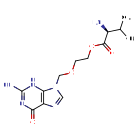
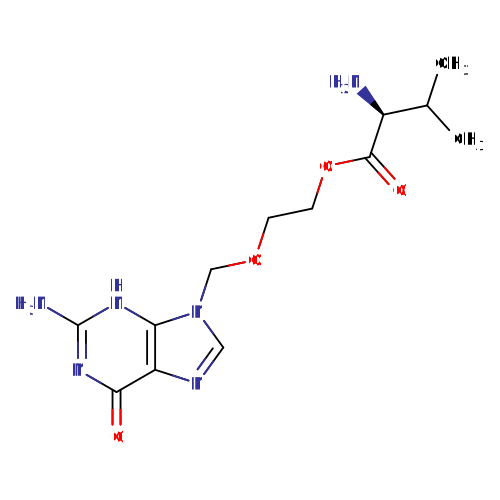
Structure for Valaciclovir (DB00577)
- Weight
- Average: 324.3357
Monoisotopic: 324.154603158 - Chemical Formula
- C13H20N6O4
- Synonyms
- L-Valine ester with 9-((2-hydroxyethoxy)methyl)guanine
- L-Valine, 2-((2-amino-1,6-dihydro-6-oxo-9H-purin-9-yl)methoxy)ethyl ester
- Valaciclovir
- Valaciclovirum
- Valacyclovir
- External IDs
- 256 U 87

Pharmacology
- Indication
Valacyclovir is a nucleoside analog DNA polymerase inhibitor indicated for Label:
Adults
• Cold Sores (Herpes Labialis)
• Genital Herpes
• Treatment of genital herpes lesions in immunocompetent patients (initial or recurrent episode)
• Suppression of genital herpes lesions in immunocompetent or HIV-infected patients
• Reduction of viral transmission
• Herpes Zoster
Pediatric Patients
• Cold Sores (Herpes Labialis)
• Chickenpox
Limitations of use Label
The efficacy and safety of valacyclovir have not been established in immunocompromised patients other than for the suppression of genital herpes in HIV-infected patients.
 Reduce drug development failure ratesBuild, train, & validate machine-learning modelswith evidence-based and structured datasets.Build, train, & validate predictive machine-learning models with structured datasets.
- Associated Conditions
Indication Type Indication Combined Product Details Approval Level Age Group Patient Characteristics Dose Form Treatment of Chickenpox •••••••••••• ••••••••••• ••••••••• ••••••••••••••••••••• •••••• Prevention of Genital herpes •••••••••••• ••••• ••••••••••••••••••••• •••••• Treatment of Genital herpes, initial episode •••••••••••• ••••• ••••••••••••••••••••• •••••• Treatment of Herpes labialis •••••••••••• ••••••••••• ••••••••• •••••• Treatment of Herpes labialis •••••••••••• ••••• •••••• - Associated Therapies
- Contraindications & Blackbox Warnings
 Prevent Adverse Drug Events TodayTap into our Clinical API for life-saving information on contraindications & blackbox warnings, population restrictions, harmful risks, & more.Avoid life-threatening adverse drug events with our Clinical API
- Pharmacodynamics
Antiviral effects
Valacyclovir shows varying levels of inhibition towards herpes simplex virus types 1 (HSV-1), 2 (HSV-2), Varicella Zoster Virus (VZV), Epstein-Barr virus (EBV), and cytomegalovirus (CMV). The quantitative relationship between the cell culture susceptibility of herpesviruses to antivirals and the clinical response of humans to the same antiviral therapy has not yet been elucidated. Sensitivity testing results, described by the concentration of drug needed to inhibit the growth of the virus by 50% in cell culture (EC50), vary widely depending on various factors Label.
Clinical study results
For the various conditions below, clinical study results are summarized as follows Label:
Cold sores
Immunocompetent volunteers with cold sores were observed following the administration of a 1-day regimen (2 grams of valacyclovir twice a day for 1 day followed by one day of placebo) or a 2-day regimen (2 grams of valacyclovir twice daily for two days). The average duration of cold sore episodes was approximately 1 day shorter in treated subjects when compared to subjects treated with placebo. A 2-day drug administration regimen of valacyclovir did not provide superior benefit over the 1-day regimen. There was no clinically significant difference observed between subjects receiving valacyclovir or placebo in the prevention of progression of cold sore lesions after the papular stage, indicating that timing of valacyclovir administration is an important consideration Label.
Initial genital herpes episodes
643 immunocompetent adults with first-episode genital herpes who presented within 72 hours of symptom onset were randomized in a double-blind trial to receive 10 days of valacyclovir 1 gram twice daily (n = 323) or oral acyclovir 200 mg 5 times a day (n = 320). In both groups, the median time to healing of herpetic lesions was measured to be 9 days, and the median time to cessation of pain was found to be 5 days, with the median time to cessation of viral shedding was approximately 3 days.
Recurrent genital herpes episodes
The results of 3 separate studies of patients taking 3 to 5-day regimens of valacyclovir showed an average of 4 days to lesion healing, 2-3 days to resolution of pain associated with the lesions, with an average of 2 days until the cessation of viral shedding Label. These findings showed valacyclovir administration to show superior beneficial effects when compared to the findings associated with placebo administration.
A note on resistance
The resistance of Herpes Simplex Virus and Varicella Zoster Virus to acyclovir can result from qualitative and quantitative changes in the viral TK and/or DNA polymerase. Clinical isolates of VZV with decreased susceptibility to acyclovir have been isolated from patients diagnosed with AIDS. A total of 522 TK-deficient mutants of VZV have been identified in these cases Label.
- Mechanism of action
Valacyclovir is the L-valine ester of aciclovir. It is classified as a nucleoside analog DNA polymerase enzyme inhibitor. Aciclovir is a purine (guanine) nucleoside analog is a metabolite that heavily contributes to the pharmacological actions of valacyclovir. In fact, most of valacyclovir's activity is attributed to acyclovir 1.
Valacyclovir is rapidly and almost completely converted in man to aciclovir and valine, likely by the enzyme valacyclovir hydrolase. Aciclovir is a selective inhibitor of the herpes viruses, possessing in vitro activity against herpes simplex viruses (HSV) type 1 and type 2, varicella zoster virus (VZV), cytomegalovirus (CMV), Epstein-Barr Virus (EBV), as well as human herpesvirus 6 (HHV-6). Aciclovir has been shown to inhibit herpes virus DNA synthesis after it has been phosphorylated to the active triphosphate form 10.
The first stage of drug phosphorylation for acyclovir requires activation by a virus-specific enzyme. In the case of HSV, VZV and EBV this enzyme is the viral thymidine kinase (TK), which is only found in virus-infected cells. The process of phosphorylation is completed (conversion from mono- to triphosphate) by cellular kinases. Acyclovir triphosphate competitively inhibits the virus DNA polymerase and incorporation of this agent results in DNA chain termination, stopping virus DNA synthesis and blocking virus replication 10. The inhibitory capabilities of acyclovir are highly selective due to the drug's strong affinity for thymidine kinase (TK)Label.
In summary, the antiviral effects of valacyclovir are achieved in 3 ways Label:
1) competitive inhibition of viral DNA polymerase
2) incorporation and termination of the growing viral DNA chain
3) inactivation of the viral DNA polymerase. The higher level of antiviral activity of acyclovir against HSV compared with VZV is attributed to its more efficient phosphorylation by viral thymidine kinase (TK).
Target Actions Organism AThymidine kinase substrateHHV-1 ADNA polymerase catalytic subunit inhibitorHHV-1 - Absorption
After oral administration, valacyclovir hydrochloride is rapidly absorbed from the gastrointestinal (GI) tract and converted to acyclovir and L-valine. The absolute bioavailability of acyclovir after administration of valacyclovir was measured at 54.5% ± 9.1% after the administration of a 1 gram oral dose of valacyclovir and a 350 mg intravenous (IV) acyclovir dose to 12 healthy subjects. Acyclovir (a metabolite of valacyclovir) bioavailability from the administration of this drug is not affected by the administration with food Label.
- Volume of distribution
Cerebrospinal fluid (CSF) penetration, determined by CSF/plasma AUC ratio, is approximately 25% for aciclovir and the metabolite 8-hydroxy-aciclovir (8-OH-ACV), and approximately 2.5% for the metabolite 9-(carboxymethoxy)methylguanine 10.
In a study of immunocompromised pediatric patients, the volume of distribution of a 15 ml/kg dose of valacyclovir was 1.34 ± 0.65 L/kg 6.
- Protein binding
The binding of valacyclovir to human plasma proteins is low and ranges from 13.5% to 17.9% Label.
- Metabolism
Valacyclovir is converted to acyclovir and L-valine via first-pass intestinal and/or hepatic metabolism. Acyclovir is also transformed, to a small extent, to inactive metabolites by aldehyde oxidase in addition to alcohol dehydrogenase and aldehyde dehydrogenase. Neither valacyclovir nor acyclovir is metabolized by cytochrome P450 enzymes Label.
Hover over products below to view reaction partners
- Route of elimination
After oral administration of a single 1 gram dose of radiolabeled valacyclovir to 4 healthy subjects, 46% and 47% of administered radioactivity was measured in urine and feces, respectively, over 96 hours. Acyclovir accounted for 89% of the radioactivity excreted in the urine Label.
- Half-life
The plasma elimination half-life of acyclovir typically averaged 2.5 to 3.3 hours in several studies of valacyclovir in volunteers with normal renal function Label.
- Clearance
Renal clearance of acyclovir following the administration of a single 1 gram dose of valacylcovir to 12 healthy 437 volunteers was approximately 255 ± 86 mL/min, which represents 42% of total acyclovir apparent plasma clearance Label.
- Adverse Effects
 Improve decision support & research outcomesWith structured adverse effects data, including: blackbox warnings, adverse reactions, warning & precautions, & incidence rates. View sample adverse effects data in our new Data Library!Improve decision support & research outcomes with our structured adverse effects data.
- Toxicity
LD50 Oral
Rat – 903.5 mg/kg 11
Carcinogenesis, Mutagenesis, Impairment of Fertility
Valacyclovir was noncarcinogenic in lifetime carcinogenicity assays at single daily gavage doses of valacyclovir giving plasma acyclovir concentrations equivalent to human levels in the mouse bioassay and 1.4 to 2.3 times human levels in the rat bioassay. No clinically significant difference in the incidence of tumors between treated and control animals was observed, and valacyclovir was not found to shorten the latency period of tumors. Valacyclovir was tested in 5 genetic toxicity assays. An Ames assay was negative in the absence or presence of metabolic activation. An in vitro cytogenetic study with human lymphocytes and a rat cytogenetic study was negative Label.
In the mouse lymphoma assay, valacyclovir was not found to be mutagenic without metabolic activation, however, in the presence of metabolic activation (76% to 88% conversion to acyclovir), valacyclovir was mutagenic. Valacyclovir was also found to be mutagenic in a mouse micronucleus assay Label.
Valacyclovir did not impair fertility or reproduction in rats at 6 times the normal concentrations in human plasma Label.
Use in pregnancy
Valacyclovir is categorized as a pregnancy category B drug. There are insufficient well-controlled studies of valacyclovir in pregnant women. The general rate of birth defects in infants exposed to acyclovir in-utero is comparable to the rate for infants measured in the general population. This drug should be used during pregnancy only if the potential benefit justifies the possible fetal risk Label.
Use in nursing
Acyclovir, a major metabolite of valacyclovir, was excreted in breastmilk at lower concentrations when a normal therapeutic dose of valacyclovir was administered. Exercise caution when acyclovir is used while nursing Label.
A note on renal function and toxicity in elderly patients
Elderly patients and patients with decreased renal function are at increased risk of valacyclovir toxicity, which can sometimes lead to central nervous system effects, such as encephalopathy, agitation, dysarthria, mania, and psychosis, among other effects. Consider reducing the dose of this drug in these populations to decrease the risk of toxicity Label.
- Pathways
- Not Available
- Pharmacogenomic Effects/ADRs
- Not Available
Interactions
- Drug Interactions
- This information should not be interpreted without the help of a healthcare provider. If you believe you are experiencing an interaction, contact a healthcare provider immediately. The absence of an interaction does not necessarily mean no interactions exist.
Drug Interaction Integrate drug-drug
interactions in your softwareAbacavir Valaciclovir may decrease the excretion rate of Abacavir which could result in a higher serum level. Aceclofenac The risk or severity of nephrotoxicity can be increased when Valaciclovir is combined with Aceclofenac. Acemetacin The risk or severity of nephrotoxicity can be increased when Valaciclovir is combined with Acemetacin. Acetaminophen Valaciclovir may decrease the excretion rate of Acetaminophen which could result in a higher serum level. Acetazolamide Acetazolamide may increase the excretion rate of Valaciclovir which could result in a lower serum level and potentially a reduction in efficacy. - Food Interactions
- Take with or without food.
Products
 Drug product information from 10+ global regionsOur datasets provide approved product information including:dosage, form, labeller, route of administration, and marketing period.Access drug product information from over 10 global regions.
- Product Ingredients
Ingredient UNII CAS InChI Key Valaciclovir hydrochloride G447S0T1VC 124832-27-5 ZCDDBUOENGJMLV-QRPNPIFTSA-N Valaciclovir hydrochloride monohydrate JF64RVR4E3 521915-75-3 KNOVZDRKHSHEQN-JZGIKJSDSA-N - Active Moieties
Name Kind UNII CAS InChI Key Acyclovir prodrug X4HES1O11F 59277-89-3 MKUXAQIIEYXACX-UHFFFAOYSA-N - Product Images
- International/Other Brands
- Bagovir (Bago) / Cycloval (GMP) / Mitanga (Aversi) / Ovalac (Beximco) / Pervioral (Royal Pharma) / Revira (Square) / Vacyless (Yung Shin) / Vadiral (Gynopharm) / Valdacir (Actavis) / Valotix (Rowex) / Valvir (Soho) / Valztrex (Northia) / Viramixal (Panalab) / Viropel (Pelpharma) / Vociflon (Pharmathen) / Zelitrex (GlaxoSmithKline) / Zelivire (Ranbaxy)
- Brand Name Prescription Products
Name Dosage Strength Route Labeller Marketing Start Marketing End Region Image Co Valacyclovir Tablet 500 mg Oral Cobalt Laboratories 2010-07-27 2018-11-12 Canada 
Co Valacyclovir Tablet 1000 mg Oral Cobalt Laboratories Not applicable Not applicable Canada Valacyclovir Tablet 1000 mg Oral Sanis Health Inc 2022-05-23 Not applicable Canada Valacyclovir Tablet 500 mg Oral Sanis Health Inc 2016-06-10 Not applicable Canada Valacyclovir Tablet 500 mg Oral Sivem Pharmaceuticals Ulc 2015-10-14 Not applicable Canada - Generic Prescription Products
Name Dosage Strength Route Labeller Marketing Start Marketing End Region Image Ag-valacyclovir Tablet 500 mg Oral Angita Pharma Inc. 2022-03-25 Not applicable Canada Apo-valacyclovir Tablet 1000 mg Oral Apotex Corporation 2011-10-21 Not applicable Canada Apo-valacyclovir Tablet 500 mg Oral Apotex Corporation 2008-05-23 Not applicable Canada Auro-valacyclovir Tablet 1000 mg Oral Auro Pharma Inc 2021-01-09 Not applicable Canada Auro-valacyclovir Tablet 500 mg Oral Auro Pharma Inc 2013-05-30 Not applicable Canada


Categories
- ATC Codes
- J05AB11 — Valaciclovir
- Drug Categories
- Acyclovir and prodrug
- Amino Acids
- Amino Acids, Branched-Chain
- Amino Acids, Peptides, and Proteins
- Anti-Infective Agents
- Antiinfectives for Systemic Use
- Antiviral Agents
- Antivirals for Systemic Use
- Direct Acting Antivirals
- Drugs that are Mainly Renally Excreted
- Herpes Simplex Virus Nucleoside Analog DNA Polymerase Inhibitor
- Herpes Zoster Virus Nucleoside Analog DNA Polymerase Inhibitor
- Herpesvirus Nucleoside Analog DNA Polymerase Inhibitor
- Heterocyclic Compounds, Fused-Ring
- Nephrotoxic agents
- Nucleic Acid Synthesis Inhibitors
- Nucleosides and Nucleotides
- Nucleosides and Nucleotides Excl. Reverse Transcriptase Inhibitors
- OAT3/SLC22A8 Substrates
- Prodrugs
- Purines
- Purinones
- Chemical TaxonomyProvided by Classyfire
- Description
- This compound belongs to the class of organic compounds known as alpha amino acid esters. These are ester derivatives of alpha amino acids.
- Kingdom
- Organic compounds
- Super Class
- Organic acids and derivatives
- Class
- Carboxylic acids and derivatives
- Sub Class
- Amino acids, peptides, and analogues
- Direct Parent
- Alpha amino acid esters
- Alternative Parents
- Valine and derivatives / 6-oxopurines / Hypoxanthines / Pyrimidones / Aminopyrimidines and derivatives / Fatty acid esters / N-substituted imidazoles / Vinylogous amides / Heteroaromatic compounds / Carboxylic acid esters show 7 more
- Substituents
- 6-oxopurine / Alpha-amino acid ester / Amine / Aminopyrimidine / Aromatic heteropolycyclic compound / Azacycle / Azole / Carbonyl group / Carboxylic acid ester / Fatty acid ester show 22 more
- Molecular Framework
- Aromatic heteropolycyclic compounds
- External Descriptors
- L-valinyl ester (CHEBI:35854)
- Affected organisms
- Humans and other mammals
- Herpes simplex virus
Chemical Identifiers
- UNII
- MZ1IW7Q79D
- CAS number
- 124832-26-4
- InChI Key
- HDOVUKNUBWVHOX-QMMMGPOBSA-N
- InChI
- InChI=1S/C13H20N6O4/c1-7(2)8(14)12(21)23-4-3-22-6-19-5-16-9-10(19)17-13(15)18-11(9)20/h5,7-8H,3-4,6,14H2,1-2H3,(H3,15,17,18,20)/t8-/m0/s1
- IUPAC Name
- 2-[(2-amino-6-oxo-6,9-dihydro-3H-purin-9-yl)methoxy]ethyl (2S)-2-amino-3-methylbutanoate
- SMILES
- CC(C)[C@H](N)C(=O)OCCOCN1C=NC2=C1NC(N)=NC2=O
References
- Synthesis Reference
Marina Etinger, "Synthesis and purification of valacyclovir." U.S. Patent US20030153757, issued August 14, 2003.
US20030153757- General References
- Beutner KR: Valacyclovir: a review of its antiviral activity, pharmacokinetic properties, and clinical efficacy. Antiviral Res. 1995 Dec;28(4):281-90. [Article]
- Asahi T, Tsutsui M, Wakasugi M, Tange D, Takahashi C, Tokui K, Okazawa S, Okudera H: Valacyclovir neurotoxicity: clinical experience and review of the literature. Eur J Neurol. 2009 Apr;16(4):457-60. doi: 10.1111/j.1468-1331.2008.02527.x. [Article]
- Perry CM, Faulds D: Valaciclovir. A review of its antiviral activity, pharmacokinetic properties and therapeutic efficacy in herpesvirus infections. Drugs. 1996 Nov;52(5):754-72. doi: 10.2165/00003495-199652050-00009. [Article]
- De Clercq E, Li G: Approved Antiviral Drugs over the Past 50 Years. Clin Microbiol Rev. 2016 Jul;29(3):695-747. doi: 10.1128/CMR.00102-15. [Article]
- Groves MJ: Genital Herpes: A Review. Am Fam Physician. 2016 Jun 1;93(11):928-34. [Article]
- Bomgaars L, Thompson P, Berg S, Serabe B, Aleksic A, Blaney S: Valacyclovir and acyclovir pharmacokinetics in immunocompromised children. Pediatr Blood Cancer. 2008 Oct;51(4):504-8. doi: 10.1002/pbc.21638. [Article]
- Valacyclovir: AAFP [Link]
- Valacyclovir approval package [Link]
- FDA Approved Drug Products: VALTREX (valacyclovir) oral [Link]
- Valtrex tablets, MedSafe NZ [File]
- Valacyclovir hydrochloride hydrate MSDS [File]
- External Links
- Human Metabolome Database
- HMDB0014716
- KEGG Drug
- D00398
- KEGG Compound
- C07184
- PubChem Compound
- 60773
- PubChem Substance
- 46508197
- ChemSpider
- 54770
- BindingDB
- 50162073
- 73645
- ChEBI
- 35854
- ChEMBL
- CHEMBL1349
- ZINC
- ZINC000001530713
- Therapeutic Targets Database
- DAP000643
- PharmGKB
- PA451839
- PDBe Ligand
- TXC
- RxList
- RxList Drug Page
- Drugs.com
- Drugs.com Drug Page
- PDRhealth
- PDRhealth Drug Page
- Wikipedia
- Valaciclovir
- PDB Entries
- 4aql / 6gz9
- FDA label
- Download (185 KB)
- MSDS
- Download (29.3 KB)
Clinical Trials
- Clinical Trials
Phase Status Purpose Conditions Count 4 Active Not Recruiting Treatment Varicella-zoster virus acute retinal necrosis 1 4 Completed Basic Science Herpes Simplex / Schizoaffective Disorders / Schizophrenia 1 4 Completed Other Herpes Simplex Infections / Varicella Zoster Virus Infection 1 4 Completed Prevention Herpes Simplex / Human Immunodeficiency Virus (HIV) Infections 1 4 Completed Treatment Bell's Palsy 1
Pharmacoeconomics
- Manufacturers
- Aurobindo pharma ltd
- Dr reddys laboratories ltd
- Matrix laboratories ltd
- Mylan pharmaceuticals inc
- Ranbaxy laboratories ltd
- Roxane laboratories inc
- Sandoz inc
- Teva pharmaceuticals usa
- Watson laboratories inc
- Wockhardt ltd
- Glaxosmithkline
- Packagers
- Apotheca Inc.
- A-S Medication Solutions LLC
- Aurobindo Pharma Ltd.
- Bryant Ranch Prepack
- Cardinal Health
- Direct Dispensing Inc.
- Dispensing Solutions
- Diversified Healthcare Services Inc.
- DSM Corp.
- GlaxoSmithKline Inc.
- Greenstone LLC
- Kaiser Foundation Hospital
- Lake Erie Medical and Surgical Supply
- Long Wing International Inc.
- Lupin Pharmaceuticals Inc.
- Murfreesboro Pharmaceutical Nursing Supply
- Mylan
- Nucare Pharmaceuticals Inc.
- PD-Rx Pharmaceuticals Inc.
- Physicians Total Care Inc.
- Preferred Pharmaceuticals Inc.
- Prepackage Specialists
- Promex Medical Inc.
- Ranbaxy Laboratories
- Redpharm Drug
- Resource Optimization and Innovation LLC
- Roxane Labs
- Sandoz
- Southwood Pharmaceuticals
- Teva Pharmaceutical Industries Ltd.
- Tya Pharmaceuticals
- Watson Pharmaceuticals
- Wockhardt Ltd.
- Dosage Forms
Form Route Strength Tablet Oral 1000 mg Tablet, film coated Oral Tablet, film coated Oral 1 G Tablet, film coated Oral 1000 mg Tablet, coated Oral 1 g Tablet, film coated Oral 584 MG Tablet Oral 500 mg Tablet, coated Oral 1000 mg Tablet, film coated Oral 250 MG Tablet, film coated Oral 500 MG Tablet, coated Oral 500 mg Capsule Oral 1 g/1 Tablet Oral 1 g/1 Tablet Oral 500 mg/1 Tablet Oral 1000 mg/1 Tablet, coated Oral 500 mg/1 Tablet, film coated Oral 1 g/1 Tablet, film coated Oral 1000 mg/1 Tablet, film coated Oral 500 mg/1 Tablet, coated Oral 556.3 mg Tablet, film coated Oral 556.3 mg Tablet Oral 500.000 mg Tablet Oral 500.00 mg Tablet, film coated Oral 556 mg Tablet Oral 556.000 mg Tablet, coated Oral 250 mg - Prices
Unit description Cost Unit Valtrex 1 gm tablet 14.62USD tablet Valtrex 1 gm caplet 14.06USD caplet Valacyclovir HCl 1 gm tablet 12.87USD tablet Valtrex 500 mg tablet 8.36USD tablet Valacyclovir HCl 500 mg tablet 7.35USD tablet Valtrex (Caplet) 500 mg Tablet 3.82USD tablet Apo-Valacyclovir (Caplet) 500 mg Tablet 2.14USD tablet Pms-Valacyclovir (Caplet) 500 mg Tablet 2.14USD tablet DrugBank does not sell nor buy drugs. Pricing information is supplied for informational purposes only.- Patents
Patent Number Pediatric Extension Approved Expires (estimated) Region US4957924 No 1990-09-18 2009-12-23 US 
CA2243237 No 2008-09-02 2017-01-17 Canada CA1340083 No 1998-10-13 2015-10-13 Canada US5879706 Yes 1999-03-09 2016-07-19 US US6107302 Yes 2000-08-22 2016-07-19 US
Properties
- State
- Solid
- Experimental Properties
Property Value Source melting point (°C) 170-172 https://www.chemicalbook.com/ChemicalProductProperty_US_CB8430566.aspx water solubility 174 mg/mL at 25 degrees Celsius https://www.accessdata.fda.gov/drugsatfda_docs/label/2005/020487s007rel2_lbl.pdf logP -0.3 https://pubchem.ncbi.nlm.nih.gov/compound/valacyclovir#section=Vapor-Density pKa 1.90, 7.47, and 9.43 https://www.accessdata.fda.gov/drugsatfda_docs/label/2005/020487s007rel2_lbl.pdf - Predicted Properties
Property Value Source Water Solubility 3.55 mg/mL ALOGPS logP -0.84 ALOGPS logP -0.059 Chemaxon logS -2 ALOGPS pKa (Strongest Acidic) 11.99 Chemaxon pKa (Strongest Basic) 7.48 Chemaxon Physiological Charge 1 Chemaxon Hydrogen Acceptor Count 8 Chemaxon Hydrogen Donor Count 3 Chemaxon Polar Surface Area 146.85 Å2 Chemaxon Rotatable Bond Count 8 Chemaxon Refractivity 80.63 m3·mol-1 Chemaxon Polarizability 31.96 Å3 Chemaxon Number of Rings 2 Chemaxon Bioavailability 1 Chemaxon Rule of Five Yes Chemaxon Ghose Filter Yes Chemaxon Veber's Rule No Chemaxon MDDR-like Rule No Chemaxon - Predicted ADMET Features
Property Value Probability Human Intestinal Absorption + 0.9475 Blood Brain Barrier + 0.9389 Caco-2 permeable - 0.8957 P-glycoprotein substrate Substrate 0.7487 P-glycoprotein inhibitor I Non-inhibitor 0.7467 P-glycoprotein inhibitor II Non-inhibitor 0.9586 Renal organic cation transporter Non-inhibitor 0.8553 CYP450 2C9 substrate Non-substrate 0.8941 CYP450 2D6 substrate Non-substrate 0.8244 CYP450 3A4 substrate Substrate 0.5571 CYP450 1A2 substrate Non-inhibitor 0.8155 CYP450 2C9 inhibitor Non-inhibitor 0.8734 CYP450 2D6 inhibitor Non-inhibitor 0.8797 CYP450 2C19 inhibitor Non-inhibitor 0.7944 CYP450 3A4 inhibitor Non-inhibitor 0.9351 CYP450 inhibitory promiscuity Low CYP Inhibitory Promiscuity 0.8373 Ames test Non AMES toxic 0.6139 Carcinogenicity Non-carcinogens 0.9345 Biodegradation Not ready biodegradable 0.899 Rat acute toxicity 2.2217 LD50, mol/kg Not applicable hERG inhibition (predictor I) Weak inhibitor 0.9427 hERG inhibition (predictor II) Non-inhibitor 0.7378
Spectra
- Mass Spec (NIST)
- Not Available
- Spectra
- Chromatographic Properties
Collision Cross Sections (CCS)
Adduct CCS Value (Å2) Source type Source [M-H]- 180.101889 predictedDarkChem Lite v0.1.0 [M-H]- 184.649189 predictedDarkChem Lite v0.1.0 [M-H]- 165.25002 predictedDeepCCS 1.0 (2019) [M+H]+ 181.126189 predictedDarkChem Lite v0.1.0 [M+H]+ 184.537689 predictedDarkChem Lite v0.1.0 [M+H]+ 167.60802 predictedDeepCCS 1.0 (2019) [M+Na]+ 179.985589 predictedDarkChem Lite v0.1.0 [M+Na]+ 184.871189 predictedDarkChem Lite v0.1.0 [M+Na]+ 173.9401 predictedDeepCCS 1.0 (2019)
Targets

- Kind
- Protein
- Organism
- HHV-1
- Pharmacological action
- Yes
- Actions
- Substrate
- General Function
- Thymidine kinase activity
- Specific Function
- In latent infection, may allow the virus to be reactivated and to grow in cells lacking a high concentration of phosphorylated nucleic acid precursors, such as nerve cells that do not replicate the...
- Gene Name
- TK
- Uniprot ID
- Q9QNF7
- Uniprot Name
- Thymidine kinase
- Molecular Weight
- 40896.475 Da
References
- Kind
- Protein
- Organism
- HHV-1
- Pharmacological action
- Yes
- Actions
- Inhibitor
- General Function
- Rna-dna hybrid ribonuclease activity
- Specific Function
- Replicates viral genomic DNA. The replication complex is composed of six viral proteins: the DNA polymerase, processivity factor, primase, primase-associated factor, helicase, and ssDNA-binding pro...
- Gene Name
- Not Available
- Uniprot ID
- P04293
- Uniprot Name
- DNA polymerase catalytic subunit
- Molecular Weight
- 136419.66 Da
References
- Scott GM, Ng HL, Morton CJ, Parker MW, Rawlinson WD: Murine cytomegalovirus resistant to antivirals has genetic correlates with human cytomegalovirus. J Gen Virol. 2005 Aug;86(Pt 8):2141-51. [Article]
- Huang L, Ishii KK, Zuccola H, Gehring AM, Hwang CB, Hogle J, Coen DM: The enzymological basis for resistance of herpesvirus DNA polymerase mutants to acyclovir: relationship to the structure of alpha-like DNA polymerases. Proc Natl Acad Sci U S A. 1999 Jan 19;96(2):447-52. [Article]
- Drug information, Valacyclovir [File]
- Valtrex FDA label [File]
Enzymes
- Kind
- Protein
- Organism
- Humans
- Pharmacological action
- Unknown
- Actions
- Substrate
- General Function
- Guanylate kinase activity
- Specific Function
- Essential for recycling GMP and indirectly, cGMP.
- Gene Name
- GUK1
- Uniprot ID
- Q16774
- Uniprot Name
- Guanylate kinase
- Molecular Weight
- 21725.41 Da
References
- Kind
- Protein
- Organism
- Not Available
- Pharmacological action
- Unknown
- Actions
- Substrate
- General Function
- Thymidine kinase activity
- Specific Function
- In latent infection, may allow the virus to be reactivated and to grow in cells lacking a high concentration of phosphorylated nucleic acid precursors, such as nerve cells that do not replicate the...
- Gene Name
- TK
- Uniprot ID
- P06478
- Uniprot Name
- Thymidine kinase
- Molecular Weight
- 40912.485 Da
References
- Beutner KR: Valacyclovir: a review of its antiviral activity, pharmacokinetic properties, and clinical efficacy. Antiviral Res. 1995 Dec;28(4):281-90. [Article]
- Perry CM, Faulds D: Valaciclovir. A review of its antiviral activity, pharmacokinetic properties and therapeutic efficacy in herpesvirus infections. Drugs. 1996 Nov;52(5):754-72. doi: 10.2165/00003495-199652050-00009. [Article]
- FDA label Valacyclovir [File]
- Valtrex tablets, MedSafe NZ [File]
Transporters
- Kind
- Protein
- Organism
- Humans
- Pharmacological action
- Unknown
- Actions
- SubstrateInhibitor
- General Function
- Proton-dependent oligopeptide secondary active transmembrane transporter activity
- Specific Function
- Proton-coupled intake of oligopeptides of 2 to 4 amino acids with a preference for dipeptides. May constitute a major route for the absorption of protein digestion end-products.
- Gene Name
- SLC15A1
- Uniprot ID
- P46059
- Uniprot Name
- Solute carrier family 15 member 1
- Molecular Weight
- 78805.265 Da
References
- Ganapathy ME, Huang W, Wang H, Ganapathy V, Leibach FH: Valacyclovir: a substrate for the intestinal and renal peptide transporters PEPT1 and PEPT2. Biochem Biophys Res Commun. 1998 May 19;246(2):470-5. [Article]
- Han H, de Vrueh RL, Rhie JK, Covitz KM, Smith PL, Lee CP, Oh DM, Sadee W, Amidon GL: 5'-Amino acid esters of antiviral nucleosides, acyclovir, and AZT are absorbed by the intestinal PEPT1 peptide transporter. Pharm Res. 1998 Aug;15(8):1154-9. [Article]
- Balimane PV, Tamai I, Guo A, Nakanishi T, Kitada H, Leibach FH, Tsuji A, Sinko PJ: Direct evidence for peptide transporter (PepT1)-mediated uptake of a nonpeptide prodrug, valacyclovir. Biochem Biophys Res Commun. 1998 Sep 18;250(2):246-51. [Article]
- Sawada K, Terada T, Saito H, Hashimoto Y, Inui KI: Recognition of L-amino acid ester compounds by rat peptide transporters PEPT1 and PEPT2. J Pharmacol Exp Ther. 1999 Nov;291(2):705-9. [Article]
- Balimane P, Sinko P: Effect of ionization on the variable uptake of valacyclovir via the human intestinal peptide transporter (hPepT1) in CHO cells. Biopharm Drug Dispos. 2000 Jul;21(5):165-74. [Article]
- Guo A, Hu P, Balimane PV, Leibach FH, Sinko PJ: Interactions of a nonpeptidic drug, valacyclovir, with the human intestinal peptide transporter (hPEPT1) expressed in a mammalian cell line. J Pharmacol Exp Ther. 1999 Apr;289(1):448-54. [Article]
- Kind
- Protein
- Organism
- Humans
- Pharmacological action
- Unknown
- Actions
- SubstrateInhibitor
- General Function
- Peptide:proton symporter activity
- Specific Function
- Proton-coupled intake of oligopeptides of 2 to 4 amino acids with a preference for dipeptides.
- Gene Name
- SLC15A2
- Uniprot ID
- Q16348
- Uniprot Name
- Solute carrier family 15 member 2
- Molecular Weight
- 81782.77 Da
References
- Ganapathy ME, Huang W, Wang H, Ganapathy V, Leibach FH: Valacyclovir: a substrate for the intestinal and renal peptide transporters PEPT1 and PEPT2. Biochem Biophys Res Commun. 1998 May 19;246(2):470-5. [Article]
- Sawada K, Terada T, Saito H, Hashimoto Y, Inui KI: Recognition of L-amino acid ester compounds by rat peptide transporters PEPT1 and PEPT2. J Pharmacol Exp Ther. 1999 Nov;291(2):705-9. [Article]
- Kind
- Protein
- Organism
- Humans
- Pharmacological action
- Unknown
- Actions
- Substrate
- General Function
- Sodium-independent organic anion transmembrane transporter activity
- Specific Function
- Plays an important role in the excretion/detoxification of endogenous and exogenous organic anions, especially from the brain and kidney. Involved in the transport basolateral of steviol, fexofenad...
- Gene Name
- SLC22A8
- Uniprot ID
- Q8TCC7
- Uniprot Name
- Solute carrier family 22 member 8
- Molecular Weight
- 59855.585 Da
References
- Takeda M, Khamdang S, Narikawa S, Kimura H, Kobayashi Y, Yamamoto T, Cha SH, Sekine T, Endou H: Human organic anion transporters and human organic cation transporters mediate renal antiviral transport. J Pharmacol Exp Ther. 2002 Mar;300(3):918-24. [Article]
- Mooij MG, Nies AT, Knibbe CA, Schaeffeler E, Tibboel D, Schwab M, de Wildt SN: Development of Human Membrane Transporters: Drug Disposition and Pharmacogenetics. Clin Pharmacokinet. 2016 May;55(5):507-24. doi: 10.1007/s40262-015-0328-5. [Article]
- Kind
- Protein
- Organism
- Humans
- Pharmacological action
- Unknown
- General Function
- Sodium-independent organic anion transmembrane transporter activity
- Specific Function
- Involved in the renal elimination of endogenous and exogenous organic anions. Functions as organic anion exchanger when the uptake of one molecule of organic anion is coupled with an efflux of one ...
- Gene Name
- SLC22A6
- Uniprot ID
- Q4U2R8
- Uniprot Name
- Solute carrier family 22 member 6
- Molecular Weight
- 61815.78 Da
References
- Wada S, Tsuda M, Sekine T, Cha SH, Kimura M, Kanai Y, Endou H: Rat multispecific organic anion transporter 1 (rOAT1) transports zidovudine, acyclovir, and other antiviral nucleoside analogs. J Pharmacol Exp Ther. 2000 Sep;294(3):844-9. [Article]
- Mooij MG, Nies AT, Knibbe CA, Schaeffeler E, Tibboel D, Schwab M, de Wildt SN: Development of Human Membrane Transporters: Drug Disposition and Pharmacogenetics. Clin Pharmacokinet. 2016 May;55(5):507-24. doi: 10.1007/s40262-015-0328-5. [Article]
- Kind
- Protein
- Organism
- Humans
- Pharmacological action
- Unknown
- General Function
- Neurotransmitter:sodium symporter activity
- Specific Function
- Mediates the uptake of a broad range of neutral and cationic amino acids (with the exception of proline) in a Na(+)/Cl(-)-dependent manner.
- Gene Name
- SLC6A14
- Uniprot ID
- Q9UN76
- Uniprot Name
- Sodium- and chloride-dependent neutral and basic amino acid transporter B(0+)
- Molecular Weight
- 72152.145 Da
References
- Umapathy NS, Ganapathy V, Ganapathy ME: Transport of amino acid esters and the amino-acid-based prodrug valganciclovir by the amino acid transporter ATB(0,+). Pharm Res. 2004 Jul;21(7):1303-10. [Article]
- Yang B, Smith DE: Significance of peptide transporter 1 in the intestinal permeability of valacyclovir in wild-type and PepT1 knockout mice. Drug Metab Dispos. 2013 Mar;41(3):608-14. doi: 10.1124/dmd.112.049239. Epub 2012 Dec 21. [Article]
- Hatanaka T, Haramura M, Fei YJ, Miyauchi S, Bridges CC, Ganapathy PS, Smith SB, Ganapathy V, Ganapathy ME: Transport of amino acid-based prodrugs by the Na+- and Cl(-) -coupled amino acid transporter ATB0,+ and expression of the transporter in tissues amenable for drug delivery. J Pharmacol Exp Ther. 2004 Mar;308(3):1138-47. doi: 10.1124/jpet.103.057109. Epub 2003 Nov 14. [Article]
- Kind
- Protein
- Organism
- Humans
- Pharmacological action
- Unknown
- Actions
- Substrate
- General Function
- Bile acid:sodium symporter activity
- Specific Function
- Plays a critical role in the sodium-dependent reabsorption of bile acids from the lumen of the small intestine. Plays a key role in cholesterol metabolism.
- Gene Name
- SLC10A2
- Uniprot ID
- Q12908
- Uniprot Name
- Ileal sodium/bile acid cotransporter
- Molecular Weight
- 37713.405 Da
References
- Tolle-Sander S, Lentz KA, Maeda DY, Coop A, Polli JE: Increased acyclovir oral bioavailability via a bile acid conjugate. Mol Pharm. 2004 Jan 12;1(1):40-8. [Article]
- Dawson PA: Role of the intestinal bile acid transporters in bile acid and drug disposition. Handb Exp Pharmacol. 2011;(201):169-203. doi: 10.1007/978-3-642-14541-4_4. [Article]
- Rais R, Acharya C, Tririya G, Mackerell AD, Polli JE: Molecular switch controlling the binding of anionic bile acid conjugates to human apical sodium-dependent bile acid transporter. J Med Chem. 2010 Jun 24;53(12):4749-60. doi: 10.1021/jm1003683. [Article]

Drug created at June 13, 2005 13:24 / Updated at April 26, 2024 00:45