Identification
- Summary
Melatonin is an endogenous hormone produced by the pineal gland that regulates sleep-wake cycles and when provided exogenously has beneficial effects on sleep-onset latency; available as an over-the-counter supplement.
- Brand Names
- Circadin
- Generic Name
- Melatonin
- DrugBank Accession Number
- DB01065
- Background
Melatonin is a biogenic amine that is found in animals, plants and microbes. Aaron B. Lerner of Yale University is credited for naming the hormone and for defining its chemical structure in 1958. In mammals, melatonin is produced by the pineal gland. The pineal gland is small endocrine gland, about the size of a rice grain and shaped like a pine cone (hence the name), that is located in the center of the brain (rostro-dorsal to the superior colliculus) but outside the blood-brain barrier. The secretion of melatonin increases in darkness and decreases during exposure to light, thereby regulating the circadian rhythms of several biological functions, including the sleep-wake cycle. In particular, melatonin regulates the sleep-wake cycle by chemically causing drowsiness and lowering the body temperature. Melatonin is also implicated in the regulation of mood, learning and memory, immune activity, dreaming, fertility and reproduction. Melatonin is also an effective antioxidant. Most of the actions of melatonin are mediated through the binding and activation of melatonin receptors. Individuals with autism spectrum disorders (ASD) may have lower than normal levels of melatonin. A 2008 study found that unaffected parents of individuals with ASD also have lower melatonin levels, and that the deficits were associated with low activity of the ASMT gene, which encodes the last enzyme of melatonin synthesis. Reduced melatonin production has also been proposed as a likely factor in the significantly higher cancer rates in night workers.
- Type
- Small Molecule
- Groups
- Approved, Nutraceutical, Vet approved
- Structure
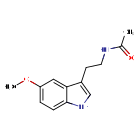
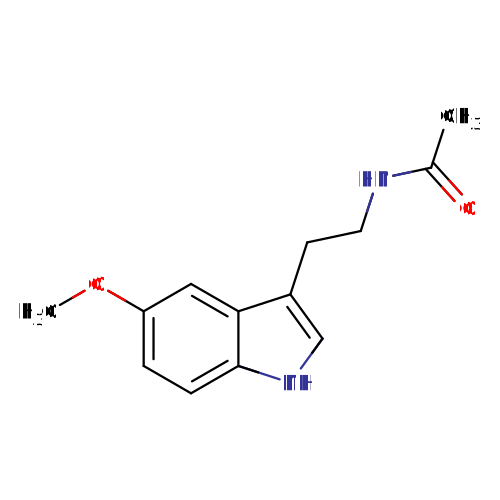
Structure for Melatonin (DB01065)
- Weight
- Average: 232.2783
Monoisotopic: 232.121177766 - Chemical Formula
- C13H16N2O2
- Synonyms
- 5-methoxy-N-acetyltryptamine
- Melatonin
- Melatonina
- Mélatonine
- N-[2-(5-methoxyindol-3-yl)ethyl]acetamide
- N-Acetyl-5-methoxytryptamine
- External IDs
- BCI-049
- J5.258B
- NPC-15
- NSC-113928
- NSC-56423

Pharmacology
- Indication
Used orally for jet lag, insomnia, shift-work disorder, circadian rhythm disorders in the blind (evidence for efficacy), and benzodiazepine and nicotine withdrawal. Evidence indicates that melatonin is likely effective for treating circadian rhythm sleep disorders in blind children and adults. It has received FDA orphan drug status as an oral medication for this use. A number of studies have shown that melatonin may be effective for treating sleep-wake cycle disturbances in children and adolescents with mental retardation, autism, and other central nervous system disorders. It appears to decrease the time to fall asleep in children with developmental disabilities, such as cerebral palsy, autism, and mental retardation. It may also improve secondary insomnia associated with various sleep-wake cycle disturbances. Other possible uses for which there is some evidence for include: benzodiazepine withdrawal, cluster headache, delayed sleep phase syndrome (DSPS), primary insomnia, jet lag, nicotine withdrawal, preoperative anxiety and sedation, prostate cancer, solid tumors (when combined with IL-2 therapy in certain cancers), sunburn prevention (topical use), tardive dyskinesia, thrombocytopenia associated with cancer, chemotherapy and other disorders.
 Reduce drug development failure ratesBuild, train, & validate machine-learning modelswith evidence-based and structured datasets.Build, train, & validate predictive machine-learning models with structured datasets.
- Associated Conditions
Indication Type Indication Combined Product Details Approval Level Age Group Patient Characteristics Dose Form Management of Insomnia •••••••••••• Used in combination to manage Insomnia Combination Product in combination with: Valerian (DB13196), gamma-Aminobutyric acid (DB02530) •••••••••••• - Contraindications & Blackbox Warnings
 Prevent Adverse Drug Events TodayTap into our Clinical API for life-saving information on contraindications & blackbox warnings, population restrictions, harmful risks, & more.Avoid life-threatening adverse drug events with our Clinical API
- Pharmacodynamics
Melatonin is a hormone normally produced in the pineal gland and released into the blood. The essential amino acid L-tryptophan is a precursor in the synthesis of melatonin. It helps regulate sleep-wake cycles or the circadian rhythm. Production of melatonin is stimulated by darkness and inhibited by light. High levels of melatonin induce sleep and so consumption of the drug can be used to combat insomnia and jet lag. MT1 and MT2 receptors may be a target for the treatment of circadian and non circadian sleep disorders because of their differences in pharmacology and function within the SCN. SCN is responsible for maintaining the 24 hour cycle which regulates many different body functions ranging from sleep to immune functions
- Mechanism of action
Melatonin is a derivative of tryptophan. It binds to melatonin receptor type 1A, which then acts on adenylate cylcase and the inhibition of a cAMP signal transduction pathway. Melatonin not only inhibits adenylate cyclase, but it also activates phosphilpase C. This potentiates the release of arachidonate. By binding to melatonin receptors 1 and 2, the downstream signallling cascades have various effects in the body. The melatonin receptors are G protein-coupled receptors and are expressed in various tissues of the body. There are two subtypes of the receptor in humans, melatonin receptor 1 (MT1) and melatonin receptor 2 (MT2). Melatonin and melatonin receptor agonists, on market or in clinical trials, all bind to and activate both receptor types.The binding of the agonists to the receptors has been investigated for over two decades or since 1986. It is somewhat known, but still not fully understood. When melatonin receptor agonists bind to and activate their receptors it causes numerous physiological processes. MT1 receptors are expressed in many regions of the central nervous system (CNS): suprachiasmatic nucleus of the hypothalamus (SNC), hippocampus, substantia nigra, cerebellum, central dopaminergic pathways, ventral tegmental area and nucleus accumbens. MT1 is also expressed in the retina, ovary, testis, mammary gland, coronary circulation and aorta, gallbladder, liver, kidney, skin and the immune system. MT2 receptors are expressed mainly in the CNS, also in the lung, cardiac, coronary and aortic tissue, myometrium and granulosa cells, immune cells, duodenum and adipocytes. The binding of melatonin to melatonin receptors activates a few signaling pathways. MT1 receptor activation inhibits the adenylyl cyclase and its inhibition causes a rippling effect of non activation; starting with decreasing formation of cyclic adenosine monophosphate (cAMP), and then progressing to less protein kinase A (PKA) activity, which in turn hinders the phosphorilation of cAMP responsive element-binding protein (CREB binding protein) into P-CREB. MT1 receptors also activate phospholipase C (PLC), affect ion channels and regulate ion flux inside the cell. The binding of melatonin to MT2 receptors inhibits adenylyl cyclase which decreases the formation of cAMP.[4] As well it hinders guanylyl cyclase and therefore the forming of cyclic guanosine monophosphate (cGMP). Binding to MT2 receptors probably affects PLC which increases protein kinase C (PKC) activity. Activation of the receptor can lead to ion flux inside the cell.
Target Actions Organism AMelatonin receptor type 1A agonistHumans AMelatonin receptor type 1B agonistHumans UEstrogen receptor alpha antagonistHumans UNuclear receptor ROR-beta agonistHumans UCalmodulin Not Available Humans UMyeloperoxidase inhibitorHumans UEosinophil peroxidase inhibitorHumans UCalreticulin Not Available Humans UAcetylserotonin O-methyltransferase Not Available Humans URibosyldihydronicotinamide dehydrogenase [quinone] Not Available Humans - Absorption
The absorption and bioavailability of melatonin varies widely.
- Volume of distribution
Not Available
- Protein binding
n/a
- Metabolism
Hepatically metabolized to at least 14 identified metabolites (identified in mouse urine): 6-hydroxymelatonin glucuronide, 6-hydroxymelatonin sulfate, N-acetylserotonin glucuronide, N-acetylserotonin sulfate, 6-hydroxymelatonin, 2-oxomelatonin, 3-hydroxymelatonin, melatonin glucuronide, cyclic melatonin, cyclic N-acetylserotonin glucuronide, cyclic 6-hydroxymelatonin, 5-hydroxyindole-3-acetaldehyde, di-hydroxymelatonin and its glucuronide conjugate. 6-Hydroxymelatonin glucuronide is the major metabolite found in mouse urine (65-88% of total melatonin metabolites in urine).
Hover over products below to view reaction partners
- Route of elimination
Not Available
- Half-life
35 to 50 minutes
- Clearance
Not Available
- Adverse Effects
 Improve decision support & research outcomesWith structured adverse effects data, including: blackbox warnings, adverse reactions, warning & precautions, & incidence rates. View sample adverse effects data in our new Data Library!Improve decision support & research outcomes with our structured adverse effects data.
- Toxicity
Generally well-tolerated when taken orally. The most common side effects, day-time drowsiness, headache and dizziness, appear to occur at the same frequency as with placebo. Other reported side effects include transient depressive symptoms, mild tremor, mild anxiety, abdominal cramps, irritability, reduced alertness, confusion, nausea, vomiting, and hypotension. Safety in Adults: Evidence indicates that it is likely safe to use in oral and parenteral forms for up to two months when used appropriately. Some evidence indicates that it can be safely used orally for up to 9 months in some patients. It is also likely safe to use topically when used appropriately. Safety in Children: Melatonin appeared to be used safely in small numbers of children enrolled in short-term clinical trials. However, concerns regarding safety in children have arisen based on their developmental state. Compared to adults over 20 years of age, people under 20 produce high levels of melatonin. Melatonin levels are inversely related to gonadal development and it is thought that exogenous administration of melatonin may adversely affect gonadal development. Safety during Pregnancy: High doses of melatonin administered orally or parenterally may inhibit ovulation. Not advised for use in individuals who are pregnant or trying to become pregnant. Safety during Lactation: Not recommended as safety has not be established.
Oral, rat: LD50 ≥3200 mg/kg
- Pathways
Pathway Category Tryptophan Metabolism Metabolic - Pharmacogenomic Effects/ADRs
- Not Available
Interactions
- Drug Interactions
- This information should not be interpreted without the help of a healthcare provider. If you believe you are experiencing an interaction, contact a healthcare provider immediately. The absence of an interaction does not necessarily mean no interactions exist.
Drug Interaction Integrate drug-drug
interactions in your software1,2-Benzodiazepine The risk or severity of CNS depression can be increased when Melatonin is combined with 1,2-Benzodiazepine. Abametapir The serum concentration of Melatonin can be increased when it is combined with Abametapir. Abatacept The metabolism of Melatonin can be increased when combined with Abatacept. Abiraterone The serum concentration of Melatonin can be increased when it is combined with Abiraterone. Acamprosate The excretion of Acamprosate can be decreased when combined with Melatonin. - Food Interactions
- Avoid alcohol. Ingesting alcohol may reduce the effects of melatonin.
- Take after a meal. Administration of melatonin after eating slows the absorption and reduces the Cmax of melatonin.
Products
 Drug product information from 10+ global regionsOur datasets provide approved product information including:dosage, form, labeller, route of administration, and marketing period.Access drug product information from over 10 global regions.
- International/Other Brands
- Mela-T (Alacer Corp. (Canada)) / Melatol (Elisium (Argentina)) / Melatonin (Biomed International Products Corp., Nutravite Pharmaceuticals (2008) Inc., Viva Pharmaceutical Inc., Kripps Pharmacy Ltd., SunOpta Inc.) / Nature'S Harmony (SunOpta Inc. (Canada)) / Revital Melatonin (Chin Tai Ginseng Co., Ltd (Canada)) / Rx Balance (SunOpta Inc. (Canada)) / Sleep Right (SunOpta Inc. (Canada)) / Vivitas (SunOpta Inc. (Canada))
- Brand Name Prescription Products
Name Dosage Strength Route Labeller Marketing Start Marketing End Region Image Circadin Tablet, extended release 2 mg Oral Rad Neurim Pharmaceuticals Eec Sarl 2016-09-08 Not applicable EU 
Circadin Tablet, extended release 2 mg Oral Rad Neurim Pharmaceuticals Eec Sarl 2016-09-08 Not applicable EU Circadin Tablet, extended release 2 mg Oral Rad Neurim Pharmaceuticals Eec Sarl 2016-09-08 Not applicable EU Circadin Tablet, extended release 2 mg Oral Rad Neurim Pharmaceuticals Eec Sarl 2016-09-08 Not applicable EU Melatonin Neurim Tablet, extended release 2 mg Oral Rad Neurim Pharmaceuticals Eec Sarl 2023-02-08 Not applicable EU - Over the Counter Products
Name Dosage Strength Route Labeller Marketing Start Marketing End Region Image Essential Oil Oil 2.5 mg/10mL Cutaneous Shantou Youjia E-Commerce Co., Ltd. 2024-02-01 2024-12-31 US 
- Unapproved/Other Products
Name Ingredients Dosage Route Labeller Marketing Start Marketing End Region Image Medi-doze Rx Sleep Aid Melatonin (6 mg/1) + Valerian (50 mg/1) + gamma-Aminobutyric acid (30 mg/1) Tablet Oral Two Hip Consulting, Llc 2013-02-20 2016-04-11 US
Categories
- ATC Codes
- N05CH01 — Melatonin
- Drug Categories
- Amines
- Antioxidants
- Biogenic Amines
- Biogenic Monoamines
- Biological Factors
- Central Nervous System Agents
- Central Nervous System Depressants
- Compounds used in a research, industrial, or household setting
- Cytochrome P-450 CYP1A2 Substrates
- Cytochrome P-450 CYP2C19 Substrates
- Cytochrome P-450 CYP2C9 Substrates
- Cytochrome P-450 Substrates
- Heterocyclic Compounds, Fused-Ring
- Hormones
- Hormones, Hormone Substitutes, and Hormone Antagonists
- Hypnotics and Sedatives
- Indoles
- Melatonin Receptor Agonists
- Melatonin, agonists
- Nervous System
- OAT3/SLC22A8 Inhibitors
- Protective Agents
- Psycholeptics
- Tryptamines
- Chemical TaxonomyProvided by Classyfire
- Description
- This compound belongs to the class of organic compounds known as 3-alkylindoles. These are compounds containing an indole moiety that carries an alkyl chain at the 3-position.
- Kingdom
- Organic compounds
- Super Class
- Organoheterocyclic compounds
- Class
- Indoles and derivatives
- Sub Class
- Indoles
- Direct Parent
- 3-alkylindoles
- Alternative Parents
- Anisoles / Alkyl aryl ethers / Substituted pyrroles / Heteroaromatic compounds / Propargyl-type 1,3-dipolar organic compounds / Carboximidic acids / Azacyclic compounds / Organopnictogen compounds / Organonitrogen compounds / Hydrocarbon derivatives
- Substituents
- 3-alkylindole / Alkyl aryl ether / Anisole / Aromatic heteropolycyclic compound / Azacycle / Benzenoid / Carboximidic acid / Carboximidic acid derivative / Ether / Heteroaromatic compound
- Molecular Framework
- Aromatic heteropolycyclic compounds
- External Descriptors
- acetamides, tryptamines (CHEBI:16796) / Indole alkaloids, Melatonin (C01598) / a small molecule (N-ACETYL-5-METHOXY-TRYPTAMINE)
- Affected organisms
- Humans and other mammals
Chemical Identifiers
- UNII
- JL5DK93RCL
- CAS number
- 73-31-4
- InChI Key
- DRLFMBDRBRZALE-UHFFFAOYSA-N
- InChI
- InChI=1S/C13H16N2O2/c1-9(16)14-6-5-10-8-15-13-4-3-11(17-2)7-12(10)13/h3-4,7-8,15H,5-6H2,1-2H3,(H,14,16)
- IUPAC Name
- N-[2-(5-methoxy-1H-indol-3-yl)ethyl]acetamide
- SMILES
- COC1=CC2=C(NC=C2CCNC(C)=O)C=C1
References
- Synthesis Reference
Robert A. S. Welch, Keith Betteridge, "Method of stimulating cashmere growth on cashmere-producing goats using melatonin." U.S. Patent US4855313, issued August, 1986.
US4855313- General References
- Boutin JA, Audinot V, Ferry G, Delagrange P: Molecular tools to study melatonin pathways and actions. Trends Pharmacol Sci. 2005 Aug;26(8):412-9. [Article]
- Caniato R, Filippini R, Piovan A, Puricelli L, Borsarini A, Cappelletti EM: Melatonin in plants. Adv Exp Med Biol. 2003;527:593-7. [Article]
- Hardeland R: Antioxidative protection by melatonin: multiplicity of mechanisms from radical detoxification to radical avoidance. Endocrine. 2005 Jul;27(2):119-30. [Article]
- Hattori A, Migitaka H, Iigo M, Itoh M, Yamamoto K, Ohtani-Kaneko R, Hara M, Suzuki T, Reiter RJ: Identification of melatonin in plants and its effects on plasma melatonin levels and binding to melatonin receptors in vertebrates. Biochem Mol Biol Int. 1995 Mar;35(3):627-34. [Article]
- Ma X, Chen C, Krausz KW, Idle JR, Gonzalez FJ: A metabolomic perspective of melatonin metabolism in the mouse. Endocrinology. 2008 Apr;149(4):1869-79. doi: 10.1210/en.2007-1412. Epub 2008 Jan 10. [Article]
- Reiter RJ, Acuna-Castroviejo D, Tan DX, Burkhardt S: Free radical-mediated molecular damage. Mechanisms for the protective actions of melatonin in the central nervous system. Ann N Y Acad Sci. 2001 Jun;939:200-15. [Article]
- External Links
- Human Metabolome Database
- HMDB0001389
- KEGG Drug
- D08170
- KEGG Compound
- C01598
- PubChem Compound
- 896
- PubChem Substance
- 46509101
- ChemSpider
- 872
- BindingDB
- 9019
- 6711
- ChEBI
- 16796
- ChEMBL
- CHEMBL45
- ZINC
- ZINC000000057060
- Therapeutic Targets Database
- DAP000429
- PharmGKB
- PA164752558
- Guide to Pharmacology
- GtP Drug Page
- PDBe Ligand
- ML1
- Drugs.com
- Drugs.com Drug Page
- PDRhealth
- PDRhealth Drug Page
- Wikipedia
- Melatonin
- PDB Entries
- 2qwx / 2qx4 / 2qx6 / 4qog / 4qoi / 5i8f / 5mxb / 5mxw / 6tr5
- MSDS
- Download (72 KB)
Clinical Trials
- Clinical Trials
Phase Status Purpose Conditions Count 4 Completed Not Available Postural Instability 1 4 Completed Other Post-operative Pain Management 1 4 Completed Prevention Agitation 1 4 Completed Prevention Febrile Convulsions 1 4 Completed Prevention Human Endotoxaemia 1
Pharmacoeconomics
- Manufacturers
- Not Available
- Packagers
- Mason Distributors
- Medisca Inc.
- National Vitamin Company
- Physiologics
- Rugby Laboratories
- Dosage Forms
Form Route Strength Tablet, chewable Oral 2.5 mg/1 Tablet, extended release Oral 2 mg Capsule Oral 5.00000 mg Oil Cutaneous 2.5 mg/10mL Tablet Oral Liquid Oral 1 mg/4mL Tablet Not applicable 10 mg/1 Capsule Not applicable 10 mg/1 Capsule, coated Oral 3 mg Capsule, liquid filled Oral 3 mg Tablet Oral 3 MG Tablet Oral 5 MG Tablet 0.5 mg Tablet 1 mg Tablet 2 mg Tablet 3 mg Tablet 4 mg Tablet 5 mg Tablet Oral 1.500 mg Tablet Oral 3 mg/1 Tablet, extended release Oral 1 MG Tablet, extended release Oral 5 MG Tablet Sublingual 3.000 mg Solution Oral 1 mg/ml - Prices
Unit description Cost Unit Melatonin powder 45.6USD g Melatonin 3 mg tablet 0.22USD tablet Melatonin 5 mg tablet 0.12USD tablet Melatonin 5 mg tablet sl 0.1USD tablet Melatonin sublingual tablet 0.09USD tablet Melatonin 1 mg tablet 0.03USD tablet DrugBank does not sell nor buy drugs. Pricing information is supplied for informational purposes only.- Patents
- Not Available
Properties
- State
- Solid
- Experimental Properties
Property Value Source melting point (°C) 117 °C PhysProp logP 1.6 Not Available - Predicted Properties
Property Value Source Water Solubility 0.143 mg/mL ALOGPS logP 1.42 ALOGPS logP 1.15 Chemaxon logS -3.2 ALOGPS pKa (Strongest Acidic) 15.8 Chemaxon pKa (Strongest Basic) -1.6 Chemaxon Physiological Charge 0 Chemaxon Hydrogen Acceptor Count 2 Chemaxon Hydrogen Donor Count 2 Chemaxon Polar Surface Area 54.12 Å2 Chemaxon Rotatable Bond Count 4 Chemaxon Refractivity 66.28 m3·mol-1 Chemaxon Polarizability 25.65 Å3 Chemaxon Number of Rings 2 Chemaxon Bioavailability 1 Chemaxon Rule of Five Yes Chemaxon Ghose Filter Yes Chemaxon Veber's Rule No Chemaxon MDDR-like Rule No Chemaxon - Predicted ADMET Features
Property Value Probability Human Intestinal Absorption + 1.0 Blood Brain Barrier + 0.9928 Caco-2 permeable - 0.5536 P-glycoprotein substrate Substrate 0.6188 P-glycoprotein inhibitor I Non-inhibitor 0.9569 P-glycoprotein inhibitor II Non-inhibitor 0.6838 Renal organic cation transporter Non-inhibitor 0.542 CYP450 2C9 substrate Non-substrate 0.8231 CYP450 2D6 substrate Substrate 0.5062 CYP450 3A4 substrate Substrate 0.6505 CYP450 1A2 substrate Inhibitor 0.9304 CYP450 2C9 inhibitor Non-inhibitor 0.9071 CYP450 2D6 inhibitor Inhibitor 0.8084 CYP450 2C19 inhibitor Non-inhibitor 0.9025 CYP450 3A4 inhibitor Non-inhibitor 0.7194 CYP450 inhibitory promiscuity High CYP Inhibitory Promiscuity 0.6803 Ames test Non AMES toxic 0.9132 Carcinogenicity Non-carcinogens 0.9498 Biodegradation Not ready biodegradable 0.8764 Rat acute toxicity 1.8922 LD50, mol/kg Not applicable hERG inhibition (predictor I) Weak inhibitor 0.9631 hERG inhibition (predictor II) Non-inhibitor 0.5124
Spectra
- Mass Spec (NIST)
- Download (8.2 KB)
- Spectra
- Chromatographic Properties
Collision Cross Sections (CCS)
Adduct CCS Value (Å2) Source type Source [M-H]- 159.6858961 predictedDarkChem Lite v0.1.0 [M-H]- 152.8346632 predictedDarkChem Standard v0.1.0 [M-H]- 152.9149983 predictedDarkChem Lite v0.1.0 [M-H]- 165.2831961 predictedDarkChem Lite v0.1.0 [M-H]- 159.7026961 predictedDarkChem Lite v0.1.0 [M-H]- 150.02837 predictedDeepCCS 1.0 (2019) [M+H]+ 159.1911961 predictedDarkChem Lite v0.1.0 [M+H]+ 157.166152 predictedDarkChem Standard v0.1.0 [M+H]+ 157.1763686 predictedDarkChem Lite v0.1.0 [M+H]+ 166.2821961 predictedDarkChem Lite v0.1.0 [M+H]+ 159.7927961 predictedDarkChem Lite v0.1.0 [M+H]+ 152.38637 predictedDeepCCS 1.0 (2019) [M+Na]+ 158.6747961 predictedDarkChem Lite v0.1.0 [M+Na]+ 165.6858961 predictedDarkChem Lite v0.1.0 [M+Na]+ 167.0242025 predictedDarkChem Lite v0.1.0 [M+Na]+ 165.6891961 predictedDarkChem Lite v0.1.0 [M+Na]+ 159.5635961 predictedDarkChem Lite v0.1.0 [M+Na]+ 158.4795 predictedDeepCCS 1.0 (2019)
Targets

- Kind
- Protein
- Organism
- Humans
- Pharmacological action
- Yes
- Actions
- Agonist
- General Function
- Organic cyclic compound binding
- Specific Function
- High affinity receptor for melatonin. Likely to mediates the reproductive and circadian actions of melatonin. The activity of this receptor is mediated by pertussis toxin sensitive G proteins that ...
- Gene Name
- MTNR1A
- Uniprot ID
- P48039
- Uniprot Name
- Melatonin receptor type 1A
- Molecular Weight
- 39374.315 Da
References
- Radogna F, Paternoster L, De Nicola M, Cerella C, Ammendola S, Bedini A, Tarzia G, Aquilano K, Ciriolo M, Ghibelli L: Rapid and transient stimulation of intracellular reactive oxygen species by melatonin in normal and tumor leukocytes. Toxicol Appl Pharmacol. 2009 Aug 15;239(1):37-45. doi: 10.1016/j.taap.2009.05.012. Epub 2009 May 19. [Article]
- Chen X, Ji ZL, Chen YZ: TTD: Therapeutic Target Database. Nucleic Acids Res. 2002 Jan 1;30(1):412-5. [Article]
- Boutin JA, Audinot V, Ferry G, Delagrange P: Molecular tools to study melatonin pathways and actions. Trends Pharmacol Sci. 2005 Aug;26(8):412-9. [Article]
- Hardeland R: Melatonin: signaling mechanisms of a pleiotropic agent. Biofactors. 2009 Mar-Apr;35(2):183-92. doi: 10.1002/biof.23. [Article]
- Srinivasan V, Singh J, Pandi-Perumal SR, Brown GM, Spence DW, Cardinali DP: Jet lag, circadian rhythm sleep disturbances, and depression: the role of melatonin and its analogs. Adv Ther. 2010 Nov;27(11):796-813. doi: 10.1007/s12325-010-0065-y. Epub 2010 Sep 6. [Article]
- Carocci A, Catalano A, Lovece A, Lentini G, Duranti A, Lucini V, Pannacci M, Scaglione F, Franchini C: Design, synthesis, and pharmacological effects of structurally simple ligands for MT(1) and MT(2) melatonin receptors. Bioorg Med Chem. 2010 Sep 1;18(17):6496-511. doi: 10.1016/j.bmc.2010.06.100. Epub 2010 Jul 3. [Article]
- Prendergast BJ: MT1 melatonin receptors mediate somatic, behavioral, and reproductive neuroendocrine responses to photoperiod and melatonin in Siberian hamsters (Phodopus sungorus). Endocrinology. 2010 Feb;151(2):714-21. doi: 10.1210/en.2009-0710. Epub 2009 Dec 4. [Article]
- Kind
- Protein
- Organism
- Humans
- Pharmacological action
- Yes
- Actions
- Agonist
- General Function
- Melatonin receptor activity
- Specific Function
- High affinity receptor for melatonin. Likely to mediates the reproductive and circadian actions of melatonin. The activity of this receptor is mediated by pertussis toxin sensitive G proteins that ...
- Gene Name
- MTNR1B
- Uniprot ID
- P49286
- Uniprot Name
- Melatonin receptor type 1B
- Molecular Weight
- 40187.895 Da
References
- Radogna F, Paternoster L, De Nicola M, Cerella C, Ammendola S, Bedini A, Tarzia G, Aquilano K, Ciriolo M, Ghibelli L: Rapid and transient stimulation of intracellular reactive oxygen species by melatonin in normal and tumor leukocytes. Toxicol Appl Pharmacol. 2009 Aug 15;239(1):37-45. doi: 10.1016/j.taap.2009.05.012. Epub 2009 May 19. [Article]
- Boutin JA, Audinot V, Ferry G, Delagrange P: Molecular tools to study melatonin pathways and actions. Trends Pharmacol Sci. 2005 Aug;26(8):412-9. [Article]
- Hardeland R: Melatonin: signaling mechanisms of a pleiotropic agent. Biofactors. 2009 Mar-Apr;35(2):183-92. doi: 10.1002/biof.23. [Article]
- Srinivasan V, Singh J, Pandi-Perumal SR, Brown GM, Spence DW, Cardinali DP: Jet lag, circadian rhythm sleep disturbances, and depression: the role of melatonin and its analogs. Adv Ther. 2010 Nov;27(11):796-813. doi: 10.1007/s12325-010-0065-y. Epub 2010 Sep 6. [Article]
- Carocci A, Catalano A, Lovece A, Lentini G, Duranti A, Lucini V, Pannacci M, Scaglione F, Franchini C: Design, synthesis, and pharmacological effects of structurally simple ligands for MT(1) and MT(2) melatonin receptors. Bioorg Med Chem. 2010 Sep 1;18(17):6496-511. doi: 10.1016/j.bmc.2010.06.100. Epub 2010 Jul 3. [Article]
- Prendergast BJ: MT1 melatonin receptors mediate somatic, behavioral, and reproductive neuroendocrine responses to photoperiod and melatonin in Siberian hamsters (Phodopus sungorus). Endocrinology. 2010 Feb;151(2):714-21. doi: 10.1210/en.2009-0710. Epub 2009 Dec 4. [Article]
- Kind
- Protein
- Organism
- Humans
- Pharmacological action
- Unknown
- Actions
- Antagonist
- General Function
- Zinc ion binding
- Specific Function
- Nuclear hormone receptor. The steroid hormones and their receptors are involved in the regulation of eukaryotic gene expression and affect cellular proliferation and differentiation in target tissu...
- Gene Name
- ESR1
- Uniprot ID
- P03372
- Uniprot Name
- Estrogen receptor
- Molecular Weight
- 66215.45 Da
References
- del Rio B, Garcia Pedrero JM, Martinez-Campa C, Zuazua P, Lazo PS, Ramos S: Melatonin, an endogenous-specific inhibitor of estrogen receptor alpha via calmodulin. J Biol Chem. 2004 Sep 10;279(37):38294-302. Epub 2004 Jun 30. [Article]
- Yoo YM, Jeung EB: Melatonin-induced estrogen receptor alpha-mediated calbindin-D9k expression plays a role in H2O2-mediated cell death in rat pituitary GH3 cells. J Pineal Res. 2009 Nov;47(4):301-7. doi: 10.1111/j.1600-079X.2009.00714.x. Epub 2009 Oct 1. [Article]
- Kind
- Protein
- Organism
- Humans
- Pharmacological action
- Unknown
- Actions
- Agonist
- General Function
- Zinc ion binding
- Specific Function
- Nuclear receptor that binds DNA as a monomer to ROR response elements (RORE) containing a single core motif half-site 5'-AGGTCA-3' preceded by a short A-T-rich sequence. Considered to have intrinsi...
- Gene Name
- RORB
- Uniprot ID
- Q92753
- Uniprot Name
- Nuclear receptor ROR-beta
- Molecular Weight
- 53219.385 Da
References
- Becker-Andre M, Wiesenberg I, Schaeren-Wiemers N, Andre E, Missbach M, Saurat JH, Carlberg C: Pineal gland hormone melatonin binds and activates an orphan of the nuclear receptor superfamily. J Biol Chem. 1994 Nov 18;269(46):28531-4. [Article]
- Kind
- Protein
- Organism
- Humans
- Pharmacological action
- Unknown
- General Function
- Titin binding
- Specific Function
- Calmodulin mediates the control of a large number of enzymes, ion channels, aquaporins and other proteins by Ca(2+). Among the enzymes to be stimulated by the calmodulin-Ca(2+) complex are a number...
- Gene Name
- CALM1
- Uniprot ID
- P0DP23
- Uniprot Name
- Calmodulin
- Molecular Weight
- 16837.47 Da
References
- del Rio B, Garcia Pedrero JM, Martinez-Campa C, Zuazua P, Lazo PS, Ramos S: Melatonin, an endogenous-specific inhibitor of estrogen receptor alpha via calmodulin. J Biol Chem. 2004 Sep 10;279(37):38294-302. Epub 2004 Jun 30. [Article]
- Radogna F, Paternoster L, De Nicola M, Cerella C, Ammendola S, Bedini A, Tarzia G, Aquilano K, Ciriolo M, Ghibelli L: Rapid and transient stimulation of intracellular reactive oxygen species by melatonin in normal and tumor leukocytes. Toxicol Appl Pharmacol. 2009 Aug 15;239(1):37-45. doi: 10.1016/j.taap.2009.05.012. Epub 2009 May 19. [Article]
- Kind
- Protein
- Organism
- Humans
- Pharmacological action
- Unknown
- Actions
- Inhibitor
- General Function
- Peroxidase activity
- Specific Function
- Part of the host defense system of polymorphonuclear leukocytes. It is responsible for microbicidal activity against a wide range of organisms. In the stimulated PMN, MPO catalyzes the production o...
- Gene Name
- MPO
- Uniprot ID
- P05164
- Uniprot Name
- Myeloperoxidase
- Molecular Weight
- 83867.71 Da
References
- Galijasevic S, Abdulhamid I, Abu-Soud HM: Melatonin is a potent inhibitor for myeloperoxidase. Biochemistry. 2008 Feb 26;47(8):2668-77. doi: 10.1021/bi702016q. Epub 2008 Feb 1. [Article]
- Kind
- Protein
- Organism
- Humans
- Pharmacological action
- Unknown
- Actions
- Inhibitor
- General Function
- Peroxidase activity
- Specific Function
- Mediates tyrosine nitration of secondary granule proteins in mature resting eosinophils. Shows significant inhibitory activity towards Mycobacterium tuberculosis H37Rv by inducing bacterial fragmen...
- Gene Name
- EPX
- Uniprot ID
- P11678
- Uniprot Name
- Eosinophil peroxidase
- Molecular Weight
- 81039.5 Da
References
- Lu T, Galijasevic S, Abdulhamid I, Abu-Soud HM: Analysis of the mechanism by which melatonin inhibits human eosinophil peroxidase. Br J Pharmacol. 2008 Jul;154(6):1308-17. doi: 10.1038/bjp.2008.173. Epub 2008 Jun 2. [Article]
- Kind
- Protein
- Organism
- Humans
- Pharmacological action
- Unknown
- General Function
- Zinc ion binding
- Specific Function
- Calcium-binding chaperone that promotes folding, oligomeric assembly and quality control in the endoplasmic reticulum (ER) via the calreticulin/calnexin cycle. This lectin interacts transiently wit...
- Gene Name
- CALR
- Uniprot ID
- P27797
- Uniprot Name
- Calreticulin
- Molecular Weight
- 48141.2 Da
References
- Hardeland R: Melatonin: signaling mechanisms of a pleiotropic agent. Biofactors. 2009 Mar-Apr;35(2):183-92. doi: 10.1002/biof.23. [Article]
- Macias M, Escames G, Leon J, Coto A, Sbihi Y, Osuna A, Acuna-Castroviejo D: Calreticulin-melatonin. An unexpected relationship. Eur J Biochem. 2003 Mar;270(5):832-40. [Article]
- Kind
- Protein
- Organism
- Humans
- Pharmacological action
- Unknown
- General Function
- Protein homodimerization activity
- Specific Function
- Isoform 1 catalyzes the transfer of a methyl group onto N-acetylserotonin, producing melatonin (N-acetyl-5-methoxytryptamine). Isoform 2 and isoform 3 lack enzyme activity.
- Gene Name
- ASMT
- Uniprot ID
- P46597
- Uniprot Name
- Acetylserotonin O-methyltransferase
- Molecular Weight
- 38452.51 Da
References
- Minneman KP, Wurtman RJ: The pharmacology of the pineal gland. Annu Rev Pharmacol Toxicol. 1976;16:33-51. [Article]
- Kind
- Protein
- Organism
- Humans
- Pharmacological action
- Unknown
- General Function
- Nadph dehydrogenase (quinone) activity
- Specific Function
- The enzyme apparently serves as a quinone reductase in connection with conjugation reactions of hydroquinones involved in detoxification pathways as well as in biosynthetic processes such as the vi...
- Gene Name
- NQO2
- Uniprot ID
- P16083
- Uniprot Name
- Ribosyldihydronicotinamide dehydrogenase [quinone]
- Molecular Weight
- 25918.4 Da
References
- Radogna F, Paternoster L, De Nicola M, Cerella C, Ammendola S, Bedini A, Tarzia G, Aquilano K, Ciriolo M, Ghibelli L: Rapid and transient stimulation of intracellular reactive oxygen species by melatonin in normal and tumor leukocytes. Toxicol Appl Pharmacol. 2009 Aug 15;239(1):37-45. doi: 10.1016/j.taap.2009.05.012. Epub 2009 May 19. [Article]
Enzymes
- Kind
- Protein
- Organism
- Humans
- Pharmacological action
- Unknown
- Actions
- SubstrateInhibitor
- General Function
- Vitamin d 24-hydroxylase activity
- Specific Function
- Cytochromes P450 are a group of heme-thiolate monooxygenases. In liver microsomes, this enzyme is involved in an NADPH-dependent electron transport pathway. It oxidizes a variety of structurally un...
- Gene Name
- CYP1A1
- Uniprot ID
- P04798
- Uniprot Name
- Cytochrome P450 1A1
- Molecular Weight
- 58164.815 Da
References
- Chang TK, Chen J, Yang G, Yeung EY: Inhibition of procarcinogen-bioactivating human CYP1A1, CYP1A2 and CYP1B1 enzymes by melatonin. J Pineal Res. 2010 Jan;48(1):55-64. doi: 10.1111/j.1600-079X.2009.00724.x. Epub 2009 Nov 16. [Article]
- Ma X, Idle JR, Krausz KW, Gonzalez FJ: Metabolism of melatonin by human cytochromes p450. Drug Metab Dispos. 2005 Apr;33(4):489-94. Epub 2004 Dec 22. [Article]
- Kind
- Protein
- Organism
- Humans
- Pharmacological action
- Unknown
- Actions
- Substrate
- General Function
- Oxidoreductase activity, acting on paired donors, with incorporation or reduction of molecular oxygen, reduced flavin or flavoprotein as one donor, and incorporation of one atom of oxygen
- Specific Function
- Cytochromes P450 are a group of heme-thiolate monooxygenases. In liver microsomes, this enzyme is involved in an NADPH-dependent electron transport pathway. It oxidizes a variety of structurally un...
- Gene Name
- CYP1A2
- Uniprot ID
- P05177
- Uniprot Name
- Cytochrome P450 1A2
- Molecular Weight
- 58293.76 Da
References
- Chang TK, Chen J, Yang G, Yeung EY: Inhibition of procarcinogen-bioactivating human CYP1A1, CYP1A2 and CYP1B1 enzymes by melatonin. J Pineal Res. 2010 Jan;48(1):55-64. doi: 10.1111/j.1600-079X.2009.00724.x. Epub 2009 Nov 16. [Article]
- Ma X, Idle JR, Krausz KW, Gonzalez FJ: Metabolism of melatonin by human cytochromes p450. Drug Metab Dispos. 2005 Apr;33(4):489-94. Epub 2004 Dec 22. [Article]
- Turpeinen M, Uusitalo J, Jalonen J, Pelkonen O: Multiple P450 substrates in a single run: rapid and comprehensive in vitro interaction assay. Eur J Pharm Sci. 2005 Jan;24(1):123-32. [Article]
- Hartter S, Nordmark A, Rose DM, Bertilsson L, Tybring G, Laine K: Effects of caffeine intake on the pharmacokinetics of melatonin, a probe drug for CYP1A2 activity. Br J Clin Pharmacol. 2003 Dec;56(6):679-82. [Article]
- Hartter S, Wang X, Weigmann H, Friedberg T, Arand M, Oesch F, Hiemke C: Differential effects of fluvoxamine and other antidepressants on the biotransformation of melatonin. J Clin Psychopharmacol. 2001 Apr;21(2):167-74. [Article]
- Kind
- Protein
- Organism
- Humans
- Pharmacological action
- Unknown
- Actions
- SubstrateInhibitor
- General Function
- Oxygen binding
- Specific Function
- Cytochromes P450 are a group of heme-thiolate monooxygenases. In liver microsomes, this enzyme is involved in an NADPH-dependent electron transport pathway. It oxidizes a variety of structurally un...
- Gene Name
- CYP1B1
- Uniprot ID
- Q16678
- Uniprot Name
- Cytochrome P450 1B1
- Molecular Weight
- 60845.33 Da
References
- Chang TK, Chen J, Yang G, Yeung EY: Inhibition of procarcinogen-bioactivating human CYP1A1, CYP1A2 and CYP1B1 enzymes by melatonin. J Pineal Res. 2010 Jan;48(1):55-64. doi: 10.1111/j.1600-079X.2009.00724.x. Epub 2009 Nov 16. [Article]
- Ma X, Idle JR, Krausz KW, Gonzalez FJ: Metabolism of melatonin by human cytochromes p450. Drug Metab Dispos. 2005 Apr;33(4):489-94. Epub 2004 Dec 22. [Article]
- Yu Z, Tian X, Peng Y, Sun Z, Wang C, Tang N, Li B, Jian Y, Wang W, Huo X, Ma X: Mitochondrial cytochrome P450 (CYP) 1B1 is responsible for melatonin-induced apoptosis in neural cancer cells. J Pineal Res. 2018 Aug;65(1):e12478. doi: 10.1111/jpi.12478. Epub 2018 Mar 25. [Article]
- Kind
- Protein
- Organism
- Humans
- Pharmacological action
- Unknown
- Actions
- Substrate
- General Function
- Steroid hydroxylase activity
- Specific Function
- Responsible for the metabolism of a number of therapeutic agents such as the anticonvulsant drug S-mephenytoin, omeprazole, proguanil, certain barbiturates, diazepam, propranolol, citalopram and im...
- Gene Name
- CYP2C19
- Uniprot ID
- P33261
- Uniprot Name
- Cytochrome P450 2C19
- Molecular Weight
- 55930.545 Da
References
- Huuhka K, Riutta A, Haataja R, Ylitalo P, Leinonen E: The effect of CYP2C19 substrate on the metabolism of melatonin in the elderly: A randomized, double-blind, placebo-controlled study. Methods Find Exp Clin Pharmacol. 2006 Sep;28(7):447-50. [Article]
- Facciola G, Hidestrand M, von Bahr C, Tybring G: Cytochrome P450 isoforms involved in melatonin metabolism in human liver microsomes. Eur J Clin Pharmacol. 2001 Mar;56(12):881-8. doi: 10.1007/s002280000245. [Article]
- Kind
- Protein
- Organism
- Humans
- Pharmacological action
- Unknown
- Actions
- Substrate
- General Function
- Steroid hydroxylase activity
- Specific Function
- Cytochromes P450 are a group of heme-thiolate monooxygenases. In liver microsomes, this enzyme is involved in an NADPH-dependent electron transport pathway. It oxidizes a variety of structurally un...
- Gene Name
- CYP2C9
- Uniprot ID
- P11712
- Uniprot Name
- Cytochrome P450 2C9
- Molecular Weight
- 55627.365 Da
References
- Mo SL, Zhou ZW, Yang LP, Wei MQ, Zhou SF: New insights into the structural features and functional relevance of human cytochrome P450 2C9. Part I. Curr Drug Metab. 2009 Dec;10(10):1075-126. [Article]
- Kind
- Protein
- Organism
- Humans
- Pharmacological action
- Unknown
- Actions
- Substrate
- General Function
- Protein homodimerization activity
- Specific Function
- Isoform 1 catalyzes the transfer of a methyl group onto N-acetylserotonin, producing melatonin (N-acetyl-5-methoxytryptamine). Isoform 2 and isoform 3 lack enzyme activity.
- Gene Name
- ASMT
- Uniprot ID
- P46597
- Uniprot Name
- Acetylserotonin O-methyltransferase
- Molecular Weight
- 38452.51 Da
References
- Minneman KP, Wurtman RJ: The pharmacology of the pineal gland. Annu Rev Pharmacol Toxicol. 1976;16:33-51. [Article]
- Kind
- Protein
- Organism
- Humans
- Pharmacological action
- Unknown
- Actions
- Substrate
- General Function
- Tryptophan 2,3-dioxygenase activity
- Specific Function
- Catalyzes the first and rate limiting step of the catabolism of the essential amino acid tryptophan along the kynurenine pathway (PubMed:17671174). Involved in the peripheral immune tolerance, cont...
- Gene Name
- IDO1
- Uniprot ID
- P14902
- Uniprot Name
- Indoleamine 2,3-dioxygenase 1
- Molecular Weight
- 45325.89 Da
References
- Ferry G, Ubeaud C, Lambert PH, Bertin S, Coge F, Chomarat P, Delagrange P, Serkiz B, Bouchet JP, Truscott RJ, Boutin JA: Molecular evidence that melatonin is enzymatically oxidized in a different manner than tryptophan: investigations with both indoleamine 2,3-dioxygenase and myeloperoxidase. Biochem J. 2005 May 15;388(Pt 1):205-15. [Article]
- Kind
- Protein
- Organism
- Humans
- Pharmacological action
- Unknown
- Actions
- SubstrateInhibitor
- General Function
- Peroxidase activity
- Specific Function
- Part of the host defense system of polymorphonuclear leukocytes. It is responsible for microbicidal activity against a wide range of organisms. In the stimulated PMN, MPO catalyzes the production o...
- Gene Name
- MPO
- Uniprot ID
- P05164
- Uniprot Name
- Myeloperoxidase
- Molecular Weight
- 83867.71 Da
References
- Ferry G, Ubeaud C, Lambert PH, Bertin S, Coge F, Chomarat P, Delagrange P, Serkiz B, Bouchet JP, Truscott RJ, Boutin JA: Molecular evidence that melatonin is enzymatically oxidized in a different manner than tryptophan: investigations with both indoleamine 2,3-dioxygenase and myeloperoxidase. Biochem J. 2005 May 15;388(Pt 1):205-15. [Article]
- Kind
- Protein
- Organism
- Humans
- Pharmacological action
- Unknown
- Actions
- Inhibitor
- General Function
- Oxygen binding
- Specific Function
- Catalyzes the formation of aromatic C18 estrogens from C19 androgens.
- Gene Name
- CYP19A1
- Uniprot ID
- P11511
- Uniprot Name
- Aromatase
- Molecular Weight
- 57882.48 Da
References
- Gonzalez A, Martinez-Campa C, Mediavilla MD, Alonso-Gonzalez C, Sanchez-Mateos S, Hill SM, Sanchez-Barcelo EJ, Cos S: Effects of MT1 melatonin receptor overexpression on the aromatase-suppressive effect of melatonin in MCF-7 human breast cancer cells. Oncol Rep. 2007 Apr;17(4):947-53. doi: 10.3892/or.17.4.947. [Article]
Transporters
- Kind
- Protein
- Organism
- Humans
- Pharmacological action
- Unknown
- Actions
- Inhibitor
- General Function
- Sodium-independent organic anion transmembrane transporter activity
- Specific Function
- Plays an important role in the excretion/detoxification of endogenous and exogenous organic anions, especially from the brain and kidney. Involved in the transport basolateral of steviol, fexofenad...
- Gene Name
- SLC22A8
- Uniprot ID
- Q8TCC7
- Uniprot Name
- Solute carrier family 22 member 8
- Molecular Weight
- 59855.585 Da
References
- Ohtsuki S, Asaba H, Takanaga H, Deguchi T, Hosoya K, Otagiri M, Terasaki T: Role of blood-brain barrier organic anion transporter 3 (OAT3) in the efflux of indoxyl sulfate, a uremic toxin: its involvement in neurotransmitter metabolite clearance from the brain. J Neurochem. 2002 Oct;83(1):57-66. [Article]
- Kusuhara H, Sekine T, Utsunomiya-Tate N, Tsuda M, Kojima R, Cha SH, Sugiyama Y, Kanai Y, Endou H: Molecular cloning and characterization of a new multispecific organic anion transporter from rat brain. J Biol Chem. 1999 May 7;274(19):13675-80. [Article]


Drug created at June 13, 2005 13:24 / Updated at October 22, 2022 01:06