Identification
- Generic Name
- Menadione
- DrugBank Accession Number
- DB00170
- Background
A synthetic naphthoquinone without the isoprenoid side chain and biological activity, but can be converted to active vitamin K2, menaquinone, after alkylation in vivo.
- Type
- Small Molecule
- Groups
- Approved, Nutraceutical
- Structure
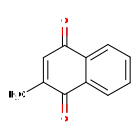
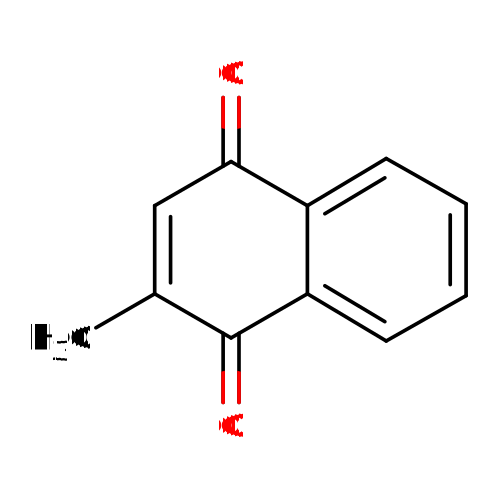
Structure for Menadione (DB00170)
- Weight
- Average: 172.18
Monoisotopic: 172.0524295 - Chemical Formula
- C11H8O2
- Synonyms
- 2-Methyl-1,4-Naphthalenedione
- 2-Methyl-1,4-naphthochinon
- 2-Methyl-1,4-naphthoquinone
- Menadione
- Vitamin K 3
- Vitamin K3
- External IDs
- USAF EK-5185

Pharmacology
- Indication
The primary known function of vitamin K is to assist in the normal clotting of blood, but it may also play a role in normal bone calcification.
 Reduce drug development failure ratesBuild, train, & validate machine-learning modelswith evidence-based and structured datasets.Build, train, & validate predictive machine-learning models with structured datasets.
- Associated Conditions
Indication Type Indication Combined Product Details Approval Level Age Group Patient Characteristics Dose Form Management of Factor ii deficiency •••••••••••• •••••••• •••••••••• ••• ••••••••• •• ••••••• • •••••••••• •••••••• Treatment of Vitamin b12 deficiency •••••••••••• ••••••••• - Contraindications & Blackbox Warnings
 Prevent Adverse Drug Events TodayTap into our Clinical API for life-saving information on contraindications & blackbox warnings, population restrictions, harmful risks, & more.Avoid life-threatening adverse drug events with our Clinical API
- Pharmacodynamics
Menadione (Vitamin K3) is a fat-soluble vitamin precursor that is converted into menaquinone in the liver. Vitamin K1 and K2 are the naturally occurring types of vitamin K. The former, which is also known as phylloquinone, is synthesized by plants and can be found in such foods as spinach, broccoli, lettuce, and soybeans. The latter, sometimes alternatively referred to as menaquinone, is primarily produced by bacteria in the anterior part of the gut and the intestines. Vitamin K3, on the other hand, is one of the many manmade versions of vitamin K. Also called menadione, this yellowish, synthetic crystalline substance is converted into the active form of the K2 vitamin inside of the animal body. While a vitamin K deficiency can be dangerous, especially to infants that may easily suffer from extensive hemorrhaging, an overdose can be as equally detrimental. Newborns that are administered too great a dosage of vitamin K3 can suffer from kernicterus, a form of severe brain damage that may produce decreased movement, loss of appetite, seizures, deafness, mental retardation, and even death. This condition is associated with an abnormally high concentration of bilirubin, a bile pigment, in the tissues of the brain, which can be caused by the presence of K3. For this reason, K3 is less often utilized medically than it was in former times.
- Mechanism of action
Menadione (vitamin K3) is involved as a cofactor in the posttranslational gamma-carboxylation of glutamic acid residues of certain proteins in the body. These proteins include the vitamin K-dependent coagulation factors II (prothrombin), VII (proconvertin), IX (Christmas factor), X (Stuart factor), protein C, protein S, protein Zv and a growth-arrest-specific factor (Gas6). In contrast to the other vitamin K-dependent proteins in the blood coagulation cascade, protein C and protein S serve anticoagulant roles. The two vitamin K-dependent proteins found in bone are osteocalcin, also known as bone G1a (gamma-carboxyglutamate) protein or BGP, and the matrix G1a protein or MGP. Gamma-carboxylation is catalyzed by the vitamin K-dependent gamma-carboxylases. The reduced form of vitamin K, vitamin K hydroquinone, is the actual cofactor for the gamma-carboxylases. Proteins containing gamma-carboxyglutamate are called G1a proteins.
Target Actions Organism AVitamin K-dependent gamma-carboxylase cofactorHumans AVitamin K epoxide reductase complex subunit 1 cofactorHumans AVitamin K epoxide reductase complex subunit 1-like protein 1 cofactorHumans UProthrombin activatorHumans UCoagulation factor IX activatorHumans UVitamin K-dependent protein C activatorHumans UVitamin K-dependent protein S activatorHumans URibosyldihydronicotinamide dehydrogenase [quinone] Not Available Humans UNAD(P)H dehydrogenase [quinone] 1 Not Available Humans UOsteocalcin agonistHumans - Absorption
Variable and ranges from 10% to 80%
- Volume of distribution
Not Available
- Protein binding
Not Available
- Metabolism
Hepatic
- Route of elimination
Not Available
- Half-life
Not Available
- Clearance
Not Available
- Adverse Effects
 Improve decision support & research outcomesWith structured adverse effects data, including: blackbox warnings, adverse reactions, warning & precautions, & incidence rates. View sample adverse effects data in our new Data Library!Improve decision support & research outcomes with our structured adverse effects data.
- Toxicity
Menadione (vitamin K3), which is not used as a nutritional supplemental form of vitamin K for humans, has been reported to cause adverse reactions, including hemolytic anemia. Large doses have also been reported to cause brain damage.
- Pathways
- Not Available
- Pharmacogenomic Effects/ADRs
- Not Available
Interactions
- Drug Interactions
- This information should not be interpreted without the help of a healthcare provider. If you believe you are experiencing an interaction, contact a healthcare provider immediately. The absence of an interaction does not necessarily mean no interactions exist.
Drug Interaction Integrate drug-drug
interactions in your softwareAlbutrepenonacog alfa Menadione may increase the thrombogenic activities of Albutrepenonacog alfa. Alpha-1-proteinase inhibitor Alpha-1-proteinase inhibitor may increase the thrombogenic activities of Menadione. Alteplase The therapeutic efficacy of Menadione can be decreased when used in combination with Alteplase. Aminocaproic acid Menadione may increase the thrombogenic activities of Aminocaproic acid. Andexanet alfa Menadione may increase the thrombogenic activities of Andexanet alfa. - Food Interactions
- Not Available
Products
 Drug product information from 10+ global regionsOur datasets provide approved product information including:dosage, form, labeller, route of administration, and marketing period.Access drug product information from over 10 global regions.
- International/Other Brands
- Synkavite
- Mixture Products
Name Ingredients Dosage Route Labeller Marketing Start Marketing End Region Image LIBAVIT-K 20 MG AMPUL, 5 ADET Menadione (20 mg/2ml) + Sodium bisulfite (6 mg/2ml) + Sodium chloride (12.6 mg/2ml) Injection, solution LİBA LABORATUARLARI A.Ş. 1980-09-22 Not applicable Turkey 
Categories
- ATC Codes
- B02BA02 — Menadione
- Drug Categories
- Antifibrinolytic Agents
- Blood and Blood Forming Organs
- Coagulants
- Cytochrome P-450 CYP1A2 Inducers
- Cytochrome P-450 CYP1A2 Inducers (strength unknown)
- Cytochrome P-450 CYP1A2 Inhibitors
- Cytochrome P-450 CYP1A2 Inhibitors (strength unknown)
- Cytochrome P-450 CYP2A6 Inhibitors
- Cytochrome P-450 CYP2A6 Inhibitors (strength unknown)
- Cytochrome P-450 CYP2B6 Inhibitors
- Cytochrome P-450 CYP2B6 Inhibitors (strength unknown)
- Cytochrome P-450 CYP2C19 Inhibitors
- Cytochrome P-450 CYP2C19 inhibitors (strength unknown)
- Cytochrome P-450 CYP2C8 Inhibitors
- Cytochrome P-450 CYP2C8 Inhibitors (strength unknown)
- Cytochrome P-450 CYP2C9 Inhibitors
- Cytochrome P-450 CYP2C9 Inhibitors (strength unknown)
- Cytochrome P-450 CYP2D6 Inhibitors
- Cytochrome P-450 CYP2D6 Inhibitors (strength unknown)
- Cytochrome P-450 CYP2E1 Inhibitors
- Cytochrome P-450 CYP2E1 Inhibitors (strength unknown)
- Cytochrome P-450 CYP3A Inhibitors
- Cytochrome P-450 CYP3A4 Inhibitors
- Cytochrome P-450 CYP3A4 Inhibitors (strength unknown)
- Cytochrome P-450 CYP3A5 Inhibitors
- Cytochrome P-450 CYP3A5 Inhibitors (strength unknown)
- Cytochrome P-450 CYP3A7 Inhibitors
- Cytochrome P-450 CYP3A7 Inhibitors (strength unknown)
- Cytochrome P-450 Enzyme Inducers
- Cytochrome P-450 Enzyme Inhibitors
- Diet, Food, and Nutrition
- Dietary Supplements
- Diterpenes
- Fibrin Modulating Agents
- Food
- Hematologic Agents
- Hemostatics
- Micronutrients
- Naphthalenes
- Naphthoquinones
- Physiological Phenomena
- Phytol
- Quinones
- Supplements
- Terpenes
- Vitamin K
- Vitamins
- Vitamins (Fat Soluble)
- Chemical TaxonomyProvided by Classyfire
- Description
- This compound belongs to the class of organic compounds known as naphthoquinones. These are compounds containing a naphthohydroquinone moiety, which consists of a benzene ring linearly fused to a bezene-1,4-dione (quinone).
- Kingdom
- Organic compounds
- Super Class
- Benzenoids
- Class
- Naphthalenes
- Sub Class
- Naphthoquinones
- Direct Parent
- Naphthoquinones
- Alternative Parents
- Quinones / Aryl ketones / Organic oxides / Hydrocarbon derivatives
- Substituents
- Aromatic homopolycyclic compound / Aryl ketone / Hydrocarbon derivative / Ketone / Naphthoquinone / Organic oxide / Organic oxygen compound / Organooxygen compound / Quinone
- Molecular Framework
- Aromatic homopolycyclic compounds
- External Descriptors
- naphthoquinone (CHEBI:28869) / vitamin K, Fat-soluble vitamins (C05377) / a vitamin K (CPD-3766)
- Affected organisms
- Humans and other mammals
Chemical Identifiers
- UNII
- 723JX6CXY5
- CAS number
- 58-27-5
- InChI Key
- MJVAVZPDRWSRRC-UHFFFAOYSA-N
- InChI
- InChI=1S/C11H8O2/c1-7-6-10(12)8-4-2-3-5-9(8)11(7)13/h2-6H,1H3
- IUPAC Name
- 2-methyl-1,4-dihydronaphthalene-1,4-dione
- SMILES
- CC1=CC(=O)C2=CC=CC=C2C1=O
References
- Synthesis Reference
Joachim U. Schneider, Hans Kiefer, "Menadione choline bisulfite adduct, its preparation and antihemorrhagic compositions." U.S. Patent US4735969, issued January, 1980.
US4735969- General References
- Not Available
- External Links
- Human Metabolome Database
- HMDB0001892
- KEGG Drug
- D02335
- KEGG Compound
- C05377
- PubChem Compound
- 4055
- PubChem Substance
- 46505447
- ChemSpider
- 3915
- BindingDB
- 24778
- 6728
- ChEBI
- 28869
- ChEMBL
- CHEMBL590
- ZINC
- ZINC000000001677
- Therapeutic Targets Database
- DNC001501
- PharmGKB
- PA450358
- Guide to Pharmacology
- GtP Drug Page
- PDBe Ligand
- VK3
- PDRhealth
- PDRhealth Drug Page
- Wikipedia
- Menadione
- PDB Entries
- 1tuv / 2qr2 / 4f8y / 6rvh / 7uur / 8dqv
- MSDS
- Download (52.9 KB)
Clinical Trials
- Clinical Trials
Phase Status Purpose Conditions Count 1 Completed Treatment EGFR Inhibitor-associated Rash 1 1 Suspended Other Crohn's Disease (CD) / Ulcerative Colitis 1 Not Available Active Not Recruiting Treatment Dermatologic Complications / Malignant Neoplasm / Pain 1
Pharmacoeconomics
- Manufacturers
- Eli lilly and co
- Packagers
- Spectrum Pharmaceuticals
- Dosage Forms
Form Route Strength Injection, solution Injection, solution 10 mg/2mL Injection, solution Injection, solution 20 mg/2mL Solution 10 mg/1ml - Prices
Unit description Cost Unit Menadione powder 5.59USD g DrugBank does not sell nor buy drugs. Pricing information is supplied for informational purposes only.- Patents
- Not Available
Properties
- State
- Solid
- Experimental Properties
Property Value Source melting point (°C) 107 °C PhysProp water solubility 160 mg/L (at 30 °C) YALKOWSKY,SH & DANNENFELSER,RM (1992) logP 2.20 HANSCH,C ET AL. (1995) logS -3.03 ADME Research, USCD - Predicted Properties
Property Value Source Water Solubility 0.504 mg/mL ALOGPS logP 1.91 ALOGPS logP 1.89 Chemaxon logS -2.5 ALOGPS pKa (Strongest Basic) -7.2 Chemaxon Physiological Charge 0 Chemaxon Hydrogen Acceptor Count 2 Chemaxon Hydrogen Donor Count 0 Chemaxon Polar Surface Area 34.14 Å2 Chemaxon Rotatable Bond Count 0 Chemaxon Refractivity 50.54 m3·mol-1 Chemaxon Polarizability 17.64 Å3 Chemaxon Number of Rings 2 Chemaxon Bioavailability 1 Chemaxon Rule of Five Yes Chemaxon Ghose Filter Yes Chemaxon Veber's Rule Yes Chemaxon MDDR-like Rule No Chemaxon - Predicted ADMET Features
Property Value Probability Human Intestinal Absorption + 1.0 Blood Brain Barrier + 0.8265 Caco-2 permeable + 0.8641 P-glycoprotein substrate Non-substrate 0.5245 P-glycoprotein inhibitor I Inhibitor 0.7375 P-glycoprotein inhibitor II Non-inhibitor 0.8743 Renal organic cation transporter Non-inhibitor 0.8027 CYP450 2C9 substrate Non-substrate 0.7596 CYP450 2D6 substrate Non-substrate 0.8924 CYP450 3A4 substrate Non-substrate 0.5705 CYP450 1A2 substrate Inhibitor 0.934 CYP450 2C9 inhibitor Inhibitor 0.9165 CYP450 2D6 inhibitor Inhibitor 0.7999 CYP450 2C19 inhibitor Inhibitor 0.8994 CYP450 3A4 inhibitor Non-inhibitor 0.7529 CYP450 inhibitory promiscuity High CYP Inhibitory Promiscuity 0.8612 Ames test AMES toxic 0.9108 Carcinogenicity Non-carcinogens 0.9137 Biodegradation Not ready biodegradable 0.7581 Rat acute toxicity 2.7195 LD50, mol/kg Not applicable hERG inhibition (predictor I) Weak inhibitor 0.778 hERG inhibition (predictor II) Non-inhibitor 0.8734
Spectra
- Mass Spec (NIST)
- Download (8.97 KB)
- Spectra
- Chromatographic Properties
Collision Cross Sections (CCS)
Adduct CCS Value (Å2) Source type Source [M-H]- 139.6017588 predictedDarkChem Lite v0.1.0 [M-H]- 139.4543588 predictedDarkChem Lite v0.1.0 [M-H]- 139.7296588 predictedDarkChem Lite v0.1.0 [M-H]- 139.5818588 predictedDarkChem Lite v0.1.0 [M-H]- 139.4926588 predictedDarkChem Lite v0.1.0 [M-H]- 128.8549 predictedDeepCCS 1.0 (2019) [M+H]+ 140.0662588 predictedDarkChem Lite v0.1.0 [M+H]+ 137.6927821 predictedDarkChem Standard v0.1.0 [M+H]+ 140.1577588 predictedDarkChem Lite v0.1.0 [M+H]+ 140.0669588 predictedDarkChem Lite v0.1.0 [M+H]+ 140.1286588 predictedDarkChem Lite v0.1.0 [M+H]+ 132.6419 predictedDeepCCS 1.0 (2019) [M+Na]+ 139.5721588 predictedDarkChem Lite v0.1.0 [M+Na]+ 139.7464588 predictedDarkChem Lite v0.1.0 [M+Na]+ 139.6784588 predictedDarkChem Lite v0.1.0 [M+Na]+ 139.6576588 predictedDarkChem Lite v0.1.0 [M+Na]+ 139.6165588 predictedDarkChem Lite v0.1.0 [M+Na]+ 141.77281 predictedDeepCCS 1.0 (2019)
Targets

- Kind
- Protein
- Organism
- Humans
- Pharmacological action
- Yes
- Actions
- Cofactor
- General Function
- Gamma-glutamyl carboxylase activity
- Specific Function
- Mediates the vitamin K-dependent carboxylation of glutamate residues to calcium-binding gamma-carboxyglutamate (Gla) residues with the concomitant conversion of the reduced hydroquinone form of vit...
- Gene Name
- GGCX
- Uniprot ID
- P38435
- Uniprot Name
- Vitamin K-dependent gamma-carboxylase
- Molecular Weight
- 87560.065 Da
References
- Wang Z, Wang M, Finn F, Carr BI: The growth inhibitory effects of vitamins K and their actions on gene expression. Hepatology. 1995 Sep;22(3):876-82. [Article]
- Stafford DW: The vitamin K cycle. J Thromb Haemost. 2005 Aug;3(8):1873-8. [Article]
- Presnell SR, Stafford DW: The vitamin K-dependent carboxylase. Thromb Haemost. 2002 Jun;87(6):937-46. [Article]
- Kind
- Protein
- Organism
- Humans
- Pharmacological action
- Yes
- Actions
- Cofactor
- General Function
- Vitamin-k-epoxide reductase (warfarin-sensitive) activity
- Specific Function
- Involved in vitamin K metabolism. Catalytic subunit of the vitamin K epoxide reductase (VKOR) complex which reduces inactive vitamin K 2,3-epoxide to active vitamin K. Vitamin K is required for the...
- Gene Name
- VKORC1
- Uniprot ID
- Q9BQB6
- Uniprot Name
- Vitamin K epoxide reductase complex subunit 1
- Molecular Weight
- 18234.3 Da
References
- Kind
- Protein
- Organism
- Humans
- Pharmacological action
- Yes
- Actions
- Cofactor
- General Function
- Vitamin-k-epoxide reductase (warfarin-sensitive) activity
- Specific Function
- Involved in vitamin K metabolism. Can reduce inactive vitamin K 2,3-epoxide to active vitamin K (in vitro), and may contribute to vitamin K-mediated protection against oxidative stress. Plays a rol...
- Gene Name
- VKORC1L1
- Uniprot ID
- Q8N0U8
- Uniprot Name
- Vitamin K epoxide reductase complex subunit 1-like protein 1
- Molecular Weight
- 19835.425 Da
References
- Kind
- Protein
- Organism
- Humans
- Pharmacological action
- Unknown
- Actions
- Activator
- General Function
- Thrombospondin receptor activity
- Specific Function
- Thrombin, which cleaves bonds after Arg and Lys, converts fibrinogen to fibrin and activates factors V, VII, VIII, XIII, and, in complex with thrombomodulin, protein C. Functions in blood homeostas...
- Gene Name
- F2
- Uniprot ID
- P00734
- Uniprot Name
- Prothrombin
- Molecular Weight
- 70036.295 Da
References
- Lee SK, Lee JY, Lee MY, Chung SM, Chung JH: Advantages of calcium green-1 over other fluorescent dyes in measuring cytosolic calcium in platelets. Anal Biochem. 1999 Sep 10;273(2):186-91. [Article]
- Casper HH, Alstad AD, Tacke DB, Johnson LJ, Lloyd WE: Evaluation of vitamin K3 feed additive for prevention of sweet clover disease. J Vet Diagn Invest. 1989 Apr;1(2):116-9. [Article]
- McCarthy DJ, Lindamood C 3rd, Gundberg CM, Hill DL: Retinoid-induced hemorrhaging and bone toxicity in rats fed diets deficient in vitamin K. Toxicol Appl Pharmacol. 1989 Feb;97(2):300-10. [Article]
- Szejtli J, Bolla-Pusztai E, Tardy-Lengyel M, Szabo P, Ferenczy T: Preparation, properties and biological activity of beta-cyclodextrin inclusion complex of menadione. Pharmazie. 1983 Mar;38(3):189-93. [Article]
- Wang Z, Wang M, Finn F, Carr BI: The growth inhibitory effects of vitamins K and their actions on gene expression. Hepatology. 1995 Sep;22(3):876-82. [Article]
- Kind
- Protein
- Organism
- Humans
- Pharmacological action
- Unknown
- Actions
- Activator
- General Function
- Serine-type endopeptidase activity
- Specific Function
- Factor IX is a vitamin K-dependent plasma protein that participates in the intrinsic pathway of blood coagulation by converting factor X to its active form in the presence of Ca(2+) ions, phospholi...
- Gene Name
- F9
- Uniprot ID
- P00740
- Uniprot Name
- Coagulation factor IX
- Molecular Weight
- 51778.11 Da
References
- Berkessel A, Guixa M, Schmidt F, Neudorfl JM, Lex J: Highly enantioselective epoxidation of 2-methylnaphthoquinone (vitamin K3) mediated by new cinchona alkaloid phase-transfer catalysts. Chemistry. 2007;13(16):4483-98. [Article]
- Kind
- Protein
- Organism
- Humans
- Pharmacological action
- Unknown
- Actions
- Activator
- General Function
- Serine-type endopeptidase activity
- Specific Function
- Protein C is a vitamin K-dependent serine protease that regulates blood coagulation by inactivating factors Va and VIIIa in the presence of calcium ions and phospholipids (PubMed:25618265). Exerts ...
- Gene Name
- PROC
- Uniprot ID
- P04070
- Uniprot Name
- Vitamin K-dependent protein C
- Molecular Weight
- 52070.82 Da
References
- Overington JP, Al-Lazikani B, Hopkins AL: How many drug targets are there? Nat Rev Drug Discov. 2006 Dec;5(12):993-6. [Article]
- Imming P, Sinning C, Meyer A: Drugs, their targets and the nature and number of drug targets. Nat Rev Drug Discov. 2006 Oct;5(10):821-34. [Article]
- Milgrom E, Diab H, Middleton F, Kane PM: Loss of vacuolar proton-translocating ATPase activity in yeast results in chronic oxidative stress. J Biol Chem. 2007 Mar 9;282(10):7125-36. Epub 2007 Jan 10. [Article]
- Kind
- Protein
- Organism
- Humans
- Pharmacological action
- Unknown
- Actions
- Activator
- General Function
- Endopeptidase inhibitor activity
- Specific Function
- Anticoagulant plasma protein; it is a cofactor to activated protein C in the degradation of coagulation factors Va and VIIIa. It helps to prevent coagulation and stimulating fibrinolysis.
- Gene Name
- PROS1
- Uniprot ID
- P07225
- Uniprot Name
- Vitamin K-dependent protein S
- Molecular Weight
- 75121.905 Da
References
- Chai YC, Hendrich S, Thomas JA: Protein S-thiolation in hepatocytes stimulated by t-butyl hydroperoxide, menadione, and neutrophils. Arch Biochem Biophys. 1994 Apr;310(1):264-72. [Article]
- Mallis RJ, Hamann MJ, Zhao W, Zhang T, Hendrich S, Thomas JA: Irreversible thiol oxidation in carbonic anhydrase III: protection by S-glutathiolation and detection in aging rats. Biol Chem. 2002 Mar-Apr;383(3-4):649-62. [Article]
- Kind
- Protein
- Organism
- Humans
- Pharmacological action
- Unknown
- General Function
- Nadph dehydrogenase (quinone) activity
- Specific Function
- The enzyme apparently serves as a quinone reductase in connection with conjugation reactions of hydroquinones involved in detoxification pathways as well as in biosynthetic processes such as the vi...
- Gene Name
- NQO2
- Uniprot ID
- P16083
- Uniprot Name
- Ribosyldihydronicotinamide dehydrogenase [quinone]
- Molecular Weight
- 25918.4 Da
References
- Long DJ 2nd, Iskander K, Gaikwad A, Arin M, Roop DR, Knox R, Barrios R, Jaiswal AK: Disruption of dihydronicotinamide riboside:quinone oxidoreductase 2 (NQO2) leads to myeloid hyperplasia of bone marrow and decreased sensitivity to menadione toxicity. J Biol Chem. 2002 Nov 29;277(48):46131-9. Epub 2002 Sep 25. [Article]
- Kwiek JJ, Haystead TA, Rudolph J: Kinetic mechanism of quinone oxidoreductase 2 and its inhibition by the antimalarial quinolines. Biochemistry. 2004 Apr 20;43(15):4538-47. [Article]
- Foster CE, Bianchet MA, Talalay P, Zhao Q, Amzel LM: Crystal structure of human quinone reductase type 2, a metalloflavoprotein. Biochemistry. 1999 Aug 3;38(31):9881-6. [Article]
- Celli CM, Tran N, Knox R, Jaiswal AK: NRH:quinone oxidoreductase 2 (NQO2) catalyzes metabolic activation of quinones and anti-tumor drugs. Biochem Pharmacol. 2006 Jul 28;72(3):366-76. Epub 2006 May 4. [Article]
- Boutin JA, Chatelain-Egger F, Vella F, Delagrange P, Ferry G: Quinone reductase 2 substrate specificity and inhibition pharmacology. Chem Biol Interact. 2005 Feb 10;151(3):213-28. [Article]
- Kind
- Protein
- Organism
- Humans
- Pharmacological action
- Unknown
- General Function
- Superoxide dismutase activity
- Specific Function
- The enzyme apparently serves as a quinone reductase in connection with conjugation reactions of hydroquinons involved in detoxification pathways as well as in biosynthetic processes such as the vit...
- Gene Name
- NQO1
- Uniprot ID
- P15559
- Uniprot Name
- NAD(P)H dehydrogenase [quinone] 1
- Molecular Weight
- 30867.405 Da
References
- Munday R, Smith BL, Munday CM: Effect of butylated hydroxyanisole on the toxicity of 2-hydroxy-1,4-naphthoquinone to rats. Chem Biol Interact. 1999 Feb 12;117(3):241-56. [Article]
- Chiou TJ, Wang YT, Tzeng WF: DT-diaphorase protects against menadione-induced oxidative stress. Toxicology. 1999 Nov 29;139(1-2):103-10. [Article]
- Munday R, Smith BL, Munday CM: Effect of inducers of DT-diaphorase on the toxicity of 2-methyl- and 2-hydroxy-1,4-naphthoquinone to rats. Chem Biol Interact. 1999 Dec 15;123(3):219-37. [Article]
- Ip SP, Yiu HY, Ko KM: Schisandrin B protects against menadione-induced hepatotoxicity by enhancing DT-diaphorase activity. Mol Cell Biochem. 2000 May;208(1-2):151-5. [Article]
- Kishi T, Takahashi T, Mizobuchi S, Mori K, Okamoto T: Effect of dicumarol, a Nad(P)h: quinone acceptor oxidoreductase 1 (DT-diaphorase) inhibitor on ubiquinone redox cycling in cultured rat hepatocytes. Free Radic Res. 2002 Apr;36(4):413-9. [Article]
- Kind
- Protein
- Organism
- Humans
- Pharmacological action
- Unknown
- Actions
- Agonist
- General Function
- Structural molecule activity
- Specific Function
- Constitutes 1-2% of the total bone protein. It binds strongly to apatite and calcium.
- Gene Name
- BGLAP
- Uniprot ID
- P02818
- Uniprot Name
- Osteocalcin
- Molecular Weight
- 10962.445 Da
References
- Price PA: Role of vitamin-K-dependent proteins in bone metabolism. Annu Rev Nutr. 1988;8:565-83. [Article]
Enzymes
- Kind
- Protein
- Organism
- Humans
- Pharmacological action
- Unknown
- Actions
- InhibitorInducer
- Curator comments
- Menadione was shown to inhibit CYP1A2 activity in vitro by a noncompetitive mechanism, possibly involving redox cycling (IC50 of 4.51 ± 0.57 μM). In vivo, menadione also affects CYP1A2 transcriptional expression. The clinical significance of these observations is unknown.
- General Function
- Oxidoreductase activity, acting on paired donors, with incorporation or reduction of molecular oxygen, reduced flavin or flavoprotein as one donor, and incorporation of one atom of oxygen
- Specific Function
- Cytochromes P450 are a group of heme-thiolate monooxygenases. In liver microsomes, this enzyme is involved in an NADPH-dependent electron transport pathway. It oxidizes a variety of structurally un...
- Gene Name
- CYP1A2
- Uniprot ID
- P05177
- Uniprot Name
- Cytochrome P450 1A2
- Molecular Weight
- 58293.76 Da
References
- Sidorova YA, Grishanova AY, Lyakhovich VV: Rat hepatic CYP1A1 and CYP1A2 induction by menadione. Toxicol Lett. 2005 Feb 15;155(2):253-8. doi: 10.1016/j.toxlet.2004.10.001. [Article]
- Katsanou ES, Kyriakopoulou K, Emmanouil C, Fokialakis N, Skaltsounis AL, Machera K: Modulation of CYP1A1 and CYP1A2 hepatic enzymes after oral administration of Chios mastic gum to male Wistar rats. PLoS One. 2014 Jun 20;9(6):e100190. doi: 10.1371/journal.pone.0100190. eCollection 2014. [Article]
- Sidorova YA, Perepechaeva ML, Pivovarova EN, Markel AL, Lyakhovich VV, Grishanova AY: Menadione Suppresses Benzo(alpha)pyrene-Induced Activation of Cytochromes P450 1A: Insights into a Possible Molecular Mechanism. PLoS One. 2016 May 11;11(5):e0155135. doi: 10.1371/journal.pone.0155135. eCollection 2016. [Article]
- Jan YH, Richardson JR, Baker AA, Mishin V, Heck DE, Laskin DL, Laskin JD: Vitamin K3 (menadione) redox cycling inhibits cytochrome P450-mediated metabolism and inhibits parathion intoxication. Toxicol Appl Pharmacol. 2015 Oct 1;288(1):114-20. doi: 10.1016/j.taap.2015.07.023. Epub 2015 Jul 23. [Article]
- Kind
- Protein
- Organism
- Humans
- Pharmacological action
- Unknown
- Actions
- Inhibitor
- Curator comments
- One study demonstrated that menadione inhibited CYP2A6 with an IC50 value of 8.01 ± 0.62 µM. The clinical significance of this observation is unknown.
- General Function
- Steroid hydroxylase activity
- Specific Function
- Exhibits a high coumarin 7-hydroxylase activity. Can act in the hydroxylation of the anti-cancer drugs cyclophosphamide and ifosphamide. Competent in the metabolic activation of aflatoxin B1. Const...
- Gene Name
- CYP2A6
- Uniprot ID
- P11509
- Uniprot Name
- Cytochrome P450 2A6
- Molecular Weight
- 56501.005 Da
References
- Rendic S: Summary of information on human CYP enzymes: human P450 metabolism data. Drug Metab Rev. 2002 Feb-May;34(1-2):83-448. [Article]
- Jan YH, Richardson JR, Baker AA, Mishin V, Heck DE, Laskin DL, Laskin JD: Vitamin K3 (menadione) redox cycling inhibits cytochrome P450-mediated metabolism and inhibits parathion intoxication. Toxicol Appl Pharmacol. 2015 Oct 1;288(1):114-20. doi: 10.1016/j.taap.2015.07.023. Epub 2015 Jul 23. [Article]
- Kind
- Protein
- Organism
- Humans
- Pharmacological action
- Unknown
- Actions
- Inhibitor
- Curator comments
- Menadione inhibits CYP1B1 in vitro with an IC50 of 7.02 ± 0.53 μM. The clinical significance of this observation is unknown.
- General Function
- Oxygen binding
- Specific Function
- Cytochromes P450 are a group of heme-thiolate monooxygenases. In liver microsomes, this enzyme is involved in an NADPH-dependent electron transport pathway. It oxidizes a variety of structurally un...
- Gene Name
- CYP1B1
- Uniprot ID
- Q16678
- Uniprot Name
- Cytochrome P450 1B1
- Molecular Weight
- 60845.33 Da
References
- Jan YH, Richardson JR, Baker AA, Mishin V, Heck DE, Laskin DL, Laskin JD: Vitamin K3 (menadione) redox cycling inhibits cytochrome P450-mediated metabolism and inhibits parathion intoxication. Toxicol Appl Pharmacol. 2015 Oct 1;288(1):114-20. doi: 10.1016/j.taap.2015.07.023. Epub 2015 Jul 23. [Article]
- Kind
- Protein
- Organism
- Humans
- Pharmacological action
- Unknown
- Actions
- Inhibitor
- Curator comments
- Menadione inhibits CYP2B6 in vitro with an IC50 of 5.76 ± 0.78 μM. The clinical significance of this observation is unknown.
- General Function
- Steroid hydroxylase activity
- Specific Function
- Cytochromes P450 are a group of heme-thiolate monooxygenases. In liver microsomes, this enzyme is involved in an NADPH-dependent electron transport pathway. It oxidizes a variety of structurally un...
- Gene Name
- CYP2B6
- Uniprot ID
- P20813
- Uniprot Name
- Cytochrome P450 2B6
- Molecular Weight
- 56277.81 Da
References
- Jan YH, Richardson JR, Baker AA, Mishin V, Heck DE, Laskin DL, Laskin JD: Vitamin K3 (menadione) redox cycling inhibits cytochrome P450-mediated metabolism and inhibits parathion intoxication. Toxicol Appl Pharmacol. 2015 Oct 1;288(1):114-20. doi: 10.1016/j.taap.2015.07.023. Epub 2015 Jul 23. [Article]
- Kind
- Protein
- Organism
- Humans
- Pharmacological action
- Unknown
- Actions
- Inhibitor
- Curator comments
- Menadione inhibits CYP2C8 in vitro with an IC50 of 2.36 ± 0.11 μM. The clinical significance of this observation is unknown.
- General Function
- Steroid hydroxylase activity
- Specific Function
- Cytochromes P450 are a group of heme-thiolate monooxygenases. In liver microsomes, this enzyme is involved in an NADPH-dependent electron transport pathway. It oxidizes a variety of structurally un...
- Gene Name
- CYP2C8
- Uniprot ID
- P10632
- Uniprot Name
- Cytochrome P450 2C8
- Molecular Weight
- 55824.275 Da
References
- Jan YH, Richardson JR, Baker AA, Mishin V, Heck DE, Laskin DL, Laskin JD: Vitamin K3 (menadione) redox cycling inhibits cytochrome P450-mediated metabolism and inhibits parathion intoxication. Toxicol Appl Pharmacol. 2015 Oct 1;288(1):114-20. doi: 10.1016/j.taap.2015.07.023. Epub 2015 Jul 23. [Article]
- Kind
- Protein
- Organism
- Humans
- Pharmacological action
- Unknown
- Actions
- Inhibitor
- Curator comments
- Menadione inhibits CYP2C9 in vitro with an IC50 of 8.91 ± 0.57 μM. The clinical significance of this observation is unknown.
- General Function
- Steroid hydroxylase activity
- Specific Function
- Cytochromes P450 are a group of heme-thiolate monooxygenases. In liver microsomes, this enzyme is involved in an NADPH-dependent electron transport pathway. It oxidizes a variety of structurally un...
- Gene Name
- CYP2C9
- Uniprot ID
- P11712
- Uniprot Name
- Cytochrome P450 2C9
- Molecular Weight
- 55627.365 Da
References
- Jan YH, Richardson JR, Baker AA, Mishin V, Heck DE, Laskin DL, Laskin JD: Vitamin K3 (menadione) redox cycling inhibits cytochrome P450-mediated metabolism and inhibits parathion intoxication. Toxicol Appl Pharmacol. 2015 Oct 1;288(1):114-20. doi: 10.1016/j.taap.2015.07.023. Epub 2015 Jul 23. [Article]
- Kind
- Protein
- Organism
- Humans
- Pharmacological action
- Unknown
- Actions
- Inhibitor
- Curator comments
- Menadione inhibits CYP2C19 in vitro with an IC50 of 8.51 ± 0.38 μM. The clinical significance of this observation is unknown.
- General Function
- Steroid hydroxylase activity
- Specific Function
- Responsible for the metabolism of a number of therapeutic agents such as the anticonvulsant drug S-mephenytoin, omeprazole, proguanil, certain barbiturates, diazepam, propranolol, citalopram and im...
- Gene Name
- CYP2C19
- Uniprot ID
- P33261
- Uniprot Name
- Cytochrome P450 2C19
- Molecular Weight
- 55930.545 Da
References
- Jan YH, Richardson JR, Baker AA, Mishin V, Heck DE, Laskin DL, Laskin JD: Vitamin K3 (menadione) redox cycling inhibits cytochrome P450-mediated metabolism and inhibits parathion intoxication. Toxicol Appl Pharmacol. 2015 Oct 1;288(1):114-20. doi: 10.1016/j.taap.2015.07.023. Epub 2015 Jul 23. [Article]
- Kind
- Protein
- Organism
- Humans
- Pharmacological action
- Unknown
- Actions
- Inhibitor
- Curator comments
- Menadione inhibits CYP2D6 in vitro with an IC50 of 4.60 ± 0.87 μM. The clinical significance of this observation is unknown.
- General Function
- Steroid hydroxylase activity
- Specific Function
- Responsible for the metabolism of many drugs and environmental chemicals that it oxidizes. It is involved in the metabolism of drugs such as antiarrhythmics, adrenoceptor antagonists, and tricyclic...
- Gene Name
- CYP2D6
- Uniprot ID
- P10635
- Uniprot Name
- Cytochrome P450 2D6
- Molecular Weight
- 55768.94 Da
References
- Jan YH, Richardson JR, Baker AA, Mishin V, Heck DE, Laskin DL, Laskin JD: Vitamin K3 (menadione) redox cycling inhibits cytochrome P450-mediated metabolism and inhibits parathion intoxication. Toxicol Appl Pharmacol. 2015 Oct 1;288(1):114-20. doi: 10.1016/j.taap.2015.07.023. Epub 2015 Jul 23. [Article]
- Kind
- Protein
- Organism
- Humans
- Pharmacological action
- Unknown
- Actions
- Inhibitor
- Curator comments
- Menadione inhibits CYP2E1 in vitro with an IC50 of 5.58 ± 1.22 μM. The clinical significance of this observation is unknown.
- General Function
- Steroid hydroxylase activity
- Specific Function
- Metabolizes several precarcinogens, drugs, and solvents to reactive metabolites. Inactivates a number of drugs and xenobiotics and also bioactivates many xenobiotic substrates to their hepatotoxic ...
- Gene Name
- CYP2E1
- Uniprot ID
- P05181
- Uniprot Name
- Cytochrome P450 2E1
- Molecular Weight
- 56848.42 Da
References
- Jan YH, Richardson JR, Baker AA, Mishin V, Heck DE, Laskin DL, Laskin JD: Vitamin K3 (menadione) redox cycling inhibits cytochrome P450-mediated metabolism and inhibits parathion intoxication. Toxicol Appl Pharmacol. 2015 Oct 1;288(1):114-20. doi: 10.1016/j.taap.2015.07.023. Epub 2015 Jul 23. [Article]
- Kind
- Protein
- Organism
- Humans
- Pharmacological action
- Unknown
- Actions
- Inhibitor
- Curator comments
- Menadione inhibits CYP3A4 in vitro with an IC50 of 8.24 ± 0.71 μM. The clinical significance of this observation is unknown.
- General Function
- Vitamin d3 25-hydroxylase activity
- Specific Function
- Cytochromes P450 are a group of heme-thiolate monooxygenases. In liver microsomes, this enzyme is involved in an NADPH-dependent electron transport pathway. It performs a variety of oxidation react...
- Gene Name
- CYP3A4
- Uniprot ID
- P08684
- Uniprot Name
- Cytochrome P450 3A4
- Molecular Weight
- 57342.67 Da
References
- Jan YH, Richardson JR, Baker AA, Mishin V, Heck DE, Laskin DL, Laskin JD: Vitamin K3 (menadione) redox cycling inhibits cytochrome P450-mediated metabolism and inhibits parathion intoxication. Toxicol Appl Pharmacol. 2015 Oct 1;288(1):114-20. doi: 10.1016/j.taap.2015.07.023. Epub 2015 Jul 23. [Article]
- Kind
- Protein
- Organism
- Humans
- Pharmacological action
- Unknown
- Actions
- Inhibitor
- Curator comments
- Menadione inhibits CYP3A5 in vitro with an IC50 of 9.77 ± 3.33 μM. The clinical significance of this observation is unknown.
- General Function
- Oxygen binding
- Specific Function
- Cytochromes P450 are a group of heme-thiolate monooxygenases. In liver microsomes, this enzyme is involved in an NADPH-dependent electron transport pathway. It oxidizes a variety of structurally un...
- Gene Name
- CYP3A5
- Uniprot ID
- P20815
- Uniprot Name
- Cytochrome P450 3A5
- Molecular Weight
- 57108.065 Da
References
- Jan YH, Richardson JR, Baker AA, Mishin V, Heck DE, Laskin DL, Laskin JD: Vitamin K3 (menadione) redox cycling inhibits cytochrome P450-mediated metabolism and inhibits parathion intoxication. Toxicol Appl Pharmacol. 2015 Oct 1;288(1):114-20. doi: 10.1016/j.taap.2015.07.023. Epub 2015 Jul 23. [Article]
- Kind
- Protein
- Organism
- Humans
- Pharmacological action
- Unknown
- Actions
- Inhibitor
- Curator comments
- Menadione inhibits CYP3A7 in vitro with an IC50 of 5.92 ± 0.81 μM. The clinical significance of this observation is unknown.
- General Function
- Oxygen binding
- Specific Function
- Cytochromes P450 are a group of heme-thiolate monooxygenases. In liver microsomes, this enzyme is involved in an NADPH-dependent electron transport pathway. It oxidizes a variety of structurally un...
- Gene Name
- CYP3A7
- Uniprot ID
- P24462
- Uniprot Name
- Cytochrome P450 3A7
- Molecular Weight
- 57525.03 Da
References
- Jan YH, Richardson JR, Baker AA, Mishin V, Heck DE, Laskin DL, Laskin JD: Vitamin K3 (menadione) redox cycling inhibits cytochrome P450-mediated metabolism and inhibits parathion intoxication. Toxicol Appl Pharmacol. 2015 Oct 1;288(1):114-20. doi: 10.1016/j.taap.2015.07.023. Epub 2015 Jul 23. [Article]
- Kind
- Protein
- Organism
- Humans
- Pharmacological action
- Unknown
- Actions
- Substrate
- General Function
- Xanthine oxidase activity
- Specific Function
- Key enzyme in purine degradation. Catalyzes the oxidation of hypoxanthine to xanthine. Catalyzes the oxidation of xanthine to uric acid. Contributes to the generation of reactive oxygen species. Ha...
- Gene Name
- XDH
- Uniprot ID
- P47989
- Uniprot Name
- Xanthine dehydrogenase/oxidase
- Molecular Weight
- 146422.99 Da
References
- Yee SB, Pritsos CA: Comparison of oxygen radical generation from the reductive activation of doxorubicin, streptonigrin, and menadione by xanthine oxidase and xanthine dehydrogenase. Arch Biochem Biophys. 1997 Nov 15;347(2):235-41. [Article]
- Kind
- Protein
- Organism
- Humans
- Pharmacological action
- Unknown
- Actions
- Inhibitor
- General Function
- Xanthine dehydrogenase activity
- Specific Function
- Oxidase with broad substrate specificity, oxidizing aromatic azaheterocycles, such as N1-methylnicotinamide and N-methylphthalazinium, as well as aldehydes, such as benzaldehyde, retinal, pyridoxal...
- Gene Name
- AOX1
- Uniprot ID
- Q06278
- Uniprot Name
- Aldehyde oxidase
- Molecular Weight
- 147916.735 Da
References
- Chen X, Ji ZL, Chen YZ: TTD: Therapeutic Target Database. Nucleic Acids Res. 2002 Jan 1;30(1):412-5. [Article]
- Kind
- Protein
- Organism
- Humans
- Pharmacological action
- Unknown
- Actions
- Substrate
- General Function
- Protein complex binding
- Specific Function
- Catalyzes the conversion of 5,10-methylenetetrahydrofolate to 5-methyltetrahydrofolate, a co-substrate for homocysteine remethylation to methionine.
- Gene Name
- MTHFR
- Uniprot ID
- P42898
- Uniprot Name
- Methylenetetrahydrofolate reductase
- Molecular Weight
- 74595.895 Da
References
- Vanoni MA, Ballou DP, Matthews RG: Methylenetetrahydrofolate reductase. Steady state and rapid reaction studies on the NADPH-methylenetetrahydrofolate, NADPH-menadione, and methyltetrahydrofolate-menadione oxidoreductase activities of the enzyme. J Biol Chem. 1983 Oct 10;258(19):11510-4. [Article]
- Clark JE, Ljungdahl LG: Purification and properties of 5,10-methylenetetrahydrofolate reductase, an iron-sulfur flavoprotein from Clostridium formicoaceticum. J Biol Chem. 1984 Sep 10;259(17):10845-9. [Article]
- Kind
- Protein
- Organism
- Humans
- Pharmacological action
- Unknown
- Actions
- InhibitorInducer
- Curator comments
- Menadione was shown to inhibit CYP1A1 activity in vitro by a noncompetitive mechanism, possibly involving redox cycling (IC50 of 4.39 ± 0.42 μM). In vivo, menadione also affects CYP1A1 transcriptional expression. The clinical significance of these observations is unknown.
- General Function
- Vitamin d 24-hydroxylase activity
- Specific Function
- Cytochromes P450 are a group of heme-thiolate monooxygenases. In liver microsomes, this enzyme is involved in an NADPH-dependent electron transport pathway. It oxidizes a variety of structurally un...
- Gene Name
- CYP1A1
- Uniprot ID
- P04798
- Uniprot Name
- Cytochrome P450 1A1
- Molecular Weight
- 58164.815 Da
References
- Sidorova YA, Grishanova AY: Dose- and time-dependent effects of menadione on enzymes of xenobiotic metabolism in rat liver. Bull Exp Biol Med. 2004 Mar;137(3):231-4. doi: 10.1023/b:bebm.0000031556.47763.04. [Article]
- Sidorova YA, Grishanova AY, Lyakhovich VV: Rat hepatic CYP1A1 and CYP1A2 induction by menadione. Toxicol Lett. 2005 Feb 15;155(2):253-8. doi: 10.1016/j.toxlet.2004.10.001. [Article]
- Sidorova YA, Perepechaeva ML, Pivovarova EN, Markel AL, Lyakhovich VV, Grishanova AY: Menadione Suppresses Benzo(alpha)pyrene-Induced Activation of Cytochromes P450 1A: Insights into a Possible Molecular Mechanism. PLoS One. 2016 May 11;11(5):e0155135. doi: 10.1371/journal.pone.0155135. eCollection 2016. [Article]
- Jan YH, Richardson JR, Baker AA, Mishin V, Heck DE, Laskin DL, Laskin JD: Vitamin K3 (menadione) redox cycling inhibits cytochrome P450-mediated metabolism and inhibits parathion intoxication. Toxicol Appl Pharmacol. 2015 Oct 1;288(1):114-20. doi: 10.1016/j.taap.2015.07.023. Epub 2015 Jul 23. [Article]


Drug created at June 13, 2005 13:24 / Updated at April 09, 2024 18:12