Identification
- Summary
Ramipril is an ACE inhibitor used for the management of hypertension and the reduction of cardiovascular mortality following myocardial infarction in hemodynamically stable patients with clinical signs of congestive heart failure.
- Brand Names
- Altace, Altace HCT
- Generic Name
- Ramipril
- DrugBank Accession Number
- DB00178
- Background
Ramipril is a prodrug belonging to the angiotensin-converting enzyme (ACE) inhibitor class of medications. It is metabolized to ramiprilat in the liver and, to a lesser extent, kidneys. Ramiprilat is a potent, competitive inhibitor of ACE, the enzyme responsible for the conversion of angiotensin I (ATI) to angiotensin II (ATII). ATII regulates blood pressure and is a key component of the renin-angiotensin-aldosterone system (RAAS). Ramipril may be used in the treatment of hypertension, congestive heart failure, nephropathy, and to reduce the rate of death, myocardial infarction and stroke in individuals at high risk of cardiovascular events.
- Type
- Small Molecule
- Groups
- Approved
- Structure
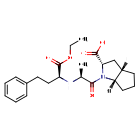
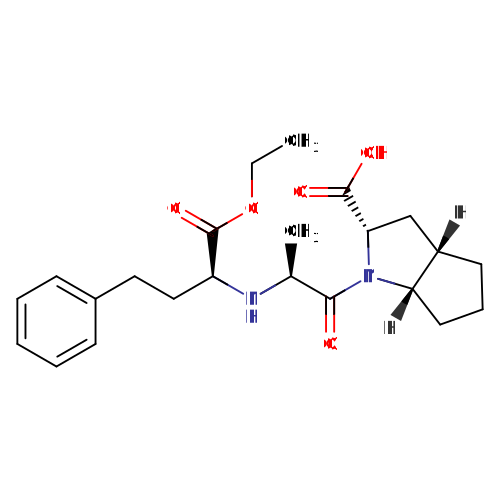
Structure for Ramipril (DB00178)
- Weight
- Average: 416.5106
Monoisotopic: 416.231122144 - Chemical Formula
- C23H32N2O5
- Synonyms
- (2S-(1(R*(R*)),2alpha,3abeta,6abeta))-1-(2-((1-(Ethoxycarbonyl)-3-phenylpropyl)amino)-1-oxopropyl)octahydrocyclopenta(b)pyrrole-2-carboxylic acid
- Ramipril
- Ramiprilum
- External IDs
- C09AA05
- HOE 498

Pharmacology
- Indication
For the management of mild to severe hypertension. May be used to reduce cardiovascular mortality following myocardial infarction in hemodynamically stable individuals who develop clinical signs of congestive heart failure within a few days following myocardial infarction. Label To reduce the rate of death, myocardial infarction and stroke in individuals at high risk of cardiovascular events. May be used to slow the progression of renal disease in individuals with hypertension, diabetes mellitus and microalubinuria or overt nephropathy. 5
 Reduce drug development failure ratesBuild, train, & validate machine-learning modelswith evidence-based and structured datasets.Build, train, & validate predictive machine-learning models with structured datasets.
- Associated Conditions
Indication Type Indication Combined Product Details Approval Level Age Group Patient Characteristics Dose Form Used in combination for prophylaxis of Cardiovascular events Combination Product in combination with: Acetylsalicylic acid (DB00945), Atorvastatin (DB01076) •••••••••••• •••••••••• •••••••••• •• •••••••••••• •••••••••••••• •• ••••••••• ••••• ••••••• Management of Diabetic nephropathy ••• ••••• ••••••• •••••••••• ••••• ••••••••• •••••••• •••••• Management of Heart failure •••••••••••• •••••••• •••••• Management of Hypertension •••••••••••• •••••••• •••••• Used in combination to manage Hypertension Combination Product in combination with: Felodipine (DB01023) •••••••••••• •••••• - Contraindications & Blackbox Warnings
 Prevent Adverse Drug Events TodayTap into our Clinical API for life-saving information on contraindications & blackbox warnings, population restrictions, harmful risks, & more.Avoid life-threatening adverse drug events with our Clinical API
- Pharmacodynamics
Ramipril is an ACE inhibitor similar to benazepril, fosinopril and quinapril. 5 It is an inactive prodrug that is converted to ramiprilat in the liver, the main site of activation, and kidneys. Ramiprilat confers blood pressure lowing effects by antagonizing the effect of the RAAS. The RAAS is a homeostatic mechanism for regulating hemodynamics, water and electrolyte balance. During sympathetic stimulation or when renal blood pressure or blood flow is reduced, renin is released from the granular cells of the juxtaglomerular apparatus in the kidneys. In the blood stream, renin cleaves circulating angiotensinogen to ATI, which is subsequently cleaved to ATII by ACE. ATII increases blood pressure using a number of mechanisms. First, it stimulates the secretion of aldosterone from the adrenal cortex. Aldosterone travels to the distal convoluted tubule (DCT) and collecting tubule of nephrons where it increases sodium and water reabsorption by increasing the number of sodium channels and sodium-potassium ATPases on cell membranes. Second, ATII stimulates the secretion of vasopressin (also known as antidiuretic hormone or ADH) from the posterior pituitary gland. ADH stimulates further water reabsorption from the kidneys via insertion of aquaporin-2 channels on the apical surface of cells of the DCT and collecting tubules. Third, ATII increases blood pressure through direct arterial vasoconstriction. Stimulation of the Type 1 ATII receptor on vascular smooth muscle cells leads to a cascade of events resulting in myocyte contraction and vasoconstriction. In addition to these major effects, ATII induces the thirst response via stimulation of hypothalamic neurons. ACE inhibitors inhibit the rapid conversion of ATI to ATII and antagonize RAAS-induced increases in blood pressure. ACE (also known as kininase II) is also involved in the enzymatic deactivation of bradykinin, a vasodilator. Inhibiting the deactivation of bradykinin increases bradykinin levels and may sustain the effects of ramiprilat by causing increased vasodilation and decreased blood pressure.
- Mechanism of action
Ramipril inhibits the RAAS system by binding to and inhibiting ACE thereby preventing the conversion of angiotensin I to angiotensin II. 5 As plasma levels of angiotensin II fall, less activation of the G-protein coupled receptors angiotensin receptor I (AT1R) and angiotensin receptor II (AT2R) occurs.
AT1R mediates vasoconstriction, inflammation, fibrosis, and oxidative stress through a variety of signaling pathways. 5 These include Gq coupling to the inositol triphosphate pathway, activation of phospholipases C, A2, and D which contribute to eicosanoid production, activation of Ca2+-dependent and MAP kinases, Gi and G12/13, and eventual activation of the Jak/STAT pathway leading to cell growth and production of extracellular matrix components. AT1R activation also leads to increased activity of membrane-bound NADH/NADPH oxidase which contributes to production of reactive oxygen species. Decreased activation of this receptor mediates the renoprotective, antihypertensive, and cardioprotective effects of ramipril by reducing inflammation and vasoconstriction.
AT2R acts in opposition to the effects of AT1R by activating phosphotyrosine phosphatases which inhibit MAP kinases, inhibiting Ca2+ channel opening, and stimulating cGMP and nitric oxide production leading to vasodilation. 5 These counteracting effects are shared by the Mas receptor which is activated by Ang(1-7), a subtype of angiotensin produced by plasma esterases from AngI or by ACE2 from AngII produced through a secondary pathway by tonin and cathepsin G. Ang(1-7) also activates AT2R although the bulk of its effect is mediated by MasR.
ACE is also responsible for the breakdown of bradykinin. 5 The resulting buildup of bradykinin due to ACE inhibition is thought to mediate the characteristic dry-cough as a side effect of ACE inhibitor medications.
Target Actions Organism AAngiotensin-converting enzyme inhibitorHumans UB1 bradykinin receptor Not Available Humans - Absorption
The extent of absorption is at least 50-60%.Label. Food decreases the rate of absorption from the GI tract without affecting the extent of absorption. The absolute bioavailabilities of ramipril and ramiprilat were 28% and 44%, respectively, when oral administration was compared to intravenous administration. The serum concentration of ramiprilat was unchanged when capsules were opened and the contents dissolved in water, dissolved in apple juice, or suspended in apple sauce.
- Volume of distribution
Not Available
- Protein binding
Protein binding of ramipril is about 73% and that of ramiprilat about 56%.Label Protein binding is independent of concentration over the range of 0.1μg/mL-10μg/mL
- Metabolism
Hepatic metabolism accounts for 75% of total ramipril metabolism.Label 25% of hepatic metabolism produces the active metabolite ramiprilat via liver esterase enzymes. 100% of renal metabolism converts ramipril to ramiprilat. Other metabolites, diketopiperazine ester, the diketopiperazine acid, and the glucuronides of ramipril and ramiprilat, are inactive.
Hover over products below to view reaction partners
- Route of elimination
Following oral administration, about 60% of the dose is eliminated in the urine as unchanged ramipril (<2%) and its metabolites. About 40% of the dose is found in the feces, representing both unabsorbed drug and drugs and metabolites eliminated via biliary excretion. The urinary excretion of ramipril may be reduced in patients with impaired renal function.6
- Half-life
Plasma concentrations of ramiprilat decline in a triphasic manner.Label Initial rapid decline represents distribution into tissues and has a half life of 2-4 hours. The half life of the apparent elimination phase is 9-18 hours, which is thought to represent clearance of free drug. The half-life of the terminal elimination phase is > 50 hours and thought to represent clearance of drug bound to ACE due to its slow dissociation. The half life of ramiprilat after multiple daily doses (MDDs) is dose-dependent, ranging from 13-17 hours with 5-10 mg MDDs to 27-36 hours for 2.5 mg MDDs.
- Clearance
The renal clearance of ramipril and ramiprilat was reported to be 7.2 and 77.4 mL/min/1.73m2. 4 The mean renal clearance of ramipril and ramiprilat is reported to be 10.7 and 126.8 mL/min in healthy elderly patients with normal renal function, additionally the Cmax of ramiprilat is approximately 20% higher in this population. While the pharmacokinetics of ramipril appear unaffected by reduced renal function, the plasma concentration and half-life of ramiprilat are increased. In patient's with hepatic failure the concentration of ramipril is initially increased while the tmax of ramiprilat is prolonged due to a reduced ability to metabolize the drug. However, steady state concentrations of ramiprilat are the same in hepatic failure as in healthy patients.
- Adverse Effects
 Improve decision support & research outcomesWith structured adverse effects data, including: blackbox warnings, adverse reactions, warning & precautions, & incidence rates. View sample adverse effects data in our new Data Library!Improve decision support & research outcomes with our structured adverse effects data.
- Toxicity
Symptoms of overdose may include excessive peripheral vasodilation (with marked hypotension and shock), bradycardia, electrolyte disturbances, and renal failure. Cases of ACE inhibitor induced hepatotoxicity have been reported in humans and presented as acute jaundice and elevated liver enzymes.3 Removal of the ACE inhbitor resulted in a decline in liver enzymes and re-challenge produced a subsequent increase.
There were no observed tumerogenic effects at chronic doses up to 500mg/kg/day to rats for 24 months or at doses up to 1000mg/kg/day to mice for 18 months. For both species doses were administered by gavage and equivalent to 200 time the maximum recommended human exposure based on body surface area.
No mutagenic activity was detected in the Ames test in bacteria, the micronucleus test in mice, unscheduled DNA synthesis in a human cell line, or a forward gene-mutation assay in a Chinese hamster ovary cell line. Several metabolites of ramipril also produced negative results in the Ames test.
No effects on fertility were seen in rats at doses up to 500mg/kg/day. No teratogenicity was observed in rats and cynomolgus monkeys at doses 400 times the maximum recommended human exposure nor in rabbites at 2 times the maximum recommended human exposure.
LD50 10 g/kg (rat).MSDS LD50 10.5 g/kg (mouse).MSDS LD50 1 g/kg (dog).MSDS
- Pathways
Pathway Category Ramipril Action Pathway Drug action Ramipril Metabolism Pathway Drug metabolism - Pharmacogenomic Effects/ADRs
Interacting Gene/Enzyme Allele name Genotype(s) Defining Change(s) Type(s) Description Details Angiotensin-converting enzyme --- (A;A) / (G;G) A Allele, homozygote / G Allele, homozygote Effect Directly Studied Patients with this genotype have a shorter time to lowering of blood pressure with ramipril Details
Interactions
- Drug Interactions
- This information should not be interpreted without the help of a healthcare provider. If you believe you are experiencing an interaction, contact a healthcare provider immediately. The absence of an interaction does not necessarily mean no interactions exist.
Drug Interaction Integrate drug-drug
interactions in your softwareAbaloparatide The risk or severity of adverse effects can be increased when Ramipril is combined with Abaloparatide. Acebutolol Ramipril may increase the hypotensive activities of Acebutolol. Aceclofenac The risk or severity of renal failure, hyperkalemia, and hypertension can be increased when Aceclofenac is combined with Ramipril. Acemetacin The risk or severity of renal failure, hyperkalemia, and hypertension can be increased when Acemetacin is combined with Ramipril. Agrostis gigantea pollen The risk or severity of adverse effects can be increased when Ramipril is combined with Agrostis gigantea pollen. - Food Interactions
- Avoid potassium-containing products. Potassium products increase the risk of hyperkalemia.
- Take with or without food. The absorption is unaffected by food.
Products
 Drug product information from 10+ global regionsOur datasets provide approved product information including:dosage, form, labeller, route of administration, and marketing period.Access drug product information from over 10 global regions.
- Active Moieties
Name Kind UNII CAS InChI Key Ramiprilat prodrug 6N5U4QFC3G 87269-97-4 KEDYTOTWMPBSLG-HILJTLORSA-N - Product Images
- International/Other Brands
- Acovil (Sanofi-Aventis (Spain)) / Carasel (Almirall (Spain)) / Cardace (Sanofi-Aventis (Finland), Aventis (India), Aventis (Indonesia)) / Delix (Aventis (Germany, Turkey), ) / Hypren (AstraZeneca (Austria)) / Lostapres (Temis (Argentina)) / Pramace (Astra (Ireland), AstraZeneca (Sweden)) / Quark (Polifarma (Italy)) / Triatec (Sanofi-Aventis (Brazil, Chili, Denmark, France, Greece, Indonesia, Italy,Norway, Portugal, Sweden, Switzerland)) / Tritace (Sanofi-Aventis (Argentina, Australia, Austria, Belgium, Czech Republic, Hong Kong, Hungary, Ireland, Israel, Malaysia, Mexico, Netherlands, Poland, Singapor, Thailand, United Kingdom), Aventis (New Zealand, Philippines, South Africa)) / Vesdil (AstraZeneca (Germany), Promed (Germany))
- Brand Name Prescription Products
Name Dosage Strength Route Labeller Marketing Start Marketing End Region Image Act Ramipril Capsule 1.25 mg Oral Actavis Pharma Company 2007-10-02 2019-08-13 Canada 
Act Ramipril Capsule 5 mg Oral Actavis Pharma Company 2007-10-02 2019-08-13 Canada Act Ramipril Capsule 2.5 mg Oral Actavis Pharma Company 2007-10-02 2019-08-13 Canada Act Ramipril Capsule 10 mg Oral Actavis Pharma Company 2007-10-02 2019-08-13 Canada Altace Tablet 2.5 mg/1 Oral King Pharmaceuticals, Inc. 2007-02-27 2008-10-08 US 
- Generic Prescription Products
Name Dosage Strength Route Labeller Marketing Start Marketing End Region Image Ach-ramipril Capsule 10 mg Oral Accord Healthcare Inc Not applicable Not applicable Canada Ach-ramipril Capsule 1.25 mg Oral Accord Healthcare Inc Not applicable Not applicable Canada Ach-ramipril Capsule 5 mg Oral Accord Healthcare Inc Not applicable Not applicable Canada Ach-ramipril Capsule 15 mg Oral Accord Healthcare Inc Not applicable Not applicable Canada Ach-ramipril Capsule 2.5 mg Oral Accord Healthcare Inc Not applicable Not applicable Canada - Mixture Products
Name Ingredients Dosage Route Labeller Marketing Start Marketing End Region Image ALAMUT Ramipril (10 MG) + Amlodipine (10 MG) Capsule Oral So.Se.Pharm S.R.L. Societa' Di Servizio Per L'industria Farmaceutica Ed Affini 2016-01-12 Not applicable Italy 
ALAMUT Ramipril (10 MG) + Amlodipine (5 MG) Capsule Oral So.Se.Pharm S.R.L. Societa' Di Servizio Per L'industria Farmaceutica Ed Affini 2016-01-12 Not applicable Italy ALAMUT Ramipril (2.5 MG) + Amlodipine (5 MG) Capsule Oral So.Se.Pharm S.R.L. Societa' Di Servizio Per L'industria Farmaceutica Ed Affini 2016-01-12 Not applicable Italy ALAMUT Ramipril (5 MG) + Amlodipine (10 MG) Capsule Oral So.Se.Pharm S.R.L. Societa' Di Servizio Per L'industria Farmaceutica Ed Affini 2016-01-12 Not applicable Italy ALAMUT Ramipril (5 MG) + Amlodipine (5 MG) Capsule Oral So.Se.Pharm S.R.L. Societa' Di Servizio Per L'industria Farmaceutica Ed Affini 2016-01-12 Not applicable Italy


Categories
- ATC Codes
- C09BX03 — Ramipril, amlodipine and hydrochlorothiazide
- C09BX — ACE inhibitors, other combinations
- C09B — ACE INHIBITORS, COMBINATIONS
- C09 — AGENTS ACTING ON THE RENIN-ANGIOTENSIN SYSTEM
- C — CARDIOVASCULAR SYSTEM
- C10BX — Lipid modifying agents in combination with other drugs
- C10B — LIPID MODIFYING AGENTS, COMBINATIONS
- C10 — LIPID MODIFYING AGENTS
- C — CARDIOVASCULAR SYSTEM
- C09BB — ACE inhibitors and calcium channel blockers
- C09B — ACE INHIBITORS, COMBINATIONS
- C09 — AGENTS ACTING ON THE RENIN-ANGIOTENSIN SYSTEM
- C — CARDIOVASCULAR SYSTEM
- C09AA — ACE inhibitors, plain
- C09A — ACE INHIBITORS, PLAIN
- C09 — AGENTS ACTING ON THE RENIN-ANGIOTENSIN SYSTEM
- C — CARDIOVASCULAR SYSTEM
- C10BX — Lipid modifying agents in combination with other drugs
- C10B — LIPID MODIFYING AGENTS, COMBINATIONS
- C10 — LIPID MODIFYING AGENTS
- C — CARDIOVASCULAR SYSTEM
- C10BX — Lipid modifying agents in combination with other drugs
- C10B — LIPID MODIFYING AGENTS, COMBINATIONS
- C10 — LIPID MODIFYING AGENTS
- C — CARDIOVASCULAR SYSTEM
- C09BB — ACE inhibitors and calcium channel blockers
- C09B — ACE INHIBITORS, COMBINATIONS
- C09 — AGENTS ACTING ON THE RENIN-ANGIOTENSIN SYSTEM
- C — CARDIOVASCULAR SYSTEM
- C09BX — ACE inhibitors, other combinations
- C09B — ACE INHIBITORS, COMBINATIONS
- C09 — AGENTS ACTING ON THE RENIN-ANGIOTENSIN SYSTEM
- C — CARDIOVASCULAR SYSTEM
- C10BX — Lipid modifying agents in combination with other drugs
- C10B — LIPID MODIFYING AGENTS, COMBINATIONS
- C10 — LIPID MODIFYING AGENTS
- C — CARDIOVASCULAR SYSTEM
- Drug Categories
- ACE Inhibitors and Calcium Channel Blockers
- ACE Inhibitors and Diuretics
- Agents Acting on the Renin-Angiotensin System
- Agents causing angioedema
- Agents causing hyperkalemia
- Angiotensin-Converting Enzyme Inhibitors
- Antihypertensive Agents
- Antihypertensive Agents Indicated for Hypertension
- Cardiovascular Agents
- Cholinesterase Inhibitors
- Drugs causing inadvertant photosensitivity
- Enzyme Inhibitors
- Heterocyclic Compounds, Fused-Ring
- Hypotensive Agents
- Lipid Modifying Agents
- Photosensitizing Agents
- Protease Inhibitors
- Chemical TaxonomyProvided by Classyfire
- Description
- This compound belongs to the class of organic compounds known as dipeptides. These are organic compounds containing a sequence of exactly two alpha-amino acids joined by a peptide bond.
- Kingdom
- Organic compounds
- Super Class
- Organic acids and derivatives
- Class
- Carboxylic acids and derivatives
- Sub Class
- Amino acids, peptides, and analogues
- Direct Parent
- Dipeptides
- Alternative Parents
- Alpha amino acid esters / N-acyl-L-alpha-amino acids / Alpha amino acid amides / Pyrrolidine carboxylic acids / N-acylpyrrolidines / Fatty acid esters / Aralkylamines / Dicarboxylic acids and derivatives / Benzene and substituted derivatives / Tertiary carboxylic acid amides show 9 more
- Substituents
- Alpha-amino acid amide / Alpha-amino acid ester / Alpha-amino acid or derivatives / Alpha-dipeptide / Amine / Amino acid / Amino acid or derivatives / Aralkylamine / Aromatic heteropolycyclic compound / Azacycle show 27 more
- Molecular Framework
- Aromatic heteropolycyclic compounds
- External Descriptors
- dicarboxylic acid monoester, ethyl ester, azabicycloalkane, dipeptide, cyclopentapyrrole (CHEBI:8774)
- Affected organisms
- Humans and other mammals
Chemical Identifiers
- UNII
- L35JN3I7SJ
- CAS number
- 87333-19-5
- InChI Key
- HDACQVRGBOVJII-JBDAPHQKSA-N
- InChI
- InChI=1S/C23H32N2O5/c1-3-30-23(29)18(13-12-16-8-5-4-6-9-16)24-15(2)21(26)25-19-11-7-10-17(19)14-20(25)22(27)28/h4-6,8-9,15,17-20,24H,3,7,10-14H2,1-2H3,(H,27,28)/t15-,17-,18-,19-,20-/m0/s1
- IUPAC Name
- (2S,3aS,6aS)-1-[(2S)-2-{[(2S)-1-ethoxy-1-oxo-4-phenylbutan-2-yl]amino}propanoyl]-octahydrocyclopenta[b]pyrrole-2-carboxylic acid
- SMILES
- [H][C@@]12CCC[C@]1([H])N([C@@H](C2)C(O)=O)C(=O)[C@H](C)N[C@@H](CCC1=CC=CC=C1)C(=O)OCC
References
- Synthesis Reference
Edward Wilson, Martin Beasley, "Stabilized ramipril compositions and methods of making." U.S. Patent US20060134213, issued June 22, 2006.
US20060134213- General References
- Cacciapuoti F, Capasso A, Mirra G, De Nicola A, Minicucci F, Gentile S: Prevention of left ventricular hypertrophy by ACE-inhibitor, ramipril in comparison with calcium-channel antagonist, felodipine. Int J Cardiol. 1998 Jan 31;63(2):175-8. [Article]
- Kleinert S: HOPE for cardiovascular disease prevention with ACE-inhibitor ramipril. Heart Outcomes Prevention Evaluation. Lancet. 1999 Sep 4;354(9181):841. [Article]
- Douros A, Kauffmann W, Bronder E, Klimpel A, Garbe E, Kreutz R: Ramipril-induced liver injury: case report and review of the literature. Am J Hypertens. 2013 Sep;26(9):1070-5. doi: 10.1093/ajh/hpt090. Epub 2013 Jun 8. [Article]
- Meisel S, Shamiss A, Rosenthal T: Clinical pharmacokinetics of ramipril. Clin Pharmacokinet. 1994 Jan;26(1):7-15. doi: 10.2165/00003088-199426010-00002. [Article]
- Hilal-Dandan R (2018). 26. In Goodman & Gilman's: The Pharmacological Basis of Therapeutics (13th ed.). McGraw-Hill Education. [ISBN:978-1-25-958473-2]
- FDA Approved Products: Altace (ramipril) oral capsules [Link]
- External Links
- Human Metabolome Database
- HMDB0014324
- KEGG Drug
- D00421
- PubChem Compound
- 5362129
- PubChem Substance
- 46506390
- ChemSpider
- 4514937
- BindingDB
- 50084681
- 35296
- ChEBI
- 8774
- ChEMBL
- CHEMBL1168
- ZINC
- ZINC000003798757
- Therapeutic Targets Database
- DAP000581
- PharmGKB
- PA451223
- RxList
- RxList Drug Page
- Drugs.com
- Drugs.com Drug Page
- PDRhealth
- PDRhealth Drug Page
- Wikipedia
- Ramipril
- FDA label
- Download (587 KB)
- MSDS
- Download (53.6 KB)
Clinical Trials
- Clinical Trials
Phase Status Purpose Conditions Count 4 Active Not Recruiting Treatment Angiotensin-Converting Enzyme Inhibitors / Transcatheter Aortic Valve Replacemen 1 4 Completed Basic Science Healthy Volunteers (HV) 1 4 Completed Prevention Alzheimer's Disease (AD) / Hypertension 1 4 Completed Prevention Anesthetics Adverse Reaction / Coronary Artery Atherosclerosis / Insulin resistance syndrome 1 4 Completed Prevention Cardiovascular Disease (CVD) 1
Pharmacoeconomics
- Manufacturers
- King pharmaceuticals inc
- Actavis elizabeth llc
- Apotex inc
- Cipla ltd
- Dr reddys laboratories ltd
- Invagen pharmaceuticals inc
- Lupin ltd
- Ranbaxy laboratories ltd
- Roxane laboratories inc
- Sandoz inc
- Teva pharmaceuticals usa
- Watson laboratories inc
- Zydus pharmaceuticals usa inc
- King Pharmaceuticals, Inc.
- Packagers
- Amerisource Health Services Corp.
- Apotex Inc.
- Arrow Pharm Malta Ltd.
- A-S Medication Solutions LLC
- Blu Pharmaceuticals LLC
- Bryant Ranch Prepack
- Camber Pharmaceuticals Inc.
- Cardinal Health
- Cipla Ltd.
- Cobalt Pharmaceuticals Inc.
- DAVA Pharmaceuticals
- Dispensing Solutions
- Doctor Reddys Laboratories Ltd.
- Heartland Repack Services LLC
- Hoechst Marion Roussel Canada Inc.
- InvaGen Pharmaceuticals Inc.
- Kaiser Foundation Hospital
- King Pharmaceuticals Inc.
- Lake Erie Medical and Surgical Supply
- Lupin Pharmaceuticals Inc.
- Mckesson Corp.
- Monarch Pharmacy
- Murfreesboro Pharmaceutical Nursing Supply
- Nucare Pharmaceuticals Inc.
- PD-Rx Pharmaceuticals Inc.
- Pharmaceutical Utilization Management Program VA Inc.
- Physicians Total Care Inc.
- Prepackage Specialists
- Prepak Systems Inc.
- Rebel Distributors Corp.
- Resource Optimization and Innovation LLC
- Roxane Labs
- Sandoz
- Sanofi-Aventis Inc.
- Southwood Pharmaceuticals
- Teva Pharmaceutical Industries Ltd.
- Vangard Labs Inc.
- Dosage Forms
Form Route Strength Tablet Oral 1.25 mg/1 Tablet Oral 10 mg/1 Tablet Oral 2.5 mg/1 Tablet Oral 5 mg/1 Capsule Oral 15 mg Tablet, coated Tablet, film coated 10 mg Tablet, film coated 2.5 mg Tablet, film coated 5 mg Capsule Oral Tablet Oral Tablet Oral Capsule, coated Oral 2.5 mg Capsule, coated Oral 5 mg Capsule, gelatin coated Oral Capsule Oral 15.0 mg Capsule Oral 5.0 mg Capsule Oral 1.25 mg Capsule Oral 10 mg Capsule Oral Capsule Oral 1.25 mg/1 Capsule Oral 10 mg/1 Capsule Oral 10 mg/301 Capsule Oral 2.5 mg/1 Capsule Oral 5 mg/1 Capsule, gelatin coated Oral 1.25 mg/1 Capsule, gelatin coated Oral 10 mg/1 Capsule, gelatin coated Oral 2.5 mg/1 Capsule, gelatin coated Oral 5 mg/1 Powder 1 kg/1kg Tablet Oral 7.5 MG Capsule Oral 10.0 mg Tablet Oral 1.25 mg Tablet, film coated Oral Tablet, extended release Oral Tablet Oral 10.000 mg Capsule, coated Oral 10 mg Capsule Oral 2.5 mg Capsule Oral 5 mg Tablet Oral 10 mg Tablet Oral 2.5 mg Tablet Oral 5 mg - Prices
Unit description Cost Unit Altace 10 mg capsule 2.87USD capsule Altace 2.5 mg capsule 2.54USD capsule Altace 5 mg capsule 2.53USD capsule Altace 10 mg tablet 2.37USD tablet Altace 1.25 mg capsule 2.2USD capsule Ramipril 10 mg capsule 2.19USD capsule Altace 5 mg tablet 2.02USD tablet Altace 2.5 mg tablet 1.93USD tablet Ramipril 5 mg capsule 1.87USD capsule Ramipril 2.5 mg capsule 1.78USD capsule Altace 1.25 mg tablet 1.63USD tablet Ramipril 1.25 mg capsule 1.59USD capsule Altace 10 mg Tablet 1.14USD tablet Altace 2.5 mg Tablet 0.9USD tablet Altace 5 mg Tablet 0.9USD tablet Altace 1.25 mg Tablet 0.78USD tablet Apo-Ramipril 10 mg Tablet 0.64USD tablet Co Ramipril 10 mg Tablet 0.64USD tablet Jamp-Ramipril 10 mg Tablet 0.64USD tablet Mylan-Ramipril 10 mg Tablet 0.64USD tablet Novo-Ramipril 10 mg Tablet 0.64USD tablet Pms-Ramipril 10 mg Tablet 0.64USD tablet Ramipril 10 mg Tablet 0.64USD tablet Ran-Ramipril 10 mg Tablet 0.64USD tablet Ratio-Ramipril 10 mg Tablet 0.64USD tablet Sandoz Ramipril 10 mg Tablet 0.64USD tablet Apo-Ramipril 2.5 mg Tablet 0.5USD tablet Apo-Ramipril 5 mg Tablet 0.5USD tablet Co Ramipril 2.5 mg Tablet 0.5USD tablet Co Ramipril 5 mg Tablet 0.5USD tablet Jamp-Ramipril 2.5 mg Tablet 0.5USD tablet Jamp-Ramipril 5 mg Tablet 0.5USD tablet Mylan-Ramipril 2.5 mg Tablet 0.5USD tablet Mylan-Ramipril 5 mg Tablet 0.5USD tablet Novo-Ramipril 2.5 mg Tablet 0.5USD tablet Novo-Ramipril 5 mg Tablet 0.5USD tablet Pms-Ramipril 2.5 mg Tablet 0.5USD tablet Pms-Ramipril 5 mg Tablet 0.5USD tablet Ramipril 2.5 mg Tablet 0.5USD tablet Ramipril 5 mg Tablet 0.5USD tablet Ran-Ramipril 2.5 mg Tablet 0.5USD tablet Ran-Ramipril 5 mg Tablet 0.5USD tablet Ratio-Ramipril 2.5 mg Tablet 0.5USD tablet Ratio-Ramipril 5 mg Tablet 0.5USD tablet Sandoz Ramipril 2.5 mg Tablet 0.5USD tablet Sandoz Ramipril 5 mg Tablet 0.5USD tablet Apo-Ramipril 1.25 mg Tablet 0.44USD tablet Co Ramipril 1.25 mg Tablet 0.44USD tablet Jamp-Ramipril 1.25 mg Tablet 0.44USD tablet Mylan-Ramipril 1.25 mg Tablet 0.44USD tablet Pms-Ramipril 1.25 mg Tablet 0.44USD tablet Ramipril 1.25 mg Tablet 0.44USD tablet Ran-Ramipril 1.25 mg Tablet 0.44USD tablet Ratio-Ramipril 1.25 mg Tablet 0.44USD tablet Sandoz Ramipril 1.25 mg Tablet 0.44USD tablet DrugBank does not sell nor buy drugs. Pricing information is supplied for informational purposes only.- Patents
Patent Number Pediatric Extension Approved Expires (estimated) Region US5403856 No 1995-04-04 2012-04-04 US CA2382387 No 2005-06-21 2020-08-25 Canada CA1338344 No 1996-05-21 2013-05-21 Canada US7368469 No 2008-05-06 2020-08-30 US
Properties
- State
- Solid
- Experimental Properties
Property Value Source melting point (°C) 109 °C PhysProp water solubility 3.5mg/L Not Available logP 2.9 Not Available - Predicted Properties
Property Value Source Water Solubility 0.039 mg/mL ALOGPS logP 0.92 ALOGPS logP 1.47 Chemaxon logS -4 ALOGPS pKa (Strongest Acidic) 3.75 Chemaxon pKa (Strongest Basic) 5.2 Chemaxon Physiological Charge -1 Chemaxon Hydrogen Acceptor Count 5 Chemaxon Hydrogen Donor Count 2 Chemaxon Polar Surface Area 95.94 Å2 Chemaxon Rotatable Bond Count 10 Chemaxon Refractivity 111.19 m3·mol-1 Chemaxon Polarizability 44.79 Å3 Chemaxon Number of Rings 3 Chemaxon Bioavailability 1 Chemaxon Rule of Five Yes Chemaxon Ghose Filter Yes Chemaxon Veber's Rule No Chemaxon MDDR-like Rule Yes Chemaxon - Predicted ADMET Features
Property Value Probability Human Intestinal Absorption + 0.9159 Blood Brain Barrier - 0.8726 Caco-2 permeable - 0.8491 P-glycoprotein substrate Substrate 0.7263 P-glycoprotein inhibitor I Non-inhibitor 0.7002 P-glycoprotein inhibitor II Inhibitor 0.6295 Renal organic cation transporter Non-inhibitor 0.8869 CYP450 2C9 substrate Non-substrate 0.8541 CYP450 2D6 substrate Non-substrate 0.8969 CYP450 3A4 substrate Non-substrate 0.5082 CYP450 1A2 substrate Non-inhibitor 0.9045 CYP450 2C9 inhibitor Non-inhibitor 0.907 CYP450 2D6 inhibitor Non-inhibitor 0.9304 CYP450 2C19 inhibitor Non-inhibitor 0.9025 CYP450 3A4 inhibitor Non-inhibitor 0.8309 CYP450 inhibitory promiscuity Low CYP Inhibitory Promiscuity 0.5691 Ames test Non AMES toxic 0.9108 Carcinogenicity Non-carcinogens 0.9267 Biodegradation Not ready biodegradable 0.8903 Rat acute toxicity 1.6732 LD50, mol/kg Not applicable hERG inhibition (predictor I) Weak inhibitor 0.98 hERG inhibition (predictor II) Non-inhibitor 0.7901
Spectra
- Mass Spec (NIST)
- Not Available
- Spectra
- Chromatographic Properties
Collision Cross Sections (CCS)
Adduct CCS Value (Å2) Source type Source [M-H]- 215.460715 predictedDarkChem Lite v0.1.0 [M-H]- 216.942415 predictedDarkChem Lite v0.1.0 [M-H]- 192.678 predictedDeepCCS 1.0 (2019) [M+H]+ 214.708815 predictedDarkChem Lite v0.1.0 [M+H]+ 216.336615 predictedDarkChem Lite v0.1.0 [M+H]+ 194.6523 predictedDeepCCS 1.0 (2019) [M+Na]+ 215.607015 predictedDarkChem Lite v0.1.0 [M+Na]+ 200.49127 predictedDeepCCS 1.0 (2019)
Targets

- Kind
- Protein
- Organism
- Humans
- Pharmacological action
- Yes
- Actions
- Inhibitor
- General Function
- Zinc ion binding
- Specific Function
- Converts angiotensin I to angiotensin II by release of the terminal His-Leu, this results in an increase of the vasoconstrictor activity of angiotensin. Also able to inactivate bradykinin, a potent...
- Gene Name
- ACE
- Uniprot ID
- P12821
- Uniprot Name
- Angiotensin-converting enzyme
- Molecular Weight
- 149713.675 Da
References
- Chen X, Ji ZL, Chen YZ: TTD: Therapeutic Target Database. Nucleic Acids Res. 2002 Jan 1;30(1):412-5. [Article]
- Levitt DG, Schoemaker RC: Human physiologically based pharmacokinetic model for ACE inhibitors: ramipril and ramiprilat. BMC Clin Pharmacol. 2006 Jan 6;6:1. [Article]
- Piepho RW: Overview of the angiotensin-converting-enzyme inhibitors. Am J Health Syst Pharm. 2000 Oct 1;57 Suppl 1:S3-7. [Article]
- Song JC, White CM: Clinical pharmacokinetics and selective pharmacodynamics of new angiotensin converting enzyme inhibitors: an update. Clin Pharmacokinet. 2002;41(3):207-24. [Article]
- Kind
- Protein
- Organism
- Humans
- Pharmacological action
- Unknown
- General Function
- Peptide binding
- Specific Function
- This is a receptor for bradykinin. Could be a factor in chronic pain and inflammation.
- Gene Name
- BDKRB1
- Uniprot ID
- P46663
- Uniprot Name
- B1 bradykinin receptor
- Molecular Weight
- 40494.29 Da
References
- Ignjatovic T, Tan F, Brovkovych V, Skidgel RA, Erdos EG: Novel mode of action of angiotensin I converting enzyme inhibitors: direct activation of bradykinin B1 receptor. J Biol Chem. 2002 May 10;277(19):16847-52. Epub 2002 Mar 5. [Article]
Enzymes
- Kind
- Protein
- Organism
- Humans
- Pharmacological action
- Unknown
- Actions
- Inhibitor
- General Function
- Identical protein binding
- Specific Function
- Esterase with broad substrate specificity. Contributes to the inactivation of the neurotransmitter acetylcholine. Can degrade neurotoxic organophosphate esters.
- Gene Name
- BCHE
- Uniprot ID
- P06276
- Uniprot Name
- Cholinesterase
- Molecular Weight
- 68417.575 Da
References
- Shah GB, Sharma S, Mehta AA, Goyal RK: Oculohypotensive effect of angiotensin-converting enzyme inhibitors in acute and chronic models of glaucoma. J Cardiovasc Pharmacol. 2000 Aug;36(2):169-75. [Article]
Transporters
- Kind
- Protein
- Organism
- Humans
- Pharmacological action
- Unknown
- Actions
- Substrate
- General Function
- Proton-dependent oligopeptide secondary active transmembrane transporter activity
- Specific Function
- Proton-coupled intake of oligopeptides of 2 to 4 amino acids with a preference for dipeptides. May constitute a major route for the absorption of protein digestion end-products.
- Gene Name
- SLC15A1
- Uniprot ID
- P46059
- Uniprot Name
- Solute carrier family 15 member 1
- Molecular Weight
- 78805.265 Da
References
- Knutter I, Wollesky C, Kottra G, Hahn MG, Fischer W, Zebisch K, Neubert RH, Daniel H, Brandsch M: Transport of angiotensin-converting enzyme inhibitors by H+/peptide transporters revisited. J Pharmacol Exp Ther. 2008 Nov;327(2):432-41. doi: 10.1124/jpet.108.143339. Epub 2008 Aug 19. [Article]
- Kind
- Protein
- Organism
- Humans
- Pharmacological action
- Unknown
- Actions
- Substrate
- General Function
- Peptide:proton symporter activity
- Specific Function
- Proton-coupled intake of oligopeptides of 2 to 4 amino acids with a preference for dipeptides.
- Gene Name
- SLC15A2
- Uniprot ID
- Q16348
- Uniprot Name
- Solute carrier family 15 member 2
- Molecular Weight
- 81782.77 Da
References
- Knutter I, Wollesky C, Kottra G, Hahn MG, Fischer W, Zebisch K, Neubert RH, Daniel H, Brandsch M: Transport of angiotensin-converting enzyme inhibitors by H+/peptide transporters revisited. J Pharmacol Exp Ther. 2008 Nov;327(2):432-41. doi: 10.1124/jpet.108.143339. Epub 2008 Aug 19. [Article]

Drug created at June 13, 2005 13:24 / Updated at April 27, 2024 09:44