Identification
- Summary
Atorvastatin is an HMG-CoA reductase inhibitor used to lower lipid levels and reduce the risk of cardiovascular disease including myocardial infarction and stroke.
- Brand Names
- Atorvaliq, Caduet, Lipitor, Lypqozet
- Generic Name
- Atorvastatin
- DrugBank Accession Number
- DB01076
- Background
Atorvastatin (Lipitor®), is a lipid-lowering drug included in the statin class of medications. By inhibiting the endogenous production of cholesterol in the liver, statins lower abnormal cholesterol and lipid levels, and ultimately reduce the risk of cardiovascular disease. More specifically, statin medications competitively inhibit the enzyme hydroxymethylglutaryl-coenzyme A (HMG-CoA) Reductase,8 which catalyzes the conversion of HMG-CoA to mevalonic acid. This conversion is a critical metabolic reaction involved in the production of several compounds involved in lipid metabolism and transport, including cholesterol, low-density lipoprotein (LDL) (sometimes referred to as "bad cholesterol"), and very-low-density lipoprotein (VLDL). Prescribing statins is considered standard practice for patients following any cardiovascular event, and for people who are at moderate to high risk of developing cardiovascular disease. The evidence supporting statin use, coupled with minimal side effects and long term benefits, has resulted in wide use of this medication in North America.9,10
Atorvastatin and other statins including lovastatin, pravastatin, rosuvastatin, fluvastatin, and simvastatin are considered first-line treatment options for dyslipidemia.9,10 The increasing use of this class of drugs is largely attributed to the rise in cardiovascular diseases (CVD) (such as heart attack, atherosclerosis, angina, peripheral artery disease, and stroke) in many countries.11 An elevated cholesterol level (elevated low-density lipoprotein (LDL) levels in particular) is a significant risk factor for the development of CVD.9,12 Several landmark studies demonstrate that the use of statins is associated with both a reduction in LDL levels and CVD risk.13,14,15,16,17,18 Statins were shown to reduce the incidences of all-cause mortality, including fatal and non-fatal CVD, as well as the need for surgical revascularization or angioplasty following a heart attack.9,10 Some evidence has shown that even for low-risk individuals (with <10% risk of a major vascular event occurring within five years) statin use leads to a 20%-22% relative reduction in the number of major cardiovascular events (heart attack, stroke, coronary revascularization, and coronary death) for every 1 mmol/L reduction in LDL without any significant side effects or risks.19,20
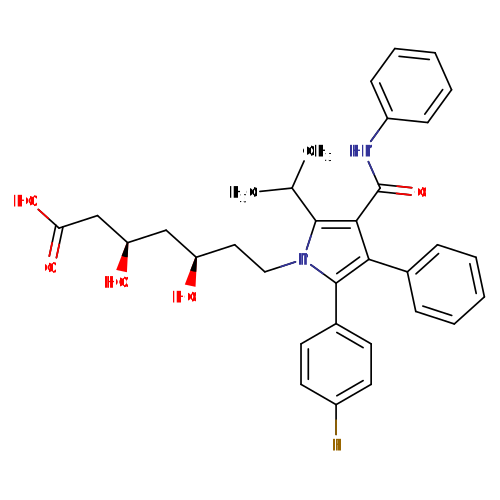
Atorvastatin was first synthesized in 1985 by Dr. Bruce Roth and approved by the FDA in 1996.34 It is a pentasubstituted pyrrole 3 formed by two contrasting moieties with an achiral heterocyclic core unit and a 3,5-dihydroxypentanoyl side chain identical to its parent compound.35 Unlike other members of the statin group, atorvastatin is an active compound and therefore does not require activation.4
- Type
- Small Molecule
- Groups
- Approved
- Structure
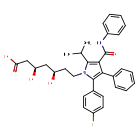
Structure for Atorvastatin (DB01076)
- Weight
- Average: 558.6398
Monoisotopic: 558.253000445 - Chemical Formula
- C33H35FN2O5
- Synonyms
- Atorvastatin
- atorvastatina
- atorvastatine
- atorvastatinum

Pharmacology
- Indication
Atorvastatin is indicated for the treatment of several types of dyslipidemias, including primary hyperlipidemia and mixed dyslipidemia in adults, hypertriglyceridemia, primary dysbetalipoproteinemia, homozygous familial hypercholesterolemia, and heterozygous familial hypercholesterolemia in adolescent patients with failed dietary modifications.2
Dyslipidemia describes an elevation of plasma cholesterol, triglycerides or both as well as to the presence of low levels of high-density lipoprotein. This condition represents an increased risk for the development of atherosclerosis.36
Atorvastatin is indicated, in combination with dietary modifications, to prevent cardiovascular events in patients with cardiac risk factors and/or abnormal lipid profiles.2
Atorvastatin can be used as a preventive agent for myocardial infarction, stroke, revascularization, and angina, in patients without coronary heart disease but with multiple risk factors and in patients with type 2 diabetes without coronary heart disease but multiple risk factors.2
Atorvastatin may be used as a preventive agent for non-fatal myocardial infarction, fatal and non-fatal stroke, revascularization procedures, hospitalization for congestive heart failure and angina in patients with coronary heart disease.2
Prescribing of statin medications is considered standard practice following any cardiovascular events and for people with a moderate to high risk of development of CVD. Statin-indicated conditions include diabetes mellitus, clinical atherosclerosis (including myocardial infarction, acute coronary syndromes, stable angina, documented coronary artery disease, stroke, trans ischemic attack (TIA), documented carotid disease, peripheral artery disease, and claudication), abdominal aortic aneurysm, chronic kidney disease, and severely elevated LDL-C levels.9,10
 Reduce drug development failure ratesBuild, train, & validate machine-learning modelswith evidence-based and structured datasets.Build, train, & validate predictive machine-learning models with structured datasets.
- Associated Conditions
Indication Type Indication Combined Product Details Approval Level Age Group Patient Characteristics Dose Form Used in combination to prevent Angina Combination Product in combination with: Amlodipine (DB00381) •••••••••••• ••••• •••••••• •••• ••••••• ••• •••••••• ••••• ••••••• Used in combination to prevent Angina Combination Product in combination with: Amlodipine (DB00381) •••••••••••• ••••• •••••••••• ••••••• •••••••• ••••• ••••••• Used in combination to prevent Cardiovascular complications Combination Product in combination with: Acetylsalicylic acid (DB00945) •••••••••••• •••••••••••••• •••• ••••••• Prevention of Cardiovascular disease •••••••••••• ••• •••• •••••••• •••••••• ••••• •••••••• ••••••• ••••••••••••• •••••• Used in combination to manage Coronary artery disease (cad) Combination Product in combination with: Perindopril (DB00790), Amlodipine (DB00381) •••••••••••• ••••• ••••• •••••••• •••••••••• •••••••••• •••• ••••••••••• ••••• ••••• ••••••••••••• ••••••• ••••••• •••• •••••• - Contraindications & Blackbox Warnings
 Prevent Adverse Drug Events TodayTap into our Clinical API for life-saving information on contraindications & blackbox warnings, population restrictions, harmful risks, & more.Avoid life-threatening adverse drug events with our Clinical API
- Pharmacodynamics
Atorvastatin is an oral antilipemic agent that reversibly inhibits HMG-CoA reductase. It lowers total cholesterol, low-density lipoprotein-cholesterol (LDL-C), apolipoprotein B (apo B), non-high density lipoprotein-cholesterol (non-HDL-C), and triglyceride (TG) plasma concentrations while increasing HDL-C concentrations. High LDL-C, low HDL-C and high TG concentrations in the plasma are associated with increased risk of atherosclerosis and cardiovascular disease. The total cholesterol to HDL-C ratio is a strong predictor of coronary artery disease, and high ratios are associated with a higher risk of disease. Increased levels of HDL-C are associated with lower cardiovascular risk. By decreasing LDL-C and TG and increasing HDL-C, atorvastatin reduces the risk of cardiovascular morbidity and mortality.21,9,10,27
Elevated cholesterol levels (and high low-density lipoprotein (LDL) levels in particular) are an important risk factor for the development of CVD.9 Clinical studies have shown that atorvastatin reduces LDL-C and total cholesterol by 36-53%.3 In patients with dysbetalipoproteinemia, atorvastatin reduced the levels of intermediate-density lipoprotein cholesterol.2 It has also been suggested that atorvastatin can limit the extent of angiogenesis, which can be useful in the treatment of chronic subdural hematoma.1
Myopathy/Rhabdomyolysis
Atorvastatin, like other HMG-CoA reductase inhibitors, is associated with a risk of drug-induced myopathy characterized by muscle pain, tenderness, or weakness in conjunction with elevated levels of creatine kinase (CK). Myopathy often manifests as rhabdomyolysis with or without acute renal failure secondary to myoglobinuria. The risk of statin-induced myopathy is dose-related, and the symptoms of myopathy are typically resolved upon drug discontinuation. Results from observational studies suggest that 10-15% of people taking statins may experience muscle aches at some point during treatment.30
Liver Dysfunction
Statins, like some other lipid-lowering therapies, have been associated with biochemical abnormalities of liver function. Persistent elevations (> 3 times the upper limit of normal [ULN] occurring on two or more occasions) in serum transaminases occurred in 0.7% of patients who received atorvastatin in clinical trials. This effect appears to be dose-related.41,42
Endocrine Effects
Statins are associated with a risk of increased serum HbA1c and glucose levels. An in vitro study demonstrated a dose-dependent cytotoxic effect on human pancreatic islet β cells following treatment with atorvastatin. Moreover, insulin secretion rates decreased relative to control.7
HMG-CoA reductase inhibitors interfere with cholesterol synthesis and may theoretically interfere with the production of adrenal and/or gonadal steroids. Clinical studies with atorvastatin and other HMG-CoA reductase inhibitors have suggested that these agents do not affect plasma cortisol concentrations, basal plasma testosterone concentration, or adrenal reserve. However, the effect of statins on male fertility has not been fully investigated. The effects of statins on the pituitary-gonadal axis in premenopausal women are unknown.42
Cardiovascular
Significant decreases in circulating ubiquinone levels in patients treated with atorvastatin and other statins have been observed. The clinical significance of a potential long-term statin-induced deficiency of ubiquinone has not been established. It has been reported that a decrease in myocardial ubiquinone levels could lead to impaired cardiac function in patients with borderline congestive heart failure.42
Lipoprotein A
In some patients, the beneficial effect of lowered total cholesterol and LDL-C levels may be partly blunted by the concomitant increase in Lp(a) lipoprotein concentrations. Present knowledge suggests the importance of high Lp(a) levels as an emerging risk factor for coronary heart disease.42 Further studies have demonstrated statins affect Lp(a) levels differently in patients with dyslipidemia depending on their apo(a) phenotype; statins increase Lp(a) levels exclusively in patients with the low molecular weight apo(a) phenotype.28
- Mechanism of action
Atorvastatin is a statin medication and a competitive inhibitor of the enzyme HMG-CoA (3-hydroxy-3-methylglutaryl coenzyme A) reductase, which catalyzes the conversion of HMG-CoA to mevalonate, an early rate-limiting step in cholesterol biosynthesis.1,8 Atorvastatin acts primarily in the liver, where decreased hepatic cholesterol concentrations stimulate the upregulation of hepatic low-density lipoprotein (LDL) receptors, which increases hepatic uptake of LDL. Atorvastatin also reduces Very-Low-Density Lipoprotein-Cholesterol (VLDL-C), serum triglycerides (TG) and Intermediate Density Lipoproteins (IDL), as well as the number of apolipoprotein B (apo B) containing particles, but increases High-Density Lipoprotein Cholesterol (HDL-C).
In vitro and in vivo animal studies also demonstrate that atorvastatin exerts vasculoprotective effects independent of its lipid-lowering properties, also known as the pleiotropic effects of statins.25 These effects include improvement in endothelial function, enhanced stability of atherosclerotic plaques, reduced oxidative stress and inflammation, and inhibition of the thrombogenic response. Statins were also found to bind allosterically to β2 integrin function-associated antigen-1 (LFA-1), which plays an essential role in leukocyte trafficking and T cell activation.29
Target Actions Organism A3-hydroxy-3-methylglutaryl-coenzyme A reductase inhibitorHumans UDipeptidyl peptidase 4 inhibitorHumans UAryl hydrocarbon receptor agonistHumans UHistone deacetylase 2 inhibitorHumans UNuclear receptor subfamily 1 group I member 3 ligandHumans - Absorption
Atorvastatin presents a dose-dependent and non-linear pharmacokinetic profile.4 It is very rapidly absorbed after oral administration. After the administration of a dose of 40 mg, its peak plasma concentration of 28 ng/ml is reached 1-2 hours after initial administration with an AUC of about 200 ng∙h/ml.6 Atorvastatin undergoes extensive first-pass metabolism in the wall of the gut and the liver, resulting in an absolute oral bioavailability of 14%.2 Plasma atorvastatin concentrations are lower (approximately 30% for Cmax and AUC) following evening drug administration compared with morning. However, LDL-C reduction is the same regardless of the time of day of drug administration.41
Administration of atorvastatin with food results in prolonged Tmax and a reduction in Cmax and AUC.3
Breast Cancer Resistance Protein (BCRP) is a membrane-bound protein that plays an important role in the absorption of atorvastatin.26 Evidence from pharmacogenetic studies of c.421C>A single nucleotide polymorphisms (SNPs) in the gene for BCRP has demonstrated that individuals with the 421AA genotype have reduced functional activity and 1.72-fold higher AUC for atorvastatin compared to study individuals with the control 421CC genotype. This has important implications for the variation in response to the drug in terms of efficacy and toxicity, particularly as the BCRP c.421C>A polymorphism occurs more frequently in Asian populations than in Caucasians.31,32 Other statin drugs impacted by this polymorphism include fluvastatin, simvastatin, and rosuvastatin.31
Genetic differences in the OATP1B1 (organic-anion-transporting polypeptide 1B1) hepatic transporter encoded by the SCLCO1B1 gene (Solute Carrier Organic Anion Transporter family member 1B1) have been shown to impact atorvastatin pharmacokinetics. Evidence from pharmacogenetic studies of the c.521T>C single nucleotide polymorphism (SNP) in the gene encoding OATP1B1 (SLCO1B1) demonstrated that atorvastatin AUC was increased 2.45-fold for individuals homozygous for 521CC compared to homozygous 521TT individuals.33 Other statin drugs impacted by this polymorphism include simvastatin, pitavastatin, rosuvastatin, and pravastatin.26
- Volume of distribution
The reported volume of distribution of atorvastatin is of 380 L.41,42
- Protein binding
Atorvastatin is highly bound to plasma proteins and over 98% of the administered dose is found in a bound form.41,42
- Metabolism
Atorvastatin is highly metabolized to ortho- and parahydroxylated derivatives and various beta-oxidation products, primarily by Cytochrome P450 3A4 in the intestine and liver.41,42 Atorvastatin's metabolites undergo further lactonization via the formation of acyl glucuronide intermediates by the enzymes UGT1A1 and UGT1A3. These lactones can be hydrolyzed back to their corresponding acid forms and exist in equilibirum.5,26
In vitro inhibition of HMG-CoA reductase by ortho- and parahydroxylated metabolites is equivalent to that of atorvastatin. Approximately 70% of circulating inhibitory activity for HMG-CoA reductase is attributed to active metabolites.41,42
Hover over products below to view reaction partners
- Route of elimination
Atorvastatin and its metabolites are mainly eliminated in the bile without enterohepatic recirculation. The renal elimination of atorvastatin is very minimal and represents less than 1% of the eliminated dose.41,42
- Half-life
The half-life of atorvastatin is 14 hours while the half-life of its metabolites can reach up to 30 hours.41,42
- Clearance
The registered total plasma clearance of atorvastatin is of 625 ml/min.5
- Adverse Effects
 Improve decision support & research outcomesWith structured adverse effects data, including: blackbox warnings, adverse reactions, warning & precautions, & incidence rates. View sample adverse effects data in our new Data Library!Improve decision support & research outcomes with our structured adverse effects data.
- Toxicity
The reported LD50 of oral atorvastatin in mice is higher than 5000 mg/kg.MSDS In cases of overdose with atorvastatin, there is reported symptoms of complicated breathing, jaundice, liver damage, dark urine, muscle pain, and seizures.38 In case of overdose, symptomatic treatment is recommended and due to the high plasma protein binding, hemodialysis is not expected to generate significant improvement.Label
In carcinogenic studies with high doses of atorvastatin, evidence of rhabdomyosarcoma, fibrosarcoma, liver adenoma, and liver carcinoma were observed.Label
In fertility studies with high doses of atorvastatin, there were events of aplasia, aspermia, low testis and epididymal weight, decreased sperm motility, decreased spermatid head concentration and increased abnormal sperm.Label
Atorvastatin was shown to not be mutagenic in diverse mutagenic assays.Label
- Pathways
- Not Available
- Pharmacogenomic Effects/ADRs
Interacting Gene/Enzyme Allele name Genotype(s) Defining Change(s) Type(s) Description Details Kinesin-like protein KIF6 --- (C;C) / (C;T) C Allele Effect Directly Studied Patients with this genotype have a greater reduction in risk of a major cardiovascular event with high dose atorvastatin. Details 3-hydroxy-3-methylglutaryl-coenzyme A reductase --- (A;T) T Allele Effect Directly Studied Patients with this genotype have a lesser reduction in LDL cholesterol with atorvastatin. Details Cytochrome P450 3A4 CYP3A4*1B (G;G) / (A;G) A > G Effect Directly Studied Patients with this genotype have an greater reduction in LDL cholesterol with atorvastatin. Details
Interactions
- Drug Interactions
- This information should not be interpreted without the help of a healthcare provider. If you believe you are experiencing an interaction, contact a healthcare provider immediately. The absence of an interaction does not necessarily mean no interactions exist.
Drug Interaction Integrate drug-drug
interactions in your softwareAbametapir The serum concentration of Atorvastatin can be increased when it is combined with Abametapir. Abatacept The metabolism of Atorvastatin can be increased when combined with Abatacept. Abiraterone The metabolism of Atorvastatin can be decreased when combined with Abiraterone. Acalabrutinib The metabolism of Atorvastatin can be decreased when combined with Acalabrutinib. Acenocoumarol The risk or severity of bleeding can be increased when Atorvastatin is combined with Acenocoumarol. - Food Interactions
- Avoid grapefruit products. Grapefruit products may increase the risk for atorvastatin related adverse effects such as myopathy and rhabdomyolysis.
- Take with or without food. Food decreases absorption but not to a clinically significant extent.
Products
 Drug product information from 10+ global regionsOur datasets provide approved product information including:dosage, form, labeller, route of administration, and marketing period.Access drug product information from over 10 global regions.
- Product Ingredients
Ingredient UNII CAS InChI Key Atorvastatin calcium C0GEJ5QCSO 134523-03-8 FQCKMBLVYCEXJB-MNSAWQCASA-L Atorvastatin calcium trihydrate 48A5M73Z4Q 344423-98-9 SHZPNDRIDUBNMH-NIJVSVLQSA-L - Product Images
- International/Other Brands
- Atogal (Ingers (Czech Republic)) / Cardyl (Pfizer (Spain)) / Faboxim (Fabop (Argentina)) / Hipolixan (Pasteur (Chile)) / Lipotropic (Drugtech (Chile)) / Liprimar (Pfizer (Hungary, Ukraine), Goedecke (Russia)) / Lowden (Saval (Chile)) / Normalip (Quesada (Argentina)) / Sincol (Indeco (Argentina)) / Sortis (Pfizer (Austria, Czech Republic, Germany, Hungary, Poland, Portugal, Switzerland), Godecke (Germany), Parke, Davis (Germany)) / Torvacard (Zentiva (Czech Republic, Hungary, Poland, Russia, Ukraine)) / Torvast (Pfizer (Italy)) / Totalip (Guidotti (Italy)) / Tulip (Lek (Czech Republic, Russia), Wermar (Mexico), Sandoz (Poland, Ukraine), Pharmacia (Spain)) / Vastina (Penn (Argentina)) / Xanator (Sieger (Greece)) / Xarator (Parke, Davis (Italy)) / Zurinel (Prater (Chile))
- Brand Name Prescription Products
Name Dosage Strength Route Labeller Marketing Start Marketing End Region Image Atorvaliq Suspension 20 mg/5mL Oral Cmp Pharma, Inc. 2023-03-01 Not applicable US 
Atorvastatin Tablet 80 mg Oral Laboratoire Riva Inc. 2018-05-16 Not applicable Canada 
Atorvastatin Tablet 80 mg Oral Ranbaxy Inc. Not applicable Not applicable Canada Atorvastatin Tablet 80 mg Oral Dr Reddy's Laboratories Ltd Not applicable Not applicable Canada Atorvastatin Tablet 10 mg Oral Ratiopharm Inc Division Of Teva Canada Limited 2010-05-19 2013-06-27 Canada - Generic Prescription Products
Name Dosage Strength Route Labeller Marketing Start Marketing End Region Image Ach-atorvastatin Calcium Tablet 10 mg Oral Accord Healthcare Inc 2019-10-18 Not applicable Canada Ach-atorvastatin Calcium Tablet 20 mg Oral Accord Healthcare Inc 2019-10-18 Not applicable Canada Ach-atorvastatin Calcium Tablet 40 mg Oral Accord Healthcare Inc 2019-10-18 Not applicable Canada Ach-atorvastatin Calcium Tablet 80 mg Oral Accord Healthcare Inc 2019-10-18 Not applicable Canada Ag-atorvastatin Tablet 10 mg Oral Angita Pharma Inc. 2018-09-27 Not applicable Canada - Over the Counter Products
Name Dosage Strength Route Labeller Marketing Start Marketing End Region Image Coffeerazzi Minerang Dutchcoffee Liquid 3 g/100mL Oral AML Bio Co., Ltd. 2022-08-17 Not applicable US Dengue Kill Liquid 3 g/100mL Oral AML Bio Co., Ltd. 2022-08-17 Not applicable US - Mixture Products
Name Ingredients Dosage Route Labeller Marketing Start Marketing End Region Image Amlodipine and atorvastatin Atorvastatin calcium trihydrate (80 mg/1) + Amlodipine besylate (5 mg/1) Tablet, film coated Oral Zydus Pharmaceuticals (USA) Inc. 2019-05-30 Not applicable US Amlodipine and Atorvastatin Atorvastatin calcium trihydrate (10 mg/1) + Amlodipine besylate (10 mg/1) Tablet, coated Oral Prasco Laboratories 2022-03-14 Not applicable US Amlodipine and Atorvastatin Atorvastatin calcium trihydrate (10 mg/1) + Amlodipine besylate (5 mg/1) Tablet, film coated Oral Apotex Corp. 2020-07-29 Not applicable US Amlodipine and Atorvastatin Atorvastatin calcium trihydrate (20 mg/1) + Amlodipine besylate (5 mg/1) Tablet, film coated Oral bryant ranch prepack 2020-07-29 Not applicable US Amlodipine and atorvastatin Atorvastatin calcium trihydrate (10 mg/1) + Amlodipine besylate (5 mg/1) Tablet, film coated Oral Zydus Pharmaceuticals (USA) Inc. 2019-05-30 Not applicable US - Unapproved/Other Products
Name Ingredients Dosage Route Labeller Marketing Start Marketing End Region Image Coffeerazzi Minerang Dutchcoffee Atorvastatin calcium (3 g/100mL) Liquid Oral AML Bio Co., Ltd. 2022-08-17 Not applicable US Dengue Kill Atorvastatin calcium (3 g/100mL) Liquid Oral AML Bio Co., Ltd. 2022-08-17 Not applicable US


Categories
- ATC Codes
- C10BA05 — Atorvastatin and ezetimibe
- C10BA — Combinations of various lipid modifying agents
- C10B — LIPID MODIFYING AGENTS, COMBINATIONS
- C10 — LIPID MODIFYING AGENTS
- C — CARDIOVASCULAR SYSTEM
- C10BX — Lipid modifying agents in combination with other drugs
- C10B — LIPID MODIFYING AGENTS, COMBINATIONS
- C10 — LIPID MODIFYING AGENTS
- C — CARDIOVASCULAR SYSTEM
- C10BX — Lipid modifying agents in combination with other drugs
- C10B — LIPID MODIFYING AGENTS, COMBINATIONS
- C10 — LIPID MODIFYING AGENTS
- C — CARDIOVASCULAR SYSTEM
- C10BX — Lipid modifying agents in combination with other drugs
- C10B — LIPID MODIFYING AGENTS, COMBINATIONS
- C10 — LIPID MODIFYING AGENTS
- C — CARDIOVASCULAR SYSTEM
- C10BX — Lipid modifying agents in combination with other drugs
- C10B — LIPID MODIFYING AGENTS, COMBINATIONS
- C10 — LIPID MODIFYING AGENTS
- C — CARDIOVASCULAR SYSTEM
- C10AA — HMG CoA reductase inhibitors
- C10A — LIPID MODIFYING AGENTS, PLAIN
- C10 — LIPID MODIFYING AGENTS
- C — CARDIOVASCULAR SYSTEM
- C10BX — Lipid modifying agents in combination with other drugs
- C10B — LIPID MODIFYING AGENTS, COMBINATIONS
- C10 — LIPID MODIFYING AGENTS
- C — CARDIOVASCULAR SYSTEM
- C10BX — Lipid modifying agents in combination with other drugs
- C10B — LIPID MODIFYING AGENTS, COMBINATIONS
- C10 — LIPID MODIFYING AGENTS
- C — CARDIOVASCULAR SYSTEM
- C10BX — Lipid modifying agents in combination with other drugs
- C10B — LIPID MODIFYING AGENTS, COMBINATIONS
- C10 — LIPID MODIFYING AGENTS
- C — CARDIOVASCULAR SYSTEM
- Drug Categories
- Agents Causing Muscle Toxicity
- Anticholesteremic Agents
- BSEP/ABCB11 Substrates
- Cytochrome P-450 CYP2B6 Inducers
- Cytochrome P-450 CYP2B6 Inducers (strength unknown)
- Cytochrome P-450 CYP2C19 Inhibitors
- Cytochrome P-450 CYP2C19 inhibitors (strength unknown)
- Cytochrome P-450 CYP2C8 Inhibitors
- Cytochrome P-450 CYP2C8 Inhibitors (strength unknown)
- Cytochrome P-450 CYP2C8 Substrates
- Cytochrome P-450 CYP2C9 Inhibitors
- Cytochrome P-450 CYP2C9 Inhibitors (strength unknown)
- Cytochrome P-450 CYP2D6 Inhibitors
- Cytochrome P-450 CYP2D6 Inhibitors (strength unknown)
- Cytochrome P-450 CYP3A Substrates
- Cytochrome P-450 CYP3A4 Substrates
- Cytochrome P-450 CYP3A5 Substrates
- Cytochrome P-450 CYP3A7 Substrates
- Cytochrome P-450 Enzyme Inducers
- Cytochrome P-450 Enzyme Inhibitors
- Cytochrome P-450 Substrates
- Enzyme Inhibitors
- Fatty Acids
- Heptanoic Acids
- Hydroxymethylglutaryl-CoA Reductase Inhibitors
- Hypolipidemic Agents
- Hypolipidemic Agents Indicated for Hyperlipidemia
- Lipid Modifying Agents
- Lipid Modifying Agents, Plain
- Lipid Regulating Agents
- Lipids
- OATP1B1/SLCO1B1 Inhibitors
- OATP1B1/SLCO1B1 Substrates
- OATP1B3 substrates
- OATP2B1/SLCO2B1 substrates
- P-glycoprotein inhibitors
- P-glycoprotein substrates
- Toxic Actions
- UGT1A1 Substrates
- UGT1A3 substrates
- Chemical TaxonomyProvided by Classyfire
- Description
- This compound belongs to the class of organic compounds known as diphenylpyrroles. These are aromatic heterocyclic compounds with a structure based on a pyrrole ring linked to exactly two phenyl groups.
- Kingdom
- Organic compounds
- Super Class
- Organoheterocyclic compounds
- Class
- Pyrroles
- Sub Class
- Substituted pyrroles
- Direct Parent
- Diphenylpyrroles
- Alternative Parents
- Aromatic anilides / Medium-chain hydroxy acids and derivatives / Pyrrole carboxamides / Medium-chain fatty acids / Beta hydroxy acids and derivatives / Fluorobenzenes / Halogenated fatty acids / Hydroxy fatty acids / Heterocyclic fatty acids / Aryl fluorides show 13 more
- Substituents
- 2,3-diphenylpyrrole / Alcohol / Aromatic anilide / Aromatic heteromonocyclic compound / Aryl fluoride / Aryl halide / Azacycle / Benzenoid / Beta-hydroxy acid / Carbonyl group show 30 more
- Molecular Framework
- Aromatic heteromonocyclic compounds
- External Descriptors
- statin (synthetic), aromatic amide, pyrroles, dihydroxy monocarboxylic acid, monofluorobenzenes (CHEBI:39548)
- Affected organisms
- Humans and other mammals
Chemical Identifiers
- UNII
- A0JWA85V8F
- CAS number
- 134523-00-5
- InChI Key
- XUKUURHRXDUEBC-KAYWLYCHSA-N
- InChI
- InChI=1S/C33H35FN2O5/c1-21(2)31-30(33(41)35-25-11-7-4-8-12-25)29(22-9-5-3-6-10-22)32(23-13-15-24(34)16-14-23)36(31)18-17-26(37)19-27(38)20-28(39)40/h3-16,21,26-27,37-38H,17-20H2,1-2H3,(H,35,41)(H,39,40)/t26-,27-/m1/s1
- IUPAC Name
- (3R,5R)-7-[2-(4-fluorophenyl)-3-phenyl-4-(phenylcarbamoyl)-5-(propan-2-yl)-1H-pyrrol-1-yl]-3,5-dihydroxyheptanoic acid
- SMILES
- CC(C)C1=C(C(=O)NC2=CC=CC=C2)C(=C(N1CC[C@@H](O)C[C@@H](O)CC(O)=O)C1=CC=C(F)C=C1)C1=CC=CC=C1
References
- Synthesis Reference
- US20020183527
- General References
- Qiu S, Zhuo W, Sun C, Su Z, Yan A, Shen L: Effects of atorvastatin on chronic subdural hematoma: A systematic review. Medicine (Baltimore). 2017 Jun;96(26):e7290. doi: 10.1097/MD.0000000000007290. [Article]
- McIver LA, Siddique MS: Atorvastatin . [Article]
- Ye YC, Zhao XL, Zhang SY: Use of atorvastatin in lipid disorders and cardiovascular disease in Chinese patients. Chin Med J (Engl). 2015 Jan 20;128(2):259-66. doi: 10.4103/0366-6999.149226. [Article]
- Ray SK, Rege NN: Atorvastatin: in the management of hyperlipidaemia. J Postgrad Med. 2000 Jul-Sep;46(3):242-3. [Article]
- Lennernas H: Clinical pharmacokinetics of atorvastatin. Clin Pharmacokinet. 2003;42(13):1141-60. [Article]
- Lins RL, Matthys KE, Verpooten GA, Peeters PC, Dratwa M, Stolear JC, Lameire NH: Pharmacokinetics of atorvastatin and its metabolites after single and multiple dosing in hypercholesterolaemic haemodialysis patients. Nephrol Dial Transplant. 2003 May;18(5):967-76. [Article]
- Zhao W, Zhao SP: Different effects of statins on induction of diabetes mellitus: an experimental study. Drug Des Devel Ther. 2015 Nov 24;9:6211-23. doi: 10.2147/DDDT.S87979. eCollection 2015. [Article]
- Moghadasian MH: Clinical pharmacology of 3-hydroxy-3-methylglutaryl coenzyme A reductase inhibitors. Life Sci. 1999;65(13):1329-37. doi: 10.1016/s0024-3205(99)00199-x. [Article]
- Anderson TJ, Gregoire J, Pearson GJ, Barry AR, Couture P, Dawes M, Francis GA, Genest J Jr, Grover S, Gupta M, Hegele RA, Lau DC, Leiter LA, Lonn E, Mancini GB, McPherson R, Ngui D, Poirier P, Sievenpiper JL, Stone JA, Thanassoulis G, Ward R: 2016 Canadian Cardiovascular Society Guidelines for the Management of Dyslipidemia for the Prevention of Cardiovascular Disease in the Adult. Can J Cardiol. 2016 Nov;32(11):1263-1282. doi: 10.1016/j.cjca.2016.07.510. Epub 2016 Jul 25. [Article]
- Grundy SM, Stone NJ: 2018 American Heart Association/American College of Cardiology Multisociety Guideline on the Management of Blood Cholesterol: Primary Prevention. JAMA Cardiol. 2019 Apr 10. pii: 2730287. doi: 10.1001/jamacardio.2019.0777. [Article]
- Kreatsoulas C, Anand SS: The impact of social determinants on cardiovascular disease. Can J Cardiol. 2010 Aug-Sep;26 Suppl C:8C-13C. doi: 10.1016/s0828-282x(10)71075-8. [Article]
- Kannel WB, Castelli WP, Gordon T, McNamara PM: Serum cholesterol, lipoproteins, and the risk of coronary heart disease. The Framingham study. Ann Intern Med. 1971 Jan;74(1):1-12. doi: 10.7326/0003-4819-74-1-1. [Article]
- Authors unspecified: Prevention of cardiovascular events and death with pravastatin in patients with coronary heart disease and a broad range of initial cholesterol levels. N Engl J Med. 1998 Nov 5;339(19):1349-57. doi: 10.1056/NEJM199811053391902. [Article]
- Cannon CP, Braunwald E, McCabe CH, Rader DJ, Rouleau JL, Belder R, Joyal SV, Hill KA, Pfeffer MA, Skene AM: Intensive versus moderate lipid lowering with statins after acute coronary syndromes. N Engl J Med. 2004 Apr 8;350(15):1495-504. doi: 10.1056/NEJMoa040583. Epub 2004 Mar 8. [Article]
- Ridker PM, Danielson E, Fonseca FA, Genest J, Gotto AM Jr, Kastelein JJ, Koenig W, Libby P, Lorenzatti AJ, MacFadyen JG, Nordestgaard BG, Shepherd J, Willerson JT, Glynn RJ: Rosuvastatin to prevent vascular events in men and women with elevated C-reactive protein. N Engl J Med. 2008 Nov 20;359(21):2195-207. doi: 10.1056/NEJMoa0807646. Epub 2008 Nov 9. [Article]
- Nicholls SJ, Ballantyne CM, Barter PJ, Chapman MJ, Erbel RM, Libby P, Raichlen JS, Uno K, Borgman M, Wolski K, Nissen SE: Effect of two intensive statin regimens on progression of coronary disease. N Engl J Med. 2011 Dec 1;365(22):2078-87. doi: 10.1056/NEJMoa1110874. Epub 2011 Nov 15. [Article]
- Authors unspecified: MRC/BHF Heart Protection Study of cholesterol lowering with simvastatin in 20,536 high-risk individuals: a randomised placebo-controlled trial. Lancet. 2002 Jul 6;360(9326):7-22. doi: 10.1016/S0140-6736(02)09327-3. [Article]
- Authors unspecified: Randomised trial of cholesterol lowering in 4444 patients with coronary heart disease: the Scandinavian Simvastatin Survival Study (4S) Lancet. 1994 Nov 19;344(8934):1383-9. [Article]
- Mihaylova B, Emberson J, Blackwell L, Keech A, Simes J, Barnes EH, Voysey M, Gray A, Collins R, Baigent C: The effects of lowering LDL cholesterol with statin therapy in people at low risk of vascular disease: meta-analysis of individual data from 27 randomised trials. Lancet. 2012 Aug 11;380(9841):581-90. doi: 10.1016/S0140-6736(12)60367-5. Epub 2012 May 17. [Article]
- Taylor F, Huffman MD, Macedo AF, Moore TH, Burke M, Davey Smith G, Ward K, Ebrahim S: Statins for the primary prevention of cardiovascular disease. Cochrane Database Syst Rev. 2013 Jan 31;(1):CD004816. doi: 10.1002/14651858.CD004816.pub5. [Article]
- Henwood JM, Heel RC: Lovastatin. A preliminary review of its pharmacodynamic properties and therapeutic use in hyperlipidaemia. Drugs. 1988 Oct;36(4):429-54. doi: 10.2165/00003495-198836040-00003. [Article]
- Adams SP, Sekhon SS, Wright JM: Lipid-lowering efficacy of rosuvastatin. Cochrane Database Syst Rev. 2014 Nov 21;(11):CD010254. doi: 10.1002/14651858.CD010254.pub2. [Article]
- Pedersen TR, Faergeman O, Kastelein JJ, Olsson AG, Tikkanen MJ, Holme I, Larsen ML, Bendiksen FS, Lindahl C, Szarek M, Tsai J: High-dose atorvastatin vs usual-dose simvastatin for secondary prevention after myocardial infarction: the IDEAL study: a randomized controlled trial. JAMA. 2005 Nov 16;294(19):2437-45. doi: 10.1001/jama.294.19.2437. [Article]
- Jones PH, Davidson MH, Stein EA, Bays HE, McKenney JM, Miller E, Cain VA, Blasetto JW: Comparison of the efficacy and safety of rosuvastatin versus atorvastatin, simvastatin, and pravastatin across doses (STELLAR* Trial). Am J Cardiol. 2003 Jul 15;92(2):152-60. [Article]
- Liao JK, Laufs U: Pleiotropic effects of statins. Annu Rev Pharmacol Toxicol. 2005;45:89-118. doi: 10.1146/annurev.pharmtox.45.120403.095748. [Article]
- Elsby R, Hilgendorf C, Fenner K: Understanding the critical disposition pathways of statins to assess drug-drug interaction risk during drug development: it's not just about OATP1B1. Clin Pharmacol Ther. 2012 Nov;92(5):584-98. doi: 10.1038/clpt.2012.163. Epub 2012 Oct 10. [Article]
- Bradford RH, Shear CL, Chremos AN, Dujovne CA, Franklin FA, Grillo RB, Higgins J, Langendorfer A, Nash DT, Pool JL, et al.: Expanded Clinical Evaluation of Lovastatin (EXCEL) study results: two-year efficacy and safety follow-up. Am J Cardiol. 1994 Oct 1;74(7):667-73. doi: 10.1016/0002-9149(94)90307-7. [Article]
- Yahya R, Berk K, Verhoeven A, Bos S, van der Zee L, Touw J, Erhart G, Kronenberg F, Timman R, Sijbrands E, Roeters van Lennep J, Mulder M: Statin treatment increases lipoprotein(a) levels in subjects with low molecular weight apolipoprotein(a) phenotype. Atherosclerosis. 2019 Jul 3. pii: S0021-9150(19)31392-9. doi: 10.1016/j.atherosclerosis.2019.07.001. [Article]
- Weitz-Schmidt G, Welzenbach K, Brinkmann V, Kamata T, Kallen J, Bruns C, Cottens S, Takada Y, Hommel U: Statins selectively inhibit leukocyte function antigen-1 by binding to a novel regulatory integrin site. Nat Med. 2001 Jun;7(6):687-92. doi: 10.1038/89058. [Article]
- Harper CR, Jacobson TA: The broad spectrum of statin myopathy: from myalgia to rhabdomyolysis. Curr Opin Lipidol. 2007 Aug;18(4):401-8. doi: 10.1097/MOL.0b013e32825a6773. [Article]
- Keskitalo JE, Zolk O, Fromm MF, Kurkinen KJ, Neuvonen PJ, Niemi M: ABCG2 polymorphism markedly affects the pharmacokinetics of atorvastatin and rosuvastatin. Clin Pharmacol Ther. 2009 Aug;86(2):197-203. doi: 10.1038/clpt.2009.79. Epub 2009 May 27. [Article]
- Lee E, Ryan S, Birmingham B, Zalikowski J, March R, Ambrose H, Moore R, Lee C, Chen Y, Schneck D: Rosuvastatin pharmacokinetics and pharmacogenetics in white and Asian subjects residing in the same environment. Clin Pharmacol Ther. 2005 Oct;78(4):330-41. doi: 10.1016/j.clpt.2005.06.013. [Article]
- Pasanen MK, Fredrikson H, Neuvonen PJ, Niemi M: Different effects of SLCO1B1 polymorphism on the pharmacokinetics of atorvastatin and rosuvastatin. Clin Pharmacol Ther. 2007 Dec;82(6):726-33. doi: 10.1038/sj.clpt.6100220. Epub 2007 May 2. [Article]
- Corey E., Czako B. and Kurti L. (2007). Molecules and medicine. John Wiley & Sons, Inc. [ISBN:978-0-470-26096-8]
- Kumar R. and Bandichhor R. (2018). Hazardous reagent substitution. A pharmaceutical perspective. The Royal Society of Chemistry. [ISBN:978-1-78262-050-1]
- Merck Manuals [Link]
- Chemocare [Link]
- Laguna Treatment [Link]
- FDA Approved Drug Products: Lipitor (atorvastatin calcium) oral tablets [Link]
- INVIMA Product Authorization: Lipomega (atorvastatin calcium/omega-3 ethyl esters) oral capsule [Link]
- FDA Label - Atorvastatin [File]
- Health Canada Monograph - Atorvastatin [File]
- External Links
- Human Metabolome Database
- HMDB0005006
- KEGG Drug
- D07474
- KEGG Compound
- C06834
- PubChem Compound
- 60823
- PubChem Substance
- 46506188
- ChemSpider
- 54810
- BindingDB
- 22164
- 1483793
- ChEBI
- 39548
- ChEMBL
- CHEMBL1487
- ZINC
- ZINC000003920719
- Therapeutic Targets Database
- DAP000553
- PharmGKB
- PA448500
- PDBe Ligand
- 117
- RxList
- RxList Drug Page
- Drugs.com
- Drugs.com Drug Page
- PDRhealth
- PDRhealth Drug Page
- Wikipedia
- Atorvastatin
- PDB Entries
- 1hwk
- FDA label
- Download (387 KB)
- MSDS
- Download (56.5 KB)
Clinical Trials
- Clinical Trials
Phase Status Purpose Conditions Count 4 Active Not Recruiting Prevention Aging / Decline, Cognitive / Dementia of the Alzheimer's Type / Dementia, Mixed / Neurodegenerative Disorders / Vascular Dementia (VaD) / White Matter Hyperintensity 1 4 Active Not Recruiting Prevention Cardiovascular Disease (CVD) 1 4 Active Not Recruiting Prevention Disability Free Survival / Elderly / Healthy Volunteers (HV) / Independent Living 1 4 Active Not Recruiting Treatment Coronary Artery Disease (CAD) 1 4 Completed Not Available Cardiovascular Disease (CVD) / Cholesterol, LDL / Cognitive Functioning / Type 2 Diabetes Mellitus 1
Pharmacoeconomics
- Manufacturers
- Not Available
- Packagers
- Advanced Pharmaceutical Services Inc.
- Apotheca Inc.
- A-S Medication Solutions LLC
- Atlantic Biologicals Corporation
- Bryant Ranch Prepack
- Cardinal Health
- Direct Pharmaceuticals Inc.
- Dispensing Solutions
- Diversified Healthcare Services Inc.
- Goedecke GmbH
- Healthcare Pharmacy
- Heartland Repack Services LLC
- Kaiser Foundation Hospital
- Lake Erie Medical and Surgical Supply
- Murfreesboro Pharmaceutical Nursing Supply
- Nucare Pharmaceuticals Inc.
- Orifice Medical AB
- PCA LLC
- PD-Rx Pharmaceuticals Inc.
- Pfizer Inc.
- Pharmaceutical Utilization Management Program VA Inc.
- Physicians Total Care Inc.
- Prepackage Specialists
- Prepak Systems Inc.
- Resource Optimization and Innovation LLC
- Sandhills Packaging Inc.
- Southwood Pharmaceuticals
- Tya Pharmaceuticals
- US Pharmaceutical Group
- Vangard Labs Inc.
- Vitrum Ab
- Warner Lambert Company LLC
- Dosage Forms
Form Route Strength Tablet Oral 20 mg Tablet Oral 40 mg Tablet Oral 80 mg Tablet, coated Oral Capsule Tablet, film coated Oral 30 MG Tablet, film coated Oral 60 MG Tablet, coated Oral 21.65 mg Tablet, film coated Oral 10.825 mg Suspension Oral 20 mg/5mL Powder Not applicable 1 kg/1kg Tablet Oral 10 mg/1 Tablet Oral 20 mg/1 Tablet Oral 40 mg/1 Tablet Oral 80 mg/1 Tablet, coated Oral 10 mg/1 Tablet, coated Oral 20 mg/1 Tablet, coated Oral 40 mg/1 Tablet, coated Oral 80 mg/1 Tablet, film coated Oral 10 mg/301 Tablet, film coated Oral 10.36 MG Tablet, film coated Oral 80 mg/301 Powder Not applicable 20 kg/20kg Tablet, film coated Oral 21.7 MG Tablet, film coated Oral 43.38 MG Tablet Oral 10 mg Tablet, coated Oral 10 mg Tablet, coated Oral 20 mg Tablet, coated Oral 20.7 mg Tablet, film coated Oral 20 mg Tablet, film coated Oral 10 MG Tablet, film coated Oral 80 mg Capsule, liquid filled Oral 10 mg Capsule, liquid filled Oral 80 mg Capsule, liquid filled Oral 8000000 mg Capsule, liquid filled Oral 43.376 mg Capsule, liquid filled Oral 20 mg Tablet, film coated Oral 40.00 mg Tablet Oral 10.00 mg Tablet, film coated Oral Tablet, film coated Oral 10 MG Liquid Oral 3 g/100mL Tablet Oral 20.0 mg Tablet Oral 21.640 mg Tablet, film coated Oral 4000000 mg Tablet Oral 10.000 mg Tablet, film coated Oral 40 mg Capsule Oral Tablet Oral Tablet, film coated Oral Tablet Oral 10.00 mg Tablet Oral 20.000 mg Tablet, film coated Oral 10.85 Mg Tablet, film coated Oral 21.69 Mg Tablet Oral Tablet Oral 80.000 mg Tablet, chewable Oral Tablet, film coated Oral 10 mg/1 Tablet, film coated Oral 20 mg/1 Tablet, film coated Oral 40 mg/1 Tablet, film coated Oral 80 mg/1 Tablet, coated Oral 2000000 mg Tablet Oral 4000000 mg Tablet, coated Oral 1000000 mg Capsule, liquid filled Oral Tablet, coated Oral 40 mg Tablet, coated Oral 80 mg Tablet Oral 21.649 mg Tablet Oral 10.825 mg Tablet, chewable Oral 10 MG Tablet, chewable Oral 20 MG Tablet Oral 40.000 mg Tablet Oral 21.648 mg Tablet Oral 86.800 mg Tablet, chewable Oral 40 MG Tablet, chewable Oral 5 MG Tablet, film coated Oral 10.000 mg Tablet, film coated Oral 20.000 mg Tablet, film coated Oral 40.000 mg Tablet, film coated Oral 80.000 mg Tablet Oral 10.341 mg - Prices
Unit description Cost Unit Lipitor 20 mg tablet 5.0USD tablet Lipitor 40 mg tablet 5.0USD tablet Lipitor 80 mg tablet 5.0USD tablet Lipitor 10 mg tablet 3.5USD tablet Lipitor 40 mg Tablet 2.52USD tablet Lipitor 80 mg Tablet 2.52USD tablet Lipitor 20 mg Tablet 2.34USD tablet Lipitor 10 mg Tablet 1.87USD tablet DrugBank does not sell nor buy drugs. Pricing information is supplied for informational purposes only.- Patents
Patent Number Pediatric Extension Approved Expires (estimated) Region US4681893 No 1987-07-21 2009-09-24 US CA2521776 No 2006-04-25 2022-05-21 Canada CA2220018 No 2001-04-17 2016-07-08 Canada US5969156 Yes 1999-10-19 2017-01-08 US USRE42461 Yes 2011-06-14 2017-04-25 US US6455574 No 2002-09-24 2018-08-11 US US11369567 No 2017-06-07 2037-06-07 US US11654106 No 2017-06-07 2037-06-07 US
Properties
- State
- Solid
- Experimental Properties
Property Value Source melting point (°C) 176 °C 'MSDS' boiling point (°C) 722 ºC at 760 mmHg 'MSDS' water solubility Practically insoluble 'MSDS' logP 6.36 'MSDS' pKa 4.46 'MSDS' - Predicted Properties
Property Value Source Water Solubility 0.00063 mg/mL ALOGPS logP 4.24 ALOGPS logP 5.39 Chemaxon logS -6 ALOGPS pKa (Strongest Acidic) 4.31 Chemaxon pKa (Strongest Basic) -2.7 Chemaxon Physiological Charge -1 Chemaxon Hydrogen Acceptor Count 5 Chemaxon Hydrogen Donor Count 4 Chemaxon Polar Surface Area 111.79 Å2 Chemaxon Rotatable Bond Count 12 Chemaxon Refractivity 158.2 m3·mol-1 Chemaxon Polarizability 59.45 Å3 Chemaxon Number of Rings 4 Chemaxon Bioavailability 0 Chemaxon Rule of Five No Chemaxon Ghose Filter No Chemaxon Veber's Rule No Chemaxon MDDR-like Rule Yes Chemaxon - Predicted ADMET Features
Property Value Probability Human Intestinal Absorption + 0.8947 Blood Brain Barrier - 0.7825 Caco-2 permeable - 0.8956 P-glycoprotein substrate Substrate 0.5246 P-glycoprotein inhibitor I Inhibitor 0.7164 P-glycoprotein inhibitor II Inhibitor 0.8724 Renal organic cation transporter Non-inhibitor 0.8131 CYP450 2C9 substrate Non-substrate 0.7887 CYP450 2D6 substrate Non-substrate 0.9116 CYP450 3A4 substrate Substrate 0.6841 CYP450 1A2 substrate Non-inhibitor 0.8551 CYP450 2C9 inhibitor Non-inhibitor 0.719 CYP450 2D6 inhibitor Non-inhibitor 0.9042 CYP450 2C19 inhibitor Non-inhibitor 0.6191 CYP450 3A4 inhibitor Non-inhibitor 0.6675 CYP450 inhibitory promiscuity High CYP Inhibitory Promiscuity 0.6894 Ames test Non AMES toxic 0.9133 Carcinogenicity Non-carcinogens 0.7777 Biodegradation Not ready biodegradable 0.9974 Rat acute toxicity 2.5686 LD50, mol/kg Not applicable hERG inhibition (predictor I) Weak inhibitor 0.9904 hERG inhibition (predictor II) Non-inhibitor 0.5101
Spectra
- Mass Spec (NIST)
- Not Available
- Spectra
- Chromatographic Properties
Collision Cross Sections (CCS)
Adduct CCS Value (Å2) Source type Source [M-H]- 241.651896 predictedDarkChem Lite v0.1.0 [M-H]- 235.525296 predictedDarkChem Lite v0.1.0 [M-H]- 224.32292 predictedDeepCCS 1.0 (2019) [M+H]+ 239.832996 predictedDarkChem Lite v0.1.0 [M+H]+ 233.413296 predictedDarkChem Lite v0.1.0 [M+H]+ 226.14781 predictedDeepCCS 1.0 (2019) [M+Na]+ 239.696196 predictedDarkChem Lite v0.1.0 [M+Na]+ 232.943296 predictedDarkChem Lite v0.1.0 [M+Na]+ 231.75365 predictedDeepCCS 1.0 (2019)
Targets

- Kind
- Protein
- Organism
- Humans
- Pharmacological action
- Yes
- Actions
- Inhibitor
- General Function
- Nadph binding
- Specific Function
- Transmembrane glycoprotein that is the rate-limiting enzyme in cholesterol biosynthesis as well as in the biosynthesis of nonsterol isoprenoids that are essential for normal cell function including...
- Gene Name
- HMGCR
- Uniprot ID
- P04035
- Uniprot Name
- 3-hydroxy-3-methylglutaryl-coenzyme A reductase
- Molecular Weight
- 97475.155 Da
References
- Davidson MH: Rosuvastatin: a highly efficacious statin for the treatment of dyslipidaemia. Expert Opin Investig Drugs. 2002 Mar;11(3):125-41. [Article]
- Jafari M, Ebrahimi R, Ahmadi-Kashani M, Balian H, Bashir M: Efficacy of alternate-day dosing versus daily dosing of atorvastatin. J Cardiovasc Pharmacol Ther. 2003 Jun;8(2):123-6. [Article]
- Baxter JD, Webb P, Grover G, Scanlan TS: Selective activation of thyroid hormone signaling pathways by GC-1: a new approach to controlling cholesterol and body weight. Trends Endocrinol Metab. 2004 May-Jun;15(4):154-7. [Article]
- Maejima T, Yamazaki H, Aoki T, Tamaki T, Sato F, Kitahara M, Saito Y: Effect of pitavastatin on apolipoprotein A-I production in HepG2 cell. Biochem Biophys Res Commun. 2004 Nov 12;324(2):835-9. [Article]
- Bosel J, Gandor F, Harms C, Synowitz M, Harms U, Djoufack PC, Megow D, Dirnagl U, Hortnagl H, Fink KB, Endres M: Neuroprotective effects of atorvastatin against glutamate-induced excitotoxicity in primary cortical neurones. J Neurochem. 2005 Mar;92(6):1386-98. [Article]
- Chen X, Ji ZL, Chen YZ: TTD: Therapeutic Target Database. Nucleic Acids Res. 2002 Jan 1;30(1):412-5. [Article]
- Kind
- Protein
- Organism
- Humans
- Pharmacological action
- Unknown
- Actions
- Inhibitor
- General Function
- Virus receptor activity
- Specific Function
- Cell surface glycoprotein receptor involved in the costimulatory signal essential for T-cell receptor (TCR)-mediated T-cell activation. Acts as a positive regulator of T-cell coactivation, by bindi...
- Gene Name
- DPP4
- Uniprot ID
- P27487
- Uniprot Name
- Dipeptidyl peptidase 4
- Molecular Weight
- 88277.935 Da
References
- Taldone T, Zito SW, Talele TT: Inhibition of dipeptidyl peptidase-IV (DPP-IV) by atorvastatin. Bioorg Med Chem Lett. 2008 Jan 15;18(2):479-84. Epub 2007 Dec 3. [Article]
- Kind
- Protein
- Organism
- Humans
- Pharmacological action
- Unknown
- Actions
- Agonist
- General Function
- Transcription regulatory region dna binding
- Specific Function
- Ligand-activated transcriptional activator. Binds to the XRE promoter region of genes it activates. Activates the expression of multiple phase I and II xenobiotic chemical metabolizing enzyme genes...
- Gene Name
- AHR
- Uniprot ID
- P35869
- Uniprot Name
- Aryl hydrocarbon receptor
- Molecular Weight
- 96146.705 Da
References
- Hu W, Sorrentino C, Denison MS, Kolaja K, Fielden MR: Induction of cyp1a1 is a nonspecific biomarker of aryl hydrocarbon receptor activation: results of large scale screening of pharmaceuticals and toxicants in vivo and in vitro. Mol Pharmacol. 2007 Jun;71(6):1475-86. Epub 2007 Feb 27. [Article]
- Chauvin B, Drouot S, Barrail-Tran A, Taburet AM: Drug-drug interactions between HMG-CoA reductase inhibitors (statins) and antiviral protease inhibitors. Clin Pharmacokinet. 2013 Oct;52(10):815-31. doi: 10.1007/s40262-013-0075-4. [Article]
- Korhonova M, Doricakova A, Dvorak Z: Optical Isomers of Atorvastatin, Rosuvastatin and Fluvastatin Enantiospecifically Activate Pregnane X Receptor PXR and Induce CYP2A6, CYP2B6 and CYP3A4 in Human Hepatocytes. PLoS One. 2015 Sep 14;10(9):e0137720. doi: 10.1371/journal.pone.0137720. eCollection 2015. [Article]
- Kind
- Protein
- Organism
- Humans
- Pharmacological action
- Unknown
- Actions
- Inhibitor
- General Function
- Transcription factor binding
- Specific Function
- Responsible for the deacetylation of lysine residues on the N-terminal part of the core histones (H2A, H2B, H3 and H4). Histone deacetylation gives a tag for epigenetic repression and plays an impo...
- Gene Name
- HDAC2
- Uniprot ID
- Q92769
- Uniprot Name
- Histone deacetylase 2
- Molecular Weight
- 55363.855 Da
References
- Lin YC, Lin JH, Chou CW, Chang YF, Yeh SH, Chen CC: Statins increase p21 through inhibition of histone deacetylase activity and release of promoter-associated HDAC1/2. Cancer Res. 2008 Apr 1;68(7):2375-83. doi: 10.1158/0008-5472.CAN-07-5807. [Article]
- Kind
- Protein
- Organism
- Humans
- Pharmacological action
- Unknown
- Actions
- Ligand
- General Function
- Zinc ion binding
- Specific Function
- Binds and transactivates the retinoic acid response elements that control expression of the retinoic acid receptor beta 2 and alcohol dehydrogenase 3 genes. Transactivates both the phenobarbital re...
- Gene Name
- NR1I3
- Uniprot ID
- Q14994
- Uniprot Name
- Nuclear receptor subfamily 1 group I member 3
- Molecular Weight
- 39942.145 Da
References
- Rezen T, Hafner M, Kortagere S, Ekins S, Hodnik V, Rozman D: Rosuvastatin and Atorvastatin Are Ligands of the Human Constitutive Androstane Receptor/Retinoid X Receptor alpha Complex. Drug Metab Dispos. 2017 Aug;45(8):974-976. doi: 10.1124/dmd.117.075523. Epub 2017 May 23. [Article]
Enzymes
- Kind
- Protein
- Organism
- Humans
- Pharmacological action
- No
- Actions
- Substrate
- General Function
- Vitamin d3 25-hydroxylase activity
- Specific Function
- Cytochromes P450 are a group of heme-thiolate monooxygenases. In liver microsomes, this enzyme is involved in an NADPH-dependent electron transport pathway. It performs a variety of oxidation react...
- Gene Name
- CYP3A4
- Uniprot ID
- P08684
- Uniprot Name
- Cytochrome P450 3A4
- Molecular Weight
- 57342.67 Da
References
- Neuvonen PJ, Niemi M, Backman JT: Drug interactions with lipid-lowering drugs: mechanisms and clinical relevance. Clin Pharmacol Ther. 2006 Dec;80(6):565-81. doi: 10.1016/j.clpt.2006.09.003. [Article]
- Cohen LH, van Leeuwen RE, van Thiel GC, van Pelt JF, Yap SH: Equally potent inhibitors of cholesterol synthesis in human hepatocytes have distinguishable effects on different cytochrome P450 enzymes. Biopharm Drug Dispos. 2000 Dec;21(9):353-64. [Article]
- Zhou SF, Zhou ZW, Yang LP, Cai JP: Substrates, inducers, inhibitors and structure-activity relationships of human Cytochrome P450 2C9 and implications in drug development. Curr Med Chem. 2009;16(27):3480-675. Epub 2009 Sep 1. [Article]
- Jacobsen W, Kuhn B, Soldner A, Kirchner G, Sewing KF, Kollman PA, Benet LZ, Christians U: Lactonization is the critical first step in the disposition of the 3-hydroxy-3-methylglutaryl-CoA reductase inhibitor atorvastatin. Drug Metab Dispos. 2000 Nov;28(11):1369-78. [Article]
- Atorvastatin FDA Label [Link]
- Kind
- Protein
- Organism
- Humans
- Pharmacological action
- No
- Actions
- Substrate
- General Function
- Oxygen binding
- Specific Function
- Cytochromes P450 are a group of heme-thiolate monooxygenases. In liver microsomes, this enzyme is involved in an NADPH-dependent electron transport pathway. It oxidizes a variety of structurally un...
- Gene Name
- CYP3A5
- Uniprot ID
- P20815
- Uniprot Name
- Cytochrome P450 3A5
- Molecular Weight
- 57108.065 Da
References
- Jacobsen W, Kuhn B, Soldner A, Kirchner G, Sewing KF, Kollman PA, Benet LZ, Christians U: Lactonization is the critical first step in the disposition of the 3-hydroxy-3-methylglutaryl-CoA reductase inhibitor atorvastatin. Drug Metab Dispos. 2000 Nov;28(11):1369-78. [Article]
- Flockhart Table of Drug Interactions [Link]
- FDA Drug Development and Drug Interactions: Table of Substrates, Inhibitors and Inducers [Link]
- Kind
- Protein
- Organism
- Humans
- Pharmacological action
- No
- Actions
- Substrate
- General Function
- Oxygen binding
- Specific Function
- Cytochromes P450 are a group of heme-thiolate monooxygenases. In liver microsomes, this enzyme is involved in an NADPH-dependent electron transport pathway. It oxidizes a variety of structurally un...
- Gene Name
- CYP3A7
- Uniprot ID
- P24462
- Uniprot Name
- Cytochrome P450 3A7
- Molecular Weight
- 57525.03 Da
References
- Kind
- Protein
- Organism
- Humans
- Pharmacological action
- No
- Actions
- SubstrateInhibitor
- General Function
- Steroid hydroxylase activity
- Specific Function
- Cytochromes P450 are a group of heme-thiolate monooxygenases. In liver microsomes, this enzyme is involved in an NADPH-dependent electron transport pathway. It oxidizes a variety of structurally un...
- Gene Name
- CYP2C8
- Uniprot ID
- P10632
- Uniprot Name
- Cytochrome P450 2C8
- Molecular Weight
- 55824.275 Da
References
- Jacobsen W, Kuhn B, Soldner A, Kirchner G, Sewing KF, Kollman PA, Benet LZ, Christians U: Lactonization is the critical first step in the disposition of the 3-hydroxy-3-methylglutaryl-CoA reductase inhibitor atorvastatin. Drug Metab Dispos. 2000 Nov;28(11):1369-78. [Article]
- Backman JT, Filppula AM, Niemi M, Neuvonen PJ: Role of Cytochrome P450 2C8 in Drug Metabolism and Interactions. Pharmacol Rev. 2016 Jan;68(1):168-241. doi: 10.1124/pr.115.011411. [Article]
- Tornio A, Pasanen MK, Laitila J, Neuvonen PJ, Backman JT: Comparison of 3-hydroxy-3-methylglutaryl coenzyme A (HMG-CoA) reductase inhibitors (statins) as inhibitors of cytochrome P450 2C8. Basic Clin Pharmacol Toxicol. 2005 Aug;97(2):104-8. [Article]
- Kind
- Protein
- Organism
- Humans
- Pharmacological action
- No
- Actions
- Inhibitor
- General Function
- Steroid hydroxylase activity
- Specific Function
- Responsible for the metabolism of many drugs and environmental chemicals that it oxidizes. It is involved in the metabolism of drugs such as antiarrhythmics, adrenoceptor antagonists, and tricyclic...
- Gene Name
- CYP2D6
- Uniprot ID
- P10635
- Uniprot Name
- Cytochrome P450 2D6
- Molecular Weight
- 55768.94 Da
References
- Cohen LH, van Leeuwen RE, van Thiel GC, van Pelt JF, Yap SH: Equally potent inhibitors of cholesterol synthesis in human hepatocytes have distinguishable effects on different cytochrome P450 enzymes. Biopharm Drug Dispos. 2000 Dec;21(9):353-64. [Article]
- Kind
- Protein
- Organism
- Humans
- Pharmacological action
- No
- Actions
- Inhibitor
- Curator comments
- Supporting data are limited to findings of an in vitro study.
- General Function
- Steroid hydroxylase activity
- Specific Function
- Cytochromes P450 are a group of heme-thiolate monooxygenases. In liver microsomes, this enzyme is involved in an NADPH-dependent electron transport pathway. It oxidizes a variety of structurally un...
- Gene Name
- CYP2C9
- Uniprot ID
- P11712
- Uniprot Name
- Cytochrome P450 2C9
- Molecular Weight
- 55627.365 Da
References
- Cohen LH, van Leeuwen RE, van Thiel GC, van Pelt JF, Yap SH: Equally potent inhibitors of cholesterol synthesis in human hepatocytes have distinguishable effects on different cytochrome P450 enzymes. Biopharm Drug Dispos. 2000 Dec;21(9):353-64. [Article]
- Kind
- Protein
- Organism
- Humans
- Pharmacological action
- No
- Actions
- Inhibitor
- General Function
- Steroid hydroxylase activity
- Specific Function
- Responsible for the metabolism of a number of therapeutic agents such as the anticonvulsant drug S-mephenytoin, omeprazole, proguanil, certain barbiturates, diazepam, propranolol, citalopram and im...
- Gene Name
- CYP2C19
- Uniprot ID
- P33261
- Uniprot Name
- Cytochrome P450 2C19
- Molecular Weight
- 55930.545 Da
References
- Cohen LH, van Leeuwen RE, van Thiel GC, van Pelt JF, Yap SH: Equally potent inhibitors of cholesterol synthesis in human hepatocytes have distinguishable effects on different cytochrome P450 enzymes. Biopharm Drug Dispos. 2000 Dec;21(9):353-64. [Article]
- Kind
- Protein
- Organism
- Humans
- Pharmacological action
- No
- Actions
- Inducer
- General Function
- Steroid hydroxylase activity
- Specific Function
- Cytochromes P450 are a group of heme-thiolate monooxygenases. In liver microsomes, this enzyme is involved in an NADPH-dependent electron transport pathway. It oxidizes a variety of structurally un...
- Gene Name
- CYP2B6
- Uniprot ID
- P20813
- Uniprot Name
- Cytochrome P450 2B6
- Molecular Weight
- 56277.81 Da
References
- Zhou SF, Zhou ZW, Yang LP, Cai JP: Substrates, inducers, inhibitors and structure-activity relationships of human Cytochrome P450 2C9 and implications in drug development. Curr Med Chem. 2009;16(27):3480-675. Epub 2009 Sep 1. [Article]
- Kobayashi K, Yamanaka Y, Iwazaki N, Nakajo I, Hosokawa M, Negishi M, Chiba K: Identification of HMG-CoA reductase inhibitors as activators for human, mouse and rat constitutive androstane receptor. Drug Metab Dispos. 2005 Jul;33(7):924-9. Epub 2005 Mar 31. [Article]
- Kocarek TA, Dahn MS, Cai H, Strom SC, Mercer-Haines NA: Regulation of CYP2B6 and CYP3A expression by hydroxymethylglutaryl coenzyme A inhibitors in primary cultured human hepatocytes. Drug Metab Dispos. 2002 Dec;30(12):1400-5. [Article]
- Kind
- Protein
- Organism
- Humans
- Pharmacological action
- No
- Actions
- Substrate
- General Function
- Steroid binding
- Specific Function
- UDPGT is of major importance in the conjugation and subsequent elimination of potentially toxic xenobiotics and endogenous compounds. This isoform glucuronidates bilirubin IX-alpha to form both the...
- Gene Name
- UGT1A1
- Uniprot ID
- P22309
- Uniprot Name
- UDP-glucuronosyltransferase 1-1
- Molecular Weight
- 59590.91 Da
References
- Stormo C, Bogsrud MP, Hermann M, Asberg A, Piehler AP, Retterstol K, Kringen MK: UGT1A1*28 is associated with decreased systemic exposure of atorvastatin lactone. Mol Diagn Ther. 2013 Aug;17(4):233-7. doi: 10.1007/s40291-013-0031-x. [Article]
- Lennernas H: Clinical pharmacokinetics of atorvastatin. Clin Pharmacokinet. 2003;42(13):1141-60. [Article]
- Kind
- Protein
- Organism
- Humans
- Pharmacological action
- No
- Actions
- Substrate
- General Function
- Retinoic acid binding
- Specific Function
- UDPGT is of major importance in the conjugation and subsequent elimination of potentially toxic xenobiotics and endogenous compounds. Isoform 2 lacks transferase activity but acts as a negative reg...
- Gene Name
- UGT1A3
- Uniprot ID
- P35503
- Uniprot Name
- UDP-glucuronosyltransferase 1-3
- Molecular Weight
- 60337.835 Da
References
- Stormo C, Bogsrud MP, Hermann M, Asberg A, Piehler AP, Retterstol K, Kringen MK: UGT1A1*28 is associated with decreased systemic exposure of atorvastatin lactone. Mol Diagn Ther. 2013 Aug;17(4):233-7. doi: 10.1007/s40291-013-0031-x. [Article]
- Lennernas H: Clinical pharmacokinetics of atorvastatin. Clin Pharmacokinet. 2003;42(13):1141-60. [Article]
Carriers
- Kind
- Protein
- Organism
- Humans
- Pharmacological action
- No
- Actions
- Binder
- General Function
- Toxic substance binding
- Specific Function
- Serum albumin, the main protein of plasma, has a good binding capacity for water, Ca(2+), Na(+), K(+), fatty acids, hormones, bilirubin and drugs. Its main function is the regulation of the colloid...
- Gene Name
- ALB
- Uniprot ID
- P02768
- Uniprot Name
- Serum albumin
- Molecular Weight
- 69365.94 Da
References
- McIver LA, Siddique MS: Atorvastatin . [Article]
Transporters
- Kind
- Protein
- Organism
- Humans
- Pharmacological action
- No
- Actions
- SubstrateInhibitor
- General Function
- Xenobiotic-transporting atpase activity
- Specific Function
- Energy-dependent efflux pump responsible for decreased drug accumulation in multidrug-resistant cells.
- Gene Name
- ABCB1
- Uniprot ID
- P08183
- Uniprot Name
- Multidrug resistance protein 1
- Molecular Weight
- 141477.255 Da
References
- Wang E, Casciano CN, Clement RP, Johnson WW: HMG-CoA reductase inhibitors (statins) characterized as direct inhibitors of P-glycoprotein. Pharm Res. 2001 Jun;18(6):800-6. [Article]
- Sieczkowski E, Lehner C, Ambros PF, Hohenegger M: Double impact on p-glycoprotein by statins enhances doxorubicin cytotoxicity in human neuroblastoma cells. Int J Cancer. 2010 May 1;126(9):2025-35. doi: 10.1002/ijc.24885. [Article]
- Lennernas H: Clinical pharmacokinetics of atorvastatin. Clin Pharmacokinet. 2003;42(13):1141-60. [Article]
- Kind
- Protein
- Organism
- Humans
- Pharmacological action
- No
- Actions
- Substrate
- General Function
- Sodium-independent organic anion transmembrane transporter activity
- Specific Function
- Mediates the Na(+)-independent transport of organic anions such as sulfobromophthalein (BSP) and conjugated (taurocholate) and unconjugated (cholate) bile acids (By similarity). Selectively inhibit...
- Gene Name
- SLCO1A2
- Uniprot ID
- P46721
- Uniprot Name
- Solute carrier organic anion transporter family member 1A2
- Molecular Weight
- 74144.105 Da
References
- Hsiang B, Zhu Y, Wang Z, Wu Y, Sasseville V, Yang WP, Kirchgessner TG: A novel human hepatic organic anion transporting polypeptide (OATP2). Identification of a liver-specific human organic anion transporting polypeptide and identification of rat and human hydroxymethylglutaryl-CoA reductase inhibitor transporters. J Biol Chem. 1999 Dec 24;274(52):37161-8. [Article]
- Mandery K, Bujok K, Schmidt I, Keiser M, Siegmund W, Balk B, Konig J, Fromm MF, Glaeser H: Influence of the flavonoids apigenin, kaempferol, and quercetin on the function of organic anion transporting polypeptides 1A2 and 2B1. Biochem Pharmacol. 2010 Dec 1;80(11):1746-53. doi: 10.1016/j.bcp.2010.08.008. Epub 2010 Aug 24. [Article]
- Kind
- Protein
- Organism
- Humans
- Pharmacological action
- No
- Actions
- SubstrateInhibitor
- General Function
- Sodium-independent organic anion transmembrane transporter activity
- Specific Function
- Mediates the Na(+)-independent uptake of organic anions such as pravastatin, taurocholate, methotrexate, dehydroepiandrosterone sulfate, 17-beta-glucuronosyl estradiol, estrone sulfate, prostagland...
- Gene Name
- SLCO1B1
- Uniprot ID
- Q9Y6L6
- Uniprot Name
- Solute carrier organic anion transporter family member 1B1
- Molecular Weight
- 76447.99 Da
References
- Hsiang B, Zhu Y, Wang Z, Wu Y, Sasseville V, Yang WP, Kirchgessner TG: A novel human hepatic organic anion transporting polypeptide (OATP2). Identification of a liver-specific human organic anion transporting polypeptide and identification of rat and human hydroxymethylglutaryl-CoA reductase inhibitor transporters. J Biol Chem. 1999 Dec 24;274(52):37161-8. [Article]
- Kameyama Y, Yamashita K, Kobayashi K, Hosokawa M, Chiba K: Functional characterization of SLCO1B1 (OATP-C) variants, SLCO1B1*5, SLCO1B1*15 and SLCO1B1*15+C1007G, by using transient expression systems of HeLa and HEK293 cells. Pharmacogenet Genomics. 2005 Jul;15(7):513-22. [Article]
- Lennernas H: Clinical pharmacokinetics of atorvastatin. Clin Pharmacokinet. 2003;42(13):1141-60. [Article]
- Kind
- Protein
- Organism
- Humans
- Pharmacological action
- No
- Actions
- Substrate
- General Function
- Atpase activity, coupled to transmembrane movement of substances
- Specific Function
- May be an organic anion pump relevant to cellular detoxification.
- Gene Name
- ABCC4
- Uniprot ID
- O15439
- Uniprot Name
- Multidrug resistance-associated protein 4
- Molecular Weight
- 149525.33 Da
References
- Knauer MJ, Urquhart BL, Meyer zu Schwabedissen HE, Schwarz UI, Lemke CJ, Leake BF, Kim RB, Tirona RG: Human skeletal muscle drug transporters determine local exposure and toxicity of statins. Circ Res. 2010 Feb 5;106(2):297-306. doi: 10.1161/CIRCRESAHA.109.203596. Epub 2009 Nov 25. [Article]
- Kind
- Protein
- Organism
- Humans
- Pharmacological action
- No
- Actions
- Substrate
- General Function
- Organic anion transmembrane transporter activity
- Specific Function
- Acts as a multispecific organic anion pump which can transport nucleotide analogs.
- Gene Name
- ABCC5
- Uniprot ID
- O15440
- Uniprot Name
- Multidrug resistance-associated protein 5
- Molecular Weight
- 160658.8 Da
References
- Knauer MJ, Urquhart BL, Meyer zu Schwabedissen HE, Schwarz UI, Lemke CJ, Leake BF, Kim RB, Tirona RG: Human skeletal muscle drug transporters determine local exposure and toxicity of statins. Circ Res. 2010 Feb 5;106(2):297-306. doi: 10.1161/CIRCRESAHA.109.203596. Epub 2009 Nov 25. [Article]
- Kind
- Protein
- Organism
- Humans
- Pharmacological action
- No
- Actions
- Substrate
- General Function
- Transporter activity
- Specific Function
- Mediates export of organic anions and drugs from the cytoplasm. Mediates ATP-dependent transport of glutathione and glutathione conjugates, leukotriene C4, estradiol-17-beta-o-glucuronide, methotre...
- Gene Name
- ABCC1
- Uniprot ID
- P33527
- Uniprot Name
- Multidrug resistance-associated protein 1
- Molecular Weight
- 171589.5 Da
References
- Knauer MJ, Urquhart BL, Meyer zu Schwabedissen HE, Schwarz UI, Lemke CJ, Leake BF, Kim RB, Tirona RG: Human skeletal muscle drug transporters determine local exposure and toxicity of statins. Circ Res. 2010 Feb 5;106(2):297-306. doi: 10.1161/CIRCRESAHA.109.203596. Epub 2009 Nov 25. [Article]
- Kind
- Protein
- Organism
- Humans
- Pharmacological action
- No
- Actions
- Substrate
- General Function
- Sodium-independent organic anion transmembrane transporter activity
- Specific Function
- Mediates the Na(+)-independent transport of organic anions such as taurocholate, the prostaglandins PGD2, PGE1, PGE2, leukotriene C4, thromboxane B2 and iloprost.
- Gene Name
- SLCO2B1
- Uniprot ID
- O94956
- Uniprot Name
- Solute carrier organic anion transporter family member 2B1
- Molecular Weight
- 76709.98 Da
References
- Grube M, Kock K, Oswald S, Draber K, Meissner K, Eckel L, Bohm M, Felix SB, Vogelgesang S, Jedlitschky G, Siegmund W, Warzok R, Kroemer HK: Organic anion transporting polypeptide 2B1 is a high-affinity transporter for atorvastatin and is expressed in the human heart. Clin Pharmacol Ther. 2006 Dec;80(6):607-20. [Article]
- Knauer MJ, Urquhart BL, Meyer zu Schwabedissen HE, Schwarz UI, Lemke CJ, Leake BF, Kim RB, Tirona RG: Human skeletal muscle drug transporters determine local exposure and toxicity of statins. Circ Res. 2010 Feb 5;106(2):297-306. doi: 10.1161/CIRCRESAHA.109.203596. Epub 2009 Nov 25. [Article]
- FDA Drug Development and Drug Interactions: Table of Substrates, Inhibitors and Inducers [Link]
- Kind
- Protein
- Organism
- Humans
- Pharmacological action
- No
- Actions
- Substrate
- General Function
- Sodium-independent organic anion transmembrane transporter activity
- Specific Function
- Mediates the Na(+)-independent uptake of organic anions such as 17-beta-glucuronosyl estradiol, taurocholate, triiodothyronine (T3), leukotriene C4, dehydroepiandrosterone sulfate (DHEAS), methotre...
- Gene Name
- SLCO1B3
- Uniprot ID
- Q9NPD5
- Uniprot Name
- Solute carrier organic anion transporter family member 1B3
- Molecular Weight
- 77402.175 Da
References
- Klatt S, Fromm MF, Konig J: The influence of oral antidiabetic drugs on cellular drug uptake mediated by hepatic OATP family members. Basic Clin Pharmacol Toxicol. 2013 Apr;112(4):244-50. doi: 10.1111/bcpt.12031. Epub 2012 Dec 6. [Article]
- Lennernas H: Clinical pharmacokinetics of atorvastatin. Clin Pharmacokinet. 2003;42(13):1141-60. [Article]
- FDA Drug Development and Drug Interactions: Table of Substrates, Inhibitors and Inducers [Link]
- Kind
- Protein
- Organism
- Humans
- Pharmacological action
- No
- Actions
- Substrate
- General Function
- Organic anion transmembrane transporter activity
- Specific Function
- Mediates hepatobiliary excretion of numerous organic anions. May function as a cellular cisplatin transporter.
- Gene Name
- ABCC2
- Uniprot ID
- Q92887
- Uniprot Name
- Canalicular multispecific organic anion transporter 1
- Molecular Weight
- 174205.64 Da
References
- Becker ML, Elens LL, Visser LE, Hofman A, Uitterlinden AG, van Schaik RH, Stricker BH: Genetic variation in the ABCC2 gene is associated with dose decreases or switches to other cholesterol-lowering drugs during simvastatin and atorvastatin therapy. Pharmacogenomics J. 2013 Jun;13(3):251-6. doi: 10.1038/tpj.2011.59. Epub 2011 Dec 20. [Article]
- Kind
- Protein
- Organism
- Humans
- Pharmacological action
- No
- Actions
- Substrate
- General Function
- Transporter activity
- Specific Function
- Involved in the ATP-dependent secretion of bile salts into the canaliculus of hepatocytes.
- Gene Name
- ABCB11
- Uniprot ID
- O95342
- Uniprot Name
- Bile salt export pump
- Molecular Weight
- 146405.83 Da
References
- Pedersen JM, Matsson P, Bergstrom CA, Hoogstraate J, Noren A, LeCluyse EL, Artursson P: Early identification of clinically relevant drug interactions with the human bile salt export pump (BSEP/ABCB11). Toxicol Sci. 2013 Dec;136(2):328-43. doi: 10.1093/toxsci/kft197. Epub 2013 Sep 6. [Article]

Drug created at June 13, 2005 13:24 / Updated at April 27, 2024 09:44