Identification
- Summary
Alprazolam is a triazolobenzodiazepine with intermediate onset commonly used to treat panic disorders and generalized anxiety in addition to anxiety associated with depression.
- Brand Names
- Niravam, Xanax
- Generic Name
- Alprazolam
- DrugBank Accession Number
- DB00404
- Background
Alprazolam is a triazolobenzodiazepine indicated for the treatment of anxiety and panic disorders.18,19 It is mainly metabolized by CYP3As and so is contraindicated with CYP3A inhibitors like ketoconazole and itraconazole.18,19 Benzodiazepine treatment should be stopped gradually by tapering down a patient's dose to avoid withdrawal symptoms.4 Alprazolam's adverse effects are generally related to the sedation it can cause.4 Alprazolam has been mixed with alcohol as a drug of abuse to potentiate the sedative effects of the drug which may lead to coma and death.4 Alprazolam was given FDA approval on October 16, 1981.14
- Type
- Small Molecule
- Groups
- Approved, Illicit, Investigational
- Structure
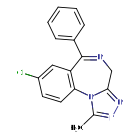
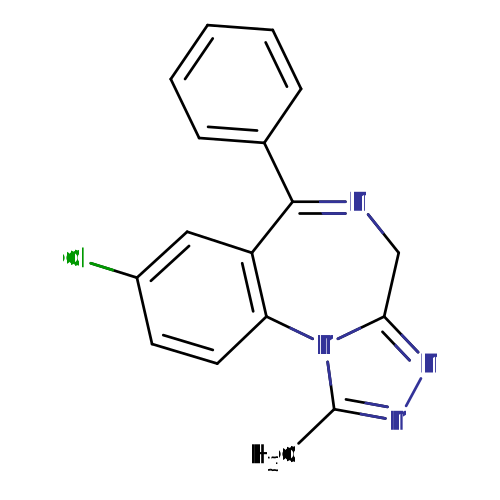
Structure for Alprazolam (DB00404)
- Weight
- Average: 308.765
Monoisotopic: 308.082874143 - Chemical Formula
- C17H13ClN4
- Synonyms
- 8-Chloro-1-methyl-6-phenyl-4H-s-triazolo(4,3-a)(1,4)benzodiazepine
- Alprazolam
- External IDs
- AZ-002
- TUS-1
- U 31,889
- U-31,889
- U-31889

Pharmacology
- Indication
Alprazolam is indicated for the acute treatment of generalized anxiety disorder in adults.18 Alprazolam is also indicated, either as a standard or extended-release formulation, for the treatment of panic disorder with or without agoraphobia in adults.18,19
Alprazolam may also be prescribed off-label for insomnia, premenstrual syndrome, and depression.3
 Reduce drug development failure ratesBuild, train, & validate machine-learning modelswith evidence-based and structured datasets.Build, train, & validate predictive machine-learning models with structured datasets.
- Associated Conditions
Indication Type Indication Combined Product Details Approval Level Age Group Patient Characteristics Dose Form Treatment of Generalized anxiety disorder •••••••••••• ••••• ••••••• ••••••• •••••• •••••••••••••• Treatment of Panic disorder •••••••••••• ••••• ••••••• ••••••• •••••••• •••••••• ••••••• •••••• •••••••••••••• - Contraindications & Blackbox Warnings
 Prevent Adverse Drug Events TodayTap into our Clinical API for life-saving information on contraindications & blackbox warnings, population restrictions, harmful risks, & more.Avoid life-threatening adverse drug events with our Clinical API
- Pharmacodynamics
Alprazolam is a benzodiazepine that binds γ-aminobutyric acid (GABA) type-A receptors (GABAARs) to enhance their inhibitory effect on neurotransmission, specifically in the brain.18,19 Concomitant use with opioids may result in profound sedation, respiratory depression, coma, and death; patients taking benzodiazepines and opioids concurrently may require lower doses of one or both medications, depending on their clinical situation. Patients with pre-existing impaired respiratory function are at increased risk of adverse effects including death during treatment with benzodiazepines. In addition, due to its CNS depressant effects, patients taking alprazolam should avoid operating heavy machinery or driving and should avoid other CNS depressants such as alcohol. As with other benzodiazepines, alprazolam carries a risk of abuse, misuse, and addiction, which is higher in predisposed individuals and may require strict monitoring. Cessation of therapy may result in acute or protracted withdrawal symptoms, which may be life-threatening; the patient dose should be gradually tapered whenever discontinuation or reduced dosage are necessary. Newborns born to mothers using alprazolam later in pregnancy may suffer from sedation and withdrawal symptoms. As CYP3A is required for the initial step in alprazolam metabolism, alprazolam is contraindicated in patients taking strong CYP3A inhibitors, such as ketoconazole and itraconazole; milder CYP3A inhibitors still necessitate alprazolam dosage adjustments. Lastly, benzodiazepines may have negative effects, such as panic disorders, increased suicide incidence, and episodes of mania/hypomania, in patients suffering from depression.4,7,18,19
- Mechanism of action
Neurotransmission relies on excitatory and inhibitory signalling. γ-aminobutyric acid (GABA) type-A receptors (GABAARs) are members of the pentameric ligand-gated ion channel (PLGIC) superfamily located synaptically and perisynaptically to mediate phasic inhibition and extrasynaptically to mediate tonic inhibition. GABAARs comprise a variety of subunits from a homologous family whose members are named based on sequence identity as one of α1-6, β1-3, γ1-3, δ, ε, θ, π, and ρ1-3. Each subunit possesses an extracellular (ECD), transmembrane (TMD), and intracellular (ICD) domain; inter-subunit interfaces are the primary points of neurotransmitter and modulator binding, described by coordination of the principal (+) and complementary (-) sites in each subunit. Binding of GABA to GABAARs induces pore opening, rapid flow of chloride ions, and synaptic hyperpolarization, which in turn manifests as an inhibitory signal.8,9
The most prevalent GABAARs in vivo are the α1β2γ2 receptors, which contain both GABA (β+/α-) and benzodiazepine (BZD, α+/γ-) binding sites in the intersubunit interfaces of the relevant subunits.8,9,10 In general, any receptors containing an αx/γz interface, where x = 1-3,5 and z = 1-3, have potential high-affinity BZD binding sites, although small sequence differences between subunits may alter binding affinity to individual molecules. The α4 and α6 subunits, in which an otherwise conserved histidine is replaced by arginine, do not bind traditional BZD ligands such as diazepam and hence are considered "diazepam-insensitive".8,9,10 GABA binding results in a series of conformational changes in the ECDs of GABAAR β subunits, "locking" each to its neighbouring α- interface. The binding of alprazolam in the high-affinity BZD site stabilizes the α+/γ- interface and facilitates the conformational changes that lead to pore opening, hence functioning as a positive allosteric modulator.11
The exact manner in which GABAAR allosteric modulation mediates the therapeutic and unwanted effects of benzodiazepines remains unclear.3,4 Earlier studies suggested that the primary factor was the α subunit composition, with α1-containing receptors mediating the sedative effects, α2/3-containing receptors the anxiolytic effects, and α5-containing receptors the memory effects of benzodiazepines.12 More recent studies suggest a more complex set of factors including subunit composition, physiological location, neuronal circuit, and nerve cell type.13 To further complicate matters, there may be up to five distinct BZD binding sites on GABAARs, with site 1 corresponding to the classical high-affinity α+/γ- interface. The effects of binding at sites 2-4 are not fully understood and likely impart greater complexity to benzodiazepine pharmacological action.9,10
Target Actions Organism AGABA(A) Receptor positive allosteric modulatorHumans AGABA(A) Receptor Benzodiazepine Binding Site ligandHumans - Absorption
Alprazolam administered orally is rapidly absorbed in the gastrointestinal tract, reaching Cmax in about 1.8 (1-2) hours. Absorption is high, resulting in an oral bioavailability of 84-91%. A 1 mg oral dose results in a Cmax of 12-22 μg/L.2,18
The extended-release formulation of alprazolam (XANAX XR) has similar absorption, bioavailability, and pharmacokinetics as the standard release, with the exception that the Tmax is ~10 hours compared to 1-2 hours. Temporal dosing alters these parameters, with Cmax increasing by 30% and Tmax decreasing by one hour when dosed at night as opposed to in the morning.19
Food has an effect on alprazolam absorption; a high-fat meal up to two hours before dosing increases the Cmax by ~25% and either a reduction (food consumed immediately prior to dosing) or increase (food consumed after dosing) of ~1/3 in Tmax. Neither the AUC nor half-life are appreciably affected by eating.19
- Volume of distribution
Alprazolam has a volume of distribution following oral administration of 0.8-1.3L/kg.2 Alprazolam crosses the blood-brain barrier.4
- Protein binding
Alprazolam is ~80% protein-bound in serum.18,19 The majority of this protein binding is to serum albumin.1,18,19 Alprazolam is also bound to alpha1-acid glycoprotein with low frequency.2
- Metabolism
Alprazolam is metabolized to less effective metabolites by various CYPs including CYP3A4, CYP3A5, CYP3A7, and CYP2C9.5,6,16,18,19 The majority of alprazolam metabolism is mediated by hydroxylation via CYP3As.5,6,2,16,18,19 4-hydroxyalprazolam has 20% the binding affinity of the parent drug, alpha-hydroxyalprazolam has 66% the affinity, and the benzophenone metabolite has <1% the affinity.2,18,19
Hover over products below to view reaction partners
- Route of elimination
Alprazolam is mainly eliminated in the urine.18,19 A large portion of the dose is eliminated as unmetabolized alprazolam.2 <10% of the dose is eliminated as alpha-hydroxy-alprazolam and 4-hydroxy-alprazolam.2
- Half-life
Alprazolam has a mean plasma elimination half-life of 11.2 hours in healthy patients (range 6.3-26.9 hours).18 The mean half-life is 16.3 hours (range 9.0-26.9 hours) in the elderly, 21.8 hours (range 9.9-40.4 hours) in obese patients, and 19.7 hours (range 5.8-65.3 hours) in patients with alcoholic liver disease.18 The half-life is 25% higher in Asian patients compared to Caucasians.18 Other studies have shown the half-life to be 9-16h.2 The extended-release formulation has a half-life of 10.7-15.8 hours in healthy adult patients.19
- Clearance
A 0.8 mg oral dose of alprazolam had a clearance of 0.90 ± 0.21 mL/min/kg, which increased to 2.13 ± 0.54 mL/min/kg when coadministered with the strong CYP3A4 inducer carbamazepine.18,19 Other studies have demonstrated a clearance of 0.70-1.5mL/min/kg.2
- Adverse Effects
 Improve decision support & research outcomesWith structured adverse effects data, including: blackbox warnings, adverse reactions, warning & precautions, & incidence rates. View sample adverse effects data in our new Data Library!Improve decision support & research outcomes with our structured adverse effects data.
- Toxicity
Alprazolam overdose can present as sleepiness, confusion, poor coordination, slow reflexes, coma, and death.18,19 Taking alprazolam with alcohol lowers the threshold for overdose.18,19 Patients should have their respiration, pulse, and blood pressure monitored.18,19 Patients can be treated by gastric lavage and intravenous fluids.18,19. If hypotension occurs, patients may be treated with vasopressors.18,19 In known, or suspected overdoses, patients can be given the benzodiazepine receptor antagonist flumazenil in addition to other methods of management.18,19
Oral LD50 in rats is 331-2171mg/kg.Label
- Pathways
- Not Available
- Pharmacogenomic Effects/ADRs
- Not Available
Interactions
- Drug Interactions
- This information should not be interpreted without the help of a healthcare provider. If you believe you are experiencing an interaction, contact a healthcare provider immediately. The absence of an interaction does not necessarily mean no interactions exist.
Drug Interaction Integrate drug-drug
interactions in your software1,2-Benzodiazepine The risk or severity of CNS depression can be increased when Alprazolam is combined with 1,2-Benzodiazepine. Abacavir Alprazolam may decrease the excretion rate of Abacavir which could result in a higher serum level. Abametapir The serum concentration of Alprazolam can be increased when it is combined with Abametapir. Abatacept The metabolism of Alprazolam can be increased when combined with Abatacept. Acalabrutinib The metabolism of Alprazolam can be decreased when combined with Acalabrutinib. - Food Interactions
- Avoid alcohol. Alcohol may potentiate the CNS depressant effects of this drug.
- Avoid grapefruit products.
- Limit caffeine intake.
- Take with or without food. Food increases the Cmax of extended release alprazolam by 25%, but the AUC and half life are not affected.
Products
 Drug product information from 10+ global regionsOur datasets provide approved product information including:dosage, form, labeller, route of administration, and marketing period.Access drug product information from over 10 global regions.
- Product Images
- International/Other Brands
- Alplax / Alprazolan / Alpronax / Alprox / Alviz / Cassadan / Esparon / Ralozam / Restyl / Solanax / Staccato alprazolam (Alexza) / Tafil / Trankimazin / Tranquinal / Xanor
- Brand Name Prescription Products
Name Dosage Strength Route Labeller Marketing Start Marketing End Region Image Alprazolam Tablet, extended release 2 mg/1 Oral Zydus Pharmaceuticals Usa, Inc. 2008-10-28 Not applicable US 
Alprazolam Tablet 1 mg Oral Jamp Pharma Corporation Not applicable Not applicable Canada 
Alprazolam Tablet, extended release 3 mg/1 Oral Zydus Pharmaceuticals Usa, Inc. 2008-10-28 Not applicable US Alprazolam Tablet 0.25 mg Oral Sanis Health Inc 2010-04-30 2021-12-01 Canada Alprazolam Tablet 0.25 mg Oral Jamp Pharma Corporation Not applicable Not applicable Canada - Generic Prescription Products
Name Dosage Strength Route Labeller Marketing Start Marketing End Region Image Alprazolam Tablet 0.5 mg/1 Oral Rising Pharmaceuticals, Inc. 2017-11-07 Not applicable US Alprazolam Tablet 0.5 mg/1 Oral Nucare Pharmaceuticals, Inc. 2015-10-01 2019-12-31 US Alprazolam Tablet, extended release 1 mg/1 Oral Aurobindo Pharma Limited 2011-06-07 Not applicable US Alprazolam Tablet 2 mg/1 Oral A-S Medication Solutions 2007-03-28 2019-01-31 US Alprazolam Tablet 0.25 mg/1 Oral Natco Pharma USA LLC 2023-07-28 Not applicable US - Unapproved/Other Products
Name Ingredients Dosage Route Labeller Marketing Start Marketing End Region Image Gabazolamine Alprazolam (0.25 mg/1) + Choline (125 mg/1) Kit Oral Physician Therapeutics Llc 2011-07-07 Not applicable US Gabazolamine-0.5 Alprazolam (0.5 mg/1) + Choline (125 mg/1) Kit Oral Physician Therapeutics Llc 2011-07-07 Not applicable US Sentrazolam AM Alprazolam (0.25 mg/1) + Choline (250 mg/1) Kit Oral Physician Therapeutics Llc 2011-07-07 Not applicable US


Categories
- ATC Codes
- N05BA12 — Alprazolam
- Drug Categories
- Amines
- Anti-Anxiety Agents
- Benzazepines
- Benzene Derivatives
- Benzodiazepines and benzodiazepine derivatives
- Biogenic Amines
- Biogenic Monoamines
- Catechols
- Central Nervous System Agents
- Central Nervous System Depressants
- Cytochrome P-450 CYP2C9 Substrates
- Cytochrome P-450 CYP3A Substrates
- Cytochrome P-450 CYP3A4 Substrates
- Cytochrome P-450 CYP3A5 Substrates
- Cytochrome P-450 CYP3A7 Substrates
- Cytochrome P-450 Substrates
- Drugs that are Mainly Renally Excreted
- Ethanolamines
- GABA Agents
- GABA Modulators
- Heterocyclic Compounds, Fused-Ring
- Hypnotics and Sedatives
- Nervous System
- Neurotransmitter Agents
- Psycholeptics
- Psychotropic Drugs
- Tranquilizing Agents
- Triazolobenzodiazepines
- Chemical TaxonomyProvided by Classyfire
- Description
- This compound belongs to the class of organic compounds known as 1,2,4-triazolo[4,3-a][1,4]benzodiazepines. These are aromatic compounds containing a 1,4-benzodiazepine fused to and sharing a nitrogen atom with a 1,2,4-triazole ring.
- Kingdom
- Organic compounds
- Super Class
- Organoheterocyclic compounds
- Class
- Benzodiazepines
- Sub Class
- 1,4-benzodiazepines
- Direct Parent
- 1,2,4-triazolo[4,3-a][1,4]benzodiazepines
- Alternative Parents
- Benzene and substituted derivatives / Aryl chlorides / Triazoles / Heteroaromatic compounds / Ketimines / Propargyl-type 1,3-dipolar organic compounds / Azacyclic compounds / Organopnictogen compounds / Organochlorides / Hydrocarbon derivatives
- Substituents
- 1,2,4-triazole / 1,2,4-triazolo[4,3-a][1,4]benzodiazepine / Aromatic heteropolycyclic compound / Aryl chloride / Aryl halide / Azacycle / Azole / Benzenoid / Heteroaromatic compound / Hydrocarbon derivative
- Molecular Framework
- Aromatic heteropolycyclic compounds
- External Descriptors
- organochlorine compound, triazolobenzodiazepine (CHEBI:2611)
- Affected organisms
- Humans and other mammals
Chemical Identifiers
- UNII
- YU55MQ3IZY
- CAS number
- 28981-97-7
- InChI Key
- VREFGVBLTWBCJP-UHFFFAOYSA-N
- InChI
- InChI=1S/C17H13ClN4/c1-11-20-21-16-10-19-17(12-5-3-2-4-6-12)14-9-13(18)7-8-15(14)22(11)16/h2-9H,10H2,1H3
- IUPAC Name
- 12-chloro-3-methyl-9-phenyl-2,4,5,8-tetraazatricyclo[8.4.0.0^{2,6}]tetradeca-1(10),3,5,8,11,13-hexaene
- SMILES
- CC1=NN=C2CN=C(C3=CC=CC=C3)C3=C(C=CC(Cl)=C3)N12
References
- Synthesis Reference
Hester, J.B., Jr.; US. Patent 3,681,343; August 1,1972; assigned to The Upjohn Company. Hester, J.B., Jr.; US.Patent 3,781,289; December 25,1973;assigned to The Upjohn Company. Hester, J.B., Jr.; U S . Patent 3,709898; January 9,1973; assigned to The Upjohn Company.
- General References
- Dangkoob F, Housaindokht MR, Asoodeh A, Rajabi O, Rouhbakhsh Zaeri Z, Verdian Doghaei A: Spectroscopic and molecular modeling study on the separate and simultaneous bindings of alprazolam and fluoxetine hydrochloride to human serum albumin (HSA): with the aim of the drug interactions probing. Spectrochim Acta A Mol Biomol Spectrosc. 2015 Feb 25;137:1106-19. doi: 10.1016/j.saa.2014.08.149. Epub 2014 Oct 7. [Article]
- Greenblatt DJ, Wright CE: Clinical pharmacokinetics of alprazolam. Therapeutic implications. Clin Pharmacokinet. 1993 Jun;24(6):453-71. doi: 10.2165/00003088-199324060-00003. [Article]
- George TT, Tripp J: Alprazolam . [Article]
- Verster JC, Volkerts ER: Clinical pharmacology, clinical efficacy, and behavioral toxicity of alprazolam: a review of the literature. CNS Drug Rev. 2004 Spring;10(1):45-76. [Article]
- Zhou SF, Zhou ZW, Yang LP, Cai JP: Substrates, inducers, inhibitors and structure-activity relationships of human Cytochrome P450 2C9 and implications in drug development. Curr Med Chem. 2009;16(27):3480-675. Epub 2009 Sep 1. [Article]
- Williams JA, Ring BJ, Cantrell VE, Jones DR, Eckstein J, Ruterbories K, Hamman MA, Hall SD, Wrighton SA: Comparative metabolic capabilities of CYP3A4, CYP3A5, and CYP3A7. Drug Metab Dispos. 2002 Aug;30(8):883-91. [Article]
- Ait-Daoud N, Hamby AS, Sharma S, Blevins D: A Review of Alprazolam Use, Misuse, and Withdrawal. J Addict Med. 2018 Jan/Feb;12(1):4-10. doi: 10.1097/ADM.0000000000000350. [Article]
- Scott S, Aricescu AR: A structural perspective on GABAA receptor pharmacology. Curr Opin Struct Biol. 2019 Feb;54:189-197. doi: 10.1016/j.sbi.2019.03.023. Epub 2019 May 23. [Article]
- Olsen RW: GABAA receptor: Positive and negative allosteric modulators. Neuropharmacology. 2018 Jul 1;136(Pt A):10-22. doi: 10.1016/j.neuropharm.2018.01.036. Epub 2018 Jan 31. [Article]
- Sigel E, Ernst M: The Benzodiazepine Binding Sites of GABAA Receptors. Trends Pharmacol Sci. 2018 Jul;39(7):659-671. doi: 10.1016/j.tips.2018.03.006. Epub 2018 Apr 30. [Article]
- Masiulis S, Desai R, Uchanski T, Serna Martin I, Laverty D, Karia D, Malinauskas T, Zivanov J, Pardon E, Kotecha A, Steyaert J, Miller KW, Aricescu AR: GABAA receptor signalling mechanisms revealed by structural pharmacology. Nature. 2019 Jan;565(7740):454-459. doi: 10.1038/s41586-018-0832-5. Epub 2019 Jan 2. [Article]
- Rowlett JK, Platt DM, Lelas S, Atack JR, Dawson GR: Different GABAA receptor subtypes mediate the anxiolytic, abuse-related, and motor effects of benzodiazepine-like drugs in primates. Proc Natl Acad Sci U S A. 2005 Jan 18;102(3):915-20. doi: 10.1073/pnas.0405621102. Epub 2005 Jan 11. [Article]
- Engin E, Benham RS, Rudolph U: An Emerging Circuit Pharmacology of GABAA Receptors. Trends Pharmacol Sci. 2018 Aug;39(8):710-732. doi: 10.1016/j.tips.2018.04.003. Epub 2018 Jun 11. [Article]
- FDA Approved Drug Products: Xanax [Link]
- FDA Pregnancy Categories [Link]
- Flockhart Table of Drug Interactions [Link]
- FDA Approved Drug Products: XANAX (Alprazolam) tablets [Link]
- FDA Approved Drug Products: XANAX (alprazolam) tablets [Link]
- FDA Approved Drug Products: XANAX XR (alprazolam) extended-release tablets [Link]
- External Links
- Human Metabolome Database
- HMDB0014548
- KEGG Drug
- D00225
- KEGG Compound
- C06817
- PubChem Compound
- 2118
- PubChem Substance
- 46507078
- ChemSpider
- 2034
- BindingDB
- 50001728
- 596
- ChEBI
- 2611
- ChEMBL
- CHEMBL661
- ZINC
- ZINC000000000903
- Therapeutic Targets Database
- DAP000239
- PharmGKB
- PA448333
- PDBe Ligand
- 08H
- RxList
- RxList Drug Page
- Drugs.com
- Drugs.com Drug Page
- PDRhealth
- PDRhealth Drug Page
- Wikipedia
- Alprazolam
- PDB Entries
- 3u5j / 6huo
- FDA label
- Download (381 KB)
- MSDS
- Download (47.3 KB)
Clinical Trials
- Clinical Trials
Phase Status Purpose Conditions Count 4 Completed Basic Science Driving Behaviors 1 4 Completed Basic Science Healthy Volunteers (HV) 1 4 Completed Diagnostic Anxiety Disorders 1 4 Completed Other Abuse Potential 1 4 Completed Other Psychomotor Impairment 1
Pharmacoeconomics
- Manufacturers
- Roxane laboratories inc
- Actavis elizabeth llc
- Amneal pharmaceuticals ny llc
- Apotex inc
- Barr laboratories inc
- Corepharma llc
- Impax laboratories inc
- Mylan pharmaceuticals inc
- Sandoz inc
- Teva pharmaceuticals usa
- Vintage pharmaceuticals llc
- Watson laboratories inc florida
- Zydus pharmaceuticals usa inc
- Pharmacia and upjohn
- Par pharmaceutical inc
- Schwarz pharma inc
- Alphapharm party ltd
- Dava international inc
- Ivax pharmaceuticals inc sub teva pharmaceuticals usa
- Sun pharma global inc
- Teva pharmaceuticals usa inc
- Watson laboratories inc
- Pharmacia and upjohn co
- Packagers
- Actavis Group
- Aidarex Pharmacuticals LLC
- Alphapharm Party Ltd.
- Amerisource Health Services Corp.
- Amneal Pharmaceuticals
- Apotheca Inc.
- A-S Medication Solutions LLC
- AzurPharma Inc.
- Barr Pharmaceuticals
- Bryant Ranch Prepack
- Cardinal Health
- Caremark LLC
- Centaur Pharmaceuticals Pvt Ltd.
- Cima Laboratories Inc.
- Corepharma LLC
- DAVA Pharmaceuticals
- Direct Dispensing Inc.
- Dispensing Solutions
- Diversified Healthcare Services Inc.
- Emcure Pharmaceuticals Ltd.
- Eon Labs
- Global Pharmaceuticals
- Greenstone LLC
- H.J. Harkins Co. Inc.
- Heartland Repack Services LLC
- Innoviant Pharmacy Inc.
- Ivax Pharmaceuticals
- Kaiser Foundation Hospital
- Keltman Pharmaceuticals Inc.
- Lake Erie Medical and Surgical Supply
- Liberty Pharmaceuticals
- Major Pharmaceuticals
- Mckesson Corp.
- Medisca Inc.
- Medvantx Inc.
- Murfreesboro Pharmaceutical Nursing Supply
- Mylan
- Novopharm Ltd.
- Nucare Pharmaceuticals Inc.
- Palmetto Pharmaceuticals Inc.
- Par Pharmaceuticals
- PD-Rx Pharmaceuticals Inc.
- Pfizer Inc.
- Pharmacia Inc.
- Pharmedix
- Physicians Total Care Inc.
- Preferred Pharmaceuticals Inc.
- Prepak Systems Inc.
- Qualitest
- Rebel Distributors Corp.
- Redpharm Drug
- Remedy Repack
- Rising Pharmaceuticals
- Roxane Labs
- Sandhills Packaging Inc.
- Sandoz
- Southwood Pharmaceuticals
- Stat Rx Usa
- Sun Pharmaceutical Industries Ltd.
- Teva Pharmaceutical Industries Ltd.
- UDL Laboratories
- Ultratab Labs Inc.
- Va Cmop Dallas
- Vintage Pharmaceuticals Inc.
- Zydus Pharmaceuticals
- Dosage Forms
Form Route Strength Tablet Solution, concentrate Oral 1 mg/1mL Tablet Oral Tablet Oral .25 mg/1 Tablet Oral .5 mg/1 Tablet Oral 0.25 mg/1 Tablet Oral 0.5 mg/1 Tablet Oral 1 mg/1 Tablet Oral 1.00 mg/1 Tablet Oral 2 mg/1 Tablet Oral 2.00 mg/1 Tablet, extended release Oral 0.5 mg/1 Tablet, extended release Oral 1 mg/1 Tablet, extended release Oral 2 mg/1 Tablet, extended release Oral 3 mg/1 Tablet 0.5 MG Solution Oral 0.25 MG Solution Oral 0.50 MG Solution Oral 0.75 MG Solution Oral 1 MG Tablet 1.0 MG Solution / drops Oral 0.75 MG/ML Tablet 0.50 MG Solution / drops Oral 750 MICROGRAMMI/1ML Solution / drops Oral 750 MICROGRAMMI/ML Tablet 1 mg Tablet Oral 0.2500 mg Tablet Oral 2.00 mg Solution Oral 0.750 mg Tablet Sublingual 0.500 mg Tablet Oral Tablet, orally disintegrating Oral 0.25 mg/1 Tablet, orally disintegrating Oral 0.5 mg/1 Tablet, orally disintegrating Oral 1 mg/1 Tablet, orally disintegrating Oral 2 mg/1 Tablet Oral 1.000 mg Tablet Oral .25 mg Tablet Oral .5 mg Solution Oral 0.075 g Tablet Oral 0.25 mg / tab Tablet Oral 0.5 mg / tab Kit Oral Solution Oral 0.7500 mg Tablet Oral 0.125 mg Tablet Oral 0.5 mg Tablet 0.25 MG Tablet Oral 0.500 mg Capsule Solution / drops Oral Tablet Oral 0.25 MG Tablet Oral 0.50 MG Tablet Oral 1 MG Tablet, extended release Oral 0.5 MG Tablet, extended release Oral 1 MG Tablet, extended release Oral 2 MG Tablet Oral 100000 mg Tablet Sublingual Tablet, film coated Oral 0.25 mg Tablet, film coated Oral 0.5 mg Tablet Oral 2 mg Tablet, extended release Oral Tablet, sugar coated Oral 0.5 mg Tablet, sugar coated Oral 1 mg Tablet, sugar coated Oral 2 mg Tablet, sugar coated Oral 3 mg Tablet Sublingual 1 mg Tablet Sublingual 0.5 mg Tablet Oral 0.250 mg - Prices
Unit description Cost Unit ALPRAZolam Intensol 1 mg/ml Concentrate 30ml Bottle 67.03USD bottle Niravam 2 mg Dispersible Tablet 8.53USD dispersible tablet Xanax xr 3 mg tablet 7.25USD tablet Xanax XR 3 mg 24 Hour tablet 7.1USD tablet Niravam 2 mg tablet 6.86USD tablet Niravam 1 mg Dispersible Tablet 5.42USD dispersible tablet Xanax xr 2 mg tablet 4.84USD tablet Xanax XR 2 mg 24 Hour tablet 4.73USD tablet Niravam 0.5 mg Dispersible Tablet 4.2USD dispersible tablet Niravam 1 mg tablet 4.04USD tablet Xanax 2 mg tablet 3.82USD tablet ALPRAZolam 3 mg 24 Hour tablet 3.67USD tablet Xanax XR 1 mg 24 Hour tablet 3.64USD tablet Xanax xr 1 mg tablet 3.64USD tablet Niravam 0.25 mg Dispersible Tablet 3.45USD dispersible tablet Niravam 0.5 mg tablet 3.02USD tablet Xanax XR 0.5 mg 24 Hour tablet 3.01USD tablet Xanax xr 0.5 mg tablet 2.93USD tablet ALPRAZolam 2 mg 24 Hour tablet 2.53USD tablet Niravam 0.25 mg tablet 2.43USD tablet ALPRAZolam 1 mg 24 Hour tablet 2.33USD tablet Xanax 1 mg tablet 2.29USD tablet Alprazolam 1 mg/ml oral conc 2.23USD ml Xanax 0.5 mg tablet 1.3USD tablet Alprazolam 2 mg tablet 1.22USD tablet Xanax 0.25 mg tablet 1.09USD tablet ALPRAZolam 0.5 mg 24 Hour tablet 1.07USD tablet Alprazolam 1 mg tablet 0.78USD tablet Alprazolam 0.5 mg tablet 0.67USD tablet Alprazolam 0.25 mg tablet 0.55USD tablet Apo-Alpraz 0.5 mg Tablet 0.1USD tablet Mylan-Alprazolam 0.5 mg Tablet 0.1USD tablet Novo-Alprazol 0.5 mg Tablet 0.1USD tablet Apo-Alpraz 0.25 mg Tablet 0.08USD tablet Mylan-Alprazolam 0.25 mg Tablet 0.08USD tablet Novo-Alprazol 0.25 mg Tablet 0.08USD tablet DrugBank does not sell nor buy drugs. Pricing information is supplied for informational purposes only.- Patents
Patent Number Pediatric Extension Approved Expires (estimated) Region US6221392 No 2001-04-24 2018-04-09 US US6024981 No 2000-02-15 2018-04-09 US
Properties
- State
- Solid
- Experimental Properties
Property Value Source melting point (°C) 228-229.5 °C Hester, J.B., Jr.; US. Patent3,681,343; August 1,1972; assigned to The Upjohn Company. Hester, J.B., Jr.; US.Patent3,781,289; December 25,1973;assigned to The Upjohn Company. Hester, J.B., Jr.; U S . Patent 3,709898; January 9,1973; assigned t o The Upjohn Company. - Predicted Properties
Property Value Source Water Solubility 0.0324 mg/mL ALOGPS logP 2.23 ALOGPS logP 3.02 Chemaxon logS -4 ALOGPS pKa (Strongest Acidic) 18.2 Chemaxon pKa (Strongest Basic) 5.01 Chemaxon Physiological Charge 0 Chemaxon Hydrogen Acceptor Count 3 Chemaxon Hydrogen Donor Count 0 Chemaxon Polar Surface Area 43.07 Å2 Chemaxon Rotatable Bond Count 1 Chemaxon Refractivity 98.88 m3·mol-1 Chemaxon Polarizability 32.22 Å3 Chemaxon Number of Rings 4 Chemaxon Bioavailability 1 Chemaxon Rule of Five Yes Chemaxon Ghose Filter Yes Chemaxon Veber's Rule No Chemaxon MDDR-like Rule No Chemaxon - Predicted ADMET Features
Property Value Probability Human Intestinal Absorption + 1.0 Blood Brain Barrier + 0.9794 Caco-2 permeable + 0.8867 P-glycoprotein substrate Non-substrate 0.5099 P-glycoprotein inhibitor I Non-inhibitor 0.7301 P-glycoprotein inhibitor II Inhibitor 0.8354 Renal organic cation transporter Inhibitor 0.7688 CYP450 2C9 substrate Non-substrate 0.7907 CYP450 2D6 substrate Non-substrate 0.9164 CYP450 3A4 substrate Substrate 0.7353 CYP450 1A2 substrate Inhibitor 0.8758 CYP450 2C9 inhibitor Inhibitor 0.8076 CYP450 2D6 inhibitor Non-inhibitor 0.8137 CYP450 2C19 inhibitor Inhibitor 0.6519 CYP450 3A4 inhibitor Non-inhibitor 0.6308 CYP450 inhibitory promiscuity High CYP Inhibitory Promiscuity 0.8913 Ames test Non AMES toxic 0.8957 Carcinogenicity Non-carcinogens 0.6779 Biodegradation Not ready biodegradable 1.0 Rat acute toxicity 2.3717 LD50, mol/kg Not applicable hERG inhibition (predictor I) Weak inhibitor 0.973 hERG inhibition (predictor II) Non-inhibitor 0.8733
Spectra
- Mass Spec (NIST)
- Not Available
- Spectra
- Chromatographic Properties
Collision Cross Sections (CCS)
Adduct CCS Value (Å2) Source type Source [M-H]- 173.7245593 predictedDarkChem Lite v0.1.0 [M-H]- 167.48744 predictedDeepCCS 1.0 (2019) [M+H]+ 174.5015593 predictedDarkChem Lite v0.1.0 [M+H]+ 169.84544 predictedDeepCCS 1.0 (2019) [M+Na]+ 173.9860593 predictedDarkChem Lite v0.1.0 [M+Na]+ 176.40562 predictedDeepCCS 1.0 (2019)
Targets

- Kind
- Protein group
- Organism
- Humans
- Pharmacological action
- Yes
- Actions
- Positive allosteric modulator
- Curator comments
- The GABA(A) receptor is pentameric (i.e. comprising 5 subunit proteins) and therefore has a multitude of potential isoforms. The above target is a collection of all possible GABA(A) subunits that may participate in the formation of the pentameric receptor and is not meant to imply direct a drug-protein interaction for each individual subunit.
- General Function
- Inhibitory extracellular ligand-gated ion channel activity
- Specific Function
- Component of the heteropentameric receptor for GABA, the major inhibitory neurotransmitter in the vertebrate brain. Functions also as histamine receptor and mediates cellular responses to histamine...
Components:
References
- Riss J, Cloyd J, Gates J, Collins S: Benzodiazepines in epilepsy: pharmacology and pharmacokinetics. Acta Neurol Scand. 2008 Aug;118(2):69-86. doi: 10.1111/j.1600-0404.2008.01004.x. Epub 2008 Mar 31. [Article]
- Verster JC, Volkerts ER: Clinical pharmacology, clinical efficacy, and behavioral toxicity of alprazolam: a review of the literature. CNS Drug Rev. 2004 Spring;10(1):45-76. [Article]
- Zhu S, Noviello CM, Teng J, Walsh RM Jr, Kim JJ, Hibbs RE: Structure of a human synaptic GABAA receptor. Nature. 2018 Jul;559(7712):67-72. doi: 10.1038/s41586-018-0255-3. Epub 2018 Jun 27. [Article]
- Sigel E, Steinmann ME: Structure, function, and modulation of GABA(A) receptors. J Biol Chem. 2012 Nov 23;287(48):40224-31. doi: 10.1074/jbc.R112.386664. Epub 2012 Oct 4. [Article]
- Kind
- Protein group
- Organism
- Humans
- Pharmacological action
- Yes
- Actions
- Ligand
- Curator comments
- Benzodiazepines modulate GABA(A) function by binding at the interface between alpha (α) and gamma (γ) subunits. Of the 6 α-subunits, only 4 (α-1, -2, -3, and -5) participate in the formation of this binding site. The above target is a collection of all α- and γ-subunits that are known to participate in the formation of the benzodiazepine binding site.
- General Function
- Inhibitory extracellular ligand-gated ion channel activity
- Specific Function
- Component of the heteropentameric receptor for GABA, the major inhibitory neurotransmitter in the vertebrate brain. Functions also as histamine receptor and mediates cellular responses to histamine...
Components:
References
- Sigel E, Steinmann ME: Structure, function, and modulation of GABA(A) receptors. J Biol Chem. 2012 Nov 23;287(48):40224-31. doi: 10.1074/jbc.R112.386664. Epub 2012 Oct 4. [Article]
- Zhu S, Noviello CM, Teng J, Walsh RM Jr, Kim JJ, Hibbs RE: Structure of a human synaptic GABAA receptor. Nature. 2018 Jul;559(7712):67-72. doi: 10.1038/s41586-018-0255-3. Epub 2018 Jun 27. [Article]
Enzymes
- Kind
- Protein
- Organism
- Humans
- Pharmacological action
- Unknown
- Actions
- Substrate
- General Function
- Oxygen binding
- Specific Function
- Cytochromes P450 are a group of heme-thiolate monooxygenases. In liver microsomes, this enzyme is involved in an NADPH-dependent electron transport pathway. It oxidizes a variety of structurally un...
- Gene Name
- CYP3A7
- Uniprot ID
- P24462
- Uniprot Name
- Cytochrome P450 3A7
- Molecular Weight
- 57525.03 Da
References
- Flockhart Table of Drug Interactions [Link]
- Kind
- Protein
- Organism
- Humans
- Pharmacological action
- Unknown
- Actions
- Substrate
- General Function
- Vitamin d3 25-hydroxylase activity
- Specific Function
- Cytochromes P450 are a group of heme-thiolate monooxygenases. In liver microsomes, this enzyme is involved in an NADPH-dependent electron transport pathway. It performs a variety of oxidation react...
- Gene Name
- CYP3A4
- Uniprot ID
- P08684
- Uniprot Name
- Cytochrome P450 3A4
- Molecular Weight
- 57342.67 Da
References
- Zhou SF, Zhou ZW, Yang LP, Cai JP: Substrates, inducers, inhibitors and structure-activity relationships of human Cytochrome P450 2C9 and implications in drug development. Curr Med Chem. 2009;16(27):3480-675. Epub 2009 Sep 1. [Article]
- Williams JA, Ring BJ, Cantrell VE, Jones DR, Eckstein J, Ruterbories K, Hamman MA, Hall SD, Wrighton SA: Comparative metabolic capabilities of CYP3A4, CYP3A5, and CYP3A7. Drug Metab Dispos. 2002 Aug;30(8):883-91. [Article]
- Flockhart Table of Drug Interactions [Link]
- FDA Drug Development and Drug Interactions: Table of Substrates, Inhibitors and Inducers [Link]
- FDA Approved Drug Products: XANAX (Alprazolam) tablets [Link]
- Kind
- Protein
- Organism
- Humans
- Pharmacological action
- Unknown
- Actions
- Substrate
- General Function
- Steroid hydroxylase activity
- Specific Function
- Cytochromes P450 are a group of heme-thiolate monooxygenases. In liver microsomes, this enzyme is involved in an NADPH-dependent electron transport pathway. It oxidizes a variety of structurally un...
- Gene Name
- CYP2C9
- Uniprot ID
- P11712
- Uniprot Name
- Cytochrome P450 2C9
- Molecular Weight
- 55627.365 Da
References
- Zhou SF, Zhou ZW, Yang LP, Cai JP: Substrates, inducers, inhibitors and structure-activity relationships of human Cytochrome P450 2C9 and implications in drug development. Curr Med Chem. 2009;16(27):3480-675. Epub 2009 Sep 1. [Article]
- Kind
- Protein
- Organism
- Humans
- Pharmacological action
- Unknown
- Actions
- Substrate
- General Function
- Oxygen binding
- Specific Function
- Cytochromes P450 are a group of heme-thiolate monooxygenases. In liver microsomes, this enzyme is involved in an NADPH-dependent electron transport pathway. It oxidizes a variety of structurally un...
- Gene Name
- CYP3A5
- Uniprot ID
- P20815
- Uniprot Name
- Cytochrome P450 3A5
- Molecular Weight
- 57108.065 Da
References
- Allqvist A, Miura J, Bertilsson L, Mirghani RA: Inhibition of CYP3A4 and CYP3A5 catalyzed metabolism of alprazolam and quinine by ketoconazole as racemate and four different enantiomers. Eur J Clin Pharmacol. 2007 Feb;63(2):173-9. doi: 10.1007/s00228-006-0230-z. Epub 2007 Jan 3. [Article]
- Park JY, Kim KA, Park PW, Lee OJ, Kang DK, Shon JH, Liu KH, Shin JG: Effect of CYP3A5*3 genotype on the pharmacokinetics and pharmacodynamics of alprazolam in healthy subjects. Clin Pharmacol Ther. 2006 Jun;79(6):590-9. doi: 10.1016/j.clpt.2006.02.008. [Article]
- Hirota N, Ito K, Iwatsubo T, Green CE, Tyson CA, Shimada N, Suzuki H, Sugiyama Y: In vitro/in vivo scaling of alprazolam metabolism by CYP3A4 and CYP3A5 in humans. Biopharm Drug Dispos. 2001 Mar;22(2):53-71. [Article]
- Flockhart Table of Drug Interactions [Link]
Carriers
- Kind
- Protein
- Organism
- Humans
- Pharmacological action
- Unknown
- Actions
- Binder
- General Function
- Toxic substance binding
- Specific Function
- Serum albumin, the main protein of plasma, has a good binding capacity for water, Ca(2+), Na(+), K(+), fatty acids, hormones, bilirubin and drugs. Its main function is the regulation of the colloid...
- Gene Name
- ALB
- Uniprot ID
- P02768
- Uniprot Name
- Serum albumin
- Molecular Weight
- 69365.94 Da
References
- Dangkoob F, Housaindokht MR, Asoodeh A, Rajabi O, Rouhbakhsh Zaeri Z, Verdian Doghaei A: Spectroscopic and molecular modeling study on the separate and simultaneous bindings of alprazolam and fluoxetine hydrochloride to human serum albumin (HSA): with the aim of the drug interactions probing. Spectrochim Acta A Mol Biomol Spectrosc. 2015 Feb 25;137:1106-19. doi: 10.1016/j.saa.2014.08.149. Epub 2014 Oct 7. [Article]
- Kind
- Protein group
- Organism
- Humans
- Pharmacological action
- Unknown
- Actions
- Binder
- General Function
- Not Available
- Specific Function
- Functions as transport protein in the blood stream. Binds various ligands in the interior of its beta-barrel domain. Also binds synthetic drugs and influences their distribution and availability in...
Components:
References
- Greenblatt DJ, Wright CE: Clinical pharmacokinetics of alprazolam. Therapeutic implications. Clin Pharmacokinet. 1993 Jun;24(6):453-71. doi: 10.2165/00003088-199324060-00003. [Article]

Drug created at June 13, 2005 13:24 / Updated at April 26, 2024 00:45