Identification
- Summary
Doxorubicin is a medication used to treat various cancers, including AIDS-associated Kaposi's Sarcoma and metastatic cancers.
- Brand Names
- Adriamycin, Doxil, Myocet
- Generic Name
- Doxorubicin
- DrugBank Accession Number
- DB00997
- Background
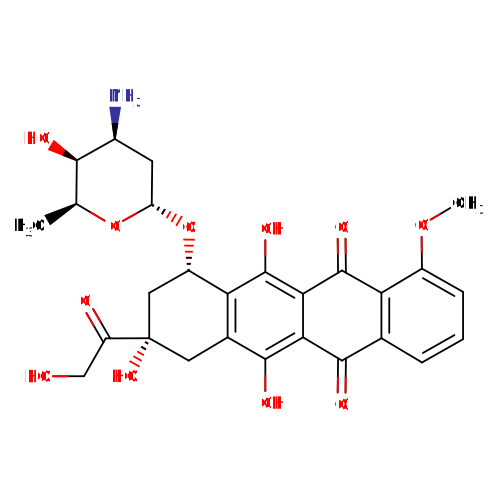
Doxorubicin is a cytotoxic anthracycline antibiotic isolated from cultures of Streptomyces peucetius var. caesius along side with daunorubicin, another cytotoxic agent, in 1970.3,39,31 Although they both have aglyconic and sugar moieties, doxorubicin's side chain terminates with a primary alcohol group compared to the methyl group of daunorubicin.39 Although its detailed molecular mechanisms have yet to be understood, doxorubicin is generally thought to exert its effect through DNA intercalation, which eventually leads to DNA damage and the generation of reactive oxygen species.31 Thanks to its efficacy and broad effect, doxorubicin was approved by the FDA in 1974 to treat a variety of cancer, including but not limited to breast, lung, gastric, ovarian, thyroid, non-Hodgkin’s and Hodgkin’s lymphoma, multiple myeloma, sarcoma, and pediatric cancers.1,31,42 However, one of the major side effects of doxorubicin is cardiotoxicity, which excludes patients with poor heart function and requires treatment termination once the maximally tolerated cumulative dose is reached.40
- Type
- Small Molecule
- Groups
- Approved, Investigational
- Structure
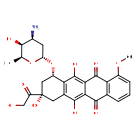
Structure for Doxorubicin (DB00997)
- Weight
- Average: 543.5193
Monoisotopic: 543.174060775 - Chemical Formula
- C27H29NO11
- Synonyms
- (1S,3S)-3-glycoloyl-3,5,12-trihydroxy-10-methoxy-6,11-dioxo-1,2,3,4,6,11-hexahydrotetracen-1-yl 3-amino-2,3,6-trideoxy-α-L-lyxo-hexopyranoside
- (8S-cis)-10-((3-amino-2,3,6-trideoxy-α-L-lyxo-hexopyranosyl)oxy)-7,8,9,10-tetrahydro-6,8,11-trihydroxy-8-(hydroxyacetyl)-1-methoxy-5,12-naphthacenedione
- 14-hydroxydaunomycin
- 14-hydroxydaunorubicine
- Doxorubicin
- Doxorubicin nanoparticles
- Doxorubicina
- Doxorubicine
- Doxorubicinum
- Hydroxydaunorubicin
- MTC-DOX
- MTC-DOX for Injection

Pharmacology
- Indication
Doxorubicin is indicated for the treatment of neoplastic conditions like acute lymphoblastic leukemia, acute myeloblastic leukemia, Hodgkin and non-Hodgkin lymphoma, metastatic breast cancer, metastatic Wilms’ tumor, metastatic neuroblastoma, metastatic soft tissue and bone sarcomas, metastatic ovarian carcinoma, metastatic transitional cell bladder carcinoma, metastatic thyroid carcinoma, metastatic gastric carcinoma, and metastatic bronchogenic carcinoma.42 Doxorubicin is also indicated for use as a component of adjuvant therapy in women with evidence of axillary lymph node involvement following resection of primary breast cancer.42 For the liposomal formulation, doxorubicin is indicated for the treatment of ovarian cancer that has progressed or recurred after platinum-based chemotherapy, AIDS-Related Kaposi's Sarcoma after the failure of prior systemic chemotherapy or intolerance to such therapy, and multiple myeloma in combination with bortezomib in patients who have not previously received bortezomib and have received at least one prior therapy.41
 Reduce drug development failure ratesBuild, train, & validate machine-learning modelswith evidence-based and structured datasets.Build, train, & validate predictive machine-learning models with structured datasets.
- Associated Conditions
Indication Type Indication Combined Product Details Approval Level Age Group Patient Characteristics Dose Form Treatment of Aids-related kaposi's sarcoma •••••••••••• •••••••• •••••••• •••••••••• •••• •••••••••• ••••• •••• •••• •• ••••• •• ••••••• ••••••••••• ••••••••• Treatment of Aids-related kaposi's sarcoma •••••••••••• ••••••• •• •• ••••• ••• ••••• •••••••• •••••••• •••••••••• •• ••••••••••• •• ••••• ••••••• ••••••••••• •••••••••• •••••••••• ••••••••••• ••••••••• Treatment of Acute lymphoblastic leukemia (all) •••••••••••• •••••••••• •••••••••• ••••••• •••••••••••• ••• •••••••• Treatment of Acute myeloid leukemia •••••••••••• •••••••••• •••••••••• ••••••• •••••••••••• ••• •••••••• Used in combination to treat Advanced endometrial cancer Regimen in combination with: Cisplatin (DB00515) ••• ••••• - Contraindications & Blackbox Warnings
 Prevent Adverse Drug Events TodayTap into our Clinical API for life-saving information on contraindications & blackbox warnings, population restrictions, harmful risks, & more.Avoid life-threatening adverse drug events with our Clinical API
- Pharmacodynamics
Doxorubicin is a cytotoxic, cell-cycle non-specific anthracycline antibiotic.2,37 It is generally thought to exert its antitumor effect by destabilizing DNA structures through intercalation, thus introducing DNA strand breakages and damages.34,35,37 Not only does it alter the transcriptomes of the cells, failure in repairing DNA structures can also initiate the apoptotic pathways.37,38 Additionally, doxorubicin intercalation can also interfere with vital enzyme activity, such as topoisomerase II, DNA polymerase, and RNA polymerase, leading to cell cycle arrests.37 Finally, doxorubicin can also generate cytotoxic reactive oxygen species to exert cellular damages.29
- Mechanism of action
Generally, doxorubicin is thought to exert its antineoplastic activity through 2 primary mechanisms: intercalation into DNA and disrupt topoisomerase-mediated repairs and free radicals-mediated cellular damages.31
Doxorubicin can intercalate into DNA through the anthraquinone ring, which stabilizes the complex by forming hydrogen bonds with DNA bases.33 Intercalation of doxorubicin can introduce torsional stress into the polynucleotide structure, thus destabilizing nucleosome structures and leading to nucleosome eviction and replacement.34,35 Additionally, the doxorubicin-DNA complex can interfere with topoisomerase II enzyme activity by preventing relegation of topoisomerase-mediated DNA breaks, thus inhibiting replication and transcription and inducing apoptosis.36,37
Moreover, doxorubicin can be metabolized by microsomal NADPH-cytochrome P-450 reductase into a semiquinone radical, which can be reoxidized in the presence of oxygen to form oxygen radicals.7,29 Reactive oxygen species have been known to cause cellular damage through various mechanisms, including lipid peroxidation and membrane damage, DNA damage, oxidative stress, and apoptosis.32 Although free radicals generated from this pathway can be deactivated by catalase and superoxide dismutase, tumor and myocardial cells tend to lack these enzymes, thus explaining doxorubicin's effectiveness against cancer cells and tendency to cause cardiotoxicity.7,29,6
Target Actions Organism ADNA topoisomerase 2-alpha inhibitorHumans ADNA intercalationHumans UNucleolar and coiled-body phosphoprotein 1 Not Available Humans ADNA topoisomerase 1 inhibitorHumans ADNA topoisomerase 2-beta inhibitorHumans - Absorption
Following a 10 mg/m2 administration of liposomal doxorubicin in patients with AIDS-related Kaposi's Sarcoma, the Cmax and AUC values were calculated to be 4.12 ± 0.215 μg/mL and 277 ± 32.9 μg/mL•h respectively.41
- Volume of distribution
The steady-state distribution volume of doxorubicin ranges from 809 L/m2 to 1214 L/m2.42
- Protein binding
The binding of doxorubicin and its major metabolite, doxorubicinol, to plasma proteins is 75% and is independent of plasma concentration of doxorubicin up to 1.1 µg/mL. Doxorubicin does not cross the blood-brain barrier.42 Plasma protein binding of doxorubicin hydrochloride liposome injection has not been determined.41
- Metabolism
Doxorubicin is capable of undergoing 3 metabolic routes: one-electron reduction, two-electron reduction, and deglycosidation. However, approximately half of the dose is eliminated from the body unchanged.6
The two-electron reduction is the major metabolic pathway of doxorubicin.6 In this pathway, doxorubicin is reduced to doxorubicinol, a secondary alcohol, by various enzymes, including Alcohol dehydrogenase [NADP(+)], Carbonyl reductase NADPH 1, Carbonyl reductase NADPH 3, and Aldo-keto reductase family 1 member C3.19,20,6,21,22
The one-electron reduction is facilitated by several oxidoreductase, both cytosolic and mitochondrial, to form a doxirubicin-semiquinone radical.7 These enzymes include mitochondrial and cystolic NADPH dehydrogenates, xanthine oxidase, and nitric oxide synthases.23,24,25,26,27,28 This semiquinone metabolite can be re-oxidized to doxorubicin, although with the concurrent formation of reactive oxygen species (ROS) and hydrogen peroxide.29 It is the ROS generating through this pathway that contributes most to the doxorubicin-related adverse effects, particularly cardiotoxicity, rather than through doxorubicin semiquinone formation.30
Deglycosidation is a minor metabolic pathway, since it only accounts for 1 to 2% of doxorubicin metabolism.6,15 Under the catalysis of cytoplasmic NADPH quinone dehydrogenase, xanthine oxidase, NADPH-cytochrome P450 reductase, doxorubicin can either be reduced to doxorubicin deoxyaglycone or hydrolyzed to doxorubicin hydroxyaglycone.16,17,18
Hover over products below to view reaction partners
- Route of elimination
Approximately 40% of the dose appears in the bile in 5 days, while only 5% to 12% of the drug and its metabolites appear in the urine during the same time period. In urine, <3% of the dose was recovered as doxorubicinol over 7 days.42
- Half-life
The terminal half-life of doxorubicin ranges from 20 hours to 48 hours.42 The distribution half-life of doxorubicin is approximately 5 minutes.42 For the liposomal formulation, the first-phase and second-phase half-lives were calculated to be 4.7 ± 1.1 and 52.3 ± 5.6 hours respectively for a 10 mg/m2 of doxorubicin in patients with AIDS-Related Kaposi’s Sarcoma.41
- Clearance
The plasma clearance of doxorubicin ranges from 324 mL/min/m2 to 809 mL/min/m2 by metabolism and biliary excretion.42 Sexual differences in doxorubicin were also observed, with men having a higher clearance compared to women (1088 mL/min/m2 versus 433 mL/min/m2).42 Following the administration of doses ranging from 10 mg/m2 to 75 mg/m2 of doxorubicin hydrochloride, the plasma clearance was estimated to be 1540 mL/min/m2 in children greater than 2 years of age and 813 mL/min/m2 in infants younger than 2 years of age.42
- Adverse Effects
 Improve decision support & research outcomesWith structured adverse effects data, including: blackbox warnings, adverse reactions, warning & precautions, & incidence rates. View sample adverse effects data in our new Data Library!Improve decision support & research outcomes with our structured adverse effects data.
- Toxicity
Doxorubicin hydrochloride treatment can increase the risk of secondary malignancies based on postmarketing reports. Doxorubicin hydrochloride was mutagenic in the in vitro Ames assay, and clastogenic in multiple in vitro assays (CHO cell, V79 hamster cell, human lymphoblast, and SCE assays) and the in vivo mouse micronucleus assay.42
Doxorubicin hydrochloride decreased fertility in female rats at doses of 0.05 and 0.2 mg/kg/day (approximately 0.005 and 0.02 times the recommended human dose, based on body surface area).42 In females of reproductive potential, Doxorubicin hydrochloride may cause infertility and result in amenorrhea. Premature menopause can occur. Recovery of menses and ovulation is related to age at treatment.42
A single intravenous dose of 0.1 mg/kg doxorubicin hydrochloride (approximately 0.01 times the recommended human dose based on body surface area) was toxic to male reproductive organs in animal studies, producing testicular atrophy, diffuse degeneration of the seminiferous tubules, and oligospermia/hypospermia in rats. Doxorubicin hydrochloride induces DNA damage in rabbit spermatozoa and dominant lethal mutations in mice.42
Based on findings in animals and its mechanism of action, Doxorubicin Hydrochloride Injection/for Injection can cause fetal harm when administered to a pregnant woman; avoid the use of Doxorubicin Hydrochloride Injection/for Injection during the 1st trimester. Available human data do not establish the presence or absence of major birth defects and miscarriage related to the use of doxorubicin hydrochloride during the 2nd and 3rd trimesters. Doxorubicin hydrochloride was teratogenic and embryotoxic in rats and embryotoxic in rabbits when administered during organogenesis at doses approximately 0.07 times (based on body surface area) the recommended human dose of 60 mg/m2. Advise pregnant women of the potential risk to a fetus.42
Based on postmarketing reports, pediatric patients treated with doxorubicin hydrochloride are at risk for developing late cardiovascular dysfunction. Risk factors include young age at treatment (especially < 5 years), high cumulative doses and receipt of combined modality therapy. Long-term periodic cardiovascular monitoring is recommended for all pediatric patients who have received doxorubicin hydrochloride. Doxorubicin hydrochloride, as a component of intensive chemotherapy regimens administered to pediatric patients, may contribute to prepubertal growth failure and may also contribute to gonadal impairment, which is usually temporary.42
- Pathways
Pathway Category Doxorubicin Metabolism Pathway Drug metabolism - Pharmacogenomic Effects/ADRs
Interacting Gene/Enzyme Allele name Genotype(s) Defining Change(s) Type(s) Description Details Retinoic acid receptor gamma --- (C;C) / (C;T) C>T ADR Directly Studied Pediatric patients who carry this genotype may be at a higher risk of experiencing anthracycline-induced cardiotoxicity when treated with doxorubicin. Details Solute carrier family 28 member 3 --- (A;A) / (A;G) G > A ADR Directly Studied Pediatric patients who carry this genotype may be at a higher risk of experiencing anthracycline-induced cardiotoxicity when treated with doxorubicin. Details UDP-glucuronosyltransferase 1-6 UGT1A6*4 (T;T) / (G;T) G > T ADR Directly Studied Pediatric patients who carry this genotype may be at a higher risk of experiencing anthracycline-induced cardiotoxicity when treated with doxorubicin. Details
Interactions
- Drug Interactions
- This information should not be interpreted without the help of a healthcare provider. If you believe you are experiencing an interaction, contact a healthcare provider immediately. The absence of an interaction does not necessarily mean no interactions exist.
Drug Interaction Integrate drug-drug
interactions in your softwareAbametapir The serum concentration of Doxorubicin can be increased when it is combined with Abametapir. Abatacept The metabolism of Doxorubicin can be increased when combined with Abatacept. Abciximab The risk or severity of bleeding can be increased when Abciximab is combined with Doxorubicin. Abemaciclib The serum concentration of Abemaciclib can be increased when it is combined with Doxorubicin. Abiraterone The serum concentration of Doxorubicin can be increased when it is combined with Abiraterone. - Food Interactions
- Avoid St. John's Wort. This herb induces CYP3A4 metabolism, which may reduce the serum concentration of doxorubicin.
- Exercise caution with grapefruit products. Grapefruit inhibits CYP3A4 metabolism, which may increase the serum concentration of doxorubicin.
Products
 Drug product information from 10+ global regionsOur datasets provide approved product information including:dosage, form, labeller, route of administration, and marketing period.Access drug product information from over 10 global regions.
- Product Ingredients
Ingredient UNII CAS InChI Key Doxorubicin citrate AJQ2ZNG2WL 111266-55-8 INEKNBHAPBIAFK-RUELKSSGSA-N Doxorubicin hydrochloride 82F2G7BL4E 25316-40-9 MWWSFMDVAYGXBV-RUELKSSGSA-N - International/Other Brands
- Adriablastina (Pfizer) / Adriblastin (Actavis)
- Brand Name Prescription Products
Name Dosage Strength Route Labeller Marketing Start Marketing End Region Image Adriamycin PFS Solution 2 mg / mL Intravenous; Intravesical Pfizer Canada Ulc 1995-12-31 Not applicable Canada 
Adriamycin Rdf Powder, for solution 150 mg / vial Intravenous Pfizer Canada Ulc 1996-12-31 2006-08-02 Canada Adriamycin Rdf Powder, for solution 50 mg / vial Intravenous Pfizer Canada Ulc 1995-12-31 2006-08-02 Canada Adriamycin Rdf Powder, for solution 10 mg / vial Intravenous Pfizer Canada Ulc 1996-12-31 2006-08-02 Canada Adriamycin Rdf Inj 10mg/vial Powder, for solution 10 mg / vial Intravenous Carlo Erba Farmitalia Spa 1976-12-31 1996-09-10 Canada - Generic Prescription Products
Name Dosage Strength Route Labeller Marketing Start Marketing End Region Image Adriamycin Injection, solution 2 mg/1mL Intravenous Hikma Pharmaceuticals USA Inc. 1996-05-01 Not applicable US 
Adriamycin Injection, solution 2 mg/1mL Intravenous Hikma Pharmaceuticals USA Inc. 1996-05-01 Not applicable US Adriamycin Injection, solution 2 mg/1mL Intravenous Hikma Pharmaceuticals USA Inc. 1996-05-01 Not applicable US Adriamycin Injection, powder, lyophilized, for solution 2 mg/1mL Intravenous Bedford Pharmaceuticals 1996-05-01 2014-06-30 US Adriamycin Injection, solution 2 mg/1mL Intravenous Bedford Pharmaceuticals 1996-05-01 2014-06-30 US - Unapproved/Other Products
Name Ingredients Dosage Route Labeller Marketing Start Marketing End Region Image Doxorubicin Hydrochloride Doxorubicin hydrochloride (2 mg/1mL) Injection, powder, lyophilized, for solution Intra-arterial; Intravenous; Intravesical Hospira, Inc. 2016-04-18 2017-12-31 US doxorubicin hydrochloride, Liposomal Doxorubicin hydrochloride (2 mg/1mL) Injection, suspension, liposomal Intravenous Baxter Healthcare Corporation 2023-12-19 Not applicable US Lipodox Doxorubicin hydrochloride (2 mg/1mL) Injectable, liposomal Intravenous Sun Pharmaceutical Industries, Inc. 2012-02-09 2015-05-29 US Lipodox 50 Doxorubicin hydrochloride (2 mg/1mL) Injectable, liposomal Intravenous Sun Pharmaceutical Industries, Inc. 2012-02-09 2015-05-29 US
Categories
- ATC Codes
- L01DB01 — Doxorubicin
- Drug Categories
- Anthracycline Topoisomerase Inhibitor
- Anthracyclines
- Anthracyclines and Related Substances
- Antibiotics, Antineoplastic
- Antineoplastic Agents
- Antineoplastic and Immunomodulating Agents
- BCRP/ABCG2 Substrates
- BSEP/ABCB11 Substrates
- BSEP/ABCB11 Substrates with a Narrow Therapeutic Index
- Carbohydrates
- Cardiotoxic antineoplastic agents
- Cytochrome P-450 CYP2B6 Inhibitors
- Cytochrome P-450 CYP2B6 Inhibitors (strength unknown)
- Cytochrome P-450 CYP2D6 Inhibitors
- Cytochrome P-450 CYP2D6 Inhibitors (strength unknown)
- Cytochrome P-450 CYP2D6 Substrates
- Cytochrome P-450 CYP2D6 Substrates with a Narrow Therapeutic Index
- Cytochrome P-450 CYP3A Inhibitors
- Cytochrome P-450 CYP3A Substrates
- Cytochrome P-450 CYP3A4 Inhibitors
- Cytochrome P-450 CYP3A4 Inhibitors (strength unknown)
- Cytochrome P-450 CYP3A4 Substrates
- Cytochrome P-450 CYP3A4 Substrates with a Narrow Therapeutic Index
- Cytochrome P-450 Enzyme Inhibitors
- Cytochrome P-450 Substrates
- Cytotoxic Antibiotics and Related Substances
- Drugs causing inadvertant photosensitivity
- Enzyme Inhibitors
- Glycosides
- Immunosuppressive Agents
- Myelosuppressive Agents
- Narrow Therapeutic Index Drugs
- P-glycoprotein inducers
- P-glycoprotein inhibitors
- P-glycoprotein substrates
- P-glycoprotein substrates with a Narrow Therapeutic Index
- Photosensitizing Agents
- Topoisomerase II Inhibitors
- Topoisomerase Inhibitors
- Chemical TaxonomyProvided by Classyfire
- Description
- This compound belongs to the class of organic compounds known as anthracyclines. These are polyketides containing a tetracenequinone ring structure with a sugar attached by glycosidic linkage.
- Kingdom
- Organic compounds
- Super Class
- Phenylpropanoids and polyketides
- Class
- Anthracyclines
- Sub Class
- Not Available
- Direct Parent
- Anthracyclines
- Alternative Parents
- Tetracenequinones / Aminoglycosides / Anthraquinones / Hexoses / O-glycosyl compounds / Tetralins / Anisoles / Aryl ketones / Alkyl aryl ethers / Oxanes show 13 more
- Substituents
- 1,2-aminoalcohol / 1,4-anthraquinone / 9,10-anthraquinone / Acetal / Alcohol / Alkyl aryl ether / Alpha-hydroxy ketone / Amine / Amino saccharide / Aminoglycoside core show 33 more
- Molecular Framework
- Aromatic heteropolycyclic compounds
- External Descriptors
- quinone, anthracycline antibiotic, aminoglycoside, deoxy hexoside, anthracycline (CHEBI:28748) / Other Polyketides, Anthracyclinones (C01661) / Anthracyclinones (LMPK13050001)
- Affected organisms
- Humans and other mammals
Chemical Identifiers
- UNII
- 80168379AG
- CAS number
- 23214-92-8
- InChI Key
- AOJJSUZBOXZQNB-TZSSRYMLSA-N
- InChI
- InChI=1S/C27H29NO11/c1-10-22(31)13(28)6-17(38-10)39-15-8-27(36,16(30)9-29)7-12-19(15)26(35)21-20(24(12)33)23(32)11-4-3-5-14(37-2)18(11)25(21)34/h3-5,10,13,15,17,22,29,31,33,35-36H,6-9,28H2,1-2H3/t10-,13-,15-,17-,22+,27-/m0/s1
- IUPAC Name
- (8S,10S)-10-{[(2R,4S,5S,6S)-4-amino-5-hydroxy-6-methyloxan-2-yl]oxy}-6,8,11-trihydroxy-8-(2-hydroxyacetyl)-1-methoxy-5,7,8,9,10,12-hexahydrotetracene-5,12-dione
- SMILES
- COC1=CC=CC2=C1C(=O)C1=C(O)C3=C(C[C@](O)(C[C@@H]3O[C@H]3C[C@H](N)[C@H](O)[C@H](C)O3)C(=O)CO)C(O)=C1C2=O
References
- Synthesis Reference
Gian P. Vicario, Sergio Penco, Federico Arcamone, "Daunorubicin and doxorubicin labelled with .sup.14 C at the 14-position and processes for their preparation." U.S. Patent US4211864, issued March, 1976.
US4211864- General References
- Weiss RB: The anthracyclines: will we ever find a better doxorubicin? Semin Oncol. 1992 Dec;19(6):670-86. [Article]
- Tan C, Tasaka H, Yu KP, Murphy ML, Karnofsky DA: Daunomycin, an antitumor antibiotic, in the treatment of neoplastic disease. Clinical evaluation with special reference to childhood leukemia. Cancer. 1967 Mar;20(3):333-53. [Article]
- Arcamone F, Cassinelli G, Fantini G, Grein A, Orezzi P, Pol C, Spalla C: Adriamycin, 14-hydroxydaunomycin, a new antitumor antibiotic from S. peucetius var. caesius. Biotechnol Bioeng. 1969 Nov;11(6):1101-10. [Article]
- Di Marco A, Gaetani M, Scarpinato B: Adriamycin (NSC-123,127): a new antibiotic with antitumor activity. Cancer Chemother Rep. 1969 Feb;53(1):33-7. [Article]
- Lomovskaya N, Otten SL, Doi-Katayama Y, Fonstein L, Liu XC, Takatsu T, Inventi-Solari A, Filippini S, Torti F, Colombo AL, Hutchinson CR: Doxorubicin overproduction in Streptomyces peucetius: cloning and characterization of the dnrU ketoreductase and dnrV genes and the doxA cytochrome P-450 hydroxylase gene. J Bacteriol. 1999 Jan;181(1):305-18. [Article]
- Mordente A, Meucci E, Silvestrini A, Martorana GE, Giardina B: New developments in anthracycline-induced cardiotoxicity. Curr Med Chem. 2009;16(13):1656-72. [Article]
- Minotti G: Reactions of adriamycin with microsomal iron and lipids. Free Radic Res Commun. 1989;7(3-6):143-8. [Article]
- Quereux G, Marques S, Nguyen JM, Bedane C, D'incan M, Dereure O, Puzenat E, Claudy A, Martin L, Joly P, Delaunay M, Beylot-Barry M, Vabres P, Celerier P, Sasolas B, Grange F, Khammari A, Dreno B: Prospective multicenter study of pegylated liposomal doxorubicin treatment in patients with advanced or refractory mycosis fungoides or Sezary syndrome. Arch Dermatol. 2008 Jun;144(6):727-33. doi: 10.1001/archderm.144.6.727. [Article]
- Ansell SM, Kyle RA, Reeder CB, Fonseca R, Mikhael JR, Morice WG, Bergsagel PL, Buadi FK, Colgan JP, Dingli D, Dispenzieri A, Greipp PR, Habermann TM, Hayman SR, Inwards DJ, Johnston PB, Kumar SK, Lacy MQ, Lust JA, Markovic SN, Micallef IN, Nowakowski GS, Porrata LF, Roy V, Russell SJ, Short KE, Stewart AK, Thompson CA, Witzig TE, Zeldenrust SR, Dalton RJ, Rajkumar SV, Gertz MA: Diagnosis and management of Waldenstrom macroglobulinemia: Mayo stratification of macroglobulinemia and risk-adapted therapy (mSMART) guidelines. Mayo Clin Proc. 2010 Sep;85(9):824-33. doi: 10.4065/mcp.2010.0304. Epub 2010 Aug 11. [Article]
- Muss HB, Bundy B, DiSaia PJ, Homesley HD, Fowler WC Jr, Creasman W, Yordan E: Treatment of recurrent or advanced uterine sarcoma. A randomized trial of doxorubicin versus doxorubicin and cyclophosphamide (a phase III trial of the Gynecologic Oncology Group). Cancer. 1985 Apr 15;55(8):1648-53. doi: 10.1002/1097-0142(19850415)55:8<1648::aid-cncr2820550806>3.0.co;2-7. [Article]
- Liu W, Yang M, Ping L, Xie Y, Wang X, Zhu J, Song Y: Chemotherapy with a Pegylated Liposomal Doxorubicin-Containing Regimen in Newly Diagnosed Hodgkin Lymphoma Patients. Cardiovasc Toxicol. 2021 Jan;21(1):12-16. doi: 10.1007/s12012-020-09589-z. Epub 2020 Jul 18. [Article]
- Yokoi K, Matsuguma H, Nakahara R, Kondo T, Kamiyama Y, Mori K, Miyazawa N: Multidisciplinary treatment for advanced invasive thymoma with cisplatin, doxorubicin, and methylprednisolone. J Thorac Oncol. 2007 Jan;2(1):73-8. doi: 10.1097/JTO.0b013e31802bafc8. [Article]
- Nomura H, Aoki D, Michimae H, Mizuno M, Nakai H, Arai M, Sasagawa M, Ushijima K, Sugiyama T, Saito M, Tokunaga H, Matoda M, Nakanishi T, Watanabe Y, Takahashi F, Saito T, Yaegashi N: Effect of Taxane Plus Platinum Regimens vs Doxorubicin Plus Cisplatin as Adjuvant Chemotherapy for Endometrial Cancer at a High Risk of Progression: A Randomized Clinical Trial. JAMA Oncol. 2019 Jun 1;5(6):833-840. doi: 10.1001/jamaoncol.2019.0001. [Article]
- Escobar PF, Markman M, Zanotti K, Webster K, Belinson J: Phase 2 trial of pegylated liposomal doxorubicin in advanced endometrial cancer. J Cancer Res Clin Oncol. 2003 Nov;129(11):651-4. doi: 10.1007/s00432-003-0497-8. Epub 2003 Sep 23. [Article]
- Licata S, Saponiero A, Mordente A, Minotti G: Doxorubicin metabolism and toxicity in human myocardium: role of cytoplasmic deglycosidation and carbonyl reduction. Chem Res Toxicol. 2000 May;13(5):414-20. doi: 10.1021/tx000013q. [Article]
- Lin SR, Lin CS, Chen CC, Tseng FJ, Wu TJ, Weng L, Weng CF: Doxorubicin metabolism moderately attributes to putative toxicity in prodigiosin/doxorubicin synergism in vitro cells. Mol Cell Biochem. 2020 Dec;475(1-2):119-126. doi: 10.1007/s11010-020-03864-x. Epub 2020 Aug 4. [Article]
- Niitsu N, Kasukabe T, Yokoyama A, Okabe-Kado J, Yamamoto-Yamaguchi Y, Umeda M, Honma Y: Anticancer derivative of butyric acid (Pivalyloxymethyl butyrate) specifically potentiates the cytotoxicity of doxorubicin and daunorubicin through the suppression of microsomal glycosidic activity. Mol Pharmacol. 2000 Jul;58(1):27-36. [Article]
- Gutierrez PL, Gee MV, Bachur NR: Kinetics of anthracycline antibiotic free radical formation and reductive glycosidase activity. Arch Biochem Biophys. 1983 May;223(1):68-75. [Article]
- Kassner N, Huse K, Martin HJ, Godtel-Armbrust U, Metzger A, Meineke I, Brockmoller J, Klein K, Zanger UM, Maser E, Wojnowski L: Carbonyl reductase 1 is a predominant doxorubicin reductase in the human liver. Drug Metab Dispos. 2008 Oct;36(10):2113-20. doi: 10.1124/dmd.108.022251. Epub 2008 Jul 17. [Article]
- Mordente A, Minotti G, Martorana GE, Silvestrini A, Giardina B, Meucci E: Anthracycline secondary alcohol metabolite formation in human or rabbit heart: biochemical aspects and pharmacologic implications. Biochem Pharmacol. 2003 Sep 15;66(6):989-98. doi: 10.1016/s0006-2952(03)00442-8. [Article]
- Bains OS, Karkling MJ, Lubieniecka JM, Grigliatti TA, Reid RE, Riggs KW: Naturally occurring variants of human CBR3 alter anthracycline in vitro metabolism. J Pharmacol Exp Ther. 2010 Mar;332(3):755-63. doi: 10.1124/jpet.109.160614. Epub 2009 Dec 9. [Article]
- Novotna R, Wsol V, Xiong G, Maser E: Inactivation of the anticancer drugs doxorubicin and oracin by aldo-keto reductase (AKR) 1C3. Toxicol Lett. 2008 Sep;181(1):1-6. doi: 10.1016/j.toxlet.2008.06.858. Epub 2008 Jun 21. [Article]
- Pawlowska J, Tarasiuk J, Wolf CR, Paine MJ, Borowski E: Differential ability of cytostatics from anthraquinone group to generate free radicals in three enzymatic systems: NADH dehydrogenase, NADPH cytochrome P450 reductase, and xanthine oxidase. Oncol Res. 2003;13(5):245-52. [Article]
- Thornalley PJ, Bannister WH, Bannister JV: Reduction of oxygen by NADH/NADH dehydrogenase in the presence of adriamycin. Free Radic Res Commun. 1986;2(3):163-71. [Article]
- Nohl H, Gille L, Staniek K: The exogenous NADH dehydrogenase of heart mitochondria is the key enzyme responsible for selective cardiotoxicity of anthracyclines. Z Naturforsch C. 1998 Mar-Apr;53(3-4):279-85. [Article]
- Gustafson DL, Swanson JD, Pritsos CA: Role of xanthine oxidase in the potentiation of doxorubicin-induced cardiotoxicity by mitomycin C. Cancer Commun. 1991 Sep;3(9):299-304. doi: 10.3727/095535491820873038. [Article]
- Vasquez-Vivar J, Martasek P, Hogg N, Masters BS, Pritchard KA Jr, Kalyanaraman B: Endothelial nitric oxide synthase-dependent superoxide generation from adriamycin. Biochemistry. 1997 Sep 23;36(38):11293-7. [Article]
- Fogli S, Nieri P, Breschi MC: The role of nitric oxide in anthracycline toxicity and prospects for pharmacologic prevention of cardiac damage. FASEB J. 2004 Apr;18(6):664-75. [Article]
- Minotti G, Recalcati S, Mordente A, Liberi G, Calafiore AM, Mancuso C, Preziosi P, Cairo G: The secondary alcohol metabolite of doxorubicin irreversibly inactivates aconitase/iron regulatory protein-1 in cytosolic fractions from human myocardium. FASEB J. 1998 May;12(7):541-52. doi: 10.1096/fasebj.12.7.541. [Article]
- Miyamoto Y, Koh YH, Park YS, Fujiwara N, Sakiyama H, Misonou Y, Ookawara T, Suzuki K, Honke K, Taniguchi N: Oxidative stress caused by inactivation of glutathione peroxidase and adaptive responses. Biol Chem. 2003 Apr;384(4):567-74. doi: 10.1515/BC.2003.064. [Article]
- Thorn CF, Oshiro C, Marsh S, Hernandez-Boussard T, McLeod H, Klein TE, Altman RB: Doxorubicin pathways: pharmacodynamics and adverse effects. Pharmacogenet Genomics. 2011 Jul;21(7):440-6. doi: 10.1097/FPC.0b013e32833ffb56. [Article]
- Doroshow JH: Role of hydrogen peroxide and hydroxyl radical formation in the killing of Ehrlich tumor cells by anticancer quinones. Proc Natl Acad Sci U S A. 1986 Jun;83(12):4514-8. doi: 10.1073/pnas.83.12.4514. [Article]
- Chaires JB, Satyanarayana S, Suh D, Fokt I, Przewloka T, Priebe W: Parsing the free energy of anthracycline antibiotic binding to DNA. Biochemistry. 1996 Feb 20;35(7):2047-53. doi: 10.1021/bi952812r. [Article]
- Yang F, Kemp CJ, Henikoff S: Doxorubicin enhances nucleosome turnover around promoters. Curr Biol. 2013 May 6;23(9):782-7. doi: 10.1016/j.cub.2013.03.043. Epub 2013 Apr 18. [Article]
- Pang B, Qiao X, Janssen L, Velds A, Groothuis T, Kerkhoven R, Nieuwland M, Ovaa H, Rottenberg S, van Tellingen O, Janssen J, Huijgens P, Zwart W, Neefjes J: Drug-induced histone eviction from open chromatin contributes to the chemotherapeutic effects of doxorubicin. Nat Commun. 2013;4:1908. doi: 10.1038/ncomms2921. [Article]
- Jawad B, Poudel L, Podgornik R, Steinmetz NF, Ching WY: Molecular mechanism and binding free energy of doxorubicin intercalation in DNA. Phys Chem Chem Phys. 2019 Feb 13;21(7):3877-3893. doi: 10.1039/c8cp06776g. [Article]
- Tacar O, Sriamornsak P, Dass CR: Doxorubicin: an update on anticancer molecular action, toxicity and novel drug delivery systems. J Pharm Pharmacol. 2013 Feb;65(2):157-70. doi: 10.1111/j.2042-7158.2012.01567.x. Epub 2012 Aug 2. [Article]
- Stamm P, Kirmes I, Palmer A, Molitor M, Kvandova M, Kalinovic S, Mihalikova D, Reid G, Wenzel P, Munzel T, Daiber A, Jansen T: Doxorubicin induces wide-spread transcriptional changes in the myocardium of hearts distinguishing between mice with preserved and impaired cardiac function. Life Sci. 2021 Nov 1;284:119879. doi: 10.1016/j.lfs.2021.119879. Epub 2021 Aug 11. [Article]
- Carvalho C, Santos RX, Cardoso S, Correia S, Oliveira PJ, Santos MS, Moreira PI: Doxorubicin: the good, the bad and the ugly effect. Curr Med Chem. 2009;16(25):3267-85. doi: 10.2174/092986709788803312. Epub 2009 Sep 1. [Article]
- van der Zanden SY, Qiao X, Neefjes J: New insights into the activities and toxicities of the old anticancer drug doxorubicin. FEBS J. 2021 Nov;288(21):6095-6111. doi: 10.1111/febs.15583. Epub 2020 Oct 19. [Article]
- FDA Approved Drug Products: DOXIL (doxorubicin hydrochloride) liposome injection, for intravenous use [Link]
- FDA Approved Drug Products: DOXORUBICIN HYDROCHLORIDE injection, for intravenous use [Link]
- EMA Approved Drug Products: Celdoxome (Doxorubicin hydrochloride) pegylated liposomal for intravenous use [Link]
- Doxorubicin Hydrochloride Pfizer MSDS [Link]
- Doxorubicin Hydrochloride Cayman Chemical MSDS [Link]
- FDA Approved Drug Products: DOXORUBICIN HYDROCHLORIDE injection, powder, lyophilized, for solution [Link]
- FDA Approved Drug Products: DOXORUBICIN HYDROCHLORIDE injection, suspension, liposomal [Link]
- External Links
- Human Metabolome Database
- HMDB0015132
- KEGG Drug
- D03899
- KEGG Compound
- C01661
- PubChem Compound
- 31703
- PubChem Substance
- 46507641
- ChemSpider
- 29400
- BindingDB
- 32022
- 3639
- ChEBI
- 28748
- ChEMBL
- CHEMBL53463
- ZINC
- ZINC000003918087
- Therapeutic Targets Database
- DNC000163
- PharmGKB
- PA449412
- PDBe Ligand
- DM2
- RxList
- RxList Drug Page
- Drugs.com
- Drugs.com Drug Page
- Wikipedia
- Doxorubicin
- PDB Entries
- 151d / 1d12 / 1da9 / 1i1e / 1p20 / 2dr6 / 4dx7 / 4zvm / 5mra / 5om7 … show 3 more
- FDA label
- Download (105 KB)
- MSDS
- Download (74.1 KB)
Clinical Trials
- Clinical Trials
Phase Status Purpose Conditions Count 4 Active Not Recruiting Treatment Safety and Efficacy 1 4 Completed Health Services Research Breast Cancer 1 4 Completed Other Breast Cancer / Obesity 1 4 Completed Other Hepatocellular Carcinoma 1 4 Completed Prevention Carcinoma of Urinary Bladder, Superficial 1
Pharmacoeconomics
- Manufacturers
- Ortho biotech products lp
- Pharmacia and upjohn co
- App pharmaceuticals llc
- Bedford laboratories div ben venue laboratories inc
- Pharmachemie bv
- Teva parenteral medicines inc
- Bristol myers squibb co
- Packagers
- Alza Corp.
- APP Pharmaceuticals
- APPD
- Baxter International Inc.
- Bedford Labs
- Ben Venue Laboratories Inc.
- Bristol-Myers Squibb Co.
- Centocor Ortho Biotech Inc.
- Mead Johnson and Co.
- Pfizer Inc.
- Pharmachemie BV
- Pharmacia Inc.
- Schering-Plough Inc.
- Sopherion Therapeutics LLC
- Teva Pharmaceutical Industries Ltd.
- Dosage Forms
Form Route Strength Injection, solution Parenteral 50 MG Injection, powder, lyophilized, for solution Intravenous 2 mg/1mL Injection, powder, for solution Intravenous Injection Intravenous 2 mg/ml Powder, for solution Intravenous 10 mg / vial Injection Parenteral 10 mg Injection Parenteral 200 mg Injection Parenteral 50 mg Injection, powder, for solution Parenteral 50 mg Injection, powder, for solution 10 MG/5ML Injection, powder, for solution 50 MG Injection, solution Intravenous; Parenteral 10 MG/5ML Injection, solution Intravenous; Parenteral 200 MG/100ML Injection, solution Intravenous; Parenteral 50 MG/25ML Injection Parenteral 2 mg Solution Intravenous 10.0 mg Injection Intravenous Injection, solution Intravenous 2 MG/ML Solution Parenteral 10 mg Solution Parenteral 200 mg Solution Parenteral 50 mg Injection, powder, lyophilized, for solution 10 mg Injection, powder, lyophilized, for solution 50 mg Solution Parenteral 2 MG/ML Suspension Intravenous 2 mg / mL Injectable, liposomal; injection; solution Intravenous 2 mg/ml Injection Intravenous 2.00 mg/ml Solution Intravenous 2 mg/ml Injectable, liposomal Intravenous 2 MG/ML Injection, powder, lyophilized, for solution Parenteral 10 mg Injection, solution Intravenous; Intravesical 2 mg/ml Injection, powder, lyophilized, for solution Intravenous 10 mg Injection, powder, lyophilized, for solution Intravenous 50 mg Injectable, liposomal Intravenous 2 mg/1mL Injection, suspension, liposomal Intravenous 2 mg/1mL Injection, suspension, liposomal Intravitreal 2 mg/1mL Injection, solution Parenteral 10 MG Injection, solution Parenteral 150 MG Solution Intravenous; Intravesical 2 mg/ml Suspension Intravenous 2.000 mg Injection, solution, concentrate Intravenous 2 mg/ml Powder Parenteral 50 MG Injection Parenteral 2 mg/ml Solution Intravenous; Intravesical 50 mg Solution Intravenous 10 mg/5ml Solution Intravenous 50 mg/25ml Powder, for solution Intravenous 150 mg / vial Powder, for solution Intravenous 50 mg / vial Injection, solution Parenteral 2 MG/ML Injection, solution Parenteral 200 MG Injection Intravenous 10 mg/5mL Injection Intravenous 2 mg/1mL Injection Intravenous 20 mg/10mL Injection Intravenous 200 mg/100mL Injection Intravenous 50 mg/25mL Injection, powder, lyophilized, for solution Intra-arterial; Intravenous; Intravesical 2 mg/1mL Injection, powder, lyophilized, for solution Intravenous 10 mg/1 Injection, powder, lyophilized, for solution Intravenous 150 mg/1 Injection, powder, lyophilized, for solution Intravenous 20 mg/1 Injection, powder, lyophilized, for solution Intravenous 50 mg/1 Injection, solution Intravenous 2 mg/1mL Powder, for solution Intravenous; Intravesical 10 mg / vial Powder, for solution Intravenous; Intravesical 150 mg / vial Powder, for solution Intravenous; Intravesical 50 mg / vial Solution Intravenous 2 mg / mL Solution Intravenous; Intravesical 2 mg / mL Injection, powder, lyophilized, for solution Parenteral 100 mg Injection, powder, lyophilized, for solution Intravenous; Intravesical 10 mg Powder Parenteral 10 MG Injection, solution, concentrate Intravenous; Intravesical 2 mg/ml Injection, powder, for solution Intravesical Powder Intravesical Solution Intravenous 10.000 mg Suspension Intravenous 2.00 mg Injection, powder, lyophilized, for solution Intravenous; Intravesical 50 mg Injection, solution, concentrate Intravenous; Parenteral 2 MG/ML Injection, powder, lyophilized, for solution Parenteral 50 mg Injection, solution, concentrate Intravenous Solution Intravenous 10 mg Solution Intravenous 50 mg Solution Intravenous; Intravesical 2 mg Solution Intravenous; Intravesical 200000 mg Solution Parenteral 2 mg Injection, powder, lyophilized, for solution Intravenous 8.333 mg Injection, solution, concentrate Parenteral 10 mg/5ml Injection, solution, concentrate Parenteral 50 mg/25ml Injection, solution Injection, solution, concentrate Intra-arterial; Intravenous; Intravesical 2.00 mg Solution Parenteral 10.00 mg Injection, powder, for solution Intravenous 10 mg Injection, powder, for solution Intravenous 50 mg Solution Intravenous 2 mg Injectable, liposomal Intravenous 2 mg / mL Powder Intravenous; Parenteral 50 MG Injection, powder, for solution 10 mg/1vial Injection; injection, powder, lyophilized, for solution 10 mg Injection, powder, for solution 50 mg/1vial Injection; injection, powder, lyophilized, for solution 50 mg Injection Parenteral 10 mg/5ml Injection Parenteral 50 mg/25ml Injection, powder, lyophilized, for solution Intravenous 100 mg/50mL Injection, powder, lyophilized, for solution Intravenous 50 mg/25mL Injection Suspension Intravenous 2 mg Injection, powder, for solution Injection, suspension 2 mg/1ml Solution Parenteral 2.000 mg Injection, solution 2 mg/1ml Solution Parenteral 50.000 mg Solution Parenteral 10.000 mg Solution 2 mg/1ml Powder 10 mg/1vial Powder 50 mg/1vial Suspension Intravenous 2 mg/1ml - Prices
Unit description Cost Unit Doxorubicin 50 mg vial 132.0USD vial Doxil 2 mg/ml vial 115.78USD ml Adriamycin 50 mg vial 64.8USD vial Doxorubicin 10 mg vial 44.4USD vial Adriamycin 20 mg vial 26.4USD vial Adriamycin 10 mg vial 13.2USD vial DrugBank does not sell nor buy drugs. Pricing information is supplied for informational purposes only.- Patents
Patent Number Pediatric Extension Approved Expires (estimated) Region US5013556 No 1991-05-07 2009-10-20 US CA1338702 No 1998-11-12 2013-11-12 Canada CA1335565 No 1995-05-16 2012-05-16 Canada
Properties
- State
- Solid
- Experimental Properties
Property Value Source melting point (°C) 229-231 °C PhysProp water solubility ~10 mg/ml L45250 logP 1.27 HANSCH,C ET AL. (1995) Caco2 permeability -6.8 ADME Research, USCD - Predicted Properties
Property Value Source Water Solubility 1.18 mg/mL ALOGPS logP 1.41 ALOGPS logP 0.54 Chemaxon logS -2.7 ALOGPS pKa (Strongest Acidic) 8.01 Chemaxon pKa (Strongest Basic) 10.03 Chemaxon Physiological Charge 1 Chemaxon Hydrogen Acceptor Count 12 Chemaxon Hydrogen Donor Count 6 Chemaxon Polar Surface Area 206.07 Å2 Chemaxon Rotatable Bond Count 5 Chemaxon Refractivity 134.59 m3·mol-1 Chemaxon Polarizability 54.62 Å3 Chemaxon Number of Rings 5 Chemaxon Bioavailability 0 Chemaxon Rule of Five No Chemaxon Ghose Filter No Chemaxon Veber's Rule No Chemaxon MDDR-like Rule No Chemaxon - Predicted ADMET Features
Property Value Probability Human Intestinal Absorption - 0.8092 Blood Brain Barrier - 0.9951 Caco-2 permeable - 0.799 P-glycoprotein substrate Substrate 0.7861 P-glycoprotein inhibitor I Non-inhibitor 0.8782 P-glycoprotein inhibitor II Non-inhibitor 0.8382 Renal organic cation transporter Non-inhibitor 0.9053 CYP450 2C9 substrate Non-substrate 0.8042 CYP450 2D6 substrate Non-substrate 0.9116 CYP450 3A4 substrate Substrate 0.5888 CYP450 1A2 substrate Non-inhibitor 0.9045 CYP450 2C9 inhibitor Non-inhibitor 0.9209 CYP450 2D6 inhibitor Non-inhibitor 0.9231 CYP450 2C19 inhibitor Non-inhibitor 0.9025 CYP450 3A4 inhibitor Non-inhibitor 0.831 CYP450 inhibitory promiscuity Low CYP Inhibitory Promiscuity 0.8911 Ames test AMES toxic 0.9198 Carcinogenicity Non-carcinogens 0.9534 Biodegradation Not ready biodegradable 0.9672 Rat acute toxicity 2.6644 LD50, mol/kg Not applicable hERG inhibition (predictor I) Weak inhibitor 0.9752 hERG inhibition (predictor II) Non-inhibitor 0.7195
Spectra
- Mass Spec (NIST)
- Not Available
- Spectra
- Chromatographic Properties
Collision Cross Sections (CCS)
Adduct CCS Value (Å2) Source type Source [M-H]- 246.9922172 predictedDarkChem Lite v0.1.0 [M-H]- 233.6495172 predictedDarkChem Lite v0.1.0 [M-H]- 217.38579 predictedDeepCCS 1.0 (2019) [M+H]+ 247.9719172 predictedDarkChem Lite v0.1.0 [M+H]+ 234.0055172 predictedDarkChem Lite v0.1.0 [M+H]+ 219.21068 predictedDeepCCS 1.0 (2019) [M+Na]+ 247.1927172 predictedDarkChem Lite v0.1.0 [M+Na]+ 234.1975172 predictedDarkChem Lite v0.1.0 [M+Na]+ 224.81648 predictedDeepCCS 1.0 (2019)
Targets

- Kind
- Protein
- Organism
- Humans
- Pharmacological action
- Yes
- Actions
- Inhibitor
- General Function
- Ubiquitin binding
- Specific Function
- Control of topological states of DNA by transient breakage and subsequent rejoining of DNA strands. Topoisomerase II makes double-strand breaks. Essential during mitosis and meiosis for proper segr...
- Gene Name
- TOP2A
- Uniprot ID
- P11388
- Uniprot Name
- DNA topoisomerase 2-alpha
- Molecular Weight
- 174383.88 Da
References
- Chen X, Ji ZL, Chen YZ: TTD: Therapeutic Target Database. Nucleic Acids Res. 2002 Jan 1;30(1):412-5. [Article]
- Rody A, Karn T, Gatje R, Ahr A, Solbach C, Kourtis K, Munnes M, Loibl S, Kissler S, Ruckhaberle E, Holtrich U, von Minckwitz G, Kaufmann M: Gene expression profiling of breast cancer patients treated with docetaxel, doxorubicin, and cyclophosphamide within the GEPARTRIO trial: HER-2, but not topoisomerase II alpha and microtubule-associated protein tau, is highly predictive of tumor response. Breast. 2007 Feb;16(1):86-93. Epub 2006 Sep 28. [Article]
- Koehn H, Magan N, Isaacs RJ, Stowell KM: Differential regulation of DNA repair protein Rad51 in human tumour cell lines exposed to doxorubicin. Anticancer Drugs. 2007 Apr;18(4):419-25. [Article]
- Hayashi S, Hatashita M, Matsumoto H, Shioura H, Kitai R, Kano E: Enhancement of radiosensitivity by topoisomerase II inhibitor, amrubicin and amrubicinol, in human lung adenocarcinoma A549 cells and kinetics of apoptosis and necrosis induction. Int J Mol Med. 2006 Nov;18(5):909-15. [Article]
- Azarova AM, Lyu YL, Lin CP, Tsai YC, Lau JY, Wang JC, Liu LF: Roles of DNA topoisomerase II isozymes in chemotherapy and secondary malignancies. Proc Natl Acad Sci U S A. 2007 Jun 26;104(26):11014-9. Epub 2007 Jun 19. [Article]
- Menendez JA, Vellon L, Lupu R: DNA topoisomerase IIalpha (TOP2A) inhibitors up-regulate fatty acid synthase gene expression in SK-Br3 breast cancer cells: in vitro evidence for a 'functional amplicon' involving FAS, Her-2/neu and TOP2A genes. Int J Mol Med. 2006 Dec;18(6):1081-7. [Article]
- Khalil OM, Gedawy EM, El-Malah AA, Adly ME: Novel nalidixic acid derivatives targeting topoisomerase II enzyme; Design, synthesis, anticancer activity and effect on cell cycle profile. Bioorg Chem. 2019 Mar;83:262-276. doi: 10.1016/j.bioorg.2018.10.058. Epub 2018 Oct 30. [Article]
References
- Fornari FA, Randolph JK, Yalowich JC, Ritke MK, Gewirtz DA: Interference by doxorubicin with DNA unwinding in MCF-7 breast tumor cells. Mol Pharmacol. 1994 Apr;45(4):649-56. [Article]
- Momparler RL, Karon M, Siegel SE, Avila F: Effect of adriamycin on DNA, RNA, and protein synthesis in cell-free systems and intact cells. Cancer Res. 1976 Aug;36(8):2891-5. [Article]
- Frederick CA, Williams LD, Ughetto G, van der Marel GA, van Boom JH, Rich A, Wang AH: Structural comparison of anticancer drug-DNA complexes: adriamycin and daunomycin. Biochemistry. 1990 Mar 13;29(10):2538-49. [Article]
- Kind
- Protein
- Organism
- Humans
- Pharmacological action
- Unknown
- General Function
- Poly(a) rna binding
- Specific Function
- Related to nucleologenesis, may play a role in the maintenance of the fundamental structure of the fibrillar center and dense fibrillar component in the nucleolus. It has intrinsic GTPase and ATPas...
- Gene Name
- NOLC1
- Uniprot ID
- Q14978
- Uniprot Name
- Nucleolar and coiled-body phosphoprotein 1
- Molecular Weight
- 73602.49 Da
References
- Kim YK, Lee WK, Jin Y, Lee KJ, Jeon H, Yu YG: Doxorubicin binds to un-phosphorylated form of hNopp140 and reduces protein kinase CK2-dependent phosphorylation of hNopp140. J Biochem Mol Biol. 2006 Nov 30;39(6):774-81. [Article]
- Kind
- Protein
- Organism
- Humans
- Pharmacological action
- Yes
- Actions
- Inhibitor
- General Function
- Poly(a) rna binding
- Specific Function
- Releases the supercoiling and torsional tension of DNA introduced during the DNA replication and transcription by transiently cleaving and rejoining one strand of the DNA duplex. Introduces a singl...
- Gene Name
- TOP1
- Uniprot ID
- P11387
- Uniprot Name
- DNA topoisomerase 1
- Molecular Weight
- 90725.19 Da
References
- Khalil OM, Gedawy EM, El-Malah AA, Adly ME: Novel nalidixic acid derivatives targeting topoisomerase II enzyme; Design, synthesis, anticancer activity and effect on cell cycle profile. Bioorg Chem. 2019 Mar;83:262-276. doi: 10.1016/j.bioorg.2018.10.058. Epub 2018 Oct 30. [Article]
- Kind
- Protein
- Organism
- Humans
- Pharmacological action
- Yes
- Actions
- Inhibitor
- General Function
- Protein kinase c binding
- Specific Function
- Control of topological states of DNA by transient breakage and subsequent rejoining of DNA strands. Topoisomerase II makes double-strand breaks.
- Gene Name
- TOP2B
- Uniprot ID
- Q02880
- Uniprot Name
- DNA topoisomerase 2-beta
- Molecular Weight
- 183265.825 Da
References
- Khalil OM, Gedawy EM, El-Malah AA, Adly ME: Novel nalidixic acid derivatives targeting topoisomerase II enzyme; Design, synthesis, anticancer activity and effect on cell cycle profile. Bioorg Chem. 2019 Mar;83:262-276. doi: 10.1016/j.bioorg.2018.10.058. Epub 2018 Oct 30. [Article]
Enzymes
- Kind
- Protein
- Organism
- Humans
- Pharmacological action
- No
- Actions
- Substrate
- General Function
- L-glucuronate reductase activity
- Specific Function
- Catalyzes the NADPH-dependent reduction of a variety of aromatic and aliphatic aldehydes to their corresponding alcohols. Catalyzes the reduction of mevaldate to mevalonic acid and of glyceraldehyd...
- Gene Name
- AKR1A1
- Uniprot ID
- P14550
- Uniprot Name
- Alcohol dehydrogenase [NADP(+)]
- Molecular Weight
- 36572.71 Da
References
- Kassner N, Huse K, Martin HJ, Godtel-Armbrust U, Metzger A, Meineke I, Brockmoller J, Klein K, Zanger UM, Maser E, Wojnowski L: Carbonyl reductase 1 is a predominant doxorubicin reductase in the human liver. Drug Metab Dispos. 2008 Oct;36(10):2113-20. doi: 10.1124/dmd.108.022251. Epub 2008 Jul 17. [Article]
- Kind
- Protein
- Organism
- Humans
- Pharmacological action
- No
- Actions
- Substrate
- General Function
- Glyceraldehyde oxidoreductase activity
- Specific Function
- Catalyzes the NADPH-dependent reduction of a wide variety of carbonyl-containing compounds to their corresponding alcohols with a broad range of catalytic efficiencies.
- Gene Name
- AKR1B1
- Uniprot ID
- P15121
- Uniprot Name
- Aldose reductase
- Molecular Weight
- 35853.125 Da
- Kind
- Protein
- Organism
- Humans
- Pharmacological action
- No
- Actions
- Substrate
- General Function
- Trans-1,2-dihydrobenzene-1,2-diol dehydrogenase activity
- Specific Function
- Catalyzes the conversion of aldehydes and ketones to alcohols. Catalyzes the reduction of prostaglandin (PG) D2, PGH2 and phenanthrenequinone (PQ) and the oxidation of 9-alpha,11-beta-PGF2 to PGD2....
- Gene Name
- AKR1C3
- Uniprot ID
- P42330
- Uniprot Name
- Aldo-keto reductase family 1 member C3
- Molecular Weight
- 36852.89 Da
References
- Novotna R, Wsol V, Xiong G, Maser E: Inactivation of the anticancer drugs doxorubicin and oracin by aldo-keto reductase (AKR) 1C3. Toxicol Lett. 2008 Sep;181(1):1-6. doi: 10.1016/j.toxlet.2008.06.858. Epub 2008 Jun 21. [Article]
- Kind
- Protein
- Organism
- Humans
- Pharmacological action
- No
- Actions
- Substrate
- General Function
- Retinal dehydrogenase activity
- Specific Function
- Catalyzes the transformation of the potent androgen dihydrotestosterone (DHT) into the less active form, 5-alpha-androstan-3-alpha,17-beta-diol (3-alpha-diol). Also has some 20-alpha-hydroxysteroid...
- Gene Name
- AKR1C4
- Uniprot ID
- P17516
- Uniprot Name
- Aldo-keto reductase family 1 member C4
- Molecular Weight
- 37066.52 Da
References
- Kassner N, Huse K, Martin HJ, Godtel-Armbrust U, Metzger A, Meineke I, Brockmoller J, Klein K, Zanger UM, Maser E, Wojnowski L: Carbonyl reductase 1 is a predominant doxorubicin reductase in the human liver. Drug Metab Dispos. 2008 Oct;36(10):2113-20. doi: 10.1124/dmd.108.022251. Epub 2008 Jul 17. [Article]
- Kind
- Protein
- Organism
- Humans
- Pharmacological action
- No
- Actions
- Substrate
- General Function
- Retinal dehydrogenase activity
- Specific Function
- Acts as all-trans-retinaldehyde reductase. Can efficiently reduce aliphatic and aromatic aldehydes, and is less active on hexoses (in vitro). May be responsible for detoxification of reactive aldeh...
- Gene Name
- AKR1B10
- Uniprot ID
- O60218
- Uniprot Name
- Aldo-keto reductase family 1 member B10
- Molecular Weight
- 36019.295 Da
References
- Kassner N, Huse K, Martin HJ, Godtel-Armbrust U, Metzger A, Meineke I, Brockmoller J, Klein K, Zanger UM, Maser E, Wojnowski L: Carbonyl reductase 1 is a predominant doxorubicin reductase in the human liver. Drug Metab Dispos. 2008 Oct;36(10):2113-20. doi: 10.1124/dmd.108.022251. Epub 2008 Jul 17. [Article]
- Kind
- Protein
- Organism
- Humans
- Pharmacological action
- No
- Actions
- Substrate
- General Function
- Prostaglandin-e2 9-reductase activity
- Specific Function
- NADPH-dependent reductase with broad substrate specificity. Catalyzes the reduction of a wide variety of carbonyl compounds including quinones, prostaglandins, menadione, plus various xenobiotics. ...
- Gene Name
- CBR1
- Uniprot ID
- P16152
- Uniprot Name
- Carbonyl reductase [NADPH] 1
- Molecular Weight
- 30374.73 Da
References
- Kassner N, Huse K, Martin HJ, Godtel-Armbrust U, Metzger A, Meineke I, Brockmoller J, Klein K, Zanger UM, Maser E, Wojnowski L: Carbonyl reductase 1 is a predominant doxorubicin reductase in the human liver. Drug Metab Dispos. 2008 Oct;36(10):2113-20. doi: 10.1124/dmd.108.022251. Epub 2008 Jul 17. [Article]
- Kind
- Protein
- Organism
- Humans
- Pharmacological action
- No
- Actions
- Substrate
- General Function
- Nadph binding
- Specific Function
- Has low NADPH-dependent oxidoreductase activity towards 4-benzoylpyridine and menadione (in vitro).
- Gene Name
- CBR3
- Uniprot ID
- O75828
- Uniprot Name
- Carbonyl reductase [NADPH] 3
- Molecular Weight
- 30849.97 Da
References
- Bains OS, Karkling MJ, Lubieniecka JM, Grigliatti TA, Reid RE, Riggs KW: Naturally occurring variants of human CBR3 alter anthracycline in vitro metabolism. J Pharmacol Exp Ther. 2010 Mar;332(3):755-63. doi: 10.1124/jpet.109.160614. Epub 2009 Dec 9. [Article]
- Kind
- Protein
- Organism
- Humans
- Pharmacological action
- No
- Actions
- InhibitorInducer
- Curator comments
- There are limited data in the literature supporting the inhibitory actions of this drug on CYP1B1. The majority of the data suggests that it is an inducer of CYP1B1.
- General Function
- Oxygen binding
- Specific Function
- Cytochromes P450 are a group of heme-thiolate monooxygenases. In liver microsomes, this enzyme is involved in an NADPH-dependent electron transport pathway. It oxidizes a variety of structurally un...
- Gene Name
- CYP1B1
- Uniprot ID
- Q16678
- Uniprot Name
- Cytochrome P450 1B1
- Molecular Weight
- 60845.33 Da
References
- Zordoky BN, El-Kadi AO: Induction of several cytochrome P450 genes by doxorubicin in H9c2 cells. Vascul Pharmacol. 2008 Oct-Dec;49(4-6):166-72. doi: 10.1016/j.vph.2008.07.004. Epub 2008 Jul 25. [Article]
- Rochat B, Morsman JM, Murray GI, Figg WD, McLeod HL: Human CYP1B1 and anticancer agent metabolism: mechanism for tumor-specific drug inactivation? J Pharmacol Exp Ther. 2001 Feb;296(2):537-41. [Article]
- Zordoky BN, Anwar-Mohamed A, Aboutabl ME, El-Kadi AO: Acute doxorubicin toxicity differentially alters cytochrome P450 expression and arachidonic acid metabolism in rat kidney and liver. Drug Metab Dispos. 2011 Aug;39(8):1440-50. doi: 10.1124/dmd.111.039123. Epub 2011 May 13. [Article]
- Grant MK, Seelig DM, Sharkey LC, Zordoky BN: Sex-dependent alteration of cardiac cytochrome P450 gene expression by doxorubicin in C57Bl/6 mice. Biol Sex Differ. 2017 Jan 7;8:1. doi: 10.1186/s13293-016-0124-4. eCollection 2017. [Article]
- Kind
- Protein
- Organism
- Humans
- Pharmacological action
- No
- Actions
- Inhibitor
- General Function
- Steroid hydroxylase activity
- Specific Function
- Cytochromes P450 are a group of heme-thiolate monooxygenases. In liver microsomes, this enzyme is involved in an NADPH-dependent electron transport pathway. It oxidizes a variety of structurally un...
- Gene Name
- CYP2B6
- Uniprot ID
- P20813
- Uniprot Name
- Cytochrome P450 2B6
- Molecular Weight
- 56277.81 Da
References
- Masek V, Anzenbacherova E, Etrych T, Strohalm J, Ulbrich K, Anzenbacher P: Interaction of N-(2-hydroxypropyl)methacrylamide copolymer-doxorubicin conjugates with human liver microsomal cytochromes P450: comparison with free doxorubicin. Drug Metab Dispos. 2011 Sep;39(9):1704-10. doi: 10.1124/dmd.110.037986. Epub 2011 Jun 3. [Article]
- Walsky RL, Astuccio AV, Obach RS: Evaluation of 227 drugs for in vitro inhibition of cytochrome P450 2B6. J Clin Pharmacol. 2006 Dec;46(12):1426-38. [Article]
- Potential CYP2B6 Substrates, Inhibitors, Inudcers (https://ctep.cancer.gov/protocoldevelopment/docs/cyp2b6.doc) [File]
- Kind
- Protein
- Organism
- Humans
- Pharmacological action
- No
- Actions
- SubstrateInhibitor
- General Function
- Steroid hydroxylase activity
- Specific Function
- Responsible for the metabolism of many drugs and environmental chemicals that it oxidizes. It is involved in the metabolism of drugs such as antiarrhythmics, adrenoceptor antagonists, and tricyclic...
- Gene Name
- CYP2D6
- Uniprot ID
- P10635
- Uniprot Name
- Cytochrome P450 2D6
- Molecular Weight
- 55768.94 Da
References
- Kind
- Protein
- Organism
- Humans
- Pharmacological action
- No
- Actions
- SubstrateInhibitor
- General Function
- Vitamin d3 25-hydroxylase activity
- Specific Function
- Cytochromes P450 are a group of heme-thiolate monooxygenases. In liver microsomes, this enzyme is involved in an NADPH-dependent electron transport pathway. It performs a variety of oxidation react...
- Gene Name
- CYP3A4
- Uniprot ID
- P08684
- Uniprot Name
- Cytochrome P450 3A4
- Molecular Weight
- 57342.67 Da
References
- Lu H, Chen CS, Waxman DJ: Potentiation of methoxymorpholinyl doxorubicin antitumor activity by P450 3A4 gene transfer. Cancer Gene Ther. 2009 May;16(5):393-404. doi: 10.1038/cgt.2008.93. Epub 2008 Nov 14. [Article]
- Zhou XJ, Zhou-Pan XR, Gauthier T, Placidi M, Maurel P, Rahmani R: Human liver microsomal cytochrome P450 3A isozymes mediated vindesine biotransformation. Metabolic drug interactions. Biochem Pharmacol. 1993 Feb 24;45(4):853-61. [Article]
- Diaz Flaque MC, Cayrol MF, Sterle HA, Del Rosario Aschero M, Diaz Albuja JA, Isse B, Farias RN, Cerchietti L, Rosemblit C, Cremaschi GA: Thyroid hormones induce doxorubicin chemosensitivity through enzymes involved in chemotherapy metabolism in lymphoma T cells. Oncotarget. 2019 Apr 30;10(32):3051-3065. doi: 10.18632/oncotarget.26890. eCollection 2019 Apr 30. [Article]
- Kind
- Protein
- Organism
- Humans
- Pharmacological action
- No
- Actions
- Substrate
- General Function
- Oxidoreductase activity, acting on paired donors, with incorporation or reduction of molecular oxygen, nad(p)h as one donor, and incorporation of one atom of oxygen
- Specific Function
- This enzyme is required for electron transfer from NADP to cytochrome P450 in microsomes. It can also provide electron transfer to heme oxygenase and cytochrome B5.
- Gene Name
- POR
- Uniprot ID
- P16435
- Uniprot Name
- NADPH--cytochrome P450 reductase
- Molecular Weight
- 76689.12 Da
References
- Gutierrez PL, Gee MV, Bachur NR: Kinetics of anthracycline antibiotic free radical formation and reductive glycosidase activity. Arch Biochem Biophys. 1983 May;223(1):68-75. [Article]
- Kind
- Protein
- Organism
- Humans
- Pharmacological action
- No
- Actions
- Substrate
- General Function
- Superoxide dismutase activity
- Specific Function
- The enzyme apparently serves as a quinone reductase in connection with conjugation reactions of hydroquinons involved in detoxification pathways as well as in biosynthetic processes such as the vit...
- Gene Name
- NQO1
- Uniprot ID
- P15559
- Uniprot Name
- NAD(P)H dehydrogenase [quinone] 1
- Molecular Weight
- 30867.405 Da
References
- Pawlowska J, Tarasiuk J, Wolf CR, Paine MJ, Borowski E: Differential ability of cytostatics from anthraquinone group to generate free radicals in three enzymatic systems: NADH dehydrogenase, NADPH cytochrome P450 reductase, and xanthine oxidase. Oncol Res. 2003;13(5):245-52. [Article]
- Niitsu N, Kasukabe T, Yokoyama A, Okabe-Kado J, Yamamoto-Yamaguchi Y, Umeda M, Honma Y: Anticancer derivative of butyric acid (Pivalyloxymethyl butyrate) specifically potentiates the cytotoxicity of doxorubicin and daunorubicin through the suppression of microsomal glycosidic activity. Mol Pharmacol. 2000 Jul;58(1):27-36. [Article]
- Kind
- Protein
- Organism
- Humans
- Pharmacological action
- No
- Actions
- Substrate
- General Function
- Ubiquitin protein ligase binding
- Specific Function
- Core subunit of the mitochondrial membrane respiratory chain NADH dehydrogenase (Complex I) that is believed to belong to the minimal assembly required for catalysis. Complex I functions in the tra...
- Gene Name
- NDUFS2
- Uniprot ID
- O75306
- Uniprot Name
- NADH dehydrogenase [ubiquinone] iron-sulfur protein 2, mitochondrial
- Molecular Weight
- 52545.26 Da
References
- Pawlowska J, Tarasiuk J, Wolf CR, Paine MJ, Borowski E: Differential ability of cytostatics from anthraquinone group to generate free radicals in three enzymatic systems: NADH dehydrogenase, NADPH cytochrome P450 reductase, and xanthine oxidase. Oncol Res. 2003;13(5):245-52. [Article]
- Thornalley PJ, Bannister WH, Bannister JV: Reduction of oxygen by NADH/NADH dehydrogenase in the presence of adriamycin. Free Radic Res Commun. 1986;2(3):163-71. [Article]
- Nohl H, Gille L, Staniek K: The exogenous NADH dehydrogenase of heart mitochondria is the key enzyme responsible for selective cardiotoxicity of anthracyclines. Z Naturforsch C. 1998 Mar-Apr;53(3-4):279-85. [Article]
- Kind
- Protein
- Organism
- Humans
- Pharmacological action
- No
- Actions
- Substrate
- General Function
- Nadh dehydrogenase activity
- Specific Function
- Core subunit of the mitochondrial membrane respiratory chain NADH dehydrogenase (Complex I) that is believed to belong to the minimal assembly required for catalysis. Complex I functions in the tra...
- Gene Name
- NDUFS3
- Uniprot ID
- O75489
- Uniprot Name
- NADH dehydrogenase [ubiquinone] iron-sulfur protein 3, mitochondrial
- Molecular Weight
- 30241.245 Da
References
- Pawlowska J, Tarasiuk J, Wolf CR, Paine MJ, Borowski E: Differential ability of cytostatics from anthraquinone group to generate free radicals in three enzymatic systems: NADH dehydrogenase, NADPH cytochrome P450 reductase, and xanthine oxidase. Oncol Res. 2003;13(5):245-52. [Article]
- Thornalley PJ, Bannister WH, Bannister JV: Reduction of oxygen by NADH/NADH dehydrogenase in the presence of adriamycin. Free Radic Res Commun. 1986;2(3):163-71. [Article]
- Nohl H, Gille L, Staniek K: The exogenous NADH dehydrogenase of heart mitochondria is the key enzyme responsible for selective cardiotoxicity of anthracyclines. Z Naturforsch C. 1998 Mar-Apr;53(3-4):279-85. [Article]
- Kind
- Protein
- Organism
- Humans
- Pharmacological action
- No
- Actions
- Substrate
- General Function
- Quinone binding
- Specific Function
- Core subunit of the mitochondrial membrane respiratory chain NADH dehydrogenase (Complex I) that is believed to belong to the minimal assembly required for catalysis. Complex I functions in the tra...
- Gene Name
- NDUFS7
- Uniprot ID
- O75251
- Uniprot Name
- NADH dehydrogenase [ubiquinone] iron-sulfur protein 7, mitochondrial
- Molecular Weight
- 23563.3 Da
References
- Pawlowska J, Tarasiuk J, Wolf CR, Paine MJ, Borowski E: Differential ability of cytostatics from anthraquinone group to generate free radicals in three enzymatic systems: NADH dehydrogenase, NADPH cytochrome P450 reductase, and xanthine oxidase. Oncol Res. 2003;13(5):245-52. [Article]
- Thornalley PJ, Bannister WH, Bannister JV: Reduction of oxygen by NADH/NADH dehydrogenase in the presence of adriamycin. Free Radic Res Commun. 1986;2(3):163-71. [Article]
- Nohl H, Gille L, Staniek K: The exogenous NADH dehydrogenase of heart mitochondria is the key enzyme responsible for selective cardiotoxicity of anthracyclines. Z Naturforsch C. 1998 Mar-Apr;53(3-4):279-85. [Article]
- Kind
- Protein
- Organism
- Humans
- Pharmacological action
- No
- Actions
- Substrate
- General Function
- Tetrahydrobiopterin binding
- Specific Function
- Produces nitric oxide (NO) which is a messenger molecule with diverse functions throughout the body. In the brain and peripheral nervous system, NO displays many properties of a neurotransmitter. P...
- Gene Name
- NOS1
- Uniprot ID
- P29475
- Uniprot Name
- Nitric oxide synthase, brain
- Molecular Weight
- 160969.095 Da
References
- Vasquez-Vivar J, Martasek P, Hogg N, Masters BS, Pritchard KA Jr, Kalyanaraman B: Endothelial nitric oxide synthase-dependent superoxide generation from adriamycin. Biochemistry. 1997 Sep 23;36(38):11293-7. [Article]
- Fogli S, Nieri P, Breschi MC: The role of nitric oxide in anthracycline toxicity and prospects for pharmacologic prevention of cardiac damage. FASEB J. 2004 Apr;18(6):664-75. [Article]
- Kind
- Protein
- Organism
- Humans
- Pharmacological action
- No
- Actions
- Substrate
- General Function
- Tetrahydrobiopterin binding
- Specific Function
- Produces nitric oxide (NO) which is implicated in vascular smooth muscle relaxation through a cGMP-mediated signal transduction pathway. NO mediates vascular endothelial growth factor (VEGF)-induce...
- Gene Name
- NOS3
- Uniprot ID
- P29474
- Uniprot Name
- Nitric oxide synthase, endothelial
- Molecular Weight
- 133287.62 Da
References
- Vasquez-Vivar J, Martasek P, Hogg N, Masters BS, Pritchard KA Jr, Kalyanaraman B: Endothelial nitric oxide synthase-dependent superoxide generation from adriamycin. Biochemistry. 1997 Sep 23;36(38):11293-7. [Article]
- Fogli S, Nieri P, Breschi MC: The role of nitric oxide in anthracycline toxicity and prospects for pharmacologic prevention of cardiac damage. FASEB J. 2004 Apr;18(6):664-75. [Article]
- Kind
- Protein
- Organism
- Humans
- Pharmacological action
- No
- Actions
- Substrate
- General Function
- Tetrahydrobiopterin binding
- Specific Function
- Produces nitric oxide (NO) which is a messenger molecule with diverse functions throughout the body. In macrophages, NO mediates tumoricidal and bactericidal actions. Also has nitrosylase activity ...
- Gene Name
- NOS2
- Uniprot ID
- P35228
- Uniprot Name
- Nitric oxide synthase, inducible
- Molecular Weight
- 131116.3 Da
References
- Vasquez-Vivar J, Martasek P, Hogg N, Masters BS, Pritchard KA Jr, Kalyanaraman B: Endothelial nitric oxide synthase-dependent superoxide generation from adriamycin. Biochemistry. 1997 Sep 23;36(38):11293-7. [Article]
- Fogli S, Nieri P, Breschi MC: The role of nitric oxide in anthracycline toxicity and prospects for pharmacologic prevention of cardiac damage. FASEB J. 2004 Apr;18(6):664-75. [Article]
- Kind
- Protein
- Organism
- Humans
- Pharmacological action
- No
- Actions
- Substrate
- General Function
- Xanthine oxidase activity
- Specific Function
- Key enzyme in purine degradation. Catalyzes the oxidation of hypoxanthine to xanthine. Catalyzes the oxidation of xanthine to uric acid. Contributes to the generation of reactive oxygen species. Ha...
- Gene Name
- XDH
- Uniprot ID
- P47989
- Uniprot Name
- Xanthine dehydrogenase/oxidase
- Molecular Weight
- 146422.99 Da
References
- Pawlowska J, Tarasiuk J, Wolf CR, Paine MJ, Borowski E: Differential ability of cytostatics from anthraquinone group to generate free radicals in three enzymatic systems: NADH dehydrogenase, NADPH cytochrome P450 reductase, and xanthine oxidase. Oncol Res. 2003;13(5):245-52. [Article]
- Niitsu N, Kasukabe T, Yokoyama A, Okabe-Kado J, Yamamoto-Yamaguchi Y, Umeda M, Honma Y: Anticancer derivative of butyric acid (Pivalyloxymethyl butyrate) specifically potentiates the cytotoxicity of doxorubicin and daunorubicin through the suppression of microsomal glycosidic activity. Mol Pharmacol. 2000 Jul;58(1):27-36. [Article]
Carriers
- Kind
- Protein
- Organism
- Humans
- Pharmacological action
- Unknown
- General Function
- Toxic substance binding
- Specific Function
- Serum albumin, the main protein of plasma, has a good binding capacity for water, Ca(2+), Na(+), K(+), fatty acids, hormones, bilirubin and drugs. Its main function is the regulation of the colloid...
- Gene Name
- ALB
- Uniprot ID
- P02768
- Uniprot Name
- Serum albumin
- Molecular Weight
- 69365.94 Da
References
- Kratz F, Mansour A, Soltau J, Warnecke A, Fichtner I, Unger C, Drevs J: Development of albumin-binding doxorubicin prodrugs that are cleaved by prostate-specific antigen. Arch Pharm (Weinheim). 2005 Oct;338(10):462-72. [Article]
- Schmid B, Chung DE, Warnecke A, Fichtner I, Kratz F: Albumin-binding prodrugs of camptothecin and doxorubicin with an Ala-Leu-Ala-Leu-linker that are cleaved by cathepsin B: synthesis and antitumor efficacy. Bioconjug Chem. 2007 May-Jun;18(3):702-16. Epub 2007 Mar 23. [Article]
Transporters
- Kind
- Protein
- Organism
- Humans
- Pharmacological action
- Unknown
- Actions
- SubstrateInhibitorInducer
- General Function
- Xenobiotic-transporting atpase activity
- Specific Function
- Energy-dependent efflux pump responsible for decreased drug accumulation in multidrug-resistant cells.
- Gene Name
- ABCB1
- Uniprot ID
- P08183
- Uniprot Name
- Multidrug resistance protein 1
- Molecular Weight
- 141477.255 Da
References
- Fardel O, Lecureur V, Daval S, Corlu A, Guillouzo A: Up-regulation of P-glycoprotein expression in rat liver cells by acute doxorubicin treatment. Eur J Biochem. 1997 May 15;246(1):186-92. [Article]
- Gao J, Murase O, Schowen RL, Aube J, Borchardt RT: A functional assay for quantitation of the apparent affinities of ligands of P-glycoprotein in Caco-2 cells. Pharm Res. 2001 Feb;18(2):171-6. [Article]
- Takara K, Tanigawara Y, Komada F, Nishiguchi K, Sakaeda T, Okumura K: Cellular pharmacokinetic aspects of reversal effect of itraconazole on P-glycoprotein-mediated resistance of anticancer drugs. Biol Pharm Bull. 1999 Dec;22(12):1355-9. [Article]
- Jutabha P, Wempe MF, Anzai N, Otomo J, Kadota T, Endou H: Xenopus laevis oocytes expressing human P-glycoprotein: probing trans- and cis-inhibitory effects on [3H]vinblastine and [3H]digoxin efflux. Pharmacol Res. 2010 Jan;61(1):76-84. doi: 10.1016/j.phrs.2009.07.002. Epub 2009 Jul 21. [Article]
- Li D, Jang SH, Kim J, Wientjes MG, Au JL: Enhanced drug-induced apoptosis associated with P-glycoprotein overexpression is specific to antimicrotubule agents. Pharm Res. 2003 Jan;20(1):45-50. [Article]
- Troutman MD, Thakker DR: Novel experimental parameters to quantify the modulation of absorptive and secretory transport of compounds by P-glycoprotein in cell culture models of intestinal epithelium. Pharm Res. 2003 Aug;20(8):1210-24. [Article]
- Kim S, Kim SS, Bang YJ, Kim SJ, Lee BJ: In vitro activities of native and designed peptide antibiotics against drug sensitive and resistant tumor cell lines. Peptides. 2003 Jul;24(7):945-53. [Article]
- Ambudkar SV, Lelong IH, Zhang J, Cardarelli CO, Gottesman MM, Pastan I: Partial purification and reconstitution of the human multidrug-resistance pump: characterization of the drug-stimulatable ATP hydrolysis. Proc Natl Acad Sci U S A. 1992 Sep 15;89(18):8472-6. [Article]
- Kusunoki N, Takara K, Tanigawara Y, Yamauchi A, Ueda K, Komada F, Ku Y, Kuroda Y, Saitoh Y, Okumura K: Inhibitory effects of a cyclosporin derivative, SDZ PSC 833, on transport of doxorubicin and vinblastine via human P-glycoprotein. Jpn J Cancer Res. 1998 Nov;89(11):1220-8. [Article]
- Li YC, Fung KP, Kwok TT, Lee CY, Suen YK, Kong SK: Mitochondria-targeting drug oligomycin blocked P-glycoprotein activity and triggered apoptosis in doxorubicin-resistant HepG2 cells. Chemotherapy. 2004 Jun;50(2):55-62. [Article]
- Sieczkowski E, Lehner C, Ambros PF, Hohenegger M: Double impact on p-glycoprotein by statins enhances doxorubicin cytotoxicity in human neuroblastoma cells. Int J Cancer. 2010 May 1;126(9):2025-35. doi: 10.1002/ijc.24885. [Article]
- Bray J, Sludden J, Griffin MJ, Cole M, Verrill M, Jamieson D, Boddy AV: Influence of pharmacogenetics on response and toxicity in breast cancer patients treated with doxorubicin and cyclophosphamide. Br J Cancer. 2010 Mar 16;102(6):1003-9. doi: 10.1038/sj.bjc.6605587. Epub 2010 Feb 23. [Article]
- Tao LY, Liang YJ, Wang F, Chen LM, Yan YY, Dai CL, Fu LW: Cediranib (recentin, AZD2171) reverses ABCB1- and ABCC1-mediated multidrug resistance by inhibition of their transport function. Cancer Chemother Pharmacol. 2009 Oct;64(5):961-9. doi: 10.1007/s00280-009-0949-1. Epub 2009 Mar 3. [Article]
- Woodahl EL, Crouthamel MH, Bui T, Shen DD, Ho RJ: MDR1 (ABCB1) G1199A (Ser400Asn) polymorphism alters transepithelial permeability and sensitivity to anticancer agents. Cancer Chemother Pharmacol. 2009 Jun;64(1):183-8. doi: 10.1007/s00280-008-0906-4. Epub 2009 Jan 4. [Article]
- Kind
- Protein
- Organism
- Humans
- Pharmacological action
- Unknown
- Actions
- SubstrateInhibitor
- General Function
- Transporter activity
- Specific Function
- Mediates export of organic anions and drugs from the cytoplasm. Mediates ATP-dependent transport of glutathione and glutathione conjugates, leukotriene C4, estradiol-17-beta-o-glucuronide, methotre...
- Gene Name
- ABCC1
- Uniprot ID
- P33527
- Uniprot Name
- Multidrug resistance-associated protein 1
- Molecular Weight
- 171589.5 Da
References
- Loe DW, Almquist KC, Cole SP, Deeley RG: ATP-dependent 17 beta-estradiol 17-(beta-D-glucuronide) transport by multidrug resistance protein (MRP). Inhibition by cholestatic steroids. J Biol Chem. 1996 Apr 19;271(16):9683-9. [Article]
- Godinot N, Iversen PW, Tabas L, Xia X, Williams DC, Dantzig AH, Perry WL 3rd: Cloning and functional characterization of the multidrug resistance-associated protein (MRP1/ABCC1) from the cynomolgus monkey. Mol Cancer Ther. 2003 Mar;2(3):307-16. [Article]
- Tribull TE, Bruner RH, Bain LJ: The multidrug resistance-associated protein 1 transports methoxychlor and protects the seminiferous epithelium from injury. Toxicol Lett. 2003 Apr 30;142(1-2):61-70. [Article]
- Nunoya K, Grant CE, Zhang D, Cole SP, Deeley RG: Molecular cloning and pharmacological characterization of rat multidrug resistance protein 1 (mrp1). Drug Metab Dispos. 2003 Aug;31(8):1016-26. [Article]
- Stride BD, Grant CE, Loe DW, Hipfner DR, Cole SP, Deeley RG: Pharmacological characterization of the murine and human orthologs of multidrug-resistance protein in transfected human embryonic kidney cells. Mol Pharmacol. 1997 Sep;52(3):344-53. [Article]
- Wong IL, Chan KF, Tsang KH, Lam CY, Zhao Y, Chan TH, Chow LM: Modulation of multidrug resistance protein 1 (MRP1/ABCC1)-mediated multidrug resistance by bivalent apigenin homodimers and their derivatives. J Med Chem. 2009 Sep 10;52(17):5311-22. doi: 10.1021/jm900194w. [Article]
- Tao LY, Liang YJ, Wang F, Chen LM, Yan YY, Dai CL, Fu LW: Cediranib (recentin, AZD2171) reverses ABCB1- and ABCC1-mediated multidrug resistance by inhibition of their transport function. Cancer Chemother Pharmacol. 2009 Oct;64(5):961-9. doi: 10.1007/s00280-009-0949-1. Epub 2009 Mar 3. [Article]
- Zheng LS, Wang F, Li YH, Zhang X, Chen LM, Liang YJ, Dai CL, Yan YY, Tao LY, Mi YJ, Yang AK, To KK, Fu LW: Vandetanib (Zactima, ZD6474) antagonizes ABCC1- and ABCG2-mediated multidrug resistance by inhibition of their transport function. PLoS One. 2009;4(4):e5172. doi: 10.1371/journal.pone.0005172. Epub 2009 Apr 23. [Article]
- Kind
- Protein
- Organism
- Humans
- Pharmacological action
- Unknown
- Actions
- Inhibitor
- General Function
- Organic anion transmembrane transporter activity
- Specific Function
- May act as an inducible transporter in the biliary and intestinal excretion of organic anions. Acts as an alternative route for the export of bile acids and glucuronides from cholestatic hepatocyte...
- Gene Name
- ABCC3
- Uniprot ID
- O15438
- Uniprot Name
- Canalicular multispecific organic anion transporter 2
- Molecular Weight
- 169341.14 Da
References
- Zeng H, Chen ZS, Belinsky MG, Rea PA, Kruh GD: Transport of methotrexate (MTX) and folates by multidrug resistance protein (MRP) 3 and MRP1: effect of polyglutamylation on MTX transport. Cancer Res. 2001 Oct 1;61(19):7225-32. [Article]
- Kind
- Protein
- Organism
- Humans
- Pharmacological action
- Unknown
- Actions
- SubstrateInhibitor
- General Function
- Transporter activity
- Specific Function
- Isoform 1: May participate directly in the active transport of drugs into subcellular organelles or influence drug distribution indirectly. Transports glutathione conjugates as leukotriene-c4 (LTC4...
- Gene Name
- ABCC6
- Uniprot ID
- O95255
- Uniprot Name
- Multidrug resistance-associated protein 6
- Molecular Weight
- 164904.81 Da
References
- Cai J, Daoud R, Alqawi O, Georges E, Pelletier J, Gros P: Nucleotide binding and nucleotide hydrolysis properties of the ABC transporter MRP6 (ABCC6). Biochemistry. 2002 Jun 25;41(25):8058-67. [Article]
- Belinsky MG, Chen ZS, Shchaveleva I, Zeng H, Kruh GD: Characterization of the drug resistance and transport properties of multidrug resistance protein 6 (MRP6, ABCC6). Cancer Res. 2002 Nov 1;62(21):6172-7. [Article]
- Kind
- Protein
- Organism
- Humans
- Pharmacological action
- Unknown
- Actions
- Substrate
- General Function
- Xenobiotic-transporting atpase activity
- Specific Function
- High-capacity urate exporter functioning in both renal and extrarenal urate excretion. Plays a role in porphyrin homeostasis as it is able to mediates the export of protoporhyrin IX (PPIX) both fro...
- Gene Name
- ABCG2
- Uniprot ID
- Q9UNQ0
- Uniprot Name
- ATP-binding cassette sub-family G member 2
- Molecular Weight
- 72313.47 Da
References
- Suzuki M, Suzuki H, Sugimoto Y, Sugiyama Y: ABCG2 transports sulfated conjugates of steroids and xenobiotics. J Biol Chem. 2003 Jun 20;278(25):22644-9. Epub 2003 Apr 7. [Article]
- Wang X, Furukawa T, Nitanda T, Okamoto M, Sugimoto Y, Akiyama S, Baba M: Breast cancer resistance protein (BCRP/ABCG2) induces cellular resistance to HIV-1 nucleoside reverse transcriptase inhibitors. Mol Pharmacol. 2003 Jan;63(1):65-72. [Article]
- Ozvegy C, Litman T, Szakacs G, Nagy Z, Bates S, Varadi A, Sarkadi B: Functional characterization of the human multidrug transporter, ABCG2, expressed in insect cells. Biochem Biophys Res Commun. 2001 Jul 6;285(1):111-7. [Article]
- Allen JD, Van Dort SC, Buitelaar M, van Tellingen O, Schinkel AH: Mouse breast cancer resistance protein (Bcrp1/Abcg2) mediates etoposide resistance and transport, but etoposide oral availability is limited primarily by P-glycoprotein. Cancer Res. 2003 Mar 15;63(6):1339-44. [Article]
- An Y, Ongkeko WM: ABCG2: the key to chemoresistance in cancer stem cells? Expert Opin Drug Metab Toxicol. 2009 Dec;5(12):1529-42. doi: 10.1517/17425250903228834. [Article]
- Tiwari AK, Sodani K, Wang SR, Kuang YH, Ashby CR Jr, Chen X, Chen ZS: Nilotinib (AMN107, Tasigna) reverses multidrug resistance by inhibiting the activity of the ABCB1/Pgp and ABCG2/BCRP/MXR transporters. Biochem Pharmacol. 2009 Jul 15;78(2):153-61. doi: 10.1016/j.bcp.2009.04.002. Epub 2009 Apr 11. [Article]
- Dai CL, Liang YJ, Wang YS, Tiwari AK, Yan YY, Wang F, Chen ZS, Tong XZ, Fu LW: Sensitization of ABCG2-overexpressing cells to conventional chemotherapeutic agent by sunitinib was associated with inhibiting the function of ABCG2. Cancer Lett. 2009 Jun 28;279(1):74-83. doi: 10.1016/j.canlet.2009.01.027. Epub 2009 Feb 18. [Article]
- Zheng LS, Wang F, Li YH, Zhang X, Chen LM, Liang YJ, Dai CL, Yan YY, Tao LY, Mi YJ, Yang AK, To KK, Fu LW: Vandetanib (Zactima, ZD6474) antagonizes ABCC1- and ABCG2-mediated multidrug resistance by inhibition of their transport function. PLoS One. 2009;4(4):e5172. doi: 10.1371/journal.pone.0005172. Epub 2009 Apr 23. [Article]
- Kind
- Protein
- Organism
- Humans
- Pharmacological action
- Unknown
- Actions
- Substrate
- General Function
- Organic cation transmembrane transporter activity
- Specific Function
- High affinity carnitine transporter; the uptake is partially sodium-ion dependent. Thought to mediate the L-carnitine secretion mechanism from testis epididymal epithelium into the lumen which is i...
- Gene Name
- SLC22A16
- Uniprot ID
- Q86VW1
- Uniprot Name
- Solute carrier family 22 member 16
- Molecular Weight
- 64613.58 Da
References
- Bray J, Sludden J, Griffin MJ, Cole M, Verrill M, Jamieson D, Boddy AV: Influence of pharmacogenetics on response and toxicity in breast cancer patients treated with doxorubicin and cyclophosphamide. Br J Cancer. 2010 Mar 16;102(6):1003-9. doi: 10.1038/sj.bjc.6605587. Epub 2010 Feb 23. [Article]
- Kind
- Protein
- Organism
- Humans
- Pharmacological action
- Unknown
- Actions
- Inhibitor
- General Function
- Atpase activity, coupled to transmembrane movement of substances
- Specific Function
- ATP-dependent transporter probably involved in cellular detoxification through lipophilic anion extrusion.
- Gene Name
- ABCC10
- Uniprot ID
- Q5T3U5
- Uniprot Name
- Multidrug resistance-associated protein 7
- Molecular Weight
- 161627.375 Da
References
- Chen ZS, Hopper-Borge E, Belinsky MG, Shchaveleva I, Kotova E, Kruh GD: Characterization of the transport properties of human multidrug resistance protein 7 (MRP7, ABCC10). Mol Pharmacol. 2003 Feb;63(2):351-8. [Article]
- Kind
- Protein
- Organism
- Humans
- Pharmacological action
- Unknown
- Actions
- Substrate
- General Function
- Transporter activity
- Specific Function
- Not Available
- Gene Name
- ABCB8
- Uniprot ID
- Q9NUT2
- Uniprot Name
- ATP-binding cassette sub-family B member 8, mitochondrial
- Molecular Weight
- 79988.17 Da
References
- Elliott AM, Al-Hajj MA: ABCB8 mediates doxorubicin resistance in melanoma cells by protecting the mitochondrial genome. Mol Cancer Res. 2009 Jan;7(1):79-87. doi: 10.1158/1541-7786.MCR-08-0235. [Article]
- Kind
- Protein
- Organism
- Humans
- Pharmacological action
- Unknown
- Actions
- Substrate
- General Function
- Transporter activity
- Specific Function
- Involved in the ATP-dependent secretion of bile salts into the canaliculus of hepatocytes.
- Gene Name
- ABCB11
- Uniprot ID
- O95342
- Uniprot Name
- Bile salt export pump
- Molecular Weight
- 146405.83 Da
References
- Wang EJ, Casciano CN, Clement RP, Johnson WW: Fluorescent substrates of sister-P-glycoprotein (BSEP) evaluated as markers of active transport and inhibition: evidence for contingent unequal binding sites. Pharm Res. 2003 Apr;20(4):537-44. [Article]
- Kind
- Protein
- Organism
- Humans
- Pharmacological action
- Unknown
- Actions
- Substrate
- General Function
- Transmembrane transporter activity
- Specific Function
- Can activate specifically hydrolysis of GTP bound to RAC1 and CDC42, but not RALA. Mediates ATP-dependent transport of S-(2,4-dinitrophenyl)-glutathione (DNP-SG) and doxorubicin (DOX) and is the ma...
- Gene Name
- RALBP1
- Uniprot ID
- Q15311
- Uniprot Name
- RalA-binding protein 1
- Molecular Weight
- 76062.86 Da
References
- Singhal SS, Singhal J, Nair MP, Lacko AG, Awasthi YC, Awasthi S: Doxorubicin transport by RALBP1 and ABCG2 in lung and breast cancer. Int J Oncol. 2007 Mar;30(3):717-25. [Article]
- Kind
- Protein
- Organism
- Humans
- Pharmacological action
- Unknown
- Actions
- Substrate
- General Function
- Organic anion transmembrane transporter activity
- Specific Function
- Mediates hepatobiliary excretion of numerous organic anions. May function as a cellular cisplatin transporter.
- Gene Name
- ABCC2
- Uniprot ID
- Q92887
- Uniprot Name
- Canalicular multispecific organic anion transporter 1
- Molecular Weight
- 174205.64 Da
References
- Folmer Y, Schneider M, Blum HE, Hafkemeyer P: Reversal of drug resistance of hepatocellular carcinoma cells by adenoviral delivery of anti-ABCC2 antisense constructs. Cancer Gene Ther. 2007 Nov;14(11):875-84. Epub 2007 Aug 17. [Article]

Drug created at June 13, 2005 13:24 / Updated at April 26, 2024 00:45