Identification
- Summary
Capecitabine is a nucleoside metabolic inhibitor indicated to treat different gastrointestinal, including pancreatic cancer, and breast cancer.
- Brand Names
- Ecansya, Xeloda
- Generic Name
- Capecitabine
- DrugBank Accession Number
- DB01101
- Background
Capecitabine is an orally-administered chemotherapeutic agent used in the treatment of metastatic breast and colorectal cancers. Capecitabine is a prodrug, that is enzymatically converted to fluorouracil (antimetabolite) in the tumor, where it inhibits DNA synthesis and slows growth of tumor tissue.
- Type
- Small Molecule
- Groups
- Approved, Investigational
- Structure
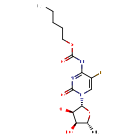
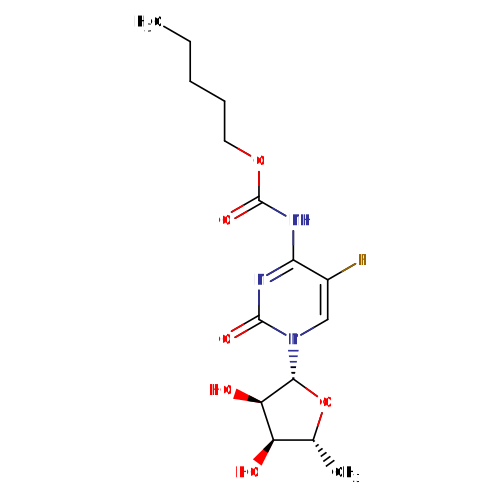
Structure for Capecitabine (DB01101)
- Weight
- Average: 359.3501
Monoisotopic: 359.149263656 - Chemical Formula
- C15H22FN3O6
- Synonyms
- (1-(5-Deoxy-beta-D-ribofuranosyl)-5-fluoro-1,2-dihydro-2-oxo-4-pyrimidinyl)-carbamic acid pentyl ester
- Capecitabin
- Capecitabina
- Capécitabine
- Capecitabine
- Capecitabinum
- Pentyl [1-(5-deoxy-β-D-ribofuranosyl)-5-fluoro-2-oxo-1,2-dihydropyrimidin-4-yl]carbamate
- pentyl 1-(5-deoxy-β-D-ribofuranosyl)-5-fluoro-1,2-dihydro-2-oxo-4-pyrimidinecarbamate
- External IDs
- R340
- RO 09-1978/000
- RO-09-1978/000

Pharmacology
- Indication
Capecitabine is indicated as treatment for a variety of cancer types. For colorectal cancer, capecitabine is indicated as a single agent or a component of a combination chemotherapy regiment for the adjuvant treatment of stage III colon cancer and treatment unresectable or metastatic colorectal cancer. It can also be used as a part of a combination chemotherapy perioperative treatment of adult locally advanced rectal cancer.42 For breast cancer, capecitabine is indicated for advanced or metastatic breast cancer as a single agent if an anthracycline- or taxane-containing chemotherapy is not indicated or as a regimen with docetaxel after disease progression on prior anthracycline-containing chemotherapy.42 For gastric, esophageal, or gastroesophageal junction (GEJ) cancer, capecitabine is indicated as a component of a combination chemotherapy treatment for the treatment of adult unresectable or metastatic gastric, esophageal, or GEJ cancer or adult HER2-overexpressing metastatic gastric or GEJ adenocarcinoma who have not received prior treatment for metastatic disease.42 Finally, for pancreatic cancer, capecitabine is indicated as adjuvant treatment for adult pancreatic adenocarcinoma as a component of a combination chemotherapy regimen.42
 Reduce drug development failure ratesBuild, train, & validate machine-learning modelswith evidence-based and structured datasets.Build, train, & validate predictive machine-learning models with structured datasets.
- Associated Conditions
Indication Type Indication Combined Product Details Approval Level Age Group Patient Characteristics Dose Form Adjunct therapy in treatment of Adenocarcinomas of the pancreas •••••••••••• ••••• •••••• Used in combination to treat Advanced or metastatic breast cancer Regimen in combination with: Docetaxel (DB01248) •••••••••••• ••••••• ••••••••••• ••••• ••••••••••••• •••••••• ••••••••••••• ••••••••• •••••• Treatment of Advanced or metastatic breast cancer •••••••••••• •••••••••••••• ••••••• ••••••••• •••••• Treatment of Carcinoma of gallbladder ••• ••••• •••••• Treatment of Cholangiocarcinoma ••• ••••• •••••• - Associated Therapies
- Contraindications & Blackbox Warnings
 Prevent Adverse Drug Events TodayTap into our Clinical API for life-saving information on contraindications & blackbox warnings, population restrictions, harmful risks, & more.Avoid life-threatening adverse drug events with our Clinical API
- Pharmacodynamics
Capecitabine is a fluoropyrimidine carbamate belonging to a group of antineoplastic agents called antimetabolites, which kill cancerous cells by interfering with DNA synthesis.39,26 It is an orally administered systemic prodrug that has little pharmacologic activity until it is converted to 5-fluorouracil (5-FU) by enzymes that are expressed in higher concentrations in many tumors.40 Capecitabine was designed specifically to overcome the disadvantages of 5-FU and to mimic the infusional pharmacokinetics of 5-FU without the associated complexity and complications of central venous access and infusion pumps.39 Particularly, since the enzymes converting 5-FU into active metabolites exist in the gastrointestinal tract, infusion of 5-FU can have gastrointestinal toxicity while also losing efficacy.41 Since capecitabine can be transported intact across the intestinal mucosa, it can be selectively delivered 5-FU to tumor tissues through enzymatic conversion preferentially inside tumor cells.41
5-FU exerts its pharmacological action through the inhibition and interference of 3 main targets: thymidylate synthase, DNA, and RNA, leading through protein synthesis disruption and apoptosis.26,20 Population-based exposure-effect analyses demonstrated a positive association between AUC of 5-FU and grade 3-4 hyperbilirubinemia.42
- Mechanism of action
Capecitabine is metabolized to 5-fluorouracil in vivo by carboxylesterases, cytidine deaminase, and thymidine phosphorylase/uridine phosphorylase sequentially.42,18,14,15,16 5-fluorouracil is further metabolized through a series of enzymatic reactions into 3 main active metabolites: 5-fluorouridine triphosphate (5-FUTP), 5-fluoro-2’-deoxyuridine monophosphate (5-FdUMP), and 5-fluorodeoxyuridine triphosphate (5-FdUTP).17,18,19. These metabolites cause cell injury by two different mechanisms. First, FdUMP and the folate cofactor, N5-10-methylenetetrahydrofolate (CH2THF), bind to thymidylate synthase (TS) to form a covalently bound ternary complex.42 TS is an enzyme that catalyzes the methylation of deoxyuridine monophosphate (dUMP) to deoxythymidine monophosphate (dTMP).20,19 Under normal physiological conditions, dUMP binds to TS first before CH2THF, followed by a 1,4 or Michael addition from the pyrimidine C (6)atom to the Cys146 nucleophile.20,21 If correctly positioned, dUMP, CH2THF, and TS would form a ternary complex to facilitate the donation of the methyl group from CH2THF to dUMP.20 However, the substitution of dUMP with FdUMP results in a new time-dependent TS–FdUMP–CH2THF complex. Since the fluorine group prevents dissociation of FdUMP from the pyrimidine ring, the whole complex is rendered irreversibly deactivated, terming this reaction "suicide inhibition".20,22 TS inhibition prevents the conversion of dUMP to dTMP, depleting the pool of dTMP that could be phosphorylated into dTTP to be incorporated as DNA nucleotides. This disrupts the nucleotides balance, particularly the the ATP/dTTP ratio, thus impairing DNA synthesis and repair and causing apoptosis.23,20
5-FdUMP can also be phosphorylated into 5-FdUTP, further increasing the pool of dUTP base to potentially overwhelm the activity of dUTPase.25 Coupled with the decrease in dTTP, 5-FdUMP, and 5-FdUTP increase the probability of mistakenly incorporating a uracil base into DNA strands in place of thymine. Although this mistake can often be resolved by the nucleotide excision repair enzyme uracil-DNA-glycosylase (UDG), the high (F)dUTP/dTTP ratio would result in re-incorporation of uracil into DNA, leading to a futile cycle of misincorporation, excision, and repair.24,26 Repeated base excision repair can result in abasic sites, which can lead to DNA mutagenesis and thus protein miscoding, replication forks collapse, and DNA fragmentation through single or double strand breaks 25,27,28,29
However, several reports have found that the incorporation of uracil in genomic DNA does not significantly affect the cytotoxicity of 5-FU, suggesting that the cytotoxic effect of 5-FU is dominated by the perturbation of RNA through 5-FUTP.30,31 Similar to 5-dFUTP, 5-FUTP can be mistakenly incorporated into RNA in place of regular UTP and disrupt regular RNA biology through various mechanisms. 5-FUTP can be incorporated into the spliceosomal U2 snRNA at pseudouridylated sites to prevent further pseudouridylation and thus pre-mrNA splicing. 5-FUTP can also change the structure of U4 and U6 snRNA and reduce the turnover rate of U1 snrNA once incorporated.32 For tRNA, 5-FUTP can affect tRNA's post-transcriptional RNA modifications activity, particularly by inhbiting pseudouridine synthase through formation of covalent complex.33,34 Recently, the effect of 5-FUTP on miRNAs and lncRNA was also observed through profound changes in expression, although the precise mechanism is still unknown.35,36,37
Although the main mechanism of 5-FU cytotoxicity was thought to be attributed to DNA damages, recent reports have shown that the majority of 5-FU pharmacological action is mediated through RNA, since 5-FU is accumulated ~3000- to 15 000-fold more in RNA compared to that of DNA.38
Target Actions Organism ADNA incorporation into and destabilizationinhibition of synthesisHumans ARNA incorporation into and destabilizationHumans AThymidylate synthase inhibitorHumans - Absorption
The AUC of capecitabine and its metabolite 5’-DFCR increases proportionally over a dosage range of 500 mg/m2/day to 3,500 mg/m2/day (0.2 to 1.4 times the approved recommended dosage). The AUC of capecitabine’s metabolites 5’-DFUR and fluorouracil increased greater than proportional to the dose. The interpatient variability in the Cmax and AUC of fluorouracil was greater than 85%.42
Following oral administration of capecitabine 1,255 mg/m2 orally twice daily (the recommended dosage when used as a single agent), the median Tmax of capecitabine and its metabolite fluorouracil was approximately 1.5 hours and 2 hours, respectively.42
- Volume of distribution
In colorectal cancer patients with a mean age of 58 ± 9.5 years and ECOG Performance Status of 0–1, the volume of distribution is calculated to be 186 ± 28 L.7
- Protein binding
Plasma protein binding of capecitabine and its metabolites is less than 60% and is not concentration dependent. Capecitabine was primarily bound to human albumin (approximately 35%).42
- Metabolism
Capecitabine undergoes metabolism by carboxylesterase and is hydrolyzed to 5’-DFCR. 5’-DFCR is subsequently converted to 5’-DFUR by cytidine deaminase. 5’-DFUR is then hydrolyzed by thymidine phosphorylase (dThdPase) enzymes to the active metabolite fluorouracil.42
Fluorouracil is subsequently metabolized by dihydropyrimidine dehydrogenase to 5-fluoro-5, 6-dihydro-fluorouracil (FUH2). The pyrimidine ring of FUH2 is cleaved by dihydropyrimidinase to yield 5-fluoro-ureido-propionic acid (FUPA). Finally, FUPA is cleaved by β-ureido-propionase to α-fluoro-β-alanine (FBAL).42
Hover over products below to view reaction partners
- Route of elimination
Following administration of radiolabeled capecitabine, 96% of the administered capecitabine dose was recovered in urine (3% unchanged and 57% as metabolite FBAL) and 2.6% in feces.42
- Half-life
The elimination half-lives of capecitabine and fluorouracil were approximately 0.75 hour.42
- Clearance
In colorectal cancer patients with a mean age of 58 ± 9.5 years and ECOG Performance Status of 0–1, the clearance of capecitabine is calculated to be 775 ± 213 mL/min.7
- Adverse Effects
 Improve decision support & research outcomesWith structured adverse effects data, including: blackbox warnings, adverse reactions, warning & precautions, & incidence rates. View sample adverse effects data in our new Data Library!Improve decision support & research outcomes with our structured adverse effects data.
- Toxicity
Adequate studies investigating the carcinogenic potential of capecitabine have not been conducted. Capecitabine was not mutagenic in vitro to bacteria (Ames test) or mammalian cells (Chinese hamster V79/HPRT gene mutation assay). Capecitabine was clastogenic in vitro to human peripheral blood lymphocytes but not clastogenic in vivo to mouse bone marrow (micronucleus test). Fluorouracil causes mutations in bacteria and yeast. Fluorouracil also causes chromosomal abnormalities in the mouse micronucleus test in vivo.42
In studies of fertility and general reproductive performance in female mice, oral capecitabine doses of 760 mg/kg/day (about 2,300 mg/m2/day) disturbed estrus and consequently caused a decrease in fertility. In mice that became pregnant, no fetuses survived this dose. The disturbance in estrus was reversible. In males, this dose caused degenerative changes in the testes, including decreases in the number of spermatocytes and spermatids. In separate pharmacokinetic studies, this dose in mice produced 5’-DFUR AUC values about 0.7 times the corresponding values in patients administered the recommended daily dose.42
Based on findings in animal reproduction studies and its mechanism of action [see Clinical Pharmacology (12.1)], XELODA can cause fetal harm when administered to a pregnant woman. Available human data on XELODA use in pregnant women is not sufficient to inform the drug-associated risk. In animal reproduction studies, administration of capecitabine to pregnant animals during the period of organogenesis caused embryo lethality and teratogenicity in mice and embryo lethality in monkeys at 0.2 and 0.6 times the exposure (AUC) in patients receiving the recommended dose of 1,250 mg/m2 twice daily, respectively. Advise pregnant women of the potential risk to a fetus.42
The estimated background risk of major birth defects and miscarriage for the indicated population is unknown. All pregnancies have a background risk of birth defect, loss, or other adverse outcomes. In the U.S. general population, the estimated background risk of major birth defects and miscarriage in clinically recognized pregnancies is 2% to 4% and 15% to 20%, respectively.42
Administer uridine triacetate within 96 hours for management of XELODA overdose. Although no clinical experience using dialysis as a treatment for XELODA overdose has been reported, dialysis may be of benefit in reducing circulating concentrations of 5’-DFUR, a low–molecular-weight metabolite of the parent compound.42
- Pathways
Pathway Category Capecitabine Action Pathway Drug action Capecitabine Metabolism Pathway Drug metabolism - Pharmacogenomic Effects/ADRs
Interacting Gene/Enzyme Allele name Genotype(s) Defining Change(s) Type(s) Description Details Dihydropyrimidine dehydrogenase [NADP(+)] DPYD*2A (A;A) / (A;G) G > A ADR Directly Studied The presence of this genotype in DPYD is associated with an increased risk of drug-related toxicity from capecitabine therapy. Details Dihydropyrimidine dehydrogenase [NADP(+)] DPYD*13 (C;C) / (A;C) A > C ADR Directly Studied The presence of this genotype in DPYD is associated with an increased risk of drug-related toxicity from capecitabine therapy. Details Dihydropyrimidine dehydrogenase [NADP(+)] --- (A;A) / (A;T) T > A ADR Directly Studied The presence of this genotype in DPYD may be associated with an increased risk of drug-related toxicity from capecitabine therapy. Details Dihydropyrimidine dehydrogenase [NADP(+)] DPYD*4 (G;G) / (A:G) G > A ADR Directly Studied The presence of this genotype in DPYD may be associated with an increased risk of drug-related toxicity from capecitabine therapy. Details Dihydropyrimidine dehydrogenase [NADP(+)] DPYD*5 (G;G) / (A;G) A > G ADR Directly Studied The presence of this genotype in DPYD may be associated with an increased risk of drug-related toxicity from capecitabine therapy. Details Dihydropyrimidine dehydrogenase [NADP(+)] DPYD*6 (A;A) / (A;G) G > A ADR Directly Studied The presence of this genotype in DPYD may be associated with an increased risk of drug-related toxicity from capecitabine therapy. Details Dihydropyrimidine dehydrogenase [NADP(+)] DPYD*9A (C;C) / (C;T) T > C ADR Directly Studied The presence of this genotype in DPYD may be associated with an increased risk of drug-related toxicity from capecitabine therapy. Details
Interactions
- Drug Interactions
- This information should not be interpreted without the help of a healthcare provider. If you believe you are experiencing an interaction, contact a healthcare provider immediately. The absence of an interaction does not necessarily mean no interactions exist.
Drug Interaction Integrate drug-drug
interactions in your softwareAbacavir Abacavir may decrease the excretion rate of Capecitabine which could result in a higher serum level. Abatacept The metabolism of Capecitabine can be increased when combined with Abatacept. Abciximab The risk or severity of bleeding can be increased when Abciximab is combined with Capecitabine. Abrocitinib The serum concentration of Abrocitinib can be increased when it is combined with Capecitabine. Aceclofenac Capecitabine may increase the nephrotoxic activities of Aceclofenac. - Food Interactions
- Take at the same time every day. Take XELODA 2 times a day at the same time each day, about 12 hours apart.
- Take with food. Take XELODA within 30 minutes after finishing a meal.
- Take with plain water. Swallow XELODA tablets whole with water. Do not chew, cut, or crush XELODA tablets.
Products
 Drug product information from 10+ global regionsOur datasets provide approved product information including:dosage, form, labeller, route of administration, and marketing period.Access drug product information from over 10 global regions.
- Active Moieties
Name Kind UNII CAS InChI Key Fluorouracil prodrug U3P01618RT 51-21-8 GHASVSINZRGABV-UHFFFAOYSA-N - Product Images
- Brand Name Prescription Products
Name Dosage Strength Route Labeller Marketing Start Marketing End Region Image Capecitabine Tablet 150 mg Oral Sivem Pharmaceuticals Ulc Not applicable Not applicable Canada 
Capecitabine Tablet 500 mg Oral Sanis Health Inc 2021-10-22 Not applicable Canada Capecitabine Tablet 500 mg Oral Jamp Pharma Corporation 2022-06-16 Not applicable Canada Capecitabine Tablet 150 mg Oral Sanis Health Inc 2021-10-22 Not applicable Canada Capecitabine Tablet 500 mg Oral Sivem Pharmaceuticals Ulc Not applicable Not applicable Canada - Generic Prescription Products
Name Dosage Strength Route Labeller Marketing Start Marketing End Region Image Ach-capecitabine Tablet 500 mg Oral Accord Healthcare Inc 2014-09-19 Not applicable Canada Ach-capecitabine Tablet 150 mg Oral Accord Healthcare Inc 2014-09-19 Not applicable Canada Apo-capecitabine Tablet 150 mg Oral Apotex Corporation Not applicable Not applicable Canada Apo-capecitabine Tablet 500 mg Oral Apotex Corporation Not applicable Not applicable Canada Capecitabine Tablet, film coated 150 mg/1 Oral Sun Pharmaceutical Industries, Inc. 2019-09-01 Not applicable US 


Categories
- ATC Codes
- L01BC06 — Capecitabine
- Drug Categories
- Antimetabolites
- Antineoplastic Agents
- Antineoplastic and Immunomodulating Agents
- Cardiotoxic antineoplastic agents
- Cytidine Deaminase Substrates
- Cytochrome P-450 CYP2C9 Inhibitors
- Cytochrome P-450 CYP2C9 Inhibitors (strong)
- Cytochrome P-450 CYP2C9 Substrates
- Cytochrome P-450 CYP2C9 Substrates with a Narrow Therapeutic Index
- Cytochrome P-450 Enzyme Inhibitors
- Cytochrome P-450 Substrates
- Drugs that are Mainly Renally Excreted
- Fluoropyrimidines
- Fluorouracil and prodrugs
- Immunosuppressive Agents
- Myelosuppressive Agents
- Narrow Therapeutic Index Drugs
- Noxae
- Nucleic Acid Synthesis Inhibitors
- Nucleic Acids, Nucleotides, and Nucleosides
- Nucleoside Metabolic Inhibitor
- Pyrimidine Analogues
- Toxic Actions
- Chemical TaxonomyProvided by Classyfire
- Description
- This compound belongs to the class of organic compounds known as 5'-deoxyribonucleosides. These are nucleosides in which the oxygen atom at the 5'position of the ribose moiety has been replaced by another atom. The nucleobases here are limited to purine, pyrimidine, and pyridine derivatives.
- Kingdom
- Organic compounds
- Super Class
- Nucleosides, nucleotides, and analogues
- Class
- 5'-deoxyribonucleosides
- Sub Class
- Not Available
- Direct Parent
- 5'-deoxyribonucleosides
- Alternative Parents
- Glycosylamines / Pyrimidones / Halopyrimidines / Aryl fluorides / Hydropyrimidines / Tetrahydrofurans / Heteroaromatic compounds / Secondary alcohols / 1,2-diols / Propargyl-type 1,3-dipolar organic compounds show 8 more
- Substituents
- 1,2-diol / 5'-deoxyribonucleoside / Alcohol / Aromatic heteromonocyclic compound / Aryl fluoride / Aryl halide / Azacycle / Carboximidic acid derivative / Glycosyl compound / Halopyrimidine show 20 more
- Molecular Framework
- Aromatic heteromonocyclic compounds
- External Descriptors
- organofluorine compound, carbamate ester, cytidines (CHEBI:31348)
- Affected organisms
- Humans and other mammals
Chemical Identifiers
- UNII
- 6804DJ8Z9U
- CAS number
- 154361-50-9
- InChI Key
- GAGWJHPBXLXJQN-UORFTKCHSA-N
- InChI
- InChI=1S/C15H22FN3O6/c1-3-4-5-6-24-15(23)18-12-9(16)7-19(14(22)17-12)13-11(21)10(20)8(2)25-13/h7-8,10-11,13,20-21H,3-6H2,1-2H3,(H,17,18,22,23)/t8-,10-,11-,13-/m1/s1
- IUPAC Name
- pentyl N-{1-[(2R,3R,4S,5R)-3,4-dihydroxy-5-methyloxolan-2-yl]-5-fluoro-2-oxo-1,2-dihydropyrimidin-4-yl}carbamate
- SMILES
- CCCCCOC(=O)NC1=NC(=O)N(C=C1F)[C@@H]1O[C@H](C)[C@@H](O)[C@H]1O
References
- Synthesis Reference
- US5472949
- General References
- Walko CM, Lindley C: Capecitabine: a review. Clin Ther. 2005 Jan;27(1):23-44. [Article]
- Wagstaff AJ, Ibbotson T, Goa KL: Capecitabine: a review of its pharmacology and therapeutic efficacy in the management of advanced breast cancer. Drugs. 2003;63(2):217-36. [Article]
- Koukourakis GV, Kouloulias V, Koukourakis MJ, Zacharias GA, Zabatis H, Kouvaris J: Efficacy of the oral fluorouracil pro-drug capecitabine in cancer treatment: a review. Molecules. 2008 Aug 27;13(8):1897-922. [Article]
- Twelves C: Vision of the future: capecitabine. Oncologist. 2001;6 Suppl 4:35-9. [Article]
- Milano G, Ferrero JM, Francois E: Comparative pharmacology of oral fluoropyrimidines: a focus on pharmacokinetics, pharmacodynamics and pharmacomodulation. Br J Cancer. 2004 Aug 16;91(4):613-7. [Article]
- de Bono JS, Twelves CJ: The oral fluorinated pyrimidines. Invest New Drugs. 2001;19(1):41-59. [Article]
- Alqahtani S, Alzaidi R, Alsultan A, Asiri A, Asiri Y, Alsaleh K: Clinical pharmacokinetics of capecitabine and its metabolites in colorectal cancer patients. Saudi Pharm J. 2022 May;30(5):527-531. doi: 10.1016/j.jsps.2022.02.019. Epub 2022 Mar 2. [Article]
- Vasey PA, McMahon L, Paul J, Reed N, Kaye SB: A phase II trial of capecitabine (Xeloda) in recurrent ovarian cancer. Br J Cancer. 2003 Nov 17;89(10):1843-8. doi: 10.1038/sj.bjc.6601381. [Article]
- Wolf JK, Bodurka DC, Verschraegen C, Sun CC, Branham D, Jenkins AD, Atkinson N, Gershenson DM: A phase II trial of oral capecitabine in patients with platinum--and taxane--refractory ovarian, fallopian tube, or peritoneal cancer. Gynecol Oncol. 2006 Sep;102(3):468-74. doi: 10.1016/j.ygyno.2005.12.040. Epub 2006 Mar 3. [Article]
- Fine RL, Gulati AP, Krantz BA, Moss RA, Schreibman S, Tsushima DA, Mowatt KB, Dinnen RD, Mao Y, Stevens PD, Schrope B, Allendorf J, Lee JA, Sherman WH, Chabot JA: Capecitabine and temozolomide (CAPTEM) for metastatic, well-differentiated neuroendocrine cancers: The Pancreas Center at Columbia University experience. Cancer Chemother Pharmacol. 2013 Mar;71(3):663-70. doi: 10.1007/s00280-012-2055-z. Epub 2013 Jan 31. [Article]
- Strosberg JR, Fine RL, Choi J, Nasir A, Coppola D, Chen DT, Helm J, Kvols L: First-line chemotherapy with capecitabine and temozolomide in patients with metastatic pancreatic endocrine carcinomas. Cancer. 2011 Jan 15;117(2):268-75. doi: 10.1002/cncr.25425. Epub 2010 Sep 7. [Article]
- Cartwright TH, Cohn A, Varkey JA, Chen YM, Szatrowski TP, Cox JV, Schulz JJ: Phase II study of oral capecitabine in patients with advanced or metastatic pancreatic cancer. J Clin Oncol. 2002 Jan 1;20(1):160-4. doi: 10.1200/JCO.2002.20.1.160. [Article]
- Patt YZ, Hassan MM, Aguayo A, Nooka AK, Lozano RD, Curley SA, Vauthey JN, Ellis LM, Schnirer II, Wolff RA, Charnsangavej C, Brown TD: Oral capecitabine for the treatment of hepatocellular carcinoma, cholangiocarcinoma, and gallbladder carcinoma. Cancer. 2004 Aug 1;101(3):578-86. doi: 10.1002/cncr.20368. [Article]
- Andreetta C, Puppin C, Minisini A, Valent F, Pegolo E, Damante G, Di Loreto C, Pizzolitto S, Pandolfi M, Fasola G, Piga A, Puglisi F: Thymidine phosphorylase expression and benefit from capecitabine in patients with advanced breast cancer. Ann Oncol. 2009 Feb;20(2):265-71. doi: 10.1093/annonc/mdn592. Epub 2008 Sep 2. [Article]
- Loganayagam A, Arenas Hernandez M, Corrigan A, Fairbanks L, Lewis CM, Harper P, Maisey N, Ross P, Sanderson JD, Marinaki AM: Pharmacogenetic variants in the DPYD, TYMS, CDA and MTHFR genes are clinically significant predictors of fluoropyrimidine toxicity. Br J Cancer. 2013 Jun 25;108(12):2505-15. doi: 10.1038/bjc.2013.262. Epub 2013 Jun 4. [Article]
- Timmers L, Swart EL, Boons CC, Mangnus D, van de Ven PM, Peters GJ, Boven E, Hugtenburg JG: The use of capecitabine in daily practice: a study on adherence and patients' experiences. Patient Prefer Adherence. 2012;6:741-8. doi: 10.2147/PPA.S36757. Epub 2012 Oct 19. [Article]
- Krauss J, Bracher F: Pharmacokinetic Enhancers (Boosters)-Escort for Drugs against Degrading Enzymes and Beyond. Sci Pharm. 2018 Sep 27;86(4):E43. doi: 10.3390/scipharm86040043. [Article]
- Nies AT, Magdy T, Schwab M, Zanger UM: Role of ABC transporters in fluoropyrimidine-based chemotherapy response. Adv Cancer Res. 2015;125:217-43. doi: 10.1016/bs.acr.2014.10.007. Epub 2015 Jan 8. [Article]
- Panczyk M: Pharmacogenetics research on chemotherapy resistance in colorectal cancer over the last 20 years. World J Gastroenterol. 2014 Aug 7;20(29):9775-827. doi: 10.3748/wjg.v20.i29.9775. [Article]
- Zhang N, Yin Y, Xu SJ, Chen WS: 5-Fluorouracil: mechanisms of resistance and reversal strategies. Molecules. 2008 Aug 5;13(8):1551-69. doi: 10.3390/molecules13081551. [Article]
- Kholodar SA, Ghosh AK, Swiderek K, Moliner V, Kohen A: Parallel reaction pathways and noncovalent intermediates in thymidylate synthase revealed by experimental and computational tools. Proc Natl Acad Sci U S A. 2018 Oct 9;115(41):10311-10314. doi: 10.1073/pnas.1811059115. Epub 2018 Sep 24. [Article]
- Bijnsdorp IV, Comijn EM, Padron JM, Gmeiner WH, Peters GJ: Mechanisms of action of FdUMP[10]: metabolite activation and thymidylate synthase inhibition. Oncol Rep. 2007 Jul;18(1):287-91. doi: 10.3892/or.18.1.287. [Article]
- Matuo R, Sousa FG, Escargueil AE, Grivicich I, Garcia-Santos D, Chies JA, Saffi J, Larsen AK, Henriques JA: 5-Fluorouracil and its active metabolite FdUMP cause DNA damage in human SW620 colon adenocarcinoma cell line. J Appl Toxicol. 2009 May;29(4):308-16. doi: 10.1002/jat.1411. [Article]
- Lindahl T: An N-glycosidase from Escherichia coli that releases free uracil from DNA containing deaminated cytosine residues. Proc Natl Acad Sci U S A. 1974 Sep;71(9):3649-53. doi: 10.1073/pnas.71.9.3649. [Article]
- Olinski R, Jurgowiak M, Zaremba T: Uracil in DNA--its biological significance. Mutat Res. 2010 Dec;705(3):239-45. doi: 10.1016/j.mrrev.2010.08.001. Epub 2010 Aug 13. [Article]
- Longley DB, Harkin DP, Johnston PG: 5-fluorouracil: mechanisms of action and clinical strategies. Nat Rev Cancer. 2003 May;3(5):330-8. [Article]
- Owiti N, Wei S, Bhagwat AS, Kim N: Unscheduled DNA synthesis leads to elevated uracil residues at highly transcribed genomic loci in Saccharomyces cerevisiae. PLoS Genet. 2018 Jul 17;14(7):e1007516. doi: 10.1371/journal.pgen.1007516. eCollection 2018 Jul. [Article]
- Ubhi T, Brown GW: Exploiting DNA Replication Stress for Cancer Treatment. Cancer Res. 2019 Apr 15;79(8):1730-1739. doi: 10.1158/0008-5472.CAN-18-3631. Epub 2019 Apr 9. [Article]
- Tinkelenberg BA, Hansbury MJ, Ladner RD: dUTPase and uracil-DNA glycosylase are central modulators of antifolate toxicity in Saccharomyces cerevisiae. Cancer Res. 2002 Sep 1;62(17):4909-15. [Article]
- Andersen S, Heine T, Sneve R, Konig I, Krokan HE, Epe B, Nilsen H: Incorporation of dUMP into DNA is a major source of spontaneous DNA damage, while excision of uracil is not required for cytotoxicity of fluoropyrimidines in mouse embryonic fibroblasts. Carcinogenesis. 2005 Mar;26(3):547-55. doi: 10.1093/carcin/bgh347. Epub 2004 Nov 25. [Article]
- Luo Y, Walla M, Wyatt MD: Uracil incorporation into genomic DNA does not predict toxicity caused by chemotherapeutic inhibition of thymidylate synthase. DNA Repair (Amst). 2008 Feb 1;7(2):162-9. doi: 10.1016/j.dnarep.2007.09.001. Epub 2007 Oct 17. [Article]
- Armstrong RD, Takimoto CH, Cadman EC: Fluoropyrimidine-mediated changes in small nuclear RNA. J Biol Chem. 1986 Jan 5;261(1):21-4. [Article]
- Huang L, Pookanjanatavip M, Gu X, Santi DV: A conserved aspartate of tRNA pseudouridine synthase is essential for activity and a probable nucleophilic catalyst. Biochemistry. 1998 Jan 6;37(1):344-51. doi: 10.1021/bi971874+. [Article]
- Samuelsson T: Interactions of transfer RNA pseudouridine synthases with RNAs substituted with fluorouracil. Nucleic Acids Res. 1991 Nov 25;19(22):6139-44. doi: 10.1093/nar/19.22.6139. [Article]
- Deng J, Wang Y, Lei J, Lei W, Xiong JP: Insights into the involvement of noncoding RNAs in 5-fluorouracil drug resistance. Tumour Biol. 2017 Apr;39(4):1010428317697553. doi: 10.1177/1010428317697553. [Article]
- Shah MY, Pan X, Fix LN, Farwell MA, Zhang B: 5-Fluorouracil drug alters the microRNA expression profiles in MCF-7 breast cancer cells. J Cell Physiol. 2011 Jul;226(7):1868-78. doi: 10.1002/jcp.22517. [Article]
- Blondy S, David V, Verdier M, Mathonnet M, Perraud A, Christou N: 5-Fluorouracil resistance mechanisms in colorectal cancer: From classical pathways to promising processes. Cancer Sci. 2020 Sep;111(9):3142-3154. doi: 10.1111/cas.14532. Epub 2020 Aug 13. [Article]
- Pettersen HS, Visnes T, Vagbo CB, Svaasand EK, Doseth B, Slupphaug G, Kavli B, Krokan HE: UNG-initiated base excision repair is the major repair route for 5-fluorouracil in DNA, but 5-fluorouracil cytotoxicity depends mainly on RNA incorporation. Nucleic Acids Res. 2011 Oct;39(19):8430-44. doi: 10.1093/nar/gkr563. Epub 2011 Jul 10. [Article]
- McKendrick J, Coutsouvelis J: Capecitabine: effective oral fluoropyrimidine chemotherapy. Expert Opin Pharmacother. 2005 Jun;6(7):1231-9. doi: 10.1517/14656566.6.7.1231. [Article]
- Dean L, Kane M: Capecitabine Therapy and DPYD Genotype. . [Article]
- Shimma N, Umeda I, Arasaki M, Murasaki C, Masubuchi K, Kohchi Y, Miwa M, Ura M, Sawada N, Tahara H, Kuruma I, Horii I, Ishitsuka H: The design and synthesis of a new tumor-selective fluoropyrimidine carbamate, capecitabine. Bioorg Med Chem. 2000 Jul;8(7):1697-706. doi: 10.1016/s0968-0896(00)00087-0. [Article]
- FDA Approved Drug Products: XELODA® (capecitabine) tablets, for oral use Jan 2023 [Link]
- Health Canada Approved Drug Proucts: APO-CAPECITABINE, tablets for oral use [Link]
- External Links
- Human Metabolome Database
- HMDB0015233
- KEGG Drug
- D01223
- KEGG Compound
- C12650
- PubChem Compound
- 60953
- PubChem Substance
- 46508686
- ChemSpider
- 54916
- 194000
- ChEBI
- 31348
- ChEMBL
- CHEMBL1773
- ZINC
- ZINC000003806413
- Therapeutic Targets Database
- DAP000761
- PharmGKB
- PA448771
- RxList
- RxList Drug Page
- Drugs.com
- Drugs.com Drug Page
- Wikipedia
- Capecitabine
- FDA label
- Download (133 KB)
Clinical Trials
- Clinical Trials
Phase Status Purpose Conditions Count 4 Completed Basic Science Pancreatic Adenocarcinoma 1 4 Completed Diagnostic Breast Cancer / Colorectal Cancer 1 4 Completed Other HER2/Neu-negative Carcinoma of Breast / Hormone Receptor Positive Malignant Neoplasm of Breast / Recurrent Breast Cancer 1 4 Completed Treatment Breast Cancer 2 4 Completed Treatment Colorectal Cancer 5
Pharmacoeconomics
- Manufacturers
- Not Available
- Packagers
- Dept Health Central Pharmacy
- F Hoffmann-La Roche Ltd.
- Physicians Total Care Inc.
- Dosage Forms
Form Route Strength Tablet, film coated Oral 300 MG Tablet, film coated Oral Tablet, film coated Oral 150 MG Tablet Oral 150 mg/1 Tablet Oral 500 mg/1 Tablet, coated Oral 50000000 mg Tablet Oral 150.00 mg Tablet Oral 500.00 mg Tablet, coated Oral 15000000 mg Tablet, film coated Oral 150.000 mg Tablet, film coated Oral 500.000 mg Tablet, delayed release Oral 500 mg Tablet Oral 500.000 mg Tablet Oral 150 mg Tablet Oral 500 mg Tablet, film coated Oral 150 mg/1 Tablet, film coated Oral 500 mg/1 Tablet, film coated Oral 500 mg Tablet, coated Oral 150 mg Tablet, coated Oral 500 mg - Prices
Unit description Cost Unit Xeloda 500 mg tablet 28.97USD tablet Xeloda 150 mg tablet 8.69USD tablet DrugBank does not sell nor buy drugs. Pricing information is supplied for informational purposes only.- Patents
Patent Number Pediatric Extension Approved Expires (estimated) Region US5472949 No 1995-12-05 2013-12-14 US US4966891 No 1990-10-30 2011-01-13 US CA2103324 No 1997-12-23 2013-11-17 Canada CA1327358 No 1994-03-01 2011-03-01 Canada
Properties
- State
- Solid
- Experimental Properties
Property Value Source melting point (°C) 110-121 °C Not Available water solubility 26 mg/mL Not Available logP 0.4 Not Available - Predicted Properties
Property Value Source Water Solubility 0.248 mg/mL ALOGPS logP 1.17 ALOGPS logP 0.77 Chemaxon logS -3.2 ALOGPS pKa (Strongest Acidic) 8.63 Chemaxon pKa (Strongest Basic) 0.073 Chemaxon Physiological Charge 0 Chemaxon Hydrogen Acceptor Count 6 Chemaxon Hydrogen Donor Count 3 Chemaxon Polar Surface Area 120.69 Å2 Chemaxon Rotatable Bond Count 7 Chemaxon Refractivity 82.75 m3·mol-1 Chemaxon Polarizability 35.94 Å3 Chemaxon Number of Rings 2 Chemaxon Bioavailability 1 Chemaxon Rule of Five Yes Chemaxon Ghose Filter Yes Chemaxon Veber's Rule No Chemaxon MDDR-like Rule No Chemaxon - Predicted ADMET Features
Property Value Probability Human Intestinal Absorption + 0.9513 Blood Brain Barrier + 0.6064 Caco-2 permeable - 0.7096 P-glycoprotein substrate Substrate 0.5106 P-glycoprotein inhibitor I Non-inhibitor 0.8234 P-glycoprotein inhibitor II Non-inhibitor 0.7514 Renal organic cation transporter Non-inhibitor 0.9654 CYP450 2C9 substrate Non-substrate 0.7999 CYP450 2D6 substrate Non-substrate 0.864 CYP450 3A4 substrate Non-substrate 0.5 CYP450 1A2 substrate Non-inhibitor 0.7523 CYP450 2C9 inhibitor Non-inhibitor 0.7673 CYP450 2D6 inhibitor Non-inhibitor 0.8612 CYP450 2C19 inhibitor Non-inhibitor 0.6569 CYP450 3A4 inhibitor Non-inhibitor 0.7404 CYP450 inhibitory promiscuity Low CYP Inhibitory Promiscuity 0.8484 Ames test Non AMES toxic 0.6521 Carcinogenicity Non-carcinogens 0.8754 Biodegradation Not ready biodegradable 0.9964 Rat acute toxicity 2.4690 LD50, mol/kg Not applicable hERG inhibition (predictor I) Weak inhibitor 0.9759 hERG inhibition (predictor II) Non-inhibitor 0.7124
Spectra
- Mass Spec (NIST)
- Not Available
- Spectra
- Chromatographic Properties
Collision Cross Sections (CCS)
Adduct CCS Value (Å2) Source type Source [M-H]- 187.1072468 predictedDarkChem Lite v0.1.0 [M-H]- 197.0932468 predictedDarkChem Lite v0.1.0 [M-H]- 185.2666 predictedDeepCCS 1.0 (2019) [M+H]+ 187.0995468 predictedDarkChem Lite v0.1.0 [M+H]+ 197.6482468 predictedDarkChem Lite v0.1.0 [M+H]+ 187.66216 predictedDeepCCS 1.0 (2019) [M+Na]+ 186.5208468 predictedDarkChem Lite v0.1.0 [M+Na]+ 197.5562468 predictedDarkChem Lite v0.1.0 [M+Na]+ 194.50374 predictedDeepCCS 1.0 (2019)
Targets

References
- Walko CM, Lindley C: Capecitabine: a review. Clin Ther. 2005 Jan;27(1):23-44. [Article]
- Thomas DM, Zalcberg JR: 5-fluorouracil: a pharmacological paradigm in the use of cytotoxics. Clin Exp Pharmacol Physiol. 1998 Nov;25(11):887-95. [Article]
- Wyatt MD, Wilson DM 3rd: Participation of DNA repair in the response to 5-fluorouracil. Cell Mol Life Sci. 2009 Mar;66(5):788-99. doi: 10.1007/s00018-008-8557-5. [Article]
- Ghoshal K, Jacob ST: An alternative molecular mechanism of action of 5-fluorouracil, a potent anticancer drug. Biochem Pharmacol. 1997 Jun 1;53(11):1569-75. [Article]
- Longley DB, Harkin DP, Johnston PG: 5-fluorouracil: mechanisms of action and clinical strategies. Nat Rev Cancer. 2003 May;3(5):330-8. [Article]
- Petty RD, Cassidy J: Novel fluoropyrimidines: improving the efficacy and tolerability of cytotoxic therapy. Curr Cancer Drug Targets. 2004 Mar;4(2):191-204. [Article]
References
- Walko CM, Lindley C: Capecitabine: a review. Clin Ther. 2005 Jan;27(1):23-44. [Article]
- Thomas DM, Zalcberg JR: 5-fluorouracil: a pharmacological paradigm in the use of cytotoxics. Clin Exp Pharmacol Physiol. 1998 Nov;25(11):887-95. [Article]
- Wyatt MD, Wilson DM 3rd: Participation of DNA repair in the response to 5-fluorouracil. Cell Mol Life Sci. 2009 Mar;66(5):788-99. doi: 10.1007/s00018-008-8557-5. [Article]
- Ghoshal K, Jacob ST: An alternative molecular mechanism of action of 5-fluorouracil, a potent anticancer drug. Biochem Pharmacol. 1997 Jun 1;53(11):1569-75. [Article]
- Longley DB, Harkin DP, Johnston PG: 5-fluorouracil: mechanisms of action and clinical strategies. Nat Rev Cancer. 2003 May;3(5):330-8. [Article]
- Petty RD, Cassidy J: Novel fluoropyrimidines: improving the efficacy and tolerability of cytotoxic therapy. Curr Cancer Drug Targets. 2004 Mar;4(2):191-204. [Article]
- Kind
- Protein
- Organism
- Humans
- Pharmacological action
- Yes
- Actions
- Inhibitor
- General Function
- Thymidylate synthase activity
- Specific Function
- Contributes to the de novo mitochondrial thymidylate biosynthesis pathway.
- Gene Name
- TYMS
- Uniprot ID
- P04818
- Uniprot Name
- Thymidylate synthase
- Molecular Weight
- 35715.65 Da
References
- Patel A, Pluim T, Helms A, Bauer A, Tuttle RM, Francis GL: Enzyme expression profiles suggest the novel tumor-activated fluoropyrimidine carbamate capecitabine (Xeloda) might be effective against papillary thyroid cancers of children and young adults. Cancer Chemother Pharmacol. 2004 May;53(5):409-14. [Article]
- Eliason JF, Megyeri A: Potential for predicting toxicity and response of fluoropyrimidines in patients. Curr Drug Targets. 2004 May;5(4):383-8. [Article]
- Carlini LE, Meropol NJ, Bever J, Andria ML, Hill T, Gold P, Rogatko A, Wang H, Blanchard RL: UGT1A7 and UGT1A9 polymorphisms predict response and toxicity in colorectal cancer patients treated with capecitabine/irinotecan. Clin Cancer Res. 2005 Feb 1;11(3):1226-36. [Article]
- Li KM, Rivory LP, Clarke SJ: Rapid quantitation of plasma 2'-deoxyuridine by high-performance liquid chromatography/atmospheric pressure chemical ionization mass spectrometry and its application to pharmacodynamic studies in cancer patients. J Chromatogr B Analyt Technol Biomed Life Sci. 2005 Jun 5;820(1):121-30. Epub 2005 Apr 19. [Article]
- Fischel JL, Ciccolini J, Formento P, Ferrero JM, Milano G: Synergistic cytotoxic interaction in hormone-refractory prostate cancer with the triple combination docetaxel-erlotinib and 5-fluoro-5'-deoxyuridine. Anticancer Drugs. 2006 Aug;17(7):807-13. [Article]
- Chen X, Ji ZL, Chen YZ: TTD: Therapeutic Target Database. Nucleic Acids Res. 2002 Jan 1;30(1):412-5. [Article]
Enzymes
- Kind
- Protein
- Organism
- Humans
- Pharmacological action
- No
- Actions
- Substrate
- General Function
- Transferase activity, transferring pentosyl groups
- Specific Function
- May have a role in maintaining the integrity of the blood vessels. Has growth promoting activity on endothelial cells, angiogenic activity in vivo and chemotactic activity on endothelial cells in v...
- Gene Name
- TYMP
- Uniprot ID
- P19971
- Uniprot Name
- Thymidine phosphorylase
- Molecular Weight
- 49954.965 Da
References
- de Bono JS, Twelves CJ: The oral fluorinated pyrimidines. Invest New Drugs. 2001;19(1):41-59. [Article]
- Tsukamoto Y, Kato Y, Ura M, Horii I, Ishitsuka H, Kusuhara H, Sugiyama Y: A physiologically based pharmacokinetic analysis of capecitabine, a triple prodrug of 5-FU, in humans: the mechanism for tumor-selective accumulation of 5-FU. Pharm Res. 2001 Aug;18(8):1190-202. [Article]
- Blanquicett C, Gillespie GY, Nabors LB, Miller CR, Bharara S, Buchsbaum DJ, Diasio RB, Johnson MR: Induction of thymidine phosphorylase in both irradiated and shielded, contralateral human U87MG glioma xenografts: implications for a dual modality treatment using capecitabine and irradiation. Mol Cancer Ther. 2002 Oct;1(12):1139-45. [Article]
- Ishitsuka H, Shimma N, Horii I: [Discovery and development of novel anticancer drug capecitabine]. Yakugaku Zasshi. 1999 Dec;119(12):881-97. [Article]
- Ishitsuka H: Capecitabine: preclinical pharmacology studies. Invest New Drugs. 2000 Nov;18(4):343-54. [Article]
- Endo M, Miwa M, Eda H, Ura M, Tanimura H, Ishikawa T, Miyazaki-Nose T, Hattori K, Shimma N, Yamada-Okabe H, Ishitsuka H: Augmentation of the antitumor activity of capecitabine by a tumor selective dihydropyrimidine dehydrogenase inhibitor, RO0094889. Int J Cancer. 2003 Sep 20;106(5):799-805. [Article]
- Schuller J, Cassidy J, Dumont E, Roos B, Durston S, Banken L, Utoh M, Mori K, Weidekamm E, Reigner B: Preferential activation of capecitabine in tumor following oral administration to colorectal cancer patients. Cancer Chemother Pharmacol. 2000;45(4):291-7. [Article]
- Patel A, Pluim T, Helms A, Bauer A, Tuttle RM, Francis GL: Enzyme expression profiles suggest the novel tumor-activated fluoropyrimidine carbamate capecitabine (Xeloda) might be effective against papillary thyroid cancers of children and young adults. Cancer Chemother Pharmacol. 2004 May;53(5):409-14. [Article]
- Eliason JF, Megyeri A: Potential for predicting toxicity and response of fluoropyrimidines in patients. Curr Drug Targets. 2004 May;5(4):383-8. [Article]
- Fischel JL, Ciccolini J, Formento P, Ferrero JM, Milano G: Synergistic cytotoxic interaction in hormone-refractory prostate cancer with the triple combination docetaxel-erlotinib and 5-fluoro-5'-deoxyuridine. Anticancer Drugs. 2006 Aug;17(7):807-13. [Article]
- Walko CM, Lindley C: Capecitabine: a review. Clin Ther. 2005 Jan;27(1):23-44. [Article]
- Ranieri G, Roccaro AM, Vacca A, Ribatti D: Thymidine phosphorylase (platelet-derived endothelial cell growth factor) as a target for capecitabine: from biology to the bedside. Recent Pat Anticancer Drug Discov. 2006 Jun;1(2):171-83. [Article]
- Kind
- Protein
- Organism
- Humans
- Pharmacological action
- No
- Actions
- Substrate
- General Function
- Triglyceride lipase activity
- Specific Function
- Involved in the detoxification of xenobiotics and in the activation of ester and amide prodrugs. Hydrolyzes aromatic and aliphatic esters, but has no catalytic activity toward amides or a fatty acy...
- Gene Name
- CES1
- Uniprot ID
- P23141
- Uniprot Name
- Liver carboxylesterase 1
- Molecular Weight
- 62520.62 Da
References
- de Bono JS, Twelves CJ: The oral fluorinated pyrimidines. Invest New Drugs. 2001;19(1):41-59. [Article]
- Tsukamoto Y, Kato Y, Ura M, Horii I, Ishitsuka H, Kusuhara H, Sugiyama Y: A physiologically based pharmacokinetic analysis of capecitabine, a triple prodrug of 5-FU, in humans: the mechanism for tumor-selective accumulation of 5-FU. Pharm Res. 2001 Aug;18(8):1190-202. [Article]
- Ishitsuka H, Shimma N, Horii I: [Discovery and development of novel anticancer drug capecitabine]. Yakugaku Zasshi. 1999 Dec;119(12):881-97. [Article]
- Ishitsuka H: Capecitabine: preclinical pharmacology studies. Invest New Drugs. 2000 Nov;18(4):343-54. [Article]
- Endo M, Miwa M, Eda H, Ura M, Tanimura H, Ishikawa T, Miyazaki-Nose T, Hattori K, Shimma N, Yamada-Okabe H, Ishitsuka H: Augmentation of the antitumor activity of capecitabine by a tumor selective dihydropyrimidine dehydrogenase inhibitor, RO0094889. Int J Cancer. 2003 Sep 20;106(5):799-805. [Article]
- Kind
- Protein
- Organism
- Humans
- Pharmacological action
- No
- Actions
- Substrate
- General Function
- Zinc ion binding
- Specific Function
- This enzyme scavenges exogenous and endogenous cytidine and 2'-deoxycytidine for UMP synthesis.
- Gene Name
- CDA
- Uniprot ID
- P32320
- Uniprot Name
- Cytidine deaminase
- Molecular Weight
- 16184.545 Da
References
- de Bono JS, Twelves CJ: The oral fluorinated pyrimidines. Invest New Drugs. 2001;19(1):41-59. [Article]
- Tsukamoto Y, Kato Y, Ura M, Horii I, Ishitsuka H, Kusuhara H, Sugiyama Y: A physiologically based pharmacokinetic analysis of capecitabine, a triple prodrug of 5-FU, in humans: the mechanism for tumor-selective accumulation of 5-FU. Pharm Res. 2001 Aug;18(8):1190-202. [Article]
- Ishitsuka H, Shimma N, Horii I: [Discovery and development of novel anticancer drug capecitabine]. Yakugaku Zasshi. 1999 Dec;119(12):881-97. [Article]
- Ishitsuka H: Capecitabine: preclinical pharmacology studies. Invest New Drugs. 2000 Nov;18(4):343-54. [Article]
- Endo M, Miwa M, Eda H, Ura M, Tanimura H, Ishikawa T, Miyazaki-Nose T, Hattori K, Shimma N, Yamada-Okabe H, Ishitsuka H: Augmentation of the antitumor activity of capecitabine by a tumor selective dihydropyrimidine dehydrogenase inhibitor, RO0094889. Int J Cancer. 2003 Sep 20;106(5):799-805. [Article]
- Kind
- Protein
- Organism
- Humans
- Pharmacological action
- No
- Actions
- Downregulator
- General Function
- Steroid hydroxylase activity
- Specific Function
- Cytochromes P450 are a group of heme-thiolate monooxygenases. In liver microsomes, this enzyme is involved in an NADPH-dependent electron transport pathway. It oxidizes a variety of structurally un...
- Gene Name
- CYP2C9
- Uniprot ID
- P11712
- Uniprot Name
- Cytochrome P450 2C9
- Molecular Weight
- 55627.365 Da
References
- Janney LM, Waterbury NV: Capecitabine-warfarin interaction. Ann Pharmacother. 2005 Sep;39(9):1546-51. doi: 10.1345/aph.1G153. Epub 2005 Jul 12. [Article]
- Seredina TA, Goreva OB, Talaban VO, Grishanova AY, Lyakhovich VV: Association of cytochrome P450 genetic polymorphisms with neoadjuvant chemotherapy efficacy in breast cancer patients. BMC Med Genet. 2012 Jun 15;13:45. doi: 10.1186/1471-2350-13-45. [Article]
- Ramirez J, House LK, Karrison TG, Janisch LA, Turcich M, Salgia R, Ratain MJ, Sharma MR: Prolonged Pharmacokinetic Interaction Between Capecitabine and a CYP2C9 Substrate, Celecoxib. J Clin Pharmacol. 2019 Dec;59(12):1632-1640. doi: 10.1002/jcph.1476. Epub 2019 Jul 5. [Article]
- Capecitabine FDA label [File]
- Kind
- Protein
- Organism
- Humans
- Pharmacological action
- No
- Actions
- Substrate
- General Function
- Uridine phosphorylase activity
- Specific Function
- Catalyzes the reversible phosphorylytic cleavage of uridine and deoxyuridine to uracil and ribose- or deoxyribose-1-phosphate (PubMed:7488099). The produced molecules are then utilized as carbon an...
- Gene Name
- UPP1
- Uniprot ID
- Q16831
- Uniprot Name
- Uridine phosphorylase 1
- Molecular Weight
- 33934.005 Da
References
- Roosild TP, Castronovo S, Villoso A, Ziemba A, Pizzorno G: A novel structural mechanism for redox regulation of uridine phosphorylase 2 activity. J Struct Biol. 2011 Nov;176(2):229-37. doi: 10.1016/j.jsb.2011.08.002. Epub 2011 Aug 10. [Article]
- Roosild TP, Castronovo S: Active site conformational dynamics in human uridine phosphorylase 1. PLoS One. 2010 Sep 14;5(9):e12741. doi: 10.1371/journal.pone.0012741. [Article]
- Hamzic S, Kummer D, Milesi S, Mueller D, Joerger M, Aebi S, Amstutz U, Largiader CR: Novel Genetic Variants in Carboxylesterase 1 Predict Severe Early-Onset Capecitabine-Related Toxicity. Clin Pharmacol Ther. 2017 Nov;102(5):796-804. doi: 10.1002/cpt.641. Epub 2017 May 30. [Article]
- Kind
- Protein
- Organism
- Humans
- Pharmacological action
- No
- Actions
- Substrate
- General Function
- Uridine phosphorylase activity
- Specific Function
- Catalyzes the reversible phosphorylytic cleavage of uridine and deoxyuridine to uracil and ribose- or deoxyribose-1-phosphate. The produced molecules are then utilized as carbon and energy sources ...
- Gene Name
- UPP2
- Uniprot ID
- O95045
- Uniprot Name
- Uridine phosphorylase 2
- Molecular Weight
- 35526.93 Da
References
- Hamzic S, Kummer D, Milesi S, Mueller D, Joerger M, Aebi S, Amstutz U, Largiader CR: Novel Genetic Variants in Carboxylesterase 1 Predict Severe Early-Onset Capecitabine-Related Toxicity. Clin Pharmacol Ther. 2017 Nov;102(5):796-804. doi: 10.1002/cpt.641. Epub 2017 May 30. [Article]
- Roosild TP, Castronovo S: Active site conformational dynamics in human uridine phosphorylase 1. PLoS One. 2010 Sep 14;5(9):e12741. doi: 10.1371/journal.pone.0012741. [Article]
- Roosild TP, Castronovo S, Villoso A, Ziemba A, Pizzorno G: A novel structural mechanism for redox regulation of uridine phosphorylase 2 activity. J Struct Biol. 2011 Nov;176(2):229-37. doi: 10.1016/j.jsb.2011.08.002. Epub 2011 Aug 10. [Article]
Carriers
- Kind
- Protein
- Organism
- Humans
- Pharmacological action
- No
- Actions
- Binder
- General Function
- Toxic substance binding
- Specific Function
- Serum albumin, the main protein of plasma, has a good binding capacity for water, Ca(2+), Na(+), K(+), fatty acids, hormones, bilirubin and drugs. Its main function is the regulation of the colloid...
- Gene Name
- ALB
- Uniprot ID
- P02768
- Uniprot Name
- Serum albumin
- Molecular Weight
- 69365.94 Da
References
- FDA Approved Drug Products: XELODA® (capecitabine) tablets, for oral use Jan 2023 [Link]

Drug created at June 13, 2005 13:24 / Updated at April 26, 2024 00:45