Identification
- Summary
Amphetamine is a CNS stimulant and sympathomimetic agent indicated for the treatment of Attention Deficit Hyperactivity Disorder (ADHD).
- Brand Names
- Adderall, Adzenys, Dyanavel, Evekeo, Mydayis
- Generic Name
- Amphetamine
- DrugBank Accession Number
- DB00182
- Background
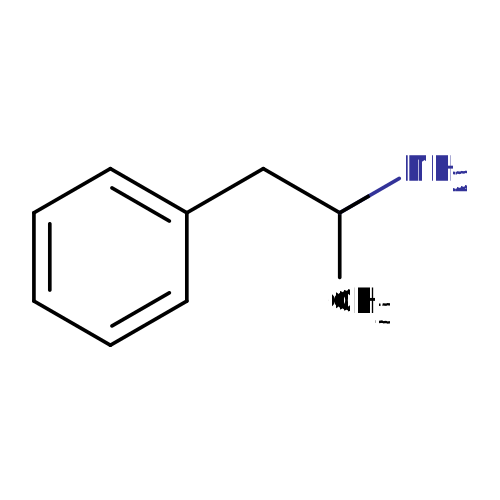
Amphetamine, a compound discovered over 100 years ago, is one of the more restricted controlled drugs. It was previously used for a large variety of conditions and this changed until this point where its use is highly restricted. Amphetamine, with the chemical formula alpha-methylphenethylamine, was discovered in 1910 and first synthesized by 1927. After being proven to reduce drug-induced anesthesia and produce arousal and insomnia, amphetamine racemic mix was registered by Smith, Kline and French in 1935. Amphetamine structure presents one chiral center and it exists in the form of dextro- and levo-isomers.1 The first product of Smith, Kline and French was approved by the FDA on 1976.12
During World War II, amphetamine was used to promote wakefulness in the soldiers. This use derived into a large overproduction of amphetamine and all the surplus after the war finalized ended up in the black market, producing the initiation of the illicit abuse.1
- Type
- Small Molecule
- Groups
- Approved, Illicit, Investigational
- Structure
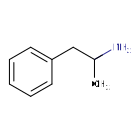
Structure for Amphetamine (DB00182)
- Weight
- Average: 135.2062
Monoisotopic: 135.104799421 - Chemical Formula
- C9H13N
- Synonyms
- (+-)-alpha-Methylphenylethylamine
- 1-phenyl-2-aminopropane
- alpha-Methylbenzeneethaneamine
- Amfetamina
- Amfetamine
- Amfetaminum
- Amphetamine
- beta-Aminopropylbenzene
- beta-Phenylisopropylamin
- Desoxynorephedrine
- rac-(2R)-1-phenylpropan-2-amine
- rac-amphetamine
- α-methylbenzeneethaneamine
- α-methylphenethylamine
- β-aminopropylbenzene
- β-phenylisopropylamine

Pharmacology
- Indication
Amphetamine is indicated for the treatment of attention-deficit/hyperactivity disorders (ADHD) as well as for the treatment of central nervous system disorders such as narcolepsy.1
ADHD is a complex disorder associated with the substantial heterogeneity in etiology, clinical presentation, and treatment outcome. ADHD comes from a complex interplay between interdependent genetic and non-genetic factors which cause complex mental disorders in children and teenagers.8
On the other hand, narcolepsy is a chronic sleep disorder typically resenting during adolescence and characterized by excessive daytime sleepiness.9
Amphetamine is also being used nowadays off-label for the treatment of obesity, depression and chronic pain.7,10
 Reduce drug development failure ratesBuild, train, & validate machine-learning modelswith evidence-based and structured datasets.Build, train, & validate predictive machine-learning models with structured datasets.
- Associated Conditions
Indication Type Indication Combined Product Details Approval Level Age Group Patient Characteristics Dose Form Used in combination to manage Attention deficit hyperactivity disorder Combination Product in combination with: Dextroamphetamine (DB01576) •••••••••••• •••••••• •••••••• •••••••• ••••••• Used in combination to manage Attention deficit hyperactivity disorder Combination Product in combination with: Dextroamphetamine (DB01576) •••••••••••• •••••••••• •••••••• •••••••• ••••••• Used in combination to manage Attention deficit hyperactivity disorder Combination Product in combination with: Dextroamphetamine (DB01576) •••••••••••• ••••• •••••••• •••••••• ••••••• Used in combination to manage Attention deficit hyperactivity disorder Combination Product in combination with: Dextroamphetamine (DB01576) •••••••••••• •••••••••• Management of Attention deficit hyperactivity disorder •••••••••••• ••••••••• - Contraindications & Blackbox Warnings
 Prevent Adverse Drug Events TodayTap into our Clinical API for life-saving information on contraindications & blackbox warnings, population restrictions, harmful risks, & more.Avoid life-threatening adverse drug events with our Clinical API
- Pharmacodynamics
From its mechanism of action, it has been demonstrated that amphetamine augments the concentration of noradrenaline in the prefrontal cortex and dopamine in the striatum on a dose and time-dependent manner. The indistinct release of neurotransmitters which include adrenaline is known to produce cardiovascular side effects.5
There are old reports of a cognitive enhancement related to the administration of amphetamine in which improvements in intelligence test scores were reported.2
In ADHD, amphetamine has been largely showed to produce remarkable improvements in school performance, behavior, and demeanor.1 The effect was shown to be produced through both racemic forms and to this date, the use of racemic forms 3:1 (D:L) is very common.3 The therapeutic effect of amphetamine on serotonin does not seem to have a significant clinical effect on ADHD as observed on comparative studies with amphetamine and fenfluramine, a powerful serotonin releasing factor. However, the indirect effect on serotonin might have an effect on the depression and anxiety profile of ADHD.6
Studies regarding the illicit use of amphetamine in which heavy consumers were studied proved the generation of a paranoid state which flagged this drug as a psychiatric danger compound.13 This observation was supported by the continuous reports of misuse in patients under depression.1
- Mechanism of action
It is important to consider that amphetamine has a very similar structure to the catecholamine neurotransmitters mainly on the presence of a long planar conformation, the presence of an aromatic ring and nitrogen in the aryl side chain. Amphetamine, as well as other catecholamines, is taken into presynaptic nerve terminals by the association with two sodium ions and one chloride ion. The complex of the amphetamine with the ions is actively transported by monoamine reuptake transporters. As amphetamine acts competitively with the endogenous monoamines, the greater the number of amphetamines the more internalized amphetamine will be found.1
Once inside the presynaptic terminal, amphetamine displaces other monoamines to be stored by VMAT2 which produces the pumping of the neurotransmitters into the synapse by a process called retro-transport.4 This process of release of neurotransmitters is approximately fourfold more potent in the d-isomer for the release of dopamine.5
The mechanism of action of amphetamine is complemented by the inhibition of the reuptake and of monoamine oxidase which acts synergistically to produce a significant increase the monoamine concentration.1 This activity is not done as an inhibitor per se but more as a competitive substrate and thus, amphetamine is known to be a weak dopamine reuptake inhibitor, moderate noradrenaline reuptake inhibitor and very weak serotonin reuptake inhibitor. From this specific action, the l-isomer is known to be significantly less potent.5
Lastly, amphetamine is known to be an inhibitor of the mitochondrial-bound enzyme MAO which is the catalytic enzyme in charge of degrading all the excess of neurotransmitters. This mechanism of action is often overpassed as amphetamine is a weak MAO inhibitor but this mechanism cannot be dismissed.1
Target Actions Organism ASynaptic vesicular amine transporter inhibitorHumans ASodium-dependent dopamine transporter negative modulatorHumans ACocaine- and amphetamine-regulated transcript protein agonistHumans ATrace amine-associated receptor 1 agonistHumans AMonoamine oxidase inhibitorHumans USodium-dependent noradrenaline transporter agonistsubstrateHumans UAlpha adrenergic receptor agonistHumans UBeta adrenergic receptor agonistHumans UDopamine D2 receptor binderHumans UAmine oxidase [flavin-containing] B inhibitorHumans USodium-dependent serotonin transporter binderHumans - Absorption
Amphetamine is well absorbed in the gut and as it is a weak base hence the more basic the environment the more of the drug is found in a lipid-soluble form and the absorption through lipid-rich cell membranes is highly favored.11 The peak response of amphetamine occurs 1-3 hours after oral administration and approximately 15 minutes after injection and it presents a bioavailability of over 75%.14 Complete amphetamine absorption is usually done after 4-6 hours.15
- Volume of distribution
Amphetamine is reported to have a high volume of distribution of 4 L/kg.11
- Protein binding
The reported protein binding of amphetamine is relatively low and register to be of 20%.11
- Metabolism
Amphetamine is known to be metabolized by the liver under the action of the CYP2D6. The metabolic pathway of amphetamine is mainly defined by aromatic hydroxylation, aliphatic hydroxylation, and n-dealkylation.16 The formed metabolites in this pathway are 4-hydroxyamphetamine, 4-hydroxynorephedrine, hippuric acid, benzoic acid, benzyl methyl ketone, and p-hydroxyamphetamine which is known to be a potent hallucinogen.14 However, a significant part of the original compound remains unchanged.11
Hover over products below to view reaction partners
- Route of elimination
The elimination of amphetamine is mainly via the urine from which about 40% of the excreted dose is found as unchanged amphetamine. About 90% of the administered amphetamine is eliminated 3 days after oral administration.11 The rate of elimination of amphetamine highly depends on the urine pH in which acidic pH will produce a higher excretion of amphetamine and basic pH produces a lower excretion.14
- Half-life
The half-life of amphetamine highly depends on the isomer. For d-amphetamine, the reported half-life is of approximately 9-11 hours while for l-amphetamine the half-life is reported to be of 11-14 hours. The urine pH can modify this pharmacokinetic parameter which can vary from 7 hours in acid urine to 34 hours for alkaline urine.11
- Clearance
The reported normal clearance rate is of 0.7 L.h/kg. This clearance has been shown to get significantly reduced in patients with renal impairment reaching a value of 0.4 L.h/kg.18
- Adverse Effects
 Improve decision support & research outcomesWith structured adverse effects data, including: blackbox warnings, adverse reactions, warning & precautions, & incidence rates. View sample adverse effects data in our new Data Library!Improve decision support & research outcomes with our structured adverse effects data.
- Toxicity
The mean lethal serum concentration is reported to be of 6.4 mg/l. Acute amphetamine overdose can lead to hyperthermia, respiratory depression, seizures, metabolic acidosis, renal failure, hepatic injury, and coma. Some of the neurologic effects have been shown to be agitation, aggressive behavior, irritability, headache, and hallucinations. In the cardiovascular site, there have been reports of arrhythmia, cardiomyopathy, myocardial infarction or ischemic stroke. Lastly, in the GI tract, there are reports if abdominal pain, vomiting, diarrhea, cramps, anorexia and GI hemorrhage. A dose of 1-2 g of amphetamine is known to cause severe intoxication but some chronic abusers can report usage of even 5-15 g per day.16
In animal studies, there is no evidence of carcinogenic potential, not clastogenic or to affect fertility or early embryonic development.Label
- Pathways
- Not Available
- Pharmacogenomic Effects/ADRs
- Not Available
Interactions
- Drug Interactions
- This information should not be interpreted without the help of a healthcare provider. If you believe you are experiencing an interaction, contact a healthcare provider immediately. The absence of an interaction does not necessarily mean no interactions exist.
Drug Interaction Integrate drug-drug
interactions in your softwareAbacavir Amphetamine may decrease the excretion rate of Abacavir which could result in a higher serum level. Abatacept The metabolism of Amphetamine can be increased when combined with Abatacept. Abiraterone The metabolism of Amphetamine can be decreased when combined with Abiraterone. Acebutolol The therapeutic efficacy of Acebutolol can be decreased when used in combination with Amphetamine. Aceclofenac The risk or severity of hypertension can be increased when Amphetamine is combined with Aceclofenac. - Food Interactions
- Take with or without food.
Products
 Drug product information from 10+ global regionsOur datasets provide approved product information including:dosage, form, labeller, route of administration, and marketing period.Access drug product information from over 10 global regions.
- Product Ingredients
Ingredient UNII CAS InChI Key Amphetamine adipate Z58RH02W4M 64770-51-0 OFCJKOOVFDGTLY-UHFFFAOYSA-N Amphetamine aspartate H527KAP6L5 25333-81-7 OJNSNSZTGUACNI-VAGRMJETSA-N Amphetamine aspartate monohydrate O1ZPV620O4 851591-76-9 DAWXRFCLWKUCNS-MNTSKLTCSA-N Amphetamine sulfate 6DPV8NK46S 60-13-9 PYHRZPFZZDCOPH-UHFFFAOYSA-N - Product Images
- Brand Name Prescription Products
Name Dosage Strength Route Labeller Marketing Start Marketing End Region Image Adderall XR Capsule, extended release 6.25 mg Oral Takeda 2004-01-30 Not applicable Canada 
Adderall XR Capsule, extended release 5 mg Oral Takeda 2004-01-30 Not applicable Canada Adderall XR Capsule, extended release 15 mg Oral Takeda 2004-01-30 Not applicable Canada Adderall XR Capsule, extended release 6.25 mg Oral Takeda 2004-01-30 Not applicable Canada Adderall XR Capsule, extended release 10 mg Oral Takeda 2004-01-30 Not applicable Canada - Generic Prescription Products
Name Dosage Strength Route Labeller Marketing Start Marketing End Region Image Amphetamine Extended-Release Oral Suspension Suspension, extended release 1.25 mg/1mL Oral Prasco Laboratories 2020-09-30 Not applicable US 
Amphetamine Sulfate Tablet 10 mg/1 Oral Ascend Laboratories, LLC 2020-10-29 Not applicable US Amphetamine Sulfate Tablet 5 mg/1 Oral Aurolife Pharma, LLC 2019-01-31 Not applicable US Amphetamine Sulfate Tablet 10 mg/1 Oral Epic Pharma LLC 2020-09-18 Not applicable US Amphetamine Sulfate Tablet 5 mg/1 Oral Amneal Pharmaceuticals NY LLC 2018-09-28 Not applicable US - Mixture Products
Name Ingredients Dosage Route Labeller Marketing Start Marketing End Region Image Adderall Amphetamine aspartate (5 mg/1) + Amphetamine sulfate (5 mg/1) + Dextroamphetamine saccharate (5 mg/1) + Dextroamphetamine sulfate (5 mg/1) Tablet Oral bryant ranch prepack 1996-02-13 Not applicable US 
Adderall Amphetamine aspartate (5 mg/1) + Amphetamine sulfate (5 mg/1) + Dextroamphetamine saccharate (5 mg/1) + Dextroamphetamine sulfate (5 mg/1) Tablet Oral bryant ranch prepack 1996-02-13 Not applicable US Adderall Amphetamine aspartate (2.5 mg/1) + Amphetamine sulfate (2.5 mg/1) + Dextroamphetamine saccharate (2.5 mg/1) + Dextroamphetamine sulfate (2.5 mg/1) Tablet Oral bryant ranch prepack 1996-02-13 Not applicable US 
Adderall Amphetamine aspartate (2.5 mg/1) + Amphetamine sulfate (2.5 mg/1) + Dextroamphetamine saccharate (2.5 mg/1) + Dextroamphetamine sulfate (2.5 mg/1) Tablet Oral bryant ranch prepack 1996-02-13 Not applicable US Adderall Amphetamine aspartate (1.25 mg/1) + Amphetamine sulfate (1.25 mg/1) + Dextroamphetamine saccharate (1.25 mg/1) + Dextroamphetamine sulfate (1.25 mg/1) Tablet Oral Physicians Total Care, Inc. 1997-10-02 2011-07-31 US


Categories
- ATC Codes
- N06BA01 — Amfetamine
- Drug Categories
- Adrenergic Agents
- Agents producing tachycardia
- Agents that produce hypertension
- Agents that reduce seizure threshold
- Amines
- Amphetamines
- Autonomic Agents
- Benzene Derivatives
- Biogenic Amines
- Biogenic Monoamines
- Catechols
- Central Nervous System Agents
- Central Nervous System Stimulants
- Central Nervous System Stimulation
- Centrally Acting Sympathomimetics
- Cytochrome P-450 CYP2A6 Inhibitors
- Cytochrome P-450 CYP2A6 Inhibitors (weak)
- Cytochrome P-450 CYP2D6 Substrates
- Cytochrome P-450 Enzyme Inhibitors
- Cytochrome P-450 Substrates
- Dopamine Agents
- Dopamine Uptake Inhibitors
- Drugs that are Mainly Renally Excreted
- Membrane Transport Modulators
- Nervous System
- Neurotransmitter Agents
- Neurotransmitter Uptake Inhibitors
- Peripheral Nervous System Agents
- Phenethylamines
- Phenols
- Psychoanaleptics
- Psychostimulants, Agents Used for ADHD and Nootropics
- Serotonergic Drugs Shown to Increase Risk of Serotonin Syndrome
- Sympathomimetics
- Chemical TaxonomyProvided by Classyfire
- Description
- This compound belongs to the class of organic compounds known as amphetamines and derivatives. These are organic compounds containing or derived from 1-phenylpropan-2-amine.
- Kingdom
- Organic compounds
- Super Class
- Benzenoids
- Class
- Benzene and substituted derivatives
- Sub Class
- Phenethylamines
- Direct Parent
- Amphetamines and derivatives
- Alternative Parents
- Phenylpropanes / Aralkylamines / Organopnictogen compounds / Monoalkylamines / Hydrocarbon derivatives
- Substituents
- Amine / Amphetamine or derivatives / Aralkylamine / Aromatic homomonocyclic compound / Hydrocarbon derivative / Organic nitrogen compound / Organonitrogen compound / Organopnictogen compound / Phenylpropane / Primary aliphatic amine
- Molecular Framework
- Aromatic homomonocyclic compounds
- External Descriptors
- amphetamines (CHEBI:2679)
- Affected organisms
- Humans and other mammals
Chemical Identifiers
- UNII
- CK833KGX7E
- CAS number
- 300-62-9
- InChI Key
- KWTSXDURSIMDCE-UHFFFAOYSA-N
- InChI
- InChI=1S/C9H13N/c1-8(10)7-9-5-3-2-4-6-9/h2-6,8H,7,10H2,1H3
- IUPAC Name
- 1-phenylpropan-2-amine
- SMILES
- CC(N)CC1=CC=CC=C1
References
- Synthesis Reference
Guohong Wang, "Composition and methods for synthesis of novel tracers for detecting amphetamine and methamphetamine in samples." U.S. Patent US20020090661, issued July 11, 2002.
US20020090661- General References
- Heal DJ, Smith SL, Gosden J, Nutt DJ: Amphetamine, past and present--a pharmacological and clinical perspective. J Psychopharmacol. 2013 Jun;27(6):479-96. doi: 10.1177/0269881113482532. Epub 2013 Mar 28. [Article]
- Guttmann E, Sargant W: Observations on Benzedrine. Br Med J. 1937 May 15;1(3984):1013-5. [Article]
- Arnold LE, Wender PH, McCloskey K, Snyder SH: Levoamphetamine and dextroamphetamine: comparative efficacy in the hyperkinetic syndrome. Assessment by target symptoms. Arch Gen Psychiatry. 1972 Dec;27(6):816-22. [Article]
- Robertson SD, Matthies HJ, Galli A: A closer look at amphetamine-induced reverse transport and trafficking of the dopamine and norepinephrine transporters. Mol Neurobiol. 2009 Apr;39(2):73-80. doi: 10.1007/s12035-009-8053-4. Epub 2009 Feb 6. [Article]
- Easton N, Steward C, Marshall F, Fone K, Marsden C: Effects of amphetamine isomers, methylphenidate and atomoxetine on synaptosomal and synaptic vesicle accumulation and release of dopamine and noradrenaline in vitro in the rat brain. Neuropharmacology. 2007 Feb;52(2):405-14. doi: 10.1016/j.neuropharm.2006.07.035. Epub 2006 Oct 3. [Article]
- Baumann MH, Ayestas MA, Dersch CM, Brockington A, Rice KC, Rothman RB: Effects of phentermine and fenfluramine on extracellular dopamine and serotonin in rat nucleus accumbens: therapeutic implications. Synapse. 2000 May;36(2):102-13. doi: 10.1002/(SICI)1098-2396(200005)36:2<102::AID-SYN3>3.0.CO;2-#. [Article]
- BETT WR: Benzedrine sulphate in clinical medicine; a survey of the literature. Postgrad Med J. 1946 Aug;22:205-18. [Article]
- Tarver J, Daley D, Sayal K: Attention-deficit hyperactivity disorder (ADHD): an updated review of the essential facts. Child Care Health Dev. 2014 Nov;40(6):762-74. doi: 10.1111/cch.12139. Epub 2014 Apr 14. [Article]
- Kornum BR, Knudsen S, Ollila HM, Pizza F, Jennum PJ, Dauvilliers Y, Overeem S: Narcolepsy. Nat Rev Dis Primers. 2017 Feb 9;3:16100. doi: 10.1038/nrdp.2016.100. [Article]
- Ricca V, Castellini G, Mannucci E, Monami M, Ravaldi C, Gorini Amedei S, Lo Sauro C, Rotella CM, Faravelli C: Amphetamine derivatives and obesity. Appetite. 2009 Apr;52(2):405-9. doi: 10.1016/j.appet.2008.11.013. Epub 2008 Dec 3. [Article]
- de la Torre R, Farre M, Navarro M, Pacifici R, Zuccaro P, Pichini S: Clinical pharmacokinetics of amfetamine and related substances: monitoring in conventional and non-conventional matrices. Clin Pharmacokinet. 2004;43(3):157-85. doi: 10.2165/00003088-200443030-00002. [Article]
- FDA approvals [Link]
- JAMA network [Link]
- Australian Health Department [Link]
- Inchem [Link]
- D-amphetamine sulfate information [Link]
- FDA Approved Drug Products: DYANAVEL XR (amphetamine) extended-release suspension and tablets [Link]
- EZETROL (amphetamine) Canadian label [File]
- External Links
- Human Metabolome Database
- HMDB0014328
- KEGG Drug
- D07445
- KEGG Compound
- C07514
- PubChem Compound
- 3007
- PubChem Substance
- 46506414
- ChemSpider
- 13852819
- BindingDB
- 50005246
- 725
- ChEBI
- 132233
- ChEMBL
- CHEMBL405
- Therapeutic Targets Database
- DAP001146
- PharmGKB
- PA448408
- Guide to Pharmacology
- GtP Drug Page
- RxList
- RxList Drug Page
- Drugs.com
- Drugs.com Drug Page
- PDRhealth
- PDRhealth Drug Page
- Wikipedia
- Amphetamine
- FDA label
- Download (282 KB)
- MSDS
- Download (145 KB)
Clinical Trials
- Clinical Trials
Phase Status Purpose Conditions Count 4 Completed Basic Science Eating Disorders 1 4 Completed Health Services Research Expectancy Versus Pharmacotherapy Effect of Adderall 1 4 Completed Other Attention Deficit Hyperactivity Disorder (ADHD) 1 4 Completed Treatment Attention Deficit Hyperactivity Disorder (ADHD) 5 4 Completed Treatment Attention Deficit Hyperactivity Disorder (ADHD) / Defiant Disorder, Oppositional 1
Pharmacoeconomics
- Manufacturers
- Lannett co inc
- Akorn inc
- Teva pharmaceuticals usa inc
- Packagers
- Barr Pharmaceuticals
- Cambridge Isotope Laboratories Inc.
- DSM Corp.
- Eon Labs
- GlaxoSmithKline Inc.
- Lundbeck Inc.
- Physicians Total Care Inc.
- Shire Inc.
- Dosage Forms
Form Route Strength Capsule, extended release Oral 6.25 mg Tablet, orally disintegrating Oral 12.5 mg/1 Tablet, orally disintegrating Oral 15.7 mg/1 Tablet, orally disintegrating Oral 18.8 mg/1 Tablet, orally disintegrating Oral 3.1 mg/1 Tablet, orally disintegrating Oral 6.3 mg/1 Tablet, orally disintegrating Oral 9.4 mg/1 Suspension, extended release Oral 1.25 mg/1mL Capsule Oral Capsule, extended release Oral Tablet Oral Suspension, extended release Oral 2.5 mg/1mL Tablet, extended release Oral 10 mg/1 Tablet, extended release Oral 15 mg/1 Tablet, extended release Oral 20 mg/1 Tablet, extended release Oral 5 mg/1 Tablet Oral 10 mg/1 Tablet Oral 5 mg/1 Tablet, orally disintegrating Oral 10 mg/1 Tablet, orally disintegrating Oral 15 mg/1 Tablet, orally disintegrating Oral 2.5 mg/1 Tablet, orally disintegrating Oral 20 mg/1 Tablet, orally disintegrating Oral 5 mg/1 Capsule, extended release Oral 10 mg Capsule, extended release Oral 15 mg Capsule, extended release Oral 20 mg Capsule, extended release Oral 25 mg Capsule, extended release Oral 30 mg Capsule, extended release Oral 5 mg - Prices
Unit description Cost Unit Desoxyn 5 mg tablet 5.1USD tablet Dexedrine 15 mg 24 Hour Capsule 4.22USD capsule Dexedrine 10 mg 24 Hour Capsule 3.23USD capsule Dexedrine 5 mg 24 Hour Capsule 3.0USD capsule Dexedrine spansule 15 mg 2.45USD each Dexedrine spansule 10 mg 1.91USD each Dexedrine spansule 5 mg 1.91USD each Amphetamine salts 12.5 mg tablet 1.43USD tablet Amphetamine salts 15 mg tablet 1.43USD tablet Amphetamine salts 7.5 mg tablet 1.43USD tablet Amphetamine salts 10 mg tablet 1.37USD tablet Amphetamine salts 20 mg tablet 1.37USD tablet Amphetamine salts 30 mg tablet 1.37USD tablet Amphetamine salts 5 mg tablet 1.37USD tablet Amphetamine Salt Combo 7.5 mg tablet 1.3USD tablet DrugBank does not sell nor buy drugs. Pricing information is supplied for informational purposes only.- Patents
Patent Number Pediatric Extension Approved Expires (estimated) Region US6384020 Yes 2002-05-07 2021-01-06 US USRE42096 Yes 2011-02-01 2019-04-21 US US6605300 Yes 2003-08-12 2019-04-21 US US6322819 Yes 2001-11-27 2019-04-21 US USRE41148 Yes 2010-02-23 2019-04-21 US US8062667 No 2011-11-22 2029-03-29 US US8840924 No 2014-09-23 2026-06-05 US US9017731 No 2015-04-28 2032-06-28 US US8709491 No 2014-04-29 2032-06-28 US US9265737 No 2016-02-23 2032-06-28 US US8747902 No 2014-06-10 2027-03-15 US US8597684 No 2013-12-03 2027-03-15 US US8883217 No 2014-11-11 2027-03-15 US US9675703 No 2017-06-13 2027-03-15 US US9173857 No 2015-11-03 2026-05-12 US US6913768 No 2005-07-05 2023-05-24 US US8846100 No 2014-09-30 2029-08-24 US US10086087 No 2018-10-02 2027-03-15 US US10130580 No 2018-11-20 2024-04-19 US US10441554 No 2019-10-15 2037-03-10 US US8337890 No 2012-12-25 2027-04-17 US US9675704 No 2017-06-13 2027-03-15 US US11160772 No 2021-11-02 2037-03-10 US US11590081 No 2018-09-24 2038-09-24 US US11590228 No 2016-09-07 2036-09-07 US US11896562 No 2017-03-10 2037-03-10 US
Properties
- State
- Liquid
- Experimental Properties
Property Value Source melting point (°C) -98 ºC 'MSDS' boiling point (°C) 64.7 ºC at 760 mm Hg 'MSDS' water solubility Moderate solubility 'MSDS' logP 1.76 Hooser S., and Khan S. (2018). Elsevier. pKa 9.9 ADDERALL XR (amphetamine) FDA label - Predicted Properties
Property Value Source Water Solubility 1.74 mg/mL ALOGPS logP 1.85 ALOGPS logP 1.8 Chemaxon logS -1.9 ALOGPS pKa (Strongest Basic) 10.01 Chemaxon Physiological Charge 1 Chemaxon Hydrogen Acceptor Count 1 Chemaxon Hydrogen Donor Count 1 Chemaxon Polar Surface Area 26.02 Å2 Chemaxon Rotatable Bond Count 2 Chemaxon Refractivity 43.71 m3·mol-1 Chemaxon Polarizability 16.17 Å3 Chemaxon Number of Rings 1 Chemaxon Bioavailability 1 Chemaxon Rule of Five Yes Chemaxon Ghose Filter No Chemaxon Veber's Rule Yes Chemaxon MDDR-like Rule No Chemaxon - Predicted ADMET Features
Property Value Probability Human Intestinal Absorption + 0.9972 Blood Brain Barrier + 0.9565 Caco-2 permeable + 0.8395 P-glycoprotein substrate Non-substrate 0.7379 P-glycoprotein inhibitor I Non-inhibitor 0.9519 P-glycoprotein inhibitor II Non-inhibitor 0.9859 Renal organic cation transporter Non-inhibitor 0.8002 CYP450 2C9 substrate Non-substrate 0.8114 CYP450 2D6 substrate Substrate 0.8919 CYP450 3A4 substrate Non-substrate 0.795 CYP450 1A2 substrate Non-inhibitor 0.5697 CYP450 2C9 inhibitor Non-inhibitor 0.9313 CYP450 2D6 inhibitor Inhibitor 0.657 CYP450 2C19 inhibitor Non-inhibitor 0.8445 CYP450 3A4 inhibitor Non-inhibitor 0.8709 CYP450 inhibitory promiscuity Low CYP Inhibitory Promiscuity 0.8732 Ames test Non AMES toxic 0.93 Carcinogenicity Non-carcinogens 0.6869 Biodegradation Not ready biodegradable 0.6575 Rat acute toxicity 3.2491 LD50, mol/kg Not applicable hERG inhibition (predictor I) Weak inhibitor 0.9452 hERG inhibition (predictor II) Non-inhibitor 0.9231
Spectra
- Mass Spec (NIST)
- Download (7.59 KB)
- Spectra
- Chromatographic Properties
Collision Cross Sections (CCS)
Adduct CCS Value (Å2) Source type Source [M-H]- 130.787961 predictedDarkChem Lite v0.1.0 [M-H]- 128.00558 predictedDeepCCS 1.0 (2019) [M-H]- 130.787961 predictedDarkChem Lite v0.1.0 [M-H]- 128.00558 predictedDeepCCS 1.0 (2019) [M+H]+ 131.851161 predictedDarkChem Lite v0.1.0 [M+H]+ 131.3176 predictedDeepCCS 1.0 (2019) [M+H]+ 131.851161 predictedDarkChem Lite v0.1.0 [M+H]+ 131.3176 predictedDeepCCS 1.0 (2019) [M+Na]+ 131.120561 predictedDarkChem Lite v0.1.0 [M+Na]+ 140.34662 predictedDeepCCS 1.0 (2019) [M+Na]+ 131.120561 predictedDarkChem Lite v0.1.0 [M+Na]+ 140.34662 predictedDeepCCS 1.0 (2019)
Targets

- Kind
- Protein
- Organism
- Humans
- Pharmacological action
- Yes
- Actions
- Inhibitor
- General Function
- Monoamine transmembrane transporter activity
- Specific Function
- Involved in the ATP-dependent vesicular transport of biogenic amine neurotransmitters. Pumps cytosolic monoamines including dopamine, norepinephrine, serotonin, and histamine into synaptic vesicles...
- Gene Name
- SLC18A2
- Uniprot ID
- Q05940
- Uniprot Name
- Synaptic vesicular amine transporter
- Molecular Weight
- 55712.075 Da
References
- Sulzer D, Sonders MS, Poulsen NW, Galli A: Mechanisms of neurotransmitter release by amphetamines: a review. Prog Neurobiol. 2005 Apr;75(6):406-33. [Article]
- Sulzer D, Chen TK, Lau YY, Kristensen H, Rayport S, Ewing A: Amphetamine redistributes dopamine from synaptic vesicles to the cytosol and promotes reverse transport. J Neurosci. 1995 May;15(5 Pt 2):4102-8. [Article]
- Teng L, Crooks PA, Dwoskin LP: Lobeline displaces [3H]dihydrotetrabenazine binding and releases [3H]dopamine from rat striatal synaptic vesicles: comparison with d-amphetamine. J Neurochem. 1998 Jul;71(1):258-65. [Article]
- Eiden LE, Weihe E: VMAT2: a dynamic regulator of brain monoaminergic neuronal function interacting with drugs of abuse. Ann N Y Acad Sci. 2011 Jan;1216:86-98. doi: 10.1111/j.1749-6632.2010.05906.x. [Article]
- Kind
- Protein
- Organism
- Humans
- Pharmacological action
- Yes
- Actions
- Negative modulator
- General Function
- Monoamine transmembrane transporter activity
- Specific Function
- Amine transporter. Terminates the action of dopamine by its high affinity sodium-dependent reuptake into presynaptic terminals.
- Gene Name
- SLC6A3
- Uniprot ID
- Q01959
- Uniprot Name
- Sodium-dependent dopamine transporter
- Molecular Weight
- 68494.255 Da
References
- Lott DC, Kim SJ, Cook EH Jr, de Wit H: Dopamine transporter gene associated with diminished subjective response to amphetamine. Neuropsychopharmacology. 2005 Mar;30(3):602-9. [Article]
- Fone KC, Nutt DJ: Stimulants: use and abuse in the treatment of attention deficit hyperactivity disorder. Curr Opin Pharmacol. 2005 Feb;5(1):87-93. [Article]
- Miller GM, Verrico CD, Jassen A, Konar M, Yang H, Panas H, Bahn M, Johnson R, Madras BK: Primate trace amine receptor 1 modulation by the dopamine transporter. J Pharmacol Exp Ther. 2005 Jun;313(3):983-94. Epub 2005 Mar 11. [Article]
- Garcia BG, Wei Y, Moron JA, Lin RZ, Javitch JA, Galli A: Akt is essential for insulin modulation of amphetamine-induced human dopamine transporter cell-surface redistribution. Mol Pharmacol. 2005 Jul;68(1):102-9. Epub 2005 Mar 28. [Article]
- Madras BK, Miller GM, Fischman AJ: The dopamine transporter and attention-deficit/hyperactivity disorder. Biol Psychiatry. 2005 Jun 1;57(11):1397-409. Epub 2005 Jan 5. [Article]
- Kahlig KM, Binda F, Khoshbouei H, Blakely RD, McMahon DG, Javitch JA, Galli A: Amphetamine induces dopamine efflux through a dopamine transporter channel. Proc Natl Acad Sci U S A. 2005 Mar 1;102(9):3495-500. Epub 2005 Feb 22. [Article]
- Kind
- Protein
- Organism
- Humans
- Pharmacological action
- Yes
- Actions
- Agonist
- General Function
- Not Available
- Specific Function
- Satiety factor closely associated with the actions of leptin and neuropeptide y; this anorectic peptide inhibits both normal and starvation-induced feeding and completely blocks the feeding respons...
- Gene Name
- CARTPT
- Uniprot ID
- Q16568
- Uniprot Name
- Cocaine- and amphetamine-regulated transcript protein
- Molecular Weight
- 12828.975 Da
References
- Loos RJ, Rankinen T, Tremblay A, Perusse L, Chagnon Y, Bouchard C: Melanocortin-4 receptor gene and physical activity in the Quebec Family Study. Int J Obes (Lond). 2005 Apr;29(4):420-8. [Article]
- McAlister ED, Van Vugt DA: Effect of leptin administration versus re-feeding on hypothalamic neuropeptide gene expression in fasted male rats. Can J Physiol Pharmacol. 2004 Dec;82(12):1128-34. [Article]
- Muhlhausler BS, Adam CL, Marrocco EM, Findlay PA, Roberts CT, McFarlane JR, Kauter KG, McMillen IC: Impact of glucose infusion on the structural and functional characteristics of adipose tissue and on hypothalamic gene expression for appetite regulatory neuropeptides in the sheep fetus during late gestation. J Physiol. 2005 May 15;565(Pt 1):185-95. Epub 2005 Jan 20. [Article]
- Scruggs P, Lai CC, Scruggs JE, Dun NJ: Cocaine- and amphetamine-regulated transcript peptide potentiates spinal glutamatergic sympathoexcitation in anesthetized rats. Regul Pept. 2005 Apr 15;127(1-3):79-85. [Article]
- Oliveira VX Jr, Fazio MA, Miranda MT, da Silva JM, Bittencourt JC, Elias CF, Miranda A: Leptin fragments induce Fos immunoreactivity in rat hypothalamus. Regul Pept. 2005 Apr 15;127(1-3):123-32. [Article]
- Vicentic A, Lakatos A, Jones D: The CART receptors: background and recent advances. Peptides. 2006 Aug;27(8):1934-7. Epub 2006 May 19. [Article]
- Kind
- Protein
- Organism
- Humans
- Pharmacological action
- Yes
- Actions
- Agonist
- General Function
- Trace-amine receptor activity
- Specific Function
- Receptor for trace amines, including beta-phenylethylamine (b-PEA), p-tyramine (p-TYR), octopamine and tryptamine, with highest affinity for b-PEA and p-TYR. Unresponsive to classical biogenic amin...
- Gene Name
- TAAR1
- Uniprot ID
- Q96RJ0
- Uniprot Name
- Trace amine-associated receptor 1
- Molecular Weight
- 39091.34 Da
References
- Reese EA, Bunzow JR, Arttamangkul S, Sonders MS, Grandy DK: Trace amine-associated receptor 1 displays species-dependent stereoselectivity for isomers of methamphetamine, amphetamine, and para-hydroxyamphetamine. J Pharmacol Exp Ther. 2007 Apr;321(1):178-86. Epub 2007 Jan 11. [Article]
- Xie Z, Westmoreland SV, Bahn ME, Chen GL, Yang H, Vallender EJ, Yao WD, Madras BK, Miller GM: Rhesus monkey trace amine-associated receptor 1 signaling: enhancement by monoamine transporters and attenuation by the D2 autoreceptor in vitro. J Pharmacol Exp Ther. 2007 Apr;321(1):116-27. Epub 2007 Jan 18. [Article]
- Wolinsky TD, Swanson CJ, Smith KE, Zhong H, Borowsky B, Seeman P, Branchek T, Gerald CP: The Trace Amine 1 receptor knockout mouse: an animal model with relevance to schizophrenia. Genes Brain Behav. 2007 Oct;6(7):628-39. Epub 2006 Dec 21. [Article]
- Xie Z, Miller GM: Trace amine-associated receptor 1 is a modulator of the dopamine transporter. J Pharmacol Exp Ther. 2007 Apr;321(1):128-36. Epub 2007 Jan 18. [Article]
- Miller GM, Verrico CD, Jassen A, Konar M, Yang H, Panas H, Bahn M, Johnson R, Madras BK: Primate trace amine receptor 1 modulation by the dopamine transporter. J Pharmacol Exp Ther. 2005 Jun;313(3):983-94. Epub 2005 Mar 11. [Article]
- Kind
- Protein group
- Organism
- Humans
- Pharmacological action
- Yes
- Actions
- Inhibitor
- General Function
- Serotonin binding
- Specific Function
- Catalyzes the oxidative deamination of biogenic and xenobiotic amines and has important functions in the metabolism of neuroactive and vasoactive amines in the central nervous system and peripheral...
Components:
References
- Heal DJ, Smith SL, Gosden J, Nutt DJ: Amphetamine, past and present--a pharmacological and clinical perspective. J Psychopharmacol. 2013 Jun;27(6):479-96. doi: 10.1177/0269881113482532. Epub 2013 Mar 28. [Article]
- Kind
- Protein
- Organism
- Humans
- Pharmacological action
- Unknown
- Actions
- AgonistSubstrate
- General Function
- Norepinephrine:sodium symporter activity
- Specific Function
- Amine transporter. Terminates the action of noradrenaline by its high affinity sodium-dependent reuptake into presynaptic terminals.
- Gene Name
- SLC6A2
- Uniprot ID
- P23975
- Uniprot Name
- Sodium-dependent noradrenaline transporter
- Molecular Weight
- 69331.42 Da
References
- Rothman RB, Vu N, Partilla JS, Roth BL, Hufeisen SJ, Compton-Toth BA, Birkes J, Young R, Glennon RA: In vitro characterization of ephedrine-related stereoisomers at biogenic amine transporters and the receptorome reveals selective actions as norepinephrine transporter substrates. J Pharmacol Exp Ther. 2003 Oct;307(1):138-45. Epub 2003 Sep 3. [Article]
- Wall SC, Gu H, Rudnick G: Biogenic amine flux mediated by cloned transporters stably expressed in cultured cell lines: amphetamine specificity for inhibition and efflux. Mol Pharmacol. 1995 Mar;47(3):544-50. [Article]
- Kind
- Protein group
- Organism
- Humans
- Pharmacological action
- Unknown
- Actions
- Agonist
- General Function
- Protein heterodimerization activity
- Specific Function
- This alpha-adrenergic receptor mediates its action by association with G proteins that activate a phosphatidylinositol-calcium second messenger system. Its effect is mediated by G(q) and G(11) prot...
Components:
References
- Leibowitz SF: Reciprocal hunger-regulating circuits involving alpha- and beta-adrenergic receptors located, respectively, in the ventromedial and lateral hypothalamus. Proc Natl Acad Sci U S A. 1970 Oct;67(2):1063-70. [Article]
- Reisine TD, U'Prichard DC, Wiech NL, Ursillo RC, Yamamura HI: Effects of combined administration of amphetamine and iprindole on brain adrenergic receptors. Brain Res. 1980 Apr 28;188(2):587-92. [Article]
- Kind
- Protein group
- Organism
- Humans
- Pharmacological action
- Unknown
- Actions
- Agonist
- General Function
- Receptor signaling protein activity
- Specific Function
- Beta-adrenergic receptors mediate the catecholamine-induced activation of adenylate cyclase through the action of G proteins. This receptor binds epinephrine and norepinephrine with approximately e...
Components:
| Name | UniProt ID |
|---|---|
| Beta-1 adrenergic receptor | P08588 |
| Beta-2 adrenergic receptor | P07550 |
| Beta-3 adrenergic receptor | P13945 |
References
- Leibowitz SF: Reciprocal hunger-regulating circuits involving alpha- and beta-adrenergic receptors located, respectively, in the ventromedial and lateral hypothalamus. Proc Natl Acad Sci U S A. 1970 Oct;67(2):1063-70. [Article]
- Reisine TD, U'Prichard DC, Wiech NL, Ursillo RC, Yamamura HI: Effects of combined administration of amphetamine and iprindole on brain adrenergic receptors. Brain Res. 1980 Apr 28;188(2):587-92. [Article]
- Kind
- Protein
- Organism
- Humans
- Pharmacological action
- Unknown
- Actions
- Binder
- General Function
- Potassium channel regulator activity
- Specific Function
- Dopamine receptor whose activity is mediated by G proteins which inhibit adenylyl cyclase.
- Gene Name
- DRD2
- Uniprot ID
- P14416
- Uniprot Name
- D(2) dopamine receptor
- Molecular Weight
- 50618.91 Da
References
- Innis RB, Malison RT, al-Tikriti M, Hoffer PB, Sybirska EH, Seibyl JP, Zoghbi SS, Baldwin RM, Laruelle M, Smith EO, et al.: Amphetamine-stimulated dopamine release competes in vivo for [123I]IBZM binding to the D2 receptor in nonhuman primates. Synapse. 1992 Mar;10(3):177-84. [Article]
- Kind
- Protein
- Organism
- Humans
- Pharmacological action
- Unknown
- Actions
- Inhibitor
- General Function
- Primary amine oxidase activity
- Specific Function
- Catalyzes the oxidative deamination of biogenic and xenobiotic amines and has important functions in the metabolism of neuroactive and vasoactive amines in the central nervous system and peripheral...
- Gene Name
- MAOB
- Uniprot ID
- P27338
- Uniprot Name
- Amine oxidase [flavin-containing] B
- Molecular Weight
- 58762.475 Da
References
- Clarke DE, Lyles GA, Callingham BA: A comparison of cardiac and vascular clorgyline-resistant amine oxidase and monoamine oxidase. Inhibition by amphetamine, mexiletine and other drugs. Biochem Pharmacol. 1982 Jan 1;31(1):27-35. [Article]
- Kind
- Protein
- Organism
- Humans
- Pharmacological action
- Unknown
- Actions
- Binder
- General Function
- Serotonin:sodium symporter activity
- Specific Function
- Serotonin transporter whose primary function in the central nervous system involves the regulation of serotonergic signaling via transport of serotonin molecules from the synaptic cleft back into t...
- Gene Name
- SLC6A4
- Uniprot ID
- P31645
- Uniprot Name
- Sodium-dependent serotonin transporter
- Molecular Weight
- 70324.165 Da
References
- Fleckenstein AE, Volz TJ, Riddle EL, Gibb JW, Hanson GR: New insights into the mechanism of action of amphetamines. Annu Rev Pharmacol Toxicol. 2007;47:681-98. [Article]
Enzymes
- Kind
- Protein
- Organism
- Humans
- Pharmacological action
- Unknown
- Actions
- Inhibitor
- General Function
- Steroid hydroxylase activity
- Specific Function
- Exhibits a high coumarin 7-hydroxylase activity. Can act in the hydroxylation of the anti-cancer drugs cyclophosphamide and ifosphamide. Competent in the metabolic activation of aflatoxin B1. Const...
- Gene Name
- CYP2A6
- Uniprot ID
- P11509
- Uniprot Name
- Cytochrome P450 2A6
- Molecular Weight
- 56501.005 Da
References
- Siu EC, Tyndale RF: Selegiline is a mechanism-based inactivator of CYP2A6 inhibiting nicotine metabolism in humans and mice. J Pharmacol Exp Ther. 2008 Mar;324(3):992-9. Epub 2007 Dec 7. [Article]
- de la Torre R, Yubero-Lahoz S, Pardo-Lozano R, Farre M: MDMA, methamphetamine, and CYP2D6 pharmacogenetics: what is clinically relevant? Front Genet. 2012 Nov 12;3:235. doi: 10.3389/fgene.2012.00235. eCollection 2012. [Article]
- Rahnasto M, Raunio H, Poso A, Juvonen RO: More potent inhibition of human CYP2A6 than mouse CYP2A5 enzyme activities by derivatives of phenylethylamine and benzaldehyde. Xenobiotica. 2003 May;33(5):529-39. doi: 10.1080/0049825031000085979 . [Article]
- Kind
- Protein
- Organism
- Humans
- Pharmacological action
- Unknown
- Actions
- Substrate
- General Function
- Steroid hydroxylase activity
- Specific Function
- Responsible for the metabolism of many drugs and environmental chemicals that it oxidizes. It is involved in the metabolism of drugs such as antiarrhythmics, adrenoceptor antagonists, and tricyclic...
- Gene Name
- CYP2D6
- Uniprot ID
- P10635
- Uniprot Name
- Cytochrome P450 2D6
- Molecular Weight
- 55768.94 Da
References
- Wu D, Otton SV, Inaba T, Kalow W, Sellers EM: Interactions of amphetamine analogs with human liver CYP2D6. Biochem Pharmacol. 1997 Jun 1;53(11):1605-12. [Article]
- Bach MV, Coutts RT, Baker GB: Involvement of CYP2D6 in the in vitro metabolism of amphetamine, two N-alkylamphetamines and their 4-methoxylated derivatives. Xenobiotica. 1999 Jul;29(7):719-32. doi: 10.1080/004982599238344 . [Article]
- Flockhart Table of Drug Interactions [Link]
Transporters
- Kind
- Protein
- Organism
- Humans
- Pharmacological action
- Unknown
- Actions
- Substrate
- General Function
- Toxin transporter activity
- Specific Function
- Mediates potential-dependent transport of a variety of organic cations. May play a significant role in the disposition of cationic neurotoxins and neurotransmitters in the brain.
- Gene Name
- SLC22A3
- Uniprot ID
- O75751
- Uniprot Name
- Solute carrier family 22 member 3
- Molecular Weight
- 61279.485 Da
References
- Wu X, Kekuda R, Huang W, Fei YJ, Leibach FH, Chen J, Conway SJ, Ganapathy V: Identity of the organic cation transporter OCT3 as the extraneuronal monoamine transporter (uptake2) and evidence for the expression of the transporter in the brain. J Biol Chem. 1998 Dec 4;273(49):32776-86. [Article]
- Zhu HJ, Appel DI, Grundemann D, Markowitz JS: Interaction of organic cation transporter 3 (SLC22A3) and amphetamine. J Neurochem. 2010 Jul;114(1):142-9. doi: 10.1111/j.1471-4159.2010.06738.x. Epub 2010 Apr 6. [Article]
- Kind
- Protein
- Organism
- Humans
- Pharmacological action
- Unknown
- Actions
- Substrate
- General Function
- Symporter activity
- Specific Function
- Sodium-ion dependent, high affinity carnitine transporter. Involved in the active cellular uptake of carnitine. Transports one sodium ion with one molecule of carnitine. Also transports organic cat...
- Gene Name
- SLC22A5
- Uniprot ID
- O76082
- Uniprot Name
- Solute carrier family 22 member 5
- Molecular Weight
- 62751.08 Da
References
- Wu X, Prasad PD, Leibach FH, Ganapathy V: cDNA sequence, transport function, and genomic organization of human OCTN2, a new member of the organic cation transporter family. Biochem Biophys Res Commun. 1998 May 29;246(3):589-95. [Article]
- Wu X, Huang W, Prasad PD, Seth P, Rajan DP, Leibach FH, Chen J, Conway SJ, Ganapathy V: Functional characteristics and tissue distribution pattern of organic cation transporter 2 (OCTN2), an organic cation/carnitine transporter. J Pharmacol Exp Ther. 1999 Sep;290(3):1482-92. [Article]
- Rytting E, Audus KL: Novel organic cation transporter 2-mediated carnitine uptake in placental choriocarcinoma (BeWo) cells. J Pharmacol Exp Ther. 2005 Jan;312(1):192-8. Epub 2004 Aug 17. [Article]


Drug created at June 13, 2005 13:24 / Updated at April 26, 2024 00:16