Identification
- Summary
Rosiglitazone is a thiazolidinedione indicated as an adjunct to diet and exercise to maintain glycemic control in type 2 diabetes.
- Brand Names
- Avandamet, Avandia
- Generic Name
- Rosiglitazone
- DrugBank Accession Number
- DB00412
- Background
Rosiglitazone is an anti-diabetic drug in the thiazolidinedione class of drugs. It is marketed by the pharmaceutical company GlaxoSmithKline as a stand-alone drug (Avandia) and in combination with metformin (Avandamet) or with glimepiride (Avandaryl). Like other thiazolidinediones, the mechanism of action of rosiglitazone is by activation of the intracellular receptor class of the peroxisome proliferator-activated receptors (PPARs), specifically PPARγ. Rosiglitazone is a selective ligand of PPARγ, and has no PPARα-binding action. Apart from its effect on insulin resistance, it appears to have an anti-inflammatory effect: nuclear factor kappa-B (NFκB) levels fall and inhibitor (IκB) levels increase in patients on rosiglitazone. Recent research has suggested that rosiglitazone may also be of benefit to a subset of patients with Alzheimer's disease not expressing the ApoE4 allele. This is the subject of a clinical trial currently underway.
- Type
- Small Molecule
- Groups
- Approved, Investigational
- Structure
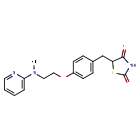
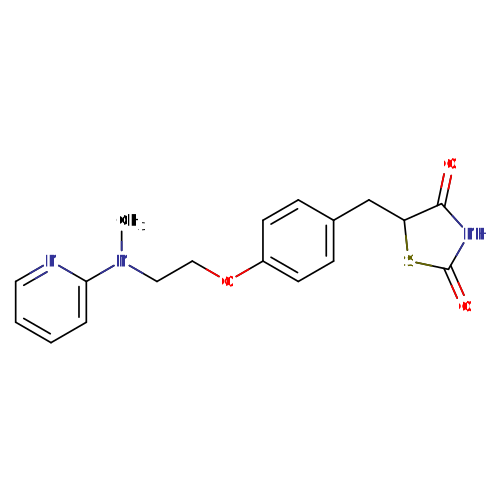
Structure for Rosiglitazone (DB00412)
- Weight
- Average: 357.427
Monoisotopic: 357.114712179 - Chemical Formula
- C18H19N3O3S
- Synonyms
- (±)-5-[p-[2-(methyl-2-pyridylamino)ethoxy]benzyl]-2,4-thiazolidinedione
- (RS)-5-{4-[2-(Methyl-2-pyridylamino)ethoxy]benzyl}-2,4-thiazolidinedion
- Rosiglitazon
- Rosiglitazona
- Rosiglitazone
- Rosiglitazonum
- External IDs
- BRL-49653
- TDZ-01

Pharmacology
- Indication
Rosiglitazone is indicated as an adjunct to diet and exercise to improve glycemic control in adults with type 2 diabetes mellitus.
 Reduce drug development failure ratesBuild, train, & validate machine-learning modelswith evidence-based and structured datasets.Build, train, & validate predictive machine-learning models with structured datasets.
- Associated Conditions
Indication Type Indication Combined Product Details Approval Level Age Group Patient Characteristics Dose Form Adjunct therapy in management of Type 2 diabetes mellitus •••••••••••• •••••• - Contraindications & Blackbox Warnings
 Prevent Adverse Drug Events TodayTap into our Clinical API for life-saving information on contraindications & blackbox warnings, population restrictions, harmful risks, & more.Avoid life-threatening adverse drug events with our Clinical API
- Pharmacodynamics
When rosiglitazone is used as monotherapy, it is associated with increases in total cholesterol, LDL, and HDL. It is also associated with decreases in free fatty acids. Increases in LDL occurred primarily during the first 1 to 2 months of therapy with AVANDIA and LDL levels remained elevated above baseline throughout the trials. In contrast, HDL continued to rise over time. As a result, the LDL/HDL ratio peaked after 2 months of therapy and then appeared to decrease over time.
- Mechanism of action
Rosiglitazone acts as a highly selective and potent agonist at peroxisome proliferator activated receptors (PPAR) in target tissues for insulin action such as adipose tissue, skeletal muscle, and liver. Activation of PPAR-gamma receptors regulates the transcription of insulin-responsive genes involved in the control of glucose production, transport, and utilization. In this way, rosiglitazone enhances tissue sensitivity to insulin.
Target Actions Organism APeroxisome proliferator-activated receptor gamma agonistHumans ULong-chain-fatty-acid--CoA ligase 4 inhibitorHumans UPeroxisome proliferator-activated receptor alpha Not Available Humans UPeroxisome proliferator-activated receptor delta Not Available Humans URetinoic acid receptor RXR-alpha Not Available Humans URetinoic acid receptor RXR-beta Not Available Humans URetinoic acid receptor RXR-gamma Not Available Humans - Absorption
The absolute bioavailability of rosiglitazone is 99%. Peak plasma concentrations are observed about 1 hour after dosing. Administration of rosiglitazone with food resulted in no change in overall exposure (AUC), but there was an approximately 28% decrease in Cmax and a delay in Tmax (1.75 hours). These changes are not likely to be clinically significant; therefore, rosiglitazone may be administered with or without food. Maximum plasma concentration (Cmax) and the area under the curve (AUC) of rosiglitazone increase in a dose-proportional manner over the therapeutic dose range.
- Volume of distribution
- 17.6 L [oral volume of distribution Vss/F]
- 13.5 L [population mean, pediatric patients]
- Protein binding
99.8% bound to plasma proteins, primarily albumin.
- Metabolism
Hepatic. Rosiglitazone is extensively metabolized in the liver to inactive metabolites via N-demethylation, hydroxylation, and conjugation with sulfate and glucuronic acid. In vitro data have shown that Cytochrome (CYP) P450 isoenzyme 2C8 (CYP2C8) and to a minor extent CYP2C9 are involved in the hepatic metabolism of rosiglitazone.
Hover over products below to view reaction partners
- Route of elimination
Following oral or intravenous administration of [14C]rosiglitazone maleate, approximately 64% and 23% of the dose was eliminated in the urine and in the feces, respectively.
- Half-life
3-4 hours (single oral dose, independent of dose)
- Clearance
- Oral clearance (CL) = 3.03 ± 0.87 L/hr [1 mg Fasting]
- Oral CL = 2.89 ± 0.71 L/hr [2 mg Fasting]
- Oral CL = 2.85 ± 0.69 L/hr [8 mg Fasting]
- Oral CL = 2.97 ± 0.81 L/hr [8 mg Fed]
- 3.15 L/hr [Population mean, Pediatric patients]
- Adverse Effects
 Improve decision support & research outcomesWith structured adverse effects data, including: blackbox warnings, adverse reactions, warning & precautions, & incidence rates. View sample adverse effects data in our new Data Library!Improve decision support & research outcomes with our structured adverse effects data.
- Toxicity
Side effects include fluid retention, congestive heart failure (CHF), liver disease
- Pathways
Pathway Category Rosiglitazone Metabolism Pathway Drug metabolism - Pharmacogenomic Effects/ADRs
- Not Available
Interactions
- Drug Interactions
- This information should not be interpreted without the help of a healthcare provider. If you believe you are experiencing an interaction, contact a healthcare provider immediately. The absence of an interaction does not necessarily mean no interactions exist.
Drug Interaction Integrate drug-drug
interactions in your softwareAbacavir Rosiglitazone may decrease the excretion rate of Abacavir which could result in a higher serum level. Abametapir The serum concentration of Rosiglitazone can be increased when it is combined with Abametapir. Abatacept The metabolism of Rosiglitazone can be increased when combined with Abatacept. Abiraterone The metabolism of Rosiglitazone can be decreased when combined with Abiraterone. Abrocitinib The metabolism of Abrocitinib can be decreased when combined with Rosiglitazone. - Food Interactions
- Take with or without food.
Products
 Drug product information from 10+ global regionsOur datasets provide approved product information including:dosage, form, labeller, route of administration, and marketing period.Access drug product information from over 10 global regions.
- Product Ingredients
Ingredient UNII CAS InChI Key Rosiglitazone Maleate KX2339DP44 155141-29-0 SUFUKZSWUHZXAV-BTJKTKAUSA-N - Product Images
- International/Other Brands
- Blutab (Werrick) / DH-Rosidia (Hasan) / Diaben (Elea) / Diaglinex (Farmindustria) / Gaudil (Craveri) / Gliximina (Denver) / Naidi (Hisun) / Rogelin (Torrent) / Roglit (Gedeon Richter) / Romerol (Drug International) / Rosit (Delta) / Rosix (Garmisch) / Rossini (Trima) / Sensulin (Square) / Sheng Ao (Hengrui) / Sheng Min (ShengJiTang Pharmaceutical)
- Brand Name Prescription Products
Name Dosage Strength Route Labeller Marketing Start Marketing End Region Image Avandia Tablet, film coated 2 mg Oral Smith Kline Beecham Plc 2016-09-08 2016-06-08 EU 
Avandia Tablet, film coated 4 mg/1 Oral Glaxosmithkline Inc 1999-05-29 2011-11-18 US 

Avandia Tablet, film coated 4 mg/1 Oral Cardinal Health 1999-05-29 2011-11-30 US 
Avandia Tablet, film coated 4 mg/1 Oral GlaxoSmithKline LLC 2011-05-25 2011-10-17 US Avandia Tablet 2 mg Oral Glaxosmithkline Inc 2000-03-21 2020-08-31 Canada 
- Generic Prescription Products
Name Dosage Strength Route Labeller Marketing Start Marketing End Region Image Dom-rosiglitazone Tablet 2 mg Oral Dominion Pharmacal Not applicable Not applicable Canada Dom-rosiglitazone Tablet 8 mg Oral Dominion Pharmacal Not applicable Not applicable Canada Dom-rosiglitazone Tablet 4 mg Oral Dominion Pharmacal Not applicable Not applicable Canada Mylan-rosiglitazone Tablet 4 mg Oral Mylan Pharmaceuticals Not applicable Not applicable Canada Mylan-rosiglitazone Tablet 2 mg Oral Mylan Pharmaceuticals Not applicable Not applicable Canada - Mixture Products
Name Ingredients Dosage Route Labeller Marketing Start Marketing End Region Image AVAGLIM Rosiglitazone (4 MG) + Glimepiride (4 MG) Tablet, film coated Oral Smithkline Beecham Plc 2014-07-08 2022-08-18 Italy 
AVAGLIM Rosiglitazone (8 MG) + Glimepiride (4 MG) Tablet, film coated Oral Smithkline Beecham Plc 2014-07-08 2022-08-18 Italy Avandamet Rosiglitazone Maleate (4 mg/1) + Metformin hydrochloride (1000 mg/1) Tablet, film coated Oral Glaxosmithkline Inc 2011-05-24 2016-05-15 US Avandamet Rosiglitazone Maleate (4 mg/1) + Metformin hydrochloride (1000 mg/1) Tablet, film coated Oral Physicians Total Care, Inc. 2005-08-25 2012-06-30 US 
Avandamet Rosiglitazone Maleate (2 mg/1) + Metformin hydrochloride (1000 mg/1) Tablet, film coated Oral Glaxosmithkline Inc 2003-10-13 2011-11-18 US 


Categories
- ATC Codes
- A10BD04 — Glimepiride and rosiglitazone
- A10BD — Combinations of oral blood glucose lowering drugs
- A10B — BLOOD GLUCOSE LOWERING DRUGS, EXCL. INSULINS
- A10 — DRUGS USED IN DIABETES
- A — ALIMENTARY TRACT AND METABOLISM
- A10BG — Thiazolidinediones
- A10B — BLOOD GLUCOSE LOWERING DRUGS, EXCL. INSULINS
- A10 — DRUGS USED IN DIABETES
- A — ALIMENTARY TRACT AND METABOLISM
- Drug Categories
- Alimentary Tract and Metabolism
- Blood Glucose Lowering Agents
- BSEP/ABCB11 Substrates
- Cytochrome P-450 CYP1A2 Inhibitors
- Cytochrome P-450 CYP1A2 Inhibitors (strength unknown)
- Cytochrome P-450 CYP2B6 Inducers
- Cytochrome P-450 CYP2B6 Inducers (strength unknown)
- Cytochrome P-450 CYP2C8 Inhibitors
- Cytochrome P-450 CYP2C8 Inhibitors (moderate)
- Cytochrome P-450 CYP2C8 Substrates
- Cytochrome P-450 CYP2C9 Inhibitors
- Cytochrome P-450 CYP2C9 Inhibitors (strength unknown)
- Cytochrome P-450 CYP2C9 Substrates
- Cytochrome P-450 CYP2D6 Inhibitors
- Cytochrome P-450 CYP2D6 Inhibitors (strength unknown)
- Cytochrome P-450 CYP2E1 Substrates
- Cytochrome P-450 CYP3A Inducers
- Cytochrome P-450 CYP3A Substrates
- Cytochrome P-450 CYP3A4 Inducers
- Cytochrome P-450 CYP3A4 Inducers (strength unknown)
- Cytochrome P-450 CYP3A4 Substrates
- Cytochrome P-450 Enzyme Inducers
- Cytochrome P-450 Enzyme Inhibitors
- Cytochrome P-450 Substrates
- Drugs that are Mainly Renally Excreted
- Drugs Used in Diabetes
- Hypoglycemia-Associated Agents
- NTCP Inhibitors
- OATP1B1/SLCO1B1 Inhibitors
- Oral Hypoglycemics
- Peroxisome Proliferator Receptor gamma Agonist
- Peroxisome Proliferator-activated Receptor Activity
- Sulfur Compounds
- Thiazoles
- Thiazolidinediones
- Vasodilating Agents
- Chemical TaxonomyProvided by Classyfire
- Description
- This compound belongs to the class of organic compounds known as phenol ethers. These are aromatic compounds containing an ether group substituted with a benzene ring.
- Kingdom
- Organic compounds
- Super Class
- Benzenoids
- Class
- Phenol ethers
- Sub Class
- Not Available
- Direct Parent
- Phenol ethers
- Alternative Parents
- Phenoxy compounds / Dialkylarylamines / Aminopyridines and derivatives / Alkyl aryl ethers / Imidolactams / Thiazolines / Heteroaromatic compounds / Organic carbonic acids and derivatives / Propargyl-type 1,3-dipolar organic compounds / Azacyclic compounds show 4 more
- Substituents
- Alkyl aryl ether / Aminopyridine / Aromatic heteromonocyclic compound / Azacycle / Carbonic acid derivative / Carbonyl group / Dialkylarylamine / Ether / Heteroaromatic compound / Hydrocarbon derivative show 15 more
- Molecular Framework
- Aromatic heteromonocyclic compounds
- External Descriptors
- aminopyridine, thiazolidenediones (CHEBI:50122)
- Affected organisms
- Humans and other mammals
Chemical Identifiers
- UNII
- 05V02F2KDG
- CAS number
- 122320-73-4
- InChI Key
- YASAKCUCGLMORW-UHFFFAOYSA-N
- InChI
- InChI=1S/C18H19N3O3S/c1-21(16-4-2-3-9-19-16)10-11-24-14-7-5-13(6-8-14)12-15-17(22)20-18(23)25-15/h2-9,15H,10-12H2,1H3,(H,20,22,23)
- IUPAC Name
- 5-[(4-{2-[methyl(pyridin-2-yl)amino]ethoxy}phenyl)methyl]-1,3-thiazolidine-2,4-dione
- SMILES
- CN(CCOC1=CC=C(CC2SC(=O)NC2=O)C=C1)C1=CC=CC=N1
References
- Synthesis Reference
Manne Reddy, "Amorphous form of rosiglitazone maleate and process for preparation thereof." U.S. Patent US20040242658, issued December 02, 2004.
US20040242658- General References
- Mohanty P, Aljada A, Ghanim H, Hofmeyer D, Tripathy D, Syed T, Al-Haddad W, Dhindsa S, Dandona P: Evidence for a potent antiinflammatory effect of rosiglitazone. J Clin Endocrinol Metab. 2004 Jun;89(6):2728-35. [Article]
- Kahn SE, Haffner SM, Heise MA, Herman WH, Holman RR, Jones NP, Kravitz BG, Lachin JM, O'Neill MC, Zinman B, Viberti G: Glycemic durability of rosiglitazone, metformin, or glyburide monotherapy. N Engl J Med. 2006 Dec 7;355(23):2427-43. Epub 2006 Dec 4. [Article]
- External Links
- Human Metabolome Database
- HMDB0005031
- KEGG Drug
- D00596
- PubChem Compound
- 77999
- PubChem Substance
- 46504556
- ChemSpider
- 70383
- BindingDB
- 50030474
- 84108
- ChEBI
- 50122
- ChEMBL
- CHEMBL121
- Therapeutic Targets Database
- DAP000271
- PharmGKB
- PA451283
- Guide to Pharmacology
- GtP Drug Page
- PDBe Ligand
- BRL
- RxList
- RxList Drug Page
- Drugs.com
- Drugs.com Drug Page
- PDRhealth
- PDRhealth Drug Page
- Wikipedia
- Rosiglitazone
- FDA label
- Download (86.2 KB)
- MSDS
- Download (30 KB)
Clinical Trials
- Clinical Trials
Phase Status Purpose Conditions Count 4 Completed Not Available Obesity / Type 2 Diabetes Mellitus 1 4 Completed Basic Science Inflammatory Bowel Diseases (IBD) 1 4 Completed Prevention Menopause / Obesity / Type 2 Diabetes Mellitus 1 4 Completed Prevention Schizophrenia 1 4 Completed Prevention Type 2 Diabetes Mellitus 1
Pharmacoeconomics
- Manufacturers
- Sb pharmco puerto rico inc
- Glaxosmithkline
- Packagers
- A-S Medication Solutions LLC
- Atlantic Biologicals Corporation
- Cardinal Health
- Diversified Healthcare Services Inc.
- GlaxoSmithKline Inc.
- Kaiser Foundation Hospital
- Lake Erie Medical and Surgical Supply
- Murfreesboro Pharmaceutical Nursing Supply
- PD-Rx Pharmaceuticals Inc.
- Pharmacy Service Center
- Physicians Total Care Inc.
- Prepackage Specialists
- Resource Optimization and Innovation LLC
- Searle and Co.
- Southwood Pharmaceuticals
- Tya Pharmaceuticals
- Vangard Labs Inc.
- West-Ward Pharmaceuticals
- Dosage Forms
Form Route Strength Tablet Oral Tablet, film coated Oral Tablet Oral 2 mg Tablet Oral 4 mg Tablet Oral 8 mg Tablet, film coated Oral 1 MG Tablet, film coated Oral 2 MG Tablet, film coated Oral 2 mg/1 Tablet, film coated Oral 4 MG Tablet, film coated Oral 4 mg/1 Tablet, film coated Oral 8 mg/1 Tablet, film coated Oral 8 MG Tablet Oral 2 mg/1 Tablet Oral 4 mg/1 Tablet Oral 8 mg/1 - Prices
Unit description Cost Unit Avandia 8 mg tablet 8.69USD tablet Avandia 4 mg tablet 4.72USD tablet Avandia 2 mg tablet 3.22USD tablet DrugBank does not sell nor buy drugs. Pricing information is supplied for informational purposes only.- Patents
Patent Number Pediatric Extension Approved Expires (estimated) Region US5002953 No 1991-03-26 2011-09-17 US CA2143849 No 2000-04-25 2013-09-01 Canada CA1328452 No 1994-04-12 2011-04-12 Canada US5965584 No 1999-10-12 2016-06-19 US US6166042 No 2000-12-26 2016-06-19 US US6288095 Yes 2001-09-11 2017-08-11 US US7358366 Yes 2008-04-15 2020-10-19 US US8236345 No 2012-08-07 2022-10-07 US
Properties
- State
- Solid
- Experimental Properties
Property Value Source melting point (°C) 122-123 °C Not Available logP 2.4 Not Available - Predicted Properties
Property Value Source Water Solubility 0.038 mg/mL ALOGPS logP 2.95 ALOGPS logP 2.45 Chemaxon logS -4 ALOGPS pKa (Strongest Acidic) 6.84 Chemaxon pKa (Strongest Basic) 6.23 Chemaxon Physiological Charge -1 Chemaxon Hydrogen Acceptor Count 5 Chemaxon Hydrogen Donor Count 1 Chemaxon Polar Surface Area 71.53 Å2 Chemaxon Rotatable Bond Count 7 Chemaxon Refractivity 97.79 m3·mol-1 Chemaxon Polarizability 37.8 Å3 Chemaxon Number of Rings 3 Chemaxon Bioavailability 1 Chemaxon Rule of Five Yes Chemaxon Ghose Filter Yes Chemaxon Veber's Rule No Chemaxon MDDR-like Rule Yes Chemaxon - Predicted ADMET Features
Property Value Probability Human Intestinal Absorption + 0.9861 Blood Brain Barrier + 0.8994 Caco-2 permeable - 0.5451 P-glycoprotein substrate Substrate 0.6535 P-glycoprotein inhibitor I Non-inhibitor 0.5274 P-glycoprotein inhibitor II Non-inhibitor 0.6289 Renal organic cation transporter Non-inhibitor 0.5203 CYP450 2C9 substrate Non-substrate 0.7418 CYP450 2D6 substrate Non-substrate 0.9116 CYP450 3A4 substrate Substrate 0.5744 CYP450 1A2 substrate Inhibitor 0.5391 CYP450 2C9 inhibitor Inhibitor 0.5783 CYP450 2D6 inhibitor Non-inhibitor 0.846 CYP450 2C19 inhibitor Inhibitor 0.5884 CYP450 3A4 inhibitor Non-inhibitor 0.8309 CYP450 inhibitory promiscuity High CYP Inhibitory Promiscuity 0.7213 Ames test Non AMES toxic 0.687 Carcinogenicity Non-carcinogens 0.9465 Biodegradation Not ready biodegradable 0.8635 Rat acute toxicity 2.4515 LD50, mol/kg Not applicable hERG inhibition (predictor I) Weak inhibitor 0.8055 hERG inhibition (predictor II) Non-inhibitor 0.7768
Spectra
- Mass Spec (NIST)
- Not Available
- Spectra
- Chromatographic Properties
Collision Cross Sections (CCS)
Adduct CCS Value (Å2) Source type Source [M-H]- 183.5268963 predictedDarkChem Lite v0.1.0 [M-H]- 175.61668 predictedDeepCCS 1.0 (2019) [M+H]+ 183.8053963 predictedDarkChem Lite v0.1.0 [M+H]+ 177.97469 predictedDeepCCS 1.0 (2019) [M+Na]+ 183.7008963 predictedDarkChem Lite v0.1.0 [M+Na]+ 184.06781 predictedDeepCCS 1.0 (2019)
Targets

- Kind
- Protein
- Organism
- Humans
- Pharmacological action
- Yes
- Actions
- Agonist
- General Function
- Zinc ion binding
- Specific Function
- Nuclear receptor that binds peroxisome proliferators such as hypolipidemic drugs and fatty acids. Once activated by a ligand, the nuclear receptor binds to DNA specific PPAR response elements (PPRE...
- Gene Name
- PPARG
- Uniprot ID
- P37231
- Uniprot Name
- Peroxisome proliferator-activated receptor gamma
- Molecular Weight
- 57619.58 Da
References
- Su JL, Winegar DA, Wisely GB, Sigel CS, Hull-Ryde EA: Use of a PPAR gamma-specific monoclonal antibody to demonstrate thiazolidinediones induce PPAR gamma receptor expression in vitro. Hybridoma. 1999 Jun;18(3):273-80. [Article]
- Rieusset J, Auwerx J, Vidal H: Regulation of gene expression by activation of the peroxisome proliferator-activated receptor gamma with rosiglitazone (BRL 49653) in human adipocytes. Biochem Biophys Res Commun. 1999 Nov;265(1):265-71. [Article]
- Kameda N, Okuya S, Oka Y: [Rosiglitazone (BRL-49653)]. Nihon Rinsho. 2000 Feb;58(2):401-4. [Article]
- Johnson BA, Wilson EM, Li Y, Moller DE, Smith RG, Zhou G: Ligand-induced stabilization of PPARgamma monitored by NMR spectroscopy: implications for nuclear receptor activation. J Mol Biol. 2000 Apr 28;298(2):187-94. [Article]
- Camp HS, Li O, Wise SC, Hong YH, Frankowski CL, Shen X, Vanbogelen R, Leff T: Differential activation of peroxisome proliferator-activated receptor-gamma by troglitazone and rosiglitazone. Diabetes. 2000 Apr;49(4):539-47. [Article]
- Chen X, Ji ZL, Chen YZ: TTD: Therapeutic Target Database. Nucleic Acids Res. 2002 Jan 1;30(1):412-5. [Article]
- Kind
- Protein
- Organism
- Humans
- Pharmacological action
- Unknown
- Actions
- Inhibitor
- General Function
- Very long-chain fatty acid-coa ligase activity
- Specific Function
- Activation of long-chain fatty acids for both synthesis of cellular lipids, and degradation via beta-oxidation. Preferentially uses arachidonate and eicosapentaenoate as substrates.
- Gene Name
- ACSL4
- Uniprot ID
- O60488
- Uniprot Name
- Long-chain-fatty-acid--CoA ligase 4
- Molecular Weight
- 79187.38 Da
References
- Askari B, Kanter JE, Sherrid AM, Golej DL, Bender AT, Liu J, Hsueh WA, Beavo JA, Coleman RA, Bornfeldt KE: Rosiglitazone inhibits acyl-CoA synthetase activity and fatty acid partitioning to diacylglycerol and triacylglycerol via a peroxisome proliferator-activated receptor-gamma-independent mechanism in human arterial smooth muscle cells and macrophages. Diabetes. 2007 Apr;56(4):1143-52. Epub 2007 Jan 26. [Article]
- Kind
- Protein
- Organism
- Humans
- Pharmacological action
- Unknown
- General Function
- Zinc ion binding
- Specific Function
- Ligand-activated transcription factor. Key regulator of lipid metabolism. Activated by the endogenous ligand 1-palmitoyl-2-oleoyl-sn-glycerol-3-phosphocholine (16:0/18:1-GPC). Activated by oleyleth...
- Gene Name
- PPARA
- Uniprot ID
- Q07869
- Uniprot Name
- Peroxisome proliferator-activated receptor alpha
- Molecular Weight
- 52224.595 Da
References
- Inoue I, Itoh F, Aoyagi S, Tazawa S, Kusama H, Akahane M, Mastunaga T, Hayashi K, Awata T, Komoda T, Katayama S: Fibrate and statin synergistically increase the transcriptional activities of PPARalpha/RXRalpha and decrease the transactivation of NFkappaB. Biochem Biophys Res Commun. 2002 Jan 11;290(1):131-9. [Article]
- Drevon CA: Fatty acids and expression of adipokines. Biochim Biophys Acta. 2005 May 30;1740(2):287-92. Epub 2004 Dec 8. [Article]
- Kind
- Protein
- Organism
- Humans
- Pharmacological action
- Unknown
- General Function
- Zinc ion binding
- Specific Function
- Ligand-activated transcription factor. Receptor that binds peroxisome proliferators such as hypolipidemic drugs and fatty acids. Has a preference for poly-unsaturated fatty acids, such as gamma-lin...
- Gene Name
- PPARD
- Uniprot ID
- Q03181
- Uniprot Name
- Peroxisome proliferator-activated receptor delta
- Molecular Weight
- 49902.99 Da
References
- Inoue I, Itoh F, Aoyagi S, Tazawa S, Kusama H, Akahane M, Mastunaga T, Hayashi K, Awata T, Komoda T, Katayama S: Fibrate and statin synergistically increase the transcriptional activities of PPARalpha/RXRalpha and decrease the transactivation of NFkappaB. Biochem Biophys Res Commun. 2002 Jan 11;290(1):131-9. [Article]
- Kind
- Protein
- Organism
- Humans
- Pharmacological action
- Unknown
- General Function
- Zinc ion binding
- Specific Function
- Receptor for retinoic acid. Retinoic acid receptors bind as heterodimers to their target response elements in response to their ligands, all-trans or 9-cis retinoic acid, and regulate gene expressi...
- Gene Name
- RXRA
- Uniprot ID
- P19793
- Uniprot Name
- Retinoic acid receptor RXR-alpha
- Molecular Weight
- 50810.835 Da
References
- Sarath Josh MK, Pradeep S, Vijayalekshmi Amma KS, Balachandran S, Abdul Jaleel UC, Doble M, Spener F, Benjamin S: Phthalates efficiently bind to human peroxisome proliferator activated receptor and retinoid X receptor alpha, beta, gamma subtypes: an in silico approach. J Appl Toxicol. 2014 Jul;34(7):754-65. doi: 10.1002/jat.2902. Epub 2013 Jul 11. [Article]
- Kind
- Protein
- Organism
- Humans
- Pharmacological action
- Unknown
- General Function
- Zinc ion binding
- Specific Function
- Receptor for retinoic acid. Retinoic acid receptors bind as heterodimers to their target response elements in response to their ligands, all-trans or 9-cis retinoic acid, and regulate gene expressi...
- Gene Name
- RXRB
- Uniprot ID
- P28702
- Uniprot Name
- Retinoic acid receptor RXR-beta
- Molecular Weight
- 56921.38 Da
References
- Sarath Josh MK, Pradeep S, Vijayalekshmi Amma KS, Balachandran S, Abdul Jaleel UC, Doble M, Spener F, Benjamin S: Phthalates efficiently bind to human peroxisome proliferator activated receptor and retinoid X receptor alpha, beta, gamma subtypes: an in silico approach. J Appl Toxicol. 2014 Jul;34(7):754-65. doi: 10.1002/jat.2902. Epub 2013 Jul 11. [Article]
- Kind
- Protein
- Organism
- Humans
- Pharmacological action
- Unknown
- General Function
- Zinc ion binding
- Specific Function
- Receptor for retinoic acid. Retinoic acid receptors bind as heterodimers to their target response elements in response to their ligands, all-trans or 9-cis retinoic acid, and regulate gene expressi...
- Gene Name
- RXRG
- Uniprot ID
- P48443
- Uniprot Name
- Retinoic acid receptor RXR-gamma
- Molecular Weight
- 50870.72 Da
References
- Sarath Josh MK, Pradeep S, Vijayalekshmi Amma KS, Balachandran S, Abdul Jaleel UC, Doble M, Spener F, Benjamin S: Phthalates efficiently bind to human peroxisome proliferator activated receptor and retinoid X receptor alpha, beta, gamma subtypes: an in silico approach. J Appl Toxicol. 2014 Jul;34(7):754-65. doi: 10.1002/jat.2902. Epub 2013 Jul 11. [Article]
Enzymes
- Kind
- Protein
- Organism
- Humans
- Pharmacological action
- Unknown
- Actions
- Substrate
- General Function
- Prostaglandin-endoperoxide synthase activity
- Specific Function
- Converts arachidonate to prostaglandin H2 (PGH2), a committed step in prostanoid synthesis. Involved in the constitutive production of prostanoids in particular in the stomach and platelets. In gas...
- Gene Name
- PTGS1
- Uniprot ID
- P23219
- Uniprot Name
- Prostaglandin G/H synthase 1
- Molecular Weight
- 68685.82 Da
References
- Zhou SF, Zhou ZW, Yang LP, Cai JP: Substrates, inducers, inhibitors and structure-activity relationships of human Cytochrome P450 2C9 and implications in drug development. Curr Med Chem. 2009;16(27):3480-675. Epub 2009 Sep 1. [Article]
- Kind
- Protein
- Organism
- Humans
- Pharmacological action
- Unknown
- Actions
- Inhibitor
- Curator comments
- Supporting data are limited to in vitro studies.
- General Function
- Oxidoreductase activity, acting on paired donors, with incorporation or reduction of molecular oxygen, reduced flavin or flavoprotein as one donor, and incorporation of one atom of oxygen
- Specific Function
- Cytochromes P450 are a group of heme-thiolate monooxygenases. In liver microsomes, this enzyme is involved in an NADPH-dependent electron transport pathway. It oxidizes a variety of structurally un...
- Gene Name
- CYP1A2
- Uniprot ID
- P05177
- Uniprot Name
- Cytochrome P450 1A2
- Molecular Weight
- 58293.76 Da
References
- Sahi J, Black CB, Hamilton GA, Zheng X, Jolley S, Rose KA, Gilbert D, LeCluyse EL, Sinz MW: Comparative effects of thiazolidinediones on in vitro P450 enzyme induction and inhibition. Drug Metab Dispos. 2003 Apr;31(4):439-46. [Article]
- Kind
- Protein
- Organism
- Humans
- Pharmacological action
- Unknown
- Actions
- Inhibitor
- General Function
- Steroid hydroxylase activity
- Specific Function
- Responsible for the metabolism of many drugs and environmental chemicals that it oxidizes. It is involved in the metabolism of drugs such as antiarrhythmics, adrenoceptor antagonists, and tricyclic...
- Gene Name
- CYP2D6
- Uniprot ID
- P10635
- Uniprot Name
- Cytochrome P450 2D6
- Molecular Weight
- 55768.94 Da
References
- Sahi J, Black CB, Hamilton GA, Zheng X, Jolley S, Rose KA, Gilbert D, LeCluyse EL, Sinz MW: Comparative effects of thiazolidinediones on in vitro P450 enzyme induction and inhibition. Drug Metab Dispos. 2003 Apr;31(4):439-46. [Article]
- Kind
- Protein
- Organism
- Humans
- Pharmacological action
- No
- Actions
- SubstrateInducer
- General Function
- Vitamin d3 25-hydroxylase activity
- Specific Function
- Cytochromes P450 are a group of heme-thiolate monooxygenases. In liver microsomes, this enzyme is involved in an NADPH-dependent electron transport pathway. It performs a variety of oxidation react...
- Gene Name
- CYP3A4
- Uniprot ID
- P08684
- Uniprot Name
- Cytochrome P450 3A4
- Molecular Weight
- 57342.67 Da
References
- Jaakkola T, Backman JT, Neuvonen M, Neuvonen PJ: Effects of gemfibrozil, itraconazole, and their combination on the pharmacokinetics of pioglitazone. Clin Pharmacol Ther. 2005 May;77(5):404-14. doi: 10.1016/j.clpt.2004.12.266. [Article]
- Sahi J, Black CB, Hamilton GA, Zheng X, Jolley S, Rose KA, Gilbert D, LeCluyse EL, Sinz MW: Comparative effects of thiazolidinediones on in vitro P450 enzyme induction and inhibition. Drug Metab Dispos. 2003 Apr;31(4):439-46. [Article]
- Kind
- Protein
- Organism
- Humans
- Pharmacological action
- Unknown
- Actions
- Inducer
- General Function
- Steroid hydroxylase activity
- Specific Function
- Cytochromes P450 are a group of heme-thiolate monooxygenases. In liver microsomes, this enzyme is involved in an NADPH-dependent electron transport pathway. It oxidizes a variety of structurally un...
- Gene Name
- CYP2B6
- Uniprot ID
- P20813
- Uniprot Name
- Cytochrome P450 2B6
- Molecular Weight
- 56277.81 Da
References
- Sahi J, Black CB, Hamilton GA, Zheng X, Jolley S, Rose KA, Gilbert D, LeCluyse EL, Sinz MW: Comparative effects of thiazolidinediones on in vitro P450 enzyme induction and inhibition. Drug Metab Dispos. 2003 Apr;31(4):439-46. [Article]
- Kind
- Protein
- Organism
- Humans
- Pharmacological action
- Unknown
- Actions
- Substrate
- General Function
- Steroid hydroxylase activity
- Specific Function
- Metabolizes several precarcinogens, drugs, and solvents to reactive metabolites. Inactivates a number of drugs and xenobiotics and also bioactivates many xenobiotic substrates to their hepatotoxic ...
- Gene Name
- CYP2E1
- Uniprot ID
- P05181
- Uniprot Name
- Cytochrome P450 2E1
- Molecular Weight
- 56848.42 Da
References
- Bazargan M, Foster DJ, Davey AK, Muhlhausler BS: Rosiglitazone Metabolism in Human Liver Microsomes Using a Substrate Depletion Method. Drugs R D. 2017 Mar;17(1):189-198. doi: 10.1007/s40268-016-0166-4. [Article]
- Kind
- Protein
- Organism
- Humans
- Pharmacological action
- Unknown
- Actions
- SubstrateInhibitor
- General Function
- Steroid hydroxylase activity
- Specific Function
- Cytochromes P450 are a group of heme-thiolate monooxygenases. In liver microsomes, this enzyme is involved in an NADPH-dependent electron transport pathway. It oxidizes a variety of structurally un...
- Gene Name
- CYP2C8
- Uniprot ID
- P10632
- Uniprot Name
- Cytochrome P450 2C8
- Molecular Weight
- 55824.275 Da
References
- Bazargan M, Foster DJ, Davey AK, Muhlhausler BS: Rosiglitazone Metabolism in Human Liver Microsomes Using a Substrate Depletion Method. Drugs R D. 2017 Mar;17(1):189-198. doi: 10.1007/s40268-016-0166-4. [Article]
- Kirchheiner J, Thomas S, Bauer S, Tomalik-Scharte D, Hering U, Doroshyenko O, Jetter A, Stehle S, Tsahuridu M, Meineke I, Brockmoller J, Fuhr U: Pharmacokinetics and pharmacodynamics of rosiglitazone in relation to CYP2C8 genotype. Clin Pharmacol Ther. 2006 Dec;80(6):657-67. doi: 10.1016/j.clpt.2006.09.008. [Article]
- Hruska MW, Amico JA, Langaee TY, Ferrell RE, Fitzgerald SM, Frye RF: The effect of trimethoprim on CYP2C8 mediated rosiglitazone metabolism in human liver microsomes and healthy subjects. Br J Clin Pharmacol. 2005 Jan;59(1):70-9. doi: 10.1111/j.1365-2125.2005.02263.x. [Article]
- Sahi J, Black CB, Hamilton GA, Zheng X, Jolley S, Rose KA, Gilbert D, LeCluyse EL, Sinz MW: Comparative effects of thiazolidinediones on in vitro P450 enzyme induction and inhibition. Drug Metab Dispos. 2003 Apr;31(4):439-46. [Article]
- Kind
- Protein
- Organism
- Humans
- Pharmacological action
- Unknown
- Actions
- SubstrateInhibitor
- General Function
- Steroid hydroxylase activity
- Specific Function
- Cytochromes P450 are a group of heme-thiolate monooxygenases. In liver microsomes, this enzyme is involved in an NADPH-dependent electron transport pathway. It oxidizes a variety of structurally un...
- Gene Name
- CYP2C9
- Uniprot ID
- P11712
- Uniprot Name
- Cytochrome P450 2C9
- Molecular Weight
- 55627.365 Da
References
- Bazargan M, Foster DJ, Davey AK, Muhlhausler BS: Rosiglitazone Metabolism in Human Liver Microsomes Using a Substrate Depletion Method. Drugs R D. 2017 Mar;17(1):189-198. doi: 10.1007/s40268-016-0166-4. [Article]
- Sahi J, Black CB, Hamilton GA, Zheng X, Jolley S, Rose KA, Gilbert D, LeCluyse EL, Sinz MW: Comparative effects of thiazolidinediones on in vitro P450 enzyme induction and inhibition. Drug Metab Dispos. 2003 Apr;31(4):439-46. [Article]
- Flockhart Table of Drug Interactions [Link]
- Rosiglitazone FDA label [File]
Carriers
- Kind
- Protein
- Organism
- Humans
- Pharmacological action
- Unknown
- Actions
- Substrate
- General Function
- Toxic substance binding
- Specific Function
- Serum albumin, the main protein of plasma, has a good binding capacity for water, Ca(2+), Na(+), K(+), fatty acids, hormones, bilirubin and drugs. Its main function is the regulation of the colloid...
- Gene Name
- ALB
- Uniprot ID
- P02768
- Uniprot Name
- Serum albumin
- Molecular Weight
- 69365.94 Da
Transporters
- Kind
- Protein
- Organism
- Humans
- Pharmacological action
- Unknown
- Actions
- Inhibitor
- General Function
- Sodium-independent organic anion transmembrane transporter activity
- Specific Function
- Mediates the Na(+)-independent uptake of organic anions such as pravastatin, taurocholate, methotrexate, dehydroepiandrosterone sulfate, 17-beta-glucuronosyl estradiol, estrone sulfate, prostagland...
- Gene Name
- SLCO1B1
- Uniprot ID
- Q9Y6L6
- Uniprot Name
- Solute carrier organic anion transporter family member 1B1
- Molecular Weight
- 76447.99 Da
References
- Nozawa T, Sugiura S, Nakajima M, Goto A, Yokoi T, Nezu J, Tsuji A, Tamai I: Involvement of organic anion transporting polypeptides in the transport of troglitazone sulfate: implications for understanding troglitazone hepatotoxicity. Drug Metab Dispos. 2004 Mar;32(3):291-4. [Article]
- Karlgren M, Ahlin G, Bergstrom CA, Svensson R, Palm J, Artursson P: In vitro and in silico strategies to identify OATP1B1 inhibitors and predict clinical drug-drug interactions. Pharm Res. 2012 Feb;29(2):411-26. doi: 10.1007/s11095-011-0564-9. Epub 2011 Aug 23. [Article]
- Kind
- Protein
- Organism
- Humans
- Pharmacological action
- No
- Actions
- Substrate
- General Function
- Transporter activity
- Specific Function
- Involved in the ATP-dependent secretion of bile salts into the canaliculus of hepatocytes.
- Gene Name
- ABCB11
- Uniprot ID
- O95342
- Uniprot Name
- Bile salt export pump
- Molecular Weight
- 146405.83 Da
References
- Pedersen JM, Matsson P, Bergstrom CA, Hoogstraate J, Noren A, LeCluyse EL, Artursson P: Early identification of clinically relevant drug interactions with the human bile salt export pump (BSEP/ABCB11). Toxicol Sci. 2013 Dec;136(2):328-43. doi: 10.1093/toxsci/kft197. Epub 2013 Sep 6. [Article]
- Kind
- Protein
- Organism
- Humans
- Pharmacological action
- Unknown
- Actions
- Inhibitor
- General Function
- Virus receptor activity
- Specific Function
- The hepatic sodium/bile acid uptake system exhibits broad substrate specificity and transports various non-bile acid organic compounds as well. It is strictly dependent on the extracellular presenc...
- Gene Name
- SLC10A1
- Uniprot ID
- Q14973
- Uniprot Name
- Sodium/bile acid cotransporter
- Molecular Weight
- 38118.64 Da
References
- Donkers JM, Zehnder B, van Westen GJP, Kwakkenbos MJ, IJzerman AP, Oude Elferink RPJ, Beuers U, Urban S, van de Graaf SFJ: Reduced hepatitis B and D viral entry using clinically applied drugs as novel inhibitors of the bile acid transporter NTCP. Sci Rep. 2017 Nov 10;7(1):15307. doi: 10.1038/s41598-017-15338-0. [Article]

Drug created at June 13, 2005 13:24 / Updated at April 26, 2024 00:46