Identification
- Summary
Brimonidine is an alpha-2 adrenergic agonist used to treat glaucoma and ocular hypertension, as well as facial erythema in rosacea.
- Brand Names
- Alphagan, Combigan, Lumify, Mirvaso, Onreltea, Qoliana, Simbrinza
- Generic Name
- Brimonidine
- DrugBank Accession Number
- DB00484
- Background
Brimonidine is an alpha-adrenergic agonist and 2-imidazoline derivative that was first introduced in 1996.3 It is considered to be a third generation alpha-2 aadrenergic receptor agonist, since it displays preferential binding at alpha-2 adrenoceptors over alpha-1 receptors.11 Brimonidine displays a higher selectivity toward the alpha-2 adrenergic receptors than clonidine or apraclonidine, which are also alpha-2 adrenergic agonists.6 Alpha-2 adrenergic agonists are members of the ocular hypotensive agent drug class that are used in the chronic treatment of glaucoma. Early treatment and management of glaucoma, which predominantly involves the lowering of intraocular pressure, is critical since glaucoma is considered to be a common cause of blindness worldwide.2,6
Ophthalmically, brimonidine is used to lower intraocular pressure by reducing aqueous humor production and increasing uveoscleral outflow. Because it is oxidately stable, brimonidine is associated with fewer reports of ocular allergic reactions compared to other alpha-2 adrenergic agonists.6 The ophthalmic solution of brimonidine was first approved by the FDA in 1996 as Alphagan Label and brimonidine is the only selective alpha-adrenergic receptor agonist approved for chronic treatment in glaucoma.7 Brimonidine is also found in ophthalmic solutions in combination with brinzolamide under the market name Simbrinza for the reduction in intraocular pressure. Unlike nonselective beta-blockers used in ocular hypertension, brimonidine is not associated with significantly adverse cardiopulmonary side effects.1 Thus brimonidine is an effective and safe alternative to beta-blockers, in patients with, or at high risk for, cardiopulmonary disease.2 The topical form of brimonidine was approved by the FDA in August 2013 for the symptomatic treatment of persistent facial erythema of rosacea in adults. It is marketed under the brand name Mirvaso.13 Brimonidine is the first topical treatment approved for facial erythema of rosacea.8
- Type
- Small Molecule
- Groups
- Approved
- Structure
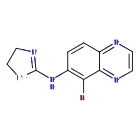
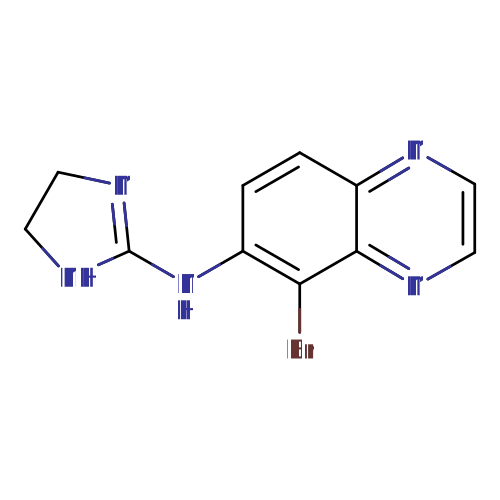
Structure for Brimonidine (DB00484)
- Weight
- Average: 292.135
Monoisotopic: 291.011957992 - Chemical Formula
- C11H10BrN5
- Synonyms
- 5-Bromo-6-(2-imidazolin-2-ylamino)quinoxaline
- Brimonidina
- Brimonidine
- Brimonidinum
- Bromoxidine
- External IDs
- AGN-190342
- UK-14304

Pharmacology
- Indication
Opthalmic
Indicated for lowering intraocular pressure (IOP) in patients with open-angle glaucoma or ocular hypertension Label as monotherapy or combination product with brinzolamide.
Topical
Indicated for the treatment of persistent (non-transient) facial erythema of rosacea in adults 18 years of age or older.13
 Reduce drug development failure ratesBuild, train, & validate machine-learning modelswith evidence-based and structured datasets.Build, train, & validate predictive machine-learning models with structured datasets.
- Associated Conditions
Indication Type Indication Combined Product Details Approval Level Age Group Patient Characteristics Dose Form Used in combination to manage Elevated intraocular pressure Combination Product in combination with: Brinzolamide (DB01194) •••••••••••• •••••••••• Used in combination to manage Elevated intraocular pressure Combination Product in combination with: Brinzolamide (DB01194) •••••••••••• •••••••••• Used in combination to manage Elevated intraocular pressure Combination Product in combination with: Timolol (DB00373) •••••••••••• •••••••••••• •••••••••• ••••••••••• •••••••• •••••••••• Used in combination to manage Elevated intraocular pressure Combination Product in combination with: Timolol (DB00373) •••••••••••• •••••••••••• •••••••••• ••••••••••• •••••••• •••••••••• Management of Elevated intraocular pressure •••••••••••• - Contraindications & Blackbox Warnings
 Prevent Adverse Drug Events TodayTap into our Clinical API for life-saving information on contraindications & blackbox warnings, population restrictions, harmful risks, & more.Avoid life-threatening adverse drug events with our Clinical API
- Pharmacodynamics
Brimonidine is a highly selective alpha-2 adrenergic receptor agonist that is 1000-fold more selective for the alpha2-adrenergic receptor than the alpha1-adrenergic receptor.15 This characteristic gives the drug some therapeutic advantages, since it reduces the risk of systemic side effects, such as systemic hypotension, bradycardia, and sedation. In addition, there is a reduction in the risk for developing alpha-1 mediated ocular unwanted effects, such as conjunctival blanching, mydriasis, and eyelid retraction.11 However, despite high alpha-2 receptor specificity, brimonidine may still produce alpha-1 adrenoceptor-mediated ocular effects, such as conjunctival vasoconstriction.6 Brimonidine has a peak ocular hypotensive effect occurring at two hours post-dosing.Label In a randomized, double-blind clinical study, ocular administration of 0.2% brimonidine in healthy volunteers resulted in a 23% reduction of mean intraocular pressure from baseline at 3 hours following administration.3 In comparative studies consisting of patients with open-angle glaucoma or ocular hypertension, the ocular hypotensive effect of brimonidine was maintained during treatment periods of up to 1 year.1
Brimonidine mediates vasoconstrictive effects and it was shown to exhibit anti-inflammatory properties in ex vivo human skin model and in vivo inflammation models.12 In a clinial trials consisting of adults with moderate to severe facial erythema of rosacea, brimonidine was shown to improve the extent of redness at 3 hours after application, compared to placebo.15 It was shown to be a potent vasoconstrictor of human subcutaneous vessels with a diameter of less than 200 µm. In in vivo mouse inflammation models, brimonidine displayed anti-inflammatory properties by inhibiting edema.8 In a randomized, double-blind study, brimonidine reduced erythema for the 12 hours of the study in a dose-dependent manner.8
When adminsitered systemically, brimonidine was shown to cause cardiovascular effects by decreasing blood pressure, decreasing heart and respiratory rate, and prolonging the PR interval in the electrocardiogram. This is due to the targeting of adrenoceptors by the drug.4,5 Although the clinical significance has not been established, there is evidence that brimonidine exhibits neuroprotective activity in experimental models of cerebral ischemia and optic nerve injury.6 In vitro studies show that brimonidine mediated protective effects on neuronal cells from kainate acid insult and on cultured retinal ganglion cells from glutamate-induced cytotoxicity, which is a possible mediator of secondary neuronal degeneration in human glaucoma. Neuroprotective actions of brimonidine were also demonstrated in rat models of acute retinal ischemia and chronic IOP elevation. It has been proposed that brimonidine may exert neuroprotective effects on the retina and optic nerve by enhancing intrinsic retinal ganglion cell survival mechanisms and/or induction of neuronal survival factors, such as bFGF.3 However, further investigations are needed to conclude on these possible therapeutic benefits of the drug.
- Mechanism of action
In the eye, alpha-1 adrenoceptors play a role in vasoconstriction, mydriasis, eyelid retraction, and elevation of intraocular pressure (IOP) whereas alpha-2 adrenoceptors are responsible for IOP reduction via a complex Gi-coupled signaling cascade pathway. Activation of alpha-2 receptors leads to inhibition of adenylyl cyclase and reduction of cyclic AMP levels. As a result, there is a decrease in norpinephrine (NE) release at the synaptic junction, NE-induced stimulation of beta-2 adrenoceptors, and production of aqueous humor by the ciliary epithelium.6 An elevated IOP is the most significant risk factor for developing glaucomatous optic neuropathy, which is associated with progressive visual field loss and functional disability if left untreated.11 Regardless of the etiology of the disease, the aim of current therapies for glaucoma is to reduce IOP, as reduction of IOP significantly reduces the risk of progression of vision loss even when IOP is already within the normal range.7 When administered ophthalmically, brimonidine is rapidly absorbed into the eye, acts as an agonist at ocular alpha-2 adrenoceptors and lowers IOP via a dual mechanism of action.9 It is proposed that initial dosing of the drug causes a reduction in aqueous humour production and chronic dosing leads to an increase in uveoscleral outflow.11 Brimonidine does not affect episcleral venous pressure.6 By reducing IOP, brimonidine aims to reduce the likelihood of glaucomatous visual field loss in ocular hypertension, and slow the progression of visual field defect in established open-angle glaucoma.3 When applied topically on skin, brimonidine reduces erythema through direct vasocontriction of small arteries and veins.8 As brimonidine mediates a potent peripheral vasoconstrictive activity by selectively working on the alpha-2 adrenoceptors, the use of brimonidine is thought to be efficacious for the treatment of facial erythema of rosacea, which is thought to arise from vasomotor instability and abnormal vasodilation of the superficial cutaneous vasculature of the face.10
Target Actions Organism AAlpha-2A adrenergic receptor agonistHumans AAlpha-2B adrenergic receptor agonistHumans AAlpha-2C adrenergic receptor agonistHumans - Absorption
Brimonidine readily penetrates the cornea following ocular administration 3 to reach pharmacologically active concentrations in the aqueous humor and ciliary body, the putative sites of its IOP-lowering activity.7 Following ocular administration of 0.2% brimonidine solution, the peak plasma concentrations were achieved within 1 to 4 hours.Label
In a clinical study of adult subjects with facial erythema of rosacea, brimonidine was cutaneously applied on facial skin in a repeated manner. While there was no drug accumulation in plasma, the highest peak plasma concentrations (Cmax) and AUC were 46 ± 62 pg/mL and 417 ± 264 pgxhr/mL, respectively.15
- Volume of distribution
The volume of distribution of brimonidine has not been established. In animal studies, brimonidine was shown to cross the placenta and enter into the fetal circulation to a limited extent.Label As its lipophilicity is relatively low, brimonidine is not reported to easily cross the blood-brain barrier.3
- Protein binding
The protein binding of brimonidine has not been studied.
- Metabolism
Brimonidine is reported to be metabolized in the cornea. Brominidine that reaches the systemic circulation upon topical administration undergoes extensive hepatic metabolism mediated by hepatic aldehyde oxidases.Label
Hover over products below to view reaction partners
- Route of elimination
Brimonidine and its metabolites are predominantly eliminated via urinary excretion, with 74% of the total dose being found in the urine.Label
- Half-life
Following ocular administration of 0.2% brimonidine solution, the systemic half-life was approximately 3 hours.Label
- Clearance
The apparent clearance has not been studied. However, the systemic clearance of brimonidine is reported to be rapid.7 Approximately 87% of the total radioactive dose of brimonidine was shown to be eliminated within 120 hours following oral administration.Label
- Adverse Effects
 Improve decision support & research outcomesWith structured adverse effects data, including: blackbox warnings, adverse reactions, warning & precautions, & incidence rates. View sample adverse effects data in our new Data Library!Improve decision support & research outcomes with our structured adverse effects data.
- Toxicity
LD50 and Overdose
Oral LD50 is 50 mg/kg in mice and 100 mg/kg in rats.MSDS While there is limited clinial data on brimonidine overdose in adults, some common symptoms from oral overdoses of alpha-2 adrenergic agonists include hypotension, asthenia, vomiting, lethargy, sedation, bradycardia, arrhythmias, miosis, apnoea, hypotonia, hypothermia, respiratory depression and seizure. 15 Treatment of an oral overdose includes supportive and symptomatic therapy. Cases of brimonidine overdose have been reported in neonates, infants, and pediatric patients receiving brimonidine tartrate as part of medical treatment of congenital glaucoma or by accidental oral ingestion. In these cases, children experienced symptoms consistent with previously reported oral overdoses of alpha-2 adrenergic agonists in young children.15
Nonclinical Toxicology
At oral doses of up to 2.5 and 5 mg/kg/day in pregnant rats and rabbits, brimonidine was not shown to be teratogenic during gestation days 6 through 18. Findings from various in vitro and in vivo studies, including the Ames bacterial assay, CHO cell chromosomal aberration assay, and CD-1 mice studies, did not demonstrate any mutagenic or clastogenic potential of brimonidine.Label There were no observable adverse effects on male or female fertility when tested at oral doses of up to 1 mg/kg, which is approximately 200 times the systemic exposure following the maximum recommended ophthalmic dose of 0.5% brimonidine.Label
Use in special populations
Due to limited clinical data on the use of brimonidine pregnant or breastfeeding female patients, the use of brimonidine in these patients is generally not recommended and the use should be only considered after taking into account the benefit-to-risk ratio of continuing the drug therapy in these patients. In nursing mothers, the decision should be made whether to discontinue the drug or discontinue breastfeeding.Label As the systemic absorption and elimination of brimonidine are not significantly affected by age, the use of brimonidine is considered safe in geriatric patients. In contrast, the use of brimonidine in infants under the age of 2 and pediatric patients under the age of 18 is strongly not recommended due to the reports of serious adverse events following ophthalmic administration of brimonidine in infants between the age of 28 days and 3 months.15
- Pathways
- Not Available
- Pharmacogenomic Effects/ADRs
- Not Available
Interactions
- Drug Interactions
- This information should not be interpreted without the help of a healthcare provider. If you believe you are experiencing an interaction, contact a healthcare provider immediately. The absence of an interaction does not necessarily mean no interactions exist.
Drug Interaction Integrate drug-drug
interactions in your software1,2-Benzodiazepine Brimonidine may increase the central nervous system depressant (CNS depressant) activities of 1,2-Benzodiazepine. Acebutolol Brimonidine may increase the antihypertensive activities of Acebutolol. Acetazolamide Brimonidine may increase the central nervous system depressant (CNS depressant) activities of Acetazolamide. Acetophenazine Brimonidine may increase the central nervous system depressant (CNS depressant) activities of Acetophenazine. Acetyldigitoxin Brimonidine may increase the bradycardic activities of Acetyldigitoxin. - Food Interactions
- Avoid alcohol. Alcohol intake may potentially lead to additive CNS depressant effects.
Products
 Drug product information from 10+ global regionsOur datasets provide approved product information including:dosage, form, labeller, route of administration, and marketing period.Access drug product information from over 10 global regions.
- Product Ingredients
Ingredient UNII CAS InChI Key Brimonidine tartrate 4S9CL2DY2H 70359-46-5 QZHBYNSSDLTCRG-LREBCSMRSA-N - Brand Name Prescription Products
Name Dosage Strength Route Labeller Marketing Start Marketing End Region Image Alphagan Solution 0.2 % Ophthalmic Abbvie 1997-12-02 Not applicable Canada 
Alphagan P Solution / drops 1 mg/1mL Ophthalmic Allergan, Inc. 2006-01-25 Not applicable US 
Alphagan P Solution / drops 1.5 mg/1mL Ophthalmic Physicians Total Care, Inc. 2002-10-16 Not applicable US Alphagan P Solution 0.15 % Ophthalmic Abbvie 2003-11-05 Not applicable Canada Alphagan P Solution / drops 1.5 mg/1mL Ophthalmic Allergan, Inc. 2001-07-10 Not applicable US - Generic Prescription Products
Name Dosage Strength Route Labeller Marketing Start Marketing End Region Image Apo-brimonidine Solution 0.2 % Ophthalmic Apotex Corporation 2005-06-02 Not applicable Canada Brimonidine Gel 5 mg/1g Topical Padagis Israel Pharmaceuticals Ltd 2023-01-01 Not applicable US Brimonidine Solution / drops 2 mg/1mL Ophthalmic Akorn 2006-09-07 Not applicable US Brimonidine Solution / drops 2 mg/1mL Ophthalmic A-S Medication Solutions 2006-09-07 Not applicable US Brimonidine Gel 5 mg/1g Topical bryant ranch prepack 2023-01-01 Not applicable US - Over the Counter Products
Name Dosage Strength Route Labeller Marketing Start Marketing End Region Image Brimonidine Tartrate Solution / drops 0.25 mg/1mL Ophthalmic Walgreens Company 2024-02-28 Not applicable US Lumify Solution 0.025 % w/v Ophthalmic Bausch & Lomb Inc 2022-07-05 Not applicable Canada LUMIFY Redness Reliever Eye Drops Solution / drops 0.25 mg/1mL Ophthalmic Bausch & Lomb Incorporated 2017-12-22 Not applicable US - Mixture Products
Name Ingredients Dosage Route Labeller Marketing Start Marketing End Region Image Apo-brimonidine-timop Brimonidine tartrate (0.2 %) + Timolol maleate (0.5 %) Solution Ophthalmic Apotex Corporation 2022-11-09 Not applicable Canada BRIDINE® Brimonidine (2 mg) + Brinzolamide (10 mg) Suspension Ophthalmic LABORATORIOS SYNTHESIS S.A.S. 2015-11-20 2019-06-11 Colombia 
BRİMO-TİM 2 MG+5 MG/ML STERİL GÖZ DAMLASI, ÇÖZELTİ, 5 ML Brimonidine tartrate (2 mg/mL) + Timolol (5 mg/ml) Solution / drops Ophthalmic VEM İLAÇ SAN. VE TİC. A.Ş. 2018-10-23 Not applicable Turkey 
BRIMOCHEK -T EYE DROPS SOLUTION Brimonidine (2.0 mg/ml) + Timolol maleate (5 mg/ml) Solution Ophthalmic GOLDPLUS UNIVERSAL PTE LTD 2017-09-03 Not applicable Singapore 
BRIMOCOMB Brimonidine tartrate (2 MG/ML) + Timolol (5 MG/ML) Solution / drops Ophthalmic Doc Generici Srl 2017-06-07 Not applicable Italy 
- Unapproved/Other Products
Name Ingredients Dosage Route Labeller Marketing Start Marketing End Region Image Brim-Dor PF Brimonidine tartrate (1.5 mg/1mL) + Dorzolamide hydrochloride (20 mg/1mL) Solution / drops Ophthalmic ImprimisRx NJ 2018-01-01 Not applicable US Brimonidine Tartrate 0.25% / Ivermectin 1% / Metronidazole 1% / Niacinamide 4% Brimonidine tartrate (0.25 g/100g) + Ivermectin (1 g/100g) + Metronidazole (1 g/100g) + Nicotinamide (4 g/100g) Gel Topical Sincerus Florida, LLC 2019-05-16 Not applicable US Brimonidine Tartrate 0.25% / Potassium Azeloyl Diglycinate 8% Brimonidine tartrate (0.25 g/100g) Gel Topical Sincerus Florida, LLC 2019-05-16 Not applicable US Tim-Brim-Dor PF Brimonidine tartrate (1.5 mg/1mL) + Dorzolamide hydrochloride (20 mg/1mL) + Timolol maleate (5 mg/1mL) Solution / drops Ophthalmic ImprimisRx NJ 2018-01-01 Not applicable US Tim-Brim-Dor-Lat Brimonidine tartrate (1.5 mg/1mL) + Dorzolamide hydrochloride (20 mg/1mL) + Latanoprost (0.05 mg/1mL) + Timolol maleate (5 mg/1mL) Solution / drops Ophthalmic ImprimisRx NJ 2018-01-01 Not applicable US
Categories
- ATC Codes
- D11AX21 — Brimonidine
- D11AX — Other dermatologicals
- D11A — OTHER DERMATOLOGICAL PREPARATIONS
- D11 — OTHER DERMATOLOGICAL PREPARATIONS
- D — DERMATOLOGICALS
- S01GA — Sympathomimetics used as decongestants
- S01G — DECONGESTANTS AND ANTIALLERGICS
- S01 — OPHTHALMOLOGICALS
- S — SENSORY ORGANS
- Drug Categories
- Adrenergic Agents
- Adrenergic Agonists
- Adrenergic alpha-2 Receptor Agonists
- Adrenergic alpha-Agonists
- Antiglaucoma Preparations and Miotics
- Cardiovascular Agents
- Central Nervous System Depressants
- Decongestants and Antiallergics
- Dermatologicals
- Heterocyclic Compounds, Fused-Ring
- Hypotensive Agents
- Misc. Skin and Mucous Membrane Agents
- Ophthalmologicals
- Quinoxalines
- Sensory Organs
- Sympathomimetics in Glaucoma Therapy
- Sympathomimetics Used as Decongestants
- Chemical TaxonomyProvided by Classyfire
- Description
- This compound belongs to the class of organic compounds known as quinoxalines. These are compounds containing a quinoxaline moiety, a bicyclic heterocycle made up of a benzene ring fused to a pyrazine ring.
- Kingdom
- Organic compounds
- Super Class
- Organoheterocyclic compounds
- Class
- Diazanaphthalenes
- Sub Class
- Benzodiazines
- Direct Parent
- Quinoxalines
- Alternative Parents
- Pyrazines / Benzenoids / Aryl bromides / Imidazolines / Heteroaromatic compounds / Guanidines / Propargyl-type 1,3-dipolar organic compounds / Carboximidamides / Azacyclic compounds / Organopnictogen compounds show 2 more
- Substituents
- 2-imidazoline / Aromatic heteropolycyclic compound / Aryl bromide / Aryl halide / Azacycle / Benzenoid / Carboximidamide / Guanidine / Heteroaromatic compound / Hydrocarbon derivative show 9 more
- Molecular Framework
- Aromatic heteropolycyclic compounds
- External Descriptors
- imidazoles, quinoxaline derivative, secondary amine (CHEBI:3175)
- Affected organisms
- Humans and other mammals
Chemical Identifiers
- UNII
- E6GNX3HHTE
- CAS number
- 59803-98-4
- InChI Key
- XYLJNLCSTIOKRM-UHFFFAOYSA-N
- InChI
- InChI=1S/C11H10BrN5/c12-9-7(17-11-15-5-6-16-11)1-2-8-10(9)14-4-3-13-8/h1-4H,5-6H2,(H2,15,16,17)
- IUPAC Name
- 5-bromo-N-(4,5-dihydro-1H-imidazol-2-yl)quinoxalin-6-amine
- SMILES
- BrC1=C(NC2=NCCN2)C=CC2=NC=CN=C12
References
- General References
- Adkins JC, Balfour JA: Brimonidine. A review of its pharmacological properties and clinical potential in the management of open-angle glaucoma and ocular hypertension. Drugs Aging. 1998 Mar;12(3):225-41. doi: 10.2165/00002512-199812030-00005. [Article]
- Cantor LB, Burke J: Brimonidine. Expert Opin Investig Drugs. 1997 Aug;6(8):1063-83. doi: 10.1517/13543784.6.8.1063 . [Article]
- Cantor LB: The evolving pharmacotherapeutic profile of brimonidine, an alpha 2-adrenergic agonist, after four years of continuous use. Expert Opin Pharmacother. 2000 May;1(4):815-34. doi: 10.1517/14656566.1.4.815 . [Article]
- Stewart WC, Stewart JA, Jackson AL: Cardiovascular effects of timolol maleate, brimonidine or brimonidine/timolol maleate in concomitant therapy. Acta Ophthalmol Scand. 2002 Jun;80(3):277-81. [Article]
- Suwanwipat S, Buranakarl C, Chaiyabutr N: Effects of brimonidine ingestion on cardiovascular responses and renal function in conscious dogs. Vet Res Commun. 2007 Apr;31(3):323-34. doi: 10.1007/s11259-006-3414-1. Epub 2006 Dec 28. [Article]
- Greenfield DS, Liebmann JM, Ritch R: Brimonidine: a new alpha2-adrenoreceptor agonist for glaucoma treatment. J Glaucoma. 1997 Aug;6(4):250-8. [Article]
- Cantor LB: Brimonidine in the treatment of glaucoma and ocular hypertension. Ther Clin Risk Manag. 2006 Dec;2(4):337-46. [Article]
- Jackson JM, Knuckles M, Minni JP, Johnson SM, Belasco KT: The role of brimonidine tartrate gel in the treatment of rosacea. Clin Cosmet Investig Dermatol. 2015 Oct 23;8:529-38. doi: 10.2147/CCID.S58920. eCollection 2015. [Article]
- Toris CB, Gleason ML, Camras CB, Yablonski ME: Effects of brimonidine on aqueous humor dynamics in human eyes. Arch Ophthalmol. 1995 Dec;113(12):1514-7. [Article]
- Benkali K, Leoni M, Rony F, Bouer R, Fernando A, Graeber M, Wagner N: Comparative pharmacokinetics and bioavailability of brimonidine following ocular and dermal administration of brimonidine tartrate ophthalmic solution and gel in patients with moderate-to-severe facial erythema associated with rosacea. Br J Dermatol. 2014 Jul;171(1):162-9. doi: 10.1111/bjd.12881. Epub 2014 Jul 16. [Article]
- Galanopoulos A, Goldberg I: Clinical efficacy and neuroprotective effects of brimonidine in the management of glaucoma and ocular hypertension. Clin Ophthalmol. 2009;3:117-22. Epub 2009 Jun 2. [Article]
- Piwnica D, Pathak A, Schafer G, Docherty JR: In Vitro Safety Pharmacology Profiling of Topical alpha-Adrenergic Agonist Treatments for Erythema of Rosacea. Drugs R D. 2018 Mar;18(1):87-90. doi: 10.1007/s40268-018-0227-y. [Article]
- MIRVASO (brimonidine) topical gel - FDA Label [Link]
- Brimonidine (brimonidine tartrate) ophthalmic solution - Product Monograph [Link]
- Mirvaso (brimonidine) topical gel - EU Summary of Product Characteristics [Link]
- ALPHAGAN® (brimonidine tartrate ophthalmic solution) 0.2% - FDA Label [Link]
- FDA Approved Drug Products: COMBIGAN (brimonidine tartrate/timolol maleate) ophthalmic solution [Link]
- FDA Approved Drug Products: SIMBRINZA (brinzolamide and brimonidine tartrate) suspension [Link]
- External Links
- Human Metabolome Database
- HMDB0014627
- KEGG Drug
- D07540
- KEGG Compound
- C07886
- PubChem Compound
- 2435
- PubChem Substance
- 46507305
- ChemSpider
- 2341
- BindingDB
- 34572
- 134615
- ChEBI
- 3175
- ChEMBL
- CHEMBL844
- ZINC
- ZINC000021303210
- Therapeutic Targets Database
- DAP000280
- PharmGKB
- PA448665
- Guide to Pharmacology
- GtP Drug Page
- PDBe Ligand
- J59
- RxList
- RxList Drug Page
- Drugs.com
- Drugs.com Drug Page
- Wikipedia
- Brimonidine
- PDB Entries
- 7ej8
- FDA label
- Download (174 KB)
- MSDS
- Download (285 KB)
Clinical Trials
- Clinical Trials
Phase Status Purpose Conditions Count 4 Completed Not Available Glaucoma 1 4 Completed Diagnostic Glaucoma; Drugs / Normal Tension Glaucoma (NTG) / Ocular Hypertension, Primary Open-angle Glaucoma (POAG) 1 4 Completed Other Rosacea 1 4 Completed Prevention Intraocular Pressure (IOP) 1 4 Completed Prevention Ocular Hypertension / Posterior Capsule Opacification 1
Pharmacoeconomics
- Manufacturers
- Allergan inc
- Allergan
- Akorn inc
- Alcon inc
- Alcon research ltd
- Bausch and lomb pharmaceuticals inc
- Sandoz canada inc
- Teva parenteral medicines inc
- Allergan, Inc
- Packagers
- Akorn Inc.
- Alcon Laboratories
- Allergan Inc.
- Bausch & Lomb Inc.
- Falcon Pharmaceuticals Ltd.
- Ivax Pharmaceuticals
- Pacific Pharma Lp
- Physicians Total Care Inc.
- Stat Rx Usa
- Dosage Forms
Form Route Strength Liquid Ophthalmic 2 mg/1ml Solution Ophthalmic 0.2 % Solution / drops Ophthalmic 0.2 % Liquid Ophthalmic 1.5 mg/1ml Solution Ophthalmic 0.15 % Solution / drops Ophthalmic 1 mg/1mL Solution / drops Ophthalmic 1.5 mg/1mL Solution / drops Ophthalmic 0.1 % Solution / drops Ophthalmic 0.15 % Solution Ophthalmic 0.15 % w/v Solution Ophthalmic 2 mg Solution Conjunctival; Ophthalmic 1 mg/mL Solution Ophthalmic 2.0 mg/ml Gel 0.33 % Solution / drops Ophthalmic 2 MG/ML Solution Conjunctival; Ophthalmic 1.5 mg Solution Conjunctival; Ophthalmic 1 mg Solution / drops Ophthalmic 1.5 mg/ml Solution / drops Ophthalmic Solution Ophthalmic 1.5 mg/1mL Solution Ophthalmic 2 mg/1mL Solution / drops Ophthalmic 2 mg/1mg Solution / drops Ophthalmic 2 mg/1mL Solution / drops Ophthalmic 2.0 mg/1mL Gel Topical Gel Topical 0.25 g/100g Solution / drops Topical Solution Ophthalmic Solution / drops Ophthalmic Liquid Ophthalmic Solution Ophthalmic 2.0 MG/ML Solution Ophthalmic 2.0000 mg Gel Cutaneous 0.5000 g Solution / drops Ophthalmic 0.15 % w/v Solution Ophthalmic 0.2 % w/v Solution Ophthalmic; Topical Solution Ophthalmic 0.025 % w/v Solution / drops Ophthalmic 0.25 mg/1mL Gel Cutaneous 3 MG/G Gel Topical 0.5 g Gel Topical 5 mg/1g Gel Cutaneous 3.3 MG/G Solution Ophthalmic 2.000 mg Gel Topical 0.33 % w/w Solution Ophthalmic 200000 mg Suspension Ophthalmic Suspension / drops Ophthalmic Solution Conjunctival; Ophthalmic 2 mg Solution Conjunctival; Ophthalmic - Prices
Unit description Cost Unit Alphagan P 15ml Bottle .15% 15ml Bottle 228.5USD bottle Brimonidine Tartrate 0.15% Solution 15ml Bottle 218.5USD bottle Alphagan P 0.1% Solution 15ml Bottle 208.94USD bottle Alphagan P 10ml Bottle .15% 10ml Bottle 152.32USD bottle Brimonidine Tartrate 0.15% Solution 10ml Bottle 145.65USD bottle Alphagan P 0.1% Solution 10ml Bottle 143.97USD bottle Alphagan P 5ml Bottle .15% 5ml Bottle 79.52USD bottle Brimonidine Tartrate 0.15% Solution 5ml Bottle 72.85USD bottle Brimonidine Tartrate 0.2% Solution 10ml Bottle 67.85USD bottle Brimonidine Tartrate 0.2% Solution 15ml Bottle 56.88USD bottle Brimonidine Tartrate 0.2% Solution 5ml Bottle 33.96USD bottle Brimonidine tartrate 0.15% drp 29.82USD ml Alphagan p 0.15% eye drops 14.65USD ml Alphagan p 0.1% drops 13.85USD ml Brimonidine 0.2% eye drop 6.53USD ml Alphagan 0.2 % Solution 3.72USD ml Apo-Brimonidine 0.2 % Solution 2.08USD ml Pms-Brimonidine 0.2 % Solution 2.08USD ml Ratio-Brimonidine 0.2 % Solution 2.08USD ml Sandoz Brimonidine 0.2 % Solution 2.08USD ml DrugBank does not sell nor buy drugs. Pricing information is supplied for informational purposes only.- Patents
Patent Number Pediatric Extension Approved Expires (estimated) Region US5424078 No 1995-06-13 2012-06-13 US CA2173974 No 2006-05-02 2014-09-19 Canada CA2225626 No 2002-09-03 2016-06-17 Canada US9295641 Yes 2016-03-29 2022-01-10 US US6627210 Yes 2003-09-30 2022-01-18 US US6673337 Yes 2004-01-06 2022-01-26 US US6562873 Yes 2003-05-13 2022-01-10 US US6641834 Yes 2003-11-04 2022-01-28 US US7030149 No 2006-04-18 2022-04-19 US US7320976 No 2008-01-22 2022-04-19 US US7642258 No 2010-01-05 2022-04-19 US US8133890 No 2012-03-13 2022-04-19 US US8354409 No 2013-01-15 2022-04-19 US US8748425 No 2014-06-10 2022-04-19 US US7323463 No 2008-01-29 2023-01-19 US US7265117 No 2007-09-04 2025-08-19 US US8858961 Yes 2014-10-14 2024-03-02 US US6316441 No 2001-11-13 2019-12-07 US US9044484 No 2015-06-02 2030-10-30 US US8410102 No 2013-04-02 2025-05-24 US US8053427 No 2011-11-08 2031-06-13 US US7439241 No 2008-10-21 2025-08-25 US US8513247 No 2013-08-20 2031-03-25 US US8426410 No 2013-04-23 2025-05-24 US US8513249 No 2013-08-20 2031-03-25 US US8859551 No 2014-10-14 2024-05-25 US US8231885 No 2012-07-31 2025-05-24 US US8163725 No 2012-04-24 2031-06-13 US US9474751 No 2016-10-25 2022-04-19 US US9687443 Yes 2017-06-27 2022-01-10 US US9421265 No 2016-08-23 2030-06-17 US US9770453 No 2017-09-26 2022-04-19 US US9861631 No 2018-01-09 2031-03-25 US US8293742 No 2012-10-23 2030-07-14 US US9861632 No 2018-01-09 2031-03-25 US US9907801 No 2018-03-06 2022-04-19 US US9907802 No 2018-03-06 2022-04-19 US US10201517 No 2019-02-12 2031-06-13 US US10307368 No 2019-06-04 2021-07-10 US US9259425 No 2016-02-16 2030-07-14 US US11596600 No 2009-07-27 2029-07-27 US US11833245 No 2009-07-27 2029-07-27 US
Properties
- State
- Solid
- Experimental Properties
Property Value Source melting point (°C) 207.5 °C Sandoz Canada Product Monograph water solubility 34 mg/mL Sandoz Canada Product Monograph pKa 7.78 Sandoz Canada Product Monograph - Predicted Properties
Property Value Source Water Solubility 0.154 mg/mL ALOGPS logP 1.27 ALOGPS logP 1.37 Chemaxon logS -3.3 ALOGPS pKa (Strongest Basic) 8.32 Chemaxon Physiological Charge 1 Chemaxon Hydrogen Acceptor Count 5 Chemaxon Hydrogen Donor Count 2 Chemaxon Polar Surface Area 62.2 Å2 Chemaxon Rotatable Bond Count 1 Chemaxon Refractivity 68.49 m3·mol-1 Chemaxon Polarizability 25.74 Å3 Chemaxon Number of Rings 3 Chemaxon Bioavailability 1 Chemaxon Rule of Five Yes Chemaxon Ghose Filter Yes Chemaxon Veber's Rule No Chemaxon MDDR-like Rule No Chemaxon - Predicted ADMET Features
Property Value Probability Human Intestinal Absorption + 0.978 Blood Brain Barrier + 0.717 Caco-2 permeable + 0.5435 P-glycoprotein substrate Substrate 0.7017 P-glycoprotein inhibitor I Non-inhibitor 0.5688 P-glycoprotein inhibitor II Inhibitor 0.5951 Renal organic cation transporter Inhibitor 0.8266 CYP450 2C9 substrate Non-substrate 0.8403 CYP450 2D6 substrate Non-substrate 0.7533 CYP450 3A4 substrate Non-substrate 0.5617 CYP450 1A2 substrate Non-inhibitor 0.9046 CYP450 2C9 inhibitor Non-inhibitor 0.9071 CYP450 2D6 inhibitor Non-inhibitor 0.9231 CYP450 2C19 inhibitor Non-inhibitor 0.9025 CYP450 3A4 inhibitor Inhibitor 0.6898 CYP450 inhibitory promiscuity Low CYP Inhibitory Promiscuity 0.7044 Ames test Non AMES toxic 0.8222 Carcinogenicity Non-carcinogens 0.9446 Biodegradation Not ready biodegradable 1.0 Rat acute toxicity 3.0196 LD50, mol/kg Not applicable hERG inhibition (predictor I) Weak inhibitor 0.8093 hERG inhibition (predictor II) Non-inhibitor 0.6711
Spectra
- Mass Spec (NIST)
- Not Available
- Spectra
- Chromatographic Properties
Collision Cross Sections (CCS)
Adduct CCS Value (Å2) Source type Source [M-H]- 158.1313811 predictedDarkChem Lite v0.1.0 [M-H]- 146.95404 predictedDeepCCS 1.0 (2019) [M+H]+ 159.0894811 predictedDarkChem Lite v0.1.0 [M+H]+ 149.31204 predictedDeepCCS 1.0 (2019) [M+Na]+ 158.4472811 predictedDarkChem Lite v0.1.0 [M+Na]+ 155.66415 predictedDeepCCS 1.0 (2019)
Targets

- Kind
- Protein
- Organism
- Humans
- Pharmacological action
- Yes
- Actions
- Agonist
- General Function
- Thioesterase binding
- Specific Function
- Alpha-2 adrenergic receptors mediate the catecholamine-induced inhibition of adenylate cyclase through the action of G proteins. The rank order of potency for agonists of this receptor is oxymetazo...
- Gene Name
- ADRA2A
- Uniprot ID
- P08913
- Uniprot Name
- Alpha-2A adrenergic receptor
- Molecular Weight
- 48956.275 Da
References
- Rauly I, Ailhaud M, Wurch T, Pauwels PJ: alpha(2A)-adrenoceptor: G(alphai1) protein-mediated pertussis toxin-resistant attenuation of G(s) coupling to the cyclic AMP pathway. Biochem Pharmacol. 2000 Jun 15;59(12):1531-8. [Article]
- Wikberg-Matsson A, Simonsen U: Potent alpha(2A)-adrenoceptor-mediated vasoconstriction by brimonidine in porcine ciliary arteries. Invest Ophthalmol Vis Sci. 2001 Aug;42(9):2049-55. [Article]
- Meana JJ, Barturen F, Garro MA, Garcia-Sevilla JA, Fontan A, Zarranz JJ: Decreased density of presynaptic alpha 2-adrenoceptors in postmortem brains of patients with Alzheimer's disease. J Neurochem. 1992 May;58(5):1896-904. [Article]
- Chen X, Ji ZL, Chen YZ: TTD: Therapeutic Target Database. Nucleic Acids Res. 2002 Jan 1;30(1):412-5. [Article]
- Kind
- Protein
- Organism
- Humans
- Pharmacological action
- Yes
- Actions
- Agonist
- General Function
- Epinephrine binding
- Specific Function
- Alpha-2 adrenergic receptors mediate the catecholamine-induced inhibition of adenylate cyclase through the action of G proteins. The rank order of potency for agonists of this receptor is clonidine...
- Gene Name
- ADRA2B
- Uniprot ID
- P18089
- Uniprot Name
- Alpha-2B adrenergic receptor
- Molecular Weight
- 49565.8 Da
References
- Trendelenburg AU, Philipp M, Meyer A, Klebroff W, Hein L, Starke K: All three alpha2-adrenoceptor types serve as autoreceptors in postganglionic sympathetic neurons. Naunyn Schmiedebergs Arch Pharmacol. 2003 Dec;368(6):504-12. Epub 2003 Nov 11. [Article]
- Bohmann C, Schollmeyer P, Rump LC: Methoxamine inhibits noradrenaline release through activation of alpha 1- and alpha 2-adrenoceptors in rat isolated kidney: involvement of purines and prostaglandins. Naunyn Schmiedebergs Arch Pharmacol. 1993 Mar;347(3):273-9. [Article]
- Kind
- Protein
- Organism
- Humans
- Pharmacological action
- Yes
- Actions
- Agonist
- General Function
- Protein homodimerization activity
- Specific Function
- Alpha-2 adrenergic receptors mediate the catecholamine-induced inhibition of adenylate cyclase through the action of G proteins.
- Gene Name
- ADRA2C
- Uniprot ID
- P18825
- Uniprot Name
- Alpha-2C adrenergic receptor
- Molecular Weight
- 49521.585 Da
References
- Trendelenburg AU, Philipp M, Meyer A, Klebroff W, Hein L, Starke K: All three alpha2-adrenoceptor types serve as autoreceptors in postganglionic sympathetic neurons. Naunyn Schmiedebergs Arch Pharmacol. 2003 Dec;368(6):504-12. Epub 2003 Nov 11. [Article]
- Orito K, Kishi M, Imaizumi T, Nakazawa T, Hashimoto A, Mori T, Kambe T: alpha(2)-adrenoceptor antagonist properties of OPC-28326, a novel selective peripheral vasodilator. Br J Pharmacol. 2001 Oct;134(4):763-70. [Article]
- Zhang W, Ordway GA: The alpha2C-adrenoceptor modulates GABA release in mouse striatum. Brain Res Mol Brain Res. 2003 Apr 10;112(1-2):24-32. [Article]
- Prinster SC, Holmqvist TG, Hall RA: Alpha2C-adrenergic receptors exhibit enhanced surface expression and signaling upon association with beta2-adrenergic receptors. J Pharmacol Exp Ther. 2006 Sep;318(3):974-81. Epub 2006 Jun 6. [Article]
Enzymes
- Kind
- Protein
- Organism
- Humans
- Pharmacological action
- Unknown
- Actions
- Substrate
- General Function
- Xanthine dehydrogenase activity
- Specific Function
- Oxidase with broad substrate specificity, oxidizing aromatic azaheterocycles, such as N1-methylnicotinamide and N-methylphthalazinium, as well as aldehydes, such as benzaldehyde, retinal, pyridoxal...
- Gene Name
- AOX1
- Uniprot ID
- Q06278
- Uniprot Name
- Aldehyde oxidase
- Molecular Weight
- 147916.735 Da
References
- Acheampong AA, Chien DS, Lam S, Vekich S, Breau A, Usansky J, Harcourt D, Munk SA, Nguyen H, Garst M, Tang-Liu D: Characterization of brimonidine metabolism with rat, rabbit, dog, monkey and human liver fractions and rabbit liver aldehyde oxidase. Xenobiotica. 1996 Oct;26(10):1035-55. [Article]

Drug created at June 13, 2005 13:24 / Updated at April 27, 2024 09:44