Identification
- Summary
Loperamide is a long acting antidiarrheal used to control nonspecific diarrhea and chronic diarrhea caused by inflammatory bowel disease, or gastroenteritis.
- Brand Names
- Diamode, Imodium, Imodium Multi-symptom Relief
- Generic Name
- Loperamide
- DrugBank Accession Number
- DB00836
- Background
Loperamide is an anti-diarrheal agent that is available as various over-the-counter products for treating diarrhea.7 The drug was first synthesized in 1969 and used medically in 1976.1 It is a highly lipophilic synthetic phenylpiperidine opioid 1 that is structurally similar to opiate receptor agonists such as diphenoxylate and haloperidol.2 Due to pharmacological properties, loperamide has been misused and abused to self-manage opioid withdrawal symptoms and to induce euphoria.1,4 However, loperamide is associated with a risk for experiencing a range of adverse effects, often life-threatening, if taking for non-therapeutic reasons or at doses higher than the recommended dose.8
- Type
- Small Molecule
- Groups
- Approved
- Structure
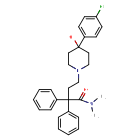
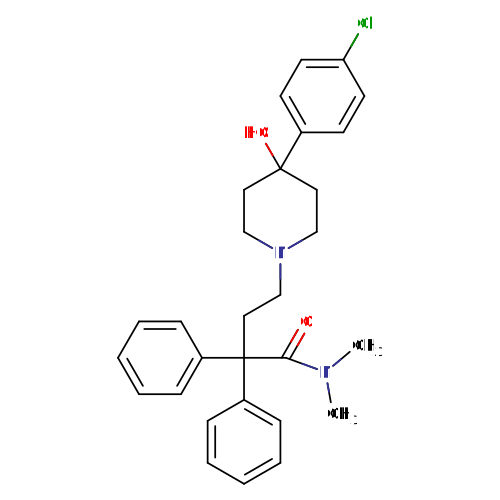
Structure for Loperamide (DB00836)
- Weight
- Average: 477.038
Monoisotopic: 476.223056017 - Chemical Formula
- C29H33ClN2O2
- Synonyms
- Loperamid
- Loperamida
- Lopéramide
- Loperamide
- Loperamidum
- External IDs
- PJ 185
- R 18553

Pharmacology
- Indication
Loperamide is indicated for the relief of diarrhea, including Travelers’ Diarrhea.7 As an off-label use, it is often used to manage chemotherapy-related diarrhea.1
 Reduce drug development failure ratesBuild, train, & validate machine-learning modelswith evidence-based and structured datasets.Build, train, & validate predictive machine-learning models with structured datasets.
- Associated Conditions
Indication Type Indication Combined Product Details Approval Level Age Group Patient Characteristics Dose Form Symptomatic treatment of Diarrhea •••••••••••• Symptomatic treatment of Traveler's diarrhea ••• ••• - Contraindications & Blackbox Warnings
 Prevent Adverse Drug Events TodayTap into our Clinical API for life-saving information on contraindications & blackbox warnings, population restrictions, harmful risks, & more.Avoid life-threatening adverse drug events with our Clinical API
- Pharmacodynamics
Loperamide is an anti-diarrheal agent that provides symptomatic relief of diarrhea.8 It decreases peristalsis and fluid secretion in the gastrointestinal tract, delays colonic transit time, and increases the absorption of fluids and electrolytes from the gastrointestinal tract.2,1,5 Loperamide also increases rectal tone,1 reduces daily fecal volume, and increases the viscosity and bulk density of feces.8 It also increases the tone of the anal sphincter, thereby reducing incontinence and urgency.3,8 The onset of action is about one hour and the duration of action can be up to three days.3
While loperamide is a potent mu-opioid receptor agonist,3 it does not mediate significant analgesic activity at therapeutic and supratherapeutic doses.2,3 However, at high doses of loperamide, inhibition of P-glycoprotein-mediated drug efflux may allow loperamide to cross the blood-brain barrier, where loperamide can exert central opioid effects and toxicity.1
At very high plasma concentrations, loperamide can interfere with cardiac conduction.4 Because loperamide inhibits the Na+-gated cardiac channels 1 and ether-a-go-go–related gene potassium channels,4 the drug can prolong the QRS complex and the QTc interval, which can lead to ventricular dysrhythmias, monomorphic and polymorphic ventricular tachycardia, torsade de pointes, ventricular fibrillation, Brugada syndrome, cardiac arrest, and death.1
- Mechanism of action
Enteric neurons synthesize and release endogenous opioid peptides and other neurotransmitters, such as acetylcholine and substance P. Endogenous opioids bind to opioid receptors expressed on these neurons to regulate gastrointestinal signalling, motility, and balance of fluids and electrolytes.5
Loperamide acts on the mu-opioid receptor expressed on the circular and longitudinal intestinal muscle.1 Receptor binding leads to the recruitment of G-protein receptor kinases and the activation of downstream molecular cascades that inhibit enteric nerve activity.5 By inhibiting the excitability of enteric neurons, loperamide suppresses neurotransmitter release, pre-synaptic and post-synaptic inhibition of transmission of excitatory and inhibitory motor pathways, and secretomotor pathways.5 Loperamide inhibits the release of acetylcholine and prostaglandins,8 thereby reducing propulsive peristalsis and increasing intestinal transit time.3,8 Loperamide stimulates the intestinal absorption of water and electrolytes by inhibiting calmodulin.3 Loperamide can bind to and hyperpolarize submucosal secretomotor neurons, promoting dry, hard stools.5
Target Actions Organism AMu-type opioid receptor agonistHumans UDelta-type opioid receptor agonistHumans UKappa-type opioid receptor agonistHumans UCalmodulin inhibitorHumans UPro-opiomelanocortin modulatorHumans NVoltage-dependent P/Q-type calcium channel subunit alpha-1A blockerHumans NPotassium voltage-gated channel subfamily H member 2 blockerHumans - Absorption
Loperamide is well absorbed from the gastrointestinal tract; however, it undergoes extensive first-pass metabolism to form metabolites that are excreted in the bile. Therefore, little loperamide actually reaches the systemic circulation.3 The drug bioavailability is less than 1%.1
Following oral administration of a 2 mg capsule of loperamide, plasma concentrations of unchanged drug were below 2 ng/mL. Plasma loperamide concentrations are highest approximately five hours after administration of an oral capsule of loperamide and 2.5 hours after the liquid formulation of the drug.8
- Volume of distribution
Loperamide has a large volume of distribution.1 Although highly lipophilic, loperamide does not cross the blood-brain barrier 2 and generally acts peripherally.3
- Protein binding
Based on literature information, the plasma protein binding of loperamide is about 95%.8
- Metabolism
Loperamide is extensively metabolized. The primary metabolic pathway is oxidative N-demethylation mediated by CYP2C8 and CYP3A4, to form N-demethyl loperamide. CYP2B6 and CYP2D6 play a minor role in loperamide N-demethylation.8 Metabolites of loperamide are pharmacologically inactive.4
Hover over products below to view reaction partners
- Route of elimination
Loperamide and its metabolites in the systemic circulation undergo biliary excretion.4 Excretion of the unchanged loperamide and its metabolites mainly occurs through the feces.8 Only 1% of an absorbed dose excreted unchanged in the urine.4
- Half-life
The apparent elimination half-life of loperamide is 10.8 hours with a range of 9.1 to 14.4 hours.8
- Clearance
Not Available
- Adverse Effects
 Improve decision support & research outcomesWith structured adverse effects data, including: blackbox warnings, adverse reactions, warning & precautions, & incidence rates. View sample adverse effects data in our new Data Library!Improve decision support & research outcomes with our structured adverse effects data.
- Toxicity
Oral LD50 is 185 mg/kg in rats.6
Loperamide overdose can lead to a range of cardiac and non-cardiac effects. Chronic ingestion of doses ranging from 70 mg to 1600 mg daily - which is four to 100 times the recommended dose - resulted in life-threatening cardiac adverse reactions, including QT/QTc and QRS interval prolongation, Torsades de Pointes, Brugada syndrome and other ventricular arrhythmias, syncope, cardiac arrest, and death. These cases included instances of loperamide misuse and abuse. In case of cardiac effects, it is recommended that loperamide is discontinued and therapies to manage and prevent cardiac arrhythmias are initiated.8 Cases of loperamide overdose may cause opioid toxic effects including CNS depression (e.g. altered mental status, stupor, coordination disorders, somnolence, miosis, muscular hypertonia, respiratory depression), hypotension, urinary retention, and paralytic ileus.8 Naloxone may reverse the opioid-related toxicity, including CNS and respiratory depression, and hypotension, associated with loperamide overdosage.8
- Pathways
- Not Available
- Pharmacogenomic Effects/ADRs
- Not Available
Interactions
- Drug Interactions
- This information should not be interpreted without the help of a healthcare provider. If you believe you are experiencing an interaction, contact a healthcare provider immediately. The absence of an interaction does not necessarily mean no interactions exist.
Drug Interaction Integrate drug-drug
interactions in your softwareAbametapir The serum concentration of Loperamide can be increased when it is combined with Abametapir. Abatacept The metabolism of Loperamide can be increased when combined with Abatacept. Abemaciclib The serum concentration of Abemaciclib can be increased when it is combined with Loperamide. Abiraterone The metabolism of Loperamide can be decreased when combined with Abiraterone. Abrocitinib The excretion of Loperamide can be decreased when combined with Abrocitinib. - Food Interactions
- Not Available
Products
 Drug product information from 10+ global regionsOur datasets provide approved product information including:dosage, form, labeller, route of administration, and marketing period.Access drug product information from over 10 global regions.
- Product Ingredients
Ingredient UNII CAS InChI Key Loperamide hydrochloride 77TI35393C 34552-83-5 PGYPOBZJRVSMDS-UHFFFAOYSA-N - Product Images
- International/Other Brands
- Dimor (Nordic Drugs) / Fortasec (Esteve) / Kaopectate II (Chattem, Inc.) / Lopedium (Sandoz) / Lopedium express (Sandoz) / Lopex (Orion) / Maalox Anti-Diarrheal (Novartis International AG) / Pepto Diarrhea Control (Procter & Gamble )
- Brand Name Prescription Products
Name Dosage Strength Route Labeller Marketing Start Marketing End Region Image Imodium Capsule 2 mg/1 Oral McNeil Consumer Healthcare 2008-02-26 Not applicable US 
- Generic Prescription Products
Name Dosage Strength Route Labeller Marketing Start Marketing End Region Image Loperamide Hydrochloride Capsule 2 mg/1 Oral REMEDYREPACK INC. 2022-04-04 Not applicable US Loperamide Hydrochloride Capsule 2 mg/1 Oral Red Pharm Drug, Inc. 2016-04-13 Not applicable US Loperamide Hydrochloride Capsule 2 mg/1 Oral RedPharm Drug, Inc. 2011-01-01 Not applicable US 
Loperamide Hydrochloride Capsule 2 mg/1 Oral State of Florida DOH Central Pharmacy 2009-07-01 Not applicable US 
Loperamide Hydrochloride Capsule 2 mg/1 Oral Contract Pharmacy Services-PA 2017-09-20 Not applicable US - Over the Counter Products
Name Dosage Strength Route Labeller Marketing Start Marketing End Region Image 7 Select Anti Diarrheal Solution 1 mg/7.5mL Oral 7-Eleven 2018-08-07 2021-04-30 US 7 Select Anti Diarrheal Tablet, film coated 2 mg/1 Oral 7-Eleven 2014-08-05 2021-02-28 US A D Tablet, film coated 2 mg/1 Oral Western Family Foods 2003-04-10 2017-08-12 US A D Tablet, film coated 2 mg/1 Oral Western Family Foods 2003-02-25 2017-08-29 US Alti-loperamide - 2mg Caplet Tablet 2 mg Oral Altimed Pharma Inc. 1995-12-31 1997-08-14 Canada 
- Mixture Products
Name Ingredients Dosage Route Labeller Marketing Start Marketing End Region Image Anti Diarrheal and Anti Gas Loperamide hydrochloride (2 mg/1) + Dimethicone (125 mg/1) Tablet Oral CVS PHARMACY 2019-08-06 Not applicable US Anti Diarrheal and Anti Gas Loperamide hydrochloride (2 mg/1) + Dimethicone (125 mg/1) Tablet Oral Walgreen Company 2018-10-10 Not applicable US Anti Diarrheal Anti Gas Loperamide hydrochloride (2 mg/1) + Dimethicone (125 mg/1) Tablet Oral Rite Aid Corporation 2019-01-03 Not applicable US Anti Diarrheal Anti Gas Loperamide hydrochloride (2 mg/1) + Dimethicone (125 mg/1) Tablet Oral Amerisource Bergen 2018-12-28 Not applicable US Anti Diarrheal Anti Gas Loperamide hydrochloride (2 mg/1) + Dimethicone (125 mg/1) Tablet Oral Kroger Company 2019-04-24 Not applicable US - Unapproved/Other Products
Name Ingredients Dosage Route Labeller Marketing Start Marketing End Region Image Gadavyt Loperamide HCl Loperamide hydrochloride (1 mg/5mL) Liquid Oral Gadal Laboratories, Inc. 2013-05-01 Not applicable US Meds on the Go Loperamide hydrochloride (2 mg/1) + Acetaminophen (500 mg/1) + Acetaminophen (325 mg/1) + Calcium carbonate (420 mg/1) + Dextromethorphan hydrobromide monohydrate (15 mg/1) + Guaifenesin (200 mg/1) + Ibuprofen (200 mg/1) + Phenylephrine hydrochloride (5 mg/1) Kit Oral Doc In The Box Llc 2019-01-01 Not applicable US


Categories
- ATC Codes
- A07DA53 — Loperamide, combinations
- A07DA — Antipropulsives
- A07D — ANTIPROPULSIVES
- A07 — ANTIDIARRHEALS, INTESTINAL ANTIINFLAMMATORY/ANTIINFECTIVE AGENTS
- A — ALIMENTARY TRACT AND METABOLISM
- Drug Categories
- Agents causing hyperkalemia
- Alimentary Tract and Metabolism
- Antiarrhythmic agents
- Antidiarrheals
- Antidiarrheals, Intestinal Antiinflammatory/antiinfective Agents
- Antipropulsives
- Bradycardia-Causing Agents
- Cytochrome P-450 CYP2B6 Substrates
- Cytochrome P-450 CYP2C8 Substrates
- Cytochrome P-450 CYP2D6 Substrates
- Cytochrome P-450 CYP3A Inhibitors
- Cytochrome P-450 CYP3A Substrates
- Cytochrome P-450 CYP3A4 Inhibitors
- Cytochrome P-450 CYP3A4 Inhibitors (strength unknown)
- Cytochrome P-450 CYP3A4 Inhibitors (strong)
- Cytochrome P-450 CYP3A4 Substrates
- Cytochrome P-450 Enzyme Inhibitors
- Cytochrome P-450 Substrates
- Gastrointestinal Agents
- Moderate Risk QTc-Prolonging Agents
- Opioid Agonist
- P-glycoprotein substrates
- Piperidines
- QTc Prolonging Agents
- Chemical TaxonomyProvided by Classyfire
- Description
- This compound belongs to the class of organic compounds known as diphenylmethanes. These are compounds containing a diphenylmethane moiety, which consists of a methane wherein two hydrogen atoms are replaced by two phenyl groups.
- Kingdom
- Organic compounds
- Super Class
- Benzenoids
- Class
- Benzene and substituted derivatives
- Sub Class
- Diphenylmethanes
- Direct Parent
- Diphenylmethanes
- Alternative Parents
- Phenylpiperidines / Phenylacetamides / Aralkylamines / Chlorobenzenes / Aryl chlorides / N-acyl amines / Tertiary carboxylic acid amides / Tertiary alcohols / Trialkylamines / Amino acids and derivatives show 6 more
- Substituents
- Alcohol / Amine / Amino acid or derivatives / Aralkylamine / Aromatic heteromonocyclic compound / Aryl chloride / Aryl halide / Azacycle / Carbonyl group / Carboxamide group show 22 more
- Molecular Framework
- Aromatic heteromonocyclic compounds
- External Descriptors
- piperidines, tertiary alcohol, monocarboxylic acid amide, monochlorobenzenes (CHEBI:6532)
- Affected organisms
- Humans and other mammals
Chemical Identifiers
- UNII
- 6X9OC3H4II
- CAS number
- 53179-11-6
- InChI Key
- RDOIQAHITMMDAJ-UHFFFAOYSA-N
- InChI
- InChI=1S/C29H33ClN2O2/c1-31(2)27(33)29(24-9-5-3-6-10-24,25-11-7-4-8-12-25)19-22-32-20-17-28(34,18-21-32)23-13-15-26(30)16-14-23/h3-16,34H,17-22H2,1-2H3
- IUPAC Name
- 4-[4-(4-chlorophenyl)-4-hydroxypiperidin-1-yl]-N,N-dimethyl-2,2-diphenylbutanamide
- SMILES
- CN(C)C(=O)C(CCN1CCC(O)(CC1)C1=CC=C(Cl)C=C1)(C1=CC=CC=C1)C1=CC=CC=C1
References
- Synthesis Reference
Tsutomu Awamura, Hisanobu Nishikawa, Toshio Inagi, "FILM PREPARATION CONTAINING LOPERAMIDE HYDROCHLORIDE." U.S. Patent US20110159058, issued June 30, 2011.
US20110159058- General References
- Sahi N, Nguyen R, Santos C: Loperamide . [Article]
- Baker DE: Loperamide: a pharmacological review. Rev Gastroenterol Disord. 2007;7 Suppl 3:S11-8. [Article]
- Regnard C, Twycross R, Mihalyo M, Wilcock A: Loperamide. J Pain Symptom Manage. 2011 Aug;42(2):319-23. doi: 10.1016/j.jpainsymman.2011.06.001. Epub 2011 Jun 23. [Article]
- Wu PE, Juurlink DN: Clinical Review: Loperamide Toxicity. Ann Emerg Med. 2017 Aug;70(2):245-252. doi: 10.1016/j.annemergmed.2017.04.008. Epub 2017 May 13. [Article]
- Pannemans J, Corsetti M: Opioid receptors in the GI tract: targets for treatment of both diarrhea and constipation in functional bowel disorders? Curr Opin Pharmacol. 2018 Dec;43:53-58. doi: 10.1016/j.coph.2018.08.008. Epub 2018 Sep 3. [Article]
- Thermo Fisher Scientific: Loperamide hydrochloride MSDS [Link]
- DailyMed Label: ANTI-DIARRHEAL (loperamide hcl) Oral Tablet [Link]
- FDA Discontinued Drug Products: IMODIUM (loperamide) Oral Tablets [Link]
- External Links
- Human Metabolome Database
- HMDB0004999
- KEGG Drug
- D08144
- KEGG Compound
- C07080
- PubChem Compound
- 3955
- PubChem Substance
- 46504591
- ChemSpider
- 3818
- BindingDB
- 50017698
- 6468
- ChEBI
- 6532
- ChEMBL
- CHEMBL841
- ZINC
- ZINC000000537928
- Therapeutic Targets Database
- DAP000425
- PharmGKB
- PA450262
- RxList
- RxList Drug Page
- Drugs.com
- Drugs.com Drug Page
- PDRhealth
- PDRhealth Drug Page
- Wikipedia
- Loperamide
Clinical Trials
- Clinical Trials
Phase Status Purpose Conditions Count 4 Completed Treatment Diarrhea 3 4 Completed Treatment Opioid Withdrawal (Disorder) 1 4 Completed Treatment Traveler's Diarrhea 1 4 Recruiting Treatment Acute Diarrhea / Traveler's Diarrhea 1 4 Suspended Treatment Antibiotic Associated Diarrhoea / Clostridium Difficile 1
Pharmacoeconomics
- Manufacturers
- Mcneil consumer healthcare
- Mcneil pediatrics
- Janssen pharmaceutica products lp
- Packagers
- Advanced Pharmaceutical Services Inc.
- AQ Pharmaceuticals Inc.
- A-S Medication Solutions LLC
- Cardinal Health
- Chain Drug
- Chattem Chemicals Inc.
- Comprehensive Consultant Services Inc.
- CVS Pharmacy
- Dept Health Central Pharmacy
- DHHS Program Support Center Supply Service Center
- Direct Dispensing Inc.
- Dispensing Solutions
- Diversified Healthcare Services Inc.
- Heartland Repack Services LLC
- Janssen-Ortho Inc.
- Lake Chemicals Pvt Ltd.
- Lake Erie Medical and Surgical Supply
- Liberty Pharmaceuticals
- Major Pharmaceuticals
- McNeil Laboratories
- Medique Products
- Medisca Inc.
- Mylan
- Novopharm Ltd.
- Nucare Pharmaceuticals Inc.
- Palmetto Pharmaceuticals Inc.
- PCA LLC
- PD-Rx Pharmaceuticals Inc.
- Perrigo Co.
- Pharmacia Inc.
- Physicians Total Care Inc.
- Preferred Pharmaceuticals Inc.
- Prepackage Specialists
- Prepak Systems Inc.
- Qualitest
- Redpharm Drug
- Remedy Repack
- Rugby Laboratories
- Sandhills Packaging Inc.
- Teva Pharmaceutical Industries Ltd.
- Tya Pharmaceuticals
- UDL Laboratories
- Vangard Labs Inc.
- Dosage Forms
Form Route Strength Suspension Oral 20 mg Solution Oral 1 mg/5mL Tablet, coated Oral 2 mg/1 Solution / drops Oral Capsule Oral 2.00 MG Suspension Oral 40 mg Syrup Oral 1 mg/5ml Syrup Oral Kit Oral Solution Oral .2 mg / mL Liquid Oral 1 mg/5mL Tablet Oral Capsule Oral Capsule Oral 2 mg/1 Capsule, coated Oral 2 mg Solution / drops Oral 0.2 % Tablet Oral 2.152 mg Tablet, chewable Oral Tablet, film coated Oral Solution Oral 1 mg/7.5mL Tablet, chewable Oral 2 mg/1 Solution Oral 2 mg / 15 mL Capsule Oral 2 mg / cap Tablet Oral 2 mg / tab Solution Oral 0.2 mg Liquid Oral .2 mg / mL Tablet, orally disintegrating Oral 2 mg Capsule Oral Tablet Oral 2 MG Tablet, effervescent Oral 2 mg Solution Oral 0.2 MG/ML Solution Oral 2 mg Solution Oral 2 MG/ML Capsule, liquid filled Oral 2 mg/1 Liquid Oral 1 mg/7.5mL Solution Oral 2 mg/10mL Tablet Oral 2 mg/1 Tablet Oral Tablet Oral 2.00 mg Syrup Oral 1.05 mg/5ml Tablet, effervescent Oral Tablet, coated Oral 2 mg Tablet, film coated Oral 2 mg/1 Solution Oral 0.2 mg / mL Suspension Oral 1 mg/7.5mL Syrup Oral 20 mg Capsule Oral 2 mg Tablet Oral 2.000 mg Injection, powder, for solution 200 MG Injection, powder, for solution 400 MG Solution Oral 20 mg Tablet, film coated Oral 2 mg - Prices
Unit description Cost Unit Loperamide hcl powder 26.01USD g Loperamide HCl 2 mg capsule 0.64USD capsule Imodium a-d 2 mg caplet 0.49USD caplet Imodium advanced caplet 0.46USD caplet Imodium ms relief caplet 0.46USD caplet Kaopectate 262 mg caplet 0.37USD caplet Loperamide 2 mg caplet 0.37USD caplet Qc anti-diarrheal adv caplet 0.3USD caplet Diamode 2 mg tablet 0.28USD tablet Kaopectate 240 mg softgel 0.25USD softgel capsule Anti-diarrheal 2 mg caplet 0.18USD caplet CVS Pharmacy anti-diarrheal 2 mg caplet 0.14USD caplet Kaopectate children's suspension 0.02USD ml DrugBank does not sell nor buy drugs. Pricing information is supplied for informational purposes only.- Patents
Patent Number Pediatric Extension Approved Expires (estimated) Region CA2134611 No 2002-12-24 2014-10-28 Canada US6814978 Yes 2004-11-09 2022-02-26 US US6103260 No 2000-08-15 2017-07-17 US
Properties
- State
- Solid
- Experimental Properties
Property Value Source melting point (°C) 220-228 https://www.medisca.com/NDC_SPECS/MUS/0446/MSDS/0446.pdf logP 5.13 https://www.medisca.com/NDC_SPECS/MUS/0446/MSDS/0446.pdf - Predicted Properties
Property Value Source Water Solubility 0.00086 mg/mL ALOGPS logP 4.44 ALOGPS logP 4.77 Chemaxon logS -5.7 ALOGPS pKa (Strongest Acidic) 13.96 Chemaxon pKa (Strongest Basic) 9.41 Chemaxon Physiological Charge 1 Chemaxon Hydrogen Acceptor Count 3 Chemaxon Hydrogen Donor Count 1 Chemaxon Polar Surface Area 43.78 Å2 Chemaxon Rotatable Bond Count 7 Chemaxon Refractivity 139.32 m3·mol-1 Chemaxon Polarizability 52.59 Å3 Chemaxon Number of Rings 4 Chemaxon Bioavailability 1 Chemaxon Rule of Five Yes Chemaxon Ghose Filter No Chemaxon Veber's Rule No Chemaxon MDDR-like Rule Yes Chemaxon - Predicted ADMET Features
Property Value Probability Human Intestinal Absorption + 0.9878 Blood Brain Barrier + 0.7709 Caco-2 permeable + 0.5875 P-glycoprotein substrate Substrate 0.7476 P-glycoprotein inhibitor I Inhibitor 0.8277 P-glycoprotein inhibitor II Inhibitor 0.8387 Renal organic cation transporter Inhibitor 0.5059 CYP450 2C9 substrate Non-substrate 0.8057 CYP450 2D6 substrate Non-substrate 0.5315 CYP450 3A4 substrate Substrate 0.7918 CYP450 1A2 substrate Non-inhibitor 0.9045 CYP450 2C9 inhibitor Non-inhibitor 0.9154 CYP450 2D6 inhibitor Inhibitor 0.8933 CYP450 2C19 inhibitor Non-inhibitor 0.9026 CYP450 3A4 inhibitor Non-inhibitor 0.8309 CYP450 inhibitory promiscuity Low CYP Inhibitory Promiscuity 0.9207 Ames test Non AMES toxic 0.768 Carcinogenicity Non-carcinogens 0.8564 Biodegradation Not ready biodegradable 0.9953 Rat acute toxicity 3.6560 LD50, mol/kg Not applicable hERG inhibition (predictor I) Weak inhibitor 0.9461 hERG inhibition (predictor II) Inhibitor 0.7639
Spectra
- Mass Spec (NIST)
- Not Available
- Spectra
- Chromatographic Properties
Collision Cross Sections (CCS)
Adduct CCS Value (Å2) Source type Source [M-H]- 224.2118976 predictedDarkChem Lite v0.1.0 [M-H]- 201.8119 predictedDeepCCS 1.0 (2019) [M+H]+ 224.3830976 predictedDarkChem Lite v0.1.0 [M+H]+ 204.17729 predictedDeepCCS 1.0 (2019) [M+Na]+ 223.6963976 predictedDarkChem Lite v0.1.0 [M+Na]+ 210.6571 predictedDeepCCS 1.0 (2019)
Targets

- Kind
- Protein
- Organism
- Humans
- Pharmacological action
- Yes
- Actions
- Agonist
- General Function
- Voltage-gated calcium channel activity
- Specific Function
- Receptor for endogenous opioids such as beta-endorphin and endomorphin. Receptor for natural and synthetic opioids including morphine, heroin, DAMGO, fentanyl, etorphine, buprenorphin and methadone...
- Gene Name
- OPRM1
- Uniprot ID
- P35372
- Uniprot Name
- Mu-type opioid receptor
- Molecular Weight
- 44778.855 Da
References
- DeHaven-Hudkins DL, Burgos LC, Cassel JA, Daubert JD, DeHaven RN, Mansson E, Nagasaka H, Yu G, Yaksh T: Loperamide (ADL 2-1294), an opioid antihyperalgesic agent with peripheral selectivity. J Pharmacol Exp Ther. 1999 Apr;289(1):494-502. [Article]
- Tan-No K, Niijima F, Nakagawasai O, Sato T, Satoh S, Tadano T: Development of tolerance to the inhibitory effect of loperamide on gastrointestinal transit in mice. Eur J Pharm Sci. 2003 Nov;20(3):357-63. [Article]
- Roge J, Baumer P, Berard H, Schwartz JC, Lecomte JM: The enkephalinase inhibitor, acetorphan, in acute diarrhoea. A double-blind, controlled clinical trial versus loperamide. Scand J Gastroenterol. 1993 Apr;28(4):352-4. [Article]
- Chen X, Ji ZL, Chen YZ: TTD: Therapeutic Target Database. Nucleic Acids Res. 2002 Jan 1;30(1):412-5. [Article]
- Giagnoni G, Casiraghi L, Senini R, Revel L, Parolaro D, Sala M, Gori E: Loperamide: evidence of interaction with mu and delta opioid receptors. Life Sci. 1983;33 Suppl 1:315-8. [Article]
- di Bosco AM, Grieco P, Diurno MV, Campiglia P, Novellino E, Mazzoni O: Binding site of loperamide: automated docking of loperamide in human mu- and delta-opioid receptors. Chem Biol Drug Des. 2008 Apr;71(4):328-35. doi: 10.1111/j.1747-0285.2008.00637.x. Epub 2008 Feb 12. [Article]
- Kind
- Protein
- Organism
- Humans
- Pharmacological action
- Unknown
- Actions
- Agonist
- General Function
- Opioid receptor activity
- Specific Function
- G-protein coupled receptor that functions as receptor for endogenous enkephalins and for a subset of other opioids. Ligand binding causes a conformation change that triggers signaling via guanine n...
- Gene Name
- OPRD1
- Uniprot ID
- P41143
- Uniprot Name
- Delta-type opioid receptor
- Molecular Weight
- 40368.235 Da
References
- Chen X, Ji ZL, Chen YZ: TTD: Therapeutic Target Database. Nucleic Acids Res. 2002 Jan 1;30(1):412-5. [Article]
- Giagnoni G, Casiraghi L, Senini R, Revel L, Parolaro D, Sala M, Gori E: Loperamide: evidence of interaction with mu and delta opioid receptors. Life Sci. 1983;33 Suppl 1:315-8. [Article]
- di Bosco AM, Grieco P, Diurno MV, Campiglia P, Novellino E, Mazzoni O: Binding site of loperamide: automated docking of loperamide in human mu- and delta-opioid receptors. Chem Biol Drug Des. 2008 Apr;71(4):328-35. doi: 10.1111/j.1747-0285.2008.00637.x. Epub 2008 Feb 12. [Article]
- Kind
- Protein
- Organism
- Humans
- Pharmacological action
- Unknown
- Actions
- Agonist
- General Function
- Opioid receptor activity
- Specific Function
- G-protein coupled opioid receptor that functions as receptor for endogenous alpha-neoendorphins and dynorphins, but has low affinity for beta-endorphins. Also functions as receptor for various synt...
- Gene Name
- OPRK1
- Uniprot ID
- P41145
- Uniprot Name
- Kappa-type opioid receptor
- Molecular Weight
- 42644.665 Da
References
- DeHaven-Hudkins DL, Burgos LC, Cassel JA, Daubert JD, DeHaven RN, Mansson E, Nagasaka H, Yu G, Yaksh T: Loperamide (ADL 2-1294), an opioid antihyperalgesic agent with peripheral selectivity. J Pharmacol Exp Ther. 1999 Apr;289(1):494-502. [Article]
- Kind
- Protein
- Organism
- Humans
- Pharmacological action
- Unknown
- Actions
- Inhibitor
- General Function
- Titin binding
- Specific Function
- Calmodulin mediates the control of a large number of enzymes, ion channels, aquaporins and other proteins by Ca(2+). Among the enzymes to be stimulated by the calmodulin-Ca(2+) complex are a number...
- Gene Name
- CALM1
- Uniprot ID
- P0DP23
- Uniprot Name
- Calmodulin
- Molecular Weight
- 16837.47 Da
References
- Daly JW, Harper J: Loperamide: novel effects on capacitative calcium influx. Cell Mol Life Sci. 2000 Jan 20;57(1):149-57. [Article]
- Suzuki T, Sakai H, Ikari A, Takeguchi N: Inhibition of thromboxane A(2)-induced Cl(-) secretion by antidiarrhea drug loperamide in isolated rat colon. J Pharmacol Exp Ther. 2000 Oct;295(1):233-8. [Article]
- Mellstrand T: Loperamide--an opiate receptor agonist with gastrointestinal motility effects. Scand J Gastroenterol Suppl. 1987;130:65-6. [Article]
- Stoll R, Ruppin H, Domschke W: Calmodulin-mediated effects of loperamide on chloride transport by brush border membrane vesicles from human ileum. Gastroenterology. 1988 Jul;95(1):69-76. [Article]
- Diener M, Knobloch SF, Rummel W: Action of loperamide on neuronally mediated and Ca2+- or cAMP-mediated secretion in rat colon. Eur J Pharmacol. 1988 Aug 2;152(3):217-25. [Article]
- Regnard C, Twycross R, Mihalyo M, Wilcock A: Loperamide. J Pain Symptom Manage. 2011 Aug;42(2):319-23. doi: 10.1016/j.jpainsymman.2011.06.001. Epub 2011 Jun 23. [Article]
- Kind
- Protein
- Organism
- Humans
- Pharmacological action
- Unknown
- Actions
- Modulator
- General Function
- Type 4 melanocortin receptor binding
- Specific Function
- ACTH stimulates the adrenal glands to release cortisol.MSH (melanocyte-stimulating hormone) increases the pigmentation of skin by increasing melanin production in melanocytes.Beta-endorphin and Met...
- Gene Name
- POMC
- Uniprot ID
- P01189
- Uniprot Name
- Pro-opiomelanocortin
- Molecular Weight
- 29423.72 Da
References
- Nomura A, Iwasaki Y, Aoki Y, Yamamori E, Mutsuga N, Yoshida M, Asai M, Oiso Y, Saito H: Effects of loperamide and other opioid-related substances on the transcriptional regulation of the rat pro-opiomelanocortin gene in AtT20 cells. Neuroendocrinology. 2001 Aug;74(2):87-94. [Article]
- Auernhammer CJ, Stalla GK, Lange M, Pfeiffer A, Muller OA: Effects of loperamide on the human hypothalamo-pituitary-adrenal axis in vivo and in vitro. J Clin Endocrinol Metab. 1992 Aug;75(2):552-7. [Article]
- Ambrosi B, Bochicchio D, Ferrario R, Colombo P, Faglia G: Effects of the opiate agonist loperamide on pituitary-adrenal function in patients with suspected hypercortisolism. J Endocrinol Invest. 1989 Jan;12(1):31-5. [Article]
- Ambrosi B, Bochicchio D, Colombo P, Ferrario R, Faglia G: Loperamide modifies but does not block the corticotropin-releasing hormone-induced ACTH response in patients with Addison's disease. Horm Metab Res Suppl. 1987;16:74-5. [Article]
- Bochicchio D, Ambrosi B, Faglia G: Loperamide, an opiate analog, differently modifies the adrenocorticotropin responses to corticotropin-releasing hormone and lysine vasopressin in patients with Addison's disease. Neuroendocrinology. 1988 Dec;48(6):611-4. [Article]
- Kind
- Protein
- Organism
- Humans
- Pharmacological action
- No
- Actions
- Blocker
- General Function
- Voltage-gated calcium channel activity
- Specific Function
- Voltage-sensitive calcium channels (VSCC) mediate the entry of calcium ions into excitable cells and are also involved in a variety of calcium-dependent processes, including muscle contraction, hor...
- Gene Name
- CACNA1A
- Uniprot ID
- O00555
- Uniprot Name
- Voltage-dependent P/Q-type calcium channel subunit alpha-1A
- Molecular Weight
- 282362.39 Da
References
- Overington JP, Al-Lazikani B, Hopkins AL: How many drug targets are there? Nat Rev Drug Discov. 2006 Dec;5(12):993-6. [Article]
- Imming P, Sinning C, Meyer A: Drugs, their targets and the nature and number of drug targets. Nat Rev Drug Discov. 2006 Oct;5(10):821-34. [Article]
- Church J, Fletcher EJ, Abdel-Hamid K, MacDonald JF: Loperamide blocks high-voltage-activated calcium channels and N-methyl-D-aspartate-evoked responses in rat and mouse cultured hippocampal pyramidal neurons. Mol Pharmacol. 1994 Apr;45(4):747-57. [Article]
- Kind
- Protein
- Organism
- Humans
- Pharmacological action
- No
- Actions
- Blocker
- General Function
- Voltage-gated potassium channel activity involved in ventricular cardiac muscle cell action potential repolarization
- Specific Function
- Pore-forming (alpha) subunit of voltage-gated inwardly rectifying potassium channel. Channel properties are modulated by cAMP and subunit assembly. Mediates the rapidly activating component of the ...
- Gene Name
- KCNH2
- Uniprot ID
- Q12809
- Uniprot Name
- Potassium voltage-gated channel subfamily H member 2
- Molecular Weight
- 126653.52 Da
References
- Wu PE, Juurlink DN: Clinical Review: Loperamide Toxicity. Ann Emerg Med. 2017 Aug;70(2):245-252. doi: 10.1016/j.annemergmed.2017.04.008. Epub 2017 May 13. [Article]
Enzymes
- Kind
- Protein
- Organism
- Humans
- Pharmacological action
- Unknown
- Actions
- SubstrateInhibitor
- General Function
- Vitamin d3 25-hydroxylase activity
- Specific Function
- Cytochromes P450 are a group of heme-thiolate monooxygenases. In liver microsomes, this enzyme is involved in an NADPH-dependent electron transport pathway. It performs a variety of oxidation react...
- Gene Name
- CYP3A4
- Uniprot ID
- P08684
- Uniprot Name
- Cytochrome P450 3A4
- Molecular Weight
- 57342.67 Da
References
- Baker DE: Loperamide: a pharmacological review. Rev Gastroenterol Disord. 2007;7 Suppl 3:S11-8. [Article]
- Kim KA, Chung J, Jung DH, Park JY: Identification of cytochrome P450 isoforms involved in the metabolism of loperamide in human liver microsomes. Eur J Clin Pharmacol. 2004 Oct;60(8):575-81. Epub 2004 Sep 8. [Article]
- Marechal JD, Yu J, Brown S, Kapelioukh I, Rankin EM, Wolf CR, Roberts GC, Paine MJ, Sutcliffe MJ: In silico and in vitro screening for inhibition of cytochrome P450 CYP3A4 by comedications commonly used by patients with cancer. Drug Metab Dispos. 2006 Apr;34(4):534-8. doi: 10.1124/dmd.105.007625. Epub 2006 Jan 13. [Article]
- FDA Discontinued Drug Products: IMODIUM (loperamide) Oral Tablets [Link]
- Kind
- Protein
- Organism
- Humans
- Pharmacological action
- Unknown
- Actions
- Substrate
- General Function
- Steroid hydroxylase activity
- Specific Function
- Cytochromes P450 are a group of heme-thiolate monooxygenases. In liver microsomes, this enzyme is involved in an NADPH-dependent electron transport pathway. It oxidizes a variety of structurally un...
- Gene Name
- CYP2C8
- Uniprot ID
- P10632
- Uniprot Name
- Cytochrome P450 2C8
- Molecular Weight
- 55824.275 Da
References
- Kind
- Protein
- Organism
- Humans
- Pharmacological action
- Unknown
- Actions
- Substrate
- General Function
- Steroid hydroxylase activity
- Specific Function
- Cytochromes P450 are a group of heme-thiolate monooxygenases. In liver microsomes, this enzyme is involved in an NADPH-dependent electron transport pathway. It oxidizes a variety of structurally un...
- Gene Name
- CYP2B6
- Uniprot ID
- P20813
- Uniprot Name
- Cytochrome P450 2B6
- Molecular Weight
- 56277.81 Da
References
- Kind
- Protein
- Organism
- Humans
- Pharmacological action
- Unknown
- Actions
- Substrate
- General Function
- Steroid hydroxylase activity
- Specific Function
- Responsible for the metabolism of many drugs and environmental chemicals that it oxidizes. It is involved in the metabolism of drugs such as antiarrhythmics, adrenoceptor antagonists, and tricyclic...
- Gene Name
- CYP2D6
- Uniprot ID
- P10635
- Uniprot Name
- Cytochrome P450 2D6
- Molecular Weight
- 55768.94 Da
References
Transporters
- Kind
- Protein
- Organism
- Humans
- Pharmacological action
- Unknown
- Actions
- Substrate
- Curator comments
- Loperamide is a substrate for P-glycoprotein at higher doses. If P-glycoprotein becomes inhibited, loperamide can cross the blood-brain barrier and act on the central nervous system, producing central opioid effects and toxicity (Sahi et al., 2022).
- General Function
- Xenobiotic-transporting atpase activity
- Specific Function
- Energy-dependent efflux pump responsible for decreased drug accumulation in multidrug-resistant cells.
- Gene Name
- ABCB1
- Uniprot ID
- P08183
- Uniprot Name
- Multidrug resistance protein 1
- Molecular Weight
- 141477.255 Da
References
- Wandel C, Kim R, Wood M, Wood A: Interaction of morphine, fentanyl, sufentanil, alfentanil, and loperamide with the efflux drug transporter P-glycoprotein. Anesthesiology. 2002 Apr;96(4):913-20. [Article]
- Adachi Y, Suzuki H, Sugiyama Y: Comparative studies on in vitro methods for evaluating in vivo function of MDR1 P-glycoprotein. Pharm Res. 2001 Dec;18(12):1660-8. [Article]
- Schinkel AH, Wagenaar E, Mol CA, van Deemter L: P-glycoprotein in the blood-brain barrier of mice influences the brain penetration and pharmacological activity of many drugs. J Clin Invest. 1996 Jun 1;97(11):2517-24. [Article]
- Sahi N, Nguyen R, Santos C: Loperamide . [Article]
- FDA Drug Development and Drug Interactions: Table of Substrates, Inhibitors and Inducers [Link]
- FDA Discontinued Drug Products: IMODIUM (loperamide) Oral Tablets [Link]

Drug created at June 13, 2005 13:24 / Updated at April 26, 2024 00:45