Identification
- Summary
Tacrolimus is a calcineurin inhibitor used to prevent organ transplant rejection and to treat moderate to severe atopic dermatitis.
- Brand Names
- Advagraf, Astagraf, Envarsus, Modigraf, Prograf, Protopic
- Generic Name
- Tacrolimus
- DrugBank Accession Number
- DB00864
- Background
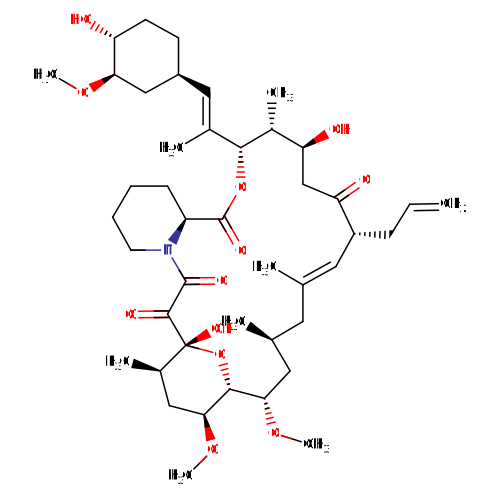
Tacrolimus (also FK-506 or Fujimycin) is an immunosuppressive drug whose main use is after organ transplant to reduce the activity of the patient's immune system and so the risk of organ rejection. It is also used in a topical preparation in the treatment of severe atopic dermatitis, severe refractory uveitis after bone marrow transplants, and the skin condition vitiligo. It was discovered in 1984 from the fermentation broth of a Japanese soil sample that contained the bacteria Streptomyces tsukubaensis. Tacrolimus is chemically known as a macrolide. It reduces peptidyl-prolyl isomerase activity by binding to the immunophilin FKBP-12 (FK506 binding protein) creating a new complex. This FKBP12-FK506 complex inhibits calcineurin which inhibits T-lymphocyte signal transduction and IL-2 transcription.
- Type
- Small Molecule
- Groups
- Approved, Investigational
- Structure
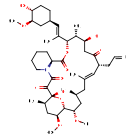
Structure for Tacrolimus (DB00864)
- Weight
- Average: 804.0182
Monoisotopic: 803.481976677 - Chemical Formula
- C44H69NO12
- Synonyms
- Anhydrous tacrolimus
- Tacrolimus
- Tacrolimus anhydrous
- Tacrolimus, anhydrous
- External IDs
- FK-506
- FK5
- K506

Pharmacology
- Indication
Immediate-release formulations of tacrolimus are indicated for the prophylaxis of organ rejection in adult and pediatric patients receiving allogeneic liver, kidney, heart, or lung transplants, in combination with other immunosuppressants.7 Extended-release formulations of tacrolimus are indicated for the prophylaxis of organ rejection in adult and pediatric patients receiving kidney transplants, in combination with other immunosuppressants,8,9 and may be used in patients converted from immediate-release formulations.9
Topical tacrolimus ointment is indicated as second-line therapy for short-term and non-continuous treatment of moderate-to-severe atopic dermatitis in non-immunocompromised adults and children who have failed to respond adequately to other topical treatments or for whom alternative treatments are not advisable.10 Both available strengths are indicated in adult patients, while only the lower strength (0.03%) formulation is indicated in pediatric patients between 2 and 15 years of age.10
 Reduce drug development failure ratesBuild, train, & validate machine-learning modelswith evidence-based and structured datasets.Build, train, & validate predictive machine-learning models with structured datasets.
- Associated Conditions
Indication Type Indication Combined Product Details Approval Level Age Group Patient Characteristics Dose Form Prevention of Graft-versus-host disease ••• ••••• Treatment of Graft-versus-host disease ••• ••••• Adjunct therapy in prophylaxis of Heart transplant rejection •••••••••••• •••••• ••••••••• •••••••• •••••••• ••• ••••••••••• ••••••••• Adjunct therapy in prophylaxis of Kidney transplant rejection •••••••••••• ••••• •• •••• •••••• •••••••••• ••••••• •••••••• ••••••• Adjunct therapy in prophylaxis of Kidney transplant rejection •••••••••••• ••••• ••••••• •••••••• ••••••• - Contraindications & Blackbox Warnings
 Prevent Adverse Drug Events TodayTap into our Clinical API for life-saving information on contraindications & blackbox warnings, population restrictions, harmful risks, & more.Avoid life-threatening adverse drug events with our Clinical API
- Pharmacodynamics
Tacrolimus acts by reducing peptidyl-prolyl isomerase activity by binding to the immunophilin FKBP-12 (FK506 binding protein) creating a new complex. This inhibits both T-lymphocyte signal transduction and IL-2 transcription. Tacrolimus has similar activity to cyclosporine but rates of rejection are lower with tacrolimus. Tacrolimus has also been shown to be effective in the topical treatment of eczema, particularly atopic eczema. It suppresses inflammation in a similar way to steroids, but is not as powerful. An important dermatological advantage of tacrolimus is that it can be used directly on the face; topical steroids cannot be used on the face, as they thin the skin dramatically there. On other parts of the body, topical steroid are generally a better treatment.
- Mechanism of action
The mechanism of action of tacrolimus in atopic dermatitis is not known. While the following have been observed, the clinical significance of these observations in atopic dermatitis is not known. It has been demonstrated that tacrolimus inhibits T-lymphocyte activation by first binding to an intracellular protein, FKBP-12. A complex of tacrolimus-FKBP-12, calcium, calmodulin, and calcineurin is then formed and the phosphatase activity of calcineurin is inhibited. This prevents the dephosphorylation and translocation of nuclear factor of activated T-cells (NF-AT), a nuclear component thought to initiate gene transcription for the formation of lymphokines. Tacrolimus also inhibits the transcription for genes which encode IL-3, IL-4, IL-5, GM-CSF, and TNF-, all of which are involved in the early stages of T-cell activation. Additionally, tacrolimus has been shown to inhibit the release of pre-formed mediators from skin mast cells and basophils, and to downregulate the expression of FceRI on Langerhans cells.
Target Actions Organism APeptidyl-prolyl cis-trans isomerase FKBP1A inhibitorHumans - Absorption
Absorption of tacrolimus from the gastrointestinal tract after oral administration is incomplete and variable. The absolute bioavailability in adult kidney transplant patients is 17±10%; in adults liver transplant patients is 22±6%; in healthy subjects is 18±5%. The absolute bioavailability in pediatric liver transplant patients was 31±24%. Tacrolimus maximum blood concentrations (Cmax) and area under the curve (AUC) appeared to increase in a dose-proportional fashion in 18 fasted healthy volunteers receiving a single oral dose of 3, 7, and 10 mg. When given without food, the rate and extent of absorption were the greatest. The time of the meal also affected bioavailability. When given immediately after a meal, mean Cmax was reduced 71%, and mean AUC was reduced 39%, relative to the fasted condition. When administered 1.5 hours following the meal, mean Cmax was reduced 63%, and mean AUC was reduced 39%, relative to the fasted condition.
- Volume of distribution
- 2.6 ± 2.1 L/kg [pediatric liver transplant patients]
- 1.07 ± 0.20 L/kg [patients with renal impairment, 0.02 mg/kg/4 hr dose, IV]
- 3.1 ± 1.6 L/kg [Mild Hepatic Impairment, 0.02 mg/kg/4 hr dose, IV]
- 3.7 ± 4.7 L/kg [Mild Hepatic Impairment, 7.7 mg dose, PO]
- 3.9 ± 1.0 L/kg [Severe hepatic impairment, 0.02 mg/kg/4 hr dose, IV]
- 3.1 ± 3.4 L/kg [Severe hepatic impairment, 8 mg dose, PO]
- Protein binding
~99% bound to human plasma protein, primarily to albumin and alpha-1-acid glycoprotein. This is independent of concentration over a range of 5-50 ng/mL.
- Metabolism
The metabolism of tacrolimus is predominantly mediated by CYP3A4 and secondarily by CYP3A5.6,7 Tacrolimus is metabolized into 8 metabolites: 13-demethyl tacrolimus, 31-demethyl tacrolimus, 15-demethyl tacrolimus, 12-hydroxy tacrolimus, 15,31-didemethyl tacrolimus, 13,31-didemethyl tacrolimus, 13,15-didemethyl tacrolimus, and a final metabolite involving O-demethylation and the formation of a fused ring.6 The major metabolite identified in incubations with human liver microsomes is 13-demethyl tacrolimus.7 In in vitro studies, a 31-demethyl metabolite has been reported to have the same activity as tacrolimus.7
Hover over products below to view reaction partners
- Route of elimination
In man, less than 1% of the dose administered is excreted unchanged in urine. When administered IV, fecal elimination accounted for 92.6±30.7%, urinary elimination accounted for 2.3±1.1%.
- Half-life
The elimination half life in adult healthy volunteers, kidney transplant patients, liver transplants patients, and heart transplant patients are approximately 35, 19, 12, 24 hours, respectively. The elimination half life in pediatric liver transplant patients was 11.5±3.8 hours, in pediatric kidney transplant patients was 10.2±5.0 (range 3.4-25) hours.
- Clearance
- 0.040 L/hr/kg [healthy subjects, IV]
- 0.172 ± 0.088 L/hr/kg [healthy subjects, oral]
- 0.083 L/hr/kg [adult kidney transplant patients, IV]
- 0.053 L/hr/kg [adult liver transplant patients, IV]
- 0.051 L/hr/kg [adult heart transplant patients, IV]
- 0.138 ± 0.071 L/hr/kg [pediatric liver transplant patients]
- 0.12 ± 0.04 (range 0.06-0.17) L/hr/kg [pediatric kidney transplant patients]
- 0.038 ± 0.014 L/hr/kg [patients with renal impairment, 0.02 mg/kg/4 hr dose, IV]
- 0.042 ± 0.02 L/hr/kg [Mild Hepatic Impairment, 0.02 mg/kg/4 hr dose, IV]
- 0.034 ± 0.019 L/hr/kg [Mild Hepatic Impairment, 7.7 mg dose, PO]
- 0.017 ± 0.013 L/hr/kg [Severe hepatic impairment, 0.02 mg/kg/4 hr dose, IV]
- 0.016 ± 0.011 L/hr/kg [Severe hepatic impairment, 8 mg dose, PO]
- Adverse Effects
 Improve decision support & research outcomesWith structured adverse effects data, including: blackbox warnings, adverse reactions, warning & precautions, & incidence rates. View sample adverse effects data in our new Data Library!Improve decision support & research outcomes with our structured adverse effects data.
- Toxicity
Side effects can be severe and include blurred vision, liver and kidney problems (it is nephrotoxic), seizures, tremors, hypertension, hypomagnesemia, diabetes mellitus, hyperkalemia, itching, insomnia, confusion. LD50=134-194 mg/kg (rat).
- Pathways
- Not Available
- Pharmacogenomic Effects/ADRs
Interacting Gene/Enzyme Allele name Genotype(s) Defining Change(s) Type(s) Description Details Multidrug resistance protein 1 --- (T;T) / (G;T) T Allele (G2677T) ADR Directly Studied The presence of this genotype in ABCB1 may indicate an increased risk of drug-induced neurotoxicity when treated with tacrolimus. Details Cytochrome P450 3A5 CYP3A5*1 Not Available Functional gene Effect Directly Studied Patients with this genotype in CYP3A5 are extensive metabolizers and require higer doses of tacrolimus to attain the therapeutic effect. Details
Interactions
- Drug Interactions
- This information should not be interpreted without the help of a healthcare provider. If you believe you are experiencing an interaction, contact a healthcare provider immediately. The absence of an interaction does not necessarily mean no interactions exist.
Drug Interaction Integrate drug-drug
interactions in your softwareAbacavir Tacrolimus may decrease the excretion rate of Abacavir which could result in a higher serum level. Abametapir The serum concentration of Tacrolimus can be increased when it is combined with Abametapir. Abatacept Tacrolimus may increase the immunosuppressive activities of Abatacept. Abciximab The risk or severity of bleeding can be increased when Abciximab is combined with Tacrolimus. Abemaciclib The serum concentration of Abemaciclib can be increased when it is combined with Tacrolimus. - Food Interactions
- Avoid alcohol. Consuming alcohol may increase the rate of tacrolimus release from extended-release formulations.
- Avoid grapefruit products.
- Exercise caution with St. John's Wort. This herb induces the CYP3A4 metabolism of tacrolimus; therefore, monitoring tacrolimus whole blood trough concentrations may be warranted.
- Take at the same time every day.
- Take on an empty stomach. Take at least 1 hour before or 2 hours after a meal as coadministration with food decreases the rate and extent of absorption.
- Take separate from antacids. Coadministration of tacrolimus with aluminum or magnesium hydroxide antacids may increase the serum levels of tacrolimus, which poses a risk for toxicity.
Products
 Drug product information from 10+ global regionsOur datasets provide approved product information including:dosage, form, labeller, route of administration, and marketing period.Access drug product information from over 10 global regions.
- Product Ingredients
Ingredient UNII CAS InChI Key Tacrolimus hydrate WM0HAQ4WNM 109581-93-3 NWJQLQGQZSIBAF-MSLXHMNKSA-N - Product Images
- Brand Name Prescription Products
Name Dosage Strength Route Labeller Marketing Start Marketing End Region Image Advagraf Capsule, extended release 0.5 mg Oral Astellas Pharma Europe Bv 2016-09-07 Not applicable EU 
Advagraf Capsule, extended release 3 mg Oral Astellas Pharma Europe Bv 2016-09-07 Not applicable EU Advagraf Capsule, extended release 3 mg Oral Astellas Pharma Inc 2010-04-05 Not applicable Canada 
Advagraf Capsule, extended release 0.5 mg Oral Astellas Pharma Europe Bv 2016-09-07 Not applicable EU Advagraf Capsule, extended release 5 mg Oral Astellas Pharma Europe Bv 2016-09-07 Not applicable EU - Generic Prescription Products
Name Dosage Strength Route Labeller Marketing Start Marketing End Region Image Ach-tacrolimus Capsule 1 mg Oral Accord Healthcare Inc 2023-09-15 Not applicable Canada Ach-tacrolimus Capsule 0.5 mg Oral Accord Healthcare Inc 2023-09-21 Not applicable Canada Ach-tacrolimus Capsule 5 mg Oral Accord Healthcare Inc 2023-09-15 Not applicable Canada Apo-tacrolimus Capsule 0.5 mg Oral Apotex Corporation Not applicable Not applicable Canada Apo-tacrolimus Capsule 5 mg Oral Apotex Corporation Not applicable Not applicable Canada - Unapproved/Other Products
Name Ingredients Dosage Route Labeller Marketing Start Marketing End Region Image Hyaluronic Acid Sodium Salt 1% / Niacinamide 4% / Tacrolimus 0.1% Tacrolimus hydrate (0.1 g/100g) + Hyaluronic acid (1 g/100g) + Nicotinamide (4 g/100g) Cream Topical Sinceru Florida, LLC 2019-05-01 Not applicable US 
Hyaluronic Acid Sodium Salt 1% / Tacrolimus 0.1% / Urea 20% Tacrolimus hydrate (0.1 g/100g) + Sodium hyaluronate (1 g/100g) + Urea (20 g/100g) Cream Topical Sincerus Florida, LLC 2019-05-17 Not applicable US Niacinamide 4% / Tacrolimus 0.03% Tacrolimus hydrate (0.03 g/100g) + Nicotinamide (4 g/100g) Ointment Topical Sincerus Florida, LLC 2019-05-17 Not applicable US Niacinamide 4% / Tacrolimus 0.1% Tacrolimus hydrate (0.1 g/100g) + Nicotinamide (4 g/100g) Ointment Topical Sincerus Florida, LLC 2019-05-01 Not applicable US PANOLIMUS 0,5 MG KAPSUL, 50 ADET Tacrolimus hydrate (0.5 mg) Capsule Oral BİEM İLAÇ SAN. VE TİC. A.Ş. 2013-01-29 Not applicable Turkey 


Categories
- ATC Codes
- D11AH01 — Tacrolimus
- D11AH — Agents for dermatitis, excluding corticosteroids
- D11A — OTHER DERMATOLOGICAL PREPARATIONS
- D11 — OTHER DERMATOLOGICAL PREPARATIONS
- D — DERMATOLOGICALS
- Drug Categories
- Agents causing hyperkalemia
- Agents Causing Muscle Toxicity
- Agents for Dermatitis, Excluding Corticosteroids
- Antineoplastic and Immunomodulating Agents
- Calcineurin Inhibitor Immunosuppressant
- Calcineurin Inhibitors
- Cytochrome P-450 CYP3A Inhibitors
- Cytochrome P-450 CYP3A Substrates
- Cytochrome P-450 CYP3A4 Inhibitors
- Cytochrome P-450 CYP3A4 Inhibitors (weak)
- Cytochrome P-450 CYP3A4 Substrates
- Cytochrome P-450 CYP3A4 Substrates with a Narrow Therapeutic Index
- Cytochrome P-450 CYP3A5 Substrates
- Cytochrome P-450 CYP3A5 Substrates with a Narrow Therapeutic Index
- Cytochrome P-450 Enzyme Inhibitors
- Cytochrome P-450 Substrates
- Dermatologicals
- Drugs causing inadvertant photosensitivity
- Enzyme Inhibitors
- Hyperglycemia-Associated Agents
- Immunologic Factors
- Immunosuppressive Agents
- Lactones
- Misc. Skin and Mucous Membrane Agents
- Myelosuppressive Agents
- Narrow Therapeutic Index Drugs
- Nephrotoxic agents
- OATP1B1/SLCO1B1 Inhibitors
- P-glycoprotein inducers
- P-glycoprotein inhibitors
- P-glycoprotein substrates
- P-glycoprotein substrates with a Narrow Therapeutic Index
- Photosensitizing Agents
- Polyketides
- Potential QTc-Prolonging Agents
- QTc Prolonging Agents
- Chemical TaxonomyProvided by Classyfire
- Description
- This compound belongs to the class of organic compounds known as macrolide lactams. These are cyclic polyketides containing both a cyclic amide and a cyclic ester group.
- Kingdom
- Organic compounds
- Super Class
- Phenylpropanoids and polyketides
- Class
- Macrolide lactams
- Sub Class
- Not Available
- Direct Parent
- Macrolide lactams
- Alternative Parents
- Alpha amino acid esters / Macrolides and analogues / Cyclohexanols / Piperidines / Oxanes / Tertiary carboxylic acid amides / Carboxylic acid esters / Cyclic alcohols and derivatives / Cyclic ketones / Hemiacetals show 10 more
- Substituents
- Alcohol / Aliphatic heteropolycyclic compound / Alpha-amino acid ester / Alpha-amino acid or derivatives / Azacycle / Carbonyl group / Carboxamide group / Carboxylic acid derivative / Carboxylic acid ester / Cyclic alcohol show 24 more
- Molecular Framework
- Aliphatic heteropolycyclic compounds
- External Descriptors
- macrolide (CHEBI:61049) / Macrolides and lactone polyketides (C01375) / Macrolides and lactone polyketides (LMPK04000003)
- Affected organisms
- Humans and other mammals
Chemical Identifiers
- UNII
- Y5L2157C4J
- CAS number
- 104987-11-3
- InChI Key
- QJJXYPPXXYFBGM-LFZNUXCKSA-N
- InChI
- InChI=1S/C44H69NO12/c1-10-13-31-19-25(2)18-26(3)20-37(54-8)40-38(55-9)22-28(5)44(52,57-40)41(49)42(50)45-17-12-11-14-32(45)43(51)56-39(29(6)34(47)24-35(31)48)27(4)21-30-15-16-33(46)36(23-30)53-7/h10,19,21,26,28-34,36-40,46-47,52H,1,11-18,20,22-24H2,2-9H3/b25-19+,27-21+/t26-,28+,29+,30-,31+,32-,33+,34-,36+,37-,38-,39+,40+,44+/m0/s1
- IUPAC Name
- (1R,9S,12S,13R,14S,17R,18E,21S,23S,24R,25S,27R)-1,14-dihydroxy-12-[(1E)-1-[(1R,3R,4R)-4-hydroxy-3-methoxycyclohexyl]prop-1-en-2-yl]-23,25-dimethoxy-13,19,21,27-tetramethyl-17-(prop-2-en-1-yl)-11,28-dioxa-4-azatricyclo[22.3.1.0^{4,9}]octacos-18-ene-2,3,10,16-tetrone
- SMILES
- CO[C@@H]1C[C@@H](CC[C@H]1O)\C=C(/C)[C@H]1OC(=O)[C@@H]2CCCCN2C(=O)C(=O)[C@]2(O)O[C@@H]([C@H](C[C@H]2C)OC)[C@H](C[C@@H](C)C\C(C)=C\[C@@H](CC=C)C(=O)C[C@H](O)[C@H]1C)OC
References
- Synthesis Reference
Pan Sup Chang, Hoon Cho, "Water soluble polymer-tacrolimus conjugated compounds and process for preparing the same." U.S. Patent US5922729, issued April, 1997.
US5922729- General References
- Kino T, Hatanaka H, Hashimoto M, Nishiyama M, Goto T, Okuhara M, Kohsaka M, Aoki H, Imanaka H: FK-506, a novel immunosuppressant isolated from a Streptomyces. I. Fermentation, isolation, and physico-chemical and biological characteristics. J Antibiot (Tokyo). 1987 Sep;40(9):1249-55. [Article]
- Pritchard DI: Sourcing a chemical succession for cyclosporin from parasites and human pathogens. Drug Discov Today. 2005 May 15;10(10):688-91. [Article]
- Liu J, Farmer JD Jr, Lane WS, Friedman J, Weissman I, Schreiber SL: Calcineurin is a common target of cyclophilin-cyclosporin A and FKBP-FK506 complexes. Cell. 1991 Aug 23;66(4):807-15. [Article]
- Fukatsu S, Fukudo M, Masuda S, Yano I, Katsura T, Ogura Y, Oike F, Takada Y, Inui K: Delayed effect of grapefruit juice on pharmacokinetics and pharmacodynamics of tacrolimus in a living-donor liver transplant recipient. Drug Metab Pharmacokinet. 2006 Apr;21(2):122-5. [Article]
- Hanifin JM, Paller AS, Eichenfield L, Clark RA, Korman N, Weinstein G, Caro I, Jaracz E, Rico MJ: Efficacy and safety of tacrolimus ointment treatment for up to 4 years in patients with atopic dermatitis. J Am Acad Dermatol. 2005 Aug;53(2 Suppl 2):S186-94. [Article]
- Iwasaki K: Metabolism of tacrolimus (FK506) and recent topics in clinical pharmacokinetics. Drug Metab Pharmacokinet. 2007 Oct;22(5):328-35. [Article]
- FDA Approved Drug Products: Prograf (tacrolimus) capsules/granules for oral use and injection for intravenous administration [Link]
- FDA Approved Drug Products: Astagraf XL (tacrolimus) extended-release capsules for oral administration [Link]
- FDA Approved Drug Products: Envarsus XR (tacrolimus) extended-release tablets for oral use [Link]
- FDA Approved Drug Products: Protopic (tacrolimus) topical ointment [Link]
- External Links
- Human Metabolome Database
- HMDB15002
- KEGG Drug
- D00107
- KEGG Compound
- C01375
- PubChem Compound
- 445643
- PubChem Substance
- 46506004
- ChemSpider
- 393220
- BindingDB
- 50030448
- 235991
- ChEBI
- 61049
- ChEMBL
- CHEMBL269732
- ZINC
- ZINC000169289411
- Therapeutic Targets Database
- DAP000162
- PharmGKB
- PA451578
- PDBe Ligand
- FK5
- RxList
- RxList Drug Page
- Drugs.com
- Drugs.com Drug Page
- Wikipedia
- Tacrolimus
- PDB Entries
- 1bkf / 1fkf / 1fkj / 1q6i / 1tco / 1yat / 2fke / 2vn1 / 3ihz / 3uf8 … show 21 more
- FDA label
- Download (2.11 MB)
- MSDS
- Download (54.9 KB)
Clinical Trials
- Clinical Trials
Phase Status Purpose Conditions Count 4 Active Not Recruiting Basic Science Immunosuppression / Transplanted Kidney Complication 1 4 Active Not Recruiting Prevention Kidney Transplant Failure and Rejection / Kidney Transplant Rejection 1 4 Active Not Recruiting Prevention Prophylaxis against liver transplant rejection 1 4 Active Not Recruiting Supportive Care Renal Transplant Recipient Patients 1 4 Active Not Recruiting Treatment Elderly Patients / Immunosuppression / Renal Transplant Recipient Patients 1
Pharmacoeconomics
- Manufacturers
- Astellas pharma us inc
- Dr reddys laboratories ltd
- Sandoz inc
- Watson laboratories inc
- Astellas Pharma US
- Packagers
- Astellas Pharma Inc.
- B&B Pharmaceuticals
- Cardinal Health
- Caremark LLC
- Doctor Reddys Laboratories Ltd.
- Kaiser Foundation Hospital
- Mckesson Corp.
- Murfreesboro Pharmaceutical Nursing Supply
- Neuman Distributors Inc.
- Physicians Total Care Inc.
- Rebel Distributors Corp.
- Sandoz
- Watson Pharmaceuticals
- Dosage Forms
Form Route Strength Capsule Oral 0.75 MG Capsule Oral 2 MG Capsule, extended release Oral 5 mg Capsule, extended release Oral 3 mg Tablet, film coated, extended release Tablet, film coated, extended release 3 mg Capsule, extended release Oral 1.0 mg Capsule, extended release Oral 5.0 mg Capsule, extended release Oral 0.5 mg Capsule, extended release Oral 1 mg Ointment Cutaneous 0.00030 g Capsule, coated, extended release Oral 0.5 mg/1 Capsule, coated, extended release Oral 1 mg/1 Capsule, coated, extended release Oral 5 mg/1 Ointment Topical 0.0307 g Capsule, extended release Oral 0.500 mg Capsule, extended release Oral 1.000 mg Capsule, extended release Oral 5.000 mg Tablet, film coated, extended release 0.5 mg Tablet, film coated, extended release 1 mg Tablet, film coated, extended release 2 mg Tablet, film coated, extended release 5 mg Tablet Oral 1 mg Tablet Oral 4 mg Tablet, extended release Oral 0.75 mg Tablet, extended release Oral 1 mg Tablet, extended release Oral 4 mg Tablet, extended release Oral 0.75 mg/1 Tablet, extended release Oral 1 mg/1 Tablet, extended release Oral 4 mg/1 Cream Topical Ointment Cutaneous 0.030 g Ointment Topical 0.100 g Granule Oral 0.2 mg Granule Oral 1 mg Granule, for suspension Oral Ointment Topical Capsule Oral 1.000 mg Capsule Oral 1.00 mg Ointment Topical 0.030 g Capsule, gelatin coated Oral 1 mg/1 Granule, for suspension Oral 0.2 mg/1 Granule, for suspension Oral 1 mg/1 Injection, solution Intravenous 5 mg/1mL Injection, solution, concentrate Intravenous; Parenteral 5 MG/ML Solution Intravenous 5 mg / mL Capsule Oral 0.5 mg Capsule Oral 1 mg Solution 5 mg/1ml Capsule, coated Oral 1 mg Solution Intravenous 5 mg Capsule Oral Injection, solution, concentrate Intravenous Capsule Oral 5 mg Injection Intravenous 5 mg/ml Capsule, extended release Oral Capsule, coated Oral 5 mg Ointment Cutaneous 0.03 % Ointment Cutaneous 0.1 % Ointment Topical 0.03 % w/w Ointment Topical 0.03 % Ointment Topical 0.1 % Ointment Topical 0.1 % w/w Ointment Topical 1 mg/1g Ointment Ointment 0.03 %w/w Ointment Topical 0.03 g/100g Ointment 0.1 %w/w Ointment Topical 0.10 g/100g Capsule, extended release Oral 2 mg Ointment Topical 0.1 g Ointment Topical 0.03 g Capsule, gelatin coated Oral 5 mg Capsule Oral 0.5 mg/1 Capsule Oral 1 mg/1 Capsule Oral 5 mg/1 Capsule, gelatin coated Oral 0.5 mg/1 Capsule, gelatin coated Oral 5 mg/1 Ointment Topical 0.3 mg/1g Solution Topical 0.1 g/100g Cream Topical 0.1 g/100g Capsule, coated Oral 0.5 mg Capsule, coated Oral 100000 mg Capsule, coated Oral 500000 mg Capsule, gelatin coated Oral 0.5 mg Capsule, gelatin coated Oral 1 mg Ointment 0.03 % Ointment 0.1 % Ointment Topical 30 mg/30g Ointment Topical Ointment Cutaneous 0.003 g Kit Topical Capsule Oral 2.500 mg - Prices
Unit description Cost Unit Tacrolimus micronized powder 2800.0USD g Protopic 0.1% Ointment 60 gm Tube 255.34USD tube Protopic 0.03% Ointment 60 gm Tube 251.17USD tube Prograf 5 mg/ml ampule 163.94USD ml Protopic 0.03% Ointment 30 gm Tube 132.99USD tube Protopic 0.1% Ointment 30 gm Tube 124.42USD tube Prograf 5 mg capsule 24.26USD capsule Tacrolimus anhydrous 5 mg cap 22.3USD each Prograf 1 mg capsule 4.85USD capsule Tacrolimus 1 mg capsule 4.64USD capsule Tacrolimus anhydrous 1 mg cap 4.46USD each Protopic 0.1% ointment 4.17USD g Protopic 0.03% ointment 4.09USD g Prograf 0.5 mg capsule 2.43USD capsule Tacrolimus anhydrous 0.5 mg cap 2.23USD each DrugBank does not sell nor buy drugs. Pricing information is supplied for informational purposes only.- Patents
Patent Number Pediatric Extension Approved Expires (estimated) Region US5665727 No 1997-09-09 2014-09-09 US US5260301 No 1993-11-09 2011-02-28 US CA2037408 No 2002-12-17 2011-03-01 Canada CA1338491 No 1996-07-30 2013-07-30 Canada US6884433 No 2005-04-26 2019-03-25 US US6576259 No 2003-06-10 2019-03-25 US US8551522 No 2013-10-08 2019-03-25 US US6440458 No 2002-08-27 2019-03-25 US US9161907 No 2015-10-20 2024-08-30 US US8889186 No 2014-11-18 2024-08-30 US US8623411 No 2014-01-07 2024-08-30 US US8486993 No 2013-07-16 2024-08-30 US US8889185 No 2014-11-18 2024-08-30 US US8664239 No 2014-03-04 2028-05-30 US US8586084 No 2013-11-19 2024-08-30 US US8685998 No 2014-04-01 2028-05-30 US US8623410 No 2014-01-07 2024-08-30 US US8617599 No 2013-12-31 2024-08-30 US US7994214 No 2011-08-09 2024-08-30 US US8591946 No 2013-11-26 2024-08-30 US US9549918 No 2017-01-24 2028-05-30 US US9757362 No 2017-09-12 2024-08-30 US US9763920 No 2017-09-19 2024-08-30 US US10166190 No 2019-01-01 2028-05-30 US US8644239 No 2014-02-04 2028-08-30 US US10548880 No 2020-02-04 2024-08-30 US US10864199 No 2020-12-15 2028-05-30 US US11123331 No 2021-09-21 2028-05-30 US US11110081 No 2021-09-07 2028-05-30 US US11077096 No 2021-08-03 2024-08-30 US US11419823 No 2008-05-30 2028-05-30 US
Properties
- State
- Solid
- Experimental Properties
Property Value Source melting point (°C) 126 °C Not Available water solubility Insoluble FDA label logP 3.3 Not Available - Predicted Properties
Property Value Source Water Solubility 0.00402 mg/mL ALOGPS logP 3.19 ALOGPS logP 5.59 Chemaxon logS -5.3 ALOGPS pKa (Strongest Acidic) 9.96 Chemaxon pKa (Strongest Basic) -2.9 Chemaxon Physiological Charge 0 Chemaxon Hydrogen Acceptor Count 11 Chemaxon Hydrogen Donor Count 3 Chemaxon Polar Surface Area 178.36 Å2 Chemaxon Rotatable Bond Count 7 Chemaxon Refractivity 215.62 m3·mol-1 Chemaxon Polarizability 87.9 Å3 Chemaxon Number of Rings 4 Chemaxon Bioavailability 0 Chemaxon Rule of Five No Chemaxon Ghose Filter No Chemaxon Veber's Rule No Chemaxon MDDR-like Rule Yes Chemaxon - Predicted ADMET Features
Property Value Probability Human Intestinal Absorption - 0.8264 Blood Brain Barrier - 0.9659 Caco-2 permeable - 0.5977 P-glycoprotein substrate Substrate 0.7862 P-glycoprotein inhibitor I Inhibitor 0.8687 P-glycoprotein inhibitor II Inhibitor 0.7974 Renal organic cation transporter Non-inhibitor 0.8135 CYP450 2C9 substrate Non-substrate 0.9116 CYP450 2D6 substrate Non-substrate 0.9116 CYP450 3A4 substrate Substrate 0.7435 CYP450 1A2 substrate Non-inhibitor 0.8874 CYP450 2C9 inhibitor Non-inhibitor 0.9053 CYP450 2D6 inhibitor Non-inhibitor 0.9402 CYP450 2C19 inhibitor Non-inhibitor 0.8969 CYP450 3A4 inhibitor Non-inhibitor 0.869 CYP450 inhibitory promiscuity Low CYP Inhibitory Promiscuity 0.9807 Ames test Non AMES toxic 0.6355 Carcinogenicity Non-carcinogens 0.9422 Biodegradation Not ready biodegradable 0.9698 Rat acute toxicity 2.7541 LD50, mol/kg Not applicable hERG inhibition (predictor I) Weak inhibitor 0.9817 hERG inhibition (predictor II) Non-inhibitor 0.8733
Spectra
- Mass Spec (NIST)
- Not Available
- Spectra
- Chromatographic Properties
Collision Cross Sections (CCS)
Adduct CCS Value (Å2) Source type Source [M-H]- 298.5606386 predictedDarkChem Lite v0.1.0 [M-H]- 288.0633386 predictedDarkChem Lite v0.1.0 [M-H]- 275.78625 predictedDeepCCS 1.0 (2019) [M+H]+ 287.6645386 predictedDarkChem Lite v0.1.0 [M+H]+ 277.50998 predictedDeepCCS 1.0 (2019) [M+Na]+ 286.6385386 predictedDarkChem Lite v0.1.0 [M+Na]+ 283.83893 predictedDeepCCS 1.0 (2019)
Targets

- Kind
- Protein
- Organism
- Humans
- Pharmacological action
- Yes
- Actions
- Inhibitor
- General Function
- Type i transforming growth factor beta receptor binding
- Specific Function
- Keeps in an inactive conformation TGFBR1, the TGF-beta type I serine/threonine kinase receptor, preventing TGF-beta receptor activation in absence of ligand. Recruites SMAD7 to ACVR1B which prevent...
- Gene Name
- FKBP1A
- Uniprot ID
- P62942
- Uniprot Name
- Peptidyl-prolyl cis-trans isomerase FKBP1A
- Molecular Weight
- 11950.665 Da
References
- Labrande C, Velly L, Canolle B, Guillet B, Masmejean F, Nieoullon A, Pisano P: Neuroprotective effects of tacrolimus (FK506) in a model of ischemic cortical cell cultures: role of glutamate uptake and FK506 binding protein 12 kDa. Neuroscience. 2006;137(1):231-9. Epub 2005 Nov 10. [Article]
- Masri M, Rizk S, Barbari A, Stephan A, Kamel G, Rost M: An assay for the determination of sirolimus levels in the lymphocyte of transplant patients. Transplant Proc. 2007 May;39(4):1204-6. [Article]
Enzymes
- Kind
- Protein
- Organism
- Humans
- Pharmacological action
- Unknown
- Actions
- Substrate
- General Function
- Vitamin d3 25-hydroxylase activity
- Specific Function
- Cytochromes P450 are a group of heme-thiolate monooxygenases. In liver microsomes, this enzyme is involved in an NADPH-dependent electron transport pathway. It performs a variety of oxidation react...
- Gene Name
- CYP3A4
- Uniprot ID
- P08684
- Uniprot Name
- Cytochrome P450 3A4
- Molecular Weight
- 57342.67 Da
References
- Ekins S, Bravi G, Wikel JH, Wrighton SA: Three-dimensional-quantitative structure activity relationship analysis of cytochrome P-450 3A4 substrates. J Pharmacol Exp Ther. 1999 Oct;291(1):424-33. [Article]
- Rendic S: Summary of information on human CYP enzymes: human P450 metabolism data. Drug Metab Rev. 2002 Feb-May;34(1-2):83-448. [Article]
- Lampen A, Christians U, Guengerich FP, Watkins PB, Kolars JC, Bader A, Gonschior AK, Dralle H, Hackbarth I, Sewing KF: Metabolism of the immunosuppressant tacrolimus in the small intestine: cytochrome P450, drug interactions, and interindividual variability. Drug Metab Dispos. 1995 Dec;23(12):1315-24. [Article]
- Kind
- Protein
- Organism
- Humans
- Pharmacological action
- Unknown
- Actions
- Substrate
- General Function
- Oxygen binding
- Specific Function
- Cytochromes P450 are a group of heme-thiolate monooxygenases. In liver microsomes, this enzyme is involved in an NADPH-dependent electron transport pathway. It oxidizes a variety of structurally un...
- Gene Name
- CYP3A5
- Uniprot ID
- P20815
- Uniprot Name
- Cytochrome P450 3A5
- Molecular Weight
- 57108.065 Da
References
- Zheng H, Webber S, Zeevi A, Schuetz E, Zhang J, Bowman P, Boyle G, Law Y, Miller S, Lamba J, Burckart GJ: Tacrolimus dosing in pediatric heart transplant patients is related to CYP3A5 and MDR1 gene polymorphisms. Am J Transplant. 2003 Apr;3(4):477-83. [Article]
- Kamdem LK, Streit F, Zanger UM, Brockmoller J, Oellerich M, Armstrong VW, Wojnowski L: Contribution of CYP3A5 to the in vitro hepatic clearance of tacrolimus. Clin Chem. 2005 Aug;51(8):1374-81. doi: 10.1373/clinchem.2005.050047. Epub 2005 Jun 10. [Article]
- Op den Buijsch RA, Christiaans MH, Stolk LM, de Vries JE, Cheung CY, Undre NA, van Hooff JP, van Dieijen-Visser MP, Bekers O: Tacrolimus pharmacokinetics and pharmacogenetics: influence of adenosine triphosphate-binding cassette B1 (ABCB1) and cytochrome (CYP) 3A polymorphisms. Fundam Clin Pharmacol. 2007 Aug;21(4):427-35. doi: 10.1111/j.1472-8206.2007.00504.x. [Article]
- Zheng H, Zeevi A, Schuetz E, Lamba J, McCurry K, Griffith BP, Webber S, Ristich J, Dauber J, Iacono A, Grgurich W, Zaldonis D, McDade K, Zhang J, Burckart GJ: Tacrolimus dosing in adult lung transplant patients is related to cytochrome P4503A5 gene polymorphism. J Clin Pharmacol. 2004 Feb;44(2):135-40. doi: 10.1177/0091270003262108. [Article]
Carriers
- Kind
- Protein
- Organism
- Humans
- Pharmacological action
- Unknown
- Actions
- Substrate
- General Function
- Toxic substance binding
- Specific Function
- Serum albumin, the main protein of plasma, has a good binding capacity for water, Ca(2+), Na(+), K(+), fatty acids, hormones, bilirubin and drugs. Its main function is the regulation of the colloid...
- Gene Name
- ALB
- Uniprot ID
- P02768
- Uniprot Name
- Serum albumin
- Molecular Weight
- 69365.94 Da
- Kind
- Protein
- Organism
- Humans
- Pharmacological action
- Unknown
- Actions
- Substrate
- General Function
- Not Available
- Specific Function
- Functions as transport protein in the blood stream. Binds various ligands in the interior of its beta-barrel domain. Also binds synthetic drugs and influences their distribution and availability in...
- Gene Name
- ORM1
- Uniprot ID
- P02763
- Uniprot Name
- Alpha-1-acid glycoprotein 1
- Molecular Weight
- 23511.38 Da
Transporters
- Kind
- Protein
- Organism
- Humans
- Pharmacological action
- Unknown
- Actions
- SubstrateInhibitorInducer
- General Function
- Xenobiotic-transporting atpase activity
- Specific Function
- Energy-dependent efflux pump responsible for decreased drug accumulation in multidrug-resistant cells.
- Gene Name
- ABCB1
- Uniprot ID
- P08183
- Uniprot Name
- Multidrug resistance protein 1
- Molecular Weight
- 141477.255 Da
References
- Schuetz EG, Beck WT, Schuetz JD: Modulators and substrates of P-glycoprotein and cytochrome P4503A coordinately up-regulate these proteins in human colon carcinoma cells. Mol Pharmacol. 1996 Feb;49(2):311-8. [Article]
- Wandel C, Kim RB, Kajiji S, Guengerich P, Wilkinson GR, Wood AJ: P-glycoprotein and cytochrome P-450 3A inhibition: dissociation of inhibitory potencies. Cancer Res. 1999 Aug 15;59(16):3944-8. [Article]
- Quezada CA, Garrido WX, Gonzalez-Oyarzun MA, Rauch MC, Salas MR, San Martin RE, Claude AA, Yanez AJ, Slebe JC, Carcamo JG: Effect of tacrolimus on activity and expression of P-glycoprotein and ATP-binding cassette transporter A5 (ABCA5) proteins in hematoencephalic barrier cells. Biol Pharm Bull. 2008 Oct;31(10):1911-6. [Article]
- FDA Drug Development and Drug Interactions: Table of Substrates, Inhibitors and Inducers [Link]
- Kind
- Protein
- Organism
- Humans
- Pharmacological action
- Unknown
- Actions
- Substrate
- General Function
- Atpase activity, coupled to transmembrane movement of substances
- Specific Function
- May play a role in the processing of autolysosomes.
- Gene Name
- ABCA5
- Uniprot ID
- Q8WWZ7
- Uniprot Name
- ATP-binding cassette sub-family A member 5
- Molecular Weight
- 186505.825 Da
References
- Quezada CA, Garrido WX, Gonzalez-Oyarzun MA, Rauch MC, Salas MR, San Martin RE, Claude AA, Yanez AJ, Slebe JC, Carcamo JG: Effect of tacrolimus on activity and expression of P-glycoprotein and ATP-binding cassette transporter A5 (ABCA5) proteins in hematoencephalic barrier cells. Biol Pharm Bull. 2008 Oct;31(10):1911-6. [Article]
- Kind
- Protein
- Organism
- Humans
- Pharmacological action
- Unknown
- Actions
- Inhibitor
- General Function
- Sodium-independent organic anion transmembrane transporter activity
- Specific Function
- Mediates the Na(+)-independent uptake of organic anions such as pravastatin, taurocholate, methotrexate, dehydroepiandrosterone sulfate, 17-beta-glucuronosyl estradiol, estrone sulfate, prostagland...
- Gene Name
- SLCO1B1
- Uniprot ID
- Q9Y6L6
- Uniprot Name
- Solute carrier organic anion transporter family member 1B1
- Molecular Weight
- 76447.99 Da
References
- Kalliokoski A, Niemi M: Impact of OATP transporters on pharmacokinetics. Br J Pharmacol. 2009 Oct;158(3):693-705. doi: 10.1111/j.1476-5381.2009.00430.x. Epub 2009 Sep 25. [Article]

Drug created at June 13, 2005 13:24 / Updated at April 26, 2024 00:46