Identification
- Summary
Quinidine is a medication used to restore normal sinus rhythm, treat atrial fibrillation and flutter, and treat ventricular arrhythmias.
- Brand Names
- Nuedexta
- Generic Name
- Quinidine
- DrugBank Accession Number
- DB00908
- Background
Quinidine is a D-isomer of quinine present in the bark of the Cinchona tree and similar plant species. This alkaloid was first described in 1848 and has a long history as an antiarrhythmic medication.1,2 Quinidine is considered the first antiarrhythmic drug (class Ia) and is moderately efficacious in the acute conversion of atrial fibrillation to normal sinus rhythm.1 It prolongs cellular action potential by blocking sodium and potassium currents. A phenomenon known as “quinidine syncope” was first described in the 1950s, characterized by syncopal attacks and ventricular fibrillation in patients treated with this drug.1 Due to its side effects and increased risk of mortality, the use of quinidine was reduced over the next few decades. However, it continues to be used in the treatment of Brugada syndrome, short QT syndrome and idiopathic ventricular fibrillation.2
- Type
- Small Molecule
- Groups
- Approved, Investigational
- Structure
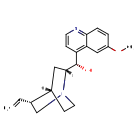
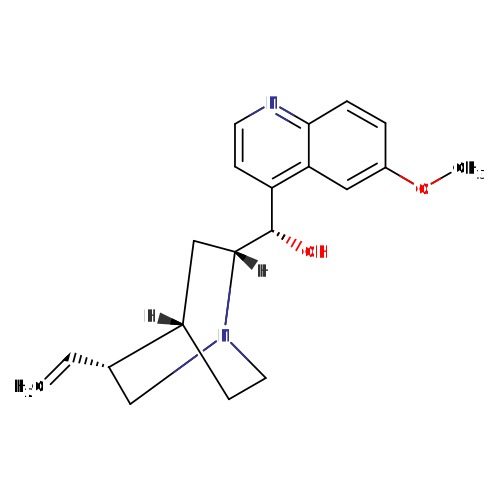
Structure for Quinidine (DB00908)
- Weight
- Average: 324.4168
Monoisotopic: 324.183778022 - Chemical Formula
- C20H24N2O2
- Synonyms
- (+)-quinidine
- (8R,9S)-Quinidine
- (R)-(6-Methoxyquinolin-4-yl)((3S,4R,7S)-3-vinylquinuclidin-7-yl)methanol
- (S)-(6-Methoxy-quinolin-4-yl)-((2R,5R)-5-vinyl-1-aza-bicyclo[2.2.2]oct-2-yl)-methanol
- (S)-(6-Methoxyquinolin-4-yl)((2R,5R)-5-vinylquinuclidin-2-yl)methanol
- 6-methoxy-α-(5-vinyl-2-quinuclidinyl)-4-quinolinemethanol
- beta-Quinine
- Chinidin
- Chinidinum
- CIN-QUIN
- Conchinin
- Conquinine
- Pitayine
- Quinidina
- α-(6-methoxy-4-quinolyl)-5-vinyl-2-quinuclidinemethanol
- β-quinine

Pharmacology
- Indication
Quinidine is indicated for the management and prophylactic therapy of atrial fibrillation/flutter, as well as the suppression of recurrent documented ventricular arrhythmias.5,6 It is also used in the treatment of Brugada syndrome, short QT syndrome and idiopathic ventricular fibrillation.2,3.
 Reduce drug development failure ratesBuild, train, & validate machine-learning modelswith evidence-based and structured datasets.Build, train, & validate predictive machine-learning models with structured datasets.
- Associated Conditions
Indication Type Indication Combined Product Details Approval Level Age Group Patient Characteristics Dose Form Treatment of Malaria caused by plasmodium falciparum •••••••••••• Used in combination to treat Pseudobulbar affect Combination Product in combination with: Dextromethorphan (DB00514) •••••••••••• Management of Ventricular arrhythmias •••••••••••• Management of Atrial flutter/fibrillation •••••••••••• Prophylaxis of Atrial flutter/fibrillation •••••••••••• - Contraindications & Blackbox Warnings
 Prevent Adverse Drug Events TodayTap into our Clinical API for life-saving information on contraindications & blackbox warnings, population restrictions, harmful risks, & more.Avoid life-threatening adverse drug events with our Clinical API
- Pharmacodynamics
Quinidine is an antimalarial schizonticide, and a class Ia antiarrhythmic agent used to interrupt or prevent reentrant arrhythmias and arrhythmias due to increased automaticity, such as atrial flutter, atrial fibrillation, and paroxysmal supraventricular tachycardia.6 In most patients, quinidine can lead to an increase in the sinus rate. Quinidine also causes a marked prolongation of the QT interval in a dose-related manner,1,5 acts peripherally as an α-adrenergic antagonist, and has anticholinergic and negative inotropic activity.6
The QT interval prolongation caused by quinidine can lead to increased ventricular automaticity and polymorphic ventricular tachycardias, such as torsades de pointes. The risk of torsades is increased by bradycardia, hypokalemia, hypomagnesemia or high serum levels of quinidine. However, this type of rhythm disturbance may appear in the absence of any of them.5,6 Patients treated with quinidine may also be at risk of a paradoxical increase in ventricular rate in atrial flutter/fibrillation, and patients with sick sinus syndrome treated with quinidine may develop marked sinus node depression and bradycardia.5,6
- Mechanism of action
Quinidine has a complex electrophysiological profile that has not been fully elucidated. The antiarrhythmic actions of this drug are mediated through effects on sodium channels in Purkinje fibers. Quinidine blocks the rapid sodium channel (INa), decreasing the phase zero of rapid depolarization of the action potential.2 Quinidine also reduces repolarizing K+ currents (IKr, IKs), the inward rectifier potassium current (IK1), and the transient outward potassium current Ito, as well as the L-type calcium current ICa and the late INa inward current.2 The reduction of these currents leads to the prolongation of the action potential duration. By shortening the plateau but prolonging late depolarization, quinidine facilitates the formation of early afterdepolarisation (EAD).2 Additionally, in patients with malaria, quinidine acts primarily as an intra-erythrocytic schizonticide, and is gametocidal to Plasmodium vivax and P. malariae, but not to P. falciparum.5,6
Target Actions Organism ASodium channel protein type 5 subunit alpha inhibitorHumans UPotassium channel subfamily K member 1 inhibitorHumans UPotassium channel subfamily K member 6 inhibitorHumans UPotassium voltage-gated channel subfamily H member 2 inhibitorHumans UAlpha-1A adrenergic receptor antagonistHumans UAlpha-1B adrenergic receptor antagonistHumans UAlpha-1D adrenergic receptor antagonistHumans - Absorption
The absolute bioavailability of quinidine sulfate is approximately 70%, but it ranges from 45% to 100%. The less-than-complete quinidine sulfate bioavailability is a result of first-pass metabolism in the liver.5 In contrast, the absolute bioavailability of quinidine gluconate ranges from 70% to 80%, and relative to quinidine sulfate, quinidine from quinidine gluconate has a bioavailability of 1.03.6 The tmax of quinidine sulfate extended-release tablets is approximately 6 h5, while the tmax of quinidine gluconate goes from 3 to 5 h.6 The peak serum concentration reached with immediate-release quinidine sulfate is delayed for about an hour when taken with food. Furthermore, the ingestion of grapefruit juice may decrease the rate of absorption of quinidine.5,6
- Volume of distribution
Quinidine has a volume of distribution of 2-3 L/kg in healthy young adults, 0.5 L/kg in patients with congestive heart failure, and 3-5 L/kg in patients with liver cirrhosis.5,6
- Protein binding
From 6.5 to 16.2 µmol/L, 80 to 88% of quinidine is bound to plasma proteins, mainly α1-acid glycoprotein and albumin. This fraction is lower in pregnant women, and it may be as low as 50 to 70% in infants and neonates.5,6
- Metabolism
Quinidine is mainly metabolized in the liver by cytochrome P450 enzymes, specifically CYP3A4. The major metabolite of quinidine is 3-hydroxy-quinidine, which has a volume of distribution larger than quinidine and an elimination half-life of about 12 hours.5,6 Non-clinical and clinical studies suggest that 3-hydroxy-quinidine has approximately half the antiarrhythmic activity of quinidine; therefore, this metabolite is partly responsible for the effects detected with the chronic use of quinidine.5,6
Hover over products below to view reaction partners
- Route of elimination
The elimination of quinidine is achieved by the renal excretion of the unchanged drug (15 to 40% of total clearance) and its hepatic biotransformation to a variety of metabolites (60 to 85% of total clearance).4 When urine has a pH lower than 7, 20% of administered quinidine appears in urine unchanged. However, this proportion decreases to as little as 5% as it becomes more alkaline. The renal clearance of quinidine involves both glomerular filtration and active tubular secretion, moderated by pH-dependent tubular reabsorption.5,6
- Half-life
The elimination half-life of quinidine is 6-8 hours in adults and 3-4 hours in pediatric patients.5,6
- Clearance
The clearance of quinidine ranges from 3 to 5 mL/min/kg in adults. In pediatric patients, quinidine clearance may be two or three times as rapid.5,6
- Adverse Effects
 Improve decision support & research outcomesWith structured adverse effects data, including: blackbox warnings, adverse reactions, warning & precautions, & incidence rates. View sample adverse effects data in our new Data Library!Improve decision support & research outcomes with our structured adverse effects data.
- Toxicity
Quinidine overdoses have been well described. The ingestion of 5 g of quinidine resulted in the death of a toddler, while an adolescent was reported to survive after ingesting 8 g of quinidine.5,6 A 16-month that ingested quinidine tablets developed a concretion of bezoar in the stomach, which led to non-declining toxic levels of quinidine. A gastric aspirate revealed that quinidine levels were 50 times higher than the ones detected in plasma. In cases of massive overdose, it may be appropriate to perform an endoscopy.5 Acute quinidine overdoses are characterized by ventricular arrhythmias and hypotension. Other signs and symptoms of quinidine overdose may include vomiting, diarrhea, tinnitus, high-frequency hearing loss, vertigo, blurred vision, diplopia, photophobia, headache, confusion and delirium.5,6
- Pathways
Pathway Category Quinidine Action Pathway Drug action - Pharmacogenomic Effects/ADRs
- Not Available
Interactions
- Drug Interactions
- This information should not be interpreted without the help of a healthcare provider. If you believe you are experiencing an interaction, contact a healthcare provider immediately. The absence of an interaction does not necessarily mean no interactions exist.
Drug Interaction Integrate drug-drug
interactions in your softwareAbacavir Abacavir may decrease the excretion rate of Quinidine which could result in a higher serum level. Abametapir The serum concentration of Quinidine can be increased when it is combined with Abametapir. Abatacept The metabolism of Quinidine can be increased when combined with Abatacept. Abciximab The therapeutic efficacy of Abciximab can be increased when used in combination with Quinidine. Abemaciclib The serum concentration of Abemaciclib can be increased when it is combined with Quinidine. - Food Interactions
- Exercise caution with grapefruit products. Grapefruit may delay the absorption of quinidine, and inhibit its metabolism through CYP3A4.
- Exercise caution with St. John's Wort.
- Take separate from antacids. Antacids may reduce the absorption of quinidine.
- Take with or without food. Taking quinidine with food may slow its absorption.
Products
 Drug product information from 10+ global regionsOur datasets provide approved product information including:dosage, form, labeller, route of administration, and marketing period.Access drug product information from over 10 global regions.
- Product Ingredients
Ingredient UNII CAS InChI Key Quinidine gluconate R6875N380F 7054-25-3 XHKUDCCTVQUHJQ-LCYSNFERSA-N Quinidine hydrochloride S4P5V5597B 1668-99-1 LBSFSRMTJJPTCW-VJAUXQICSA-N Quinidine polygalacturonate H0C54E9D68 27555-34-6 Not applicable Quinidine sulfate J13S2394HE 6591-63-5 LOUPRKONTZGTKE-UYVJDWJCSA-N - Product Images


- International/Other Brands
- Cardioquin / Kinidin / Quin-Release / Quinaglute / Quinalan / Quinicardine / Quinidex
- Brand Name Prescription Products
Name Dosage Strength Route Labeller Marketing Start Marketing End Region Image Cardioquin Tablets Tablet 275 mg / tab Oral Purdue Pharma 1961-12-31 2000-07-17 Canada 
Quinate Tab 325mg Tablet 325 mg Oral Rougier Pharma Division Of Ratiopharm Inc 1979-12-31 2003-09-22 Canada Quinidex Extentabs Srt 300mg Tablet, extended release 300 mg / srt Oral Wyeth Ayerst Canada Inc. 1994-12-31 2001-10-29 Canada Quinidex Extentabs Srt 300mg Tablet, extended release 300 mg Oral Ayerst Laboratories 1991-12-31 1996-09-10 Canada Quinidine 200 Tab Tablet 200 mg Oral Pro Doc Limitee 1982-12-31 2003-07-31 Canada - Generic Prescription Products
Name Dosage Strength Route Labeller Marketing Start Marketing End Region Image Apo Quinidine Tab 200mg Tablet 200 mg Oral Apotex Corporation 1979-12-31 2010-01-19 Canada Apo-quin-G Tab 325mg Tablet 325 mg Oral Apotex Corporation 1985-12-31 2010-01-19 Canada Novo-quinidin 200mg Tablet 200 mg Oral Novopharm Limited 1966-12-31 2005-08-10 Canada Quinidine gluconate Tablet, extended release 324 mg/1 Oral Eywa Pharma Inc 2022-03-20 Not applicable US 
Quinidine Gluconate Tablet, extended release 324 mg/1 Oral Golden State Medical Supply 1987-02-11 Not applicable US - Mixture Products
Name Ingredients Dosage Route Labeller Marketing Start Marketing End Region Image Nuedexta Quinidine sulfate (10 mg/1) + Dextromethorphan hydrobromide monohydrate (20 mg/1) Capsule, gelatin coated Oral Avanir Pharmaceuticals, Inc. 2010-12-01 Not applicable US Nuedexta Quinidine sulfate (10 mg/1) + Dextromethorphan hydrobromide monohydrate (20 mg/1) Capsule, gelatin coated Oral Otsuka America Pharmaceutical, Inc 2023-01-03 Not applicable US


Categories
- ATC Codes
- C01BA01 — Quinidine
- C01BA — Antiarrhythmics, class Ia
- C01B — ANTIARRHYTHMICS, CLASS I AND III
- C01 — CARDIAC THERAPY
- C — CARDIOVASCULAR SYSTEM
- C01BA — Antiarrhythmics, class Ia
- C01B — ANTIARRHYTHMICS, CLASS I AND III
- C01 — CARDIAC THERAPY
- C — CARDIOVASCULAR SYSTEM
- Drug Categories
- Adrenergic Agents
- Adrenergic alpha-1 Receptor Antagonists
- Adrenergic alpha-Antagonists
- Adrenergic Antagonists
- Agents producing tachycardia
- Agents that produce hypertension
- Agents that produce neuromuscular block (indirect)
- Agents that reduce seizure threshold
- Alkaloids
- Anti-Infective Agents
- Antiarrhythmic agents
- Antiarrhythmics, Class I
- Antiarrhythmics, Class Ia
- Anticholinergic Agents
- Antimalarials
- Antiparasitic Agents
- Antiprotozoals
- Biological Products
- Biopolymers
- BSEP/ABCB11 Inhibitors
- Carbohydrates
- Cardiac Therapy
- Cardiovascular Agents
- Cholinergic Agents
- Cinchona Alkaloids
- Complex Mixtures
- Compounds used in a research, industrial, or household setting
- Cytochrome P-450 CYP1A2 Inhibitors
- Cytochrome P-450 CYP1A2 Inhibitors (strong)
- Cytochrome P-450 CYP2B6 Inhibitors
- Cytochrome P-450 CYP2B6 Inhibitors (strength unknown)
- Cytochrome P-450 CYP2C8 Inducers
- Cytochrome P-450 CYP2C8 Inducers (weak)
- Cytochrome P-450 CYP2C8 Inhibitors
- Cytochrome P-450 CYP2C8 Inhibitors (weak)
- Cytochrome P-450 CYP2C9 Inhibitors
- Cytochrome P-450 CYP2C9 Inhibitors (moderate)
- Cytochrome P-450 CYP2C9 Substrates
- Cytochrome P-450 CYP2C9 Substrates with a Narrow Therapeutic Index
- Cytochrome P-450 CYP2D6 Inhibitors
- Cytochrome P-450 CYP2D6 Inhibitors (strong)
- Cytochrome P-450 CYP2E1 Substrates
- Cytochrome P-450 CYP2E1 Substrates with a Narrow Therapeutic Index
- Cytochrome P-450 CYP3A Inhibitors
- Cytochrome P-450 CYP3A Substrates
- Cytochrome P-450 CYP3A4 Inhibitors
- Cytochrome P-450 CYP3A4 Inhibitors (weak)
- Cytochrome P-450 CYP3A4 Substrates
- Cytochrome P-450 CYP3A4 Substrates with a Narrow Therapeutic Index
- Cytochrome P-450 CYP3A7 Substrates
- Cytochrome P-450 CYP3A7 Substrates with a Narrow Therapeutic Index
- Cytochrome P-450 Enzyme Inducers
- Cytochrome P-450 Enzyme Inhibitors
- Cytochrome P-450 Substrates
- Drugs causing inadvertant photosensitivity
- Drugs that are Mainly Renally Excreted
- Drugs that are Mainly Renally Excreted with a Narrow Therapeutic Index
- Enzyme Inhibitors
- Heterocyclic Compounds, Fused-Ring
- Highest Risk QTc-Prolonging Agents
- Macromolecular Substances
- Membrane Transport Modulators
- Muscarinic Antagonists
- Narrow Therapeutic Index Drugs
- Negative Inotrope
- Neurotransmitter Agents
- OAT3/SLC22A8 Inhibitors
- OATP1B1/SLCO1B1 Inhibitors
- OCT1 inhibitors
- OCT2 Inhibitors
- P-glycoprotein inhibitors
- P-glycoprotein substrates
- P-glycoprotein substrates with a Narrow Therapeutic Index
- Pharmaceutical Preparations
- Photosensitizing Agents
- Plant Extracts
- Plant Preparations
- Polymers
- Polysaccharides
- QTc Prolonging Agents
- Quinolines
- Quinuclidines
- Sodium Channel Blockers
- Voltage-Gated Sodium Channel Blockers
- Chemical TaxonomyProvided by Classyfire
- Description
- This compound belongs to the class of organic compounds known as cinchona alkaloids. These are alkaloids structurally characterized by the presence of the cinchonan skeleton, which consists of a quinoline linked to an azabicyclo[2.2.2]octane moiety.
- Kingdom
- Organic compounds
- Super Class
- Alkaloids and derivatives
- Class
- Cinchona alkaloids
- Sub Class
- Not Available
- Direct Parent
- Cinchona alkaloids
- Alternative Parents
- 4-quinolinemethanols / Quinuclidines / Anisoles / Aralkylamines / Alkyl aryl ethers / Pyridines and derivatives / Piperidines / Heteroaromatic compounds / Trialkylamines / Secondary alcohols show 5 more
- Substituents
- 1,2-aminoalcohol / 4-quinolinemethanol / Alcohol / Alkyl aryl ether / Amine / Anisole / Aralkylamine / Aromatic alcohol / Aromatic heteropolycyclic compound / Azacycle show 18 more
- Molecular Framework
- Aromatic heteropolycyclic compounds
- External Descriptors
- cinchona alkaloid (CHEBI:28593)
- Affected organisms
- Humans and other mammals
Chemical Identifiers
- UNII
- ITX08688JL
- CAS number
- 56-54-2
- InChI Key
- LOUPRKONTZGTKE-LHHVKLHASA-N
- InChI
- InChI=1S/C20H24N2O2/c1-3-13-12-22-9-7-14(13)10-19(22)20(23)16-6-8-21-18-5-4-15(24-2)11-17(16)18/h3-6,8,11,13-14,19-20,23H,1,7,9-10,12H2,2H3/t13-,14-,19+,20-/m0/s1
- IUPAC Name
- (S)-[(2R,4S,5R)-5-ethenyl-1-azabicyclo[2.2.2]octan-2-yl](6-methoxyquinolin-4-yl)methanol
- SMILES
- [H][C@@]12CCN(C[C@@H]1C=C)[C@]([H])(C2)[C@@H](O)C1=C2C=C(OC)C=CC2=NC=C1
References
- Synthesis Reference
Jean Paul REMON, Chris Vervaet, "QUININE AND QUINIDINE SALTS, METHODS FOR MAKING THEM, AND PHARMACEUTICAL FORMULATIONS COMPRISING THEM." U.S. Patent US20090239900, issued September 24, 2009.
US20090239900- General References
- Yang F, Hanon S, Lam P, Schweitzer P: Quinidine revisited. Am J Med. 2009 Apr;122(4):317-21. doi: 10.1016/j.amjmed.2008.11.019. Epub 2009 Feb 25. [Article]
- Vitali Serdoz L, Rittger H, Furlanello F, Bastian D: Quinidine-A legacy within the modern era of antiarrhythmic therapy. Pharmacol Res. 2019 Jun;144:257-263. doi: 10.1016/j.phrs.2019.04.028. Epub 2019 Apr 23. [Article]
- Priori SG, Wilde AA, Horie M, Cho Y, Behr ER, Berul C, Blom N, Brugada J, Chiang CE, Huikuri H, Kannankeril P, Krahn A, Leenhardt A, Moss A, Schwartz PJ, Shimizu W, Tomaselli G, Tracy C: HRS/EHRA/APHRS expert consensus statement on the diagnosis and management of patients with inherited primary arrhythmia syndromes: document endorsed by HRS, EHRA, and APHRS in May 2013 and by ACCF, AHA, PACES, and AEPC in June 2013. Heart Rhythm. 2013 Dec;10(12):1932-63. doi: 10.1016/j.hrthm.2013.05.014. Epub 2013 Aug 30. [Article]
- Ochs HR, Greenblatt DJ, Woo E: Clinical pharmacokinetics of quinidine. Clin Pharmacokinet. 1980 Mar-Apr;5(2):150-68. doi: 10.2165/00003088-198005020-00003. [Article]
- FDA Approved Drug Products: Quinidex Extentabs (quinidine sulfate) extended-release tablets for oral use [Link]
- FDA Approved Drug Products: Quinidine gluconate extended-release tablets for oral use [Link]
- External Links
- Human Metabolome Database
- HMDB0015044
- KEGG Drug
- D08458
- KEGG Compound
- C06527
- PubChem Compound
- 441074
- PubChem Substance
- 46505356
- ChemSpider
- 389880
- BindingDB
- 50121975
- 9068
- ChEBI
- 28593
- ChEMBL
- CHEMBL1294
- ZINC
- ZINC000003831405
- Therapeutic Targets Database
- DAP000515
- PharmGKB
- PA451209
- Guide to Pharmacology
- GtP Drug Page
- PDBe Ligand
- QDN
- RxList
- RxList Drug Page
- Drugs.com
- Drugs.com Drug Page
- Wikipedia
- Quinidine
- PDB Entries
- 4wnu / 6lqa
- MSDS
- Download (73 KB)
Clinical Trials
- Clinical Trials
Phase Status Purpose Conditions Count 4 Completed Not Available Paroxysmal Atrial Fibrillation (PAF) 1 4 Completed Treatment Dementia / Pseudobulbar Affect (PBA) / Stroke / Traumatic Brain Injury (TBI) 1 4 Terminated Other Pseudobulbar Affect (Involuntary Laughing and/or Crying) 1 4 Terminated Supportive Care Alzheimer's Disease (AD) / Pseudobulbar Affect (PBA) 1 3 Completed Prevention Arrhythmia / Cardiac Arrest / Cardiovascular Disease (CVD) / Myocardial Infarction / Ventricular Fibrillation 1
Pharmacoeconomics
- Manufacturers
- Eli lilly and co
- Warner chilcott div warner lambert co
- Bayer healthcare pharmaceuticals inc
- Lannett co inc
- Watson laboratories inc
- Ascot hosp pharmaceuticals inc div travenol laboratories inc
- Halsey drug co inc
- Mutual pharmaceutical co inc
- Roxane laboratories inc
- Sandoz inc
- Superpharm corp
- Pharmaceutical research assoc inc
- Solvay pharmaceuticals
- Wyeth pharmaceuticals inc
- Teva pharmaceuticals usa
- Barr laboratories inc
- Clonmel healthcare ltd
- Contract pharmacal corp
- Elkins sinn div ah robins co inc
- Everylife
- Impax laboratories inc
- Ivax pharmaceuticals inc sub teva pharmaceuticals usa
- King pharmaceuticals inc
- Kv pharmaceutical co
- Lederle laboratories div american cyanamid co
- L perrigo co
- Pharmavite pharmaceuticals
- Purepac pharmaceutical co
- Scherer laboratories inc
- Usl pharma inc
- Valeant pharmaceuticals international
- Vangard laboratories inc div midway medical co
- Vintage pharmaceuticals inc
- West ward pharmaceutical corp
- Whiteworth towne paulsen inc
- Key pharmaceuticals inc sub schering plough corp
- Schering corp
- Packagers
- Amend
- Amerisource Health Services Corp.
- Apotheca Inc.
- Consolidated Midland Corp.
- Direct Dispensing Inc.
- Dispensing Solutions
- Eli Lilly & Co.
- Eon Labs
- H and H Laboratories
- Heartland Repack Services LLC
- Kaiser Foundation Hospital
- Major Pharmaceuticals
- Murfreesboro Pharmaceutical Nursing Supply
- Mutual Pharmaceutical Co.
- PD-Rx Pharmaceuticals Inc.
- Pharmaceutical Utilization Management Program VA Inc.
- Physicians Total Care Inc.
- Qualitest
- Resource Optimization and Innovation LLC
- Richmond Pharmacy
- Sandhills Packaging Inc.
- Southwood Pharmaceuticals
- Teva Pharmaceutical Industries Ltd.
- UDL Laboratories
- Watson Pharmaceuticals
- Dosage Forms
Form Route Strength Tablet Oral 275 mg / tab Tablet Oral Capsule Capsule, gelatin coated Oral Tablet Oral 325 mg Tablet, extended release Oral 300 mg / srt Tablet, extended release Oral 300 mg Solution Intravenous 80 mg/1mL Tablet, extended release Oral 324 mg/1 Liquid Intramuscular; Intravenous 80 mg / mL Tablet Oral 100 mg/1 Tablet Oral 200 mg/1 Tablet Oral 300 mg/1 Tablet, film coated, extended release Oral 300 mg/1 Solution Intramuscular 190 mg / mL Tablet Oral 195 mg Tablet Oral 200 mg - Prices
Unit description Cost Unit Quinidine gluc 80 mg/ml vial 2.16USD ml Quinidine sulfate crystals 1.58USD g QuiNIDine Gluconate CR 324 mg Controlled Release Tabs 0.97USD tab Quinidine gluc er 324 mg tab 0.93USD each Quinidine Sulfate 300 mg 0.41USD tablet Quinidine sulfate 300 mg tablet 0.4USD tablet Quinidine Sulfate 200 mg 0.22USD tablet Quinidine sulfate 200 mg tablet 0.21USD tablet DrugBank does not sell nor buy drugs. Pricing information is supplied for informational purposes only.- Patents
Patent Number Pediatric Extension Approved Expires (estimated) Region US7659282 No 2010-02-09 2026-08-13 US US8227484 No 2012-07-24 2023-07-17 US USRE38115 No 2003-05-06 2016-01-26 US
Properties
- State
- Solid
- Experimental Properties
Property Value Source melting point (°C) 174 °C PhysProp water solubility 140 mg/L (at 25 °C) YALKOWSKY,SH & DANNENFELSER,RM (1992) logP 3.44 HANSCH,C ET AL. (1995) logS -3.37 ADME Research, USCD Caco2 permeability -4.69 ADME Research, USCD pKa 8.56 (at 25 °C) SANGSTER (1994) - Predicted Properties
Property Value Source Water Solubility 0.334 mg/mL ALOGPS logP 2.82 ALOGPS logP 2.51 Chemaxon logS -3 ALOGPS pKa (Strongest Acidic) 13.89 Chemaxon pKa (Strongest Basic) 9.05 Chemaxon Physiological Charge 1 Chemaxon Hydrogen Acceptor Count 4 Chemaxon Hydrogen Donor Count 1 Chemaxon Polar Surface Area 45.59 Å2 Chemaxon Rotatable Bond Count 4 Chemaxon Refractivity 94.69 m3·mol-1 Chemaxon Polarizability 35.64 Å3 Chemaxon Number of Rings 4 Chemaxon Bioavailability 1 Chemaxon Rule of Five Yes Chemaxon Ghose Filter Yes Chemaxon Veber's Rule No Chemaxon MDDR-like Rule No Chemaxon - Predicted ADMET Features
Property Value Probability Human Intestinal Absorption + 0.9836 Blood Brain Barrier + 0.9382 Caco-2 permeable + 0.8867 P-glycoprotein substrate Substrate 0.7863 P-glycoprotein inhibitor I Inhibitor 0.8208 P-glycoprotein inhibitor II Inhibitor 0.8387 Renal organic cation transporter Inhibitor 0.762 CYP450 2C9 substrate Non-substrate 0.7898 CYP450 2D6 substrate Non-substrate 0.9116 CYP450 3A4 substrate Substrate 0.5754 CYP450 1A2 substrate Non-inhibitor 0.9045 CYP450 2C9 inhibitor Non-inhibitor 0.9071 CYP450 2D6 inhibitor Inhibitor 0.8931 CYP450 2C19 inhibitor Non-inhibitor 0.9026 CYP450 3A4 inhibitor Non-inhibitor 0.8309 CYP450 inhibitory promiscuity Low CYP Inhibitory Promiscuity 0.7225 Ames test Non AMES toxic 0.9133 Carcinogenicity Non-carcinogens 0.972 Biodegradation Not ready biodegradable 1.0 Rat acute toxicity 3.0596 LD50, mol/kg Not applicable hERG inhibition (predictor I) Strong inhibitor 0.5884 hERG inhibition (predictor II) Inhibitor 0.538
Spectra
- Mass Spec (NIST)
- Download (2.96 KB)
- Spectra
- Chromatographic Properties
Collision Cross Sections (CCS)
Adduct CCS Value (Å2) Source type Source [M-H]- 190.4705787 predictedDarkChem Lite v0.1.0 [M-H]- 190.0769787 predictedDarkChem Lite v0.1.0 [M-H]- 192.3502787 predictedDarkChem Lite v0.1.0 [M-H]- 179.83675 predictedDeepCCS 1.0 (2019) [M+H]+ 190.9457787 predictedDarkChem Lite v0.1.0 [M+H]+ 190.3559787 predictedDarkChem Lite v0.1.0 [M+H]+ 192.8521787 predictedDarkChem Lite v0.1.0 [M+H]+ 182.23232 predictedDeepCCS 1.0 (2019) [M+Na]+ 190.6905787 predictedDarkChem Lite v0.1.0 [M+Na]+ 190.1989787 predictedDarkChem Lite v0.1.0 [M+Na]+ 192.5574787 predictedDarkChem Lite v0.1.0 [M+Na]+ 188.14485 predictedDeepCCS 1.0 (2019)
Targets

- Kind
- Protein
- Organism
- Humans
- Pharmacological action
- Yes
- Actions
- Inhibitor
- General Function
- Voltage-gated sodium channel activity involved in sa node cell action potential
- Specific Function
- This protein mediates the voltage-dependent sodium ion permeability of excitable membranes. Assuming opened or closed conformations in response to the voltage difference across the membrane, the pr...
- Gene Name
- SCN5A
- Uniprot ID
- Q14524
- Uniprot Name
- Sodium channel protein type 5 subunit alpha
- Molecular Weight
- 226937.475 Da
References
- Stokoe KS, Thomas G, Goddard CA, Colledge WH, Grace AA, Huang CL: Effects of flecainide and quinidine on arrhythmogenic properties of Scn5a+/Delta murine hearts modelling long QT syndrome 3. J Physiol. 2007 Jan 1;578(Pt 1):69-84. Epub 2006 Oct 5. [Article]
- Itoh H, Shimizu M, Takata S, Mabuchi H, Imoto K: A novel missense mutation in the SCN5A gene associated with Brugada syndrome bidirectionally affecting blocking actions of antiarrhythmic drugs. J Cardiovasc Electrophysiol. 2005 May;16(5):486-93. [Article]
- Grant AO: Electrophysiological basis and genetics of Brugada syndrome. J Cardiovasc Electrophysiol. 2005 Sep;16 Suppl 1:S3-7. [Article]
- Napolitano C, Priori SG: Brugada syndrome. Orphanet J Rare Dis. 2006 Sep 14;1:35. [Article]
- Ohgo T, Okamura H, Noda T, Satomi K, Suyama K, Kurita T, Aihara N, Kamakura S, Ohe T, Shimizu W: Acute and chronic management in patients with Brugada syndrome associated with electrical storm of ventricular fibrillation. Heart Rhythm. 2007 Jun;4(6):695-700. Epub 2007 Feb 20. [Article]
- Chen X, Ji ZL, Chen YZ: TTD: Therapeutic Target Database. Nucleic Acids Res. 2002 Jan 1;30(1):412-5. [Article]
- Sheets MF, Fozzard HA, Lipkind GM, Hanck DA: Sodium channel molecular conformations and antiarrhythmic drug affinity. Trends Cardiovasc Med. 2010 Jan;20(1):16-21. doi: 10.1016/j.tcm.2010.03.002. [Article]
- Tella SR, Goldberg SR: Monoamine transporter and sodium channel mechanisms in the rapid pressor response to cocaine. Pharmacol Biochem Behav. 1998 Feb;59(2):305-12. [Article]
- Kind
- Protein
- Organism
- Humans
- Pharmacological action
- Unknown
- Actions
- Inhibitor
- General Function
- Sodium channel activity
- Specific Function
- Ion channel that contributes to passive transmembrane potassium transport and to the regulation of the resting membrane potential in brain astrocytes, but also in kidney and in other tissues (PubMe...
- Gene Name
- KCNK1
- Uniprot ID
- O00180
- Uniprot Name
- Potassium channel subfamily K member 1
- Molecular Weight
- 38142.775 Da
References
- Lesage F, Guillemare E, Fink M, Duprat F, Lazdunski M, Romey G, Barhanin J: TWIK-1, a ubiquitous human weakly inward rectifying K+ channel with a novel structure. EMBO J. 1996 Mar 1;15(5):1004-11. [Article]
- Fink M, Duprat F, Lesage F, Reyes R, Romey G, Heurteaux C, Lazdunski M: Cloning, functional expression and brain localization of a novel unconventional outward rectifier K+ channel. EMBO J. 1996 Dec 16;15(24):6854-62. [Article]
- Kind
- Protein
- Organism
- Humans
- Pharmacological action
- Unknown
- Actions
- Inhibitor
- General Function
- Potassium ion leak channel activity
- Specific Function
- Exhibits outward rectification in a physiological K(+) gradient and mild inward rectification in symmetrical K(+) conditions.
- Gene Name
- KCNK6
- Uniprot ID
- Q9Y257
- Uniprot Name
- Potassium channel subfamily K member 6
- Molecular Weight
- 33746.8 Da
References
- Patel AJ, Maingret F, Magnone V, Fosset M, Lazdunski M, Honore E: TWIK-2, an inactivating 2P domain K+ channel. J Biol Chem. 2000 Sep 15;275(37):28722-30. [Article]
- Guerard NC, Traebert M, Suter W, Dumotier BM: Selective block of IKs plays a significant role in MAP triangulation induced by IKr block in isolated rabbit heart. J Pharmacol Toxicol Methods. 2008 Jul-Aug;58(1):32-40. doi: 10.1016/j.vascn.2008.05.129. Epub 2008 Jun 8. [Article]
- Kind
- Protein
- Organism
- Humans
- Pharmacological action
- Unknown
- Actions
- Inhibitor
- General Function
- Voltage-gated potassium channel activity involved in ventricular cardiac muscle cell action potential repolarization
- Specific Function
- Pore-forming (alpha) subunit of voltage-gated inwardly rectifying potassium channel. Channel properties are modulated by cAMP and subunit assembly. Mediates the rapidly activating component of the ...
- Gene Name
- KCNH2
- Uniprot ID
- Q12809
- Uniprot Name
- Potassium voltage-gated channel subfamily H member 2
- Molecular Weight
- 126653.52 Da
References
- Po SS, Wang DW, Yang IC, Johnson JP Jr, Nie L, Bennett PB: Modulation of HERG potassium channels by extracellular magnesium and quinidine. J Cardiovasc Pharmacol. 1999 Feb;33(2):181-5. [Article]
- Dong DL, Li Z, Wang HZ, Du ZM, Song WH, Yang BF: Acidification alters antiarrhythmic drug blockade of the ether-a-go-go-related Gene (HERG) Channels. Basic Clin Pharmacol Toxicol. 2004 May;94(5):209-12. [Article]
- Wolpert C, Schimpf R, Giustetto C, Antzelevitch C, Cordeiro J, Dumaine R, Brugada R, Hong K, Bauersfeld U, Gaita F, Borggrefe M: Further insights into the effect of quinidine in short QT syndrome caused by a mutation in HERG. J Cardiovasc Electrophysiol. 2005 Jan;16(1):54-8. [Article]
- Lin C, Ke X, Cvetanovic I, Ranade V, Somberg J: The influence of extracellular acidosis on the effect of IKr blockers. J Cardiovasc Pharmacol Ther. 2005 Mar;10(1):67-76. [Article]
- Lin C, Cvetanovic I, Ke X, Ranade V, Somberg J: A mechanism for the potential proarrhythmic effect of acidosis, bradycardia, and hypokalemia on the blockade of human ether-a-go-go-related gene (HERG) channels. Am J Ther. 2005 Jul-Aug;12(4):328-36. [Article]
- Guerard NC, Traebert M, Suter W, Dumotier BM: Selective block of IKs plays a significant role in MAP triangulation induced by IKr block in isolated rabbit heart. J Pharmacol Toxicol Methods. 2008 Jul-Aug;58(1):32-40. doi: 10.1016/j.vascn.2008.05.129. Epub 2008 Jun 8. [Article]
- Kind
- Protein
- Organism
- Humans
- Pharmacological action
- Unknown
- Actions
- Antagonist
- General Function
- Protein heterodimerization activity
- Specific Function
- This alpha-adrenergic receptor mediates its action by association with G proteins that activate a phosphatidylinositol-calcium second messenger system. Its effect is mediated by G(q) and G(11) prot...
- Gene Name
- ADRA1A
- Uniprot ID
- P35348
- Uniprot Name
- Alpha-1A adrenergic receptor
- Molecular Weight
- 51486.005 Da
References
- Shibata K, Hirasawa A, Foglar R, Ogawa S, Tsujimoto G: Effects of quinidine and verapamil on human cardiovascular alpha1-adrenoceptors. Circulation. 1998 Apr 7;97(13):1227-30. [Article]
- Kind
- Protein
- Organism
- Humans
- Pharmacological action
- Unknown
- Actions
- Antagonist
- General Function
- Protein heterodimerization activity
- Specific Function
- This alpha-adrenergic receptor mediates its action by association with G proteins that activate a phosphatidylinositol-calcium second messenger system. Its effect is mediated by G(q) and G(11) prot...
- Gene Name
- ADRA1B
- Uniprot ID
- P35368
- Uniprot Name
- Alpha-1B adrenergic receptor
- Molecular Weight
- 56835.375 Da
References
- Shibata K, Hirasawa A, Foglar R, Ogawa S, Tsujimoto G: Effects of quinidine and verapamil on human cardiovascular alpha1-adrenoceptors. Circulation. 1998 Apr 7;97(13):1227-30. [Article]
- Kind
- Protein
- Organism
- Humans
- Pharmacological action
- Unknown
- Actions
- Antagonist
- General Function
- Alpha1-adrenergic receptor activity
- Specific Function
- This alpha-adrenergic receptor mediates its effect through the influx of extracellular calcium.
- Gene Name
- ADRA1D
- Uniprot ID
- P25100
- Uniprot Name
- Alpha-1D adrenergic receptor
- Molecular Weight
- 60462.205 Da
References
- Shibata K, Hirasawa A, Foglar R, Ogawa S, Tsujimoto G: Effects of quinidine and verapamil on human cardiovascular alpha1-adrenoceptors. Circulation. 1998 Apr 7;97(13):1227-30. [Article]
Enzymes
- Kind
- Protein
- Organism
- Humans
- Pharmacological action
- Unknown
- Actions
- SubstrateInhibitor
- General Function
- Vitamin d3 25-hydroxylase activity
- Specific Function
- Cytochromes P450 are a group of heme-thiolate monooxygenases. In liver microsomes, this enzyme is involved in an NADPH-dependent electron transport pathway. It performs a variety of oxidation react...
- Gene Name
- CYP3A4
- Uniprot ID
- P08684
- Uniprot Name
- Cytochrome P450 3A4
- Molecular Weight
- 57342.67 Da
References
- Ludwig E, Schmid J, Beschke K, Ebner T: Activation of human cytochrome P-450 3A4-catalyzed meloxicam 5'-methylhydroxylation by quinidine and hydroquinidine in vitro. J Pharmacol Exp Ther. 1999 Jul;290(1):1-8. [Article]
- Ekins S, Bravi G, Wikel JH, Wrighton SA: Three-dimensional-quantitative structure activity relationship analysis of cytochrome P-450 3A4 substrates. J Pharmacol Exp Ther. 1999 Oct;291(1):424-33. [Article]
- Galetin A, Clarke SE, Houston JB: Quinidine and haloperidol as modifiers of CYP3A4 activity: multisite kinetic model approach. Drug Metab Dispos. 2002 Dec;30(12):1512-22. [Article]
- Flockhart Table of Drug Interactions [Link]
- Kind
- Protein
- Organism
- Humans
- Pharmacological action
- Unknown
- Actions
- Substrate
- General Function
- Oxygen binding
- Specific Function
- Cytochromes P450 are a group of heme-thiolate monooxygenases. In liver microsomes, this enzyme is involved in an NADPH-dependent electron transport pathway. It oxidizes a variety of structurally un...
- Gene Name
- CYP3A7
- Uniprot ID
- P24462
- Uniprot Name
- Cytochrome P450 3A7
- Molecular Weight
- 57525.03 Da
References
- Flockhart Table of Drug Interactions [Link]
- Kind
- Protein
- Organism
- Humans
- Pharmacological action
- Unknown
- Actions
- Inhibitor
- General Function
- Steroid hydroxylase activity
- Specific Function
- Responsible for the metabolism of many drugs and environmental chemicals that it oxidizes. It is involved in the metabolism of drugs such as antiarrhythmics, adrenoceptor antagonists, and tricyclic...
- Gene Name
- CYP2D6
- Uniprot ID
- P10635
- Uniprot Name
- Cytochrome P450 2D6
- Molecular Weight
- 55768.94 Da
References
- Berka K, Anzenbacherova E, Hendrychova T, Lange R, Masek V, Anzenbacher P, Otyepka M: Binding of quinidine radically increases the stability and decreases the flexibility of the cytochrome P450 2D6 active site. J Inorg Biochem. 2012 May;110:46-50. doi: 10.1016/j.jinorgbio.2012.02.010. Epub 2012 Feb 22. [Article]
- Hutzler JM, Walker GS, Wienkers LC: Inhibition of cytochrome P450 2D6: structure-activity studies using a series of quinidine and quinine analogues. Chem Res Toxicol. 2003 Apr;16(4):450-9. doi: 10.1021/tx025674x. [Article]
- von Moltke LL, Greenblatt DJ, Duan SX, Daily JP, Harmatz JS, Shader RI: Inhibition of desipramine hydroxylation (Cytochrome P450-2D6) in vitro by quinidine and by viral protease inhibitors: relation to drug interactions in vivo. J Pharm Sci. 1998 Oct;87(10):1184-9. doi: 10.1021/js980197h. [Article]
- Bramer SL, Suri A: Inhibition of CYP2D6 by quinidine and its effects on the metabolism of cilostazol. Clin Pharmacokinet. 1999;37 Suppl 2:41-51. [Article]
- Branch RA, Adedoyin A, Frye RF, Wilson JW, Romkes M: In vivo modulation of CYP enzymes by quinidine and rifampin. Clin Pharmacol Ther. 2000 Oct;68(4):401-11. doi: 10.1067/mcp.2000.110561. [Article]
- McLaughlin LA, Paine MJ, Kemp CA, Marechal JD, Flanagan JU, Ward CJ, Sutcliffe MJ, Roberts GC, Wolf CR: Why is quinidine an inhibitor of cytochrome P450 2D6? The role of key active-site residues in quinidine binding. J Biol Chem. 2005 Nov 18;280(46):38617-24. doi: 10.1074/jbc.M505974200. Epub 2005 Sep 14. [Article]
- Flockhart Table of Drug Interactions [Link]
- Kind
- Protein
- Organism
- Humans
- Pharmacological action
- Unknown
- Actions
- Inhibitor
- General Function
- Oxidoreductase activity, acting on paired donors, with incorporation or reduction of molecular oxygen, reduced flavin or flavoprotein as one donor, and incorporation of one atom of oxygen
- Specific Function
- Cytochromes P450 are a group of heme-thiolate monooxygenases. In liver microsomes, this enzyme is involved in an NADPH-dependent electron transport pathway. It oxidizes a variety of structurally un...
- Gene Name
- CYP1A2
- Uniprot ID
- P05177
- Uniprot Name
- Cytochrome P450 1A2
- Molecular Weight
- 58293.76 Da
References
- Ching MS, Blake CL, Malek NA, Angus PW, Ghabrial H: Differential inhibition of human CYP1A1 and CYP1A2 by quinidine and quinine. Xenobiotica. 2001 Nov;31(11):757-67. doi: 10.1080/00498250110065603 . [Article]
- Munch M, Heegaard C, Jensen PH, Andreasen PA: Type-1 inhibitor of plasminogen activators. Distinction between latent, activated and reactive centre-cleaved forms with thermal stability and monoclonal antibodies. FEBS Lett. 1991 Dec 16;295(1-3):102-6. [Article]
- Kind
- Protein
- Organism
- Humans
- Pharmacological action
- No
- Actions
- Substrate
- General Function
- Steroid hydroxylase activity
- Specific Function
- Metabolizes several precarcinogens, drugs, and solvents to reactive metabolites. Inactivates a number of drugs and xenobiotics and also bioactivates many xenobiotic substrates to their hepatotoxic ...
- Gene Name
- CYP2E1
- Uniprot ID
- P05181
- Uniprot Name
- Cytochrome P450 2E1
- Molecular Weight
- 56848.42 Da
References
- Nielsen TL, Rasmussen BB, Flinois JP, Beaune P, Brosen K: In vitro metabolism of quinidine: the (3S)-3-hydroxylation of quinidine is a specific marker reaction for cytochrome P-4503A4 activity in human liver microsomes. J Pharmacol Exp Ther. 1999 Apr;289(1):31-7. [Article]
- Kind
- Protein
- Organism
- Humans
- Pharmacological action
- Unknown
- Actions
- Inhibitor
- General Function
- Vitamin d 24-hydroxylase activity
- Specific Function
- Cytochromes P450 are a group of heme-thiolate monooxygenases. In liver microsomes, this enzyme is involved in an NADPH-dependent electron transport pathway. It oxidizes a variety of structurally un...
- Gene Name
- CYP1A1
- Uniprot ID
- P04798
- Uniprot Name
- Cytochrome P450 1A1
- Molecular Weight
- 58164.815 Da
References
- van Montfoort JE, Hagenbuch B, Fattinger KE, Muller M, Groothuis GM, Meijer DK, Meier PJ: Polyspecific organic anion transporting polypeptides mediate hepatic uptake of amphipathic type II organic cations. J Pharmacol Exp Ther. 1999 Oct;291(1):147-52. [Article]
- Ching MS, Blake CL, Malek NA, Angus PW, Ghabrial H: Differential inhibition of human CYP1A1 and CYP1A2 by quinidine and quinine. Xenobiotica. 2001 Nov;31(11):757-67. doi: 10.1080/00498250110065603 . [Article]
- Lu AY, Wang RW, Lin JH: Cytochrome P450 in vitro reaction phenotyping: a re-evaluation of approaches used for P450 isoform identification. Drug Metab Dispos. 2003 Apr;31(4):345-50. doi: 10.1124/dmd.31.4.345. [Article]
- Kind
- Protein
- Organism
- Humans
- Pharmacological action
- Unknown
- Actions
- Inhibitor
- General Function
- Steroid hydroxylase activity
- Specific Function
- Cytochromes P450 are a group of heme-thiolate monooxygenases. In liver microsomes, this enzyme is involved in an NADPH-dependent electron transport pathway. It oxidizes a variety of structurally un...
- Gene Name
- CYP2B6
- Uniprot ID
- P20813
- Uniprot Name
- Cytochrome P450 2B6
- Molecular Weight
- 56277.81 Da
References
- Spracklin DK, Thummel KE, Kharasch ED: Human reductive halothane metabolism in vitro is catalyzed by cytochrome P450 2A6 and 3A4. Drug Metab Dispos. 1996 Sep;24(9):976-83. [Article]
- Walsky RL, Astuccio AV, Obach RS: Evaluation of 227 drugs for in vitro inhibition of cytochrome P450 2B6. J Clin Pharmacol. 2006 Dec;46(12):1426-38. [Article]
- Kind
- Protein
- Organism
- Humans
- Pharmacological action
- Unknown
- Actions
- SubstrateInhibitor
- General Function
- Steroid hydroxylase activity
- Specific Function
- Cytochromes P450 are a group of heme-thiolate monooxygenases. In liver microsomes, this enzyme is involved in an NADPH-dependent electron transport pathway. It oxidizes a variety of structurally un...
- Gene Name
- CYP2C9
- Uniprot ID
- P11712
- Uniprot Name
- Cytochrome P450 2C9
- Molecular Weight
- 55627.365 Da
References
- Sai Y, Dai R, Yang TJ, Krausz KW, Gonzalez FJ, Gelboin HV, Shou M: Assessment of specificity of eight chemical inhibitors using cDNA-expressed cytochromes P450. Xenobiotica. 2000 Apr;30(4):327-43. [Article]
- Ludwig E, Schmid J, Beschke K, Ebner T: Activation of human cytochrome P-450 3A4-catalyzed meloxicam 5'-methylhydroxylation by quinidine and hydroquinidine in vitro. J Pharmacol Exp Ther. 1999 Jul;290(1):1-8. [Article]
- Kind
- Protein
- Organism
- Humans
- Pharmacological action
- No
- Actions
- Inhibitor
- General Function
- Steroid hydroxylase activity
- Specific Function
- Cytochromes P450 are a group of heme-thiolate monooxygenases. In liver microsomes, this enzyme is involved in an NADPH-dependent electron transport pathway. It oxidizes a variety of structurally un...
- Gene Name
- CYP2C8
- Uniprot ID
- P10632
- Uniprot Name
- Cytochrome P450 2C8
- Molecular Weight
- 55824.275 Da
References
- Backman JT, Filppula AM, Niemi M, Neuvonen PJ: Role of Cytochrome P450 2C8 in Drug Metabolism and Interactions. Pharmacol Rev. 2016 Jan;68(1):168-241. doi: 10.1124/pr.115.011411. [Article]
Carriers
- Kind
- Protein
- Organism
- Humans
- Pharmacological action
- Unknown
- Actions
- Binder
- General Function
- Toxic substance binding
- Specific Function
- Serum albumin, the main protein of plasma, has a good binding capacity for water, Ca(2+), Na(+), K(+), fatty acids, hormones, bilirubin and drugs. Its main function is the regulation of the colloid...
- Gene Name
- ALB
- Uniprot ID
- P02768
- Uniprot Name
- Serum albumin
- Molecular Weight
- 69365.94 Da
- Kind
- Protein
- Organism
- Humans
- Pharmacological action
- Unknown
- Actions
- Binder
- General Function
- Not Available
- Specific Function
- Functions as transport protein in the blood stream. Binds various ligands in the interior of its beta-barrel domain. Also binds synthetic drugs and influences their distribution and availability in...
- Gene Name
- ORM1
- Uniprot ID
- P02763
- Uniprot Name
- Alpha-1-acid glycoprotein 1
- Molecular Weight
- 23511.38 Da
References
- Li JH, Xu JQ, Cao XM, Ni L, Li Y, Zhuang YY, Gong JB: Influence of the ORM1 phenotypes on serum unbound concentration and protein binding of quinidine. Clin Chim Acta. 2002 Mar;317(1-2):85-92. [Article]
- McCollam PL, Crouch MA, Arnaud P: Caucasian versus African-American differences in orosomucoid: potential implications for therapy. Pharmacotherapy. 1998 May-Jun;18(3):620-6. [Article]
Transporters
- Kind
- Protein
- Organism
- Humans
- Pharmacological action
- Unknown
- Actions
- Inhibitor
- General Function
- Quaternary ammonium group transmembrane transporter activity
- Specific Function
- Mediates tubular uptake of organic compounds from circulation. Mediates the influx of agmatine, dopamine, noradrenaline (norepinephrine), serotonin, choline, famotidine, ranitidine, histamin, creat...
- Gene Name
- SLC22A2
- Uniprot ID
- O15244
- Uniprot Name
- Solute carrier family 22 member 2
- Molecular Weight
- 62579.99 Da
References
- Urakami Y, Akazawa M, Saito H, Okuda M, Inui K: cDNA cloning, functional characterization, and tissue distribution of an alternatively spliced variant of organic cation transporter hOCT2 predominantly expressed in the human kidney. J Am Soc Nephrol. 2002 Jul;13(7):1703-10. [Article]
- Arndt P, Volk C, Gorboulev V, Budiman T, Popp C, Ulzheimer-Teuber I, Akhoundova A, Koppatz S, Bamberg E, Nagel G, Koepsell H: Interaction of cations, anions, and weak base quinine with rat renal cation transporter rOCT2 compared with rOCT1. Am J Physiol Renal Physiol. 2001 Sep;281(3):F454-68. [Article]
- Urakami Y, Okuda M, Masuda S, Saito H, Inui KI: Functional characteristics and membrane localization of rat multispecific organic cation transporters, OCT1 and OCT2, mediating tubular secretion of cationic drugs. J Pharmacol Exp Ther. 1998 Nov;287(2):800-5. [Article]
- Kind
- Protein
- Organism
- Humans
- Pharmacological action
- Unknown
- Actions
- Inhibitor
- General Function
- Secondary active organic cation transmembrane transporter activity
- Specific Function
- Translocates a broad array of organic cations with various structures and molecular weights including the model compounds 1-methyl-4-phenylpyridinium (MPP), tetraethylammonium (TEA), N-1-methylnico...
- Gene Name
- SLC22A1
- Uniprot ID
- O15245
- Uniprot Name
- Solute carrier family 22 member 1
- Molecular Weight
- 61153.345 Da
References
- van Montfoort JE, Muller M, Groothuis GM, Meijer DK, Koepsell H, Meier PJ: Comparison of "type I" and "type II" organic cation transport by organic cation transporters and organic anion-transporting polypeptides. J Pharmacol Exp Ther. 2001 Jul;298(1):110-5. [Article]
- Bednarczyk D, Ekins S, Wikel JH, Wright SH: Influence of molecular structure on substrate binding to the human organic cation transporter, hOCT1. Mol Pharmacol. 2003 Mar;63(3):489-98. [Article]
- Zhang L, Dresser MJ, Gray AT, Yost SC, Terashita S, Giacomini KM: Cloning and functional expression of a human liver organic cation transporter. Mol Pharmacol. 1997 Jun;51(6):913-21. [Article]
- Zhang L, Schaner ME, Giacomini KM: Functional characterization of an organic cation transporter (hOCT1) in a transiently transfected human cell line (HeLa). J Pharmacol Exp Ther. 1998 Jul;286(1):354-61. [Article]
- Zhang L, Gorset W, Dresser MJ, Giacomini KM: The interaction of n-tetraalkylammonium compounds with a human organic cation transporter, hOCT1. J Pharmacol Exp Ther. 1999 Mar;288(3):1192-8. [Article]
- Sandhu P, Lee W, Xu X, Leake BF, Yamazaki M, Stone JA, Lin JH, Pearson PG, Kim RB: Hepatic uptake of the novel antifungal agent caspofungin. Drug Metab Dispos. 2005 May;33(5):676-82. Epub 2005 Feb 16. [Article]
- Sinclair CJ, Chi KD, Subramanian V, Ward KL, Green RM: Functional expression of a high affinity mammalian hepatic choline/organic cation transporter. J Lipid Res. 2000 Nov;41(11):1841-8. [Article]
- Arndt P, Volk C, Gorboulev V, Budiman T, Popp C, Ulzheimer-Teuber I, Akhoundova A, Koppatz S, Bamberg E, Nagel G, Koepsell H: Interaction of cations, anions, and weak base quinine with rat renal cation transporter rOCT2 compared with rOCT1. Am J Physiol Renal Physiol. 2001 Sep;281(3):F454-68. [Article]
- Urakami Y, Okuda M, Masuda S, Saito H, Inui KI: Functional characteristics and membrane localization of rat multispecific organic cation transporters, OCT1 and OCT2, mediating tubular secretion of cationic drugs. J Pharmacol Exp Ther. 1998 Nov;287(2):800-5. [Article]
- Martel F, Vetter T, Russ H, Grundemann D, Azevedo I, Koepsell H, Schomig E: Transport of small organic cations in the rat liver. The role of the organic cation transporter OCT1. Naunyn Schmiedebergs Arch Pharmacol. 1996 Aug-Sep;354(3):320-6. [Article]
- Busch AE, Quester S, Ulzheimer JC, Gorboulev V, Akhoundova A, Waldegger S, Lang F, Koepsell H: Monoamine neurotransmitter transport mediated by the polyspecific cation transporter rOCT1. FEBS Lett. 1996 Oct 21;395(2-3):153-6. [Article]
- Busch AE, Quester S, Ulzheimer JC, Waldegger S, Gorboulev V, Arndt P, Lang F, Koepsell H: Electrogenic properties and substrate specificity of the polyspecific rat cation transporter rOCT1. J Biol Chem. 1996 Dec 20;271(51):32599-604. [Article]
- Tu M, Sun S, Wang K, Peng X, Wang R, Li L, Zeng S, Zhou H, Jiang H: Organic cation transporter 1 mediates the uptake of monocrotaline and plays an important role in its hepatotoxicity. Toxicology. 2013 Sep 15;311(3):225-30. doi: 10.1016/j.tox.2013.06.009. Epub 2013 Jul 3. [Article]
- Kind
- Protein
- Organism
- Humans
- Pharmacological action
- Unknown
- Actions
- Inhibitor
- General Function
- Symporter activity
- Specific Function
- Sodium-ion dependent, high affinity carnitine transporter. Involved in the active cellular uptake of carnitine. Transports one sodium ion with one molecule of carnitine. Also transports organic cat...
- Gene Name
- SLC22A5
- Uniprot ID
- O76082
- Uniprot Name
- Solute carrier family 22 member 5
- Molecular Weight
- 62751.08 Da
References
- Ohashi R, Tamai I, Yabuuchi H, Nezu JI, Oku A, Sai Y, Shimane M, Tsuji A: Na(+)-dependent carnitine transport by organic cation transporter (OCTN2): its pharmacological and toxicological relevance. J Pharmacol Exp Ther. 1999 Nov;291(2):778-84. [Article]
- Ohashi R, Tamai I, Nezu Ji J, Nikaido H, Hashimoto N, Oku A, Sai Y, Shimane M, Tsuji A: Molecular and physiological evidence for multifunctionality of carnitine/organic cation transporter OCTN2. Mol Pharmacol. 2001 Feb;59(2):358-66. [Article]
- Kind
- Protein
- Organism
- Humans
- Pharmacological action
- Unknown
- Actions
- SubstrateInhibitor
- General Function
- Xenobiotic-transporting atpase activity
- Specific Function
- Energy-dependent efflux pump responsible for decreased drug accumulation in multidrug-resistant cells.
- Gene Name
- ABCB1
- Uniprot ID
- P08183
- Uniprot Name
- Multidrug resistance protein 1
- Molecular Weight
- 141477.255 Da
References
- Choo EF, Leake B, Wandel C, Imamura H, Wood AJ, Wilkinson GR, Kim RB: Pharmacological inhibition of P-glycoprotein transport enhances the distribution of HIV-1 protease inhibitors into brain and testes. Drug Metab Dispos. 2000 Jun;28(6):655-60. [Article]
- Gao J, Murase O, Schowen RL, Aube J, Borchardt RT: A functional assay for quantitation of the apparent affinities of ligands of P-glycoprotein in Caco-2 cells. Pharm Res. 2001 Feb;18(2):171-6. [Article]
- Wang EJ, Casciano CN, Clement RP, Johnson WW: Active transport of fluorescent P-glycoprotein substrates: evaluation as markers and interaction with inhibitors. Biochem Biophys Res Commun. 2001 Nov 30;289(2):580-5. [Article]
- Tang F, Horie K, Borchardt RT: Are MDCK cells transfected with the human MDR1 gene a good model of the human intestinal mucosa? Pharm Res. 2002 Jun;19(6):765-72. [Article]
- Horie K, Tang F, Borchardt RT: Isolation and characterization of Caco-2 subclones expressing high levels of multidrug resistance protein efflux transporter. Pharm Res. 2003 Feb;20(2):161-8. [Article]
- Schwab D, Fischer H, Tabatabaei A, Poli S, Huwyler J: Comparison of in vitro P-glycoprotein screening assays: recommendations for their use in drug discovery. J Med Chem. 2003 Apr 24;46(9):1716-25. [Article]
- Weiss J, Dormann SM, Martin-Facklam M, Kerpen CJ, Ketabi-Kiyanvash N, Haefeli WE: Inhibition of P-glycoprotein by newer antidepressants. J Pharmacol Exp Ther. 2003 Apr;305(1):197-204. [Article]
- Tanigawara Y, Okamura N, Hirai M, Yasuhara M, Ueda K, Kioka N, Komano T, Hori R: Transport of digoxin by human P-glycoprotein expressed in a porcine kidney epithelial cell line (LLC-PK1). J Pharmacol Exp Ther. 1992 Nov;263(2):840-5. [Article]
- Ito T, Yano I, Tanaka K, Inui KI: Transport of quinolone antibacterial drugs by human P-glycoprotein expressed in a kidney epithelial cell line, LLC-PK1. J Pharmacol Exp Ther. 1997 Aug;282(2):955-60. [Article]
- Kim RB, Fromm MF, Wandel C, Leake B, Wood AJ, Roden DM, Wilkinson GR: The drug transporter P-glycoprotein limits oral absorption and brain entry of HIV-1 protease inhibitors. J Clin Invest. 1998 Jan 15;101(2):289-94. [Article]
- Nagy H, Goda K, Fenyvesi F, Bacso Z, Szilasi M, Kappelmayer J, Lustyik G, Cianfriglia M, Szabo G Jr: Distinct groups of multidrug resistance modulating agents are distinguished by competition of P-glycoprotein-specific antibodies. Biochem Biophys Res Commun. 2004 Mar 19;315(4):942-9. [Article]
- Jutabha P, Wempe MF, Anzai N, Otomo J, Kadota T, Endou H: Xenopus laevis oocytes expressing human P-glycoprotein: probing trans- and cis-inhibitory effects on [3H]vinblastine and [3H]digoxin efflux. Pharmacol Res. 2010 Jan;61(1):76-84. doi: 10.1016/j.phrs.2009.07.002. Epub 2009 Jul 21. [Article]
- Dahan A, Amidon GL: Small intestinal efflux mediated by MRP2 and BCRP shifts sulfasalazine intestinal permeability from high to low, enabling its colonic targeting. Am J Physiol Gastrointest Liver Physiol. 2009 Aug;297(2):G371-7. doi: 10.1152/ajpgi.00102.2009. Epub 2009 Jun 18. [Article]
- Dahan A, Sabit H, Amidon GL: The H2 receptor antagonist nizatidine is a P-glycoprotein substrate: characterization of its intestinal epithelial cell efflux transport. AAPS J. 2009 Jun;11(2):205-13. doi: 10.1208/s12248-009-9092-5. Epub 2009 Mar 25. [Article]
- Smith BJ, Doran AC, McLean S, Tingley FD 3rd, O'Neill BT, Kajiji SM: P-glycoprotein efflux at the blood-brain barrier mediates differences in brain disposition and pharmacodynamics between two structurally related neurokinin-1 receptor antagonists. J Pharmacol Exp Ther. 2001 Sep;298(3):1252-9. [Article]
- Adachi Y, Suzuki H, Sugiyama Y: Comparative studies on in vitro methods for evaluating in vivo function of MDR1 P-glycoprotein. Pharm Res. 2001 Dec;18(12):1660-8. [Article]
- Neuhoff S, Ungell AL, Zamora I, Artursson P: pH-dependent bidirectional transport of weakly basic drugs across Caco-2 monolayers: implications for drug-drug interactions. Pharm Res. 2003 Aug;20(8):1141-8. [Article]
- Troutman MD, Thakker DR: Novel experimental parameters to quantify the modulation of absorptive and secretory transport of compounds by P-glycoprotein in cell culture models of intestinal epithelium. Pharm Res. 2003 Aug;20(8):1210-24. [Article]
- Faassen F, Vogel G, Spanings H, Vromans H: Caco-2 permeability, P-glycoprotein transport ratios and brain penetration of heterocyclic drugs. Int J Pharm. 2003 Sep 16;263(1-2):113-22. [Article]
- Fromm MF, Kim RB, Stein CM, Wilkinson GR, Roden DM: Inhibition of P-glycoprotein-mediated drug transport: A unifying mechanism to explain the interaction between digoxin and quinidine [seecomments]. Circulation. 1999 Feb 2;99(4):552-7. [Article]
- FDA Drug Development and Drug Interactions: Table of Substrates, Inhibitors and Inducers [Link]
- Kind
- Protein
- Organism
- Humans
- Pharmacological action
- Unknown
- Actions
- Inhibitor
- General Function
- Sodium-independent organic anion transmembrane transporter activity
- Specific Function
- Mediates the Na(+)-independent transport of organic anions such as sulfobromophthalein (BSP) and conjugated (taurocholate) and unconjugated (cholate) bile acids (By similarity). Selectively inhibit...
- Gene Name
- SLCO1A2
- Uniprot ID
- P46721
- Uniprot Name
- Solute carrier organic anion transporter family member 1A2
- Molecular Weight
- 74144.105 Da
References
- van Montfoort JE, Muller M, Groothuis GM, Meijer DK, Koepsell H, Meier PJ: Comparison of "type I" and "type II" organic cation transport by organic cation transporters and organic anion-transporting polypeptides. J Pharmacol Exp Ther. 2001 Jul;298(1):110-5. [Article]
- Cvetkovic M, Leake B, Fromm MF, Wilkinson GR, Kim RB: OATP and P-glycoprotein transporters mediate the cellular uptake and excretion of fexofenadine. Drug Metab Dispos. 1999 Aug;27(8):866-71. [Article]
- Shitara Y, Sugiyama D, Kusuhara H, Kato Y, Abe T, Meier PJ, Itoh T, Sugiyama Y: Comparative inhibitory effects of different compounds on rat oatpl (slc21a1)- and Oatp2 (Slc21a5)-mediated transport. Pharm Res. 2002 Feb;19(2):147-53. [Article]
- van Montfoort JE, Hagenbuch B, Fattinger KE, Muller M, Groothuis GM, Meijer DK, Meier PJ: Polyspecific organic anion transporting polypeptides mediate hepatic uptake of amphipathic type II organic cations. J Pharmacol Exp Ther. 1999 Oct;291(1):147-52. [Article]
- Kind
- Protein
- Organism
- Humans
- Pharmacological action
- Unknown
- Actions
- Inhibitor
- General Function
- Sodium-independent organic anion transmembrane transporter activity
- Specific Function
- Plays an important role in the excretion/detoxification of endogenous and exogenous organic anions, especially from the brain and kidney. Involved in the transport basolateral of steviol, fexofenad...
- Gene Name
- SLC22A8
- Uniprot ID
- Q8TCC7
- Uniprot Name
- Solute carrier family 22 member 8
- Molecular Weight
- 59855.585 Da
References
- Cha SH, Sekine T, Fukushima JI, Kanai Y, Kobayashi Y, Goya T, Endou H: Identification and characterization of human organic anion transporter 3 expressing predominantly in the kidney. Mol Pharmacol. 2001 May;59(5):1277-86. [Article]
- Kind
- Protein
- Organism
- Humans
- Pharmacological action
- Unknown
- Actions
- Inhibitor
- General Function
- Organic anion transmembrane transporter activity
- Specific Function
- Mediates hepatobiliary excretion of numerous organic anions. May function as a cellular cisplatin transporter.
- Gene Name
- ABCC2
- Uniprot ID
- Q92887
- Uniprot Name
- Canalicular multispecific organic anion transporter 1
- Molecular Weight
- 174205.64 Da
References
- Tang F, Horie K, Borchardt RT: Are MDCK cells transfected with the human MRP2 gene a good model of the human intestinal mucosa? Pharm Res. 2002 Jun;19(6):773-9. [Article]
- Kind
- Protein
- Organism
- Humans
- Pharmacological action
- Unknown
- Actions
- Inhibitor
- General Function
- Symporter activity
- Specific Function
- Sodium-ion dependent, low affinity carnitine transporter. Probably transports one sodium ion with one molecule of carnitine. Also transports organic cations such as tetraethylammonium (TEA) without...
- Gene Name
- SLC22A4
- Uniprot ID
- Q9H015
- Uniprot Name
- Solute carrier family 22 member 4
- Molecular Weight
- 62154.48 Da
References
- Yabuuchi H, Tamai I, Nezu J, Sakamoto K, Oku A, Shimane M, Sai Y, Tsuji A: Novel membrane transporter OCTN1 mediates multispecific, bidirectional, and pH-dependent transport of organic cations. J Pharmacol Exp Ther. 1999 May;289(2):768-73. [Article]
- Kind
- Protein
- Organism
- Humans
- Pharmacological action
- Unknown
- Actions
- Inhibitor
- General Function
- Sodium-independent organic anion transmembrane transporter activity
- Specific Function
- Mediates the Na(+)-independent uptake of organic anions such as pravastatin, taurocholate, methotrexate, dehydroepiandrosterone sulfate, 17-beta-glucuronosyl estradiol, estrone sulfate, prostagland...
- Gene Name
- SLCO1B1
- Uniprot ID
- Q9Y6L6
- Uniprot Name
- Solute carrier organic anion transporter family member 1B1
- Molecular Weight
- 76447.99 Da
References
- Nozawa T, Tamai I, Sai Y, Nezu J, Tsuji A: Contribution of organic anion transporting polypeptide OATP-C to hepatic elimination of the opioid pentapeptide analogue [D-Ala2, D-Leu5]-enkephalin. J Pharm Pharmacol. 2003 Jul;55(7):1013-20. [Article]
- Kind
- Protein
- Organism
- Humans
- Pharmacological action
- No
- Actions
- Inhibitor
- General Function
- Transporter activity
- Specific Function
- Involved in the ATP-dependent secretion of bile salts into the canaliculus of hepatocytes.
- Gene Name
- ABCB11
- Uniprot ID
- O95342
- Uniprot Name
- Bile salt export pump
- Molecular Weight
- 146405.83 Da
References
- Wilson A. (2016). New horizons in predictive drug metabolism and pharmacokinetics. The Royal Society of Chemistry. [ISBN:978-1-84973-828-6]


Drug created at June 13, 2005 13:24 / Updated at April 27, 2024 09:44