Identification
- Summary
Itraconazole is a triazole antifungal agent used to treat various fungal infections, such as blastomycosis and onychomycosis.
- Brand Names
- Sporanox, Tolsura
- Generic Name
- Itraconazole
- DrugBank Accession Number
- DB01167
- Background
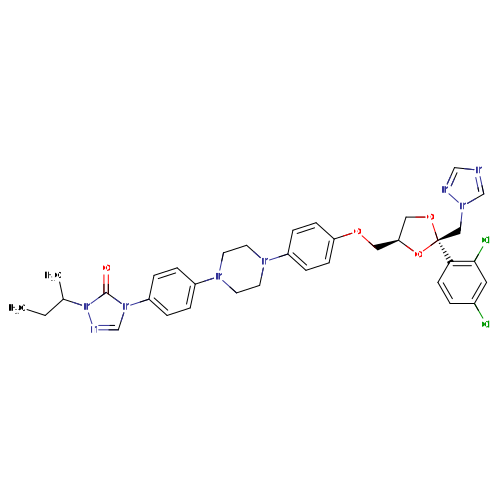
First synthesized in the early 1980s, itraconazole is a broad-spectrum triazole antifungal agent used to treat a variety of infections.1 It is a 1:1:1:1 racemic mixture of four diastereomers, made up of two enantiomeric pairs, each possessing three chiral centers.5 Itraconazole was first approved in the US in 1992 6 and is available orally. While the intravenous formulation of the drug was formerly available, it was discontinued in the US in 2007.4
- Type
- Small Molecule
- Groups
- Approved, Investigational
- Structure
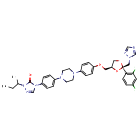
Structure for Itraconazole (DB01167)
- Weight
- Average: 705.633
Monoisotopic: 704.239307158 - Chemical Formula
- C35H38Cl2N8O4
- Synonyms
- (±)-1-SEC-BUTYL-4-(P-(4-(P-(((2R*,4S*)-2-(2,4-DICHLOROPHENYL)-2-(1H-1,2,4-TRIAZOL-1-YLMETHYL)-1,3-DIOXOLAN-4-YL)METHOXY)PHENYL)-1-PIPERAZINYL)PHENYL)-.DELTA.(SUP 2)-1,2,4-TRIAZOLIN-5-ONE
- 3H-1,2,4-TRIAZOL-3-ONE, 4-(4-(4-(4-((2-(2,4-DICHLOROPHENYL)-2-(1H-1,2,4-TRIAZOL-1-YLMETHYL)-1,3-DIOXOLAN-4-YL)METHOXY)PHENYL)-1-PIPERAZINYL)PHENYL)-2,4-DIHYDRO-2-(1-METHYLPROPYL)-
- Itraconazol
- Itraconazole
- ITRACONAZOLE COMPONENT OF SUBA-ITRACONAZOLE
- Itraconazolum
- Oriconazole
- External IDs
- NSC-759239
- R 51,211
- R-51211
- R51211

Pharmacology
- Indication
Itraconazole is indicated for the treatment of the following fungal infections in immunocompromised and non-immunocompromised patients:5,6
- Blastomycosis, pulmonary and extrapulmonary
- Histoplasmosis, including chronic cavitary pulmonary disease and disseminated, nonmeningeal histoplasmosis, and
- Aspergillosis, pulmonary and extrapulmonary, in patients who are intolerant of or who are refractory to amphotericin B therapy
It is also indicated for the treatment of the following fungal infections in non-immunocompromised patients:5
- Onychomycosis of the toenail, with or without fingernail involvement, due to dermatophytes (tinea unguium)
- Onychomycosis of the fingernail due to dermatophytes (tinea unguium).
Itraconazole oral solution is indicated for the treatment of oropharyngeal and esophageal candidiasis.7
 Reduce drug development failure ratesBuild, train, & validate machine-learning modelswith evidence-based and structured datasets.Build, train, & validate predictive machine-learning models with structured datasets.
- Associated Conditions
Indication Type Indication Combined Product Details Approval Level Age Group Patient Characteristics Dose Form Treatment of Aspergillosis •••••••••••• Treatment of Blastomycosis •••••••••••• Treatment of Chromomycosis •••••••••••• Treatment of Coccidioidal meningitis ••• ••••• Treatment of Dermatomycoses •••••••••••• - Contraindications & Blackbox Warnings
 Prevent Adverse Drug Events TodayTap into our Clinical API for life-saving information on contraindications & blackbox warnings, population restrictions, harmful risks, & more.Avoid life-threatening adverse drug events with our Clinical API
- Pharmacodynamics
Itraconazole is an antifungal agent that inhibits cell growth and promotes cell death of fungi.1 It exhibits in vitro activity against Blastomyces dermatitidis, Histoplasma capsulatum, Histoplasma duboisii, Aspergillus flavus, Aspergillus fumigatus, and Trichophyton species.5
- Mechanism of action
Itraconazole mediates its antifungal activity by inhibiting 14α-demethylase, a fungal cytochrome P450 enzyme that converts lanosterol to ergosterol, a vital component of fungal cell membranes.5 The azole nitrogen atoms in the chemical structure of itraconazole form a complex with the active site, or the haem iron, of the fungal enzyme to impede its function.1,4 The accumulation of lanosterol and 14-methylated sterols results in increased permeability of the fungal cell membrane, and modified membrane-bound enzyme activity, and dysregulated chitin synthesis.1,2,3 Other proposed mechanisms of action of itraconazole include the inhibition of fungal cytochrome c oxidative and peroxidative enzymes that also lead to the disruption of fungal cell membranes.1
Target Actions Organism ALanosterol 14-alpha demethylase inhibitorCandida tropicalis - Absorption
Itraconazole is rapidly absorbed after oral administration. As oral capsules, peak plasma concentrations of itraconazole are reached within two to five hours. The observed absolute oral bioavailability of itraconazole is about 55%. Itraconazole exposure is lower with the capsule formulation than with the oral solution when the same dose of the drug is given.5 Maximal drug absorption is achieved under adequate gastric acidity.1,5
As a consequence of non-linear pharmacokinetics, itraconazole accumulates in plasma during multiple dosing. Steady-state concentrations are generally reached within about 15 days, with Cmax values of 0.5 μg/mL, 1.1 μg/mL and 2.0 μg/mL after oral administration of 100 mg once daily, 200 mg once daily and 200 mg b.i.d., respectively.5
- Volume of distribution
The volume of distribution is more than 700 L in adults.4,5 Itraconazole is lipophilic and extensively distributed into tissues. Concentrations in the lung, kidney, liver, bone, stomach, spleen and muscle were found to be two to three times higher than corresponding concentrations in plasma, and the uptake into keratinous tissues, skin in particular, up to four times higher. Concentrations in the cerebrospinal fluid are much lower than in plasma.5
- Protein binding
Most of the itraconazole in plasma is bound to protein (99.8%), with albumin being the main binding component (99.6% for the hydroxy-metabolite). It also has a marked affinity for lipids. Only 0.2% of the itraconazole in plasma is present as the free drug.5
- Metabolism
Itraconazole is extensively metabolized in the liver. In vitro studies have shown that CYP3A4 is the major enzyme involved in the metabolism of itraconazole.5 While itraconazole can be metabolized to more than 30 metabolites,2 the main metabolite is hydroxyitraconazole. Hydroxyitraconazole has in vitro antifungal activity comparable to itraconazole; trough plasma concentrations of this metabolite are about twice those of the parent compound.5
Other metabolites include keto-itraconazole and N-dealkyl-itraconazole.4
Hover over products below to view reaction partners
- Route of elimination
Itraconazole is excreted mainly as inactive metabolites in urine (35%) and in feces (54%) within one week of an oral solution dose. Renal excretion of itraconazole and the active metabolite hydroxyitraconazole account for less than 1% of an intravenous dose. Based on an oral radiolabeled dose, fecal excretion of unchanged drug ranges from 3% to 18% of the dose. As the re-distribution of itraconazole from keratinous tissues appears to be negligible, the elimination of itraconazole from these tissues is related to epidermal regeneration. Contrary to plasma, the concentration in skin persists for two to four weeks after discontinuation of a 4-week treatment and in nail keratin – where itraconazole can be detected as early as one week after the start of treatment – for at least six months after the end of a 3-month treatment period.5
- Half-life
The terminal half-life of itraconazole generally ranges from 16 to 28 hours after a single dose and increases to 34 to 42 hours with repeated dosing.5 The metabolite of itraconazole is excreted from the plasma more rapidly than the parent compound.1
- Clearance
The mean total plasma clearance following intravenous administration is 278 mL/min. Itraconazole clearance decreases at higher doses due to saturable hepatic metabolism.5
- Adverse Effects
 Improve decision support & research outcomesWith structured adverse effects data, including: blackbox warnings, adverse reactions, warning & precautions, & incidence rates. View sample adverse effects data in our new Data Library!Improve decision support & research outcomes with our structured adverse effects data.
- Toxicity
In rats, the oral and intraperitoneal LD50 values were >320 mg/kg and 100 mg/kg, respectively.8
There is limited clinical information regarding itraconazole overdoses. Reported toxic trough levels are over 3 mcg/mL.1 Itraconazole is not removed by dialysis; thus, supportive measures should be initiated in the event of an overdose.5 There is no known antidote to itraconazole poisoning.1
- Pathways
- Not Available
- Pharmacogenomic Effects/ADRs
- Not Available
Interactions
- Drug Interactions
- This information should not be interpreted without the help of a healthcare provider. If you believe you are experiencing an interaction, contact a healthcare provider immediately. The absence of an interaction does not necessarily mean no interactions exist.
Drug Interaction Integrate drug-drug
interactions in your software1,2-Benzodiazepine The metabolism of 1,2-Benzodiazepine can be decreased when combined with Itraconazole. Abametapir The serum concentration of Itraconazole can be increased when it is combined with Abametapir. Abemaciclib The metabolism of Abemaciclib can be decreased when combined with Itraconazole. Abiraterone The metabolism of Abiraterone can be decreased when combined with Itraconazole. Acalabrutinib The metabolism of Acalabrutinib can be decreased when combined with Itraconazole. - Food Interactions
- Exercise caution with grapefruit products. While there is inconclusive evidence of the effect of grapefruit products on the systemic exposure to itraconazole, they may affect drug absorption.
- Take with food. Food promotes maximal absorption of itraconazole.
Products
 Drug product information from 10+ global regionsOur datasets provide approved product information including:dosage, form, labeller, route of administration, and marketing period.Access drug product information from over 10 global regions.
- Product Images


- International/Other Brands
- Itrizole / Oriconazole / Sporal
- Brand Name Prescription Products
Name Dosage Strength Route Labeller Marketing Start Marketing End Region Image Itraconazole Solution 10 mg/1mL Oral Patriot Pharmaceuticals, LLC 1997-02-21 2025-05-31 US 
Itraconazole Capsule 100 mg/1 Oral Carilion Materials Management 2005-02-01 Not applicable US 
Itraconazole Capsule 100 mg/1 Oral Patriot Pharmaceuticals 2005-02-01 Not applicable US 
Onmel Tablet 200 mg/1 Oral Merz Pharmaceuticals, LLC 2012-11-01 2020-11-30 US Onmel Tablet 200 mg/1 Oral Stiefel Laboratories, Inc. 2011-12-01 2013-01-25 US - Generic Prescription Products
Name Dosage Strength Route Labeller Marketing Start Marketing End Region Image Itraconazole Capsule 100 mg/1 Oral Zydus Pharmaceuticals USA Inc. 2018-03-06 Not applicable US Itraconazole Capsule, coated pellets 100 mg/1 Oral REMEDYREPACK INC. 2020-09-09 Not applicable US Itraconazole Capsule, coated pellets 100 mg/1 Oral Ascend Laboratories, LLC 2017-06-12 Not applicable US Itraconazole Capsule 100 mg/1 Oral Amneal Pharmaceuticals LLC 2016-09-27 Not applicable US Itraconazole Capsule 100 mg/1 Oral REMEDYREPACK INC. 2021-11-08 Not applicable US - Over the Counter Products
Name Dosage Strength Route Labeller Marketing Start Marketing End Region Image ราเสท Capsule 100 mg Oral บริษัท ยูนีซัน จำกัด 2007-02-13 Not applicable Thailand 
- Mixture Products
Name Ingredients Dosage Route Labeller Marketing Start Marketing End Region Image ALBISEC® Itraconazole (154.66 mg) + Secnidazole (166.66 mg) Capsule, coated Oral 2006-11-10 2013-06-13 Colombia 
BIOPROX® TABLETA RECUBIERTA Itraconazole (133.33 mg) + Secnidazole (666.667 mg) Tablet, coated Oral BIOCHEM FARMACEUTICA DE COLOMBIAS.A. 2018-03-22 Not applicable Colombia Sporanox Itraconazole (10 mg/1mL) + Sodium chloride (900 mg/100mL) Kit Intravenous Ortho-McNeil-Janssen Pharmaceuticals, Inc. 1999-03-30 2008-12-31 US - Unapproved/Other Products
Name Ingredients Dosage Route Labeller Marketing Start Marketing End Region Image Ciclopirox 3% / Itraconazole 5% / Urea 20% Itraconazole (5 g/100g) + Ciclopirox olamine (3 g/100g) + Urea (20 g/100g) Cream Topical Sincerus Florida, LLC 2019-05-20 Not applicable US Fluconazole 4% / Ibuprofen 2% / Itraconazole 1% / Terbinafine HCl 4% Itraconazole (1 g/100g) + Fluconazole (4 g/100g) + Ibuprofen (2 g/100g) + Terbinafine (4 g/100g) Solution Topical Sincerus Florida, LLC 2019-05-01 Not applicable US


Categories
- ATC Codes
- J02AC02 — Itraconazole
- Drug Categories
- 14-alpha Demethylase Inhibitors
- Agents causing hyperkalemia
- Anti-Infective Agents
- Antifungal Agents
- Antiinfectives for Systemic Use
- Antimycotics for Systemic Use
- Azole Antifungals
- BCRP/ABCG2 Inhibitors
- Cytochrome P-450 CYP2B6 Inhibitors
- Cytochrome P-450 CYP2B6 Inhibitors (strong)
- Cytochrome P-450 CYP2E1 Inhibitors
- Cytochrome P-450 CYP2E1 Inhibitors (weak)
- Cytochrome P-450 CYP3A Inhibitors
- Cytochrome P-450 CYP3A Substrates
- Cytochrome P-450 CYP3A4 Inhibitors
- Cytochrome P-450 CYP3A4 Inhibitors (strong)
- Cytochrome P-450 CYP3A4 Substrates
- Cytochrome P-450 CYP3A5 Inhibitors
- Cytochrome P-450 CYP3A5 Inhibitors (strong)
- Cytochrome P-450 CYP3A7 Inhibitors
- Cytochrome P-450 CYP3A7 Inhibitors (strong)
- Cytochrome P-450 Enzyme Inhibitors
- Cytochrome P-450 Substrates
- Drugs causing inadvertant photosensitivity
- Enzyme Inhibitors
- Organic Anion Transporting Polypeptide 2B1 Inhibitors
- P-glycoprotein inhibitors
- Photosensitizing Agents
- Piperazines
- Potential QTc-Prolonging Agents
- QTc Prolonging Agents
- Steroid Synthesis Inhibitors
- Triazole and tetrazole derivatives
- Triazole Derivatives
- Triazoles
- Chemical TaxonomyProvided by Classyfire
- Description
- This compound belongs to the class of organic compounds known as phenylpiperazines. These are compounds containing a phenylpiperazine skeleton, which consists of a piperazine bound to a phenyl group.
- Kingdom
- Organic compounds
- Super Class
- Organoheterocyclic compounds
- Class
- Diazinanes
- Sub Class
- Piperazines
- Direct Parent
- Phenylpiperazines
- Alternative Parents
- N-arylpiperazines / Phenyl-1,2,4-triazoles / Aminophenyl ethers / Phenoxy compounds / Aniline and substituted anilines / Dichlorobenzenes / Dialkylarylamines / Alkyl aryl ethers / Ketals / Aryl chlorides show 8 more
- Substituents
- 1,2,4-triazole / 1,3-dichlorobenzene / Acetal / Alkyl aryl ether / Amine / Aminophenyl ether / Aniline or substituted anilines / Aromatic heteromonocyclic compound / Aryl chloride / Aryl halide show 30 more
- Molecular Framework
- Aromatic heteromonocyclic compounds
- External Descriptors
- N-arylpiperazine, triazole antifungal drug, conazole antifungal drug, dioxolane, dichlorobenzene, triazoles, cyclic ketal (CHEBI:6076)
- Affected organisms
- Fungi, yeast and protozoans
Chemical Identifiers
- UNII
- 304NUG5GF4
- CAS number
- 84625-61-6
- InChI Key
- VHVPQPYKVGDNFY-ZPGVKDDISA-N
- InChI
- InChI=1S/C35H38Cl2N8O4/c1-3-25(2)45-34(46)44(24-40-45)29-7-5-27(6-8-29)41-14-16-42(17-15-41)28-9-11-30(12-10-28)47-19-31-20-48-35(49-31,21-43-23-38-22-39-43)32-13-4-26(36)18-33(32)37/h4-13,18,22-25,31H,3,14-17,19-21H2,1-2H3/t25?,31-,35-/m0/s1
- IUPAC Name
- 1-(butan-2-yl)-4-{4-[4-(4-{[(2R,4S)-2-(2,4-dichlorophenyl)-2-[(1H-1,2,4-triazol-1-yl)methyl]-1,3-dioxolan-4-yl]methoxy}phenyl)piperazin-1-yl]phenyl}-4,5-dihydro-1H-1,2,4-triazol-5-one
- SMILES
- CCC(C)N1N=CN(C1=O)C1=CC=C(C=C1)N1CCN(CC1)C1=CC=C(OC[C@H]2CO[C@@](CN3C=NC=N3)(O2)C2=C(Cl)C=C(Cl)C=C2)C=C1
References
- Synthesis Reference
Jong-Soo Woo, Hong-Gi Yi, "Antifungal oral composition containing itraconazole and process for preparing same." U.S. Patent US6039981, issued May, 1998.
US6039981- General References
- Pierard GE, Arrese JE, Pierard-Franchimont C: Itraconazole. Expert Opin Pharmacother. 2000 Jan;1(2):287-304. doi: 10.1517/14656566.1.2.287 . [Article]
- De Beule K, Van Gestel J: Pharmacology of itraconazole. Drugs. 2001;61 Suppl 1:27-37. doi: 10.2165/00003495-200161001-00003. [Article]
- Kurn H, Wadhwa R: Itraconazole. . [Article]
- Lestner J, Hope WW: Itraconazole: an update on pharmacology and clinical use for treatment of invasive and allergic fungal infections. Expert Opin Drug Metab Toxicol. 2013 Jul;9(7):911-26. doi: 10.1517/17425255.2013.794785. Epub 2013 May 6. [Article]
- FDA Approved Drug Products: SPORANOX (itraconazole) Oral Capsules (February 2024) [Link]
- FDA Approved Drug Products: TOLSURA (itraconazole) capsules, for oral use (December 2018) [Link]
- FDA Approved Drug Products: SPORANOX (itraconazole) Oral Solution (February 2024) [Link]
- Cayman Chemical: Itraconazole MSDS [Link]
- External Links
- Human Metabolome Database
- HMDB0015298
- KEGG Drug
- D00350
- PubChem Compound
- 55283
- PubChem Substance
- 46505954
- ChemSpider
- 49927
- BindingDB
- 50127138
- 28031
- ChEBI
- 6076
- ChEMBL
- CHEMBL22587
- Therapeutic Targets Database
- DAP000631
- PharmGKB
- PA450132
- RxList
- RxList Drug Page
- Drugs.com
- Drugs.com Drug Page
- PDRhealth
- PDRhealth Drug Page
- Wikipedia
- Itraconazole
Clinical Trials
- Clinical Trials
Phase Status Purpose Conditions Count 4 Completed Basic Science Fungal Infections 1 4 Completed Basic Science Pharmacodynamics / Pharmacokinetics 1 4 Completed Other Neutropenia 1 4 Completed Prevention Brain Neoplasm / Fungal Infections / Neuroblastoma (NB) / Retinoblastoma / Wilms' tumor 1 4 Completed Prevention Cystic Fibrosis (CF) 1
Pharmacoeconomics
- Manufacturers
- Not Available
- Packagers
- Advanced Pharmaceutical Services Inc.
- AQ Pharmaceuticals Inc.
- Centocor Ortho Biotech Inc.
- Eon Labs
- Hospira Inc.
- Janssen-Ortho Inc.
- Medisca Inc.
- Murfreesboro Pharmaceutical Nursing Supply
- Ortho Mcneil Janssen Pharmaceutical Inc.
- Patriot Pharmaceuticals
- Physicians Total Care Inc.
- Resource Optimization and Innovation LLC
- Dosage Forms
Form Route Strength Capsule, coated Oral Tablet, coated Oral Cream Topical Capsule, coated Oral 100 mg Solution Topical Solution Oral 1 g Capsule Oral Capsule, coated pellets Oral 100 mg/1 Solution Oral 10 mg/1mL Capsule Oral 50.000 mg Capsule Oral 50 MG Capsule, coated Oral 50 mg Tablet Oral 100 mg Capsule Oral 100.000 mg Tablet Oral 200 mg/1 Capsule Oral 100.00 mg Capsule Oral Capsule, coated Oral 200 mg Capsule Oral 100 MG Solution Oral 50 mg/5ml Capsule Oral 100 mg/1 Injection, solution, concentrate Parenteral 10 mg/mL Kit Intravenous Solution Oral 10 mg / mL Solution Oral Solution Oral 10 mg/ml Solution Intravenous 10 mg Capsule, coated pellets Oral 100 mg Capsule, gelatin coated Oral 65 mg/1 - Prices
Unit description Cost Unit Itraconazole 28 100 mg capsule Disp Pack 270.89USD disp Itraconazole powder 32.13USD g Sporanox 100 mg capsule 12.14USD capsule Itraconazole 100 mg capsule 9.46USD capsule Sporanox 10 mg/ml Solution 1.41USD ml DrugBank does not sell nor buy drugs. Pricing information is supplied for informational purposes only.- Patents
Patent Number Pediatric Extension Approved Expires (estimated) Region US5633015 No 1997-05-27 2014-05-27 US CA2142848 No 1999-11-16 2013-08-27 Canada 
CA1336498 No 1995-08-01 2012-08-01 Canada US6407079 No 2002-06-18 2019-06-18 US US6509038 No 2003-01-21 2017-05-12 US US7081255 No 2006-07-25 2017-05-12 US US8486456 No 2013-07-16 2028-10-03 US US8591948 No 2013-11-26 2017-05-12 US US9713642 No 2017-07-25 2033-06-21 US US8771739 No 2014-07-08 2023-07-25 US US8921374 No 2014-12-30 2033-06-21 US US9272046 No 2016-03-01 2033-06-21 US US10463740 No 2019-11-05 2033-06-21 US US10806792 No 2020-10-20 2033-06-21 US
Properties
- State
- Solid
- Experimental Properties
Property Value Source melting point (°C) 168-170 https://www.fishersci.com/store/msds?partNumber=AC452870050&countryCode=US&language=en logP 5.66 https://www.accessdata.fda.gov/drugsatfda_docs/label/2024/020083s068lbl.pdf pKa 3.7 https://www.accessdata.fda.gov/drugsatfda_docs/label/2024/020083s068lbl.pdf - Predicted Properties
Property Value Source Water Solubility 0.00964 mg/mL ALOGPS logP 5.48 ALOGPS logP 7.31 Chemaxon logS -4.9 ALOGPS pKa (Strongest Basic) 3.91 Chemaxon Physiological Charge 0 Chemaxon Hydrogen Acceptor Count 9 Chemaxon Hydrogen Donor Count 0 Chemaxon Polar Surface Area 100.79 Å2 Chemaxon Rotatable Bond Count 11 Chemaxon Refractivity 200.4 m3·mol-1 Chemaxon Polarizability 74.5 Å3 Chemaxon Number of Rings 7 Chemaxon Bioavailability 0 Chemaxon Rule of Five No Chemaxon Ghose Filter No Chemaxon Veber's Rule No Chemaxon MDDR-like Rule Yes Chemaxon - Predicted ADMET Features
Property Value Probability Human Intestinal Absorption + 0.9973 Blood Brain Barrier - 0.6151 Caco-2 permeable + 0.5511 P-glycoprotein substrate Substrate 0.6397 P-glycoprotein inhibitor I Inhibitor 0.7973 P-glycoprotein inhibitor II Non-inhibitor 0.88 Renal organic cation transporter Non-inhibitor 0.7497 CYP450 2C9 substrate Non-substrate 0.8116 CYP450 2D6 substrate Non-substrate 0.9116 CYP450 3A4 substrate Substrate 0.7408 CYP450 1A2 substrate Non-inhibitor 0.7666 CYP450 2C9 inhibitor Inhibitor 0.618 CYP450 2D6 inhibitor Non-inhibitor 0.8622 CYP450 2C19 inhibitor Inhibitor 0.5703 CYP450 3A4 inhibitor Inhibitor 0.5279 CYP450 inhibitory promiscuity High CYP Inhibitory Promiscuity 0.8219 Ames test AMES toxic 0.5303 Carcinogenicity Non-carcinogens 0.7478 Biodegradation Not ready biodegradable 1.0 Rat acute toxicity 3.3118 LD50, mol/kg Not applicable hERG inhibition (predictor I) Weak inhibitor 0.5782 hERG inhibition (predictor II) Inhibitor 0.6096
Spectra
- Mass Spec (NIST)
- Not Available
- Spectra
- Chromatographic Properties
Collision Cross Sections (CCS)
Adduct CCS Value (Å2) Source type Source [M-H]- 306.3586824 predictedDarkChem Lite v0.1.0 [M-H]- 249.58968 predictedDeepCCS 1.0 (2019) [M+H]+ 309.3954824 predictedDarkChem Lite v0.1.0 [M+H]+ 251.41457 predictedDeepCCS 1.0 (2019) [M+Na]+ 307.3565824 predictedDarkChem Lite v0.1.0 [M+Na]+ 257.02042 predictedDeepCCS 1.0 (2019)
Targets

- Kind
- Protein
- Organism
- Candida tropicalis
- Pharmacological action
- Yes
- Actions
- Inhibitor
- Curator comments
- This is a representative organ. Itraconazole works against various pathogenic fungi.
- General Function
- Sterol 14alpha-demethylase that plays a critical role in the third module of ergosterol biosynthesis pathway, being ergosterol the major sterol component in fungal membranes that participates in a variety of functions (By similarity). The third module or late pathway involves the ergosterol synthesis itself through consecutive reactions that mainly occur in the endoplasmic reticulum (ER) membrane (By similarity). In filamentous fungi, during the initial step of this module, lanosterol (lanosta-8,24-dien-3beta-ol) can be metabolized to eburicol (By similarity). Sterol 14alpha-demethylase catalyzes the three-step oxidative removal of the 14alpha-methyl group (C-32) of both these sterols in the form of formate, and converts eburicol and lanosterol to 14-demethyleburicol (4,4,24-trimethylergosta-8,14,24(28)-trienol) and 4,4-dimethyl-5alpha-cholesta-8,14,24-trien-3beta-ol, respectively, which are further metabolized by other enzymes in the pathway to ergosterol (By similarity). Can also use substrates not intrinsic to fungi, such as 24,25-dihydrolanosterol (DHL), producing 4,4-dimethyl-8,14-cholestadien-3-beta-ol, but at lower rates than the endogenous substrates (By similarity).
- Specific Function
- Heme binding
- Gene Name
- ERG11
- Uniprot ID
- P14263
- Uniprot Name
- Lanosterol 14-alpha demethylase
- Molecular Weight
- 60927.455 Da
References
Enzymes
- Kind
- Protein
- Organism
- Humans
- Pharmacological action
- No
- Actions
- SubstrateInhibitor
- General Function
- Vitamin d3 25-hydroxylase activity
- Specific Function
- Cytochromes P450 are a group of heme-thiolate monooxygenases. In liver microsomes, this enzyme is involved in an NADPH-dependent electron transport pathway. It performs a variety of oxidation react...
- Gene Name
- CYP3A4
- Uniprot ID
- P08684
- Uniprot Name
- Cytochrome P450 3A4
- Molecular Weight
- 57342.67 Da
References
- Niwa T, Shiraga T, Takagi A: Effect of antifungal drugs on cytochrome P450 (CYP) 2C9, CYP2C19, and CYP3A4 activities in human liver microsomes. Biol Pharm Bull. 2005 Sep;28(9):1805-8. [Article]
- Sakaeda T, Iwaki K, Kakumoto M, Nishikawa M, Niwa T, Jin JS, Nakamura T, Nishiguchi K, Okamura N, Okumura K: Effect of micafungin on cytochrome P450 3A4 and multidrug resistance protein 1 activities, and its comparison with azole antifungal drugs. J Pharm Pharmacol. 2005 Jun;57(6):759-64. [Article]
- Dresser GK, Spence JD, Bailey DG: Pharmacokinetic-pharmacodynamic consequences and clinical relevance of cytochrome P450 3A4 inhibition. Clin Pharmacokinet. 2000 Jan;38(1):41-57. [Article]
- Klotz U: Interaction potential of lercanidipine, a new vasoselective dihydropyridine calcium antagonist. Arzneimittelforschung. 2002;52(3):155-61. doi: 10.1055/s-0031-1299873. [Article]
- Zhang S, Jin S, Griffin C, Feng Z, Lin J, Venkatakrishnan K, Gupta N: Effects of Itraconazole and Rifampin on the Pharmacokinetics of Mobocertinib (TAK-788), an Oral Epidermal Growth Factor Receptor Inhibitor, in Healthy Volunteers. Clin Pharmacol Drug Dev. 2021 Sep;10(9):1044-1053. doi: 10.1002/cpdd.967. Epub 2021 Jun 19. [Article]
- Flockhart Table of Drug Interactions [Link]
- FDA Drug Development and Drug Interactions: Table of Substrates, Inhibitors and Inducers [Link]
- FDA Approved Drug Products: SPORANOX (itraconazole) Oral Capsules (February 2024) [Link]
- Kind
- Protein
- Organism
- Humans
- Pharmacological action
- No
- Actions
- Inhibitor
- General Function
- Oxygen binding
- Specific Function
- Cytochromes P450 are a group of heme-thiolate monooxygenases. In liver microsomes, this enzyme is involved in an NADPH-dependent electron transport pathway. It oxidizes a variety of structurally un...
- Gene Name
- CYP3A5
- Uniprot ID
- P20815
- Uniprot Name
- Cytochrome P450 3A5
- Molecular Weight
- 57108.065 Da
References
- Flockhart Table of Drug Interactions [Link]
- Kind
- Protein
- Organism
- Humans
- Pharmacological action
- No
- Actions
- Inhibitor
- General Function
- Oxygen binding
- Specific Function
- Cytochromes P450 are a group of heme-thiolate monooxygenases. In liver microsomes, this enzyme is involved in an NADPH-dependent electron transport pathway. It oxidizes a variety of structurally un...
- Gene Name
- CYP3A7
- Uniprot ID
- P24462
- Uniprot Name
- Cytochrome P450 3A7
- Molecular Weight
- 57525.03 Da
References
- Flockhart Table of Drug Interactions [Link]
- Kind
- Protein group
- Organism
- Humans
- Pharmacological action
- No
- Actions
- Inhibitor
- General Function
- Vitamin d3 25-hydroxylase activity
- Specific Function
- Cytochromes P450 are a group of heme-thiolate monooxygenases. In liver microsomes, this enzyme is involved in an NADPH-dependent electron transport pathway. It performs a variety of oxidation react...
Components:
| Name | UniProt ID |
|---|---|
| Cytochrome P450 3A4 | P08684 |
| Cytochrome P450 3A43 | Q9HB55 |
| Cytochrome P450 3A5 | P20815 |
| Cytochrome P450 3A7 | P24462 |
References
- Zhang S, Jin S, Griffin C, Feng Z, Lin J, Venkatakrishnan K, Gupta N: Effects of Itraconazole and Rifampin on the Pharmacokinetics of Mobocertinib (TAK-788), an Oral Epidermal Growth Factor Receptor Inhibitor, in Healthy Volunteers. Clin Pharmacol Drug Dev. 2021 Sep;10(9):1044-1053. doi: 10.1002/cpdd.967. Epub 2021 Jun 19. [Article]
- Kind
- Protein
- Organism
- Humans
- Pharmacological action
- No
- Actions
- Inhibitor
- General Function
- Steroid hydroxylase activity
- Specific Function
- Cytochromes P450 are a group of heme-thiolate monooxygenases. In liver microsomes, this enzyme is involved in an NADPH-dependent electron transport pathway. It oxidizes a variety of structurally un...
- Gene Name
- CYP2B6
- Uniprot ID
- P20813
- Uniprot Name
- Cytochrome P450 2B6
- Molecular Weight
- 56277.81 Da
References
- Walsky RL, Astuccio AV, Obach RS: Evaluation of 227 drugs for in vitro inhibition of cytochrome P450 2B6. J Clin Pharmacol. 2006 Dec;46(12):1426-38. [Article]
- Kind
- Protein
- Organism
- Humans
- Pharmacological action
- No
- Actions
- Inducer
- General Function
- Vitamin d 24-hydroxylase activity
- Specific Function
- Cytochromes P450 are a group of heme-thiolate monooxygenases. In liver microsomes, this enzyme is involved in an NADPH-dependent electron transport pathway. It oxidizes a variety of structurally un...
- Gene Name
- CYP1A1
- Uniprot ID
- P04798
- Uniprot Name
- Cytochrome P450 1A1
- Molecular Weight
- 58164.815 Da
References
- Korashy HM, Shayeganpour A, Brocks DR, El-Kadi AO: Induction of cytochrome P450 1A1 by ketoconazole and itraconazole but not fluconazole in murine and human hepatoma cell lines. Toxicol Sci. 2007 May;97(1):32-43. Epub 2007 Feb 5. [Article]
- Kind
- Protein
- Organism
- Humans
- Pharmacological action
- No
- Actions
- Inhibitor
- General Function
- Steroid hydroxylase activity
- Specific Function
- Metabolizes several precarcinogens, drugs, and solvents to reactive metabolites. Inactivates a number of drugs and xenobiotics and also bioactivates many xenobiotic substrates to their hepatotoxic ...
- Gene Name
- CYP2E1
- Uniprot ID
- P05181
- Uniprot Name
- Cytochrome P450 2E1
- Molecular Weight
- 56848.42 Da
References
- Tassaneeyakul W, Birkett DJ, Miners JO: Inhibition of human hepatic cytochrome P4502E1 by azole antifungals, CNS-active drugs and non-steroidal anti-inflammatory agents. Xenobiotica. 1998 Mar;28(3):293-301. doi: 10.1080/004982598239579 . [Article]
Carriers
- Kind
- Protein
- Organism
- Humans
- Pharmacological action
- Unknown
- Actions
- Binder
- General Function
- Toxic substance binding
- Specific Function
- Serum albumin, the main protein of plasma, has a good binding capacity for water, Ca(2+), Na(+), K(+), fatty acids, hormones, bilirubin and drugs. Its main function is the regulation of the colloid...
- Gene Name
- ALB
- Uniprot ID
- P02768
- Uniprot Name
- Serum albumin
- Molecular Weight
- 69365.94 Da
References
- FDA Approved Drug Products: SPORANOX (itraconazole) Oral Capsules (February 2024) [Link]
Transporters
- Kind
- Protein
- Organism
- Humans
- Pharmacological action
- Unknown
- Actions
- Inhibitor
- General Function
- Xenobiotic-transporting atpase activity
- Specific Function
- Energy-dependent efflux pump responsible for decreased drug accumulation in multidrug-resistant cells.
- Gene Name
- ABCB1
- Uniprot ID
- P08183
- Uniprot Name
- Multidrug resistance protein 1
- Molecular Weight
- 141477.255 Da
References
- Wang EJ, Casciano CN, Clement RP, Johnson WW: Active transport of fluorescent P-glycoprotein substrates: evaluation as markers and interaction with inhibitors. Biochem Biophys Res Commun. 2001 Nov 30;289(2):580-5. [Article]
- Wang EJ, Lew K, Casciano CN, Clement RP, Johnson WW: Interaction of common azole antifungals with P glycoprotein. Antimicrob Agents Chemother. 2002 Jan;46(1):160-5. [Article]
- Schwab D, Fischer H, Tabatabaei A, Poli S, Huwyler J: Comparison of in vitro P-glycoprotein screening assays: recommendations for their use in drug discovery. J Med Chem. 2003 Apr 24;46(9):1716-25. [Article]
- Takara K, Tanigawara Y, Komada F, Nishiguchi K, Sakaeda T, Okumura K: Cellular pharmacokinetic aspects of reversal effect of itraconazole on P-glycoprotein-mediated resistance of anticancer drugs. Biol Pharm Bull. 1999 Dec;22(12):1355-9. [Article]
- Masuda S, Inui K: [Molecular mechanisms on drug transporters in the drug absorption and disposition]. Nihon Rinsho. 2002 Jan;60(1):65-73. [Article]
- Lilja JJ, Backman JT, Laitila J, Luurila H, Neuvonen PJ: Itraconazole increases but grapefruit juice greatly decreases plasma concentrations of celiprolol. Clin Pharmacol Ther. 2003 Mar;73(3):192-8. [Article]
- Sakaeda T, Iwaki K, Kakumoto M, Nishikawa M, Niwa T, Jin JS, Nakamura T, Nishiguchi K, Okamura N, Okumura K: Effect of micafungin on cytochrome P450 3A4 and multidrug resistance protein 1 activities, and its comparison with azole antifungal drugs. J Pharm Pharmacol. 2005 Jun;57(6):759-64. [Article]
- Saito M, Hirata-Koizumi M, Miyake S, Hasegawa R: Comparison of information on the pharmacokinetic interactions of Ca antagonists in the package inserts from three countries (Japan, USA and UK). Eur J Clin Pharmacol. 2005 Aug;61(7):531-6. Epub 2005 Jul 23. [Article]
- Shon JH, Yoon YR, Hong WS, Nguyen PM, Lee SS, Choi YG, Cha IJ, Shin JG: Effect of itraconazole on the pharmacokinetics and pharmacodynamics of fexofenadine in relation to the MDR1 genetic polymorphism. Clin Pharmacol Ther. 2005 Aug;78(2):191-201. [Article]
- FDA Drug Development and Drug Interactions: Table of Substrates, Inhibitors and Inducers [Link]
- FDA Approved Drug Products: SPORANOX (itraconazole) Oral Capsules (February 2024) [Link]
- Kind
- Protein
- Organism
- Humans
- Pharmacological action
- Unknown
- Actions
- Inhibitor
- General Function
- Xenobiotic-transporting atpase activity
- Specific Function
- High-capacity urate exporter functioning in both renal and extrarenal urate excretion. Plays a role in porphyrin homeostasis as it is able to mediates the export of protoporhyrin IX (PPIX) both fro...
- Gene Name
- ABCG2
- Uniprot ID
- Q9UNQ0
- Uniprot Name
- ATP-binding cassette sub-family G member 2
- Molecular Weight
- 72313.47 Da
References
- FDA Approved Drug Products: SPORANOX (itraconazole) Oral Capsules (February 2024) [Link]
- Kind
- Protein
- Organism
- Humans
- Pharmacological action
- Unknown
- Actions
- Inhibitor
- General Function
- Sodium-independent organic anion transmembrane transporter activity
- Specific Function
- Mediates the Na(+)-independent transport of organic anions such as taurocholate, the prostaglandins PGD2, PGE1, PGE2, leukotriene C4, thromboxane B2 and iloprost.
- Gene Name
- SLCO2B1
- Uniprot ID
- O94956
- Uniprot Name
- Solute carrier organic anion transporter family member 2B1
- Molecular Weight
- 76709.98 Da
References
- Karlgren M, Vildhede A, Norinder U, Wisniewski JR, Kimoto E, Lai Y, Haglund U, Artursson P: Classification of inhibitors of hepatic organic anion transporting polypeptides (OATPs): influence of protein expression on drug-drug interactions. J Med Chem. 2012 May 24;55(10):4740-63. doi: 10.1021/jm300212s. Epub 2012 May 15. [Article]

Drug created at June 13, 2005 13:24 / Updated at April 26, 2024 00:45