Identification
- Summary
Spironolactone is an aldosterone receptor antagonist used to treat edema, hypertension, heart failure, and aldosteronism.
- Brand Names
- Aldactazide, Aldactone, Carospir
- Generic Name
- Spironolactone
- DrugBank Accession Number
- DB00421
- Background
Spironolactone is a potassium-sparing diuretic. It binds to mineralocorticoid receptors and functions as aldosterone antagonists.6 It promotes sodium and water excretion and potassium retention.7 Spironolactone was originally developed purely for this ability before other pharmacodynamic properties of the drug were discovered.7,10 It is indicated to treat several conditions, including heart failure, edema, hyperaldosteronism, and hypertension.14 Off-label uses of spironolactone include hirsutism, female pattern hair loss, and adult acne vulgaris.4,11
Spironolactone was developed in 1957, marketed in 1959, and approved by the FDA on January 21, 1960.9
- Type
- Small Molecule
- Groups
- Approved
- Structure
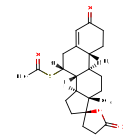
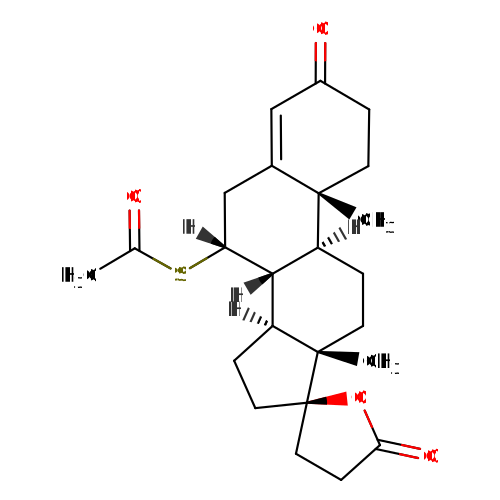
Structure for Spironolactone (DB00421)
- Weight
- Average: 416.573
Monoisotopic: 416.202130202 - Chemical Formula
- C24H32O4S
- Synonyms
- Espironolactona
- Spironolactone
- Spironolactonum
- Spironolattone
- External IDs
- NSC-150399
- SC 9420
- SC-9420
- SC9420

Pharmacology
- Indication
Spironolactone is indicated for the treatment of the following conditions:
- NYHA Class III-IV heart failure and reduced ejection fraction to increase survival, manage edema, and reduce the need for hospitalization for heart failure. Spironolactone is usually administered in conjunction with other heart failure therapies.14
- Hypertension, as add-on therapy, in patients not adequately controlled by other agents.14,15
- Edema associated with hepatic cirrhosis when edema is not responsive to fluid and sodium restriction.14,15
- Edema associated with nephrotic syndrome when treatment of the underlying disease, restriction of fluid and sodium intake, and the use of other diuretics produce an inadequate response.14
- Refractory edema associated with congestive cardiac failure, malignant ascites, hepatic cirrhosis with ascites, and essential hypertension.15
- Short-term preoperative treatment of patients with primary hyperaldosteronism.14,15
- Diagnosis of primary aldosteronism.15
- Long-term maintenance therapy for patients with discrete aldosterone-producing adrenal adenomas who are not candidates for surgery.14
- Long-term maintenance therapy for patients with bilateral micro or macronodular adrenal hyperplasia (idiopathic hyperaldosteronism).14
As spironolactone has antiandrogenic activity, its off-label uses include the treatment of hirsutism, female pattern hair loss, and adult acne vulgaris.4,11
 Reduce drug development failure ratesBuild, train, & validate machine-learning modelswith evidence-based and structured datasets.Build, train, & validate predictive machine-learning models with structured datasets.
- Associated Conditions
Indication Type Indication Combined Product Details Approval Level Age Group Patient Characteristics Dose Form Management of Edema •••••••••••• Management of Edema •••••••••••• Management of Hypertension •••••••••••• ••••• •••••••• •••••••••••• •••••••••• Diagnostic agent Primary aldosteronism •••••••••••• •••••••••• Management of Primary hyperaldosteronism •••••••••••• ••• • ••••••••• ••• ••••••• - Associated Therapies
- Contraindications & Blackbox Warnings
 Prevent Adverse Drug Events TodayTap into our Clinical API for life-saving information on contraindications & blackbox warnings, population restrictions, harmful risks, & more.Avoid life-threatening adverse drug events with our Clinical API
- Pharmacodynamics
Spironolactone has a potassium-sparing diuretic effect. It promotes sodium and water excretion and potassium retention. It increases renin and aldosterone levels.7 Spironolactone is a mineralocorticoid receptor antagonist and has a low affinity for the glucocorticoid receptor.13 It also exhibits progestogenic and anti-androgenic actions as it binds to the androgen receptor and, to a lesser extent, estrogen and progesterone receptors.7,6,11 Spironolactone exhibits anti-inflammatory effects.6
- Mechanism of action
Aldosterone is a key hormone in the renin-angiotensin-aldosterone system. By binding to the mineralocorticoid receptor at the distal tubules and collecting duct, it causes sodium reabsorption and potassium secretion, increases vascular stiffness and remodelling, and activates pro-inflammatory pathways.6,11
Spironolactone and its active metabolites are aldosterone antagonists that produce a potassium-sparing diuretic effect. They competitively bind to receptors at the aldosterone-dependent sodium-potassium exchange site in the distal convoluted renal tubule. Spironolactone causes increased amounts of sodium and water to be excreted while potassium is retained. Spironolactone acts both as a diuretic and as an antihypertensive drug by this mechanism. It may be given alone or with other diuretic agents that act more proximally in the renal tubule.6,14
Target Actions Organism AMineralocorticoid receptor antagonistHumans UGlucocorticoid receptor antagonistHumans UAndrogen receptor antagonistHumans UProgesterone receptor agonistHumans UEstrogen receptor agonistHumans UNuclear receptor subfamily 1 group I member 2 agonistHumans UVoltage-dependent L-type calcium channel inhibitorHumans - Absorption
The mean time to reach peak plasma concentration of spironolactone and the active metabolite, canrenone, in healthy volunteers is 2.6 and 4.3 hours, respectively. Food increased the bioavailability of spironolactone (as measured by AUC) by approximately 95.4%.14
- Volume of distribution
Not Available
- Protein binding
Spironolactone and its metabolites are more than 90% bound to plasma proteins.14 Spironolactone and canrenone bind to serum albumin and alpha 1-acid glycoprotein.1
- Metabolism
Spironolactone is rapidly and extensively metabolized to form different metabolites. A group of metabolites are formed when sulfur of spironolactone is removed, such as canrenone. Sulfur is retained in another group of metabolites, including 7-alpha (α)-thiomethylspironolactone (TMS) and 6-beta (ß)-hydroxy-7-alpha (α)-thiomethylspirolactone (HTMS).14
Spironolactone is firstly deacetylated to 7-α-thiospironolactone.2,3,5 7-α-thiospironolactone is S-methylated to TMS, which is the primary metabolite,7,8,12 or dethioacetylated to canrenone.2,3,12 TMS and HTMS can be further metabolized.2,3,12
In humans, the potencies of TMS and 7-α-thiospirolactone in reversing the effects of the synthetic mineralocorticoid, fludrocortisone, on urinary electrolyte composition were approximately a third relative to spironolactone. However, since the serum concentrations of these steroids were not determined, their incomplete absorption and/or first-pass metabolism could not be ruled out as a reason for their reduced in vivo activities.14
Hover over products below to view reaction partners
- Route of elimination
The metabolites are excreted primarily in the urine and secondarily in bile.14 Metabolites of spironolactone are excreted in urine (42-56%) and in the feces (14.2-14.6%). No unmetabolized spironolactone is present in the urine.5
- Half-life
The mean half-life of spironolactone is 1.4 hours. The mean half-life values of its metabolites, including canrenone, TMS, and HTMS are 16.5, 13.8, and 15 hours, respectively.14
- Clearance
Not Available
- Adverse Effects
 Improve decision support & research outcomesWith structured adverse effects data, including: blackbox warnings, adverse reactions, warning & precautions, & incidence rates. View sample adverse effects data in our new Data Library!Improve decision support & research outcomes with our structured adverse effects data.
- Toxicity
The oral LD50 of spironolactone is greater than 1000 mg/kg in mice, rats, and rabbits.14
Acute overdosage of ALDACTONE may be manifested by drowsiness, mental confusion, maculopapular or erythematous rash, nausea, vomiting, dizziness, or diarrhea. Rarely, instances of hyponatremia, hyperkalemia,or hepatic coma may occur in patients with severe liver disease, but these are unlikely due to acute overdosage. Hyperkalemia may occur, especially in patients with impaired renal function. In case of an overdose, vomiting may be induced and gastric lavage may be instituted. As there is no specific antidote, treatment is supportive to maintain hydration, electrolyte balance, and vital functions. Patients who have renal impairment may develop hyperkalemia. In such cases, discontinue spironolactone.14
- Pathways
Pathway Category Spironolactone Action Pathway Drug action - Pharmacogenomic Effects/ADRs
- Not Available
Interactions
- Drug Interactions
- This information should not be interpreted without the help of a healthcare provider. If you believe you are experiencing an interaction, contact a healthcare provider immediately. The absence of an interaction does not necessarily mean no interactions exist.
Drug Interaction Integrate drug-drug
interactions in your softwareAbacavir Spironolactone may increase the excretion rate of Abacavir which could result in a lower serum level and potentially a reduction in efficacy. Abaloparatide The risk or severity of adverse effects can be increased when Spironolactone is combined with Abaloparatide. Abiraterone The therapeutic efficacy of Abiraterone can be decreased when used in combination with Spironolactone. Acebutolol The risk or severity of hyperkalemia can be increased when Acebutolol is combined with Spironolactone. Aceclofenac The risk or severity of hyperkalemia can be increased when Aceclofenac is combined with Spironolactone. - Food Interactions
- Avoid potassium-containing products. Potassium products increase the risk of hyperkalemia.
- Take with or without food. Food increases the bioavailability of spironolactone by approximately 95.4%. It should be taken at a consistent time in regards to food.
Products
 Drug product information from 10+ global regionsOur datasets provide approved product information including:dosage, form, labeller, route of administration, and marketing period.Access drug product information from over 10 global regions.
- Product Images
- International/Other Brands
- Osyrol / Spiresis / Spiretic / Spiroctan / Uractone / Verospiron / Xenalon
- Brand Name Prescription Products
Name Dosage Strength Route Labeller Marketing Start Marketing End Region Image Aldactone Tablet, film coated 100 mg/1 Oral Pfizer Laboratories Div Pfizer Inc 1960-01-21 Not applicable US 
Aldactone Tablet, film coated 25 mg/1 Oral REMEDYREPACK INC. 2018-08-31 2020-05-20 US Aldactone Tablet, film coated 50 mg/1 Oral Pfizer Laboratories Div Pfizer Inc 1960-01-21 Not applicable US Aldactone Tablet, film coated 50 mg/1 Oral Physicians Total Care, Inc. 1995-04-24 2011-06-30 US Aldactone Tablet, film coated 25 mg/1 Oral Pfizer Laboratories Div Pfizer Inc 1960-01-21 Not applicable US - Generic Prescription Products
Name Dosage Strength Route Labeller Marketing Start Marketing End Region Image Jamp Spironolactone Tablet 25 mg Oral Jamp Pharma Corporation 2022-07-14 Not applicable Canada 
Jamp Spironolactone Tablet 100 mg Oral Jamp Pharma Corporation 2022-07-14 Not applicable Canada Mint-spironolactone Tablet 100 mg Oral Mint Pharmaceuticals Inc 2020-02-06 Not applicable Canada Mint-spironolactone Tablet 25 mg Oral Mint Pharmaceuticals Inc 2020-02-06 Not applicable Canada Ntp-spironolactone Tablet 100 mg Oral Nt Pharma Canada Ltd Not applicable Not applicable Canada - Mixture Products
Name Ingredients Dosage Route Labeller Marketing Start Marketing End Region Image AKTAZİD 25 MG/25 MG FİLM KAPLI TABLET, 100 ADET Spironolactone (25 mg) + Hydrochlorothiazide (25 mg) Tablet, film coated Oral World Medicine Ilac San. Ve Tic. a.s. 2020-08-14 Not applicable Turkey 
AKTAZİD 25 MG/25 MG FİLM KAPLI TABLET, 20 ADET Spironolactone (25 mg) + Hydrochlorothiazide (25 mg) Tablet, film coated Oral World Medicine Ilac San. Ve Tic. a.s. 2020-08-14 Not applicable Turkey AKTAZİD 25 MG/25 MG FİLM KAPLI TABLET, 30 ADET Spironolactone (25 mg) + Hydrochlorothiazide (25 mg) Tablet, film coated Oral World Medicine Ilac San. Ve Tic. a.s. 2017-11-02 Not applicable Turkey AKTAZİD 25 MG/25 MG FİLM KAPLI TABLET, 50 ADET Spironolactone (25 mg) + Hydrochlorothiazide (25 mg) Tablet, film coated Oral World Medicine Ilac San. Ve Tic. a.s. 2020-08-14 Not applicable Turkey AKTAZİD 50 MG/50 MG FİLM KAPLI TABLET, 100 ADET Spironolactone (50 mg) + Hydrochlorothiazide (50 mg) Tablet, film coated Oral World Medicine Ilac San. Ve Tic. a.s. 2020-08-14 Not applicable Turkey - Unapproved/Other Products
Name Ingredients Dosage Route Labeller Marketing Start Marketing End Region Image 011054 Niacinamide 4% / Spironolactone 5% Spironolactone (5 g/100g) + Nicotinamide (4 g/100g) Gel Topical Sincerus Florida, LLC 2020-07-02 Not applicable US 011218 Niacinamide 2% / Spironolactone 5% / Tretinoin 0.025% Spironolactone (5 g/100g) + Nicotinamide (2 g/100g) + Tretinoin (0.025 g/100g) Gel Topical Sincerus Florida, LLC 2020-07-02 Not applicable US 011220 Niacinamide 2% / Spironolactone 5% / Tretinoin 0.05% Spironolactone (5 g/100g) + Nicotinamide (2 g/100g) + Tretinoin (0.05 g/100g) Gel Topical Sincerus Florida, LLC 2020-07-02 Not applicable US 011503 Dapsone 6% / Niacinamide 2% / Spironolactone 5% Spironolactone (5 g/100g) + Dapsone (6 g/100g) + Nicotinamide (2 g/100g) Gel Topical Sincerus Florida, LLC 2020-07-02 Not applicable US Benzoyl Peroxide 5% / Clindamycin 1% / Niacinamide 2% / Spironolactone 2% Spironolactone (2 g/100g) + Benzoyl peroxide (5 g/100g) + Clindamycin phosphate (1 g/100g) + Nicotinamide (2 g/100g) Gel Topical Sincerus Florida, LLC 2019-05-11 Not applicable US


Categories
- ATC Codes
- C03DA01 — Spironolactone
- Drug Categories
- Agents causing hyperkalemia
- Antihypertensive Agents
- Antihypertensive Agents Indicated for Hypertension
- BSEP/ABCB11 Substrates
- Cardiovascular Agents
- Cytochrome P-450 CYP2C8 Inhibitors
- Cytochrome P-450 CYP2C8 Inhibitors (moderate)
- Cytochrome P-450 Enzyme Inhibitors
- Diuretics
- Fused-Ring Compounds
- Hormone Antagonists
- Hormones, Hormone Substitutes, and Hormone Antagonists
- Hypotensive Agents
- Lactones
- Mineralocorticoid (Aldosterone) Receptor Antagonists
- Mineralocorticoid Receptor Antagonists
- Natriuretic Agents
- P-glycoprotein inducers
- Potassium-Sparing Diuretics
- Pregnanes
- Pregnenes
- Steroids
- Chemical TaxonomyProvided by Classyfire
- Description
- This compound belongs to the class of organic compounds known as spironolactones and derivatives. These are steroid lactones with a structure based on the spironolactone skeleton.
- Kingdom
- Organic compounds
- Super Class
- Lipids and lipid-like molecules
- Class
- Steroids and steroid derivatives
- Sub Class
- Steroid lactones
- Direct Parent
- Spironolactones and derivatives
- Alternative Parents
- 3-oxo delta-4-steroids / Delta-4-steroids / Cyclohexenones / Gamma butyrolactones / Tetrahydrofurans / Thioesters / Carboxylic acid esters / Carbothioic S-esters / Sulfenyl compounds / Oxacyclic compounds show 3 more
- Substituents
- 3-oxo-delta-4-steroid / 3-oxosteroid / Aliphatic heteropolycyclic compound / Carbonyl group / Carbothioic s-ester / Carboxylic acid derivative / Carboxylic acid ester / Cyclic ketone / Cyclohexenone / Delta-4-steroid show 17 more
- Molecular Framework
- Aliphatic heteropolycyclic compounds
- External Descriptors
- thioester, 3-oxo steroid, methyl ketone, oxaspiro compound, steroid lactone (CHEBI:9241) / Pregnane and derivatives [Fig] (C07310)
- Affected organisms
- Humans and other mammals
Chemical Identifiers
- UNII
- 27O7W4T232
- CAS number
- 52-01-7
- InChI Key
- LXMSZDCAJNLERA-ZHYRCANASA-N
- InChI
- InChI=1S/C24H32O4S/c1-14(25)29-19-13-15-12-16(26)4-8-22(15,2)17-5-9-23(3)18(21(17)19)6-10-24(23)11-7-20(27)28-24/h12,17-19,21H,4-11,13H2,1-3H3/t17-,18-,19+,21+,22-,23-,24+/m0/s1
- IUPAC Name
- (1R,3aS,3bR,4R,9aR,9bS,11aS)-4-(acetylsulfanyl)-9a,11a-dimethyl-2,3,3a,3b,4,5,7,8,9,9a,9b,10,11,11a-tetradecahydrospiro[cyclopenta[a]phenanthrene-1,2'-oxolane]-5',7-dione
- SMILES
- [H][C@@]12CC[C@@]3(CCC(=O)O3)[C@@]1(C)CC[C@@]1([H])[C@@]2([H])[C@@]([H])(CC2=CC(=O)CC[C@]12C)SC(C)=O
References
- Synthesis Reference
Giuseppe Bernini, "Process for preparing micronized spironolactone." U.S. Patent US4332721, issued July, 1975.
US4332721- General References
- Takamura N, Maruyama T, Ahmed S, Suenaga A, Otagiri M: Interactions of aldosterone antagonist diuretics with human serum proteins. Pharm Res. 1997 Apr;14(4):522-6. [Article]
- LaCagnin LB, Lutsie P, Colby HD: Conversion of spironolactone to 7 alpha-thiomethylspironolactone by hepatic and renal microsomes. Biochem Pharmacol. 1987 Oct 15;36(20):3439-44. [Article]
- Los LE, Pitzenberger SM, Ramjit HG, Coddington AB, Colby HD: Hepatic metabolism of spironolactone. Production of 3-hydroxy-thiomethyl metabolites. Drug Metab Dispos. 1994 Nov-Dec;22(6):903-8. [Article]
- Kim GK, Del Rosso JQ: Oral Spironolactone in Post-teenage Female Patients with Acne Vulgaris: Practical Considerations for the Clinician Based on Current Data and Clinical Experience. J Clin Aesthet Dermatol. 2012 Mar;5(3):37-50. [Article]
- Karim A: Spironolactone: disposition, metabolism, pharmacodynamics, and bioavailability. Drug Metab Rev. 1978;8(1):151-88. doi: 10.3109/03602537808993782. [Article]
- Carone L, Oxberry SG, Twycross R, Charlesworth S, Mihalyo M, Wilcock A: Spironolactone. J Pain Symptom Manage. 2017 Feb;53(2):288-292. doi: 10.1016/j.jpainsymman.2016.12.320. Epub 2016 Dec 23. [Article]
- Sica DA: Pharmacokinetics and pharmacodynamics of mineralocorticoid blocking agents and their effects on potassium homeostasis. Heart Fail Rev. 2005 Jan;10(1):23-9. doi: 10.1007/s10741-005-2345-1. [Article]
- Gardiner P, Schrode K, Quinlan D, Martin BK, Boreham DR, Rogers MS, Stubbs K, Smith M, Karim A: Spironolactone metabolism: steady-state serum levels of the sulfur-containing metabolites. J Clin Pharmacol. 1989 Apr;29(4):342-7. [Article]
- Menard J: The 45-year story of the development of an anti-aldosterone more specific than spironolactone. Mol Cell Endocrinol. 2004 Mar 31;217(1-2):45-52. doi: 10.1016/j.mce.2003.10.008. [Article]
- BOLTE E, VERDY M, MARC-AURELE J, BROUILLET J, BEAUREGARD P, GENEST J: Studies on new diuretic compounds: spirolactone and chlorothiazide. Can Med Assoc J. 1958 Dec 1;79(11):881-8. [Article]
- Patibandla S, Heaton J, Kyaw H: Spironolactone. . [Article]
- Overdiek HW, Merkus FW: The metabolism and biopharmaceutics of spironolactone in man. Rev Drug Metab Drug Interact. 1987;5(4):273-302. doi: 10.1515/dmdi.1987.5.4.273. [Article]
- Rogerson FM, Yao YZ, Smith BJ, Dimopoulos N, Fuller PJ: Determinants of spironolactone binding specificity in the mineralocorticoid receptor. J Mol Endocrinol. 2003 Dec;31(3):573-82. [Article]
- FDA Approved Drug Products: ALDACTONE (spironolactone) tablets, for oral use (December 2022) [Link]
- EMA Approved Drug Products: QAIALDO (spironolactone) Oral Suspension [Link]
- External Links
- Human Metabolome Database
- HMDB0014565
- KEGG Drug
- D00443
- KEGG Compound
- C07310
- PubChem Compound
- 5833
- PubChem Substance
- 46508525
- ChemSpider
- 5628
- BindingDB
- 50228080
- 9997
- ChEBI
- 9241
- ChEMBL
- CHEMBL1393
- ZINC
- ZINC000003861599
- Therapeutic Targets Database
- DAP000297
- PharmGKB
- PA451483
- Guide to Pharmacology
- GtP Drug Page
- PDBe Ligand
- SNL
- RxList
- RxList Drug Page
- Drugs.com
- Drugs.com Drug Page
- PDRhealth
- PDRhealth Drug Page
- Wikipedia
- Spironolactone
- PDB Entries
- 2ab2 / 2oax / 3vhu / 8jtz / 8ju0
- FDA label
- Download (204 KB)
- MSDS
- Download (72.6 KB)
Clinical Trials
- Clinical Trials
Phase Status Purpose Conditions Count 4 Active Not Recruiting Basic Science Healthy Volunteers (HV) / Hypoglycemia 1 4 Completed Diagnostic Heart Failure 1 4 Completed Diagnostic Heart Failure / Nonischemic Dilated Cardiomyopathy 1 4 Completed Prevention Anthracycline Induced Cardiotoxicity 1 4 Completed Prevention Cirrhosis of the Liver / Portal Hypertension 1
Pharmacoeconomics
- Manufacturers
- Gd searle llc
- Actavis elizabeth llc
- Amneal pharmaceuticals
- Ascot hosp pharmaceuticals inc div travenol laboratories inc
- Ivax pharmaceuticals inc
- Lederle laboratories div american cyanamid co
- Mutual pharmaceutical co inc
- Mylan pharmaceuticals inc
- Purepac pharmaceutical co
- Sandoz inc
- Superpharm corp
- Upsher smith laboratories inc
- Vangard laboratories inc div midway medical co
- Vintage pharmaceuticals llc
- Warner chilcott div warner lambert co
- Watson laboratories inc
- Packagers
- Actavis Group
- Advanced Pharmaceutical Services Inc.
- Amerisource Health Services Corp.
- A-S Medication Solutions LLC
- Cardinal Health
- Caremark LLC
- Comprehensive Consultant Services Inc.
- Dept Health Central Pharmacy
- DHHS Program Support Center Supply Service Center
- Direct Dispensing Inc.
- Dispensing Solutions
- Diversified Healthcare Services Inc.
- GD Searle LLC
- Greenstone LLC
- Guna Inc.
- H and H Laboratories
- Heartland Repack Services LLC
- Innoviant Pharmacy Inc.
- Lake Erie Medical and Surgical Supply
- Liberty Pharmaceuticals
- Major Pharmaceuticals
- Mckesson Corp.
- Medisca Inc.
- Murfreesboro Pharmaceutical Nursing Supply
- Mutual Pharmaceutical Co.
- Mylan
- Neighborcare Repackaging Inc.
- Neuman Distributors Inc.
- Nucare Pharmaceuticals Inc.
- Palmetto Pharmaceuticals Inc.
- PD-Rx Pharmaceuticals Inc.
- Pfizer Inc.
- Pharmaceutical Utilization Management Program VA Inc.
- Pharmacia Inc.
- Pharmedix
- Physicians Total Care Inc.
- Preferred Pharmaceuticals Inc.
- Prepackage Specialists
- Prepak Systems Inc.
- Professional Co.
- Qualitest
- Rebel Distributors Corp.
- Remedy Repack
- Resource Optimization and Innovation LLC
- Richmond Pharmacy
- Sandhills Packaging Inc.
- Sandoz
- Southwood Pharmaceuticals
- UDL Laboratories
- Vangard Labs Inc.
- Vintage Pharmaceuticals Inc.
- Dosage Forms
Form Route Strength Capsule Oral 25 MG Pill 100 MG Tablet, coated Oral 100 MG Capsule Oral 100 mg Tablet, coated Oral 50 mg Tablet Oral 25.000 mg Tablet Oral 100. mg Tablet Oral 2500000 mg Suspension Oral 25 mg/5mL Tablet, film coated Oral Tablet Oral 10000000 mg Capsule, coated Oral Capsule Oral Gel Topical Capsule Oral Suspension Oral 10 mg/ml Tablet Oral Capsule Oral 50 MG Tablet, film coated Oral 100 mg Tablet, coated Oral 25 mg Tablet, delayed release Oral 100 mg Tablet Oral 50 MG Tablet, film coated Oral 50 MG Tablet Oral 100 mg/1 Tablet Oral 25 mg/1 Tablet Oral 50 mg/1 Tablet, coated Oral 100 mg/1 Tablet, coated Oral 25 mg/1 Tablet, coated Oral 50 mg/1 Tablet, film coated Oral 100 mg/1 Tablet, film coated Oral 25 mg/1 Tablet, film coated Oral 50 mg/1 Tablet Oral Tablet, film coated Oral Tablet Oral 100 mg Tablet Oral 25 mg Tablet, film coated Oral 25 mg - Prices
Unit description Cost Unit Spironolactone powder 12.56USD g Aldactone 100 mg tablet 2.14USD tablet Aldactazide 50-50 mg tablet 2.02USD tablet Aldactazide 50-50 tablet 1.92USD tablet Aldactone 50 mg tablet 1.84USD tablet Spironolactone 100 mg tablet 1.45USD tablet Aldactazide 25-25 mg tablet 1.26USD tablet Aldactazide 25-25 tablet 1.04USD tablet Spironolactone 50 mg tablet 0.83USD tablet Aldactone 25 mg tablet 0.8USD tablet Spironolactone-HCTZ 25-25 mg tablet 0.57USD tablet Spironolactone 25 mg tablet 0.5USD tablet Novo-Spiroton 100 mg Tablet 0.25USD tablet Novo-Spiroton 25 mg Tablet 0.11USD tablet DrugBank does not sell nor buy drugs. Pricing information is supplied for informational purposes only.- Patents
Patent Number Pediatric Extension Approved Expires (estimated) Region US9757394 No 2017-09-12 2036-10-28 US US10493083 No 2019-12-03 2036-10-28 US US10624906 No 2020-04-21 2036-10-28 US US10660907 No 2020-05-26 2036-10-28 US US10888570 No 2021-01-12 2036-10-28 US US11395828 No 2016-10-28 2036-10-28 US US11389461 No 2016-10-28 2036-10-28 US US11491166 No 2016-10-28 2036-10-28 US
Properties
- State
- Solid
- Experimental Properties
Property Value Source melting point (°C) 198-207 https://www.fishersci.com/store/msds?partNumber=AC207460050&productDescription=SPIRONOLACTONE+SPIRONOLACT&vendorId=VN00032119&countryCode=US&language=en logP 2.78 https://www.ncbi.nlm.nih.gov/pubmed/26642673 - Predicted Properties
Property Value Source Water Solubility 0.00198 mg/mL ALOGPS logP 3.1 ALOGPS logP 3.64 Chemaxon logS -5.3 ALOGPS pKa (Strongest Acidic) 17.89 Chemaxon pKa (Strongest Basic) -4.9 Chemaxon Physiological Charge 0 Chemaxon Hydrogen Acceptor Count 3 Chemaxon Hydrogen Donor Count 0 Chemaxon Polar Surface Area 60.44 Å2 Chemaxon Rotatable Bond Count 2 Chemaxon Refractivity 113.5 m3·mol-1 Chemaxon Polarizability 46.03 Å3 Chemaxon Number of Rings 5 Chemaxon Bioavailability 1 Chemaxon Rule of Five Yes Chemaxon Ghose Filter Yes Chemaxon Veber's Rule No Chemaxon MDDR-like Rule No Chemaxon - Predicted ADMET Features
Property Value Probability Human Intestinal Absorption + 0.9912 Blood Brain Barrier + 0.932 Caco-2 permeable + 0.5432 P-glycoprotein substrate Substrate 0.5691 P-glycoprotein inhibitor I Inhibitor 0.6807 P-glycoprotein inhibitor II Inhibitor 0.8388 Renal organic cation transporter Non-inhibitor 0.727 CYP450 2C9 substrate Non-substrate 0.7897 CYP450 2D6 substrate Non-substrate 0.9116 CYP450 3A4 substrate Substrate 0.6638 CYP450 1A2 substrate Non-inhibitor 0.9045 CYP450 2C9 inhibitor Non-inhibitor 0.9071 CYP450 2D6 inhibitor Non-inhibitor 0.9276 CYP450 2C19 inhibitor Non-inhibitor 0.9025 CYP450 3A4 inhibitor Non-inhibitor 0.8309 CYP450 inhibitory promiscuity Low CYP Inhibitory Promiscuity 0.8681 Ames test Non AMES toxic 0.9158 Carcinogenicity Non-carcinogens 0.9288 Biodegradation Not ready biodegradable 0.9696 Rat acute toxicity 2.0150 LD50, mol/kg Not applicable hERG inhibition (predictor I) Weak inhibitor 0.9427 hERG inhibition (predictor II) Non-inhibitor 0.7002
Spectra
- Mass Spec (NIST)
- Not Available
- Spectra
- Chromatographic Properties
Collision Cross Sections (CCS)
Adduct CCS Value (Å2) Source type Source [M-H]- 213.835082 predictedDarkChem Lite v0.1.0 [M-H]- 212.582282 predictedDarkChem Lite v0.1.0 [M-H]- 215.036482 predictedDarkChem Lite v0.1.0 [M-H]- 209.46205 predictedDeepCCS 1.0 (2019) [M+H]+ 214.999482 predictedDarkChem Lite v0.1.0 [M+H]+ 213.098082 predictedDarkChem Lite v0.1.0 [M+H]+ 215.847282 predictedDarkChem Lite v0.1.0 [M+H]+ 211.28694 predictedDeepCCS 1.0 (2019) [M+Na]+ 214.538282 predictedDarkChem Lite v0.1.0 [M+Na]+ 212.488382 predictedDarkChem Lite v0.1.0 [M+Na]+ 215.573082 predictedDarkChem Lite v0.1.0 [M+Na]+ 217.39592 predictedDeepCCS 1.0 (2019)
Targets

- Kind
- Protein
- Organism
- Humans
- Pharmacological action
- Yes
- Actions
- Antagonist
- General Function
- Zinc ion binding
- Specific Function
- Receptor for both mineralocorticoids (MC) such as aldosterone and glucocorticoids (GC) such as corticosterone or cortisol. Binds to mineralocorticoid response elements (MRE) and transactivates targ...
- Gene Name
- NR3C2
- Uniprot ID
- P08235
- Uniprot Name
- Mineralocorticoid receptor
- Molecular Weight
- 107066.575 Da
References
- Sitruk-Ware R: Progestogens in hormonal replacement therapy: new molecules, risks, and benefits. Menopause. 2002 Jan-Feb;9(1):6-15. [Article]
- Rogerson FM, Yao YZ, Smith BJ, Dimopoulos N, Fuller PJ: Determinants of spironolactone binding specificity in the mineralocorticoid receptor. J Mol Endocrinol. 2003 Dec;31(3):573-82. [Article]
- Gertner RA, Klein JD, Bailey JL, Kim DU, Luo XH, Bagnasco SM, Sands JM: Aldosterone decreases UT-A1 urea transporter expression via the mineralocorticoid receptor. J Am Soc Nephrol. 2004 Mar;15(3):558-65. [Article]
- Frishman WH, Stier CT Jr: Aldosterone and aldosterone antagonism in systemic hypertension. Curr Hypertens Rep. 2004 Jun;6(3):195-200. [Article]
- Rogerson FM, Yao Y, Smith BJ, Fuller PJ: Differences in the determinants of eplerenone, spironolactone and aldosterone binding to the mineralocorticoid receptor. Clin Exp Pharmacol Physiol. 2004 Oct;31(10):704-9. [Article]
- Chen X, Ji ZL, Chen YZ: TTD: Therapeutic Target Database. Nucleic Acids Res. 2002 Jan 1;30(1):412-5. [Article]
- Sica DA: Pharmacokinetics and pharmacodynamics of mineralocorticoid blocking agents and their effects on potassium homeostasis. Heart Fail Rev. 2005 Jan;10(1):23-9. doi: 10.1007/s10741-005-2345-1. [Article]
- Rossi G, Boscaro M, Ronconi V, Funder JW: Aldosterone as a cardiovascular risk factor. Trends Endocrinol Metab. 2005 Apr;16(3):104-7. [Article]
- FDA Approved Drug Products: ALDACTONE (spironolactone) tablets, for oral use (December 2022) [Link]
- Kind
- Protein
- Organism
- Humans
- Pharmacological action
- Unknown
- Actions
- Antagonist
- General Function
- Zinc ion binding
- Specific Function
- Receptor for glucocorticoids (GC). Has a dual mode of action: as a transcription factor that binds to glucocorticoid response elements (GRE), both for nuclear and mitochondrial DNA, and as a modula...
- Gene Name
- NR3C1
- Uniprot ID
- P04150
- Uniprot Name
- Glucocorticoid receptor
- Molecular Weight
- 85658.57 Da
References
- Fagart J, Hillisch A, Huyet J, Barfacker L, Fay M, Pleiss U, Pook E, Schafer S, Rafestin-Oblin ME, Kolkhof P: A new mode of mineralocorticoid receptor antagonism by a potent and selective nonsteroidal molecule. J Biol Chem. 2010 Sep 24;285(39):29932-40. doi: 10.1074/jbc.M110.131342. Epub 2010 Jul 22. [Article]
- Rogerson FM, Yao YZ, Smith BJ, Dimopoulos N, Fuller PJ: Determinants of spironolactone binding specificity in the mineralocorticoid receptor. J Mol Endocrinol. 2003 Dec;31(3):573-82. [Article]
- Kind
- Protein
- Organism
- Humans
- Pharmacological action
- Unknown
- Actions
- Antagonist
- Curator comments
- A11837, A178192, A261025
- General Function
- Zinc ion binding
- Specific Function
- Steroid hormone receptors are ligand-activated transcription factors that regulate eukaryotic gene expression and affect cellular proliferation and differentiation in target tissues. Transcription ...
- Gene Name
- AR
- Uniprot ID
- P10275
- Uniprot Name
- Androgen receptor
- Molecular Weight
- 98987.9 Da
References
- Ye P, Yamashita T, Pollock DM, Sasano H, Rainey WE: Contrasting effects of eplerenone and spironolactone on adrenal cell steroidogenesis. Horm Metab Res. 2009 Jan;41(1):35-9. doi: 10.1055/s-0028-1087188. Epub 2008 Sep 25. [Article]
- Sica DA: Pharmacokinetics and pharmacodynamics of mineralocorticoid blocking agents and their effects on potassium homeostasis. Heart Fail Rev. 2005 Jan;10(1):23-9. doi: 10.1007/s10741-005-2345-1. [Article]
- Carone L, Oxberry SG, Twycross R, Charlesworth S, Mihalyo M, Wilcock A: Spironolactone. J Pain Symptom Manage. 2017 Feb;53(2):288-292. doi: 10.1016/j.jpainsymman.2016.12.320. Epub 2016 Dec 23. [Article]
- Patibandla S, Heaton J, Kyaw H: Spironolactone. . [Article]
- Kind
- Protein
- Organism
- Humans
- Pharmacological action
- Unknown
- Actions
- Agonist
- General Function
- Zinc ion binding
- Specific Function
- The steroid hormones and their receptors are involved in the regulation of eukaryotic gene expression and affect cellular proliferation and differentiation in target tissues. Progesterone receptor ...
- Gene Name
- PGR
- Uniprot ID
- P06401
- Uniprot Name
- Progesterone receptor
- Molecular Weight
- 98979.96 Da
References
- Fagart J, Hillisch A, Huyet J, Barfacker L, Fay M, Pleiss U, Pook E, Schafer S, Rafestin-Oblin ME, Kolkhof P: A new mode of mineralocorticoid receptor antagonism by a potent and selective nonsteroidal molecule. J Biol Chem. 2010 Sep 24;285(39):29932-40. doi: 10.1074/jbc.M110.131342. Epub 2010 Jul 22. [Article]
- Fernandez MD, Carter GD, Palmer TN: The interaction of canrenone with oestrogen and progesterone receptors in human uterine cytosol. Br J Clin Pharmacol. 1983 Jan;15(1):95-101. doi: 10.1111/j.1365-2125.1983.tb01470.x. [Article]
- Kind
- Protein group
- Organism
- Humans
- Pharmacological action
- Unknown
- Actions
- Agonist
- General Function
- Zinc ion binding
- Specific Function
- Nuclear hormone receptor. The steroid hormones and their receptors are involved in the regulation of eukaryotic gene expression and affect cellular proliferation and differentiation in target tissu...
Components:
| Name | UniProt ID |
|---|---|
| Estrogen receptor | P03372 |
| Estrogen receptor beta | Q92731 |
References
- Fernandez MD, Carter GD, Palmer TN: The interaction of canrenone with oestrogen and progesterone receptors in human uterine cytosol. Br J Clin Pharmacol. 1983 Jan;15(1):95-101. doi: 10.1111/j.1365-2125.1983.tb01470.x. [Article]
- Levy J, Burshell A, Marbach M, Afllalo L, Glick SM: Interaction of spironolactone with oestradiol receptors in cytosol. J Endocrinol. 1980 Mar;84(3):371-9. doi: 10.1677/joe.0.0840371. [Article]
- Kind
- Protein
- Organism
- Humans
- Pharmacological action
- Unknown
- Actions
- Agonist
- General Function
- Zinc ion binding
- Specific Function
- Nuclear receptor that binds and is activated by variety of endogenous and xenobiotic compounds. Transcription factor that activates the transcription of multiple genes involved in the metabolism an...
- Gene Name
- NR1I2
- Uniprot ID
- O75469
- Uniprot Name
- Nuclear receptor subfamily 1 group I member 2
- Molecular Weight
- 49761.245 Da
References
- Kretschmer XC, Baldwin WS: CAR and PXR: xenosensors of endocrine disrupters? Chem Biol Interact. 2005 Aug 15;155(3):111-28. [Article]
- Kind
- Protein group
- Organism
- Humans
- Pharmacological action
- Unknown
- Actions
- Inhibitor
- General Function
- Voltage-gated calcium channel activity
- Specific Function
- Voltage-sensitive calcium channels (VSCC) mediate the entry of calcium ions into excitable cells and are also involved in a variety of calcium-dependent processes, including muscle contraction, hor...
Components:
References
- Sorrentino R, Autore G, Cirino G, d'Emmanuele de Villa Bianca R, Calignano A, Vanasia M, Alfieri C, Sorrentino L, Pinto A: Effect of spironolactone and its metabolites on contractile property of isolated rat aorta rings. J Cardiovasc Pharmacol. 2000 Aug;36(2):230-5. [Article]
- Dacquet C, Loirand G, Mironneau C, Mironneau J, Pacaud P: Spironolactone inhibition of contraction and calcium channels in rat portal vein. Br J Pharmacol. 1987 Nov;92(3):535-44. doi: 10.1111/j.1476-5381.1987.tb11354.x. [Article]
- Mironneau J: Calcium channel antagonist effects of spironolactone, an aldosterone antagonist. Am J Cardiol. 1990 Jun 19;65(23):7K-8K; discussion 3K. doi: 10.1016/0002-9149(90)91267-a. [Article]
Enzymes
- Kind
- Protein
- Organism
- Humans
- Pharmacological action
- Unknown
- Actions
- Inducer
- General Function
- Steroid 11-beta-monooxygenase activity
- Specific Function
- Has steroid 11-beta-hydroxylase activity. In addition to this activity, the 18 or 19-hydroxylation of steroids and the aromatization of androstendione to estrone have also been ascribed to cytochro...
- Gene Name
- CYP11B1
- Uniprot ID
- P15538
- Uniprot Name
- Cytochrome P450 11B1, mitochondrial
- Molecular Weight
- 57572.44 Da
References
- Cheng SC, Suzuki K, Sadee W, Harding BW: Effects of spironolactone, canrenone and canrenoate-K on cytochrome P450, and 11beta- and 18-hydroxylation in bovine and human adrenal cortical mitochondria. Endocrinology. 1976 Oct;99(4):1097-106. [Article]
- Rendic S: Summary of information on human CYP enzymes: human P450 metabolism data. Drug Metab Rev. 2002 Feb-May;34(1-2):83-448. [Article]
- Kind
- Protein
- Organism
- Humans
- Pharmacological action
- Unknown
- Actions
- Inhibitor
- General Function
- Steroid hydroxylase activity
- Specific Function
- Cytochromes P450 are a group of heme-thiolate monooxygenases. In liver microsomes, this enzyme is involved in an NADPH-dependent electron transport pathway. It oxidizes a variety of structurally un...
- Gene Name
- CYP2C8
- Uniprot ID
- P10632
- Uniprot Name
- Cytochrome P450 2C8
- Molecular Weight
- 55824.275 Da
References
- Walsky RL, Gaman EA, Obach RS: Examination of 209 drugs for inhibition of cytochrome P450 2C8. J Clin Pharmacol. 2005 Jan;45(1):68-78. [Article]
- Backman JT, Filppula AM, Niemi M, Neuvonen PJ: Role of Cytochrome P450 2C8 in Drug Metabolism and Interactions. Pharmacol Rev. 2016 Jan;68(1):168-241. doi: 10.1124/pr.115.011411. [Article]
- Kind
- Protein
- Organism
- Humans
- Pharmacological action
- Unknown
- Actions
- Inhibitor
- General Function
- Steroid 11-beta-monooxygenase activity
- Specific Function
- Preferentially catalyzes the conversion of 11-deoxycorticosterone to aldosterone via corticosterone and 18-hydroxycorticosterone.
- Gene Name
- CYP11B2
- Uniprot ID
- P19099
- Uniprot Name
- Cytochrome P450 11B2, mitochondrial
- Molecular Weight
- 57559.62 Da
References
- Cheng SC, Suzuki K, Sadee W, Harding BW: Effects of spironolactone, canrenone and canrenoate-K on cytochrome P450, and 11beta- and 18-hydroxylation in bovine and human adrenal cortical mitochondria. Endocrinology. 1976 Oct;99(4):1097-106. [Article]
Carriers
- Kind
- Protein
- Organism
- Humans
- Pharmacological action
- Unknown
- Actions
- Binder
- General Function
- Toxic substance binding
- Specific Function
- Serum albumin, the main protein of plasma, has a good binding capacity for water, Ca(2+), Na(+), K(+), fatty acids, hormones, bilirubin and drugs. Its main function is the regulation of the colloid...
- Gene Name
- ALB
- Uniprot ID
- P02768
- Uniprot Name
- Serum albumin
- Molecular Weight
- 69365.94 Da
References
- Takamura N, Maruyama T, Ahmed S, Suenaga A, Otagiri M: Interactions of aldosterone antagonist diuretics with human serum proteins. Pharm Res. 1997 Apr;14(4):522-6. [Article]
- Kind
- Protein group
- Organism
- Humans
- Pharmacological action
- Unknown
- Actions
- Binder
- General Function
- Not Available
- Specific Function
- Functions as transport protein in the blood stream. Binds various ligands in the interior of its beta-barrel domain. Also binds synthetic drugs and influences their distribution and availability in...
Components:
References
- Takamura N, Maruyama T, Ahmed S, Suenaga A, Otagiri M: Interactions of aldosterone antagonist diuretics with human serum proteins. Pharm Res. 1997 Apr;14(4):522-6. [Article]
Transporters
- Kind
- Protein
- Organism
- Humans
- Pharmacological action
- Unknown
- Actions
- Inducer
- General Function
- Organic anion transmembrane transporter activity
- Specific Function
- Mediates hepatobiliary excretion of numerous organic anions. May function as a cellular cisplatin transporter.
- Gene Name
- ABCC2
- Uniprot ID
- Q92887
- Uniprot Name
- Canalicular multispecific organic anion transporter 1
- Molecular Weight
- 174205.64 Da
References
- Johnson DR, Klaassen CD: Regulation of rat multidrug resistance protein 2 by classes of prototypical microsomal enzyme inducers that activate distinct transcription pathways. Toxicol Sci. 2002 Jun;67(2):182-9. [Article]
- Kind
- Protein
- Organism
- Humans
- Pharmacological action
- Unknown
- Actions
- Inducer
- General Function
- Xenobiotic-transporting atpase activity
- Specific Function
- Energy-dependent efflux pump responsible for decreased drug accumulation in multidrug-resistant cells.
- Gene Name
- ABCB1
- Uniprot ID
- P08183
- Uniprot Name
- Multidrug resistance protein 1
- Molecular Weight
- 141477.255 Da
References
- Rigalli JP, Ruiz ML, Perdomo VG, Villanueva SS, Mottino AD, Catania VA: Pregnane X receptor mediates the induction of P-glycoprotein by spironolactone in HepG2 cells. Toxicology. 2011 Jul 11;285(1-2):18-24. doi: 10.1016/j.tox.2011.03.015. Epub 2011 Apr 1. [Article]
- Kind
- Protein
- Organism
- Humans
- Pharmacological action
- Unknown
- Actions
- Inhibitor
- General Function
- Sodium-independent organic anion transmembrane transporter activity
- Specific Function
- Mediates the Na(+)-independent transport of organic anions such as sulfobromophthalein (BSP) and conjugated (taurocholate) and unconjugated (cholate) bile acids (By similarity). Selectively inhibit...
- Gene Name
- SLCO1A2
- Uniprot ID
- P46721
- Uniprot Name
- Solute carrier organic anion transporter family member 1A2
- Molecular Weight
- 74144.105 Da
References
- Kanai N, Lu R, Bao Y, Wolkoff AW, Schuster VL: Transient expression of oatp organic anion transporter in mammalian cells: identification of candidate substrates. Am J Physiol. 1996 Feb;270(2 Pt 2):F319-25. [Article]
- Kind
- Protein
- Organism
- Humans
- Pharmacological action
- No
- Actions
- Substrate
- General Function
- Transporter activity
- Specific Function
- Involved in the ATP-dependent secretion of bile salts into the canaliculus of hepatocytes.
- Gene Name
- ABCB11
- Uniprot ID
- O95342
- Uniprot Name
- Bile salt export pump
- Molecular Weight
- 146405.83 Da
References
- Pedersen JM, Matsson P, Bergstrom CA, Hoogstraate J, Noren A, LeCluyse EL, Artursson P: Early identification of clinically relevant drug interactions with the human bile salt export pump (BSEP/ABCB11). Toxicol Sci. 2013 Dec;136(2):328-43. doi: 10.1093/toxsci/kft197. Epub 2013 Sep 6. [Article]

Drug created at June 13, 2005 13:24 / Updated at April 27, 2024 09:44