Identification
- Summary
Donepezil is an acetylcholinesterase inhibitor used to treat the behavioral and cognitive effects of Alzheimer's Disease and other types of dementia.
- Brand Names
- Adlarity, Aricept, Namzaric
- Generic Name
- Donepezil
- DrugBank Accession Number
- DB00843
- Background
In 2016, the global burden of dementia was estimated to be 43.8 million, demonstrating a significant increase from a global prevalence of 20.2 million in 1990.16 Donepezil, also known as Aricept, is a piperidine derivative acetylcholinesterase inhibitor used in the management of the dementia of Alzheimer's Disease, and in some cases, is used to manage other types of dementia.
Donepezil was first approved by the FDA in 1996, and its extended-release form was approved in combination with Memantine in 2014 to manage moderate and severe forms of Alzheimer's dementia.19,22 A donepezil transdermal delivery system, Adlarity, was approved by the FDA in March 2022 for the treatment of Alzheimer's dementia.24 Though it does not alter the progression of Alzheimer's disease, donepezil is effective in managing the symptoms of its associated dementia.18
- Type
- Small Molecule
- Groups
- Approved
- Structure
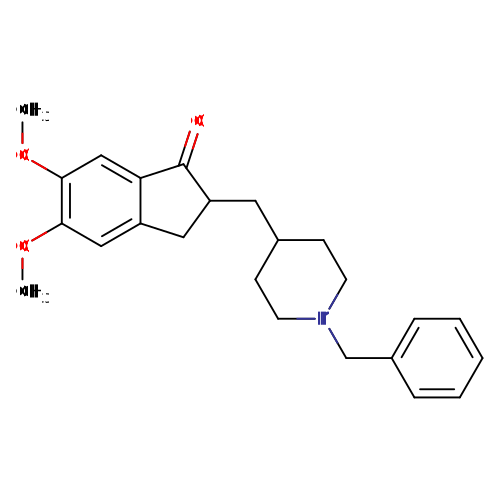
Structure for Donepezil (DB00843)
- Weight
- Average: 379.492
Monoisotopic: 379.214743799 - Chemical Formula
- C24H29NO3
- Synonyms
- Domepezil
- Donepezil
- Donepezilo
- Donepezilum
- External IDs
- BNAG
- E 2020

Pharmacology
- Indication
Donepezil, administered orally19 or via transdermal delivery system,24 is indicated for the treatment of dementia of the Alzheimer's type. It is also available as an extended-release capsule in combination with memantine for the treatment of moderate-to-severe dementia of the Alzheimer's type in patients previously stabilized on 10mg of donepezil hydrochloride once daily.22
Off-label uses include the management of vascular dementia, Parkinson's Disease-associated dementia, and Lewy body dementia, amongst others.8,18
 Reduce drug development failure ratesBuild, train, & validate machine-learning modelswith evidence-based and structured datasets.Build, train, & validate predictive machine-learning models with structured datasets.
- Associated Conditions
Indication Type Indication Combined Product Details Approval Level Age Group Patient Characteristics Dose Form Used in combination to manage Alzheimer's disease (ad) Combination Product in combination with: Ginkgo biloba (DB01381), Memantine (DB01043) •••••••••••• •••••• ••••••• ••••••• •••••••••••• Management of Dementia due to parkinson's disease ••• ••••• Treatment of Dementia of the alzheimer's type •••••••••••• ••••• Treatment of Dementia of the alzheimer's type •••••••••••• ••••••• ••••••• •••••• •••••••••••••• Used in combination to manage Dementia of the alzheimer's type Combination Product in combination with: Ginkgo biloba (DB01381) •••••••••••• •••••• ••••••• ••••••• •••••••••••• - Contraindications & Blackbox Warnings
 Prevent Adverse Drug Events TodayTap into our Clinical API for life-saving information on contraindications & blackbox warnings, population restrictions, harmful risks, & more.Avoid life-threatening adverse drug events with our Clinical API
- Pharmacodynamics
By inhibiting the acetylcholinesterase enzyme, donepezil improves the cognitive and behavioral signs and symptoms of Alzheimer's Disease, which may include apathy, aggression, confusion, and psychosis.8,15
- Mechanism of action
The commonly accepted cholinergic hypothesis13 proposes that a portion of the cognitive and behavioral decline associated with Alzheimer's are the result of decreased cholinergic transmission in the central nervous system. Donepezil selectively and reversibly inhibits the acetylcholinesterase enzyme, which normally breaks down acetylcholine. The main pharmacological actions of this drug are believed to occur as the result of this enzyme inhibition, enhancing cholinergic transmission, which relieves the symptoms of Alzheimer's dementia. In addition to the above, other mechanisms of action of donepezil are possible, including the opposition of glutamate-induced excitatory transmission via downregulation of NMDA receptors and the regulation of amyloid proteins, which have demonstrated significant effects on the disease process of Alzheimer's.8,12,17 Other possible targets for donepezil may also include the inhibition various inflammatory signaling pathways, exerting neuroprotective effects.10,14
Target Actions Organism AAcetylcholinesterase inhibitorHumans U5-hydroxytryptamine receptor 2A inducerHumans UCholinesterase inducerHumans UNitric oxide synthase, brain inhibitorinducerHumans UTumor necrosis factor-inducible gene 6 protein inhibitorHumans UInterleukin-1 beta inhibitorinducerHumans UNuclear factor NF-kappa-B inhibitorHumans UNMDA receptor downregulatorHumans - Absorption
Donepezil is slowly absorbed via the gastrointestinal tract after oral administration. Tmax is 3 to 4 hours with a bioavailability of 100% and steady-state concentrations are attained within 15 to 21 days of administration.8 The Tmax in one pharmacokinetic study determined a Tmax of 4.1 ± 1.5 hours.6 The Cmax of 5 mg donepezil tablets is estimated to be 8.34 ng/mL, according to the Canadian monograph.23 The AUC of 5 mg donepezil tablets has been determined to be 221.90-225.36 ng.hr/mL.23
- Volume of distribution
The volume of distribution of donepezil is 11.8 ± 1.7 L/kg for a 5-mg dose and 11.6 ± 1.91 L/kg for a 10-mg dose. It is largely distributed in the extravascular compartments. Donepezil crosses the blood-brain barrier and cerebrospinal fluid concentrations at the above doses have been measured at 15.7%.8 The volume of distribution at steady-state according to the FDA label for donepezil ranges from 12 - 16 L/kg.19
- Protein binding
Donepezil is 96% protein-bound, with approximately 75% binding to albumin and approximately 21% binding to alpha-1-glycoprotein.8,23
- Metabolism
Donepezil is metabolized by first pass metabolism in the liver, primarily by CYP3A4, in addition to CYP2D6. After this, O-dealkylation, hydroxylation, N-oxidation, hydrolysis, and O-glucuronidation occur, producing various metabolites with similar half-lives to the unchanged parent drug. A study of the pharmacokinetics of radiolabeled donepezil demonstrated that about 53% of plasma radioactivity appeared as donepezil in the unchanged form, and 11% was identified as the metabolite 6-O-desmethyl donepezil, which exerts similar potency inhibition of the acetylcholinesterase enzyme.8,19 This drug is heavily metabolized to four primary metabolites, two of which are considered pharmacologically active, as well as to multiple inactive and unidentified metabolites.19
Hover over products below to view reaction partners
- Route of elimination
In a study of radiolabeled administration donepezil in healthy adults, 57% of measured radioactivity was identified in the urine, and 5% was identified in the feces.8
- Half-life
The average elimination half-life of donepezil is about 70 hours according to the results of various studies and the FDA label for donepezil.8,19. One pharmacokinetic study determined the average terminal half-life to be 81.5±22.0 h6
- Clearance
According to the FDA label, the average apparent plasma clearance of this drug is 0.13 – 0.19 L/hr/kg.19 A 5 mg dose of donepezil in healthy patients was shown to have a plasma clearance of 0.110±0.02 L/h/kg.23 In 10 patients diagnosed with alcoholic cirrhosis, showed a mean decrease in clearance by 20% when compared to the clearance in 10 healthy subjects. In 4 patients with severe renal impairment compared to 4 healthy subjects, no significant change in clearance was noted.23
- Adverse Effects
 Improve decision support & research outcomesWith structured adverse effects data, including: blackbox warnings, adverse reactions, warning & precautions, & incidence rates. View sample adverse effects data in our new Data Library!Improve decision support & research outcomes with our structured adverse effects data.
- Toxicity
LD50
The rat oral LD50 of donepezil is 32.6 mg/kg.21
Overdose information
Signs and symptoms of overdose with cholinesterase inhibitors such as donepezil can include severe nausea and vomiting, bradycardia, hypotension, perspiration, seizures, muscle weakness respiratory depression, and collapse. Significant muscle weakness may result in death if the respiratory muscles are affected by donepezil overdose. To manage an overdose, anticholinergics can be employed as antidotes. Atropine at intravenous doses of 1.0 - 2.0 mg can be administered and titrated according to the clinical response. Consult the local poison control center for the most updated guidelines on the management of a donepezil overdose. Whether donepezil can be removed from the body with dialysis is unknown at this time.19
- Pathways
- Not Available
- Pharmacogenomic Effects/ADRs
Interacting Gene/Enzyme Allele name Genotype(s) Defining Change(s) Type(s) Description Details Cytochrome P450 2D6 CYP2D6*2A (G;G) / (C;G) C > G Effect Directly Studied Patients with this genotype are have a decreased likelihood of responding to donepezil when treating Alzheimer's disease. Details
Interactions
- Drug Interactions
- This information should not be interpreted without the help of a healthcare provider. If you believe you are experiencing an interaction, contact a healthcare provider immediately. The absence of an interaction does not necessarily mean no interactions exist.
Drug Interaction Integrate drug-drug
interactions in your software1,2-Benzodiazepine The risk or severity of CNS depression can be increased when Donepezil is combined with 1,2-Benzodiazepine. Abametapir The serum concentration of Donepezil can be increased when it is combined with Abametapir. Abatacept The metabolism of Donepezil can be increased when combined with Abatacept. Abemaciclib Abemaciclib may decrease the excretion rate of Donepezil which could result in a higher serum level. Abiraterone The metabolism of Donepezil can be decreased when combined with Abiraterone. - Food Interactions
- Avoid alcohol.
- Take with or without food. The absorption is unaffected by food.
Products
 Drug product information from 10+ global regionsOur datasets provide approved product information including:dosage, form, labeller, route of administration, and marketing period.Access drug product information from over 10 global regions.
- Product Ingredients
Ingredient UNII CAS InChI Key Donepezil hydrochloride 3O2T2PJ89D 120011-70-3 XWAIAVWHZJNZQQ-UHFFFAOYSA-N Donepezil hydrochloride monohydrate 7KZL5YRL6W 884740-09-4 HLJIZAKUNCTCQX-UHFFFAOYSA-N - Product Images
- International/Other Brands
- Alzepil (Egis) / Davia (Terapia) / Depzil (Psyco Remedies) / Donecept (Actavis) / Donecil (ABL Pharma) / Donep (Alkem) / Donepex (Schafer) / Donesyn (Synthon) / Dopezil (Medis) / Eranz (Wyeth) / Memac (Pfizer) / Nomi-Nox (Johnson) / Pezale (Sandoz) / Redumas (Teva) / Zolpezil (Actavis)
- Brand Name Prescription Products
Name Dosage Strength Route Labeller Marketing Start Marketing End Region Image Act Donepezil Tablet 10 mg Oral Actavis Pharma Company 2013-12-27 2018-06-12 Canada 
Act Donepezil Tablet 5 mg Oral Actavis Pharma Company 2013-12-27 2018-06-12 Canada Act Donepezil ODT Tablet, orally disintegrating 10 mg Oral TEVA Canada Limited 2013-12-27 2022-05-30 Canada Act Donepezil ODT Tablet, orally disintegrating 5 mg Oral TEVA Canada Limited 2013-12-27 2022-05-30 Canada Adlarity Patch 5 mg/1 Transdermal Corium, LLC. 2022-03-11 Not applicable US 
- Generic Prescription Products
Name Dosage Strength Route Labeller Marketing Start Marketing End Region Image Accel-donepezil Tablet 10 mg Oral Accel Pharma Inc 2014-09-04 2019-10-28 Canada Accel-donepezil Tablet 5 mg Oral Accel Pharma Inc 2014-09-04 2019-10-28 Canada Ach-donepezil Tablet 10 mg Oral Accord Healthcare Inc 2013-12-27 Not applicable Canada Ach-donepezil Tablet 5 mg Oral Accord Healthcare Inc 2013-12-27 Not applicable Canada Ag-donepezil Tablet 10 mg Oral Angita Pharma Inc. 2021-05-10 Not applicable Canada - Mixture Products
Name Ingredients Dosage Route Labeller Marketing Start Marketing End Region Image BERMAXIN 90/10/5 MG FILM TABLET ,FILM TABLET, 28 ADET Donepezil hydrochloride (10 mg) + Idebenone (90 mg) + Memantine hydrochloride (5 mg) Tablet, film coated Oral CELTİS İLAÇ SAN. VE TİC. A.Ş. 2014-03-31 Not applicable Turkey 
BERMAXIN 90/10/5 MG FILM TABLET ,FILM TABLET, 84 ADET Donepezil hydrochloride (10 mg) + Idebenone (90 mg) + Memantine hydrochloride (5 mg) Tablet, film coated Oral CELTİS İLAÇ SAN. VE TİC. A.Ş. 2014-03-31 Not applicable Turkey DEMENT COMBİ 10 MG / 10 MG AĞIZDA DAĞILAN TABLET, 28 TABLET Donepezil hydrochloride (10 mg) + Memantine hydrochloride (10 mg) Tablet, orally disintegrating Oral ALİ RAİF İLAÇ SAN. A.Ş. 2020-08-14 Not applicable Turkey DEMENT COMBİ 10 MG / 10 MG AĞIZDA DAĞILAN TABLET, 7 TABLET Donepezil hydrochloride (10 mg) + Memantine hydrochloride (10 mg) Tablet, orally disintegrating Oral ALİ RAİF İLAÇ SAN. A.Ş. 2020-08-14 Not applicable Turkey DEMENT COMBİ 10 MG / 15 MG AĞIZDA DAĞILAN TABLET, 7 TABLET Donepezil hydrochloride (10 mg) + Memantine hydrochloride (15 mg) Tablet, orally disintegrating Oral ALİ RAİF İLAÇ SAN. A.Ş. 2020-08-14 Not applicable Turkey - Unapproved/Other Products
Name Ingredients Dosage Route Labeller Marketing Start Marketing End Region Image Donepezil Hydrochloride Donepezil hydrochloride (10 mg/1) Tablet, film coated Oral Teva 2011-04-14 2011-04-14 US Donepezil Hydrochloride Donepezil hydrochloride (5 mg/1) Tablet, film coated Oral Teva 2011-04-14 2011-04-14 US


Categories
- ATC Codes
- N06DA52 — Donepezil and memantineN06DA53 — Donepezil, memantine and ginkgo foliumN06DA02 — Donepezil
- Drug Categories
- Anti-Dementia Drugs
- BCRP/ABCG2 Substrates
- Bradycardia-Causing Agents
- Central Nervous System Agents
- Central Nervous System Depressants
- Cholinergic Agents
- Cholinesterase Inhibitors
- Cytochrome P-450 CYP2C9 Substrates
- Cytochrome P-450 CYP2D6 Substrates
- Cytochrome P-450 CYP3A Substrates
- Cytochrome P-450 CYP3A4 Substrates
- Cytochrome P-450 Substrates
- Enzyme Inhibitors
- Indans
- Indenes
- Muscle Relaxants
- Muscle Relaxants, Centrally Acting Agents
- Nervous System
- Neurotransmitter Agents
- Nootropic Agents
- Parasympathomemetic (Cholinergic) Agents
- Piperidines
- Psychoanaleptics
- Chemical TaxonomyProvided by Classyfire
- Description
- This compound belongs to the class of organic compounds known as n-benzylpiperidines. These are heterocyclic Compounds containing a piperidine ring conjugated to a benzyl group through one nitrogen ring atom.
- Kingdom
- Organic compounds
- Super Class
- Organoheterocyclic compounds
- Class
- Piperidines
- Sub Class
- Benzylpiperidines
- Direct Parent
- N-benzylpiperidines
- Alternative Parents
- Indanones / Phenylmethylamines / Benzylamines / Aryl alkyl ketones / Anisoles / Aralkylamines / Alkyl aryl ethers / Trialkylamines / Azacyclic compounds / Organopnictogen compounds show 2 more
- Substituents
- Alkyl aryl ether / Amine / Anisole / Aralkylamine / Aromatic heteropolycyclic compound / Aryl alkyl ketone / Aryl ketone / Azacycle / Benzenoid / Benzylamine show 16 more
- Molecular Framework
- Aromatic heteropolycyclic compounds
- External Descriptors
- piperidines, cyclic ketone (CHEBI:53289)
- Affected organisms
- Humans and other mammals
Chemical Identifiers
- UNII
- 8SSC91326P
- CAS number
- 120014-06-4
- InChI Key
- ADEBPBSSDYVVLD-UHFFFAOYSA-N
- InChI
- InChI=1S/C24H29NO3/c1-27-22-14-19-13-20(24(26)21(19)15-23(22)28-2)12-17-8-10-25(11-9-17)16-18-6-4-3-5-7-18/h3-7,14-15,17,20H,8-13,16H2,1-2H3
- IUPAC Name
- 2-[(1-benzylpiperidin-4-yl)methyl]-5,6-dimethoxy-2,3-dihydro-1H-inden-1-one
- SMILES
- COC1=C(OC)C=C2C(=O)C(CC3CCN(CC4=CC=CC=C4)CC3)CC2=C1
References
- Synthesis Reference
Akio Imai, Hideaki Watanabe, Takashi Kajima, Yasushi Ishihama, Akiyo Ohtsuka, Tomohide Tanaka, Yukio Narabu, "Polymorphs of donepezil hydrochloride and process for production." U.S. Patent US5985864, issued December, 1988.
US5985864- General References
- Xiong G, Doraiswamy PM: Combination drug therapy for Alzheimer's disease: what is evidence-based, and what is not? Geriatrics. 2005 Jun;60(6):22-6. [Article]
- Yesavage JA, Mumenthaler MS, Taylor JL, Friedman L, O'Hara R, Sheikh J, Tinklenberg J, Whitehouse PJ: Donepezil and flight simulator performance: effects on retention of complex skills. Neurology. 2002 Jul 9;59(1):123-5. [Article]
- Sugimoto H: Donepezil hydrochloride: a treatment drug for Alzheimer's disease. Chem Rec. 2001;1(1):63-73. [Article]
- Korabecny J, Spilovska K, Mezeiova E, Benek O, Juza R, Kaping D, Soukup O: A systematic review on donepezil-based derivatives as potential cholinesterase inhibitors for Alzheimer's disease. Curr Med Chem. 2018 May 16. pii: CMC-EPUB-90497. doi: 10.2174/0929867325666180517094023. [Article]
- Prvulovic D, Schneider B: Pharmacokinetic and pharmacodynamic evaluation of donepezil for the treatment of Alzheimer's disease. Expert Opin Drug Metab Toxicol. 2014 Jul;10(7):1039-50. doi: 10.1517/17425255.2014.915028. Epub 2014 Apr 30. [Article]
- Rogers SL, Friedhoff LT: Pharmacokinetic and pharmacodynamic profile of donepezil HCl following single oral doses. Br J Clin Pharmacol. 1998 Nov;46 Suppl 1:1-6. doi: 10.1046/j.1365-2125.1998.0460s1001.x. [Article]
- Tiseo PJ, Perdomo CA, Friedhoff LT: Metabolism and elimination of 14C-donepezil in healthy volunteers: a single-dose study. Br J Clin Pharmacol. 1998 Nov;46 Suppl 1:19-24. doi: 10.1046/j.1365-2125.1998.0460s1019.x. [Article]
- Seltzer B: Donepezil: a review. Expert Opin Drug Metab Toxicol. 2005 Oct;1(3):527-36. doi: 10.1517/17425255.1.3.527 . [Article]
- Hughes RE, Nikolic K, Ramsay RR: One for All? Hitting Multiple Alzheimer's Disease Targets with One Drug. Front Neurosci. 2016 Apr 25;10:177. doi: 10.3389/fnins.2016.00177. eCollection 2016. [Article]
- Hwang J, Hwang H, Lee HW, Suk K: Microglia signaling as a target of donepezil. Neuropharmacology. 2010 Jun;58(7):1122-9. doi: 10.1016/j.neuropharm.2010.02.003. Epub 2010 Feb 11. [Article]
- Owen RT: Memantine and donepezil: a fixed drug combination for the treatment of moderate to severe Alzheimer's dementia. Drugs Today (Barc). 2016 Apr;52(4):239-48. doi: 10.1358/dot.2016.52.4.2479357. [Article]
- Murphy MP, LeVine H 3rd: Alzheimer's disease and the amyloid-beta peptide. J Alzheimers Dis. 2010;19(1):311-23. doi: 10.3233/JAD-2010-1221. [Article]
- Terry AV Jr, Buccafusco JJ: The cholinergic hypothesis of age and Alzheimer's disease-related cognitive deficits: recent challenges and their implications for novel drug development. J Pharmacol Exp Ther. 2003 Sep;306(3):821-7. doi: 10.1124/jpet.102.041616. Epub 2003 Jun 12. [Article]
- Srinivasan M, Lahiri DK: Significance of NF-kappaB as a pivotal therapeutic target in the neurodegenerative pathologies of Alzheimer's disease and multiple sclerosis. Expert Opin Ther Targets. 2015 Apr;19(4):471-87. doi: 10.1517/14728222.2014.989834. Epub 2015 Feb 4. [Article]
- Li XL, Hu N, Tan MS, Yu JT, Tan L: Behavioral and psychological symptoms in Alzheimer's disease. Biomed Res Int. 2014;2014:927804. doi: 10.1155/2014/927804. Epub 2014 Jul 15. [Article]
- Authors unspecified: Global, regional, and national burden of Alzheimer's disease and other dementias, 1990-2016: a systematic analysis for the Global Burden of Disease Study 2016. Lancet Neurol. 2019 Jan;18(1):88-106. doi: 10.1016/S1474-4422(18)30403-4. Epub 2018 Nov 26. [Article]
- Shen H, Kihara T, Hongo H, Wu X, Kem WR, Shimohama S, Akaike A, Niidome T, Sugimoto H: Neuroprotection by donepezil against glutamate excitotoxicity involves stimulation of alpha7 nicotinic receptors and internalization of NMDA receptors. Br J Pharmacol. 2010 Sep;161(1):127-39. doi: 10.1111/j.1476-5381.2010.00894.x. [Article]
- Anil Kumar; Sandeep Sharma (2019). Donepezil. Stat Pearls.
- FDA Approved Drug Products: Aricept/Aricept ODT (donepezil hydrochloride) tablets for oral use [Link]
- Australian monograph, Donepezil [Link]
- Pfizer MSDS, Donepezil hydrochloride [Link]
- FDA Approved Drug Products: Namzaric (memantine hydrochloride and donepezil hydrochloride) extended-release capsules for oral use [Link]
- Pfizer monograph, donepezil [Link]
- FDA Approved Drug Products: Adlarity (donepezil) transdermal system [Link]
- External Links
- Human Metabolome Database
- HMDB0005041
- KEGG Drug
- D00670
- PubChem Compound
- 3152
- PubChem Substance
- 46504803
- ChemSpider
- 3040
- BindingDB
- 8960
- 135447
- ChEBI
- 145499
- ChEMBL
- CHEMBL502
- Therapeutic Targets Database
- DAP000560
- PharmGKB
- PA449394
- RxList
- RxList Drug Page
- Drugs.com
- Drugs.com Drug Page
- Wikipedia
- Donepezil
- MSDS
- Download (58.2 KB)
Clinical Trials
- Clinical Trials
Phase Status Purpose Conditions Count 4 Completed Basic Science Amblyopia 1 4 Completed Basic Science Sleep Deprivation 1 4 Completed Other Alzheimer's Disease (AD) 1 4 Completed Other Genetic Risk for Alzheimer's Disease 1 4 Completed Prevention Alzheimer's Disease (AD) / Delirium, Dementia, Amnestic, Cognitive Disorders / Mild Cognitive Impairment (MCI) 1
Pharmacoeconomics
- Manufacturers
- Eisai inc
- Mutual pharmaceutical co inc
- Teva pharmaceuticals usa inc
- Packagers
- Amerisource Health Services Corp.
- AQ Pharmaceuticals Inc.
- Bryant Ranch Prepack
- Cardinal Health
- DispenseXpress Inc.
- Eisai Inc.
- Greenstone LLC
- Lake Erie Medical and Surgical Supply
- Murfreesboro Pharmaceutical Nursing Supply
- PD-Rx Pharmaceuticals Inc.
- Pfizer Inc.
- Physicians Total Care Inc.
- Prepackage Specialists
- Prepak Systems Inc.
- Resource Optimization and Innovation LLC
- Vangard Labs Inc.
- Dosage Forms
Form Route Strength Patch Transdermal 10 mg/1 Patch Transdermal 5 mg/1 Tablet, orally disintegrating Oral 10 mg Tablet, orally disintegrating Oral 5 mg Tablet, film coated Oral 5.000 mg Solution Oral 1 mg/1mL Tablet, coated Oral 4.56 MG Tablet, coated Oral 9.12 MG Tablet, film coated Oral 10 mg Tablet, coated Oral 5 mg Tablet, soluble Oral Tablet, film coated Oral 23 mg Tablet, coated Oral 1000000 mg Tablet, orally disintegrating Oral Kit; tablet, orally disintegrating Oral Tablet, film coated, extended release Oral Tablet, effervescent Tablet, orally disintegrating Oral Tablet, film coated Oral Tablet Oral 10 mg/1 Tablet Oral 23 mg/1 Tablet Oral 5 mg/1 Tablet, extended release Oral 23 mg/1 Tablet, film coated Oral 10 mg/1 Tablet, film coated Oral 23 mg/1 Tablet, film coated Oral 5 mg/1 Tablet, orally disintegrating Oral 10 mg/1 Tablet, orally disintegrating Oral 5 mg/1 Tablet, film coated Oral 5217 MG Tablet Oral 3 mg Tablet, orally disintegrating Oral 9.12 MG Film Oral Tablet, orally disintegrating Oral 10.0 mg Tablet, orally disintegrating Oral 5.0 mg Tablet, coated Oral Tablet, film coated Oral 10.00 mg Tablet, film coated Oral 5.00 mg Tablet Oral 5.000 mg Tablet, effervescent Oral Tablet Oral 10 mg Tablet Oral 5 mg Tablet Oral Capsule, extended release Oral Capsule Oral Kit Oral Tablet Oral 10.000 mg Tablet, film coated Oral Kit; tablet, film coated Oral Tablet Oral Tablet, effervescent Tablet, coated Tablet Oral 5.00 mg Tablet, extended release Oral 23 mg Tablet, film coated Oral 5 mg Tablet, coated Oral 10 mg - Prices
Unit description Cost Unit Aricept ODT 30 5 mg Dispersible Tablet Box 272.99USD box Aricept 10 mg tablet 10.93USD tablet Aricept 5 mg tablet 9.78USD tablet Aricept odt 10 mg tablet 8.03USD tablet Aricept odt 5 mg tablet 8.03USD tablet DrugBank does not sell nor buy drugs. Pricing information is supplied for informational purposes only.- Patents
Patent Number Pediatric Extension Approved Expires (estimated) Region US4895841 No 1990-01-23 2010-11-25 US CA2252806 No 2005-11-22 2017-06-06 Canada CA1338808 No 1996-12-24 2013-12-24 Canada US7727548 No 2010-06-01 2022-06-23 US US7727552 No 2010-06-01 2018-03-26 US US8173708 Yes 2012-05-08 2026-05-22 US US8283379 Yes 2012-10-09 2026-05-22 US US8362085 Yes 2013-01-29 2026-05-22 US US8039009 Yes 2011-10-18 2029-09-24 US US8329752 Yes 2012-12-11 2026-05-22 US US8598233 Yes 2013-12-03 2026-05-22 US US8168209 Yes 2012-05-01 2026-05-22 US US8481565 No 2013-07-09 2026-10-04 US US8338486 No 2012-12-25 2025-11-22 US US8058291 No 2011-11-15 2029-12-05 US US8580858 No 2013-11-12 2025-11-22 US US8338485 No 2012-12-25 2025-11-22 US US8293794 No 2012-10-23 2025-11-22 US US5061703 Yes 1991-10-29 2015-10-11 US US10966936 No 2021-04-06 2038-08-11 US US11103463 No 2021-08-31 2037-07-26 US US10835499 No 2020-11-17 2038-05-20 US US10016372 No 2018-07-10 2037-07-26 US US10307379 No 2019-06-04 2037-07-26 US US9993466 No 2018-06-12 2037-07-26 US US10300025 No 2019-05-28 2037-07-26 US US11648214 No 2017-09-23 2037-09-23 US US11679086 No 2017-05-26 2037-05-26 US
Properties
- State
- Solid
- Experimental Properties
Property Value Source melting point (°C) 223-227 https://aksci.com/item_detail.php?cat=J10827 boiling point (°C) 527.9 https://www.lookchem.com/Donepezil-hydrochloride/ water solubility 31mg/mL https://aksci.com/item_detail.php?cat=J10827 logP 4.7 https://www.sunpharma.com/australia-pi-download/50508/Donepezil pKa 8.9 https://www.sunpharma.com/australia-pi-download/50508/Donepezil - Predicted Properties
Property Value Source Water Solubility 0.0045 mg/mL ALOGPS logP 4.14 ALOGPS logP 4.21 Chemaxon logS -4.9 ALOGPS pKa (Strongest Acidic) 16.78 Chemaxon pKa (Strongest Basic) 9.12 Chemaxon Physiological Charge 1 Chemaxon Hydrogen Acceptor Count 4 Chemaxon Hydrogen Donor Count 0 Chemaxon Polar Surface Area 38.77 Å2 Chemaxon Rotatable Bond Count 6 Chemaxon Refractivity 112.11 m3·mol-1 Chemaxon Polarizability 44.34 Å3 Chemaxon Number of Rings 4 Chemaxon Bioavailability 1 Chemaxon Rule of Five Yes Chemaxon Ghose Filter Yes Chemaxon Veber's Rule Yes Chemaxon MDDR-like Rule Yes Chemaxon - Predicted ADMET Features
Property Value Probability Human Intestinal Absorption + 0.9966 Blood Brain Barrier + 0.9953 Caco-2 permeable + 0.7742 P-glycoprotein substrate Substrate 0.7721 P-glycoprotein inhibitor I Inhibitor 0.7641 P-glycoprotein inhibitor II Inhibitor 0.8202 Renal organic cation transporter Inhibitor 0.7696 CYP450 2C9 substrate Non-substrate 0.8465 CYP450 2D6 substrate Substrate 0.8919 CYP450 3A4 substrate Substrate 0.7202 CYP450 1A2 substrate Inhibitor 0.5072 CYP450 2C9 inhibitor Non-inhibitor 0.8189 CYP450 2D6 inhibitor Inhibitor 0.8684 CYP450 2C19 inhibitor Non-inhibitor 0.8356 CYP450 3A4 inhibitor Non-inhibitor 0.7411 CYP450 inhibitory promiscuity High CYP Inhibitory Promiscuity 0.6138 Ames test Non AMES toxic 0.6441 Carcinogenicity Non-carcinogens 0.9528 Biodegradation Not ready biodegradable 0.9145 Rat acute toxicity 3.0123 LD50, mol/kg Not applicable hERG inhibition (predictor I) Strong inhibitor 0.5386 hERG inhibition (predictor II) Inhibitor 0.8095
Spectra
- Mass Spec (NIST)
- Not Available
- Spectra
Spectrum Spectrum Type Splash Key Predicted GC-MS Spectrum - GC-MS Predicted GC-MS splash10-0fdo-6948000000-6c7dc19cab1af35fbb59 Predicted MS/MS Spectrum - 10V, Positive (Annotated) Predicted LC-MS/MS splash10-001i-0009000000-1e37ddb4068d0265fe2d Predicted MS/MS Spectrum - 10V, Negative (Annotated) Predicted LC-MS/MS splash10-004i-0009000000-2bd67b7ed0fce1714eca Predicted MS/MS Spectrum - 20V, Positive (Annotated) Predicted LC-MS/MS splash10-001i-1019000000-dc6f071ec8b46790ee6d Predicted MS/MS Spectrum - 20V, Negative (Annotated) Predicted LC-MS/MS splash10-004i-0009000000-0412ed9a1ccd4915ac96 Predicted MS/MS Spectrum - 40V, Positive (Annotated) Predicted LC-MS/MS splash10-001l-5089000000-d56082413067db60b3ef Predicted MS/MS Spectrum - 40V, Negative (Annotated) Predicted LC-MS/MS splash10-0fh9-0039000000-a4052a58adfe4af59b00 Predicted 1H NMR Spectrum 1D NMR Not Applicable Predicted 13C NMR Spectrum 1D NMR Not Applicable - Chromatographic Properties
Collision Cross Sections (CCS)
Adduct CCS Value (Å2) Source type Source [M-H]- 221.0285277 predictedDarkChem Lite v0.1.0 [M-H]- 193.5253 predictedDeepCCS 1.0 (2019) [M+H]+ 220.8982277 predictedDarkChem Lite v0.1.0 [M+H]+ 195.88329 predictedDeepCCS 1.0 (2019) [M+Na]+ 219.5514277 predictedDarkChem Lite v0.1.0 [M+Na]+ 202.72862 predictedDeepCCS 1.0 (2019)
Targets

- Kind
- Protein
- Organism
- Humans
- Pharmacological action
- Yes
- Actions
- Inhibitor
- General Function
- Serine hydrolase activity
- Specific Function
- Terminates signal transduction at the neuromuscular junction by rapid hydrolysis of the acetylcholine released into the synaptic cleft. Role in neuronal apoptosis.
- Gene Name
- ACHE
- Uniprot ID
- P22303
- Uniprot Name
- Acetylcholinesterase
- Molecular Weight
- 67795.525 Da
References
- Davis KL: Alzheimer's disease: seeking new ways to preserve brain function. Interview by Alice V. Luddington. Geriatrics. 1999 Feb;54(2):42-7; quiz 48. [Article]
- Kryger G, Silman I, Sussman JL: Structure of acetylcholinesterase complexed with E2020 (Aricept): implications for the design of new anti-Alzheimer drugs. Structure. 1999 Mar 15;7(3):297-307. [Article]
- Shepherd G, Klein-Schwartz W, Edwards R: Donepezil overdose: a tenfold dosing error. Ann Pharmacother. 1999 Jul-Aug;33(7-8):812-5. [Article]
- Kosasa T, Kuriya Y, Matsui K, Yamanishi Y: Effect of donepezil hydrochloride (E2020) on basal concentration of extracellular acetylcholine in the hippocampus of rats. Eur J Pharmacol. 1999 Sep 10;380(2-3):101-7. [Article]
- Jann MW: Rivastigmine, a new-generation cholinesterase inhibitor for the treatment of Alzheimer's disease. Pharmacotherapy. 2000 Jan;20(1):1-12. [Article]
- Chen X, Ji ZL, Chen YZ: TTD: Therapeutic Target Database. Nucleic Acids Res. 2002 Jan 1;30(1):412-5. [Article]
- Sugimoto H: Donepezil hydrochloride: a treatment drug for Alzheimer's disease. Chem Rec. 2001;1(1):63-73. [Article]
- Ki YS, Park EY, Lee HW, Oh MS, Cho YW, Kwon YK, Moon JH, Lee KT: Donepezil, a potent acetylcholinesterase inhibitor, induces caspase-dependent apoptosis in human promyelocytic leukemia HL-60 cells. Biol Pharm Bull. 2010;33(6):1054-9. [Article]
- Repantis D, Laisney O, Heuser I: Acetylcholinesterase inhibitors and memantine for neuroenhancement in healthy individuals: a systematic review. Pharmacol Res. 2010 Jun;61(6):473-81. doi: 10.1016/j.phrs.2010.02.009. Epub 2010 Mar 1. [Article]
- FDA Approved Drug Products: Aricept/Aricept ODT (donepezil hydrochloride) tablets for oral use [Link]
- Kind
- Protein
- Organism
- Humans
- Pharmacological action
- Unknown
- Actions
- Inducer
- Curator comments
- This is a potential target of donepezil.
- General Function
- Virus receptor activity
- Specific Function
- G-protein coupled receptor for 5-hydroxytryptamine (serotonin). Also functions as a receptor for various drugs and psychoactive substances, including mescaline, psilocybin, 1-(2,5-dimethoxy-4-iodop...
- Gene Name
- HTR2A
- Uniprot ID
- P28223
- Uniprot Name
- 5-hydroxytryptamine receptor 2A
- Molecular Weight
- 52602.58 Da
References
- Hayslett RL, Tizabi Y: Effects of donepezil, nicotine and haloperidol on the central serotonergic system in mice: implications for Tourette's syndrome. Pharmacol Biochem Behav. 2005 Aug;81(4):879-86. [Article]
- Hayslett RL, Tizabi Y: Effects of donepezil on DOI-induced head twitch response in mice: implications for Tourette syndrome. Pharmacol Biochem Behav. 2003 Dec;76(3-4):409-15. [Article]
- Kind
- Protein
- Organism
- Humans
- Pharmacological action
- Unknown
- Actions
- Inducer
- Curator comments
- This is a potential target, based on data from in vitro studies.
- General Function
- Identical protein binding
- Specific Function
- Esterase with broad substrate specificity. Contributes to the inactivation of the neurotransmitter acetylcholine. Can degrade neurotoxic organophosphate esters.
- Gene Name
- BCHE
- Uniprot ID
- P06276
- Uniprot Name
- Cholinesterase
- Molecular Weight
- 68417.575 Da
References
- Seltzer B: Donepezil: a review. Expert Opin Drug Metab Toxicol. 2005 Oct;1(3):527-36. doi: 10.1517/17425255.1.3.527 . [Article]
- Liston DR, Nielsen JA, Villalobos A, Chapin D, Jones SB, Hubbard ST, Shalaby IA, Ramirez A, Nason D, White WF: Pharmacology of selective acetylcholinesterase inhibitors: implications for use in Alzheimer's disease. Eur J Pharmacol. 2004 Feb 13;486(1):9-17. doi: 10.1016/j.ejphar.2003.11.080. [Article]
- Nordberg A, Ballard C, Bullock R, Darreh-Shori T, Somogyi M: A review of butyrylcholinesterase as a therapeutic target in the treatment of Alzheimer's disease. Prim Care Companion CNS Disord. 2013;15(2). pii: 12r01412. doi: 10.4088/PCC.12r01412. Epub 2013 Mar 7. [Article]
- Ogura H, Kosasa T, Kuriya Y, Yamanishi Y: Comparison of inhibitory activities of donepezil and other cholinesterase inhibitors on acetylcholinesterase and butyrylcholinesterase in vitro. Methods Find Exp Clin Pharmacol. 2000 Oct;22(8):609-13. [Article]
- Kind
- Protein
- Organism
- Humans
- Pharmacological action
- Unknown
- Actions
- InhibitorInducer
- Curator comments
- This target action is likely mediated via donepezil's effect on microglial cells.
- General Function
- Tetrahydrobiopterin binding
- Specific Function
- Produces nitric oxide (NO) which is a messenger molecule with diverse functions throughout the body. In the brain and peripheral nervous system, NO displays many properties of a neurotransmitter. P...
- Gene Name
- NOS1
- Uniprot ID
- P29475
- Uniprot Name
- Nitric oxide synthase, brain
- Molecular Weight
- 160969.095 Da
References
- Hwang J, Hwang H, Lee HW, Suk K: Microglia signaling as a target of donepezil. Neuropharmacology. 2010 Jun;58(7):1122-9. doi: 10.1016/j.neuropharm.2010.02.003. Epub 2010 Feb 11. [Article]
- Nakahata K, Kinoshita H, Hama-Tomioka K, Ishida Y, Matsuda N, Hatakeyama N, Haba M, Kondo T, Hatano Y: Cholinesterase inhibitor donepezil dilates cerebral parenchymal arterioles via the activation of neuronal nitric oxide synthase. Anesthesiology. 2008 Jul;109(1):124-9. doi: 10.1097/ALN.0b013e31817c0316. [Article]
- Haraguchi Y, Mizoguchi Y, Ohgidani M, Imamura Y, Murakawa-Hirachi T, Nabeta H, Tateishi H, Kato TA, Monji A: Donepezil suppresses intracellular Ca(2+) mobilization through the PI3K pathway in rodent microglia. J Neuroinflammation. 2017 Dec 22;14(1):258. doi: 10.1186/s12974-017-1033-0. [Article]
- Kind
- Protein
- Organism
- Humans
- Pharmacological action
- Unknown
- Actions
- Inhibitor
- General Function
- Hyaluronic acid binding
- Specific Function
- Possibly involved in cell-cell and cell-matrix interactions during inflammation and tumorigenesis.
- Gene Name
- TNFAIP6
- Uniprot ID
- P98066
- Uniprot Name
- Tumor necrosis factor-inducible gene 6 protein
- Molecular Weight
- 31203.09 Da
References
- Hwang J, Hwang H, Lee HW, Suk K: Microglia signaling as a target of donepezil. Neuropharmacology. 2010 Jun;58(7):1122-9. doi: 10.1016/j.neuropharm.2010.02.003. Epub 2010 Feb 11. [Article]
- Kind
- Protein
- Organism
- Humans
- Pharmacological action
- Unknown
- Actions
- InhibitorInducer
- General Function
- Protein domain specific binding
- Specific Function
- Potent proinflammatory cytokine. Initially discovered as the major endogenous pyrogen, induces prostaglandin synthesis, neutrophil influx and activation, T-cell activation and cytokine production, ...
- Gene Name
- IL1B
- Uniprot ID
- P01584
- Uniprot Name
- Interleukin-1 beta
- Molecular Weight
- 30747.7 Da
References
- Hwang J, Hwang H, Lee HW, Suk K: Microglia signaling as a target of donepezil. Neuropharmacology. 2010 Jun;58(7):1122-9. doi: 10.1016/j.neuropharm.2010.02.003. Epub 2010 Feb 11. [Article]
- Reale M, Iarlori C, Gambi F, Lucci I, Salvatore M, Gambi D: Acetylcholinesterase inhibitors effects on oncostatin-M, interleukin-1 beta and interleukin-6 release from lymphocytes of Alzheimer's disease patients. Exp Gerontol. 2005 Mar;40(3):165-71. doi: 10.1016/j.exger.2004.12.003. Epub 2005 Jan 8. [Article]
- Zhang T, Tian F, Wang J, Zhou S, Dong X, Guo K, Jing J, Zhou Y, Chen Y: Donepezil attenuates high glucose-accelerated senescence in human umbilical vein endothelial cells through SIRT1 activation. Cell Stress Chaperones. 2015 Sep;20(5):787-92. doi: 10.1007/s12192-015-0601-4. Epub 2015 Jul 21. [Article]
- Kind
- Protein group
- Organism
- Humans
- Pharmacological action
- Unknown
- Actions
- Inhibitor
- General Function
- Transcriptional activator activity, rna polymerase ii core promoter proximal region sequence-specific binding
- Specific Function
- NF-kappa-B is a pleiotropic transcription factor present in almost all cell types and is the endpoint of a series of signal transduction events that are initiated by a vast array of stimuli related...
Components:
| Name | UniProt ID |
|---|---|
| Nuclear factor NF-kappa-B p100 subunit | Q00653 |
| Nuclear factor NF-kappa-B p105 subunit | P19838 |
References
- Kim HG, Moon M, Choi JG, Park G, Kim AJ, Hur J, Lee KT, Oh MS: Donepezil inhibits the amyloid-beta oligomer-induced microglial activation in vitro and in vivo. Neurotoxicology. 2014 Jan;40:23-32. doi: 10.1016/j.neuro.2013.10.004. Epub 2013 Nov 1. [Article]
- Srinivasan M, Lahiri DK: Significance of NF-kappaB as a pivotal therapeutic target in the neurodegenerative pathologies of Alzheimer's disease and multiple sclerosis. Expert Opin Ther Targets. 2015 Apr;19(4):471-87. doi: 10.1517/14728222.2014.989834. Epub 2015 Feb 4. [Article]
- Kind
- Protein group
- Organism
- Humans
- Pharmacological action
- Unknown
- Actions
- Downregulator
- General Function
- Voltage-gated cation channel activity
- Specific Function
- NMDA receptor subtype of glutamate-gated ion channels with high calcium permeability and voltage-dependent sensitivity to magnesium. Mediated by glycine. This protein plays a key role in synaptic p...
Components:
References
- Shen H, Kihara T, Hongo H, Wu X, Kem WR, Shimohama S, Akaike A, Niidome T, Sugimoto H: Neuroprotection by donepezil against glutamate excitotoxicity involves stimulation of alpha7 nicotinic receptors and internalization of NMDA receptors. Br J Pharmacol. 2010 Sep;161(1):127-39. doi: 10.1111/j.1476-5381.2010.00894.x. [Article]
Enzymes
- Kind
- Protein
- Organism
- Humans
- Pharmacological action
- Unknown
- Actions
- Substrate
- General Function
- Steroid hydroxylase activity
- Specific Function
- Responsible for the metabolism of many drugs and environmental chemicals that it oxidizes. It is involved in the metabolism of drugs such as antiarrhythmics, adrenoceptor antagonists, and tricyclic...
- Gene Name
- CYP2D6
- Uniprot ID
- P10635
- Uniprot Name
- Cytochrome P450 2D6
- Molecular Weight
- 55768.94 Da
References
- Zhou SF, Zhou ZW, Yang LP, Cai JP: Substrates, inducers, inhibitors and structure-activity relationships of human Cytochrome P450 2C9 and implications in drug development. Curr Med Chem. 2009;16(27):3480-675. Epub 2009 Sep 1. [Article]
- Coin A, Pamio MV, Alexopoulos C, Granziera S, Groppa F, de Rosa G, Girardi A, Sergi G, Manzato E, Padrini R: Donepezil plasma concentrations, CYP2D6 and CYP3A4 phenotypes, and cognitive outcome in Alzheimer's disease. Eur J Clin Pharmacol. 2016 Jun;72(6):711-7. doi: 10.1007/s00228-016-2033-1. Epub 2016 Mar 8. [Article]
- Anil Kumar; Sandeep Sharma (2019). Donepezil. Stat Pearls.
- Flockhart Table of Drug Interactions [Link]
- Kind
- Protein
- Organism
- Humans
- Pharmacological action
- Unknown
- Actions
- Substrate
- General Function
- Vitamin d3 25-hydroxylase activity
- Specific Function
- Cytochromes P450 are a group of heme-thiolate monooxygenases. In liver microsomes, this enzyme is involved in an NADPH-dependent electron transport pathway. It performs a variety of oxidation react...
- Gene Name
- CYP3A4
- Uniprot ID
- P08684
- Uniprot Name
- Cytochrome P450 3A4
- Molecular Weight
- 57342.67 Da
References
- Zhou SF, Zhou ZW, Yang LP, Cai JP: Substrates, inducers, inhibitors and structure-activity relationships of human Cytochrome P450 2C9 and implications in drug development. Curr Med Chem. 2009;16(27):3480-675. Epub 2009 Sep 1. [Article]
- Coin A, Pamio MV, Alexopoulos C, Granziera S, Groppa F, de Rosa G, Girardi A, Sergi G, Manzato E, Padrini R: Donepezil plasma concentrations, CYP2D6 and CYP3A4 phenotypes, and cognitive outcome in Alzheimer's disease. Eur J Clin Pharmacol. 2016 Jun;72(6):711-7. doi: 10.1007/s00228-016-2033-1. Epub 2016 Mar 8. [Article]
- Anil Kumar; Sandeep Sharma (2019). Donepezil. Stat Pearls.
- Kind
- Protein
- Organism
- Humans
- Pharmacological action
- Unknown
- Actions
- Substrate
- General Function
- Steroid hydroxylase activity
- Specific Function
- Cytochromes P450 are a group of heme-thiolate monooxygenases. In liver microsomes, this enzyme is involved in an NADPH-dependent electron transport pathway. It oxidizes a variety of structurally un...
- Gene Name
- CYP2C9
- Uniprot ID
- P11712
- Uniprot Name
- Cytochrome P450 2C9
- Molecular Weight
- 55627.365 Da
References
- Zhou SF, Zhou ZW, Yang LP, Cai JP: Substrates, inducers, inhibitors and structure-activity relationships of human Cytochrome P450 2C9 and implications in drug development. Curr Med Chem. 2009;16(27):3480-675. Epub 2009 Sep 1. [Article]
- Lu J, Wan L, Zhong Y, Yu Q, Han Y, Chen P, Wang B, Li W, Miao Y, Guo C: Stereoselective metabolism of donepezil and steady-state plasma concentrations of S-donepezil based on CYP2D6 polymorphisms in the therapeutic responses of Han Chinese patients with Alzheimer's disease. J Pharmacol Sci. 2015 Nov;129(3):188-95. doi: 10.1016/j.jphs.2015.10.010. Epub 2015 Nov 5. [Article]
Transporters
- Kind
- Protein
- Organism
- Humans
- Pharmacological action
- Unknown
- Actions
- Substrate
- General Function
- Xenobiotic-transporting atpase activity
- Specific Function
- High-capacity urate exporter functioning in both renal and extrarenal urate excretion. Plays a role in porphyrin homeostasis as it is able to mediates the export of protoporhyrin IX (PPIX) both fro...
- Gene Name
- ABCG2
- Uniprot ID
- Q9UNQ0
- Uniprot Name
- ATP-binding cassette sub-family G member 2
- Molecular Weight
- 72313.47 Da
References
- Takeuchi R, Shinozaki K, Nakanishi T, Tamai I: Local Drug-Drug Interaction of Donepezil with Cilostazol at Breast Cancer Resistance Protein (ABCG2) Increases Drug Accumulation in Heart. Drug Metab Dispos. 2016 Jan;44(1):68-74. doi: 10.1124/dmd.115.066654. Epub 2015 Oct 14. [Article]

Drug created at June 13, 2005 13:24 / Updated at April 26, 2024 00:45