Identification
- Generic Name
- Glutathione
- DrugBank Accession Number
- DB00143
- Background
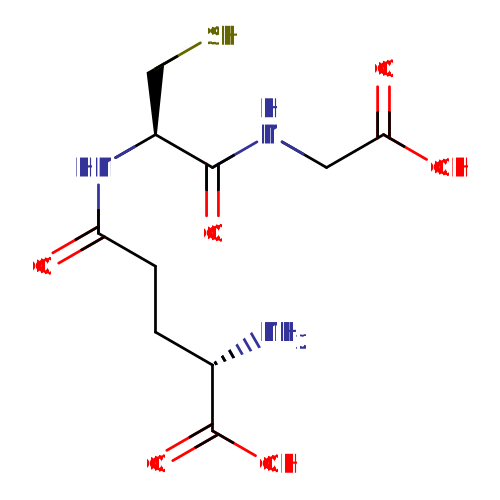
A tripeptide with many roles in cells. It conjugates to drugs to make them more soluble for excretion, is a cofactor for some enzymes, is involved in protein disulfide bond rearrangement and reduces peroxides.
- Type
- Small Molecule
- Groups
- Approved, Investigational, Nutraceutical
- Structure
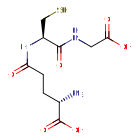
Structure for Glutathione (DB00143)
- Weight
- Average: 307.323
Monoisotopic: 307.083805981 - Chemical Formula
- C10H17N3O6S
- Synonyms
- 5-L-Glutamyl-L-cysteinylglycine
- AEC GLUTATHIONE
- gamma-L-Glutamyl-L-cysteinyl-glycine
- Glutathion
- Glutathione
- Glutathione-SH
- GLYCINE, L-.GAMMA.-GLUTAMYL-L-CYSTEINYL-
- GSH
- L-GLUTATHIONE REDUCED
- Liposomal glutathione
- N-(N-gamma-L-Glutamyl-L-cysteinyl)glycine
- Reduced glutathione
- REDUCED L-GLUTATHIONE

Pharmacology
- Indication
For nutritional supplementation, also for treating dietary shortage or imbalance
 Reduce drug development failure ratesBuild, train, & validate machine-learning modelswith evidence-based and structured datasets.Build, train, & validate predictive machine-learning models with structured datasets.
- Associated Conditions
Indication Type Indication Combined Product Details Approval Level Age Group Patient Characteristics Dose Form Treatment of Hangover ••• ••• ••••• Prevention of Nerve disorders •••••••••••• •••••• •••••••••••• •••••• Prophylaxis of Neuropathies •••••••••••• - Contraindications & Blackbox Warnings
 Prevent Adverse Drug Events TodayTap into our Clinical API for life-saving information on contraindications & blackbox warnings, population restrictions, harmful risks, & more.Avoid life-threatening adverse drug events with our Clinical API
- Pharmacodynamics
Not Available
- Mechanism of action
Glutathione (GSH) participates in leukotriene synthesis and is a cofactor for the enzyme glutathione peroxidase. It also plays a role in the hepatic biotransformation and detoxification process; it acts as a hydrophilic molecule that is added to other lipophilic toxins or wastes prior to entering biliary excretion. It participates in the detoxification of methylglyoxal, a toxic by-product of metabolism, mediated by glyoxalase enzymes. Glyoxalase I catalyzes the conversion of methylglyoxal and reduced glutathione to S-D-Lactoyl-glutathione. Glyoxalase II catalyzes the conversion of S-D-Lactoyl Glutathione to Reduced Glutathione and D-lactate. Glyoxalase I catalyzes the conversion of methylglyoxal and reduced glutathione to S-D-Lactoyl-glutathione. Glyoxalase II catalyzes the conversion of S-D-Lactoyl Glutathione to Reduced Glutathione and D-lactate. GSH is a cofactor of conjugation and reduction reactions that are catalyzed by glutathione S-transferase enzymes expressed in the cytosol, microsomes, and mitochondria. However, it is capable of participating in non-enzymatic conjugation with some chemicals, as it is hypothesized to do to a significant extent with n-acetyl-p-benzoquinone imine (NAPQI), the reactive cytochrome P450 reactive metabolite formed by toxic overdose of acetaminophen. Glutathione in this capacity binds to NAPQI as a suicide substrate and in the process detoxifies it, taking the place of cellular protein sulfhydryl groups which would otherwise be toxically adducted. The preferred medical treatment to an overdose of this nature, whose efficacy has been consistently supported in literature, is the administration (usually in atomized form) of N-acetylcysteine, which is used by cells to replace spent GSSG and allow a usable GSH pool.
- Absorption
Research suggests that glutathione is not orally bioactive, and that very little of oral glutathione tablets or capsules is actually absorbed by the body.
- Volume of distribution
Not Available
- Protein binding
Not Available
- Metabolism
- Not Available
- Route of elimination
Not Available
- Half-life
Not Available
- Clearance
Not Available
- Adverse Effects
 Improve decision support & research outcomesWith structured adverse effects data, including: blackbox warnings, adverse reactions, warning & precautions, & incidence rates. View sample adverse effects data in our new Data Library!Improve decision support & research outcomes with our structured adverse effects data.
- Toxicity
ORL-MUS LD50 5000 mg/kg, IPR-MUS LD50 4020 mg/kg, SCU-MUS LD50 5000 mg/kg, IVN-RBT LD50 > 2000 mg/kg, IMS-MUS LD50 4000 mg/kg
- Pathways
- Pharmacogenomic Effects/ADRs
- Not Available
Interactions
- Drug Interactions
- This information should not be interpreted without the help of a healthcare provider. If you believe you are experiencing an interaction, contact a healthcare provider immediately. The absence of an interaction does not necessarily mean no interactions exist.Not Available
- Food Interactions
- No interactions found.
Products
 Drug product information from 10+ global regionsOur datasets provide approved product information including:dosage, form, labeller, route of administration, and marketing period.Access drug product information from over 10 global regions.
- International/Other Brands
- Isethion
- Over the Counter Products
Name Dosage Strength Route Labeller Marketing Start Marketing End Region Image Haruto Hangover Defencepatch Patch 1.422 mg/100mg Topical YOUNGWOO CO.,LTD 2020-10-01 Not applicable US 
- Mixture Products
Name Ingredients Dosage Route Labeller Marketing Start Marketing End Region Image Celsior Organkonservierungslösung Glutathione (0.921 g/L) + Calcium chloride (0.037 g/L) + Glutamic acid (2.942 g/L) + Histidine (4.65 g/L) + Lactobionic acid (28.664 g/L) + Magnesium chloride hexahydrate (2.642 g/L) + Mannitol (10.93 g/L) + Potassium chloride (1.118 g/L) + Sodium hydroxide (4 g/L) Solution Extracorporeal Institut Georges Lopez (Igl) 2012-02-09 Not applicable Austria 
Deyanling(Cranberry Flavored Collagen Peptide) Glutathione (5 g/100g) + Ascorbic acid (2 g/100g) + Marine collagen, soluble (80 g/100g) Powder Topical Shenzhen Deyintang Biotechnology Co., Ltd. 2022-02-17 Not applicable US Deyanling(Cranberry Flavored Collagen Peptide) Glutathione (5 g/100g) + Ascorbic acid (2 g/100g) + Marine collagen, soluble (80 g/100g) Powder Topical Shenzhen Deyintang Biotechnology Co., Ltd. 2022-02-17 2022-02-21 US Gluta Whitening Lazy Cream Glutathione (6 g/30g) + Ascorbic acid (3 g/30g) + Glycyrrhiza glabra (7.5 g/30g) + Nicotinamide (3 g/30g) + Pearl (hyriopsis cumingii) (1.5 g/30g) Cream Cutaneous Shantou Youjia E-Commerce Co., Ltd. 2024-02-01 2024-12-31 US Vista Advanced AREDS2 Formula Glutathione (25 mg/966.47mg) + Ascorbic acid (250 mg/966.47mg) + Copper gluconate (1 mg/966.47mg) + Lutein (5 mg/966.47mg) + Selenium (0.0275 mg/966.47mg) + Vitamin E (137.5 mg/966.47mg) + Zeaxanthin (1 mg/966.47mg) Capsule Oral Red Wedding LLC 2020-09-01 Not applicable US - Unapproved/Other Products
Name Ingredients Dosage Route Labeller Marketing Start Marketing End Region Image Deyanling(Cranberry Flavored Collagen Peptide) Glutathione (5 g/100g) + Ascorbic acid (2 g/100g) + Marine collagen, soluble (80 g/100g) Powder Topical Shenzhen Deyintang Biotechnology Co., Ltd. 2022-02-17 Not applicable US Deyanling(Cranberry Flavored Collagen Peptide) Glutathione (5 g/100g) + Ascorbic acid (2 g/100g) + Marine collagen, soluble (80 g/100g) Powder Topical Shenzhen Deyintang Biotechnology Co., Ltd. 2022-02-17 2022-02-21 US Haruto Hangover Defencepatch Glutathione (1.422 mg/100mg) Patch Topical YOUNGWOO CO.,LTD 2020-10-01 Not applicable US Vista Advanced AREDS2 Formula Glutathione (25 mg/966.47mg) + Ascorbic acid (250 mg/966.47mg) + Copper gluconate (1 mg/966.47mg) + Lutein (5 mg/966.47mg) + Selenium (0.0275 mg/966.47mg) + Vitamin E (137.5 mg/966.47mg) + Zeaxanthin (1 mg/966.47mg) Capsule Oral Red Wedding LLC 2020-09-01 Not applicable US
Categories
- ATC Codes
- V03AB32 — Glutathione
- Drug Categories
- Chemical TaxonomyProvided by Classyfire
- Description
- This compound belongs to the class of organic compounds known as peptides. These are compounds containing an amide derived from two or more amino carboxylic acid molecules (the same or different) by formation of a covalent bond from the carbonyl carbon of one to the nitrogen atom of another.
- Kingdom
- Organic compounds
- Super Class
- Organic acids and derivatives
- Class
- Carboxylic acids and derivatives
- Sub Class
- Amino acids, peptides, and analogues
- Direct Parent
- Peptides
- Alternative Parents
- N-acyl-alpha amino acids / L-alpha-amino acids / Fatty acids and conjugates / Dicarboxylic acids and derivatives / Amino acids / Propargyl-type 1,3-dipolar organic compounds / Carboxylic acids / Carboximidic acids / Alkylthiols / Organopnictogen compounds show 4 more
- Substituents
- Aliphatic acyclic compound / Alkylthiol / Alpha peptide / Alpha-amino acid / Alpha-amino acid or derivatives / Amine / Amino acid / Amino acid or derivatives / Carbonyl group / Carboximidic acid show 19 more
- Molecular Framework
- Aliphatic acyclic compounds
- External Descriptors
- thiol, L-cysteine derivative, tripeptide (CHEBI:16856) / Coenzymes (C00051)
- Affected organisms
- Humans and other mammals
Chemical Identifiers
- UNII
- GAN16C9B8O
- CAS number
- 70-18-8
- InChI Key
- RWSXRVCMGQZWBV-WDSKDSINSA-N
- InChI
- InChI=1S/C10H17N3O6S/c11-5(10(18)19)1-2-7(14)13-6(4-20)9(17)12-3-8(15)16/h5-6,20H,1-4,11H2,(H,12,17)(H,13,14)(H,15,16)(H,18,19)/t5-,6-/m0/s1
- IUPAC Name
- (2S)-2-amino-4-{[(1R)-1-[(carboxymethyl)carbamoyl]-2-sulfanylethyl]carbamoyl}butanoic acid
- SMILES
- N[C@@H](CCC(=O)N[C@@H](CS)C(=O)NCC(O)=O)C(O)=O
References
- Synthesis Reference
Akihiro Mizutani, "Complexes of polysaccharides or derivatives thereof with reduced glutathione and process for preparing said complexes." U.S. Patent US4009264, issued February, 1971.
US4009264- General References
- Struzynska L, Chalimoniuk M, Sulkowski G: The role of astroglia in Pb-exposed adult rat brain with respect to glutamate toxicity. Toxicology. 2005 Sep 1;212(2-3):185-94. [Article]
- Witschi A, Reddy S, Stofer B, Lauterburg BH: The systemic availability of oral glutathione. Eur J Clin Pharmacol. 1992;43(6):667-9. [Article]
- Yim CY, Hibbs JB Jr, McGregor JR, Galinsky RE, Samlowski WE: Use of N-acetyl cysteine to increase intracellular glutathione during the induction of antitumor responses by IL-2. J Immunol. 1994 Jun 15;152(12):5796-805. [Article]
- Drevet JR: The antioxidant glutathione peroxidase family and spermatozoa: a complex story. Mol Cell Endocrinol. 2006 May 16;250(1-2):70-9. Epub 2006 Jan 19. [Article]
- Wu G, Fang YZ, Yang S, Lupton JR, Turner ND: Glutathione metabolism and its implications for health. J Nutr. 2004 Mar;134(3):489-92. [Article]
- External Links
- Human Metabolome Database
- HMDB0000125
- KEGG Drug
- D00014
- KEGG Compound
- C02471
- PubChem Compound
- 124886
- PubChem Substance
- 46504598
- ChemSpider
- 111188
- BindingDB
- 50422268
- 4890
- ChEBI
- 16856
- ChEMBL
- CHEMBL1543
- ZINC
- ZINC000003830891
- PharmGKB
- PA449780
- PDBe Ligand
- GSH
- PDRhealth
- PDRhealth Drug Page
- Wikipedia
- Glutathione
- PDB Entries
- 11gs / 13gs / 19gs / 1aqw / 1b48 / 1b4q / 1dnc / 1dug / 1eem / 1f2e … show 452 more
- MSDS
- Download (71.9 KB)
Clinical Trials
- Clinical Trials
Phase Status Purpose Conditions Count 4 Recruiting Treatment Decompensated Cirrhosis / Hepatic Failure / Thrombocytopenia 1 4 Terminated Other Autism Disorder 1 3 Completed Prevention End-stage Liver Disease (ESLD) / Functional disorders of the biliary tract / Hepatic Failure 1 3 Completed Supportive Care Chemotherapeutic Agent Toxicity / Neuropathy / Neurotoxicity Syndromes / Pain / Stage IIIA Fallopian Tube Cancer / Stage IIIA Ovarian Cancer / Stage IIIA Primary Peritoneal Cancer / Stage IIIB Fallopian Tube Cancer / Stage IIIB Ovarian Cancer / Stage IIIB Primary Peritoneal Cancer / Stage IIIC Fallopian Tube Cancer / Stage IIIC Ovarian Cancer / Stage IIIC Primary Peritoneal Cancer / Stage IV Fallopian Tube Cancer / Stage IV Ovarian Cancer / Stage IV Primary Peritoneal Cancer 1 3 Unknown Status Treatment Cystic Fibrosis (CF) 1
Pharmacoeconomics
- Manufacturers
- Not Available
- Packagers
- Letco Medical Inc.
- Medisca Inc.
- Spectrum Pharmaceuticals
- Dosage Forms
Form Route Strength Solution Extracorporeal Powder Topical Cream Cutaneous Powder Tablet Oral Patch Topical 1.422 mg/100mg Injection, powder, for solution Intramuscular; Intravenous 600 MG/4ML Injection, powder, for solution 300 MG/4ML Tablet Oral Injection, powder, for solution 300 MG/3ML Powder, for solution Intravenous 2500 MG/25ML Injection, powder, for solution Injection, powder, for solution Intravenous 2.4 G Injection, powder, for solution Intravenous 4.8 G Capsule Oral - Prices
Unit description Cost Unit Glutathione crystals 21.32USD g Glutathione-l reduced powder 10.71USD g L-glutathione powder 3.0USD g DrugBank does not sell nor buy drugs. Pricing information is supplied for informational purposes only.- Patents
- Not Available
Properties
- State
- Solid
- Experimental Properties
Property Value Source melting point (°C) 195 °C PhysProp logP -6.4 Not Available - Predicted Properties
Property Value Source logP -4.9 Chemaxon pKa (Strongest Acidic) 1.94 Chemaxon pKa (Strongest Basic) 9.22 Chemaxon Physiological Charge -1 Chemaxon Hydrogen Acceptor Count 7 Chemaxon Hydrogen Donor Count 6 Chemaxon Polar Surface Area 158.82 Å2 Chemaxon Rotatable Bond Count 9 Chemaxon Refractivity 69.11 m3·mol-1 Chemaxon Polarizability 29.3 Å3 Chemaxon Number of Rings 0 Chemaxon Bioavailability 1 Chemaxon Rule of Five No Chemaxon Ghose Filter No Chemaxon Veber's Rule No Chemaxon MDDR-like Rule No Chemaxon - Predicted ADMET Features
Property Value Probability Human Intestinal Absorption - 0.7892 Blood Brain Barrier + 0.6491 Caco-2 permeable - 0.8191 P-glycoprotein substrate Non-substrate 0.5706 P-glycoprotein inhibitor I Non-inhibitor 0.9195 P-glycoprotein inhibitor II Non-inhibitor 0.99 Renal organic cation transporter Non-inhibitor 0.9445 CYP450 2C9 substrate Non-substrate 0.8791 CYP450 2D6 substrate Non-substrate 0.8096 CYP450 3A4 substrate Non-substrate 0.7544 CYP450 1A2 substrate Non-inhibitor 0.9437 CYP450 2C9 inhibitor Non-inhibitor 0.9179 CYP450 2D6 inhibitor Non-inhibitor 0.9502 CYP450 2C19 inhibitor Non-inhibitor 0.919 CYP450 3A4 inhibitor Non-inhibitor 0.939 CYP450 inhibitory promiscuity Low CYP Inhibitory Promiscuity 0.9898 Ames test AMES toxic 0.9107 Carcinogenicity Non-carcinogens 0.9224 Biodegradation Not ready biodegradable 0.597 Rat acute toxicity 1.7842 LD50, mol/kg Not applicable hERG inhibition (predictor I) Weak inhibitor 0.9897 hERG inhibition (predictor II) Non-inhibitor 0.9476
Spectra
- Mass Spec (NIST)
- Not Available
- Spectra
- Chromatographic Properties
Collision Cross Sections (CCS)
Adduct CCS Value (Å2) Source type Source [M-H]- 180.9094662 predictedDarkChem Lite v0.1.0 [M-H]- 181.0517662 predictedDarkChem Lite v0.1.0 [M-H]- 180.7112662 predictedDarkChem Lite v0.1.0 [M-H]- 180.5901662 predictedDarkChem Lite v0.1.0 [M-H]- 165.94688 predictedDeepCCS 1.0 (2019) [M+H]+ 180.0110662 predictedDarkChem Lite v0.1.0 [M+H]+ 179.2869662 predictedDarkChem Lite v0.1.0 [M+H]+ 179.5832662 predictedDarkChem Lite v0.1.0 [M+H]+ 179.6278662 predictedDarkChem Lite v0.1.0 [M+H]+ 168.3049 predictedDeepCCS 1.0 (2019) [M+Na]+ 179.5339662 predictedDarkChem Lite v0.1.0 [M+Na]+ 176.2503443 predictedDarkChem Standard v0.1.0 [M+Na]+ 179.2352662 predictedDarkChem Lite v0.1.0 [M+Na]+ 179.7479662 predictedDarkChem Lite v0.1.0 [M+Na]+ 174.39804 predictedDeepCCS 1.0 (2019)
Targets

- Kind
- Protein
- Organism
- Humans
- Pharmacological action
- Unknown
- General Function
- Glyceraldehyde oxidoreductase activity
- Specific Function
- Catalyzes the NADPH-dependent reduction of a wide variety of carbonyl-containing compounds to their corresponding alcohols with a broad range of catalytic efficiencies.
- Gene Name
- AKR1B1
- Uniprot ID
- P15121
- Uniprot Name
- Aldose reductase
- Molecular Weight
- 35853.125 Da
References
- Ramana KV, Dixit BL, Srivastava S, Bhatnagar A, Balendiran GK, Watowich SJ, Petrash JM, Srivastava SK: Characterization of the glutathione binding site of aldose reductase. Chem Biol Interact. 2001 Jan 30;130-132(1-3):537-48. [Article]
- Kind
- Protein
- Organism
- Humans
- Pharmacological action
- Unknown
- General Function
- Zinc ion binding
- Specific Function
- May play an essential role in local proteolysis of the extracellular matrix and in leukocyte migration. Could play a role in bone osteoclastic resorption. Cleaves KiSS1 at a Gly-|-Leu bond. Cleaves...
- Gene Name
- MMP9
- Uniprot ID
- P14780
- Uniprot Name
- Matrix metalloproteinase-9
- Molecular Weight
- 78457.51 Da
References
- Pei P, Horan MP, Hille R, Hemann CF, Schwendeman SP, Mallery SR: Reduced nonprotein thiols inhibit activation and function of MMP-9: implications for chemoprevention. Free Radic Biol Med. 2006 Oct 15;41(8):1315-24. Epub 2006 Jul 15. [Article]
- Kind
- Protein
- Organism
- Humans
- Pharmacological action
- Unknown
- General Function
- Vitamin d3 25-hydroxylase activity
- Specific Function
- Cytochromes P450 are a group of heme-thiolate monooxygenases. In liver microsomes, this enzyme is involved in an NADPH-dependent electron transport pathway. It performs a variety of oxidation react...
- Gene Name
- CYP3A4
- Uniprot ID
- P08684
- Uniprot Name
- Cytochrome P450 3A4
- Molecular Weight
- 57342.67 Da
References
- Davydov DR, Davydova NY, Tsalkova TN, Halpert JR: Effect of glutathione on homo- and heterotropic cooperativity in cytochrome P450 3A4. Arch Biochem Biophys. 2008 Mar 15;471(2):134-45. doi: 10.1016/j.abb.2008.01.001. Epub 2008 Jan 11. [Article]
- Kind
- Protein group
- Organism
- Not Available
- Pharmacological action
- Unknown
- General Function
- Glutathione peroxidase activity
- Specific Function
- Protects cells and enzymes from oxidative damage, by catalyzing the reduction of hydrogen peroxide, lipid peroxides and organic hydroperoxide, by glutathione. May constitute a glutathione peroxidas...
Components:
References
- Toppo S, Vanin S, Bosello V, Tosatto SC: Evolutionary and structural insights into the multifaceted glutathione peroxidase (Gpx) superfamily. Antioxid Redox Signal. 2008 Sep;10(9):1501-14. doi: 10.1089/ars.2008.2057. [Article]
- Kind
- Protein
- Organism
- Humans
- Pharmacological action
- Unknown
- General Function
- Nadp binding
- Specific Function
- Maintains high levels of reduced glutathione in the cytosol.
- Gene Name
- GSR
- Uniprot ID
- P00390
- Uniprot Name
- Glutathione reductase, mitochondrial
- Molecular Weight
- 56256.565 Da
References
- Messarah M, Boulakoud MS, Boumendjel A, Abdennour C, El Feki A: The impact of thyroid activity variations on some oxidizing-stress parameters in rats. C R Biol. 2007 Feb;330(2):107-12. Epub 2006 Dec 12. [Article]
- Brocardo PS, Assini F, Franco JL, Pandolfo P, Muller YM, Takahashi RN, Dafre AL, Rodrigues AL: Zinc attenuates malathion-induced depressant-like behavior and confers neuroprotection in the rat brain. Toxicol Sci. 2007 May;97(1):140-8. Epub 2007 Feb 27. [Article]
- Guruvayoorappan C, Afira AH, Kuttan G: Antioxidant potential of Biophytum sensitivum extract in vitro and in vivo. J Basic Clin Physiol Pharmacol. 2006;17(4):255-67. [Article]
- Markaryan AA, Dubinskaya VA, Dargaeva TD: Peroxide-eliminating oxidoreductases as biosensors of antioxidant components of medicinal plants. Bull Exp Biol Med. 2006 Jul;142(1):55-6. [Article]
- Maity S, Roy S, Chaudhury S, Bhattacharya S: Antioxidant responses of the earthworm Lampito mauritii exposed to Pb and Zn contaminated soil. Environ Pollut. 2008 Jan;151(1):1-7. Epub 2007 May 23. [Article]
- Kind
- Protein
- Organism
- Humans
- Pharmacological action
- Unknown
- General Function
- Protein homodimerization activity
- Specific Function
- Not Available
- Gene Name
- GSS
- Uniprot ID
- P48637
- Uniprot Name
- Glutathione synthetase
- Molecular Weight
- 52384.325 Da
References
- Herrera K, Cahoon RE, Kumaran S, Jez J: Reaction mechanism of glutathione synthetase from Arabidopsis thaliana: site-directed mutagenesis of active site residues. J Biol Chem. 2007 Jun 8;282(23):17157-65. Epub 2007 Apr 22. [Article]
- Mohanpuria P, Rana NK, Yadav SK: Cadmium induced oxidative stress influence on glutathione metabolic genes of Camellia sinensis (L.) O. Kuntze. Environ Toxicol. 2007 Aug;22(4):368-74. [Article]
- Forcella M, Berra E, Giacchini R, Parenti P: Antioxidant defenses preserve membrane transport activity in Chironomus riparius larvae exposed to anoxia. Arch Insect Biochem Physiol. 2007 Aug;65(4):181-94. [Article]
- Janaky R, Dohovics R, Saransaari P, Oja SS: Modulation of [3H]dopamine release by glutathione in mouse striatal slices. Neurochem Res. 2007 Aug;32(8):1357-64. Epub 2007 Mar 31. [Article]
- Bridges CC, Battle JR, Zalups RK: Transport of thiol-conjugates of inorganic mercury in human retinal pigment epithelial cells. Toxicol Appl Pharmacol. 2007 Jun 1;221(2):251-60. Epub 2007 Mar 23. [Article]
- Kind
- Protein
- Organism
- Humans
- Pharmacological action
- Unknown
- General Function
- Protein homodimerization activity
- Specific Function
- Conjugation of reduced glutathione to a wide number of exogenous and endogenous hydrophobic electrophiles.
- Gene Name
- GSTM1
- Uniprot ID
- P09488
- Uniprot Name
- Glutathione S-transferase Mu 1
- Molecular Weight
- 25711.555 Da
References
- Moore LE, Malats N, Rothman N, Real FX, Kogevinas M, Karami S, Garcia-Closas R, Silverman D, Chanock S, Welch R, Tardon A, Serra C, Carrato A, Dosemeci M, Garcia-Closas M: Polymorphisms in one-carbon metabolism and trans-sulfuration pathway genes and susceptibility to bladder cancer. Int J Cancer. 2007 Jun 1;120(11):2452-8. [Article]
- Sakoda LC, Blackston CR, Xue K, Doherty JA, Ray RM, Lin MG, Stalsberg H, Gao DL, Feng Z, Thomas DB, Chen C: Glutathione S-transferase M1 and P1 polymorphisms and risk of breast cancer and fibrocystic breast conditions in Chinese women. Breast Cancer Res Treat. 2008 May;109(1):143-55. Epub 2007 Jul 12. [Article]
- Ouerhani S, Tebourski F, Slama MR, Marrakchi R, Rabeh M, Hassine LB, Ayed M, Elgaaied AB: The role of glutathione transferases M1 and T1 in individual susceptibility to bladder cancer in a Tunisian population. Ann Hum Biol. 2006 Sep-Dec;33(5-6):529-35. [Article]
- Contreras-Vergara CA, Valenzuela-Soto E, Garcia-Orozco KD, Sotelo-Mundo RR, Yepiz-Plascencia G: A Mu-class glutathione S-transferase from gills of the marine shrimp Litopenaeus vannamei: purification and characterization. J Biochem Mol Toxicol. 2007;21(2):62-7. [Article]
- Schwartzbaum JA, Ahlbom A, Lonn S, Warholm M, Rannug A, Auvinen A, Christensen HC, Henriksson R, Johansen C, Lindholm C, Malmer B, Salminen T, Schoemaker MJ, Swerdlow AJ, Feychting M: An international case-control study of glutathione transferase and functionally related polymorphisms and risk of primary adult brain tumors. Cancer Epidemiol Biomarkers Prev. 2007 Mar;16(3):559-65. [Article]
- Kind
- Protein
- Organism
- Humans
- Pharmacological action
- Unknown
- General Function
- Receptor binding
- Specific Function
- Significant glutathione conjugating activity is found only with the model substrate, 1-chloro-2,4-dinitrobenzene (CDNB).
- Gene Name
- GSTK1
- Uniprot ID
- Q9Y2Q3
- Uniprot Name
- Glutathione S-transferase kappa 1
- Molecular Weight
- 25496.625 Da
References
- Overington JP, Al-Lazikani B, Hopkins AL: How many drug targets are there? Nat Rev Drug Discov. 2006 Dec;5(12):993-6. [Article]
- Imming P, Sinning C, Meyer A: Drugs, their targets and the nature and number of drug targets. Nat Rev Drug Discov. 2006 Oct;5(10):821-34. [Article]
- Robinson A, Huttley GA, Booth HS, Board PG: Modelling and bioinformatics studies of the human Kappa-class glutathione transferase predict a novel third glutathione transferase family with similarity to prokaryotic 2-hydroxychromene-2-carboxylate isomerases. Biochem J. 2004 May 1;379(Pt 3):541-52. [Article]
- Berman HM, Westbrook J, Feng Z, Gilliland G, Bhat TN, Weissig H, Shindyalov IN, Bourne PE: The Protein Data Bank. Nucleic Acids Res. 2000 Jan 1;28(1):235-42. [Article]
- Kind
- Protein
- Organism
- Humans
- Pharmacological action
- Unknown
- General Function
- Glutathione transferase activity
- Specific Function
- Conjugation of reduced glutathione to a wide number of exogenous and endogenous hydrophobic electrophiles. Catalyzes isomerization reactions that contribute to the biosynthesis of steroid hormones....
- Gene Name
- GSTA3
- Uniprot ID
- Q16772
- Uniprot Name
- Glutathione S-transferase A3
- Molecular Weight
- 25301.355 Da
References
- Overington JP, Al-Lazikani B, Hopkins AL: How many drug targets are there? Nat Rev Drug Discov. 2006 Dec;5(12):993-6. [Article]
- Imming P, Sinning C, Meyer A: Drugs, their targets and the nature and number of drug targets. Nat Rev Drug Discov. 2006 Oct;5(10):821-34. [Article]
- Board PG: Identification of cDNAs encoding two human alpha class glutathione transferases (GSTA3 and GSTA4) and the heterologous expression of GSTA4-4. Biochem J. 1998 Mar 1;330 ( Pt 2):827-31. [Article]
- McHugh TE, Atkins WM, Racha JK, Kunze KL, Eaton DL: Binding of the aflatoxin-glutathione conjugate to mouse glutathione S-transferase A3-3 is saturated at only one ligand per dimer. J Biol Chem. 1996 Nov 1;271(44):27470-4. [Article]
- McDonagh PD, Judah DJ, Hayes JD, Lian LY, Neal GE, Wolf CR, Roberts GC: Determinants of specificity for aflatoxin B1-8,9-epoxide in alpha-class glutathione S-transferases. Biochem J. 1999 Apr 1;339 ( Pt 1):95-101. [Article]
- Berman HM, Westbrook J, Feng Z, Gilliland G, Bhat TN, Weissig H, Shindyalov IN, Bourne PE: The Protein Data Bank. Nucleic Acids Res. 2000 Jan 1;28(1):235-42. [Article]
- Kind
- Protein
- Organism
- Humans
- Pharmacological action
- Unknown
- General Function
- Protein homodimerization activity
- Specific Function
- Conjugation of reduced glutathione to a wide number of exogenous and endogenous hydrophobic electrophiles. May govern uptake and detoxification of both endogenous compounds and xenobiotics at the t...
- Gene Name
- GSTM3
- Uniprot ID
- P21266
- Uniprot Name
- Glutathione S-transferase Mu 3
- Molecular Weight
- 26559.32 Da
References
- Schwartzbaum JA, Ahlbom A, Lonn S, Warholm M, Rannug A, Auvinen A, Christensen HC, Henriksson R, Johansen C, Lindholm C, Malmer B, Salminen T, Schoemaker MJ, Swerdlow AJ, Feychting M: An international case-control study of glutathione transferase and functionally related polymorphisms and risk of primary adult brain tumors. Cancer Epidemiol Biomarkers Prev. 2007 Mar;16(3):559-65. [Article]
- Moore LE, Brennan P, Karami S, Hung RJ, Hsu C, Boffetta P, Toro J, Zaridze D, Janout V, Bencko V, Navratilova M, Szeszenia-Dabrowska N, Mates D, Mukeria A, Holcatova I, Welch R, Chanock S, Rothman N, Chow WH: Glutathione S-transferase polymorphisms, cruciferous vegetable intake and cancer risk in the Central and Eastern European Kidney Cancer Study. Carcinogenesis. 2007 Sep;28(9):1960-4. Epub 2007 Jul 7. [Article]
- Kind
- Protein
- Organism
- Humans
- Pharmacological action
- Unknown
- General Function
- Protein homodimerization activity
- Specific Function
- Conjugation of reduced glutathione to a wide number of exogenous and endogenous hydrophobic electrophiles. This isozyme has a high catalytic efficiency with 4-hydroxyalkenals such as 4-hydroxynonen...
- Gene Name
- GSTA4
- Uniprot ID
- O15217
- Uniprot Name
- Glutathione S-transferase A4
- Molecular Weight
- 25703.905 Da
References
- Gallagher EP, Huisden CM, Gardner JL: Transfection of HepG2 cells with hGSTA4 provides protection against 4-hydroxynonenal-mediated oxidative injury. Toxicol In Vitro. 2007 Dec;21(8):1365-72. Epub 2007 Apr 27. [Article]
- Kind
- Protein
- Organism
- Humans
- Pharmacological action
- Unknown
- General Function
- Protein homodimerization activity
- Specific Function
- Conjugation of reduced glutathione to a wide number of exogenous and endogenous hydrophobic electrophiles. Active on 1-chloro-2,4-dinitrobenzene.
- Gene Name
- GSTM4
- Uniprot ID
- Q03013
- Uniprot Name
- Glutathione S-transferase Mu 4
- Molecular Weight
- 25561.095 Da
References
- Overington JP, Al-Lazikani B, Hopkins AL: How many drug targets are there? Nat Rev Drug Discov. 2006 Dec;5(12):993-6. [Article]
- Imming P, Sinning C, Meyer A: Drugs, their targets and the nature and number of drug targets. Nat Rev Drug Discov. 2006 Oct;5(10):821-34. [Article]
- Cantlay AM, Smith CA, Wallace WA, Yap PL, Lamb D, Harrison DJ: Heterogeneous expression and polymorphic genotype of glutathione S-transferases in human lung. Thorax. 1994 Oct;49(10):1010-4. [Article]
- Beuckmann CT, Fujimori K, Urade Y, Hayaishi O: Identification of mu-class glutathione transferases M2-2 and M3-3 as cytosolic prostaglandin E synthases in the human brain. Neurochem Res. 2000 May;25(5):733-8. [Article]
- Efferth T, Volm M: Glutathione-related enzymes contribute to resistance of tumor cells and low toxicity in normal organs to artesunate. In Vivo. 2005 Jan-Feb;19(1):225-32. [Article]
- Berman HM, Westbrook J, Feng Z, Gilliland G, Bhat TN, Weissig H, Shindyalov IN, Bourne PE: The Protein Data Bank. Nucleic Acids Res. 2000 Jan 1;28(1):235-42. [Article]
- Kind
- Protein
- Organism
- Humans
- Pharmacological action
- Unknown
- General Function
- Glutathione transferase activity
- Specific Function
- Not Available
- Gene Name
- GSTA5
- Uniprot ID
- Q7RTV2
- Uniprot Name
- Glutathione S-transferase A5
- Molecular Weight
- 25721.725 Da
References
- Overington JP, Al-Lazikani B, Hopkins AL: How many drug targets are there? Nat Rev Drug Discov. 2006 Dec;5(12):993-6. [Article]
- Imming P, Sinning C, Meyer A: Drugs, their targets and the nature and number of drug targets. Nat Rev Drug Discov. 2006 Oct;5(10):821-34. [Article]
- McDonagh PD, Judah DJ, Hayes JD, Lian LY, Neal GE, Wolf CR, Roberts GC: Determinants of specificity for aflatoxin B1-8,9-epoxide in alpha-class glutathione S-transferases. Biochem J. 1999 Apr 1;339 ( Pt 1):95-101. [Article]
- McLeod R, Ellis EM, Arthur JR, Neal GE, Judah DJ, Manson MM, Hayes JD: Protection conferred by selenium deficiency against aflatoxin B1 in the rat is associated with the hepatic expression of an aldo-keto reductase and a glutathione S-transferase subunit that metabolize the mycotoxin. Cancer Res. 1997 Oct 1;57(19):4257-66. [Article]
- Kazi S, Ellis EM: Expression of rat liver glutathione-S-transferase GSTA5 in cell lines provides increased resistance to alkylating agents and toxic aldehydes. Chem Biol Interact. 2002 May 20;140(2):121-35. [Article]
- Kind
- Protein
- Organism
- Humans
- Pharmacological action
- Unknown
- General Function
- S-nitrosoglutathione binding
- Specific Function
- Conjugation of reduced glutathione to a wide number of exogenous and endogenous hydrophobic electrophiles. Regulates negatively CDK5 activity via p25/p35 translocation to prevent neurodegeneration.
- Gene Name
- GSTP1
- Uniprot ID
- P09211
- Uniprot Name
- Glutathione S-transferase P
- Molecular Weight
- 23355.625 Da
References
- Ramachandran K, Navarro L, Gordian E, Das PM, Singal R: Methylation-mediated silencing of genes is not altered by selenium treatment of prostate cancer cells. Anticancer Res. 2007 Mar-Apr;27(2):921-5. [Article]
- Kadokawa Y, Ohba K, Omagari K, Akazawa S, Hayashida K, Ohnita K, Takeshima F, Mizuta Y, Kohno S: Intracellular balance of oxidative stress and cytoprotective molecules in damaged interlobular bile ducts in autoimmune hepatitis and primary biliary cirrhosis: In situ detection of 8-hydroxydeoxyguanosine and glutathione-S-transferase-pi. Hepatol Res. 2007 Aug;37(8):620-7. Epub 2007 May 22. [Article]
- Kind
- Protein
- Organism
- Humans
- Pharmacological action
- Unknown
- General Function
- Oxidoreductase activity
- Specific Function
- Exhibits glutathione-dependent thiol transferase and dehydroascorbate reductase activities. Has S-(phenacyl)glutathione reductase activity. Has also glutathione S-transferase activity. Participates...
- Gene Name
- GSTO1
- Uniprot ID
- P78417
- Uniprot Name
- Glutathione S-transferase omega-1
- Molecular Weight
- 27565.6 Da
References
- Tulayakul P, Dong KS, Li JY, Manabe N, Kumagai S: The effect of feeding piglets with the diet containing green tea extracts or coumarin on in vitro metabolism of aflatoxin B1 by their tissues. Toxicon. 2007 Sep 1;50(3):339-48. Epub 2007 Apr 22. [Article]
- Harju TH, Peltoniemi MJ, Rytila PH, Soini Y, Salmenkivi KM, Board PG, Ruddock LW, Kinnula VL: Glutathione S-transferase omega in the lung and sputum supernatants of COPD patients. Respir Res. 2007 Jul 6;8:48. [Article]
- Kind
- Protein
- Organism
- Humans
- Pharmacological action
- Unknown
- Actions
- Cofactor
- General Function
- Sh3 domain binding
- Specific Function
- Protects the hemoglobin in erythrocytes from oxidative breakdown.
- Gene Name
- GPX1
- Uniprot ID
- P07203
- Uniprot Name
- Glutathione peroxidase 1
- Molecular Weight
- 22087.94 Da
References
- Overington JP, Al-Lazikani B, Hopkins AL: How many drug targets are there? Nat Rev Drug Discov. 2006 Dec;5(12):993-6. [Article]
- Imming P, Sinning C, Meyer A: Drugs, their targets and the nature and number of drug targets. Nat Rev Drug Discov. 2006 Oct;5(10):821-34. [Article]
- Destro-Bisol G, Spedini G: Anthropological survey on red cell glutathione peroxidase (GPX1) polymorphism in central western Africa: a tentative hypothesis on the interaction between GPX1*2 and Hb beta *S allelic products. Am J Phys Anthropol. 1989 Jun;79(2):217-24. [Article]
- Liddell JR, Hoepken HH, Crack PJ, Robinson SR, Dringen R: Glutathione peroxidase 1 and glutathione are required to protect mouse astrocytes from iron-mediated hydrogen peroxide toxicity. J Neurosci Res. 2006 Aug 15;84(3):578-86. [Article]
- Ursini F, Maiorino M: Native specific activity of glutathione peroxidase (GPx-1), phospholipid hydroperoxide glutathione peroxidase (PHGPx) and glutathione reductase (GR) does not differ between normo- and hypomotile human sperm samples. Int J Androl. 2005 Feb;28(1):61-2; author reply 63-4. [Article]
- Kind
- Protein
- Organism
- Humans
- Pharmacological action
- Unknown
- Actions
- Cofactor
- General Function
- Glutathione peroxidase activity
- Specific Function
- Could play a major role in protecting mammals from the toxicity of ingested organic hydroperoxides. Tert-butyl hydroperoxide, cumene hydroperoxide and linoleic acid hydroperoxide but not phosphatid...
- Gene Name
- GPX2
- Uniprot ID
- P18283
- Uniprot Name
- Glutathione peroxidase 2
- Molecular Weight
- 21953.835 Da
References
- Walshe J, Serewko-Auret MM, Teakle N, Cameron S, Minto K, Smith L, Burcham PC, Russell T, Strutton G, Griffin A, Chu FF, Esworthy S, Reeve V, Saunders NA: Inactivation of glutathione peroxidase activity contributes to UV-induced squamous cell carcinoma formation. Cancer Res. 2007 May 15;67(10):4751-8. [Article]
- Kind
- Protein
- Organism
- Humans
- Pharmacological action
- Unknown
- General Function
- Glutathione transferase activity
- Specific Function
- Conjugation of reduced glutathione to a wide number of exogenous and endogenous hydrophobic electrophiles. Acts on 1,2-epoxy-3-(4-nitrophenoxy)propane, phenethylisothiocyanate 4-nitrobenzyl chlorid...
- Gene Name
- GSTT1
- Uniprot ID
- P30711
- Uniprot Name
- Glutathione S-transferase theta-1
- Molecular Weight
- 27334.755 Da
References
- Ouerhani S, Tebourski F, Slama MR, Marrakchi R, Rabeh M, Hassine LB, Ayed M, Elgaaied AB: The role of glutathione transferases M1 and T1 in individual susceptibility to bladder cancer in a Tunisian population. Ann Hum Biol. 2006 Sep-Dec;33(5-6):529-35. [Article]
- Schwartzbaum JA, Ahlbom A, Lonn S, Warholm M, Rannug A, Auvinen A, Christensen HC, Henriksson R, Johansen C, Lindholm C, Malmer B, Salminen T, Schoemaker MJ, Swerdlow AJ, Feychting M: An international case-control study of glutathione transferase and functionally related polymorphisms and risk of primary adult brain tumors. Cancer Epidemiol Biomarkers Prev. 2007 Mar;16(3):559-65. [Article]
- Moore LE, Brennan P, Karami S, Hung RJ, Hsu C, Boffetta P, Toro J, Zaridze D, Janout V, Bencko V, Navratilova M, Szeszenia-Dabrowska N, Mates D, Mukeria A, Holcatova I, Welch R, Chanock S, Rothman N, Chow WH: Glutathione S-transferase polymorphisms, cruciferous vegetable intake and cancer risk in the Central and Eastern European Kidney Cancer Study. Carcinogenesis. 2007 Sep;28(9):1960-4. Epub 2007 Jul 7. [Article]
- Gawecki W, Kostrzewska-Poczekaj M, Gajecka M, Milecki P, Szyfter K, Szyfter W: The role of genetic factor in etiopathogenesis of squamous cell carcinoma of the head and neck in young adults. Eur Arch Otorhinolaryngol. 2007 Dec;264(12):1459-65. Epub 2007 Jul 26. [Article]
- Jonsson LS, Broberg K, Bergendorf U, Axmon A, Littorin M, Jonsson BA: Levels of 2-thiothiazolidine-4-carboxylic acid (TTCA) and effect modification of polymorphisms of glutathione-related genes in vulcanization workers in the southern Sweden rubber industries. Int Arch Occup Environ Health. 2007 Jul;80(7):589-98. Epub 2007 Feb 28. [Article]
- Kind
- Protein
- Organism
- Humans
- Pharmacological action
- Unknown
- General Function
- Protein homodimerization activity
- Specific Function
- Bifunctional enzyme showing minimal glutathione-conjugating activity with ethacrynic acid and 7-chloro-4-nitrobenz-2-oxa-1,3-diazole and maleylacetoacetate isomerase activity. Has also low glutathi...
- Gene Name
- GSTZ1
- Uniprot ID
- O43708
- Uniprot Name
- Maleylacetoacetate isomerase
- Molecular Weight
- 24212.005 Da
References
- Overington JP, Al-Lazikani B, Hopkins AL: How many drug targets are there? Nat Rev Drug Discov. 2006 Dec;5(12):993-6. [Article]
- Imming P, Sinning C, Meyer A: Drugs, their targets and the nature and number of drug targets. Nat Rev Drug Discov. 2006 Oct;5(10):821-34. [Article]
- Fernandez-Canon JM, Baetscher MW, Finegold M, Burlingame T, Gibson KM, Grompe M: Maleylacetoacetate isomerase (MAAI/GSTZ)-deficient mice reveal a glutathione-dependent nonenzymatic bypass in tyrosine catabolism. Mol Cell Biol. 2002 Jul;22(13):4943-51. [Article]
- Hagedorn SR, Chapman PJ: Glutathione-independent maleylacetoacetate isomerase in gram-positive bacteria. J Bacteriol. 1985 Aug;163(2):803-5. [Article]
- Lim CE, Matthaei KI, Blackburn AC, Davis RP, Dahlstrom JE, Koina ME, Anders MW, Board PG: Mice deficient in glutathione transferase zeta/maleylacetoacetate isomerase exhibit a range of pathological changes and elevated expression of alpha, mu, and pi class glutathione transferases. Am J Pathol. 2004 Aug;165(2):679-93. [Article]
- Kind
- Protein
- Organism
- Humans
- Pharmacological action
- Unknown
- Actions
- Cofactor
- General Function
- Glutathione peroxidase activity
- Specific Function
- Protects cells and enzymes from oxidative damage, by catalyzing the reduction of hydrogen peroxide, lipid peroxides and organic hydroperoxide, by glutathione. May constitute a glutathione peroxidas...
- Gene Name
- GPX5
- Uniprot ID
- O75715
- Uniprot Name
- Epididymal secretory glutathione peroxidase
- Molecular Weight
- 25202.14 Da
References
- Koh CS, Didierjean C, Navrot N, Panjikar S, Mulliert G, Rouhier N, Jacquot JP, Aubry A, Shawkataly O, Corbier C: Crystal structures of a poplar thioredoxin peroxidase that exhibits the structure of glutathione peroxidases: insights into redox-driven conformational changes. J Mol Biol. 2007 Jul 13;370(3):512-29. Epub 2007 Apr 19. [Article]
- Kind
- Protein
- Organism
- Humans
- Pharmacological action
- Unknown
- Actions
- Cofactor
- General Function
- Transcription factor binding
- Specific Function
- Protects cells and enzymes from oxidative damage, by catalyzing the reduction of hydrogen peroxide, lipid peroxides and organic hydroperoxide, by glutathione.
- Gene Name
- GPX3
- Uniprot ID
- P22352
- Uniprot Name
- Glutathione peroxidase 3
- Molecular Weight
- 25552.185 Da
References
- Jacobson GA, Yee KC, Ng CH: Elevated plasma glutathione peroxidase concentration in acute severe asthma: comparison with plasma glutathione peroxidase activity, selenium and malondialdehyde. Scand J Clin Lab Invest. 2007;67(4):423-30. [Article]
- Carmeli E, Bachar A, Barchad S: Biochemical assessments of total antioxidant status in active and nonactive female adults with intellectual disability. Res Sports Med. 2007 Apr-Jun;15(2):93-101. [Article]
- Kind
- Protein
- Organism
- Humans
- Pharmacological action
- Unknown
- General Function
- Zinc ion binding
- Specific Function
- Catalyzes the conversion of hemimercaptal, formed from methylglyoxal and glutathione, to S-lactoylglutathione. Involved in the regulation of TNF-induced transcriptional activity of NF-kappa-B. Requ...
- Gene Name
- GLO1
- Uniprot ID
- Q04760
- Uniprot Name
- Lactoylglutathione lyase
- Molecular Weight
- 20777.515 Da
References
- Barati MT, Merchant ML, Kain AB, Jevans AW, McLeish KR, Klein JB: Proteomic analysis defines altered cellular redox pathways and advanced glycation end-product metabolism in glomeruli of db/db diabetic mice. Am J Physiol Renal Physiol. 2007 Oct;293(4):F1157-65. Epub 2007 Jul 3. [Article]
- Deponte M, Sturm N, Mittler S, Harner M, Mack H, Becker K: Allosteric coupling of two different functional active sites in monomeric Plasmodium falciparum glyoxalase I. J Biol Chem. 2007 Sep 28;282(39):28419-30. Epub 2007 Jul 30. [Article]
- Kind
- Protein
- Organism
- Humans
- Pharmacological action
- Unknown
- General Function
- Lipid binding
- Specific Function
- Catalyzes the conjugation of leukotriene A4 with reduced glutathione to form leukotriene C4.
- Gene Name
- LTC4S
- Uniprot ID
- Q16873
- Uniprot Name
- Leukotriene C4 synthase
- Molecular Weight
- 16566.465 Da
References
- Martinez Molina D, Wetterholm A, Kohl A, McCarthy AA, Niegowski D, Ohlson E, Hammarberg T, Eshaghi S, Haeggstrom JZ, Nordlund P: Structural basis for synthesis of inflammatory mediators by human leukotriene C4 synthase. Nature. 2007 Aug 2;448(7153):613-6. Epub 2007 Jul 15. [Article]
- Ago H, Kanaoka Y, Irikura D, Lam BK, Shimamura T, Austen KF, Miyano M: Crystal structure of a human membrane protein involved in cysteinyl leukotriene biosynthesis. Nature. 2007 Aug 2;448(7153):609-12. Epub 2007 Jul 15. [Article]
- Kind
- Protein
- Organism
- Humans
- Pharmacological action
- Unknown
- General Function
- Peroxidase activity
- Specific Function
- Also functions as a glutathione peroxidase.
- Gene Name
- MGST3
- Uniprot ID
- O14880
- Uniprot Name
- Microsomal glutathione S-transferase 3
- Molecular Weight
- 16516.185 Da
References
- Ago H, Kanaoka Y, Irikura D, Lam BK, Shimamura T, Austen KF, Miyano M: Crystal structure of a human membrane protein involved in cysteinyl leukotriene biosynthesis. Nature. 2007 Aug 2;448(7153):609-12. Epub 2007 Jul 15. [Article]
- Kind
- Protein
- Organism
- Humans
- Pharmacological action
- Unknown
- General Function
- Protein homodimerization activity
- Specific Function
- Bifunctional enzyme which catalyzes both the conversion of PGH2 to PGD2, a prostaglandin involved in smooth muscle contraction/relaxation and a potent inhibitor of platelet aggregation, and the con...
- Gene Name
- HPGDS
- Uniprot ID
- O60760
- Uniprot Name
- Hematopoietic prostaglandin D synthase
- Molecular Weight
- 23343.65 Da
References
- Overington JP, Al-Lazikani B, Hopkins AL: How many drug targets are there? Nat Rev Drug Discov. 2006 Dec;5(12):993-6. [Article]
- Imming P, Sinning C, Meyer A: Drugs, their targets and the nature and number of drug targets. Nat Rev Drug Discov. 2006 Oct;5(10):821-34. [Article]
- Aritake K, Kado Y, Inoue T, Miyano M, Urade Y: Structural and functional characterization of HQL-79, an orally selective inhibitor of human hematopoietic prostaglandin D synthase. J Biol Chem. 2006 Jun 2;281(22):15277-86. Epub 2006 Mar 17. [Article]
- Inoue T, Okano Y, Kado Y, Aritake K, Irikura D, Uodome N, Okazaki N, Kinugasa S, Shishitani H, Matsumura H, Kai Y, Urade Y: First determination of the inhibitor complex structure of human hematopoietic prostaglandin D synthase. J Biochem. 2004 Mar;135(3):279-83. [Article]
- Urade Y, Kitahama K, Ohishi H, Kaneko T, Mizuno N, Hayaishi O: Dominant expression of mRNA for prostaglandin D synthase in leptomeninges, choroid plexus, and oligodendrocytes of the adult rat brain. Proc Natl Acad Sci U S A. 1993 Oct 1;90(19):9070-4. [Article]
- Berman HM, Westbrook J, Feng Z, Gilliland G, Bhat TN, Weissig H, Shindyalov IN, Bourne PE: The Protein Data Bank. Nucleic Acids Res. 2000 Jan 1;28(1):235-42. [Article]
- Kind
- Protein
- Organism
- Humans
- Pharmacological action
- Unknown
- General Function
- Glutathione transferase activity
- Specific Function
- Conjugation of reduced glutathione to a wide number of exogenous and endogenous hydrophobic electrophiles.
- Gene Name
- GSTA1
- Uniprot ID
- P08263
- Uniprot Name
- Glutathione S-transferase A1
- Molecular Weight
- 25630.785 Da
References
- Kim I, Keam B, Lee KH, Kim JH, Oh SY, Ra EK, Yoon SS, Park SS, Kim CS, Park S, Hong YC, Kim BK: Glutathione S-transferase A1 polymorphisms and acute graft-vs.-host disease in HLA-matched sibling allogeneic hematopoietic stem cell transplantation. Clin Transplant. 2007 Mar-Apr;21(2):207-13. [Article]
- Soderdahl T, Kuppers-Munther B, Heins N, Edsbagge J, Bjorquist P, Cotgreave I, Jernstrom B: Glutathione transferases in hepatocyte-like cells derived from human embryonic stem cells. Toxicol In Vitro. 2007 Aug;21(5):929-37. Epub 2007 Feb 2. [Article]
- Jonsson LS, Broberg K, Bergendorf U, Axmon A, Littorin M, Jonsson BA: Levels of 2-thiothiazolidine-4-carboxylic acid (TTCA) and effect modification of polymorphisms of glutathione-related genes in vulcanization workers in the southern Sweden rubber industries. Int Arch Occup Environ Health. 2007 Jul;80(7):589-98. Epub 2007 Feb 28. [Article]
- Berman HM, Westbrook J, Feng Z, Gilliland G, Bhat TN, Weissig H, Shindyalov IN, Bourne PE: The Protein Data Bank. Nucleic Acids Res. 2000 Jan 1;28(1):235-42. [Article]
- Kind
- Protein
- Organism
- Humans
- Pharmacological action
- Unknown
- General Function
- Glutathione transferase activity
- Specific Function
- Conjugation of reduced glutathione to a wide number of exogenous and endogenous hydrophobic electrophiles.
- Gene Name
- GSTA2
- Uniprot ID
- P09210
- Uniprot Name
- Glutathione S-transferase A2
- Molecular Weight
- 25663.675 Da
References
- Sharma P, Ahmad Shah Z, Kumar A, Islam F, Mishra KP: Role of combined administration of Tiron and glutathione against aluminum-induced oxidative stress in rat brain. J Trace Elem Med Biol. 2007;21(1):63-70. Epub 2007 Feb 6. [Article]
- Skamarauskas J, Carter W, Fowler M, Madjd A, Lister T, Mavroudis G, Ray DE: The selective neurotoxicity produced by 3-chloropropanediol in the rat is not a result of energy deprivation. Toxicology. 2007 Apr 11;232(3):268-76. Epub 2007 Jan 21. [Article]
- Ozkilic AC, Cengiz M, Ozaydin A, Cobanoglu A, Kanigur G: The role of N-acetylcysteine treatment on anti-oxidative status in patients with type II diabetes mellitus. J Basic Clin Physiol Pharmacol. 2006;17(4):245-54. [Article]
- Guruvayoorappan C, Afira AH, Kuttan G: Antioxidant potential of Biophytum sensitivum extract in vitro and in vivo. J Basic Clin Physiol Pharmacol. 2006;17(4):255-67. [Article]
- Gupta S, Sarotra P, Aggarwal R, Dutta N, Agnihotri N: Role of oxidative stress in celecoxib-induced renal damage in wistar rats. Dig Dis Sci. 2007 Nov;52(11):3092-8. Epub 2007 Mar 31. [Article]
- Kind
- Protein
- Organism
- Humans
- Pharmacological action
- Unknown
- General Function
- Glutathione transferase activity
- Specific Function
- Conjugation of reduced glutathione to a wide number of exogenous and endogenous hydrophobic electrophiles. Has a wide substrate specificity.
- Gene Name
- MGST1
- Uniprot ID
- P10620
- Uniprot Name
- Microsomal glutathione S-transferase 1
- Molecular Weight
- 17598.45 Da
References
- Siritantikorn A, Johansson K, Ahlen K, Rinaldi R, Suthiphongchai T, Wilairat P, Morgenstern R: Protection of cells from oxidative stress by microsomal glutathione transferase 1. Biochem Biophys Res Commun. 2007 Apr 6;355(2):592-6. Epub 2007 Feb 12. [Article]
- Busenlehner LS, Alander J, Jegerscohld C, Holm PJ, Bhakat P, Hebert H, Morgenstern R, Armstrong RN: Location of substrate binding sites within the integral membrane protein microsomal glutathione transferase-1. Biochemistry. 2007 Mar 13;46(10):2812-22. Epub 2007 Feb 13. [Article]
- Kind
- Protein
- Organism
- Humans
- Pharmacological action
- Unknown
- General Function
- S-formylglutathione hydrolase activity
- Specific Function
- Serine hydrolase involved in the detoxification of formaldehyde.
- Gene Name
- ESD
- Uniprot ID
- P10768
- Uniprot Name
- S-formylglutathione hydrolase
- Molecular Weight
- 31462.545 Da
References
- Overington JP, Al-Lazikani B, Hopkins AL: How many drug targets are there? Nat Rev Drug Discov. 2006 Dec;5(12):993-6. [Article]
- Imming P, Sinning C, Meyer A: Drugs, their targets and the nature and number of drug targets. Nat Rev Drug Discov. 2006 Oct;5(10):821-34. [Article]
- Yurimoto H, Lee B, Yano T, Sakai Y, Kato N: Physiological role of S-formylglutathione hydrolase in C(1) metabolism of the methylotrophic yeast Candida boidinii. Microbiology. 2003 Aug;149(Pt 8):1971-9. [Article]
- Neben I, Sahm H, Kula MR: Studies on an enzyme, S-formylglutathione hydrolase, of the dissimilatory pathway of methanol in Candida boidinii. Biochim Biophys Acta. 1980 Jul 10;614(1):81-91. [Article]
- Sabatier L, Hoffschir F, al Achkar WA, Turleau C, de Grouchy J, Dutrillaux B: The decrease of catalase or esterase D activity in patients with microdeletions of 11p or 13q does not increase their radiosensitivity. Ann Genet. 1989;32(3):144-8. [Article]
- Kind
- Protein
- Organism
- Humans
- Pharmacological action
- Unknown
- General Function
- Glutathione hydrolase activity
- Specific Function
- Cleaves the gamma-glutamyl bond of extracellular glutathione (gamma-Glu-Cys-Gly), glutathione conjugates, and other gamma-glutamyl compounds. The metabolism of glutathione releases free glutamate a...
- Gene Name
- GGT1
- Uniprot ID
- P19440
- Uniprot Name
- Gamma-glutamyltranspeptidase 1
- Molecular Weight
- 61409.67 Da
References
- Ohkama-Ohtsu N, Zhao P, Xiang C, Oliver DJ: Glutathione conjugates in the vacuole are degraded by gamma-glutamyl transpeptidase GGT3 in Arabidopsis. Plant J. 2007 Mar;49(5):878-88. [Article]
- Martin MN, Saladores PH, Lambert E, Hudson AO, Leustek T: Localization of members of the gamma-glutamyl transpeptidase family identifies sites of glutathione and glutathione S-conjugate hydrolysis. Plant Physiol. 2007 Aug;144(4):1715-32. Epub 2007 Jun 1. [Article]
- Anilakumar KR, Nagaraj NS, Santhanam K: Reduction of hexachlorocyclohexane-induced oxidative stress and cytotoxicity in rat liver by Emblica officinalis gaertn. Indian J Exp Biol. 2007 May;45(5):450-4. [Article]
- Adamis PD, Panek AD, Eleutherio EC: Vacuolar compartmentation of the cadmium-glutathione complex protects Saccharomyces cerevisiae from mutagenesis. Toxicol Lett. 2007 Aug 30;173(1):1-7. Epub 2007 Jun 14. [Article]
- Zhu Y, Carvey PM, Ling Z: Altered glutathione homeostasis in animals prenatally exposed to lipopolysaccharide. Neurochem Int. 2007 Mar;50(4):671-80. Epub 2007 Jan 13. [Article]
- Kind
- Protein
- Organism
- Humans
- Pharmacological action
- Unknown
- General Function
- Receptor binding
- Specific Function
- Conjugation of reduced glutathione to a wide number of exogenous and endogenous hydrophobic electrophiles.
- Gene Name
- GSTM2
- Uniprot ID
- P28161
- Uniprot Name
- Glutathione S-transferase Mu 2
- Molecular Weight
- 25744.395 Da
References
- Kurtovic S, Jansson R, Mannervik B: Colorimetric endpoint assay for enzyme-catalyzed iodide ion release for high-throughput screening in microtiter plates. Arch Biochem Biophys. 2007 Aug 15;464(2):284-7. Epub 2007 Apr 24. [Article]
- Vararattanavech A, Ketterman AJ: A functionally conserved basic residue in glutathione transferases interacts with the glycine moiety of glutathione and is pivotal for enzyme catalysis. Biochem J. 2007 Sep 1;406(2):247-56. [Article]
- Gallagher EP, Huisden CM, Gardner JL: Transfection of HepG2 cells with hGSTA4 provides protection against 4-hydroxynonenal-mediated oxidative injury. Toxicol In Vitro. 2007 Dec;21(8):1365-72. Epub 2007 Apr 27. [Article]
- Yalcinkaya S, Unlucerci Y, Uysal M: Methionine-supplemented diet augments hepatotoxicity and prooxidant status in chronically ethanol-treated rats. Exp Toxicol Pathol. 2007 Aug;58(6):455-9. Epub 2007 May 11. [Article]
- Roh JY, Jung IH, Lee JY, Choi J: Toxic effects of di(2-ethylhexyl)phthalate on mortality, growth, reproduction and stress-related gene expression in the soil nematode Caenorhabditis elegans. Toxicology. 2007 Jul 31;237(1-3):126-33. Epub 2007 May 18. [Article]
- Kind
- Protein
- Organism
- Humans
- Pharmacological action
- Unknown
- General Function
- Protein n-terminus binding
- Specific Function
- Has a glutathione-disulfide oxidoreductase activity in the presence of NADPH and glutathione reductase. Reduces low molecular weight disulfides and proteins.
- Gene Name
- GLRX
- Uniprot ID
- P35754
- Uniprot Name
- Glutaredoxin-1
- Molecular Weight
- 11775.665 Da
References
- Diwakar L, Kenchappa RS, Annepu J, Ravindranath V: Downregulation of glutaredoxin but not glutathione loss leads to mitochondrial dysfunction in female mice CNS: implications in excitotoxicity. Neurochem Int. 2007 Jul;51(1):37-46. Epub 2007 Apr 5. [Article]
- Rouhier N, Unno H, Bandyopadhyay S, Masip L, Kim SK, Hirasawa M, Gualberto JM, Lattard V, Kusunoki M, Knaff DB, Georgiou G, Hase T, Johnson MK, Jacquot JP: Functional, structural, and spectroscopic characterization of a glutathione-ligated [2Fe-2S] cluster in poplar glutaredoxin C1. Proc Natl Acad Sci U S A. 2007 May 1;104(18):7379-84. Epub 2007 Apr 25. [Article]
- Hakansson KO, Winther JR: Structure of glutaredoxin Grx1p C30S mutant from yeast. Acta Crystallogr D Biol Crystallogr. 2007 Mar;63(Pt 3):288-94. Epub 2007 Feb 21. [Article]
- Lu J, Chew EH, Holmgren A: Targeting thioredoxin reductase is a basis for cancer therapy by arsenic trioxide. Proc Natl Acad Sci U S A. 2007 Jul 24;104(30):12288-93. Epub 2007 Jul 18. [Article]
- Wang J, Pan S, Berk BC: Glutaredoxin mediates Akt and eNOS activation by flow in a glutathione reductase-dependent manner. Arterioscler Thromb Vasc Biol. 2007 Jun;27(6):1283-8. Epub 2007 Apr 12. [Article]
- Kind
- Protein
- Organism
- Humans
- Pharmacological action
- Unknown
- Actions
- Cofactor
- General Function
- Phospholipid-hydroperoxide glutathione peroxidase activity
- Specific Function
- Protects cells against membrane lipid peroxidation and cell death. Required for normal sperm development and male fertility. Could play a major role in protecting mammals from the toxicity of inges...
- Gene Name
- GPX4
- Uniprot ID
- P36969
- Uniprot Name
- Phospholipid hydroperoxide glutathione peroxidase, mitochondrial
- Molecular Weight
- 22174.52 Da
References
- Overington JP, Al-Lazikani B, Hopkins AL: How many drug targets are there? Nat Rev Drug Discov. 2006 Dec;5(12):993-6. [Article]
- Imming P, Sinning C, Meyer A: Drugs, their targets and the nature and number of drug targets. Nat Rev Drug Discov. 2006 Oct;5(10):821-34. [Article]
- Moreno SG, Laux G, Brielmeier M, Bornkamm GW, Conrad M: Testis-specific expression of the nuclear form of phospholipid hydroperoxide glutathione peroxidase (PHGPx). Biol Chem. 2003 Apr;384(4):635-43. [Article]
- Baek IJ, Seo DS, Yon JM, Lee SR, Jin Y, Nahm SS, Jeong JH, Choo YK, Kang JK, Lee BJ, Yun YW, Nam SY: Tissue expression and cellular localization of phospholipid hydroperoxide glutathione peroxidase (PHGPx) mRNA in male mice. J Mol Histol. 2007 Jun;38(3):237-44. Epub 2007 May 15. [Article]
- Nam SY, Baek IJ, Lee BJ, In CH, Jung EY, Yon JM, Ahn B, Kang JK, Yu WJ, Yun YW: Effects of 17beta-estradiol and tamoxifen on the selenoprotein phospholipid hydroperoxide glutathione peroxidase (PHGPx) mRNA expression in male reproductive organs of rats. J Reprod Dev. 2003 Oct;49(5):389-96. [Article]
- Kind
- Protein
- Organism
- Humans
- Pharmacological action
- Unknown
- General Function
- Glutathione transferase activity
- Specific Function
- Conjugation of reduced glutathione to a wide number of exogenous and endogenous hydrophobic electrophiles.
- Gene Name
- GSTM5
- Uniprot ID
- P46439
- Uniprot Name
- Glutathione S-transferase Mu 5
- Molecular Weight
- 25674.455 Da
References
- Overington JP, Al-Lazikani B, Hopkins AL: How many drug targets are there? Nat Rev Drug Discov. 2006 Dec;5(12):993-6. [Article]
- Imming P, Sinning C, Meyer A: Drugs, their targets and the nature and number of drug targets. Nat Rev Drug Discov. 2006 Oct;5(10):821-34. [Article]
- Schnakenberg E, Breuer R, Werdin R, Dreikorn K, Schloot W: Susceptibility genes: GSTM1 and GSTM3 as genetic risk factors in bladder cancer. Cytogenet Cell Genet. 2000;91(1-4):234-8. [Article]
- Rao AV, Shaha C: Multiple glutathione S-transferase isoforms are present on male germ cell plasma membrane. FEBS Lett. 2001 Oct 26;507(2):174-80. [Article]
- Kind
- Protein
- Organism
- Humans
- Pharmacological action
- Unknown
- Actions
- Cofactor
- General Function
- Glutathione peroxidase activity
- Specific Function
- Not Available
- Gene Name
- GPX6
- Uniprot ID
- P59796
- Uniprot Name
- Glutathione peroxidase 6
- Molecular Weight
- 24970.46 Da
References
- Overington JP, Al-Lazikani B, Hopkins AL: How many drug targets are there? Nat Rev Drug Discov. 2006 Dec;5(12):993-6. [Article]
- Imming P, Sinning C, Meyer A: Drugs, their targets and the nature and number of drug targets. Nat Rev Drug Discov. 2006 Oct;5(10):821-34. [Article]
- Brigelius-Flohe R: Glutathione peroxidases and redox-regulated transcription factors. Biol Chem. 2006 Oct-Nov;387(10-11):1329-35. [Article]
- Myllyla V, Kihlstrom M, Takala TE, Tolonen U, Salminen A, Vihko V: Activities of some antioxidative and hexose monophosphate shunt enzymes of skeletal muscle in neuromuscular diseases. Acta Neurol Scand. 1986 Jul;74(1):17-24. [Article]
- Giovannini C, Scazzocchio B, Matarrese P, Vari R, D'Archivio M, Di Benedetto R, Casciani S, Dessi MR, Straface E, Malorni W, Masella R: Apoptosis induced by oxidized lipids is associated with up-regulation of p66Shc in intestinal Caco-2 cells: protective effects of phenolic compounds. J Nutr Biochem. 2008 Feb;19(2):118-28. Epub 2007 Jun 27. [Article]
- Kind
- Protein
- Organism
- Humans
- Pharmacological action
- Unknown
- General Function
- Metal ion binding
- Specific Function
- Thiolesterase that catalyzes the hydrolysis of S-D-lactoyl-glutathione to form glutathione and D-lactic acid.
- Gene Name
- HAGH
- Uniprot ID
- Q16775
- Uniprot Name
- Hydroxyacylglutathione hydrolase, mitochondrial
- Molecular Weight
- 33805.645 Da
References
- Overington JP, Al-Lazikani B, Hopkins AL: How many drug targets are there? Nat Rev Drug Discov. 2006 Dec;5(12):993-6. [Article]
- Imming P, Sinning C, Meyer A: Drugs, their targets and the nature and number of drug targets. Nat Rev Drug Discov. 2006 Oct;5(10):821-34. [Article]
- Ridderstrom M, Jemth P, Cameron AD, Mannervik B: The active-site residue tyr-175 in human glyoxalase II contributes to binding of glutathione derivatives. Biochim Biophys Acta. 2000 Sep 29;1481(2):344-8. [Article]
- Chyan MK, Elia AC, Principato GB, Giovannini E, Rosi G, Norton SJ: S-fluorenylmethoxycarbonyl glutathione and diesters: inhibition of mammalian glyoxalase II. Enzyme Protein. 1994-1995;48(3):164-73. [Article]
- Al-Timari A, Douglas KT: Inhibition by glutathione derivatives of bovine liver glyoxalase II (hydroxyacylglutathione hydrolase) as a probe of the N- and S-sites for substrate binding. Biochim Biophys Acta. 1986 Mar 28;870(2):219-25. [Article]
- Kind
- Protein
- Organism
- Humans
- Pharmacological action
- Unknown
- General Function
- Glutathione peroxidase activity
- Specific Function
- Not Available
- Gene Name
- GPX1
- Uniprot ID
- Q6NSD4
- Uniprot Name
- Glutathione peroxidase
- Molecular Weight
- 16179.36 Da
References
- Chattopadhyay S, Sahoo DK, Subudhi U, Chainy GB: Differential expression profiles of antioxidant enzymes and glutathione redox status in hyperthyroid rats: a temporal analysis. Comp Biochem Physiol C Toxicol Pharmacol. 2007 Sep;146(3):383-91. Epub 2007 May 3. [Article]
- Du X, Takagi H: N-Acetyltransferase Mpr1 confers ethanol tolerance on Saccharomyces cerevisiae by reducing reactive oxygen species. Appl Microbiol Biotechnol. 2007 Jul;75(6):1343-51. Epub 2007 Mar 27. [Article]
- Sheridan PA, Zhong N, Carlson BA, Perella CM, Hatfield DL, Beck MA: Decreased selenoprotein expression alters the immune response during influenza virus infection in mice. J Nutr. 2007 Jun;137(6):1466-71. [Article]
- Walshe J, Serewko-Auret MM, Teakle N, Cameron S, Minto K, Smith L, Burcham PC, Russell T, Strutton G, Griffin A, Chu FF, Esworthy S, Reeve V, Saunders NA: Inactivation of glutathione peroxidase activity contributes to UV-induced squamous cell carcinoma formation. Cancer Res. 2007 May 15;67(10):4751-8. [Article]
- Sordillo LM, O'Boyle N, Gandy JC, Corl CM, Hamilton E: Shifts in thioredoxin reductase activity and oxidant status in mononuclear cells obtained from transition dairy cattle. J Dairy Sci. 2007 Mar;90(3):1186-92. [Article]
- Kind
- Protein
- Organism
- Humans
- Pharmacological action
- Unknown
- Actions
- Cofactor
- General Function
- Peroxidase activity
- Specific Function
- It protects esophageal epithelia from hydrogen peroxide-induced oxidative stress. It suppresses acidic bile acid-induced reactive oxigen species (ROS) and protects against oxidative DNA damage and ...
- Gene Name
- GPX7
- Uniprot ID
- Q96SL4
- Uniprot Name
- Glutathione peroxidase 7
- Molecular Weight
- 20995.88 Da
References
- Giovannini C, Scazzocchio B, Matarrese P, Vari R, D'Archivio M, Di Benedetto R, Casciani S, Dessi MR, Straface E, Malorni W, Masella R: Apoptosis induced by oxidized lipids is associated with up-regulation of p66Shc in intestinal Caco-2 cells: protective effects of phenolic compounds. J Nutr Biochem. 2008 Feb;19(2):118-28. Epub 2007 Jun 27. [Article]
- Kind
- Protein
- Organism
- Humans
- Pharmacological action
- Unknown
- General Function
- Leukotriene-c4 synthase activity
- Specific Function
- Can catalyze the production of LTC4 from LTA4 and reduced glutathione. Can catalyze the conjugation of 1-chloro-2,4-dinitrobenzene with reduced glutathione.
- Gene Name
- MGST2
- Uniprot ID
- Q99735
- Uniprot Name
- Microsomal glutathione S-transferase 2
- Molecular Weight
- 16620.4 Da
References
- Ago H, Kanaoka Y, Irikura D, Lam BK, Shimamura T, Austen KF, Miyano M: Crystal structure of a human membrane protein involved in cysteinyl leukotriene biosynthesis. Nature. 2007 Aug 2;448(7153):609-12. Epub 2007 Jul 15. [Article]
- Kind
- Protein
- Organism
- Humans
- Pharmacological action
- Unknown
- General Function
- Oxidoreductase activity
- Specific Function
- Exhibits glutathione-dependent thiol transferase activity. Has high dehydroascorbate reductase activity and may contribute to the recycling of ascorbic acid. Participates in the biotransformation o...
- Gene Name
- GSTO2
- Uniprot ID
- Q9H4Y5
- Uniprot Name
- Glutathione S-transferase omega-2
- Molecular Weight
- 28253.52 Da
References
- Overington JP, Al-Lazikani B, Hopkins AL: How many drug targets are there? Nat Rev Drug Discov. 2006 Dec;5(12):993-6. [Article]
- Imming P, Sinning C, Meyer A: Drugs, their targets and the nature and number of drug targets. Nat Rev Drug Discov. 2006 Oct;5(10):821-34. [Article]
- Whitbread AK, Masoumi A, Tetlow N, Schmuck E, Coggan M, Board PG: Characterization of the omega class of glutathione transferases. Methods Enzymol. 2005;401:78-99. [Article]
- Board PG, Anders MW: Glutathione transferase omega 1 catalyzes the reduction of S-(phenacyl)glutathiones to acetophenones. Chem Res Toxicol. 2007 Jan;20(1):149-54. [Article]
- Whitbread AK, Tetlow N, Eyre HJ, Sutherland GR, Board PG: Characterization of the human Omega class glutathione transferase genes and associated polymorphisms. Pharmacogenetics. 2003 Mar;13(3):131-44. [Article]
- Kind
- Protein
- Organism
- Humans
- Pharmacological action
- Unknown
- General Function
- Protein disulfide oxidoreductase activity
- Specific Function
- Glutathione-dependent oxidoreductase that facilitates the maintenance of mitochondrial redox homeostasis upon induction of apoptosis by oxidative stress. Involved in response to hydrogen peroxide a...
- Gene Name
- GLRX2
- Uniprot ID
- Q9NS18
- Uniprot Name
- Glutaredoxin-2, mitochondrial
- Molecular Weight
- 18051.515 Da
References
- Hashemy SI, Johansson C, Berndt C, Lillig CH, Holmgren A: Oxidation and S-nitrosylation of cysteines in human cytosolic and mitochondrial glutaredoxins: effects on structure and activity. J Biol Chem. 2007 May 11;282(19):14428-36. Epub 2007 Mar 13. [Article]
- Sagemark J, Elgan TH, Burglin TR, Johansson C, Holmgren A, Berndt KD: Redox properties and evolution of human glutaredoxins. Proteins. 2007 Sep 1;68(4):879-92. [Article]
- Sheng J, Ye J, Rosen BP: Crystallization and preliminary X-ray crystallographic analysis of Escherichia coliglutaredoxin 2 in complex with glutathione and of a cysteine-less variant without glutathione. Acta Crystallogr Sect F Struct Biol Cryst Commun. 2007 Apr 1;63(Pt 4):280-2. Epub 2007 Mar 12. [Article]
Enzymes
- Kind
- Protein
- Organism
- Humans
- Pharmacological action
- Unknown
- Actions
- Substrate
- General Function
- Glutathione transferase activity
- Specific Function
- Conjugation of reduced glutathione to a wide number of exogenous and endogenous hydrophobic electrophiles.
- Gene Name
- GSTA2
- Uniprot ID
- P09210
- Uniprot Name
- Glutathione S-transferase A2
- Molecular Weight
- 25663.675 Da
References
- Kind
- Protein
- Organism
- Humans
- Pharmacological action
- Unknown
- Actions
- Substrate
- General Function
- Glutathione transferase activity
- Specific Function
- Conjugation of reduced glutathione to a wide number of exogenous and endogenous hydrophobic electrophiles.
- Gene Name
- GSTA1
- Uniprot ID
- P08263
- Uniprot Name
- Glutathione S-transferase A1
- Molecular Weight
- 25630.785 Da
References
Transporters
- Kind
- Protein
- Organism
- Humans
- Pharmacological action
- Unknown
- Actions
- SubstrateInhibitor
- General Function
- Transporter activity
- Specific Function
- Mediates export of organic anions and drugs from the cytoplasm. Mediates ATP-dependent transport of glutathione and glutathione conjugates, leukotriene C4, estradiol-17-beta-o-glucuronide, methotre...
- Gene Name
- ABCC1
- Uniprot ID
- P33527
- Uniprot Name
- Multidrug resistance-associated protein 1
- Molecular Weight
- 171589.5 Da
References
- Heijn M, Hooijberg JH, Scheffer GL, Szabo G, Westerhoff HV, Lankelma J: Anthracyclines modulate multidrug resistance protein (MRP) mediated organic anion transport. Biochim Biophys Acta. 1997 May 22;1326(1):12-22. [Article]
- Evers R, de Haas M, Sparidans R, Beijnen J, Wielinga PR, Lankelma J, Borst P: Vinblastine and sulfinpyrazone export by the multidrug resistance protein MRP2 is associated with glutathione export. Br J Cancer. 2000 Aug;83(3):375-83. [Article]
- Jedlitschky G, Leier I, Buchholz U, Barnouin K, Kurz G, Keppler D: Transport of glutathione, glucuronate, and sulfate conjugates by the MRP gene-encoded conjugate export pump. Cancer Res. 1996 Mar 1;56(5):988-94. [Article]
- Minich T, Riemer J, Schulz JB, Wielinga P, Wijnholds J, Dringen R: The multidrug resistance protein 1 (Mrp1), but not Mrp5, mediates export of glutathione and glutathione disulfide from brain astrocytes. J Neurochem. 2006 Apr;97(2):373-84. Epub 2006 Mar 15. [Article]
- Kind
- Protein
- Organism
- Humans
- Pharmacological action
- Unknown
- Actions
- SubstrateInhibitor
- General Function
- Organic anion transmembrane transporter activity
- Specific Function
- Mediates hepatobiliary excretion of numerous organic anions. May function as a cellular cisplatin transporter.
- Gene Name
- ABCC2
- Uniprot ID
- Q92887
- Uniprot Name
- Canalicular multispecific organic anion transporter 1
- Molecular Weight
- 174205.64 Da
References
- Paulusma CC, van Geer MA, Evers R, Heijn M, Ottenhoff R, Borst P, Oude Elferink RP: Canalicular multispecific organic anion transporter/multidrug resistance protein 2 mediates low-affinity transport of reduced glutathione. Biochem J. 1999 Mar 1;338 ( Pt 2):393-401. [Article]
- Hagmann W, Nies AT, Konig J, Frey M, Zentgraf H, Keppler D: Purification of the human apical conjugate export pump MRP2 reconstitution and functional characterization as substrate-stimulated ATPase. Eur J Biochem. 1999 Oct 1;265(1):281-9. [Article]
- Nishida T, Gatmaitan Z, Roy-Chowdhry J, Arias IM: Two distinct mechanisms for bilirubin glucuronide transport by rat bile canalicular membrane vesicles. Demonstration of defective ATP-dependent transport in rats (TR-) with inherited conjugated hyperbilirubinemia. J Clin Invest. 1992 Nov;90(5):2130-5. [Article]
- Stieger B, Fattinger K, Madon J, Kullak-Ublick GA, Meier PJ: Drug- and estrogen-induced cholestasis through inhibition of the hepatocellular bile salt export pump (Bsep) of rat liver. Gastroenterology. 2000 Feb;118(2):422-30. [Article]
- Madon J, Hagenbuch B, Landmann L, Meier PJ, Stieger B: Transport function and hepatocellular localization of mrp6 in rat liver. Mol Pharmacol. 2000 Mar;57(3):634-41. [Article]
- Kind
- Protein
- Organism
- Humans
- Pharmacological action
- Unknown
- Actions
- Substrate
- General Function
- Organic anion transmembrane transporter activity
- Specific Function
- May act as an inducible transporter in the biliary and intestinal excretion of organic anions. Acts as an alternative route for the export of bile acids and glucuronides from cholestatic hepatocyte...
- Gene Name
- ABCC3
- Uniprot ID
- O15438
- Uniprot Name
- Canalicular multispecific organic anion transporter 2
- Molecular Weight
- 169341.14 Da
References
- Zelcer N, Saeki T, Reid G, Beijnen JH, Borst P: Characterization of drug transport by the human multidrug resistance protein 3 (ABCC3). J Biol Chem. 2001 Dec 7;276(49):46400-7. [Article]
- Kind
- Protein
- Organism
- Humans
- Pharmacological action
- Unknown
- Actions
- Substrate
- General Function
- Atpase activity, coupled to transmembrane movement of substances
- Specific Function
- May be an organic anion pump relevant to cellular detoxification.
- Gene Name
- ABCC4
- Uniprot ID
- O15439
- Uniprot Name
- Multidrug resistance-associated protein 4
- Molecular Weight
- 149525.33 Da
References
- Lai L, Tan TM: Role of glutathione in the multidrug resistance protein 4 (MRP4/ABCC4)-mediated efflux of cAMP and resistance to purine analogues. Biochem J. 2002 Feb 1;361(Pt 3):497-503. [Article]
- Kind
- Protein
- Organism
- Humans
- Pharmacological action
- Unknown
- Actions
- Substrate
- General Function
- Organic anion transmembrane transporter activity
- Specific Function
- Acts as a multispecific organic anion pump which can transport nucleotide analogs.
- Gene Name
- ABCC5
- Uniprot ID
- O15440
- Uniprot Name
- Multidrug resistance-associated protein 5
- Molecular Weight
- 160658.8 Da
References
- Minich T, Riemer J, Schulz JB, Wielinga P, Wijnholds J, Dringen R: The multidrug resistance protein 1 (Mrp1), but not Mrp5, mediates export of glutathione and glutathione disulfide from brain astrocytes. J Neurochem. 2006 Apr;97(2):373-84. Epub 2006 Mar 15. [Article]

Drug created at June 13, 2005 13:24 / Updated at March 03, 2024 02:23