Identification
- Summary
Tramadol is a centrally-acting opioid agonist and SNRI (serotonin/norepinephrine reuptake inhibitor) used for the management of moderate to severe pain in adults.
- Brand Names
- Conzip, Durela, Qdolo, Ralivia, Ryzolt, Seglentis, Tridural, Ultracet, Ultram, Zytram
- Generic Name
- Tramadol
- DrugBank Accession Number
- DB00193
- Background
Tramadol is a centrally acting synthetic opioid analgesic and SNRI (serotonin/norepinephrine reuptake-inhibitor) that is structurally related to codeine and morphine. Due to its good tolerability profile and multimodal mechanism of action, tramadol is generally considered a lower-risk opioid option for the treatment of moderate to severe pain. It is considered a Step 2 option on the World Health Organization's pain ladder and has about 1/10th of the potency of morphine.
Tramadol differs from other traditional opioid medications in that it doesn't just act as a μ-opioid agonist, but also affects monoamines by modulating the effects of neurotransmitters involved in the modulation of pain such as serotonin and norepinpehrine which activate descending pain inhibitory pathways.13 Tramadol's effects on serotonin and norepinephrine mimic the effects of other SNRI antidepressants such as duloxetine and venlafaxine.
Tramadol exists as a racemic mixture consisting of two pharmacologically active enantiomers that both contribute to its analgesic property through different mechanisms and are also themselves metabolized into active metabolites: (+)-tramadol and its primary metabolite (+)-O-desmethyl-tramadol (M1) are agonists of the μ opioid receptor while (+)-tramadol inhibits serotonin reuptake and (-)-tramadol inhibits norepinephrine reuptake. These pathways are complementary and synergistic, improving tramadol's ability to modulate the perception of and response to pain.12,25
Tramadol has also been shown to affect a number of other pain modulators within the central nervous system as well as non-neuronal inflammatory markers and immune mediators.17,18,20,26,16 Due to the broad spectrum of targets involved in pain and inflammation, it's not surprising that the evidence has shown that tramadol is effective for a number of pain types including neuropathic pain, post-operative pain, lower back pain, as well as pain associated with labour, osteoarthritis, fibromyalgia, and cancer. Due to its SNRI activity, tramadol also has anxiolytic, antidepressant, and anti-shivering effects which are all frequently found as comorbidities with pain.16
Similar to other opioid medications, tramadol poses a risk for development of tolerance, dependence and abuse. If used in higher doses, or with other opioids, there is a dose-related risk of overdose, respiratory depression, and death.22,37 However, unlike other opioid medications, tramadol use also carries a risk of seizure and serotonin syndrome, particularly if used with other serotonergic medications.23,24
- Type
- Small Molecule
- Groups
- Approved, Investigational
- Structure
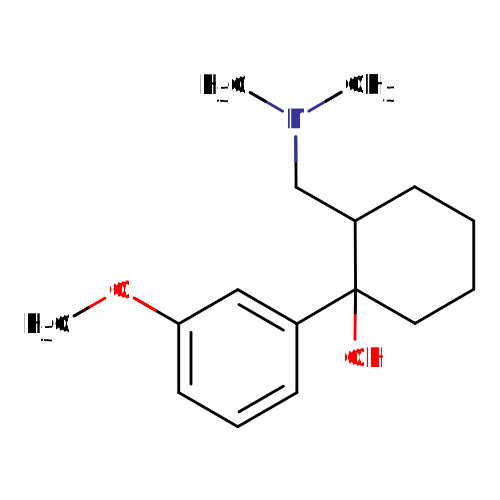
Structure for Tramadol (DB00193)
- Weight
- Average: 263.381
Monoisotopic: 263.188529049 - Chemical Formula
- C16H25NO2
- Synonyms
- Tramadol
- Tramadolum
- External IDs
- CG 315E
- CG-315E
- E-265
- E265
- ETS-6103
- ETS6103
- U-26255A

Pharmacology
- Indication
Tramadol is approved for the management of moderate to severe pain in adults.30,37
Tramadol is also used off-label in the treatment of premature ejaculation.8
 Reduce drug development failure ratesBuild, train, & validate machine-learning modelswith evidence-based and structured datasets.Build, train, & validate predictive machine-learning models with structured datasets.
- Associated Conditions
Indication Type Indication Combined Product Details Approval Level Age Group Patient Characteristics Dose Form Used in combination to treat Acute pain Combination Product in combination with: Celecoxib (DB00482) •••••••••••• ••••• •••••• Used in combination to manage Acute pain Combination Product in combination with: Acetaminophen (DB00316) •••••••••••• •••••• Treatment of Premature ejaculation ••• ••••• Treatment of Severe pain •••••••••••• ••••• •••••• Treatment of Severe pain •••••••••••• ••••• ••••••••• •••••• - Contraindications & Blackbox Warnings
 Prevent Adverse Drug Events TodayTap into our Clinical API for life-saving information on contraindications & blackbox warnings, population restrictions, harmful risks, & more.Avoid life-threatening adverse drug events with our Clinical API
- Pharmacodynamics
Tramadol modulates the descending pain pathways within the central nervous system through the binding of parent and M1 metabolite to μ-opioid receptors and the weak inhibition of the reuptake of norepinephrine and serotonin.7,6
Apart from analgesia, tramadol may produce a constellation of symptoms (including dizziness, somnolence, nausea, constipation, sweating and pruritus) similar to that of other opioids.
Central Nervous System
In contrast to morphine, tramadol has not been shown to cause histamine release. At therapeutic doses, tramadol has no effect on heart rate, left-ventricular function or cardiac index. Orthostatic hypotension has been observed.30
Tramadol produces respiratory depression by direct action on brain stem respiratory centres. The respiratory depression involves both a reduction in the responsiveness of the brain stem centres to increases in CO2 tension and to electrical stimulation.
Tramadol depresses the cough reflex by a direct effect on the cough centre in the medulla. Antitussive effects may occur with doses lower than those usually required for analgesia.
Tramadol causes miosis, even in total darkness. Pinpoint pupils are a sign of opioid overdose but are not pathognomonic (e.g., pontine lesions of hemorrhagic or ischemic origin may produce similar findings). Marked mydriasis rather than miosis may be seen with hypoxia in the setting of oxycodone overdose.37
Seizures have been reported in patients receiving tramadol within the recommended dosage range. Spontaneous post-marketing reports indicate that seizure risk is increased with doses of tramadol above the recommended range. Risk of convulsions may also increase in patients with epilepsy, those with a history of seizures or in patients with a recognized risk for seizure (such as head trauma, metabolic disorders, alcohol and drug withdrawal, CNS infections), or with concomitant use of other drugs known to reduce the seizure threshold.37
Tramadol can cause a rare but potentially life-threatening condition resulting from concomitant administration of serotonergic drugs (e.g., anti-depressants, migraine medications). Treatment with the serotoninergic drug should be discontinued if such events (characterized by clusters of symptoms such as hyperthermia, rigidity, myoclonus, autonomic instability with possible rapid fluctuations of vital signs, mental status changes including confusion, irritability, extreme agitation progressing to delirium and coma) occur and supportive symptomatic treatment should be initiated. Tramadol should not be used in combination with MAO inhibitors or serotonin-precursors (such as L-tryptophan, oxitriptan) and should be used with caution in combination with other serotonergic drugs (triptans, certain tricyclic antidepressants, lithium, St. John’s Wort) due to the risk of serotonin syndrome.37
Gastrointestinal Tract and Other Smooth Muscle
Tramadol causes a reduction in motility associated with an increase in smooth muscle tone in the antrum of the stomach and duodenum. Digestion of food in the small intestine is delayed and propulsive contractions are decreased. Propulsive peristaltic waves in the colon are decreased, while tone may be increased to the point of spasm resulting in constipation. Other opioid-induced effects may include a reduction in gastric, biliary and pancreatic secretions, spasm of the sphincter of Oddi, and transient elevations in serum amylase.37
Endocrine System
Opioids may influence the hypothalamic-pituitary-adrenal or -gonadal axes. Some changes that can be seen include an increase in serum prolactin and decreases in plasma cortisol and testosterone. Clinical signs and symptoms may be manifest from these hormonal changes.37
Hyponatremia has been reported very rarely with the use of tramadol, usually in patients with predisposing risk factors, such as elderly patients and/or patients using concomitant medications that may cause hyponatremia (e.g., antidepressants, benzodiazepines, diuretics). In some reports, hyponatremia appeared to be the result of the syndrome of inappropriate antidiuretic hormone secretion (SIADH) and resolved with discontinuation of tramadol and appropriate treatment (e.g., fluid restriction). During tramadol treatment, monitoring for signs and symptoms of hyponatremia is recommended for patients with predisposing risk factors.37
Cardiovascular
Tramadol administration may result in severe hypotension in patients whose ability to maintain adequate blood pressure is compromised by reduced blood volume, or concurrent administration of drugs such as phenothiazines and other tranquillizers, sedative/hypnotics, tricyclic antidepressants or general anesthetics. These patients should be monitored for signs of hypotension after initiating or titrating the dose of tramadol.37
QTc-Interval Prolongation
The maximum placebo-adjusted mean change from baseline in the QTcF interval was 5.5 ms in the 400 mg/day treatment arm and 6.5 ms in the 600 mg/day mg treatment arm, both occurring at the 8h time point. Both treatment groups were within the 10 ms threshold for QT prolongation. Post-marketing experience with the use of tramadol containing products included rare reports of QT prolongation reported with an overdose. Particular care should be exercised when administering tramadol to patients who are suspected to be at an increased risk of experiencing torsade de pointes during treatment with a QTc-prolonging drug.37
Abuse and Misuse
Like all opioids, tramadol has the potential for abuse and misuse, which can lead to overdose and death. Therefore, tramadol should be prescribed and handled with caution.37
Dependence/Tolerance
Physical dependence and tolerance reflect the neuroadaptation of the opioid receptors to chronic exposure to an opioid and are separate and distinct from abuse and addiction. Tolerance, as well as physical dependence, may develop upon repeated administration of opioids, and are not by themselves evidence of an addictive disorder or abuse. Patients on prolonged therapy should be tapered gradually from the drug if it is no longer required for pain control. Withdrawal symptoms may occur following abrupt discontinuation of therapy or upon administration of an opioid antagonist. Some of the symptoms that may be associated with abrupt withdrawal of an opioid analgesic include body aches, diarrhea, gooseflesh, loss of appetite, nausea, nervousness or restlessness, anxiety, runny nose, sneezing, tremors or shivering, stomach cramps, tachycardia, trouble with sleeping, unusual increase in sweating, palpitations, unexplained fever, weakness and yawning.37
- Mechanism of action
Tramadol is a centrally acting μ-opioid receptor agonist and SNRI (serotonin/norepinephrine reuptake-inhibitor) that is structurally related to codeine and morphine. Tramadol binds weakly to κ- and δ-opioid receptors and to the μ-opioid receptor with 6000-fold less affinity than morphine.16
Tramadol exists as a racemic mixture consisting of two pharmacologically active enantiomers that both contribute to its analgesic property through different mechanisms: (+)-tramadol and its primary metabolite (+)-O-desmethyl-tramadol (M1) are agonists of the μ opioid receptor while (+)-tramadol inhibits serotonin reuptake and (-)-tramadol inhibits norepinephrine reuptake. These pathways are complementary and synergistic, improving tramadol's ability to modulate the perception of and response to pain.12
In animal models, M1 is up to 6 times more potent than tramadol in producing analgesia and 200 times more potent in μ-opioid binding.30
Tramadol has also been shown to affect a number of pain modulators including alpha2-adrenoreceptors, neurokinin 1 receptors, the voltage-gated sodium channel type II alpha subunit17, transient receptor potential cation channel subfamily V member 1 (TRPV1 - also known as the capsaicin receptor)18, muscarinic receptors (M1 and M3), N-methyl-D-aspartate receptor (also known as the NMDA receptor or glutamate receptor)19, Adenosine A1 receptors20, and nicotinic acetylcholine receptor.26
In addition to the above neuronal targets, tramadol has a number of effects on inflammatory and immune mediators involved in the pain response. This includes inhibitory effects on cytokines, prostaglandin E2 (PGE2), nuclear factor-κB, and glial cells as well as a change in the polarization state of M1 macrophages.16
Target Actions Organism AMu-type opioid receptor agonistHumans ASodium-dependent noradrenaline transporter inhibitorHumans ASodium-dependent serotonin transporter inhibitorHumans ASodium channel protein type 2 subunit alpha inhibitorHumans ANMDA receptor inhibitorHumans AAdenosine receptor A1 agonistHumans AAlpha-2 adrenergic receptors inducerHumans U5-hydroxytryptamine receptor 2C antagonistHumans UKappa-type opioid receptor agonistHumans UDelta-type opioid receptor agonistHumans UNeuronal acetylcholine receptor subunit alpha-7 antagonistHumans UMuscarinic acetylcholine receptor M3 antagonistHumans UMuscarinic acetylcholine receptor M1 antagonistHumans NNeurokinin 1 receptor inhibitorHumans NTransient receptor potential cation channel subfamily V member 1 agonistHumans - Absorption
Oral Administration
Tramadol is administered as a racemate, with both the [-] and [+] forms of both tramadol and the M1 metabolite detected in circulation. Following administration, racemic tramadol is rapidly and almost completely absorbed, with a bioavailability of 75%. This difference in absorption and bioavailability can be attributed to the 20-30% first-pass metabolism. Peak plasma concentrations of tramadol and the primary metabolite M1 occur at two and three hours, respectively.37 Following a single oral dose of 100mg of tramadol, the Cmax was found to be approximately 300μg/L with a Tmax of 1.6-1.9 hours, while metabolite M1 was found to have a Cmax of 55μg/L with a Tmax of 3 hours.12,30
Steady-state plasma concentrations of both tramadol and M1 are achieved within two days of dosing. There is no evidence of self-induction.37 Following multiple oral doses, Cmax is 16% higher and AUC is 36% higher than after a single dose, demonstrating a potential role of saturable first-pass hepatic metabolism in increasing bioavailability.12
Intramuscular Administration
Tramadol is rapidly and almost completely absorbed following intramuscular administration. Following injection of 50mg of tramadol, Cmax of 166μg/L was found with a Tmax of 0.75 hours.12
Rectal Administration
Following rectal administration with suppositories containing 100mg of tramadol, Cmax of 294μg/L was found with a Tmax of 3.3 hours. The absolute bioavailability was found to be higher than oral administration (77% vs 75%), likely due to reduced first-pass metabolism with rectal administration compared to oral administration.12
- Volume of distribution
The volume of distribution of tramadol is reported to be in the range of 2.6-2.9 L/kg.30,37 Tramadol has high tissue affinity; the total volume of distribution after oral administration was 306L and 203L after parenteral administration.16 Tramadol crosses the blood-brain barrier with peak brain concentrations occurring 10 minutes following oral administration. It also crosses the placental barrier with umbilical concentrations being found to be ~80% of maternal concentrations.12
- Protein binding
About 20% of the administered dose is found to bind to plasma proteins. Protein binding appears to be independent of concentrations up to 10μg/mL. Saturation only occurs at concentrations outside of the clinical range.37
- Metabolism
Tramadol undergoes extensive first-pass metabolism in the liver by N- and O- demethylation and conjugation. From the extensive metabolism, there have been identified at least 23 metabolites. There are two main metabolic pathways: the O-demethylation of tramadol to produce O-desmethyl-tramadol (M1) catalyzed by CYP2D6 and the N-demethylation to N-desmethyl-tramadol (M2) catalyzed by CYP3A4 and CYP2B6.12,30,37
The wide variability in the pharmacokinetic properties between patients can partly be ascribed to polymorphisms within the gene for CYP2D6 that determine its enzymatic activity. CYP2D6*1 is considered the wild-type allele associated with normal enzyme activity and the "extensive metabolizer" phenotype; 90-95% of Caucasians are considered "extensive metabolizers" (with normal CYP2D6 function) while the remaining 5-10% are considered "poor metabolizers" with reduced or non-functioning enzyme.14 CYP2D6 alleles associated with non-functioning enzyme include *3, *4, *5, and *6 while alleles associated with reduced activity include *9, *10, *17, and *41.21
Poor metabolizers have reduced activity of the CYP2D6 enzyme and therefore less production of tramadol metabolites M1 and M2, which ultimately results in a reduced analgesic effect as tramadol interacts with the μ-opioid receptor primarily via M1.12
There are also large differences in the frequency of these alleles between different ethnicities: *3, *4, *5, *6, and *41 are more common among Caucasians while *17 is more common in Africans for example.21 Compared to 5-10% of Caucasians, only ~1% of Asians are considered poor metabolizers, however Asian populations carry a much higher frequency (51%) of the CYP2D6*10 allele, which is relatively rare in Caucasian populations and results in higher exposure to tramadol.14
Some individuals are considered "ultra-rapid metabolizers", such as those carrying CYP2D6 gene duplications (CYP2D6*DUP) or multiplications. These individuals are at risk of intoxication or exaggerated effects of tramadol due to higher concentrations of its active metabolite (M1).15 The occurrence of this phenotype is seen in approximately 1% to 2% of East Asians (Chinese, Japanese, Korean), 1% to 10% of Caucasians, 3% to 4% of African-Americans, and may be >10% in certain racial/ethnic groups (ie, Oceanian, Northern African, Middle Eastern, Ashkenazi Jews, Puerto Rican). The FDA label recommends avoiding the use of tramadol in these individuals.30,37
Hover over products below to view reaction partners
- Route of elimination
Tramadol is eliminated primarily through metabolism by the liver and the metabolites are excreted primarily by the kidneys, accounting for 90% of the excretion while the remaining 10% is excreted through feces.30,37,6 Approximately 30% of the dose is excreted in the urine as unchanged drug, whereas 60% of the dose is excreted as metabolites.11
The mean terminal plasma elimination half-lives of racemic tramadol and racemic M1 are 6.3 ± 1.4 and 7.4 ± 1.4 hours, respectively. The plasma elimination half-life of racemic tramadol increased from approximately six hours to seven hours upon multiple dosing.30,37
- Half-life
Tramadol reported a half-life of 5-6 hours while the M1 metabolite presents a half-life of 8 hours.6
- Clearance
In clinical trials, the clearance rate of tramadol ranged from 3.73 ml/min/kg in renal impairment patients to 8.50 ml/min/kg in healthy adults.30,37
- Adverse Effects
 Improve decision support & research outcomesWith structured adverse effects data, including: blackbox warnings, adverse reactions, warning & precautions, & incidence rates. View sample adverse effects data in our new Data Library!Improve decision support & research outcomes with our structured adverse effects data.
- Toxicity
The reported LD50 for tramadol, when administered orally in mice, is 350 mg/kg.11
In carcinogenic studies, there are reports of murine tumors which cannot be concluded to be carcinogenic in humans. On the other hand, tramadol showed no evidence to be mutagenic in different assays and does not have effects on fertility. However, there are clear reports of embryotoxicity and fetotoxicity.30,37
- Pathways
Pathway Category Tramadol Action Action Pathway Drug action Tramadol Metabolism Pathway Drug metabolism - Pharmacogenomic Effects/ADRs
Interacting Gene/Enzyme Allele name Genotype(s) Defining Change(s) Type(s) Description Details Cytochrome P450 2D6 CYP2D6*3 Not Available C allele ADR Inferred Effect Poor drug metabolizer. This results in reduced analgesic efficacy and decreased risk of opioid toxicity as well as increased risk of seizures and serotonin syndrome. Consider alternative therapies. Details Cytochrome P450 2D6 CYP2D6*4 Not Available C allele ADR Inferred Effect Poor drug metabolizer. This results in reduced analgesic efficacy and decreased risk of opioid toxicity as well as increased risk of seizures and serotonin syndrome. Consider alternative therapies. Details Cytochrome P450 2D6 CYP2D6*5 Not Available Whole-gene deletion ADR Inferred Effect Poor drug metabolizer. This results in reduced analgesic efficacy and decreased risk of opioid toxicity as well as increased risk of seizures and serotonin syndrome. Consider alternative therapies. Details Cytochrome P450 2D6 CYP2D6*6 Not Available 1707delT ADR Inferred Effect Poor drug metabolizer. This results in reduced analgesic efficacy and decreased risk of opioid toxicity as well as increased risk of seizures and serotonin syndrome. Consider alternative therapies. Details Cytochrome P450 2D6 CYP2D6*7 Not Available 2935A>C ADR Inferred Effect Poor drug metabolizer. This results in reduced analgesic efficacy and decreased risk of opioid toxicity as well as increased risk of seizures and serotonin syndrome. Consider alternative therapies. Details Cytochrome P450 2D6 CYP2D6*8 Not Available 1758G>T ADR Inferred Effect Poor drug metabolizer. This results in reduced analgesic efficacy and decreased risk of opioid toxicity as well as increased risk of seizures and serotonin syndrome. Consider alternative therapies. Details Cytochrome P450 2D6 CYP2D6*11 Not Available 883G>C ADR Inferred Effect Poor drug metabolizer. This results in reduced analgesic efficacy and decreased risk of opioid toxicity as well as increased risk of seizures and serotonin syndrome. Consider alternative therapies. Details Cytochrome P450 2D6 CYP2D6*12 Not Available 124G>A ADR Inferred Effect Poor drug metabolizer. This results in reduced analgesic efficacy and decreased risk of opioid toxicity as well as increased risk of seizures and serotonin syndrome. Consider alternative therapies. Details Cytochrome P450 2D6 CYP2D6*13 Not Available CYP2D7/2D6 hybrid gene structure ADR Inferred Effect Poor drug metabolizer. This results in reduced analgesic efficacy and decreased risk of opioid toxicity as well as increased risk of seizures and serotonin syndrome. Consider alternative therapies. Details Cytochrome P450 2D6 CYP2D6*14A Not Available 1758G>A ADR Inferred Effect Poor drug metabolizer. This results in reduced analgesic efficacy and decreased risk of opioid toxicity as well as increased risk of seizures and serotonin syndrome. Consider alternative therapies. Details Cytochrome P450 2D6 CYP2D6*15 Not Available 137insT, 137_138insT ADR Inferred Effect Poor drug metabolizer. This results in reduced analgesic efficacy and decreased risk of opioid toxicity as well as increased risk of seizures and serotonin syndrome. Consider alternative therapies. Details Cytochrome P450 2D6 CYP2D6*19 Not Available 2539_2542delAACT ADR Inferred Effect Poor drug metabolizer. This results in reduced analgesic efficacy and decreased risk of opioid toxicity as well as increased risk of seizures and serotonin syndrome. Consider alternative therapies. Details Cytochrome P450 2D6 CYP2D6*20 Not Available 1973_1974insG ADR Inferred Effect Poor drug metabolizer. This results in reduced analgesic efficacy and decreased risk of opioid toxicity as well as increased risk of seizures and serotonin syndrome. Consider alternative therapies. Details Cytochrome P450 2D6 CYP2D6*21 Not Available 2573insC ADR Inferred Effect Poor drug metabolizer. This results in reduced analgesic efficacy and decreased risk of opioid toxicity as well as increased risk of seizures and serotonin syndrome. Consider alternative therapies. Details Cytochrome P450 2D6 CYP2D6*31 Not Available -1770G>A / -1584C>G … show all ADR Inferred Effect Poor drug metabolizer. This results in reduced analgesic efficacy and decreased risk of opioid toxicity as well as increased risk of seizures and serotonin syndrome. Consider alternative therapies. Details Cytochrome P450 2D6 CYP2D6*36 Not Available 100C>T / -1426C>T … show all ADR Inferred Effect Poor drug metabolizer. This results in reduced analgesic efficacy and decreased risk of opioid toxicity as well as increased risk of seizures and serotonin syndrome. Consider alternative therapies. Details Cytochrome P450 2D6 CYP2D6*38 Not Available 2587_2590delGACT ADR Inferred Effect Poor drug metabolizer. This results in reduced analgesic efficacy and decreased risk of opioid toxicity as well as increased risk of seizures and serotonin syndrome. Consider alternative therapies. Details Cytochrome P450 2D6 CYP2D6*40 Not Available 1863_1864ins(TTT CGC CCC)2 ADR Inferred Effect Poor drug metabolizer. This results in reduced analgesic efficacy and decreased risk of opioid toxicity as well as increased risk of seizures and serotonin syndrome. Consider alternative therapies. Details Cytochrome P450 2D6 CYP2D6*42 Not Available 3259_3260insGT ADR Inferred Effect Poor drug metabolizer. This results in reduced analgesic efficacy and decreased risk of opioid toxicity as well as increased risk of seizures and serotonin syndrome. Consider alternative therapies. Details Cytochrome P450 2D6 CYP2D6*44 Not Available 2950G>C ADR Inferred Effect Poor drug metabolizer. This results in reduced analgesic efficacy and decreased risk of opioid toxicity as well as increased risk of seizures and serotonin syndrome. Consider alternative therapies. Details Cytochrome P450 2D6 CYP2D6*47 Not Available 100C>T / -1426C>T … show all ADR Inferred Effect Poor drug metabolizer. This results in reduced analgesic efficacy and decreased risk of opioid toxicity as well as increased risk of seizures and serotonin syndrome. Consider alternative therapies. Details Cytochrome P450 2D6 CYP2D6*51 Not Available -1584C>G / -1235A>G … show all ADR Inferred Effect Poor drug metabolizer. This results in reduced analgesic efficacy and decreased risk of opioid toxicity as well as increased risk of seizures and serotonin syndrome. Consider alternative therapies. Details Cytochrome P450 2D6 CYP2D6*56 Not Available 3201C>T ADR Inferred Effect Poor drug metabolizer. This results in reduced analgesic efficacy and decreased risk of opioid toxicity as well as increased risk of seizures and serotonin syndrome. Consider alternative therapies. Details Cytochrome P450 2D6 CYP2D6*57 Not Available 100C>T / 310G>T … show all ADR Inferred Effect Poor drug metabolizer. This results in reduced analgesic efficacy and decreased risk of opioid toxicity as well as increased risk of seizures and serotonin syndrome. Consider alternative therapies. Details Cytochrome P450 2D6 CYP2D6*62 Not Available 4044C>T ADR Inferred Effect Poor drug metabolizer. This results in reduced analgesic efficacy and decreased risk of opioid toxicity as well as increased risk of seizures and serotonin syndrome. Consider alternative therapies. Details Cytochrome P450 2D6 CYP2D6*68A Not Available -1426C>T / -1235A>G … show all ADR Inferred Effect Poor drug metabolizer. This results in reduced analgesic efficacy and decreased risk of opioid toxicity as well as increased risk of seizures and serotonin syndrome. Consider alternative therapies. Details Cytochrome P450 2D6 CYP2D6*68B Not Available Similar but not identical switch region compared to CYP2D6*68A. Found in tandem arrangement with CYP2D6*4. ADR Inferred Effect Poor drug metabolizer. This results in reduced analgesic efficacy and decreased risk of opioid toxicity as well as increased risk of seizures and serotonin syndrome. Consider alternative therapies. Details Cytochrome P450 2D6 CYP2D6*69 Not Available 2988G>A / -1426C>T … show all ADR Inferred Effect Poor drug metabolizer. This results in reduced analgesic efficacy and decreased risk of opioid toxicity as well as increased risk of seizures and serotonin syndrome. Consider alternative therapies. Details Cytochrome P450 2D6 CYP2D6*92 Not Available 1995delC ADR Inferred Effect Poor drug metabolizer. This results in reduced analgesic efficacy and decreased risk of opioid toxicity as well as increased risk of seizures and serotonin syndrome. Consider alternative therapies. Details Cytochrome P450 2D6 CYP2D6*100 Not Available -1426C>T / -1235A>G … show all ADR Inferred Effect Poor drug metabolizer. This results in reduced analgesic efficacy and decreased risk of opioid toxicity as well as increased risk of seizures and serotonin syndrome. Consider alternative therapies. Details Cytochrome P450 2D6 CYP2D6*101 Not Available -1426C>T / -1235A>G … show all ADR Inferred Effect Poor drug metabolizer. This results in reduced analgesic efficacy and decreased risk of opioid toxicity as well as increased risk of seizures and serotonin syndrome. Consider alternative therapies. Details Cytochrome P450 2D6 CYP2D6*10 Not Available 100C>T (but also appears in other variants) ADR pgx review This mutation leads to an unstable CYP2D6 enzyme with lower metabolic activity. Details
Interactions
- Drug Interactions
- This information should not be interpreted without the help of a healthcare provider. If you believe you are experiencing an interaction, contact a healthcare provider immediately. The absence of an interaction does not necessarily mean no interactions exist.
Drug Interaction Integrate drug-drug
interactions in your software1,2-Benzodiazepine The risk or severity of CNS depression can be increased when 1,2-Benzodiazepine is combined with Tramadol. Abacavir Tramadol may decrease the excretion rate of Abacavir which could result in a higher serum level. Abametapir The serum concentration of Tramadol can be increased when it is combined with Abametapir. Abatacept The metabolism of Tramadol can be increased when combined with Abatacept. Abiraterone The metabolism of Tramadol can be decreased when combined with Abiraterone. - Food Interactions
- Avoid alcohol. Co-administration of alcohol may potentiate the CNS effects of tramadol.
- Take with or without food. Co-administration of food does not affect pharmacokinetics.
Products
 Drug product information from 10+ global regionsOur datasets provide approved product information including:dosage, form, labeller, route of administration, and marketing period.Access drug product information from over 10 global regions.
- Product Ingredients
Ingredient UNII CAS InChI Key Tramadol hydrochloride 9N7R477WCK 36282-47-0 PPKXEPBICJTCRU-UHFFFAOYSA-N - Product Images
- International/Other Brands
- Rybix (Shionogi Inc.) / Tramal (Grünenthal GmbH)
- Brand Name Prescription Products
Name Dosage Strength Route Labeller Marketing Start Marketing End Region Image ConZip Capsule, extended release 300 mg/1 Oral Vertical Pharmaceuticals, Inc. 2011-08-31 2016-04-30 US 
ConZip Capsule, extended release 300 mg/1 Oral Vertical Pharmaceuticals, LLC 2011-09-20 Not applicable US ConZip Capsule, extended release 200 mg/1 Oral Vertical Pharmaceuticals, Inc. 2011-08-31 2017-03-31 US ConZip Capsule, extended release 200 mg/1 Oral Vertical Pharmaceuticals, LLC 2011-09-20 Not applicable US ConZip Capsule, extended release 100 mg/1 Oral Vertical Pharmaceuticals, Inc. 2011-08-31 2017-02-28 US - Generic Prescription Products
Name Dosage Strength Route Labeller Marketing Start Marketing End Region Image Apo-tramadol Tablet 50 mg Oral Apotex Corporation 2014-06-23 Not applicable Canada 
Auro-tramadol Tablet 50 mg Oral Auro Pharma Inc 2019-04-11 Not applicable Canada Jamp Tramadol Tablet 50 mg Oral Jamp Pharma Corporation 2021-04-21 Not applicable Canada Jamp Tramadol HCl Tablet 50 mg Oral Jamp Pharma Corporation 2023-02-08 Not applicable Canada Mar-tramadol Tablet 50 mg Oral Marcan Pharmaceuticals Inc 2019-07-18 Not applicable Canada - Mixture Products
Name Ingredients Dosage Route Labeller Marketing Start Marketing End Region Image Act Tramadol/acet Tramadol hydrochloride (37.5 mg) + Acetaminophen (325 mg) Tablet Oral Actavis Pharma Company 2012-05-01 2018-06-18 Canada ACUVICTA® Tramadol hydrochloride (37.5 mg) + Acetaminophen (325 mg) Tablet, coated Oral MEGA LIFESCIENCES COLOMBIA S.A.S 2018-11-30 Not applicable Colombia 
ADORLAN® FORTE Tramadol hydrochloride (50 mg) + Diclofenac sodium (50 mg) Tablet Oral Grünenthal Colombiana S.A. 2018-08-02 Not applicable Colombia ADORLAN® TABLETAS Tramadol hydrochloride (25 mg) + Diclofenac sodium (25 mg) Tablet Oral Grünenthal Colombiana S.A. 2010-05-12 Not applicable Colombia Ag-acet-tramadol Tramadol hydrochloride (37.5 mg) + Acetaminophen (325 mg) Tablet Oral Angita Pharma Inc. Not applicable Not applicable Canada - Unapproved/Other Products
Name Ingredients Dosage Route Labeller Marketing Start Marketing End Region Image Synapryn Tramadol hydrochloride (5.8 g/5.8g) Kit Oral California Pharmaceuticals, Llc 2017-05-01 Not applicable US Synapryn Tramadol hydrochloride (5 g/5g) Kit Oral Fusion Pharmaceuticals LLC 2009-09-14 2010-07-20 US Theratramadol-60 Tramadol hydrochloride (50 mg/1) + gamma-Aminobutyric acid (100 mg/1) Kit Oral Physician Therapeutics Llc 2011-05-20 Not applicable US Theratramadol-90 Tramadol hydrochloride (50 mg/1) + gamma-Aminobutyric acid (100 mg/1) Kit Oral Physician Therapeutics Llc 2011-02-04 Not applicable US Topical Pain Tramadol (0.1 g/100mL) + Diazepam (0.1 g/100mL) + Hydrocodone (0.1 g/100mL) + Ibuprofen (0.1 g/100mL) Cream Topical Dr Marc's Manufacturing And Sales 2016-02-23 2018-04-17 US


Categories
- ATC Codes
- N02AJ16 — Tramadol and celecoxib
- N02AJ — Opioids in combination with non-opioid analgesics
- N02A — OPIOIDS
- N02 — ANALGESICS
- N — NERVOUS SYSTEM
- N02AJ — Opioids in combination with non-opioid analgesics
- N02A — OPIOIDS
- N02 — ANALGESICS
- N — NERVOUS SYSTEM
- N02AJ — Opioids in combination with non-opioid analgesics
- N02A — OPIOIDS
- N02 — ANALGESICS
- N — NERVOUS SYSTEM
- Drug Categories
- Agents producing tachycardia
- Agents that reduce seizure threshold
- Alcohols
- Amines
- Analgesics
- Anticholinergic Agents
- Antidepressive Agents
- Central Nervous System Agents
- Central Nervous System Depressants
- Combined Inhibitors of Serotonin/Norepinephrine Reuptake
- Cyclohexanes
- Cyclohexanols
- Cycloparaffins
- Cytochrome P-450 CYP2B6 Substrates
- Cytochrome P-450 CYP2D6 Substrates
- Cytochrome P-450 CYP3A Substrates
- Cytochrome P-450 CYP3A4 Substrates
- Cytochrome P-450 Substrates
- Dimethylamines
- Drugs that are Mainly Renally Excreted
- Muscarinic Antagonists
- Narcotics
- Nervous System
- NMDA Receptor Antagonists
- Opiate Agonists
- Opioid Agonist
- Opioids
- Peripheral Nervous System Agents
- Sensory System Agents
- Serotonergic Drugs Shown to Increase Risk of Serotonin Syndrome
- Serotonin 5-HT2 Receptor Antagonists
- Serotonin 5-HT2C Receptor Antagonists
- Serotonin Agents
- Serotonin Modulators
- Serotonin Receptor Antagonists
- UGT1A1 Substrates
- Classification
- Not classified
- Affected organisms
- Humans and other mammals
Chemical Identifiers
- UNII
- 39J1LGJ30J
- CAS number
- 27203-92-5
- InChI Key
- TVYLLZQTGLZFBW-UHFFFAOYSA-N
- InChI
- InChI=1S/C16H25NO2/c1-17(2)12-14-7-4-5-10-16(14,18)13-8-6-9-15(11-13)19-3/h6,8-9,11,14,18H,4-5,7,10,12H2,1-3H3
- IUPAC Name
- 2-[(dimethylamino)methyl]-1-(3-methoxyphenyl)cyclohexan-1-ol
- SMILES
- COC1=CC=CC(=C1)C1(O)CCCCC1CN(C)C
References
- Synthesis Reference
Wolfgang Reimann, "Combination preparation containing tramadol and a calcium channel antagonist." U.S. Patent US5929122, issued March, 1993.
US5929122- General References
- Dayer P, Desmeules J, Collart L: [Pharmacology of tramadol]. Drugs. 1997;53 Suppl 2:18-24. [Article]
- Harati Y, Gooch C, Swenson M, Edelman S, Greene D, Raskin P, Donofrio P, Cornblath D, Sachdeo R, Siu CO, Kamin M: Double-blind randomized trial of tramadol for the treatment of the pain of diabetic neuropathy. Neurology. 1998 Jun;50(6):1842-6. [Article]
- Harati Y, Gooch C, Swenson M, Edelman SV, Greene D, Raskin P, Donofrio P, Cornblath D, Olson WH, Kamin M: Maintenance of the long-term effectiveness of tramadol in treatment of the pain of diabetic neuropathy. J Diabetes Complications. 2000 Mar-Apr;14(2):65-70. [Article]
- Gobel H, Stadler T: [Treatment of post-herpes zoster pain with tramadol. Results of an open pilot study versus clomipramine with or without levomepromazine]. Drugs. 1997;53 Suppl 2:34-9. [Article]
- Boureau F, Legallicier P, Kabir-Ahmadi M: Tramadol in post-herpetic neuralgia: a randomized, double-blind, placebo-controlled trial. Pain. 2003 Jul;104(1-2):323-31. [Article]
- Beakley BD, Kaye AM, Kaye AD: Tramadol, Pharmacology, Side Effects, and Serotonin Syndrome: A Review. Pain Physician. 2015 Jul-Aug;18(4):395-400. [Article]
- Shin HW, Ju BJ, Jang YK, You HS, Kang H, Park JY: Effect of tramadol as an adjuvant to local anesthetics for brachial plexus block: A systematic review and meta-analysis. PLoS One. 2017 Sep 27;12(9):e0184649. doi: 10.1371/journal.pone.0184649. eCollection 2017. [Article]
- Martyn-St James M, Cooper K, Kaltenthaler E, Dickinson K, Cantrell A, Wylie K, Frodsham L, Hood C: Tramadol for premature ejaculation: a systematic review and meta-analysis. BMC Urol. 2015 Jan 30;15:6. doi: 10.1186/1471-2490-15-6. [Article]
- Monteiro BP, Klinck MP, Moreau M, Guillot M, Steagall PV, Pelletier JP, Martel-Pelletier J, Gauvin D, Del Castillo JR, Troncy E: Analgesic efficacy of tramadol in cats with naturally occurring osteoarthritis. PLoS One. 2017 Apr 12;12(4):e0175565. doi: 10.1371/journal.pone.0175565. eCollection 2017. [Article]
- Stoops WW, Lofwall MR, Nuzzo PA, Craig LB, Siegel AJ, Walsh SL: Pharmacodynamic profile of tramadol in humans: influence of naltrexone pretreatment. Psychopharmacology (Berl). 2012 Oct;223(4):427-38. doi: 10.1007/s00213-012-2739-4. Epub 2012 May 24. [Article]
- Vazzana M, Andreani T, Fangueiro J, Faggio C, Silva C, Santini A, Garcia ML, Silva AM, Souto EB: Tramadol hydrochloride: pharmacokinetics, pharmacodynamics, adverse side effects, co-administration of drugs and new drug delivery systems. Biomed Pharmacother. 2015 Mar;70:234-8. doi: 10.1016/j.biopha.2015.01.022. Epub 2015 Feb 7. [Article]
- Grond S, Sablotzki A: Clinical pharmacology of tramadol. Clin Pharmacokinet. 2004;43(13):879-923. [Article]
- Wiffen PJ, Derry S, Moore RA: Tramadol with or without paracetamol (acetaminophen) for cancer pain. Cochrane Database Syst Rev. 2017 May 16;5:CD012508. doi: 10.1002/14651858.CD012508.pub2. [Article]
- Xu J, Zhang XC, Lv XQ, Xu YY, Wang GX, Jiang B, Cai L, Cai XJ: Effect of the cytochrome P450 2D6*10 genotype on the pharmacokinetics of tramadol in post-operative patients. Pharmazie. 2014 Feb;69(2):138-41. [Article]
- Arafa MH, Atteia HH: Genetic polymorphisms of cytochrome P450 2D6 (CYP2D6) are associated with long term tramadol treatment-induced oxidative damage and hepatotoxicity. Toxicol Appl Pharmacol. 2018 May 1;346:37-44. doi: 10.1016/j.taap.2018.03.019. Epub 2018 Mar 16. [Article]
- Barakat A: Revisiting Tramadol: A Multi-Modal Agent for Pain Management. CNS Drugs. 2019 May;33(5):481-501. doi: 10.1007/s40263-019-00623-5. [Article]
- Haeseler G, Foadi N, Ahrens J, Dengler R, Hecker H, Leuwer M: Tramadol, fentanyl and sufentanil but not morphine block voltage-operated sodium channels. Pain. 2006 Dec 15;126(1-3):234-44. doi: 10.1016/j.pain.2006.07.003. Epub 2006 Sep 1. [Article]
- Marincsak R, Toth BI, Czifra G, Szabo T, Kovacs L, Biro T: The analgesic drug, tramadol, acts as an agonist of the transient receptor potential vanilloid-1. Anesth Analg. 2008 Jun;106(6):1890-6. doi: 10.1213/ane.0b013e318172fefc. [Article]
- Hara K, Minami K, Sata T: The effects of tramadol and its metabolite on glycine, gamma-aminobutyric acidA, and N-methyl-D-aspartate receptors expressed in Xenopus oocytes. Anesth Analg. 2005 May;100(5):1400-5, table of contents. [Article]
- Sawynok J, Reid AR, Liu J: Spinal and peripheral adenosine A(1) receptors contribute to antinociception by tramadol in the formalin test in mice. Eur J Pharmacol. 2013 Aug 15;714(1-3):373-8. doi: 10.1016/j.ejphar.2013.07.012. Epub 2013 Jul 16. [Article]
- Dean L: Tramadol Therapy and CYP2D6 Genotype . [Article]
- Epstein DH, Preston KL, Jasinski DR: Abuse liability, behavioral pharmacology, and physical-dependence potential of opioids in humans and laboratory animals: lessons from tramadol. Biol Psychol. 2006 Jul;73(1):90-9. doi: 10.1016/j.biopsycho.2006.01.010. Epub 2006 Feb 23. [Article]
- Murray BP, Carpenter JE, Dunkley CA, Moran TP, Alfaifi M, Alsukaiti WS, Kazzi Z: Seizures in tramadol overdoses reported in the ToxIC registry: predisposing factors and the role of naloxone. Clin Toxicol (Phila). 2019 Aug;57(8):692-696. doi: 10.1080/15563650.2018.1547826. Epub 2019 Jan 24. [Article]
- Hassamal S, Miotto K, Dale W, Danovitch I: Tramadol: Understanding the Risk of Serotonin Syndrome and Seizures. Am J Med. 2018 Nov;131(11):1382.e1-1382.e6. doi: 10.1016/j.amjmed.2018.04.025. Epub 2018 May 10. [Article]
- Raffa RB, Friderichs E, Reimann W, Shank RP, Codd EE, Vaught JL, Jacoby HI, Selve N: Complementary and synergistic antinociceptive interaction between the enantiomers of tramadol. J Pharmacol Exp Ther. 1993 Oct;267(1):331-40. [Article]
- Shiraishi M, Minami K, Uezono Y, Yanagihara N, Shigematsu A, Shibuya I: Inhibitory effects of tramadol on nicotinic acetylcholine receptors in adrenal chromaffin cells and in Xenopus oocytes expressing alpha 7 receptors. Br J Pharmacol. 2002 May;136(2):207-16. [Article]
- Khan AH, Rasaily D: Tramadol use in premature ejaculation: daily versus sporadic treatment. Indian J Psychol Med. 2013 Jul;35(3):256-9. doi: 10.4103/0253-7176.119477. [Article]
- FDA approvals [Link]
- WHO reports [Link]
- FDA Approved Drug Products: Ultram (tramadol hydrochloride) oral tablets [Link]
- FDA Approved Drug Products: QDOLO (tramadol hydrochloride) oral solution C-IV [Link]
- FDA Approved Drug Products: SEGLENTIS (celecoxib and tramadol hydrochloride) tablets, for oral use, C-IV [Link]
- DailyMed: Tramadol and Acetaminophen Oral Tablet [Link]
- DailyMed: Tramadol Oral Capsule, Extended Release [Link]
- DailyMed: Tramadol Oral Tablet, Extended Release [Link]
- Health Canada Approved Drug Proucts: APO-TRAMADOL (Tramadol) tablet for oral use [Link]
- Health Canada Monograph - Tramadol [File]
- External Links
- Human Metabolome Database
- HMDB0259401
- KEGG Drug
- D08623
- KEGG Compound
- C07153
- PubChem Compound
- 33741
- PubChem Substance
- 46506256
- ChemSpider
- 5322
- BindingDB
- 50176259
- 10689
- ChEBI
- 75722
- ChEMBL
- CHEMBL1237044
- ZINC
- ZINC000000000853
- Therapeutic Targets Database
- DAP000140
- PharmGKB
- PA451735
- RxList
- RxList Drug Page
- Drugs.com
- Drugs.com Drug Page
- Wikipedia
- Tramadol
- MSDS
- Download (74.7 KB)
Clinical Trials
- Clinical Trials
Phase Status Purpose Conditions Count 4 Completed Basic Science Acute Pain / Dental Implantation, Osseointegrated 1 4 Completed Health Services Research Ankylosing Spondylitis (AS) 1 4 Completed Other Coagulation Disorder / Platelets Dysfunction / Therapeutic Agent Toxicity 1 4 Completed Other Healthy Volunteers (HV) 1 4 Completed Other Nasal Polyps 1
Pharmacoeconomics
- Manufacturers
- Cipher pharmaceuticals inc
- Purdue pharma products lp
- Par pharmaceutical
- Biovail laboratories international srl
- Victory pharma inc
- Actavis elizabeth llc
- Alphapharm party ltd
- Amneal pharmaceuticals llc
- Apotex inc
- Asta medica inc
- Caraco pharmaceutical laboratories ltd
- Ivax pharmaceuticals inc sub teva pharmaceuticals usa
- Mallinckrodt inc
- Mutual pharmaceutical co inc
- Mylan pharmaceuticals inc
- Northstar healthcare holdings ltd
- Pliva inc
- Sandoz inc
- Teva pharmaceuticals usa inc
- Watson laboratories
- Ortho mcneil janssen pharmaceuticals inc
- Packagers
- 4uOrtho LLC
- Able Laboratories Inc.
- Advanced Pharmaceutical Services Inc.
- Alphapharm Party Ltd.
- Altura Pharmaceuticals Inc.
- Amerisource Health Services Corp.
- Amneal Pharmaceuticals
- Apotex Inc.
- Apotheca Inc.
- A-S Medication Solutions LLC
- Atlantic Biologicals Corporation
- BC Vision Inc.
- Biovail Pharmaceuticals
- Blenheim Pharmacal
- Bryant Ranch Prepack
- Caraco Pharmaceutical Labs
- Cardinal Health
- Concern Stirol
- Confab Laboratories Inc.
- Corepharma LLC
- Coupler Enterprises Inc.
- D.M. Graham Laboratories Inc.
- Deca Pharmaceuticals LLC
- DHHS Program Support Center Supply Service Center
- Direct Dispensing Inc.
- DispenseXpress Inc.
- Dispensing Solutions
- Diversified Healthcare Services Inc.
- Eon Labs
- Fusion Pharmaceuticals LLC
- H.J. Harkins Co. Inc.
- Heartland Repack Services LLC
- Innoviant Pharmacy Inc.
- Ivax Pharmaceuticals
- Janssen-Ortho Inc.
- Kali Laboratories Inc.
- Keltman Pharmaceuticals Inc.
- Labopharm Inc.
- Lake Erie Medical and Surgical Supply
- Liberty Pharmaceuticals
- Major Pharmaceuticals
- Mallinckrodt Inc.
- McNeil Laboratories
- Medisca Inc.
- Medvantx Inc.
- Murfreesboro Pharmaceutical Nursing Supply
- Mutual Pharmaceutical Co.
- Mylan
- Novopharm Ltd.
- Nucare Pharmaceuticals Inc.
- Ortho Mcneil Janssen Pharmaceutical Inc.
- Ortho-McNeil-Janssen Pharmaceuticals Inc.
- Palmetto Pharmaceuticals Inc.
- Par Pharmaceuticals
- Patriot Pharmaceuticals
- PD-Rx Pharmaceuticals Inc.
- Physicians Total Care Inc.
- Piramal Healthcare
- Pliva Inc.
- Preferred Pharmaceuticals Inc.
- Prepackage Specialists
- Prepak Systems Inc.
- Prescription Dispensing Service Inc.
- Purdue Pharma LP
- Rebel Distributors Corp.
- Redpharm Drug
- Remedy Repack
- Resource Optimization and Innovation LLC
- Ropack Inc.
- Sandhills Packaging Inc.
- Southwood Pharmaceuticals
- St Mary's Medical Park Pharmacy
- Stat Rx Usa
- Teva Pharmaceutical Industries Ltd.
- Torpharm Inc.
- Trinity Laboratories Inc.
- UDL Laboratories
- United Research Laboratories Inc.
- Va Cmop Dallas
- Vangard Labs Inc.
- Watson Pharmaceuticals
- Dosage Forms
Form Route Strength Injection, solution Parenteral 50 mg/mL Injection Intramuscular; Intravenous 50 mg/ml Tablet, extended release Oral 300 MG Tablet, extended release Oral 400 MG Tablet, orally disintegrating Oral 50 mg Tablet, film coated Oral Capsule, coated Oral 100 mg Tablet, coated Oral 150 mg Tablet Oral 45.000 mg Solution Oral 10.00 mg Tablet Oral 325.00 mg Tablet Oral 25.000 mg Injection Capsule, coated Oral Solution Intramuscular; Intravenous Solution / drops Oral 100 MG/ML Tablet, soluble 50 MG Tablet, effervescent Oral Capsule, extended release Oral 100 mg/1 Capsule, extended release Oral 200 mg/1 Capsule, extended release Oral 300 mg/1 Solution Oral 100.00 mg Solution Parenteral 100.000 mg Capsule Oral 50.0 mg Tablet, orally disintegrating Oral Injection, solution Parenteral 100 mg/2mL Tablet Oral 75.000 mg Tablet, multilayer Oral Capsule, extended release Oral 100 mg Capsule, extended release Oral 200 mg Capsule, extended release Oral 300 mg Tablet, extended release Oral 100.00 mg Solution Oral 10.00 g Granule Oral Solution Intramuscular; Intravenous; Parenteral; Subcutaneous 100 mg Syrup Oral Solution Oral Capsule Oral 50 MG Injection, solution Intramuscular; Intravenous 100 mg Injection, solution Intramuscular; Intravenous 50 mg Solution / drops Oral 10 % Tablet Oral 100 MG Capsule Oral 50.000 mg Tablet Oral 100.000 mg Tablet, film coated Oral 100 mg Tablet, film coated Oral 150 mg Tablet, film coated Oral 200 mg Granule, for solution Oral Solution Intravenous 100.00 mg Injection Intramuscular; Intravenous; Subcutaneous 100 mg/2ml Tablet, extended release Oral Solution Parenteral 100.00 mg Solution Intravenous Tablet, effervescent Oral Capsule Oral 50.00 mg Solution Parenteral Injection, solution Intramuscular; Intravenous 50 MG/ML Capsule Oral 100.000 mg Suppository Rectal 100.00 mg Solution Oral 5 mg/1mL Injection Intramuscular; Intravenous 100 mg/2ml Solution Intramuscular Tablet, delayed release Oral 200 mg/1 Solution Oral 10.000 mg Tablet Sublingual Tablet, film coated Oral 25 mg Tablet Oral Kit Oral 5 g/5g Kit Oral 5.8 g/5.8g Capsule, extended release Oral 150 MG Solution Intravenous 50.000 mg Cream Topical Solution Oral 10 g Capsule, extended release Oral Injection, solution Intramuscular; Intravenous; Subcutaneous 100 mg Injection, solution Parenteral Capsule Oral 150 mg Capsule Oral 200 mg Solution Parenteral 50.000 mg Injection, solution Intramuscular; Intravenous; Subcutaneous 100 mg/2ml Injection, solution Intramuscular; Intravenous; Subcutaneous 50 mg/ml Capsule Oral 100 mg Injection Parenteral 50 MG/ML Injection, solution Parenteral 100 MG Capsule, liquid filled Oral Capsule, coated Oral 5000000 mg Solution Intramuscular; Intravenous 50 mg Injection, solution Parenteral 50 MG Solution Oral 100 MG/ML Capsule, coated Oral 50 mg Solution Intramuscular; Intravenous; Subcutaneous 100 mg Solution Intramuscular 100 mg Solution Oral 113.9 mg Solution Oral 10000000 mg Capsule, liquid filled Oral 50 mg Solution Intramuscular; Intravenous 5000000 mg Solution Intramuscular; Intravenous; Subcutaneous 50 mg Solution Intramuscular; Intravenous 100 mg Injection Intramuscular; Intravenous; Subcutaneous 100 mg Tablet, effervescent Oral 50 MG Capsule Oral Injection Parenteral Tablet Oral 50 mg/1 Solution Oral 100 mg Capsule Oral 150 mg/1 Capsule, coated, extended release Oral 150 mg/1 Capsule, extended release Oral 150 mg/1 Tablet Oral 50 mg/50mg Tablet, coated Oral 100 mg/1 Tablet, coated Oral 200 mg/1 Tablet, coated Oral 25 mg/1 Tablet, film coated Oral 50 mg/1 Tablet, film coated, extended release Oral 100 mg/1 Tablet, film coated, extended release Oral 200 mg/1 Tablet, film coated, extended release Oral 300 mg/1 Tablet, film coated Oral Capsule, extended release Not applicable 100 mg/1 Capsule, extended release Not applicable 150 mg/1 Capsule, extended release Not applicable 200 mg/1 Capsule, extended release Not applicable 300 mg/1 Capsule Oral 100 mg/1 Capsule Oral 200 mg/1 Capsule Oral 300 mg/1 Tablet, extended release Oral 50 MG Injection Parenteral 100 MG Capsule, extended release Oral 50 MG Tablet, effervescent Oral 100 MG Solution Parenteral 50 mg Injection, solution 100 MG/2ML Injection, solution 50 MG/ML Tablet, extended release Oral 150 MG Tablet, extended release Oral 200 MG Injection, solution 50 MG/1ML Tablet Oral 150 mg Tablet Oral 200 mg Tablet, extended release Oral 100 mg Tablet, film coated, extended release Oral 100 mg Tablet, film coated, extended release Oral 150 mg Tablet, film coated, extended release Oral 200 mg Kit Oral Solution Intramuscular; Intravenous; Subcutaneous Capsule, gelatin coated Oral 50 mg Injection, solution Intramuscular; Intravenous; Subcutaneous Solution / drops Oral Tablet Oral 150.00 mg Tablet, film coated Oral 50 MG Tablet, coated Oral 100 mg Tablet, coated Oral 200 mg Injection Parenteral 50 MG Tablet Oral 91.67 mg Capsule Oral Solution Intravenous 100.000 mg Tablet Oral Tablet, coated Oral Tablet, film coated Oral 325 mg Tablet, coated Oral 50 mg/201 Tablet, coated Oral 50 mg/1 Tablet, orally disintegrating Oral 50 mg/1 Tablet Oral 100 mg/1 Tablet, extended release Oral 100 mg/1 Tablet, extended release Oral 200 mg/1 Tablet, extended release Oral 300 mg/1 Injection, solution Suppository Rectal 100 MG Solution Oral 100.000 mg Solution Parenteral 100 mg Tablet, extended release Oral 75 mg Syrup 500 mg/5ml Tablet Oral 50 mg Solution 50 mg/1ml - Prices
Unit description Cost Unit Tramadol hcl powder 29.08USD g Ultram ER 300 mg 24 Hour tablet 10.66USD tablet Ultram er 300 mg tablet 10.25USD tablet Ultram ER 200 mg 24 Hour tablet 7.64USD tablet Ultram er 200 mg tablet 7.35USD tablet TraMADol HCl 200 mg 24 Hour tablet 6.25USD tablet Ultram ER 100 mg 24 Hour tablet 4.62USD tablet Ultram er 100 mg tablet 4.44USD tablet TraMADol HCl 100 mg 24 Hour tablet 3.78USD tablet Ultram 50 mg tablet 1.99USD tablet Tramadol-Acetaminophen 37.5-325 mg tablet 1.07USD tablet Tramadol hcl 50 mg tablet 0.7USD tablet DrugBank does not sell nor buy drugs. Pricing information is supplied for informational purposes only.- Patents
Patent Number Pediatric Extension Approved Expires (estimated) Region US5464632 No 1995-11-07 2013-03-22 US CA2476201 No 2009-09-01 2023-02-21 Canada CA2123160 No 2003-04-29 2014-05-09 Canada US6339105 Yes 2002-01-15 2020-04-12 US US6106861 No 2000-08-22 2017-12-05 US US6607748 No 2003-08-19 2020-06-29 US US7988998 No 2011-08-02 2023-10-27 US US7858118 No 2010-12-28 2022-04-11 US US11103452 No 2021-08-31 2040-09-01 US US10238668 No 2019-03-26 2030-04-19 US US10548909 No 2020-02-04 2030-04-19 US US9012440 No 2015-04-21 2030-04-19 US US8846744 No 2014-09-30 2031-06-03 US US8598152 No 2013-12-03 2030-04-19 US US10245276 No 2019-04-02 2030-04-19 US US11478488 No 2010-04-19 2030-04-19 US US11752103 No 2020-09-01 2040-09-01 US
Properties
- State
- Solid
- Experimental Properties
Property Value Source melting point (°C) 178-181 °C 'MSDS' boiling point (°C) 406.6 ºC Chemical Book water solubility Soluble 'MSDS' logP 1.34 'MSDS' pKa 9.41 'FDA label' - Predicted Properties
Property Value Source Water Solubility 0.75 mg/mL ALOGPS logP 2.71 ALOGPS logP 2.45 Chemaxon logS -2.6 ALOGPS pKa (Strongest Acidic) 13.8 Chemaxon pKa (Strongest Basic) 9.23 Chemaxon Physiological Charge 1 Chemaxon Hydrogen Acceptor Count 3 Chemaxon Hydrogen Donor Count 1 Chemaxon Polar Surface Area 32.7 Å2 Chemaxon Rotatable Bond Count 4 Chemaxon Refractivity 78.27 m3·mol-1 Chemaxon Polarizability 30.51 Å3 Chemaxon Number of Rings 2 Chemaxon Bioavailability 1 Chemaxon Rule of Five Yes Chemaxon Ghose Filter Yes Chemaxon Veber's Rule Yes Chemaxon MDDR-like Rule No Chemaxon - Predicted ADMET Features
Property Value Probability Human Intestinal Absorption + 0.9924 Blood Brain Barrier + 0.9382 Caco-2 permeable + 0.8866 P-glycoprotein substrate Substrate 0.6283 P-glycoprotein inhibitor I Inhibitor 0.7807 P-glycoprotein inhibitor II Inhibitor 0.9589 Renal organic cation transporter Non-inhibitor 0.6398 CYP450 2C9 substrate Non-substrate 0.7678 CYP450 2D6 substrate Substrate 0.8919 CYP450 3A4 substrate Substrate 0.7726 CYP450 1A2 substrate Non-inhibitor 0.7136 CYP450 2C9 inhibitor Non-inhibitor 0.704 CYP450 2D6 inhibitor Inhibitor 0.6566 CYP450 2C19 inhibitor Non-inhibitor 0.6841 CYP450 3A4 inhibitor Non-inhibitor 0.6256 CYP450 inhibitory promiscuity Low CYP Inhibitory Promiscuity 0.7832 Ames test Non AMES toxic 0.7899 Carcinogenicity Non-carcinogens 0.6663 Biodegradation Not ready biodegradable 0.9975 Rat acute toxicity 3.0316 LD50, mol/kg Not applicable hERG inhibition (predictor I) Weak inhibitor 0.6136 hERG inhibition (predictor II) Inhibitor 0.7098
Spectra
- Mass Spec (NIST)
- Not Available
- Spectra
Spectrum Spectrum Type Splash Key Predicted MS/MS Spectrum - 10V, Positive (Annotated) Predicted LC-MS/MS splash10-0a4i-9240000000-d88e376d4789078f0d94 Predicted MS/MS Spectrum - 10V, Negative (Annotated) Predicted LC-MS/MS splash10-03di-0090000000-2f2e32268017807fcb78 Predicted MS/MS Spectrum - 20V, Positive (Annotated) Predicted LC-MS/MS splash10-0a4i-9100000000-fcd77413a4e34063bf40 Predicted MS/MS Spectrum - 20V, Negative (Annotated) Predicted LC-MS/MS splash10-03di-0290000000-2888090bf6ec29ea87c1 Predicted MS/MS Spectrum - 40V, Positive (Annotated) Predicted LC-MS/MS splash10-0a4i-9110000000-f52d3d2fc9af6f072faf Predicted MS/MS Spectrum - 40V, Negative (Annotated) Predicted LC-MS/MS splash10-000j-4910000000-adf9783c96d34d4ac409 Predicted 1H NMR Spectrum 1D NMR Not Applicable Predicted 13C NMR Spectrum 1D NMR Not Applicable - Chromatographic Properties
Collision Cross Sections (CCS)
Not Available
Targets

- Kind
- Protein
- Organism
- Humans
- Pharmacological action
- Yes
- Actions
- Agonist
- Curator comments
- Peripheral and central.
- General Function
- Voltage-gated calcium channel activity
- Specific Function
- Receptor for endogenous opioids such as beta-endorphin and endomorphin. Receptor for natural and synthetic opioids including morphine, heroin, DAMGO, fentanyl, etorphine, buprenorphin and methadone...
- Gene Name
- OPRM1
- Uniprot ID
- P35372
- Uniprot Name
- Mu-type opioid receptor
- Molecular Weight
- 44778.855 Da
References
- Gillen C, Haurand M, Kobelt DJ, Wnendt S: Affinity, potency and efficacy of tramadol and its metabolites at the cloned human mu-opioid receptor. Naunyn Schmiedebergs Arch Pharmacol. 2000 Aug;362(2):116-21. [Article]
- Potschka H, Friderichs E, Loscher W: Anticonvulsant and proconvulsant effects of tramadol, its enantiomers and its M1 metabolite in the rat kindling model of epilepsy. Br J Pharmacol. 2000 Sep;131(2):203-12. [Article]
- Raffa RB, Friderichs E, Reimann W, Shank RP, Codd EE, Vaught JL: Opioid and nonopioid components independently contribute to the mechanism of action of tramadol, an 'atypical' opioid analgesic. J Pharmacol Exp Ther. 1992 Jan;260(1):275-85. [Article]
- Grond S, Sablotzki A: Clinical pharmacology of tramadol. Clin Pharmacokinet. 2004;43(13):879-923. [Article]
- Ide S, Minami M, Ishihara K, Uhl GR, Sora I, Ikeda K: Mu opioid receptor-dependent and independent components in effects of tramadol. Neuropharmacology. 2006 Sep;51(3):651-8. Epub 2006 Jun 21. [Article]
- Chen X, Ji ZL, Chen YZ: TTD: Therapeutic Target Database. Nucleic Acids Res. 2002 Jan 1;30(1):412-5. [Article]
- Minami K, Uezono Y, Ueta Y: Pharmacological aspects of the effects of tramadol on G-protein coupled receptors. J Pharmacol Sci. 2007 Mar;103(3):253-60. [Article]
- Frink MC, Hennies HH, Englberger W, Haurand M, Wilffert B: Influence of tramadol on neurotransmitter systems of the rat brain. Arzneimittelforschung. 1996 Nov;46(11):1029-36. [Article]
- Barakat A: Revisiting Tramadol: A Multi-Modal Agent for Pain Management. CNS Drugs. 2019 May;33(5):481-501. doi: 10.1007/s40263-019-00623-5. [Article]
- Kind
- Protein
- Organism
- Humans
- Pharmacological action
- Yes
- Actions
- Inhibitor
- General Function
- Norepinephrine:sodium symporter activity
- Specific Function
- Amine transporter. Terminates the action of noradrenaline by its high affinity sodium-dependent reuptake into presynaptic terminals.
- Gene Name
- SLC6A2
- Uniprot ID
- P23975
- Uniprot Name
- Sodium-dependent noradrenaline transporter
- Molecular Weight
- 69331.42 Da
References
- Sagata K, Minami K, Yanagihara N, Shiraishi M, Toyohira Y, Ueno S, Shigematsu A: Tramadol inhibits norepinephrine transporter function at desipramine-binding sites in cultured bovine adrenal medullary cells. Anesth Analg. 2002 Apr;94(4):901-6, table of contents. [Article]
- Chen X, Ji ZL, Chen YZ: TTD: Therapeutic Target Database. Nucleic Acids Res. 2002 Jan 1;30(1):412-5. [Article]
- Berrocoso E, Mico JA: Cooperative opioid and serotonergic mechanisms generate superior antidepressant-like effects in a mice model of depression. Int J Neuropsychopharmacol. 2009 Sep;12(8):1033-44. doi: 10.1017/S1461145709000236. Epub 2009 Apr 3. [Article]
- Frink MC, Hennies HH, Englberger W, Haurand M, Wilffert B: Influence of tramadol on neurotransmitter systems of the rat brain. Arzneimittelforschung. 1996 Nov;46(11):1029-36. [Article]
- Barakat A: Revisiting Tramadol: A Multi-Modal Agent for Pain Management. CNS Drugs. 2019 May;33(5):481-501. doi: 10.1007/s40263-019-00623-5. [Article]
- Kind
- Protein
- Organism
- Humans
- Pharmacological action
- Yes
- Actions
- Inhibitor
- General Function
- Serotonin:sodium symporter activity
- Specific Function
- Serotonin transporter whose primary function in the central nervous system involves the regulation of serotonergic signaling via transport of serotonin molecules from the synaptic cleft back into t...
- Gene Name
- SLC6A4
- Uniprot ID
- P31645
- Uniprot Name
- Sodium-dependent serotonin transporter
- Molecular Weight
- 70324.165 Da
References
- Barann M, Urban B, Stamer U, Dorner Z, Bonisch H, Bruss M: Effects of tramadol and O-demethyl-tramadol on human 5-HT reuptake carriers and human 5-HT3A receptors: a possible mechanism for tramadol-induced early emesis. Eur J Pharmacol. 2006 Feb 15;531(1-3):54-8. Epub 2006 Jan 19. [Article]
- Driessen B, Reimann W: Interaction of the central analgesic, tramadol, with the uptake and release of 5-hydroxytryptamine in the rat brain in vitro. Br J Pharmacol. 1992 Jan;105(1):147-51. [Article]
- Frink MC, Hennies HH, Englberger W, Haurand M, Wilffert B: Influence of tramadol on neurotransmitter systems of the rat brain. Arzneimittelforschung. 1996 Nov;46(11):1029-36. [Article]
- Barakat A: Revisiting Tramadol: A Multi-Modal Agent for Pain Management. CNS Drugs. 2019 May;33(5):481-501. doi: 10.1007/s40263-019-00623-5. [Article]
- Kind
- Protein
- Organism
- Humans
- Pharmacological action
- Yes
- Actions
- Inhibitor
- Curator comments
- Peripheral and central.
- General Function
- Voltage-gated sodium channel activity
- Specific Function
- Mediates the voltage-dependent sodium ion permeability of excitable membranes. Assuming opened or closed conformations in response to the voltage difference across the membrane, the protein forms a...
- Gene Name
- SCN2A
- Uniprot ID
- Q99250
- Uniprot Name
- Sodium channel protein type 2 subunit alpha
- Molecular Weight
- 227972.64 Da
References
- Haeseler G, Foadi N, Ahrens J, Dengler R, Hecker H, Leuwer M: Tramadol, fentanyl and sufentanil but not morphine block voltage-operated sodium channels. Pain. 2006 Dec 15;126(1-3):234-44. doi: 10.1016/j.pain.2006.07.003. Epub 2006 Sep 1. [Article]
- Barakat A: Revisiting Tramadol: A Multi-Modal Agent for Pain Management. CNS Drugs. 2019 May;33(5):481-501. doi: 10.1007/s40263-019-00623-5. [Article]
- Kind
- Protein group
- Organism
- Humans
- Pharmacological action
- Yes
- Actions
- Inhibitor
- Curator comments
- Inhibits and dephosphorylates.
- General Function
- Voltage-gated cation channel activity
- Specific Function
- NMDA receptor subtype of glutamate-gated ion channels with high calcium permeability and voltage-dependent sensitivity to magnesium. Mediated by glycine. This protein plays a key role in synaptic p...
Components:
References
- Hara K, Minami K, Sata T: The effects of tramadol and its metabolite on glycine, gamma-aminobutyric acidA, and N-methyl-D-aspartate receptors expressed in Xenopus oocytes. Anesth Analg. 2005 May;100(5):1400-5, table of contents. [Article]
- Barakat A: Revisiting Tramadol: A Multi-Modal Agent for Pain Management. CNS Drugs. 2019 May;33(5):481-501. doi: 10.1007/s40263-019-00623-5. [Article]
- Kind
- Protein
- Organism
- Humans
- Pharmacological action
- Yes
- Actions
- Agonist
- General Function
- Purine nucleoside binding
- Specific Function
- Receptor for adenosine. The activity of this receptor is mediated by G proteins which inhibit adenylyl cyclase.
- Gene Name
- ADORA1
- Uniprot ID
- P30542
- Uniprot Name
- Adenosine receptor A1
- Molecular Weight
- 36511.325 Da
References
- Sawynok J, Reid AR, Liu J: Spinal and peripheral adenosine A(1) receptors contribute to antinociception by tramadol in the formalin test in mice. Eur J Pharmacol. 2013 Aug 15;714(1-3):373-8. doi: 10.1016/j.ejphar.2013.07.012. Epub 2013 Jul 16. [Article]
- Barakat A: Revisiting Tramadol: A Multi-Modal Agent for Pain Management. CNS Drugs. 2019 May;33(5):481-501. doi: 10.1007/s40263-019-00623-5. [Article]
- Abdalla HB, Napimoga MH, de Macedo Maganin AG, Lopes AH, Cunha TM, Gill HS, Clemente-Napimoga JT: The role of adenosine A1 receptor in the peripheral tramadol's effect in the temporomandibular joint of rats. Int Immunopharmacol. 2021 Aug;97:107680. doi: 10.1016/j.intimp.2021.107680. Epub 2021 Apr 28. [Article]
- Kind
- Protein group
- Organism
- Humans
- Pharmacological action
- Yes
- Actions
- Inducer
- General Function
- Thioesterase binding
- Specific Function
- Alpha-2 adrenergic receptors mediate the catecholamine-induced inhibition of adenylate cyclase through the action of G proteins. The rank order of potency for agonists of this receptor is oxymetazo...
Components:
| Name | UniProt ID |
|---|---|
| Alpha-2A adrenergic receptor | P08913 |
| Alpha-2B adrenergic receptor | P18089 |
| Alpha-2C adrenergic receptor | P18825 |
References
- Barakat A: Revisiting Tramadol: A Multi-Modal Agent for Pain Management. CNS Drugs. 2019 May;33(5):481-501. doi: 10.1007/s40263-019-00623-5. [Article]
- Abdalla HB, Napimoga MH, de Macedo Maganin AG, Lopes AH, Cunha TM, Gill HS, Clemente-Napimoga JT: The role of adenosine A1 receptor in the peripheral tramadol's effect in the temporomandibular joint of rats. Int Immunopharmacol. 2021 Aug;97:107680. doi: 10.1016/j.intimp.2021.107680. Epub 2021 Apr 28. [Article]
- Kind
- Protein
- Organism
- Humans
- Pharmacological action
- Unknown
- Actions
- Antagonist
- General Function
- Serotonin receptor activity
- Specific Function
- G-protein coupled receptor for 5-hydroxytryptamine (serotonin). Also functions as a receptor for various drugs and psychoactive substances, including ergot alkaloid derivatives, 1-2,5,-dimethoxy-4-...
- Gene Name
- HTR2C
- Uniprot ID
- P28335
- Uniprot Name
- 5-hydroxytryptamine receptor 2C
- Molecular Weight
- 51820.705 Da
References
- Ogata J, Minami K, Uezono Y, Okamoto T, Shiraishi M, Shigematsu A, Ueta Y: The inhibitory effects of tramadol on 5-hydroxytryptamine type 2C receptors expressed in Xenopus oocytes. Anesth Analg. 2004 May;98(5):1401-6, table of contents. [Article]
- Horishita T, Minami K, Uezono Y, Shiraishi M, Ogata J, Okamoto T, Shigematsu A: The tramadol metabolite, O-desmethyl tramadol, inhibits 5-hydroxytryptamine type 2C receptors expressed in Xenopus Oocytes. Pharmacology. 2006;77(2):93-9. Epub 2006 May 5. [Article]
- Kind
- Protein
- Organism
- Humans
- Pharmacological action
- Unknown
- Actions
- Agonist
- General Function
- Opioid receptor activity
- Specific Function
- G-protein coupled opioid receptor that functions as receptor for endogenous alpha-neoendorphins and dynorphins, but has low affinity for beta-endorphins. Also functions as receptor for various synt...
- Gene Name
- OPRK1
- Uniprot ID
- P41145
- Uniprot Name
- Kappa-type opioid receptor
- Molecular Weight
- 42644.665 Da
References
- Sun HL, Zheng JW, Wang K, Liu RK, Liang JH: Tramadol reduces the 5-HTP-induced head-twitch response in mice via the activation of mu and kappa opioid receptors. Life Sci. 2003 Jan 31;72(11):1221-30. [Article]
- Barakat A: Revisiting Tramadol: A Multi-Modal Agent for Pain Management. CNS Drugs. 2019 May;33(5):481-501. doi: 10.1007/s40263-019-00623-5. [Article]
- Kind
- Protein
- Organism
- Humans
- Pharmacological action
- Unknown
- Actions
- Agonist
- General Function
- Opioid receptor activity
- Specific Function
- G-protein coupled receptor that functions as receptor for endogenous enkephalins and for a subset of other opioids. Ligand binding causes a conformation change that triggers signaling via guanine n...
- Gene Name
- OPRD1
- Uniprot ID
- P41143
- Uniprot Name
- Delta-type opioid receptor
- Molecular Weight
- 40368.235 Da
References
- Wentland MP, Lou R, Lu Q, Bu Y, VanAlstine MA, Cohen DJ, Bidlack JM: Syntheses and opioid receptor binding properties of carboxamido-substituted opioids. Bioorg Med Chem Lett. 2009 Jan 1;19(1):203-8. doi: 10.1016/j.bmcl.2008.10.134. Epub 2008 Nov 7. [Article]
- Barakat A: Revisiting Tramadol: A Multi-Modal Agent for Pain Management. CNS Drugs. 2019 May;33(5):481-501. doi: 10.1007/s40263-019-00623-5. [Article]
- Kind
- Protein
- Organism
- Humans
- Pharmacological action
- Unknown
- Actions
- Antagonist
- General Function
- Toxic substance binding
- Specific Function
- After binding acetylcholine, the AChR responds by an extensive change in conformation that affects all subunits and leads to opening of an ion-conducting channel across the plasma membrane. The cha...
- Gene Name
- CHRNA7
- Uniprot ID
- P36544
- Uniprot Name
- Neuronal acetylcholine receptor subunit alpha-7
- Molecular Weight
- 56448.925 Da
References
- Shiraishi M, Minami K, Uezono Y, Yanagihara N, Shigematsu A, Shibuya I: Inhibitory effects of tramadol on nicotinic acetylcholine receptors in adrenal chromaffin cells and in Xenopus oocytes expressing alpha 7 receptors. Br J Pharmacol. 2002 May;136(2):207-16. [Article]
- Barakat A: Revisiting Tramadol: A Multi-Modal Agent for Pain Management. CNS Drugs. 2019 May;33(5):481-501. doi: 10.1007/s40263-019-00623-5. [Article]
- Kind
- Protein
- Organism
- Humans
- Pharmacological action
- Unknown
- Actions
- Antagonist
- General Function
- Receptor activity
- Specific Function
- The muscarinic acetylcholine receptor mediates various cellular responses, including inhibition of adenylate cyclase, breakdown of phosphoinositides and modulation of potassium channels through the...
- Gene Name
- CHRM3
- Uniprot ID
- P20309
- Uniprot Name
- Muscarinic acetylcholine receptor M3
- Molecular Weight
- 66127.445 Da
References
- Shiraishi M, Minami K, Uezono Y, Yanagihara N, Shigematsu A: Inhibition by tramadol of muscarinic receptor-induced responses in cultured adrenal medullary cells and in Xenopus laevis oocytes expressing cloned M1 receptors. J Pharmacol Exp Ther. 2001 Oct;299(1):255-60. [Article]
- Shiga Y, Minami K, Shiraishi M, Uezono Y, Murasaki O, Kaibara M, Shigematsu A: The inhibitory effects of tramadol on muscarinic receptor-induced responses in Xenopus oocytes expressing cloned M(3) receptors. Anesth Analg. 2002 Nov;95(5):1269-73, table of contents. [Article]
- Barakat A: Revisiting Tramadol: A Multi-Modal Agent for Pain Management. CNS Drugs. 2019 May;33(5):481-501. doi: 10.1007/s40263-019-00623-5. [Article]
- Kind
- Protein
- Organism
- Humans
- Pharmacological action
- Unknown
- Actions
- Antagonist
- General Function
- Phosphatidylinositol phospholipase c activity
- Specific Function
- The muscarinic acetylcholine receptor mediates various cellular responses, including inhibition of adenylate cyclase, breakdown of phosphoinositides and modulation of potassium channels through the...
- Gene Name
- CHRM1
- Uniprot ID
- P11229
- Uniprot Name
- Muscarinic acetylcholine receptor M1
- Molecular Weight
- 51420.375 Da
References
- Shiraishi M, Minami K, Uezono Y, Yanagihara N, Shigematsu A: Inhibition by tramadol of muscarinic receptor-induced responses in cultured adrenal medullary cells and in Xenopus laevis oocytes expressing cloned M1 receptors. J Pharmacol Exp Ther. 2001 Oct;299(1):255-60. [Article]
- Barakat A: Revisiting Tramadol: A Multi-Modal Agent for Pain Management. CNS Drugs. 2019 May;33(5):481-501. doi: 10.1007/s40263-019-00623-5. [Article]
- Kind
- Protein
- Organism
- Humans
- Pharmacological action
- No
- Actions
- Inhibitor
- General Function
- Tachykinin receptor activity
- Specific Function
- This is a receptor for the tachykinin neuropeptide substance P. It is probably associated with G proteins that activate a phosphatidylinositol-calcium second messenger system. The rank order of aff...
- Gene Name
- TACR1
- Uniprot ID
- P25103
- Uniprot Name
- Substance-P receptor
- Molecular Weight
- 46250.5 Da
References
- Barakat A: Revisiting Tramadol: A Multi-Modal Agent for Pain Management. CNS Drugs. 2019 May;33(5):481-501. doi: 10.1007/s40263-019-00623-5. [Article]
- Kind
- Protein
- Organism
- Humans
- Pharmacological action
- No
- Actions
- Agonist
- Curator comments
- Initially stimulates then inhibits.
- General Function
- Transmembrane signaling receptor activity
- Specific Function
- Ligand-activated non-selective calcium permeant cation channel involved in detection of noxious chemical and thermal stimuli. Seems to mediate proton influx and may be involved in intracellular aci...
- Gene Name
- TRPV1
- Uniprot ID
- Q8NER1
- Uniprot Name
- Transient receptor potential cation channel subfamily V member 1
- Molecular Weight
- 94955.33 Da
References
- Marincsak R, Toth BI, Czifra G, Szabo T, Kovacs L, Biro T: The analgesic drug, tramadol, acts as an agonist of the transient receptor potential vanilloid-1. Anesth Analg. 2008 Jun;106(6):1890-6. doi: 10.1213/ane.0b013e318172fefc. [Article]
- Barakat A: Revisiting Tramadol: A Multi-Modal Agent for Pain Management. CNS Drugs. 2019 May;33(5):481-501. doi: 10.1007/s40263-019-00623-5. [Article]
Enzymes
- Kind
- Protein
- Organism
- Humans
- Pharmacological action
- Unknown
- Actions
- Substrate
- General Function
- Steroid hydroxylase activity
- Specific Function
- Cytochromes P450 are a group of heme-thiolate monooxygenases. In liver microsomes, this enzyme is involved in an NADPH-dependent electron transport pathway. It oxidizes a variety of structurally un...
- Gene Name
- CYP2B6
- Uniprot ID
- P20813
- Uniprot Name
- Cytochrome P450 2B6
- Molecular Weight
- 56277.81 Da
References
- Subrahmanyam V, Renwick AB, Walters DG, Young PJ, Price RJ, Tonelli AP, Lake BG: Identification of cytochrome P-450 isoforms responsible for cis-tramadol metabolism in human liver microsomes. Drug Metab Dispos. 2001 Aug;29(8):1146-55. [Article]
- Grond S, Sablotzki A: Clinical pharmacology of tramadol. Clin Pharmacokinet. 2004;43(13):879-923. [Article]
- Kind
- Protein
- Organism
- Humans
- Pharmacological action
- No
- Actions
- Substrate
- General Function
- Steroid binding
- Specific Function
- UDPGT is of major importance in the conjugation and subsequent elimination of potentially toxic xenobiotics and endogenous compounds. This isoform glucuronidates bilirubin IX-alpha to form both the...
- Gene Name
- UGT1A1
- Uniprot ID
- P22309
- Uniprot Name
- UDP-glucuronosyltransferase 1-1
- Molecular Weight
- 59590.91 Da
References
- Williams JA, Hyland R, Jones BC, Smith DA, Hurst S, Goosen TC, Peterkin V, Koup JR, Ball SE: Drug-drug interactions for UDP-glucuronosyltransferase substrates: a pharmacokinetic explanation for typically observed low exposure (AUCi/AUC) ratios. Drug Metab Dispos. 2004 Nov;32(11):1201-8. doi: 10.1124/dmd.104.000794. Epub 2004 Aug 10. [Article]
- Kind
- Protein
- Organism
- Humans
- Pharmacological action
- Unknown
- Actions
- Substrate
- General Function
- Steroid hydroxylase activity
- Specific Function
- Responsible for the metabolism of many drugs and environmental chemicals that it oxidizes. It is involved in the metabolism of drugs such as antiarrhythmics, adrenoceptor antagonists, and tricyclic...
- Gene Name
- CYP2D6
- Uniprot ID
- P10635
- Uniprot Name
- Cytochrome P450 2D6
- Molecular Weight
- 55768.94 Da
References
- Kind
- Protein
- Organism
- Humans
- Pharmacological action
- Unknown
- Actions
- Substrate
- General Function
- Vitamin d3 25-hydroxylase activity
- Specific Function
- Cytochromes P450 are a group of heme-thiolate monooxygenases. In liver microsomes, this enzyme is involved in an NADPH-dependent electron transport pathway. It performs a variety of oxidation react...
- Gene Name
- CYP3A4
- Uniprot ID
- P08684
- Uniprot Name
- Cytochrome P450 3A4
- Molecular Weight
- 57342.67 Da
References
- Subrahmanyam V, Renwick AB, Walters DG, Young PJ, Price RJ, Tonelli AP, Lake BG: Identification of cytochrome P-450 isoforms responsible for cis-tramadol metabolism in human liver microsomes. Drug Metab Dispos. 2001 Aug;29(8):1146-55. [Article]
- Grond S, Sablotzki A: Clinical pharmacology of tramadol. Clin Pharmacokinet. 2004;43(13):879-923. [Article]

Drug created at June 13, 2005 13:24 / Updated at April 09, 2024 18:22