Identification
- Summary
Indomethacin is a nonsteroidal anti-inflammatory (NSAID) used for symptomatic management of chronic musculoskeletal pain conditions and to induce closure of a hemodynamically significant patent ductus arteriosus in premature infants.
- Brand Names
- Indocin, Tivorbex
- Generic Name
- Indomethacin
- DrugBank Accession Number
- DB00328
- Background
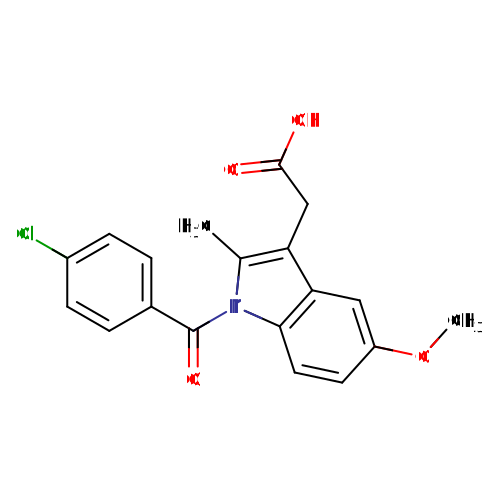
Indometacin, or indomethacin, is a non-steroidal anti-inflammatory drug (NSAID) with anti-inflammatory, analgesic, and antipyretic properties. NSAIDs consist of agents that are structurally unrelated; the NSAID chemical classification of indometacin is an indole-acetic acid derivative with the chemical name 1- (p-chlorobenzoyl)25-methoxy-2-methylindole-3-acetic acid.1 The pharmacological effect of indometacin is not fully understood, however, it is thought to be mediated through potent and nonselective inhibition of the enzyme cyclooxygenase (COX), which is the main enzyme responsible for catalyzes the rate-limiting step in prostaglandin and thromboxane biosynthesis via the arachidonic acid (AA) pathway. Indometacin was first discovered in 1963 and it was first approved for use in the U.S. by the Food and Drug Administration in 1965, 10 along with other acetic acid derivatives such as diclofenac and sulindac that were also developed during the 1960s.1 Since then, indometacin has been extensively studied in clinical trials as one of the most potent NSAIDs in blocking prostaglandin synthesis and was among the first NSAIDs to be used in the symptomatic treatment of migraine and for headaches that eventually became known as “indomethacin-responsive” headache disorders.1
Most commonly used in rheumatoid arthritis, ankylosing spondylitis, osteoarthritis, acute shoulder pains, and acute gouty arthritis, indometacin is currently available as oral capsules as well as other methods of administration, including rectal and intravenous formulations. Intravenous indometacin is administered to close a hemodynamically significant patent ductus arteriosus, as indicated by clinical evidence, in premature infants.14 Ophthalmic indometacin has been studied and used in the symptomatic treatment of postoperative ocular inflammation and pain and/or complications after cataract surgery. Although deemed effective in reducing ocular inflammation in clinical studies, topical NSAIDs were also associated with a potential reduction in corneal sensitivity accompanied by an increased risk of superficial punctate keratitis and subjective symptoms of discomfort, including pain, burning or pricking, or a tingling sensation after instillation into the cul‐de‐sac.6
- Type
- Small Molecule
- Groups
- Approved, Investigational
- Structure
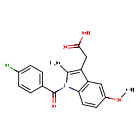
Structure for Indomethacin (DB00328)
- Weight
- Average: 357.788
Monoisotopic: 357.076785712 - Chemical Formula
- C19H16ClNO4
- Synonyms
- {1-[(4-chlorophenyl)carbonyl]-5-methoxy-2-methyl-1H-indol-3-yl}acetic acid
- 1-(p-chlorobenzoyl)-5-methoxy-2-methylindole-3-acetic acid
- Indometacin
- Indometacina
- Indometacine
- Indometacinum
- Indomethacin
- External IDs
- NSC-77541

Pharmacology
- Indication
Oral indometacin is indicated for symptomatic management of moderate to severe rheumatoid arthritis including acute flares of chronic disease, moderate to severe ankylosing spondylitis, moderate to severe osteoarthritis, acute painful shoulder (bursitis and/or tendinitis) and acute gouty arthritis.1,13
Intravenous indometacin is indicated to induce closure of a hemodynamically significant patent ductus arteriosus in premature infants weighing between 500 and 1750 g when after 48 hours usual medical management (e.g., fluid restriction, diuretics, digitalis, respiratory support, etc.) is ineffective.14
 Reduce drug development failure ratesBuild, train, & validate machine-learning modelswith evidence-based and structured datasets.Build, train, & validate predictive machine-learning models with structured datasets.
- Associated Conditions
Indication Type Indication Combined Product Details Approval Level Age Group Patient Characteristics Dose Form Management of Acute gouty arthritis •••••••••••• Used in combination to treat Joint pain Combination Product in combination with: Levomenthol (DB00825) ••• ••• ••• Management of Moderate to severe osteoarthritis •••••••••••• Management of Moderate to severe rheumatoid arthritis •••••••••••• Management of Moderate to severe ankylosing spondylitis •••••••••••• - Contraindications & Blackbox Warnings
 Prevent Adverse Drug Events TodayTap into our Clinical API for life-saving information on contraindications & blackbox warnings, population restrictions, harmful risks, & more.Avoid life-threatening adverse drug events with our Clinical API
- Pharmacodynamics
Indometacin is an NSAID with analgesic and antipyretic properties that exerts its pharmacological effects by inhibiting the synthesis of factors involved in pain, fever, and inflammation. Its therapeutic action does not involve pituitary-adrenal stimulation.13 Indometacin primarily works by suppressing inflammation in rheumatoid arthritis by providing relief of pain as well as reducing fever, swelling, and tenderness. This effectiveness has been demonstrated by a reduction in the extent of joint swelling, the average number of joints displaying symptoms of inflammation, and the severity of morning stiffness. Increased mobility was demonstrated by a decrease in total walking time and by improved functional capability seen as an increase in grip strength.13 In clinical trials, indometacin was shown to be effective in relieving the pain, reducing the fever, swelling, redness, and tenderness of acute gouty arthritis. Due to its pharmacological actions, the use of indometacin is associated with the risk of serious cardiovascular thrombotic events, including myocardial infarction and stroke, as well as gastrointestinal effects such as bleeding, ulceration, and perforation of the stomach or intestines.13
In a study of healthy individuals, acute oral and intravenous indometacin therapy resulted in a transiently diminished basal and CO2 stimulated cerebral blood flow; this effect disappeared in one study after one week of oral treatment.13 The clinical significance of this effect has not been established. Compared to other NSAIDs, it is suggested that indometacin is a more potent vasoconstrictor that is more consistent in decreasing cerebral blood flow and inhibiting CO2 reactivity.1 There have been studies that show indometacin directly inhibiting neuronal activity to some extent in the trigeminocervical complex after either superior salivatory nucleus or dural stimulation.1
- Mechanism of action
Indometacin is a nonspecific and reversible inhibitor of the cyclo-oxygenase (COX) enzyme or prostaglandin G/H synthase. There are two identified isoforms of COX: COX-1 is universally present in most body tissues and is involved in the synthesis of the prostaglandins and thromboxane A2, while COX-2 is expressed in response to injury or inflammation.1 Constitutively expressed, the COX-1 enzyme is involved in gastric mucosal protection, platelet, and kidney function by catalyzing the conversion of arachidonic acid to prostaglandin (PG) G2 and PGG2 to PGH2.1 COX-2 is constitutively expressed and highly inducible by inflammatory stimuli. It is found in the central nervous system, kidneys, uterus, and other organs. COX-2 also catalyzes the conversion of arachidonic acid to PGG2 and PGG2 to PGH2. In the COX-2-mediated pathway, PGH2 is further converted to PGE2 and PGI2 (also known as prostacyclin). PGE2 is involved in mediating inflammation, pain, and fever. Decreasing levels of PGE2 leads to reduced inflammatory reactions. Indometacin is known to inhibit both isoforms of COX, however, with greater selectivity for COX-1, which accounts for its increased adverse gastric effects relative to other NSAIDs. It binds to the enzyme's active site and prevents the interaction between the enzyme and its substrate, arachidonic acid. Indometacin, unlike other NSAIDs, also inhibits phospholipase A2, the enzyme responsible for releasing arachidonic acid from phospholipids. The analgesic, antipyretic and anti-inflammatory effects of indomethacin as well as adverse reactions associated with the drug occur as a result of decreased prostaglandin synthesis. Its antipyretic effects may be due to action on the hypothalamus, resulting in increased peripheral blood flow, vasodilation, and subsequent heat dissipation.
The exact mechanism of action of indometacin in inducing closure of a patent ductus arteriosus is not fully understood; however, it is thought to be through inhibition of prostaglandin synthesis.13 At birth, the ductus arteriosus is normally closed as the tension of the oxygen increases significantly after birth.4 Patent ductus arteriosus in premature infants is associated with congenital heart malformations where PGE1 mediates an opposite effect to that of oxygen. PGE1 dilates the ductus arteriosus through smooth muscle relaxation and prevents the closure of the ductus arteriosus.4 By inhibiting the synthesis of prostaglandins, indometacin promotes the closure of ductus arteriosus.14
Indometacin has been described as possessing anticancer and antiviral properties through activation of protein kinase R (PKR) and downstream phosphorylation of eIF2α, inhibiting protein synthesis.11,12
Target Actions Organism AProstaglandin G/H synthase 2 inhibitorHumans APhospholipase A2, membrane associated inhibitorHumans UProstaglandin G/H synthase 1 inhibitorHumans UProstaglandin reductase 2 inhibitorHumans UPeroxisome proliferator-activated receptor gamma activatorHumans ULactoylglutathione lyase inhibitorHumans UProstaglandin D2 receptor 2 other/unknownHumans UPeroxisome proliferator-activated receptor alpha agonistHumans UAldo-keto reductase family 1 member C3 inhibitorHumans UInterferon-induced, double-stranded RNA-activated protein kinase inducerHumans AHuman Cyclooxygenases inhibitorHumans - Absorption
Indometacin displays a linear pharmacokinetics profile where the plasma concentrations and area under the curve (AUC) are dose-proportional, whereas half-life (T1/2) and plasma and renal clearance are dose-dependent.1 Indometacin is readily and rapidly absorbed from the gastrointestinal tract. The bioavailability is virtually 100% following oral administration 1 and about 90% of the dose is absorbed within 4 hours.13 The bioavailability is about 80-90% following rectal administration.5
The peak plasma concentrations following a single oral dose were achieved between 0.9 ± 0.4 and 1.5 ± 0.8 hours in a fasting state.5 Despite large intersubject variation as well using the same preparation, peak plasma concentrations are dose-proportional and averaged 1.54 ± 0.76 μg/mL, 2.65 ± 1.03 μg/mL, and 4.92 ± 1.88 μg/mL following 25 mg, 50 mg, and 75 mg single doses in fasting subjects, respectively.5 With a typical therapeutic regimen of 25 or 50 mg t.i.d., the steady-state plasma concentrations of indomethacin are an average 1.4 times those following the first dose.13
- Volume of distribution
The volume of distribution ranged from 0.34 to 1.57 L/kg following oral, intravenous, or rectal administration of single and multiple doses of indometacin in healthy individuals.7 Indometacin is distributed into the synovial fluid 2 and is extensively bound to tissues 6. It has been detected in human breast milk 2 and placenta.13 Although indometacin has been shown to cross the blood-brain barrier (BBB)13, its extensive plasma protein binding allows only the small fraction of free or unbound indometacin to diffuse across the BBB.6
- Protein binding
Indometacin is a weak organic acid that is 90-99% bound to protein in plasma over the expected range of therapeutic plasma concentrations 6,13. Like other NSAIDs, indometacin is bound to plasma albumin 6 but it does not bind to red blood cells. 2
- Metabolism
Indometacin undergoes hepatic metabolism involving glucuronidation, O-desmethylation, and N-deacylation.6 O-desmethyl-indomethacin, N-deschlorobenzoyl-indomethacin, and O-desmethyl-N-deschlorobenzoyl-indomethacin metabolites and their glucuronides are primarily inactive and have no pharmacological activity.6,13 Unconjugated metabolites are also detected in the plasma.13 Its high bioavailability indicates that indometacin is unlikely to be subject to the first-pass metabolism.6
Hover over products below to view reaction partners
- Route of elimination
Indometacin is eliminated via renal excretion, metabolism, and biliary excretion. It is also subject to enter the enterohepatic circulation through excretion of its glucuronide metabolites into bile followed by resorption of indometacin after hydrolysis 6. The extent of involvement in the enterohepatic circulation ranges from 27 to 115%.6
About 60 percent of an oral dosage is recovered in urine as drug and metabolites (26 percent as indomethacin and its glucuronide), and 33 percent in the feces (1.5 percent as indomethacin).13
- Half-life
Indometacin disposition from the plasma is reported to be biphasic, with a half-life of 1 hour during the initial phase and 2.6–11.2 hours during the second phase.6 Interindividual and intraindividual variations are possible due to the extensive and sporadic nature of the enterohepatic recycling and biliary discharge of the drug.2,6
The mean half-life of oral indomethacin is estimated to be about 4.5 hours.13 The disposition of intravenous indometacin in preterm neonates was shown to vary across premature infants. In neonates older than 7 days, the mean plasma half-life of intravenous indometacin was approximately 20 hours, ranging from 15 hours in infants weighing more than 1000 g and 21 hours in infants weighing less than 1000 g.14
- Clearance
In a clinical pharmacokinetic study, the plasma clearance of indometacin was reported to range from 1 to 2.5 mL/kg/min following oral administration.2
- Adverse Effects
 Improve decision support & research outcomesWith structured adverse effects data, including: blackbox warnings, adverse reactions, warning & precautions, & incidence rates. View sample adverse effects data in our new Data Library!Improve decision support & research outcomes with our structured adverse effects data.
- Toxicity
Acute oral LD50 is 2.42 mg/kg in rats and 13 mg/kg in mice.MSDS The oral LD50 of indomethacin in mice and rats (based on 14-day mortality response) was 50 and 12 mg/kg, respectively.13
Symptoms of overdose may be characterized by nausea, vomiting, intense headache, dizziness, mental confusion, disorientation, or lethargy. In addition, there have been reports of paresthesias, numbness, and convulsions. In case of an overdose, the patient should receive symptomatic and supportive treatment with stomach emptying through induced vomiting or gastric lavage.13 The patient should then be closely monitored for any signs of gastrointestinal ulceration and hemorrhage. Antacids may be useful.13
- Pathways
Pathway Category Indomethacin Action Pathway Drug action - Pharmacogenomic Effects/ADRs
- Not Available
Interactions
- Drug Interactions
- This information should not be interpreted without the help of a healthcare provider. If you believe you are experiencing an interaction, contact a healthcare provider immediately. The absence of an interaction does not necessarily mean no interactions exist.
Drug Interaction Integrate drug-drug
interactions in your softwareAbacavir The metabolism of Abacavir can be decreased when combined with Indomethacin. Abatacept The metabolism of Indomethacin can be increased when combined with Abatacept. Abciximab The risk or severity of bleeding and hemorrhage can be increased when Indomethacin is combined with Abciximab. Abrocitinib The metabolism of Abrocitinib can be decreased when combined with Indomethacin. Acamprosate The excretion of Acamprosate can be decreased when combined with Indomethacin. - Food Interactions
- Avoid alcohol. Ingestion of alcohol can increase the risk of GI bleeding.
- Take with or without food. Food has no effect on drug absorption. However, food may decrease the extent of gastrointestinal irritation caused by indomethacin.
Products
 Drug product information from 10+ global regionsOur datasets provide approved product information including:dosage, form, labeller, route of administration, and marketing period.Access drug product information from over 10 global regions.
- Product Ingredients
Ingredient UNII CAS InChI Key Indomethacin sodium 0IMX38M2GG 74252-25-8 UHYAQBLOGVNWNT-UHFFFAOYSA-M - Product Images
- International/Other Brands
- Aconip (Teika Pharmaceutical Co.,Ltd.) / Arthrexin (Alphapharm) / Elmetacin (Sankyo) / Indaflex (Andromaco) / Indocid (Lundbeck) / Indolar SR (Sandoz) / Indomed (Greater Pharma) / Indoxen (Quality Pharmaceutical) / Metindol (GlaxoSmithKline) / Mikametan (Mikasa Seiyaku) / Nu-Indo (Nu-Pharm) / Reumacide (Vitória)
- Brand Name Prescription Products
Name Dosage Strength Route Labeller Marketing Start Marketing End Region Image Indocid Cap 25mg Capsule 25 mg / cap Oral Merck Frosst Canada & Cie, Merck Frosst Canada & Co. 1965-12-31 1998-08-14 Canada 
Indocid Cap 50mg Capsule 50 mg / cap Oral Merck Frosst Canada & Cie, Merck Frosst Canada & Co. 1970-12-31 1998-08-14 Canada Indocid SR 75mg Capsule, extended release 75 mg / cap Oral Merck Frosst Canada & Cie, Merck Frosst Canada & Co. 1980-12-31 1999-08-06 Canada Indocid Sterile Oph Susp 1% Solution / drops 10 mg / mL Ophthalmic Merck Frosst Canada & Cie, Merck Frosst Canada & Co. 1983-12-31 1999-08-06 Canada Indocid Sup 100mg Suppository 100 mg / sup Rectal Merck Frosst Canada & Cie, Merck Frosst Canada & Co. 1971-12-31 2003-08-08 Canada - Generic Prescription Products
Name Dosage Strength Route Labeller Marketing Start Marketing End Region Image Apo-indomethacin Capsule 25 mg Oral Apotex Corporation 1984-12-31 Not applicable Canada Apo-indomethacin Capsule 50 mg Oral Apotex Corporation 1984-12-31 Not applicable Canada Auro-indomethacin Capsule 50 mg Oral Auro Pharma Inc 2021-07-08 Not applicable Canada Ftp-indomethacin Capsule 50 mg / cap Oral Ftp Pharmacal Inc. 1998-10-09 2004-08-03 Canada Ftp-indomethacin Capsule 25 mg / cap Oral Ftp Pharmacal Inc. 1998-10-09 2004-08-03 Canada - Over the Counter Products
Name Dosage Strength Route Labeller Marketing Start Marketing End Region Image ELMETACIN Spray 8 mg/1ml Topical บริษัท ดีเคเอสเอช (ประเทศไทย) จำกัด 2007-10-15 2020-10-05 Thailand 
เอ็ม-ซิน Spray 8 mg/1ml Topical บริษัท แมคโครฟาร์ จำกัด 2007-04-05 Not applicable Thailand เอลมีโก สเปรย์ Spray 8 mg/1ml Topical บริษัท โรงงานผลิตเวชภัณฑ์ชินต้าเทรดดิ้ง (1971) จำกัด จำกัด 1998-12-21 Not applicable Thailand เอลเมทาซิน Spray 8 mg/1ml Topical บริษัท โอลิค (ประเทศไทย) จำกัด 1987-04-14 Not applicable Thailand แวนเทลินโคว่า ครีม Cream 1 %w/w Topical บริษัท โคว่า (ประเทศไทย) จำกัด 2017-12-23 Not applicable Thailand - Mixture Products
Name Ingredients Dosage Route Labeller Marketing Start Marketing End Region Image DIFMETRE Indomethacin (50 mg) + Caffeine (150 mg) + Prochlorperazine maleate (8 mg) Suppository Mylan Italia S.R.L. 2014-07-08 Not applicable Italy 
DIFMETRE Indomethacin (25 mg) + Caffeine (75 mg) + Prochlorperazine maleate (2 mg) Tablet Mylan Italia S.R.L. 2014-07-08 Not applicable Italy DIFMETRE Indomethacin (25 mg) + Caffeine (75 mg) + Prochlorperazine maleate (4 mg) Suppository Mylan Italia S.R.L. 2014-07-08 Not applicable Italy DIFMETRE Indomethacin (25 mg) + Caffeine (75 mg) + Prochlorperazine maleate (2 mg) Tablet Viatris Italia S.R.L. 2014-07-08 2023-10-01 Italy DIFMETRE Indomethacin (25 mg) + Caffeine (75 mg) + Prochlorperazine maleate (2 mg) Tablet Mylan Italia S.R.L. 2014-07-08 Not applicable Italy


Categories
- ATC Codes
- S01CC02 — Indometacin and antiinfectives
- S01CC — Antiinflammatory agents, non-steroids and antiinfectives in combination
- S01C — ANTIINFLAMMATORY AGENTS AND ANTIINFECTIVES IN COMBINATION
- S01 — OPHTHALMOLOGICALS
- S — SENSORY ORGANS
- M01AB — Acetic acid derivatives and related substances
- M01A — ANTIINFLAMMATORY AND ANTIRHEUMATIC PRODUCTS, NON-STEROIDS
- M01 — ANTIINFLAMMATORY AND ANTIRHEUMATIC PRODUCTS
- M — MUSCULO-SKELETAL SYSTEM
- S01BC — Antiinflammatory agents, non-steroids
- S01B — ANTIINFLAMMATORY AGENTS
- S01 — OPHTHALMOLOGICALS
- S — SENSORY ORGANS
- M02AA — Antiinflammatory preparations, non-steroids for topical use
- M02A — TOPICAL PRODUCTS FOR JOINT AND MUSCULAR PAIN
- M02 — TOPICAL PRODUCTS FOR JOINT AND MUSCULAR PAIN
- M — MUSCULO-SKELETAL SYSTEM
- M01AB — Acetic acid derivatives and related substances
- M01A — ANTIINFLAMMATORY AND ANTIRHEUMATIC PRODUCTS, NON-STEROIDS
- M01 — ANTIINFLAMMATORY AND ANTIRHEUMATIC PRODUCTS
- M — MUSCULO-SKELETAL SYSTEM
- Drug Categories
- Acetic Acid Derivatives and Related Substances
- Agents causing hyperkalemia
- Agents that produce hypertension
- Analgesics
- Analgesics, Non-Narcotic
- Anti-Inflammatory Agents
- Anti-Inflammatory Agents, Non-Steroidal
- Anti-Inflammatory Agents, Non-Steroidal (Non-Selective)
- Antigout Preparations
- Antiinflammatory and Antirheumatic Products
- Antiinflammatory and Antirheumatic Products, Non-Steroids
- Antiinflammatory Preparations, Non-Steroids for Topical Use
- Antirheumatic Agents
- BSEP/ABCB11 Substrates
- Cardiac Therapy
- Cardiovascular Agents
- Central Nervous System Agents
- Cyclooxygenase Inhibitors
- Cytochrome P-450 CYP2C19 Inhibitors
- Cytochrome P-450 CYP2C19 inhibitors (strength unknown)
- Cytochrome P-450 CYP2C19 Substrates
- Cytochrome P-450 CYP2C9 Substrates
- Cytochrome P-450 Enzyme Inhibitors
- Cytochrome P-450 Substrates
- Enzyme Inhibitors
- Heterocyclic Compounds, Fused-Ring
- Hypoglycemia-Associated Agents
- Immunosuppressive Agents
- Indoles
- Musculo-Skeletal System
- Myelosuppressive Agents
- Nephrotoxic agents
- Non COX-2 selective NSAIDS
- OAT1/SLC22A6 inhibitors
- OAT1/SLC22A6 Substrates
- OAT3/SLC22A8 Inhibitors
- OAT3/SLC22A8 Substrates
- OATP1B1/SLCO1B1 Inhibitors
- Ophthalmologicals
- Other Nonsteroidal Anti-inflammatory Agents
- P-glycoprotein inhibitors
- P-glycoprotein substrates
- Peripheral Nervous System Agents
- Sensory Organs
- Sensory System Agents
- Tocolytic Agents
- Topical Products for Joint and Muscular Pain
- UGT1A1 Inhibitors
- UGT1A1 Substrates
- UGT1A9 Substrates
- UGT2B7 Inhibitors
- UGT2B7 substrates
- Chemical TaxonomyProvided by Classyfire
- Description
- This compound belongs to the class of organic compounds known as benzoylindoles. These are organic compounds containing an indole attached to a benzoyl moiety through the acyl group.
- Kingdom
- Organic compounds
- Super Class
- Organoheterocyclic compounds
- Class
- Indoles and derivatives
- Sub Class
- Benzoylindoles
- Direct Parent
- Benzoylindoles
- Alternative Parents
- Indole-3-acetic acid derivatives / Indolecarboxylic acids and derivatives / 3-alkylindoles / 4-halobenzoic acids and derivatives / Anisoles / Benzoyl derivatives / Alkyl aryl ethers / Chlorobenzenes / Substituted pyrroles / Aryl chlorides show 10 more
- Substituents
- 3-alkylindole / 4-halobenzoic acid or derivatives / Alkyl aryl ether / Anisole / Aromatic heteropolycyclic compound / Aryl chloride / Aryl halide / Azacycle / Benzenoid / Benzoic acid or derivatives show 27 more
- Molecular Framework
- Aromatic heteropolycyclic compounds
- External Descriptors
- aromatic ether, monochlorobenzenes, N-acylindole, indole-3-acetic acids (CHEBI:49662) / a small molecule (CPD-10545)
- Affected organisms
- Humans and other mammals
Chemical Identifiers
- UNII
- XXE1CET956
- CAS number
- 53-86-1
- InChI Key
- CGIGDMFJXJATDK-UHFFFAOYSA-N
- InChI
- InChI=1S/C19H16ClNO4/c1-11-15(10-18(22)23)16-9-14(25-2)7-8-17(16)21(11)19(24)12-3-5-13(20)6-4-12/h3-9H,10H2,1-2H3,(H,22,23)
- IUPAC Name
- 2-[1-(4-chlorobenzoyl)-5-methoxy-2-methyl-1H-indol-3-yl]acetic acid
- SMILES
- COC1=CC2=C(C=C1)N(C(=O)C1=CC=C(Cl)C=C1)C(C)=C2CC(O)=O
References
- Synthesis Reference
Hubertus L. Regtop, John R. Biffin, "Preparation of divalent metal salts of indomethacin." U.S. Patent US5310936, issued November, 1917.
US5310936- General References
- Lucas S: The Pharmacology of Indomethacin. Headache. 2016 Feb;56(2):436-46. doi: 10.1111/head.12769. Epub 2016 Feb 11. [Article]
- Helleberg L: Clinical Pharmacokinetics of indomethacin. Clin Pharmacokinet. 1981 Jul-Aug;6(4):245-58. doi: 10.2165/00003088-198106040-00001. [Article]
- Nalamachu S, Wortmann R: Role of indomethacin in acute pain and inflammation management: a review of the literature. Postgrad Med. 2014 Jul;126(4):92-7. doi: 10.3810/pgm.2014.07.2787. [Article]
- Pacifici GM: Clinical pharmacology of indomethacin in preterm infants: implications in patent ductus arteriosus closure. Paediatr Drugs. 2013 Oct;15(5):363-76. doi: 10.1007/s40272-013-0031-7. [Article]
- Jensen KM, Grenabo L: Bioavailability of indomethacin after intramuscular injection and rectal administration of solution and suppositories. Acta Pharmacol Toxicol (Copenh). 1985 Nov;57(5):322-7. [Article]
- Weber M, Kodjikian L, Kruse FE, Zagorski Z, Allaire CM: Efficacy and safety of indomethacin 0.1% eye drops compared with ketorolac 0.5% eye drops in the management of ocular inflammation after cataract surgery. Acta Ophthalmol. 2013 Feb;91(1):e15-21. doi: 10.1111/j.1755-3768.2012.02520.x. Epub 2012 Sep 12. [Article]
- Alvan G, Orme M, Bertilsson L, Ekstrand R, Palmer L: Pharmacokinetics of indomethacin. Clin Pharmacol Ther. 1975 Sep;18(3):364-73. [Article]
- Ricciotti E, FitzGerald GA: Prostaglandins and inflammation. Arterioscler Thromb Vasc Biol. 2011 May;31(5):986-1000. doi: 10.1161/ATVBAHA.110.207449. [Article]
- Rouzer CA, Marnett LJ: Cyclooxygenases: structural and functional insights. J Lipid Res. 2009 Apr;50 Suppl:S29-34. doi: 10.1194/jlr.R800042-JLR200. Epub 2008 Oct 23. [Article]
- HART FD, BOARDMAN PL: INDOMETHACIN: A NEW NON-STEROID ANTI-INFLAMMATORY AGENT. Br Med J. 1963 Oct 19;2(5363):965-70. [Article]
- Brunelli C, Amici C, Angelini M, Fracassi C, Belardo G, Santoro MG: The non-steroidal anti-inflammatory drug indomethacin activates the eIF2alpha kinase PKR, causing a translational block in human colorectal cancer cells. Biochem J. 2012 Apr 15;443(2):379-86. doi: 10.1042/BJ20111236. [Article]
- Amici C, La Frazia S, Brunelli C, Balsamo M, Angelini M, Santoro MG: Inhibition of viral protein translation by indomethacin in vesicular stomatitis virus infection: role of eIF2alpha kinase PKR. Cell Microbiol. 2015 Sep;17(9):1391-404. doi: 10.1111/cmi.12446. Epub 2015 May 13. [Article]
- Indomethacin Capsules (25 mg) - FDA Label [Link]
- Indocin I.V. (indomethacin for injection) - FDA Label [Link]
- FDA Approved Drug Products: INDOCIN (indomethacin) Suppositories, for rectal use [Link]
- External Links
- Human Metabolome Database
- HMDB0014473
- KEGG Drug
- D00141
- KEGG Compound
- C01926
- PubChem Compound
- 3715
- PubChem Substance
- 46508291
- ChemSpider
- 3584
- BindingDB
- 17638
- 5781
- ChEBI
- 49662
- ChEMBL
- CHEMBL6
- ZINC
- ZINC000000601283
- Therapeutic Targets Database
- DAP000617
- PharmGKB
- PA449982
- Guide to Pharmacology
- GtP Drug Page
- PDBe Ligand
- IMN
- RxList
- RxList Drug Page
- Drugs.com
- Drugs.com Drug Page
- Wikipedia
- Indometacin
- PDB Entries
- 1s2a / 1z9h / 2bxk / 2bxm / 2bxq / 2dm6 / 2oth / 2zb8 / 3ads / 3adx … show 14 more
- MSDS
- Download (73.2 KB)
Clinical Trials
- Clinical Trials
Phase Status Purpose Conditions Count 4 Completed Basic Science Healthy, Male / Neuromuscular Function 2 4 Completed Prevention Acute Pancreatitis 1 4 Completed Prevention Cataracts / Inflammation 1 4 Completed Prevention Family Planning 1 4 Completed Prevention Healthy Volunteers (HV) 1
Pharmacoeconomics
- Manufacturers
- Iroko pharmaceuticals llc
- Sandoz inc
- Able laboratories inc
- Avanthi inc
- Inwood laboratories inc sub forest laboratories inc
- Teva pharmaceuticals usa inc
- Duramed pharmaceuticals inc sub barr laboratories inc
- Halsey drug co inc
- Heritage pharmaceuticals inc
- Ivax pharmaceuticals inc sub teva pharmaceuticals usa
- Mutual pharmaceutical co inc
- Mylan pharmaceuticals inc
- Parke davis div warner lambert co
- Pioneer pharmaceuticals inc
- Pliva inc
- Roxane laboratories inc
- Superpharm corp
- Vintage pharmaceuticals llc
- Watson laboratories inc
- App pharmaceuticals llc
- G and w laboratories inc
- Lundbeck inc
- Bedford laboratories div ben venue laboratories inc
- Packagers
- Advanced Pharmaceutical Services Inc.
- Amerisource Health Services Corp.
- Apotheca Inc.
- Apothecary Shop Wholesale
- A-S Medication Solutions LLC
- Bedford Labs
- Bryant Ranch Prepack
- Cardinal Health
- Caremark LLC
- Central Texas Community Health Centers
- Comprehensive Consultant Services Inc.
- DHHS Program Support Center Supply Service Center
- Direct Dispensing Inc.
- Dispensing Solutions
- Emcure Pharmaceuticals Ltd.
- Endo Pharmaceuticals Inc.
- Eon Labs
- G & W Labs
- Group Health Cooperative
- H.J. Harkins Co. Inc.
- Heartland Repack Services LLC
- Inwood Labs
- Iroko Pharmaceuticals
- Kaiser Foundation Hospital
- KVK-Tech Inc.
- Lake Erie Medical and Surgical Supply
- Liberty Pharmaceuticals
- Lundbeck Inc.
- Major Pharmaceuticals
- Medisca Inc.
- Medvantx Inc.
- Merck & Co.
- Murfreesboro Pharmaceutical Nursing Supply
- Mylan
- Novopharm Ltd.
- Nucare Pharmaceuticals Inc.
- Palmetto Pharmaceuticals Inc.
- Patient First Corp.
- PCA LLC
- PD-Rx Pharmaceuticals Inc.
- Pharmedix
- Physicians Total Care Inc.
- Pliva Inc.
- Preferred Pharmaceuticals Inc.
- Prepackage Specialists
- Prescription Dispensing Service Inc.
- Qualitest
- Rebel Distributors Corp.
- Redpharm Drug
- Remedy Repack
- Sandhills Packaging Inc.
- Sandoz
- Southwood Pharmaceuticals
- St Mary's Medical Park Pharmacy
- Talbert Medical Management Corp.
- Teva Pharmaceutical Industries Ltd.
- Tya Pharmaceuticals
- UDL Laboratories
- United Research Laboratories Inc.
- Veratex Corp.
- Dosage Forms
Form Route Strength Capsule Oral 60.0000 mg Capsule Oral Suppository Tablet Capsule Oral 25.000 mg Capsule, coated pellets Oral 75 mg Capsule Oral 25.00 MG Cream Cutaneous 2.500 g Capsule, extended release Oral 75 MG Solution / drops Ophthalmic Suppository Rectal 100.000 mg Capsule Oral Capsule Oral 25 mg / cap Capsule, extended release Oral 75 mg / cap Solution / drops Ophthalmic 10 mg / mL Injection, powder, lyophilized, for solution Intravenous 1 mg Injection, powder, lyophilized, for solution Intravenous 1 mg/1 Suppository Rectal 50 mg/1 Suspension Oral 25 mg/5mL Solution / drops Ophthalmic 0.1 % Solution / drops Ophthalmic 1 MG/ML Liquid; powder, for solution Ophthalmic 1 mg / 1 mL Solution / drops Ophthalmic Solution / drops Ophthalmic 5 MG/ML Capsule Oral 25 mg/1 Capsule Oral 50 mg/1 Capsule, extended release Oral 75 mg/1 Injection, powder, for solution Intravenous 0.1 mg/0.1mL Injection, powder, lyophilized, for solution Intravenous 1 mg/1mL Capsule Oral 75 mg/1 Capsule, coated pellets Oral Injection, powder, for solution Intravenous; Parenteral 25 MG/2ML Injection, powder, for solution Intravenous; Parenteral 50 MG/2ML Capsule, extended release Oral Suppository Rectal Solution Intravenous 1.00 mg Solution Topical Gel Cutaneous Capsule, liquid filled Oral 25 mg Suppository Rectal 100 mg / sup Suppository Rectal 50 mg / sup Suppository Rectal 100 mg Suppository Rectal 50 mg Capsule Oral 50 mg / cap Tablet Oral Gel Cutaneous 500.000 mg Gel Topical Capsule Oral 20 mg/1 Capsule Oral 40 mg/1 Capsule Capsule Oral 25 mg Tablet 25 mg Tablet, sugar coated Oral 25 mg Tablet, film coated 25 mg Tablet, film coated 50 mg Capsule Oral 50 mg Tablet, coated Oral 25 mg Spray Topical 8 mg/1ml Cream Topical 1 %w/w - Prices
Unit description Cost Unit Indocin i.v. 1 mg vial 642.6USD vial Indomethacin 1 mg vial 600.0USD vial Indocin 50 mg suppository 9.56USD suppository Indomethacin CR 75 mg capsule 3.12USD capsule Indocin sr 75 mg capsule 2.92USD capsule Indomethacin powder 2.57USD g Ratio-Indomethacin 100 mg Suppository 0.93USD suppository Sandoz Indomethacin 100 mg Suppository 0.93USD suppository Sandoz Indomethacin 50 mg Suppository 0.93USD suppository Indomethacin 50 mg capsule 0.65USD capsule Indomethacin 25 mg capsule 0.44USD capsule Apo-Indomethacin 50 mg Capsule 0.16USD capsule Novo-Methacin 50 mg Capsule 0.16USD capsule Nu-Indo 50 mg Capsule 0.16USD capsule Apo-Indomethacin 25 mg Capsule 0.09USD capsule Novo-Methacin 25 mg Capsule 0.09USD capsule Nu-Indo 25 mg Capsule 0.09USD capsule DrugBank does not sell nor buy drugs. Pricing information is supplied for informational purposes only.- Patents
Patent Number Pediatric Extension Approved Expires (estimated) Region US9089471 No 2015-07-28 2030-04-23 US 
US8992982 No 2015-03-31 2030-04-23 US US8734847 No 2014-05-27 2030-04-23 US
Properties
- State
- Solid
- Experimental Properties
Property Value Source melting point (°C) 151 U.S. Patent 3,161,654. water solubility 0.937 mg/L (at 25 °C) YALKOWSKY,SH & DANNENFELSER,RM (1992) logP 4.27 HANSCH,C ET AL. (1995) logS -4.62 ADME Research, USCD Caco2 permeability -4.69 ADME Research, USCD pKa 4.5 BUDAVARI,S ET AL. (1989) - Predicted Properties
Property Value Source Water Solubility 0.0024 mg/mL ALOGPS logP 4.25 ALOGPS logP 3.53 Chemaxon logS -5.2 ALOGPS pKa (Strongest Acidic) 3.79 Chemaxon pKa (Strongest Basic) -2.9 Chemaxon Physiological Charge -1 Chemaxon Hydrogen Acceptor Count 4 Chemaxon Hydrogen Donor Count 1 Chemaxon Polar Surface Area 68.53 Å2 Chemaxon Rotatable Bond Count 4 Chemaxon Refractivity 94.81 m3·mol-1 Chemaxon Polarizability 36.64 Å3 Chemaxon Number of Rings 3 Chemaxon Bioavailability 1 Chemaxon Rule of Five Yes Chemaxon Ghose Filter Yes Chemaxon Veber's Rule No Chemaxon MDDR-like Rule No Chemaxon - Predicted ADMET Features
Property Value Probability Human Intestinal Absorption + 0.9509 Blood Brain Barrier + 0.9381 Caco-2 permeable + 0.5857 P-glycoprotein substrate Non-substrate 0.636 P-glycoprotein inhibitor I Non-inhibitor 0.9313 P-glycoprotein inhibitor II Non-inhibitor 0.834 Renal organic cation transporter Non-inhibitor 0.8334 CYP450 2C9 substrate Non-substrate 0.712 CYP450 2D6 substrate Non-substrate 0.9116 CYP450 3A4 substrate Substrate 0.6436 CYP450 1A2 substrate Inhibitor 0.9107 CYP450 2C9 inhibitor Non-inhibitor 0.9071 CYP450 2D6 inhibitor Non-inhibitor 0.9302 CYP450 2C19 inhibitor Non-inhibitor 0.9025 CYP450 3A4 inhibitor Non-inhibitor 0.8309 CYP450 inhibitory promiscuity High CYP Inhibitory Promiscuity 0.6978 Ames test Non AMES toxic 0.9133 Carcinogenicity Non-carcinogens 0.8728 Biodegradation Not ready biodegradable 0.9743 Rat acute toxicity 4.0722 LD50, mol/kg Not applicable hERG inhibition (predictor I) Weak inhibitor 0.9818 hERG inhibition (predictor II) Non-inhibitor 0.8306
Spectra
- Mass Spec (NIST)
- Download (7.7 KB)
- Spectra
- Chromatographic Properties
Collision Cross Sections (CCS)
Adduct CCS Value (Å2) Source type Source [M-H]- 191.8318517 predictedDarkChem Lite v0.1.0 [M-H]- 192.3842517 predictedDarkChem Lite v0.1.0 [M-H]- 192.0699517 predictedDarkChem Lite v0.1.0 [M-H]- 181.18584 predictedDeepCCS 1.0 (2019) [M-H]- 191.8318517 predictedDarkChem Lite v0.1.0 [M-H]- 192.3842517 predictedDarkChem Lite v0.1.0 [M-H]- 192.0699517 predictedDarkChem Lite v0.1.0 [M-H]- 181.18584 predictedDeepCCS 1.0 (2019) [M+H]+ 192.2708517 predictedDarkChem Lite v0.1.0 [M+H]+ 193.6368517 predictedDarkChem Lite v0.1.0 [M+H]+ 192.5201517 predictedDarkChem Lite v0.1.0 [M+H]+ 183.56938 predictedDeepCCS 1.0 (2019) [M+H]+ 192.2708517 predictedDarkChem Lite v0.1.0 [M+H]+ 193.6368517 predictedDarkChem Lite v0.1.0 [M+H]+ 192.5201517 predictedDarkChem Lite v0.1.0 [M+H]+ 183.56938 predictedDeepCCS 1.0 (2019) [M+Na]+ 192.1285517 predictedDarkChem Lite v0.1.0 [M+Na]+ 193.4278517 predictedDarkChem Lite v0.1.0 [M+Na]+ 192.0808517 predictedDarkChem Lite v0.1.0 [M+Na]+ 191.20998 predictedDeepCCS 1.0 (2019) [M+Na]+ 192.1285517 predictedDarkChem Lite v0.1.0 [M+Na]+ 193.4278517 predictedDarkChem Lite v0.1.0 [M+Na]+ 192.0808517 predictedDarkChem Lite v0.1.0 [M+Na]+ 191.20998 predictedDeepCCS 1.0 (2019)
Targets

- Kind
- Protein
- Organism
- Humans
- Pharmacological action
- Yes
- Actions
- Inhibitor
- Curator comments
- IC50 = 0.48 microM
- General Function
- Prostaglandin-endoperoxide synthase activity
- Specific Function
- Converts arachidonate to prostaglandin H2 (PGH2), a committed step in prostanoid synthesis. Constitutively expressed in some tissues in physiological conditions, such as the endothelium, kidney and...
- Gene Name
- PTGS2
- Uniprot ID
- P35354
- Uniprot Name
- Prostaglandin G/H synthase 2
- Molecular Weight
- 68995.625 Da
References
- Armstrong PJ, Franklin DP, Carey DJ, Elmore JR: Suppression of experimental aortic aneurysms: comparison of inducible nitric oxide synthase and cyclooxygenase inhibitors. Ann Vasc Surg. 2005 Mar;19(2):248-57. [Article]
- Jerde TJ, Calamon-Dixon JL, Bjorling DE, Nakada SY: Celecoxib inhibits ureteral contractility and prostanoid release. Urology. 2005 Jan;65(1):185-90. [Article]
- Pilane CM, Labelle EF: Nitric oxide stimulated vascular smooth muscle cells undergo apoptosis induced in part by arachidonic acid derived eicosanoids. J Cell Physiol. 2005 Aug;204(2):423-7. [Article]
- Yokota A, Taniguchi M, Takahira Y, Tanaka A, Takeuchi K: Rofecoxib produces intestinal but not gastric damage in the presence of a low dose of indomethacin in rats. J Pharmacol Exp Ther. 2005 Jul;314(1):302-9. Epub 2005 Apr 14. [Article]
- Zhang GS, Fu YB, Xia M: [Proliferation inhibition effect of indomethacin on CML cells associated with down-regulation of phosphorylated STAT1/STAT5 and inhibition of COX-2 expression]. Zhonghua Xue Ye Xue Za Zhi. 2004 Dec;25(12):732-5. [Article]
- Blanco FJ, Guitian R, Moreno J, de Toro FJ, Galdo F: Effect of antiinflammatory drugs on COX-1 and COX-2 activity in human articular chondrocytes. J Rheumatol. 1999 Jun;26(6):1366-73. [Article]
- Kind
- Protein
- Organism
- Humans
- Pharmacological action
- Yes
- Actions
- Inhibitor
- General Function
- Phospholipid binding
- Specific Function
- Thought to participate in the regulation of the phospholipid metabolism in biomembranes including eicosanoid biosynthesis. Catalyzes the calcium-dependent hydrolysis of the 2-acyl groups in 3-sn-ph...
- Gene Name
- PLA2G2A
- Uniprot ID
- P14555
- Uniprot Name
- Phospholipase A2, membrane associated
- Molecular Weight
- 16082.525 Da
References
- Geisslinger, G., & Lötsch, J. (2004). Non-steroidal anti-inflammatory drugs. In Encyclopedic reference of molecular pharmacology (pp. 667-671). Berlin: Springer. [ISBN:9783540298328]
- Kind
- Protein
- Organism
- Humans
- Pharmacological action
- Unknown
- Actions
- Inhibitor
- Curator comments
- IC50 = 0.063 microM
- General Function
- Prostaglandin-endoperoxide synthase activity
- Specific Function
- Converts arachidonate to prostaglandin H2 (PGH2), a committed step in prostanoid synthesis. Involved in the constitutive production of prostanoids in particular in the stomach and platelets. In gas...
- Gene Name
- PTGS1
- Uniprot ID
- P23219
- Uniprot Name
- Prostaglandin G/H synthase 1
- Molecular Weight
- 68685.82 Da
References
- Bobadilla L RA, Perez-Alvarez V, Bracho Valdes I, Lopez-Sanchez P: Effect of pregnancy on the roles of nitric oxide and prostaglandins in 5-hydroxytryptamine-induced contractions in rat isolated thoracic and abdominal aorta. Clin Exp Pharmacol Physiol. 2005 Mar;32(3):202-9. [Article]
- Fornai M, Blandizzi C, Colucci R, Antonioli L, Bernardini N, Segnani C, Baragatti B, Barogi S, Berti P, Spisni R, Del Tacca M: Role of cyclooxygenases 1 and 2 in the modulation of neuromuscular functions in the distal colon of humans and mice. Gut. 2005 May;54(5):608-16. [Article]
- Higuchi K, Tominaga K, Watanabe T, Uno H, Shiba M, Sasaki E, Tanigawa T, Takashima T, Hamaguchi M, Oshitani N, Matsumoto T, Iwanaga Y, Fukuda T, Fujiwara Y, Arakawa T: Indomethacin, but not Helicobacter pylori, inhibits adaptive relaxation in isolated guinea-pig stomach. Drugs Exp Clin Res. 2004;30(5-6):235-41. [Article]
- Kundu N, Walser TC, Ma X, Fulton AM: Cyclooxygenase inhibitors modulate NK activities that control metastatic disease. Cancer Immunol Immunother. 2005 Oct;54(10):981-7. Epub 2005 May 13. [Article]
- Moth CW, Prusakiewicz JJ, Marnett LJ, Lybrand TP: Stereoselective binding of indomethacin ethanolamide derivatives to cyclooxygenase-1. J Med Chem. 2005 May 19;48(10):3613-20. [Article]
- Blanco FJ, Guitian R, Moreno J, de Toro FJ, Galdo F: Effect of antiinflammatory drugs on COX-1 and COX-2 activity in human articular chondrocytes. J Rheumatol. 1999 Jun;26(6):1366-73. [Article]
- Kind
- Protein
- Organism
- Humans
- Pharmacological action
- Unknown
- Actions
- Inhibitor
- General Function
- 15-oxoprostaglandin 13-oxidase activity
- Specific Function
- Functions as 15-oxo-prostaglandin 13-reductase and acts on 15-keto-PGE1, 15-keto-PGE2, 15-keto-PGE1-alpha and 15-keto-PGE2-alpha with highest activity towards 15-keto-PGE2. Overexpression represses...
- Gene Name
- PTGR2
- Uniprot ID
- Q8N8N7
- Uniprot Name
- Prostaglandin reductase 2
- Molecular Weight
- 38498.74 Da
References
- Wu YH, Ko TP, Guo RT, Hu SM, Chuang LM, Wang AH: Structural basis for catalytic and inhibitory mechanisms of human prostaglandin reductase PTGR2. Structure. 2008 Nov 12;16(11):1714-23. doi: 10.1016/j.str.2008.09.007. [Article]
- Kind
- Protein
- Organism
- Humans
- Pharmacological action
- Unknown
- Actions
- Activator
- General Function
- Zinc ion binding
- Specific Function
- Nuclear receptor that binds peroxisome proliferators such as hypolipidemic drugs and fatty acids. Once activated by a ligand, the nuclear receptor binds to DNA specific PPAR response elements (PPRE...
- Gene Name
- PPARG
- Uniprot ID
- P37231
- Uniprot Name
- Peroxisome proliferator-activated receptor gamma
- Molecular Weight
- 57619.58 Da
References
- Cho MC, Lee HS, Kim JH, Choe YK, Hong JT, Paik SG, Yoon DY: A simple ELISA for screening ligands of peroxisome proliferator-activated receptor-gamma. J Biochem Mol Biol. 2003 Mar 31;36(2):207-13. [Article]
- Lehmann JM, Lenhard JM, Oliver BB, Ringold GM, Kliewer SA: Peroxisome proliferator-activated receptors alpha and gamma are activated by indomethacin and other non-steroidal anti-inflammatory drugs. J Biol Chem. 1997 Feb 7;272(6):3406-10. [Article]
- Kind
- Protein
- Organism
- Humans
- Pharmacological action
- Unknown
- Actions
- Inhibitor
- General Function
- Zinc ion binding
- Specific Function
- Catalyzes the conversion of hemimercaptal, formed from methylglyoxal and glutathione, to S-lactoylglutathione. Involved in the regulation of TNF-induced transcriptional activity of NF-kappa-B. Requ...
- Gene Name
- GLO1
- Uniprot ID
- Q04760
- Uniprot Name
- Lactoylglutathione lyase
- Molecular Weight
- 20777.515 Da
References
- Sato S, Kwon Y, Kamisuki S, Srivastava N, Mao Q, Kawazoe Y, Uesugi M: Polyproline-rod approach to isolating protein targets of bioactive small molecules: isolation of a new target of indomethacin. J Am Chem Soc. 2007 Jan 31;129(4):873-80. [Article]
- Kind
- Protein
- Organism
- Humans
- Pharmacological action
- Unknown
- Actions
- Other/unknown
- General Function
- Prostaglandin j receptor activity
- Specific Function
- Receptor for prostaglandin D2 (PGD2). Coupled to the G(i)-protein. Receptor activation may result in pertussis toxin-sensitive decreases in cAMP levels and Ca(2+) mobilization. PI3K signaling is al...
- Gene Name
- PTGDR2
- Uniprot ID
- Q9Y5Y4
- Uniprot Name
- Prostaglandin D2 receptor 2
- Molecular Weight
- 43267.15 Da
References
- Hata AN, Lybrand TP, Breyer RM: Identification of determinants of ligand binding affinity and selectivity in the prostaglandin D2 receptor CRTH2. J Biol Chem. 2005 Sep 16;280(37):32442-51. Epub 2005 Jul 19. [Article]
- Hata AN, Lybrand TP, Marnett LJ, Breyer RM: Structural determinants of arylacetic acid nonsteroidal anti-inflammatory drugs necessary for binding and activation of the prostaglandin D2 receptor CRTH2. Mol Pharmacol. 2005 Mar;67(3):640-7. Epub 2004 Nov 24. [Article]
- Mathiesen JM, Ulven T, Martini L, Gerlach LO, Heinemann A, Kostenis E: Identification of indole derivatives exclusively interfering with a G protein-independent signaling pathway of the prostaglandin D2 receptor CRTH2. Mol Pharmacol. 2005 Aug;68(2):393-402. Epub 2005 May 3. [Article]
- Kind
- Protein
- Organism
- Humans
- Pharmacological action
- Unknown
- Actions
- Agonist
- General Function
- Zinc ion binding
- Specific Function
- Ligand-activated transcription factor. Key regulator of lipid metabolism. Activated by the endogenous ligand 1-palmitoyl-2-oleoyl-sn-glycerol-3-phosphocholine (16:0/18:1-GPC). Activated by oleyleth...
- Gene Name
- PPARA
- Uniprot ID
- Q07869
- Uniprot Name
- Peroxisome proliferator-activated receptor alpha
- Molecular Weight
- 52224.595 Da
References
- Lehmann JM, Lenhard JM, Oliver BB, Ringold GM, Kliewer SA: Peroxisome proliferator-activated receptors alpha and gamma are activated by indomethacin and other non-steroidal anti-inflammatory drugs. J Biol Chem. 1997 Feb 7;272(6):3406-10. [Article]
- Kind
- Protein
- Organism
- Humans
- Pharmacological action
- Unknown
- Actions
- Inhibitor
- General Function
- Trans-1,2-dihydrobenzene-1,2-diol dehydrogenase activity
- Specific Function
- Catalyzes the conversion of aldehydes and ketones to alcohols. Catalyzes the reduction of prostaglandin (PG) D2, PGH2 and phenanthrenequinone (PQ) and the oxidation of 9-alpha,11-beta-PGF2 to PGD2....
- Gene Name
- AKR1C3
- Uniprot ID
- P42330
- Uniprot Name
- Aldo-keto reductase family 1 member C3
- Molecular Weight
- 36852.89 Da
References
- Lovering AL, Ride JP, Bunce CM, Desmond JC, Cummings SM, White SA: Crystal structures of prostaglandin D(2) 11-ketoreductase (AKR1C3) in complex with the nonsteroidal anti-inflammatory drugs flufenamic acid and indomethacin. Cancer Res. 2004 Mar 1;64(5):1802-10. [Article]
- Adeniji A, Uddin MJ, Zang T, Tamae D, Wangtrakuldee P, Marnett LJ, Penning TM: Discovery of (R)-2-(6-Methoxynaphthalen-2-yl)butanoic Acid as a Potent and Selective Aldo-keto Reductase 1C3 Inhibitor. J Med Chem. 2016 Aug 25;59(16):7431-44. doi: 10.1021/acs.jmedchem.6b00160. Epub 2016 Aug 12. [Article]
- Kind
- Protein
- Organism
- Humans
- Pharmacological action
- Unknown
- Actions
- Inducer
- General Function
- IFN-induced dsRNA-dependent serine/threonine-protein kinase which plays a key role in the innate immune response to viral infection and is also involved in the regulation of signal transduction, apoptosis, cell proliferation and differentiation. Exerts its antiviral activity on a wide range of DNA and RNA viruses including hepatitis C virus (HCV), hepatitis B virus (HBV), measles virus (MV) and herpes simplex virus 1 (HHV-1). Inhibits viral replication via phosphorylation of the alpha subunit of eukaryotic initiation factor 2 (EIF2S1), this phosphorylation impairs the recycling of EIF2S1 between successive rounds of initiation leading to inhibition of translation which eventually results in shutdown of cellular and viral protein synthesis. Also phosphorylates other substrates including p53/TP53, PPP2R5A, DHX9, ILF3, IRS1 and the HHV-1 viral protein US11. In addition to serine/threonine-protein kinase activity, also has tyrosine-protein kinase activity and phosphorylates CDK1 at 'Tyr-4' upon DNA damage, facilitating its ubiquitination and proteosomal degradation. Either as an adapter protein and/or via its kinase activity, can regulate various signaling pathways (p38 MAP kinase, NF-kappa-B and insulin signaling pathways) and transcription factors (JUN, STAT1, STAT3, IRF1, ATF3) involved in the expression of genes encoding proinflammatory cytokines and IFNs. Activates the NF-kappa-B pathway via interaction with IKBKB and TRAF family of proteins and activates the p38 MAP kinase pathway via interaction with MAP2K6. Can act as both a positive and negative regulator of the insulin signaling pathway (ISP). Negatively regulates ISP by inducing the inhibitory phosphorylation of insulin receptor substrate 1 (IRS1) at 'Ser-312' and positively regulates ISP via phosphorylation of PPP2R5A which activates FOXO1, which in turn up-regulates the expression of insulin receptor substrate 2 (IRS2). Can regulate NLRP3 inflammasome assembly and the activation of NLRP3, NLRP1, AIM2 and NLRC4 inflammasomes. Can trigger apoptosis via FADD-mediated activation of CASP8. Plays a role in the regulation of the cytoskeleton by binding to gelsolin (GSN), sequestering the protein in an inactive conformation away from actin.
- Specific Function
- Atp binding
- Gene Name
- EIF2AK2
- Uniprot ID
- P19525
- Uniprot Name
- Interferon-induced, double-stranded RNA-activated protein kinase
- Molecular Weight
- 62093.71 Da
References
- Brunelli C, Amici C, Angelini M, Fracassi C, Belardo G, Santoro MG: The non-steroidal anti-inflammatory drug indomethacin activates the eIF2alpha kinase PKR, causing a translational block in human colorectal cancer cells. Biochem J. 2012 Apr 15;443(2):379-86. doi: 10.1042/BJ20111236. [Article]
- Amici C, La Frazia S, Brunelli C, Balsamo M, Angelini M, Santoro MG: Inhibition of viral protein translation by indomethacin in vesicular stomatitis virus infection: role of eIF2alpha kinase PKR. Cell Microbiol. 2015 Sep;17(9):1391-404. doi: 10.1111/cmi.12446. Epub 2015 May 13. [Article]
- Kind
- Protein group
- Organism
- Humans
- Pharmacological action
- Yes
- Actions
- Inhibitor
- General Function
- Prostaglandin-endoperoxide synthase activity
- Specific Function
- Converts arachidonate to prostaglandin H2 (PGH2), a committed step in prostanoid synthesis. Involved in the constitutive production of prostanoids in particular in the stomach and platelets. In gas...
Components:
References
- Raddino R, Pela G, Manca C, Barbagallo M, D'Aloia A, Passeri M, Visioli O: Mechanism of action of human calcitonin gene-related peptide in rabbit heart and in human mammary arteries. J Cardiovasc Pharmacol. 1997 Apr;29(4):463-70. doi: 10.1097/00005344-199704000-00006. [Article]
- Camras CB, Miranda OC: The putative role of prostaglandins in surgical miosis. Prog Clin Biol Res. 1989;312:197-210. [Article]
- Usami M, Kishimoto K, Ohata A, Miyoshi M, Aoyama M, Fueda Y, Kotani J: Butyrate and trichostatin A attenuate nuclear factor kappaB activation and tumor necrosis factor alpha secretion and increase prostaglandin E2 secretion in human peripheral blood mononuclear cells. Nutr Res. 2008 May;28(5):321-8. doi: 10.1016/j.nutres.2008.02.012. [Article]
- Emerit I, Levy A, Cerutti P: Suppression of tumor promoter phorbolmyristate acetate-induced chromosome breakage by antioxidants and inhibitors of arachidonic acid metabolism. Mutat Res. 1983 Aug;110(2):327-35. doi: 10.1016/0027-5107(83)90149-5. [Article]
Enzymes
- Kind
- Protein
- Organism
- Humans
- Pharmacological action
- Unknown
- Actions
- SubstrateInhibitor
- General Function
- Steroid hydroxylase activity
- Specific Function
- Responsible for the metabolism of a number of therapeutic agents such as the anticonvulsant drug S-mephenytoin, omeprazole, proguanil, certain barbiturates, diazepam, propranolol, citalopram and im...
- Gene Name
- CYP2C19
- Uniprot ID
- P33261
- Uniprot Name
- Cytochrome P450 2C19
- Molecular Weight
- 55930.545 Da
References
- Zhou SF, Zhou ZW, Yang LP, Cai JP: Substrates, inducers, inhibitors and structure-activity relationships of human Cytochrome P450 2C9 and implications in drug development. Curr Med Chem. 2009;16(27):3480-675. Epub 2009 Sep 1. [Article]
- Flockhart Table of Drug Interactions [Link]
- Wang et al. (2004). Clin Pharmacol Ther. 75:191-197 [File]
- Kind
- Protein
- Organism
- Humans
- Pharmacological action
- Unknown
- Actions
- Substrate
- General Function
- Steroid hydroxylase activity
- Specific Function
- Cytochromes P450 are a group of heme-thiolate monooxygenases. In liver microsomes, this enzyme is involved in an NADPH-dependent electron transport pathway. It oxidizes a variety of structurally un...
- Gene Name
- CYP2C9
- Uniprot ID
- P11712
- Uniprot Name
- Cytochrome P450 2C9
- Molecular Weight
- 55627.365 Da
References
- Zhou SF, Zhou ZW, Yang LP, Cai JP: Substrates, inducers, inhibitors and structure-activity relationships of human Cytochrome P450 2C9 and implications in drug development. Curr Med Chem. 2009;16(27):3480-675. Epub 2009 Sep 1. [Article]
- Rendic S: Summary of information on human CYP enzymes: human P450 metabolism data. Drug Metab Rev. 2002 Feb-May;34(1-2):83-448. [Article]
- Kind
- Protein
- Organism
- Humans
- Pharmacological action
- Unknown
- Actions
- Substrate
- General Function
- Triglyceride lipase activity
- Specific Function
- Involved in the detoxification of xenobiotics and in the activation of ester and amide prodrugs. Hydrolyzes aromatic and aliphatic esters, but has no catalytic activity toward amides or a fatty acy...
- Gene Name
- CES1
- Uniprot ID
- P23141
- Uniprot Name
- Liver carboxylesterase 1
- Molecular Weight
- 62520.62 Da
References
- Zhou SF, Zhou ZW, Yang LP, Cai JP: Substrates, inducers, inhibitors and structure-activity relationships of human Cytochrome P450 2C9 and implications in drug development. Curr Med Chem. 2009;16(27):3480-675. Epub 2009 Sep 1. [Article]
- Kind
- Protein
- Organism
- Humans
- Pharmacological action
- Unknown
- Actions
- Substrate
- General Function
- Retinoic acid binding
- Specific Function
- UDPGT is of major importance in the conjugation and subsequent elimination of potentially toxic xenobiotics and endogenous compounds. This isoform has specificity for phenols. Isoform 2 lacks trans...
- Gene Name
- UGT1A9
- Uniprot ID
- O60656
- Uniprot Name
- UDP-glucuronosyltransferase 1-9
- Molecular Weight
- 59940.495 Da
References
- Mano Y, Usui T, Kamimura H: Contribution of UDP-glucuronosyltransferases 1A9 and 2B7 to the glucuronidation of indomethacin in the human liver. Eur J Clin Pharmacol. 2007 Mar;63(3):289-96. Epub 2007 Jan 24. [Article]
- Kind
- Protein
- Organism
- Humans
- Pharmacological action
- Unknown
- Actions
- SubstrateInhibitor
- General Function
- Steroid binding
- Specific Function
- UDPGT is of major importance in the conjugation and subsequent elimination of potentially toxic xenobiotics and endogenous compounds. This isoform glucuronidates bilirubin IX-alpha to form both the...
- Gene Name
- UGT1A1
- Uniprot ID
- P22309
- Uniprot Name
- UDP-glucuronosyltransferase 1-1
- Molecular Weight
- 59590.91 Da
References
- Zhou SF, Zhou ZW, Yang LP, Cai JP: Substrates, inducers, inhibitors and structure-activity relationships of human Cytochrome P450 2C9 and implications in drug development. Curr Med Chem. 2009;16(27):3480-675. Epub 2009 Sep 1. [Article]
- Mano Y, Usui T, Kamimura H: In vitro inhibitory effects of non-steroidal antiinflammatory drugs on UDP-glucuronosyltransferase 1A1-catalysed estradiol 3beta-glucuronidation in human liver microsomes. Biopharm Drug Dispos. 2005 Jan;26(1):35-9. [Article]
- Kind
- Protein
- Organism
- Humans
- Pharmacological action
- Unknown
- Actions
- SubstrateInhibitor
- General Function
- Glucuronosyltransferase activity
- Specific Function
- UDPGT is of major importance in the conjugation and subsequent elimination of potentially toxic xenobiotics and endogenous compounds.Its unique specificity for 3,4-catechol estrogens and estriol su...
- Gene Name
- UGT2B7
- Uniprot ID
- P16662
- Uniprot Name
- UDP-glucuronosyltransferase 2B7
- Molecular Weight
- 60694.12 Da
References
- Mano Y, Usui T, Kamimura H: Contribution of UDP-glucuronosyltransferases 1A9 and 2B7 to the glucuronidation of indomethacin in the human liver. Eur J Clin Pharmacol. 2007 Mar;63(3):289-96. Epub 2007 Jan 24. [Article]
- Mano Y, Usui T, Kamimura H: Inhibitory potential of nonsteroidal anti-inflammatory drugs on UDP-glucuronosyltransferase 2B7 in human liver microsomes. Eur J Clin Pharmacol. 2007 Feb;63(2):211-6. Epub 2007 Jan 3. [Article]
Carriers
- Kind
- Protein
- Organism
- Humans
- Pharmacological action
- Unknown
- General Function
- Toxic substance binding
- Specific Function
- Serum albumin, the main protein of plasma, has a good binding capacity for water, Ca(2+), Na(+), K(+), fatty acids, hormones, bilirubin and drugs. Its main function is the regulation of the colloid...
- Gene Name
- ALB
- Uniprot ID
- P02768
- Uniprot Name
- Serum albumin
- Molecular Weight
- 69365.94 Da
References
- Bertucci C, Wainer IW: Improved chromatographic performance of a modified human albumin based stationary phase. Chirality. 1997;9(4):335-40. [Article]
Transporters
- Kind
- Protein
- Organism
- Humans
- Pharmacological action
- Unknown
- Actions
- Inhibitor
- General Function
- Organic anion transmembrane transporter activity
- Specific Function
- May act as an inducible transporter in the biliary and intestinal excretion of organic anions. Acts as an alternative route for the export of bile acids and glucuronides from cholestatic hepatocyte...
- Gene Name
- ABCC3
- Uniprot ID
- O15438
- Uniprot Name
- Canalicular multispecific organic anion transporter 2
- Molecular Weight
- 169341.14 Da
References
- Zelcer N, Saeki T, Reid G, Beijnen JH, Borst P: Characterization of drug transport by the human multidrug resistance protein 3 (ABCC3). J Biol Chem. 2001 Dec 7;276(49):46400-7. [Article]
- Gedeon C, Behravan J, Koren G, Piquette-Miller M: Transport of glyburide by placental ABC transporters: implications in fetal drug exposure. Placenta. 2006 Nov-Dec;27(11-12):1096-102. Epub 2006 Feb 3. [Article]
- Kind
- Protein
- Organism
- Humans
- Pharmacological action
- Unknown
- Actions
- Inhibitor
- General Function
- Atpase activity, coupled to transmembrane movement of substances
- Specific Function
- May be an organic anion pump relevant to cellular detoxification.
- Gene Name
- ABCC4
- Uniprot ID
- O15439
- Uniprot Name
- Multidrug resistance-associated protein 4
- Molecular Weight
- 149525.33 Da
References
- Reid G, Wielinga P, Zelcer N, van der Heijden I, Kuil A, de Haas M, Wijnholds J, Borst P: The human multidrug resistance protein MRP4 functions as a prostaglandin efflux transporter and is inhibited by nonsteroidal antiinflammatory drugs. Proc Natl Acad Sci U S A. 2003 Aug 5;100(16):9244-9. Epub 2003 Jun 30. [Article]
- Bai J, Lai L, Yeo HC, Goh BC, Tan TM: Multidrug resistance protein 4 (MRP4/ABCC4) mediates efflux of bimane-glutathione. Int J Biochem Cell Biol. 2004 Feb;36(2):247-57. [Article]
- Ose A, Ito M, Kusuhara H, Yamatsugu K, Kanai M, Shibasaki M, Hosokawa M, Schuetz JD, Sugiyama Y: Limited brain distribution of [3R,4R,5S]-4-acetamido-5-amino-3-(1-ethylpropoxy)-1-cyclohexene-1-carboxylate phosphate (Ro 64-0802), a pharmacologically active form of oseltamivir, by active efflux across the blood-brain barrier mediated by organic anion transporter 3 (Oat3/Slc22a8) and multidrug resistance-associated protein 4 (Mrp4/Abcc4). Drug Metab Dispos. 2009 Feb;37(2):315-21. doi: 10.1124/dmd.108.024018. Epub 2008 Nov 24. [Article]
- Kind
- Protein
- Organism
- Humans
- Pharmacological action
- Unknown
- Actions
- Inhibitor
- General Function
- Transporter activity
- Specific Function
- Isoform 1: May participate directly in the active transport of drugs into subcellular organelles or influence drug distribution indirectly. Transports glutathione conjugates as leukotriene-c4 (LTC4...
- Gene Name
- ABCC6
- Uniprot ID
- O95255
- Uniprot Name
- Multidrug resistance-associated protein 6
- Molecular Weight
- 164904.81 Da
References
- Ilias A, Urban Z, Seidl TL, Le Saux O, Sinko E, Boyd CD, Sarkadi B, Varadi A: Loss of ATP-dependent transport activity in pseudoxanthoma elasticum-associated mutants of human ABCC6 (MRP6). J Biol Chem. 2002 May 10;277(19):16860-7. Epub 2002 Mar 5. [Article]
- Kind
- Protein
- Organism
- Humans
- Pharmacological action
- Unknown
- Actions
- SubstrateInhibitor
- General Function
- Xenobiotic-transporting atpase activity
- Specific Function
- Energy-dependent efflux pump responsible for decreased drug accumulation in multidrug-resistant cells.
- Gene Name
- ABCB1
- Uniprot ID
- P08183
- Uniprot Name
- Multidrug resistance protein 1
- Molecular Weight
- 141477.255 Da
References
- Wang EJ, Casciano CN, Clement RP, Johnson WW: Active transport of fluorescent P-glycoprotein substrates: evaluation as markers and interaction with inhibitors. Biochem Biophys Res Commun. 2001 Nov 30;289(2):580-5. [Article]
- Faassen F, Vogel G, Spanings H, Vromans H: Caco-2 permeability, P-glycoprotein transport ratios and brain penetration of heterocyclic drugs. Int J Pharm. 2003 Sep 16;263(1-2):113-22. [Article]
- Kind
- Protein
- Organism
- Humans
- Pharmacological action
- Unknown
- Actions
- Inhibitor
- General Function
- Transporter activity
- Specific Function
- Mediates export of organic anions and drugs from the cytoplasm. Mediates ATP-dependent transport of glutathione and glutathione conjugates, leukotriene C4, estradiol-17-beta-o-glucuronide, methotre...
- Gene Name
- ABCC1
- Uniprot ID
- P33527
- Uniprot Name
- Multidrug resistance-associated protein 1
- Molecular Weight
- 171589.5 Da
References
- Evers R, de Haas M, Sparidans R, Beijnen J, Wielinga PR, Lankelma J, Borst P: Vinblastine and sulfinpyrazone export by the multidrug resistance protein MRP2 is associated with glutathione export. Br J Cancer. 2000 Aug;83(3):375-83. [Article]
- Hong J, Lambert JD, Lee SH, Sinko PJ, Yang CS: Involvement of multidrug resistance-associated proteins in regulating cellular levels of (-)-epigallocatechin-3-gallate and its methyl metabolites. Biochem Biophys Res Commun. 2003 Oct 10;310(1):222-7. [Article]
- Ilias A, Urban Z, Seidl TL, Le Saux O, Sinko E, Boyd CD, Sarkadi B, Varadi A: Loss of ATP-dependent transport activity in pseudoxanthoma elasticum-associated mutants of human ABCC6 (MRP6). J Biol Chem. 2002 May 10;277(19):16860-7. Epub 2002 Mar 5. [Article]
- Reid G, Wielinga P, Zelcer N, van der Heijden I, Kuil A, de Haas M, Wijnholds J, Borst P: The human multidrug resistance protein MRP4 functions as a prostaglandin efflux transporter and is inhibited by nonsteroidal antiinflammatory drugs. Proc Natl Acad Sci U S A. 2003 Aug 5;100(16):9244-9. Epub 2003 Jun 30. [Article]
- Gedeon C, Behravan J, Koren G, Piquette-Miller M: Transport of glyburide by placental ABC transporters: implications in fetal drug exposure. Placenta. 2006 Nov-Dec;27(11-12):1096-102. Epub 2006 Feb 3. [Article]
- Kind
- Protein
- Organism
- Humans
- Pharmacological action
- Unknown
- Actions
- SubstrateInhibitor
- General Function
- Sodium-independent organic anion transmembrane transporter activity
- Specific Function
- Mediates the Na(+)-independent transport of organic anions such as sulfobromophthalein (BSP) and conjugated (taurocholate) and unconjugated (cholate) bile acids (By similarity). Selectively inhibit...
- Gene Name
- SLCO1A2
- Uniprot ID
- P46721
- Uniprot Name
- Solute carrier organic anion transporter family member 1A2
- Molecular Weight
- 74144.105 Da
References
- Shitara Y, Sugiyama D, Kusuhara H, Kato Y, Abe T, Meier PJ, Itoh T, Sugiyama Y: Comparative inhibitory effects of different compounds on rat oatpl (slc21a1)- and Oatp2 (Slc21a5)-mediated transport. Pharm Res. 2002 Feb;19(2):147-53. [Article]
- Kouzuki H, Suzuki H, Sugiyama Y: Pharmacokinetic study of the hepatobiliary transport of indomethacin. Pharm Res. 2000 Apr;17(4):432-8. [Article]
- Kind
- Protein
- Organism
- Humans
- Pharmacological action
- Unknown
- Actions
- SubstrateInhibitor
- Curator comments
- Substrate profile was demonstrated in vitro using human OAT1 expressed on S2 cells.
- General Function
- Sodium-independent organic anion transmembrane transporter activity
- Specific Function
- Involved in the renal elimination of endogenous and exogenous organic anions. Functions as organic anion exchanger when the uptake of one molecule of organic anion is coupled with an efflux of one ...
- Gene Name
- SLC22A6
- Uniprot ID
- Q4U2R8
- Uniprot Name
- Solute carrier family 22 member 6
- Molecular Weight
- 61815.78 Da
References
- Mulato AS, Ho ES, Cihlar T: Nonsteroidal anti-inflammatory drugs efficiently reduce the transport and cytotoxicity of adefovir mediated by the human renal organic anion transporter 1. J Pharmacol Exp Ther. 2000 Oct;295(1):10-5. [Article]
- Jung KY, Takeda M, Kim DK, Tojo A, Narikawa S, Yoo BS, Hosoyamada M, Cha SH, Sekine T, Endou H: Characterization of ochratoxin A transport by human organic anion transporters. Life Sci. 2001 Sep 21;69(18):2123-35. [Article]
- Takeda M, Khamdang S, Narikawa S, Kimura H, Hosoyamada M, Cha SH, Sekine T, Endou H: Characterization of methotrexate transport and its drug interactions with human organic anion transporters. J Pharmacol Exp Ther. 2002 Aug;302(2):666-71. [Article]
- Hosoyamada M, Sekine T, Kanai Y, Endou H: Molecular cloning and functional expression of a multispecific organic anion transporter from human kidney. Am J Physiol. 1999 Jan;276(1 Pt 2):F122-8. [Article]
- Lu R, Chan BS, Schuster VL: Cloning of the human kidney PAH transporter: narrow substrate specificity and regulation by protein kinase C. Am J Physiol. 1999 Feb;276(2 Pt 2):F295-303. [Article]
- Sandhu P, Lee W, Xu X, Leake BF, Yamazaki M, Stone JA, Lin JH, Pearson PG, Kim RB: Hepatic uptake of the novel antifungal agent caspofungin. Drug Metab Dispos. 2005 May;33(5):676-82. Epub 2005 Feb 16. [Article]
- Kuze K, Graves P, Leahy A, Wilson P, Stuhlmann H, You G: Heterologous expression and functional characterization of a mouse renal organic anion transporter in mammalian cells. J Biol Chem. 1999 Jan 15;274(3):1519-24. [Article]
- Uwai Y, Saito H, Inui K: Interaction between methotrexate and nonsteroidal anti-inflammatory drugs in organic anion transporter. Eur J Pharmacol. 2000 Dec 1;409(1):31-6. [Article]
- Apiwattanakul N, Sekine T, Chairoungdua A, Kanai Y, Nakajima N, Sophasan S, Endou H: Transport properties of nonsteroidal anti-inflammatory drugs by organic anion transporter 1 expressed in Xenopus laevis oocytes. Mol Pharmacol. 1999 May;55(5):847-54. [Article]
- VanWert AL, Gionfriddo MR, Sweet DH: Organic anion transporters: discovery, pharmacology, regulation and roles in pathophysiology. Biopharm Drug Dispos. 2010 Jan;31(1):1-71. doi: 10.1002/bdd.693. [Article]
- Kind
- Protein
- Organism
- Humans
- Pharmacological action
- Unknown
- Actions
- Inhibitor
- General Function
- Sodium-independent organic anion transmembrane transporter activity
- Specific Function
- Plays an important role in the excretion/detoxification of endogenous and exogenous organic anions, especially from the brain and kidney. Involved in the transport basolateral of steviol, fexofenad...
- Gene Name
- SLC22A8
- Uniprot ID
- Q8TCC7
- Uniprot Name
- Solute carrier family 22 member 8
- Molecular Weight
- 59855.585 Da
References
- Cha SH, Sekine T, Fukushima JI, Kanai Y, Kobayashi Y, Goya T, Endou H: Identification and characterization of human organic anion transporter 3 expressing predominantly in the kidney. Mol Pharmacol. 2001 May;59(5):1277-86. [Article]
- Jung KY, Takeda M, Kim DK, Tojo A, Narikawa S, Yoo BS, Hosoyamada M, Cha SH, Sekine T, Endou H: Characterization of ochratoxin A transport by human organic anion transporters. Life Sci. 2001 Sep 21;69(18):2123-35. [Article]
- Takeda M, Khamdang S, Narikawa S, Kimura H, Hosoyamada M, Cha SH, Sekine T, Endou H: Characterization of methotrexate transport and its drug interactions with human organic anion transporters. J Pharmacol Exp Ther. 2002 Aug;302(2):666-71. [Article]
- Ohtsuki S, Kikkawa T, Mori S, Hori S, Takanaga H, Otagiri M, Terasaki T: Mouse reduced in osteosclerosis transporter functions as an organic anion transporter 3 and is localized at abluminal membrane of blood-brain barrier. J Pharmacol Exp Ther. 2004 Jun;309(3):1273-81. Epub 2004 Feb 4. [Article]
- Mori S, Takanaga H, Ohtsuki S, Deguchi T, Kang YS, Hosoya K, Terasaki T: Rat organic anion transporter 3 (rOAT3) is responsible for brain-to-blood efflux of homovanillic acid at the abluminal membrane of brain capillary endothelial cells. J Cereb Blood Flow Metab. 2003 Apr;23(4):432-40. [Article]
- Kusuhara H, Sekine T, Utsunomiya-Tate N, Tsuda M, Kojima R, Cha SH, Sugiyama Y, Kanai Y, Endou H: Molecular cloning and characterization of a new multispecific organic anion transporter from rat brain. J Biol Chem. 1999 May 7;274(19):13675-80. [Article]
- Kind
- Protein
- Organism
- Humans
- Pharmacological action
- Unknown
- Actions
- SubstrateInhibitor
- General Function
- Organic anion transmembrane transporter activity
- Specific Function
- Mediates hepatobiliary excretion of numerous organic anions. May function as a cellular cisplatin transporter.
- Gene Name
- ABCC2
- Uniprot ID
- Q92887
- Uniprot Name
- Canalicular multispecific organic anion transporter 1
- Molecular Weight
- 174205.64 Da
References
- Gedeon C, Behravan J, Koren G, Piquette-Miller M: Transport of glyburide by placental ABC transporters: implications in fetal drug exposure. Placenta. 2006 Nov-Dec;27(11-12):1096-102. Epub 2006 Feb 3. [Article]
- Dahan A, Amidon GL: Small intestinal efflux mediated by MRP2 and BCRP shifts sulfasalazine intestinal permeability from high to low, enabling its colonic targeting. Am J Physiol Gastrointest Liver Physiol. 2009 Aug;297(2):G371-7. doi: 10.1152/ajpgi.00102.2009. Epub 2009 Jun 18. [Article]
- Dahan A, Sabit H, Amidon GL: The H2 receptor antagonist nizatidine is a P-glycoprotein substrate: characterization of its intestinal epithelial cell efflux transport. AAPS J. 2009 Jun;11(2):205-13. doi: 10.1208/s12248-009-9092-5. Epub 2009 Mar 25. [Article]
- Kouzuki H, Suzuki H, Sugiyama Y: Pharmacokinetic study of the hepatobiliary transport of indomethacin. Pharm Res. 2000 Apr;17(4):432-8. [Article]
- Kind
- Protein
- Organism
- Humans
- Pharmacological action
- Unknown
- Actions
- Inhibitor
- General Function
- Purine nucleotide transmembrane transporter activity
- Specific Function
- Participates in physiological processes involving bile acids, conjugated steroids and cyclic nucleotides. Enhances the cellular extrusion of cAMP and cGMP. Stimulates the ATP-dependent uptake of a ...
- Gene Name
- ABCC11
- Uniprot ID
- Q96J66
- Uniprot Name
- ATP-binding cassette sub-family C member 11
- Molecular Weight
- 154299.625 Da
References
- Chen ZS, Guo Y, Belinsky MG, Kotova E, Kruh GD: Transport of bile acids, sulfated steroids, estradiol 17-beta-D-glucuronide, and leukotriene C4 by human multidrug resistance protein 8 (ABCC11). Mol Pharmacol. 2005 Feb;67(2):545-57. Epub 2004 Nov 10. [Article]
- Kind
- Protein
- Organism
- Humans
- Pharmacological action
- Unknown
- Actions
- Inhibitor
- General Function
- Sodium-independent organic anion transmembrane transporter activity
- Specific Function
- Mediates saturable uptake of estrone sulfate, dehydroepiandrosterone sulfate and related compounds.
- Gene Name
- SLC22A11
- Uniprot ID
- Q9NSA0
- Uniprot Name
- Solute carrier family 22 member 11
- Molecular Weight
- 59970.945 Da
References
- Babu E, Takeda M, Narikawa S, Kobayashi Y, Enomoto A, Tojo A, Cha SH, Sekine T, Sakthisekaran D, Endou H: Role of human organic anion transporter 4 in the transport of ochratoxin A. Biochim Biophys Acta. 2002 Jun 12;1590(1-3):64-75. [Article]
- Takeda M, Khamdang S, Narikawa S, Kimura H, Hosoyamada M, Cha SH, Sekine T, Endou H: Characterization of methotrexate transport and its drug interactions with human organic anion transporters. J Pharmacol Exp Ther. 2002 Aug;302(2):666-71. [Article]
- Cha SH, Sekine T, Kusuhara H, Yu E, Kim JY, Kim DK, Sugiyama Y, Kanai Y, Endou H: Molecular cloning and characterization of multispecific organic anion transporter 4 expressed in the placenta. J Biol Chem. 2000 Feb 11;275(6):4507-12. [Article]
- Kind
- Protein
- Organism
- Humans
- Pharmacological action
- Unknown
- Actions
- Substrate
- General Function
- Virus receptor activity
- Specific Function
- The hepatic sodium/bile acid uptake system exhibits broad substrate specificity and transports various non-bile acid organic compounds as well. It is strictly dependent on the extracellular presenc...
- Gene Name
- SLC10A1
- Uniprot ID
- Q14973
- Uniprot Name
- Sodium/bile acid cotransporter
- Molecular Weight
- 38118.64 Da
References
- Kouzuki H, Suzuki H, Sugiyama Y: Pharmacokinetic study of the hepatobiliary transport of indomethacin. Pharm Res. 2000 Apr;17(4):432-8. [Article]
- Kind
- Protein
- Organism
- Humans
- Pharmacological action
- Unknown
- Actions
- Substrate
- General Function
- Sodium-independent organic anion transmembrane transporter activity
- Specific Function
- Mediates sodium-independent multispecific organic anion transport. Transport of prostaglandin E2, prostaglandin F2, tetracycline, bumetanide, estrone sulfate, glutarate, dehydroepiandrosterone sulf...
- Gene Name
- SLC22A7
- Uniprot ID
- Q9Y694
- Uniprot Name
- Solute carrier family 22 member 7
- Molecular Weight
- 60025.025 Da
References
- Morita N, Kusuhara H, Sekine T, Endou H, Sugiyama Y: Functional characterization of rat organic anion transporter 2 in LLC-PK1 cells. J Pharmacol Exp Ther. 2001 Sep;298(3):1179-84. [Article]
- Kind
- Protein
- Organism
- Humans
- Pharmacological action
- Unknown
- Actions
- Inhibitor
- General Function
- Sodium-independent organic anion transmembrane transporter activity
- Specific Function
- Mediates the Na(+)-independent uptake of organic anions such as pravastatin, taurocholate, methotrexate, dehydroepiandrosterone sulfate, 17-beta-glucuronosyl estradiol, estrone sulfate, prostagland...
- Gene Name
- SLCO1B1
- Uniprot ID
- Q9Y6L6
- Uniprot Name
- Solute carrier organic anion transporter family member 1B1
- Molecular Weight
- 76447.99 Da
References
- Karlgren M, Ahlin G, Bergstrom CA, Svensson R, Palm J, Artursson P: In vitro and in silico strategies to identify OATP1B1 inhibitors and predict clinical drug-drug interactions. Pharm Res. 2012 Feb;29(2):411-26. doi: 10.1007/s11095-011-0564-9. Epub 2011 Aug 23. [Article]
- Kind
- Protein
- Organism
- Humans
- Pharmacological action
- No
- Actions
- Substrate
- General Function
- Transporter activity
- Specific Function
- Involved in the ATP-dependent secretion of bile salts into the canaliculus of hepatocytes.
- Gene Name
- ABCB11
- Uniprot ID
- O95342
- Uniprot Name
- Bile salt export pump
- Molecular Weight
- 146405.83 Da
References
- Pedersen JM, Matsson P, Bergstrom CA, Hoogstraate J, Noren A, LeCluyse EL, Artursson P: Early identification of clinically relevant drug interactions with the human bile salt export pump (BSEP/ABCB11). Toxicol Sci. 2013 Dec;136(2):328-43. doi: 10.1093/toxsci/kft197. Epub 2013 Sep 6. [Article]


Drug created at June 13, 2005 13:24 / Updated at April 27, 2024 09:44