Identification
- Summary
Icosapent is a polyunsaturated fatty acid, usually found in fish oils, that is used in many supplements.
- Brand Names
- Animi-3 With Vitamin D
- Generic Name
- Icosapent
- DrugBank Accession Number
- DB00159
- Background
Important polyunsaturated fatty acid found in fish oils. It serves as the precursor for the prostaglandin-3 and thromboxane-3 families. A diet rich in eicosapentaenoic acid lowers serum lipid concentration, reduces incidence of cardiovascular disorders, prevents platelet aggregation, and inhibits arachidonic acid conversion into the thromboxane-2 and prostaglandin-2 families.
- Type
- Small Molecule
- Groups
- Approved, Nutraceutical
- Structure

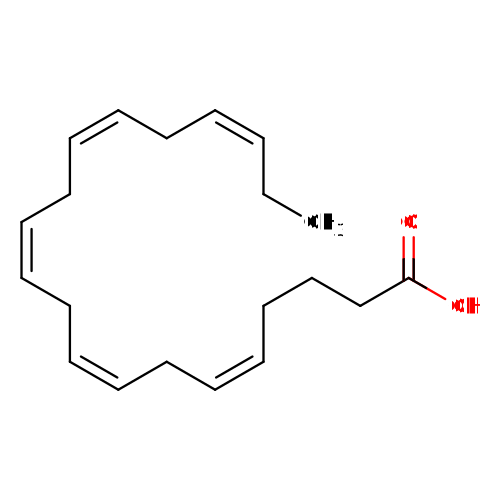
Structure for Icosapent (DB00159)
- Weight
- Average: 302.451
Monoisotopic: 302.224580204 - Chemical Formula
- C20H30O2
- Synonyms
- (5Z,8Z,11Z,14Z,17Z)-5,8,11,14,17-eicosapentaenoic acid
- (5Z,8Z,11Z,14Z,17Z)-Eicosapentaenoate
- (5Z,8Z,11Z,14Z,17Z)-Eicosapentaenoic acid
- (5Z,8Z,11Z,14Z,17Z)-Icosapentaenoic acid
- (all-Z)-5,8,11,14,17-eicosapentaenoic acid
- 5,8,11,14,17-eicosapentaenoic acid
- 5,8,11,14,17-Icosapentaenoic acid
- all-cis-5,8,11,14,17-eicosapentaenoic acid
- all-cis-5,8,11,14,17-icosapentaenoic acid
- all-cis-icosa-5,8,11,14,17-pentaenoic acid
- cis-5,8,11,14,17-eicosapentaenoic acid
- cis-5,8,11,14,17-EPA
- cis-delta(5,8,11,14,17)-Eicosapentaenoic acid
- Eicosapentaenoic acid
- EPA
- Icosapent
- Icosapentaenoic acid
- Icosapento
- Icosapentum
- Timnodonic acid
- External IDs
- EPA 45G

Pharmacology
- Indication
EPA can be used for lowering elevated triglycerides in those who are hyperglyceridemic. In addition, EPA may play a therapeutic role in patients with cystic fibrosis by reducing disease severity and may play a similar role in type 2 diabetics in slowing the progression of diabetic nephropathy.
 Reduce drug development failure ratesBuild, train, & validate machine-learning modelswith evidence-based and structured datasets.Build, train, & validate predictive machine-learning models with structured datasets.
- Associated Therapies
- Contraindications & Blackbox Warnings
 Prevent Adverse Drug Events TodayTap into our Clinical API for life-saving information on contraindications & blackbox warnings, population restrictions, harmful risks, & more.Avoid life-threatening adverse drug events with our Clinical API
- Pharmacodynamics
Eicosanoids are chemical messengers derived from 20-carbon polyunsaturated fatty acids that play critical roles in immune and inflammatory responses. Both 20-carbon omega-6 fatty acids (arachidonic acid) and 20-carbon omega-3 fatty acids (EPA) can be found in cell membranes. During an inflammatory response, arachidonic acid and EPA are metabolized by enzymes known as cyclooxygenases and lipoxygenases to form eicosanoids. Increasing omega-3 fatty acid intake increases the EPA content of cell membranes and decreases the arachidonic acid content, resulting in higher proportions of eicosanoids derived from EPA. Physiologic responses to arachidonic acid-derived eicosanoids differ from responses to EPA-derived eicosanoids. In general, eicosanoids derived from EPA are less potent inducers of inflammation, blood vessel constriction, and clotting than eicosanoids derived from arachidonic acid.
- Mechanism of action
The anti-inflammatory, antithrombotic and immunomodulatory actions of EPA is probably due to its role in eicosanoid physiology and biochemistry. Most eicosanoids are produced by the metabolism of omega-3 fatty acids, specifically, arachidonic acid. These eicosanoids, leukotriene B4 (LTB4) and thromboxane A2 (TXA2) stimulate leukocyte chemotaxis, platelet aggregation and vasoconstriction. They are thrombogenic and artherogenic. On the other hand, EPA is metabolized to leukotriene B5 (LTB5) and thromboxane A3 (TXA3), which are eicosanoids that promote vasodilation, inhibit platelet aggregation and leukocyte chemotaxis and are anti-artherogenic and anti-thrombotic. The triglyceride-lowering effect of EPA results from inhibition of lipogenesis and stimulation of fatty acid oxidation. Fatty acid oxidation of EPA occurs mainly in the mitochondria. EPA is a substrate for Prostaglandin-endoperoxide synthase 1 and 2. It also appears to affect the function and bind to the Carbohydrate responsive element binding protein (ChREBP) and to a fatty acid receptor (G-coupled receptor) known as GP40.
Target Actions Organism AProstaglandin G/H synthase 2 inhibitorHumans AProstaglandin G/H synthase 1 inhibitorHumans APeroxisome proliferator-activated receptor gamma agonistregulatorHumans APeroxisome proliferator-activated receptor delta agonistHumans AFree fatty acid receptor 1 agonistHumans ASodium/calcium exchanger 1 inhibitorHumans AFatty acid-binding protein, brain agonistHumans UFatty acid desaturase 1 agonistHumans ULong-chain-fatty-acid--CoA ligase 4 inducerHumans UTransient receptor potential cation channel subfamily V member 1 inducerHumans UPeroxisome proliferator-activated receptor alpha Not Available Humans UArachidonate 5-lipoxygenase substrateHumans - Absorption
Not Available
- Volume of distribution
Not Available
- Protein binding
Not Available
- Metabolism
- Not Available
- Route of elimination
Not Available
- Half-life
Not Available
- Clearance
Not Available
- Adverse Effects
 Improve decision support & research outcomesWith structured adverse effects data, including: blackbox warnings, adverse reactions, warning & precautions, & incidence rates. View sample adverse effects data in our new Data Library!Improve decision support & research outcomes with our structured adverse effects data.
- Toxicity
Not Available
- Pathways
Pathway Category Alpha Linolenic Acid and Linoleic Acid Metabolism Metabolic - Pharmacogenomic Effects/ADRs
- Not Available
Interactions
- Drug Interactions
- This information should not be interpreted without the help of a healthcare provider. If you believe you are experiencing an interaction, contact a healthcare provider immediately. The absence of an interaction does not necessarily mean no interactions exist.
Drug Interaction Integrate drug-drug
interactions in your softwareAbacavir Icosapent may decrease the excretion rate of Abacavir which could result in a higher serum level. Abciximab The risk or severity of bleeding and hemorrhage can be increased when Icosapent is combined with Abciximab. Acebutolol Icosapent may decrease the antihypertensive activities of Acebutolol. Aceclofenac The risk or severity of adverse effects can be increased when Icosapent is combined with Aceclofenac. Acemetacin The risk or severity of adverse effects can be increased when Icosapent is combined with Acemetacin. - Food Interactions
- No interactions found.
Products
 Drug product information from 10+ global regionsOur datasets provide approved product information including:dosage, form, labeller, route of administration, and marketing period.Access drug product information from over 10 global regions.
- Product Ingredients
Ingredient UNII CAS InChI Key Icosapent sodium 5PXN91KPRO 73167-03-0 RBZYGQJEMWGTOH-RSDXMDNYSA-M - Over the Counter Products
Name Dosage Strength Route Labeller Marketing Start Marketing End Region Image Gel Gel 3 mg/20g Cutaneous Shantou Youjia E-Commerce Co.,Ltd. 2024-02-01 2024-12-31 US 
- Mixture Products
Name Ingredients Dosage Route Labeller Marketing Start Marketing End Region Image FERIMAX FORT ÇİĞNEME TABLETİ, 30 ADET Icosapent (0.35 mg) + Ferric cation (100 mg) Tablet, chewable Oral BİLİM İLAÇ SAN. VE TİC. A.Ş. 2009-12-29 Not applicable Turkey 
FERLOS 100 MG/0.35 MG TABLET, 30 ADET Icosapent (0.35 mg) + Ferric hydroxide (100 mg) Tablet Oral SANTA FARMA İLAÇ SAN. A.Ş. 2006-08-14 Not applicable Turkey FERRO SANOL COMP. KAPSÜL, 30 ADET Icosapent (0.5 mg) + Cyanocobalamin (2.5 µg) + Iron (30 mg) Capsule Oral ADEKA İLAÇ SAN. VE TİC. A.Ş. 1999-08-20 Not applicable Turkey FERRUM HAUSMANN FORT 100 MG/0,35 MG FİLM TABLET, 30 ADET Icosapent (0.35 mg) + Ferric hydroxide (100 mg) Tablet, film coated Oral ABDİ İBRAHİM İLAÇ SAN. VE TİC. A.Ş. 1986-09-29 Not applicable Turkey FOLEX 308MG/350 MCG KAPLI TABLET, 100 ADET Icosapent (350 mcg) + Ferrous fumarate (308 mg) Tablet, film coated Oral ALİ RAİF İLAÇ SAN. A.Ş. 1999-12-09 Not applicable Turkey - Unapproved/Other Products
Name Ingredients Dosage Route Labeller Marketing Start Marketing End Region Image Animi-3 Icosapent (35 mg/1) + Cholecalciferol (1000 [iU]/1) + Cyanocobalamin (500 ug/1) + Doconexent (250 mg/1) + Folic acid (1 mg/1) + Omega-3 fatty acids (500 mg/1) + Pyridoxine hydrochloride (12.5 mg/1) + Soy sterol (200 mg/1) Capsule Oral Pbm Pharmaceuticals Inc. 2011-06-01 Not applicable US Animi-3 with Vitamin D Icosapent (35 mg/1) + Cholecalciferol (1000 [iU]/1) + Cyanocobalamin (500 ug/1) + Doconexent (250 mg/1) + Folic acid (1 mg/1) + Omega-3 fatty acids (500 mg/1) + Pyridoxine hydrochloride (12.5 mg/1) + Soy sterol (200 mg/1) Capsule Oral Pbm Pharmaceuticals Inc. 2011-06-01 Not applicable US BP Vit 3 Icosapent (35 mg/1) + Cyanocobalamin (500 ug/1) + Doconexent (350 mg/1) + Folic acid (1 mg/1) + Omega-3 fatty acids (500 mg/1) + Pyridoxine hydrochloride (12.5 mg/1) + beta-Sitosterol (200 mg/1) Capsule, coated Oral Acella Pharmaceuticals, LLC 2009-04-17 Not applicable US Cavan One Icosapent (40 mg/1) + Calcium (150 mg/1) + Calcium ascorbate dihydrate (25 mg/1) + Cholecalciferol (170 [iU]/1) + DL-alpha tocopheryl acetate (30 [iU]/1) + Doconexent (260 mg/1) + Ferrous asparto glycinate (7 mg/1) + Folic acid (1 mg/1) + Iron (20 mg/1) + Linoleic acid (30 mg/1) + Pyridoxine hydrochloride (25 mg/1) + alpha-Linolenic acid (30 mg/1) Capsule, gelatin coated Oral Seton Pharmaceuticals 2009-10-30 2011-11-27 US CitraNatal Assure Icosapent (0.75 mg/1) + Ascorbic acid (120 mg/1) + Calcium citrate tetrahydrate (125 mg/1) + Cholecalciferol (400 [iU]/1) + Copper (2 mg/1) + Doconexent (300 mg/1) + Docusate sodium (50 mg/1) + Folic acid (1 mg/1) + Iodine (150 ug/1) + Iron (35 mg/1) + Nicotinamide (20 mg/1) + Pyridoxine hydrochloride (25 mg/1) + Riboflavin (3.4 mg/1) + Thiamine chloride (3 mg/1) + Vitamin E (30 [iU]/1) + Zinc (25 mg/1) Kit Oral Mission Pharmacal 2008-11-19 Not applicable US
Categories
- Drug Categories
- Agents causing hyperkalemia
- Agents that produce hypertension
- Anti-Inflammatory Agents
- Anti-Inflammatory Agents, Non-Steroidal
- Anti-Inflammatory Agents, Non-Steroidal (Non-Selective)
- Dietary Fats
- Dietary Fats, Unsaturated
- Dietary Supplements
- Eicosanoids
- Fats
- Fatty Acids
- Fatty Acids, Omega-3
- Fatty Acids, Unsaturated
- Fish Oils
- Hypolipidemic Agents
- Lipids
- Nephrotoxic agents
- Non COX-2 selective NSAIDS
- Oils
- Supplements
- Chemical TaxonomyProvided by Classyfire
- Description
- This compound belongs to the class of organic compounds known as long-chain fatty acids. These are fatty acids with an aliphatic tail that contains between 13 and 21 carbon atoms.
- Kingdom
- Organic compounds
- Super Class
- Lipids and lipid-like molecules
- Class
- Fatty Acyls
- Sub Class
- Fatty acids and conjugates
- Direct Parent
- Long-chain fatty acids
- Alternative Parents
- Unsaturated fatty acids / Straight chain fatty acids / Monocarboxylic acids and derivatives / Carboxylic acids / Organic oxides / Hydrocarbon derivatives / Carbonyl compounds
- Substituents
- Aliphatic acyclic compound / Carbonyl group / Carboxylic acid / Carboxylic acid derivative / Hydrocarbon derivative / Long-chain fatty acid / Monocarboxylic acid or derivatives / Organic oxide / Organic oxygen compound / Organooxygen compound
- Molecular Framework
- Aliphatic acyclic compounds
- External Descriptors
- omega-3 fatty acid, icosapentaenoic acid (CHEBI:28364) / Unsaturated fatty acids, Polyunsaturated fatty acids, Liner triterpenes (C06428) / Unsaturated fatty acids (LMFA01030759)
- Affected organisms
- Humans and other mammals
Chemical Identifiers
- UNII
- AAN7QOV9EA
- CAS number
- 10417-94-4
- InChI Key
- JAZBEHYOTPTENJ-JLNKQSITSA-N
- InChI
- InChI=1S/C20H30O2/c1-2-3-4-5-6-7-8-9-10-11-12-13-14-15-16-17-18-19-20(21)22/h3-4,6-7,9-10,12-13,15-16H,2,5,8,11,14,17-19H2,1H3,(H,21,22)/b4-3-,7-6-,10-9-,13-12-,16-15-
- IUPAC Name
- (5Z,8Z,11Z,14Z,17Z)-icosa-5,8,11,14,17-pentaenoic acid
- SMILES
- CC\C=C/C\C=C/C\C=C/C\C=C/C\C=C/CCCC(O)=O
References
- Synthesis Reference
Akira Seto, Shoko Yamashita, "Method of preparing fatty acid composition containing high concentration of eicosapentaenoic acid." U.S. Patent US4615839, issued March, 1983.
US4615839- General References
- Bays HE, Ballantyne CM, Kastelein JJ, Isaacsohn JL, Braeckman RA, Soni PN: Eicosapentaenoic acid ethyl ester (AMR101) therapy in patients with very high triglyceride levels (from the Multi-center, plAcebo-controlled, Randomized, double-blINd, 12-week study with an open-label Extension [MARINE] trial). Am J Cardiol. 2011 Sep 1;108(5):682-90. doi: 10.1016/j.amjcard.2011.04.015. Epub 2011 Jun 16. [Article]
- External Links
- Human Metabolome Database
- HMDB0001999
- KEGG Drug
- D08061
- KEGG Compound
- C06428
- PubChem Compound
- 446284
- PubChem Substance
- 46506267
- ChemSpider
- 393682
- BindingDB
- 50242349
- 90
- ChEBI
- 28364
- ChEMBL
- CHEMBL460026
- ZINC
- ZINC000004474603
- Therapeutic Targets Database
- DAP000969
- PharmGKB
- PA164746077
- Guide to Pharmacology
- GtP Drug Page
- PDBe Ligand
- EPA
- RxList
- RxList Drug Page
- Drugs.com
- Drugs.com Drug Page
- PDRhealth
- PDRhealth Drug Page
- Wikipedia
- Eicosapentaenoic_acid
- PDB Entries
- 1igx / 3gwx / 3hs6 / 5m0o / 6lxa / 7bq4 / 7wom / 8id9
- FDA label
- Download (173 KB)
- MSDS
- Download (23.2 KB)
Clinical Trials
- Clinical Trials
Phase Status Purpose Conditions Count 4 Completed Prevention Cerebral Vasospasm / Subarachnoid Hemorrhage 1 4 Completed Treatment Barrett's Esophagus / Obesity 1 4 Completed Treatment Coronary Artery Disease Progression 1 4 Completed Treatment Dyskinesia / Schizophrenia 1 4 Unknown Status Prevention Acute Heart Failure (AHF) / Acute Myocardial Infarction (AMI) 1
Pharmacoeconomics
- Manufacturers
- Not Available
- Packagers
- V Sab Medical Labs Inc.
- Dosage Forms
Form Route Strength Capsule Oral Capsule; kit; tablet, coated Oral Kit Oral Tablet Oral Tablet, film coated Oral Tablet 5 mg Gel Oral Gel Cutaneous 3 mg/20g Solution Intravenous Gel Cutaneous Capsule, gelatin coated Oral Capsule, gelatin coated; kit; tablet Oral Emulsion Parenteral Injection, emulsion Intravenous Tablet, coated Oral Capsule, coated pellets Oral 4000 mg/21 Capsule, liquid filled Oral Capsule, coated Oral Powder, for solution Intramuscular; Intravenous Tablet, chewable Oral - Prices
- Not Available
- Patents
- Not Available
Properties
- State
- Liquid
- Experimental Properties
Property Value Source logP 6.1 Not Available - Predicted Properties
Property Value Source Water Solubility 0.000289 mg/mL ALOGPS logP 6.53 ALOGPS logP 6.23 Chemaxon logS -6 ALOGPS pKa (Strongest Acidic) 4.82 Chemaxon Physiological Charge -1 Chemaxon Hydrogen Acceptor Count 2 Chemaxon Hydrogen Donor Count 1 Chemaxon Polar Surface Area 37.3 Å2 Chemaxon Rotatable Bond Count 13 Chemaxon Refractivity 101.07 m3·mol-1 Chemaxon Polarizability 35.93 Å3 Chemaxon Number of Rings 0 Chemaxon Bioavailability 0 Chemaxon Rule of Five No Chemaxon Ghose Filter No Chemaxon Veber's Rule No Chemaxon MDDR-like Rule No Chemaxon - Predicted ADMET Features
Property Value Probability Human Intestinal Absorption + 0.9896 Blood Brain Barrier + 0.9314 Caco-2 permeable + 0.7735 P-glycoprotein substrate Non-substrate 0.6766 P-glycoprotein inhibitor I Non-inhibitor 0.9499 P-glycoprotein inhibitor II Non-inhibitor 0.9025 Renal organic cation transporter Non-inhibitor 0.9311 CYP450 2C9 substrate Non-substrate 0.7735 CYP450 2D6 substrate Non-substrate 0.9081 CYP450 3A4 substrate Non-substrate 0.6884 CYP450 1A2 substrate Inhibitor 0.6915 CYP450 2C9 inhibitor Non-inhibitor 0.8798 CYP450 2D6 inhibitor Non-inhibitor 0.9631 CYP450 2C19 inhibitor Non-inhibitor 0.9638 CYP450 3A4 inhibitor Non-inhibitor 0.9465 CYP450 inhibitory promiscuity Low CYP Inhibitory Promiscuity 0.9426 Ames test Non AMES toxic 0.9132 Carcinogenicity Non-carcinogens 0.6502 Biodegradation Ready biodegradable 0.7808 Rat acute toxicity 1.4499 LD50, mol/kg Not applicable hERG inhibition (predictor I) Weak inhibitor 0.8818 hERG inhibition (predictor II) Non-inhibitor 0.9315
Spectra
- Mass Spec (NIST)
- Not Available
- Spectra
- Chromatographic Properties
Collision Cross Sections (CCS)
Adduct CCS Value (Å2) Source type Source [M-H]- 223.8799164 predictedDarkChem Lite v0.1.0 [M-H]- 181.5076221 predictedDarkChem Standard v0.1.0 [M-H]- 224.0545164 predictedDarkChem Lite v0.1.0 [M-H]- 224.3455164 predictedDarkChem Lite v0.1.0 [M-H]- 185.311 predictedDeepCCS 1.0 (2019) [M-H]- 223.8799164 predictedDarkChem Lite v0.1.0 [M-H]- 181.5076221 predictedDarkChem Standard v0.1.0 [M-H]- 224.0545164 predictedDarkChem Lite v0.1.0 [M-H]- 224.3455164 predictedDarkChem Lite v0.1.0 [M-H]- 185.311 predictedDeepCCS 1.0 (2019) [M+H]+ 187.66899 predictedDeepCCS 1.0 (2019) [M+H]+ 187.66899 predictedDeepCCS 1.0 (2019) [M+Na]+ 193.76216 predictedDeepCCS 1.0 (2019) [M+Na]+ 193.76216 predictedDeepCCS 1.0 (2019)
Targets

- Kind
- Protein
- Organism
- Humans
- Pharmacological action
- Yes
- Actions
- Inhibitor
- General Function
- Prostaglandin-endoperoxide synthase activity
- Specific Function
- Converts arachidonate to prostaglandin H2 (PGH2), a committed step in prostanoid synthesis. Constitutively expressed in some tissues in physiological conditions, such as the endothelium, kidney and...
- Gene Name
- PTGS2
- Uniprot ID
- P35354
- Uniprot Name
- Prostaglandin G/H synthase 2
- Molecular Weight
- 68995.625 Da
References
- Lee JY, Plakidas A, Lee WH, Heikkinen A, Chanmugam P, Bray G, Hwang DH: Differential modulation of Toll-like receptors by fatty acids: preferential inhibition by n-3 polyunsaturated fatty acids. J Lipid Res. 2003 Mar;44(3):479-86. Epub 2002 Dec 1. [Article]
- Ait-Said F, Elalamy I, Werts C, Gomard MT, Jacquemin C, Couetil JP, Hatmi M: Inhibition by eicosapentaenoic acid of IL-1beta-induced PGHS-2 expression in human microvascular endothelial cells: involvement of lipoxygenase-derived metabolites and p38 MAPK pathway. Biochim Biophys Acta. 2003 Feb 20;1631(1):77-84. [Article]
- Machida T, Hiramatsu M, Hamaue N, Minami M, Hirafuji M: Docosahexaenoic acid enhances cyclooxygenase-2 induction by facilitating p44/42, but not p38, mitogen-activated protein kinase activation in rat vascular smooth muscle cells. J Pharmacol Sci. 2005 Sep;99(1):113-6. Epub 2005 Sep 1. [Article]
- Das UN: Can COX-2 inhibitor-induced increase in cardiovascular disease risk be modified by essential fatty acids? J Assoc Physicians India. 2005 Jul;53:623-7. [Article]
- Chene G, Dubourdeau M, Balard P, Escoubet-Lozach L, Orfila C, Berry A, Bernad J, Aries MF, Charveron M, Pipy B: n-3 and n-6 polyunsaturated fatty acids induce the expression of COX-2 via PPARgamma activation in human keratinocyte HaCaT cells. Biochim Biophys Acta. 2007 May;1771(5):576-89. Epub 2007 Mar 16. [Article]
- Vecchio AJ, Simmons DM, Malkowski MG: Structural basis of fatty acid substrate binding to cyclooxygenase-2. J Biol Chem. 2010 Jul 16;285(29):22152-63. doi: 10.1074/jbc.M110.119867. Epub 2010 May 12. [Article]
- Kind
- Protein
- Organism
- Humans
- Pharmacological action
- Yes
- Actions
- Inhibitor
- General Function
- Prostaglandin-endoperoxide synthase activity
- Specific Function
- Converts arachidonate to prostaglandin H2 (PGH2), a committed step in prostanoid synthesis. Involved in the constitutive production of prostanoids in particular in the stomach and platelets. In gas...
- Gene Name
- PTGS1
- Uniprot ID
- P23219
- Uniprot Name
- Prostaglandin G/H synthase 1
- Molecular Weight
- 68685.82 Da
References
- Malkowski MG, Thuresson ED, Lakkides KM, Rieke CJ, Micielli R, Smith WL, Garavito RM: Structure of eicosapentaenoic and linoleic acids in the cyclooxygenase site of prostaglandin endoperoxide H synthase-1. J Biol Chem. 2001 Oct 5;276(40):37547-55. Epub 2001 Jul 27. [Article]
- Machida T, Hiramatsu M, Hamaue N, Minami M, Hirafuji M: Docosahexaenoic acid enhances cyclooxygenase-2 induction by facilitating p44/42, but not p38, mitogen-activated protein kinase activation in rat vascular smooth muscle cells. J Pharmacol Sci. 2005 Sep;99(1):113-6. Epub 2005 Sep 1. [Article]
- Das UN: COX-2 inhibitors and metabolism of essential fatty acids. Med Sci Monit. 2005 Jul;11(7):RA233-7. Epub 2005 Jun 29. [Article]
- Das UN: Can COX-2 inhibitor-induced increase in cardiovascular disease risk be modified by essential fatty acids? J Assoc Physicians India. 2005 Jul;53:623-7. [Article]
- Yang P, Chan D, Felix E, Cartwright C, Menter DG, Madden T, Klein RD, Fischer SM, Newman RA: Formation and antiproliferative effect of prostaglandin E(3) from eicosapentaenoic acid in human lung cancer cells. J Lipid Res. 2004 Jun;45(6):1030-9. Epub 2004 Mar 1. [Article]
- Vecchio AJ, Simmons DM, Malkowski MG: Structural basis of fatty acid substrate binding to cyclooxygenase-2. J Biol Chem. 2010 Jul 16;285(29):22152-63. doi: 10.1074/jbc.M110.119867. Epub 2010 May 12. [Article]
- Lee JY, Plakidas A, Lee WH, Heikkinen A, Chanmugam P, Bray G, Hwang DH: Differential modulation of Toll-like receptors by fatty acids: preferential inhibition by n-3 polyunsaturated fatty acids. J Lipid Res. 2003 Mar;44(3):479-86. Epub 2002 Dec 1. [Article]
- Kind
- Protein
- Organism
- Humans
- Pharmacological action
- Yes
- Actions
- AgonistRegulator
- General Function
- Zinc ion binding
- Specific Function
- Nuclear receptor that binds peroxisome proliferators such as hypolipidemic drugs and fatty acids. Once activated by a ligand, the nuclear receptor binds to DNA specific PPAR response elements (PPRE...
- Gene Name
- PPARG
- Uniprot ID
- P37231
- Uniprot Name
- Peroxisome proliferator-activated receptor gamma
- Molecular Weight
- 57619.58 Da
References
- Chambrier C, Bastard JP, Rieusset J, Chevillotte E, Bonnefont-Rousselot D, Therond P, Hainque B, Riou JP, Laville M, Vidal H: Eicosapentaenoic acid induces mRNA expression of peroxisome proliferator-activated receptor gamma. Obes Res. 2002 Jun;10(6):518-25. [Article]
- Selvaraj RK, Klasing KC: Lutein and eicosapentaenoic acid interact to modify iNOS mRNA levels through the PPARgamma/RXR pathway in chickens and HD11 cell lines. J Nutr. 2006 Jun;136(6):1610-6. [Article]
- Iwata Y, Miyamoto S, Takamura M, Yanagisawa H, Kasuya A: Interaction between peroxisome proliferator-activated receptor gamma and its agonists: docking study of oximes having 5-benzyl-2,4-thiazolidinedione. J Mol Graph Model. 2001;19(6):536-42, 598-600. [Article]
- Horia E, Watkins BA: Complementary actions of docosahexaenoic acid and genistein on COX-2, PGE2 and invasiveness in MDA-MB-231 breast cancer cells. Carcinogenesis. 2007 Apr;28(4):809-15. Epub 2006 Oct 19. [Article]
- Ramakers JD, Mensink RP, Schaart G, Plat J: Arachidonic acid but not eicosapentaenoic acid (EPA) and oleic acid activates NF-kappaB and elevates ICAM-1 expression in Caco-2 cells. Lipids. 2007 Aug;42(8):687-98. Epub 2007 Jul 3. [Article]
- Li H, Ruan XZ, Powis SH, Fernando R, Mon WY, Wheeler DC, Moorhead JF, Varghese Z: EPA and DHA reduce LPS-induced inflammation responses in HK-2 cells: evidence for a PPAR-gamma-dependent mechanism. Kidney Int. 2005 Mar;67(3):867-74. [Article]
- Kind
- Protein
- Organism
- Humans
- Pharmacological action
- Yes
- Actions
- Agonist
- General Function
- Zinc ion binding
- Specific Function
- Ligand-activated transcription factor. Receptor that binds peroxisome proliferators such as hypolipidemic drugs and fatty acids. Has a preference for poly-unsaturated fatty acids, such as gamma-lin...
- Gene Name
- PPARD
- Uniprot ID
- Q03181
- Uniprot Name
- Peroxisome proliferator-activated receptor delta
- Molecular Weight
- 49902.99 Da
References
- Iwata Y, Miyamoto S, Takamura M, Yanagisawa H, Kasuya A: Interaction between peroxisome proliferator-activated receptor gamma and its agonists: docking study of oximes having 5-benzyl-2,4-thiazolidinedione. J Mol Graph Model. 2001;19(6):536-42, 598-600. [Article]
- Xu HE, Lambert MH, Montana VG, Parks DJ, Blanchard SG, Brown PJ, Sternbach DD, Lehmann JM, Wisely GB, Willson TM, Kliewer SA, Milburn MV: Molecular recognition of fatty acids by peroxisome proliferator-activated receptors. Mol Cell. 1999 Mar;3(3):397-403. [Article]
- Kondo H, Misaki R, Gelman L, Watabe S: Ligand-dependent transcriptional activities of four torafugu pufferfish Takifugu rubripes peroxisome proliferator-activated receptors. Gen Comp Endocrinol. 2007 Oct-Dec;154(1-3):120-7. Epub 2007 Jun 12. [Article]
- Inoue I, Shino K, Noji S, Awata T, Katayama S: Expression of peroxisome proliferator-activated receptor alpha (PPAR alpha) in primary cultures of human vascular endothelial cells. Biochem Biophys Res Commun. 1998 May 19;246(2):370-4. [Article]
- Caldari-Torres C, Rodriguez-Sallaberry C, Greene ES, Badinga L: Differential effects of n-3 and n-6 fatty acids on prostaglandin F2alpha production by bovine endometrial cells. J Dairy Sci. 2006 Mar;89(3):971-7. [Article]
- Kind
- Protein
- Organism
- Humans
- Pharmacological action
- Yes
- Actions
- Agonist
- General Function
- Lipid binding
- Specific Function
- G-protein coupled receptor for medium and long chain saturated and unsaturated fatty acids that plays an important role in glucose homeostasis. Fatty acid binding increases glucose-stimulated insul...
- Gene Name
- FFAR1
- Uniprot ID
- O14842
- Uniprot Name
- Free fatty acid receptor 1
- Molecular Weight
- 31456.645 Da
References
- Itoh Y, Hinuma S: GPR40, a free fatty acid receptor on pancreatic beta cells, regulates insulin secretion. Hepatol Res. 2005 Oct;33(2):171-3. Epub 2005 Oct 6. [Article]
- Kind
- Protein
- Organism
- Humans
- Pharmacological action
- Yes
- Actions
- Inhibitor
- General Function
- Ion channel binding
- Specific Function
- Mediates the exchange of one Ca(2+) ion against three to four Na(+) ions across the cell membrane, and thereby contributes to the regulation of cytoplasmic Ca(2+) levels and Ca(2+)-dependent cellul...
- Gene Name
- SLC8A1
- Uniprot ID
- P32418
- Uniprot Name
- Sodium/calcium exchanger 1
- Molecular Weight
- 108546.06 Da
References
- Xiao YF, Ke Q, Chen Y, Morgan JP, Leaf A: Inhibitory effect of n-3 fish oil fatty acids on cardiac Na+/Ca2+ exchange currents in HEK293t cells. Biochem Biophys Res Commun. 2004 Aug 13;321(1):116-23. [Article]
- Kind
- Protein
- Organism
- Humans
- Pharmacological action
- Yes
- Actions
- Agonist
- General Function
- Transporter activity
- Specific Function
- B-FABP could be involved in the transport of a so far unknown hydrophobic ligand with potential morphogenic activity during CNS development. It is required for the establishment of the radial glial...
- Gene Name
- FABP7
- Uniprot ID
- O15540
- Uniprot Name
- Fatty acid-binding protein, brain
- Molecular Weight
- 14888.855 Da
References
- Balendiran GK, Schnutgen F, Scapin G, Borchers T, Xhong N, Lim K, Godbout R, Spener F, Sacchettini JC: Crystal structure and thermodynamic analysis of human brain fatty acid-binding protein. J Biol Chem. 2000 Sep 1;275(35):27045-54. [Article]
- Liu YE, Pu W, Wang J, Kang JX, Shi YE: Activation of Stat5 and induction of a pregnancy-like mammary gland differentiation by eicosapentaenoic and docosapentaenoic omega-3 fatty acids. FEBS J. 2007 Jul;274(13):3351-62. Epub 2007 Jun 5. [Article]
- Kind
- Protein
- Organism
- Humans
- Pharmacological action
- Unknown
- Actions
- Agonist
- General Function
- Oxidoreductase activity
- Specific Function
- Isoform 2 does not exhibit any catalytic activity toward 20:3n-6, but it may enhance FADS2 activity (By similarity). Isoform 1 is a component of a lipid metabolic pathway that catalyzes biosynthesi...
- Gene Name
- FADS1
- Uniprot ID
- O60427
- Uniprot Name
- Fatty acid desaturase 1
- Molecular Weight
- 51963.945 Da
References
- Barham JB, Edens MB, Fonteh AN, Johnson MM, Easter L, Chilton FH: Addition of eicosapentaenoic acid to gamma-linolenic acid-supplemented diets prevents serum arachidonic acid accumulation in humans. J Nutr. 2000 Aug;130(8):1925-31. [Article]
- Navarro E, Esteve M, Olive A, Klaassen J, Cabre E, Tena X, Fernandez-Banares F, Pastor C, Gassull MA: Abnormal fatty acid pattern in rheumatoid arthritis. A rationale for treatment with marine and botanical lipids. J Rheumatol. 2000 Feb;27(2):298-303. [Article]
- Engler MM, Bellenger-Germain SH, Engler MB, Narce MM, Poisson JP: Dietary docosahexaenoic acid affects stearic acid desaturation in spontaneously hypertensive rats. Lipids. 2000 Sep;35(9):1011-5. [Article]
- Chavali SR, Zhong WW, Forse RA: Dietary alpha-linolenic acid increases TNF-alpha, and decreases IL-6, IL-10 in response to LPS: effects of sesamin on the delta-5 desaturation of omega6 and omega3 fatty acids in mice. Prostaglandins Leukot Essent Fatty Acids. 1998 Mar;58(3):185-91. [Article]
- Watts JL, Browse J: Isolation and characterization of a Delta 5-fatty acid desaturase from Caenorhabditis elegans. Arch Biochem Biophys. 1999 Feb 1;362(1):175-82. [Article]
- Kind
- Protein
- Organism
- Humans
- Pharmacological action
- Unknown
- Actions
- Inducer
- General Function
- Very long-chain fatty acid-coa ligase activity
- Specific Function
- Activation of long-chain fatty acids for both synthesis of cellular lipids, and degradation via beta-oxidation. Preferentially uses arachidonate and eicosapentaenoate as substrates.
- Gene Name
- ACSL4
- Uniprot ID
- O60488
- Uniprot Name
- Long-chain-fatty-acid--CoA ligase 4
- Molecular Weight
- 79187.38 Da
References
- Heimli H, Hollung K, Drevon CA: Eicosapentaenoic acid-induced apoptosis depends on acyl CoA-synthetase. Lipids. 2003 Mar;38(3):263-8. [Article]
- Covault J, Pettinati H, Moak D, Mueller T, Kranzler HR: Association of a long-chain fatty acid-CoA ligase 4 gene polymorphism with depression and with enhanced niacin-induced dermal erythema. Am J Med Genet B Neuropsychiatr Genet. 2004 May 15;127B(1):42-7. [Article]
- Kind
- Protein
- Organism
- Humans
- Pharmacological action
- Unknown
- Actions
- Inducer
- General Function
- Transmembrane signaling receptor activity
- Specific Function
- Ligand-activated non-selective calcium permeant cation channel involved in detection of noxious chemical and thermal stimuli. Seems to mediate proton influx and may be involved in intracellular aci...
- Gene Name
- TRPV1
- Uniprot ID
- Q8NER1
- Uniprot Name
- Transient receptor potential cation channel subfamily V member 1
- Molecular Weight
- 94955.33 Da
References
- Matta JA, Miyares RL, Ahern GP: TRPV1 is a novel target for omega-3 polyunsaturated fatty acids. J Physiol. 2007 Jan 15;578(Pt 2):397-411. Epub 2006 Oct 12. [Article]
- Kind
- Protein
- Organism
- Humans
- Pharmacological action
- Unknown
- General Function
- Zinc ion binding
- Specific Function
- Ligand-activated transcription factor. Key regulator of lipid metabolism. Activated by the endogenous ligand 1-palmitoyl-2-oleoyl-sn-glycerol-3-phosphocholine (16:0/18:1-GPC). Activated by oleyleth...
- Gene Name
- PPARA
- Uniprot ID
- Q07869
- Uniprot Name
- Peroxisome proliferator-activated receptor alpha
- Molecular Weight
- 52224.595 Da
References
- Murakami K, Ide T, Suzuki M, Mochizuki T, Kadowaki T: Evidence for direct binding of fatty acids and eicosanoids to human peroxisome proliferators-activated receptor alpha. Biochem Biophys Res Commun. 1999 Jul 14;260(3):609-13. [Article]
- Kind
- Protein
- Organism
- Humans
- Pharmacological action
- Unknown
- Actions
- Substrate
- General Function
- Iron ion binding
- Specific Function
- Catalyzes the first step in leukotriene biosynthesis, and thereby plays a role in inflammatory processes.
- Gene Name
- ALOX5
- Uniprot ID
- P09917
- Uniprot Name
- Arachidonate 5-lipoxygenase
- Molecular Weight
- 77982.595 Da
References
- Austen KF: The role of arachidonic acid metabolites in local and systemic inflammatory processes. Drugs. 1987;33 Suppl 1:10-7. doi: 10.2165/00003495-198700331-00004. [Article]
Carriers
- Kind
- Protein
- Organism
- Humans
- Pharmacological action
- No
- Actions
- Binder
- General Function
- Toxic substance binding
- Specific Function
- Serum albumin, the main protein of plasma, has a good binding capacity for water, Ca(2+), Na(+), K(+), fatty acids, hormones, bilirubin and drugs. Its main function is the regulation of the colloid...
- Gene Name
- ALB
- Uniprot ID
- P02768
- Uniprot Name
- Serum albumin
- Molecular Weight
- 69365.94 Da
References
- Pavicevic ID, Jovanovic VB, Takic MM, Penezic AZ, Acimovic JM, Mandic LM: Fatty acids binding to human serum albumin: Changes of reactivity and glycation level of Cysteine-34 free thiol group with methylglyoxal. Chem Biol Interact. 2014 Dec 5;224:42-50. doi: 10.1016/j.cbi.2014.10.008. Epub 2014 Oct 17. [Article]

Drug created at June 13, 2005 13:24 / Updated at April 26, 2024 04:07