Identification
- Summary
Folic acid is a nutrient used to treat megaloblastic anemia and is found in many supplements.
- Brand Names
- Animi-3 With Vitamin D, Citranatal B-calm Kit, Citranatal Harmony, Concept Ob, EnBrace HR, EnLyte, Ferralet 90, Folbic, Foltabs, Hematogen, Infuvite, Infuvite Pediatric, Irospan 24/6 Kit, Magnebind 400 Rx, Mvc-fluoride, Mvi Pediatric, Natafort, Nicomide, Pregvit, Tandem Plus, Vitafol-one
- Generic Name
- Folic acid
- DrugBank Accession Number
- DB00158
- Background
Folic acid, also known as folate or Vitamin B9, is a member of the B vitamin family and an essential cofactor for enzymes involved in DNA and RNA synthesis. More specifically, folic acid is required by the body for the synthesis of purines, pyrimidines, and methionine before incorporation into DNA or protein. Folic acid is particularly important during phases of rapid cell division, such as infancy, pregnancy, and erythropoiesis, and plays a protective factor in the development of cancer. As humans are unable to synthesize folic acid endogenously, diet and supplementation is necessary to prevent deficiencies. For example, folic acid is present in green vegetables, beans, avocado, and some fruits.9
In order to function within the body, folic acid must first be reduced by the enzyme dihydrofolate reductase (DHFR) into the cofactors dihydrofolate (DHF) and tetrahydrofolate (THF). This important pathway, which is required for de novo synthesis of nucleic acids and amino acids, is disrupted by anti-metabolite therapies such as Methotrexate as they function as DHFR inhibitors to prevent DNA synthesis in rapidly dividing cells, and therefore prevent the formation of DHF and THF. When used in high doses such as for cancer therapy, or in low doses such as for Rheumatoid Arthritis or psoriasis, Methotrexate impedes the body's ability to create folic acid. This results in a deficiency of coenzymes and a resultant buildup of toxic substances that are responsible for numerous adverse side effects. As a result, supplementation with 1-5mg of folic acid is recommended to prevent deficiency and a number of side effects associated with MTX therapy including mouth ulcers and gastrointestinal irritation. Leucovorin (also known as folinic acid) supplementation is typically used for high-dose MTX regimens for the treatment of cancer. Levoleucovorin and leucovorin are analogs of tetrahydrofolate (THF) and are able to bypass DHFR reduction to act as a cellular replacement for the co-factor THF.
There are also several antiepileptic drugs (AEDs) that are associated with reduced serum and red blood cell folate, including Carbamazepine (CBZ), Phenytoin (PHT), or barbiturates.7 Folic acid is therefore often provided as supplementation to individuals using these medications, particularly to women of child-bearing age.
Inadequate folate levels can result in a number of health concerns including cardiovascular disease, megaloblastic anemias, cognitive deficiencies, and neural tube defects (NTDs). Folic acid is typically supplemented during pregnancy to prevent the development of NTDs and in individuals with alcoholism to prevent the development of neurological disorders, for example.
- Type
- Small Molecule
- Groups
- Approved, Nutraceutical, Vet approved
- Structure
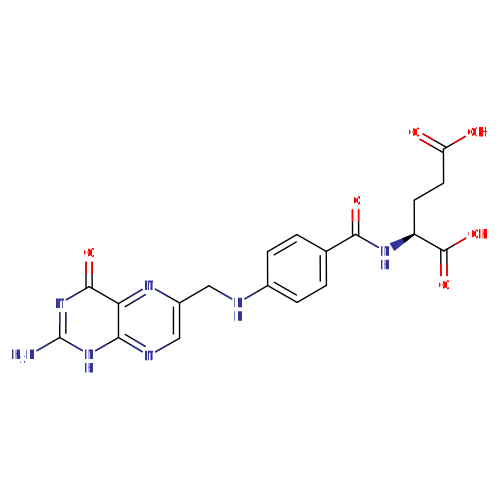
Structure for Folic acid (DB00158)
- Weight
- Average: 441.3975
Monoisotopic: 441.139681375 - Chemical Formula
- C19H19N7O6
- Synonyms
- Acide folique
- ácido fólico
- Acidum folicum
- Folacin
- Folate
- Folic acid
- Folsäure
- N-[(4-{[(2-amino-4-oxo-1,4-dihydropteridin-6-yl)methyl]amino}phenyl)carbonyl]-L-glutamic acid
- N-pteroyl-L-glutamic acid
- PGA
- PteGlu
- Pteroyl-L-glutamate
- Pteroyl-L-glutamic acid
- Pteroyl-L-monoglutamic acid
- Pteroylglutamic acid
- Vitamin B9
- Vitamin Bc
- Vitamin M
- External IDs
- NSC-3073

Pharmacology
- Indication
Folic acid is indicated for the treatment of folic acid deficiency, megaloblastic anemia, and in anemias of nutritional origins, pregnancy, infancy, or childhood.
 Reduce drug development failure ratesBuild, train, & validate machine-learning modelswith evidence-based and structured datasets.Build, train, & validate predictive machine-learning models with structured datasets.
- Associated Conditions
Indication Type Indication Combined Product Details Approval Level Age Group Patient Characteristics Dose Form Used in combination to treat Anaemia folate deficiency Combination Product in combination with: Ferrous sulfate anhydrous (DB13257) •••••••••••• ••••••• ••••••• ••••••• •••••••• ••••••• Used in combination to prevent Anaemia folate deficiency Combination Product in combination with: Ferrous sulfate anhydrous (DB13257) •••••••••••• ••••••• ••••••• ••••••• •••••••• ••••••• Used in combination to treat Folate deficiency Combination Product in combination with: Ferrous sulfate anhydrous (DB13257) •••••••••••• ••••••••••••• ••••••• ••••••• ••••••• •••••••• ••••••• Used in combination to treat Folate deficiency Combination Product in combination with: Ferrous sulfate anhydrous (DB13257) •••••••••••• ••••••••• ••••••• ••••••• ••••••• •••••••• ••••••• Used in combination to treat Folate deficiency Combination Product in combination with: Ferrous sulfate anhydrous (DB13257) •••••••••••• •••••••••• ••••• ••••••• ••••••• ••••••• •••••••• ••••••• - Associated Therapies
- Contraindications & Blackbox Warnings
 Prevent Adverse Drug Events TodayTap into our Clinical API for life-saving information on contraindications & blackbox warnings, population restrictions, harmful risks, & more.Avoid life-threatening adverse drug events with our Clinical API
- Pharmacodynamics
Folic acid is a water-soluble B-complex vitamin found in foods such as liver, kidney, yeast, and leafy, green vegetables. Also known as folate or Vitamin B9, folic acid is an essential cofactor for enzymes involved in DNA and RNA synthesis. More specifically, folic acid is required by the body for the synthesis of purines, pyrimidines, and methionine before incorporation into DNA or protein. Folic acid is the precursor of tetrahydrofolic acid, which is involved as a cofactor for transformylation reactions in the biosynthesis of purines and thymidylates of nucleic acids. Impairment of thymidylate synthesis in patients with folic acid deficiency is thought to account for the defective deoxyribonucleic acid (DNA) synthesis that leads to megaloblast formation and megaloblastic and macrocytic anemias. Folic acid is particularly important during phases of rapid cell division, such as infancy, pregnancy, and erythropoiesis, and plays a protective factor in the development of cancer. As humans are unable to synthesize folic acid endogenously, diet and supplementation is necessary to prevent deficiencies. In order to function properly within the body, folic acid must first be reduced by the enzyme dihydrofolate reductase (DHFR) into the cofactors dihydrofolate (DHF) and tetrahydrofolate (THF). This important pathway, which is required for de novo synthesis of nucleic acids and amino acids, is disrupted by anti-metabolite therapies such as Methotrexate as they function as DHFR inhibitors to prevent DNA synthesis in rapidly dividing cells, and therefore prevent the formation of DHF and THF.
In general, folate serum levels below 5 ng/mL indicate folate deficiency, and levels below 2 ng/mL usually result in megaloblastic anemia.
- Mechanism of action
Folic acid, as it is biochemically inactive, is converted to tetrahydrofolic acid and methyltetrahydrofolate by dihydrofolate reductase (DHFR). These folic acid congeners are transported across cells by receptor-mediated endocytosis where they are needed to maintain normal erythropoiesis, synthesize purine and thymidylate nucleic acids, interconvert amino acids, methylate tRNA, and generate and use formate. Using vitamin B12 as a cofactor, folic acid can normalize high homocysteine levels by remethylation of homocysteine to methionine via methionine synthetase.
Target Actions Organism UFolate receptor gamma binderHumans UFolate receptor beta binderHumans UFolate receptor alpha Not Available Humans - Absorption
Folic acid is absorbed rapidly from the small intestine, primarily from the proximal portion. Naturally occurring conjugated folates are reduced enzymatically to folic acid in the gastrointestinal tract prior to absorption. Folic acid appears in the plasma approximately 15 to 30 minutes after an oral dose; peak levels are generally reached within 1 hour.Label
- Volume of distribution
Tetrahydrofolic acid derivatives are distributed to all body tissues but are stored primarily in the liver.
- Protein binding
Very high to plasma protein
- Metabolism
Folic acid is metabolized in the liver into the cofactors dihydrofolate (DHF) and tetrahydrofolate (THF) by the enzyme dihydrofolate reductase (DHFR).
Hover over products below to view reaction partners
- Route of elimination
After a single oral dose of 100 mcg of folic acid in a limited number of normal adults, only a trace amount of the drug appeared in the urine. An oral dose of 5 mg in 1 study and a dose of 40 mcg/kg of body weight in another study resulted in approximately 50% of the dose appearing in the urine. After a single oral dose of 15 mg, up to 90% of the dose was recovered in the urine. A majority of the metabolic products appeared in the urine after 6 hours; excretion was generally complete within 24 hours. Small amounts of orally administered folic acid have also been recovered in the feces. Folic acid is also excreted in the milk of lactating mothers.
- Half-life
Not Available
- Clearance
Not Available
- Adverse Effects
 Improve decision support & research outcomesWith structured adverse effects data, including: blackbox warnings, adverse reactions, warning & precautions, & incidence rates. View sample adverse effects data in our new Data Library!Improve decision support & research outcomes with our structured adverse effects data.
- Toxicity
IPR-MUS LD50 85 mg/kg,IVN-GPG LD50 120 mg/kg, IVN-MUS LD50 239 mg/kg, IVN-RAT LD50 500 mg/kg, IVN-RBT LD50 410 mg/kg
- Pathways
Pathway Category Methylenetetrahydrofolate Reductase Deficiency (MTHFRD) Disease Folate Metabolism Metabolic Methotrexate Action Pathway Drug action Folate Malabsorption, Hereditary Disease - Pharmacogenomic Effects/ADRs
- Not Available
Interactions
- Drug Interactions
- This information should not be interpreted without the help of a healthcare provider. If you believe you are experiencing an interaction, contact a healthcare provider immediately. The absence of an interaction does not necessarily mean no interactions exist.
Drug Interaction Integrate drug-drug
interactions in your softwareAbacavir Folic acid may decrease the excretion rate of Abacavir which could result in a higher serum level. Abemaciclib Abemaciclib may decrease the excretion rate of Folic acid which could result in a higher serum level. Aceclofenac Aceclofenac may decrease the excretion rate of Folic acid which could result in a higher serum level. Acemetacin Acemetacin may decrease the excretion rate of Folic acid which could result in a higher serum level. Acetaminophen Folic acid may decrease the excretion rate of Acetaminophen which could result in a higher serum level. - Food Interactions
- No interactions found.
Products
 Drug product information from 10+ global regionsOur datasets provide approved product information including:dosage, form, labeller, route of administration, and marketing period.Access drug product information from over 10 global regions.
- Product Ingredients
Ingredient UNII CAS InChI Key Folate sodium 9P9W8GGU78 6484-89-5 SWIRFWUEJODNRG-CURYUGHLSA-L - Product Images
- International/Other Brands
- Acfol (Cazi) / Fefol (GlaxoSmithKline)
- Brand Name Prescription Products
Name Dosage Strength Route Labeller Marketing Start Marketing End Region Image Acide Folique 5 Tab Tablet 5 mg Oral Pro Doc Limitee 1982-12-31 2010-07-13 Canada 
Folic Acid Tablet 1 mg/1 Oral Mutual Pharmaceutical 2006-09-20 Not applicable US 
Folic Acid Tablet 1 mg/1 Oral Apace Packaging 2009-12-23 Not applicable US Folic Acid Tablet 5 mg Oral Aa Pharma Inc 1978-12-31 Not applicable Canada Folic Acid Tablet 1 mg/1 Oral West Ward Pharmaceutical 2007-05-28 Not applicable US - Generic Prescription Products
Name Dosage Strength Route Labeller Marketing Start Marketing End Region Image Folic Acid Tablet 1 mg/1 Oral Athem 2021-02-15 Not applicable US Folic Acid Tablet 1 mg/1 Oral Aphena Pharma Solutions - Tennessee, LLC 2018-02-09 Not applicable US Folic Acid Tablet 1 mg/1 Oral Nucare Pharmaceuticals, Inc. 2009-01-12 Not applicable US Folic acid Tablet 1 mg/1 Oral Preferred Pharmaceuticals Inc. 2020-03-06 Not applicable US Folic Acid Tablet 1 mg/1 Oral Major 2009-12-02 2012-09-30 US - Over the Counter Products
Name Dosage Strength Route Labeller Marketing Start Marketing End Region Image AXCEL FOLIC ACID TABLET Tablet Oral KOTRA PHARMA (M) SDN. BHD. 2020-09-08 Not applicable Malaysia 
Duafolic 5mg Tablet Tablet 5 mg Oral DUOPHARMA MANUFACTURING (BANGI) SDN BHD 2020-09-08 Not applicable Malaysia F - MIN Tablet 5 mg Oral บริษัท พาตาร์แลบ (2517) จำกัด จำกัด 2014-05-08 Not applicable Thailand 
Folic Acid Capsule 1 mg / cap Oral Sisu Inc. 1999-08-03 2006-07-31 Canada Folic Acid (1mg Tablet) Tablet 1 mg / tab Oral Stanley Pharmaceuticals, A Division Of Vita Health Products Inc. 1997-10-10 2002-07-31 Canada - Mixture Products
Name Ingredients Dosage Route Labeller Marketing Start Marketing End Region Image 24 Multivitamins + Minerals Folic acid (.8 mg) + Ascorbic acid (150 mg) + Beta carotene (10000 unit) + Biotin (25 mcg) + Calcium (130 mg) + Cholecalciferol (400 unit) + Choline bitartrate (25 mg) + Chromium (20 mcg) + Copper (1 mg) + Cyanocobalamin (25 mcg) + Ferrous fumarate (15 mg) + Inositol (25 mg) + Magnesium (65 mg) + Manganese (2 mg) + Molybdenum (20 mcg) + Niacin (25 mg) + Calcium pantothenate (25 mg) + Potassium (15 mg) + Potassium Iodide (.1 mg) + Pyridoxine hydrochloride (25 mg) + Racemethionine (25 mg) + Riboflavin (25 mg) + Selenium (20 mcg) + Thiamine hydrochloride (25 mg) + Vanadium (20 mcg) + Vitamin A palmitate (5000 unit) + Vitamin E (50 unit) + Zinc (10 mg) Tablet Oral Stanley Pharmaceuticals, A Division Of Vita Health Products Inc. 1997-04-30 2002-07-31 Canada 50 Plus Folic acid (.2 mg) + Ascorbic acid (200 mg) + Biotin (20 mcg) + Choline bitartrate (20 mg) + Cyanocobalamin (20 mcg) + Inositol (20 mg) + Niacin (20 mg) + Calcium pantothenate (20 mg) + Pyridoxine hydrochloride (20 mg) + Racemethionine (20 mg) + Riboflavin (20 mg) + Thiamine hydrochloride (20 mg) + Vitamin A palmitate (10000 unit) + Vitamin D (400 unit) + Vitamin E (20 unit) Tablet Oral Quest Vitamins A Div Of Purity Life Health Products 1998-08-04 2001-07-06 Canada 50 Plus Multiple Vitamins & Minerals Folic acid (0.4 mg) + Ascorbic acid (90 mg) + Biotin (45 mcg) + Calcium (200 mg) + Cholecalciferol (400 unit) + Chromium (10 mcg) + Copper (2 mg) + Cyanocobalamin (25 mcg) + Magnesium (100 mg) + Manganese (5 mg) + Molybdenum (25 mcg) + Nicotinamide (40 mg) + Pantothenic acid (10 mg) + Potassium Iodide (0.15 mg) + Pyridoxine hydrochloride (3 mg) + Riboflavin (3.2 mg) + Selenium (25 mcg) + Thiamine mononitrate (2.25 mg) + Vanadium (10 mcg) + Vitamin A palmitate (6000 unit) + Zinc (15 mg) Tablet Oral Gfr Pharma Ltd. 2002-10-20 2004-06-15 Canada A.R.T.H. Away Formula Folic acid (0.025 mg) + Calcium (24 mg) + Cholecalciferol (45 unit) + Copper (0.232 mg) + Manganese (0.58 mg) + Pyridoxine hydrochloride (0.5 mg) + Selenium (1.54 mcg) + Zinc (0.63 mg) Capsule Oral Abundance Naturally Ltd 1999-02-01 2006-06-16 Canada A/o-26 - Caplet Folic acid (.4 mg) + Beta carotene (7500 unit) + Calcium (75 mg) + Calcium ascorbate (250 mg) + Copper (1 mg) + DL-alpha tocopheryl acetate (100 unit) + Manganese (2.5 mg) + Racemethionine (50 mg) + Selenium (100 mcg) + Zinc (7.5 mg) Tablet Oral Enviro Tech International Canada 1996-12-19 1999-07-26 Canada - Unapproved/Other Products
Name Ingredients Dosage Route Labeller Marketing Start Marketing End Region Image Abavite Folic acid (1 mg/1) + Ascorbic acid (60 mg/1) + Cholecalciferol (0.025 mg/1) + DL-alpha tocopheryl acetate (13.5 mg/1) + Ferrous sulfate (30 mg/1) + Magnesium oxide (25 mg/1) + Mecobalamin (0.5 mg/1) + Niacin (15 mg/1) + Calcium pantothenate (5 mg/1) + Potassium Iodide (0.25 mg/1) + Riboflavin (1.8 mg/1) + Thiamine mononitrate (1.6 mg/1) + Vitamin A palmitate (0.33 mg/1) + Zinc oxide (15 mg/1) Tablet Oral ABACOS HEALTH 2021-03-31 Not applicable US Active FE Folic acid (1250 ug/1) + Ascorbic acid (160 mg/1) + Beta carotene (2100 [iU]/1) + Cholecalciferol (400 [iU]/1) + Cupric oxide (1 mg/1) + Cyanocobalamin (30 ug/1) + DL-alpha tocopheryl acetate (40 [iU]/1) + Iron (75 mg/1) + Magnesium oxide (30 mg/1) + Nicotinamide (20 mg/1) + Pyridoxine hydrochloride (20 mg/1) + Riboflavin (4 mg/1) + Thiamine hydrochloride (4 mg/1) + Zinc oxide (20 mg/1) Tablet Oral Gm Pharmaceuticals 2013-11-11 Not applicable US Active OB Folic acid (1 mg/1) + Ascorbic acid (100 mg/1) + Cholecalciferol (400 [iU]/1) + Cupric sulfate pentahydrate (2 mg/1) + Cyanocobalamin (30 ug/1) + D-alpha-Tocopherol acetate (30 [iU]/1) + Doconexent (320 mg/1) + Iron (20 mg/1) + Pyridoxine hydrochloride (20 mg/1) + Riboflavin (4 mg/1) + Thiamine mononitrate (2 mg/1) + Zinc oxide (30 mg/1) Capsule, liquid filled Oral Gm Pharmaceuticals 2013-10-28 2017-03-31 US Animi-3 Folic acid (1 mg/1) + Cholecalciferol (1000 [iU]/1) + Cyanocobalamin (500 ug/1) + Doconexent (250 mg/1) + Icosapent (35 mg/1) + Omega-3 fatty acids (500 mg/1) + Pyridoxine hydrochloride (12.5 mg/1) + Soy sterol (200 mg/1) Capsule Oral Pbm Pharmaceuticals Inc. 2011-06-01 Not applicable US Animi-3 with Vitamin D Folic acid (1 mg/1) + Cholecalciferol (1000 [iU]/1) + Cyanocobalamin (500 ug/1) + Doconexent (250 mg/1) + Icosapent (35 mg/1) + Omega-3 fatty acids (500 mg/1) + Pyridoxine hydrochloride (12.5 mg/1) + Soy sterol (200 mg/1) Capsule Oral Pbm Pharmaceuticals Inc. 2011-06-01 Not applicable US


Categories
- ATC Codes
- B03AE02 — Iron, multivitamins and folic acid
- B03AE — Iron in other combinations
- B03A — IRON PREPARATIONS
- B03 — ANTIANEMIC PREPARATIONS
- B — BLOOD AND BLOOD FORMING ORGANS
- B03AD — Iron in combination with folic acid
- B03A — IRON PREPARATIONS
- B03 — ANTIANEMIC PREPARATIONS
- B — BLOOD AND BLOOD FORMING ORGANS
- B03AD — Iron in combination with folic acid
- B03A — IRON PREPARATIONS
- B03 — ANTIANEMIC PREPARATIONS
- B — BLOOD AND BLOOD FORMING ORGANS
- B03BB — Folic acid and derivatives
- B03B — VITAMIN B12 AND FOLIC ACID
- B03 — ANTIANEMIC PREPARATIONS
- B — BLOOD AND BLOOD FORMING ORGANS
- B03AD — Iron in combination with folic acid
- B03A — IRON PREPARATIONS
- B03 — ANTIANEMIC PREPARATIONS
- B — BLOOD AND BLOOD FORMING ORGANS
- B03BB — Folic acid and derivatives
- B03B — VITAMIN B12 AND FOLIC ACID
- B03 — ANTIANEMIC PREPARATIONS
- B — BLOOD AND BLOOD FORMING ORGANS
- B03AE — Iron in other combinations
- B03A — IRON PREPARATIONS
- B03 — ANTIANEMIC PREPARATIONS
- B — BLOOD AND BLOOD FORMING ORGANS
- B03AD — Iron in combination with folic acid
- B03A — IRON PREPARATIONS
- B03 — ANTIANEMIC PREPARATIONS
- B — BLOOD AND BLOOD FORMING ORGANS
- Drug Categories
- Antianemic Preparations
- Autacoids
- BCRP/ABCG2 Substrates
- Biological Factors
- Diagnostic Agents
- Diet, Food, and Nutrition
- Dietary Supplements
- Drugs that are Mainly Renally Excreted
- Folic Acid and Derivatives
- Food
- Growth Substances
- Hematinics
- Hematologic Agents
- Heterocyclic Compounds, Fused-Ring
- Micronutrients
- OAT1/SLC22A6 inhibitors
- Pteridines
- Pterins
- Supplements
- Vitamin B Complex
- Vitamin B12 and Folic Acid
- Vitamins
- Chemical TaxonomyProvided by Classyfire
- Description
- This compound belongs to the class of organic compounds known as glutamic acid and derivatives. These are compounds containing glutamic acid or a derivative thereof resulting from reaction of glutamic acid at the amino group or the carboxy group, or from the replacement of any hydrogen of glycine by a heteroatom.
- Kingdom
- Organic compounds
- Super Class
- Organic acids and derivatives
- Class
- Carboxylic acids and derivatives
- Sub Class
- Amino acids, peptides, and analogues
- Direct Parent
- Glutamic acid and derivatives
- Alternative Parents
- N-acyl-alpha amino acids / Hippuric acids / Pterins and derivatives / Aminobenzamides / Phenylalkylamines / Aniline and substituted anilines / Benzoyl derivatives / Secondary alkylarylamines / Hydroxypyrimidines / Pyrazines show 10 more
- Substituents
- Amine / Amino acid / Aminobenzamide / Aminobenzoic acid or derivatives / Aniline or substituted anilines / Aralkylamine / Aromatic heteropolycyclic compound / Azacycle / Benzamide / Benzenoid show 30 more
- Molecular Framework
- Aromatic heteropolycyclic compounds
- External Descriptors
- N-acyl-amino acid, folic acids (CHEBI:27470) / Water-soluble vitamins (C00504)
- Affected organisms
- Humans and other mammals
Chemical Identifiers
- UNII
- 935E97BOY8
- CAS number
- 59-30-3
- InChI Key
- OVBPIULPVIDEAO-LBPRGKRZSA-N
- InChI
- InChI=1S/C19H19N7O6/c20-19-25-15-14(17(30)26-19)23-11(8-22-15)7-21-10-3-1-9(2-4-10)16(29)24-12(18(31)32)5-6-13(27)28/h1-4,8,12,21H,5-7H2,(H,24,29)(H,27,28)(H,31,32)(H3,20,22,25,26,30)/t12-/m0/s1
- IUPAC Name
- (2S)-2-[(4-{[(2-amino-4-oxo-1,4-dihydropteridin-6-yl)methyl]amino}phenyl)formamido]pentanedioic acid
- SMILES
- NC1=NC(=O)C2=NC(CNC3=CC=C(C=C3)C(=O)N[C@@H](CCC(O)=O)C(O)=O)=CN=C2N1
References
- Synthesis Reference
Carroll G. Temple, Jr., Robert D. Elliott, Jerry D. Rose, John A. Montgomery, "Preparation of tetrahydrofolic acid from folic acid." U.S. Patent US4206307, issued April, 1956.
US4206307- General References
- Kamen B: Folate and antifolate pharmacology. Semin Oncol. 1997 Oct;24(5 Suppl 18):S18-30-S18-39. [Article]
- Fenech M, Aitken C, Rinaldi J: Folate, vitamin B12, homocysteine status and DNA damage in young Australian adults. Carcinogenesis. 1998 Jul;19(7):1163-71. [Article]
- Zittoun J: [Anemias due to disorder of folate, vitamin B12 and transcobalamin metabolism]. Rev Prat. 1993 Jun 1;43(11):1358-63. [Article]
- Alaimo K, McDowell MA, Briefel RR, Bischof AM, Caughman CR, Loria CM, Johnson CL: Dietary intake of vitamins, minerals, and fiber of persons ages 2 months and over in the United States: Third National Health and Nutrition Examination Survey, Phase 1, 1988-91. Adv Data. 1994 Nov 14;(258):1-28. [Article]
- Raiten DJ, Fisher KD: Assessment of folate methodology used in the Third National Health and Nutrition Examination Survey (NHANES III, 1988-1994). J Nutr. 1995 May;125(5):1371S-1398S. [Article]
- Cylwik B, Chrostek L: [Disturbances of folic acid and homocysteine metabolism in alcohol abuse]. Pol Merkur Lekarski. 2011 Apr;30(178):295-9. [Article]
- Morrell MJ: Folic Acid and Epilepsy. Epilepsy Curr. 2002 Mar;2(2):31-34. doi: 10.1046/j.1535-7597.2002.00017.x. [Article]
- Scott JM, Weir DG, Molloy A, McPartlin J, Daly L, Kirke P: Folic acid metabolism and mechanisms of neural tube defects. Ciba Found Symp. 1994;181:180-7; discussion 187-91. [Article]
- Health Canada Prenatal Nutrition Guidelines for Health Professionals - Folate Contributes to a Healthy Pregnancy [Link]
- External Links
- Human Metabolome Database
- HMDB0000121
- KEGG Drug
- D00070
- KEGG Compound
- C00504
- PubChem Compound
- 6037
- PubChem Substance
- 46508092
- ChemSpider
- 5815
- BindingDB
- 50237629
- 4511
- ChEBI
- 27470
- ChEMBL
- CHEMBL1622
- ZINC
- ZINC000008577218
- Therapeutic Targets Database
- DAP001309
- PharmGKB
- PA449692
- PDBe Ligand
- FOL
- Drugs.com
- Drugs.com Drug Page
- PDRhealth
- PDRhealth Drug Page
- Wikipedia
- Folate
- PDB Entries
- 1cd2 / 1dhf / 1drf / 1dyi / 1pj6 / 1qzf / 1ra2 / 1ra8 / 1rb2 / 1rd7 … show 121 more
- FDA label
- Download (298 KB)
- MSDS
- Download (73.7 KB)
Clinical Trials
- Clinical Trials
Phase Status Purpose Conditions Count 4 Active Not Recruiting Treatment End Stage Renal Disease (ESRD) / Hypertension, Renal 1 4 Completed Not Available Polycystic Ovarian Syndrome (PCOS) 1 4 Completed Basic Science Psoriasis 1 4 Completed Prevention Anovulatory cycle / Polycystic Ovarian Syndrome (PCOS) 1 4 Completed Prevention Cardiovascular Disease (CVD) / Hemodialysis Treatment / Hyperhomocysteinaemia / Renal Failure, Chronic Renal Failure / Uremia 1
Pharmacoeconomics
- Manufacturers
- App pharmaceuticals llc
- Ben venue laboratories inc
- Wyeth pharmaceuticals inc
- Barr laboratories inc
- Cadista pharmaceuticals inc
- Contract pharmacal corp
- Everylife
- Excellium pharmaceutical inc
- Halsey drug co inc
- Impax laboratories inc
- Invagen pharmaceuticals inc
- Ivax pharmaceuticals inc sub teva pharmaceuticals usa
- Lannett co inc
- Eli lilly and co
- Mk laboratories inc
- Mutual pharmaceutical co inc
- Nexgen pharma inc
- Pharmax group inc
- Pharmeral inc
- Pioneer pharmaceuticals inc
- Purepac pharmaceutical co
- Sandoz inc
- Tablicaps inc
- Udl laboratories inc
- Usl pharma inc
- Valeant pharmaceuticals international
- Vangard laboratories inc div midway medical co
- Vintage pharmaceuticals llc
- Vintage pharmaceuticals inc
- Watson laboratories
- Watson laboratories inc
- West ward pharmaceutical corp
- Whiteworth towne paulsen inc
- Mission pharmacal co
- Packagers
- Accucaps Industries Ltd.
- Advanced Pharmaceutical Services Inc.
- Ajanta Pharma Ltd.
- Amend
- Amerisource Health Services Corp.
- Apace Packaging
- Apotheca Inc.
- APP Pharmaceuticals
- A-S Medication Solutions LLC
- Avkare Incorporated
- Avpak
- Blu Pharmaceuticals LLC
- Breckenridge Pharmaceuticals
- Bryant Ranch Prepack
- Cadista Pharmaceuticals Inc.
- Cardinal Health
- Carlisle Laboratories Inc.
- Chemins Co. Inc.
- Comprehensive Consultant Services Inc.
- Consolidated Midland Corp.
- Contract Pharm
- Coupler Enterprises Inc.
- CVS Pharmacy
- Cypress Pharmaceutical Inc.
- DAVA Pharmaceuticals
- Deca Pharmaceuticals LLC
- Dept Health Central Pharmacy
- DHHS Program Support Center Supply Service Center
- Direct Dispensing Inc.
- Dispensing Solutions
- Diversified Healthcare Services Inc.
- ESI Lederle
- Excellium Pharmaceutical Inc.
- Heartland Repack Services LLC
- Ivax Pharmaceuticals
- JLM Pharmatech
- Lake Erie Medical and Surgical Supply
- Liberty Pharmaceuticals
- Major Pharmaceuticals
- Mckesson Corp.
- Merit Pharmaceuticals
- Mission Pharmacal
- Murfreesboro Pharmaceutical Nursing Supply
- Nexgen Pharma Inc.
- Nnodum Pharmaceutical Corporation
- Nucare Pharmaceuticals Inc.
- Palmetto Pharmaceuticals Inc.
- PCA LLC
- PD-Rx Pharmaceuticals Inc.
- Pharmaceutical Utilization Management Program VA Inc.
- Pharmics Inc.
- Physicians Total Care Inc.
- Preferred Pharmaceuticals Inc.
- Prepackage Specialists
- Prepak Systems Inc.
- Qualitest
- Re Por Laboratories
- Remedy Repack
- Richmond Pharmacy
- Rising Pharmaceuticals
- Rugby Laboratories
- Sandhills Packaging Inc.
- Savage Labs
- Southwood Pharmaceuticals
- Teva Pharmaceutical Industries Ltd.
- Tya Pharmaceuticals
- UDL Laboratories
- US Pharmaceutical Corp.
- Vangard Labs Inc.
- Walgreen Co.
- Watson Pharmaceuticals
- West-Ward Pharmaceuticals
- Dosage Forms
Form Route Strength Tablet, coated Oral 1 mg Tablet Oral 1 mg Solution Oral 10 mg Tablet, film coated Oral 10 mg Tablet, coated Oral 5 mg Tablet Oral 400 MCG Solution Intramuscular; Intravenous; Subcutaneous 1 mg Solution Intramuscular; Intravenous; Subcutaneous 100000 mg Tablet Oral 0.005 g Tablet Oral 5 g Capsule, coated Oral 1 mg Solution Intravenous 1.914 mg Bar, chewable Oral Patch Transdermal Tablet Oral 400 MICROGRAMMI Granule, effervescent Oral Injection, powder, for solution Intramuscular; Intravenous Injection, powder, for solution Parenteral Injection, powder, for solution Intravenous Kit; tablet; tablet, film coated Oral Tablet Capsule Capsule Cutaneous; Oral Tablet Oral 5 mg/1 Capsule, delayed release pellets Oral Injection, solution Intramuscular; Intravenous Injection, powder, for solution Intramuscular Tablet Oral 350 mcg Tablet Oral 5.00 mg Tablet, film coated Oral 101 mg Tablet, extended release Oral Lozenge Oral Capsule, liquid filled; kit; tablet Oral Injection, solution Intramuscular; Intravenous; Subcutaneous 5 mg/1mL Tablet Oral Tablet Oral 1 mg/1 Tablet Oral 400 ug/1 Tablet Oral 800 ug/1 Tablet Oral 0.4 mg / tab Tablet Oral 1 mg / tab Tablet Oral 1.0 mg Tablet Oral 400 cg Tablet Oral .4 mg / tab Tablet Oral .8 mg Capsule Oral 1 mg / cap Tablet, extended release Oral 800 mcg / tab Liquid Intramuscular; Intravenous; Subcutaneous 5 mg / mL Solution Intramuscular; Intravenous; Subcutaneous 5 mg / mL Tablet Oral 25 mg Tablet Oral 5 mg / tab Tablet Oral 0.8 mg / tab Capsule Oral 1.66 mg/1 Capsule Oral 5 MG Injection, solution 15 MG/2ML Injection, solution Intramuscular 15 mg/2mL Tablet Oral 4 mg Gel Oral Capsule, delayed release Oral Tablet Oral 800 cg Tablet Oral 5.000 mg Tablet, coated Oral 150 mcg Tablet, coated Oral Tablet, sugar coated Oral Solution / drops Oral Liquid Oral Capsule, coated Oral 400 cg Injection, solution, concentrate; kit Intravenous Injection, powder, lyophilized, for solution Intravenous Kit Intravenous Tablet, chewable Oral Solution Intravenous Tablet Oral Liquid Intravenous Tablet, orally disintegrating Oral Capsule, gelatin coated; kit; tablet Oral Powder, for solution Oral Gum, chewing Oral Solution Oral Powder Injection, solution; kit Intravenous Injection, solution Intravenous Capsule, liquid filled; kit; tablet, coated Oral Tablet, film coated Oral Capsule, gelatin coated Oral Pill Oral Syrup Oral Wafer Oral Tablet, effervescent Oral Capsule; kit; tablet, coated Oral Powder, for solution Intravenous Solution Parenteral Injection, powder, for solution Intravenous 100 mg Capsule, extended release Oral Tablet, sugar coated Oral Kit; tablet; tablet, coated Oral Capsule Oral Capsule; kit; tablet, film coated Oral Capsule, coated Oral Capsule; kit; tablet Oral Injection, powder, lyophilized, for solution Intramuscular; Intravenous Strip Oral Tablet, film coated Oral Capsule, liquid filled; kit Oral Capsule, liquid filled Oral Kit Oral Suspension Oral Powder Oral Tablet Oral 0.8 mg Tablet, film coated Tablet Oral 0.5 mg Solution Tablet Oral 0.4 mg Tablet Oral 5 mg - Prices
Unit description Cost Unit Folic acid 5 mg/ml vial 2.14USD ml Folic Acid 5 mg/ml 2.04USD ml Folic acid powder 1.68USD g Folvite 5 mg/ml vial 1.38USD ml Folic Acid 1 mg tablet 0.15USD tablet Folic acid 400 mcg tablet 0.07USD tablet Apo-Folic 5 mg Tablet 0.04USD tablet CVS Pharmacy folic acid 800 mcg tablet 0.02USD tablet Folic acid 0.4 mg tablet 0.02USD tablet Folic acid 0.8 mg tablet 0.02USD tablet DrugBank does not sell nor buy drugs. Pricing information is supplied for informational purposes only.- Patents
- Not Available
Properties
- State
- Solid
- Experimental Properties
Property Value Source logP -2.5 Not Available - Predicted Properties
Property Value Source Water Solubility 0.0761 mg/mL ALOGPS logP -0.04 ALOGPS logP -0.69 Chemaxon logS -3.8 ALOGPS pKa (Strongest Acidic) 3.38 Chemaxon pKa (Strongest Basic) 2.12 Chemaxon Physiological Charge -2 Chemaxon Hydrogen Acceptor Count 12 Chemaxon Hydrogen Donor Count 6 Chemaxon Polar Surface Area 208.99 Å2 Chemaxon Rotatable Bond Count 9 Chemaxon Refractivity 111.01 m3·mol-1 Chemaxon Polarizability 42.06 Å3 Chemaxon Number of Rings 3 Chemaxon Bioavailability 0 Chemaxon Rule of Five No Chemaxon Ghose Filter No Chemaxon Veber's Rule No Chemaxon MDDR-like Rule Yes Chemaxon - Predicted ADMET Features
Property Value Probability Human Intestinal Absorption + 0.7956 Blood Brain Barrier + 0.7609 Caco-2 permeable - 0.844 P-glycoprotein substrate Substrate 0.687 P-glycoprotein inhibitor I Non-inhibitor 0.9795 P-glycoprotein inhibitor II Non-inhibitor 0.9969 Renal organic cation transporter Non-inhibitor 0.876 CYP450 2C9 substrate Non-substrate 0.8276 CYP450 2D6 substrate Non-substrate 0.7947 CYP450 3A4 substrate Non-substrate 0.6212 CYP450 1A2 substrate Non-inhibitor 0.9281 CYP450 2C9 inhibitor Non-inhibitor 0.9071 CYP450 2D6 inhibitor Non-inhibitor 0.9435 CYP450 2C19 inhibitor Non-inhibitor 0.916 CYP450 3A4 inhibitor Non-inhibitor 0.9075 CYP450 inhibitory promiscuity Low CYP Inhibitory Promiscuity 0.974 Ames test Non AMES toxic 0.8724 Carcinogenicity Non-carcinogens 0.9521 Biodegradation Not ready biodegradable 0.9191 Rat acute toxicity 2.4490 LD50, mol/kg Not applicable hERG inhibition (predictor I) Weak inhibitor 0.9529 hERG inhibition (predictor II) Non-inhibitor 0.8444
Spectra
- Mass Spec (NIST)
- Not Available
- Spectra
- Chromatographic Properties
Collision Cross Sections (CCS)
Adduct CCS Value (Å2) Source type Source [M-H]- 237.1422366 predictedDarkChem Lite v0.1.0 [M-H]- 226.6961011 predictedDarkChem Standard v0.1.0 [M-H]- 236.9919366 predictedDarkChem Lite v0.1.0 [M-H]- 237.1352366 predictedDarkChem Lite v0.1.0 [M-H]- 236.3994366 predictedDarkChem Lite v0.1.0 [M-H]- 192.52687 predictedDeepCCS 1.0 (2019) [M+H]+ 235.5291366 predictedDarkChem Lite v0.1.0 [M+H]+ 235.2513366 predictedDarkChem Lite v0.1.0 [M+H]+ 235.3218366 predictedDarkChem Lite v0.1.0 [M+H]+ 235.9142366 predictedDarkChem Lite v0.1.0 [M+H]+ 235.5316366 predictedDarkChem Lite v0.1.0 [M+H]+ 194.92244 predictedDeepCCS 1.0 (2019) [M+Na]+ 236.9034366 predictedDarkChem Lite v0.1.0 [M+Na]+ 205.6878953 predictedDarkChem Standard v0.1.0 [M+Na]+ 236.2095366 predictedDarkChem Lite v0.1.0 [M+Na]+ 237.0942366 predictedDarkChem Lite v0.1.0 [M+Na]+ 236.6215366 predictedDarkChem Lite v0.1.0 [M+Na]+ 200.94067 predictedDeepCCS 1.0 (2019)
Targets

- Kind
- Protein
- Organism
- Humans
- Pharmacological action
- Unknown
- Actions
- Binder
- General Function
- Folic acid binding
- Specific Function
- Binds to folate and reduced folic acid derivatives and mediates delivery of 5-methyltetrahydrofolate to the interior of cells. Isoform Short does not bind folate.
- Gene Name
- FOLR3
- Uniprot ID
- P41439
- Uniprot Name
- Folate receptor gamma
- Molecular Weight
- 27638.0 Da
References
- Overington JP, Al-Lazikani B, Hopkins AL: How many drug targets are there? Nat Rev Drug Discov. 2006 Dec;5(12):993-6. [Article]
- Imming P, Sinning C, Meyer A: Drugs, their targets and the nature and number of drug targets. Nat Rev Drug Discov. 2006 Oct;5(10):821-34. [Article]
- Shen F, Ross JF, Wang X, Ratnam M: Identification of a novel folate receptor, a truncated receptor, and receptor type beta in hematopoietic cells: cDNA cloning, expression, immunoreactivity, and tissue specificity. Biochemistry. 1994 Feb 8;33(5):1209-15. [Article]
- Shen F, Wu M, Ross JF, Miller D, Ratnam M: Folate receptor type gamma is primarily a secretory protein due to lack of an efficient signal for glycosylphosphatidylinositol modification: protein characterization and cell type specificity. Biochemistry. 1995 Apr 25;34(16):5660-5. [Article]
- Prasad PD, Ramamoorthy S, Moe AJ, Smith CH, Leibach FH, Ganapathy V: Selective expression of the high-affinity isoform of the folate receptor (FR-alpha) in the human placental syncytiotrophoblast and choriocarcinoma cells. Biochim Biophys Acta. 1994 Aug 11;1223(1):71-5. [Article]
- Chen X, Ji ZL, Chen YZ: TTD: Therapeutic Target Database. Nucleic Acids Res. 2002 Jan 1;30(1):412-5. [Article]
- Kind
- Protein
- Organism
- Humans
- Pharmacological action
- Unknown
- Actions
- Binder
- General Function
- Methotrexate binding
- Specific Function
- Binds to folate and reduced folic acid derivatives and mediates delivery of 5-methyltetrahydrofolate and folate analogs into the interior of cells. Has high affinity for folate and folic acid analo...
- Gene Name
- FOLR2
- Uniprot ID
- P14207
- Uniprot Name
- Folate receptor beta
- Molecular Weight
- 29279.31 Da
References
- Dixit V, Van den Bossche J, Sherman DM, Thompson DH, Andres RP: Synthesis and grafting of thioctic acid-PEG-folate conjugates onto Au nanoparticles for selective targeting of folate receptor-positive tumor cells. Bioconjug Chem. 2006 May-Jun;17(3):603-9. [Article]
- Wlodarczyk BJ, Cabrera RM, Hill DS, Bozinov D, Zhu H, Finnell RH: Arsenic-induced gene expression changes in the neural tube of folate transport defective mouse embryos. Neurotoxicology. 2006 Jul;27(4):547-57. Epub 2006 Apr 18. [Article]
- Boyles AL, Billups AV, Deak KL, Siegel DG, Mehltretter L, Slifer SH, Bassuk AG, Kessler JA, Reed MC, Nijhout HF, George TM, Enterline DS, Gilbert JR, Speer MC: Neural tube defects and folate pathway genes: family-based association tests of gene-gene and gene-environment interactions. Environ Health Perspect. 2006 Oct;114(10):1547-52. [Article]
- Chen X, Ji ZL, Chen YZ: TTD: Therapeutic Target Database. Nucleic Acids Res. 2002 Jan 1;30(1):412-5. [Article]
- Kind
- Protein
- Organism
- Humans
- Pharmacological action
- Unknown
- General Function
- Receptor activity
- Specific Function
- Binds to folate and reduced folic acid derivatives and mediates delivery of 5-methyltetrahydrofolate and folate analogs into the interior of cells. Has high affinity for folate and folic acid analo...
- Gene Name
- FOLR1
- Uniprot ID
- P15328
- Uniprot Name
- Folate receptor alpha
- Molecular Weight
- 29818.94 Da
References
- Wang L, Desmoulin SK, Cherian C, Polin L, White K, Kushner J, Fulterer A, Chang MH, Mitchell-Ryan S, Stout M, Romero MF, Hou Z, Matherly LH, Gangjee A: Synthesis, biological, and antitumor activity of a highly potent 6-substituted pyrrolo[2,3-d]pyrimidine thienoyl antifolate inhibitor with proton-coupled folate transporter and folate receptor selectivity over the reduced folate carrier that inhibits beta-glycinamide ribonucleotide formyltransferase. J Med Chem. 2011 Oct 27;54(20):7150-64. doi: 10.1021/jm200739e. Epub 2011 Sep 22. [Article]
Enzymes
- Kind
- Protein
- Organism
- Humans
- Pharmacological action
- Unknown
- Actions
- Substrate
- General Function
- Omega peptidase activity
- Specific Function
- Hydrolyzes the polyglutamate sidechains of pteroylpolyglutamates. Progressively removes gamma-glutamyl residues from pteroylpoly-gamma-glutamate to yield pteroyl-alpha-glutamate (folic acid) and fr...
- Gene Name
- GGH
- Uniprot ID
- Q92820
- Uniprot Name
- Gamma-glutamyl hydrolase
- Molecular Weight
- 35964.045 Da
References
- Schneider E, Ryan TJ: Gamma-glutamyl hydrolase and drug resistance. Clin Chim Acta. 2006 Dec;374(1-2):25-32. Epub 2006 Jun 10. [Article]
- Eisele LE, Chave KJ, Lehning AC, Ryan TJ: Characterization of Human gamma-glutamyl hydrolase in solution demonstrates that the enzyme is a non-dissociating homodimer. Biochim Biophys Acta. 2006 Sep;1764(9):1479-86. Epub 2006 Jul 12. [Article]
- Chen L, Eitenmiller RR: Optimization of the trienzyme extraction for the microbiological assay of folate in vegetables. J Agric Food Chem. 2007 May 16;55(10):3884-8. Epub 2007 Apr 17. [Article]
- Kind
- Protein
- Organism
- Humans
- Pharmacological action
- Unknown
- Actions
- Substrate
- General Function
- Protein complex binding
- Specific Function
- Catalyzes the conversion of 5,10-methylenetetrahydrofolate to 5-methyltetrahydrofolate, a co-substrate for homocysteine remethylation to methionine.
- Gene Name
- MTHFR
- Uniprot ID
- P42898
- Uniprot Name
- Methylenetetrahydrofolate reductase
- Molecular Weight
- 74595.895 Da
References
- West AA, Caudill MA: Genetic variation: impact on folate (and choline) bioefficacy. Int J Vitam Nutr Res. 2010 Oct;80(4-5):319-29. doi: 10.1024/0300-9831/a000040. [Article]
- Kim YI: Role of the MTHFR polymorphisms in cancer risk modification and treatment. Future Oncol. 2009 May;5(4):523-42. doi: 10.2217/fon.09.26. [Article]
- Kind
- Protein
- Organism
- Humans
- Pharmacological action
- No
- Actions
- Substrate
- General Function
- Nadph binding
- Specific Function
- Key enzyme in folate metabolism. Contributes to the de novo mitochondrial thymidylate biosynthesis pathway. Catalyzes an essential reaction for de novo glycine and purine synthesis, and for DNA pre...
- Gene Name
- DHFR
- Uniprot ID
- P00374
- Uniprot Name
- Dihydrofolate reductase
- Molecular Weight
- 21452.61 Da
Transporters
- Kind
- Protein
- Organism
- Humans
- Pharmacological action
- Unknown
- Actions
- Substrate
- General Function
- Purine nucleotide transmembrane transporter activity
- Specific Function
- Participates in physiological processes involving bile acids, conjugated steroids and cyclic nucleotides. Enhances the cellular extrusion of cAMP and cGMP. Stimulates the ATP-dependent uptake of a ...
- Gene Name
- ABCC11
- Uniprot ID
- Q96J66
- Uniprot Name
- ATP-binding cassette sub-family C member 11
- Molecular Weight
- 154299.625 Da
References
- Chen ZS, Guo Y, Belinsky MG, Kotova E, Kruh GD: Transport of bile acids, sulfated steroids, estradiol 17-beta-D-glucuronide, and leukotriene C4 by human multidrug resistance protein 8 (ABCC11). Mol Pharmacol. 2005 Feb;67(2):545-57. Epub 2004 Nov 10. [Article]
- Kind
- Protein
- Organism
- Humans
- Pharmacological action
- Unknown
- Actions
- Substrate
- General Function
- Organic anion transmembrane transporter activity
- Specific Function
- May act as an inducible transporter in the biliary and intestinal excretion of organic anions. Acts as an alternative route for the export of bile acids and glucuronides from cholestatic hepatocyte...
- Gene Name
- ABCC3
- Uniprot ID
- O15438
- Uniprot Name
- Canalicular multispecific organic anion transporter 2
- Molecular Weight
- 169341.14 Da
References
- Zeng H, Chen ZS, Belinsky MG, Rea PA, Kruh GD: Transport of methotrexate (MTX) and folates by multidrug resistance protein (MRP) 3 and MRP1: effect of polyglutamylation on MTX transport. Cancer Res. 2001 Oct 1;61(19):7225-32. [Article]
- Kind
- Protein
- Organism
- Humans
- Pharmacological action
- Unknown
- Actions
- Inhibitor
- General Function
- Sodium-independent organic anion transmembrane transporter activity
- Specific Function
- Involved in the renal elimination of endogenous and exogenous organic anions. Functions as organic anion exchanger when the uptake of one molecule of organic anion is coupled with an efflux of one ...
- Gene Name
- SLC22A6
- Uniprot ID
- Q4U2R8
- Uniprot Name
- Solute carrier family 22 member 6
- Molecular Weight
- 61815.78 Da
References
- Kuze K, Graves P, Leahy A, Wilson P, Stuhlmann H, You G: Heterologous expression and functional characterization of a mouse renal organic anion transporter in mammalian cells. J Biol Chem. 1999 Jan 15;274(3):1519-24. [Article]
- Uwai Y, Okuda M, Takami K, Hashimoto Y, Inui K: Functional characterization of the rat multispecific organic anion transporter OAT1 mediating basolateral uptake of anionic drugs in the kidney. FEBS Lett. 1998 Nov 6;438(3):321-4. [Article]
- Kind
- Protein
- Organism
- Humans
- Pharmacological action
- Unknown
- Actions
- Inhibitor
- General Function
- Atpase activity, coupled to transmembrane movement of substances
- Specific Function
- May be an organic anion pump relevant to cellular detoxification.
- Gene Name
- ABCC4
- Uniprot ID
- O15439
- Uniprot Name
- Multidrug resistance-associated protein 4
- Molecular Weight
- 149525.33 Da
References
- Chen ZS, Lee K, Walther S, Raftogianis RB, Kuwano M, Zeng H, Kruh GD: Analysis of methotrexate and folate transport by multidrug resistance protein 4 (ABCC4): MRP4 is a component of the methotrexate efflux system. Cancer Res. 2002 Jun 1;62(11):3144-50. [Article]
- Rius M, Nies AT, Hummel-Eisenbeiss J, Jedlitschky G, Keppler D: Cotransport of reduced glutathione with bile salts by MRP4 (ABCC4) localized to the basolateral hepatocyte membrane. Hepatology. 2003 Aug;38(2):374-84. [Article]
- Kind
- Protein
- Organism
- Humans
- Pharmacological action
- Unknown
- Actions
- Substrate
- General Function
- Xenobiotic-transporting atpase activity
- Specific Function
- High-capacity urate exporter functioning in both renal and extrarenal urate excretion. Plays a role in porphyrin homeostasis as it is able to mediates the export of protoporhyrin IX (PPIX) both fro...
- Gene Name
- ABCG2
- Uniprot ID
- Q9UNQ0
- Uniprot Name
- ATP-binding cassette sub-family G member 2
- Molecular Weight
- 72313.47 Da
References
- Chen ZS, Robey RW, Belinsky MG, Shchaveleva I, Ren XQ, Sugimoto Y, Ross DD, Bates SE, Kruh GD: Transport of methotrexate, methotrexate polyglutamates, and 17beta-estradiol 17-(beta-D-glucuronide) by ABCG2: effects of acquired mutations at R482 on methotrexate transport. Cancer Res. 2003 Jul 15;63(14):4048-54. [Article]
- Kind
- Protein
- Organism
- Humans
- Pharmacological action
- Unknown
- Actions
- Substrate
- General Function
- Methotrexate transporter activity
- Specific Function
- Has been shown to act both as an intestinal proton-coupled high-affinity folate transporter and as an intestinal heme transporter which mediates heme uptake from the gut lumen into duodenal epithel...
- Gene Name
- SLC46A1
- Uniprot ID
- Q96NT5
- Uniprot Name
- Proton-coupled folate transporter
- Molecular Weight
- 49770.04 Da
References
- Nakai Y, Inoue K, Abe N, Hatakeyama M, Ohta KY, Otagiri M, Hayashi Y, Yuasa H: Functional characterization of human proton-coupled folate transporter/heme carrier protein 1 heterologously expressed in mammalian cells as a folate transporter. J Pharmacol Exp Ther. 2007 Aug;322(2):469-76. Epub 2007 May 2. [Article]
- Ashokkumar B, Mohammed ZM, Vaziri ND, Said HM: Effect of folate oversupplementation on folate uptake by human intestinal and renal epithelial cells. Am J Clin Nutr. 2007 Jul;86(1):159-66. [Article]
- Kind
- Protein
- Organism
- Humans
- Pharmacological action
- Unknown
- Actions
- Substrate
- General Function
- Folic acid transporter activity
- Specific Function
- Transports folate across the inner membranes of mitochondria.
- Gene Name
- SLC25A32
- Uniprot ID
- Q9H2D1
- Uniprot Name
- Mitochondrial folate transporter/carrier
- Molecular Weight
- 35406.83 Da
References
- Salbaum JM, Kappen C: Genetic and epigenomic footprints of folate. Prog Mol Biol Transl Sci. 2012;108:129-58. doi: 10.1016/B978-0-12-398397-8.00006-X. [Article]

Drug created at June 13, 2005 13:24 / Updated at April 27, 2024 09:44