Identification
- Summary
Levocarnitine is a quaternary ammonium compound used to treat carnitine deficiency or to stimulate gastric and pancreatic secretions in hyperlipoproteinemia.
- Brand Names
- Carnitor
- Generic Name
- Levocarnitine
- DrugBank Accession Number
- DB00583
- Background
Constituent of striated muscle and liver. It is used therapeutically to stimulate gastric and pancreatic secretions and in the treatment of hyperlipoproteinemias.
- Type
- Small Molecule
- Groups
- Approved, Investigational
- Structure
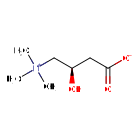
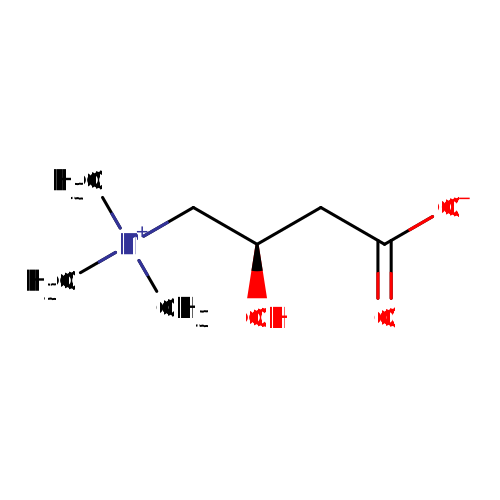
Structure for Levocarnitine (DB00583)
- Weight
- Average: 161.1989
Monoisotopic: 161.105193351 - Chemical Formula
- C7H15NO3
- Synonyms
- (-)-Carnitine
- (-)-L-Carnitine
- (R)-Carnitine
- 3-Carboxy-2-hydroxy-N,N,N-trimethyl-1-propanaminium hydroxide, inner salt
- Carnitina
- Carnitine
- L-Carnitine
- Levocarnitin
- Levocarnitina
- Lévocarnitine
- Levocarnitine
- Levocarnitinum
- Vitamin BT
- External IDs
- ST 261

Pharmacology
- Indication
For treatment of primary systemic carnitine deficiency, a genetic impairment of normal biosynthesis or utilization of levocarnitine from dietary sources, or for the treatment of secondary carnitine deficiency resulting from an inborn error of metabolism such as glutaric aciduria II, methyl malonic aciduria, propionic acidemia, and medium chain fatty acylCoA dehydrogenase deficiency. Used therapeutically to stimulate gastric and pancreatic secretions and in the treatment of hyperlipoproteinemias. Parenteral levocarnitine is indicated for the prevention and treatment of carnitine deficiency in patients with end-stage renal disease.
 Reduce drug development failure ratesBuild, train, & validate machine-learning modelswith evidence-based and structured datasets.Build, train, & validate predictive machine-learning models with structured datasets.
- Associated Conditions
Indication Type Indication Combined Product Details Approval Level Age Group Patient Characteristics Dose Form Prophylaxis of Carnitine deficiency •••••••••••• Treatment of Carnitine deficiency •••••••••••• Treatment of Primary carnitine deficiency •••••••••••• Treatment of Secondary carnitine deficiency •••••••••••• - Contraindications & Blackbox Warnings
 Prevent Adverse Drug Events TodayTap into our Clinical API for life-saving information on contraindications & blackbox warnings, population restrictions, harmful risks, & more.Avoid life-threatening adverse drug events with our Clinical API
- Pharmacodynamics
Levocarnitine is a carrier molecule in the transport of long chain fatty acids across the inner mitochondrial membrane. It also exports acyl groups from subcellular organelles and from cells to urine before they accumulate to toxic concentrations. Lack of carnitine can lead to liver, heart, and muscle problems. Carnitine deficiency is defined biochemically as abnormally low plasma concentrations of free carnitine, less than 20 µmol/L at one week post term and may be associated with low tissue and/or urine concentrations. Further, this condition may be associated with a plasma concentration ratio of acylcarnitine/levocarnitine greater than 0.4 or abnormally elevated concentrations of acylcarnitine in the urine. Only the L isomer of carnitine (sometimes called vitamin BT) affects lipid metabolism. The "vitamin BT" form actually contains D,L-carnitine, which competitively inhibits levocarnitine and can cause deficiency. Levocarnitine can be used therapeutically to stimulate gastric and pancreatic secretions and in the treatment of hyperlipoproteinemias.
- Mechanism of action
Levocarnitine can be synthesised within the body from the amino acids lysine or methionine. Vitamin C (ascorbic acid) is essential to the synthesis of carnitine. Levocarnitine is a carrier molecule in the transport of long chain fatty acids across the inner mitochondrial membrane. It also exports acyl groups from subcellular organelles and from cells to urine before they accumulate to toxic concentrations. Only the L isomer of carnitine (sometimes called vitamin BT) affects lipid metabolism. Levocarnitine is handled by several proteins in different pathways including carnitine transporters, carnitine translocases, carnitine acetyltransferases and carnitine palmitoyltransferases.
Target Actions Organism UXanthine dehydrogenase/oxidase Not Available Humans ULiver carboxylesterase 1 Not Available Humans UMyeloperoxidase Not Available Humans UCarnitine O-palmitoyltransferase 1, liver isoform activatorHumans USolute carrier family 22 member 4 Not Available Humans USolute carrier family 22 member 5 Not Available Humans UCarnitine O-acetyltransferase Not Available Humans UMitochondrial carnitine/acylcarnitine carrier protein CACL Not Available Humans UMitochondrial carnitine/acylcarnitine carrier protein Not Available Humans UPeroxisomal carnitine O-octanoyltransferase Not Available Humans UCarnitine O-palmitoyltransferase 2, mitochondrial Not Available Humans - Absorption
Absolute bioavailability is 15% (tablets or solution). Time to maximum plasma concentration was found to be 3.3 hours.
- Volume of distribution
The steady state volume of distribution (Vss) of an intravenously administered dose, above endogenous baseline levels, was calculated to be 29.0 +/- 7.1L. However this value is predicted to be an underestimate of the true Vss.
- Protein binding
None
- Metabolism
After oral administration L-carnitine which is unabsorbed is metabolized in the gastrointestinal tract by bacterial microflora. Major metabolites include trimethylamine N-oxide and [3H]-gamma-butyrobetaine.
Hover over products below to view reaction partners
- Route of elimination
Following a single intravenous dose, 73.1 +/- 16% of the dose was excreted in the urine during the 0-24 hour interval. Post administration of oral carnitine supplements, in addition to a high carnitine diet, 58-65% of the administered radioactive dose was recovered from urine and feces in 5-11 days.
- Half-life
17.4 hours (elimination) following a single intravenous dose.
- Clearance
Total body clearance was found to be a mean of 4L/h.
- Adverse Effects
 Improve decision support & research outcomesWith structured adverse effects data, including: blackbox warnings, adverse reactions, warning & precautions, & incidence rates. View sample adverse effects data in our new Data Library!Improve decision support & research outcomes with our structured adverse effects data.
- Toxicity
LD50 > 8g/kg (mouse, oral). Adverse effects include hypertension, fever, tachycardia and seizures.
- Pathways
- Pharmacogenomic Effects/ADRs
- Not Available
Interactions
- Drug Interactions
- This information should not be interpreted without the help of a healthcare provider. If you believe you are experiencing an interaction, contact a healthcare provider immediately. The absence of an interaction does not necessarily mean no interactions exist.
Drug Interaction Integrate drug-drug
interactions in your softwareAbacavir Levocarnitine may decrease the excretion rate of Abacavir which could result in a higher serum level. Abciximab The therapeutic efficacy of Abciximab can be increased when used in combination with Levocarnitine. Aceclofenac Aceclofenac may decrease the excretion rate of Levocarnitine which could result in a higher serum level. Acemetacin Acemetacin may decrease the excretion rate of Levocarnitine which could result in a higher serum level. Acenocoumarol The therapeutic efficacy of Acenocoumarol can be increased when used in combination with Levocarnitine. - Food Interactions
- Take with food. Taking levocarnitine oral solution with meals may reduce gastrointestinal upset such as nausea, vomiting, and cramping.
Products
 Drug product information from 10+ global regionsOur datasets provide approved product information including:dosage, form, labeller, route of administration, and marketing period.Access drug product information from over 10 global regions.
- Product Ingredients
Ingredient UNII CAS InChI Key Levocarnitine chloride J3Y5E6IKS3 6645-46-1 JXXCENBLGFBQJM-FYZOBXCZSA-N Levocarnitine fumarate 8Q37GK439O 220349-64-4 JWVWBJQLEMESMA-FYZOBXCZSA-M Levocarnitine tartrate 4D8F2Q45LQ 36687-82-8 RZALONVQKUWRRY-XOJLQXRJSA-M - Product Images

- International/Other Brands
- Albicar (Casasco) / Aveptol (Leovan Pharmaceuticals) / Biocarn (Medice) / Bitobionil (S.J.A.) / Cardimax (Integrated) / Cardispan (Grossman) / Carniben (Bennett Pharmaceuticals) / Carnicor (Sigma Tau) / Lecarna (Bennett Pharmaceuticals)
- Brand Name Prescription Products
Name Dosage Strength Route Labeller Marketing Start Marketing End Region Image Carnitor Tablet 330 mg Oral Leadiant Biosciences, Inc 1995-12-31 Not applicable Canada 
Carnitor Tablet 330 mg/1 Oral Leadiant Biosciences, Inc. 1985-12-27 Not applicable US 

Carnitor Solution 1 g/10mL Oral Leadiant Biosciences, Inc. 1986-04-10 Not applicable US Carnitor Solution 200 mg / mL Intravenous Leadiant Biosciences, Inc 1995-12-31 Not applicable Canada Carnitor Solution 100 mg / mL Oral Leadiant Biosciences, Inc 1995-12-31 Not applicable Canada - Generic Prescription Products
Name Dosage Strength Route Labeller Marketing Start Marketing End Region Image Levocarnitine Injection 1 g/5mL Intravenous Teva Parenteral Medicines, Inc. 2001-06-01 2012-12-31 US Levocarnitine Injection 1 g/5mL Intravenous Hikma Pharmaceuticals USA Inc. 2023-06-01 Not applicable US Levocarnitine Solution 1 g/10mL Oral Trupharma, Llc 2022-02-09 Not applicable US Levocarnitine Solution 1 g/10mL Oral Novitium Pharma Llc 2019-08-14 Not applicable US Levocarnitine Tablet 330 mg/1 Oral Rising Pharmaceuticals 2004-09-20 2017-12-31 US - Mixture Products
Name Ingredients Dosage Route Labeller Marketing Start Marketing End Region Image BEAUTIFUL CONTRACT - Slimming contract -Hui Ju Sheng Enterprise Corporation Ltd. Levocarnitine (210 mg/600mg) + Lecithin, soybean (36 mg/600mg) Capsule, gelatin coated Oral Phytopia Co., Ltd. 2016-04-01 2017-02-01 US Double Eyelid Levocarnitine (1 mg/5mL) + Glycerin (1 mg/5mL) + Hydroxyethyl ethylcellulose (1 mg/5mL) + Methylparaben (1 mg/5mL) Cream Cutaneous Shantou Youjia E-Commerce Co., Ltd. 2024-02-01 2024-12-31 US IQQU Acne Serum Levocarnitine (0.012 g/1g) + Lecithin, soybean (0.024 g/30g) + Ubidecarenone (0.0012 g/1g) Lotion Topical Iqqu Usa Co. 2009-08-01 Not applicable US Nutriforte Q10 Plus Levocarnitine (250 mg) + Ascorbic acid (12 mg) + Ubidecarenone (30 mg) + Vitamin E (60 iu) Tablet Oral PHARMAFORTE (MALAYSIA) SDN. BHD. 2020-09-08 Not applicable Malaysia 
Trimix MOF Emulsion zur Infusion Levocarnitine (1 g/1000mL) + Alanine (8 g/1000mL) + Arginine (5.65 g/1000mL) + Aspartic acid (1.7 g/1000mL) + D-glucose monohydrate (110 g/1000mL) + Fish oil (7.5 g/1000mL) + Glutamic acid (2.8 g/1000mL) + Glycylglutamine monohydrate (15.135 g/1000mL) + Glycyltyrosine dihydrate (1.725 g/1000mL) + Histidine (3.4 g/1000mL) + Isoleucine (2.8 g/1000mL) + Leucine (3.95 g/1000mL) + Lysine acetate (6.35 g/1000mL) + Medium-chain triglycerides (15 g/1000mL) + Methionine (2.8 g/1000mL) + Olive oil (12.5 g/1000mL) + Phenylalanine (2.925 g/1000mL) + Proline (3.4 g/1000mL) + Serine (2.25 g/1000mL) + Soybean oil (15 g/1000mL) + Threonine (2.8 g/1000mL) + Tryptophan (0.95 g/1000mL) + Valine (3.65 g/1000mL) Emulsion Parenteral Fresenius Kabi Austria Gmb H 2012-09-21 Not applicable Austria 
- Unapproved/Other Products
Name Ingredients Dosage Route Labeller Marketing Start Marketing End Region Image BEAUTIFUL CONTRACT - Slimming contract -Hui Ju Sheng Enterprise Corporation Ltd. Levocarnitine (210 mg/600mg) + Lecithin, soybean (36 mg/600mg) Capsule, gelatin coated Oral Phytopia Co., Ltd. 2016-04-01 2017-02-01 US IQQU Acne Serum Levocarnitine (0.012 g/1g) + Lecithin, soybean (0.024 g/30g) + Ubidecarenone (0.0012 g/1g) Lotion Topical Iqqu Usa Co. 2009-08-01 Not applicable US LEKARNITIN 1 G/5 ML IV ENJEKSIYONLUK COZELTI ICEREN AMPUL, 5 ADET Levocarnitine (1 g/5ml) Injection, solution Intravenous PHARMADA İLAÇ SAN. VE TİC. A.Ş. 2020-03-17 2024-01-23 Turkey 
Lipovite Levocarnitine (1 mg/1mL) + Choline (1 mg/1mL) + Chromium (1 mg/1mL) + Citrulline (1 mg/1mL) + Dexpanthenol (1 mg/1mL) + Inositol (1 mg/1mL) + Lidocaine (1 mg/1mL) + Mecobalamin (1 mg/1mL) + Methionine sulfoximine (1 mg/1mL) + Nicotinamide (1 mg/1mL) + Pyridoxine (1 mg/1mL) + Riboflavin (1 mg/1mL) + Thiamine chloride (1 mg/1mL) Injection Intramuscular Perdido Key Health And Wellness Inc 2015-11-23 Not applicable US


Categories
- ATC Codes
- A16AA01 — Levocarnitine
- Drug Categories
- Chemical TaxonomyProvided by Classyfire
- Description
- This compound belongs to the class of organic compounds known as carnitines. These are organic compounds containing the quaternary ammonium compound carnitine.
- Kingdom
- Organic compounds
- Super Class
- Organic nitrogen compounds
- Class
- Organonitrogen compounds
- Sub Class
- Quaternary ammonium salts
- Direct Parent
- Carnitines
- Alternative Parents
- Short-chain hydroxy acids and derivatives / Beta hydroxy acids and derivatives / Fatty acids and conjugates / Tetraalkylammonium salts / Secondary alcohols / Carboxylic acid salts / 1,2-aminoalcohols / Monocarboxylic acids and derivatives / Carboxylic acids / Organopnictogen compounds show 5 more
- Substituents
- 1,2-aminoalcohol / Alcohol / Aliphatic acyclic compound / Amine / Beta-hydroxy acid / Carbonyl group / Carboxylic acid / Carboxylic acid derivative / Carboxylic acid salt / Carnitine show 13 more
- Molecular Framework
- Aliphatic acyclic compounds
- External Descriptors
- carnitine (CHEBI:16347)
- Affected organisms
- Humans and other mammals
Chemical Identifiers
- UNII
- 0G389FZZ9M
- CAS number
- 541-15-1
- InChI Key
- PHIQHXFUZVPYII-ZCFIWIBFSA-N
- InChI
- InChI=1S/C7H15NO3/c1-8(2,3)5-6(9)4-7(10)11/h6,9H,4-5H2,1-3H3/t6-/m1/s1
- IUPAC Name
- (3R)-3-hydroxy-4-(trimethylazaniumyl)butanoate
- SMILES
- C[N+](C)(C)C[C@H](O)CC([O-])=O
References
- Synthesis Reference
Noguchi, J. and Sakota, N.; US. Patent 3,135,788; June 2,1964; assigned to Nihon Zoki Seiyaku Kabushikikaisha (Japan).
US4413142- General References
- External Links
- Human Metabolome Database
- HMDB0000062
- KEGG Drug
- D02176
- KEGG Compound
- C00318
- PubChem Compound
- 10917
- PubChem Substance
- 46505864
- ChemSpider
- 10455
- BindingDB
- 50037268
- 2106
- ChEBI
- 16347
- ChEMBL
- CHEMBL1149
- Therapeutic Targets Database
- DAP000958
- PharmGKB
- PA450154
- RxList
- RxList Drug Page
- Wikipedia
- Carnitine
- MSDS
- Download (72.7 KB)
Clinical Trials
- Clinical Trials
Phase Status Purpose Conditions Count 4 Completed Health Services Research Acquired Immune Deficiency Syndrome (AIDS) / Human Immunodeficiency Virus (HIV) Infections / Lactic Acidosis / Lipodystrophies 1 4 Completed Prevention Breast Cancer 1 4 Completed Treatment Hypothyroidism 1 4 Completed Treatment Nervous System Diseases, Sympathetic / Takotsubo Cardiomyopathy 1 4 Completed Treatment Polycystic Ovarian Syndrome (PCOS) 1
Pharmacoeconomics
- Manufacturers
- Sigma tau pharmaceuticals inc
- Bedford laboratories div ben venue laboratories inc
- Luitpold pharmaceuticals inc
- Teva parenteral medicines inc
- Hi tech pharmacal co inc
- Lyne laboratories inc
- Corepharma llc
- Packagers
- McLaren Medical
- Sigma-Tau Pharmaceuticals Inc.
- Spectrum Pharmaceuticals
- Vitaline Corp.
- Dosage Forms
Form Route Strength Capsule, gelatin coated Oral Solution Oral Solution Oral 10.000 g Tablet Oral 1.000 g Solution Intravenous Injection Intramuscular; Intravenous 500 mg Injection, solution 1 G/100ML Injection, solution 2.5 G/250ML Injection, solution Intravenous 2 G/5ML Solution Oral 1.5 G/5ML Solution Oral 30 % Solution Intravenous 1 g Injection, solution Intravenous 1 g/5mL Solution Intravenous 200 mg / mL Solution Oral 100 mg / mL Tablet Oral 330 mg Tablet Oral Tablet, chewable Oral Powder, for suspension Oral Cream Cutaneous Injection, powder, for solution Tablet, film coated Oral Solution Parenteral 1.0 g Syrup Capsule Oral Lotion Topical Solution Parenteral 1.000 g Solution Oral 1 G Solution Oral 10 g Injection, solution 1 G/5ML Injection, solution 2 G/5ML Injection, solution Intramuscular; Intravenous 1 g/5mL Solution 20 ML Solution Oral 2 G/10ML Tablet Oral 500 MG Tablet, chewable Oral 1 G Injection Intravenous 1 g/5mL Injection Intravenous 2.5 g/12.5mL Injection, solution Intravenous 200 mg/1mL Solution Oral 1 g/10mL Tablet Oral 330 mg/1 Injection Intramuscular Injection, solution Intramuscular; Intravenous Syrup 100 mg/ml Injection, solution Solution Intravenous 1.000 g Solution Oral 100.000 mg Syrup 50 ml Solution Oral 1 g/3.3ml Injection, solution Parenteral 1 g/5ml Tablet Oral Capsule Oral Emulsion Parenteral Solution Intravenous 1.00 g Tablet, film coated Oral 5 mg/1 - Prices
Unit description Cost Unit Carnitor 90 330 mg tablet Bottle 90.44USD bottle Carnitor 1 gm/10ml Solution 118ml Bottle 39.99USD bottle Carnitor 1 gm/5 ml vial 7.68USD ml L-carnitine powder 4.28USD g Carnitor 330 mg tablet 0.97USD tablet L-carnitine 500 mg caplet 0.31USD caplet G-levocarnitine 100 mg/ml soln 0.15USD ml DrugBank does not sell nor buy drugs. Pricing information is supplied for informational purposes only.- Patents
Patent Number Pediatric Extension Approved Expires (estimated) Region US6335369 No 2002-01-01 2021-01-18 US US6429230 No 2002-08-06 2021-01-18 US US6696493 No 2004-02-24 2021-01-18 US
Properties
- State
- Solid
- Experimental Properties
Property Value Source melting point (°C) 195-198 Noguchi, J. and Sakota, N.; US. Patent 3,135,788; June 2,1964; assigned to Nihon Zoki Seiyaku Kabushikikaisha (Japan). water solubility 2500 mg/mL Not Available pKa 3.8 Not Available - Predicted Properties
Property Value Source Water Solubility 5.33 mg/mL ALOGPS logP -2.9 ALOGPS logP -4.9 Chemaxon logS -1.6 ALOGPS pKa (Strongest Acidic) 4.2 Chemaxon pKa (Strongest Basic) -3.6 Chemaxon Physiological Charge 0 Chemaxon Hydrogen Acceptor Count 3 Chemaxon Hydrogen Donor Count 1 Chemaxon Polar Surface Area 60.36 Å2 Chemaxon Rotatable Bond Count 4 Chemaxon Refractivity 63.49 m3·mol-1 Chemaxon Polarizability 16.93 Å3 Chemaxon Number of Rings 0 Chemaxon Bioavailability 1 Chemaxon Rule of Five Yes Chemaxon Ghose Filter No Chemaxon Veber's Rule No Chemaxon MDDR-like Rule No Chemaxon - Predicted ADMET Features
Property Value Probability Human Intestinal Absorption - 0.9409 Blood Brain Barrier + 0.8568 Caco-2 permeable + 0.5952 P-glycoprotein substrate Non-substrate 0.6583 P-glycoprotein inhibitor I Non-inhibitor 0.9784 P-glycoprotein inhibitor II Non-inhibitor 0.8966 Renal organic cation transporter Non-inhibitor 0.9161 CYP450 2C9 substrate Non-substrate 0.8372 CYP450 2D6 substrate Non-substrate 0.845 CYP450 3A4 substrate Non-substrate 0.5297 CYP450 1A2 substrate Non-inhibitor 0.9361 CYP450 2C9 inhibitor Non-inhibitor 0.951 CYP450 2D6 inhibitor Non-inhibitor 0.9382 CYP450 2C19 inhibitor Non-inhibitor 0.9348 CYP450 3A4 inhibitor Non-inhibitor 0.9627 CYP450 inhibitory promiscuity Low CYP Inhibitory Promiscuity 0.9874 Ames test Non AMES toxic 0.8832 Carcinogenicity Carcinogens 0.6127 Biodegradation Ready biodegradable 0.9234 Rat acute toxicity 2.1624 LD50, mol/kg Not applicable hERG inhibition (predictor I) Weak inhibitor 0.9731 hERG inhibition (predictor II) Non-inhibitor 0.914
Spectra
- Mass Spec (NIST)
- Not Available
- Spectra
- Chromatographic Properties
Collision Cross Sections (CCS)
Adduct CCS Value (Å2) Source type Source [M-H]- 137.3232043 predictedDarkChem Lite v0.1.0 [M-H]- 135.9984636 predictedDarkChem Lite v0.1.0 [M-H]- 137.2928043 predictedDarkChem Lite v0.1.0 [M-H]- 120.94928 predictedDeepCCS 1.0 (2019) [M+H]+ 137.7662043 predictedDarkChem Lite v0.1.0 [M+H]+ 136.4192636 predictedDarkChem Lite v0.1.0 [M+H]+ 137.4572043 predictedDarkChem Lite v0.1.0 [M+H]+ 124.68294 predictedDeepCCS 1.0 (2019) [M+Na]+ 137.3959043 predictedDarkChem Lite v0.1.0 [M+Na]+ 135.5031636 predictedDarkChem Lite v0.1.0 [M+Na]+ 137.2472043 predictedDarkChem Lite v0.1.0 [M+Na]+ 133.36156 predictedDeepCCS 1.0 (2019)
Targets

- Kind
- Protein
- Organism
- Humans
- Pharmacological action
- Unknown
- General Function
- Xanthine oxidase activity
- Specific Function
- Key enzyme in purine degradation. Catalyzes the oxidation of hypoxanthine to xanthine. Catalyzes the oxidation of xanthine to uric acid. Contributes to the generation of reactive oxygen species. Ha...
- Gene Name
- XDH
- Uniprot ID
- P47989
- Uniprot Name
- Xanthine dehydrogenase/oxidase
- Molecular Weight
- 146422.99 Da
References
- Di Giacomo C, Latteri F, Fichera C, Sorrenti V, Campisi A, Castorina C, Russo A, Pinturo R, Vanella A: Effect of acetyl-L-carnitine on lipid peroxidation and xanthine oxidase activity in rat skeletal muscle. Neurochem Res. 1993 Nov;18(11):1157-62. [Article]
- Kind
- Protein
- Organism
- Humans
- Pharmacological action
- Unknown
- General Function
- Triglyceride lipase activity
- Specific Function
- Involved in the detoxification of xenobiotics and in the activation of ester and amide prodrugs. Hydrolyzes aromatic and aliphatic esters, but has no catalytic activity toward amides or a fatty acy...
- Gene Name
- CES1
- Uniprot ID
- P23141
- Uniprot Name
- Liver carboxylesterase 1
- Molecular Weight
- 62520.62 Da
References
- Bell FP: Carnitine ester hydrolysis in arteries from normal and cholesterol-fed rabbits and the effects of carnitine esters on arterial microsomal ACAT. Comp Biochem Physiol B. 1984;79(2):125-8. [Article]
- Kind
- Protein
- Organism
- Humans
- Pharmacological action
- Unknown
- General Function
- Peroxidase activity
- Specific Function
- Part of the host defense system of polymorphonuclear leukocytes. It is responsible for microbicidal activity against a wide range of organisms. In the stimulated PMN, MPO catalyzes the production o...
- Gene Name
- MPO
- Uniprot ID
- P05164
- Uniprot Name
- Myeloperoxidase
- Molecular Weight
- 83867.71 Da
References
- Derin N, Agac A, Bayram Z, Asar M, Izgut-Uysal VN: Effects of L-carnitine on neutrophil-mediated ischemia-reperfusion injury in rat stomach. Cell Biochem Funct. 2006 Sep-Oct;24(5):437-42. [Article]
- Kind
- Protein
- Organism
- Humans
- Pharmacological action
- Unknown
- Actions
- Activator
- General Function
- Carnitine o-palmitoyltransferase activity
- Specific Function
- Catalyzes the transfer of the acyl group of long-chain fatty acid-CoA conjugates onto carnitine, an essential step for the mitochondrial uptake of long-chain fatty acids and their subsequent beta-o...
- Gene Name
- CPT1A
- Uniprot ID
- P50416
- Uniprot Name
- Carnitine O-palmitoyltransferase 1, liver isoform
- Molecular Weight
- 88366.92 Da
References
- Xu ZR, Wang MQ, Mao HX, Zhan XA, Hu CH: Effects of L-carnitine on growth performance, carcass composition, and metabolism of lipids in male broilers. Poult Sci. 2003 Mar;82(3):408-13. [Article]
- Morillas M, Lopez-Vinas E, Valencia A, Serra D, Gomez-Puertas P, Hegardt FG, Asins G: Structural model of carnitine palmitoyltransferase I based on the carnitine acetyltransferase crystal. Biochem J. 2004 May 1;379(Pt 3):777-84. [Article]
- Tripodi G, Modica R, Stella A, Bigatti G, Bianchi G, Stella P: Haplotype analysis of carnitine transporters and left ventricular mass in human essential hypertension. J Ren Nutr. 2005 Jan;15(1):2-7. [Article]
- Waldner R, Laschan C, Lohninger A, Gessner M, Tuchler H, Huemer M, Spiegel W, Karlic H: Effects of doxorubicin-containing chemotherapy and a combination with L-carnitine on oxidative metabolism in patients with non-Hodgkin lymphoma. J Cancer Res Clin Oncol. 2006 Feb;132(2):121-8. Epub 2005 Nov 8. [Article]
- Shin ES, Cho SY, Lee EH, Lee SJ, Chang IS, Lee TR: Positive regulation of hepatic carnitine palmitoyl transferase 1A (CPT1A) activities by soy isoflavones and L-carnitine. Eur J Nutr. 2006 Mar;45(3):159-64. Epub 2005 Dec 20. [Article]
- Chen X, Ji ZL, Chen YZ: TTD: Therapeutic Target Database. Nucleic Acids Res. 2002 Jan 1;30(1):412-5. [Article]
- Kind
- Protein
- Organism
- Humans
- Pharmacological action
- Unknown
- General Function
- Symporter activity
- Specific Function
- Sodium-ion dependent, low affinity carnitine transporter. Probably transports one sodium ion with one molecule of carnitine. Also transports organic cations such as tetraethylammonium (TEA) without...
- Gene Name
- SLC22A4
- Uniprot ID
- Q9H015
- Uniprot Name
- Solute carrier family 22 member 4
- Molecular Weight
- 62154.48 Da
References
- Kristufek D, Rudorfer W, Pifl C, Huck S: Organic cation transporter mRNA and function in the rat superior cervical ganglion. J Physiol. 2002 Aug 15;543(Pt 1):117-34. [Article]
- Amat di San Filippo C, Wang Y, Longo N: Functional domains in the carnitine transporter OCTN2, defective in primary carnitine deficiency. J Biol Chem. 2003 Nov 28;278(48):47776-84. Epub 2003 Sep 23. [Article]
- Lamhonwah AM, Ackerley C, Onizuka R, Tilups A, Lamhonwah D, Chung C, Tao KS, Tellier R, Tein I: Epitope shared by functional variant of organic cation/carnitine transporter, OCTN1, Campylobacter jejuni and Mycobacterium paratuberculosis may underlie susceptibility to Crohn's disease at 5q31. Biochem Biophys Res Commun. 2005 Dec 2;337(4):1165-75. Epub 2005 Oct 6. [Article]
- Lash LH, Putt DA, Cai H: Membrane transport function in primary cultures of human proximal tubular cells. Toxicology. 2006 Dec 7;228(2-3):200-18. Epub 2006 Sep 1. [Article]
- Kind
- Protein
- Organism
- Humans
- Pharmacological action
- Unknown
- General Function
- Symporter activity
- Specific Function
- Sodium-ion dependent, high affinity carnitine transporter. Involved in the active cellular uptake of carnitine. Transports one sodium ion with one molecule of carnitine. Also transports organic cat...
- Gene Name
- SLC22A5
- Uniprot ID
- O76082
- Uniprot Name
- Solute carrier family 22 member 5
- Molecular Weight
- 62751.08 Da
References
- Lahjouji K, Elimrani I, Wu J, Mitchell GA, Qureshi IA: A heterozygote phenotype is present in the jvs +/- mutant mouse livers. Mol Genet Metab. 2002 May;76(1):76-80. [Article]
- Kristufek D, Rudorfer W, Pifl C, Huck S: Organic cation transporter mRNA and function in the rat superior cervical ganglion. J Physiol. 2002 Aug 15;543(Pt 1):117-34. [Article]
- Ohashi R, Tamai I, Inano A, Katsura M, Sai Y, Nezu J, Tsuji A: Studies on functional sites of organic cation/carnitine transporter OCTN2 (SLC22A5) using a Ser467Cys mutant protein. J Pharmacol Exp Ther. 2002 Sep;302(3):1286-94. [Article]
- Hou JW: Primary systemic carnitine deficiency presenting as recurrent Reye-like syndrome and dilated cardiomyopathy. Chang Gung Med J. 2002 Dec;25(12):832-7. [Article]
- Friedrich A, Prasad PD, Freyer D, Ganapathy V, Brust P: Molecular cloning and functional characterization of the OCTN2 transporter at the RBE4 cells, an in vitro model of the blood-brain barrier. Brain Res. 2003 Apr 4;968(1):69-79. [Article]
- Kind
- Protein
- Organism
- Humans
- Pharmacological action
- Unknown
- General Function
- Receptor binding
- Specific Function
- Carnitine acetylase is specific for short chain fatty acids. Carnitine acetylase seems to affect the flux through the pyruvate dehydrogenase complex. It may be involved as well in the transport of ...
- Gene Name
- CRAT
- Uniprot ID
- P43155
- Uniprot Name
- Carnitine O-acetyltransferase
- Molecular Weight
- 70857.055 Da
References
- Jogl G, Tong L: Crystal structure of carnitine acetyltransferase and implications for the catalytic mechanism and fatty acid transport. Cell. 2003 Jan 10;112(1):113-22. [Article]
- Wu D, Govindasamy L, Lian W, Gu Y, Kukar T, Agbandje-McKenna M, McKenna R: Structure of human carnitine acetyltransferase. Molecular basis for fatty acyl transfer. J Biol Chem. 2003 Apr 11;278(15):13159-65. Epub 2003 Jan 31. [Article]
- Vikramadithyan RK, Hiriyan J, Suresh J, Gershome C, Babu RK, Misra P, Rajagopalan R, Chakrabarti R: DRF 2655: a unique molecule that reduces body weight and ameliorates metabolic abnormalities. Obes Res. 2003 Feb;11(2):292-303. [Article]
- Govindasamy L, Kukar T, Lian W, Pedersen B, Gu Y, Agbandje-McKenna M, Jin S, McKenna R, Wu D: Structural and mutational characterization of L-carnitine binding to human carnitine acetyltransferase. J Struct Biol. 2004 Jun;146(3):416-24. [Article]
- Cordente AG, Lopez-Vinas E, Vazquez MI, Swiegers JH, Pretorius IS, Gomez-Puertas P, Hegardt FG, Asins G, Serra D: Redesign of carnitine acetyltransferase specificity by protein engineering. J Biol Chem. 2004 Aug 6;279(32):33899-908. Epub 2004 May 21. [Article]
- Kind
- Protein
- Organism
- Humans
- Pharmacological action
- Unknown
- General Function
- Acyl carnitine transmembrane transporter activity
- Specific Function
- Transports arginine, lysine, homoarginine, methylarginine and, to a much lesser extent, ornithine and histidine. Does not transport carnitine nor acylcarnitines. Functions by both counter-exchange ...
- Gene Name
- SLC25A29
- Uniprot ID
- Q8N8R3
- Uniprot Name
- Mitochondrial basic amino acids transporter
- Molecular Weight
- 32061.87 Da
References
- Sekoguchi E, Sato N, Yasui A, Fukada S, Nimura Y, Aburatani H, Ikeda K, Matsuura A: A novel mitochondrial carnitine-acylcarnitine translocase induced by partial hepatectomy and fasting. J Biol Chem. 2003 Oct 3;278(40):38796-802. Epub 2003 Jul 25. [Article]
- Kind
- Protein
- Organism
- Humans
- Pharmacological action
- Unknown
- General Function
- Not Available
- Specific Function
- Mediates the transport of acylcarnitines of different length across the mitochondrial inner membrane from the cytosol to the mitochondrial matrix for their oxidation by the mitochondrial fatty acid...
- Gene Name
- SLC25A20
- Uniprot ID
- O43772
- Uniprot Name
- Mitochondrial carnitine/acylcarnitine carrier protein
- Molecular Weight
- 32943.46 Da
References
- Sekoguchi E, Sato N, Yasui A, Fukada S, Nimura Y, Aburatani H, Ikeda K, Matsuura A: A novel mitochondrial carnitine-acylcarnitine translocase induced by partial hepatectomy and fasting. J Biol Chem. 2003 Oct 3;278(40):38796-802. Epub 2003 Jul 25. [Article]
- Peluso G, Petillo O, Margarucci S, Grippo P, Melone MA, Tuccillo F, Calvani M: Differential carnitine/acylcarnitine translocase expression defines distinct metabolic signatures in skeletal muscle cells. J Cell Physiol. 2005 May;203(2):439-46. [Article]
- Tonazzi A, Giangregorio N, Indiveri C, Palmieri F: Identification by site-directed mutagenesis and chemical modification of three vicinal cysteine residues in rat mitochondrial carnitine/acylcarnitine transporter. J Biol Chem. 2005 May 20;280(20):19607-12. Epub 2005 Mar 9. [Article]
- Kind
- Protein
- Organism
- Humans
- Pharmacological action
- Unknown
- General Function
- Receptor binding
- Specific Function
- Beta-oxidation of fatty acids. The highest activity concerns the C6 to C10 chain length substrate. Converts the end product of pristanic acid beta oxidation, 4,8-dimethylnonanoyl-CoA, to its corres...
- Gene Name
- CROT
- Uniprot ID
- Q9UKG9
- Uniprot Name
- Peroxisomal carnitine O-octanoyltransferase
- Molecular Weight
- 70177.935 Da
References
- Cordente AG, Lopez-Vinas E, Vazquez MI, Swiegers JH, Pretorius IS, Gomez-Puertas P, Hegardt FG, Asins G, Serra D: Redesign of carnitine acetyltransferase specificity by protein engineering. J Biol Chem. 2004 Aug 6;279(32):33899-908. Epub 2004 May 21. [Article]
- Cordente AG, Lopez-Vinas E, Vazquez MI, Gomez-Puertas P, Asins G, Serra D, Hegardt FG: Mutagenesis of specific amino acids converts carnitine acetyltransferase into carnitine palmitoyltransferase. Biochemistry. 2006 May 16;45(19):6133-41. [Article]
- Kind
- Protein
- Organism
- Humans
- Pharmacological action
- Unknown
- General Function
- Carnitine o-palmitoyltransferase activity
- Specific Function
- Not Available
- Gene Name
- CPT2
- Uniprot ID
- P23786
- Uniprot Name
- Carnitine O-palmitoyltransferase 2, mitochondrial
- Molecular Weight
- 73776.335 Da
References
- Barrero MJ, Camarero N, Marrero PF, Haro D: Control of human carnitine palmitoyltransferase II gene transcription by peroxisome proliferator-activated receptor through a partially conserved peroxisome proliferator-responsive element. Biochem J. 2003 Feb 1;369(Pt 3):721-9. [Article]
- Kong JY, Rabkin SW: Lovastatin does not accentuate but is rather additive to palmitate-induced apoptosis in cardiomyocytes. Prostaglandins Leukot Essent Fatty Acids. 2002 Nov;67(5):293-302. [Article]
- Rasmussen BB, Holmback UC, Volpi E, Morio-Liondore B, Paddon-Jones D, Wolfe RR: Malonyl coenzyme A and the regulation of functional carnitine palmitoyltransferase-1 activity and fat oxidation in human skeletal muscle. J Clin Invest. 2002 Dec;110(11):1687-93. [Article]
- Price NT, Jackson VN, van der Leij FR, Cameron JM, Travers MT, Bartelds B, Huijkman NC, Zammit VA: Cloning and expression of the liver and muscle isoforms of ovine carnitine palmitoyltransferase 1: residues within the N-terminus of the muscle isoform influence the kinetic properties of the enzyme. Biochem J. 2003 Jun 15;372(Pt 3):871-9. [Article]
- Lehtihet M, Welsh N, Berggren PO, Cook GA, Sjoholm A: Glibenclamide inhibits islet carnitine palmitoyltransferase 1 activity, leading to PKC-dependent insulin exocytosis. Am J Physiol Endocrinol Metab. 2003 Aug;285(2):E438-46. Epub 2003 Apr 8. [Article]
Transporters
- Kind
- Protein
- Organism
- Humans
- Pharmacological action
- Unknown
- Actions
- SubstrateInhibitor
- General Function
- Symporter activity
- Specific Function
- Sodium-ion dependent, low affinity carnitine transporter. Probably transports one sodium ion with one molecule of carnitine. Also transports organic cations such as tetraethylammonium (TEA) without...
- Gene Name
- SLC22A4
- Uniprot ID
- Q9H015
- Uniprot Name
- Solute carrier family 22 member 4
- Molecular Weight
- 62154.48 Da
References
- Yabuuchi H, Tamai I, Nezu J, Sakamoto K, Oku A, Shimane M, Sai Y, Tsuji A: Novel membrane transporter OCTN1 mediates multispecific, bidirectional, and pH-dependent transport of organic cations. J Pharmacol Exp Ther. 1999 May;289(2):768-73. [Article]
- Tamai I, Ohashi R, Nezu JI, Sai Y, Kobayashi D, Oku A, Shimane M, Tsuji A: Molecular and functional characterization of organic cation/carnitine transporter family in mice. J Biol Chem. 2000 Dec 22;275(51):40064-72. [Article]
- Kind
- Protein
- Organism
- Humans
- Pharmacological action
- Unknown
- Actions
- Inhibitor
- General Function
- Sodium-independent organic anion transmembrane transporter activity
- Specific Function
- Mediates the Na(+)-independent uptake of organic anions such as pravastatin, taurocholate, methotrexate, dehydroepiandrosterone sulfate, 17-beta-glucuronosyl estradiol, estrone sulfate, prostagland...
- Gene Name
- SLCO1B1
- Uniprot ID
- Q9Y6L6
- Uniprot Name
- Solute carrier organic anion transporter family member 1B1
- Molecular Weight
- 76447.99 Da
References
- Nozawa T, Tamai I, Sai Y, Nezu J, Tsuji A: Contribution of organic anion transporting polypeptide OATP-C to hepatic elimination of the opioid pentapeptide analogue [D-Ala2, D-Leu5]-enkephalin. J Pharm Pharmacol. 2003 Jul;55(7):1013-20. [Article]
- Kind
- Protein
- Organism
- Humans
- Pharmacological action
- Unknown
- Actions
- Substrate
- General Function
- Symporter activity
- Specific Function
- Sodium-ion dependent, high affinity carnitine transporter. Involved in the active cellular uptake of carnitine. Transports one sodium ion with one molecule of carnitine. Also transports organic cat...
- Gene Name
- SLC22A5
- Uniprot ID
- O76082
- Uniprot Name
- Solute carrier family 22 member 5
- Molecular Weight
- 62751.08 Da
References
- Tamai I, China K, Sai Y, Kobayashi D, Nezu J, Kawahara E, Tsuji A: Na(+)-coupled transport of L-carnitine via high-affinity carnitine transporter OCTN2 and its subcellular localization in kidney. Biochim Biophys Acta. 2001 Jun 6;1512(2):273-84. [Article]
- Friedrich A, Prasad PD, Freyer D, Ganapathy V, Brust P: Molecular cloning and functional characterization of the OCTN2 transporter at the RBE4 cells, an in vitro model of the blood-brain barrier. Brain Res. 2003 Apr 4;968(1):69-79. [Article]
- Elimrani I, Lahjouji K, Seidman E, Roy MJ, Mitchell GA, Qureshi I: Expression and localization of organic cation/carnitine transporter OCTN2 in Caco-2 cells. Am J Physiol Gastrointest Liver Physiol. 2003 May;284(5):G863-71. Epub 2003 Jan 10. [Article]
- Ohashi R, Tamai I, Yabuuchi H, Nezu JI, Oku A, Sai Y, Shimane M, Tsuji A: Na(+)-dependent carnitine transport by organic cation transporter (OCTN2): its pharmacological and toxicological relevance. J Pharmacol Exp Ther. 1999 Nov;291(2):778-84. [Article]
- Tamai I, Ohashi R, Nezu JI, Sai Y, Kobayashi D, Oku A, Shimane M, Tsuji A: Molecular and functional characterization of organic cation/carnitine transporter family in mice. J Biol Chem. 2000 Dec 22;275(51):40064-72. [Article]
- Wu X, Huang W, Prasad PD, Seth P, Rajan DP, Leibach FH, Chen J, Conway SJ, Ganapathy V: Functional characteristics and tissue distribution pattern of organic cation transporter 2 (OCTN2), an organic cation/carnitine transporter. J Pharmacol Exp Ther. 1999 Sep;290(3):1482-92. [Article]
- Kind
- Protein
- Organism
- Humans
- Pharmacological action
- Unknown
- Actions
- Substrate
- General Function
- Organic cation transmembrane transporter activity
- Specific Function
- High affinity carnitine transporter; the uptake is partially sodium-ion dependent. Thought to mediate the L-carnitine secretion mechanism from testis epididymal epithelium into the lumen which is i...
- Gene Name
- SLC22A16
- Uniprot ID
- Q86VW1
- Uniprot Name
- Solute carrier family 22 member 16
- Molecular Weight
- 64613.58 Da
References
- Enomoto A, Wempe MF, Tsuchida H, Shin HJ, Cha SH, Anzai N, Goto A, Sakamoto A, Niwa T, Kanai Y, Anders MW, Endou H: Molecular identification of a novel carnitine transporter specific to human testis. Insights into the mechanism of carnitine recognition. J Biol Chem. 2002 Sep 27;277(39):36262-71. Epub 2002 Jun 27. [Article]
- Kind
- Protein
- Organism
- Humans
- Pharmacological action
- Unknown
- Actions
- Substrate
- General Function
- Sodium-independent organic anion transmembrane transporter activity
- Specific Function
- Plays an important role in the excretion/detoxification of endogenous and exogenous organic anions, especially from the brain and kidney. Involved in the transport basolateral of steviol, fexofenad...
- Gene Name
- SLC22A8
- Uniprot ID
- Q8TCC7
- Uniprot Name
- Solute carrier family 22 member 8
- Molecular Weight
- 59855.585 Da
References
- Kobayashi Y, Ohshiro N, Tsuchiya A, Kohyama N, Ohbayashi M, Yamamoto T: Renal transport of organic compounds mediated by mouse organic anion transporter 3 (mOat3): further substrate specificity of mOat3. Drug Metab Dispos. 2004 May;32(5):479-83. [Article]

Drug created at June 13, 2005 13:24 / Updated at April 23, 2024 11:38